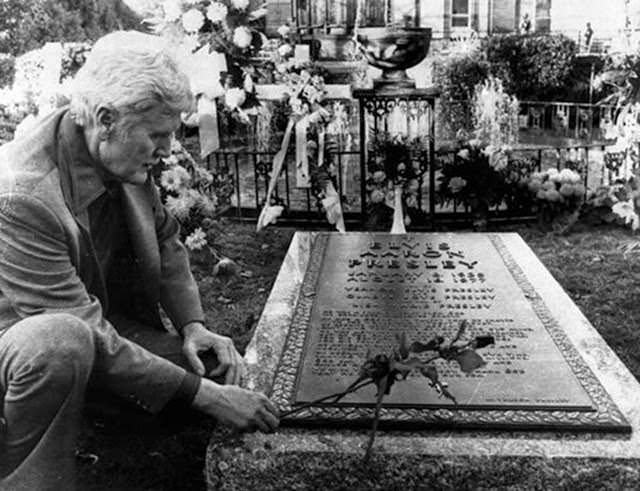

Elvis Presley died at his home, Graceland, on August 16th, 1977. He was 42 years old.
The early morning of the 16th saw Elvis handling last-minute tour details. He spent time relaxing with his family and staff. He was scheduled to fly to Portland, Maine, that night for a performance on the 17th and to continue his tour.
Around 7:00 AM, Elvis retired to his master suite at Graceland to rest before his evening flight. By late morning, he had died of heart failure.
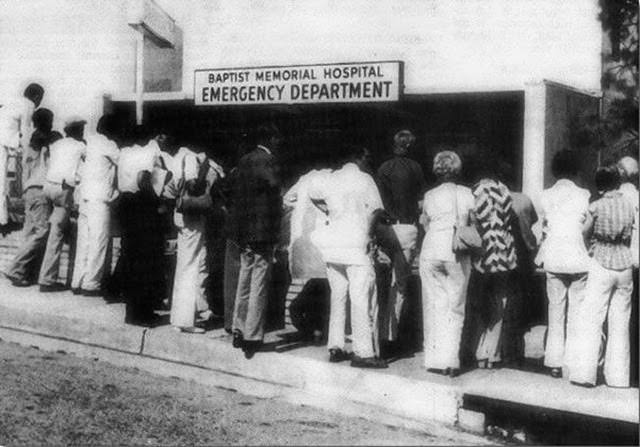
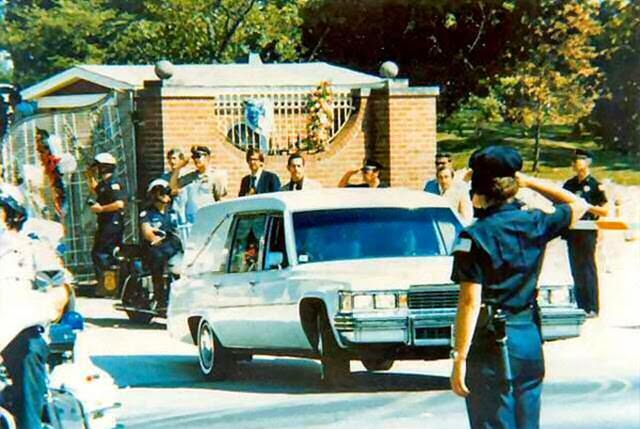
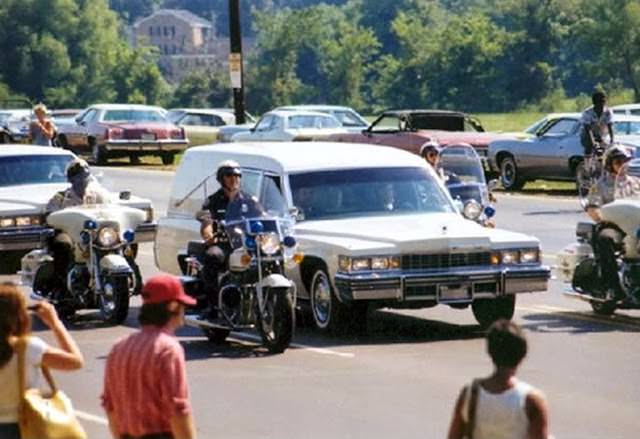
Paramedics were called immediately but were unable to revive him. He was transported to Baptist Memorial Hospital, where further attempts at resuscitation failed. Dr. George Nichopolous pronounced him dead and listed the cause of death as cardiac arrhythmia, or an erratic heartbeat.
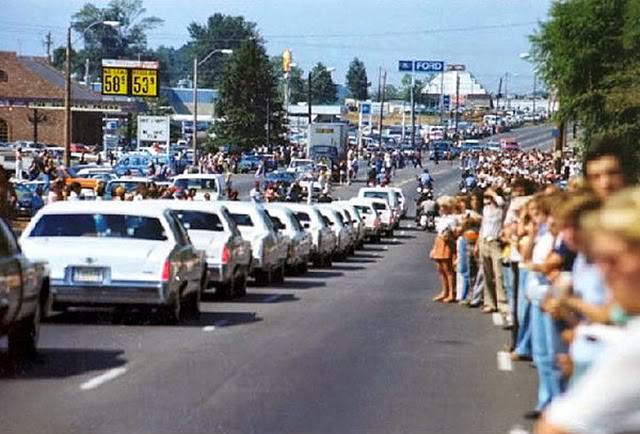
The news of Elvis’ death spread quickly across the United States and around the world. Radio stations immediately began playing his music. Some stations organized tributes, while others simply continued to play his songs at the request of listeners. Many fans called their favorite stations to share stories of the first time they heard Elvis sing or to express how much his music meant to them.
For millions of people, the moment Elvis died became a landmark memory. Many remember exactly where they were when they heard the news, similar to how others recall hearing about President John F. Kennedy’s assassination. Mick Fleetwood of Fleetwood Mac recalled driving back from the mountains, listening to the radio when the news was announced. He said it hit him like “a ton of bricks.”
Read more
Television networks treated the news with special coverage, reflecting Elvis’ enormous popularity. Evening news programs saw a massive surge in viewers, according to Arbitron ratings. The spike in television viewership revealed the scale of his impact on American culture.
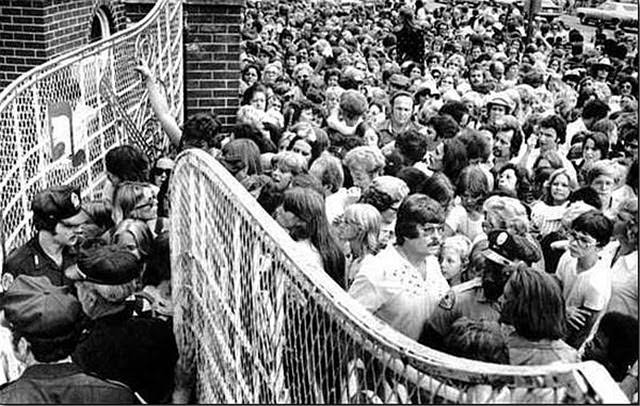
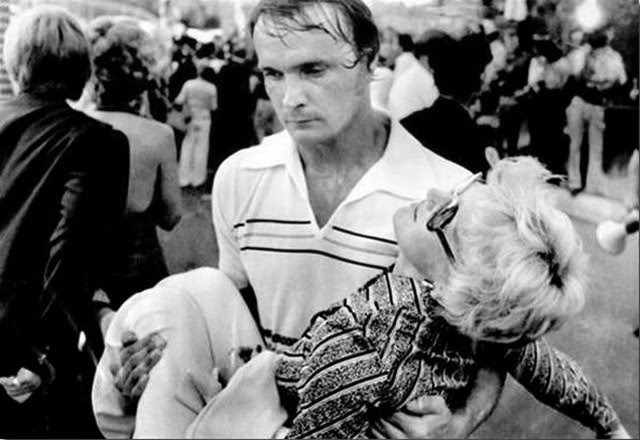
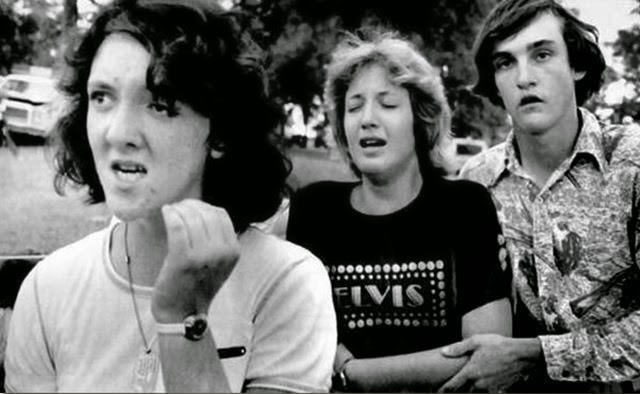
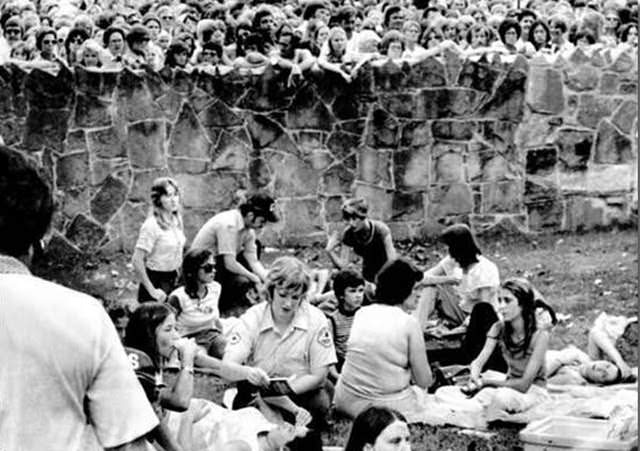
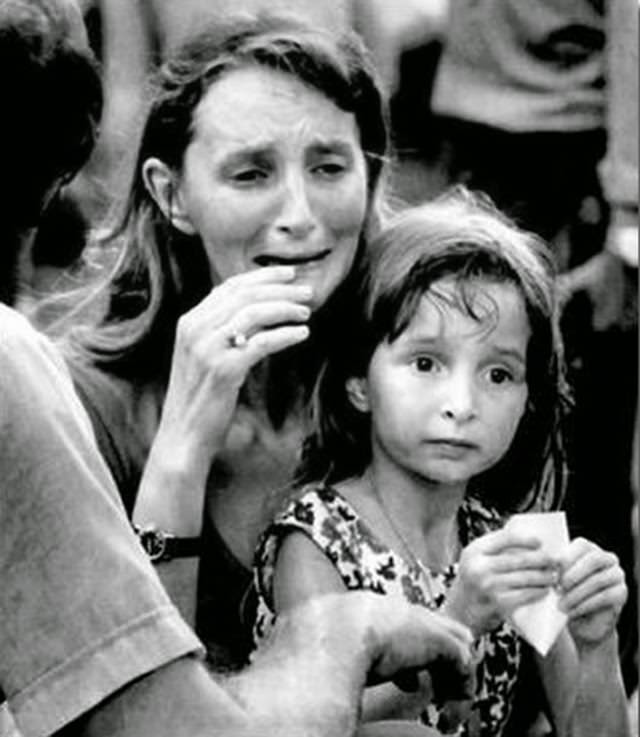
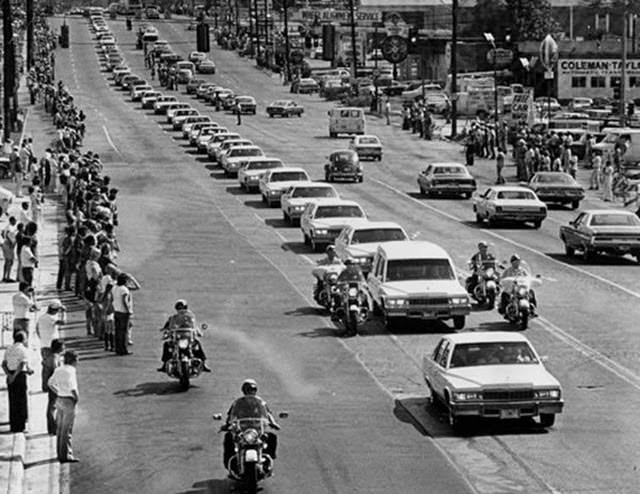
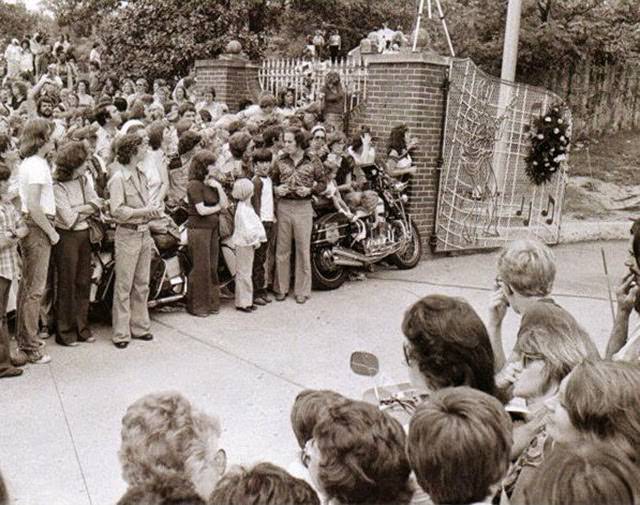
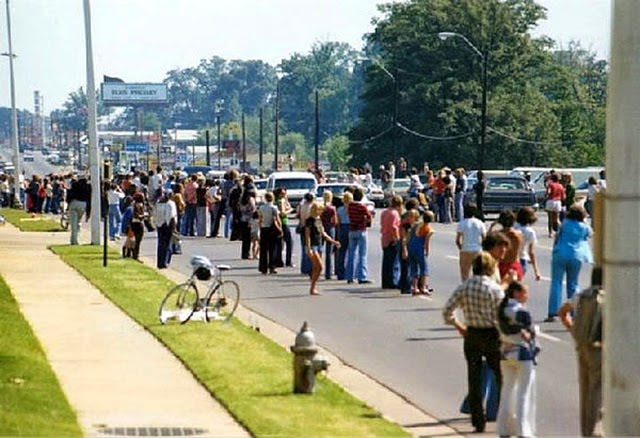
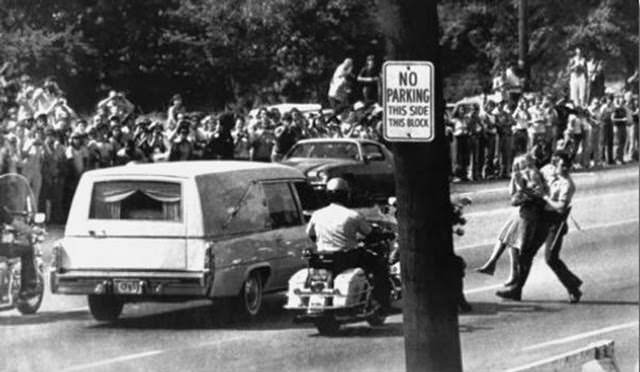
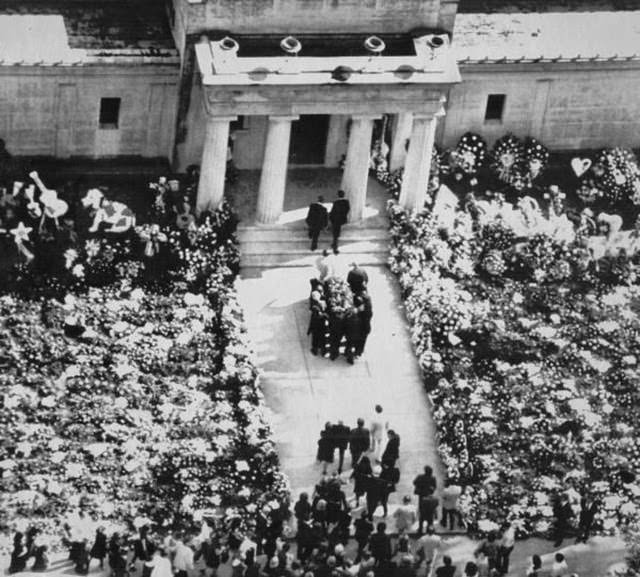
Fans across the country mourned collectively. Streets, homes, and radio stations were filled with conversations, tears, and music. The immediate response highlighted how deeply Elvis Presley’s talent and presence had touched millions of lives.
Elvis’ death at Graceland marked the end of an era. In the hours and days that followed, his music continued to play, keeping his presence alive even as the world absorbed the shock of his sudden passing.