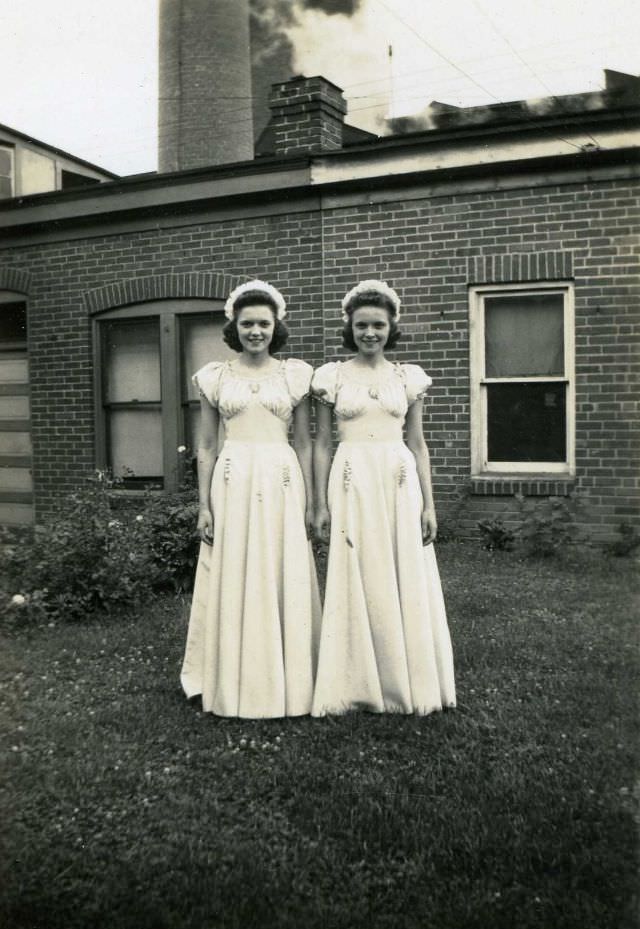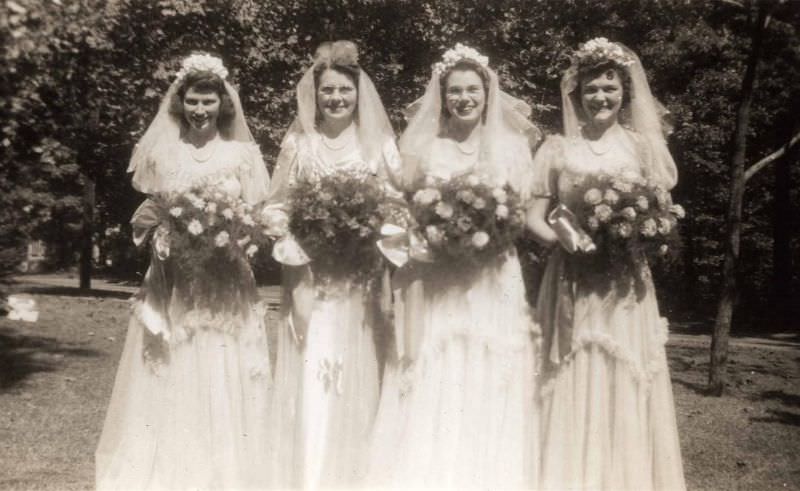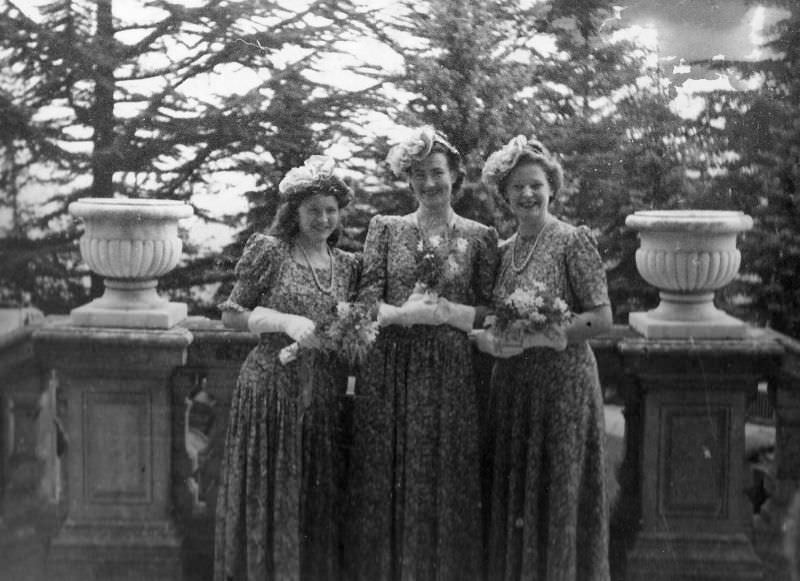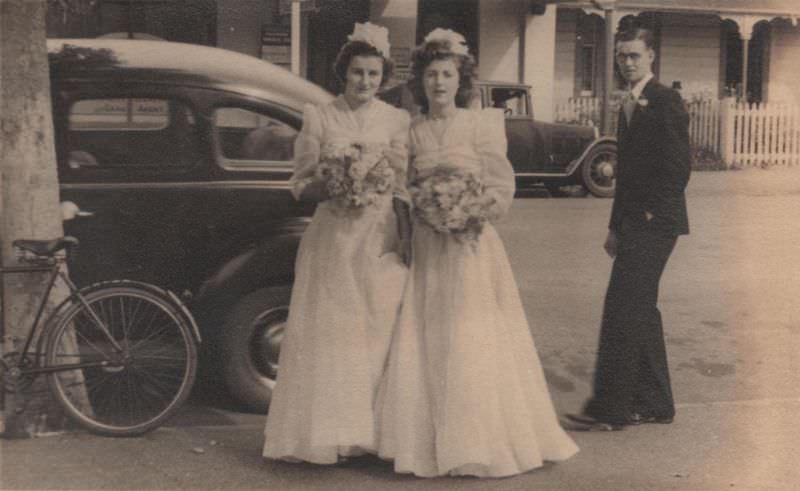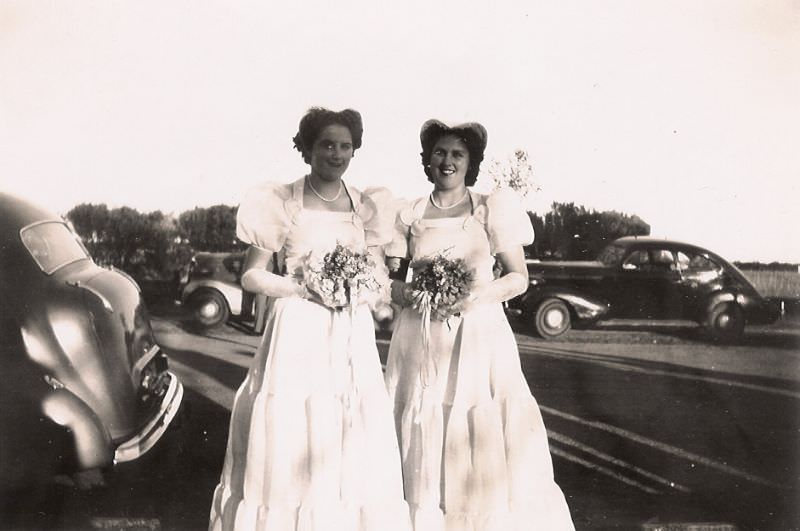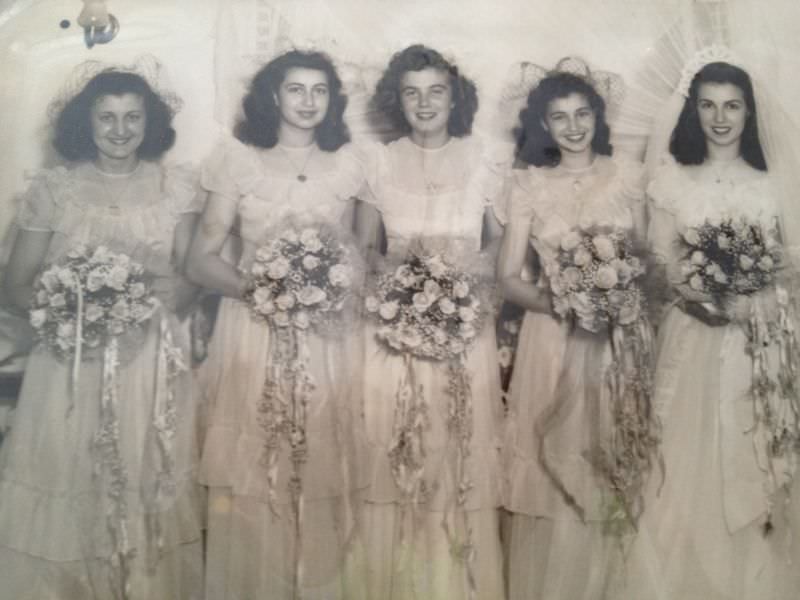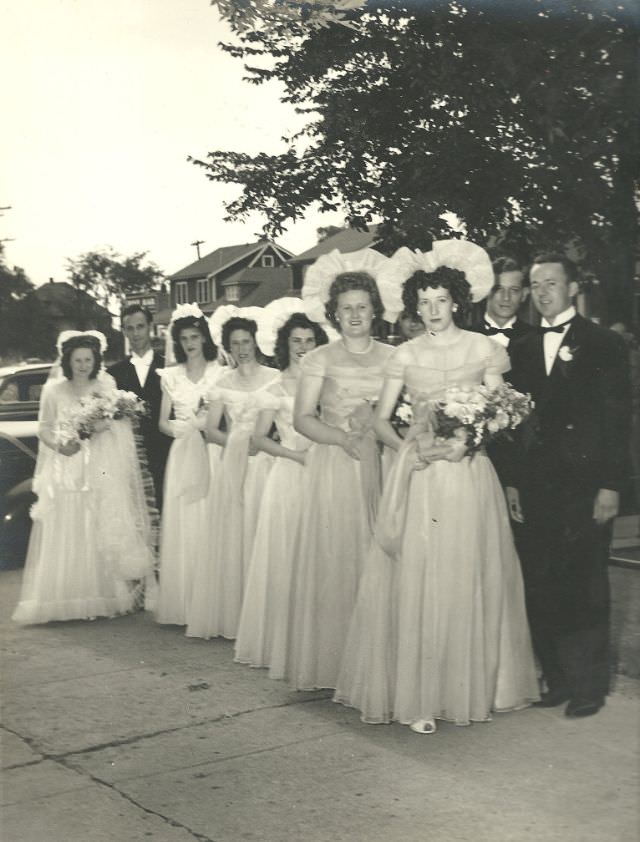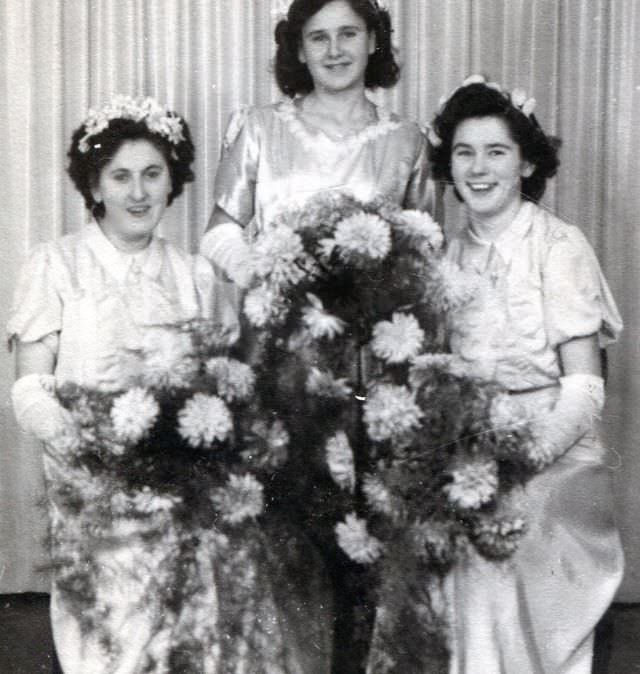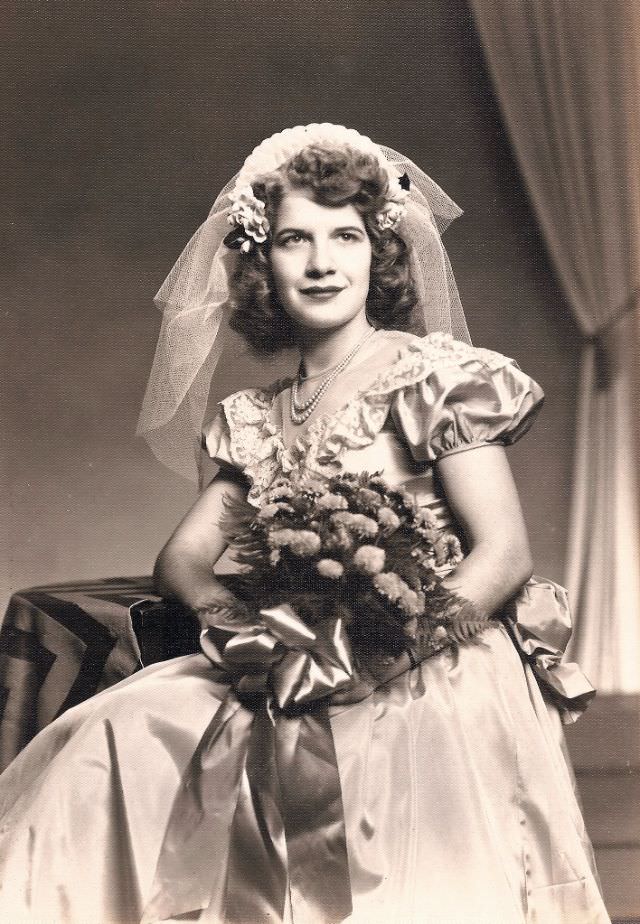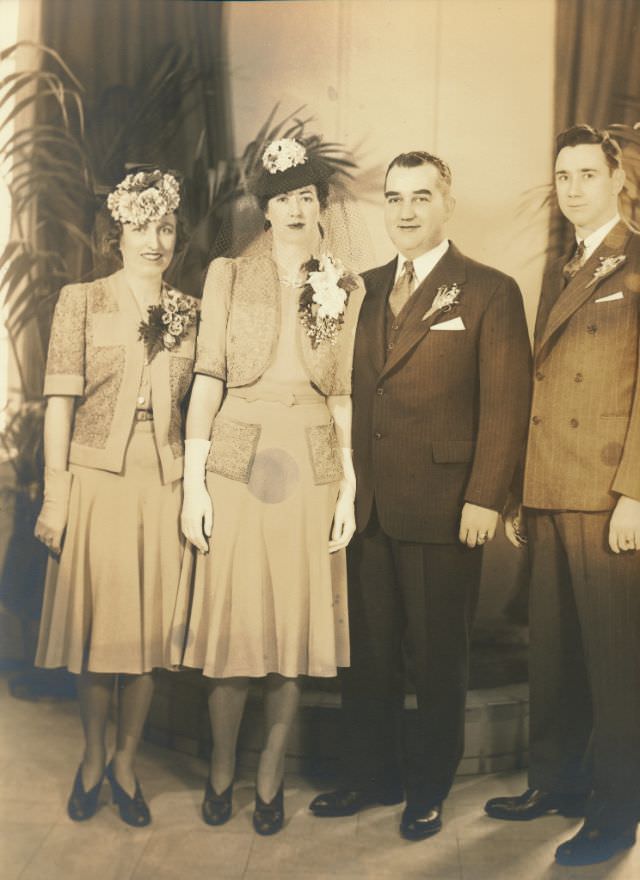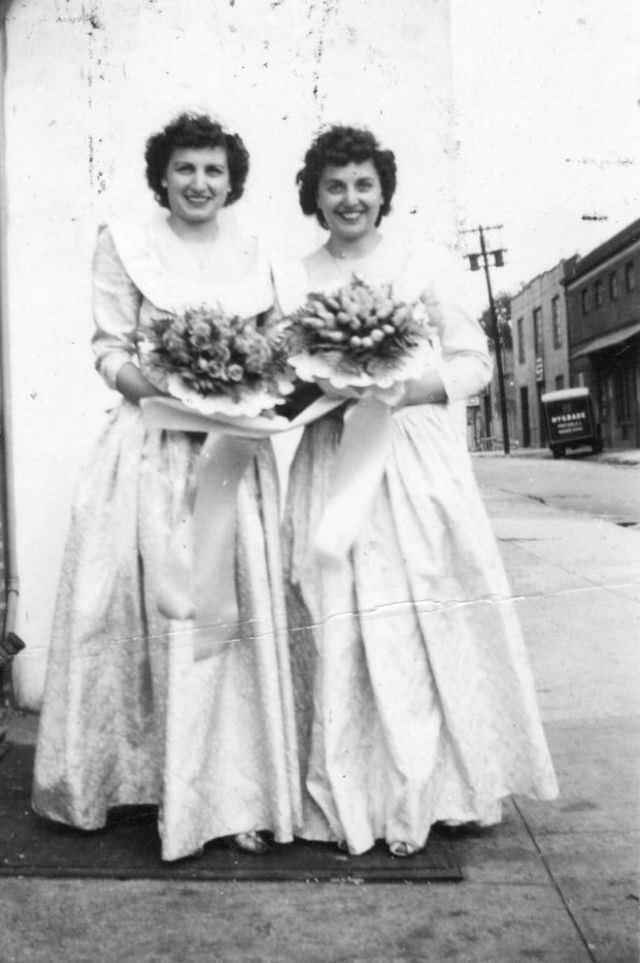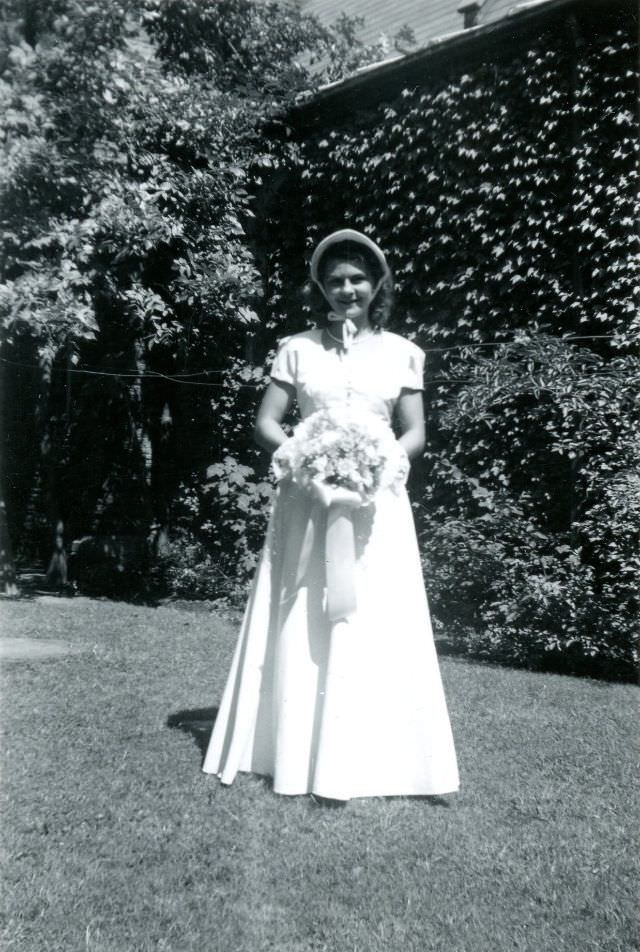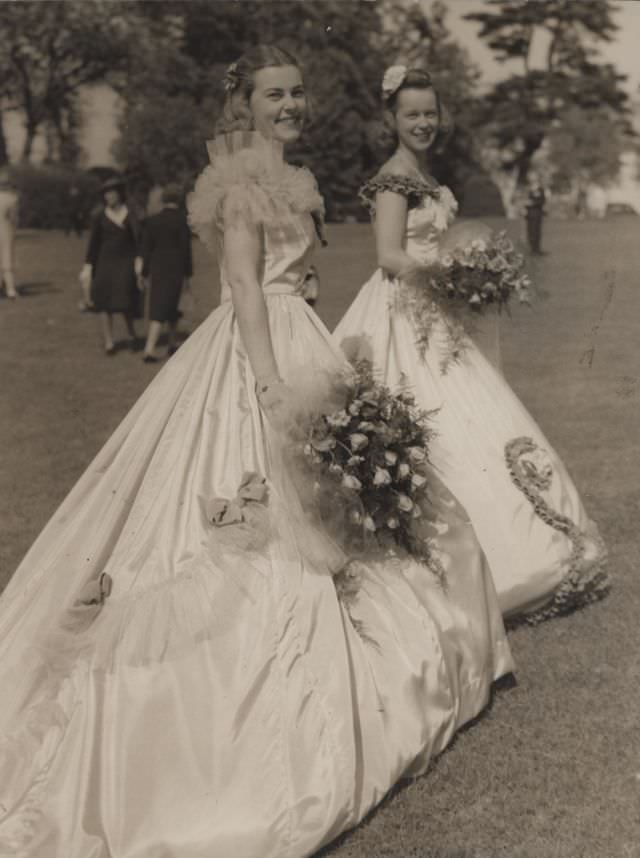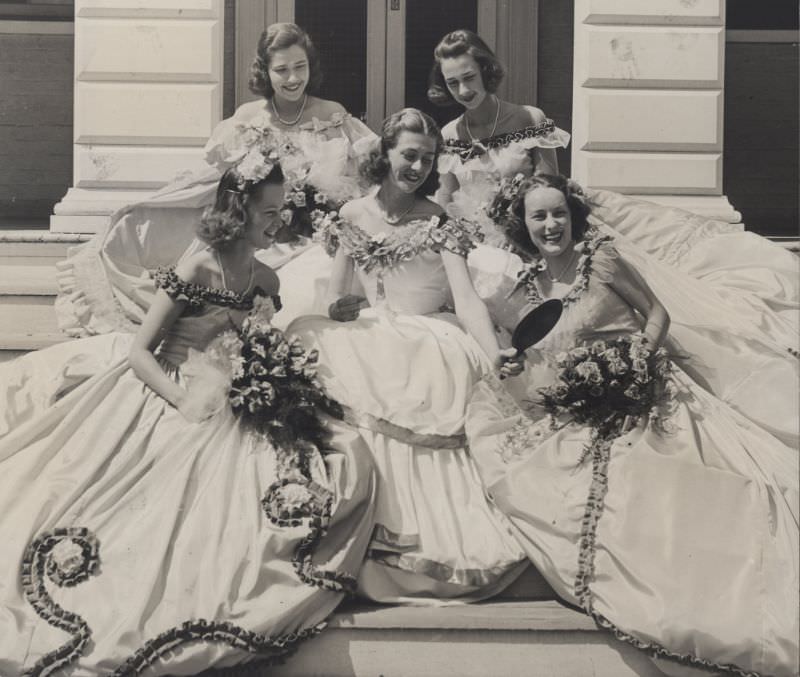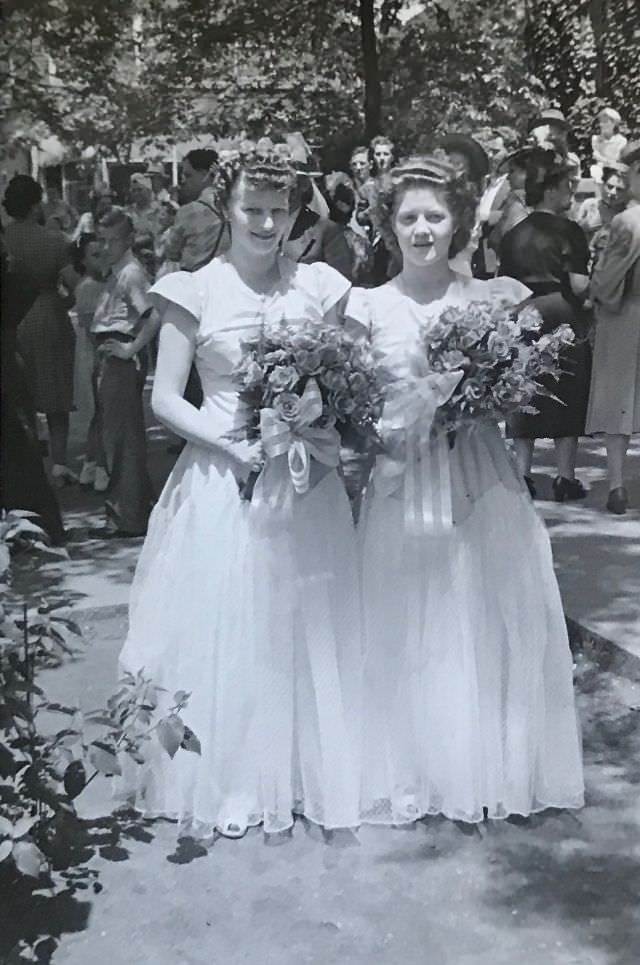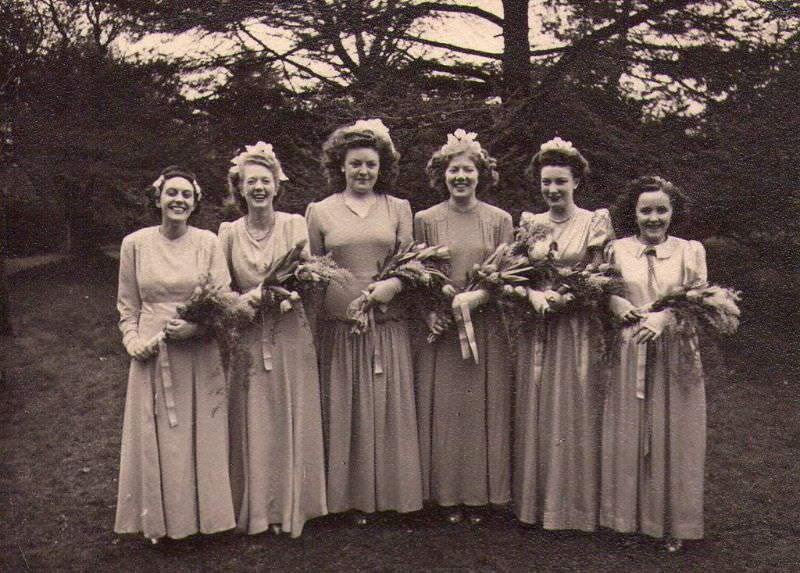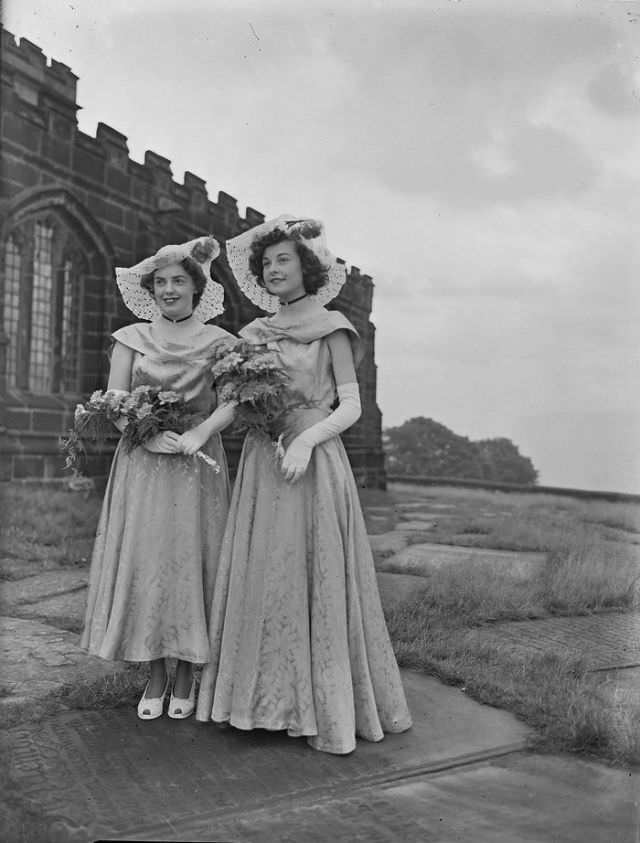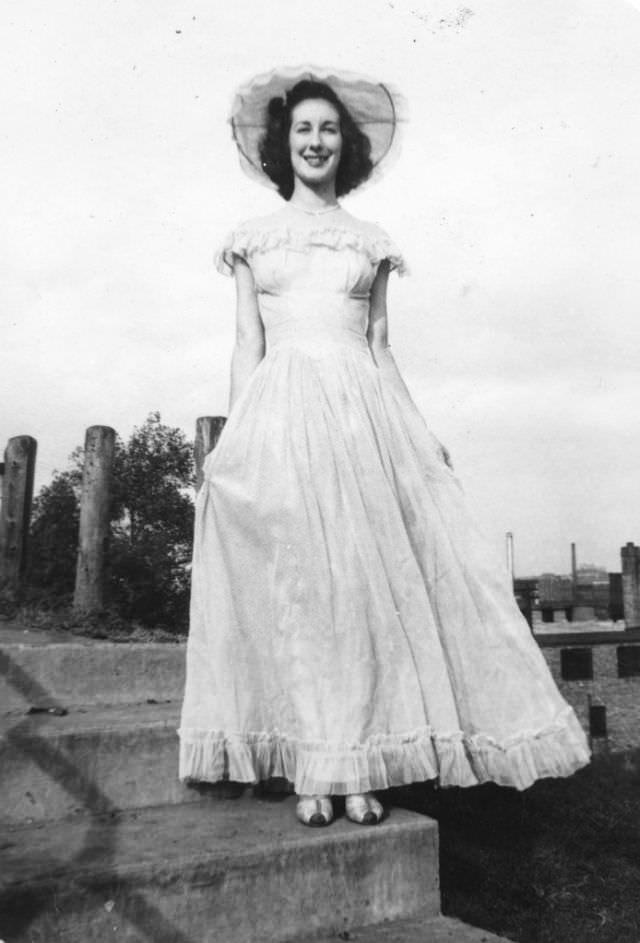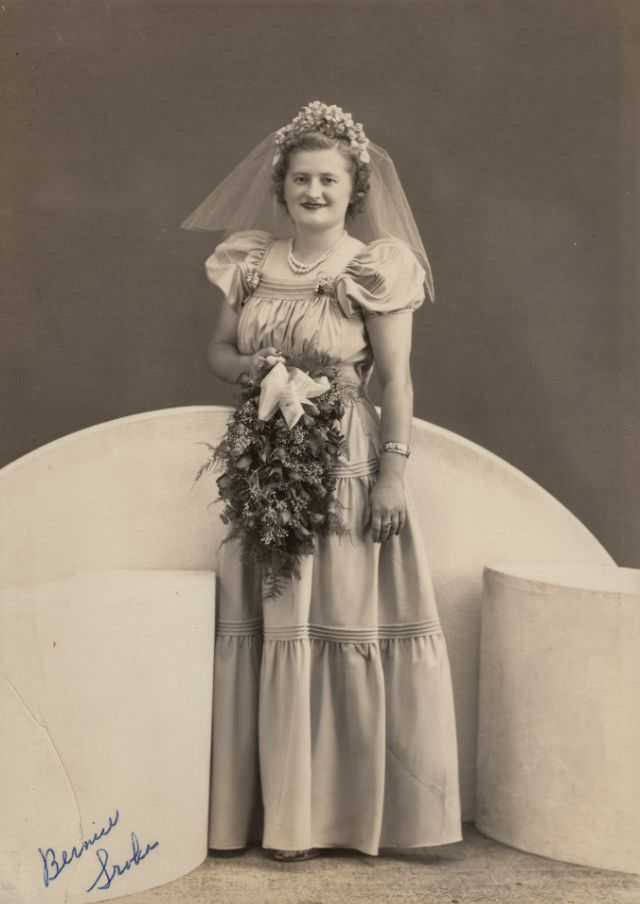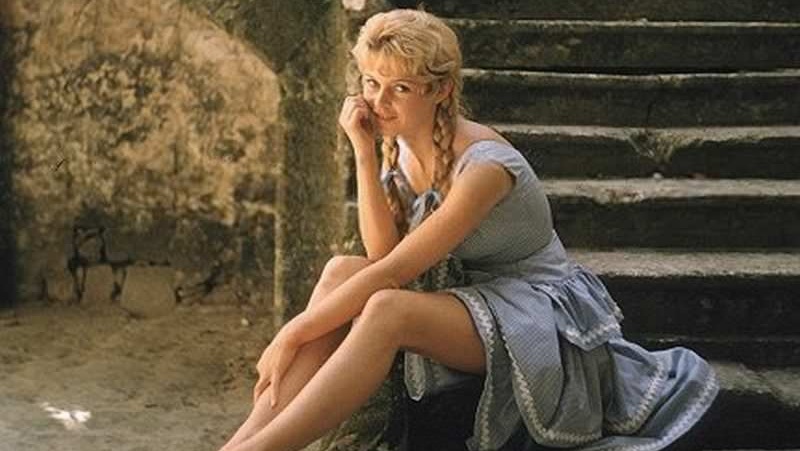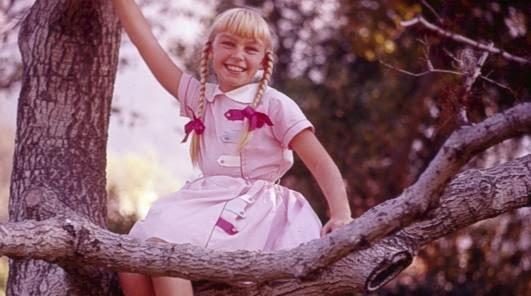

Bridesmaids’ fashion in the 1940s reflected both tradition and wartime limits. Weddings continued despite global conflict, and clothing choices adapted to material shortages and practical needs. Dresses were modest, structured, and carefully made to suit the era’s social expectations.
Silhouettes and Dress Shapes
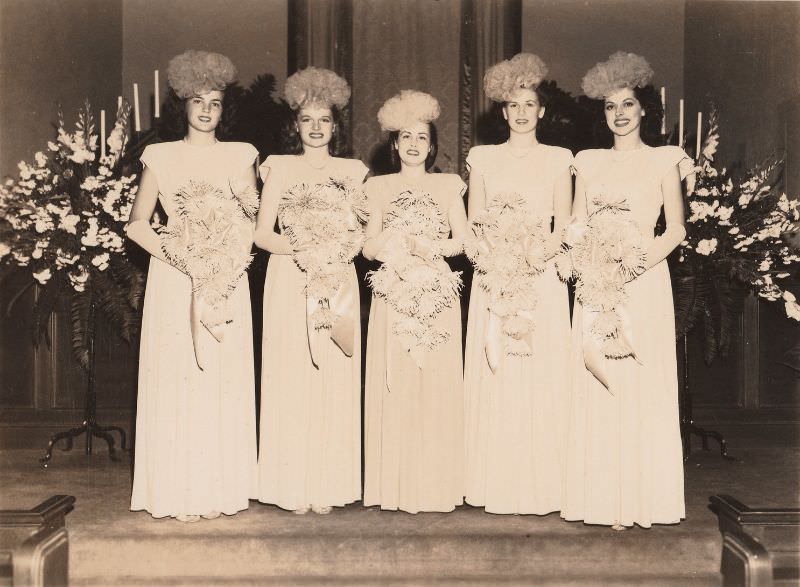
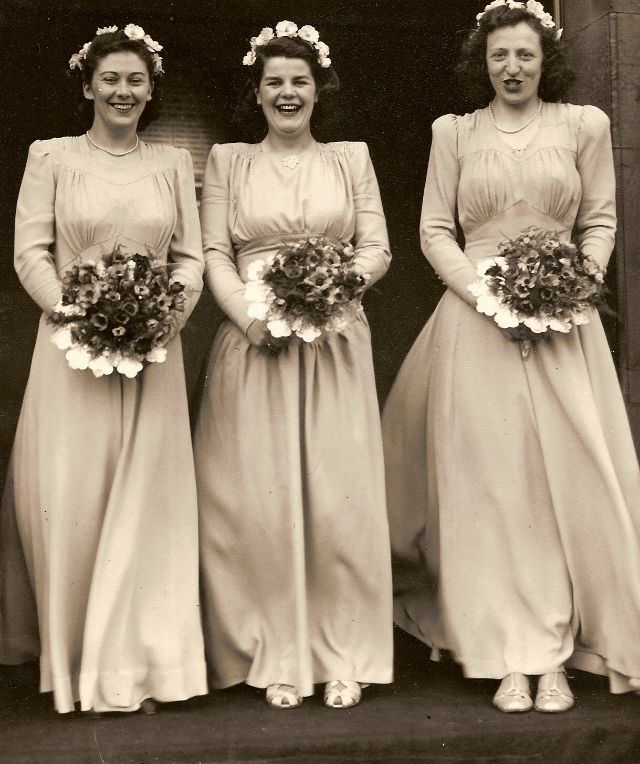
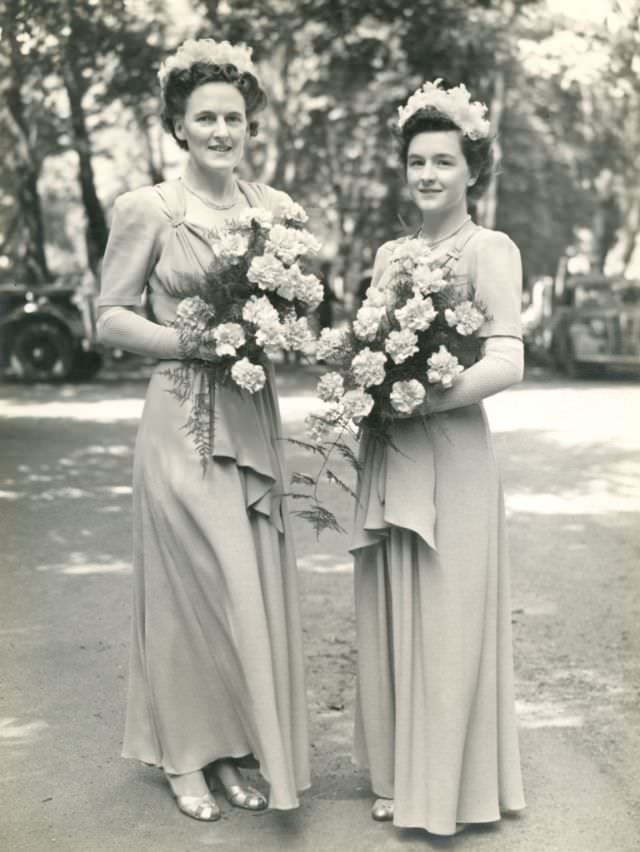
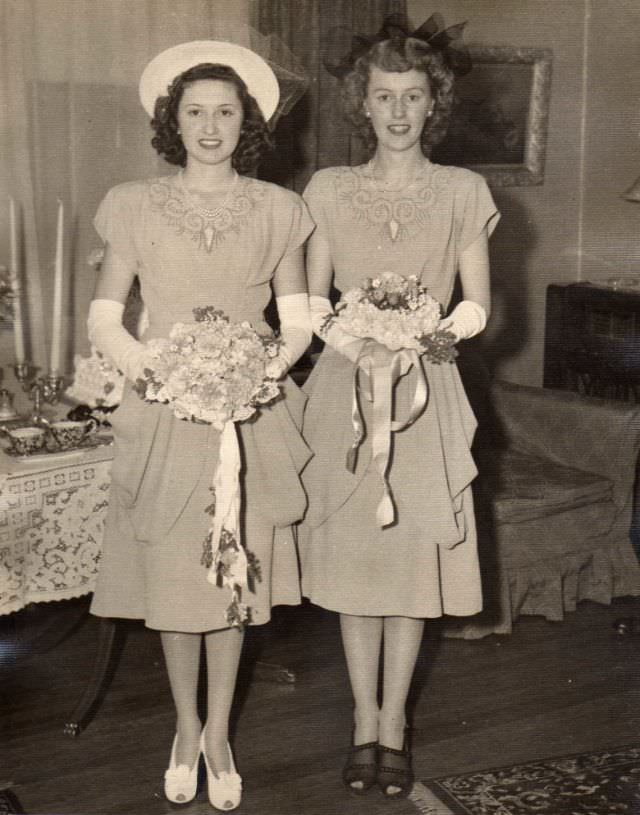
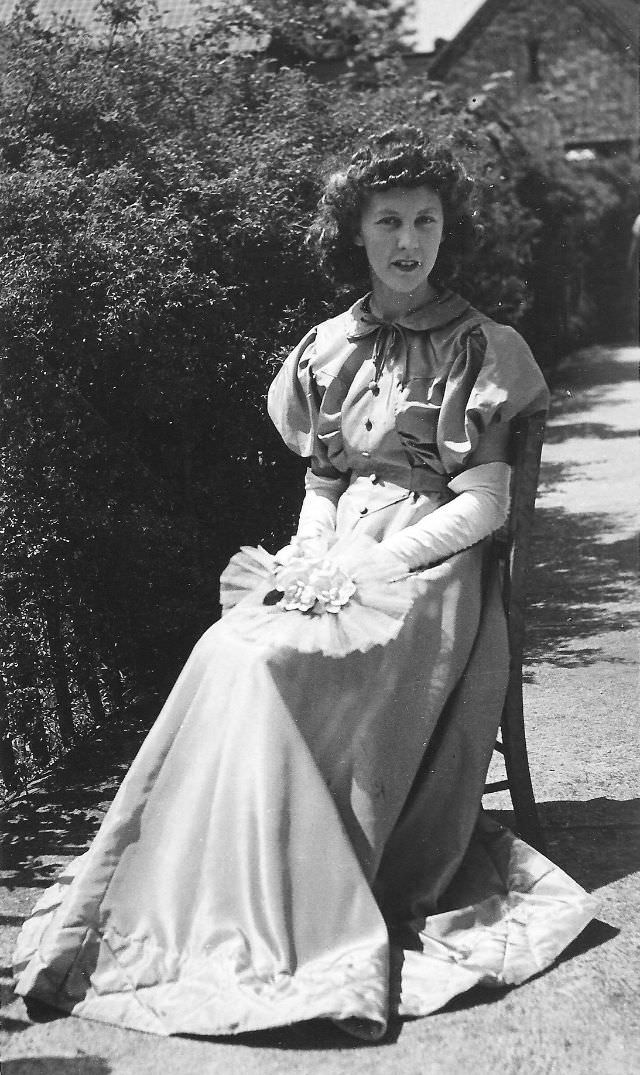
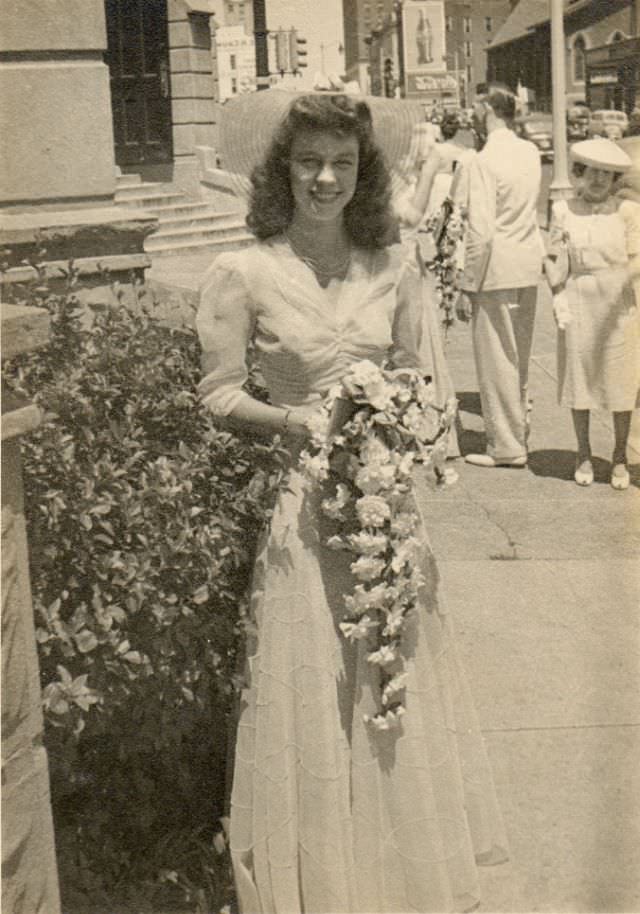
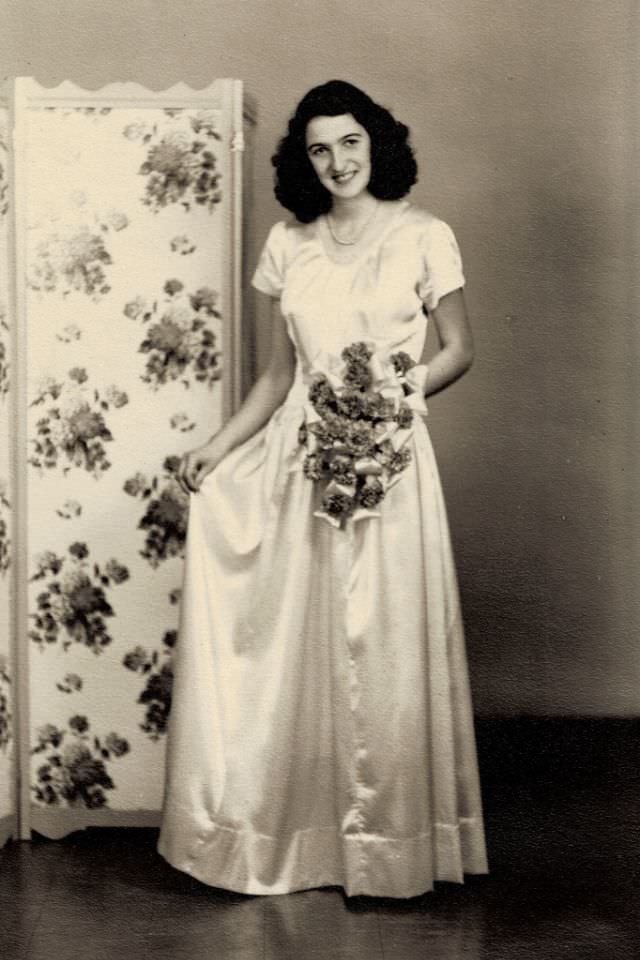
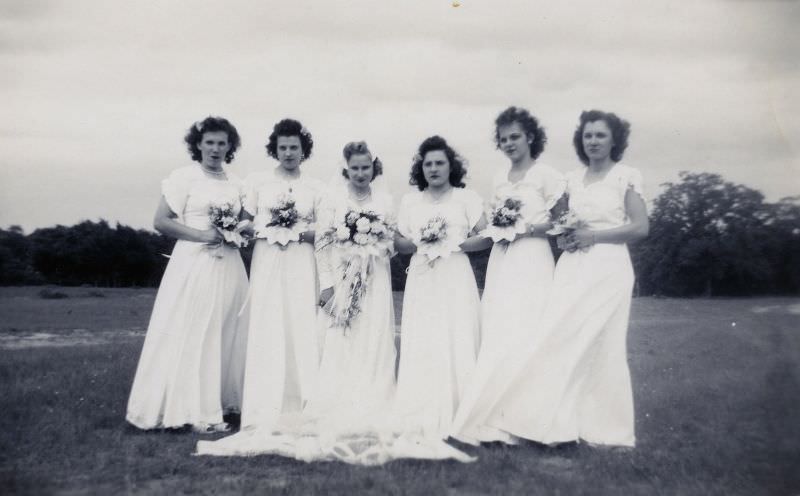
Bridesmaids’ dresses followed the same strong shapes seen in everyday women’s fashion. Shoulders were defined, often with padding, creating a straight and confident line. Bodices were fitted, while skirts fell below the knee or reached mid-calf.
Waists were clearly shaped but not tight. Many dresses used darts instead of gathers to save fabric. The overall look was clean and controlled rather than flowing.
Fabrics and Materials
Fabric choices were limited during the early and mid-1940s due to wartime rationing. Silk was scarce and often reserved for military use. Bridesmaids’ dresses commonly used rayon, crepe, cotton blends, or wool.
Designs avoided excess fabric. Full skirts, long trains, and layered ruffles were rare. Smooth surfaces and simple construction defined most garments.
Read more
Color Choices
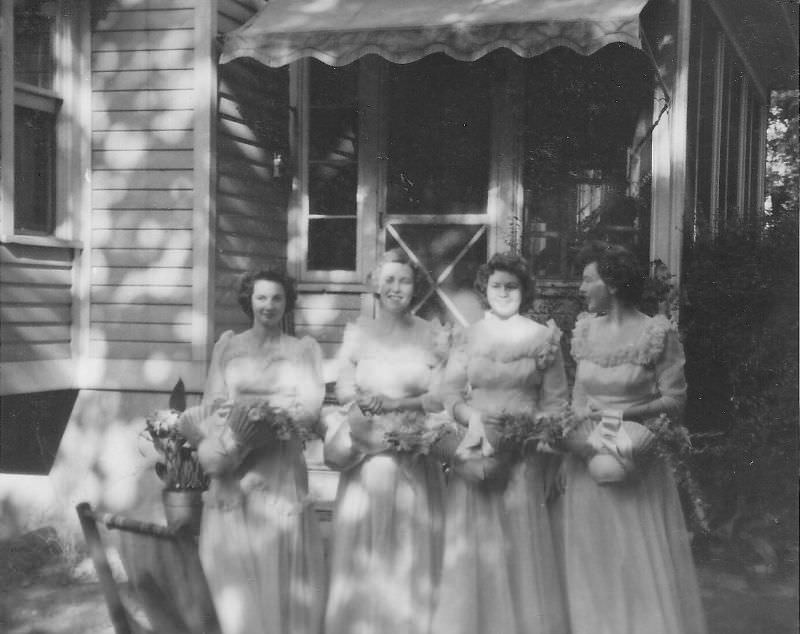
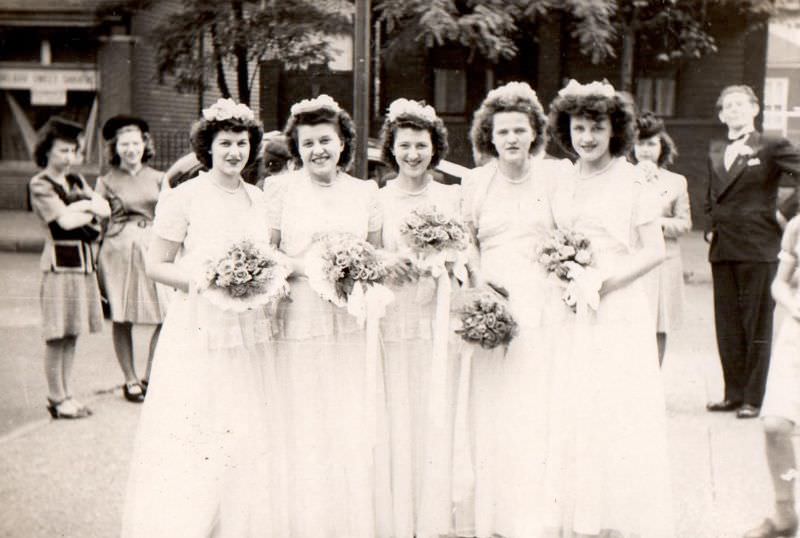
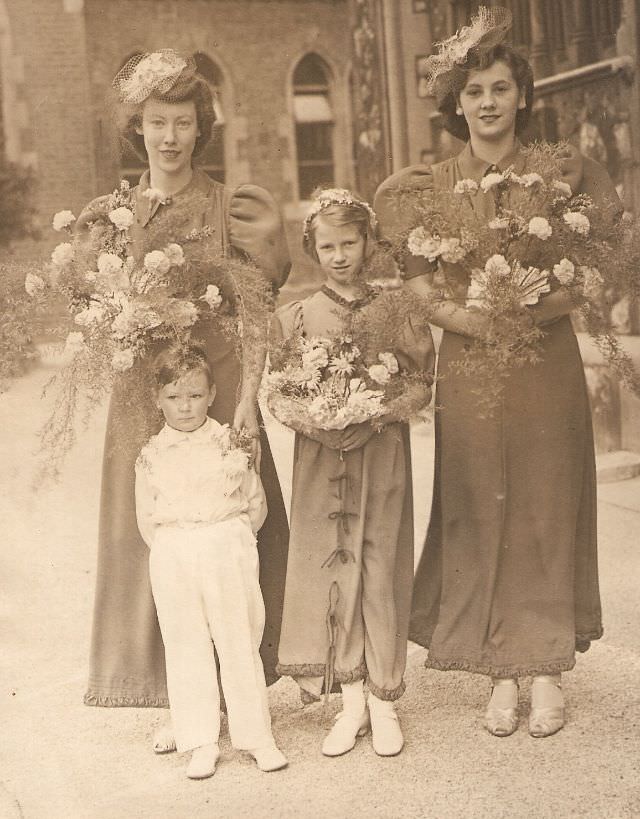
Bridesmaids in the 1940s wore soft, muted colors. Pastel shades such as dusty pink, pale blue, and light peach were common. Navy, brown, and gray also appeared, especially during wartime ceremonies.
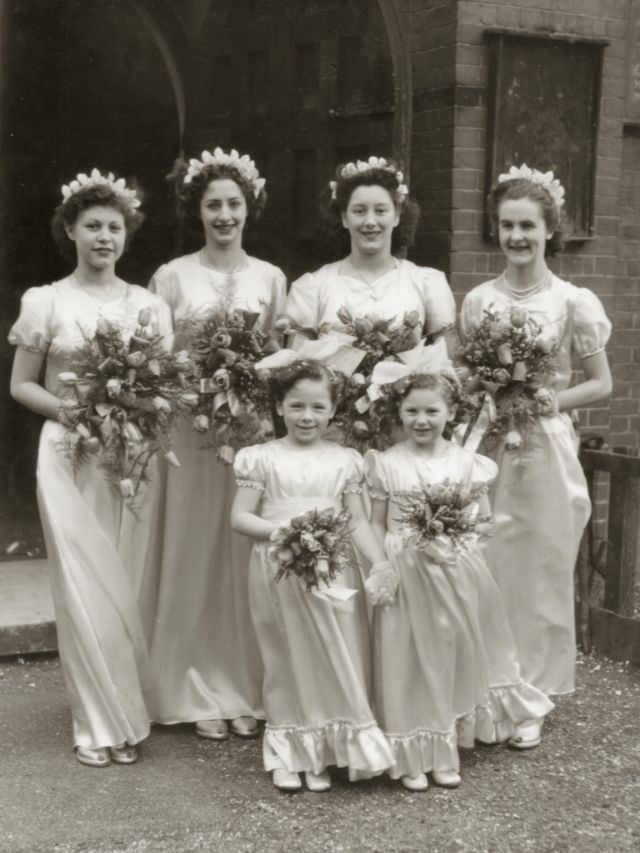
Matching dresses were not always expected. Bridesmaids sometimes wore similar colors rather than identical outfits. This approach allowed dresses to be reused after the wedding.
Necklines and Sleeves
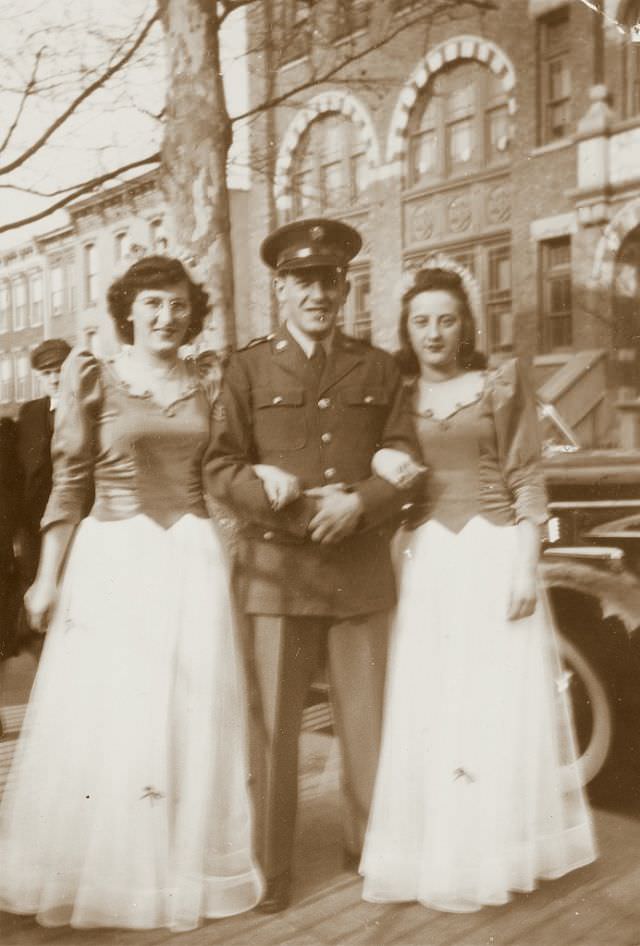
Necklines remained conservative. Popular styles included high necks, modest V-necks, and small collars. Sweetheart necklines appeared but were subtle and structured.
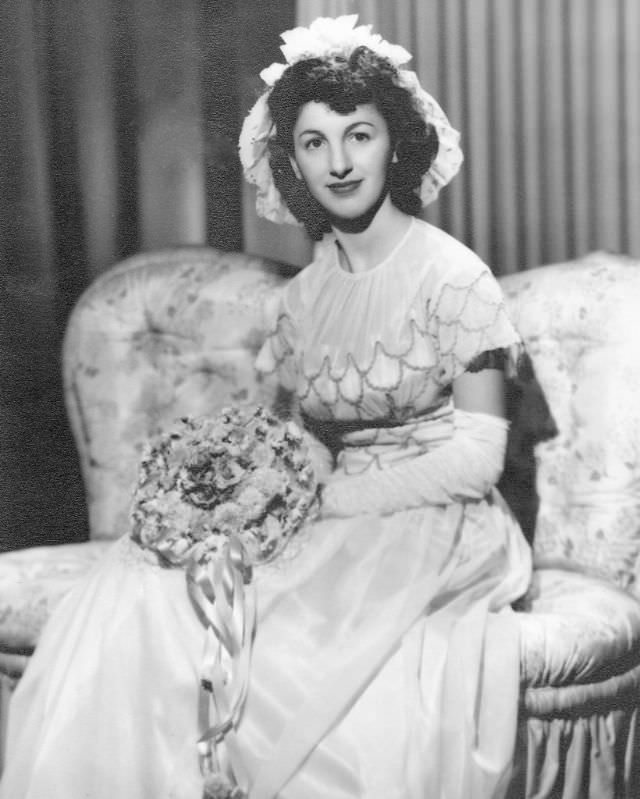
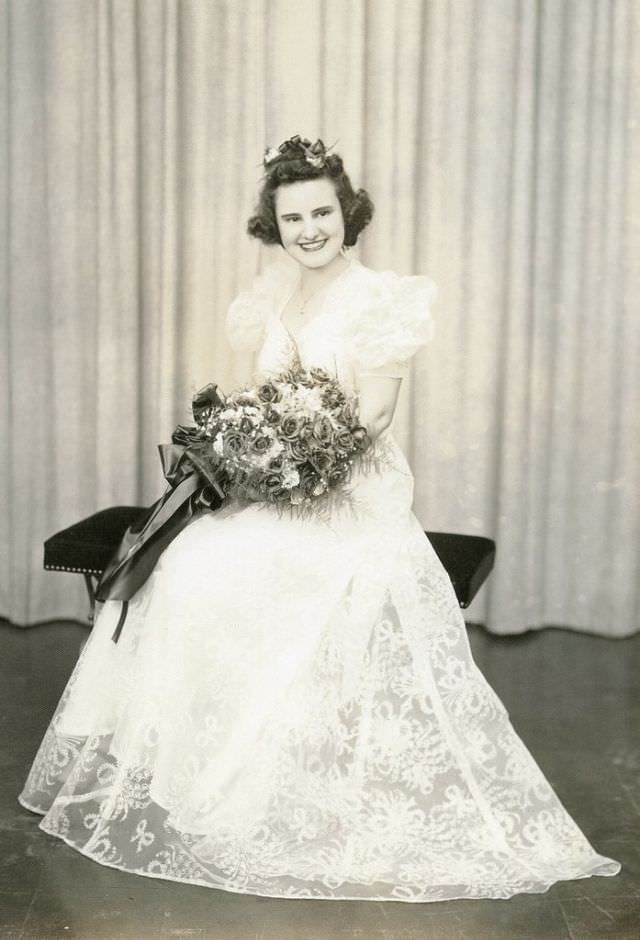
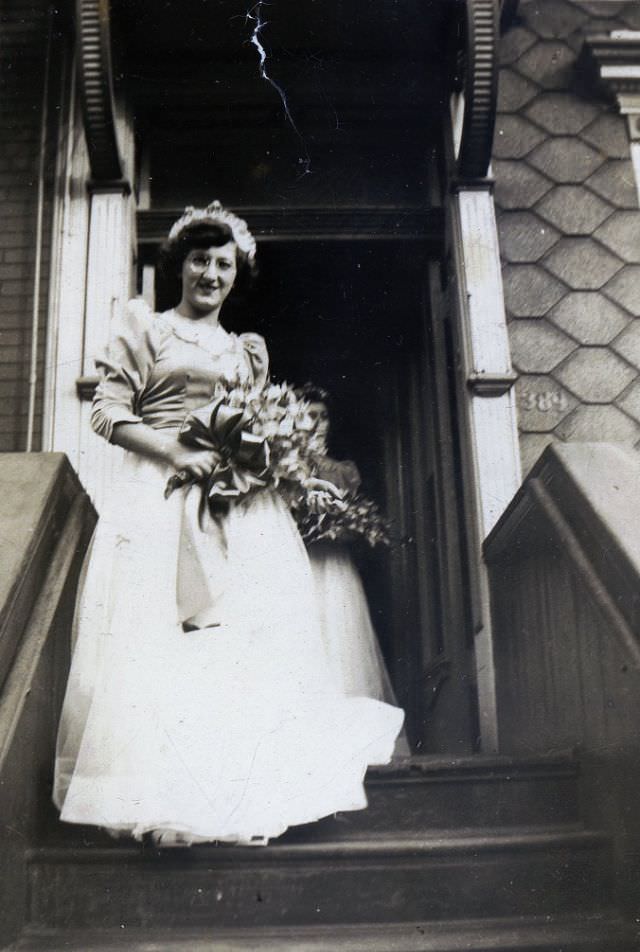
Sleeves were a defining feature. Short sleeves, elbow-length sleeves, and full-length sleeves were all common. Many dresses used slight puffing at the shoulder to balance the strong silhouette.
Length and Practical Design
Bridesmaids’ dresses were designed for movement and comfort. Hemlines stayed well below the knee, reflecting everyday dress standards. Shorter lengths saved fabric and allowed easier walking.
Practical details mattered. Zippers were still limited, so buttons or hooks were often used. Dresses were made to last, with solid seams and durable construction.
Accessories and Styling
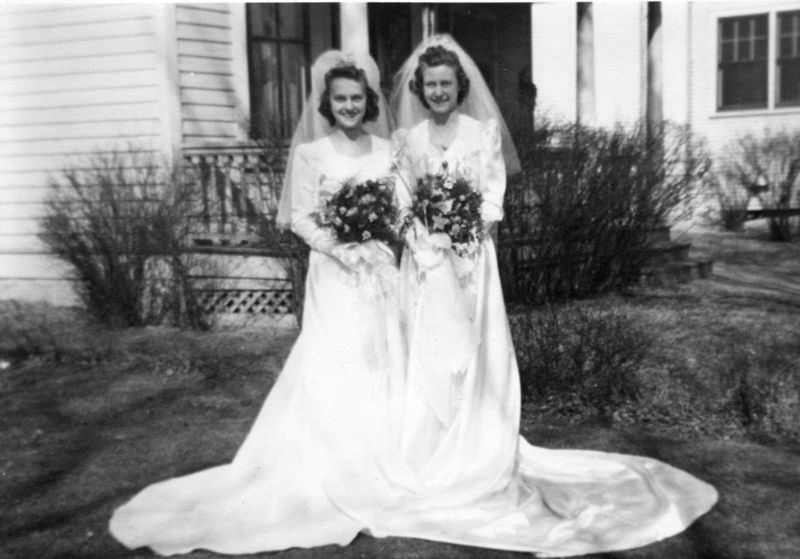
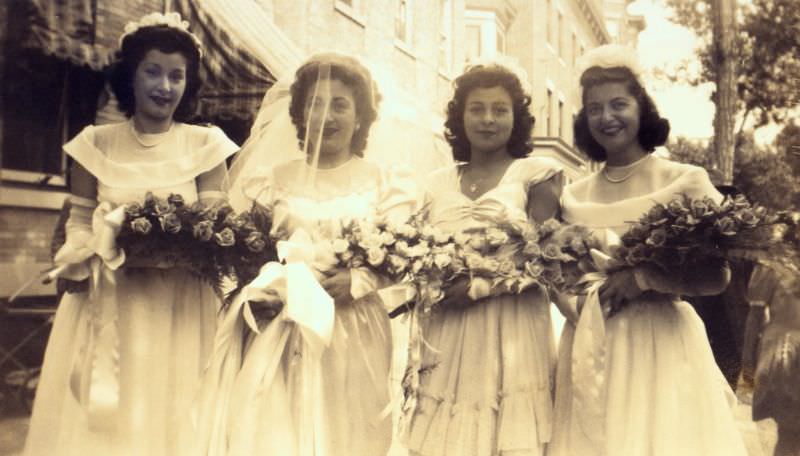
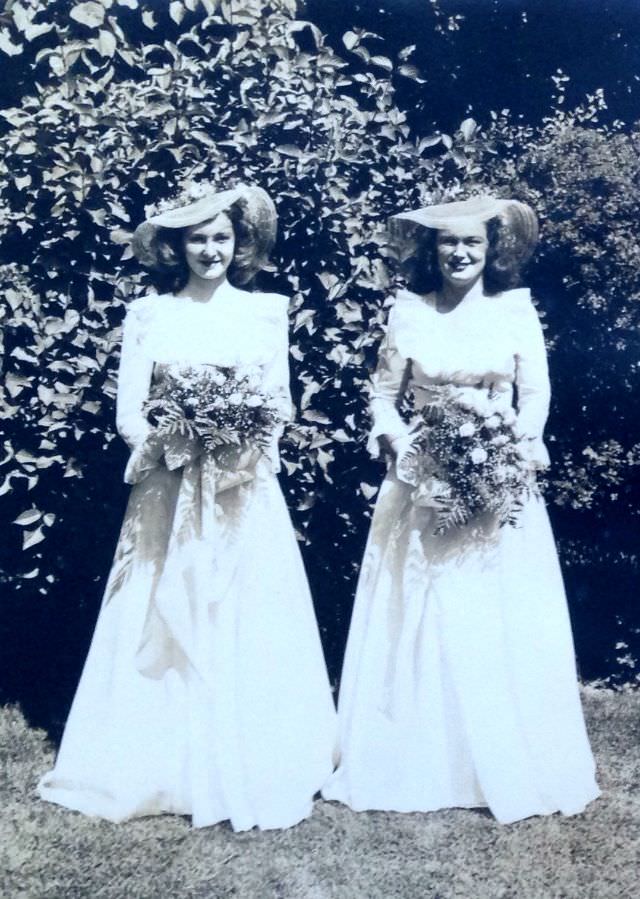
Bridesmaids wore simple accessories. Small hats or floral headpieces were common, especially in early 1940s weddings. Veils were usually reserved for the bride.
Shoes had low to medium heels with rounded toes. Many bridesmaids wore shoes they already owned. Gloves appeared in formal ceremonies, usually short and made of cotton or rayon.
Hair and Makeup
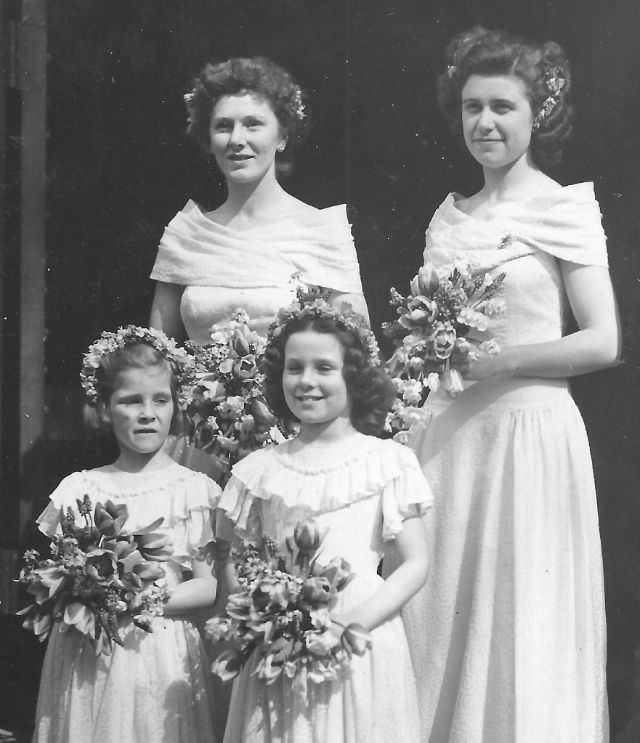
Hairstyles followed popular fashion trends of the decade. Hair was set in soft waves or rolled at the sides. Styles framed the face and stayed neat throughout the day.
Makeup was restrained. Lipstick added color, while eye makeup remained minimal. The goal was a polished look that matched the formality of the occasion.
Postwar Changes
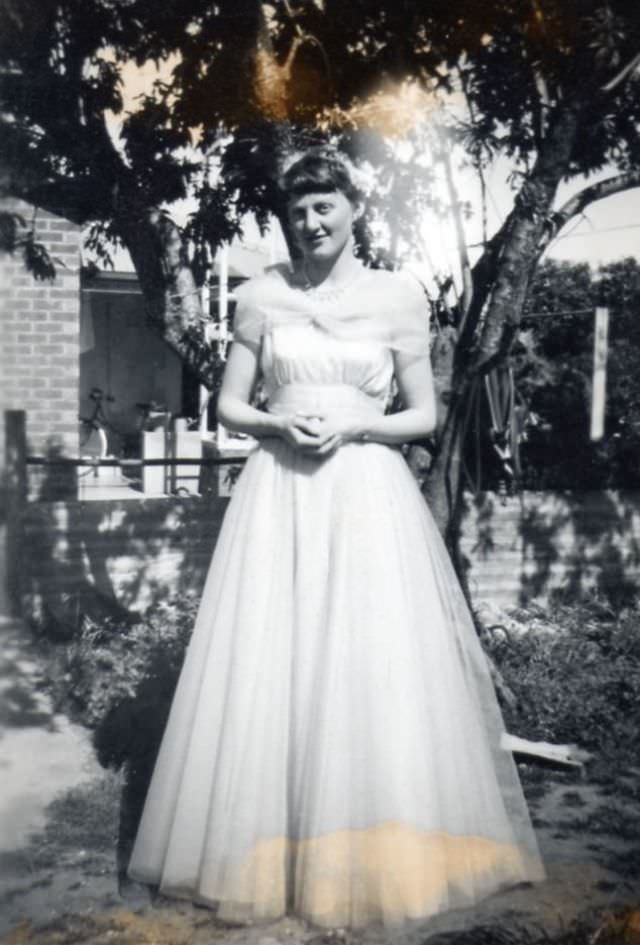
By the late 1940s, fabric restrictions eased. Bridesmaids’ dresses became slightly fuller, with more decorative detail. Softer shoulders and longer skirts began to appear as fashion shifted toward a more romantic style.
Even with these changes, practicality remained important. Dresses continued to reflect the values of the decade: modesty, order, and careful use of materials.