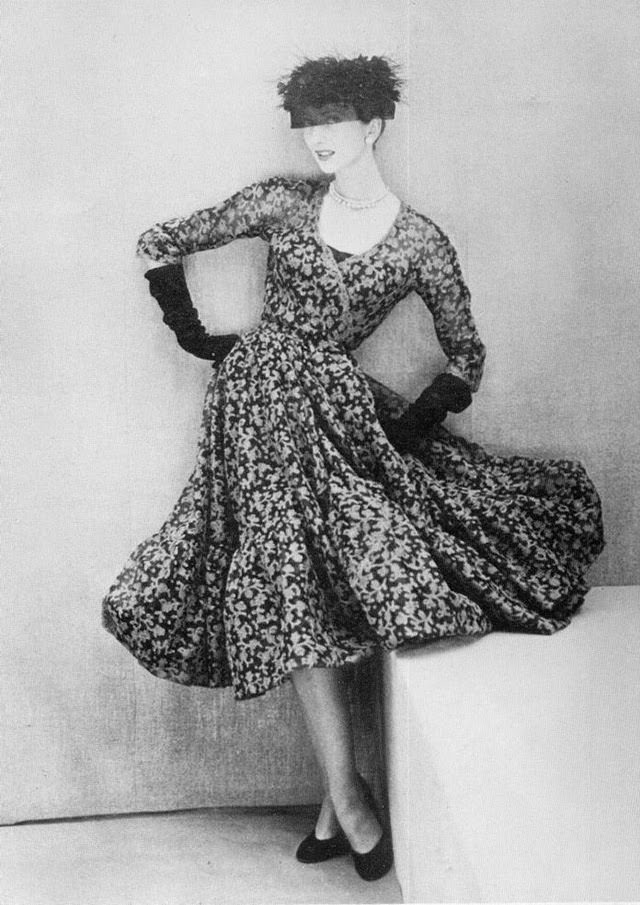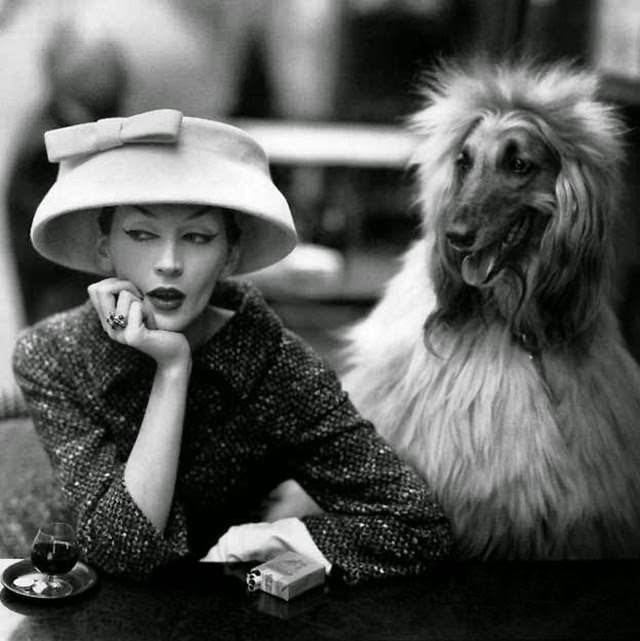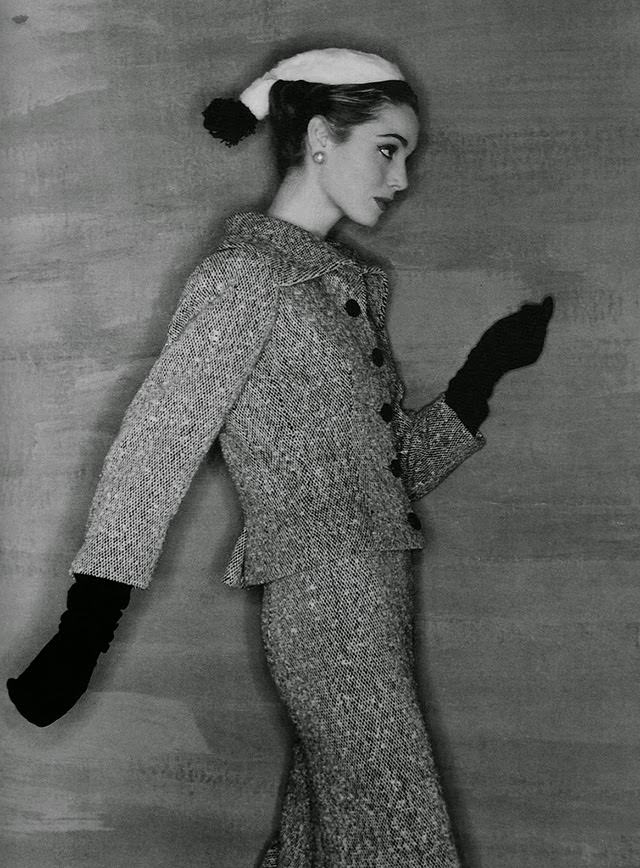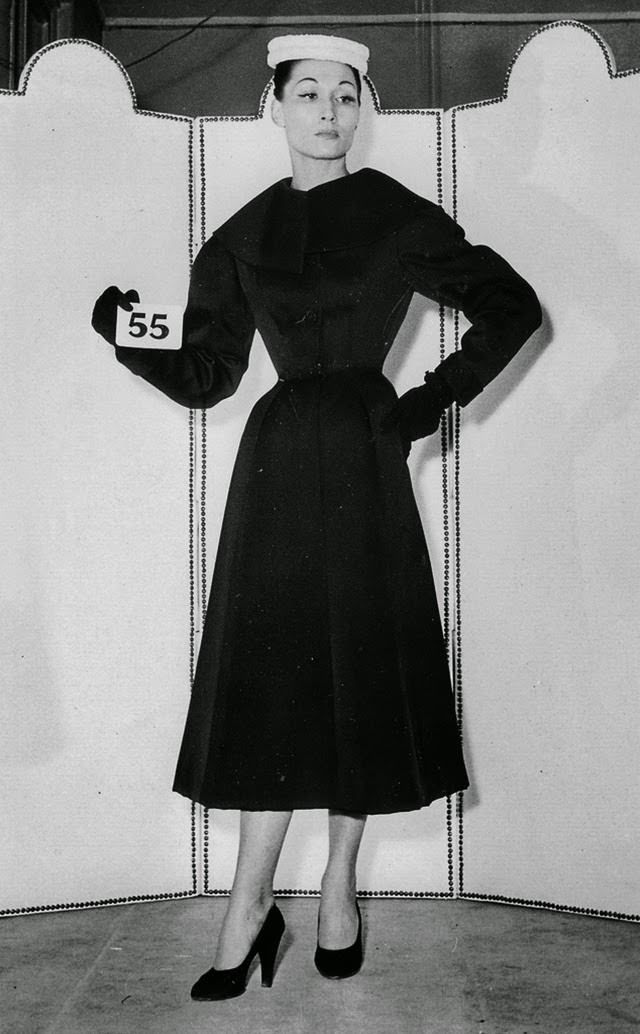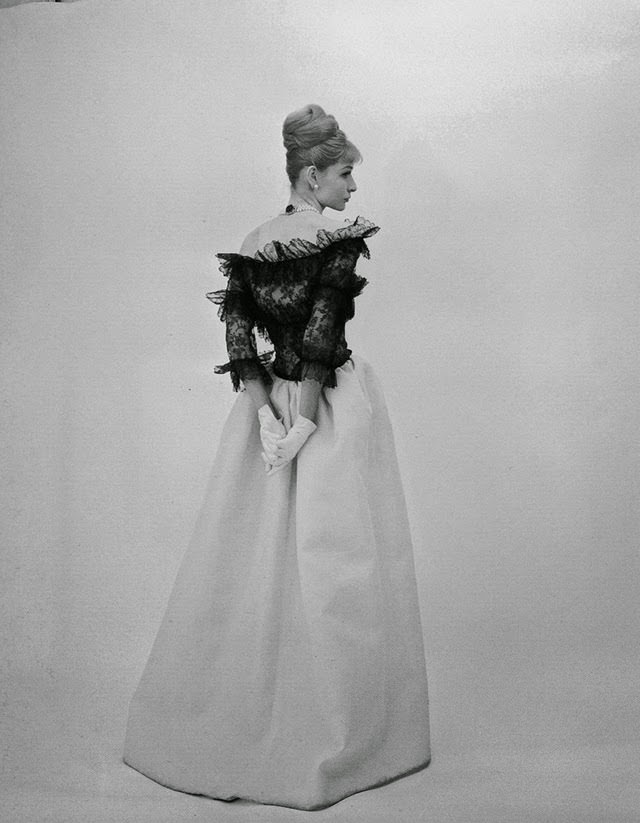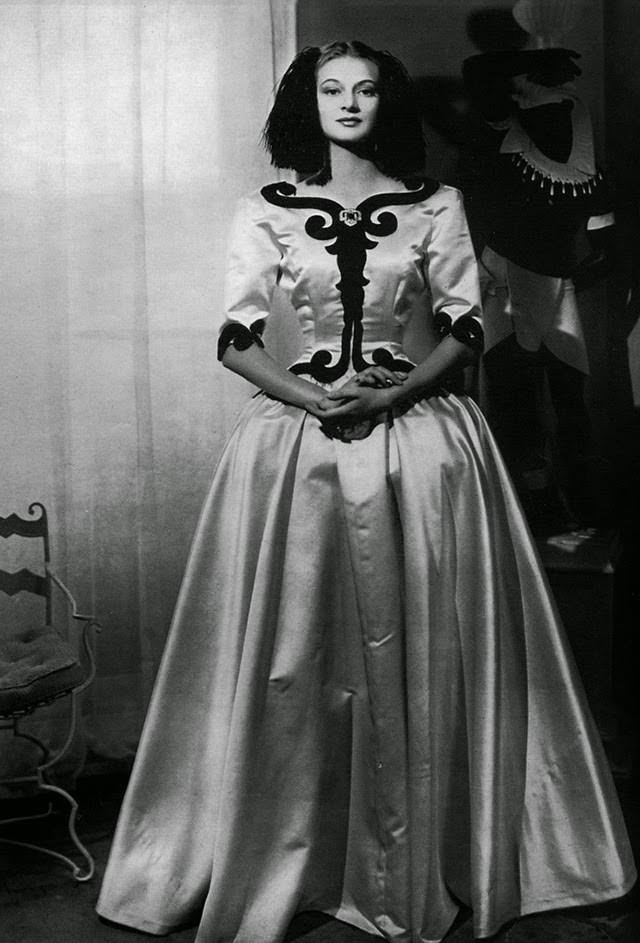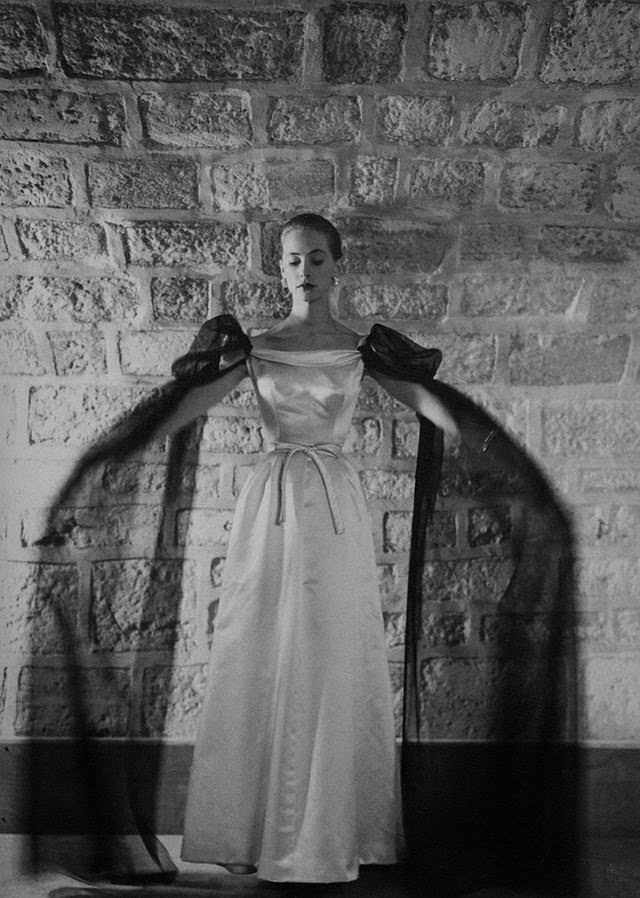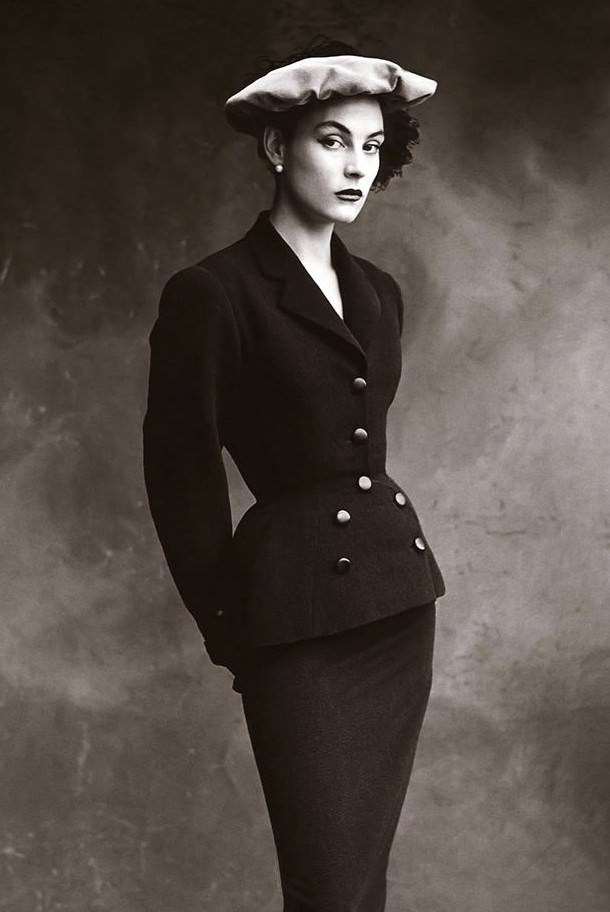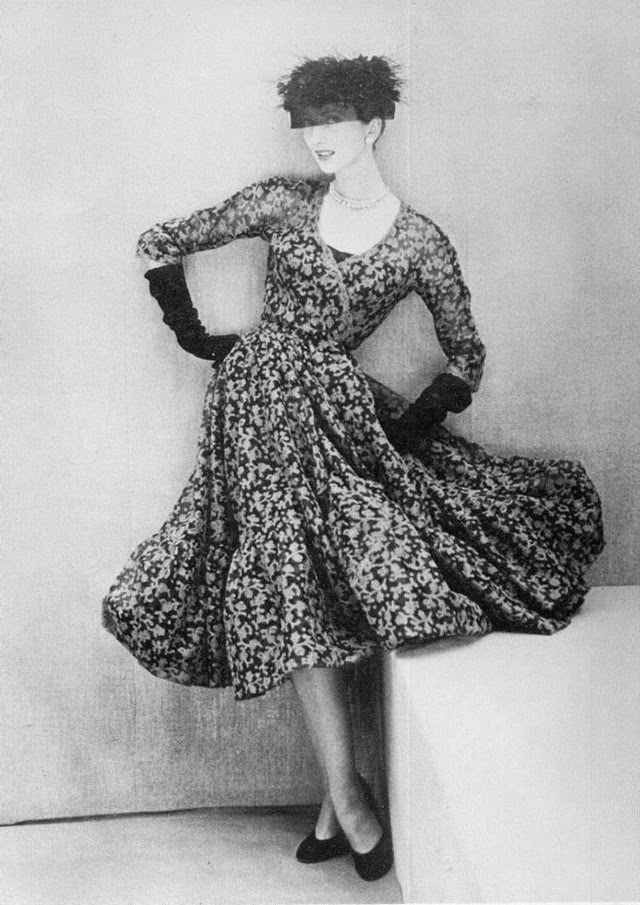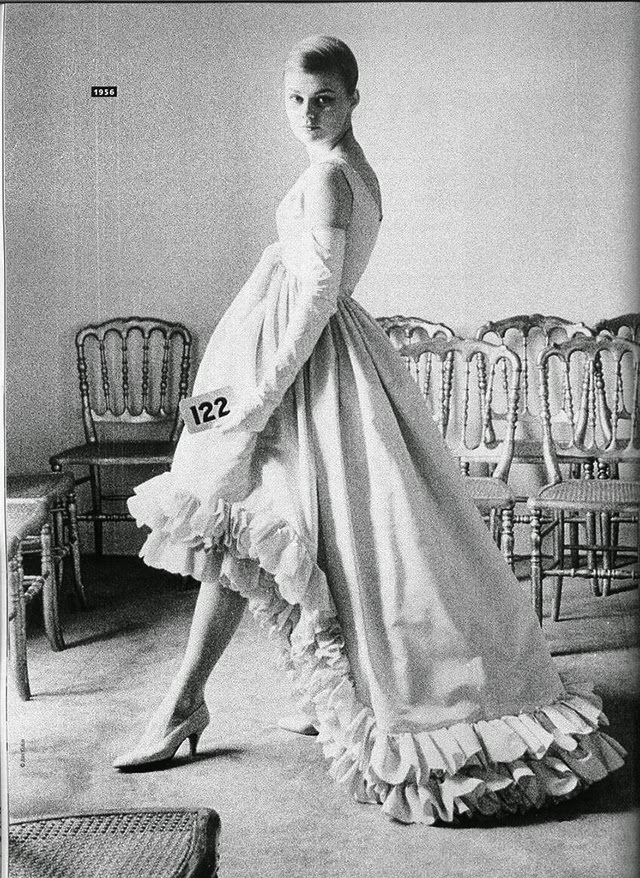

Cristóbal Balenciaga was born in Spain in 1895 and trained as a tailor before becoming a designer. His early exposure to precise construction shaped his entire career. When he opened his fashion house in Paris in 1937, his work stood apart from prevailing trends. By the 1940s, his designs already showed a strict focus on form, balance, and structure.
Wartime Constraints and Design Choices
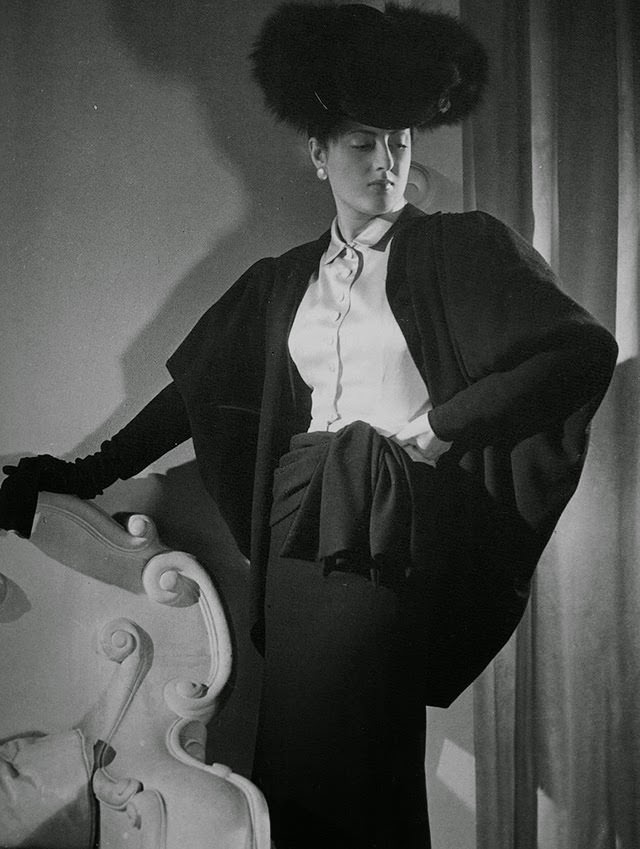
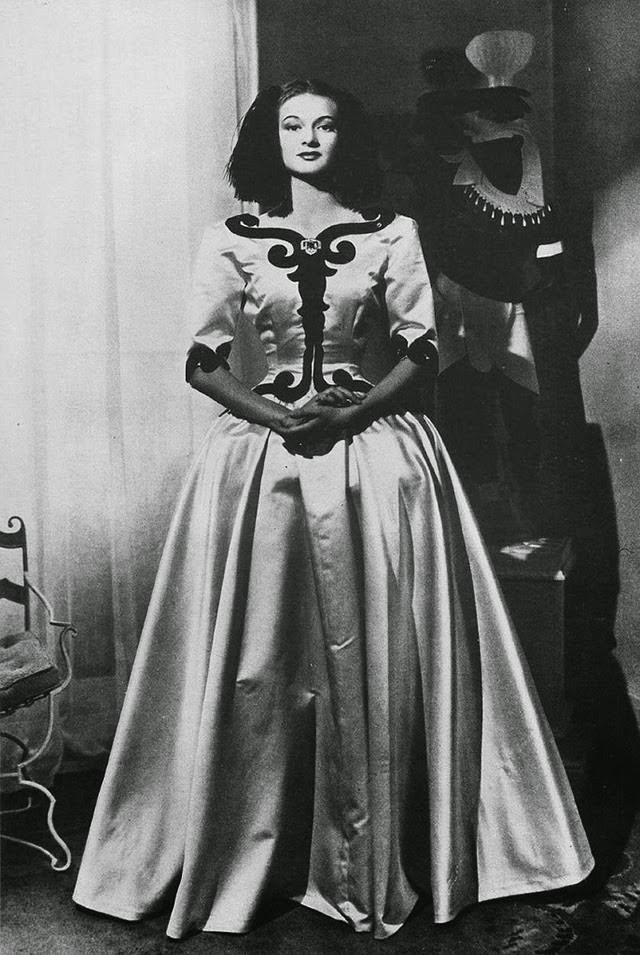
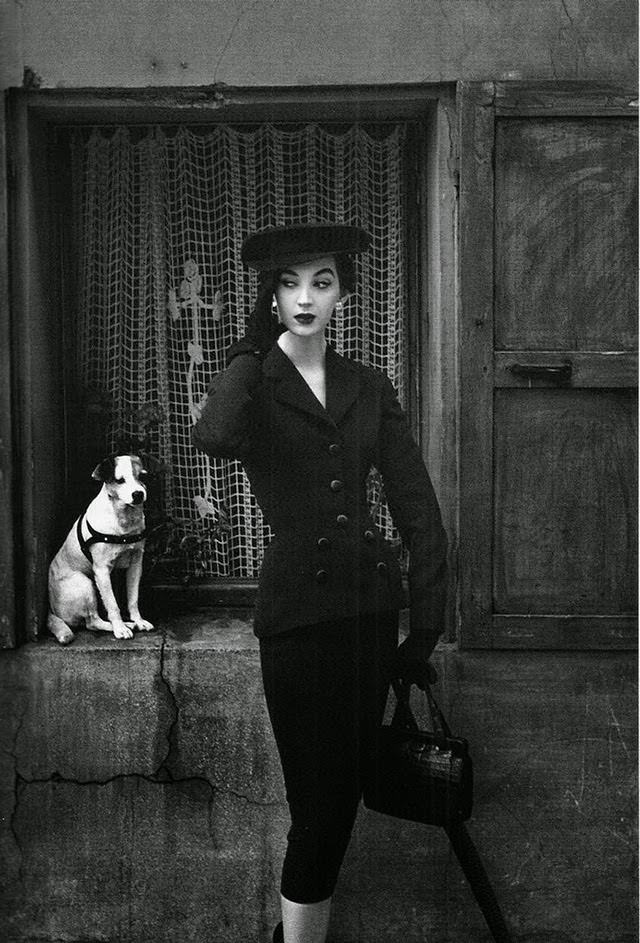
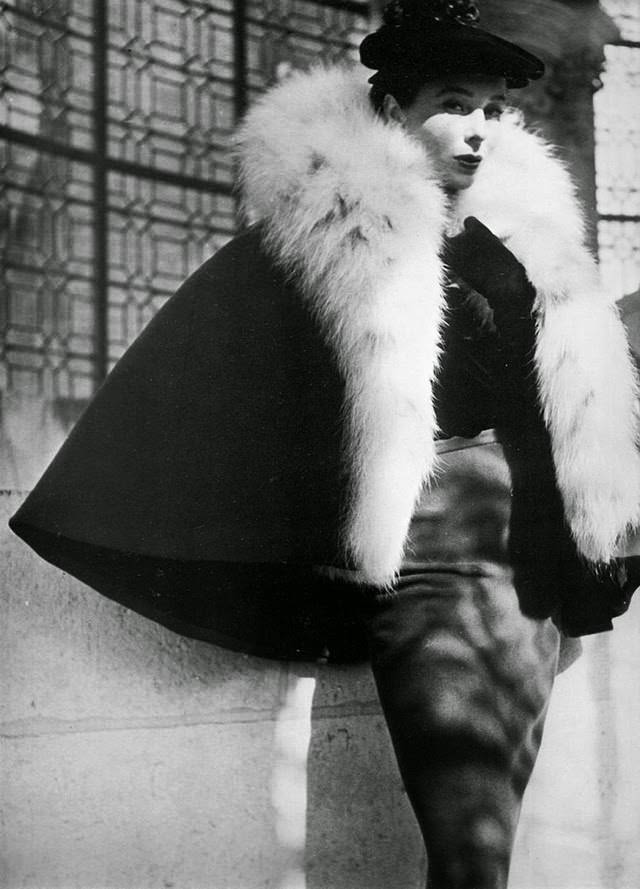
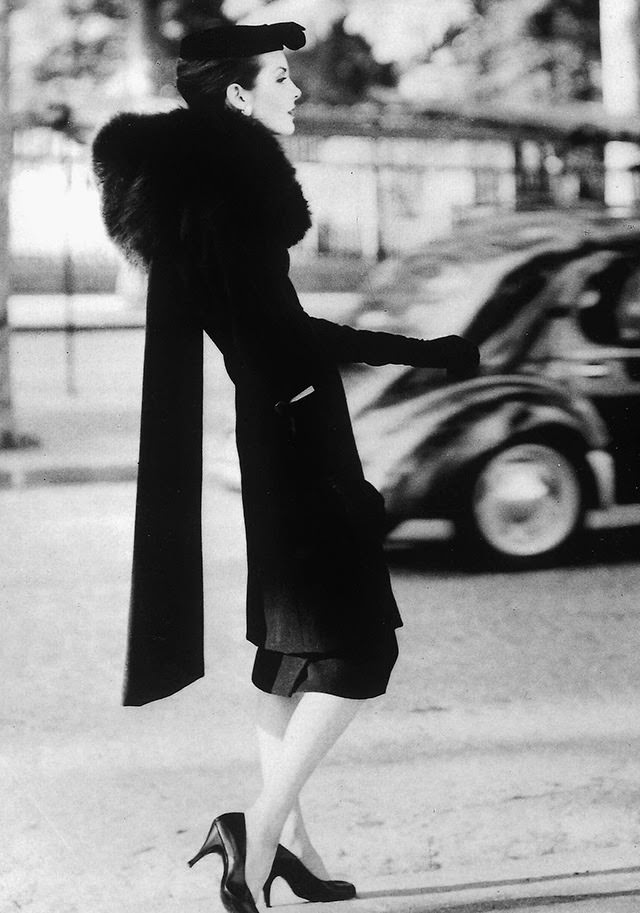
During the 1940s, World War II placed heavy limits on fabric use and production. Balenciaga responded by refining silhouettes rather than adding decoration. He reduced excess detail and focused on cut and proportion. His garments relied on exact tailoring to create presence without waste.
Shoulders remained controlled, and lines stayed clean. Skirts avoided extreme fullness. Coats and suits held their shape through careful internal construction. Even under restrictions, his clothing conveyed strength and calm authority.
Simplicity With Authority
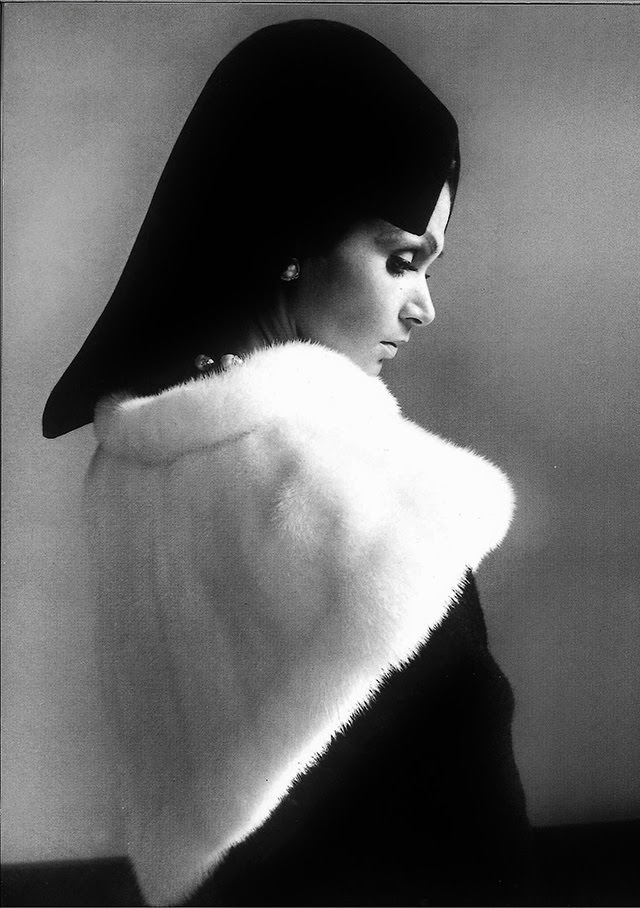
Balenciaga’s work in the 1940s avoided surface ornament. He favored solid colors and high-quality fabrics. Seams, darts, and folds were placed with precision. Each garment showed restraint rather than display.
This simplicity did not read as plain. His clothes carried a quiet formality that felt deliberate and composed. Clients recognized the difference immediately. The garments stood on their own without relying on trend-driven details.
Read more
Transition Into the 1950s
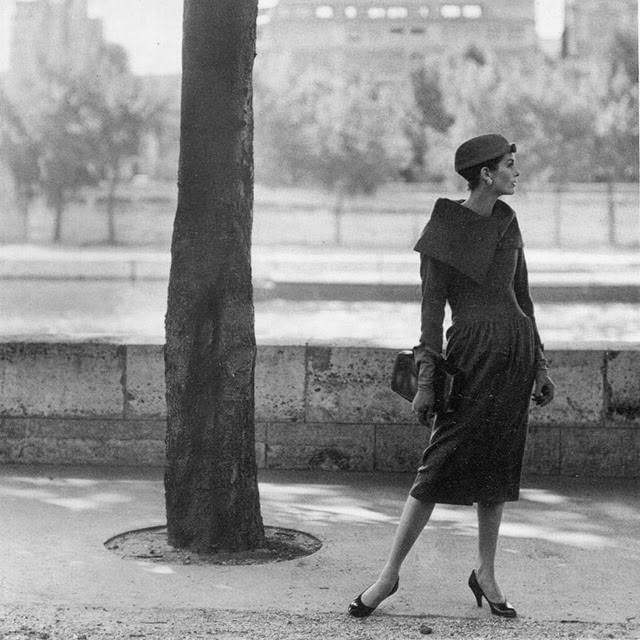
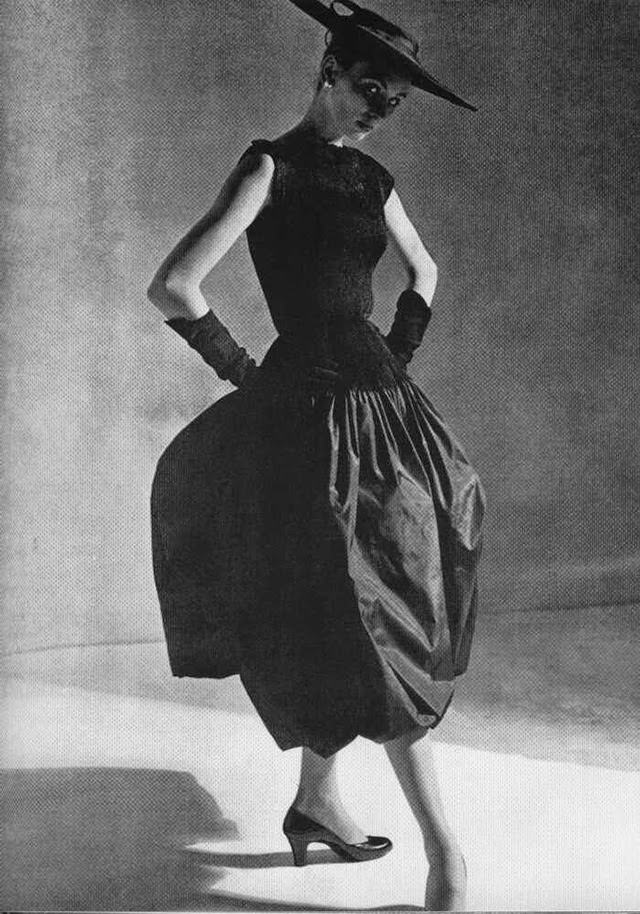
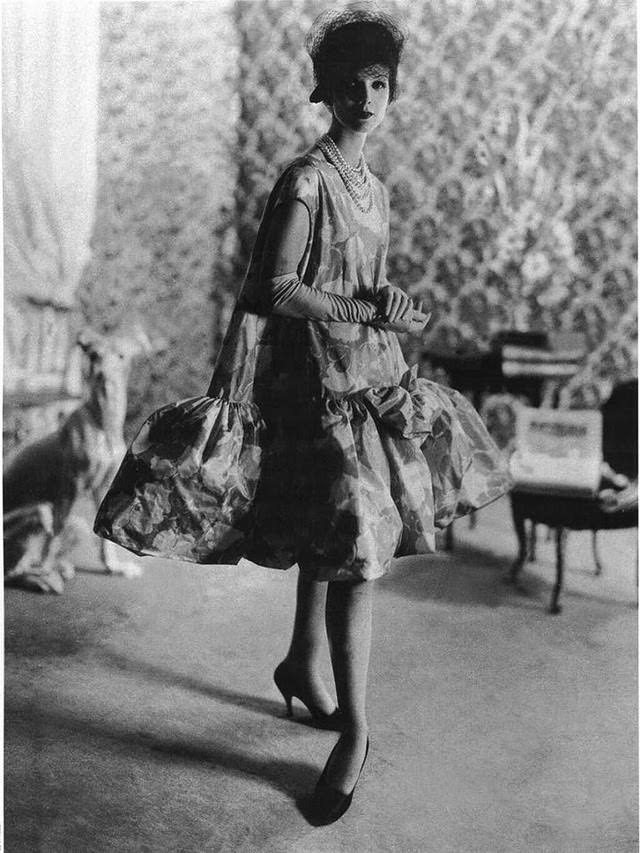
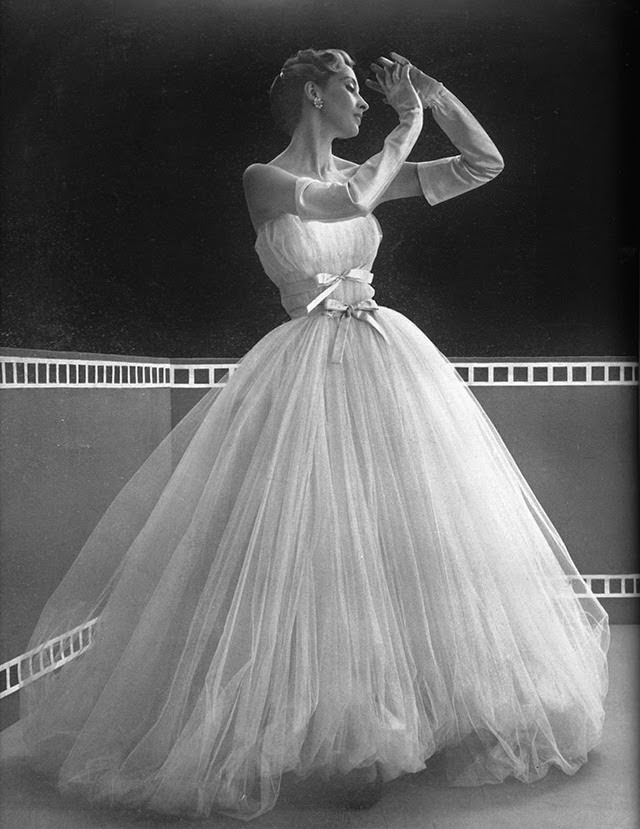
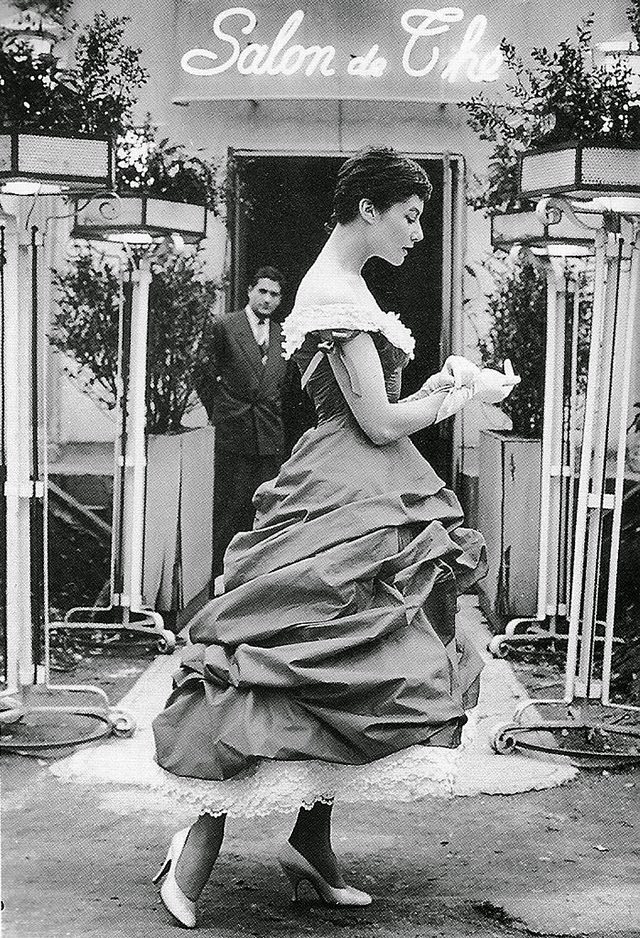
As fabric restrictions eased after the war, Balenciaga expanded his approach. Instead of returning to heavy decoration, he pushed structure further. He explored volume in new ways, placing fullness where it changed the body’s outline rather than emphasizing curves.
Waistlines began to shift. Some designs loosened the waist entirely. Others raised it slightly, altering how the torso appeared. These changes separated his work from other designers of the time.
Redefining the Female Silhouette
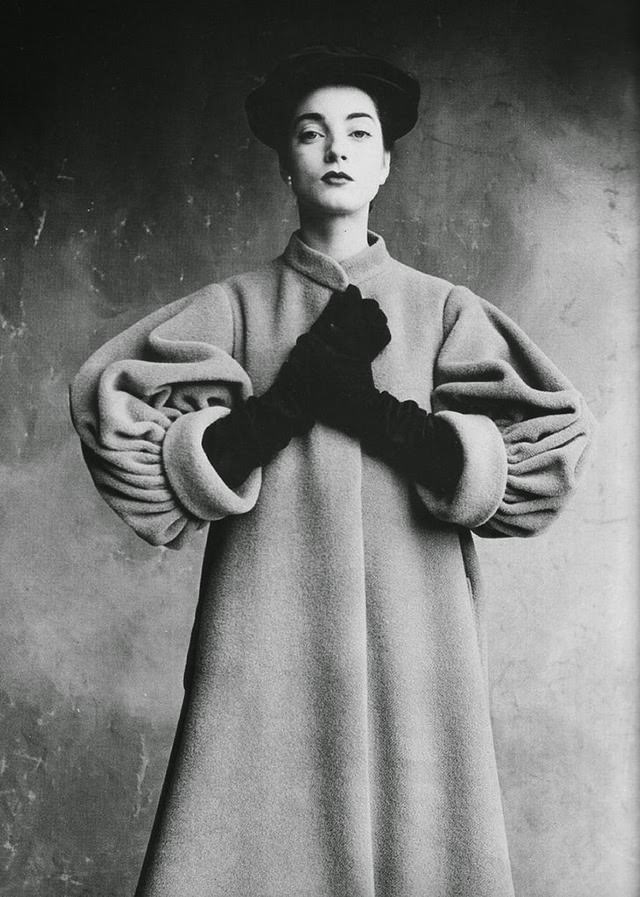
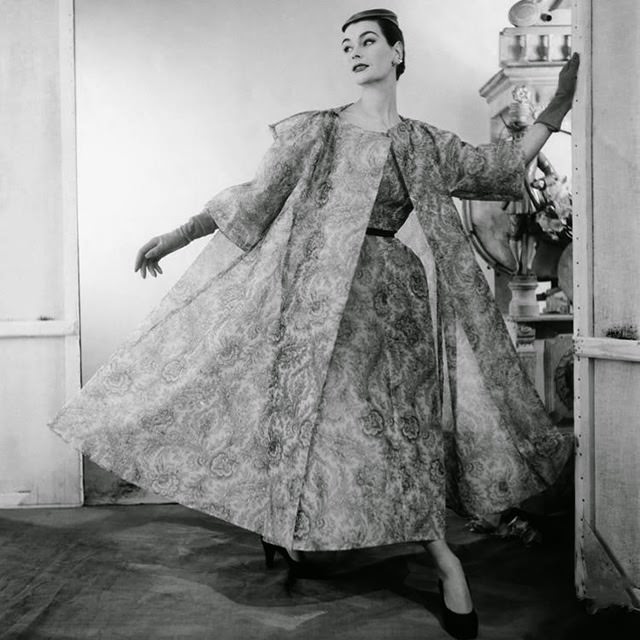
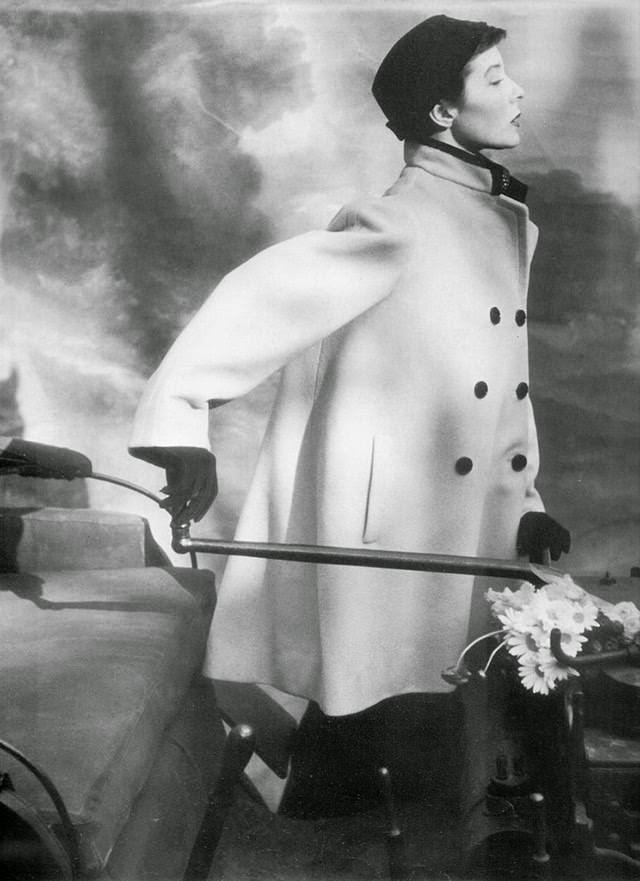
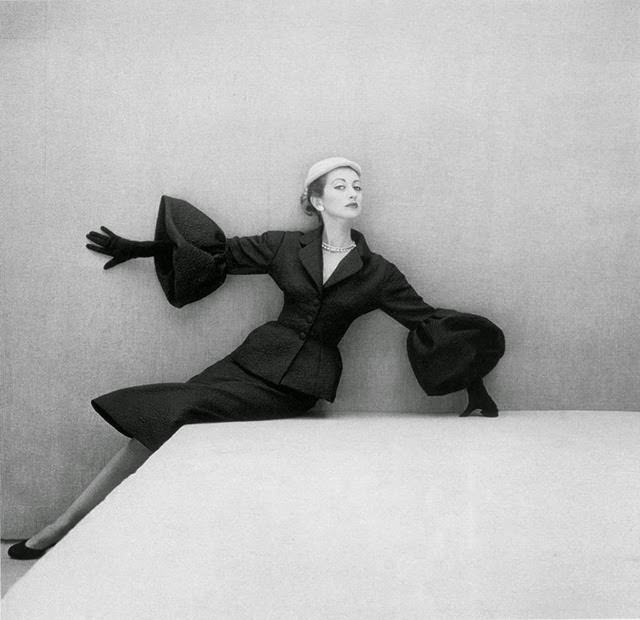
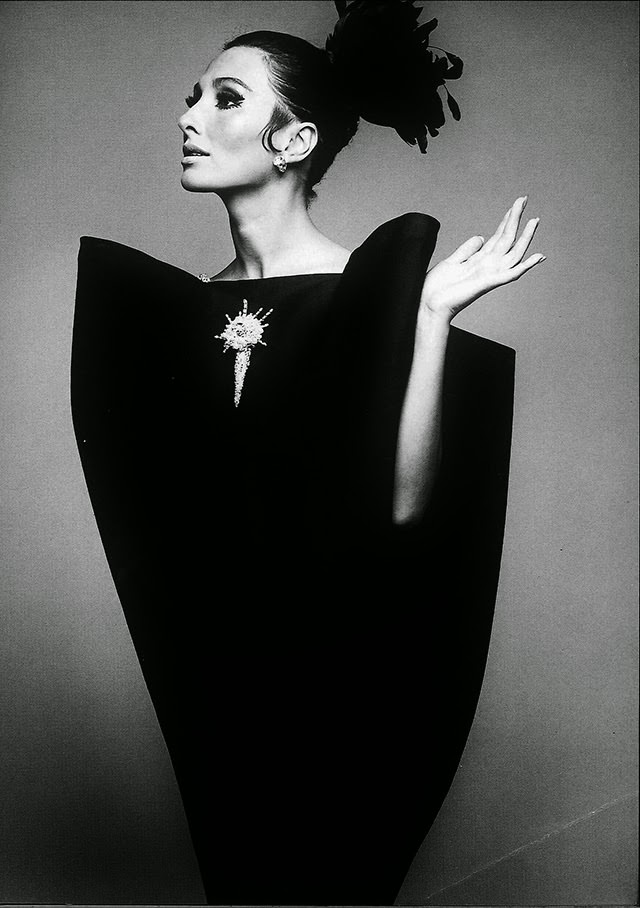
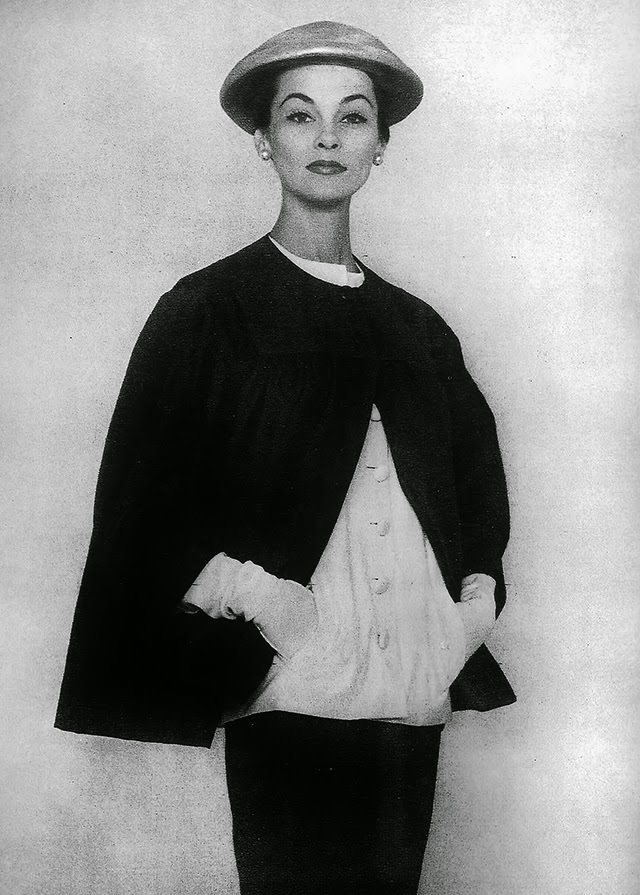
In the early 1950s, Balenciaga introduced shapes that moved away from tight corseting. His garments allowed space between fabric and body. Coats and dresses stood away from the figure while maintaining control.
The barrel line, semi-fitted shapes, and loose backs altered how women moved. Clothing no longer followed the body closely at all points. Instead, it created a new outline that depended on balance and proportion.
Many popular 1950s styles reflected softened versions of these ideas. While other designers emphasized waist and bust, Balenciaga focused on architectural form.
Mastery of Construction
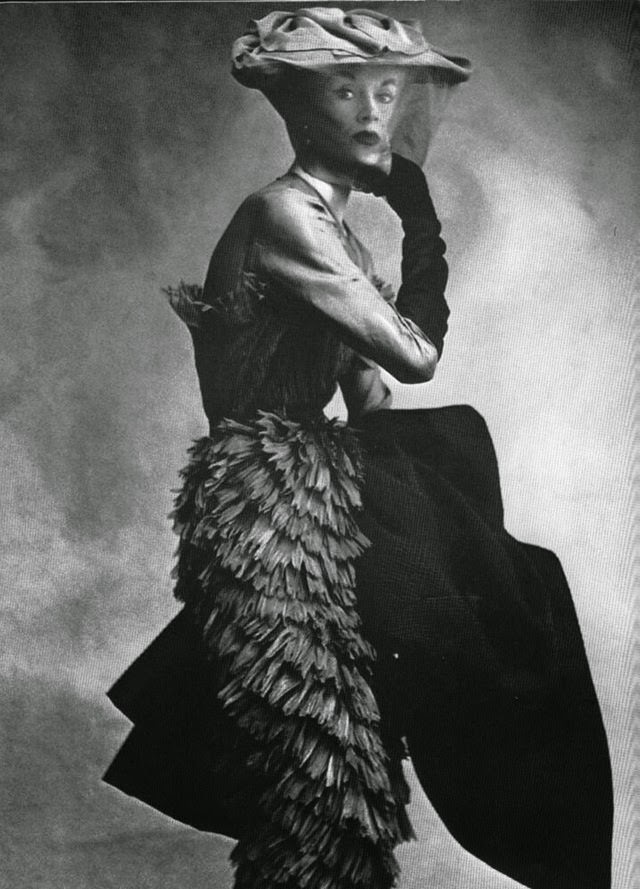
Balenciaga built garments from the inside out. Internal seams, linings, and hidden supports shaped the final look. This method required skilled labor and precise planning.
Sleeves were cut to allow freedom of movement without excess fabric. Necklines sat cleanly without pulling or collapse. Skirts fell smoothly due to careful weight distribution.
These technical choices remained mostly invisible to the viewer. The result was clothing that appeared effortless while being complex in construction.
Fabric as Structure
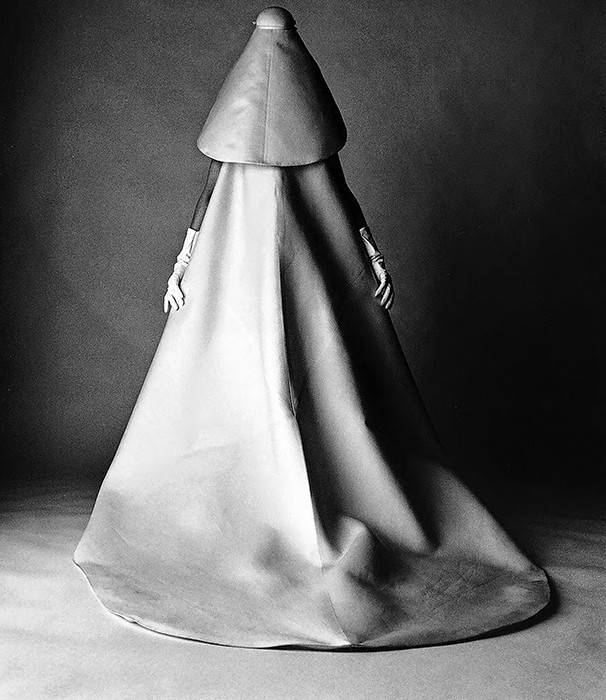
Balenciaga selected fabrics for their ability to hold shape. He favored stiff silks, wool gazar, and heavy cottons. These materials supported volume without added layers.
Rather than forcing fabric to conform, he allowed it to define the form. Folds and curves followed the fabric’s natural behavior. This approach created garments that maintained their shape throughout wear.
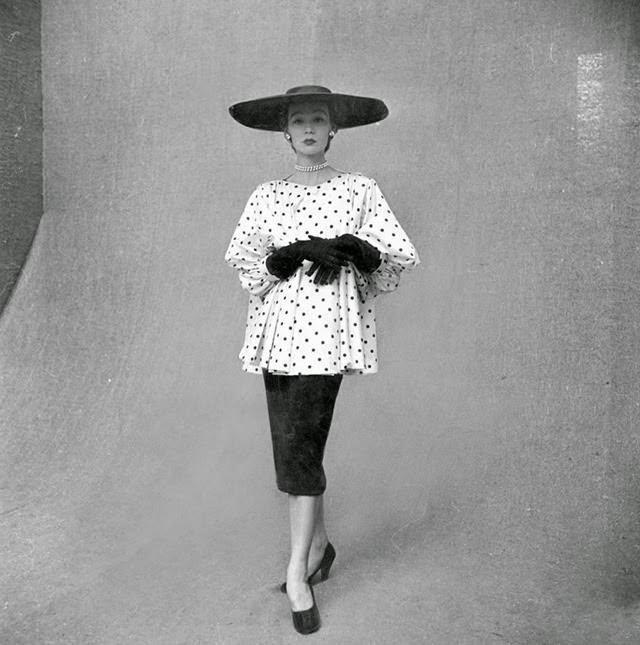
Color use remained restrained during this period. Balenciaga relied on black, white, navy, brown, and deep jewel tones. Pattern was minimal, and surface decoration stayed limited.
Attention remained on silhouette rather than print. Texture came from fabric choice and construction rather than embellishment.