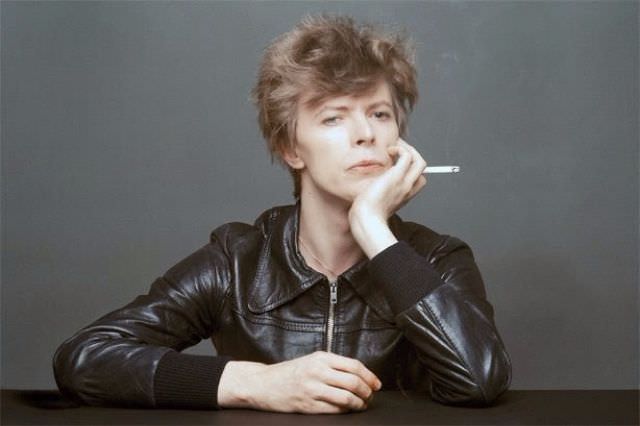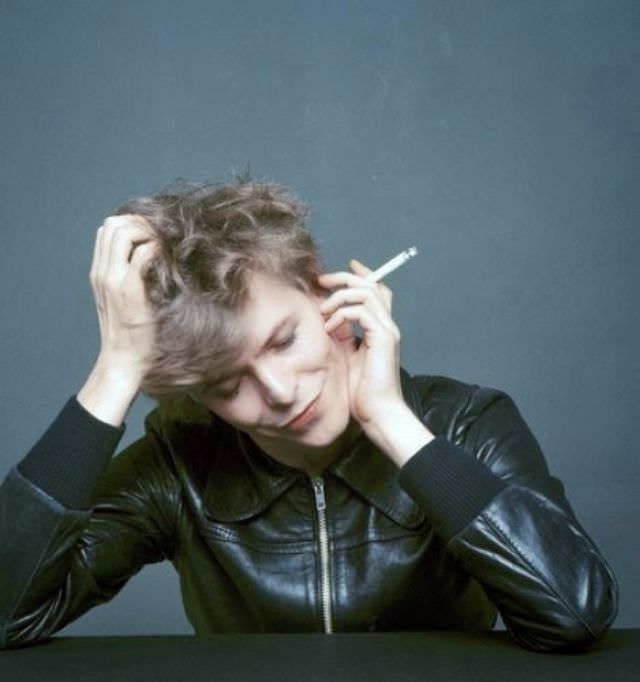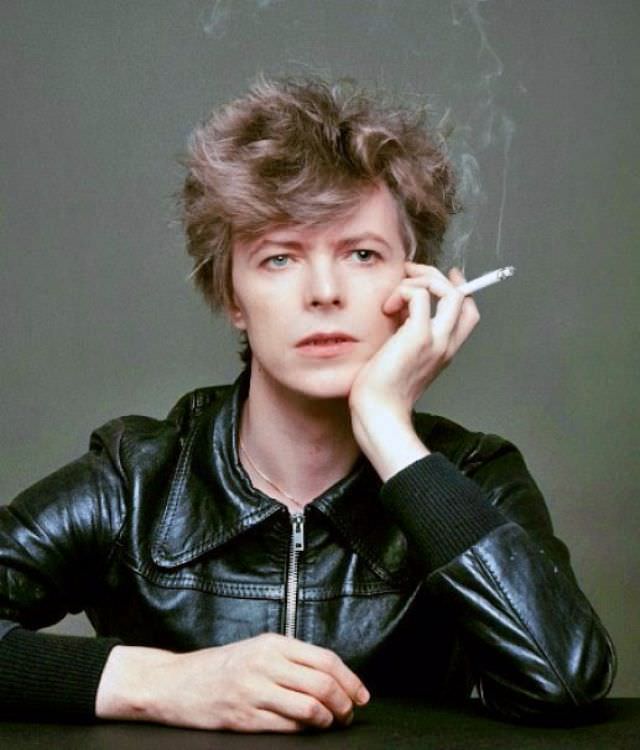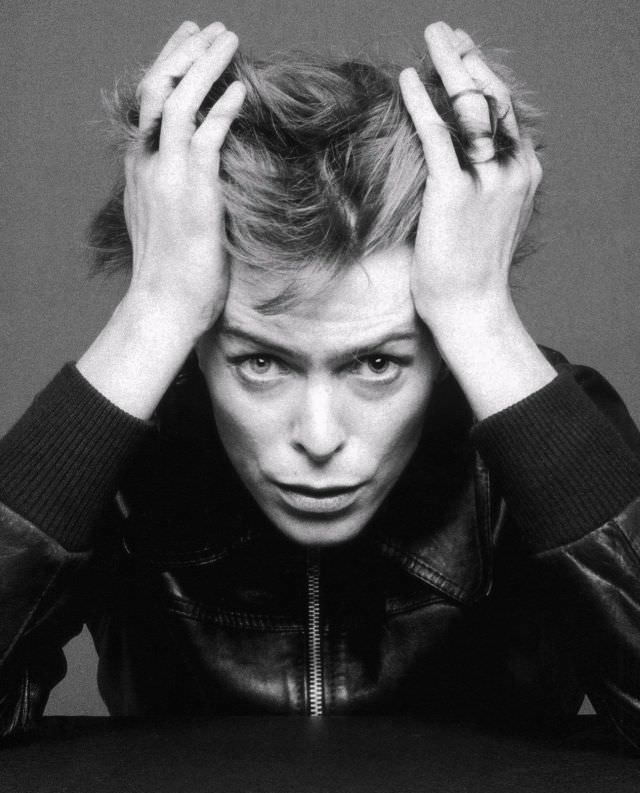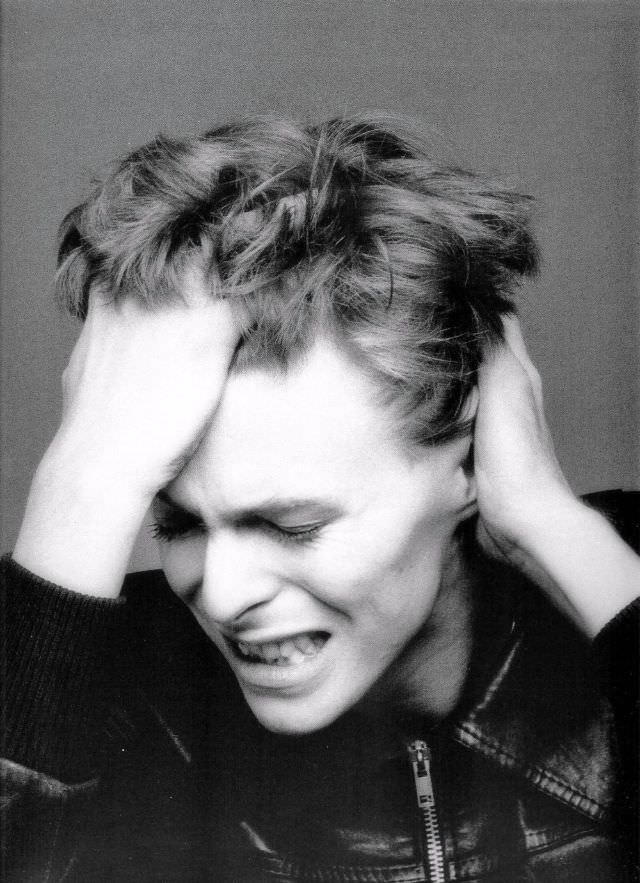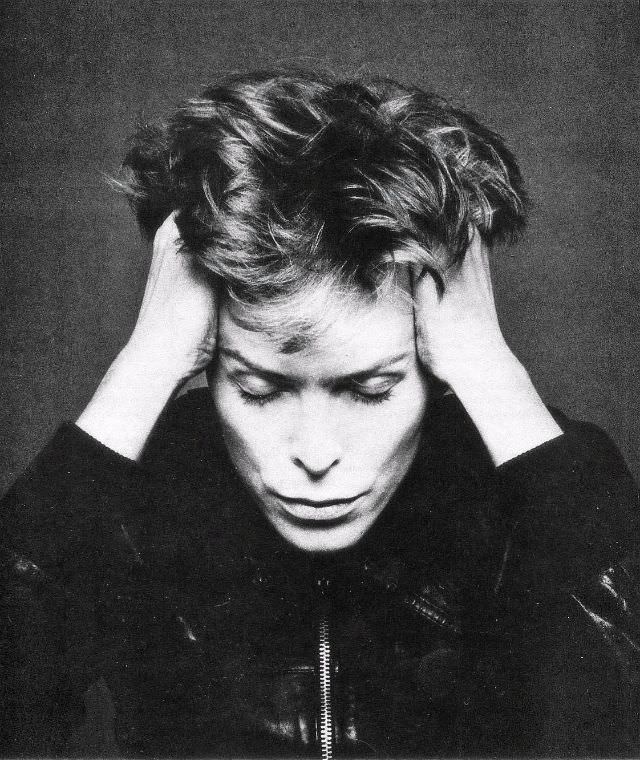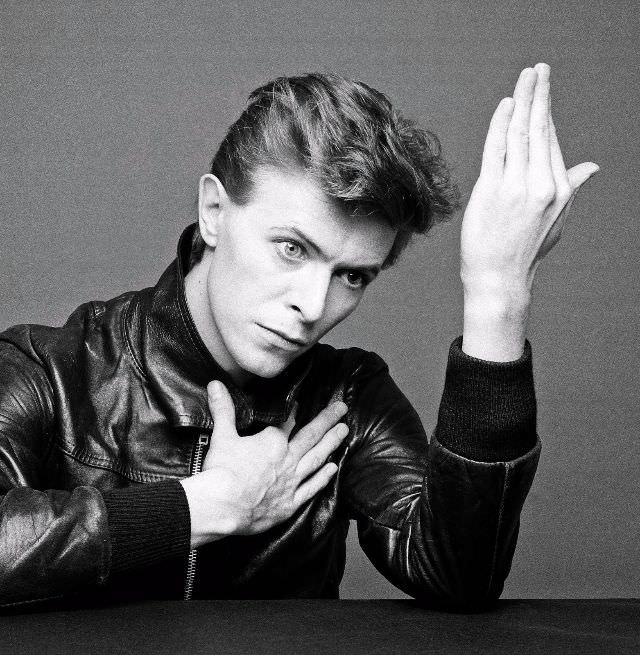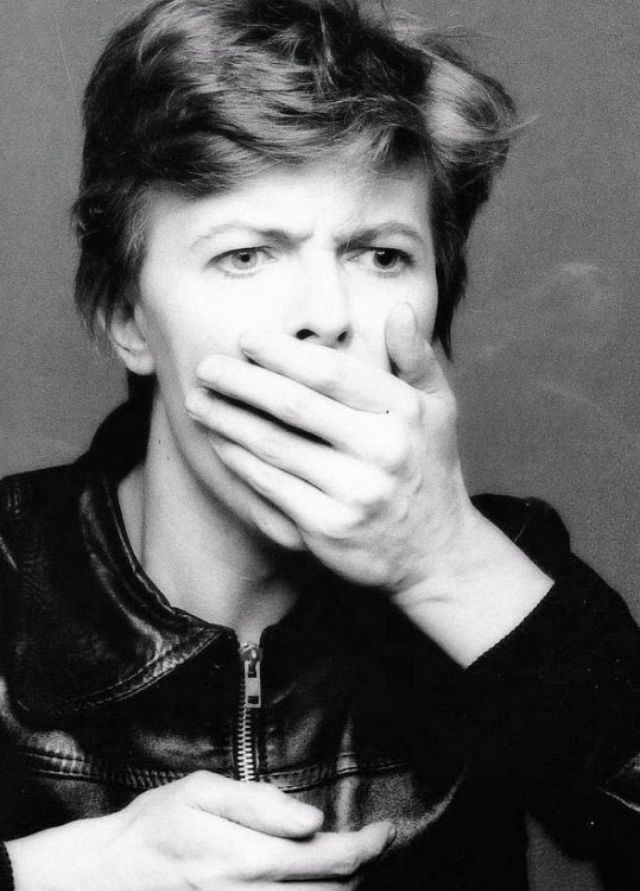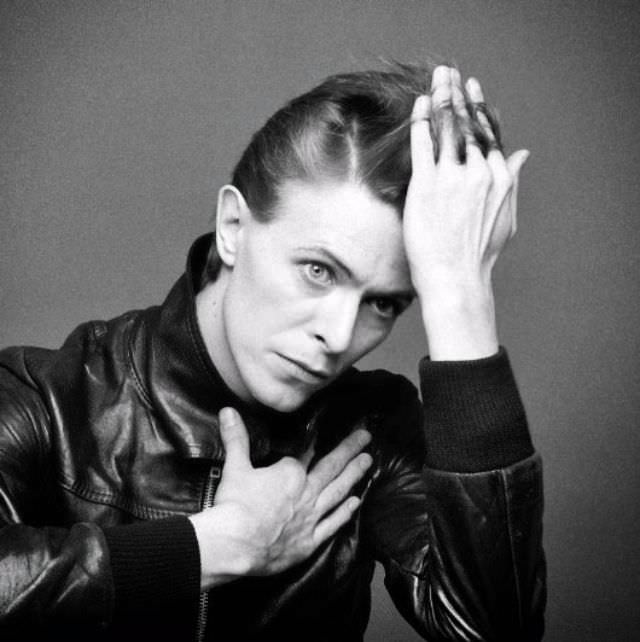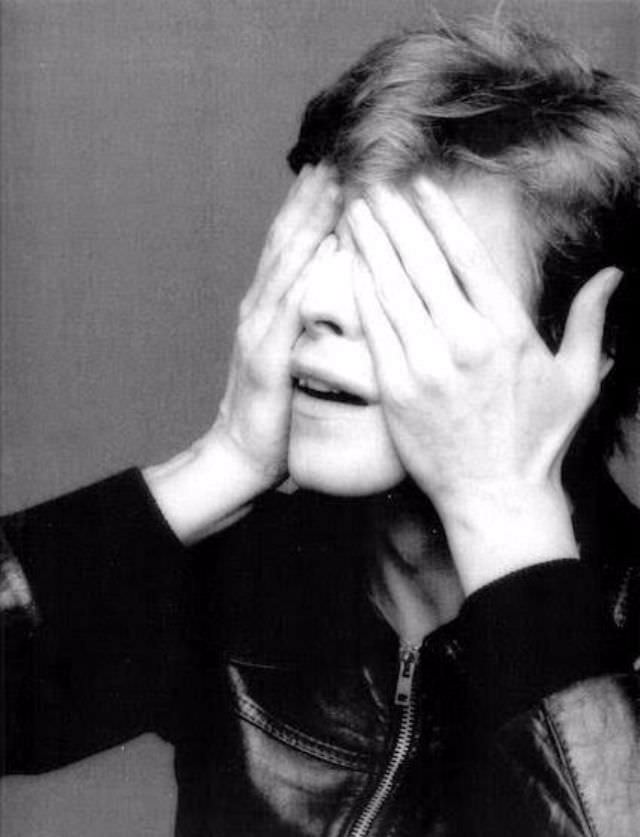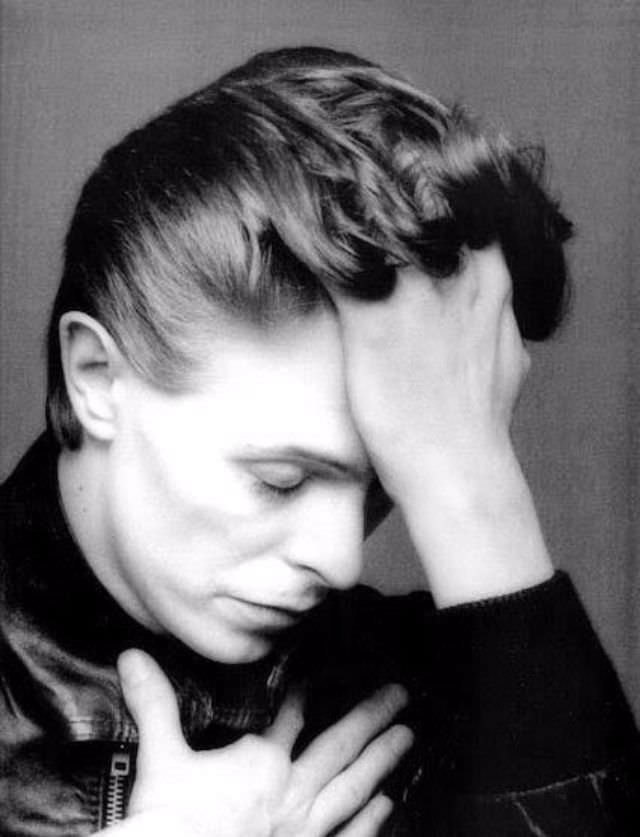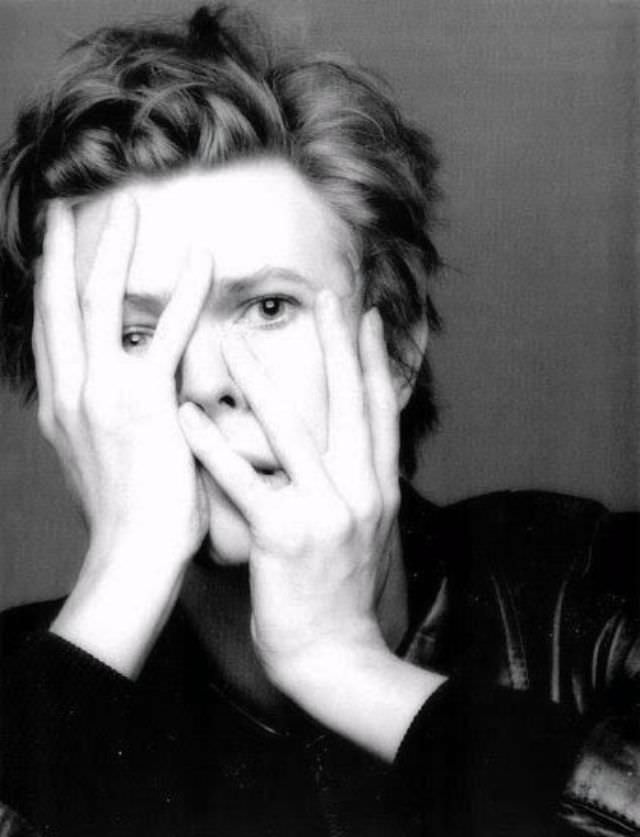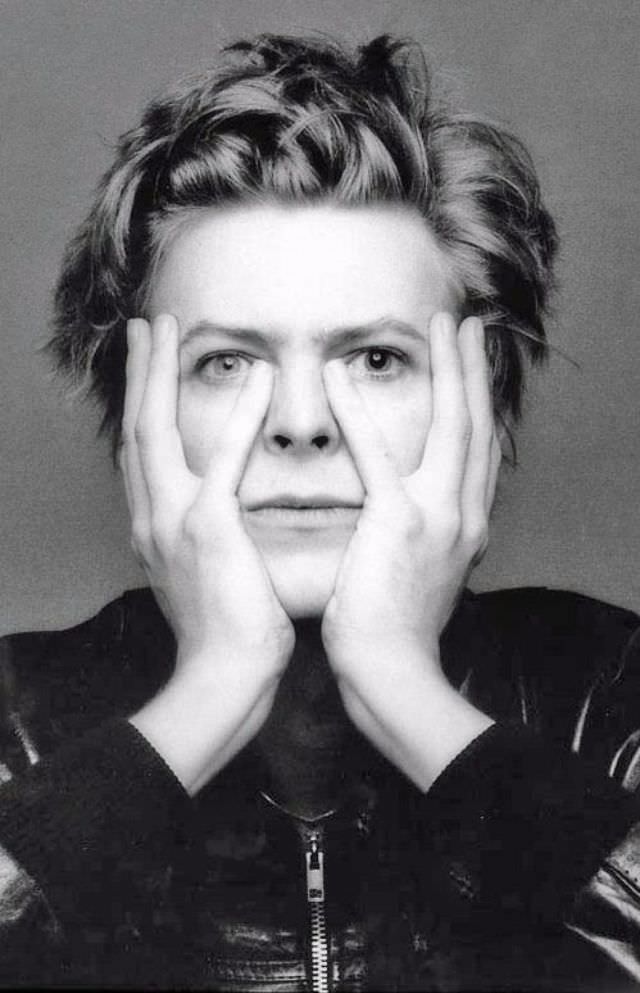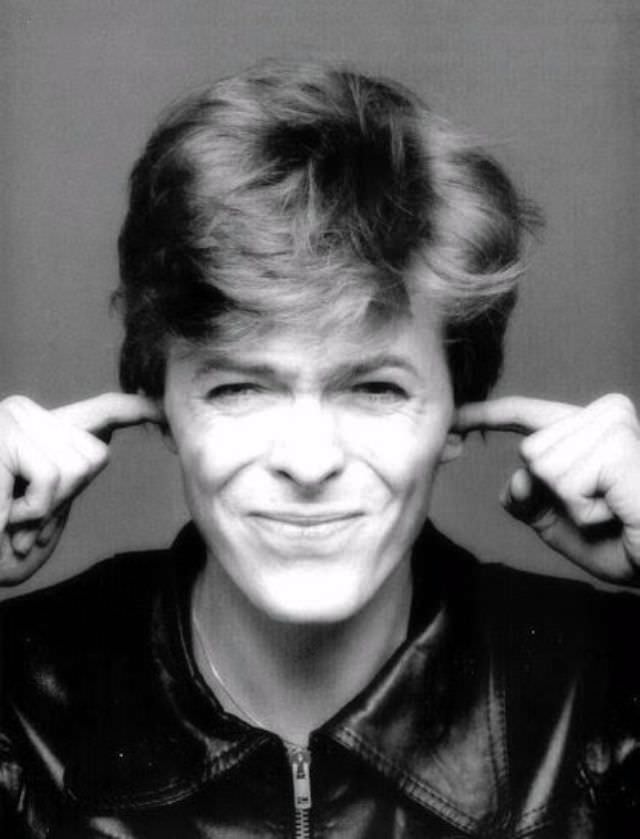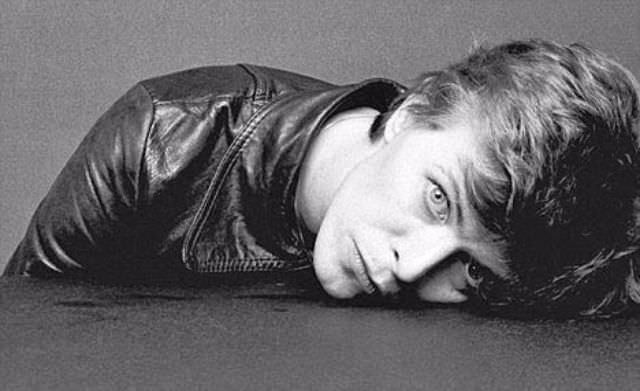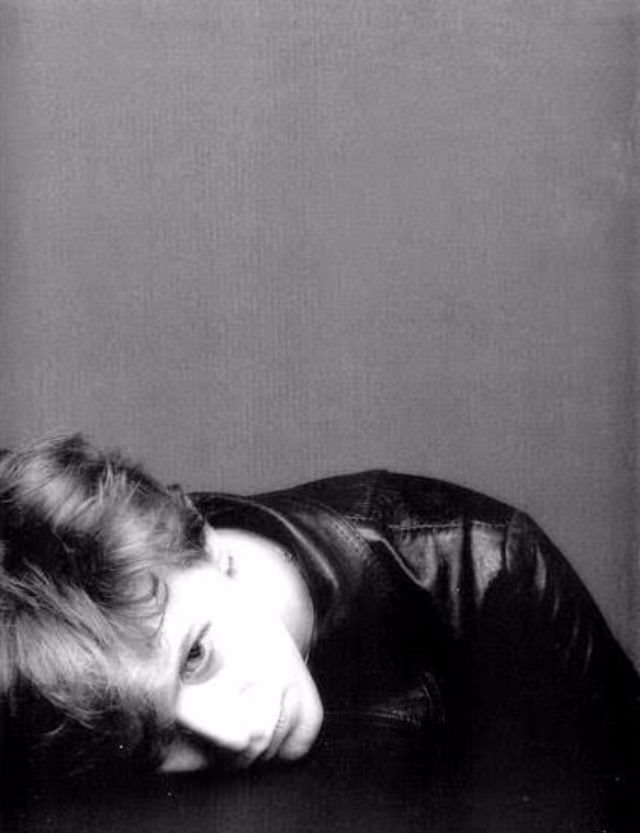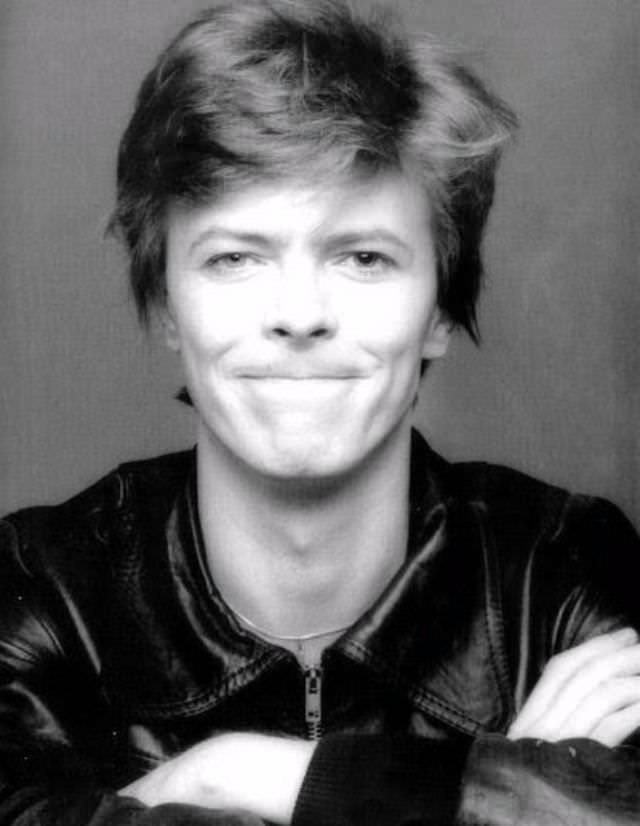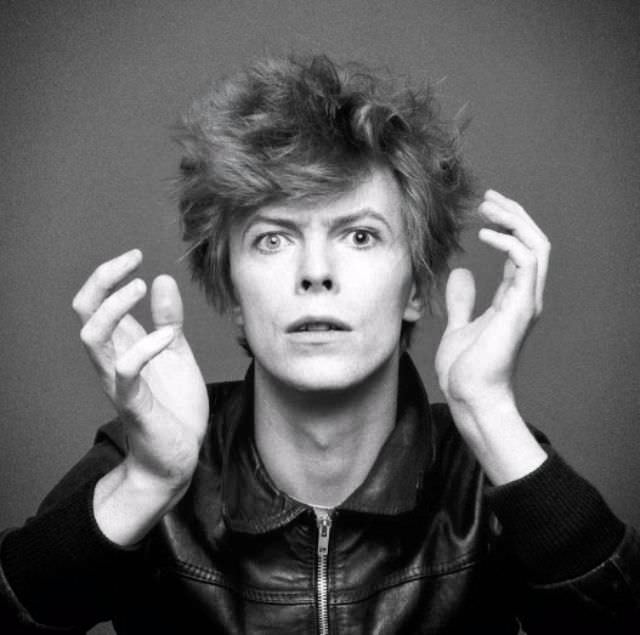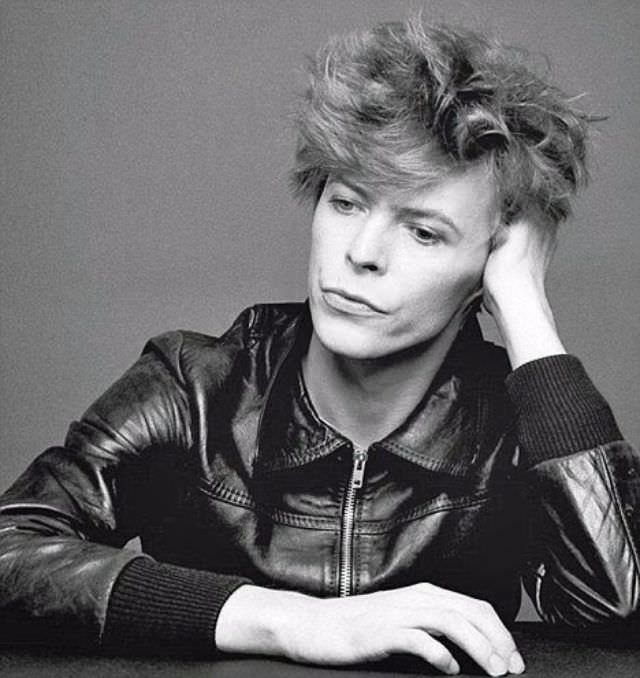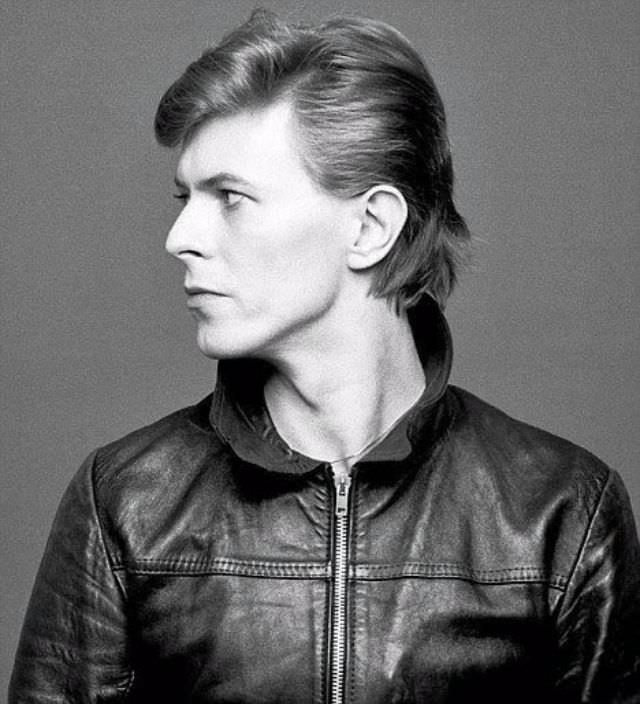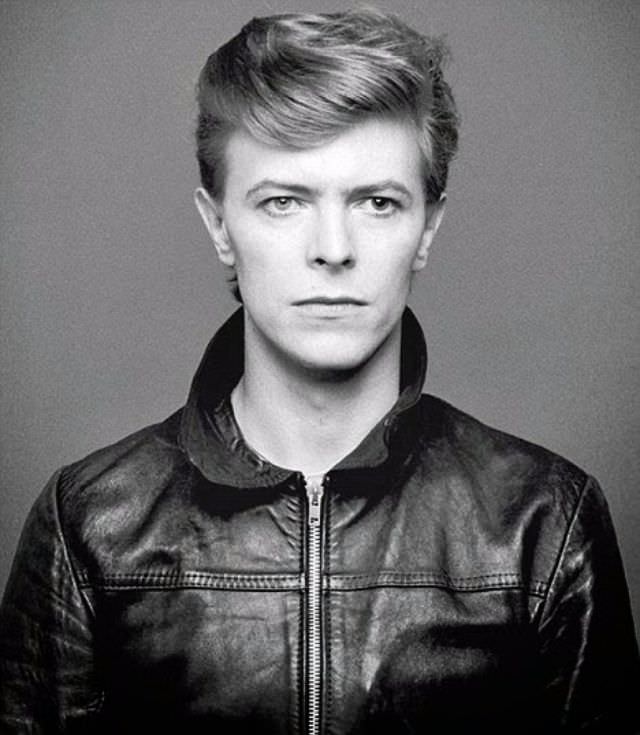

In 1977, David Bowie worked with photographer Masayoshi Sukita on the cover of his Heroes album. Sukita had already been photographing Bowie for several years, capturing the singer’s shifting artistic styles. For this shoot, Sukita aimed to create a striking, minimalist image that would convey both intensity and elegance.
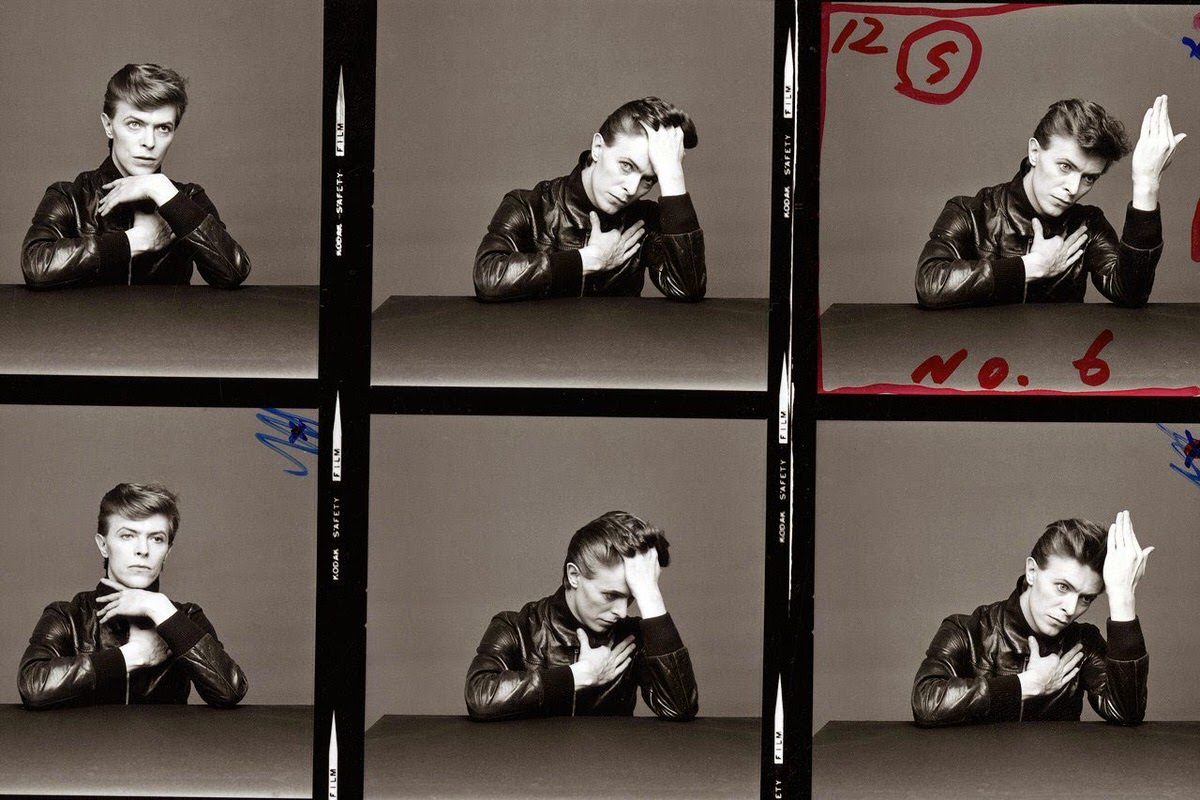
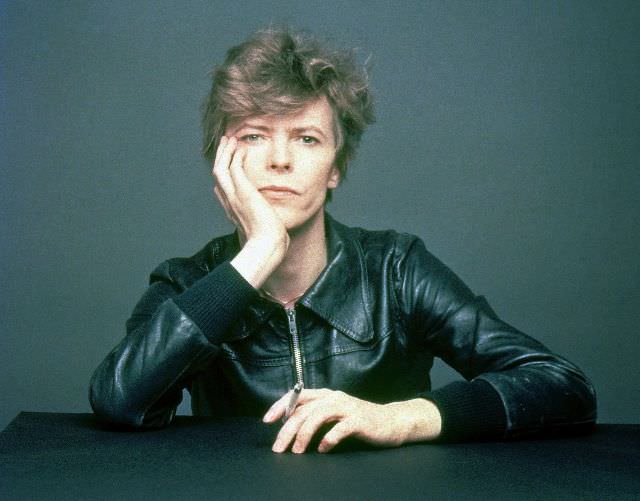
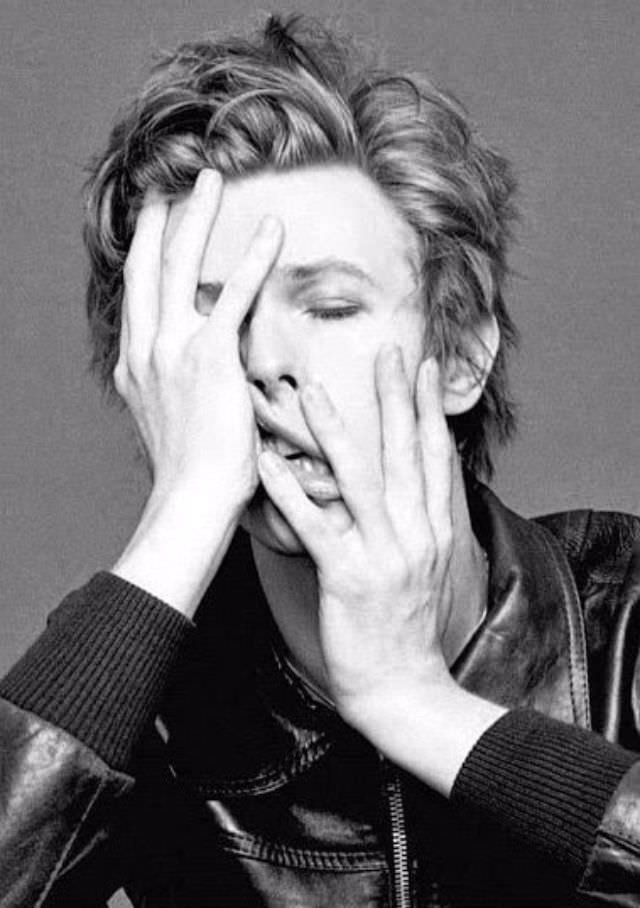
Bowie struck a pose with his hands framing his face, directly inspired by the German expressionist painting Roquairol by Erich Heckel. Sukita experimented with many variations of this pose during the session. In some shots, Bowie’s hands were slightly higher, in others, they rested closer to his chin. Each adjustment changed the emotional tone of the image.
The lighting for the shoot was carefully controlled. Sukita used high-contrast lighting to make Bowie’s pale skin stand out against the dark background. Shadows fell across Bowie’s face in a way that accentuated his cheekbones and jawline. The lighting was a key factor in giving the final image its dramatic impact.
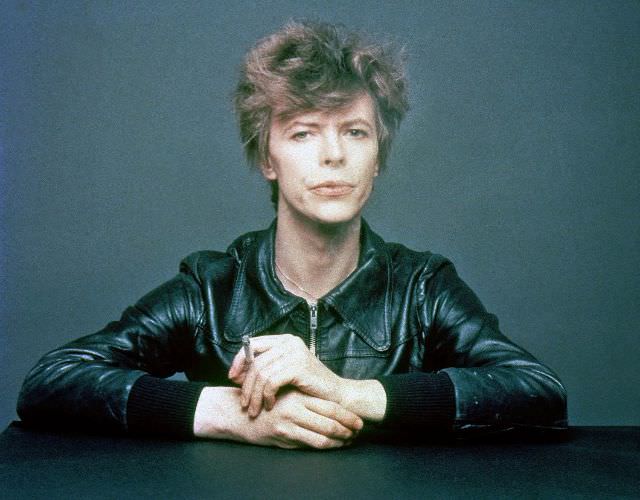
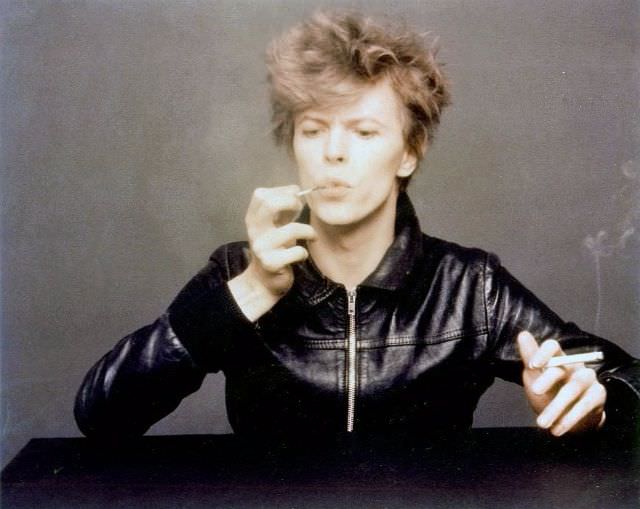
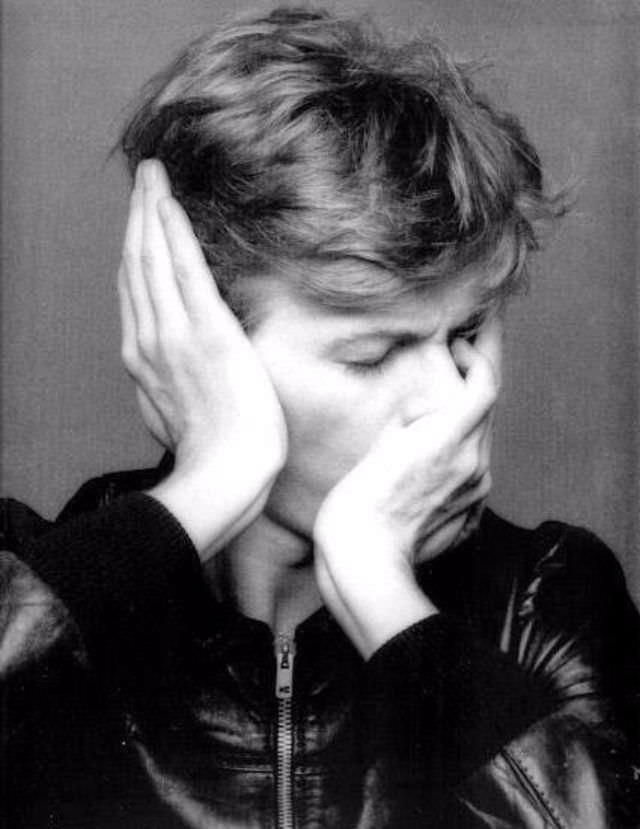
Outtakes from the session show Bowie experimenting with facial expressions. In some photos, he stared intensely at the camera. In others, he allowed a softer, almost contemplative look. These variations highlighted the versatility Bowie brought to the session.
Read more
Costuming was minimal but deliberate. Bowie wore a black jacket and dark clothing that blended with the backdrop. This choice kept the focus on his face and hands. Sukita often shifted the camera angle slightly to capture subtle differences in posture and emotion.
The session included both close-up and medium shots. Close-ups emphasized Bowie’s facial structure and hand placement. Medium shots captured more of his upper body, showing the flow of his jacket and the positioning of his arms. Each composition was intended to offer a slightly different mood for the album’s cover possibilities.
Bowie’s collaboration with Sukita was hands-on. He suggested minor changes in pose and expression, showing his understanding of visual storytelling. Sukita responded by adjusting lighting and angles to match Bowie’s ideas. This back-and-forth produced dozens of high-quality images beyond the one chosen for the final cover.
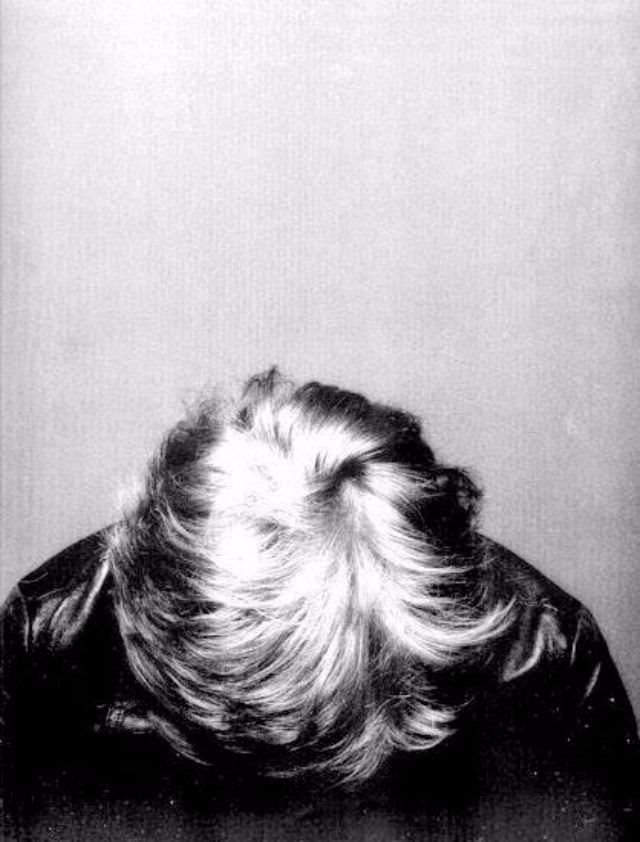
Some outtakes reveal Bowie with a relaxed, almost playful energy. In certain frames, he tilted his head or shifted his gaze away from the camera. These images contrast sharply with the controlled intensity of the final cover. They provide insight into Bowie’s personality and his approach to performance, even in still photography.
The shoot took place in a single day, but Sukita captured a wide range of moods. Each shot had a different combination of lighting, angle, and expression. These experiments allowed Sukita to select the image that would ultimately become iconic.
Robert Fripp’s contribution to the Heroes album occurred around the same time. While Fripp recorded guitar parts in a single day, Bowie’s visual presentation was equally deliberate. The outtakes from the cover shoot reflect the same precision and artistic control that Bowie applied to his music.
The final cover image was selected for its intensity, simplicity, and compositional balance. The outtakes remain a valuable record of the creative process, showing Bowie and Sukita refining every detail of posture, expression, and lighting. They demonstrate the collaboration and attention to nuance that defined Bowie’s approach to his art.