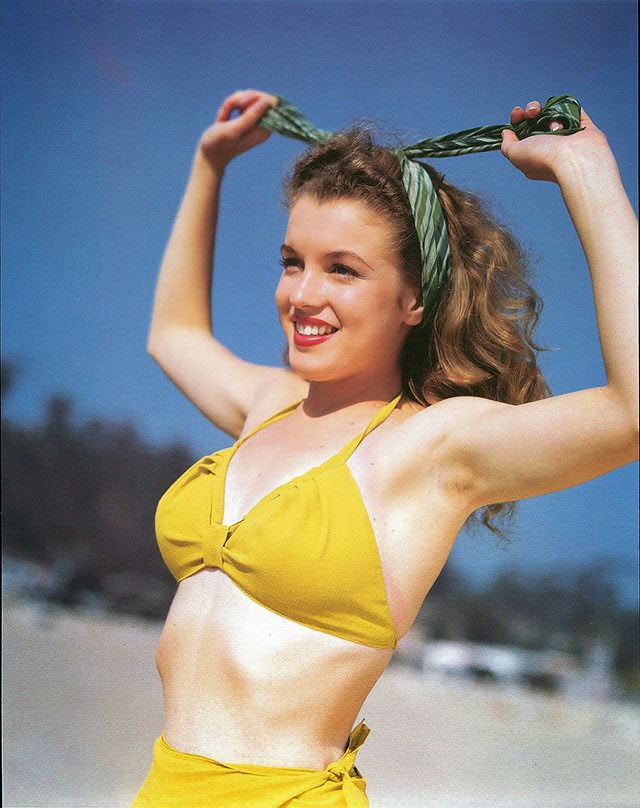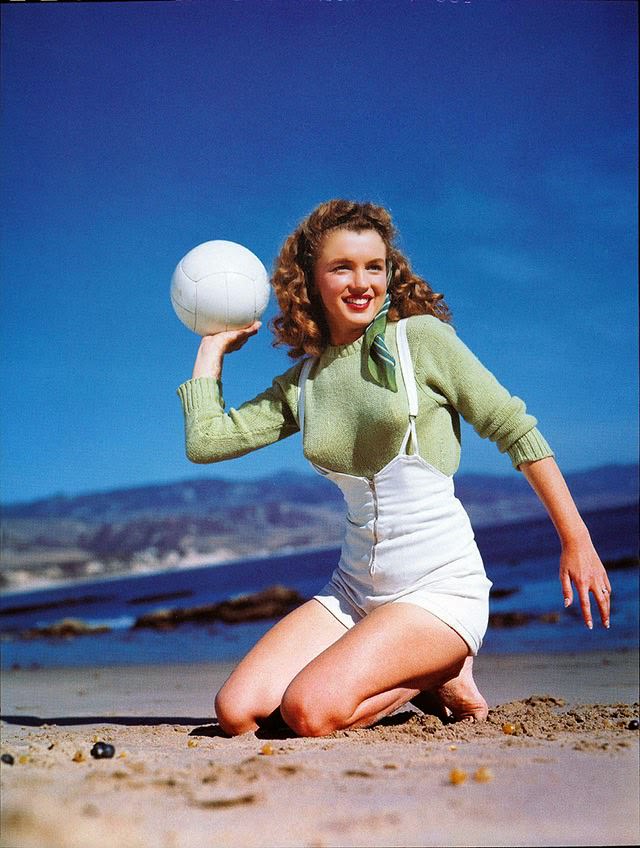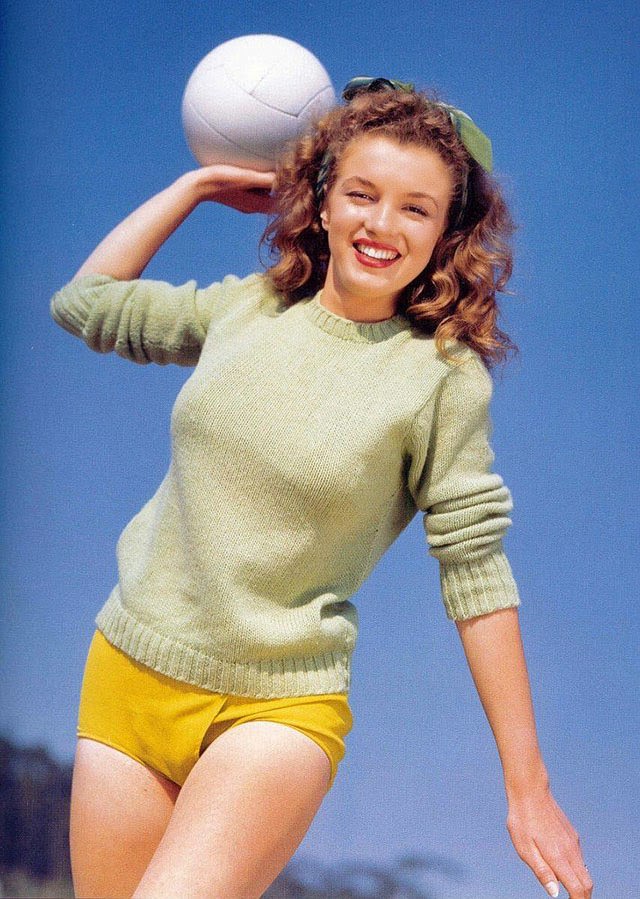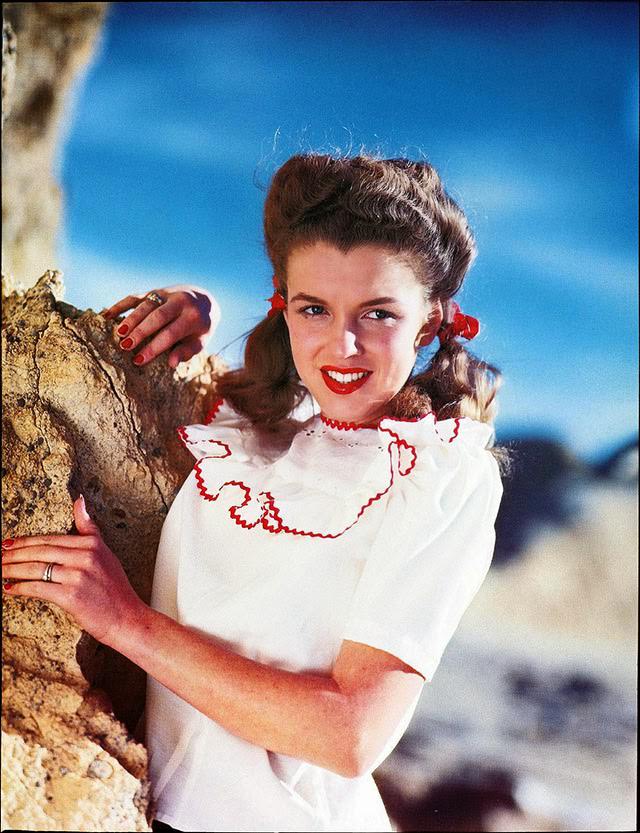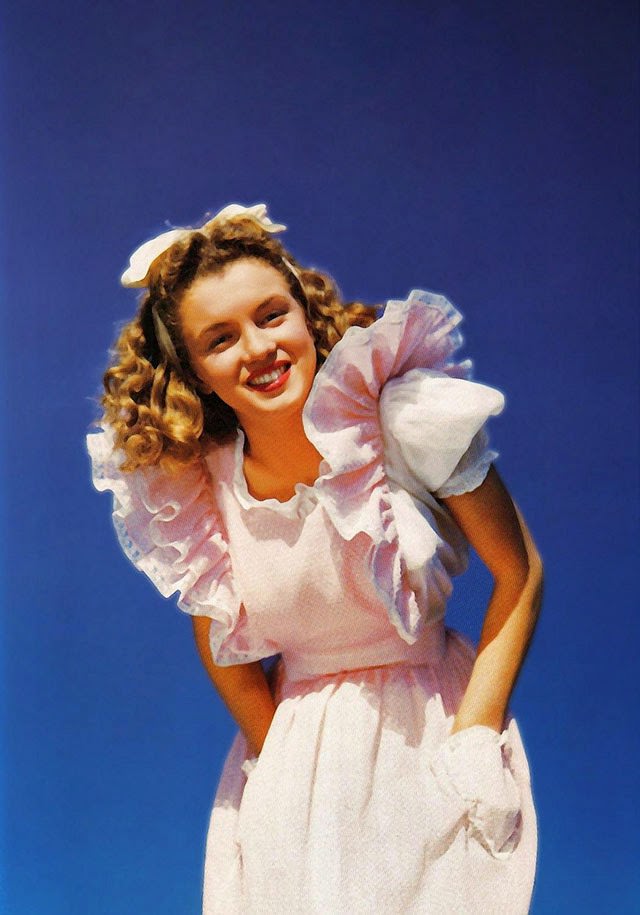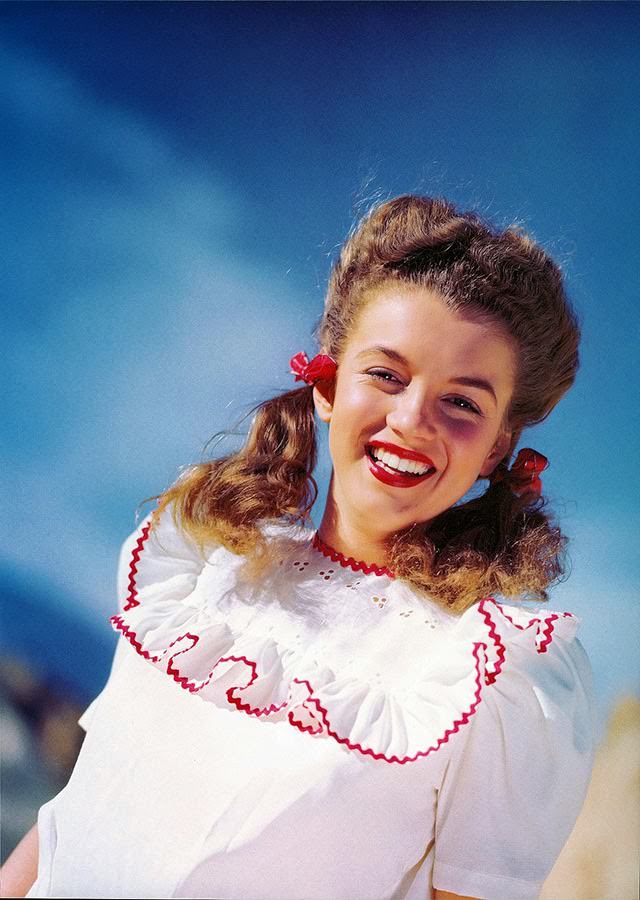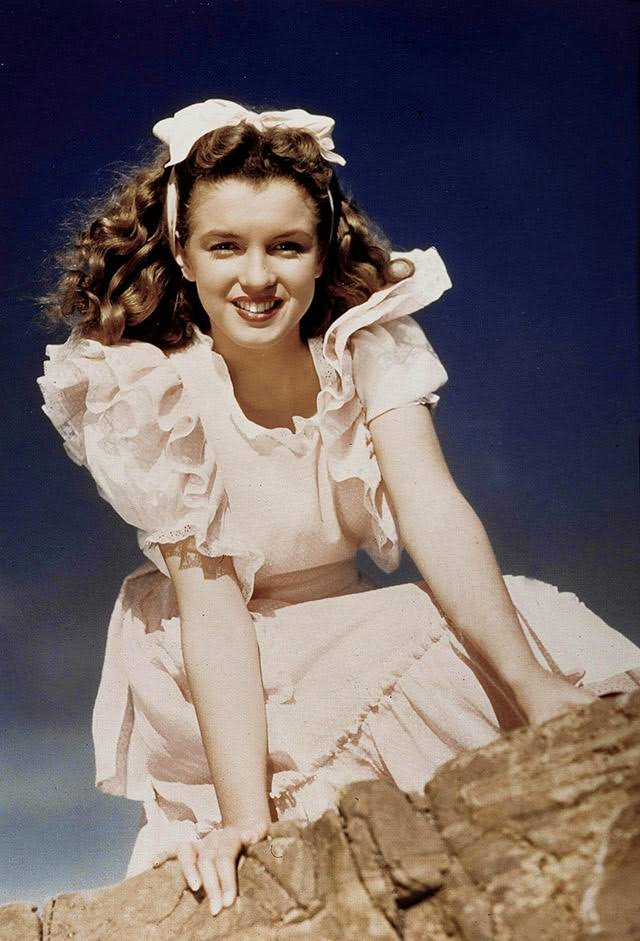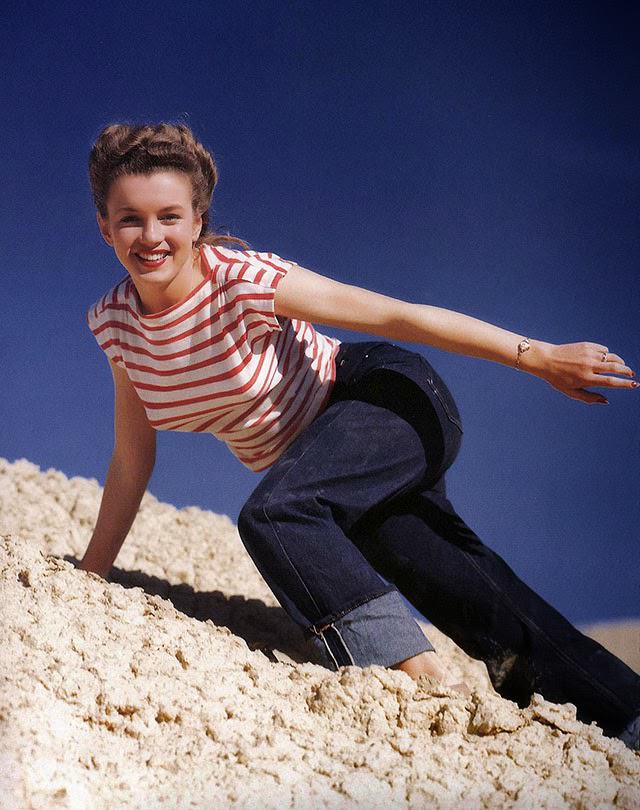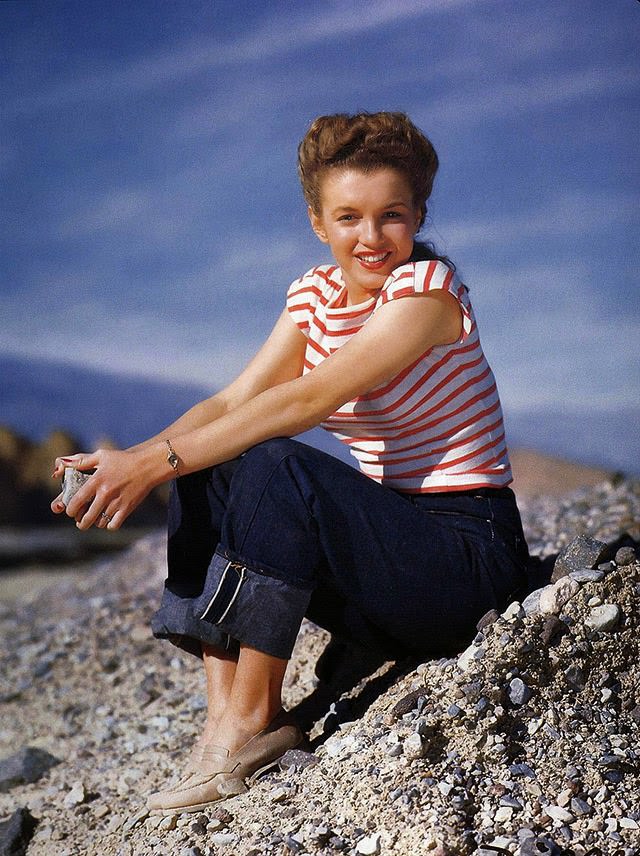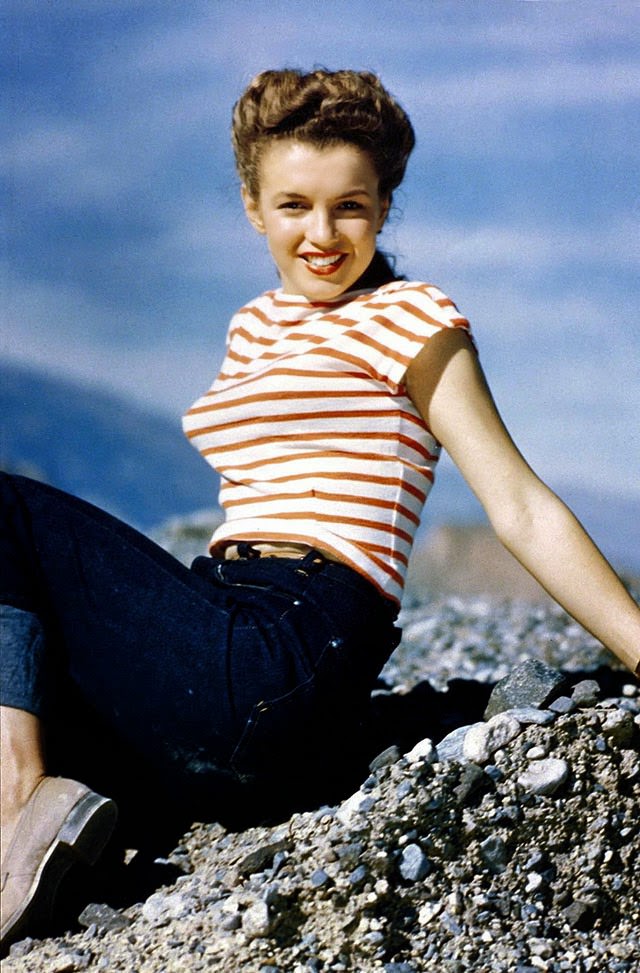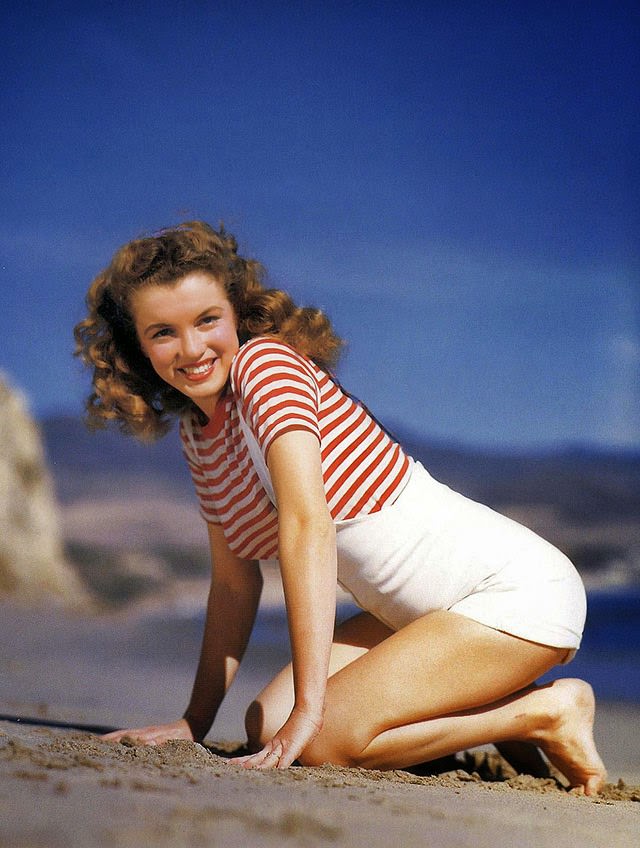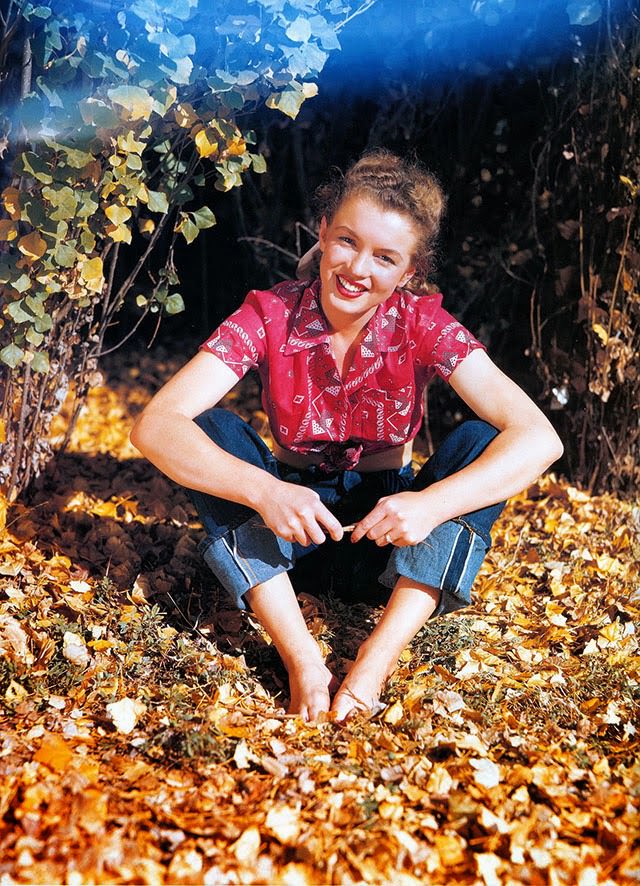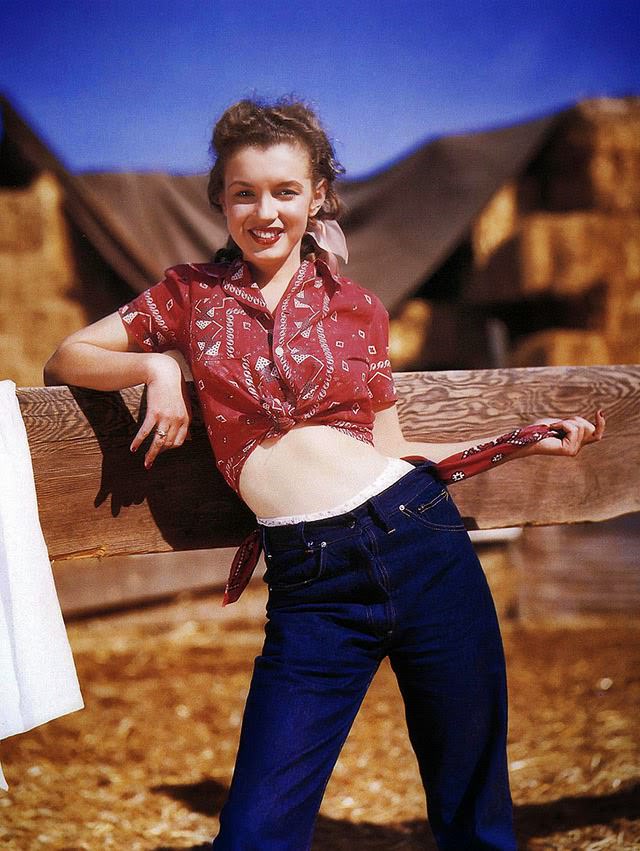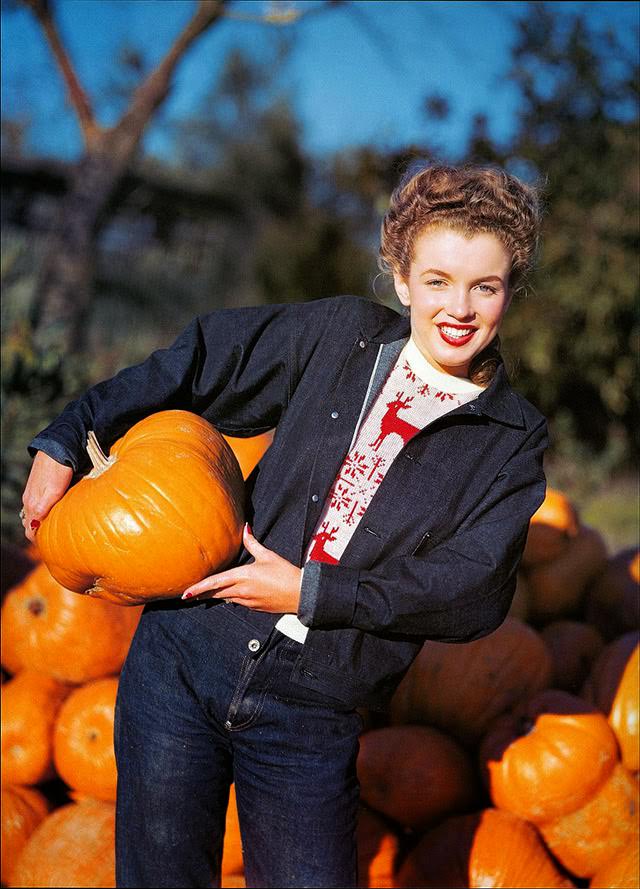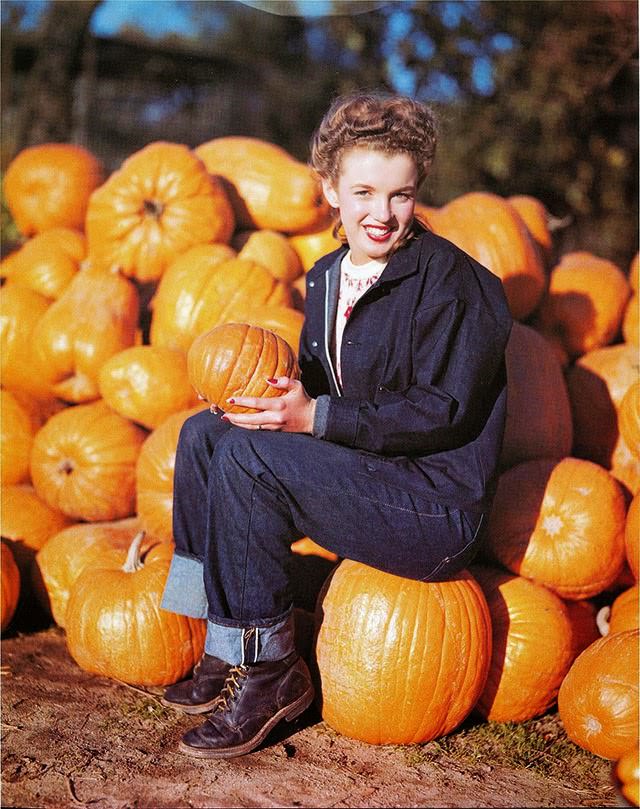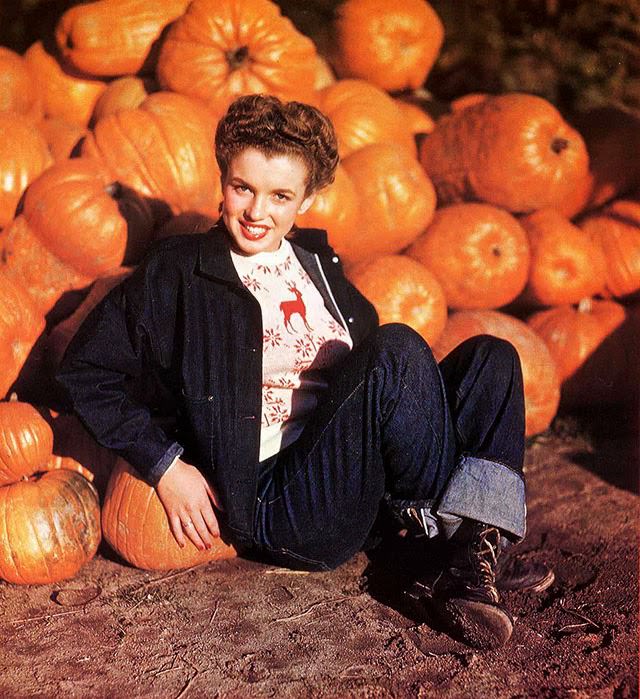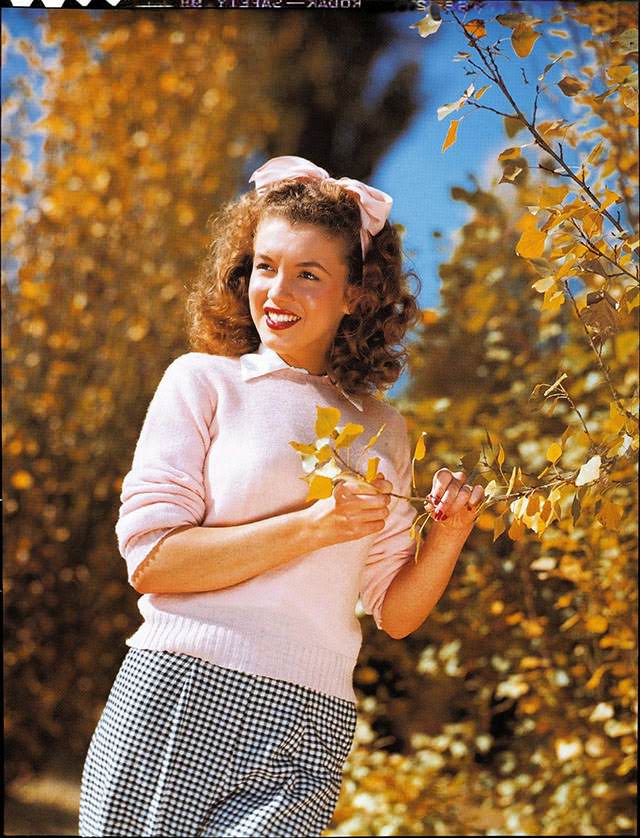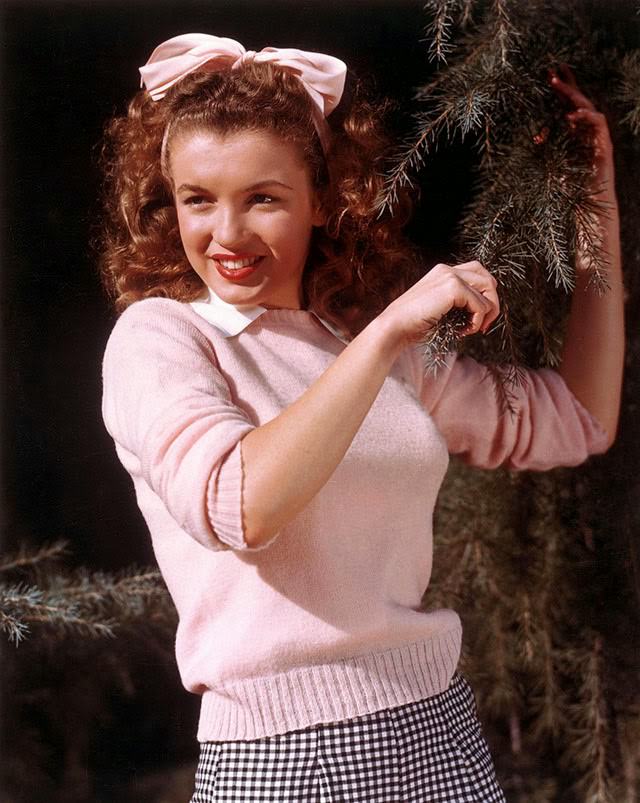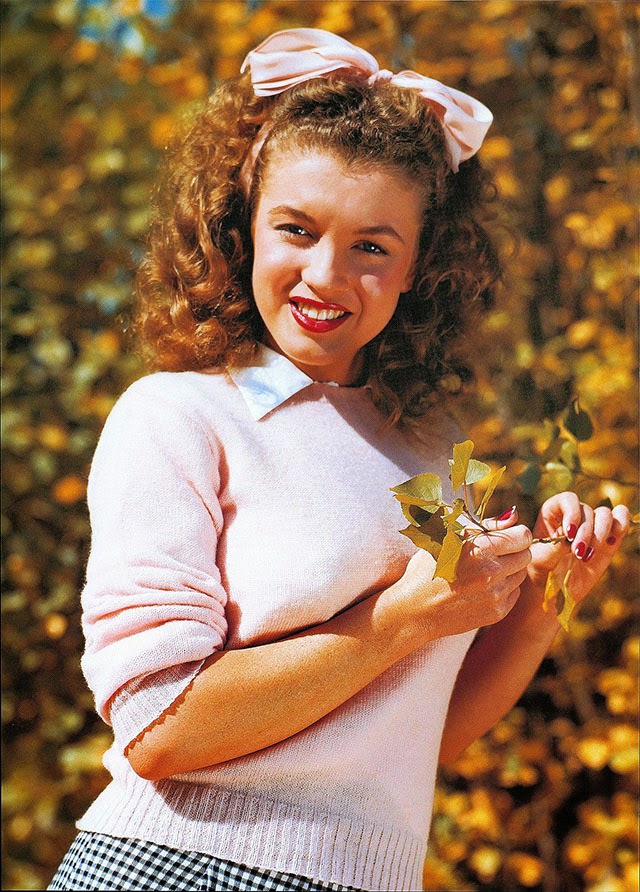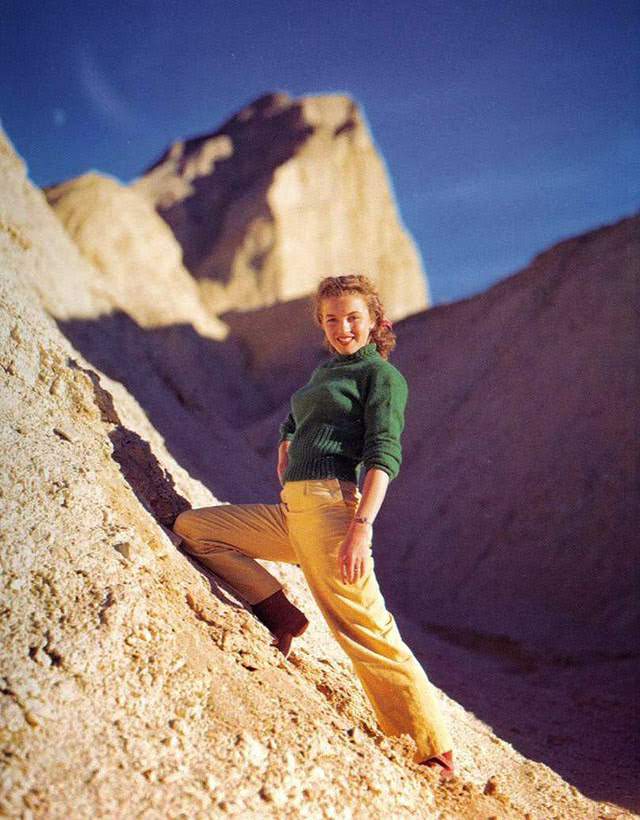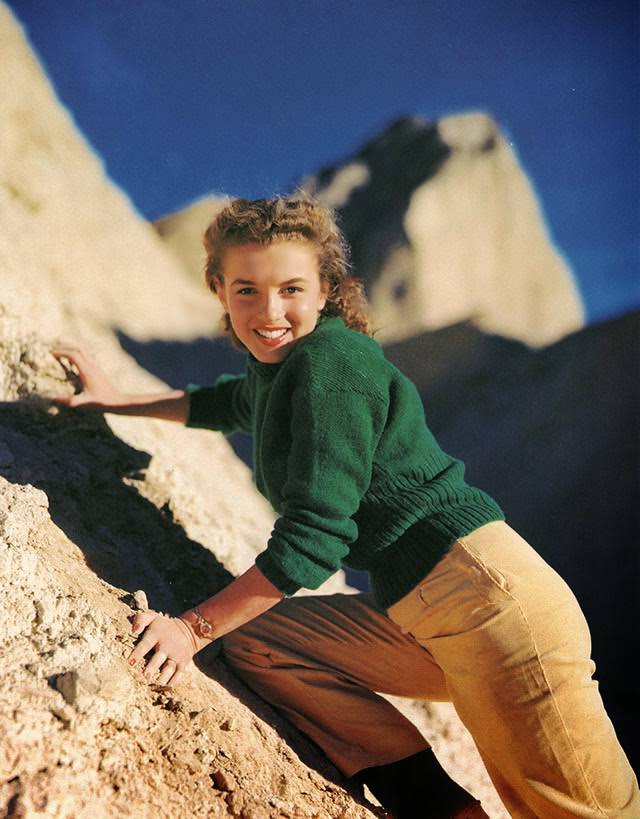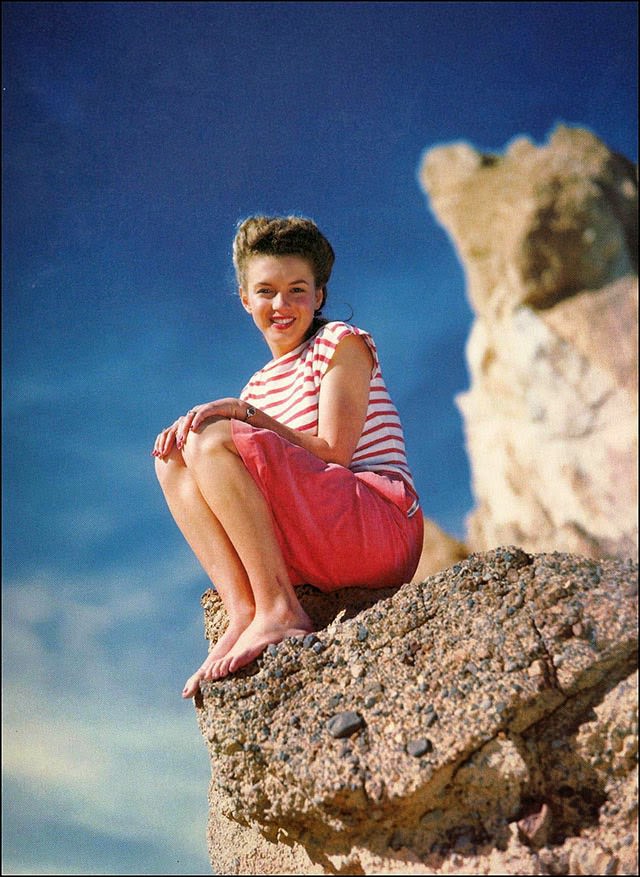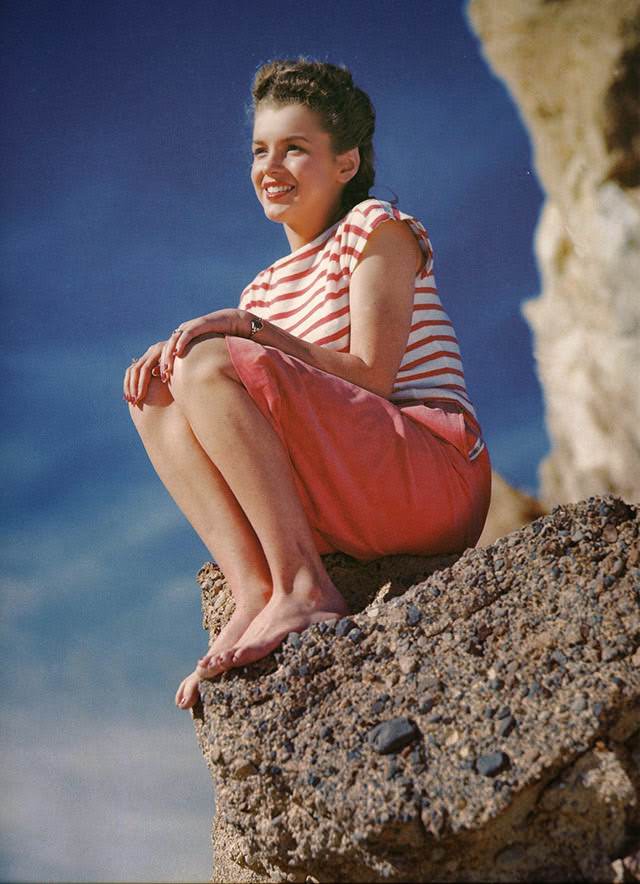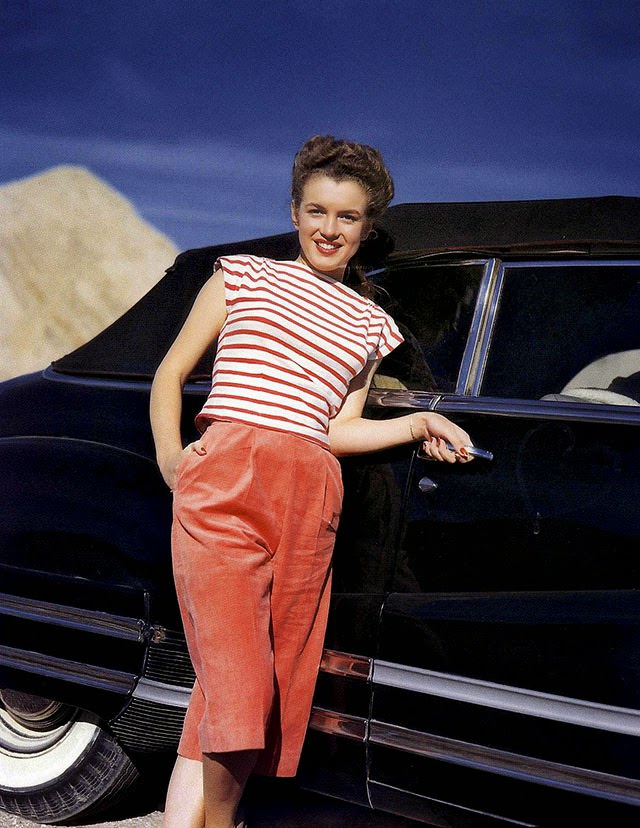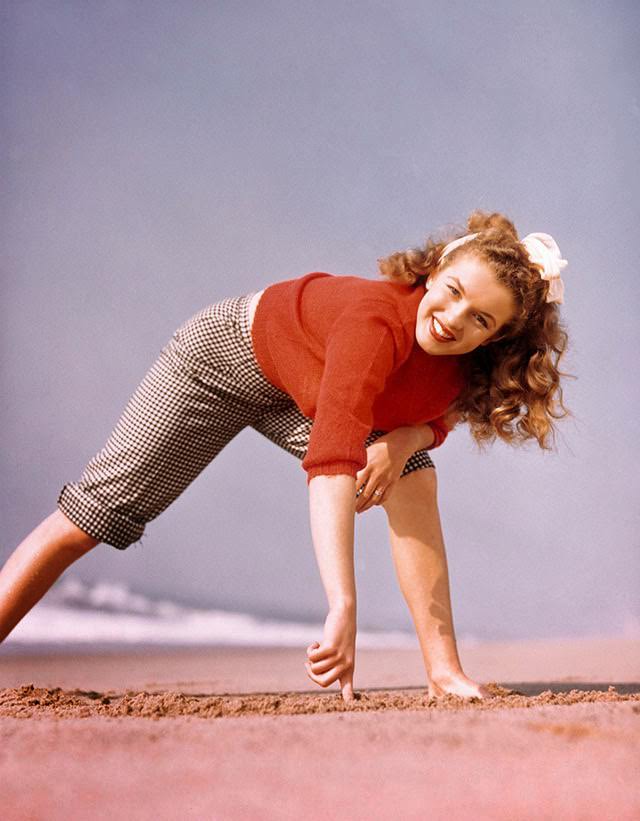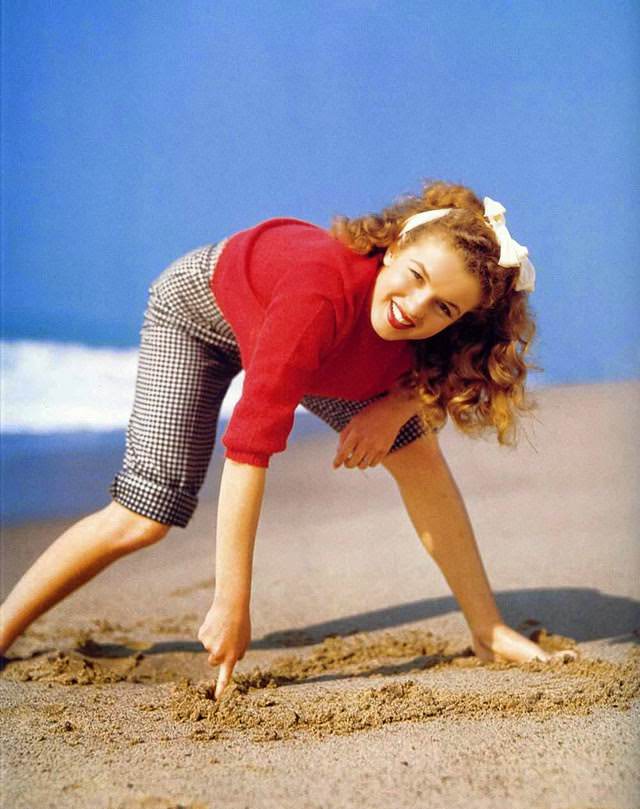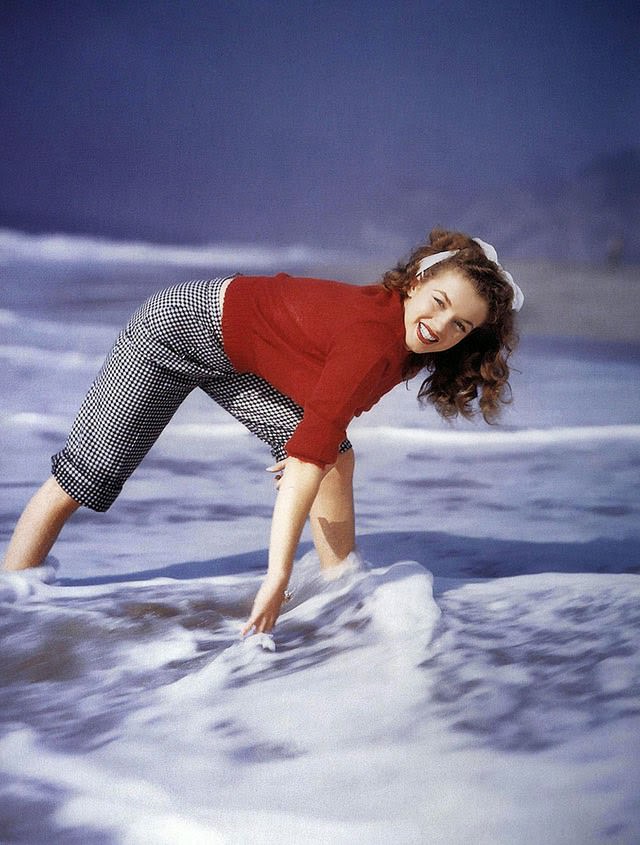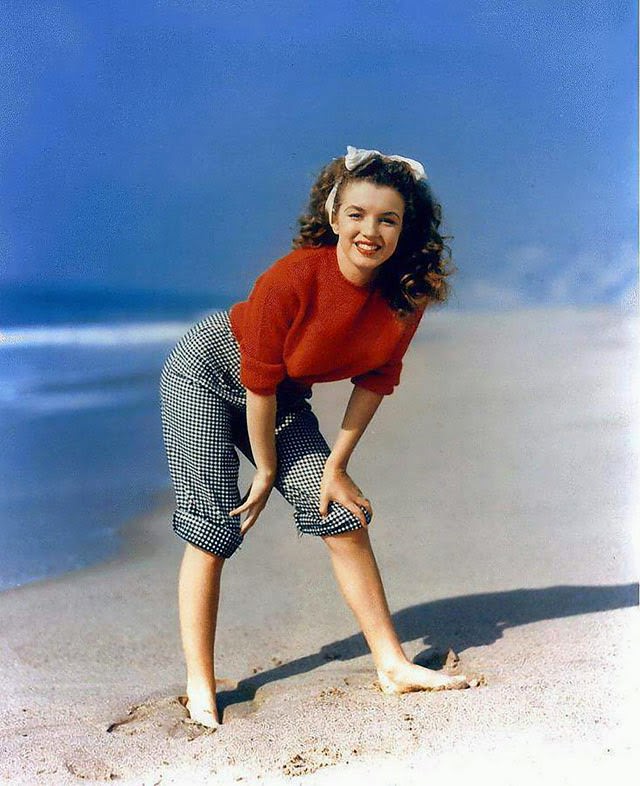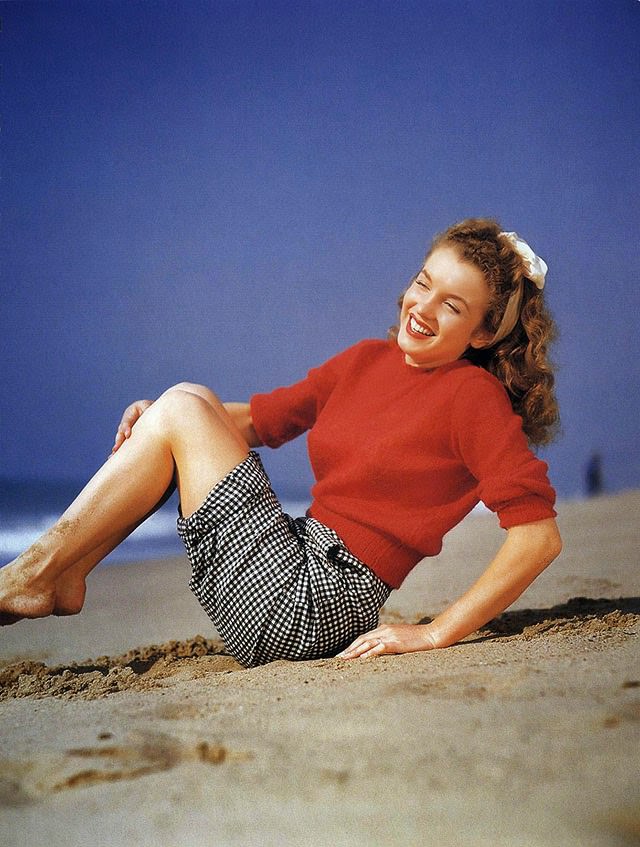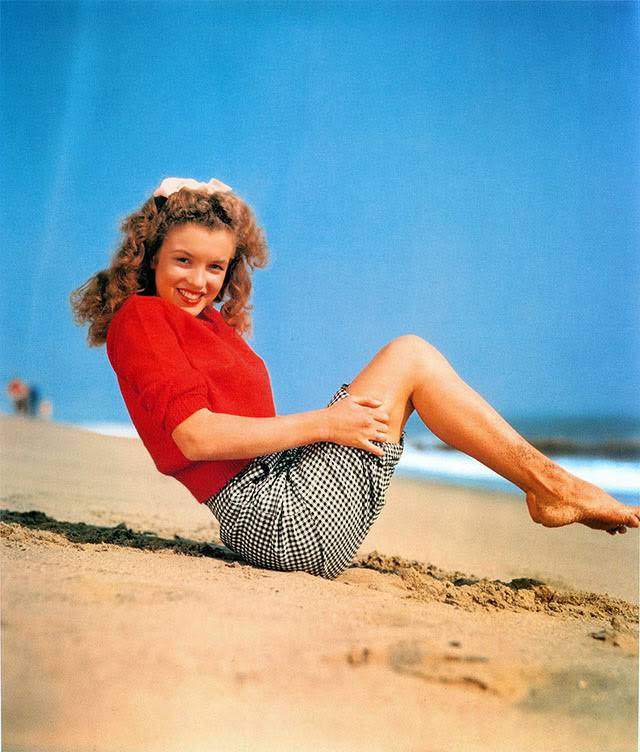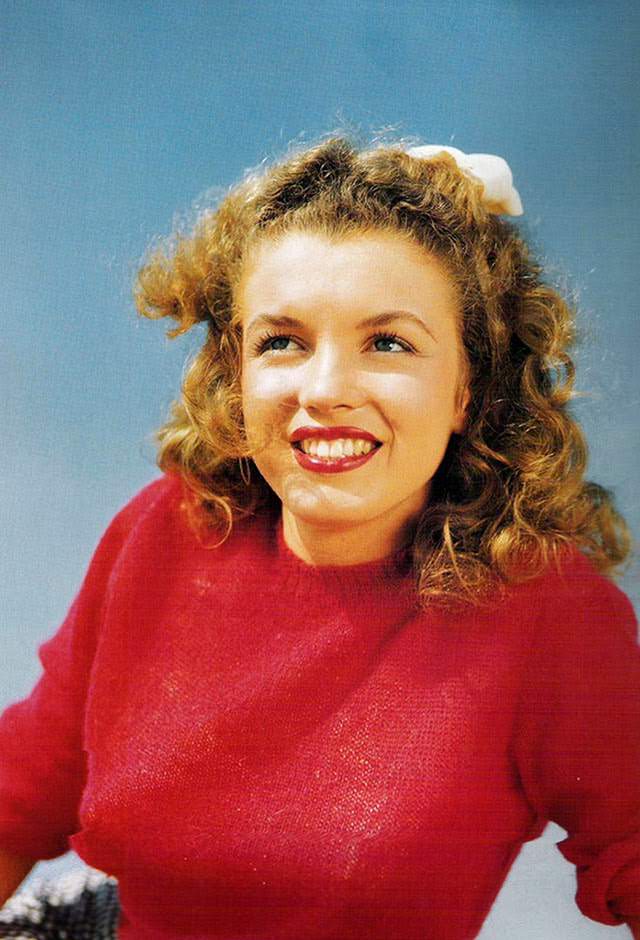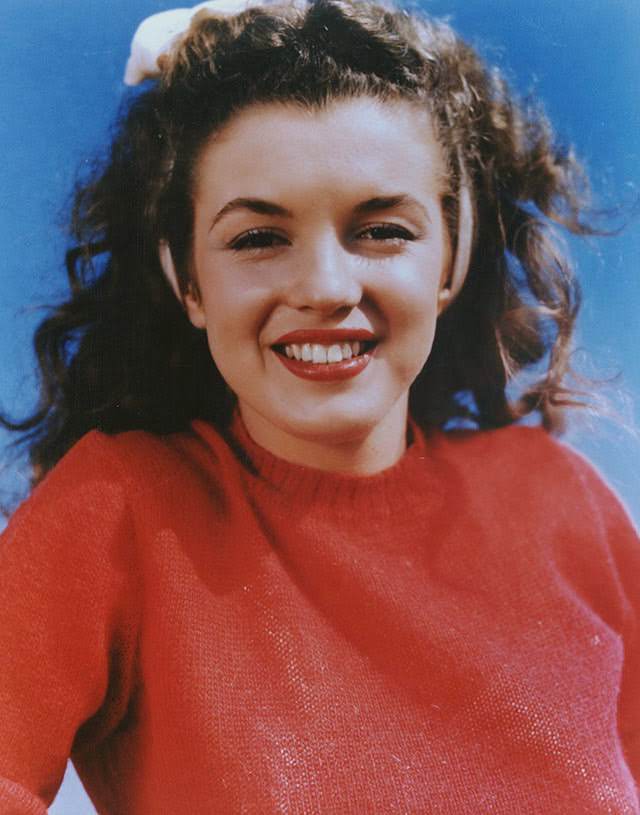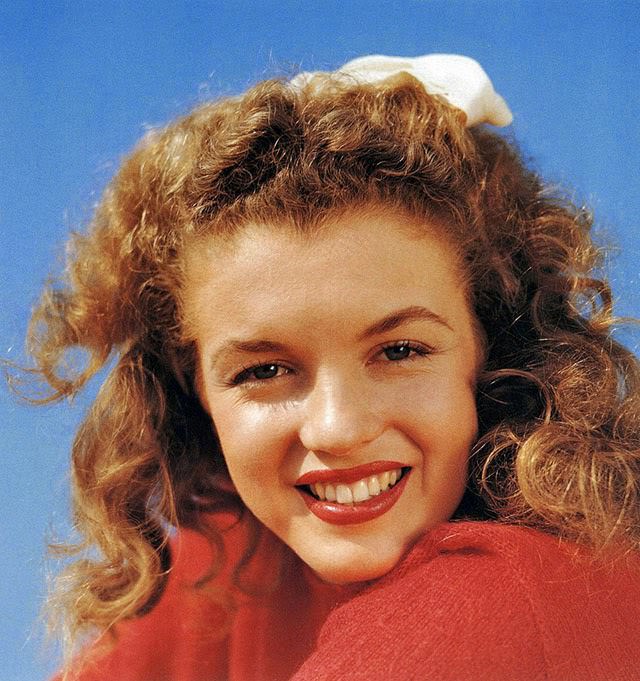

In October 1945, Marilyn Monroe was still known as Norma Jeane Dougherty. She was a young model at the very start of her career, far from the public image that later defined her. Photographer Andre de Dienes captured her during this brief and formative period, creating images that reveal her before fame reshaped her life.
The First Meeting
Andre de Dienes met Norma Jeane earlier in 1945 while working as a fashion photographer in California. She was inexperienced but confident in front of the camera. De Dienes immediately recognized her natural presence and expressive face. Their connection grew quickly and became personal as well as professional.
They became briefly engaged, and their time together extended beyond studio work. De Dienes began photographing Norma Jeane in outdoor settings rather than controlled indoor spaces. This approach set his work apart from standard modeling photography of the time.
The October 1945 Photo Sessions
The photographs taken in October 1945 show Norma Jeane in natural light and simple clothing. Many were shot outdoors, using beaches, fields, and roadsides as backdrops. De Dienes focused on movement, relaxed posture, and direct eye contact with the camera.
Her hair is dark and softly styled, long before the platinum blonde look she later adopted. Her expressions range from playful to reflective. These images present a young woman comfortable in her body and aware of the camera without performing for it.
Read more
A Different Kind of Image
De Dienes avoided heavy posing or stiff composition. He encouraged Norma Jeane to move freely and respond to her surroundings. This method produced photographs that feel spontaneous and intimate.
Unlike studio portraits meant for magazines, these images feel personal. The viewer sees moments of quiet confidence rather than polished glamour. This tone matched de Dienes’s belief in photographing personality rather than image.
Road Trips and Creative Freedom
During 1945, de Dienes and Norma Jeane took several road trips together. He photographed her wherever they stopped, often with minimal equipment. October marked a period when his visual style fully aligned with her comfort in front of the lens.
These trips allowed him to build a large body of work that showed her in many moods and settings. Beaches, open roads, and simple landscapes became part of her early visual identity. The photographs from this time remain among the most revealing of her early life.
Launching a Career
The portfolio de Dienes created helped Norma Jeane secure more modeling work. Editors responded to the warmth and openness in the images. Soon after, she signed contracts that moved her closer to film roles.
As her career advanced, Norma Jeane became Marilyn Monroe. Her look, voice, and public image changed under studio direction. The freedom seen in the 1945 photographs became harder to find in later work.
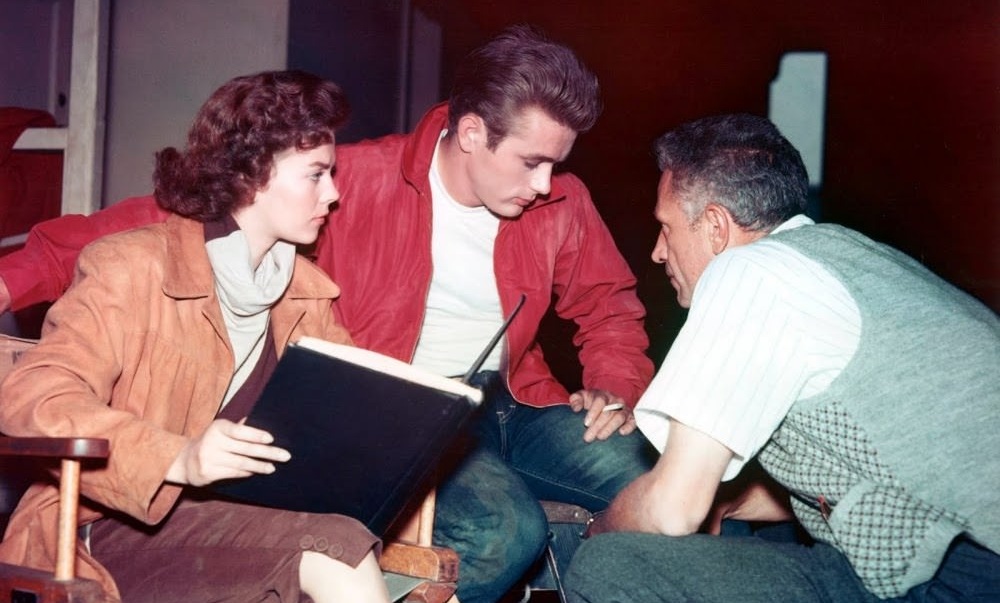
Andre de Dienes went on to photograph many major figures in film and entertainment. His subjects included Elizabeth Taylor, Marlon Brando, Henry Fonda, Shirley Temple, Ingrid Bergman, Ronald Reagan, Jane Russell, Anita Ekberg, and Fred Astaire. Despite this wide career, his work with Norma Jeane remained deeply personal.
He kept extensive notes and memoirs about their relationship. These writings detailed their travels, conversations, and private moments. They offered a view of Marilyn Monroe before fame created distance and control.