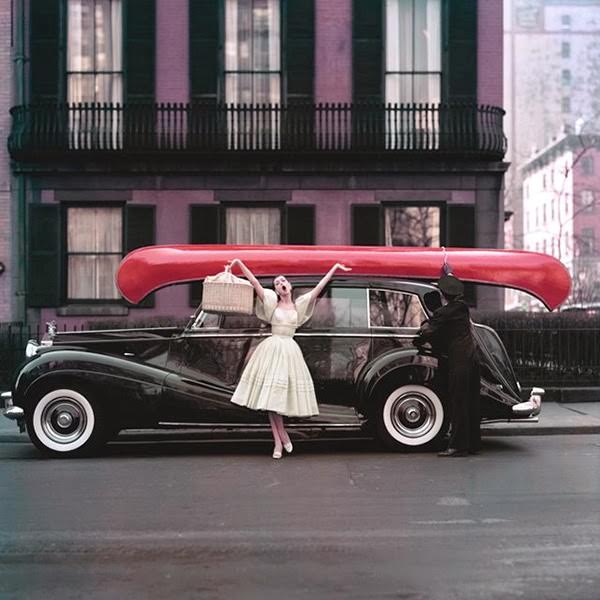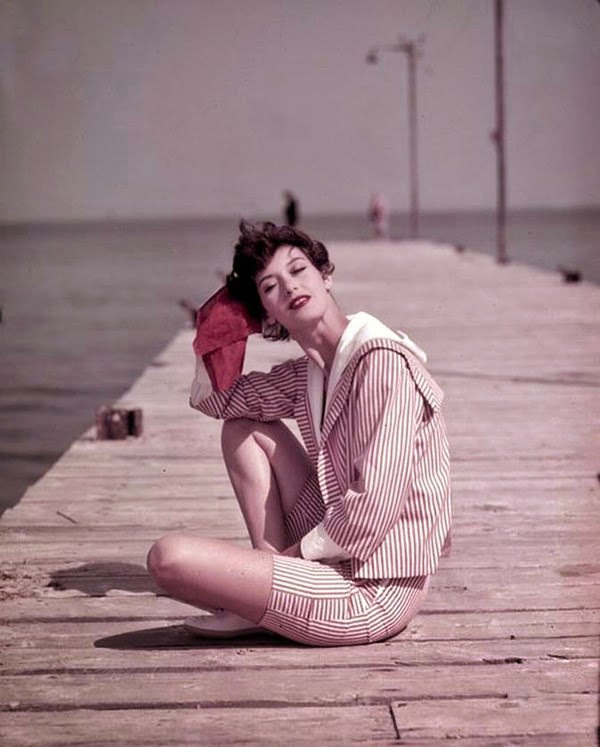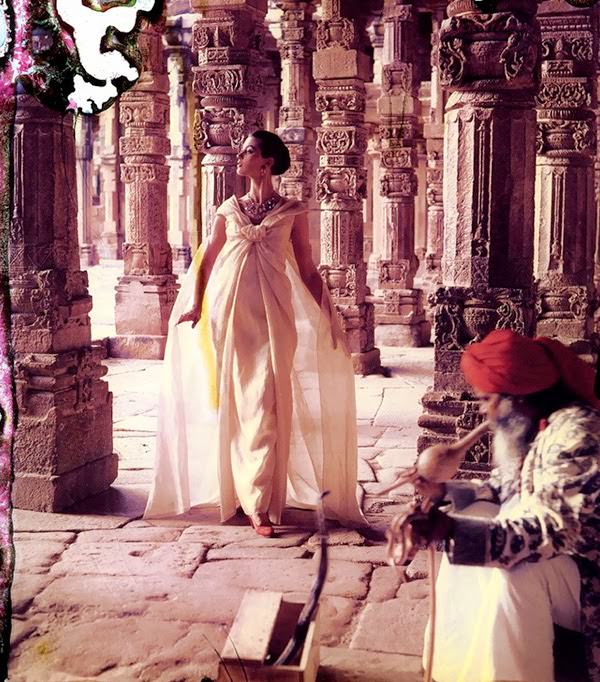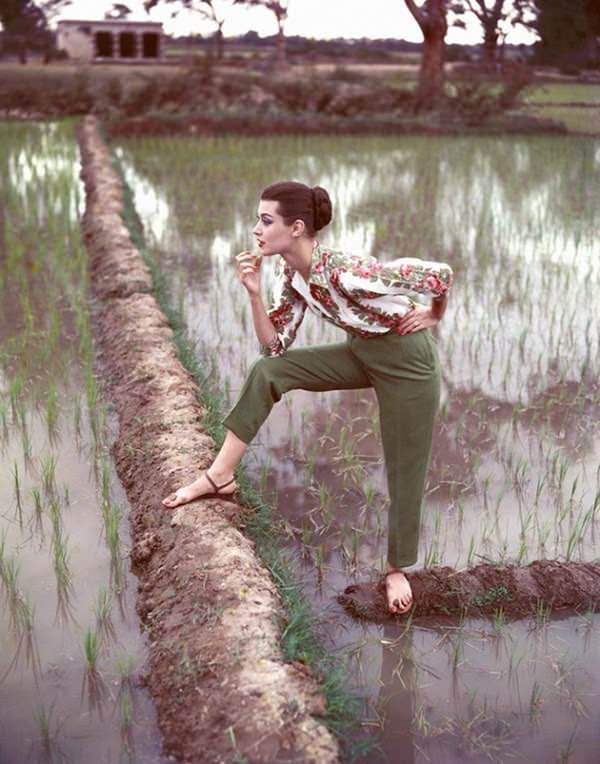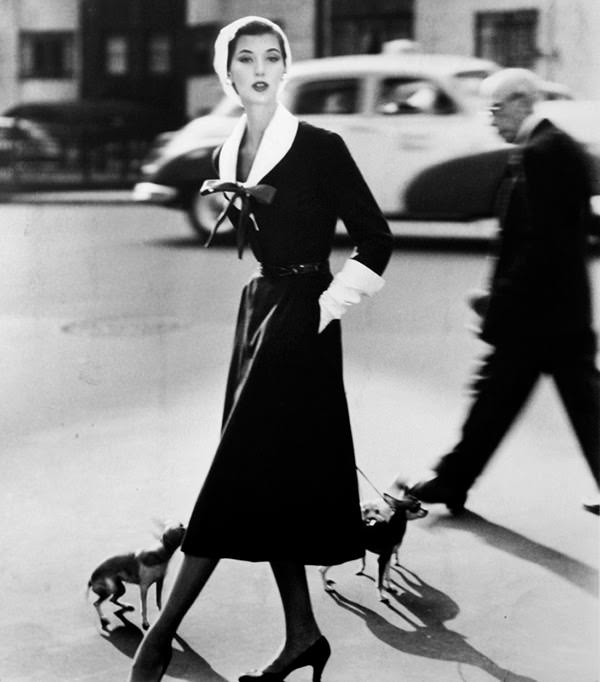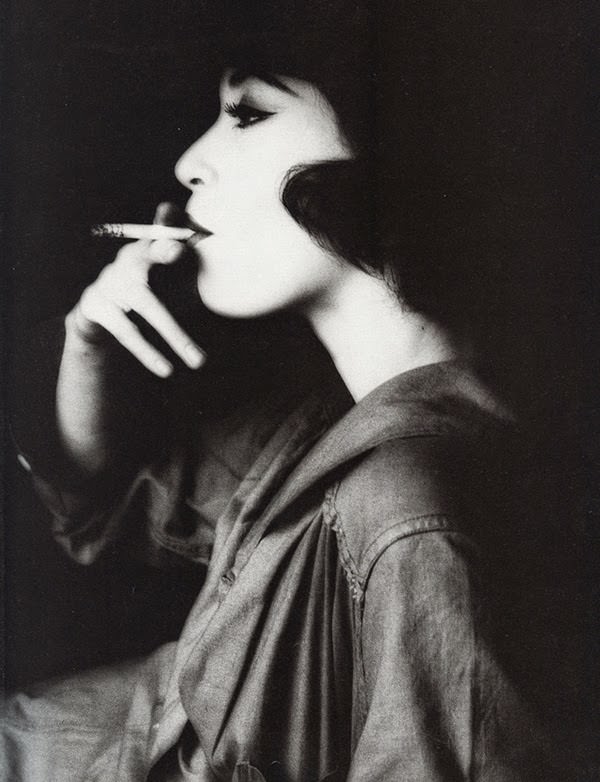

Barbara Mullen built a successful modeling career during the 1940s and 1950s, a period when fashion photography emphasized clarity, structure, and poise. Born in England in 1919, she entered modeling at a time when printed magazines relied heavily on strong visual presentation. Her look fit the era’s demand for elegance paired with approachability.
Rise in British Fashion Photography
Mullen became widely known through her work with British magazines, especially Vogue and Harper’s Bazaar. Editors favored her for her balanced features and calm presence. She photographed well in both studio and outdoor settings, which made her adaptable to many assignments.
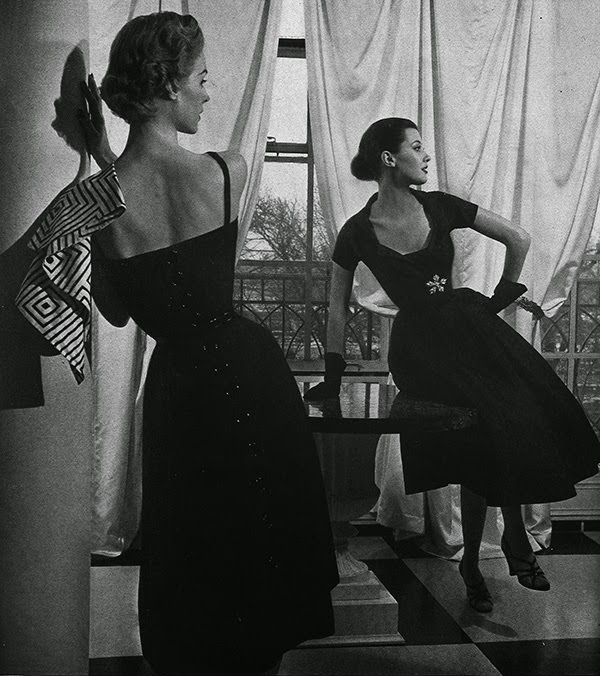
Her modeling style matched the needs of postwar fashion. Clothing designs were structured, with defined shoulders and clean lines. Mullen’s posture and body control helped show garments clearly without distraction.
Barbara Mullen worked with some of the most respected photographers of the time. These photographers focused on composition, lighting, and form rather than dramatic expression. Mullen understood how to hold still, adjust angles, and maintain consistent expression during long sessions.
Her images often show controlled poses and direct gazes. She communicated confidence without exaggeration. This made her a reliable subject for editorial spreads and fashion features.
Read more
Magazine Covers and Editorial Presence
Mullen appeared on multiple magazine covers, which marked her status as a top model. Cover work required a strong connection with the camera and the ability to project calm authority. Her expressions were composed and steady, aligning with the formal tone of mid-century fashion media.
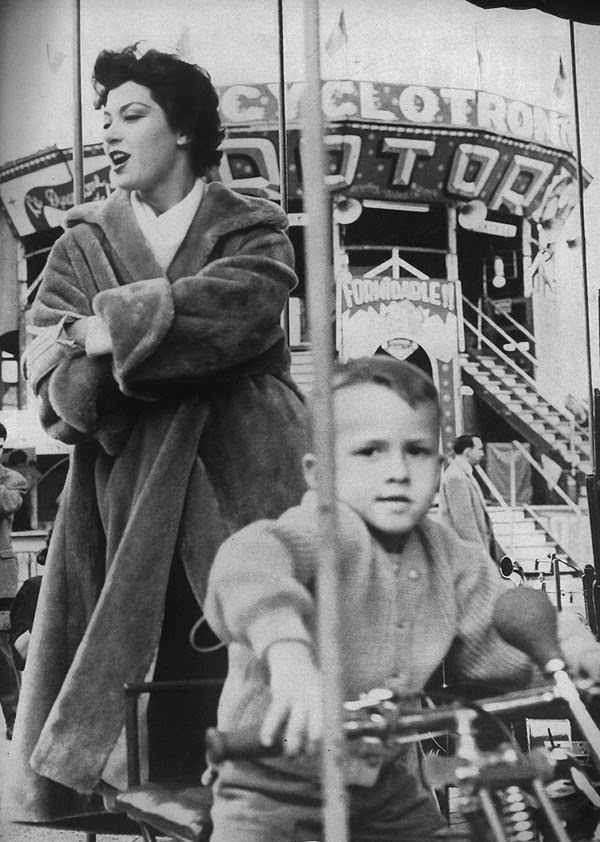
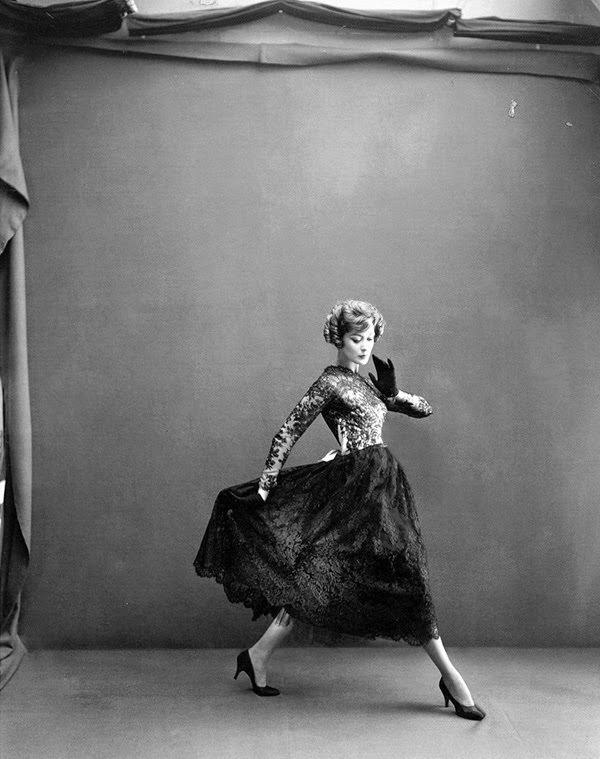
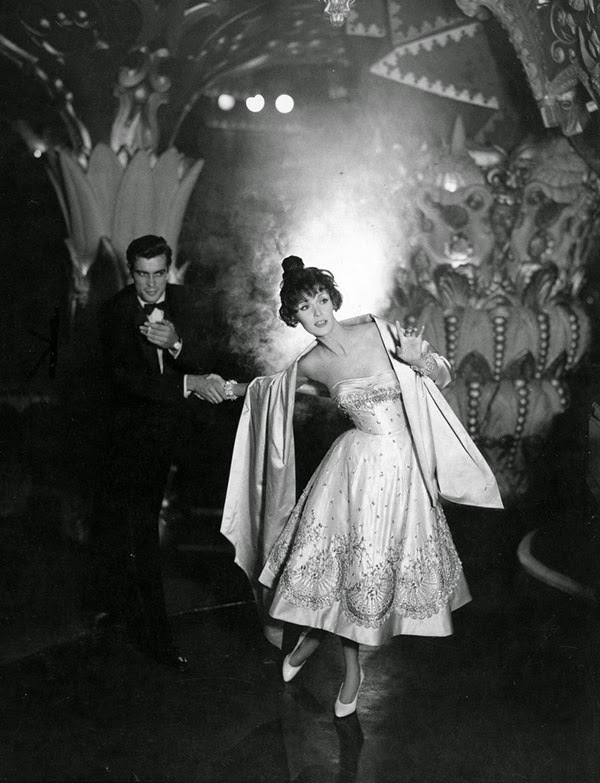
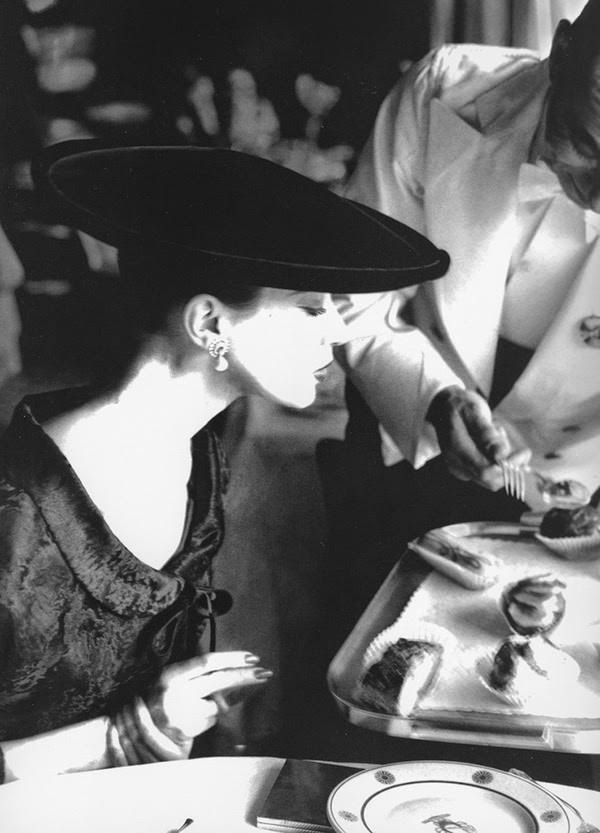
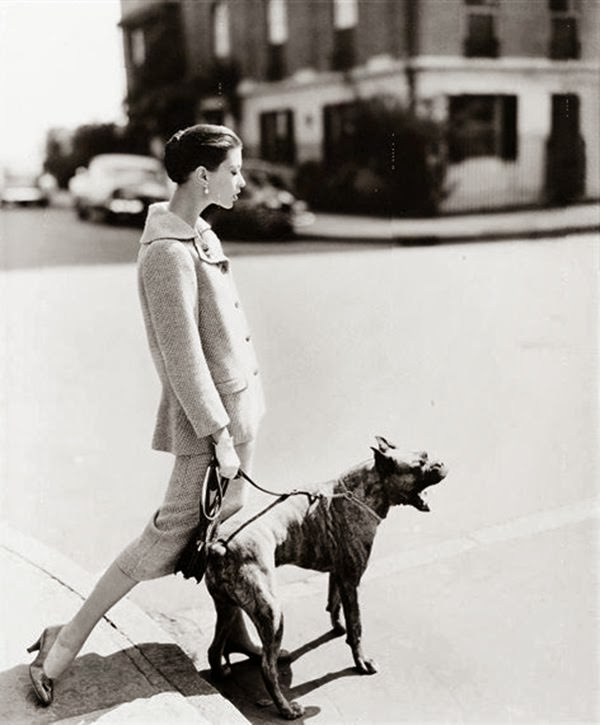
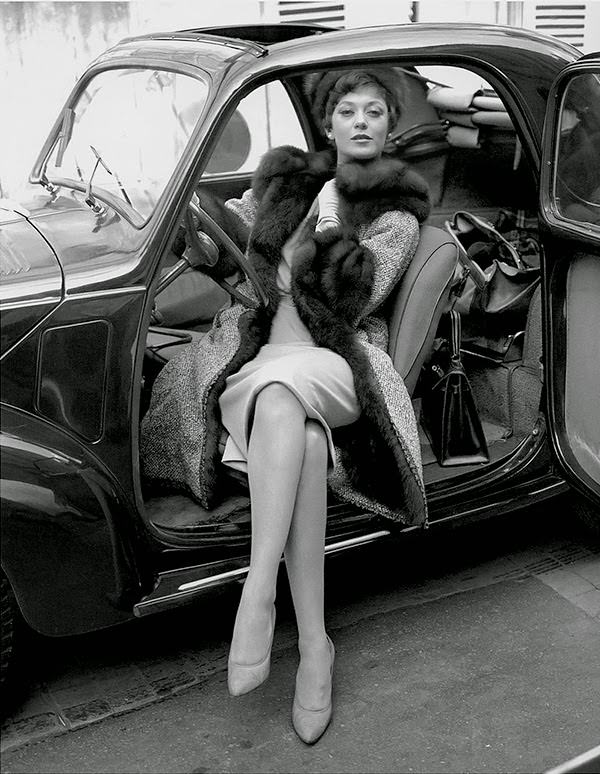
Inside editorials, she modeled both daywear and evening fashion. Coats, tailored suits, and formal gowns featured prominently in her work. The photographs highlighted fabric texture, cut, and fit rather than movement.
International Recognition
As her reputation grew, Mullen gained recognition beyond Britain. She worked in Paris and other European fashion centers, where her reserved elegance matched continental tastes. Her ability to work across markets made her valuable to international publications.
She represented a polished image of modern womanhood during a period of social rebuilding after World War II. Her modeling reflected stability, order, and refinement.
Style and On-Camera Presence
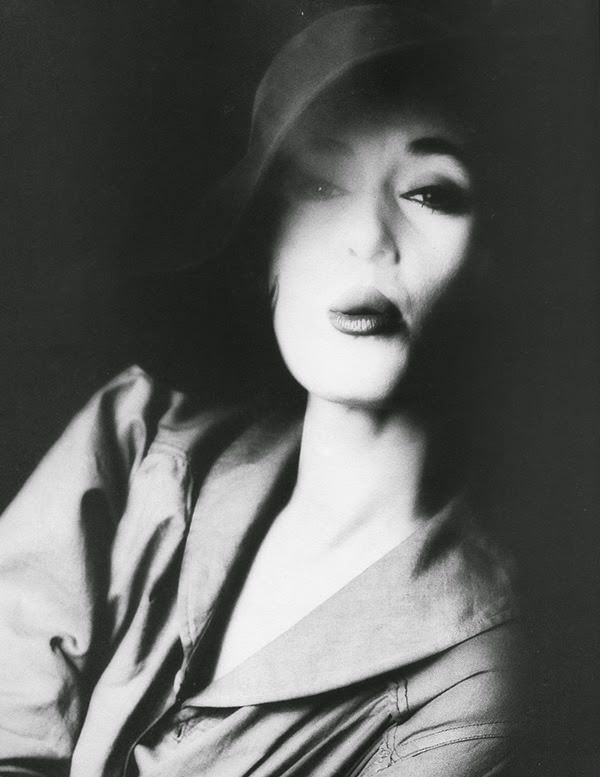
Barbara Mullen’s modeling relied on precision rather than performance. She avoided dramatic gestures and focused on clear presentation. Her facial expressions remained subtle, allowing clothing and styling to remain the focus.
Hair and makeup were styled neatly, following fashion standards of the time. This consistency helped create a recognizable image across different shoots and publications.
Transition Beyond Modeling
In the late 1950s, Mullen shifted away from full-time modeling. She later became known for her work in film and television, where her composed screen presence carried over from her modeling experience.
Her years as a model trained her in camera awareness and physical control. These skills supported her transition into acting roles that required restraint and clarity.