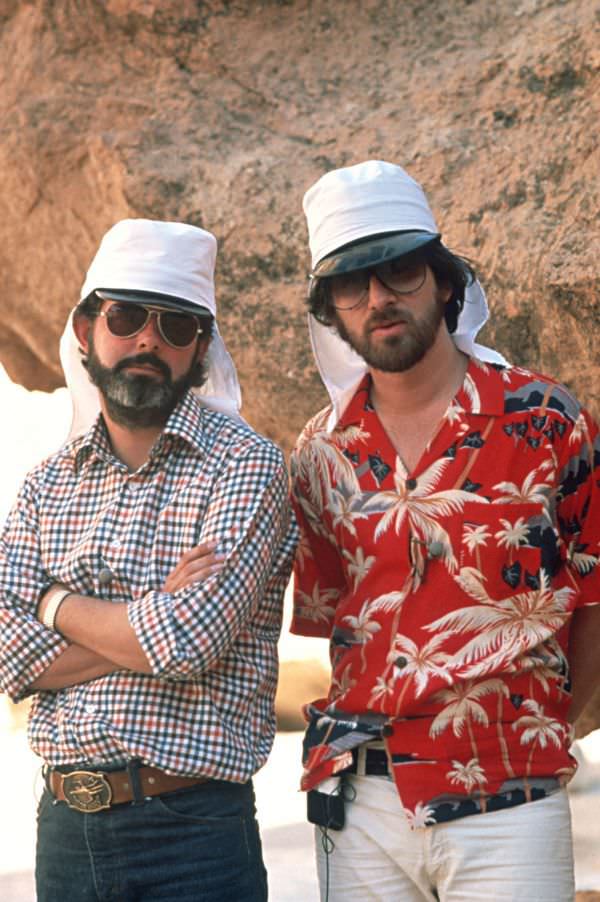

The idea for Indiana Jones and the Raiders of the Lost Ark began in the late 1970s. George Lucas wanted to create a fast-paced adventure inspired by the serial films he watched as a child. These older films featured daring heroes, exotic locations, and constant danger. Lucas imagined a modern version with better filmmaking tools and a stronger story structure.
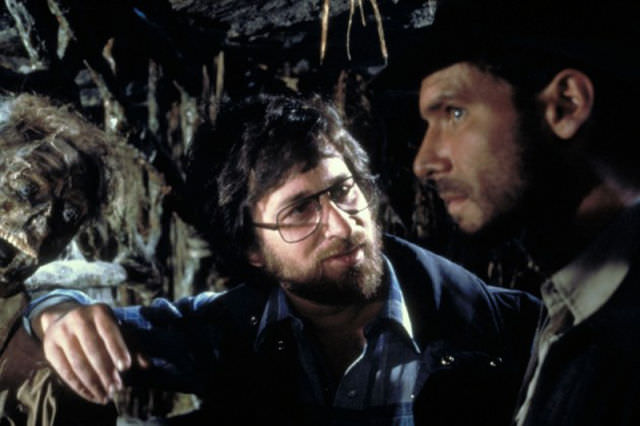
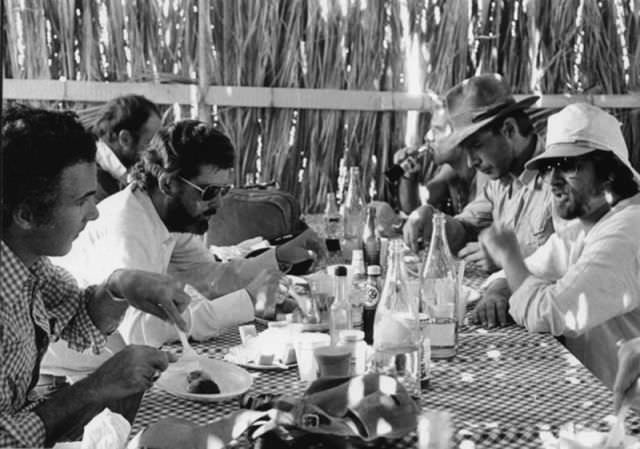
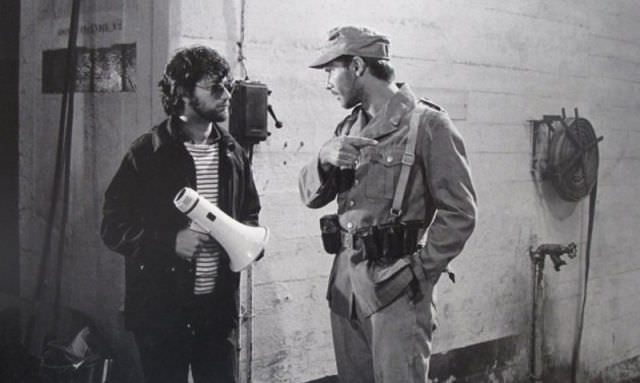
Steven Spielberg joined the project after finishing 1941. He wanted to direct a James Bond film, but that chance did not happen. Lucas offered a different option: an original action hero with globe-spanning adventures. Spielberg agreed, and the two began shaping the character and tone of the film together.
Building Indiana Jones
The main character needed to feel tough, smart, and human. Indiana Jones was written as a skilled archaeologist who also worked as a college professor. This contrast made him stand out. He used knowledge as much as physical strength, which gave the action more purpose.
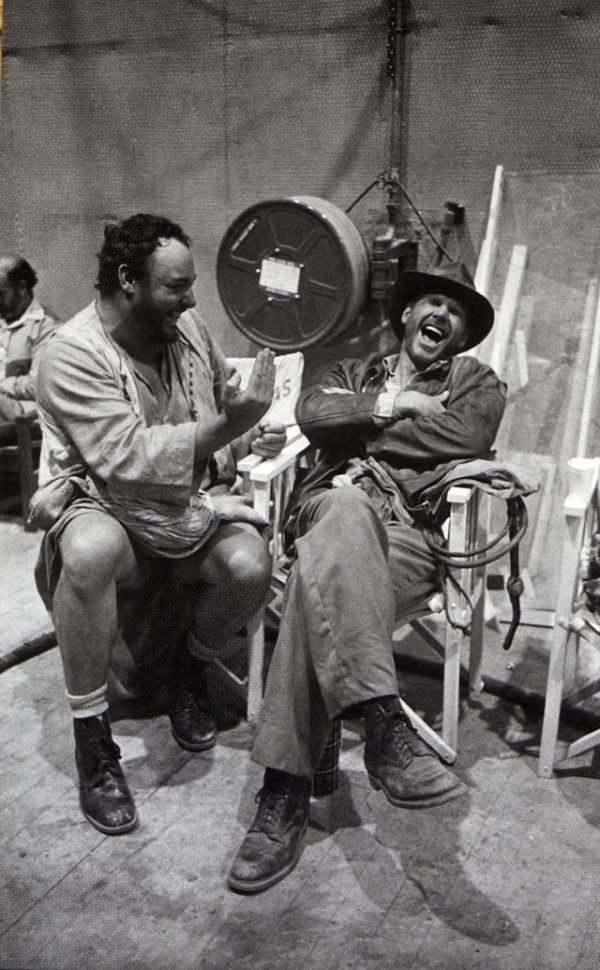
Harrison Ford was cast after Lucas and Spielberg reviewed several actors. Ford had worked with Lucas on American Graffiti and Star Wars. His performance gave Indiana Jones a grounded feel. He showed fear, pain, and humor, which made the character believable during extreme action scenes.
Read more
Writing the Story
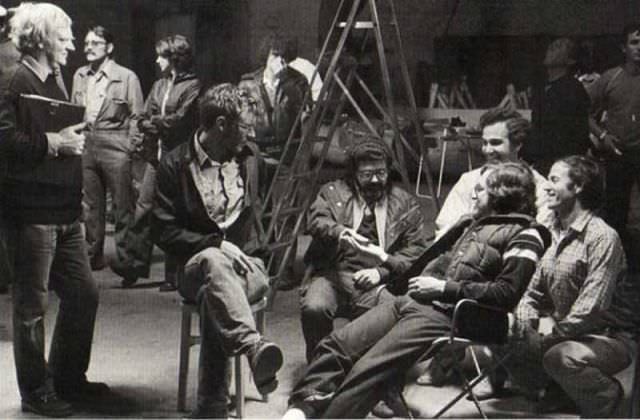
The script went through several drafts before filming began. Lawrence Kasdan joined Lucas and Spielberg to refine the story. Together, they focused on clear goals and steady momentum. Each scene pushed the plot forward, with little downtime.
The Ark of the Covenant was chosen as the main object because of its strong place in history and myth. It gave the story real weight. The Ark also allowed the filmmakers to mix adventure with mystery, while keeping the stakes high throughout the film.
Choosing Locations
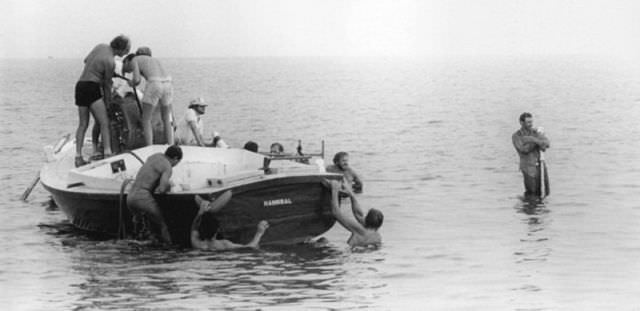
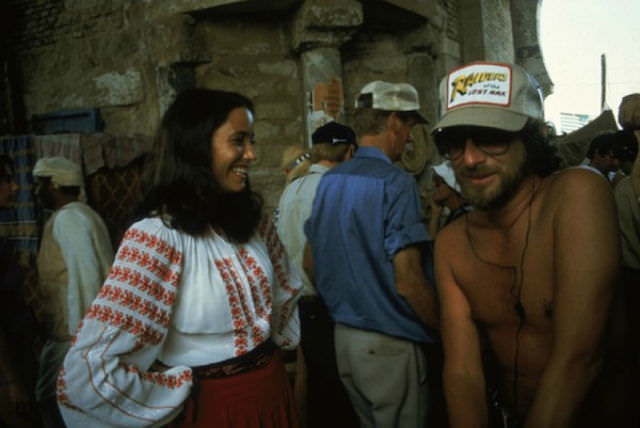
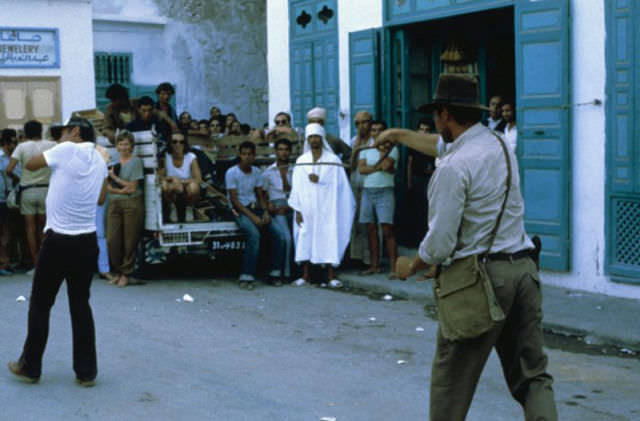
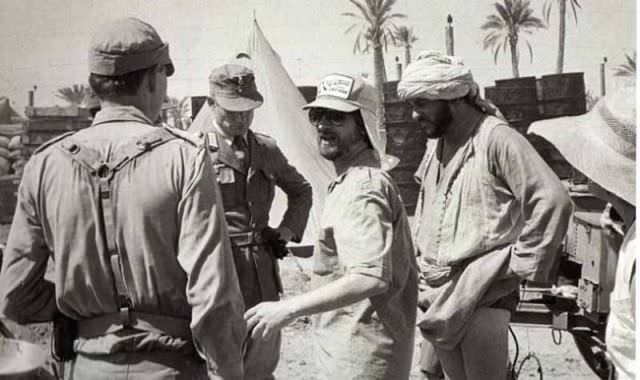
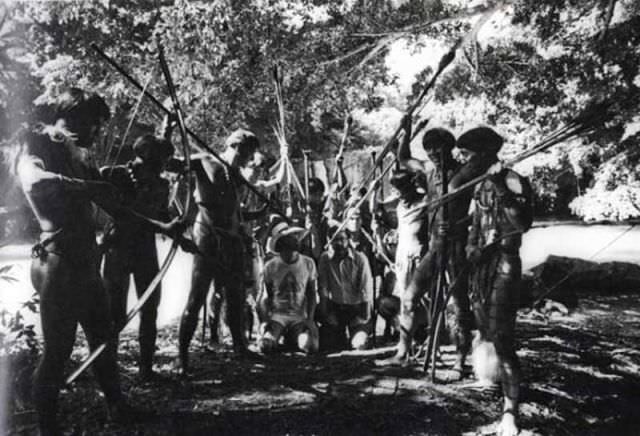
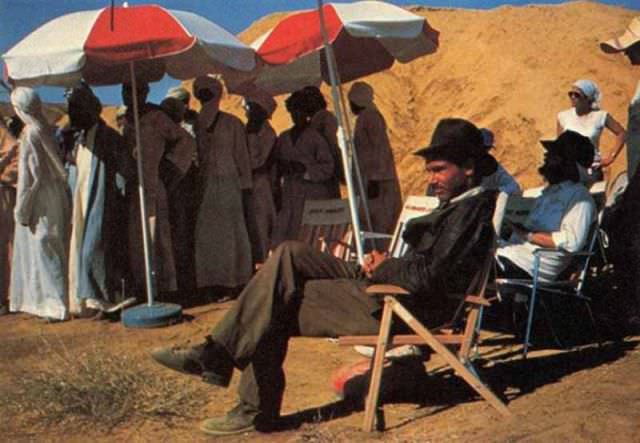
The film used real locations whenever possible. This decision helped the world feel authentic. Scenes set in South America were filmed in Hawaii. Tunisia stood in for Egypt, with its deserts and historic streets providing the right look.
Filming in harsh environments caused real challenges. Extreme heat affected both cast and crew. Equipment failed, and long days slowed production. These conditions added pressure but also pushed the team to work efficiently.
Practical Stunts and Effects
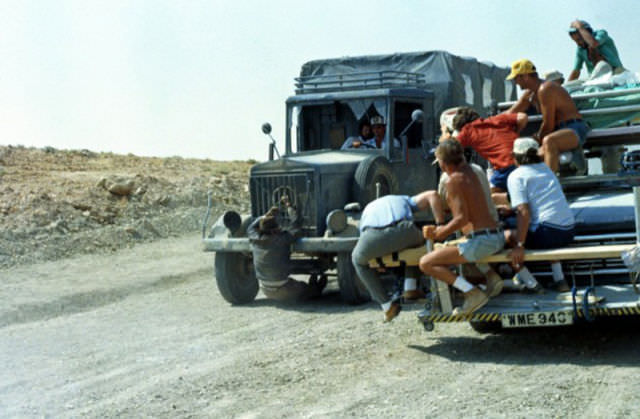
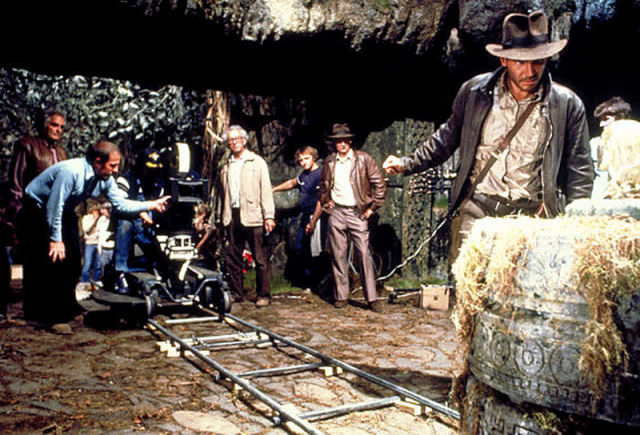
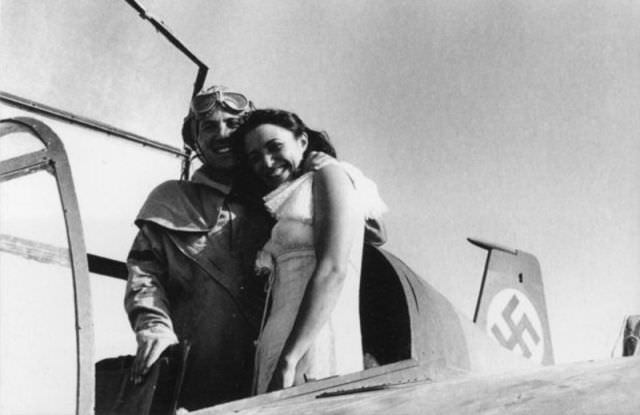
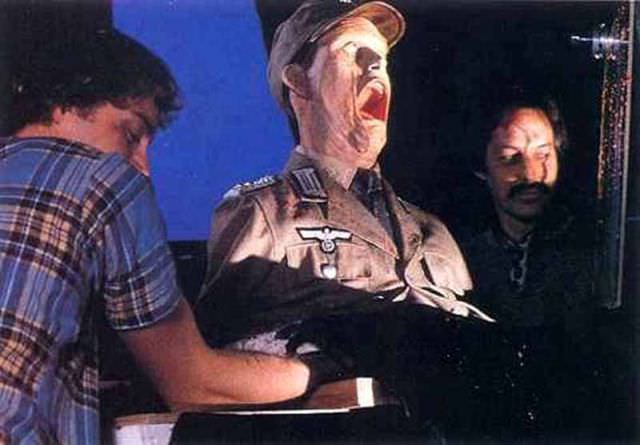
Most action scenes relied on practical effects and real stunts. This choice gave the film its raw energy. The truck chase scene was carefully planned and rehearsed. Harrison Ford performed some of the stunts himself, which added realism.
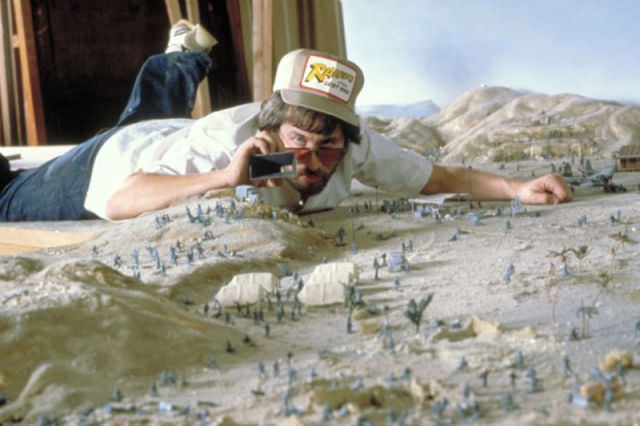
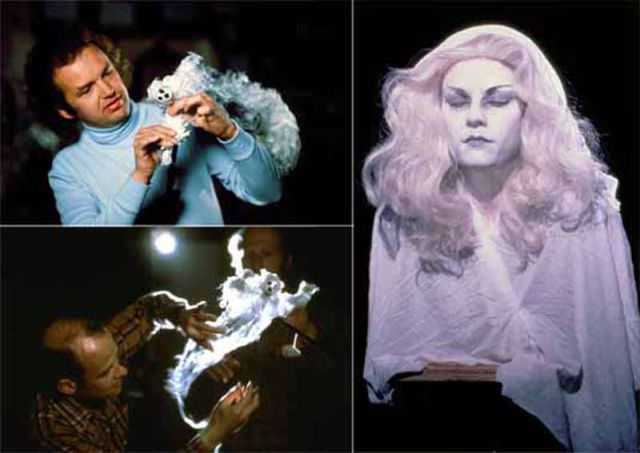
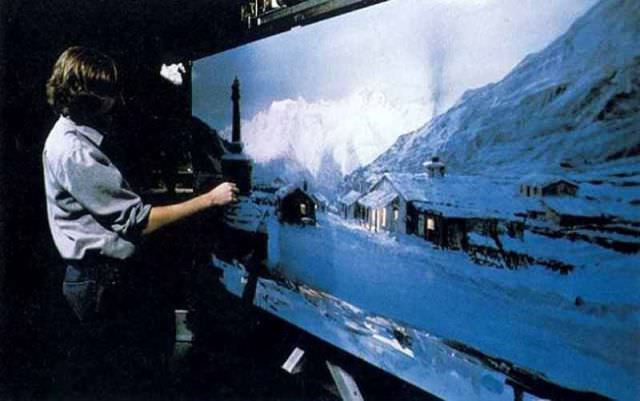
The famous boulder scene was achieved using a large foam ball and clever camera angles. Matte paintings extended sets and landscapes without drawing attention to themselves. These techniques blended smoothly with live action, keeping the audience immersed.
Music and Sound
John Williams composed the film’s score. The main theme was designed to be bold and memorable. It matched Indiana Jones’s confidence and sense of adventure. The music played a key role in setting the pace of the film.
Sound effects were layered carefully. Punches, gunshots, and moving machinery were given sharp, clear sounds. This made the action easier to follow and more exciting, even during fast edits.
Editing and Pacing
The editing focused on speed and clarity. Scenes were trimmed to remove anything that slowed the story. Transitions were direct, often cutting straight to the next location or conflict.
This tight pacing kept the audience engaged. Quiet moments were brief and used to set up the next challenge. The film moved forward with constant purpose, which became one of its defining traits.