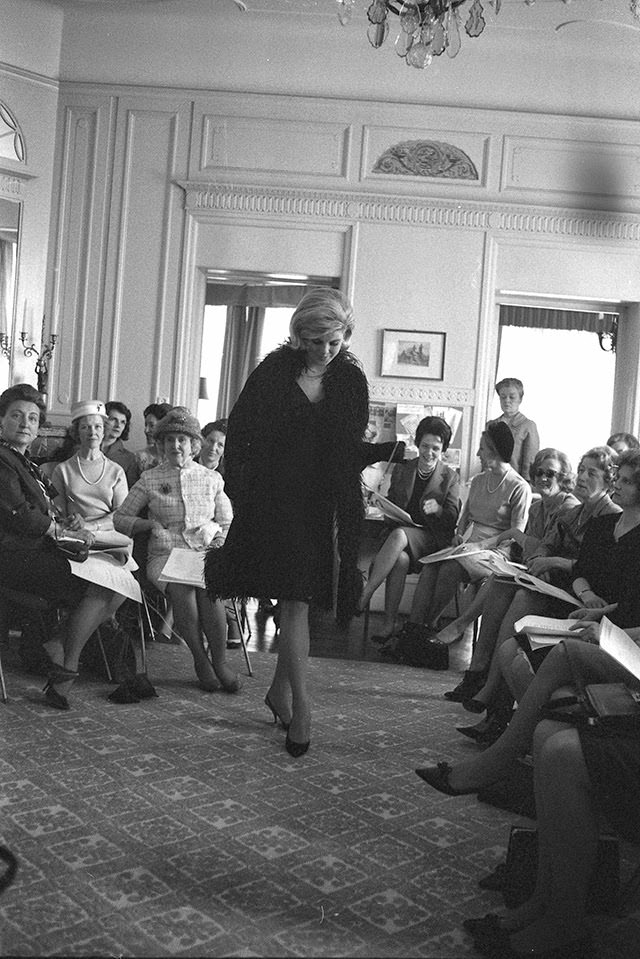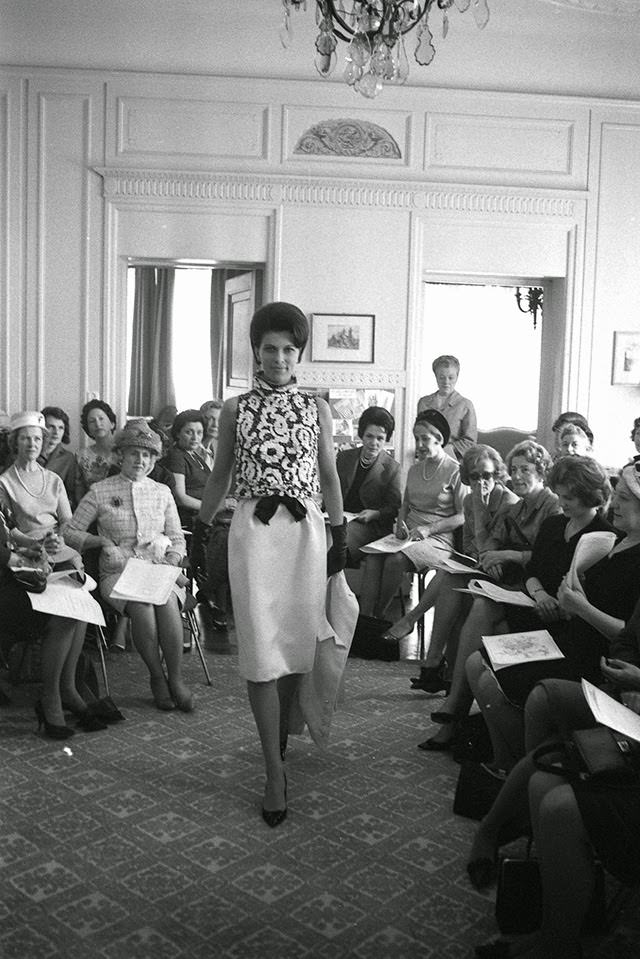

In 1965, a fashion show took place at the U.S. diplomatic residence Villa Otium in Oslo. The event brought together diplomacy, fashion, and international business in a formal setting. It reflected how cultural events were used to strengthen ties between the United States and Norway during the Cold War period.
The Setting: Villa Otium
Villa Otium served as the official residence of the U.S. ambassador to Norway. The building stood in a quiet, green area of Oslo and was known for hosting formal receptions. Its large rooms and polished interiors provided a controlled and elegant space for public events.
For the fashion show, the residence was arranged to guide guests through a clear viewing area. Furniture was moved to create open sightlines. Lighting emphasized the garments while keeping the tone formal and restrained.
Diplomatic Leadership and Organization
The event took place under the auspices of Ambassador Lady Margaret Joy Tibbits. As the host, she represented U.S. diplomatic presence and authority. Her role emphasized the connection between cultural exchange and official diplomacy.
The fashion show was also supported by Pan American World Airways, known as Pan Am. The airline was represented by Jane Kilbourne, the company’s first marketing manager. Pan Am used cultural events like this to promote international travel and American modernity.
Read more
Fashion as Cultural Presentation
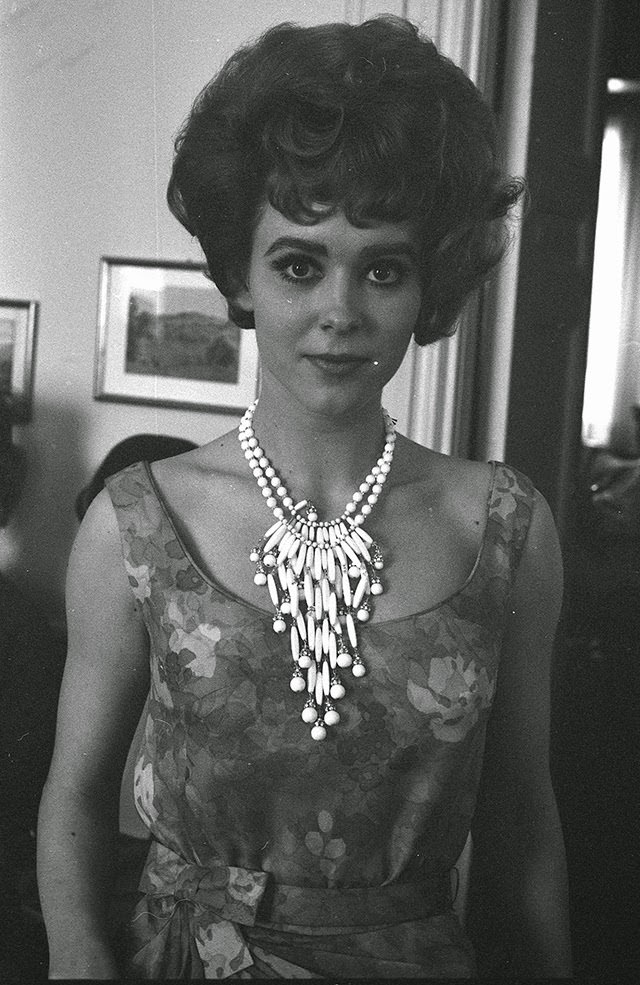
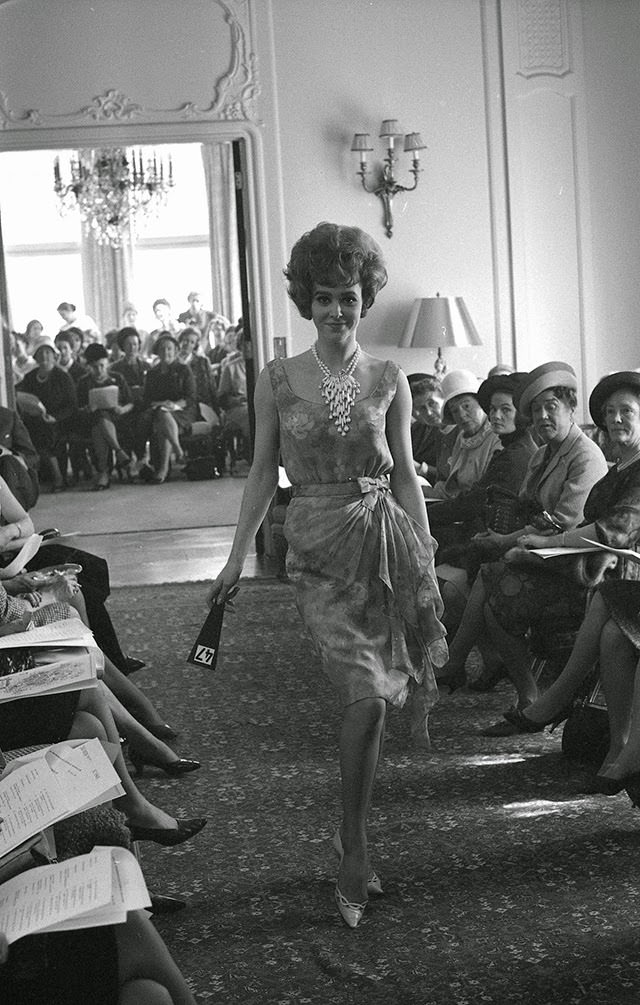
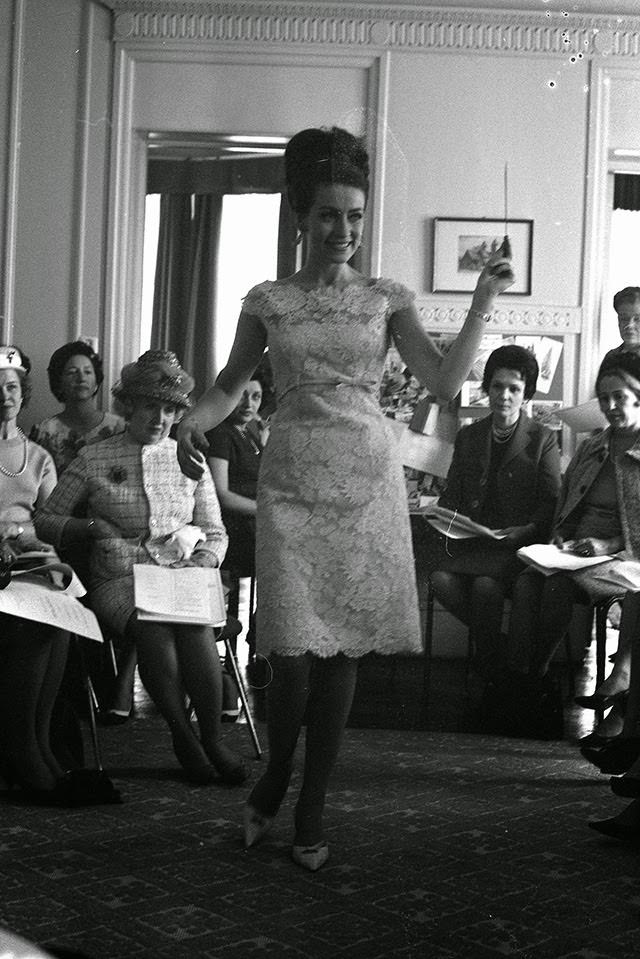
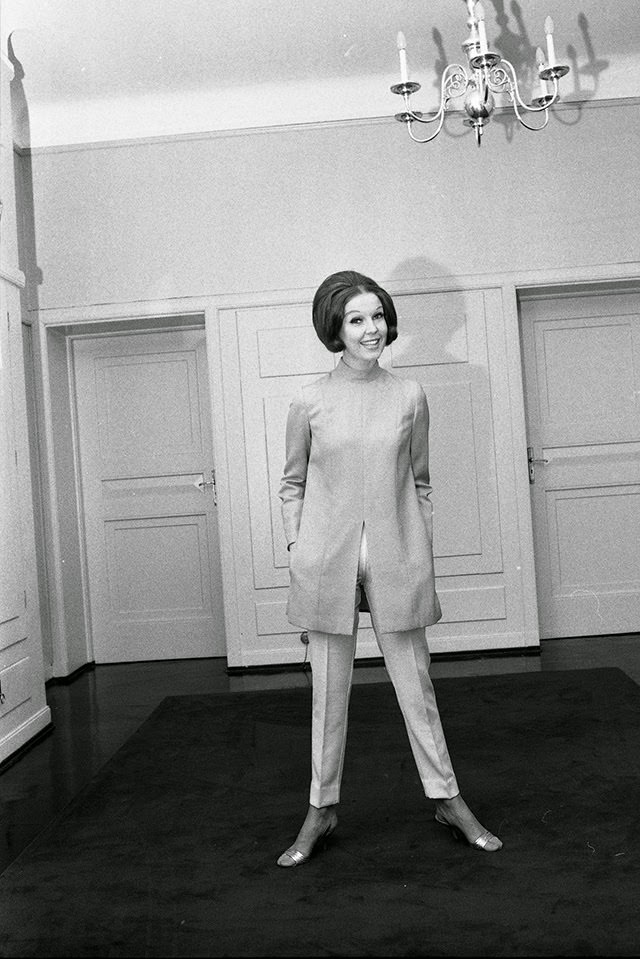
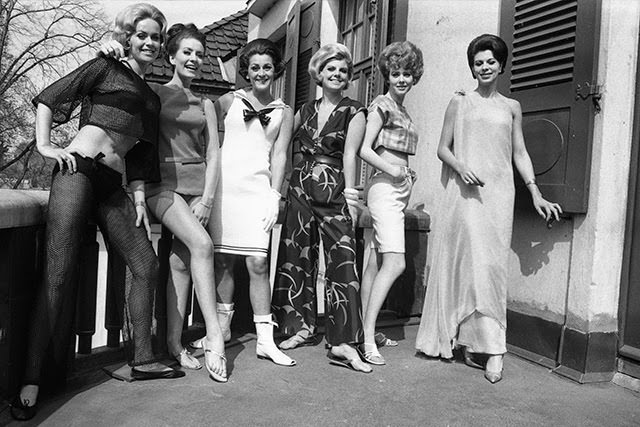
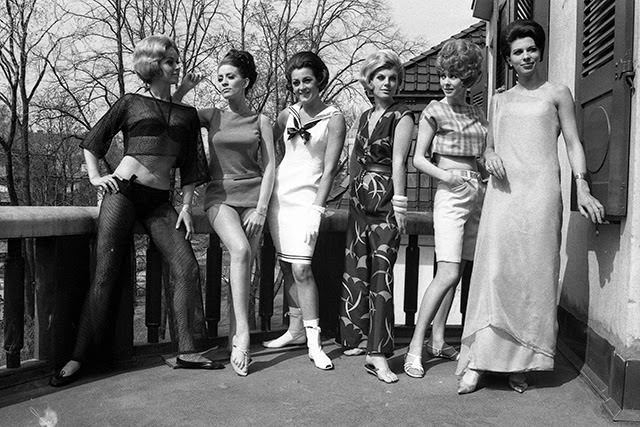
The garments shown reflected mid-1960s American fashion. Styles emphasized clean lines, structured silhouettes, and modern fabrics. Clothing balanced practicality with elegance, aligning with how American fashion positioned itself abroad.
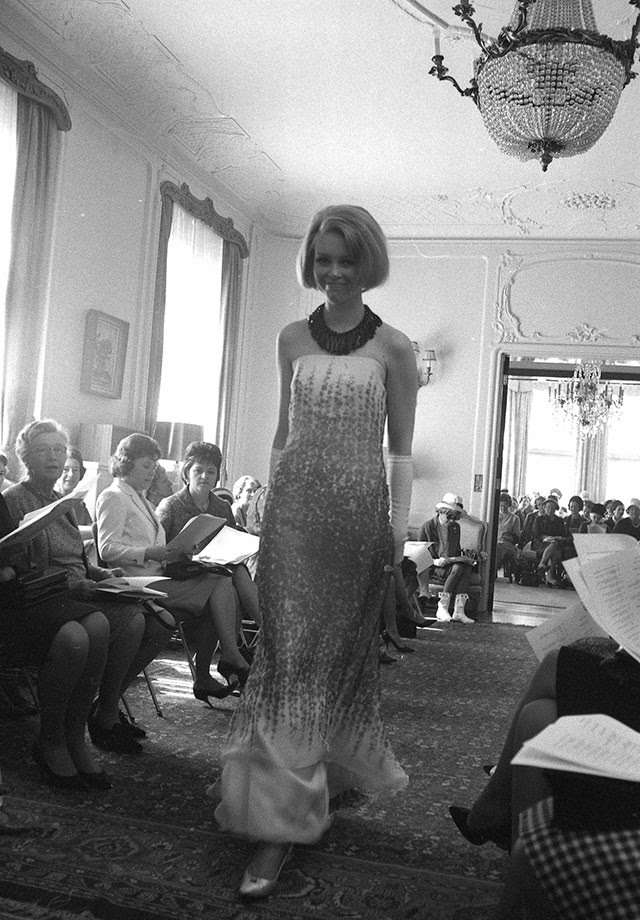
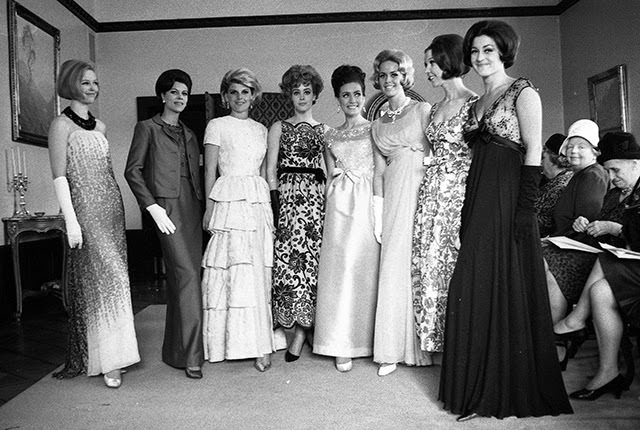
Models moved through the rooms rather than walking on a raised runway. This format allowed guests to view details up close. The presentation matched the formal tone of a diplomatic residence rather than a commercial fashion hall.
Audience and Atmosphere
Guests included diplomats, Norwegian officials, journalists, and invited members of Oslo society. The audience reflected a mix of political, cultural, and business interests. Conversation remained formal, and attention stayed focused on the presentation.
The event followed a strict schedule. Models appeared in sequence, and transitions were smooth and controlled. Applause was polite and measured, fitting the setting.
Photography and Documentation
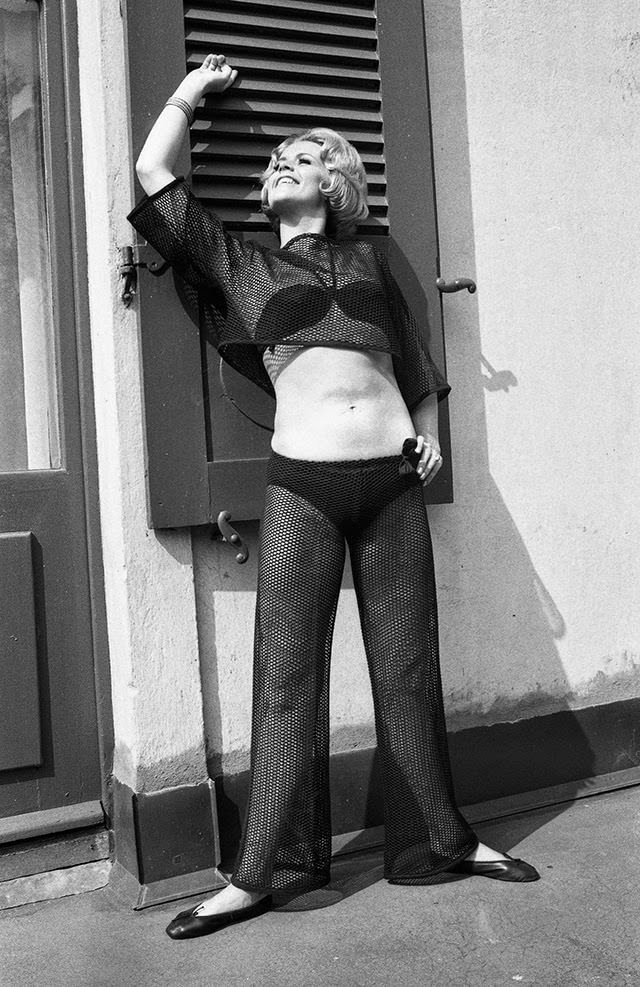
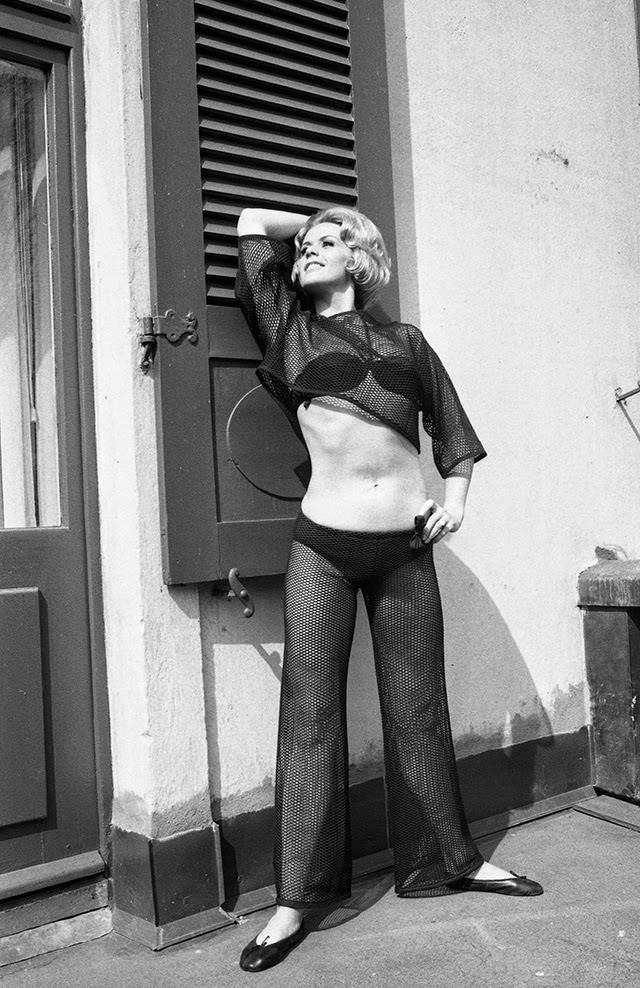
The fashion show was photographed by Klæboe for Billedbladet Nå. The images focused on both clothing and setting. Photographs showed models standing near large windows, staircases, and formal furniture.
The visual record emphasized contrast between modern fashion and the traditional interior of Villa Otium. These images documented how fashion functioned within diplomatic spaces rather than commercial venues.
Role of Pan Am
Pan Am’s involvement linked fashion with international travel. As an airline expanding global routes, Pan Am promoted a lifestyle connected to movement and global access. Supporting a fashion event at a U.S. embassy reinforced this message.
Jane Kilbourne’s presence highlighted the growing role of women in corporate leadership during the 1960s. Her position represented a shift in how companies communicated abroad through cultural events rather than direct advertising.