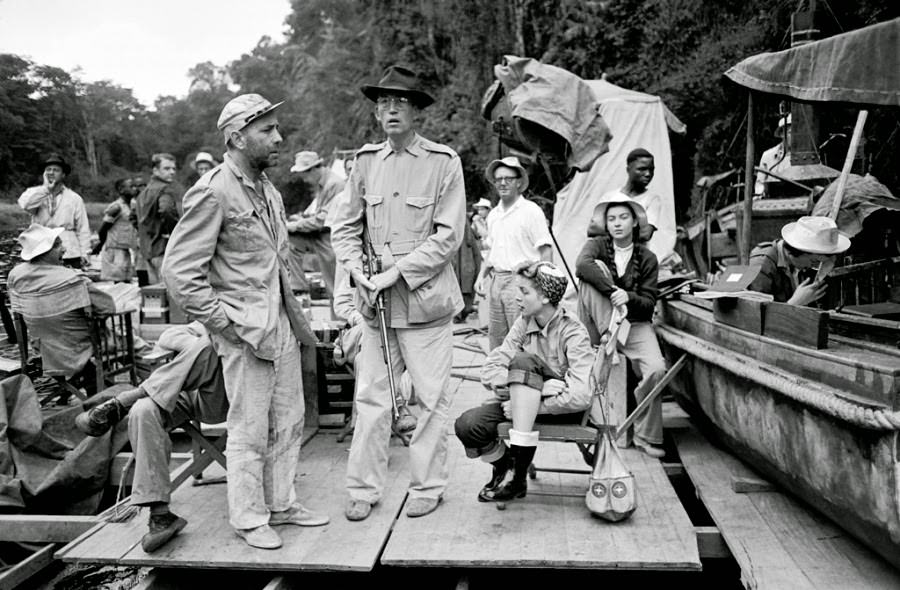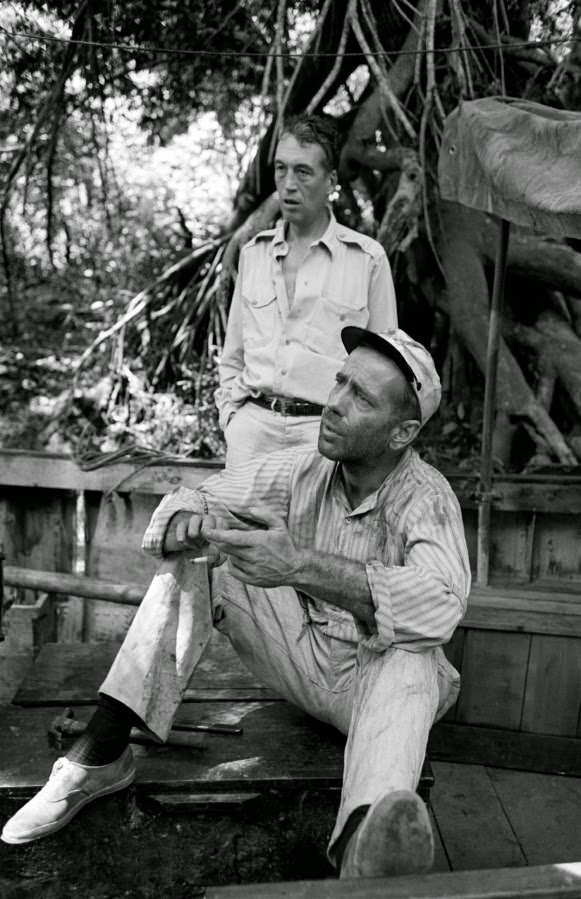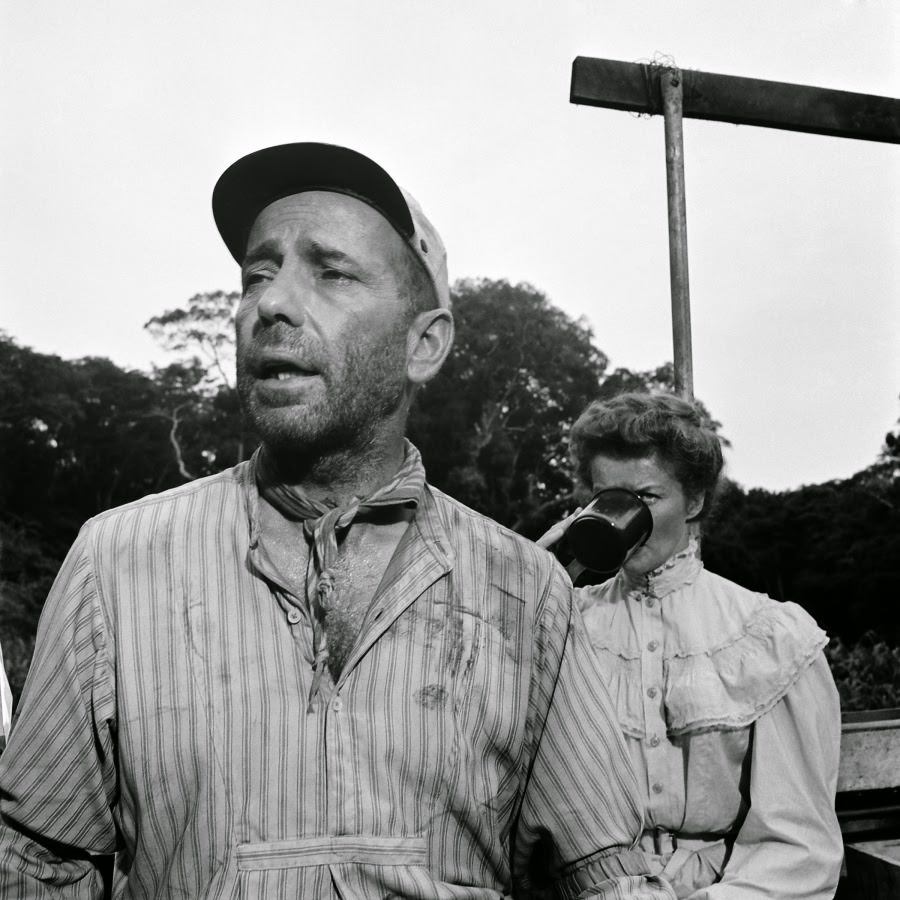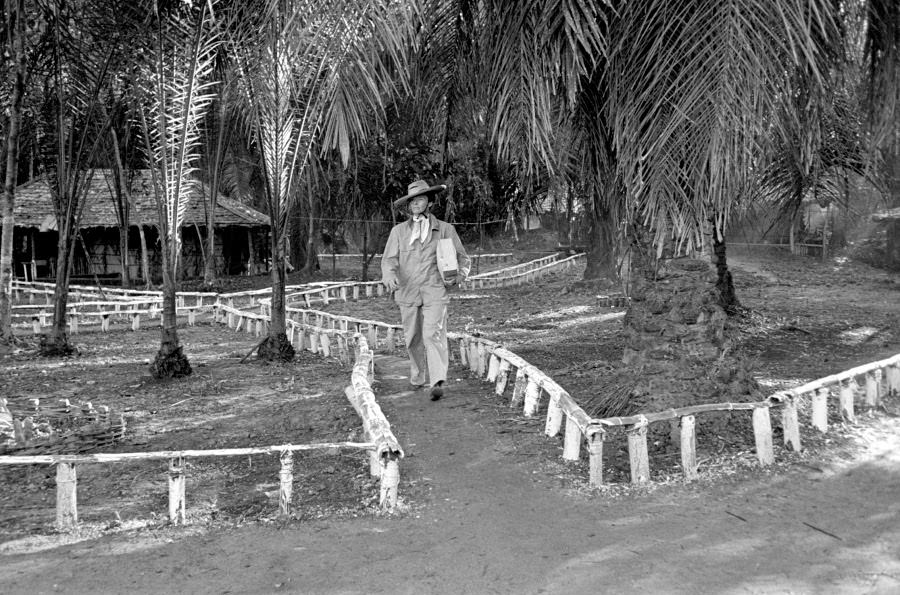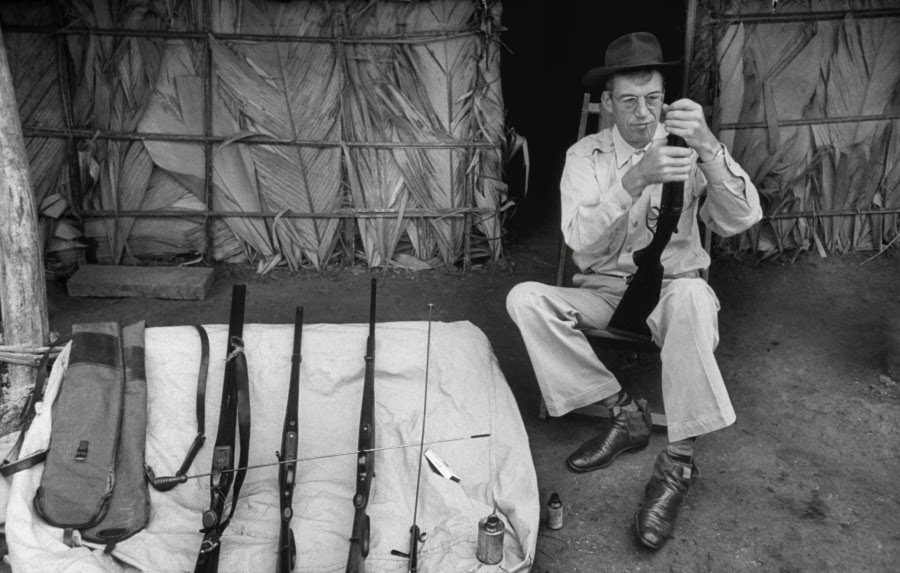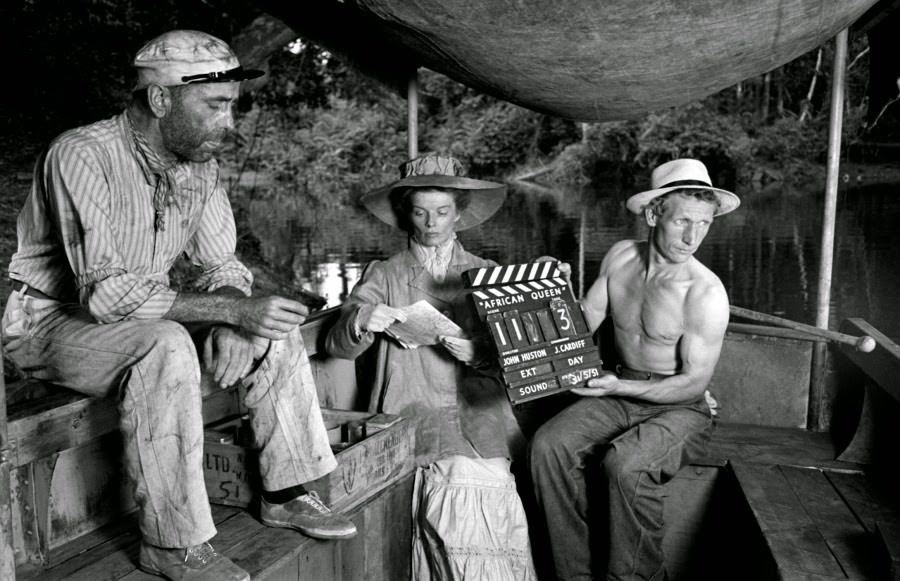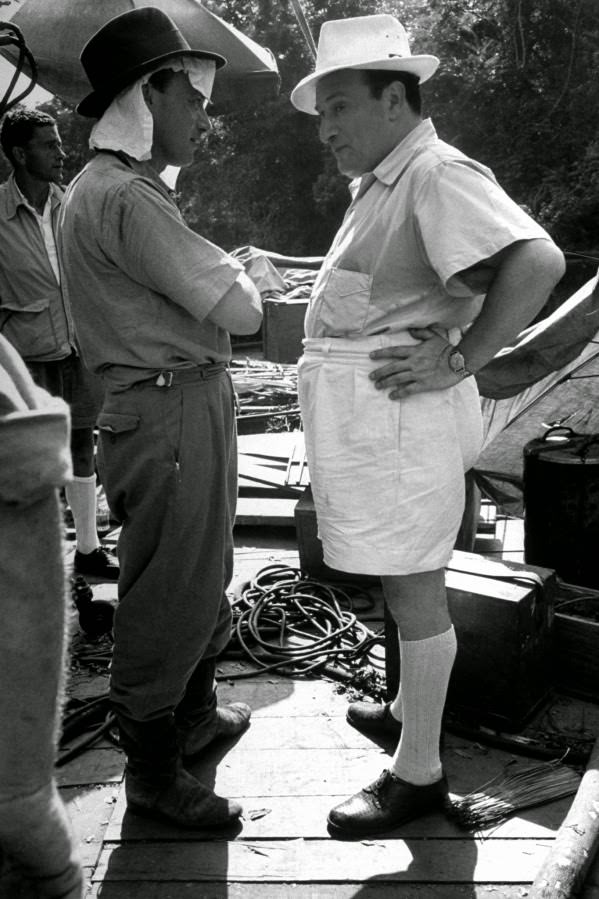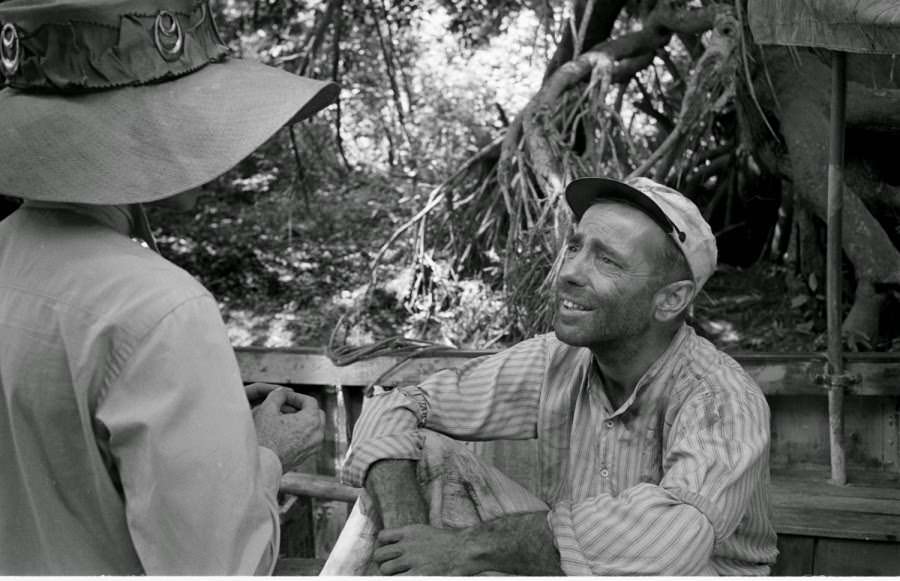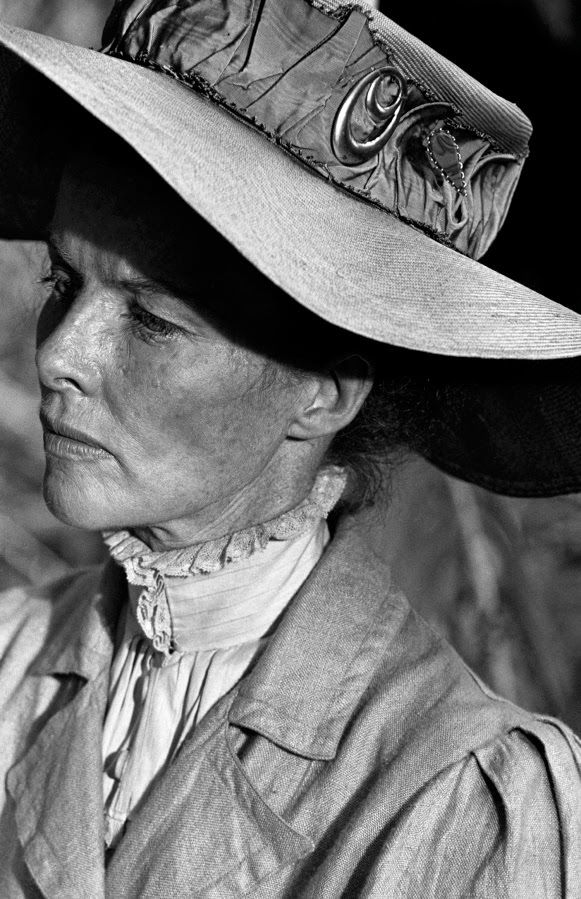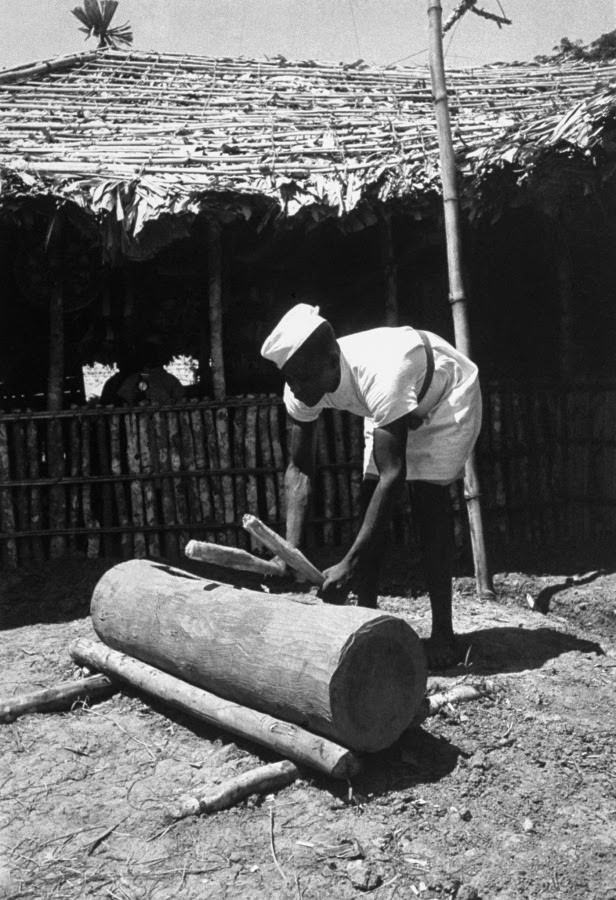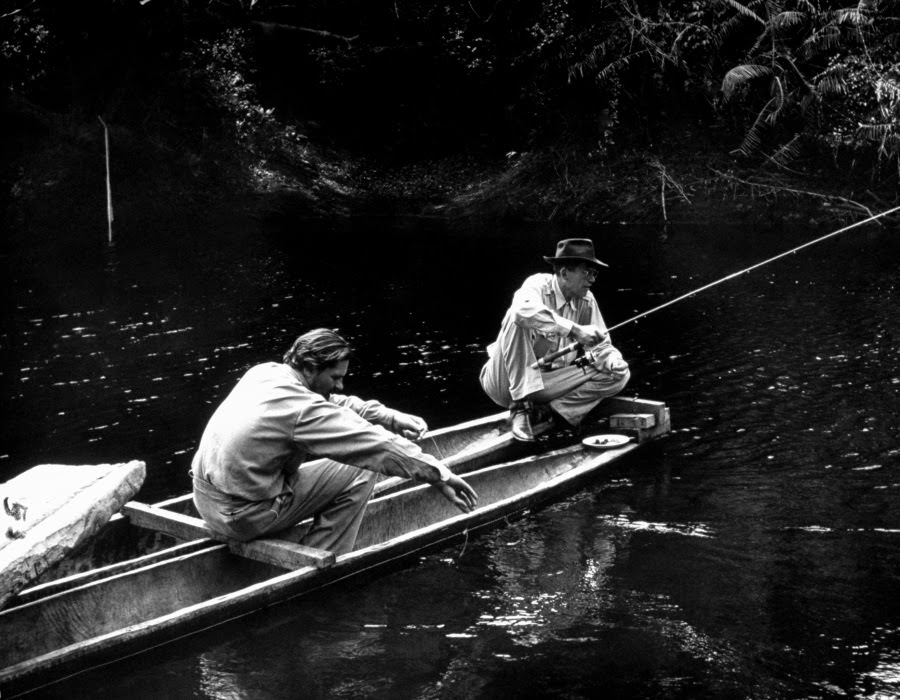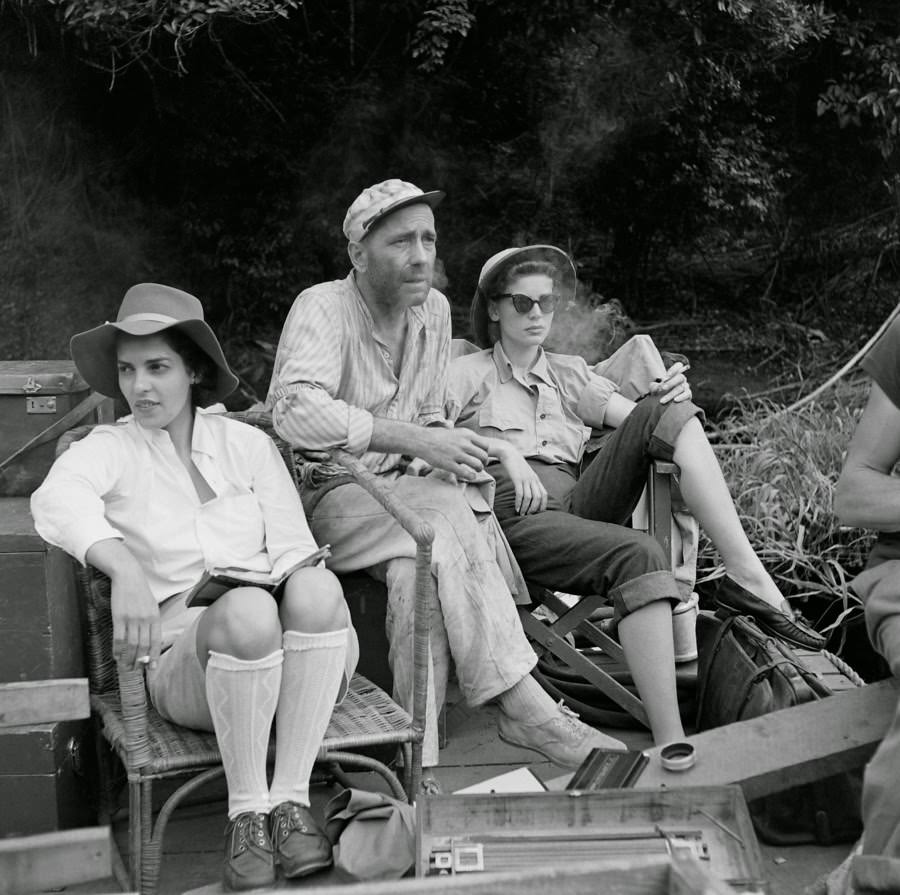

In 1951, director John Huston took movie-making far outside Hollywood. He brought Katharine Hepburn and Humphrey Bogart to the dense jungle surrounding the Ruki River in the Belgian Congo, now the Democratic Republic of the Congo. The location was remote, hot, and humid, presenting a challenge for both cast and crew.
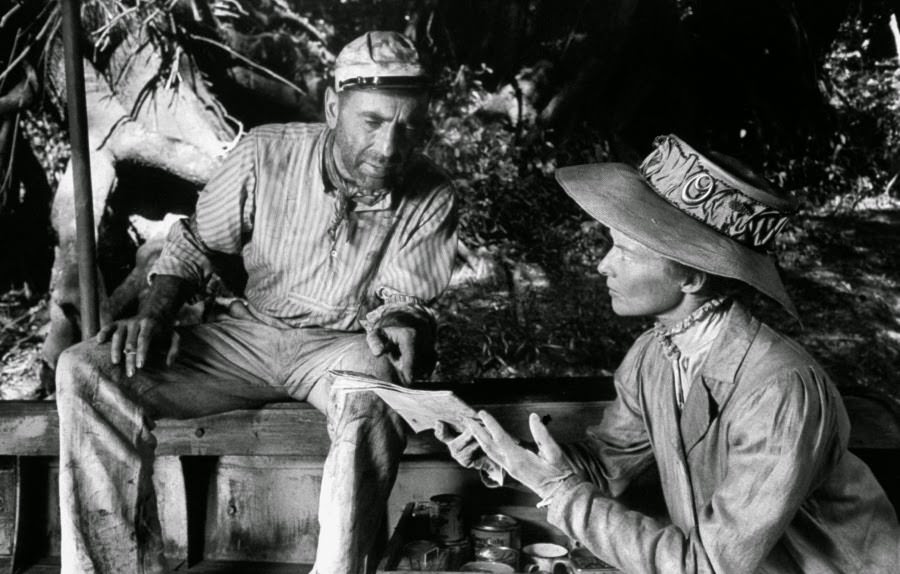
Huston’s goal was to shoot a World War I-era story with realism. The plot followed Charlie Allnut, a hard-drinking riverboat captain played by Bogart, and Rose Sayer, a prim Christian missionary played by Hepburn. Their journey down the river became a mix of adventure, danger, and romance.
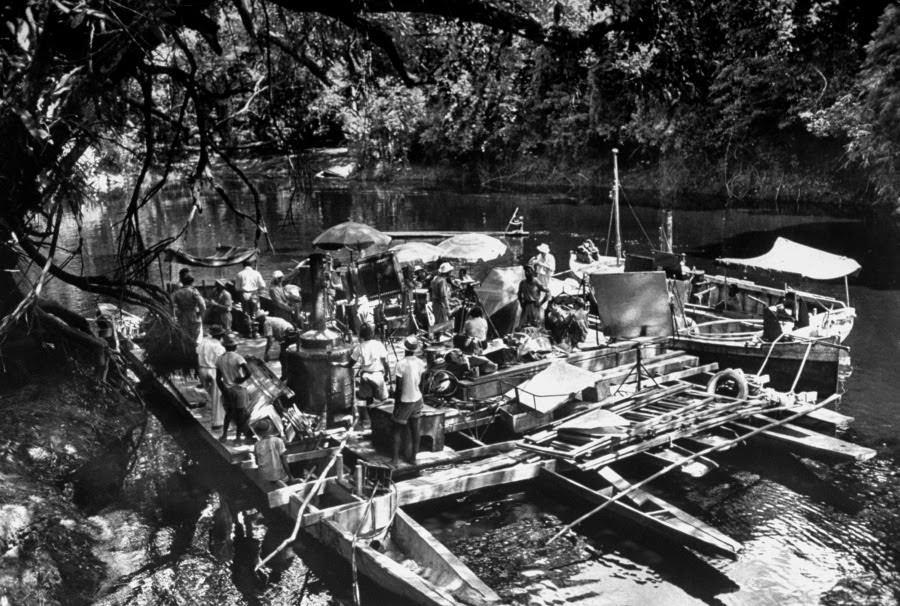
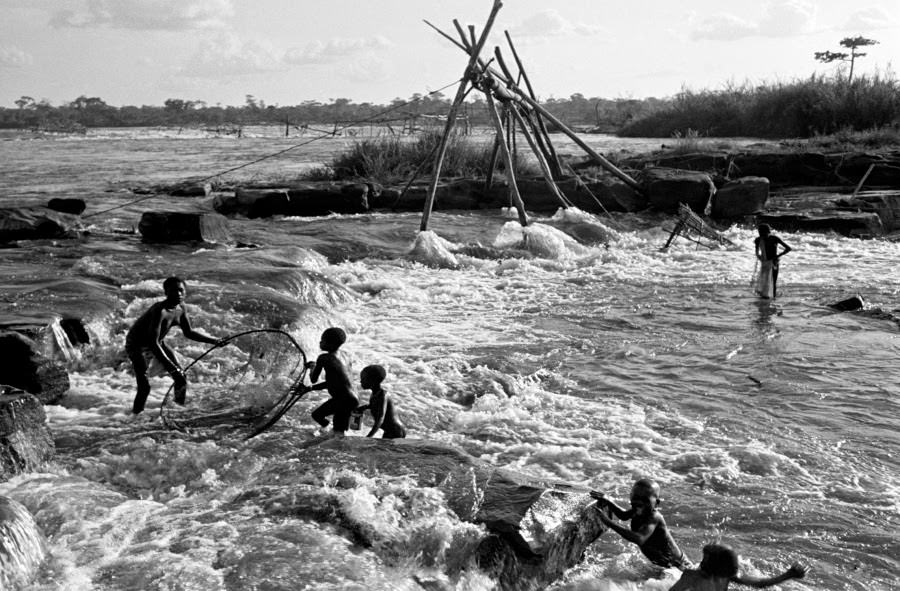
Filming took seven weeks, during which the cast and crew endured difficult conditions. They faced sweltering heat, tropical rains, and insects in large numbers. The Ruki River itself posed hazards, with strong currents and unpredictable water levels. Boats had to be navigated carefully, often requiring extra effort to keep them on course for the cameras.
Read more
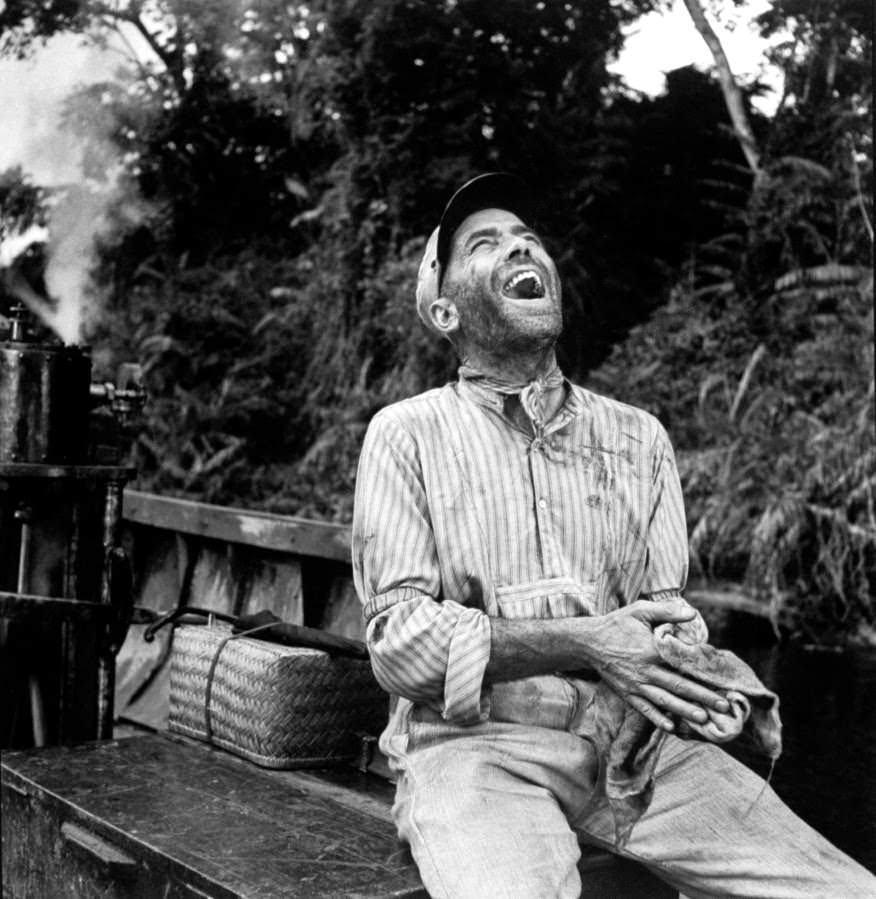
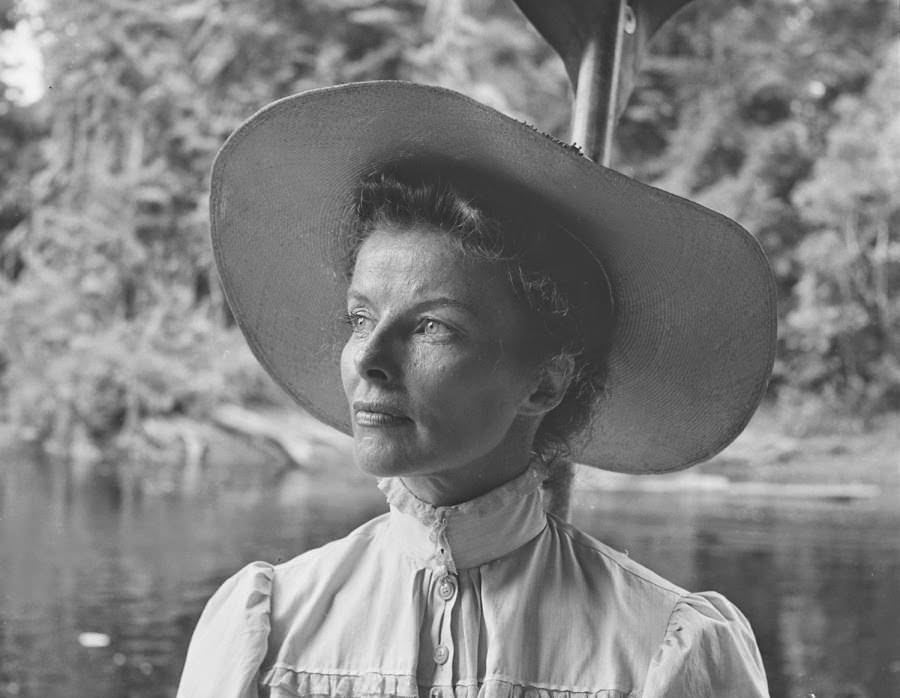
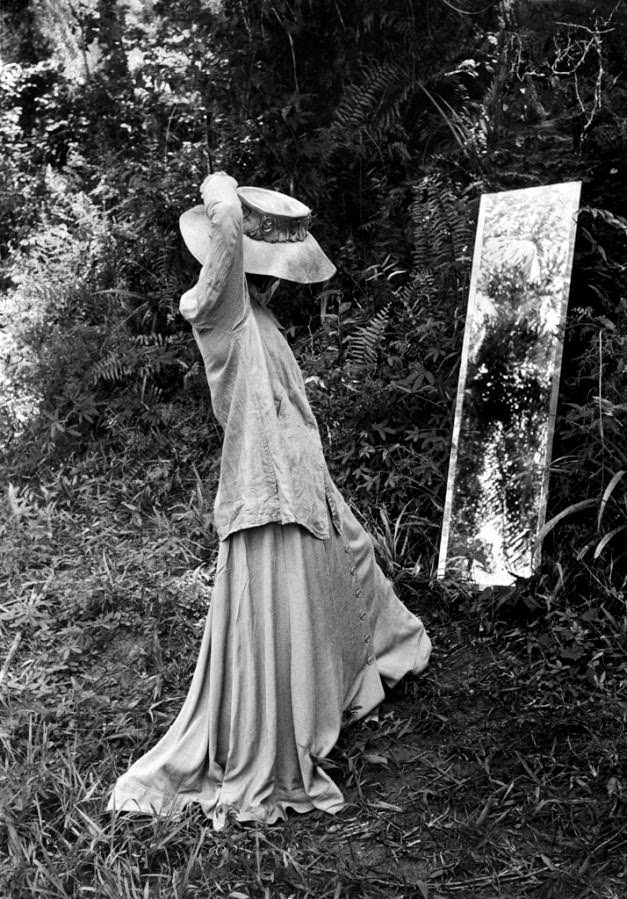
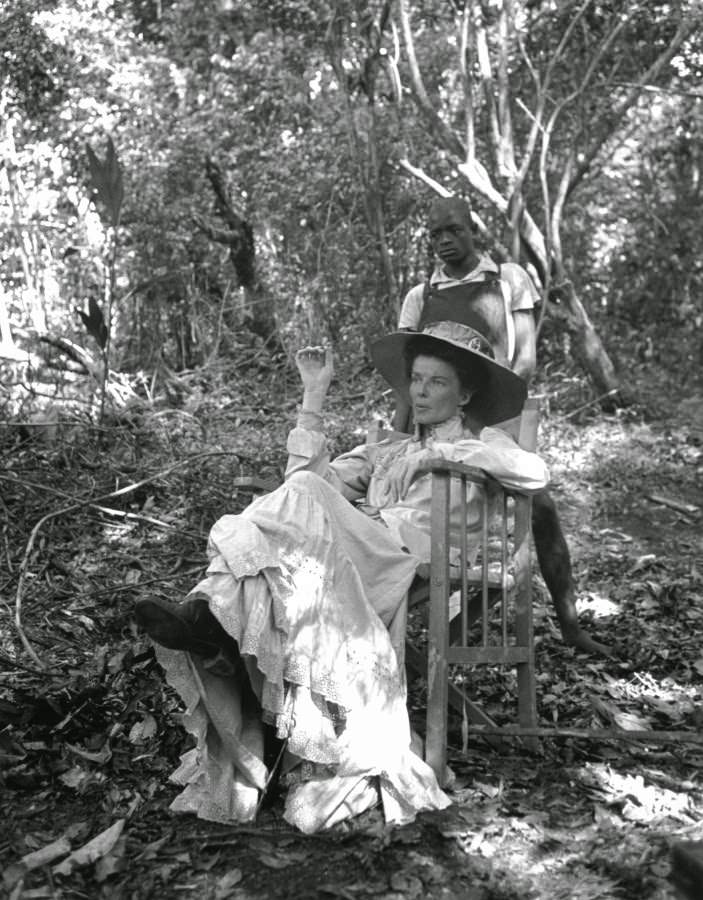
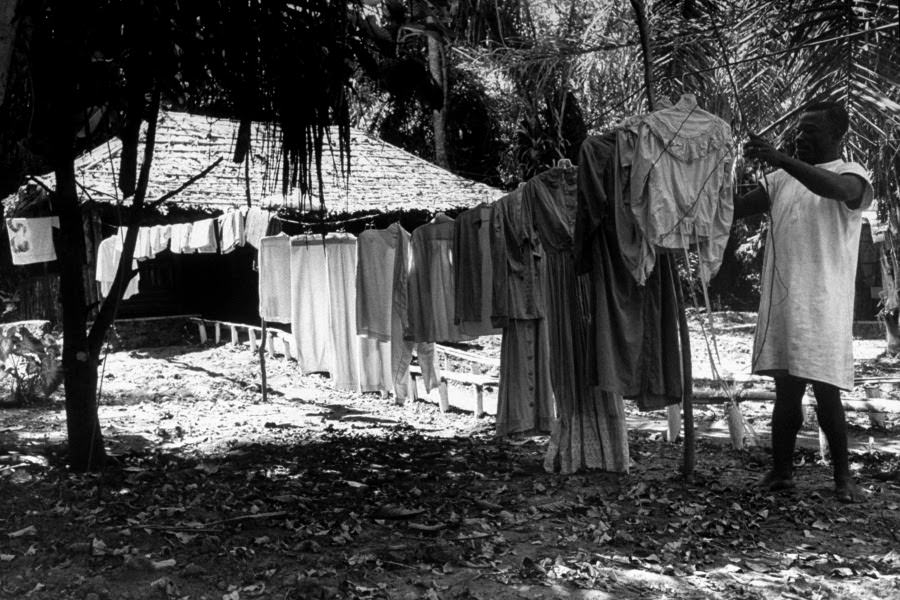
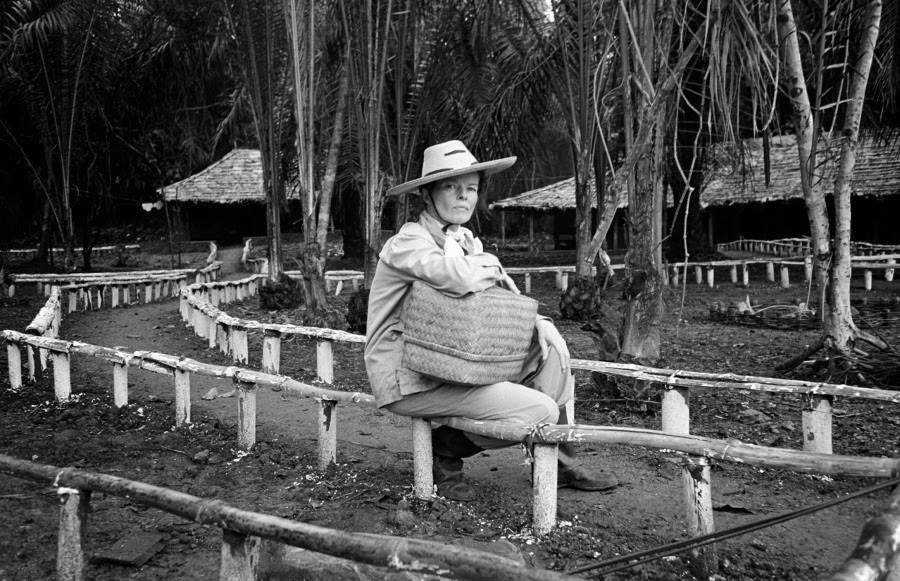
Bogart adapted quickly to the physical demands of the riverboat. He often steered, pushed, and pulled the boat through shallow areas while staying in character. Hepburn, known for her meticulous style, learned to balance her performance with the practical needs of the shoot. She wore period clothing in heat that sometimes exceeded 100 degrees Fahrenheit.
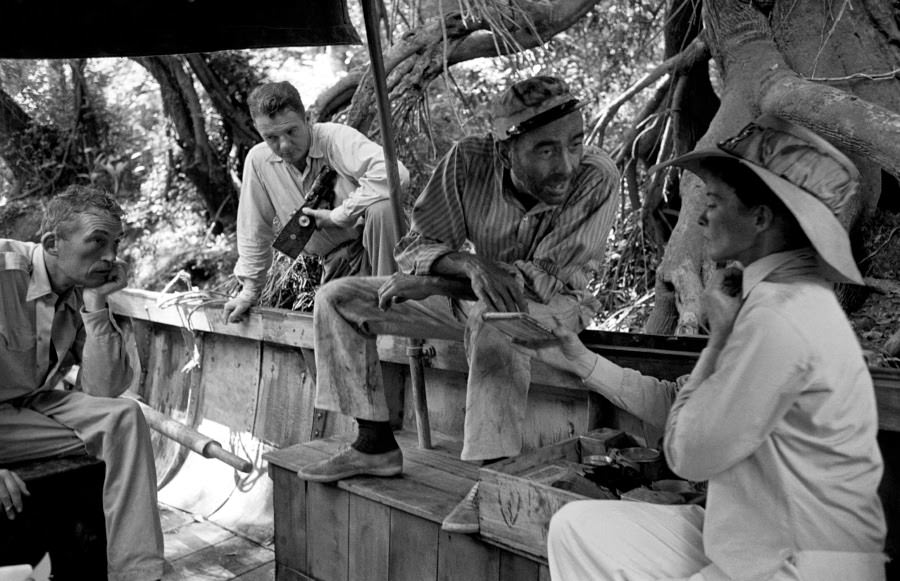
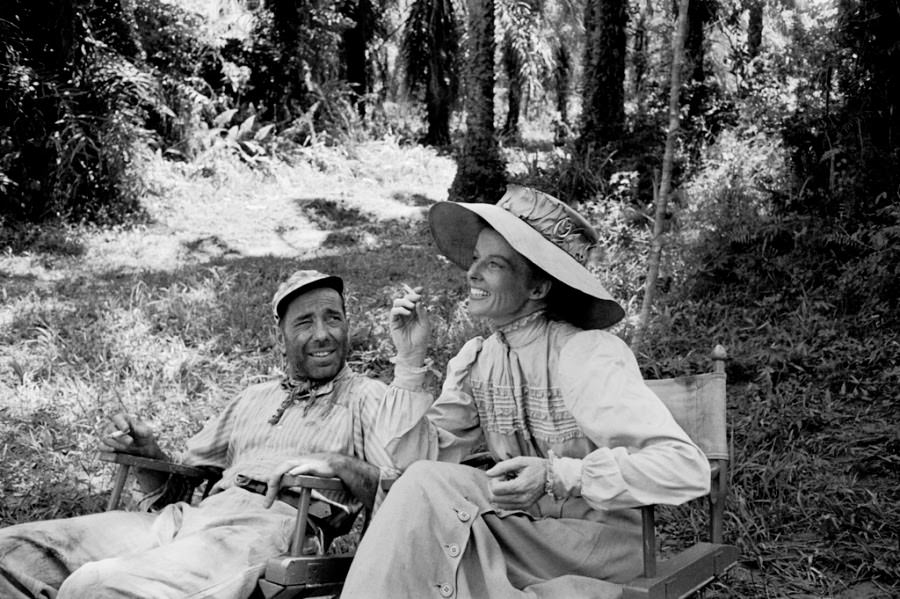
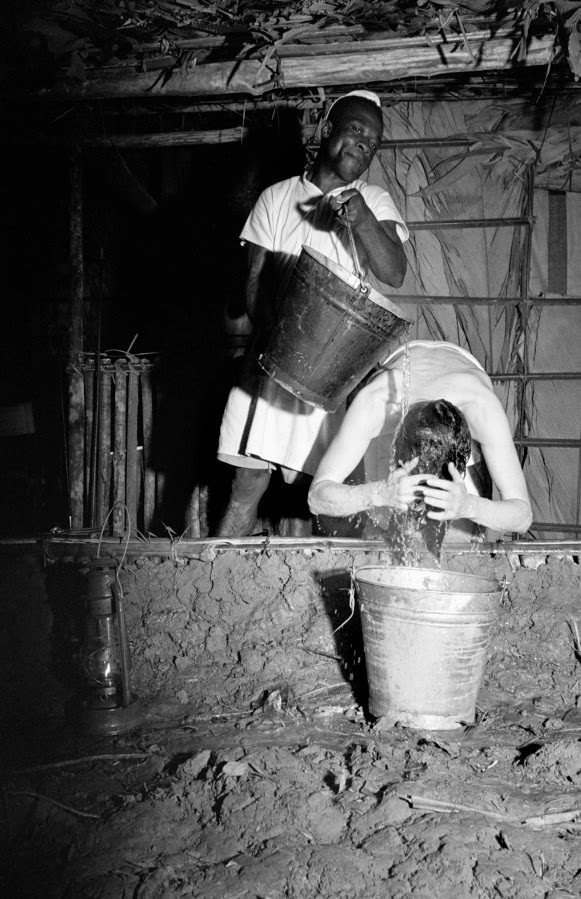
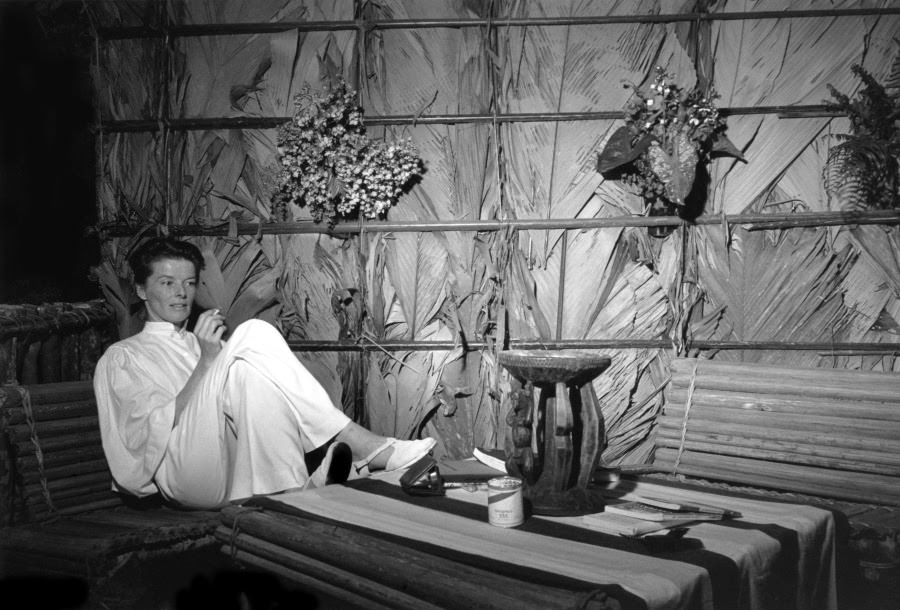
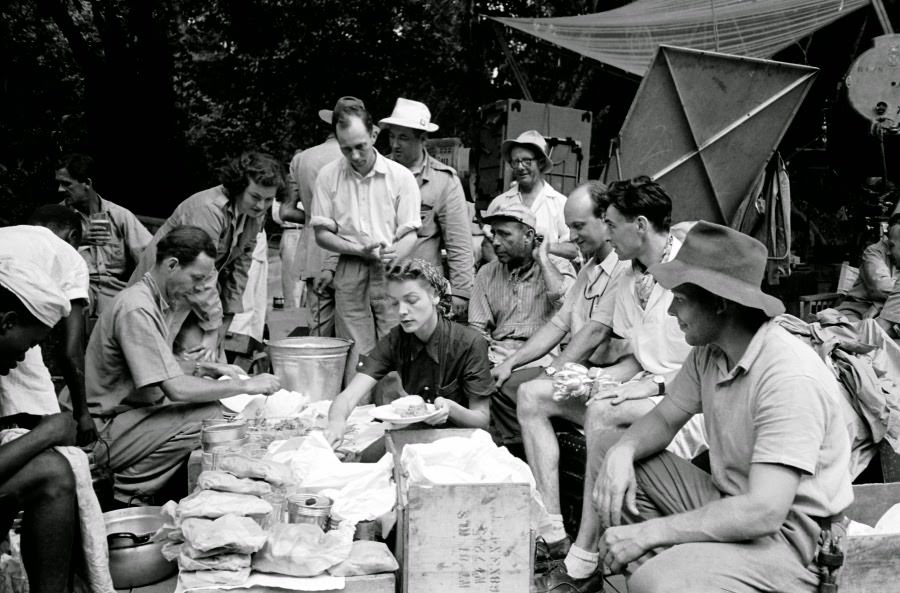
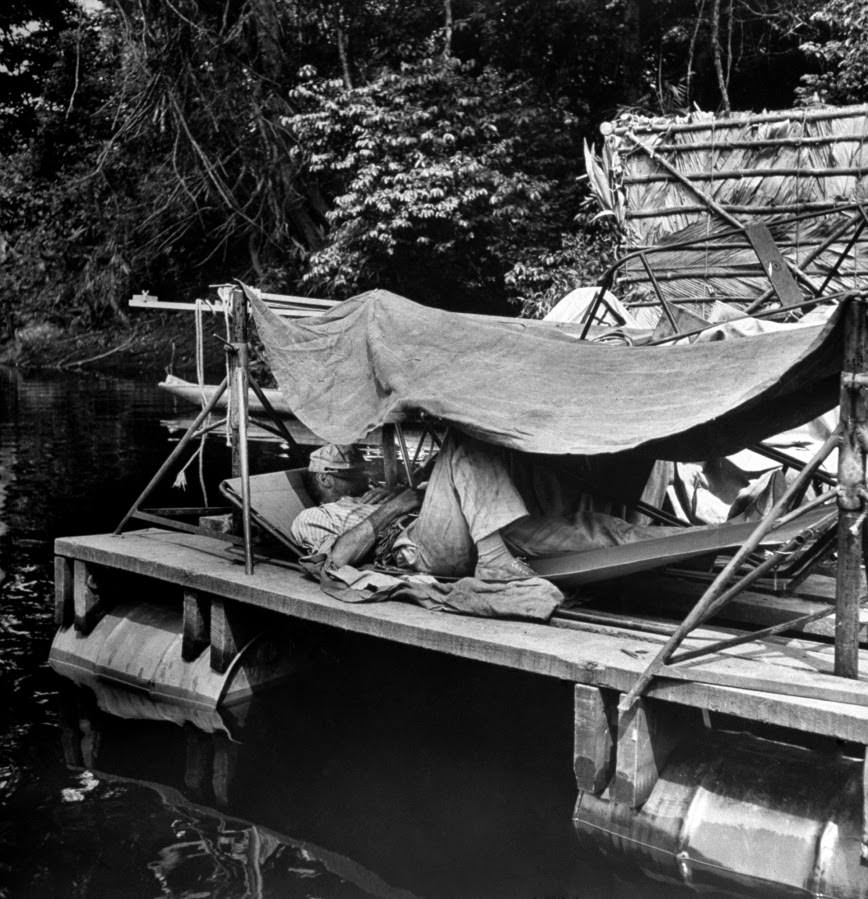
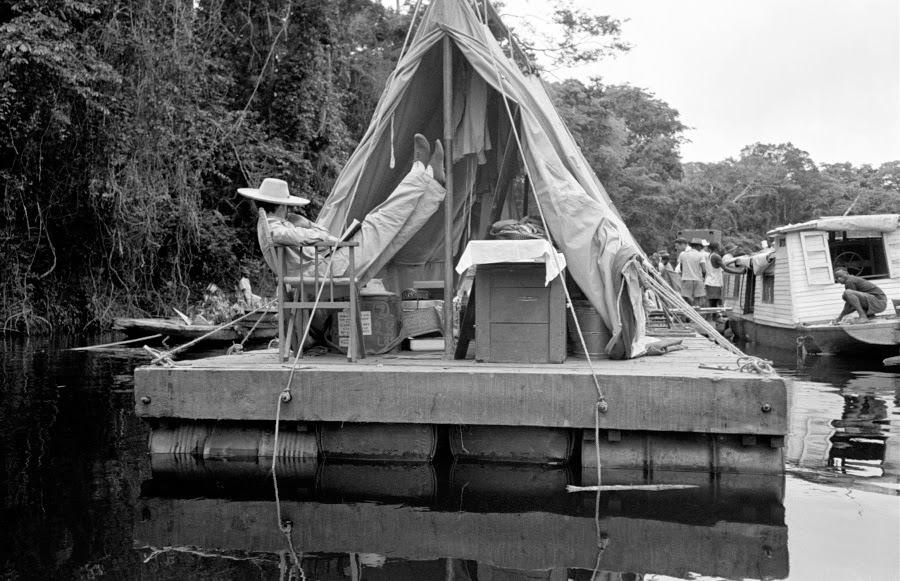
Camera crews worked with heavy equipment under extreme conditions. Tripods, lighting, and film reels required constant attention to avoid water damage or overheating. John Huston pushed for natural lighting and authentic jungle sounds, adding to the logistical challenges. LIFE photographer Eliot Elisofon documented the process, capturing candid moments between takes and recording the intensity of the shoot.
The cast had to deal with local wildlife as well. Monkeys, snakes, and insects were part of the everyday environment. Scenes often required multiple takes, which meant the actors repeatedly faced discomfort while keeping energy levels high.
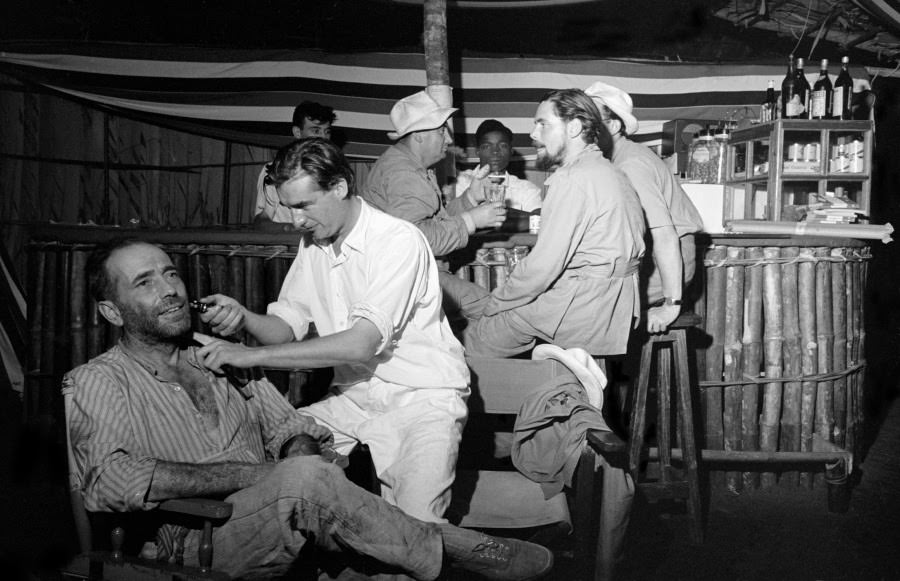
Meals and accommodations were basic. Cast and crew lived in tents or small huts, with limited access to fresh supplies. Transportation along the river was slow, and medical support was minimal. Despite these difficulties, the team maintained focus on creating a film that captured the jungle’s beauty and danger.
The African Queen itself, a small steamboat, became a central element of filming. It had to be maneuvered carefully for the shots while keeping the actors safe. Crew members often waded in the river to secure lines or stabilize the boat. The craft and the environment together created the authentic look Huston sought for the story.
The combination of an isolated location, extreme weather, and demanding physical action made this shoot one of the most challenging of the era. Yet these challenges allowed Bogart and Hepburn to give performances grounded in realism, interacting naturally with the water, the boat, and the jungle.
Throughout the seven-week shoot, the cameras captured more than the story. They recorded the dedication, ingenuity, and stamina required to bring a Hollywood film into one of the world’s most demanding locations.