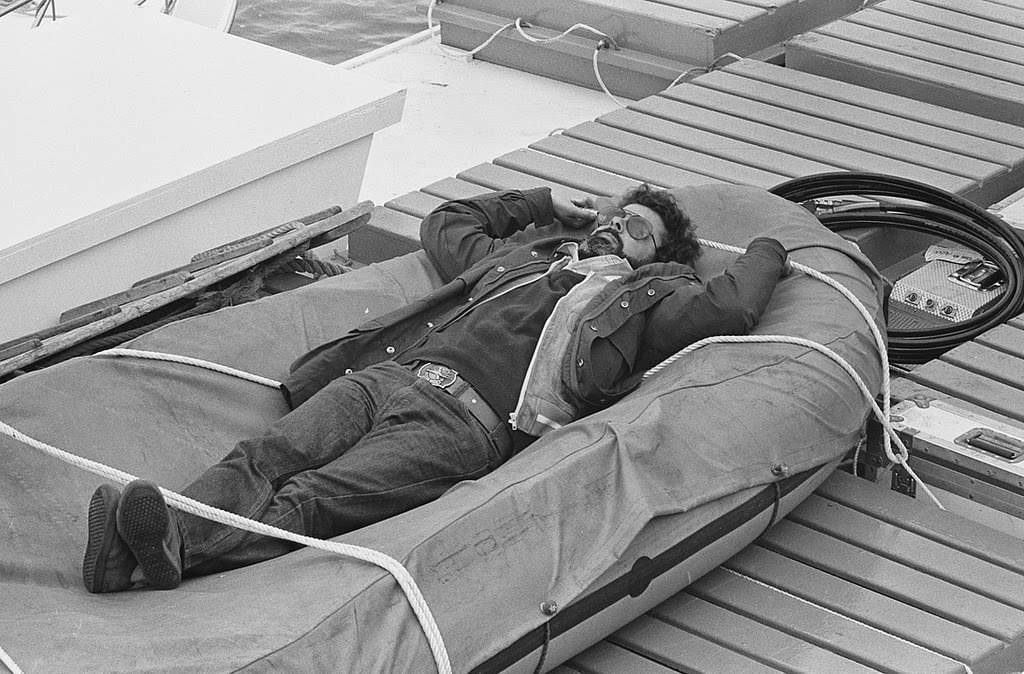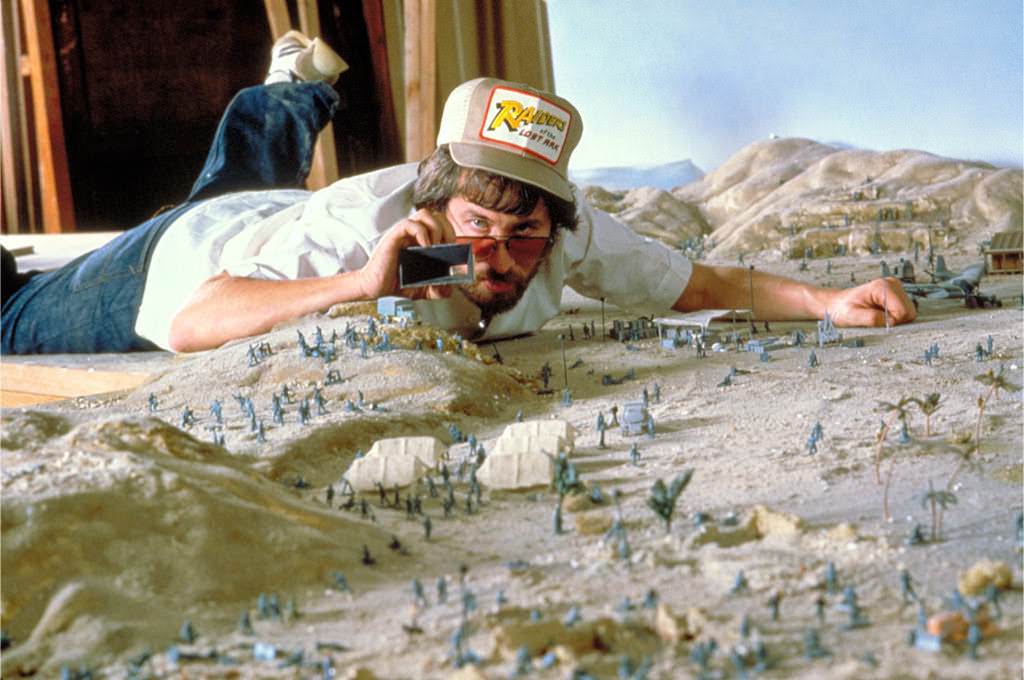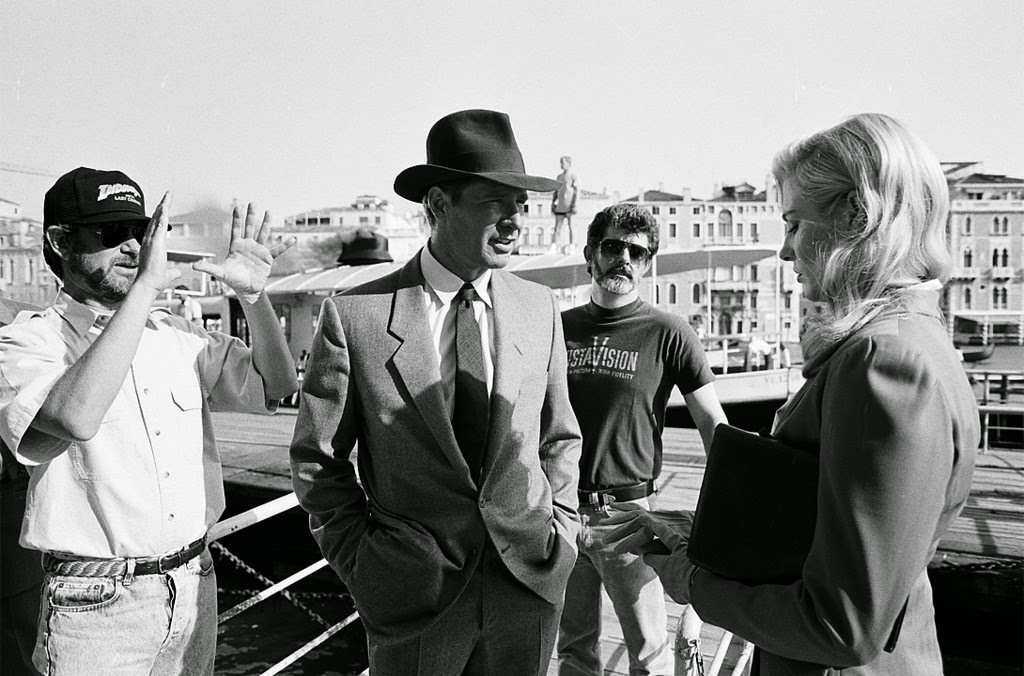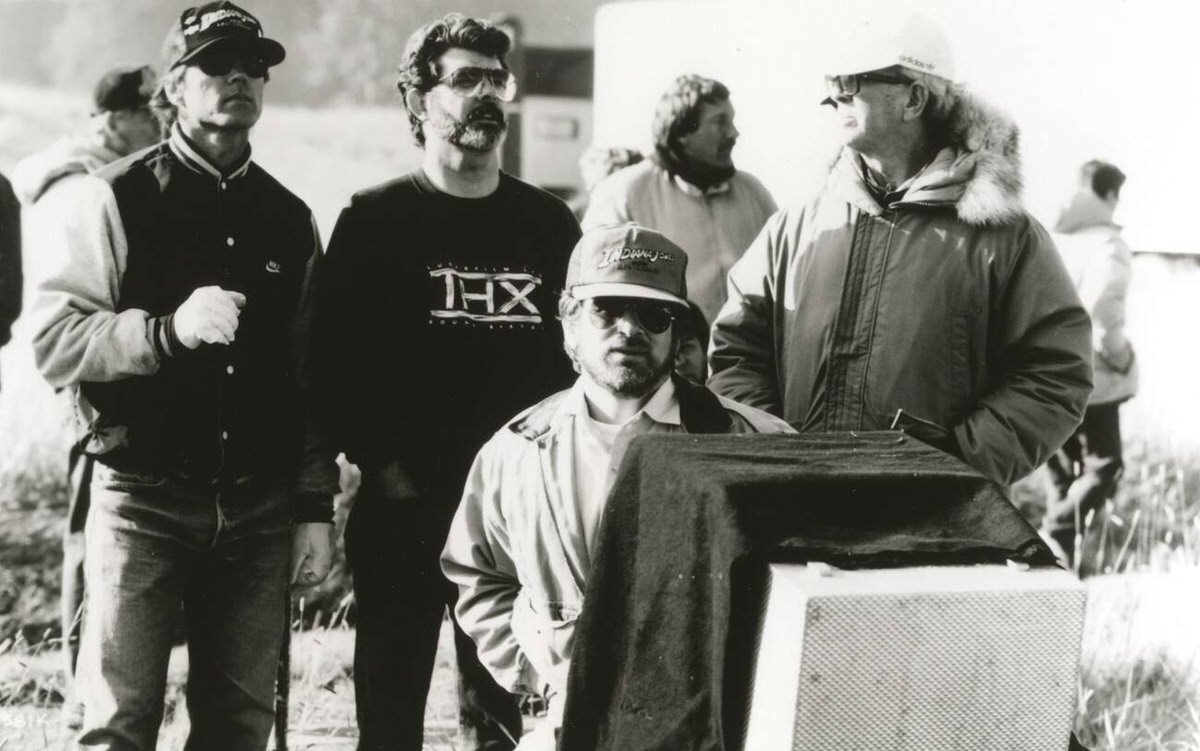

The Indiana Jones film series began with Raiders of the Lost Ark, released in 1981. The movie was directed by Steven Spielberg and produced by George Lucas. Lucas created the character as a tribute to adventure heroes from early action serials. The goal was to make a fast-paced story filled with danger, humor, and practical effects.
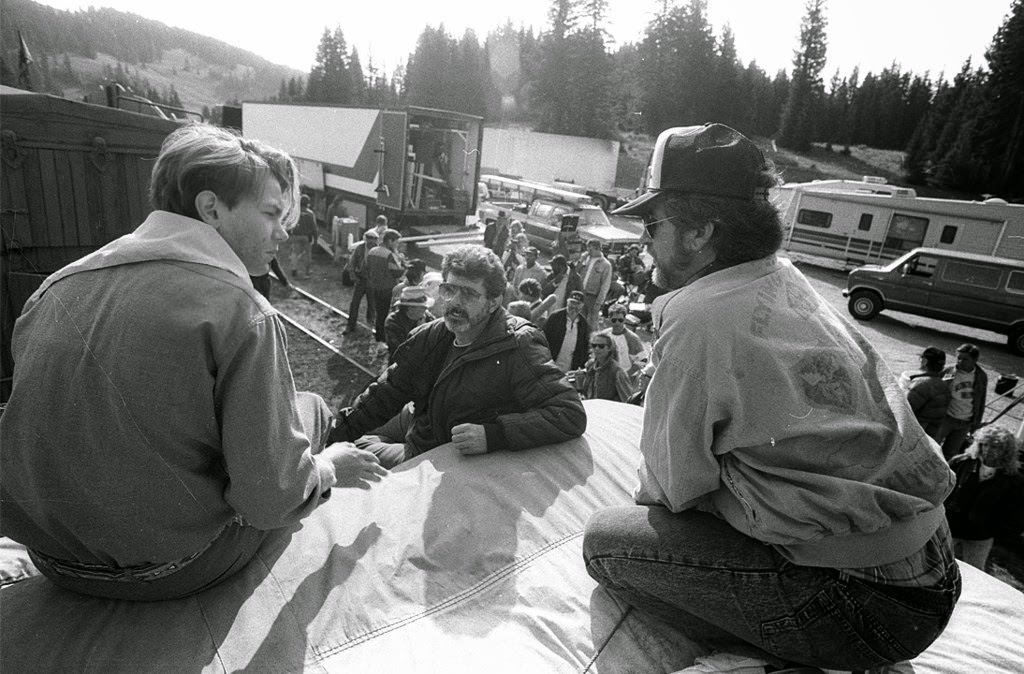
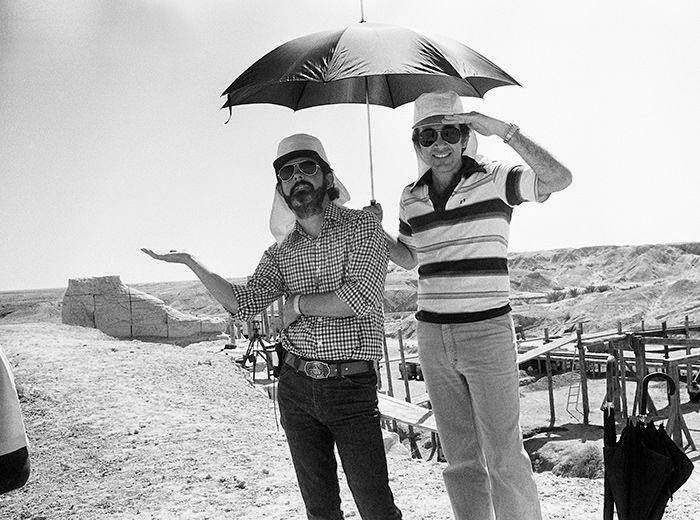
Filming began in 1980 and took place across several countries. Locations included Hawaii, Tunisia, England, and California. Each setting was chosen to represent exotic destinations in the story. Many scenes were shot outdoors under harsh conditions. Heat, dust, and limited resources affected daily production.
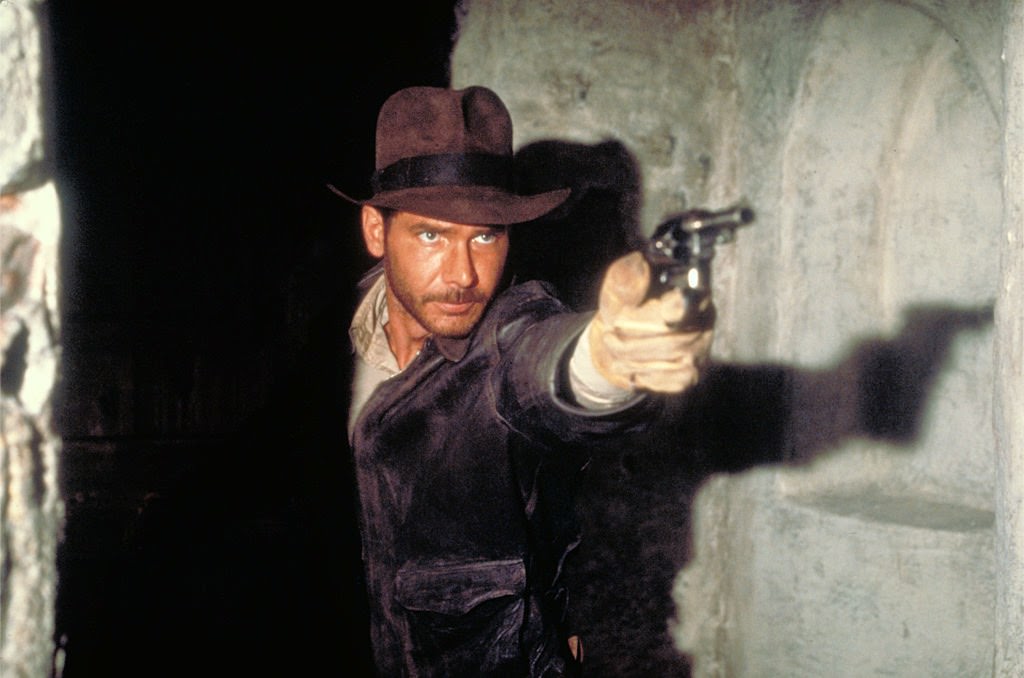
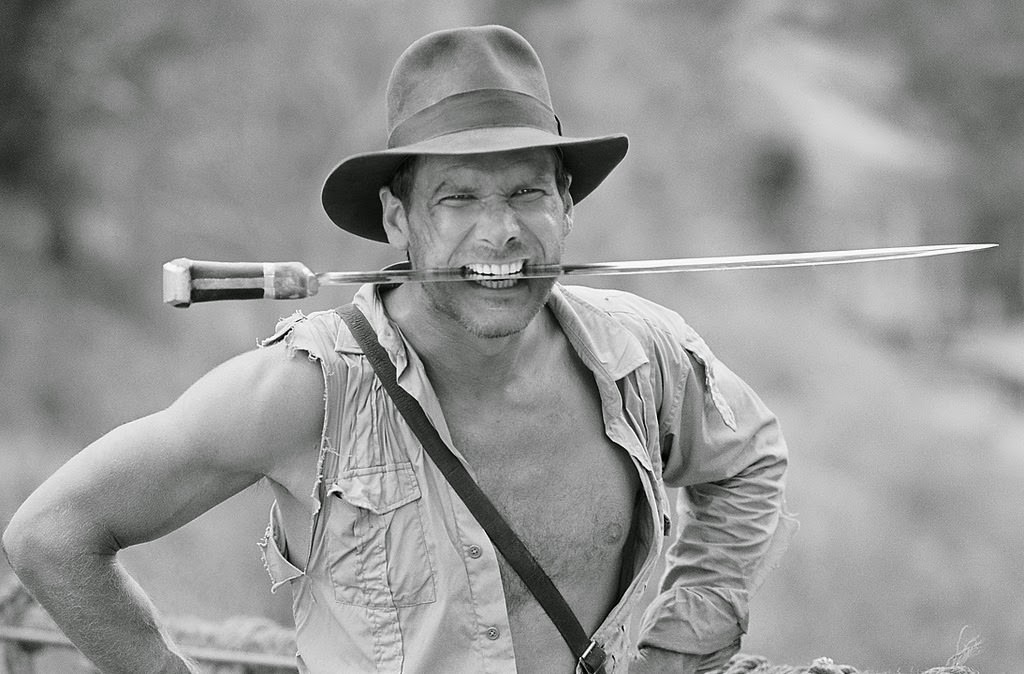
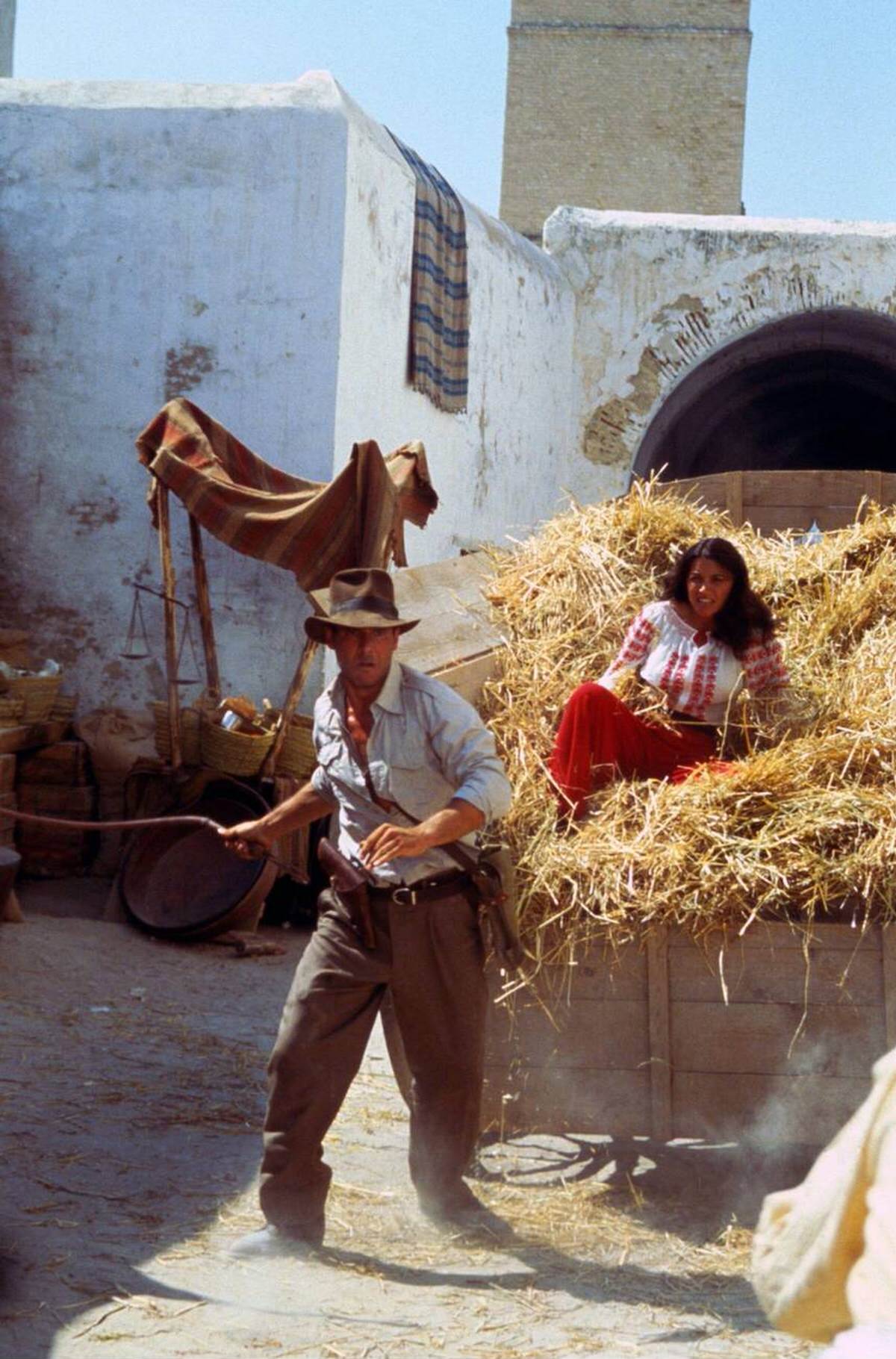
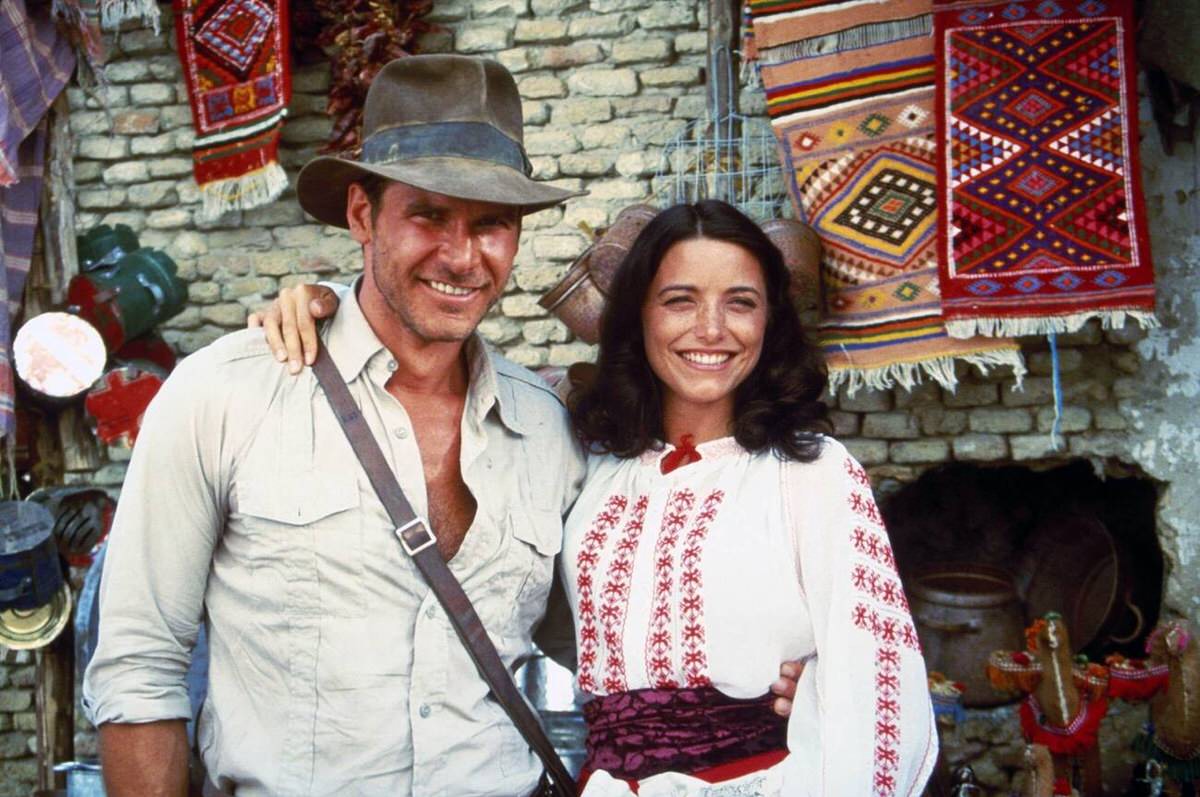
Harrison Ford was cast as Indiana Jones after working with both Lucas and Spielberg on earlier projects. He performed many of his own stunts. This added realism but also increased physical risk. Ford’s performance balanced toughness with dry humor, shaping the character’s identity.
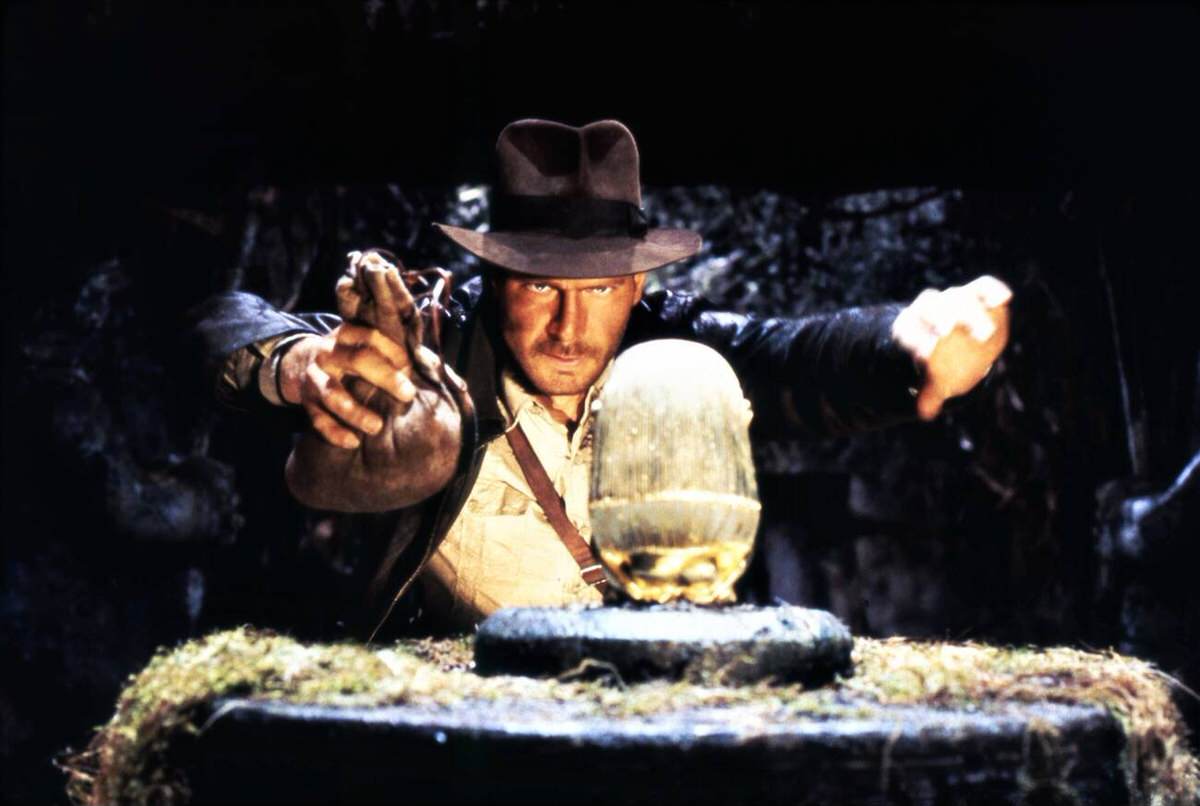
The opening temple sequence was filmed in Hawaii. The jungle setting required controlled explosions, traps, and moving walls. Practical effects teams built full-scale sets. Timing had to be exact to avoid injury. The rolling boulder scene used a large fiberglass prop combined with camera tricks.
Read more
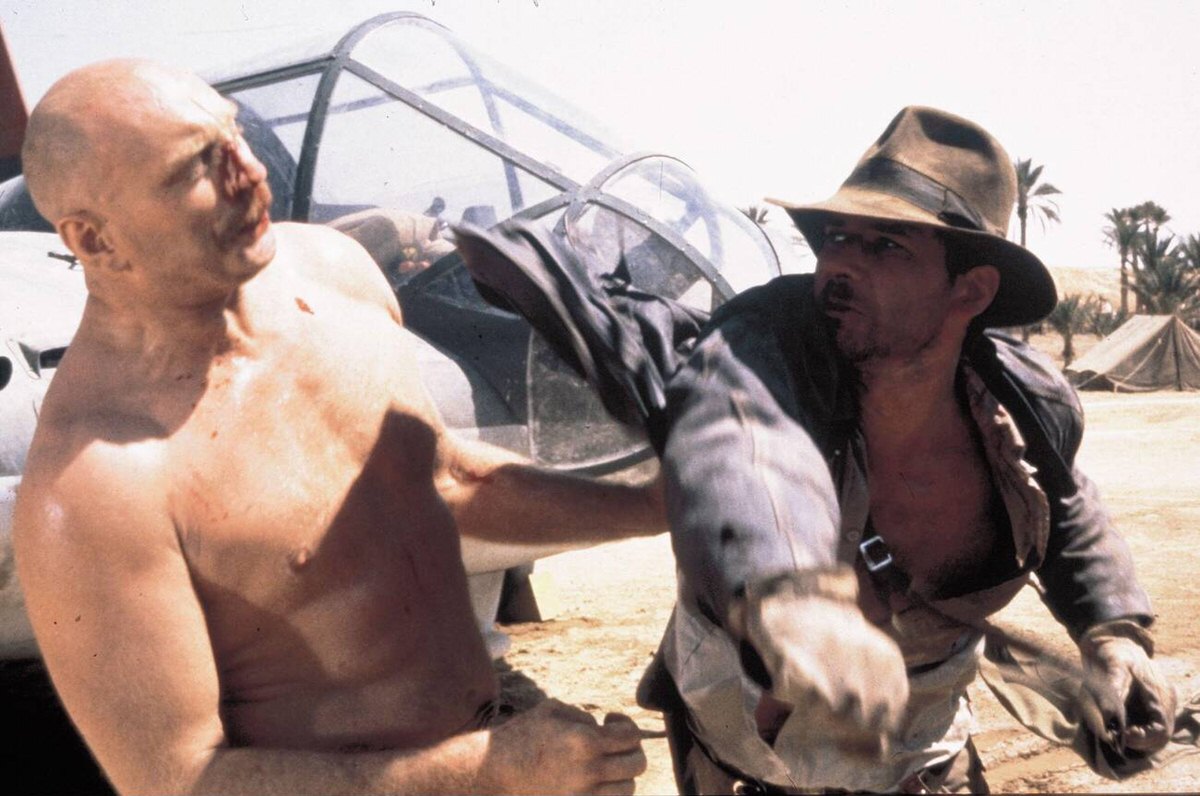
Desert scenes were filmed in Tunisia. Temperatures were extreme, and crew members dealt with illness. Many cast and crew suffered from food poisoning. Despite this, filming continued on schedule. The sword-versus-whip scene was changed due to Ford’s condition, resulting in a simple gunshot moment that became iconic.
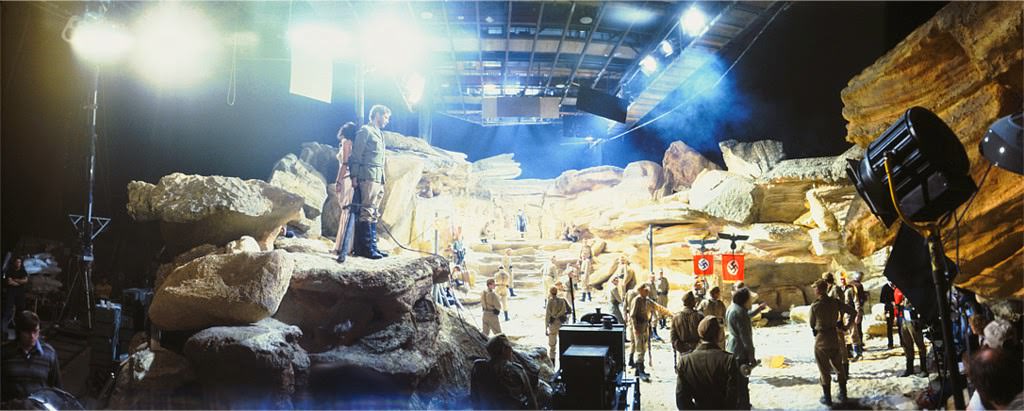
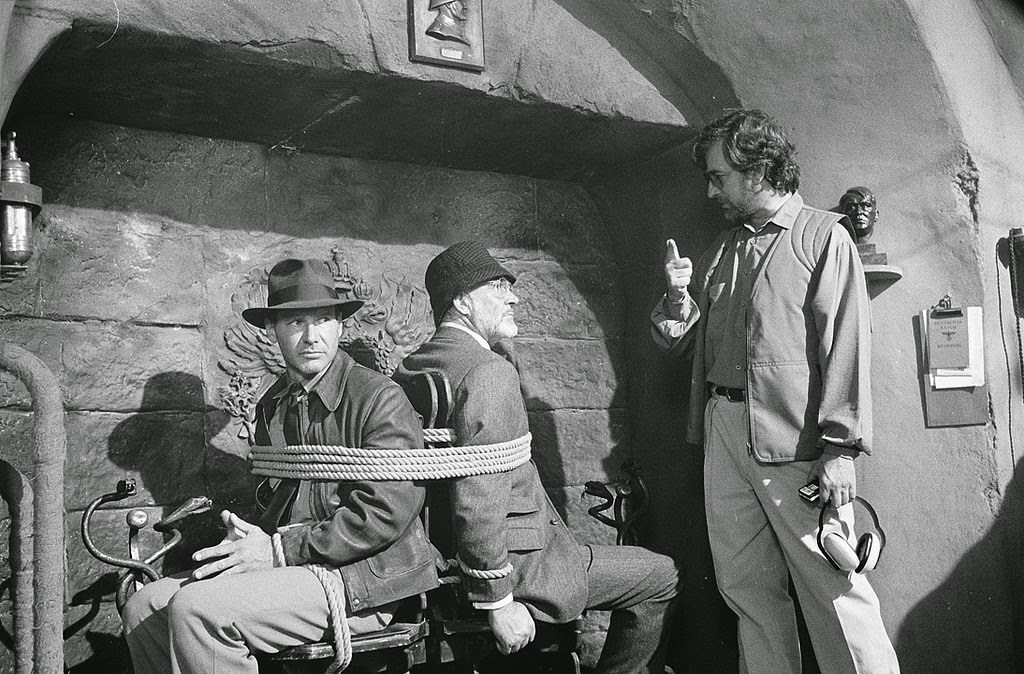
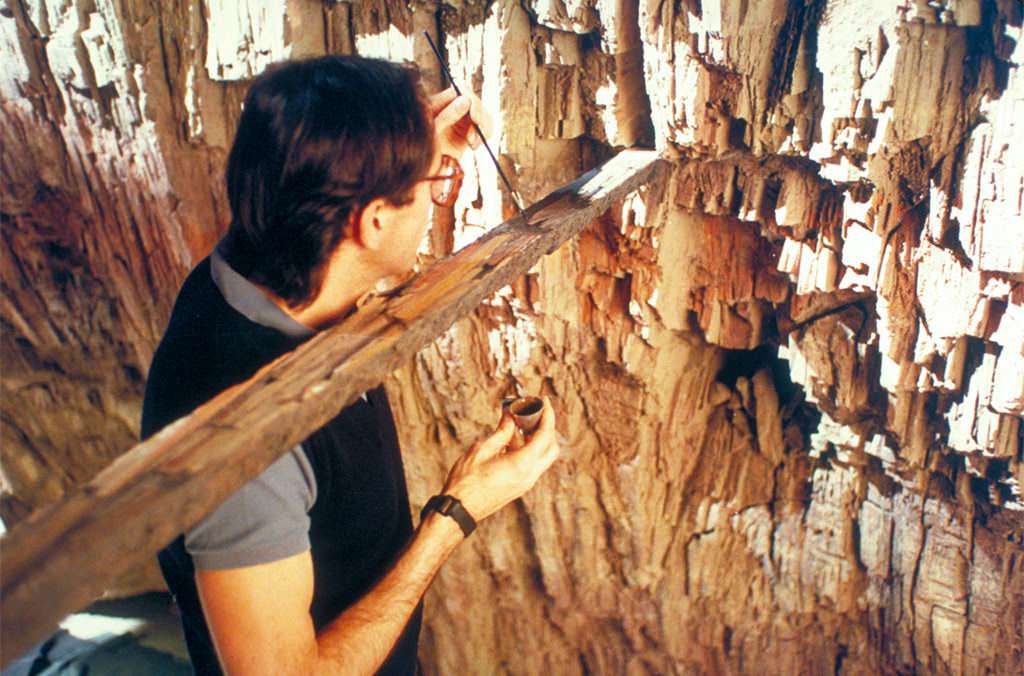
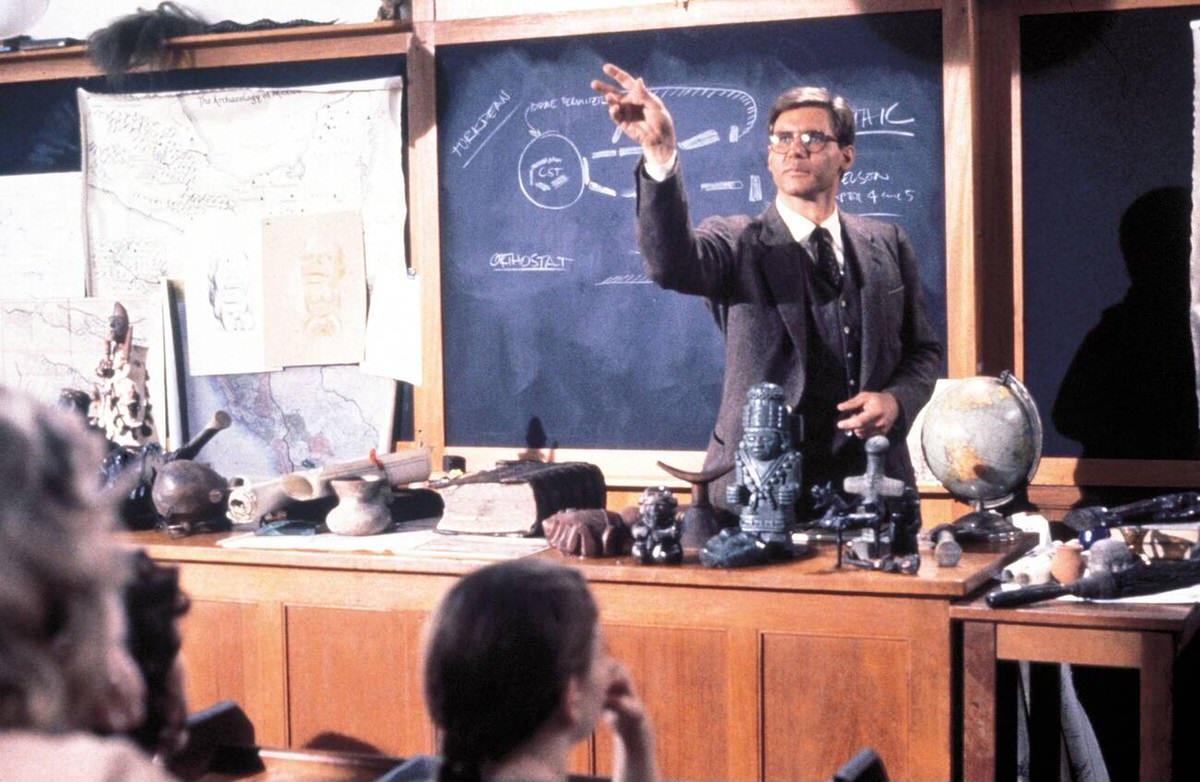
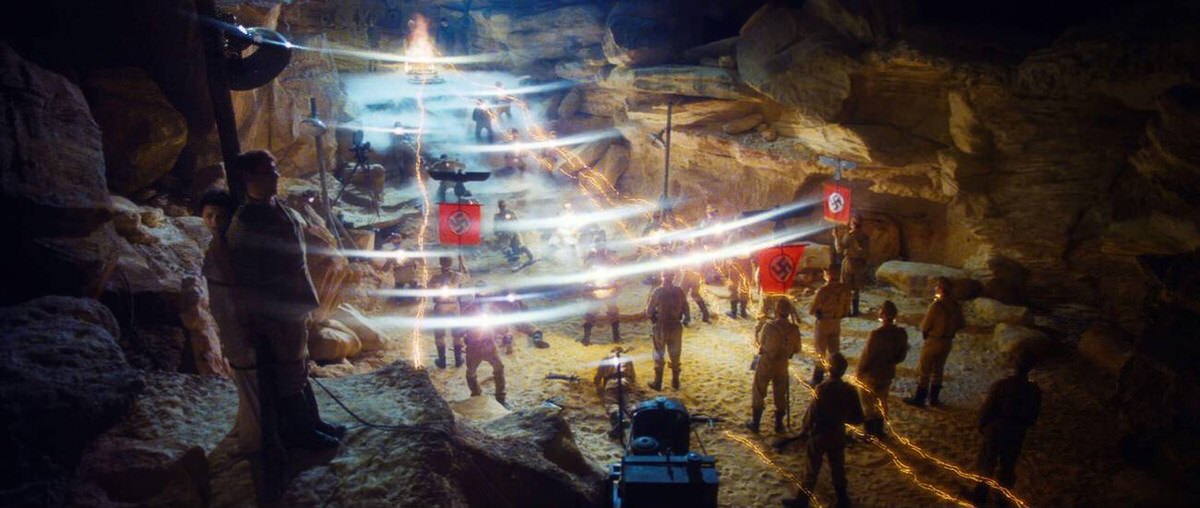
Soundstages in England were used for interior scenes. Sets included ancient tombs, Nazi facilities, and secret chambers. Designers focused on texture and wear to make locations feel old and dangerous. Props were aged by hand to avoid a clean or artificial look.
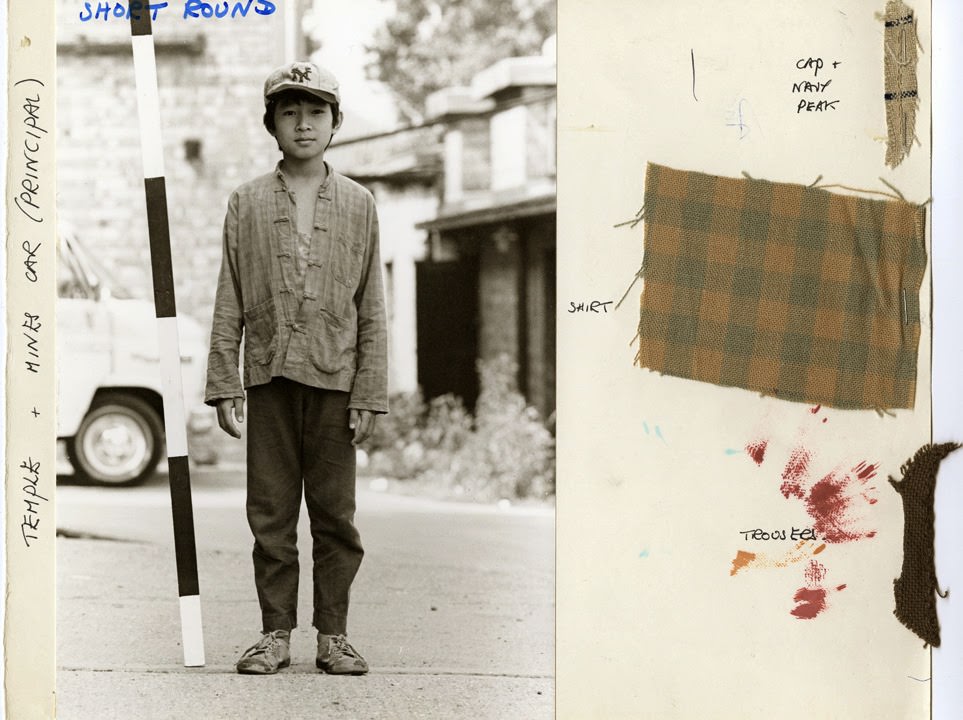
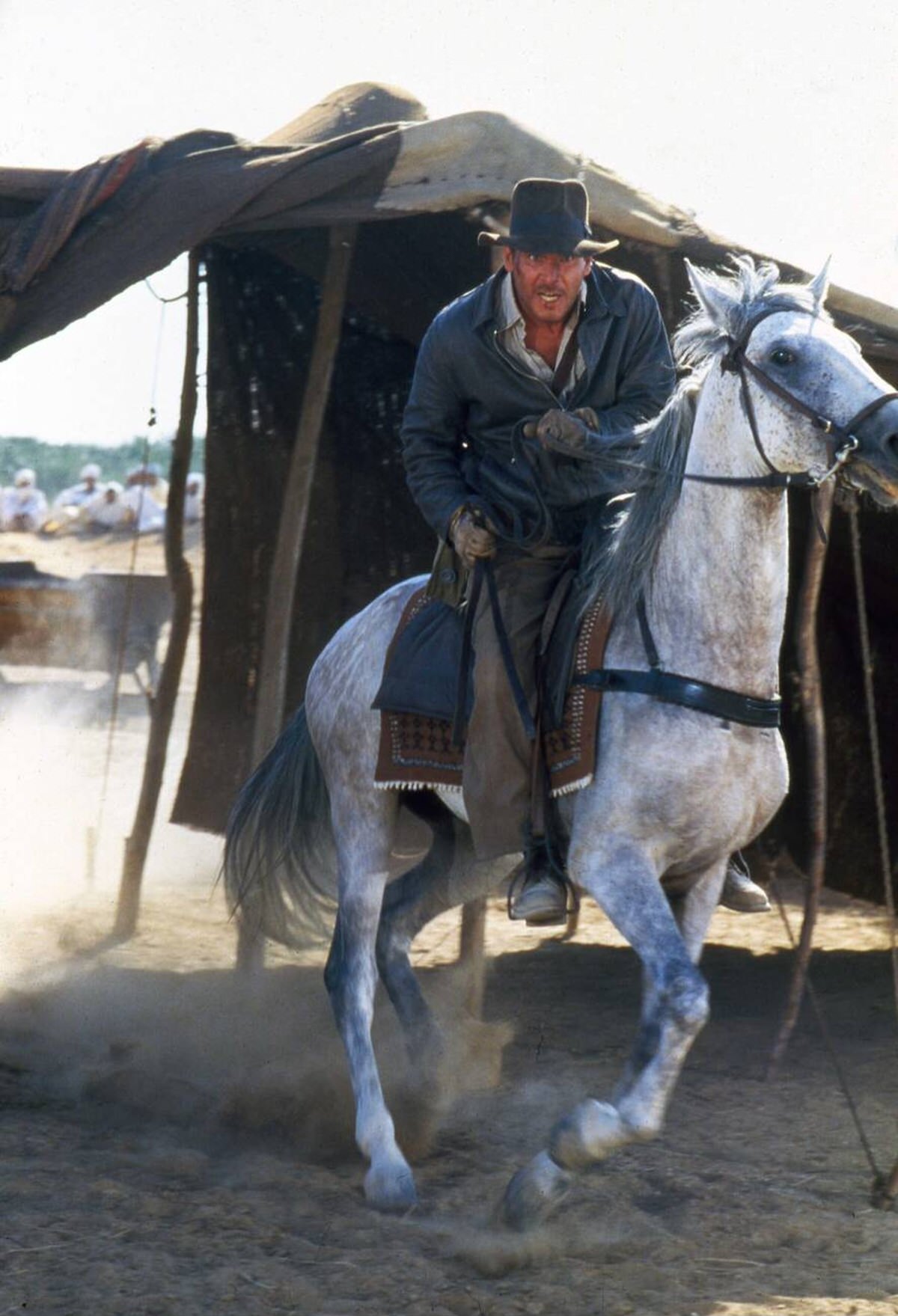
Costume design played a major role. Indiana Jones’s fedora, leather jacket, and whip were carefully selected. The outfit needed to function during action scenes. The hat became a key visual symbol and was closely guarded during filming.
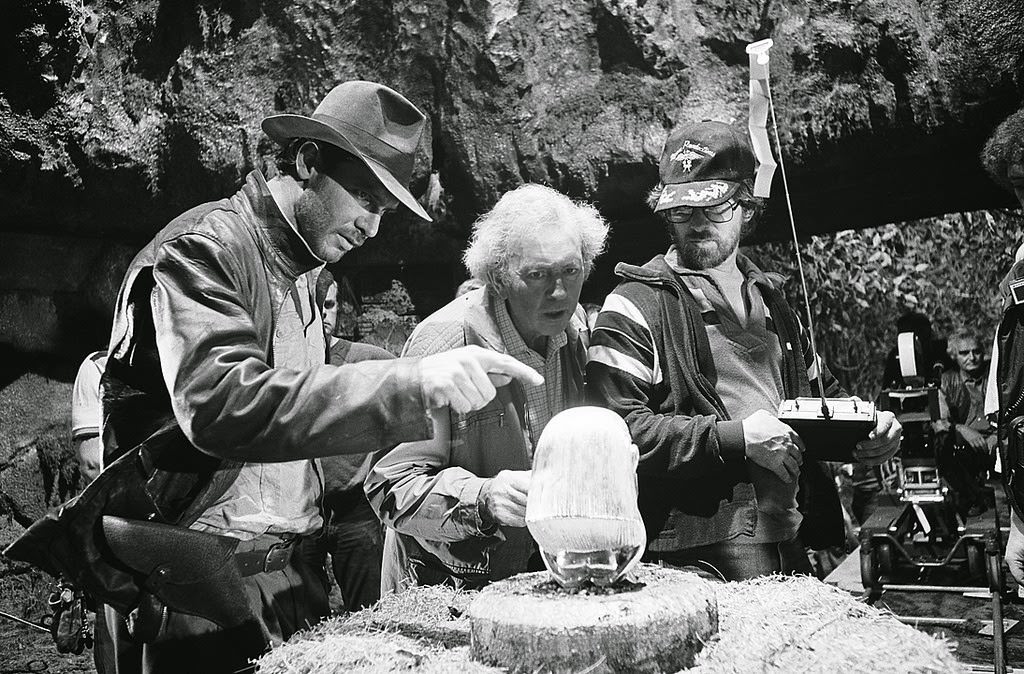
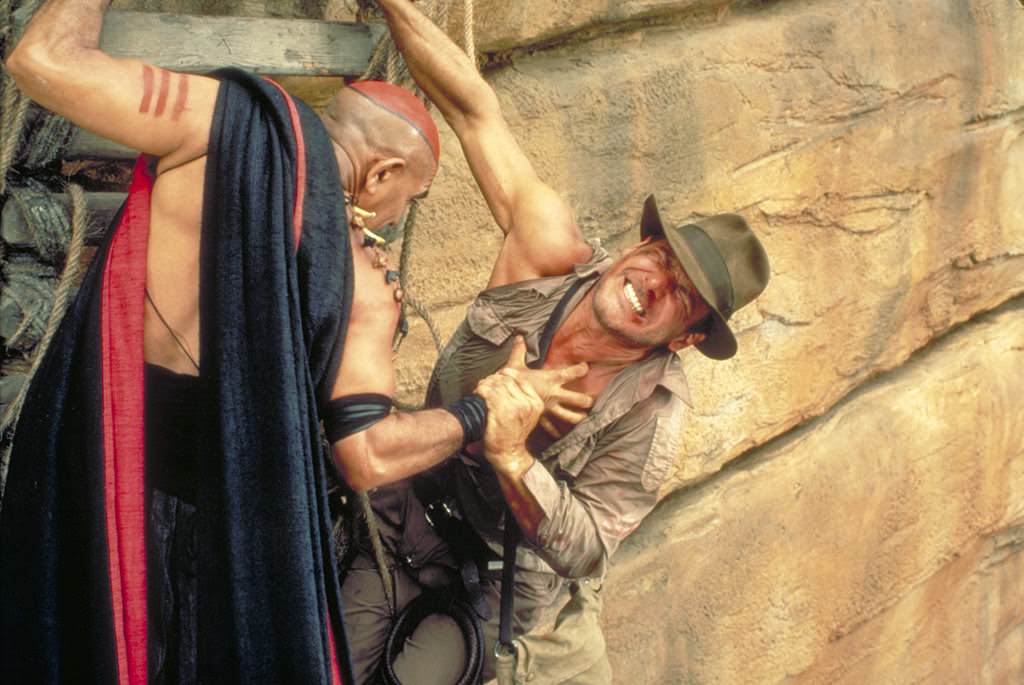
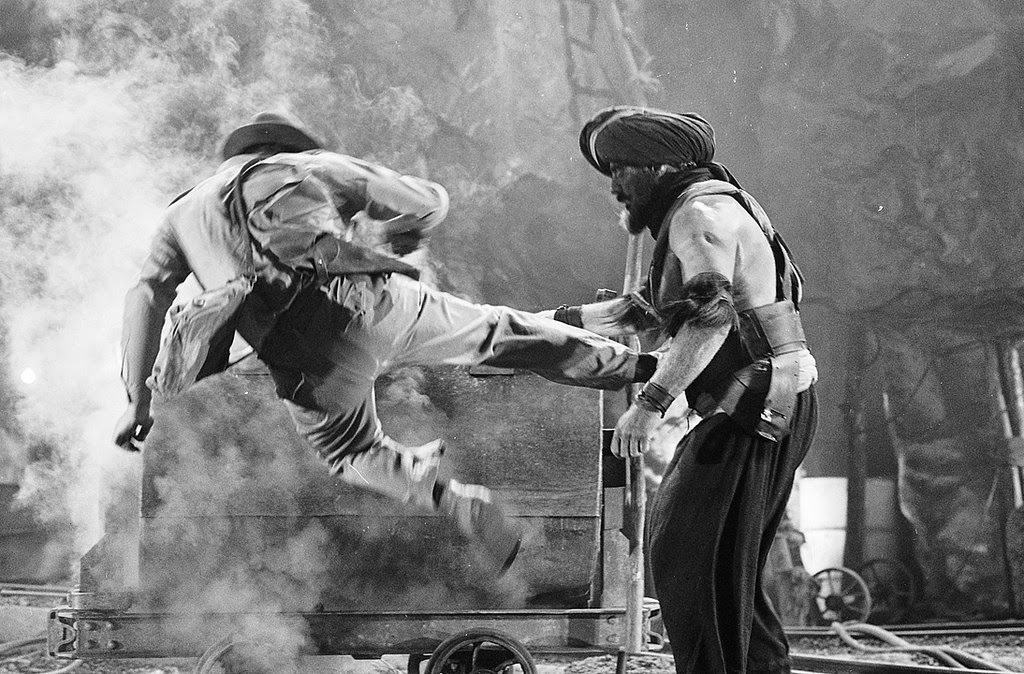
Action scenes relied on stunt teams and practical effects. Fights were choreographed to look rough and uncontrolled. Vehicles were real and often driven at high speeds. Safety standards were lower than modern practices, increasing risk for performers.
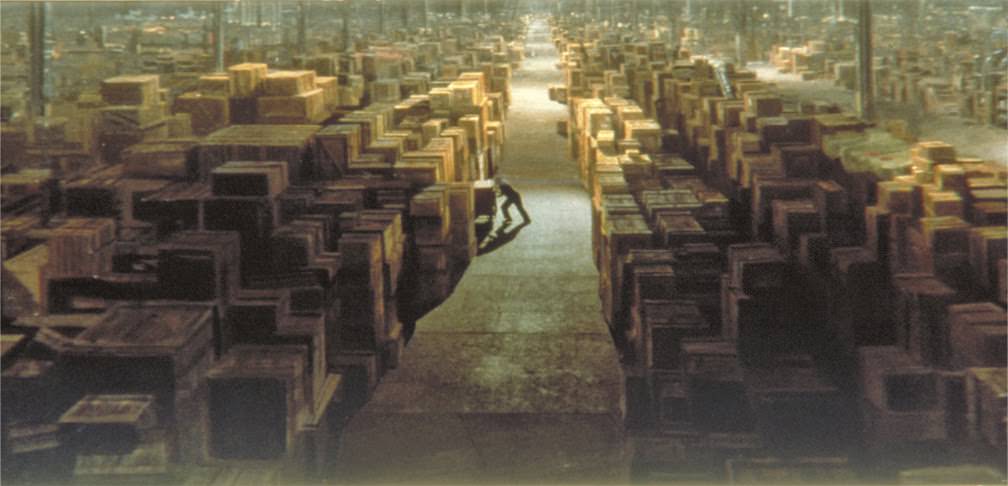
Special effects were created without digital tools. Explosions, fire, and moving objects were done on set. The final warehouse scene used matte paintings and forced perspective. These techniques created scale without large physical spaces.
John Williams composed the music after filming ended. His score guided the pacing and emotion of scenes. The main theme reinforced Indiana Jones as a heroic figure. Music cues were timed closely to action beats.
Editing shaped the film’s fast rhythm. Scenes were cut tightly to maintain momentum. Quiet moments were brief and purposeful. The final cut emphasized movement and urgency from start to finish.
The success of Raiders of the Lost Ark led to sequels filmed throughout the 1980s. Each installment followed similar production methods. Practical stunts, real locations, and physical performances remained central to the series.