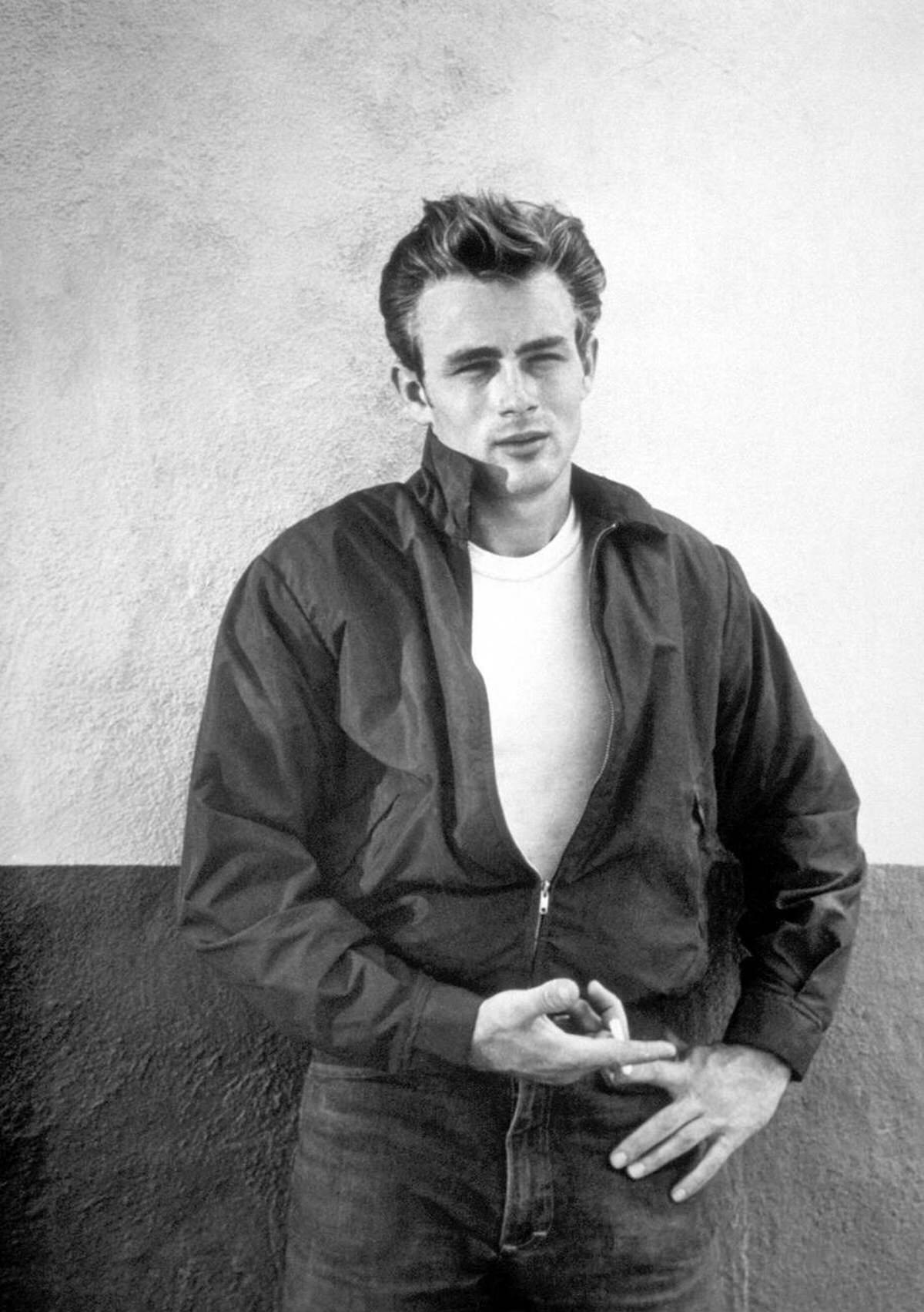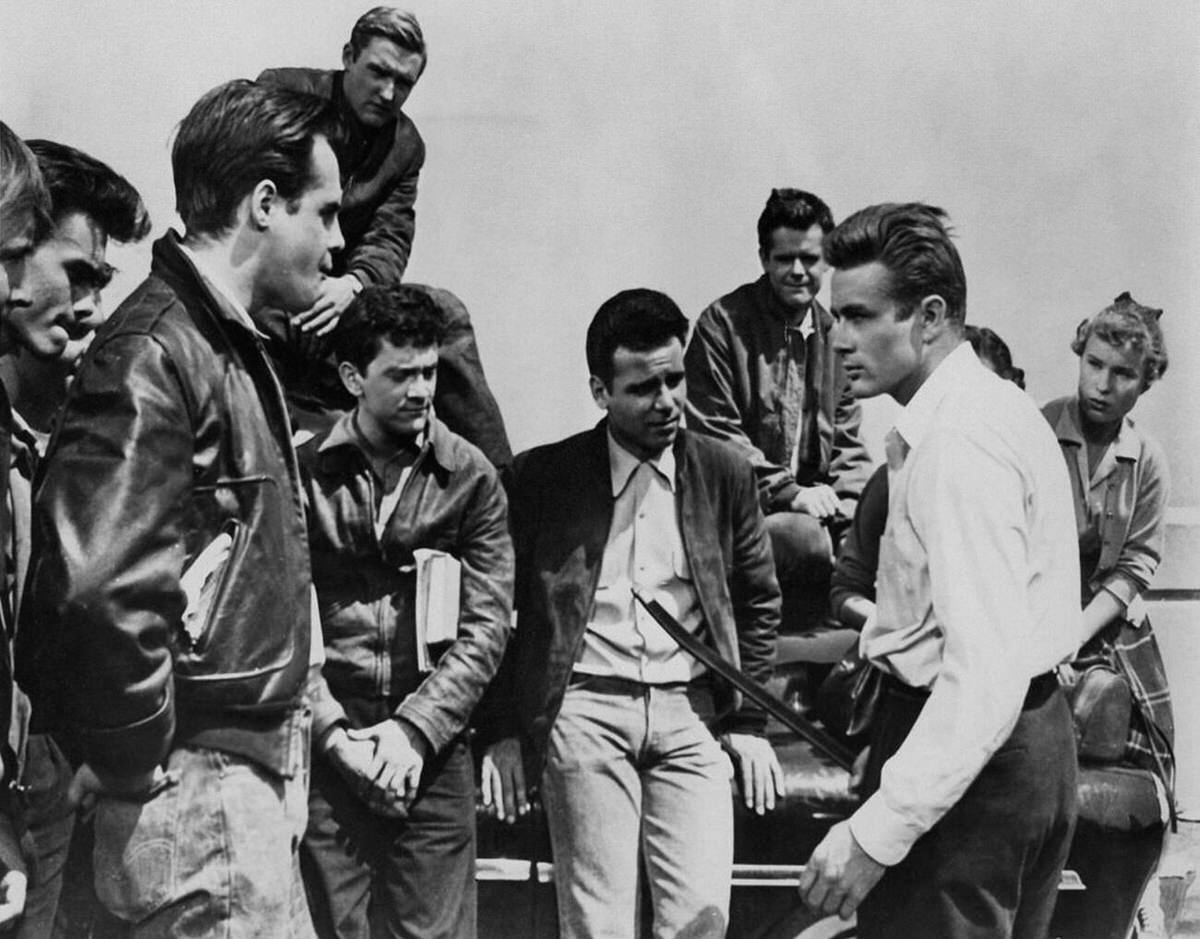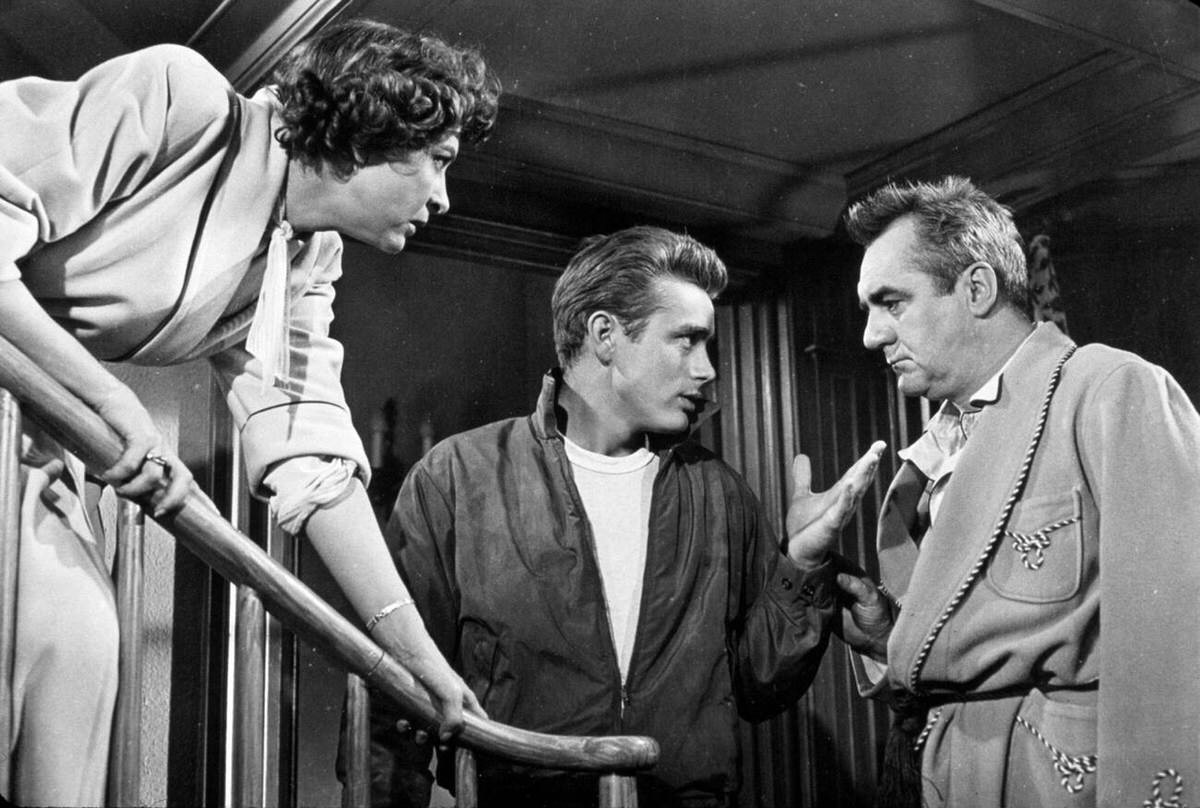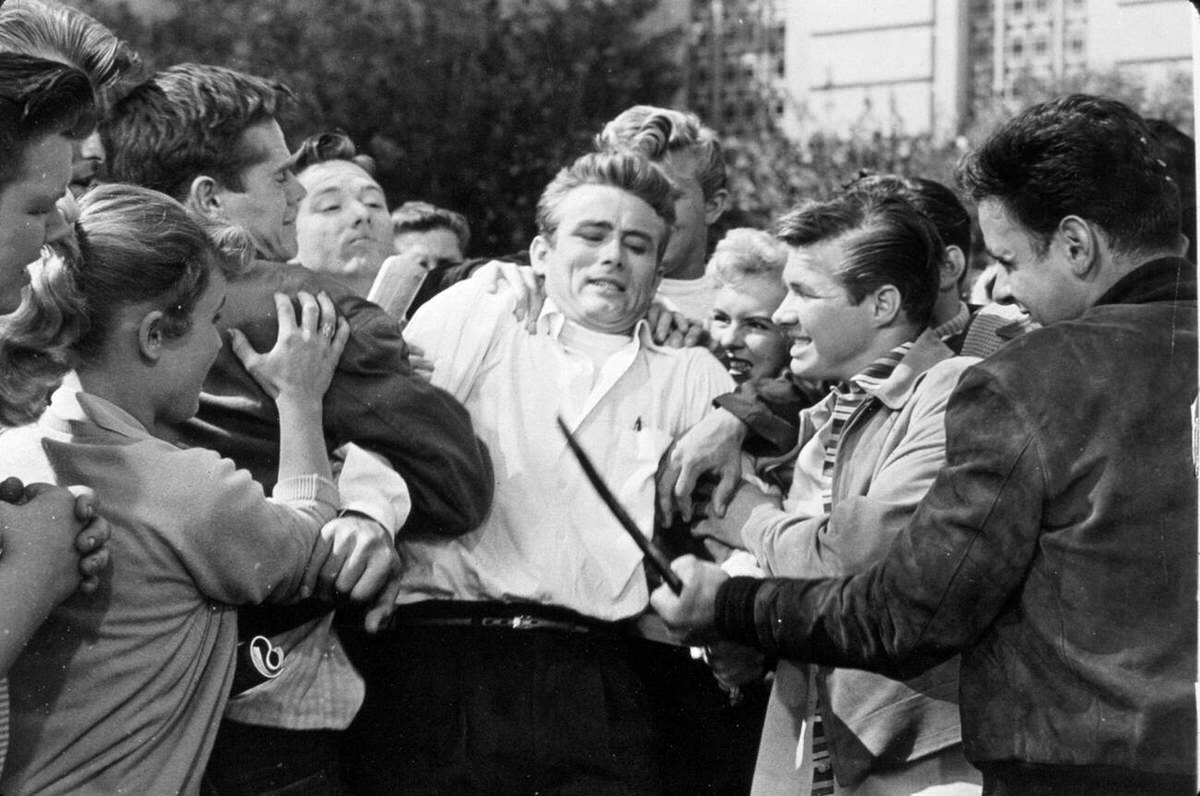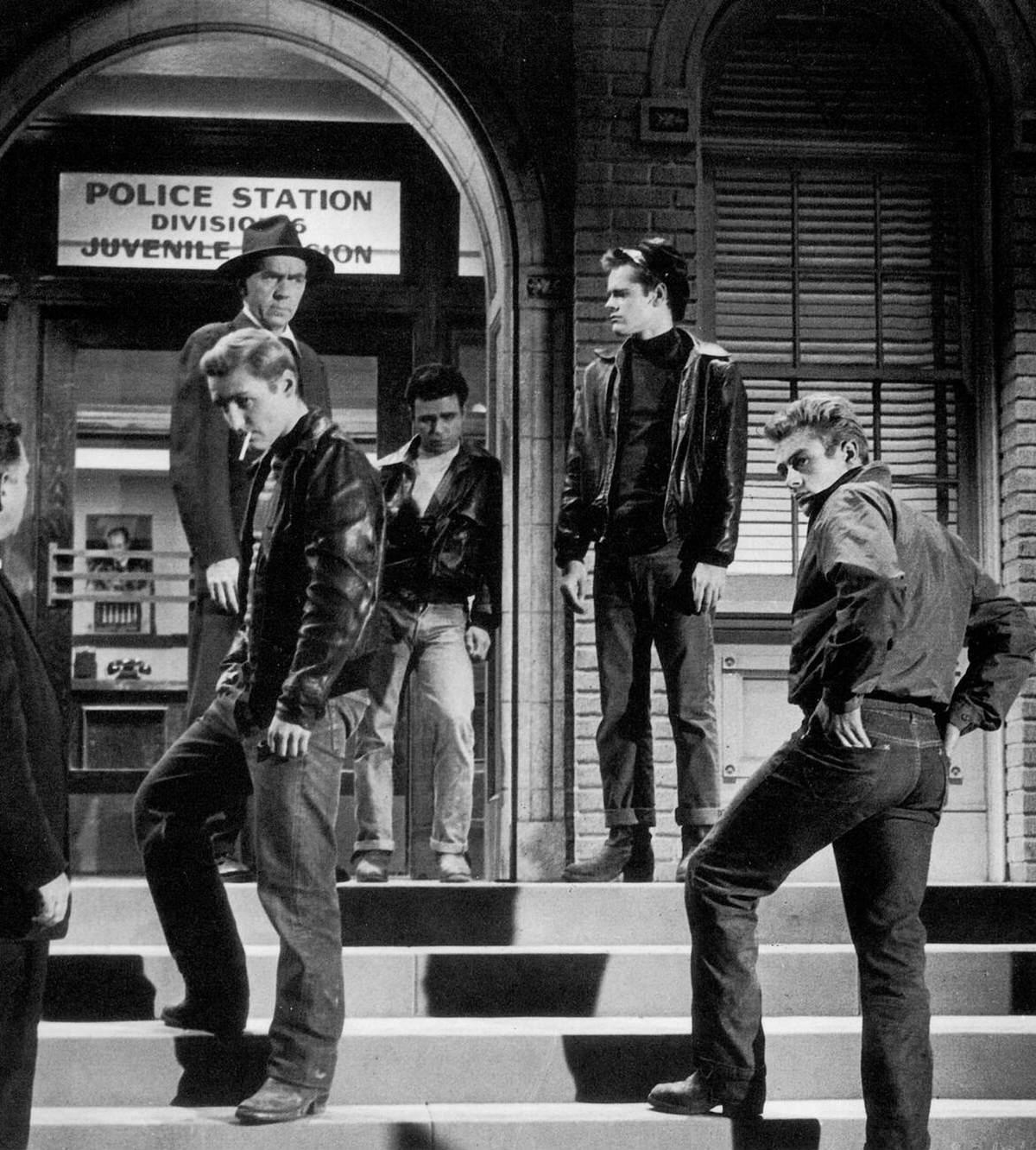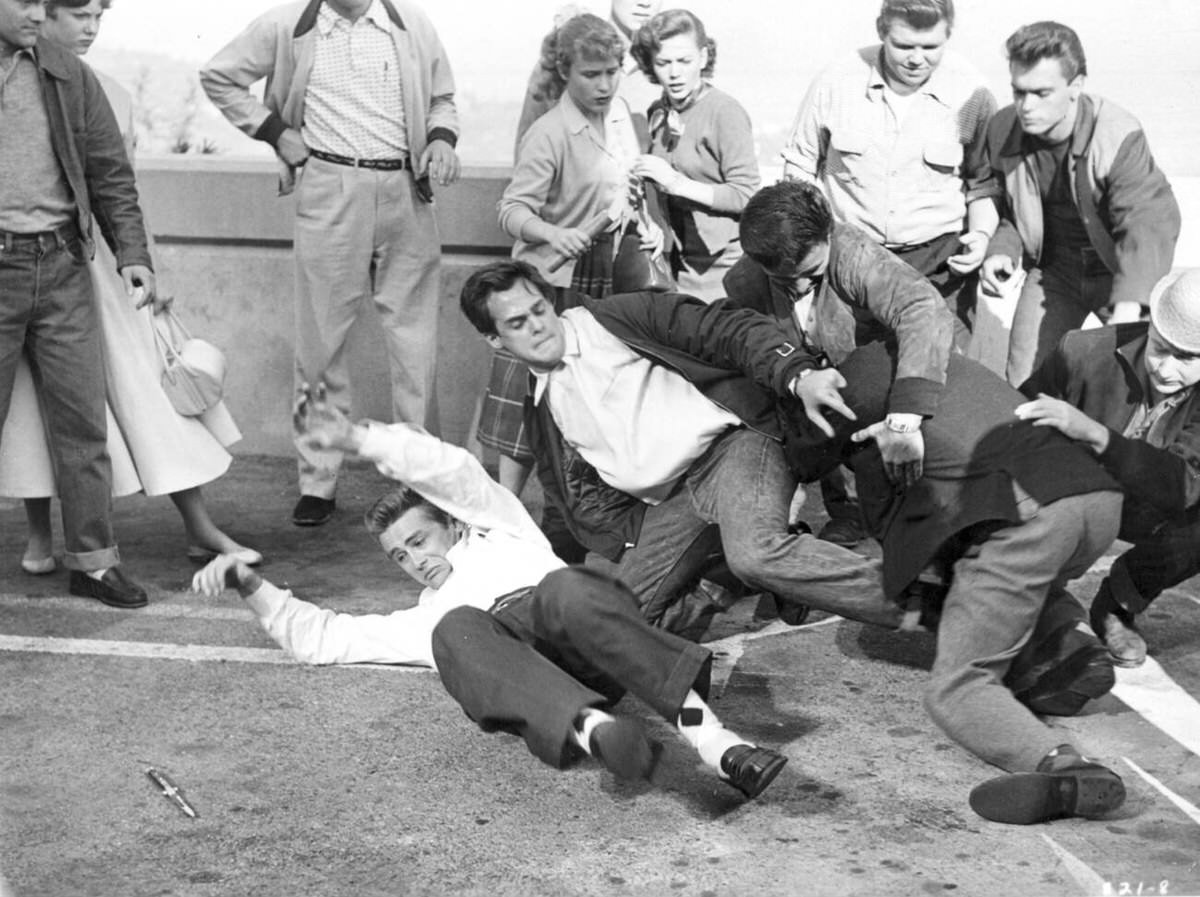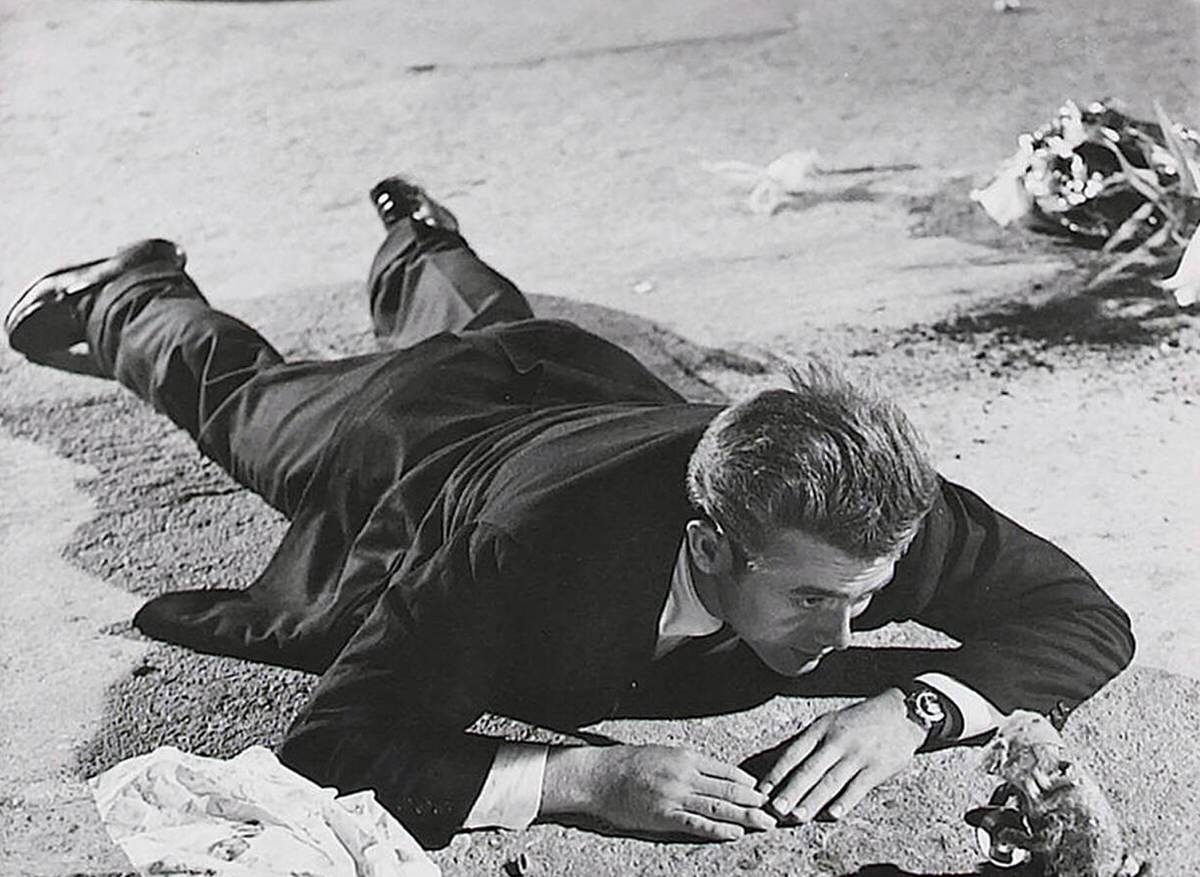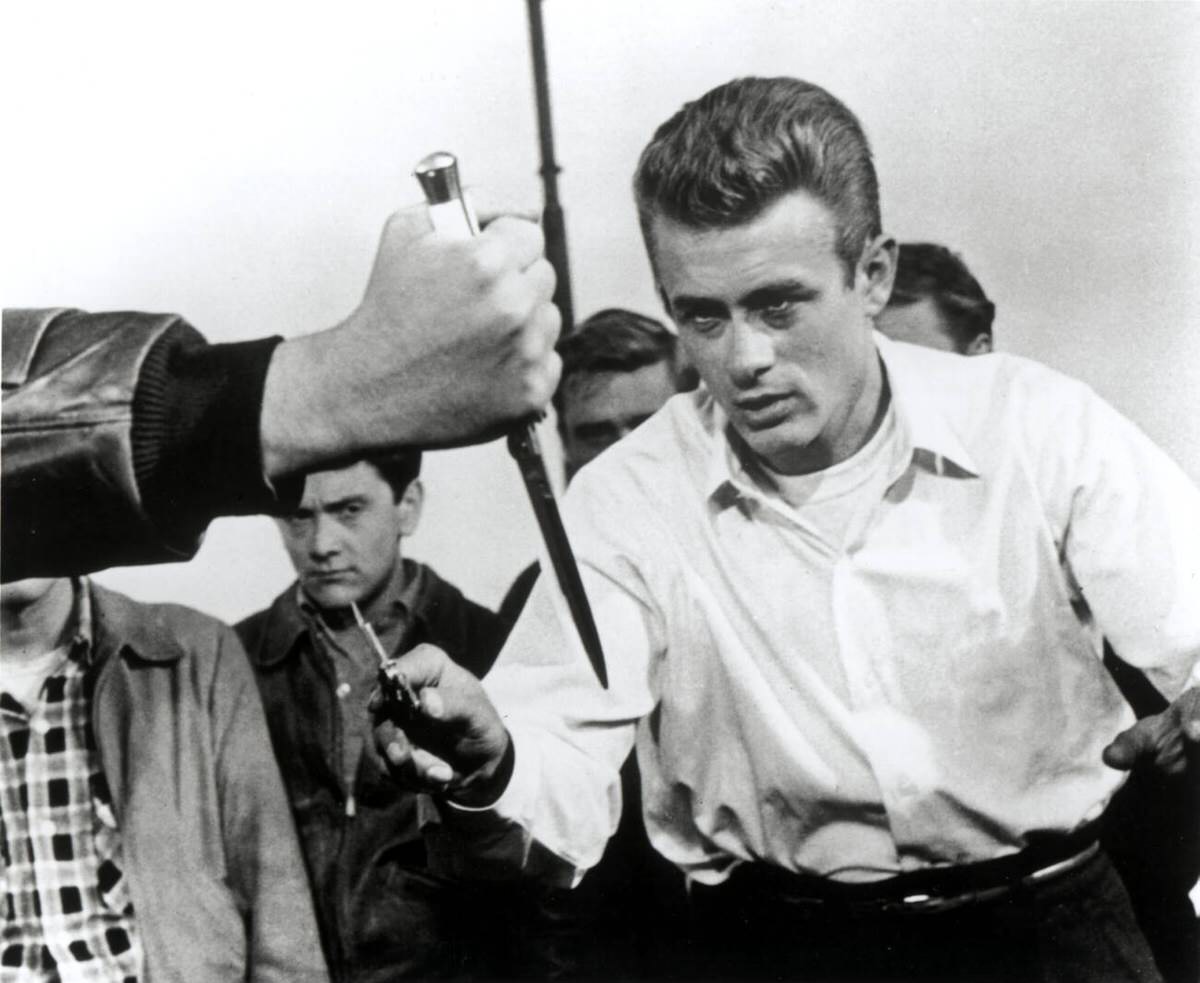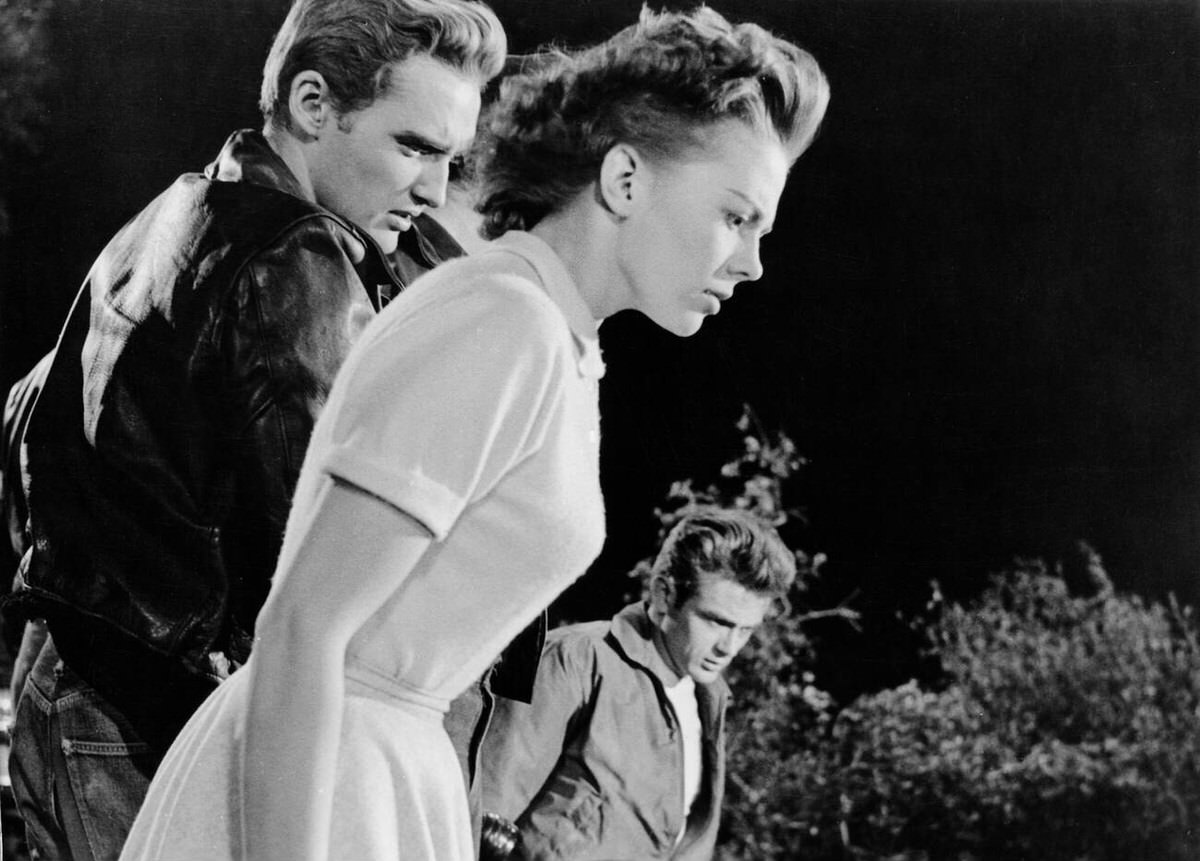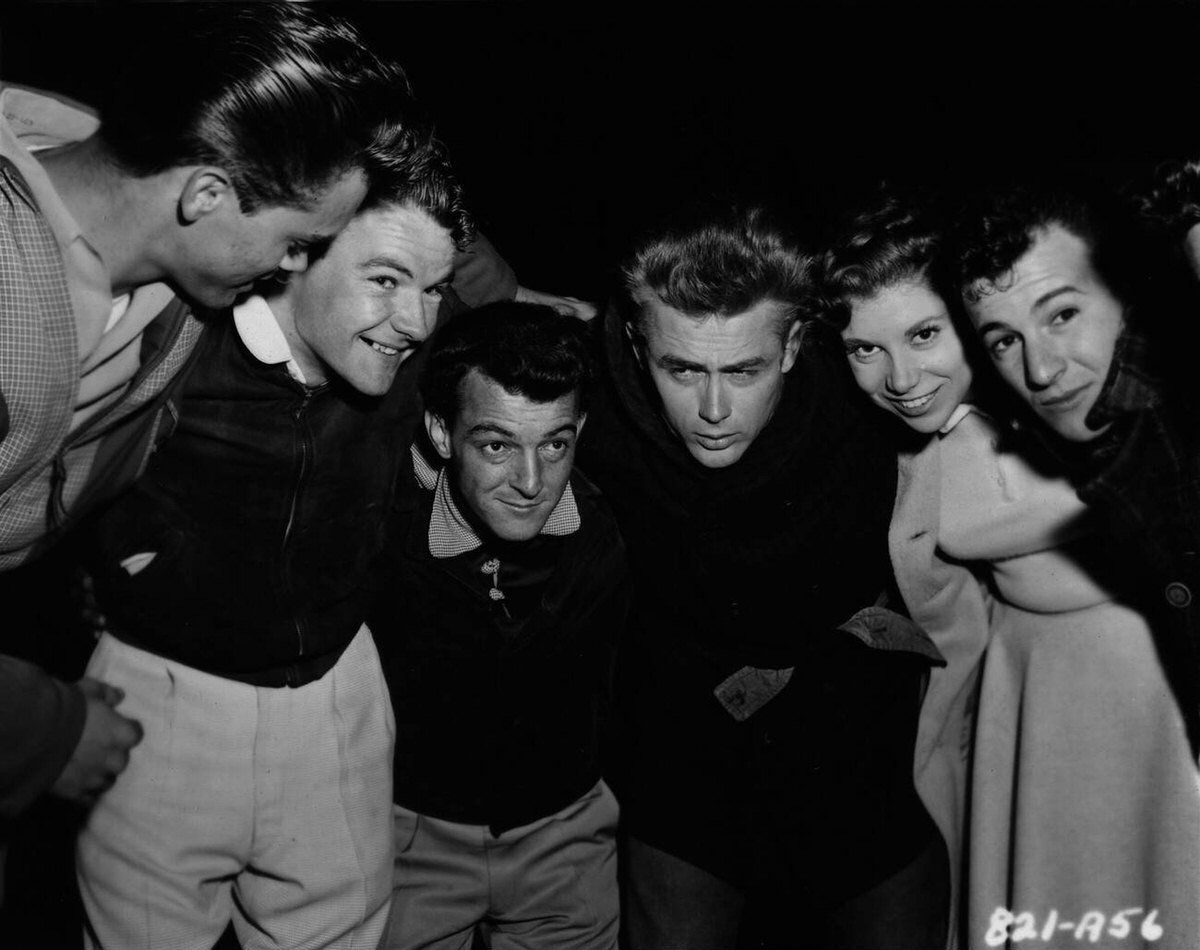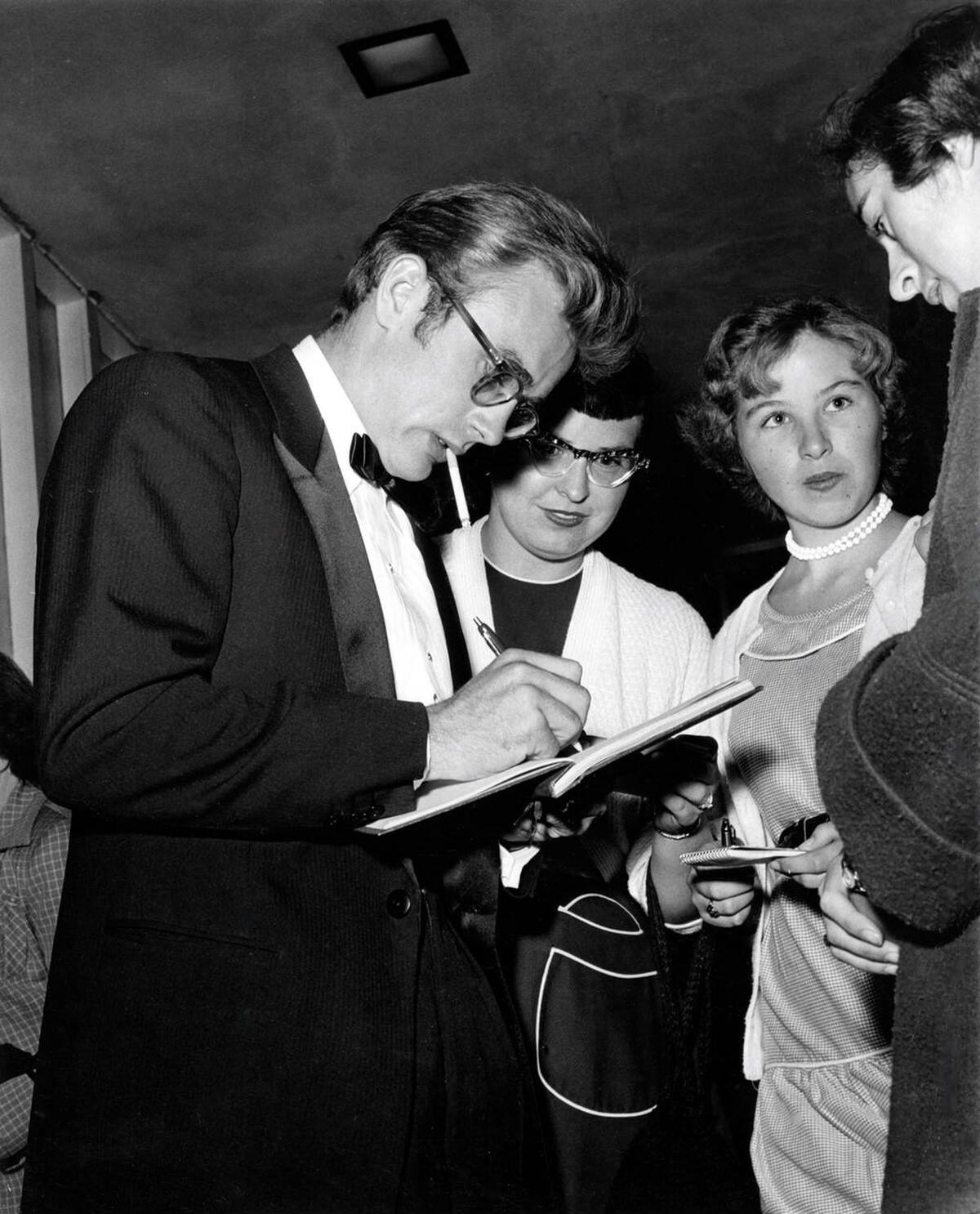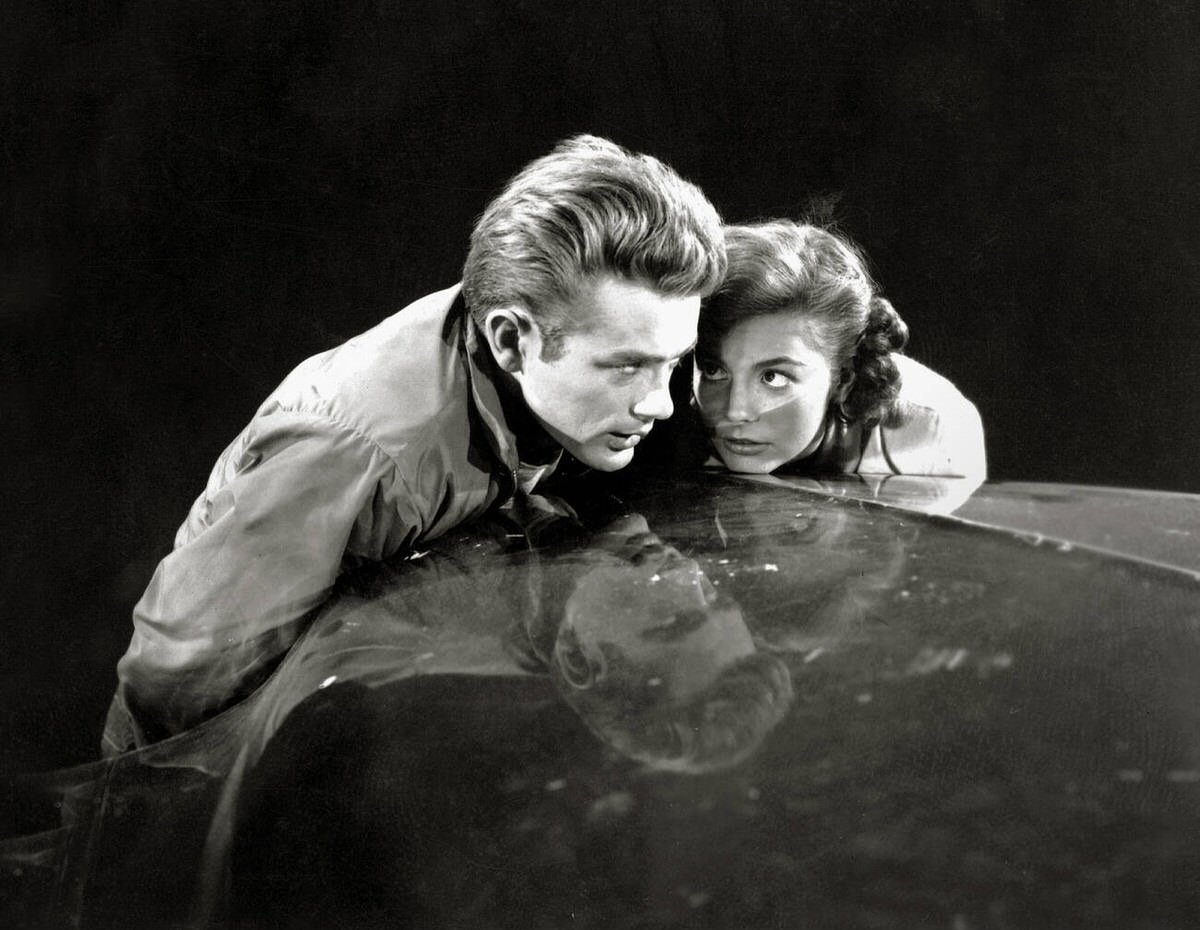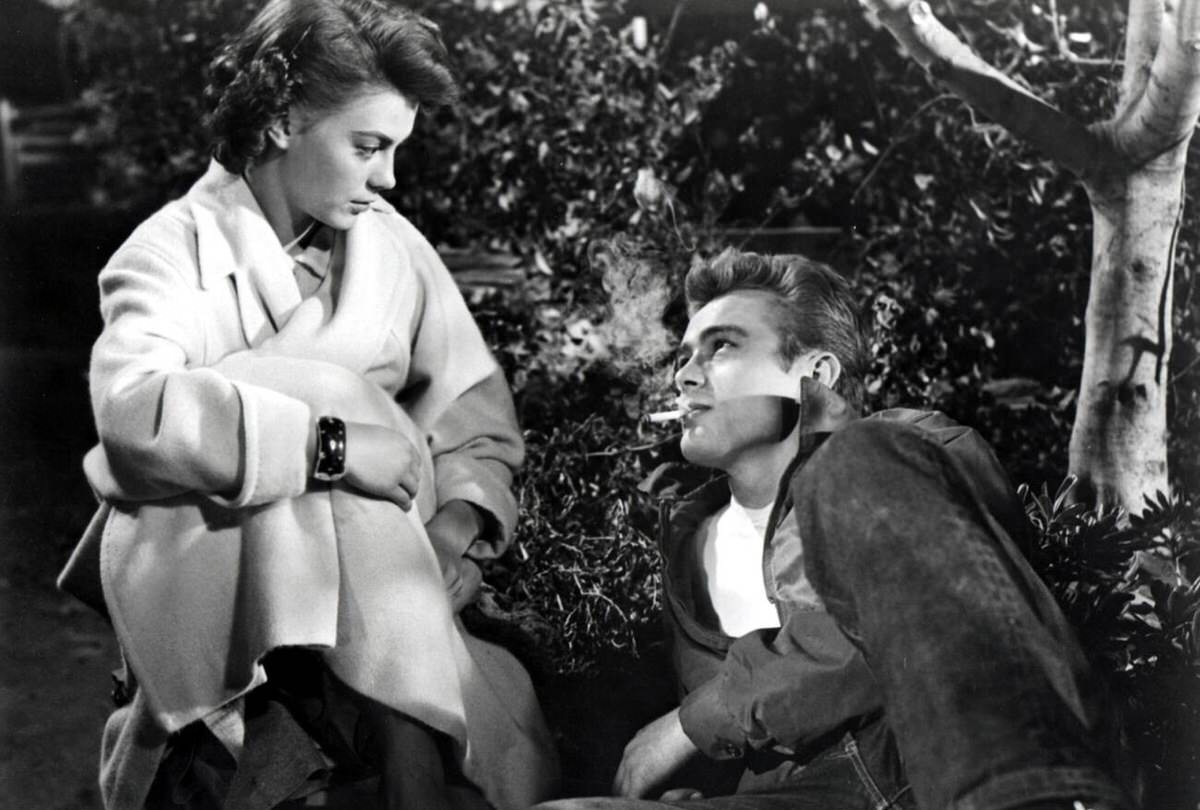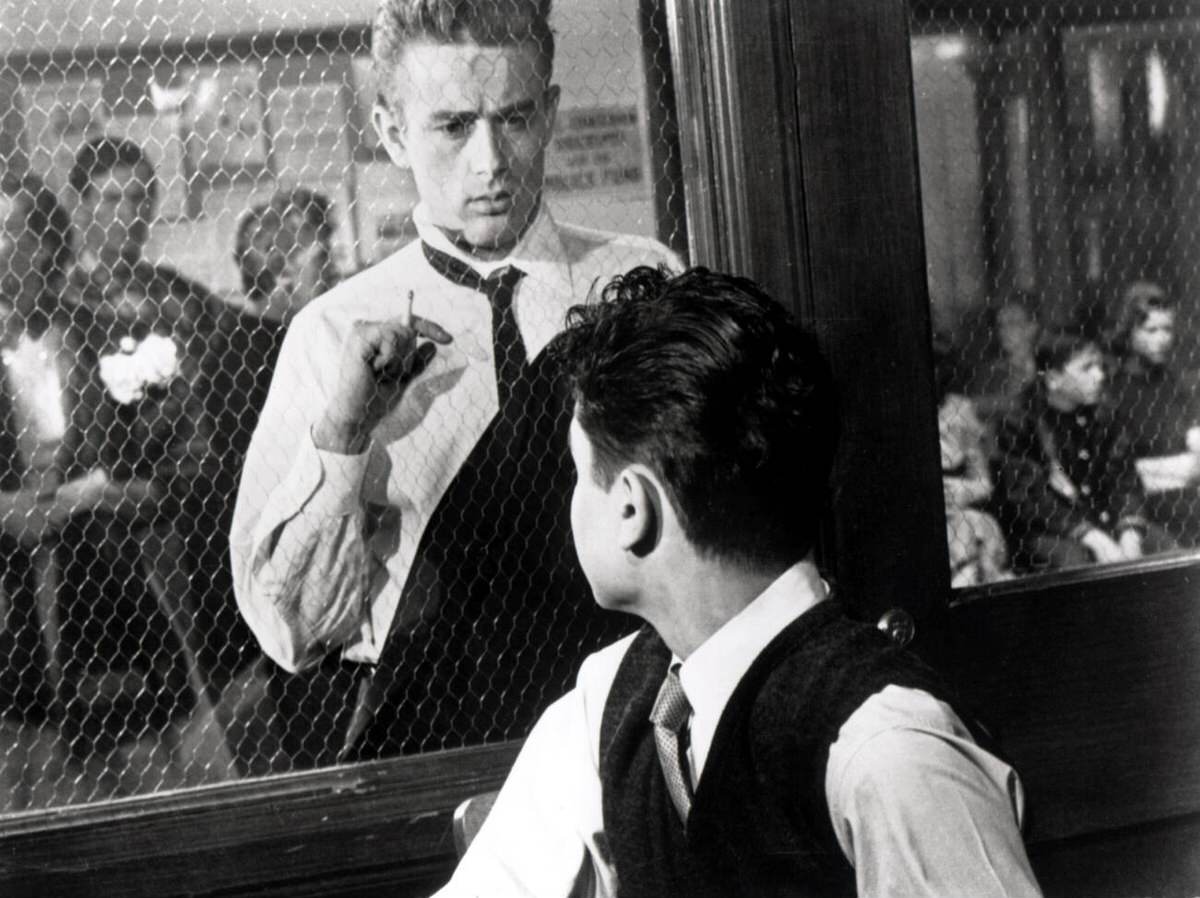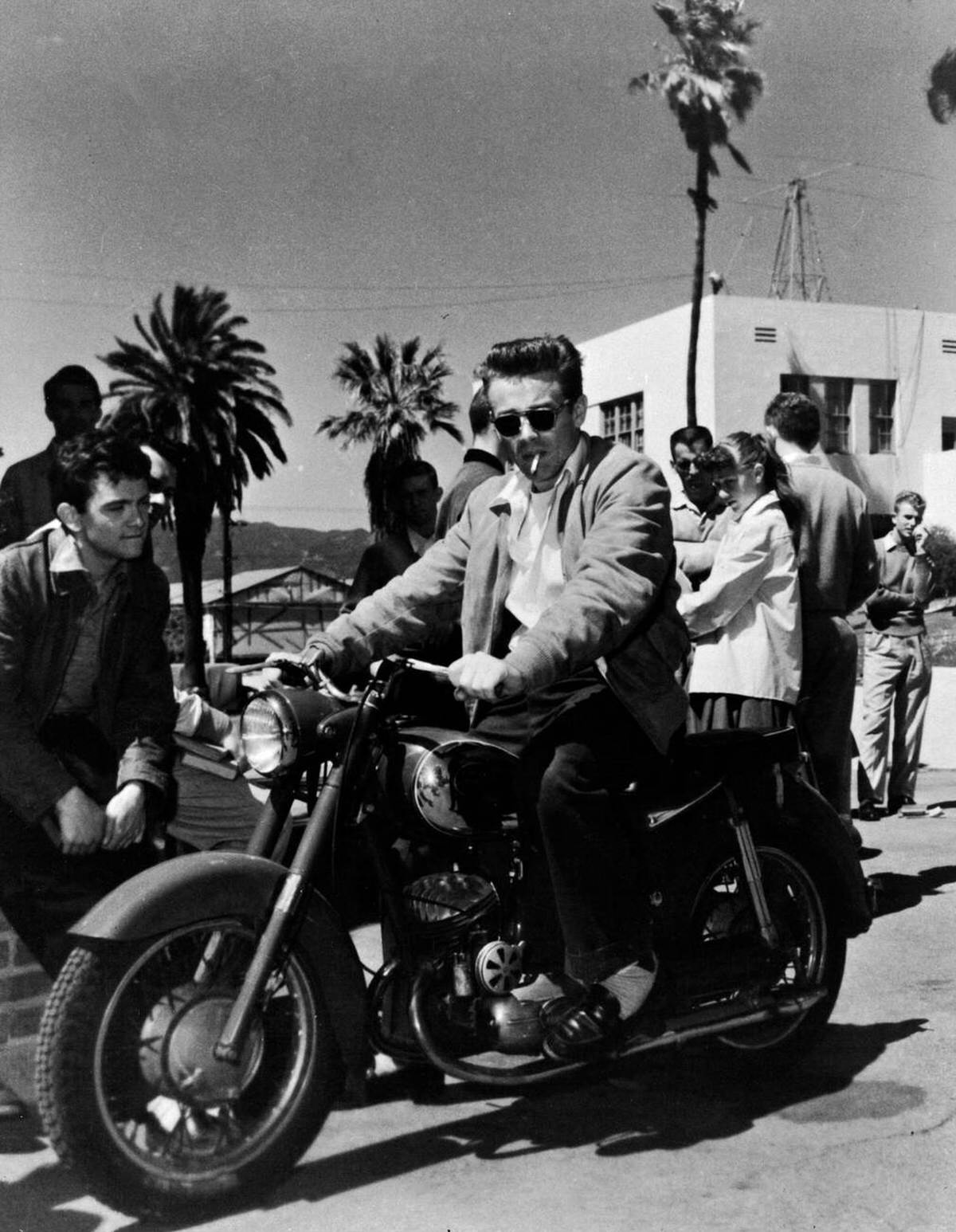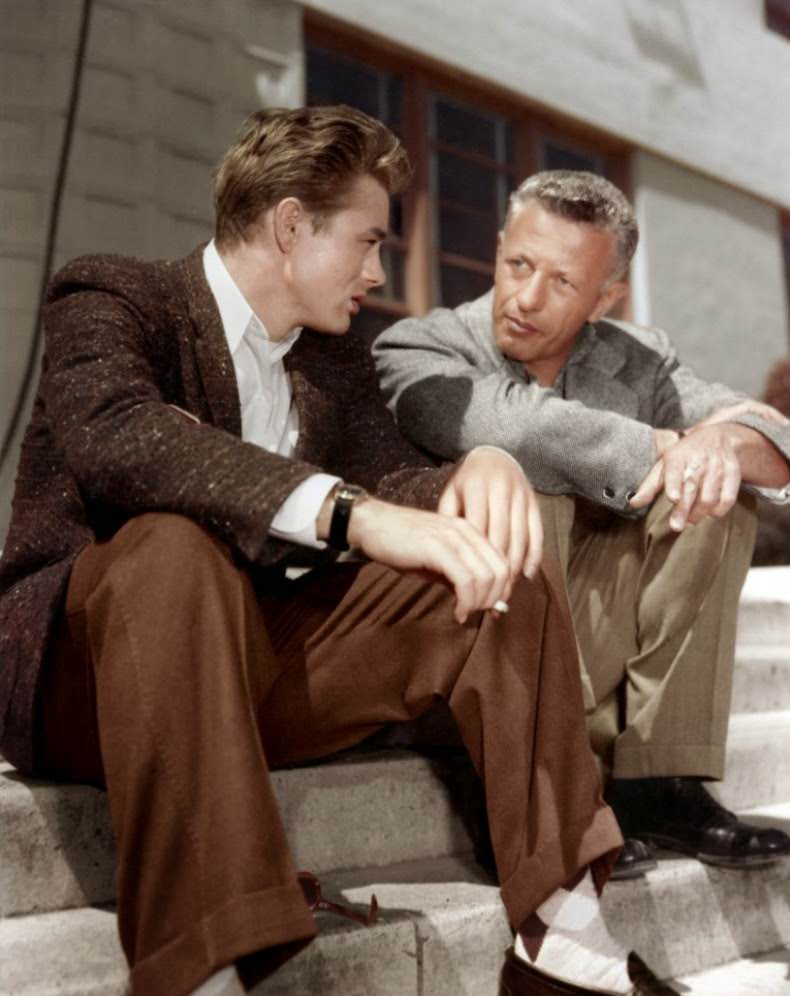

“Rebel Without a Cause” was directed by Nicholas Ray and released in 1955. The film told the story of troubled teenagers in Los Angeles and became a landmark in American cinema. James Dean played the lead role of Jim Stark, a young man struggling with family issues and societal pressures. Dean was cast after an intense audition process. He brought an intense, emotional style of acting that had not been widely seen on screen before.
The screenplay was written by Stewart Stern. He focused on themes of teenage alienation, identity, and rebellion. Stern conducted research by observing teenagers in Los Angeles, visiting schools, and speaking to counselors. This helped him write dialogue and situations that felt authentic. The script combined realism with heightened drama to make the characters relatable.
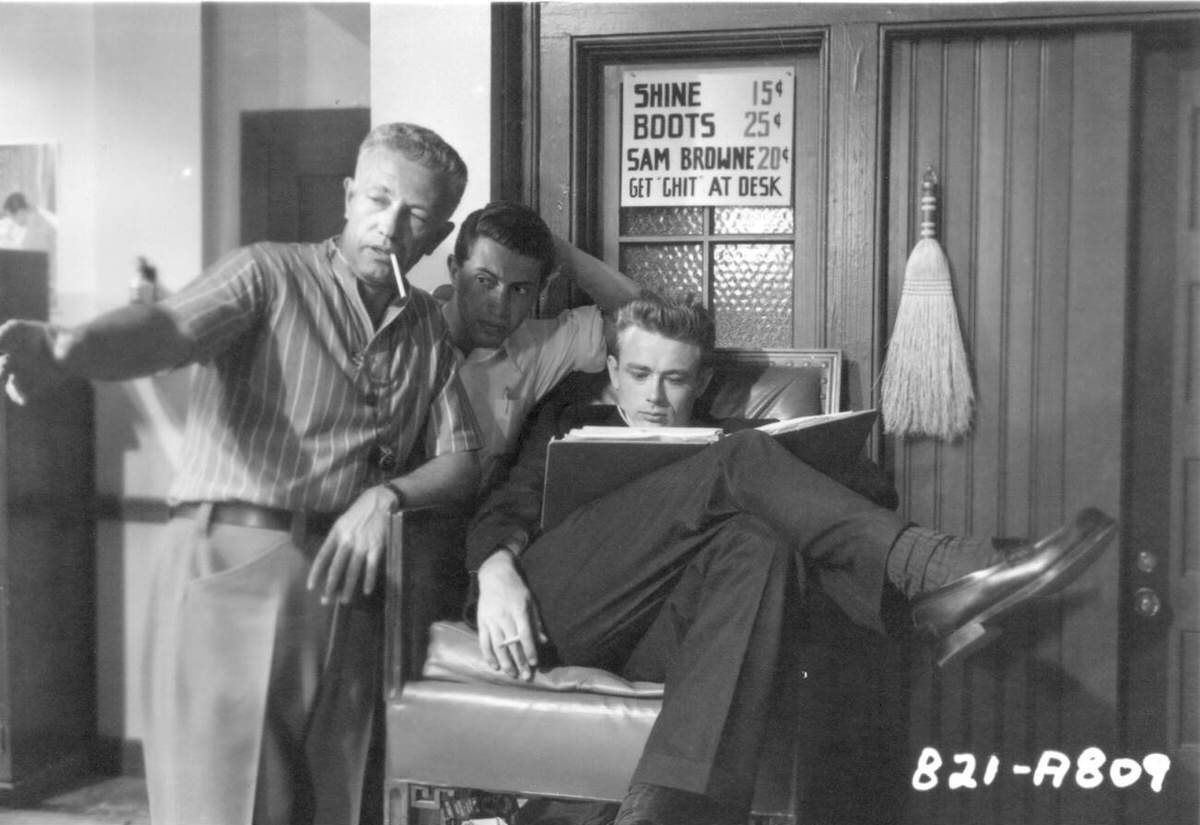
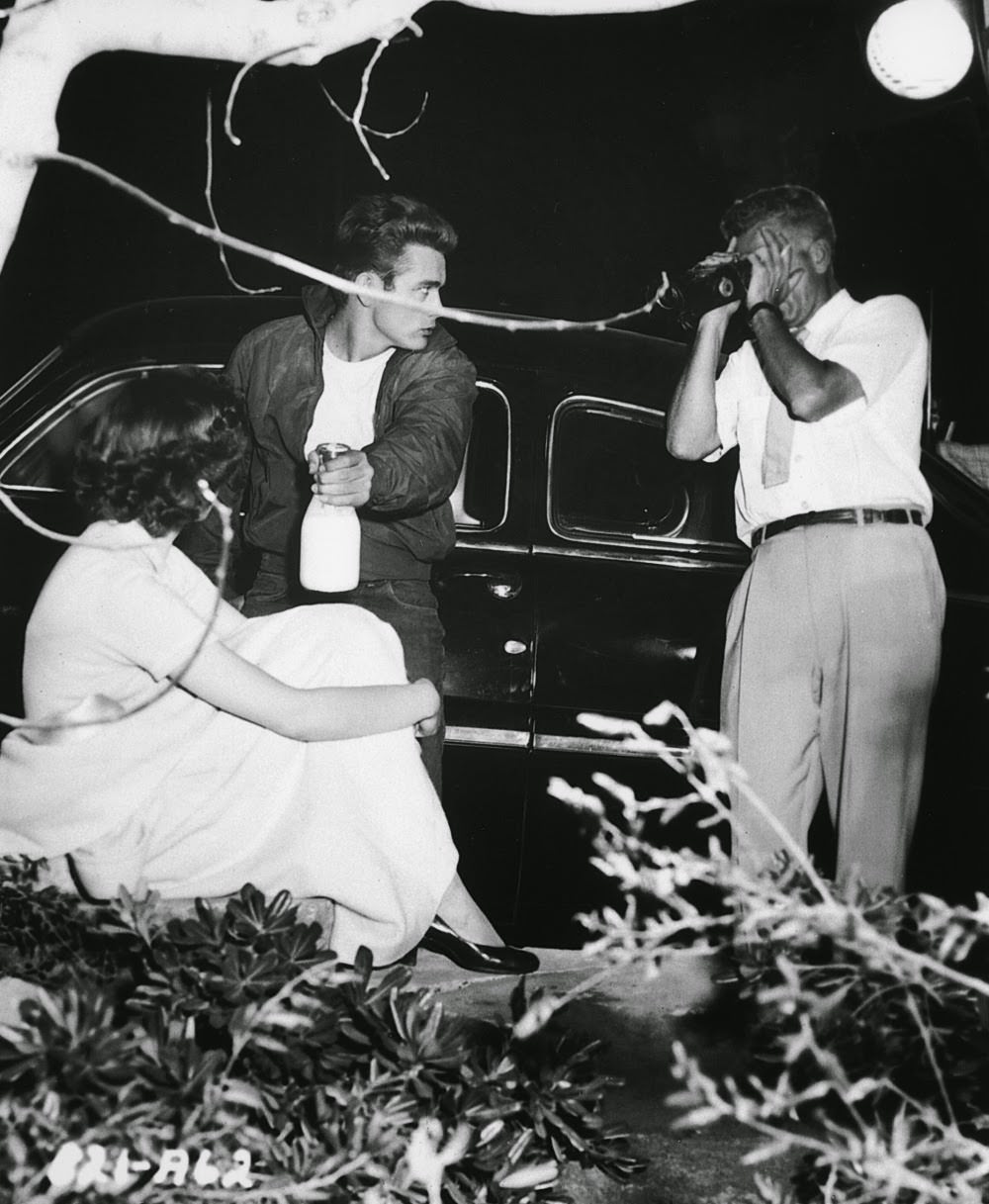
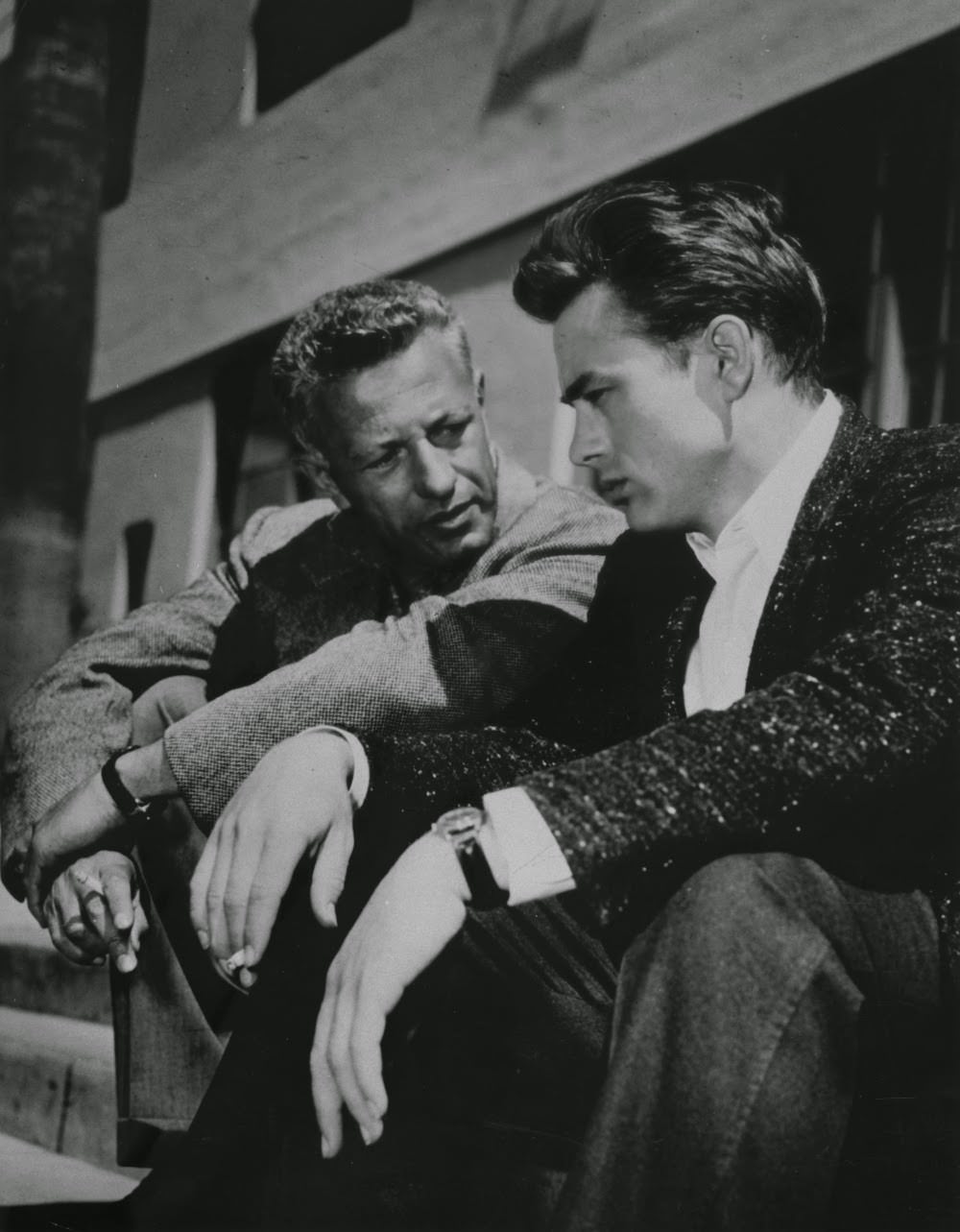
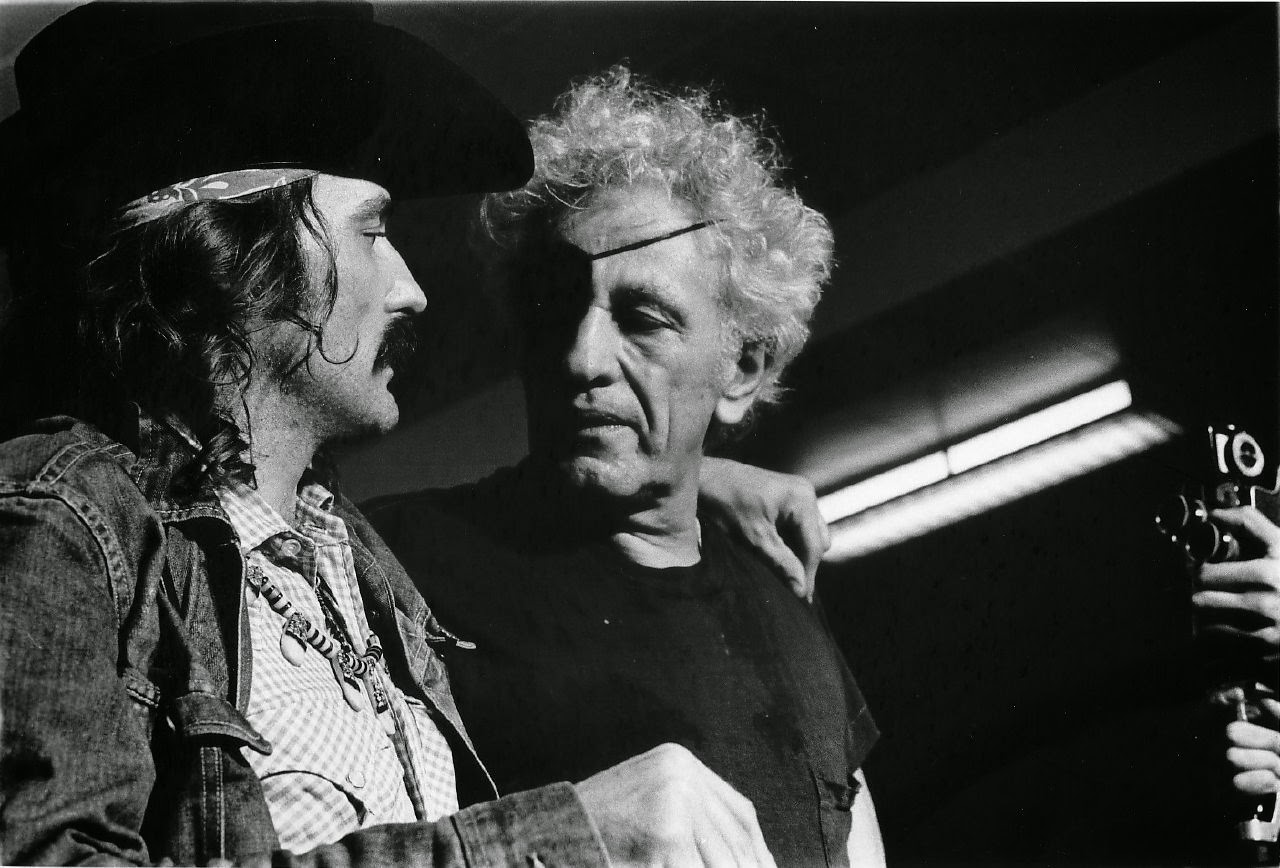
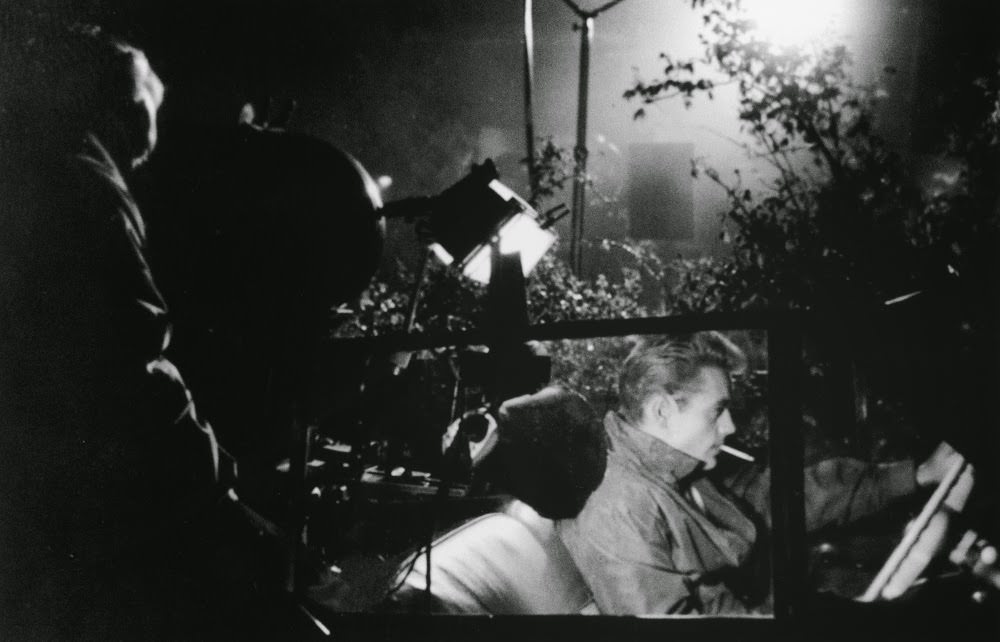
Nicholas Ray approached the direction with careful attention to mood and emotion. He wanted the audience to feel the inner struggles of each character. Ray often encouraged actors to improvise during scenes to capture natural reactions. He used camera angles and lighting to emphasize tension and isolation. Night scenes in particular were lit with strong shadows to reflect the characters’ emotional states.
Read more
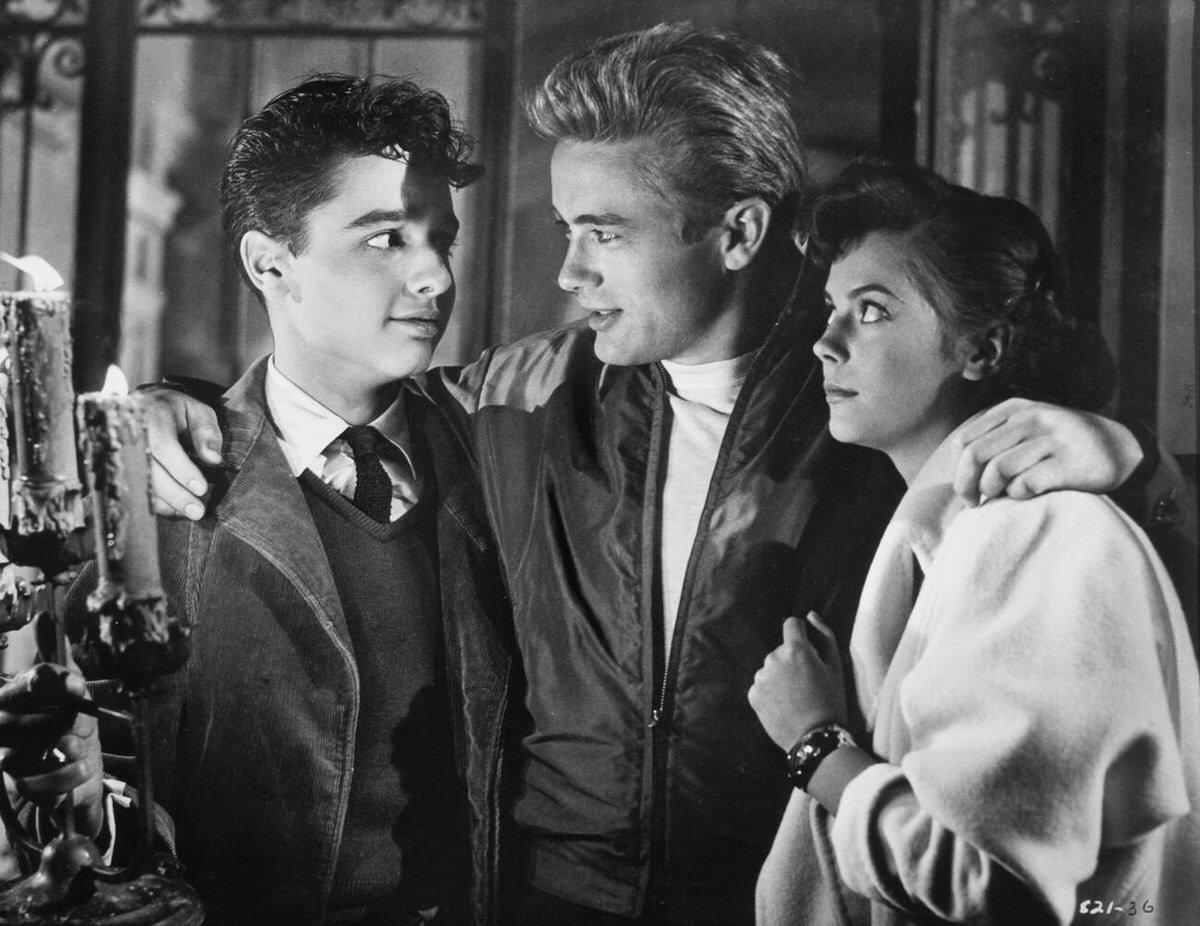
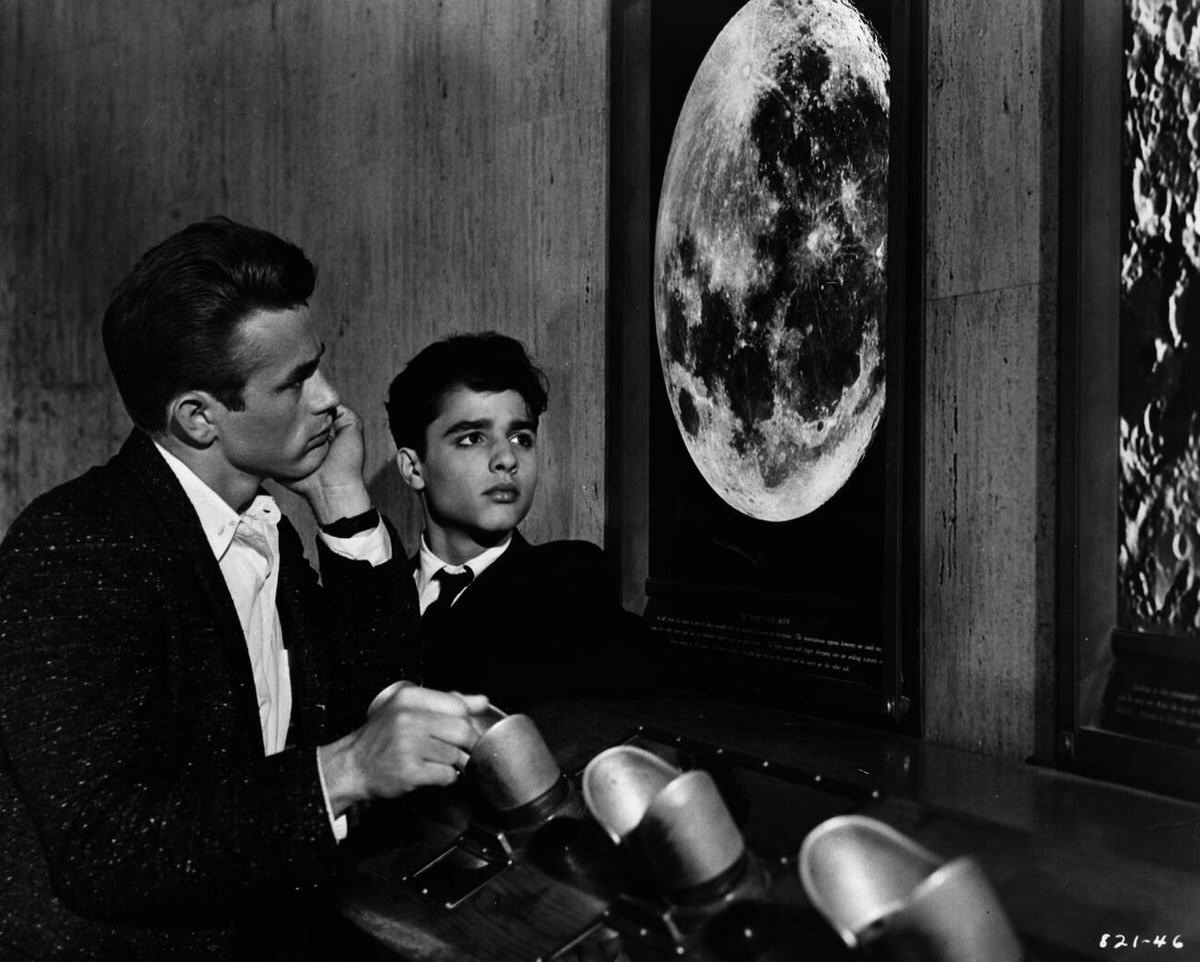
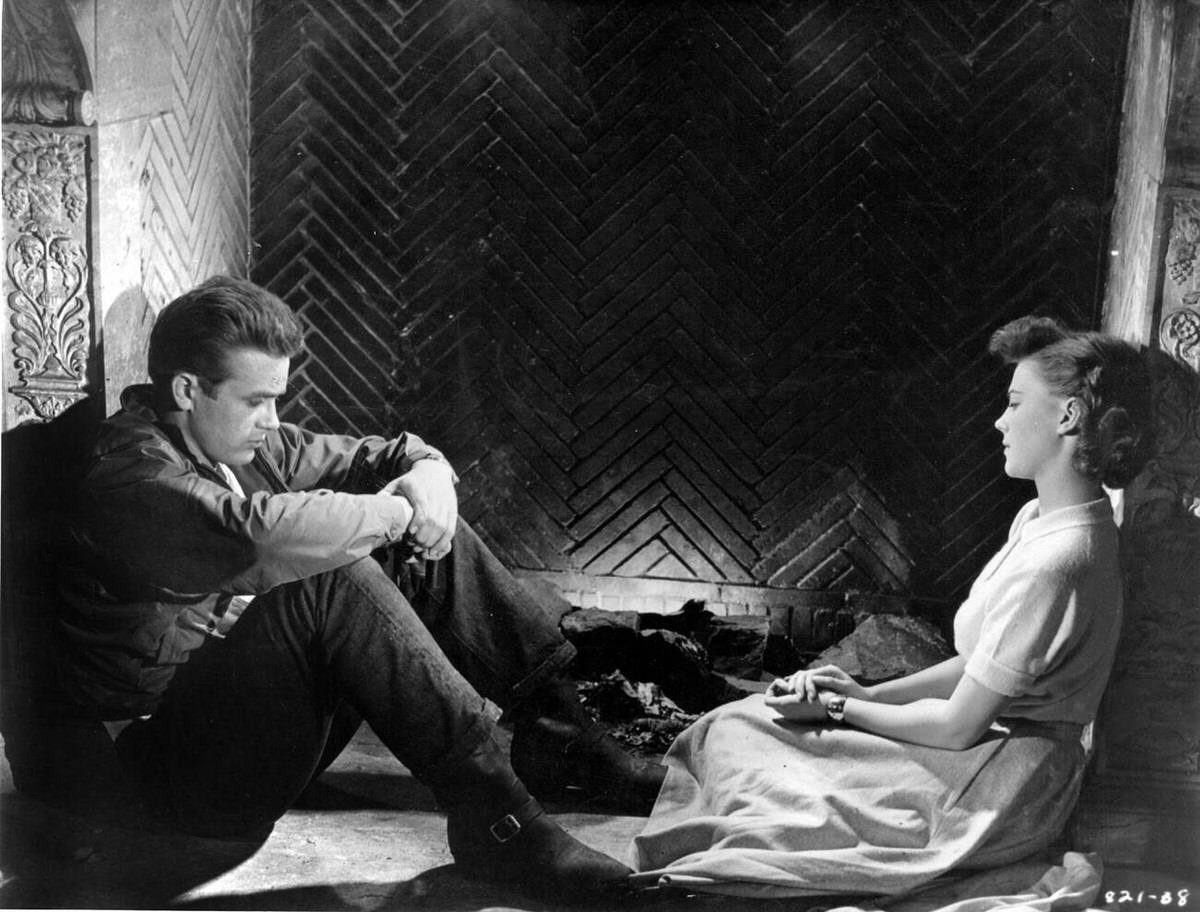
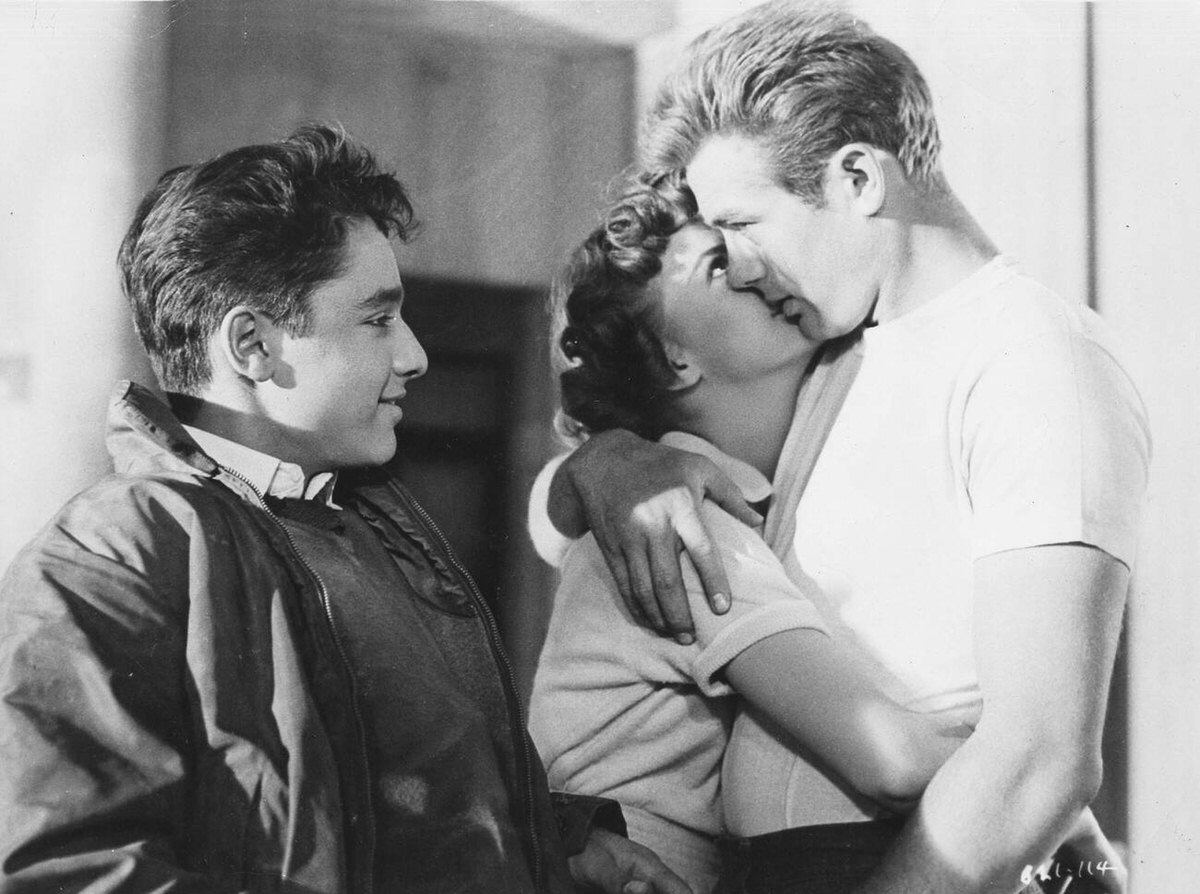
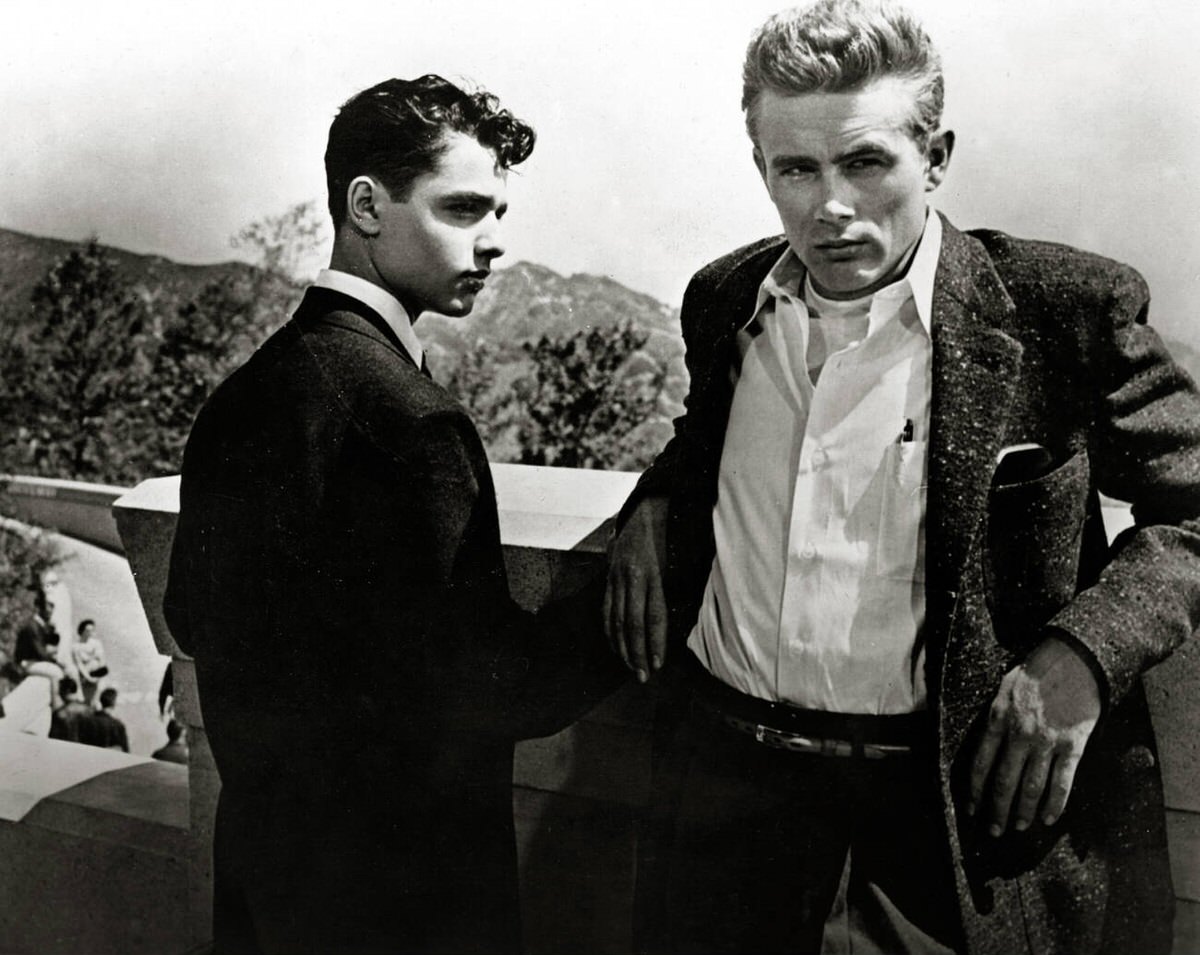
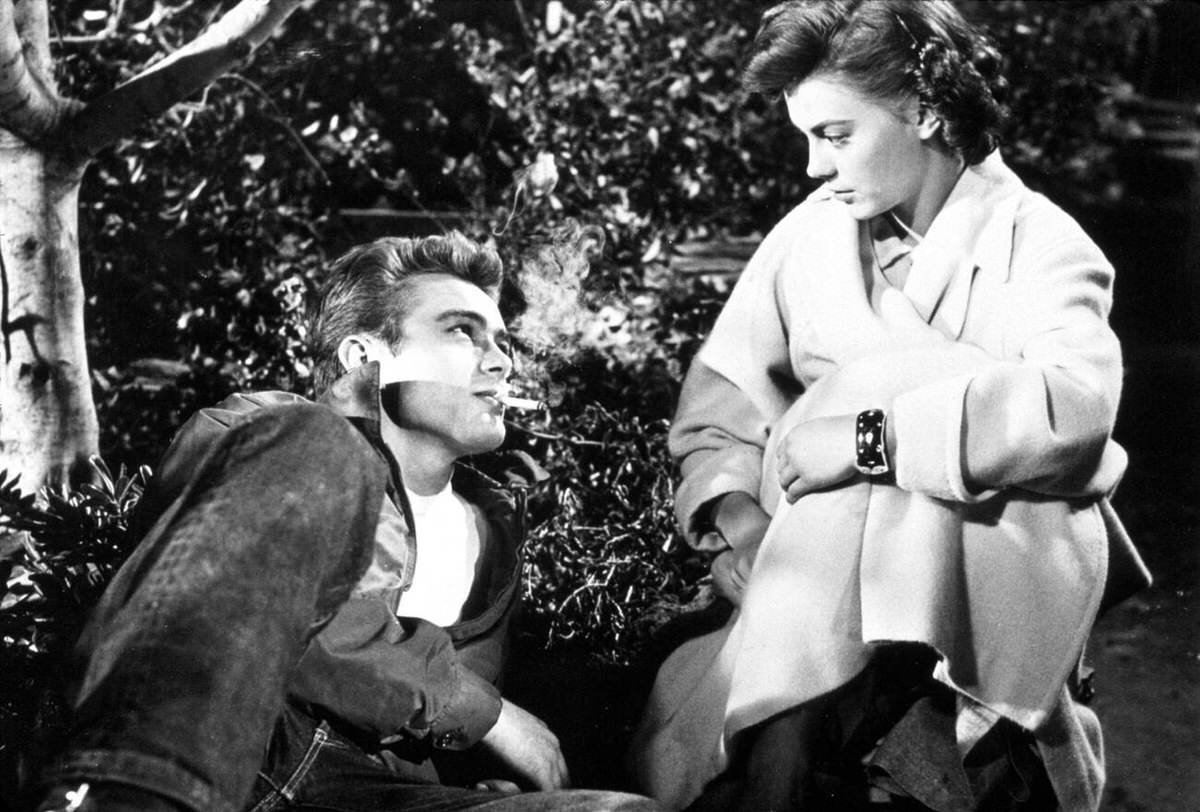
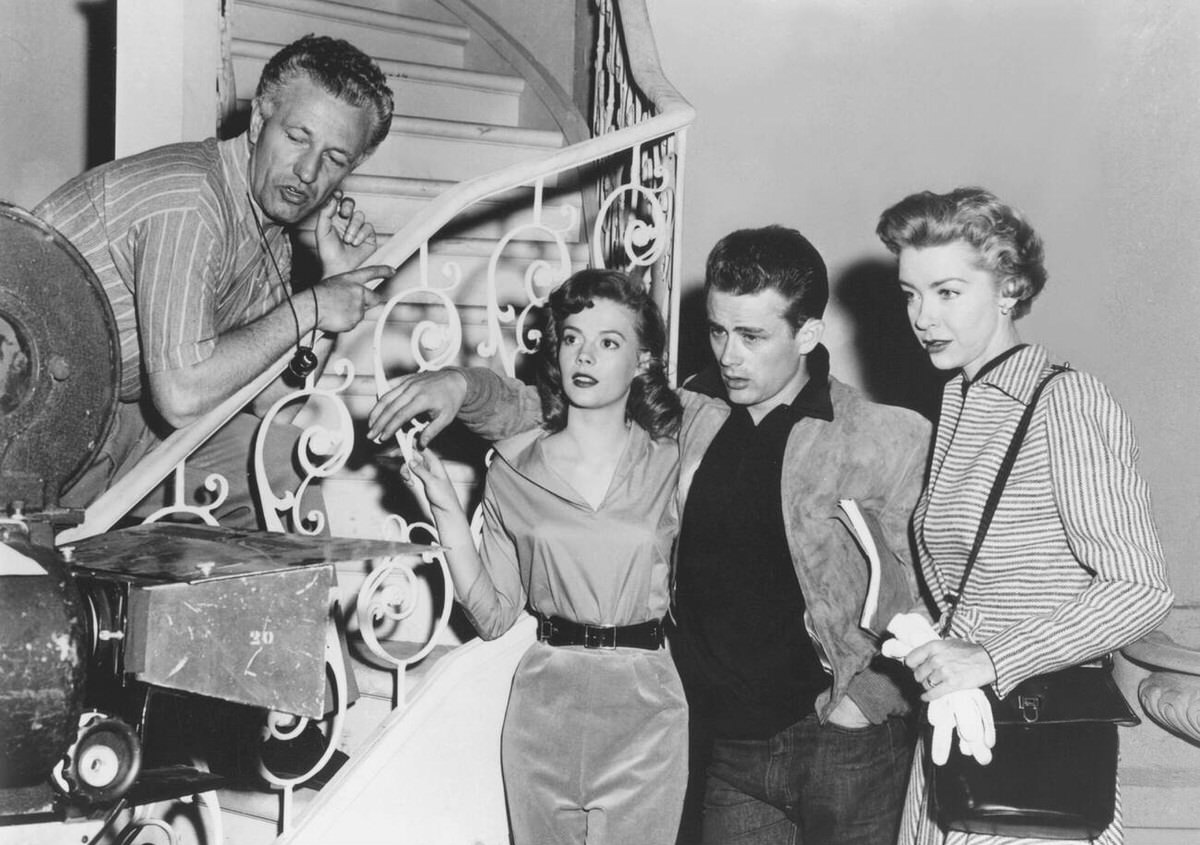
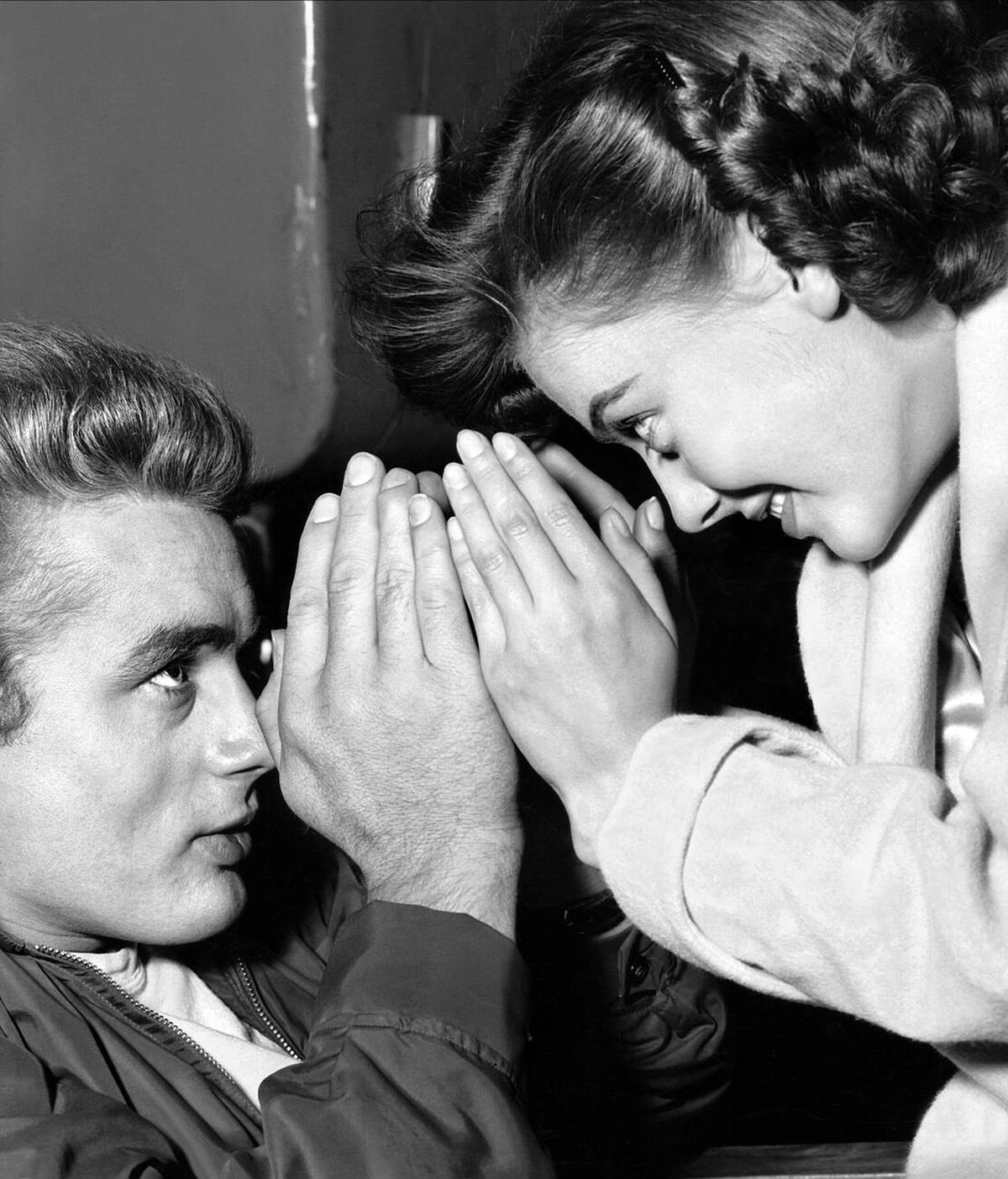
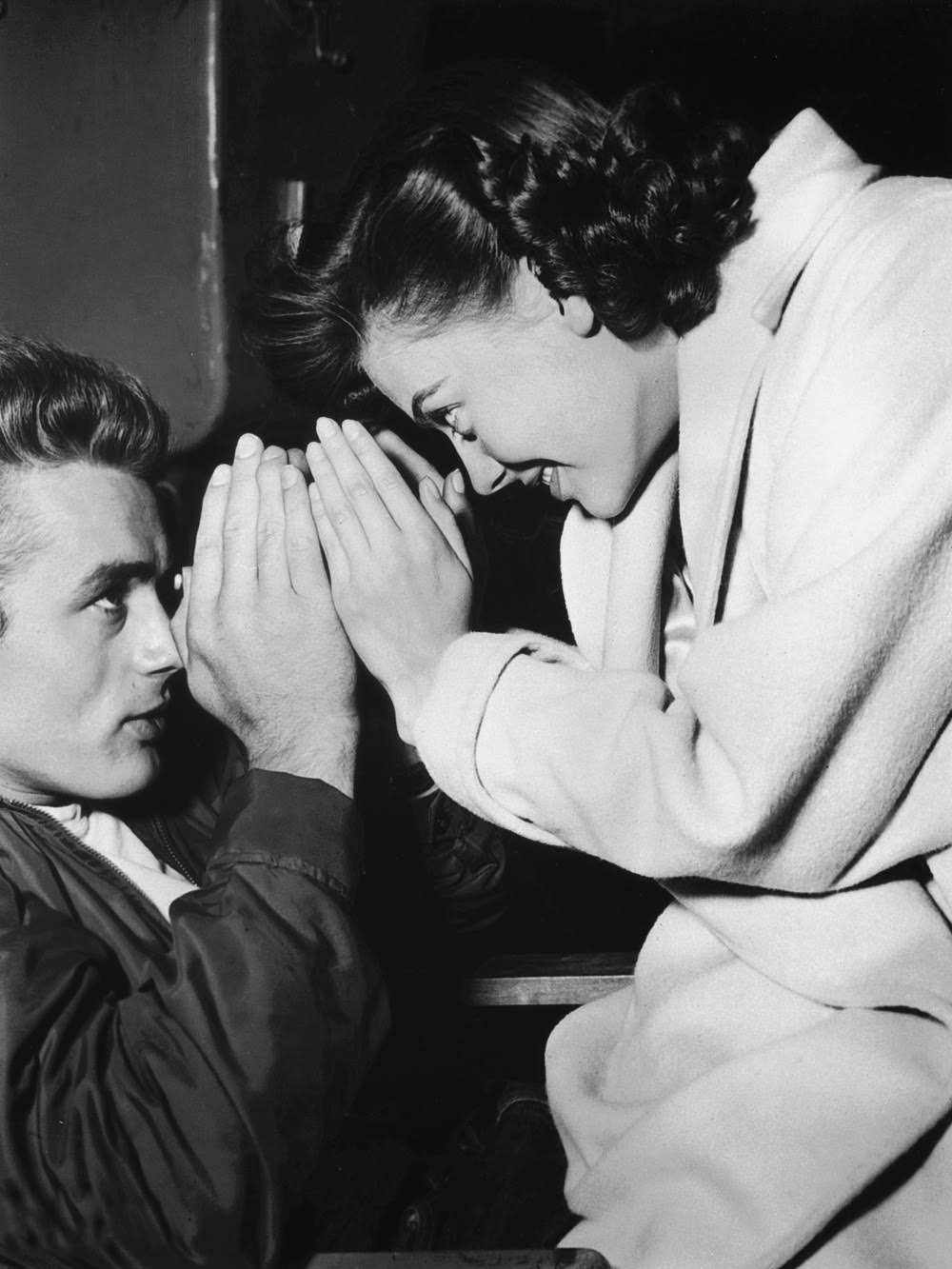
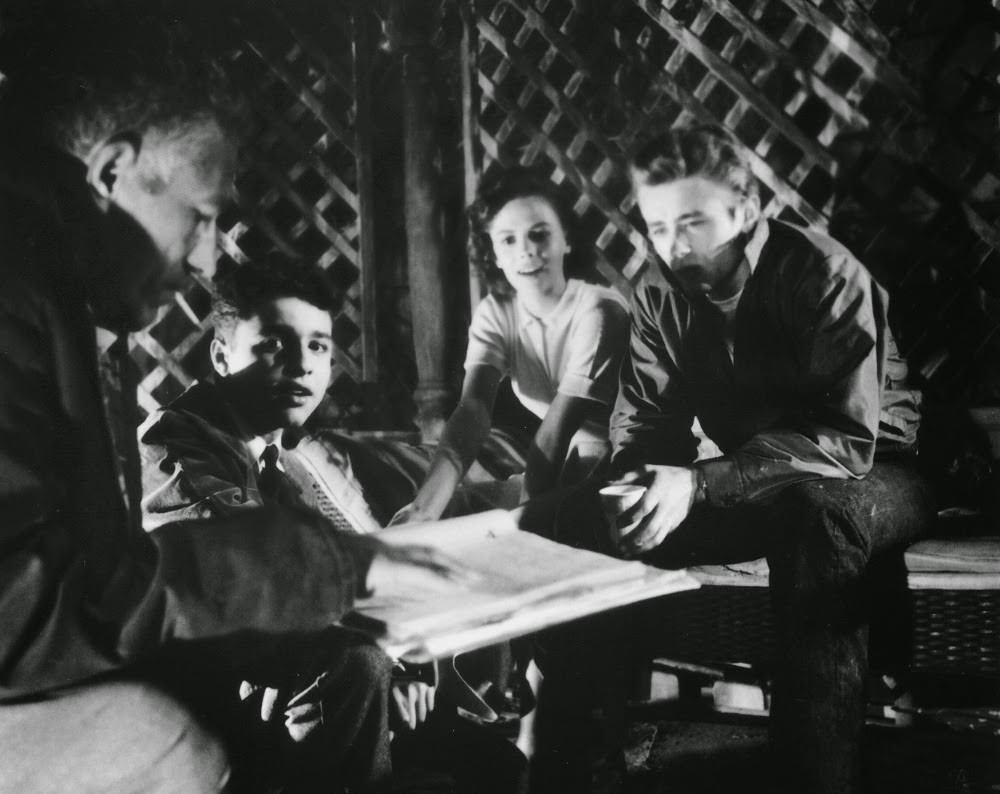
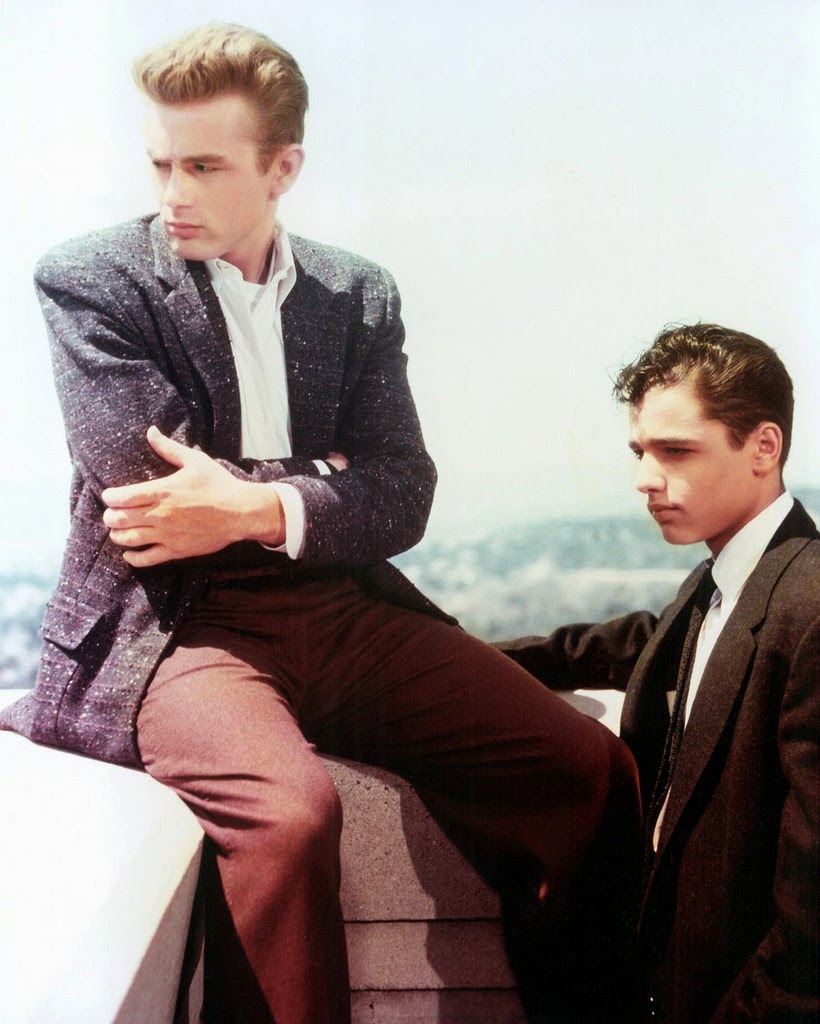
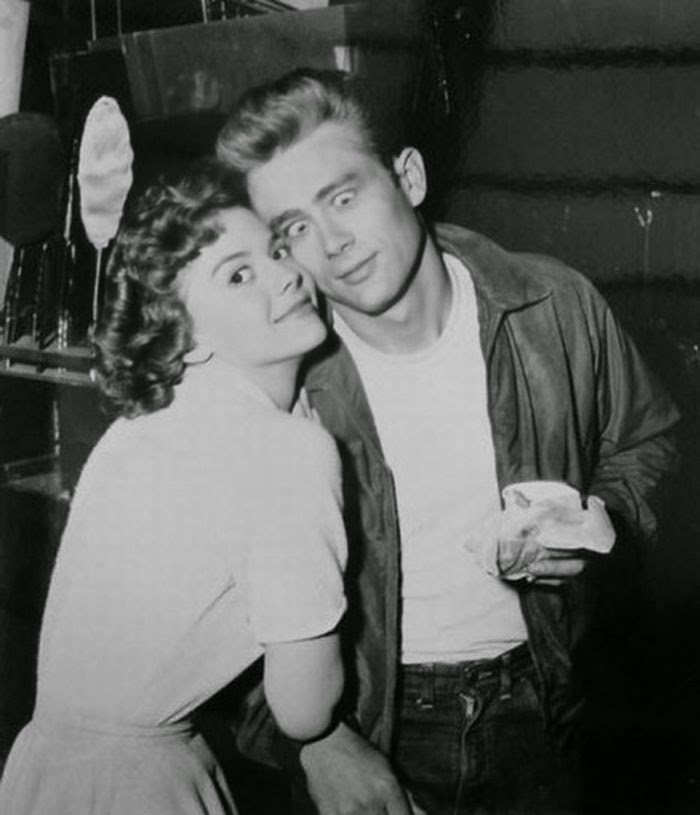
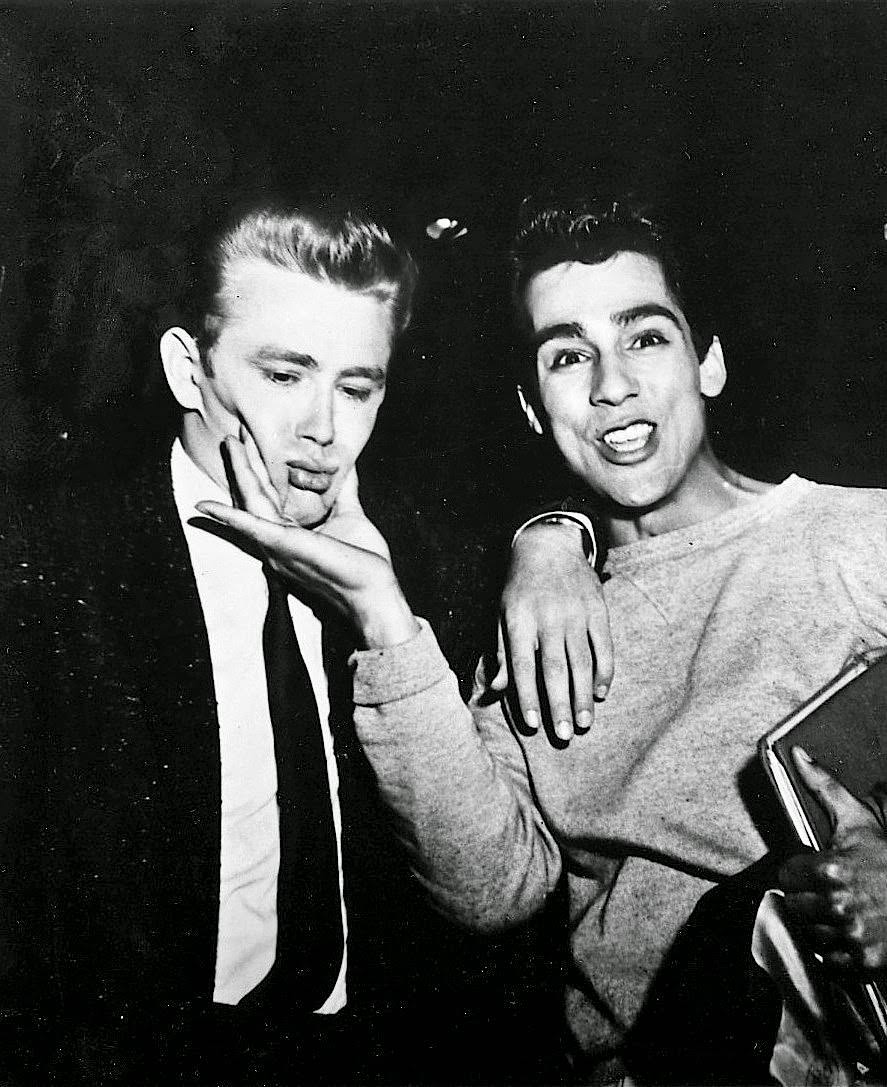
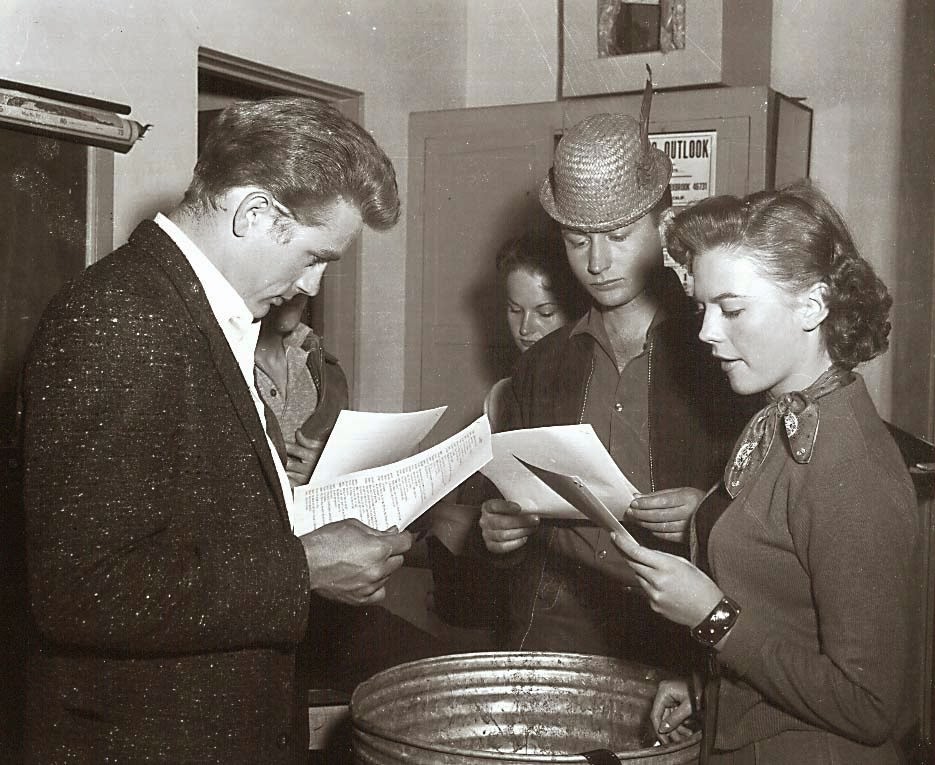
Casting played a crucial role in shaping the film. Besides James Dean, Natalie Wood was cast as Judy and Sal Mineo as Plato. Wood was selected for her ability to express vulnerability and strength at the same time. Mineo, a young actor, was chosen for his ability to convey loneliness and intensity. The chemistry between these three actors created the emotional core of the story.
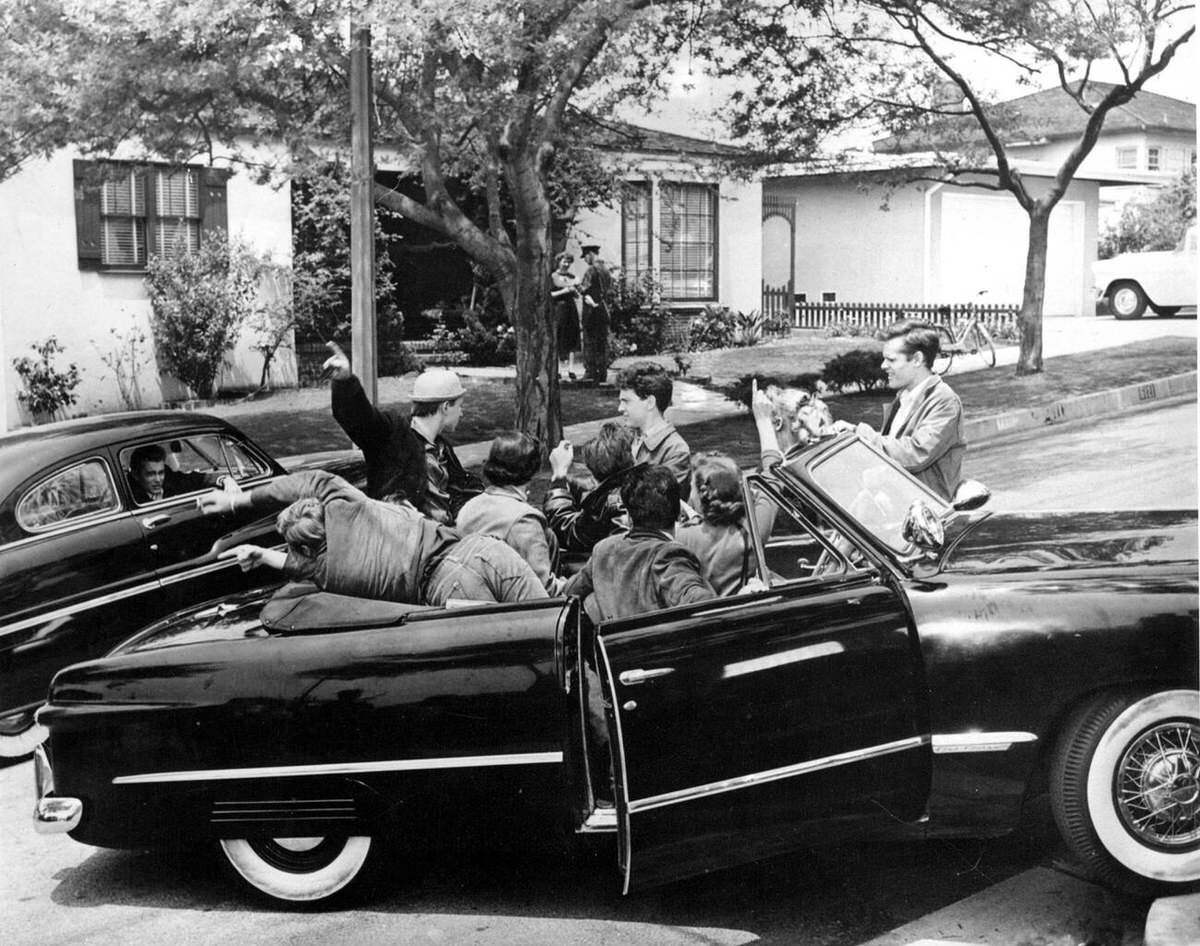
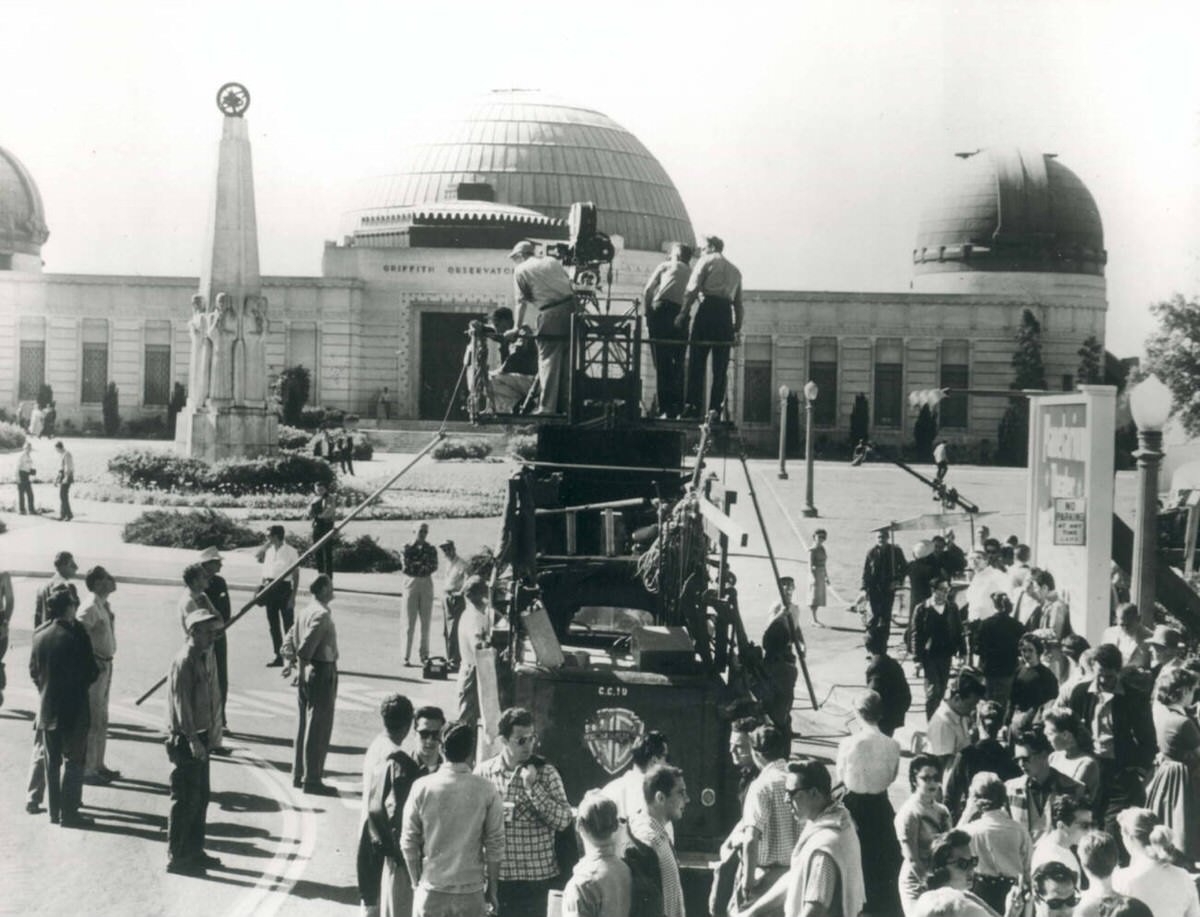
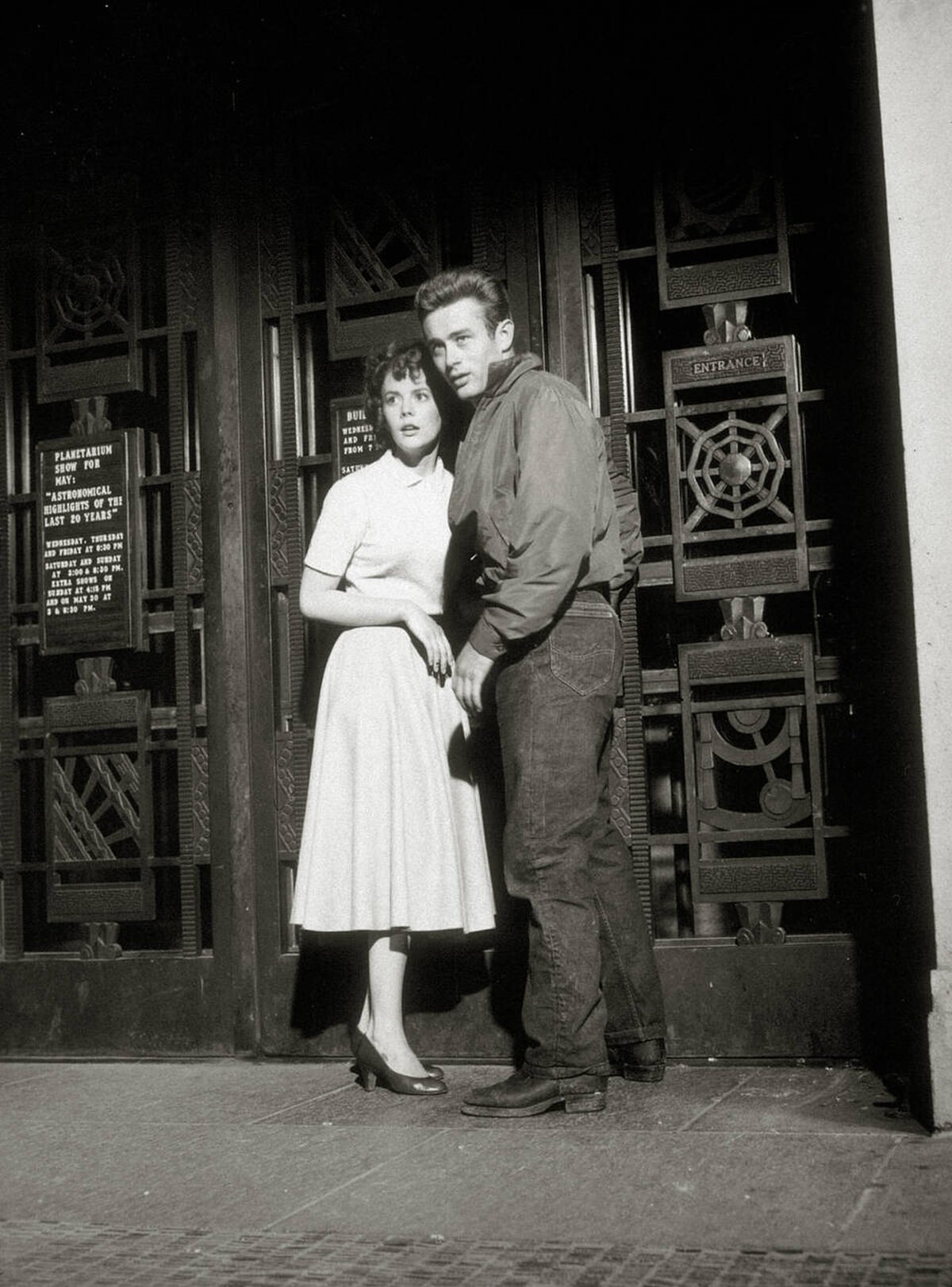
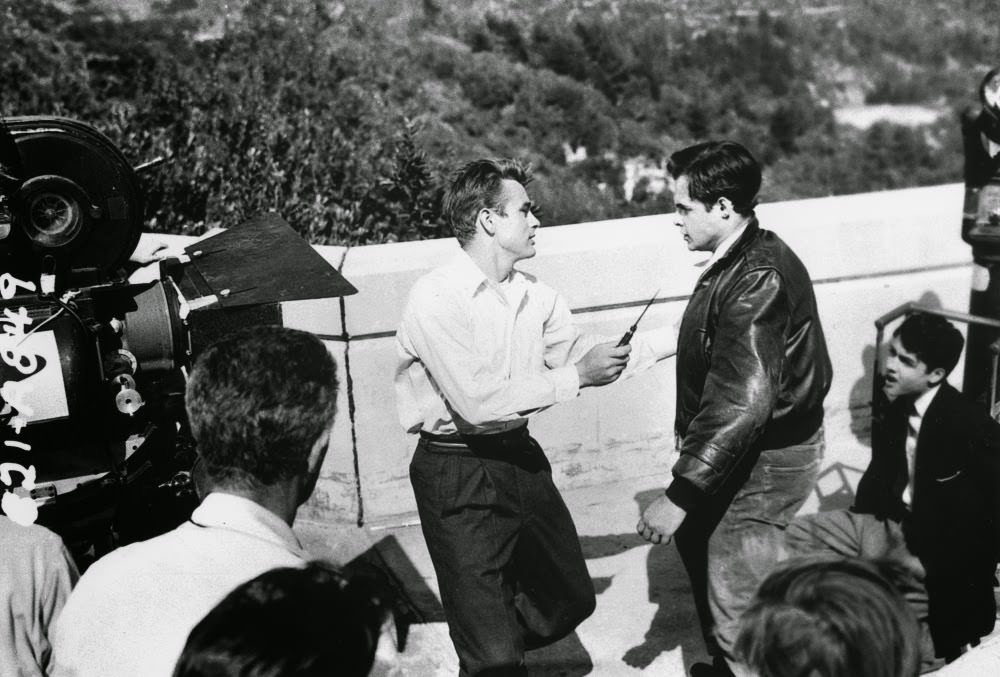
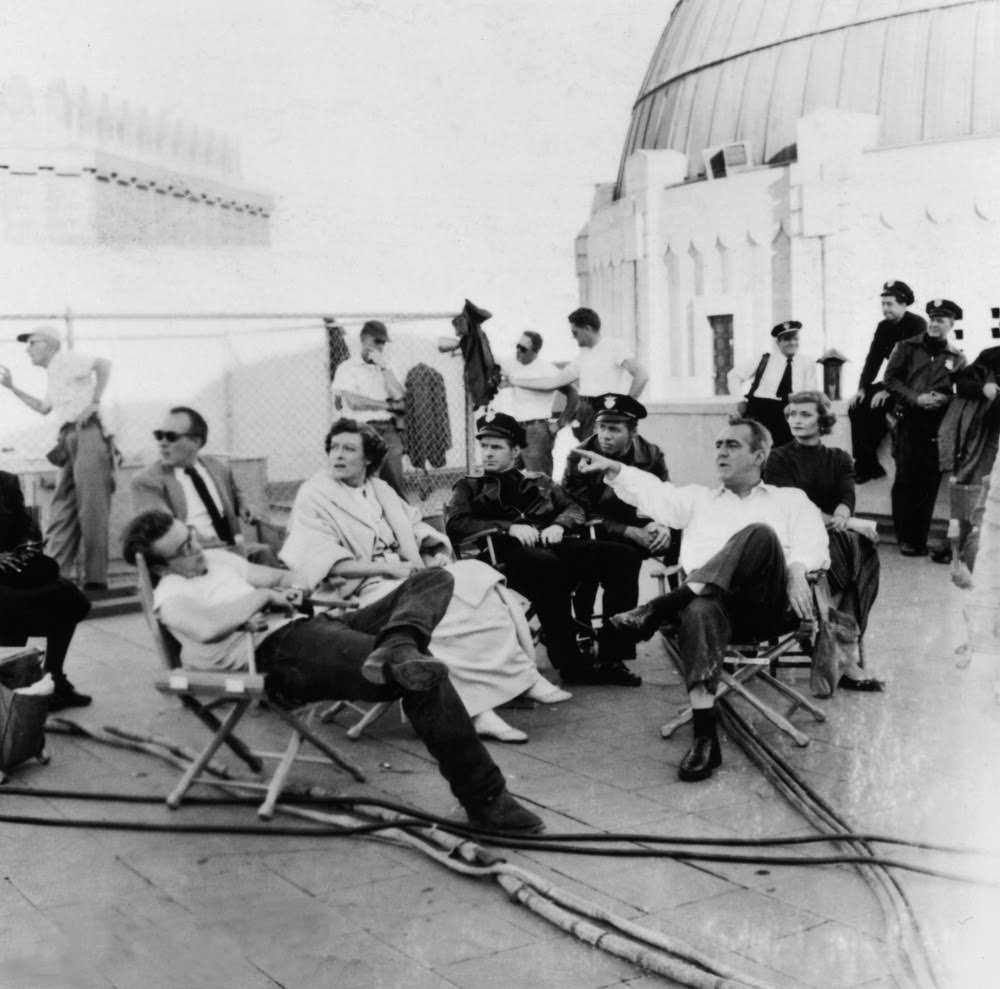
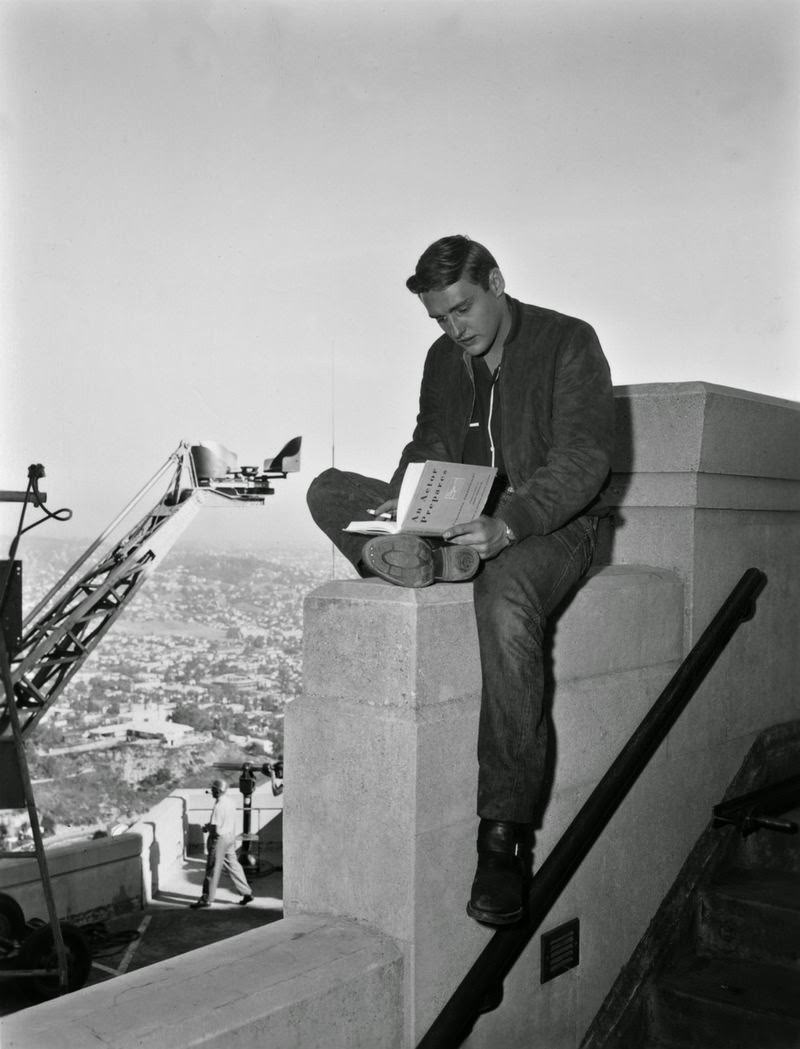
The film’s set design recreated typical suburban homes, streets, and diners of 1950s Los Angeles. Interiors were arranged to highlight emotional tension. For example, tight living room spaces emphasized family conflict. The Griffith Observatory was used as a key location for pivotal outdoor scenes. Its futuristic appearance added a symbolic backdrop to the story of youthful confusion.
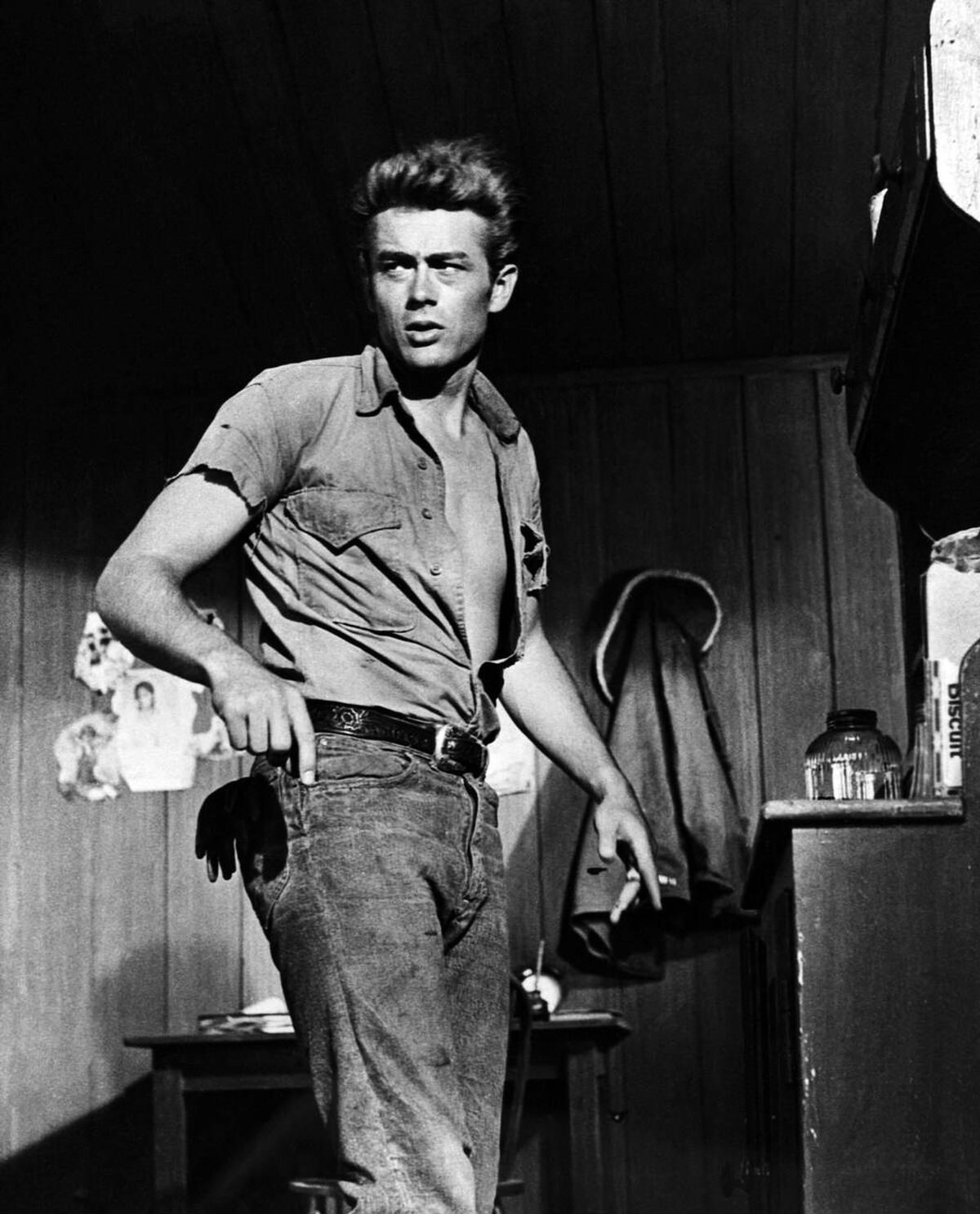
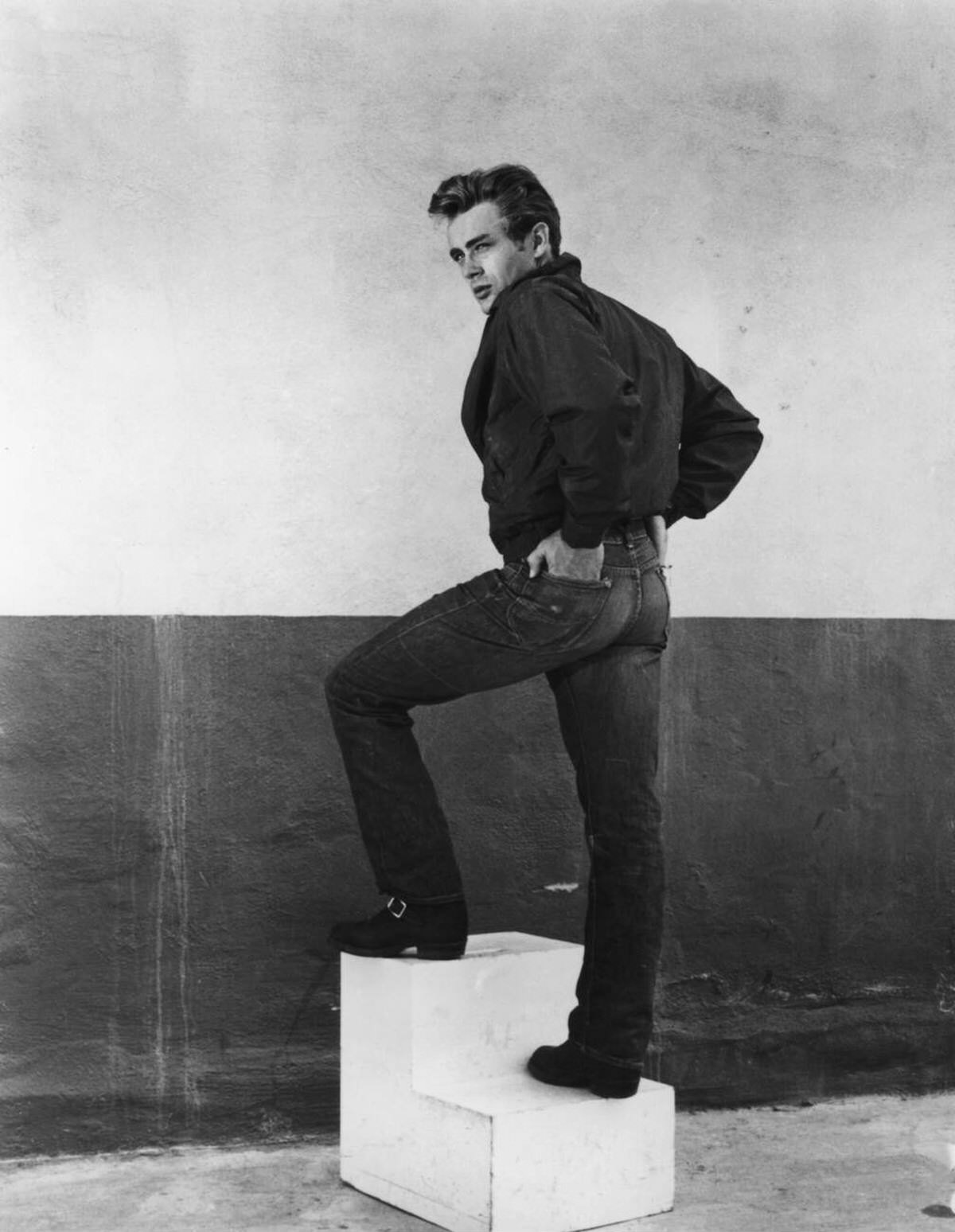
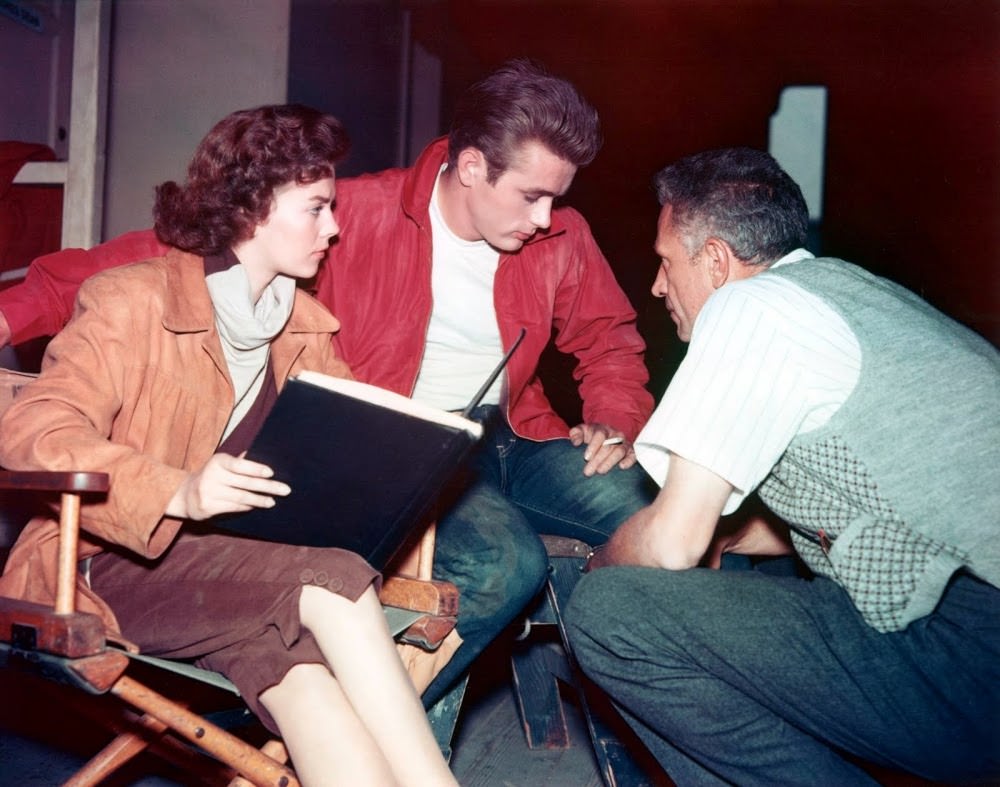
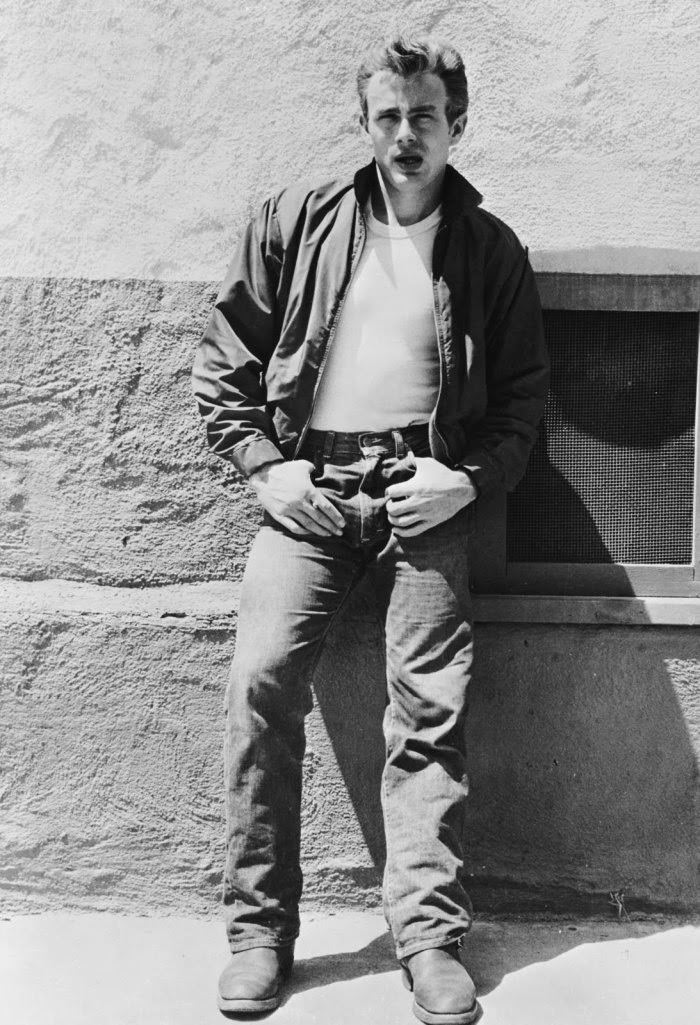
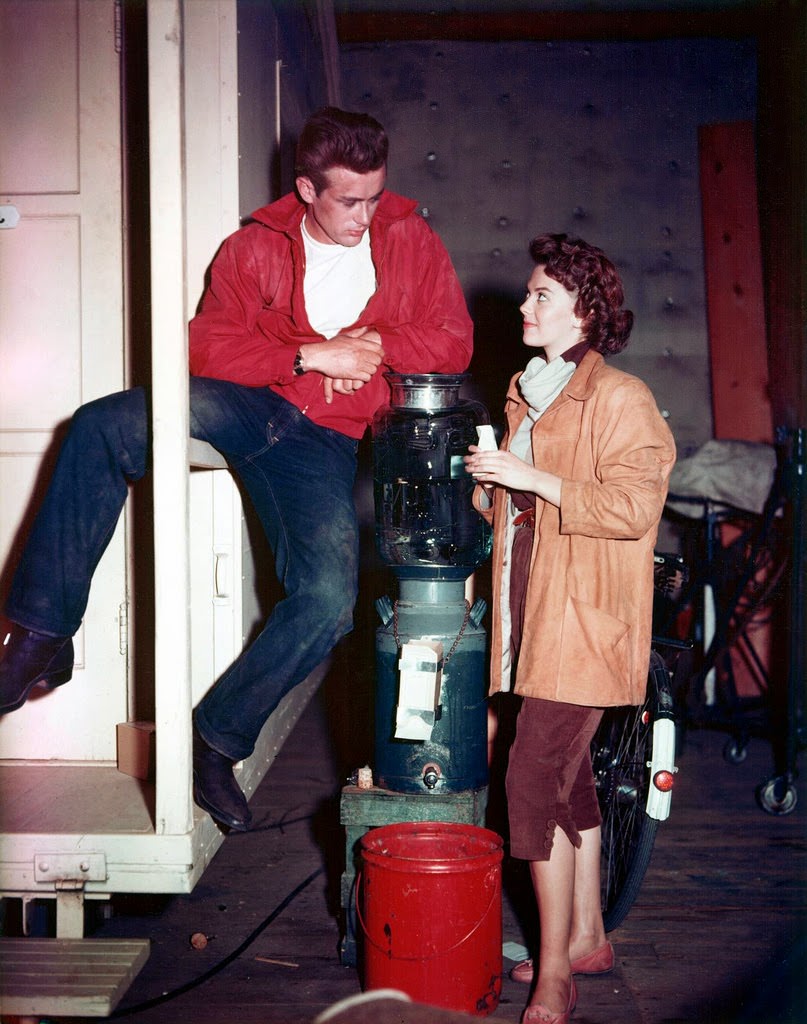
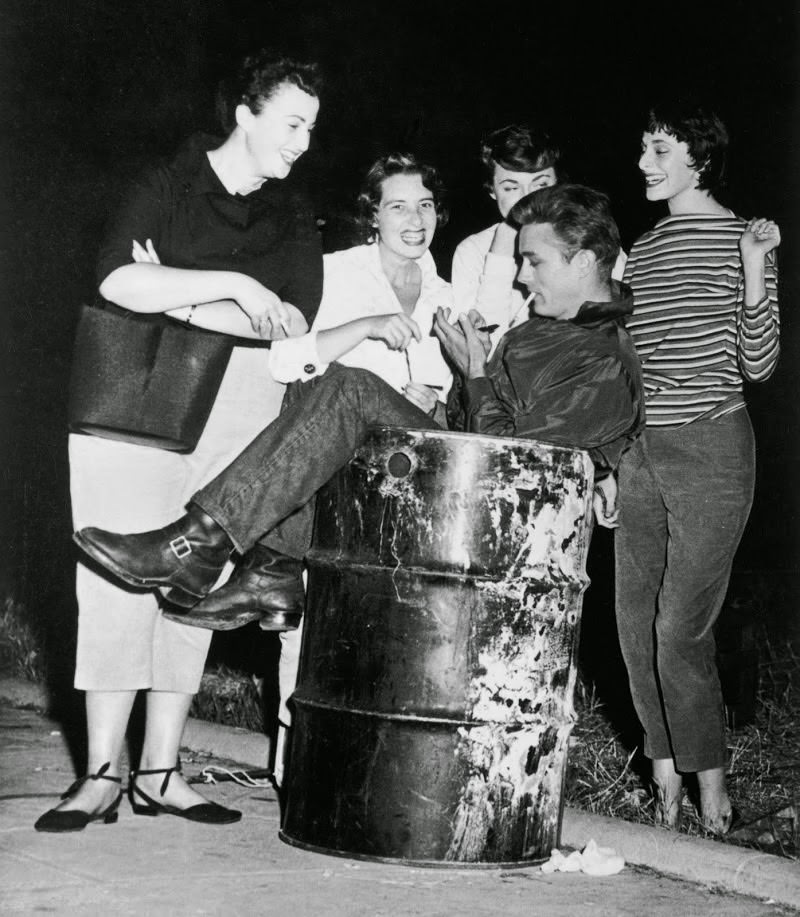
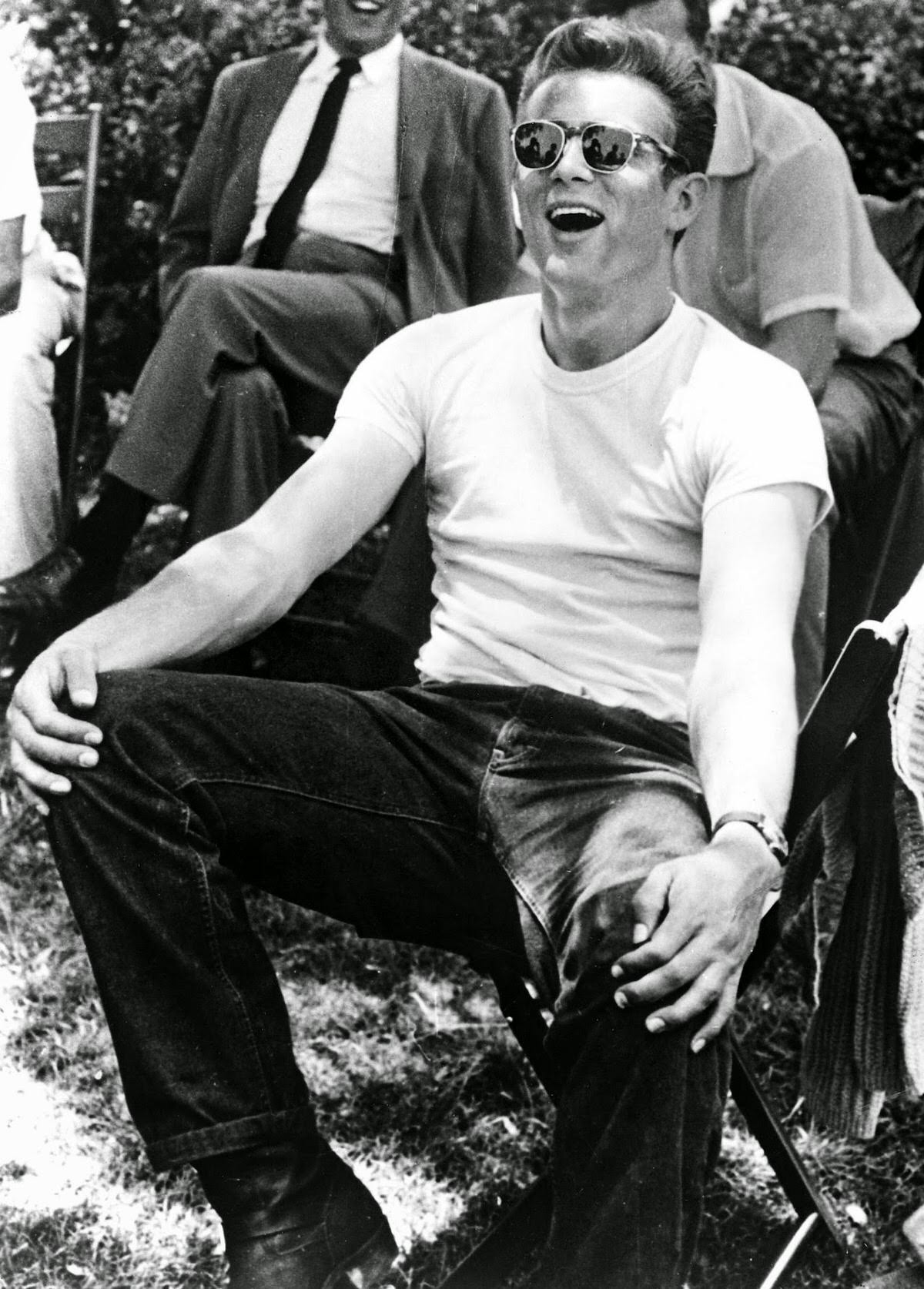
Costumes were carefully selected to reflect each character’s personality. James Dean wore a red jacket, white T-shirt, and jeans to symbolize rebellion. Natalie Wood’s wardrobe was styled to show her vulnerability and sophistication. Minor characters were dressed in clothing typical of the 1950s teenage culture, grounding the story in realism.
Music and sound were composed by Leonard Rosenman. He used dissonant tones and emotional melodies to reinforce the tension in key scenes. Music cues often highlighted moments of conflict, danger, or emotional release. This approach increased the intensity of the viewing experience.
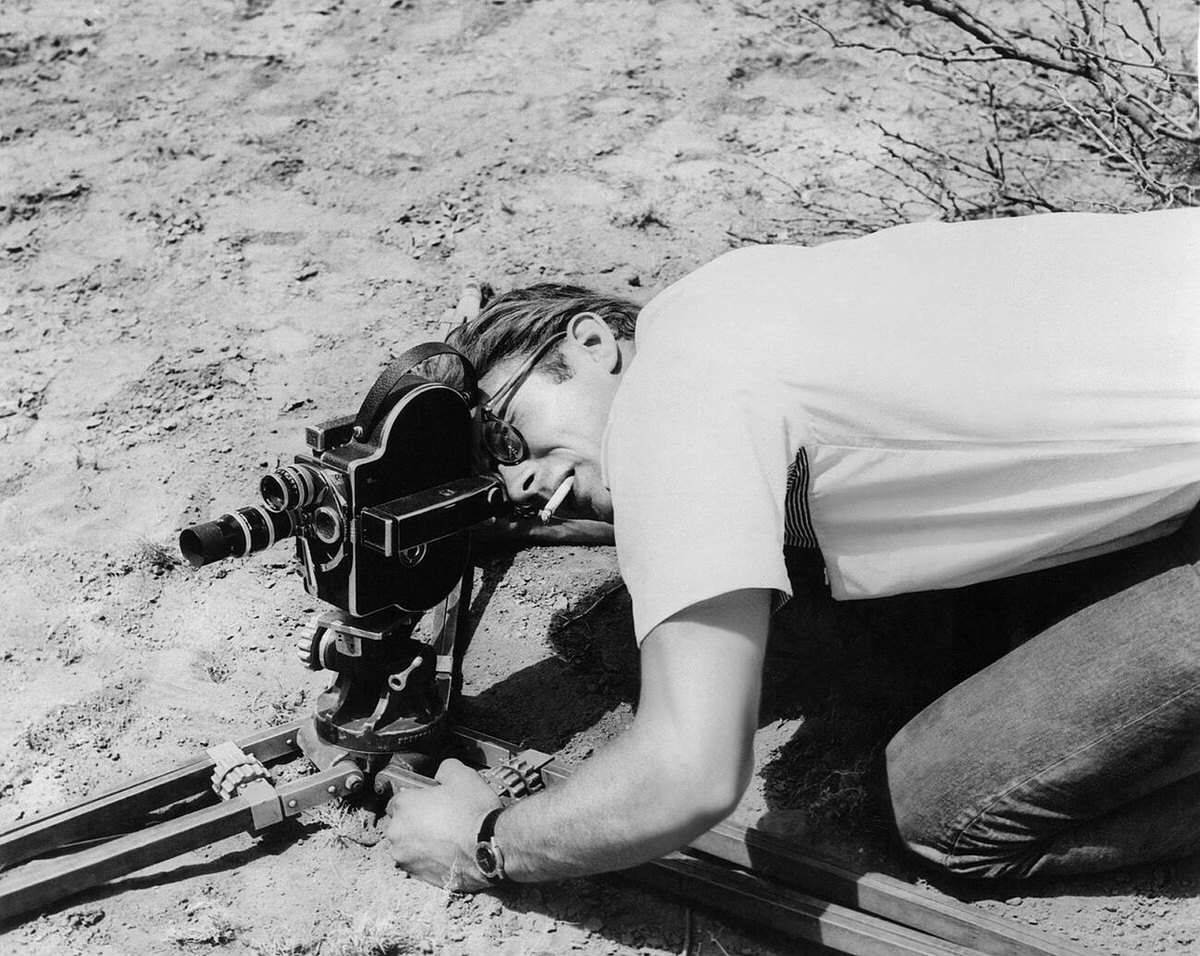
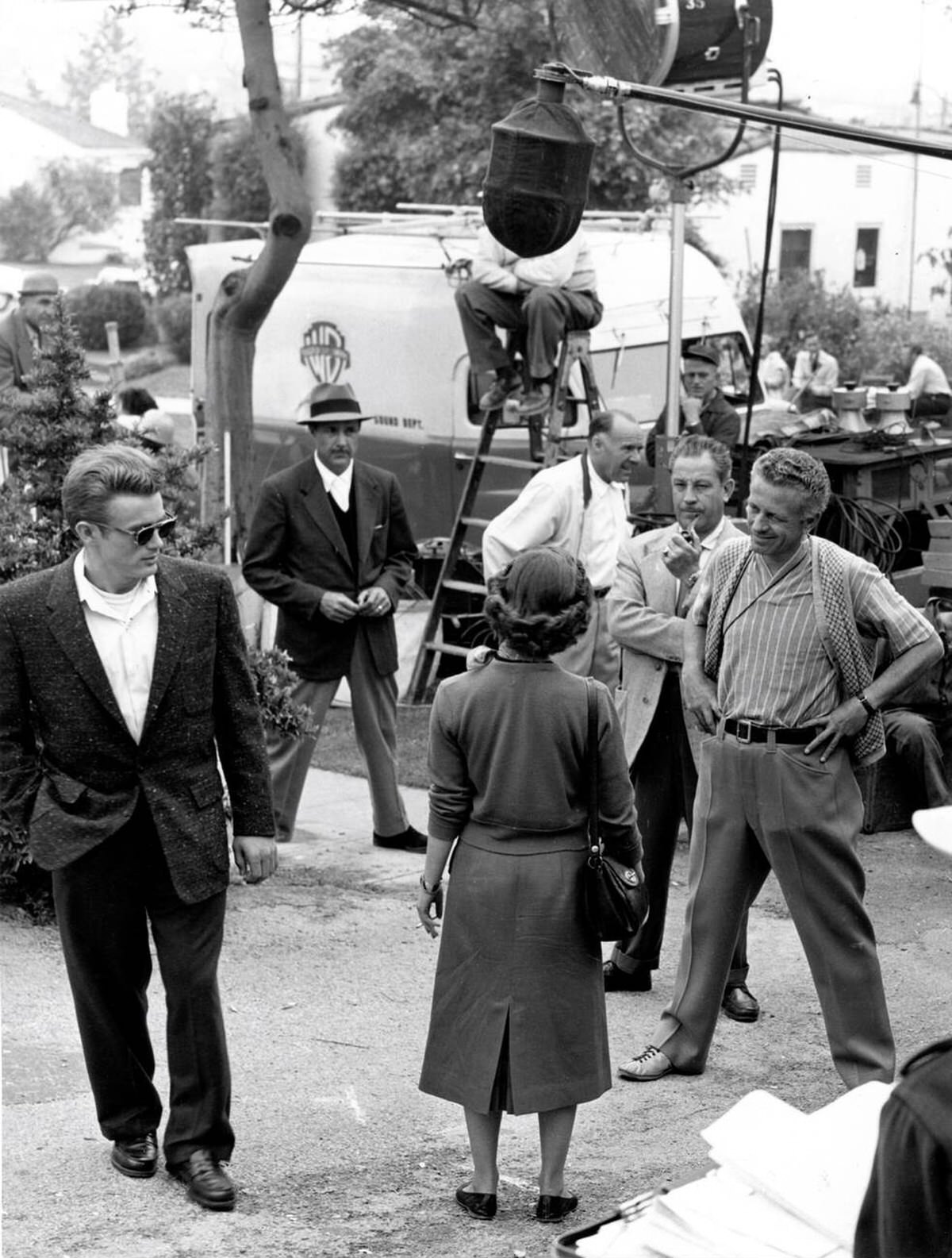
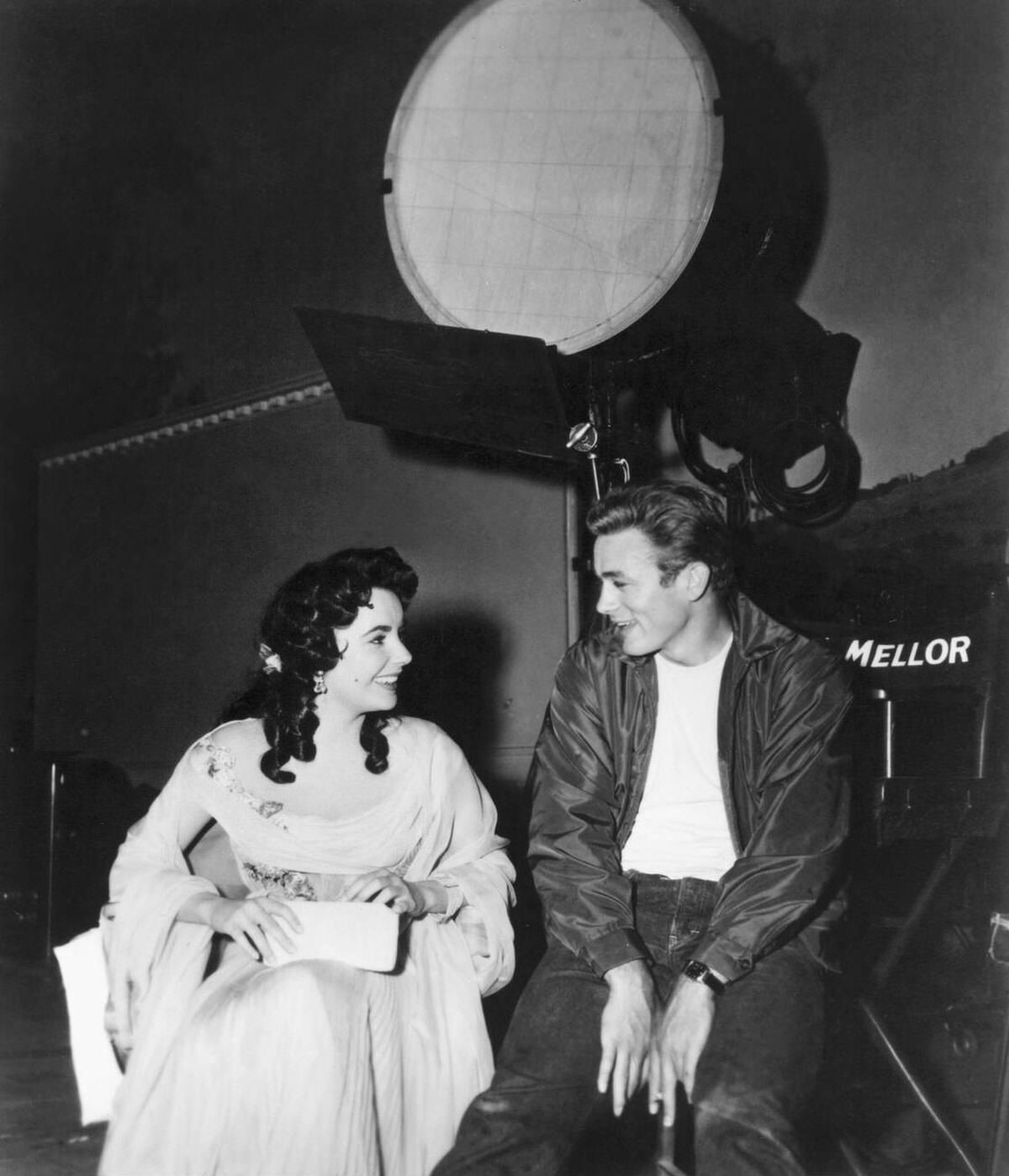
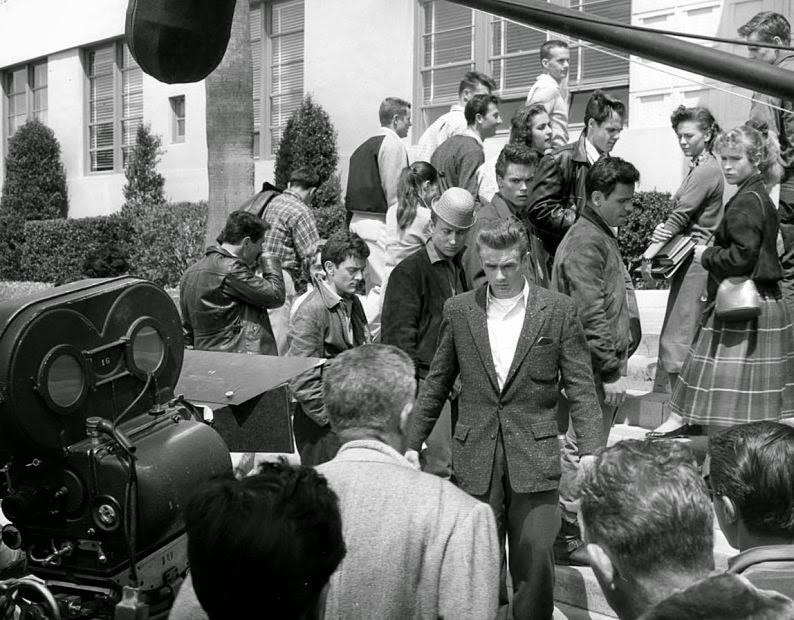
The film’s production involved long, demanding shooting schedules. James Dean was known for rehearsing extensively to perfect his emotional performances. Nicholas Ray allowed multiple takes to capture raw and realistic reactions. Crew members noted that the tension on set often mirrored the tension on screen, adding to the authenticity.
Editing played a major role in pacing the story. Scenes were cut to emphasize rapid emotional shifts or sudden conflicts. This method kept the audience engaged and reflected the impulsive behavior of the teenage characters. Transitions between scenes were designed to maintain tension and continuity.
Special attention was given to dialogue delivery. Ray instructed actors to speak naturally, with pauses and inflections that matched real-life speech. This approach set the film apart from more formal acting styles of the era. Every line was meant to reveal character motivation or deepen emotional impact.
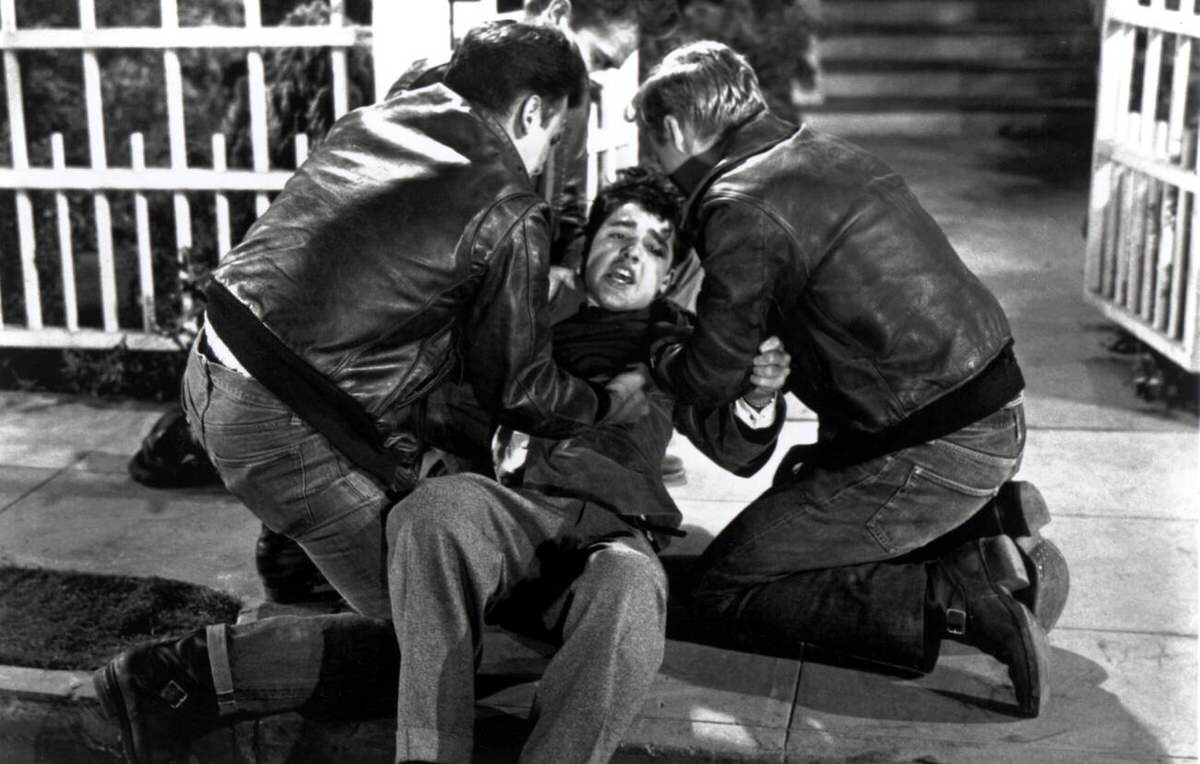
The stunt sequences, particularly the car chase scenes, were carefully coordinated. Safety measures were limited by the technology of the time, so the actors’ performances carried real risk. These sequences added a sense of danger and urgency that reinforced the film’s central themes.