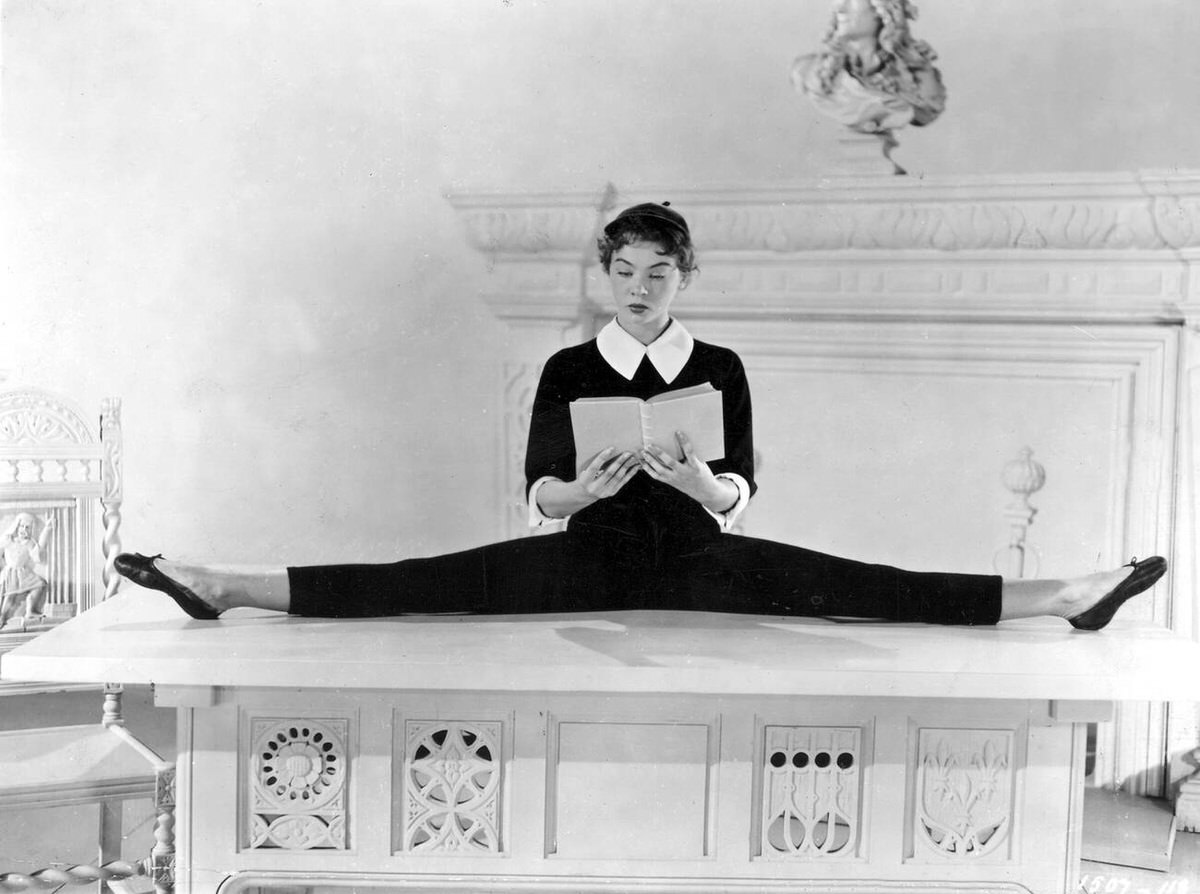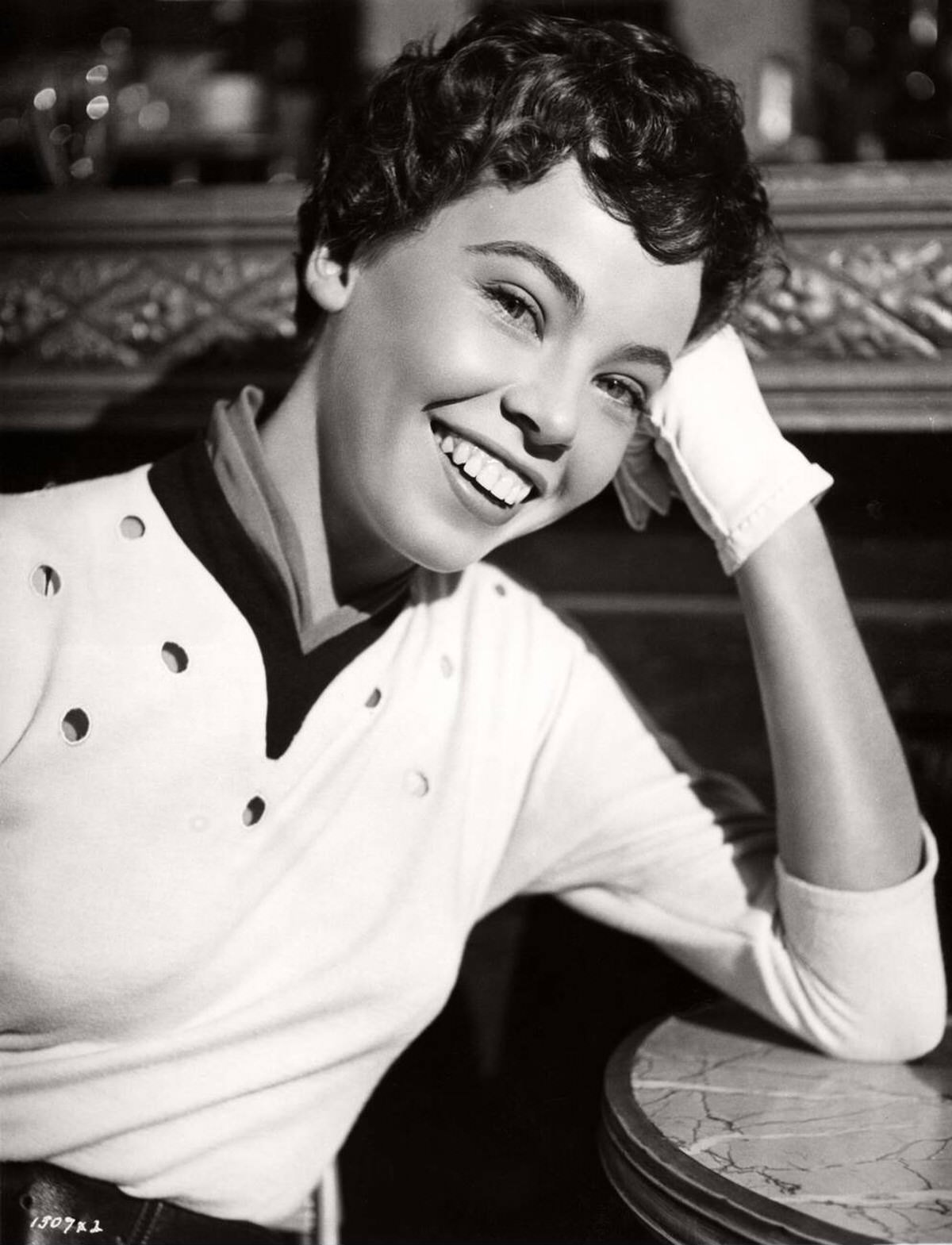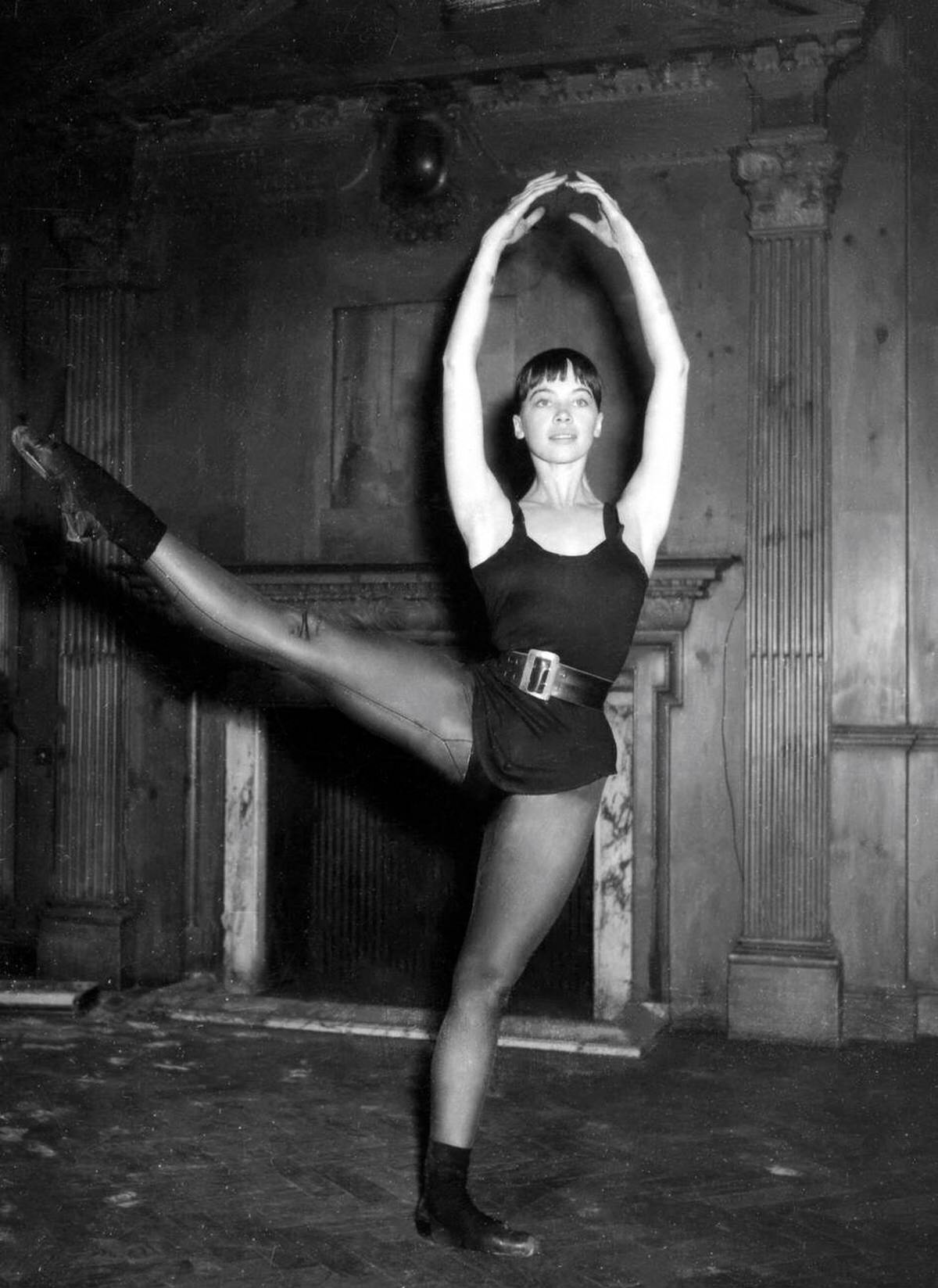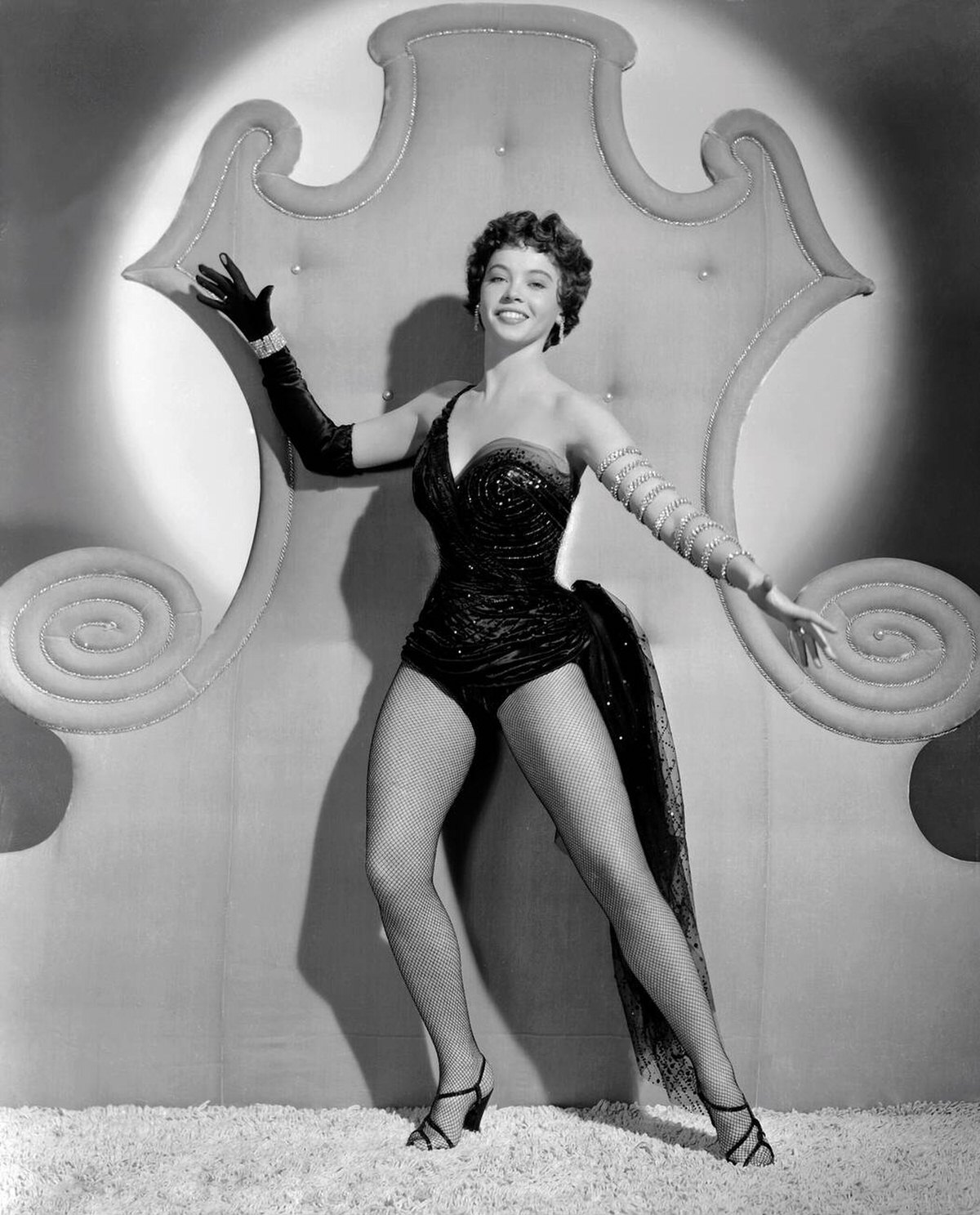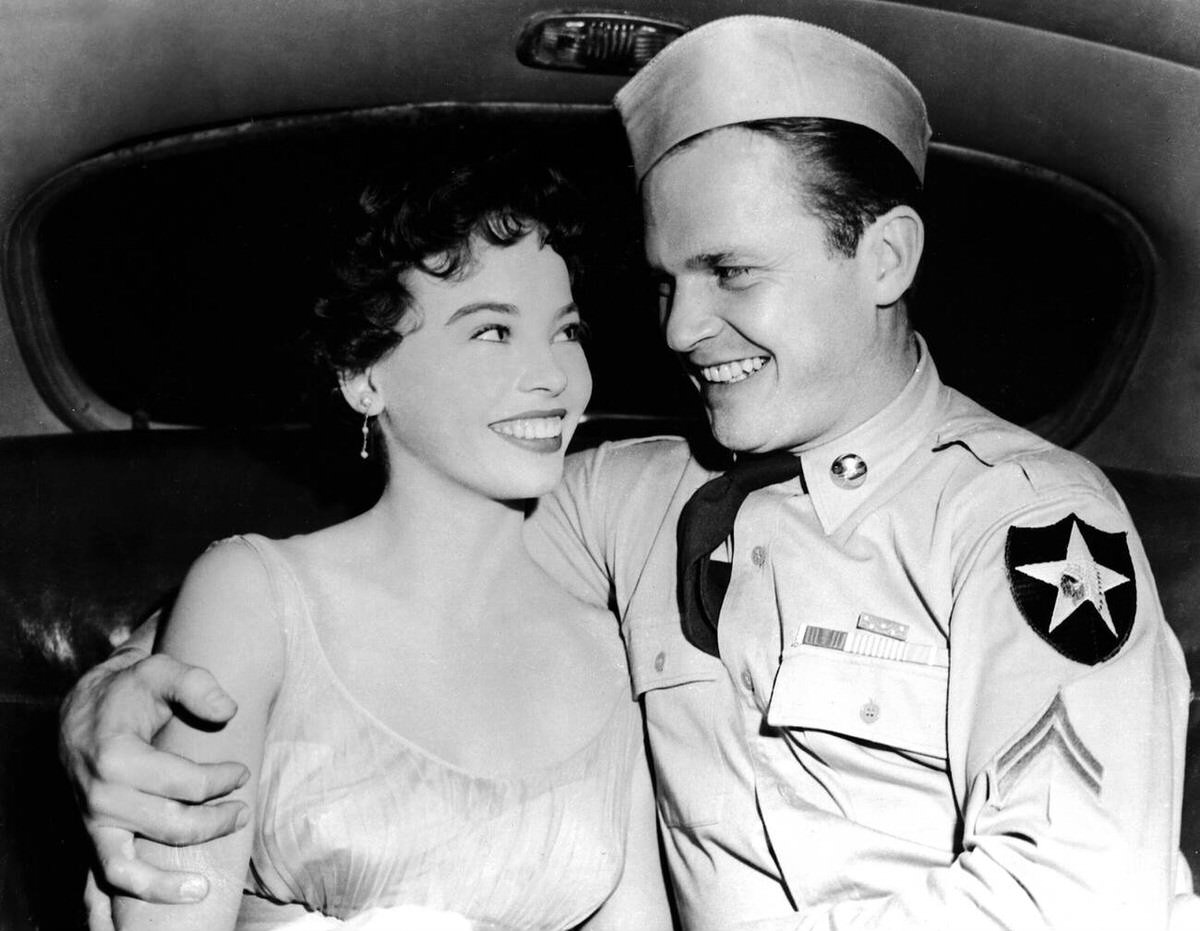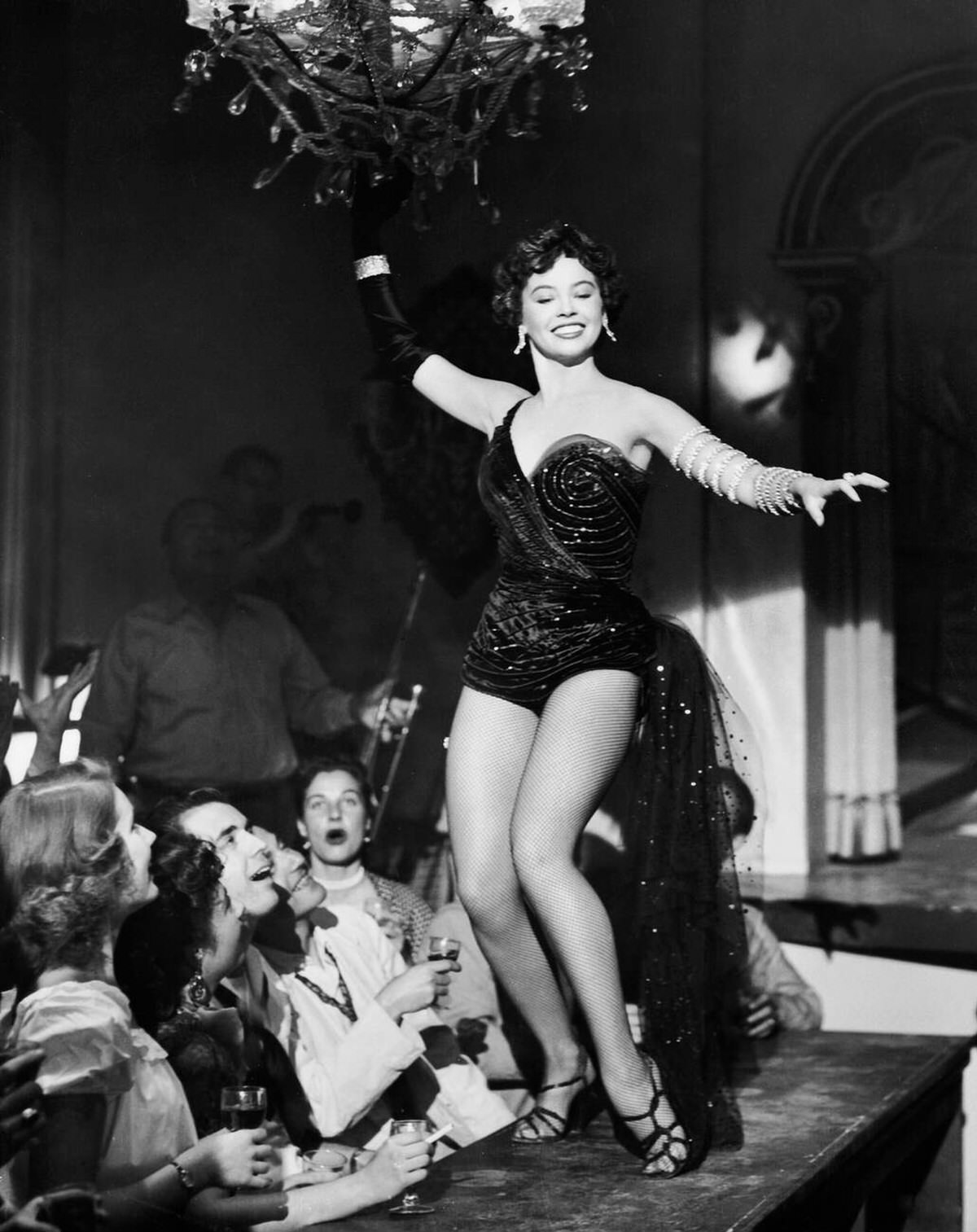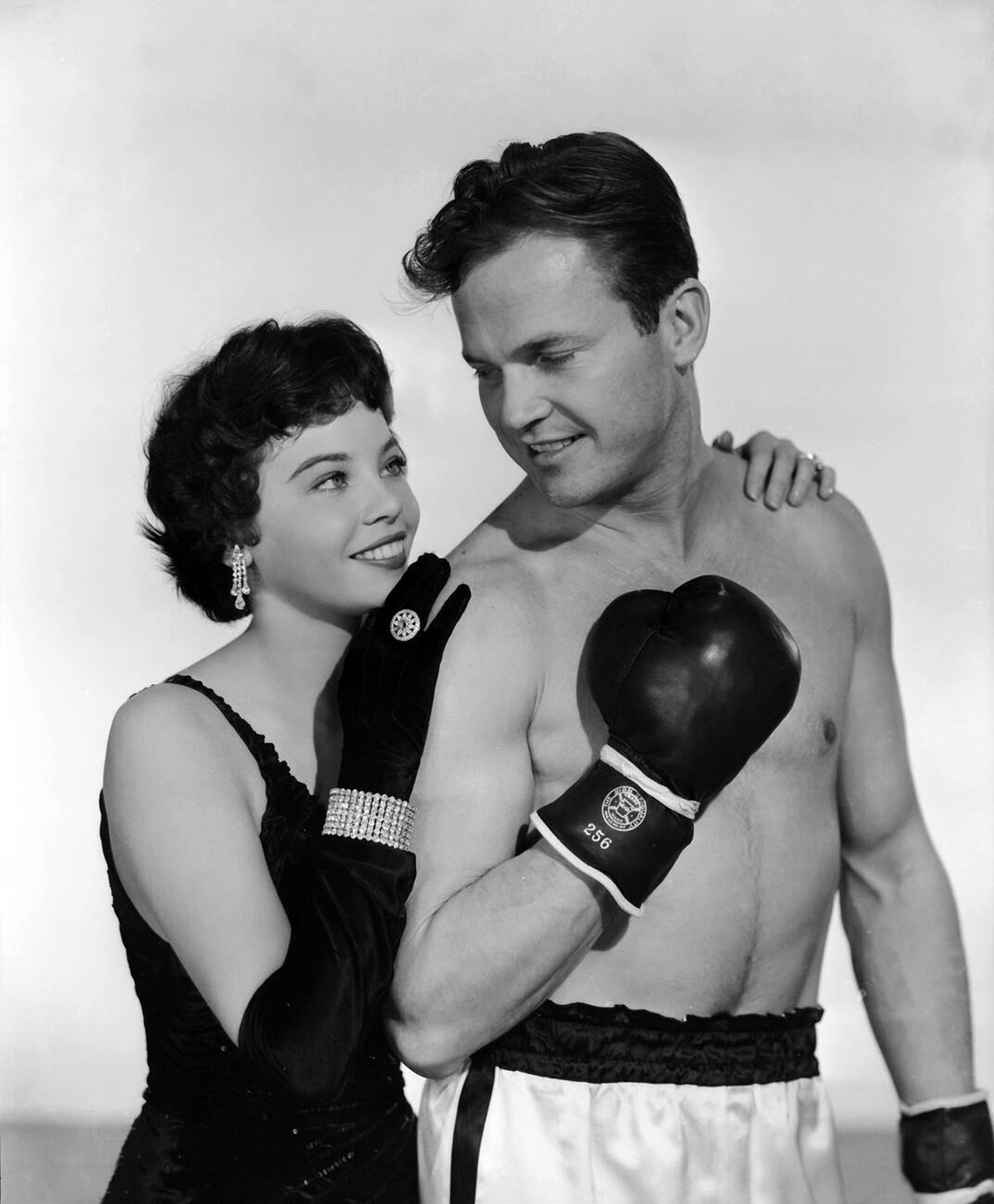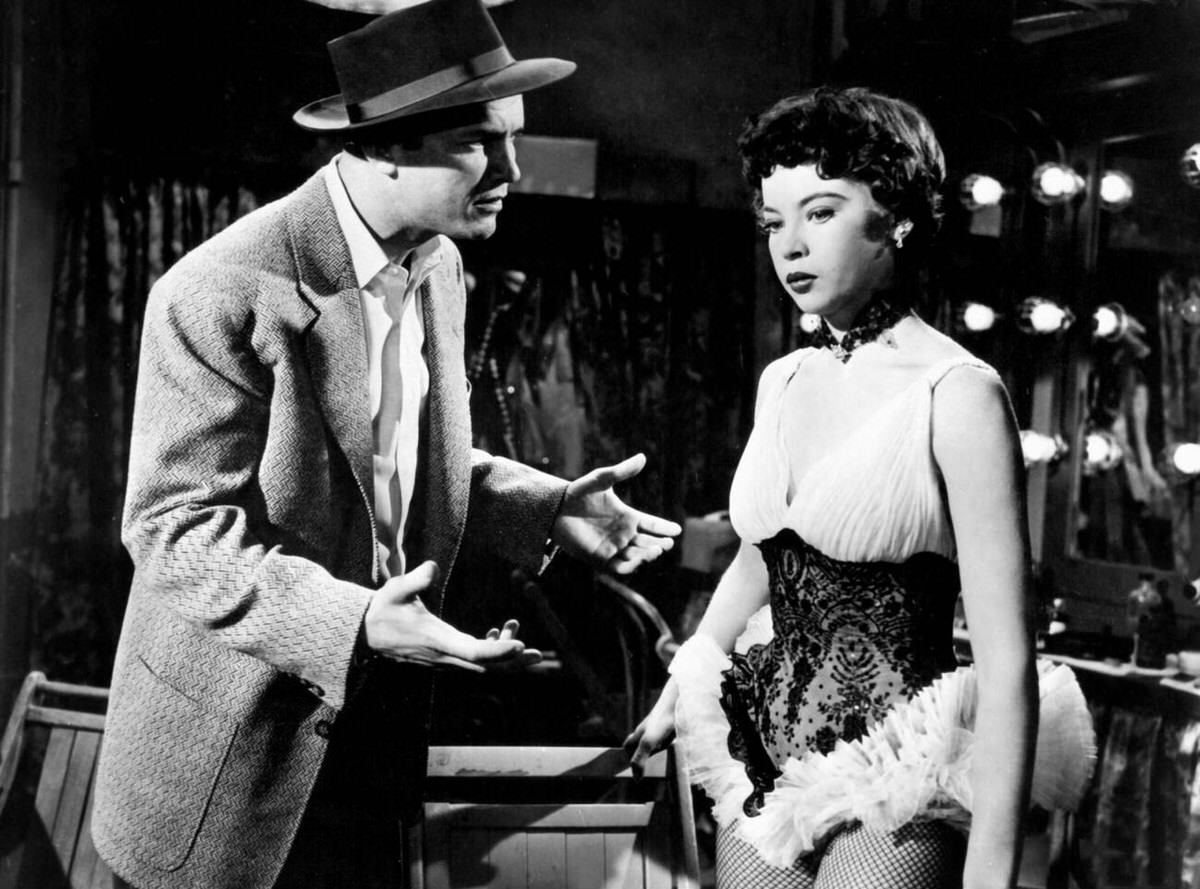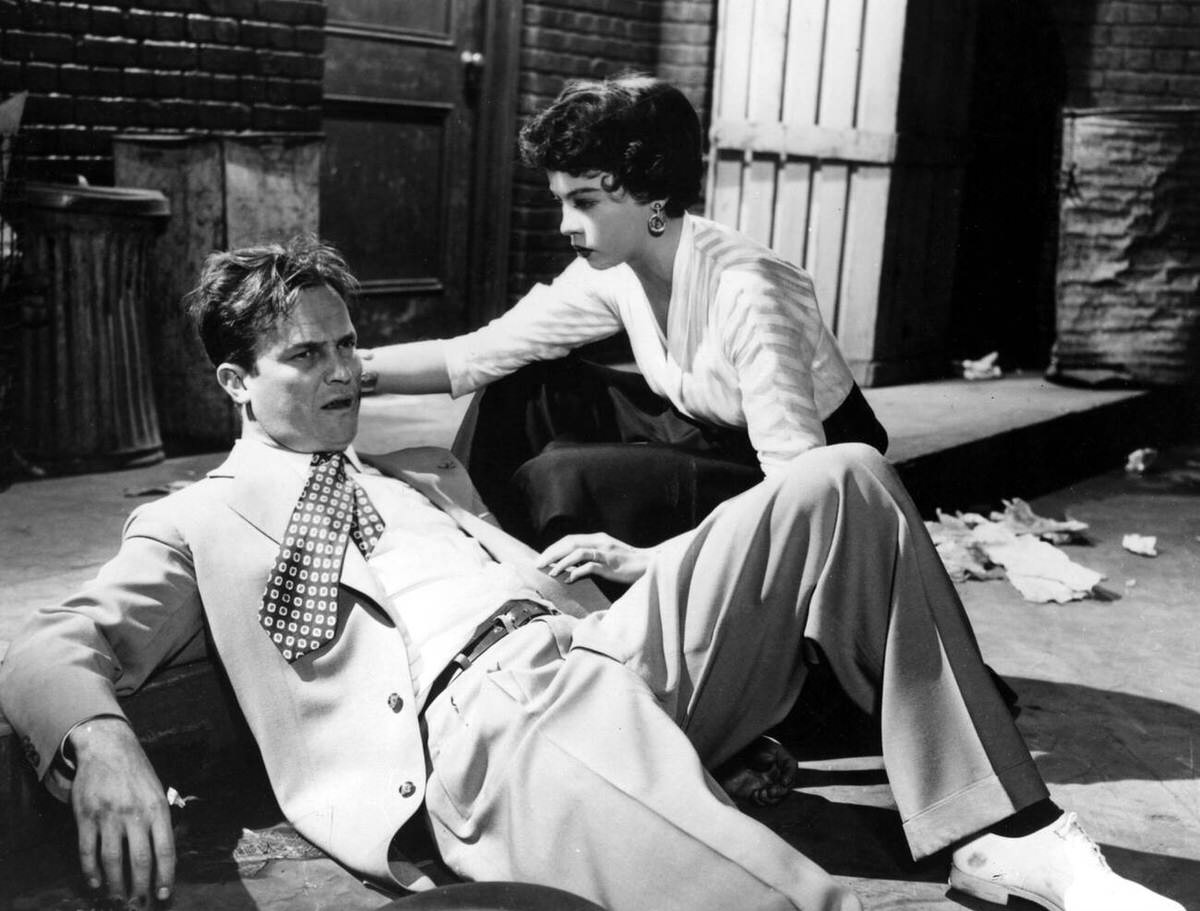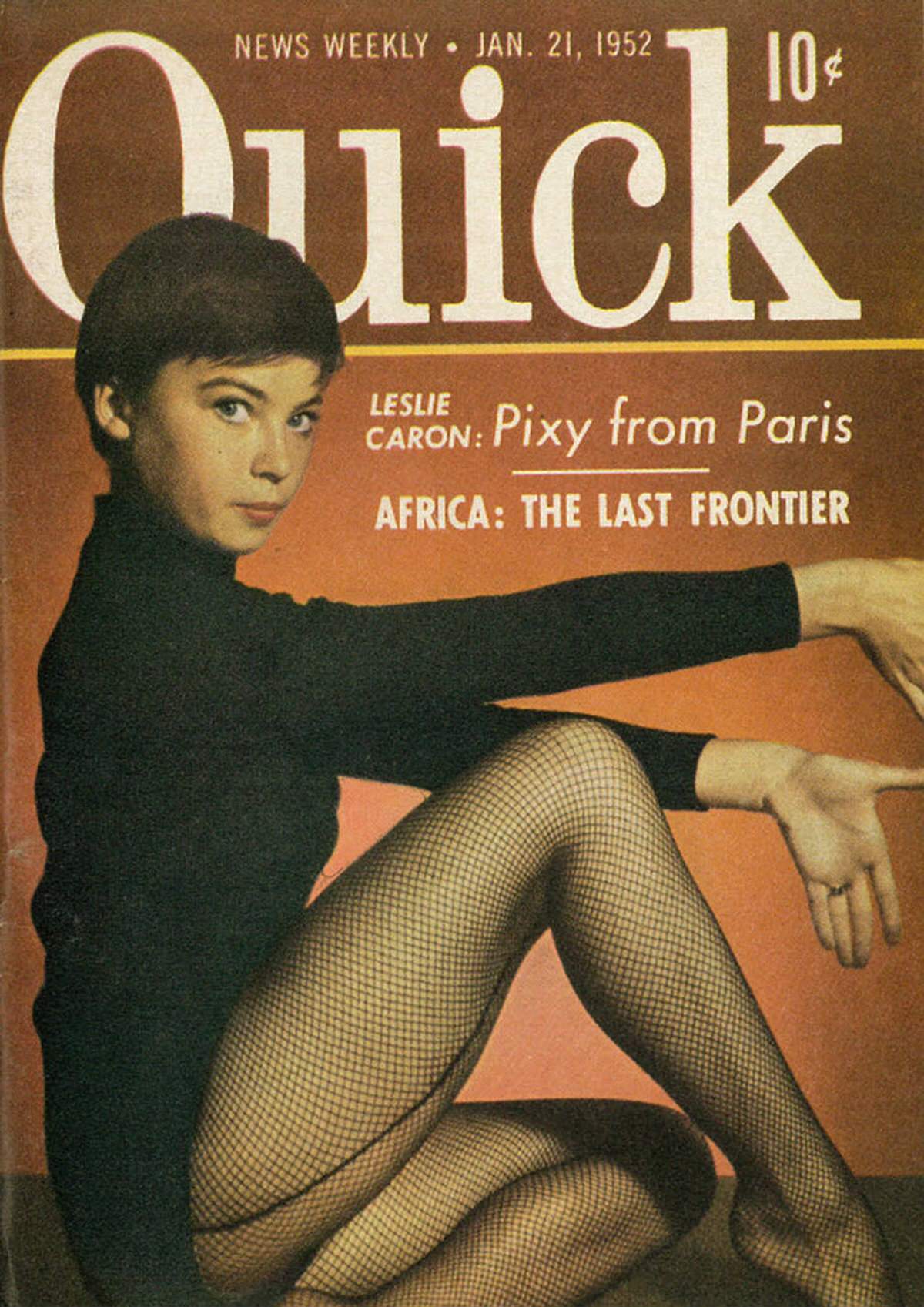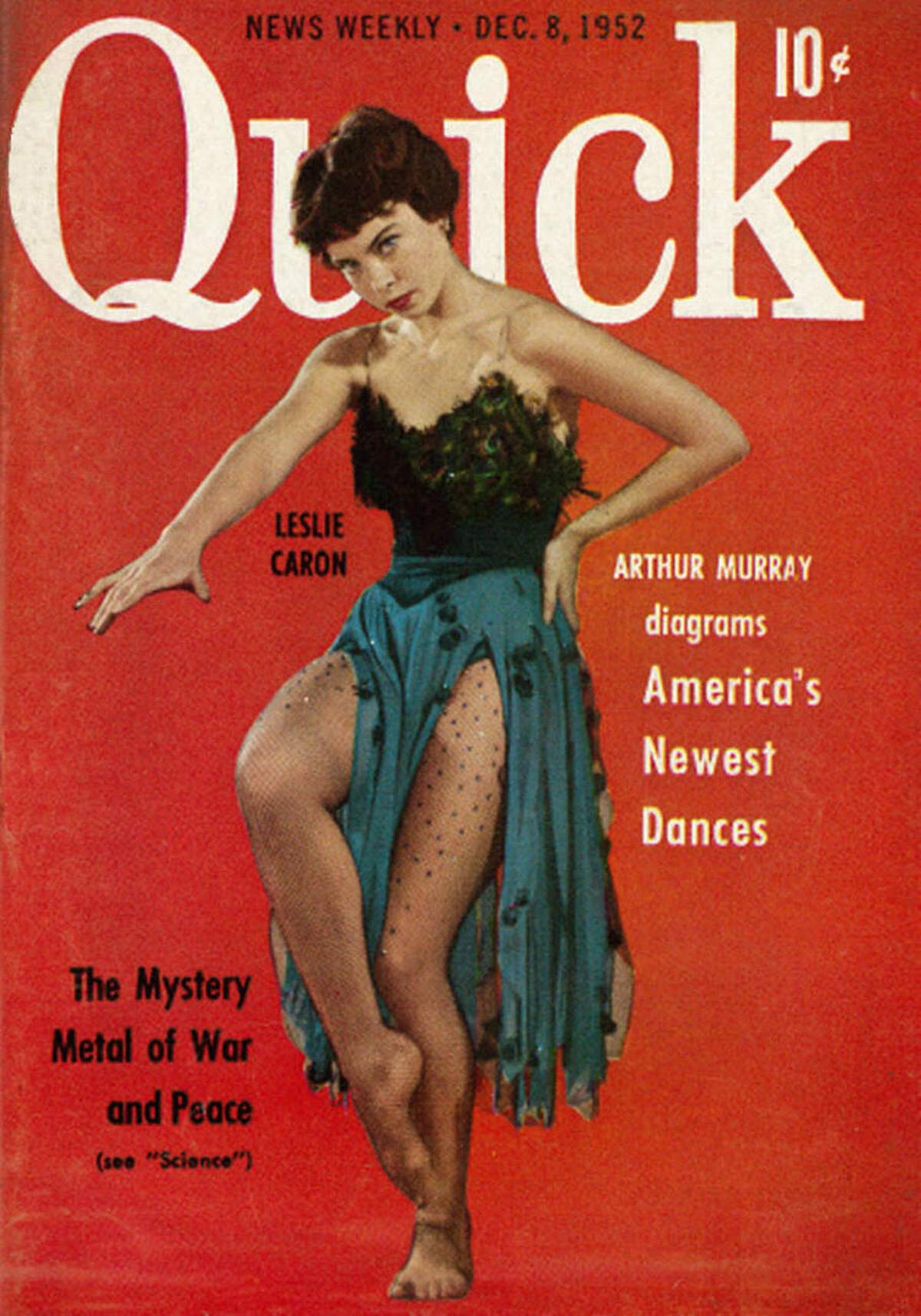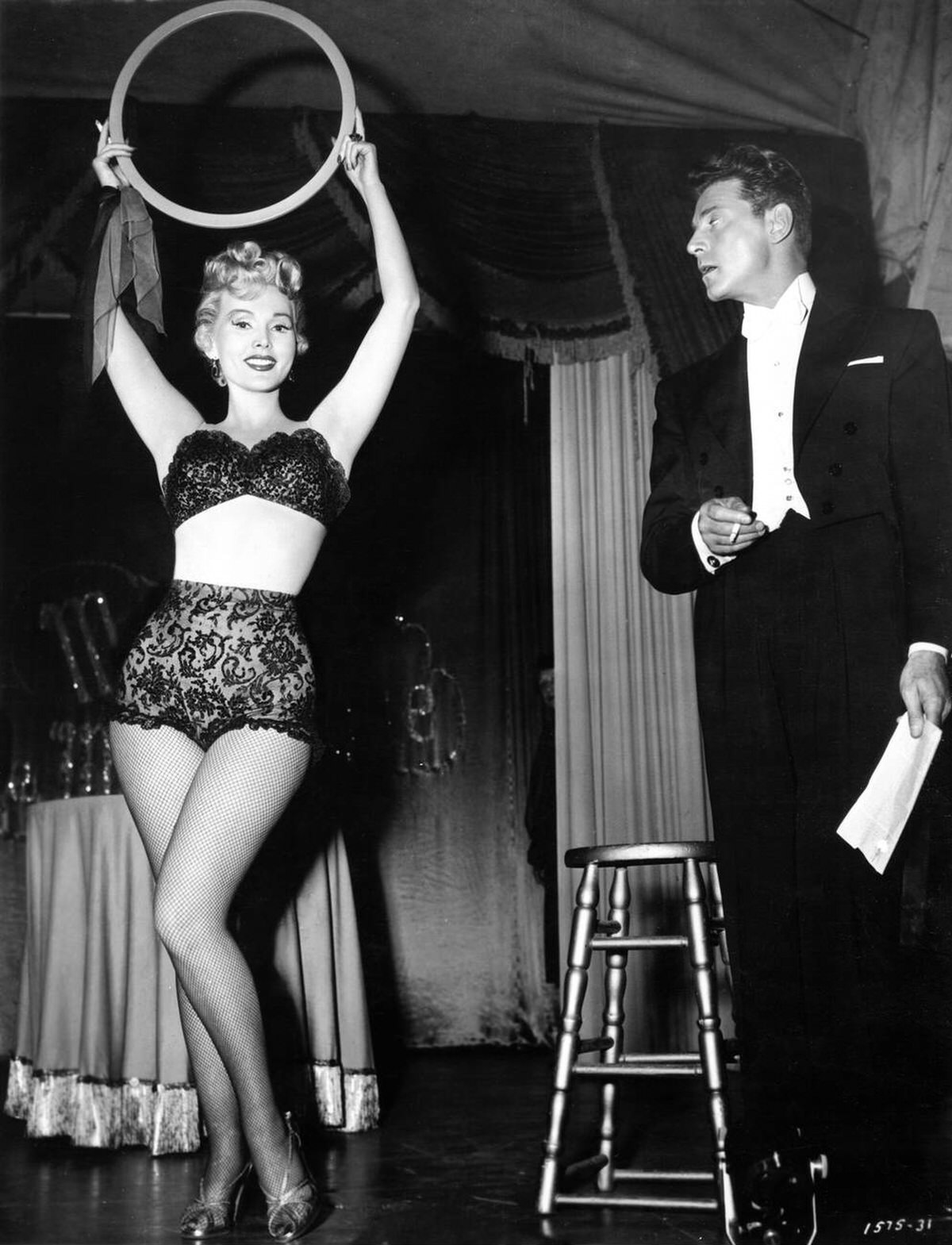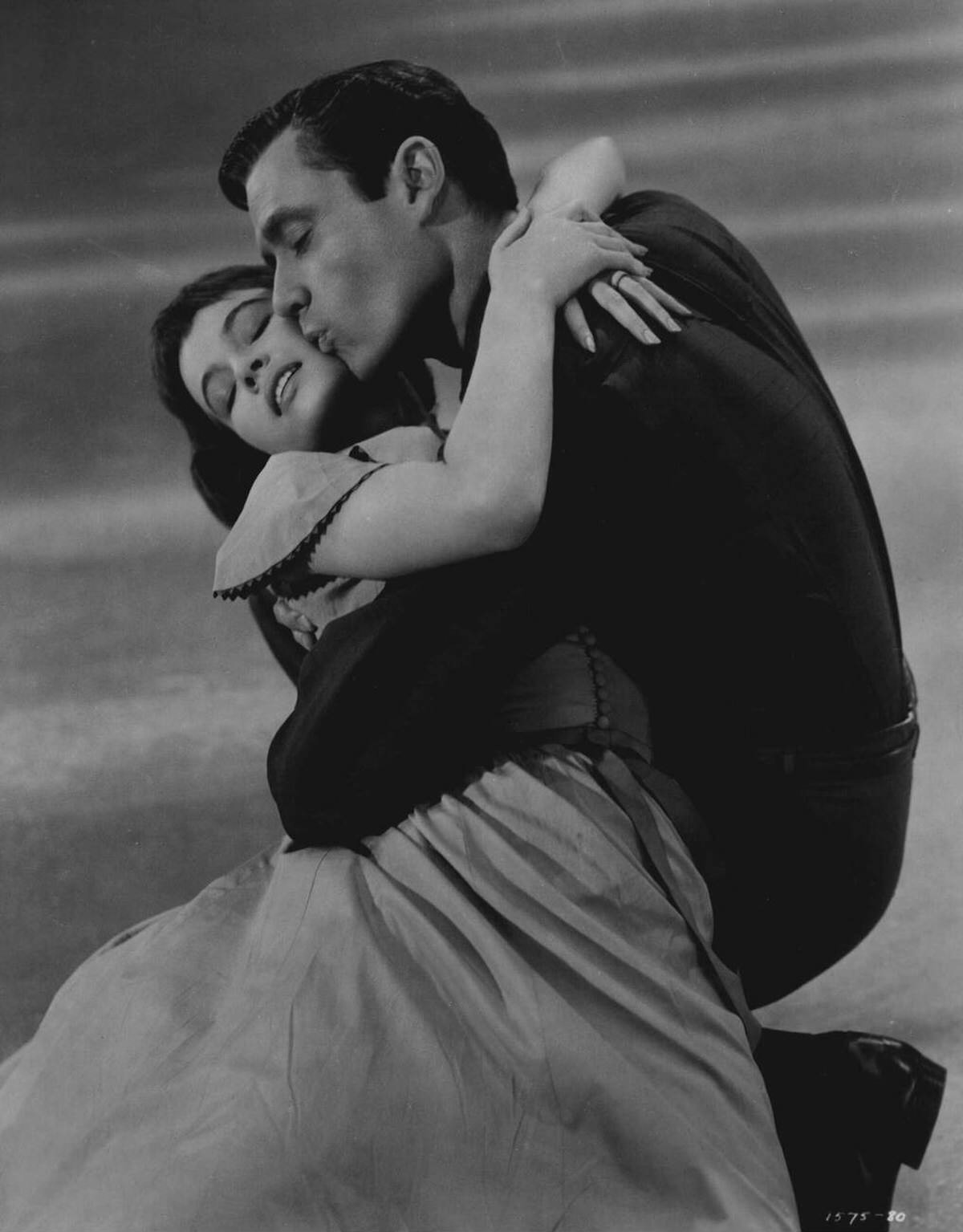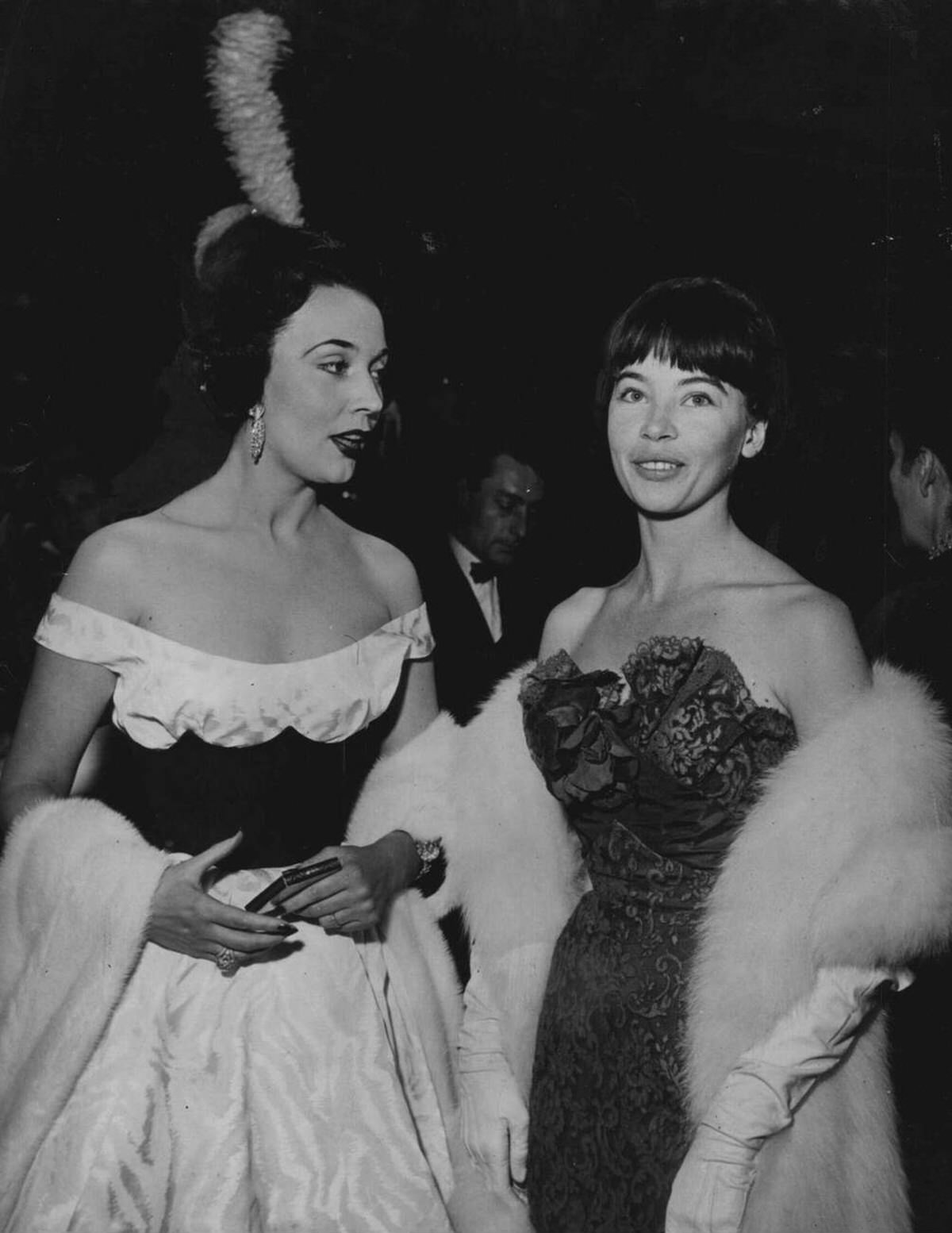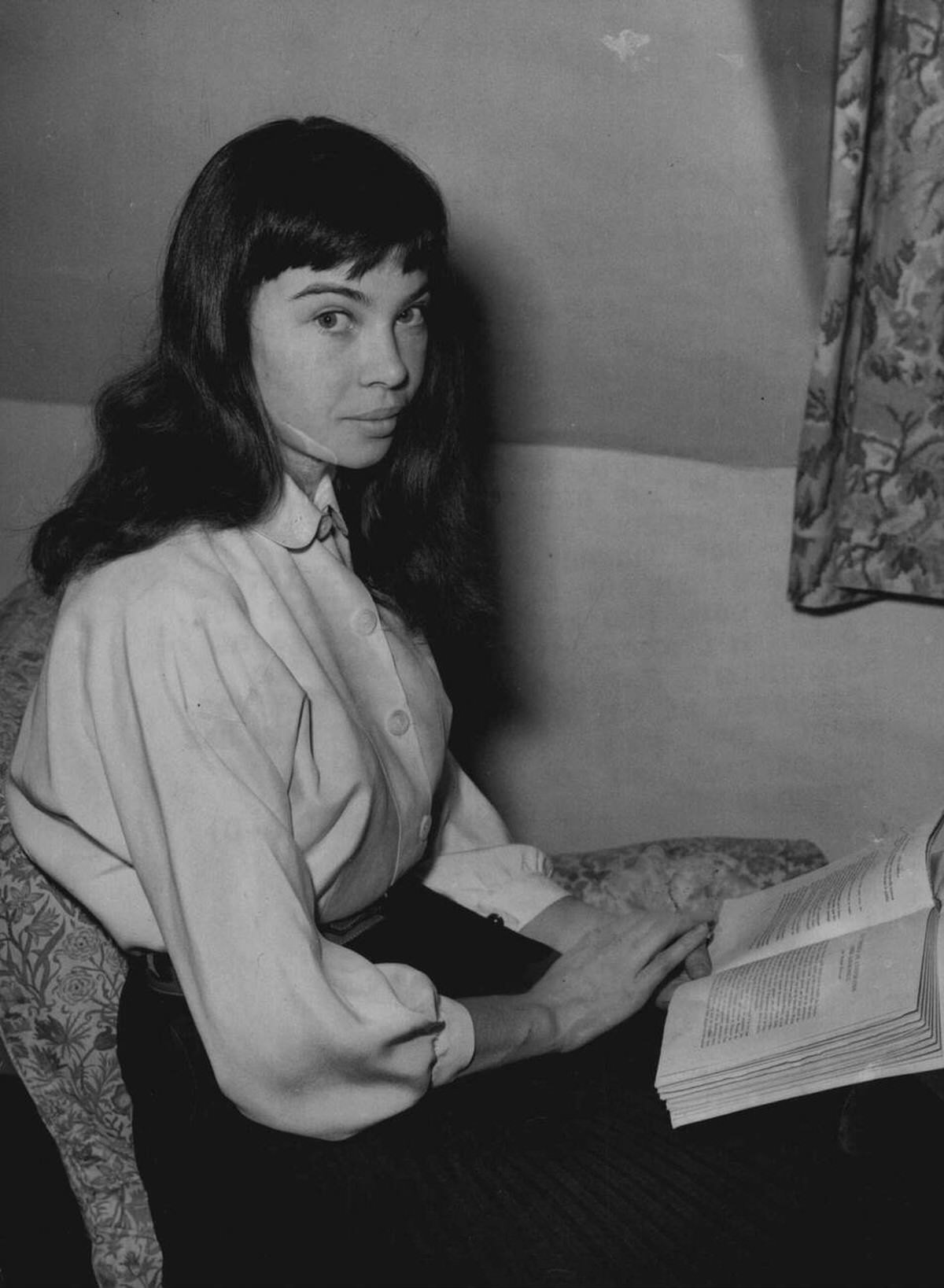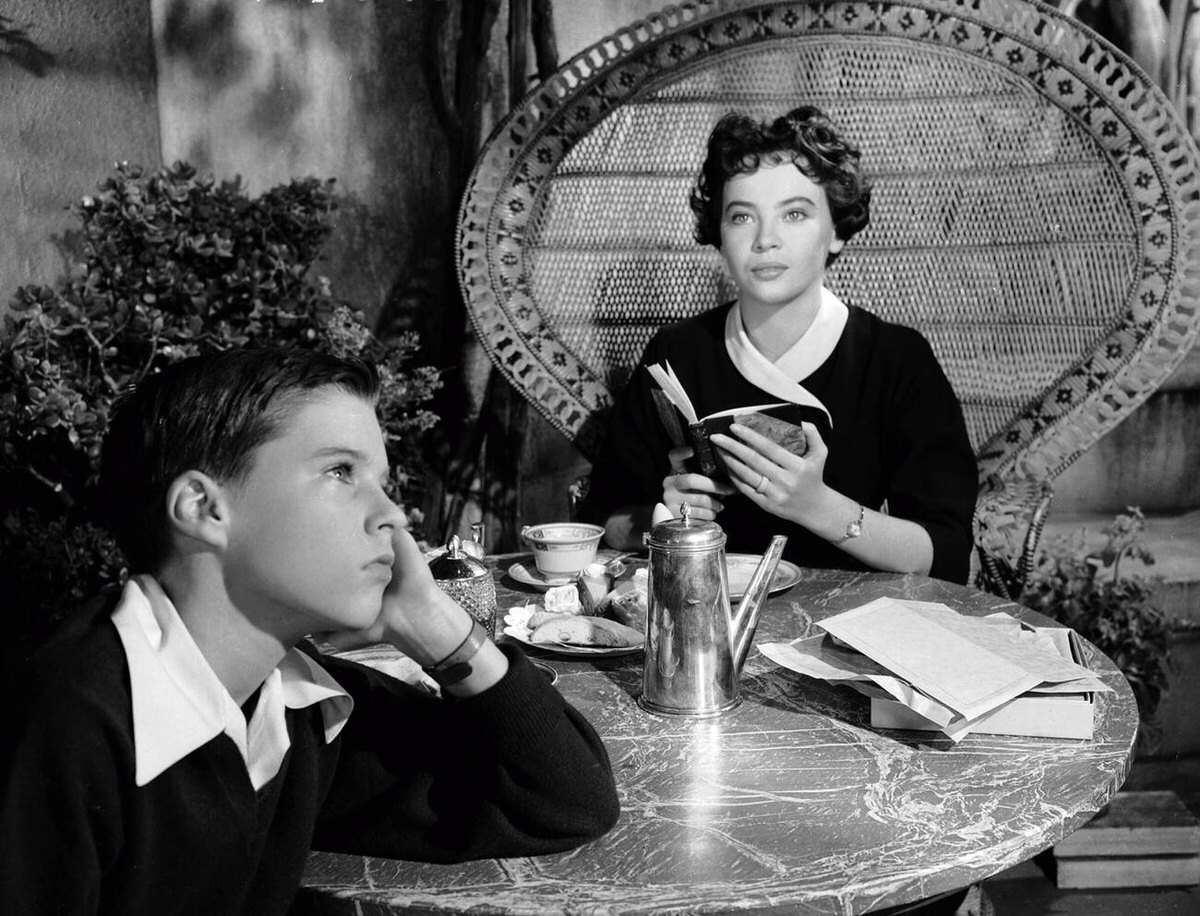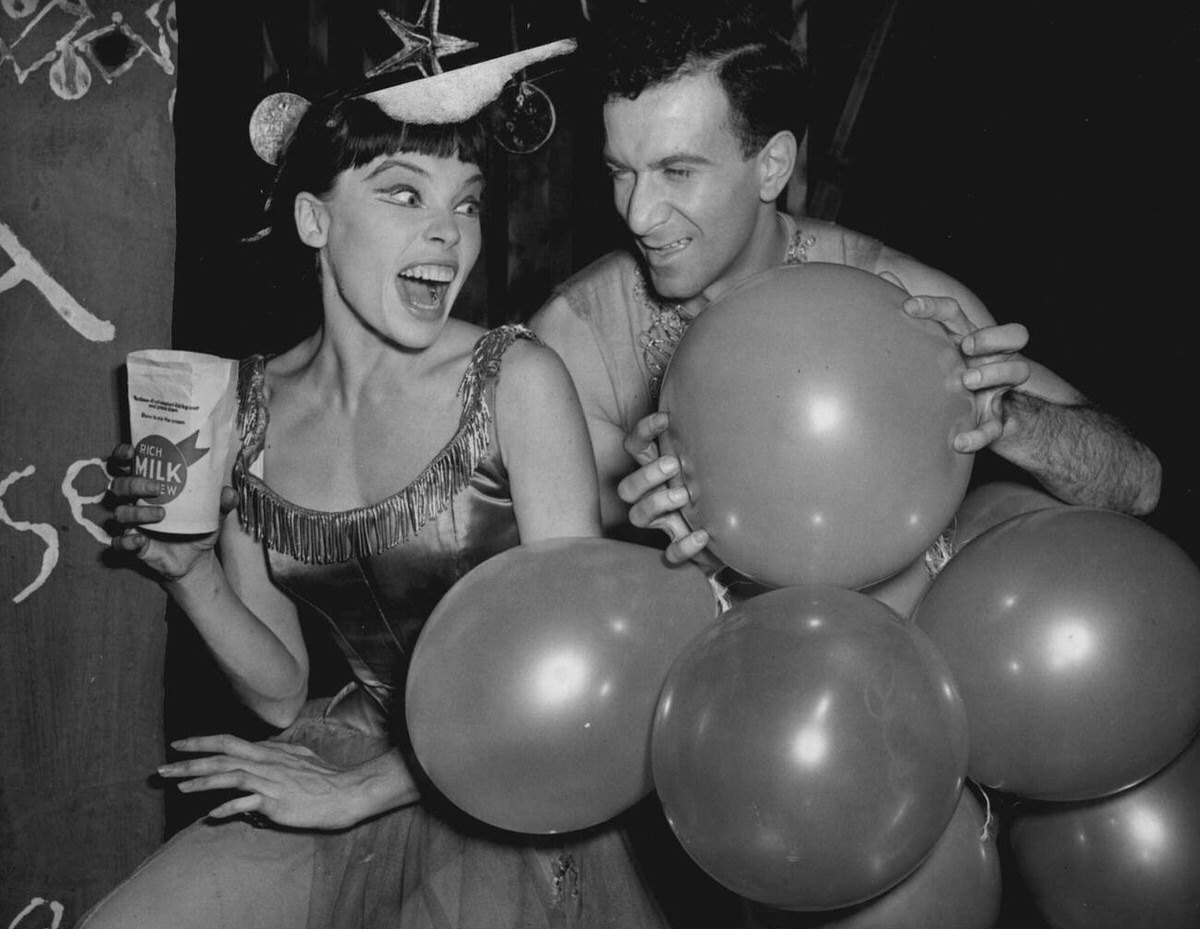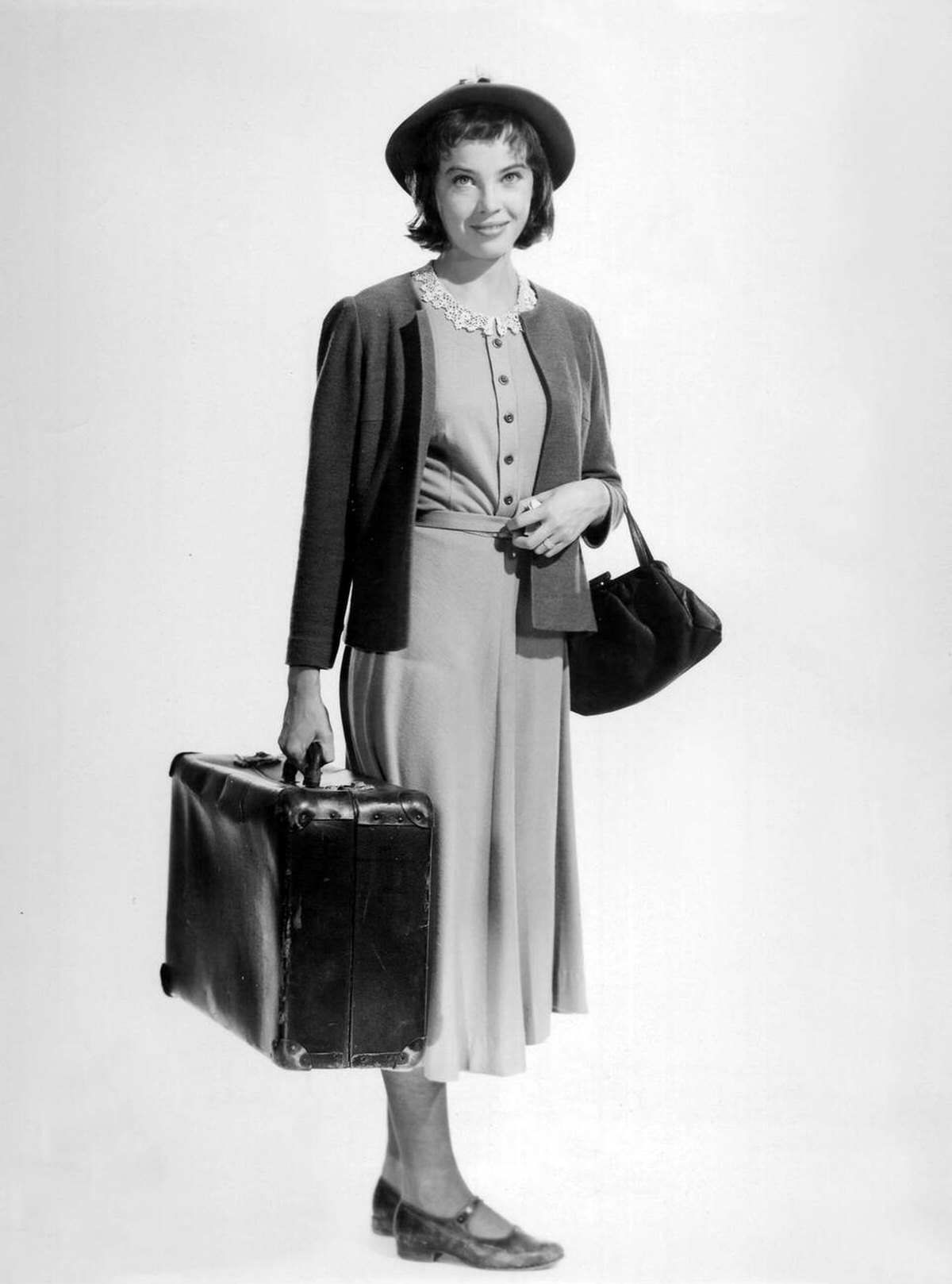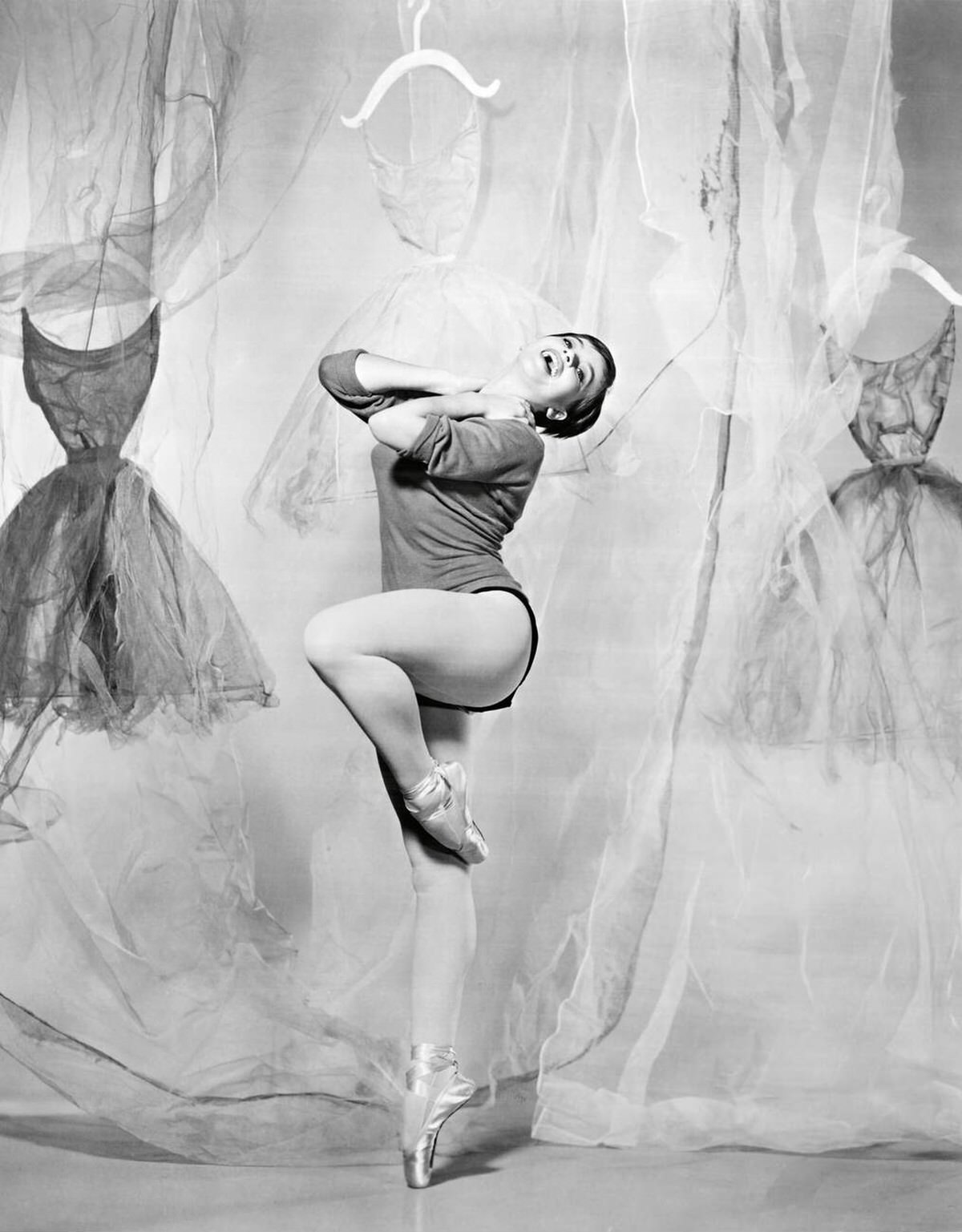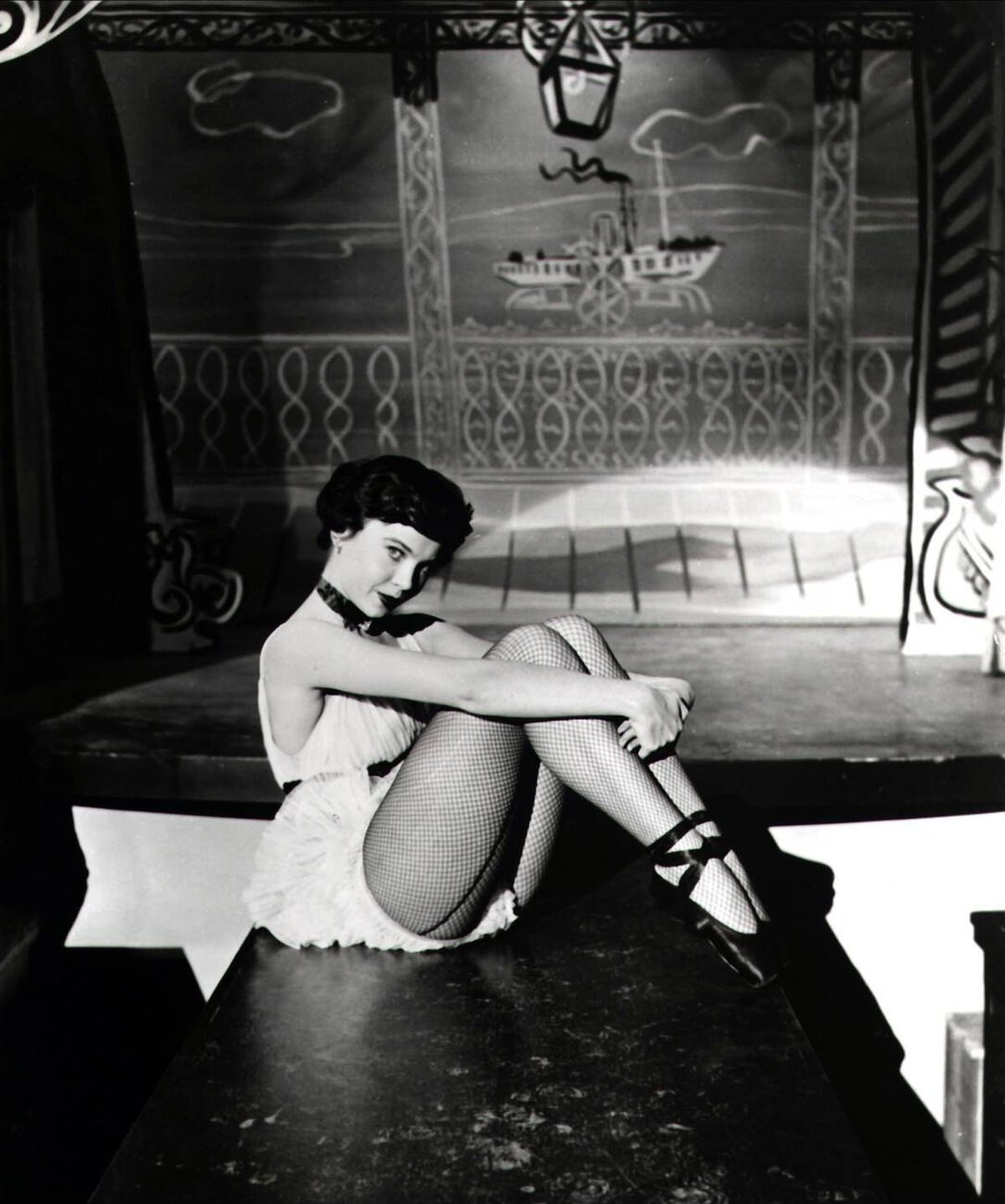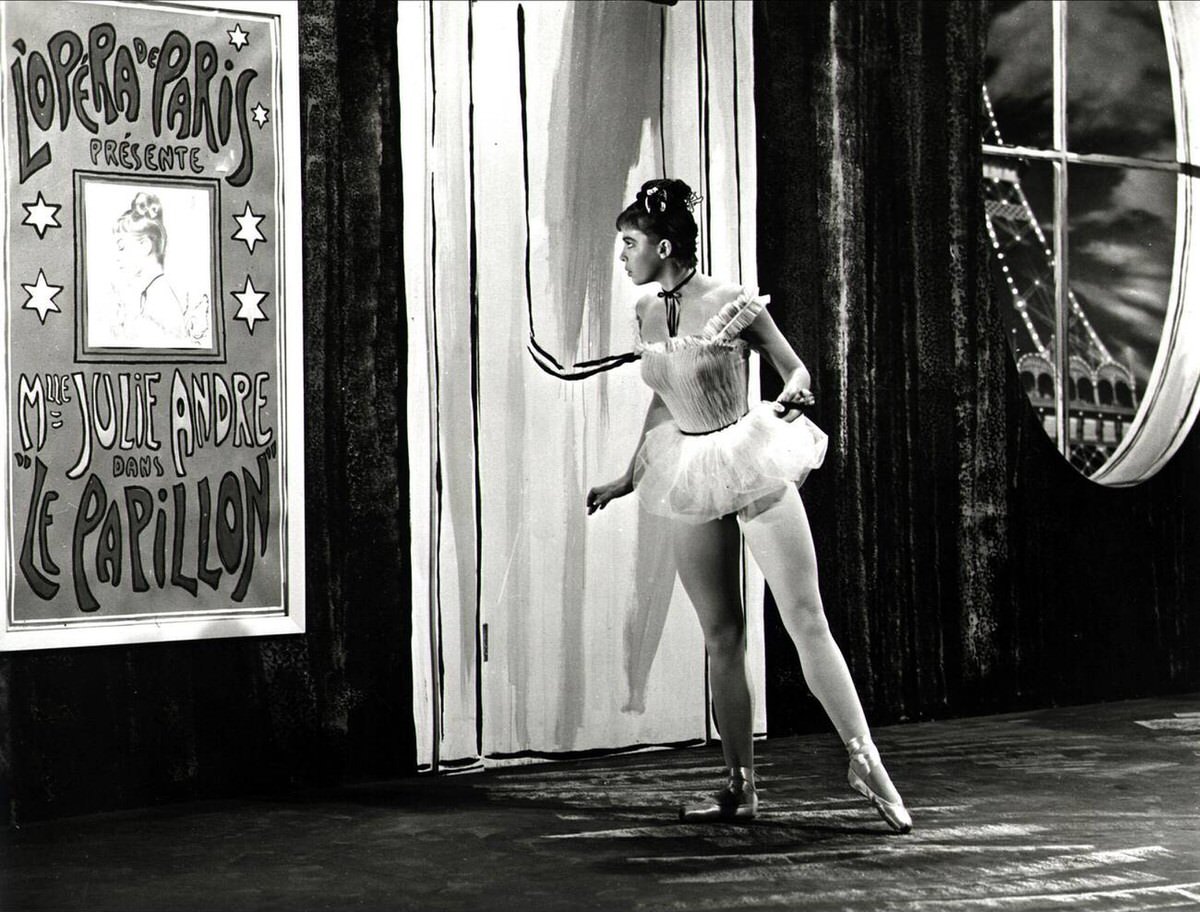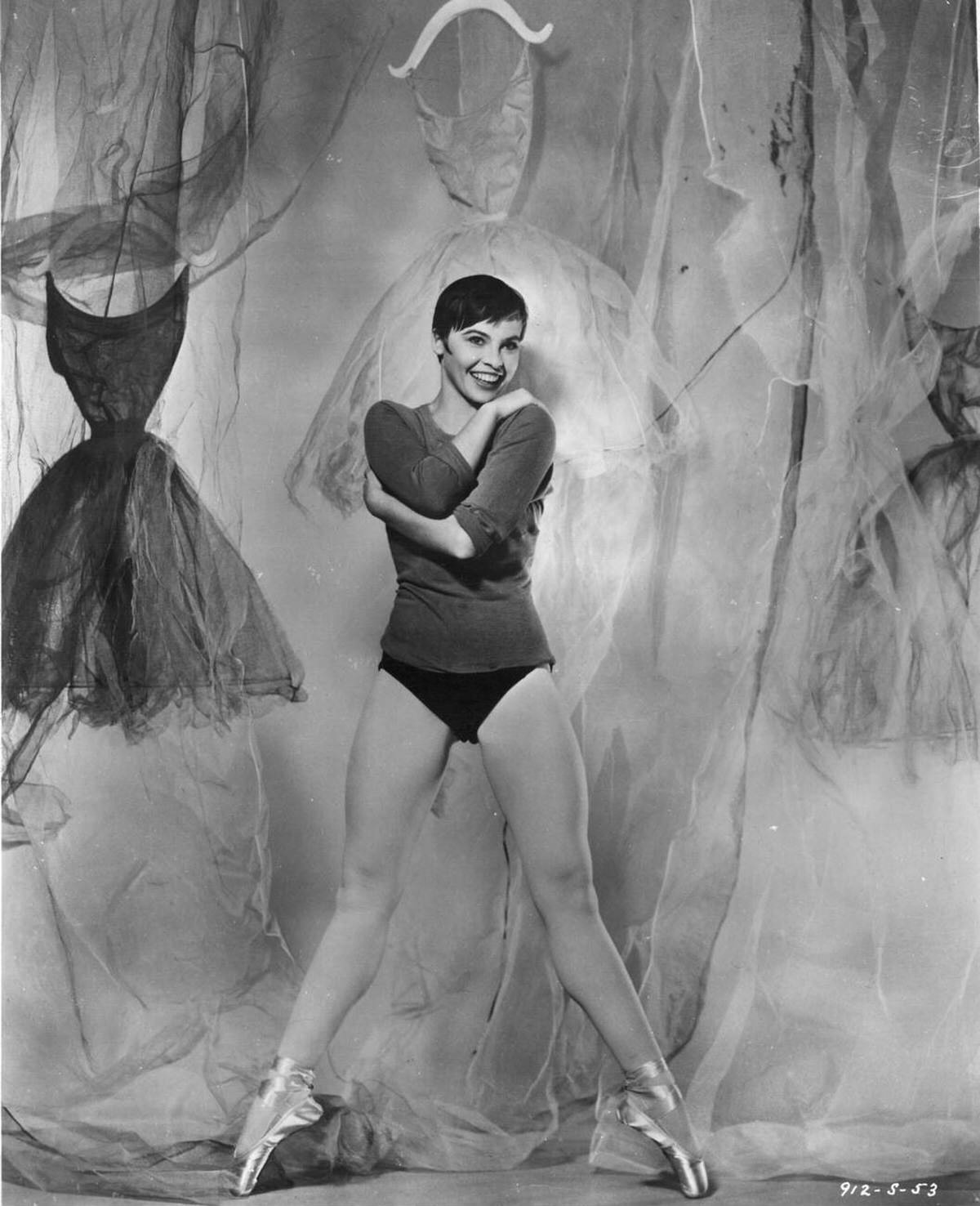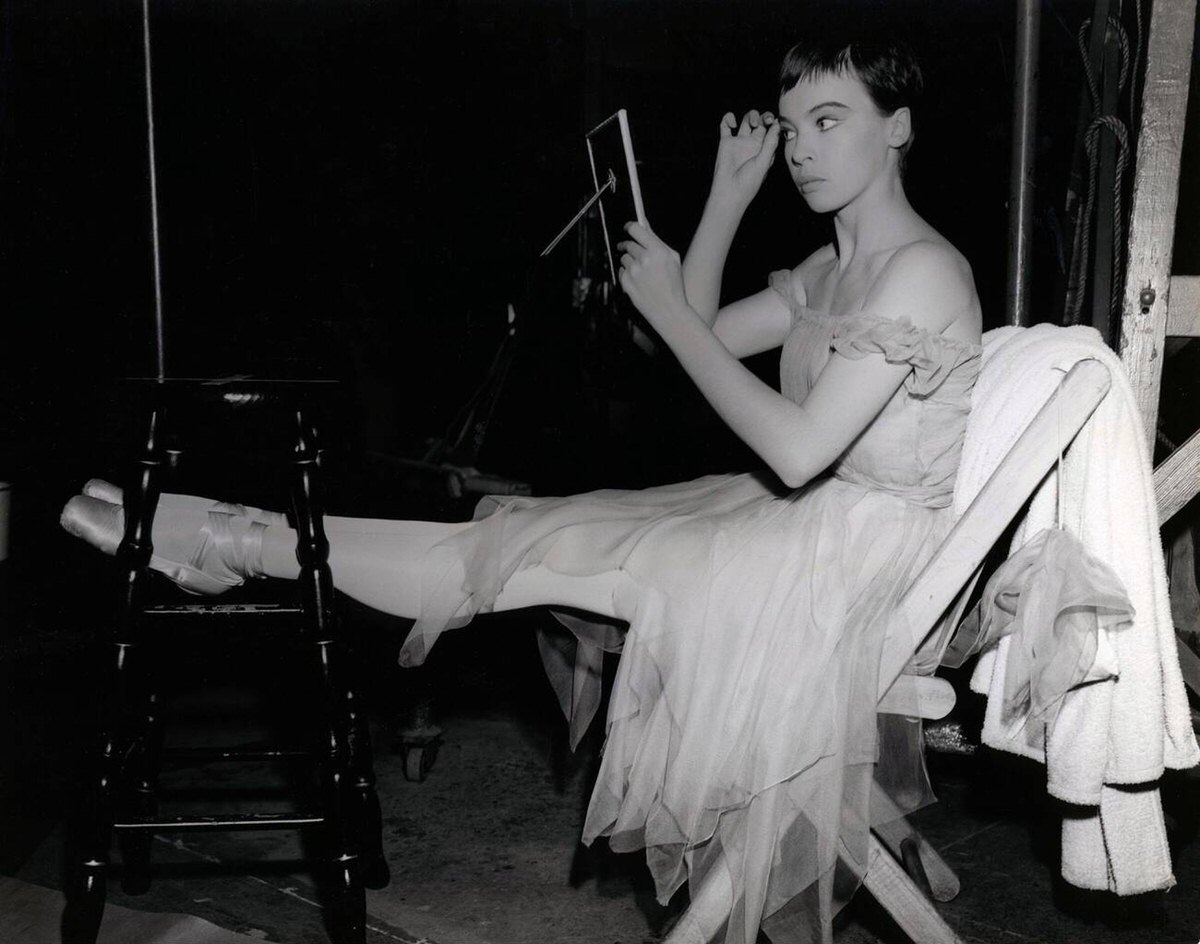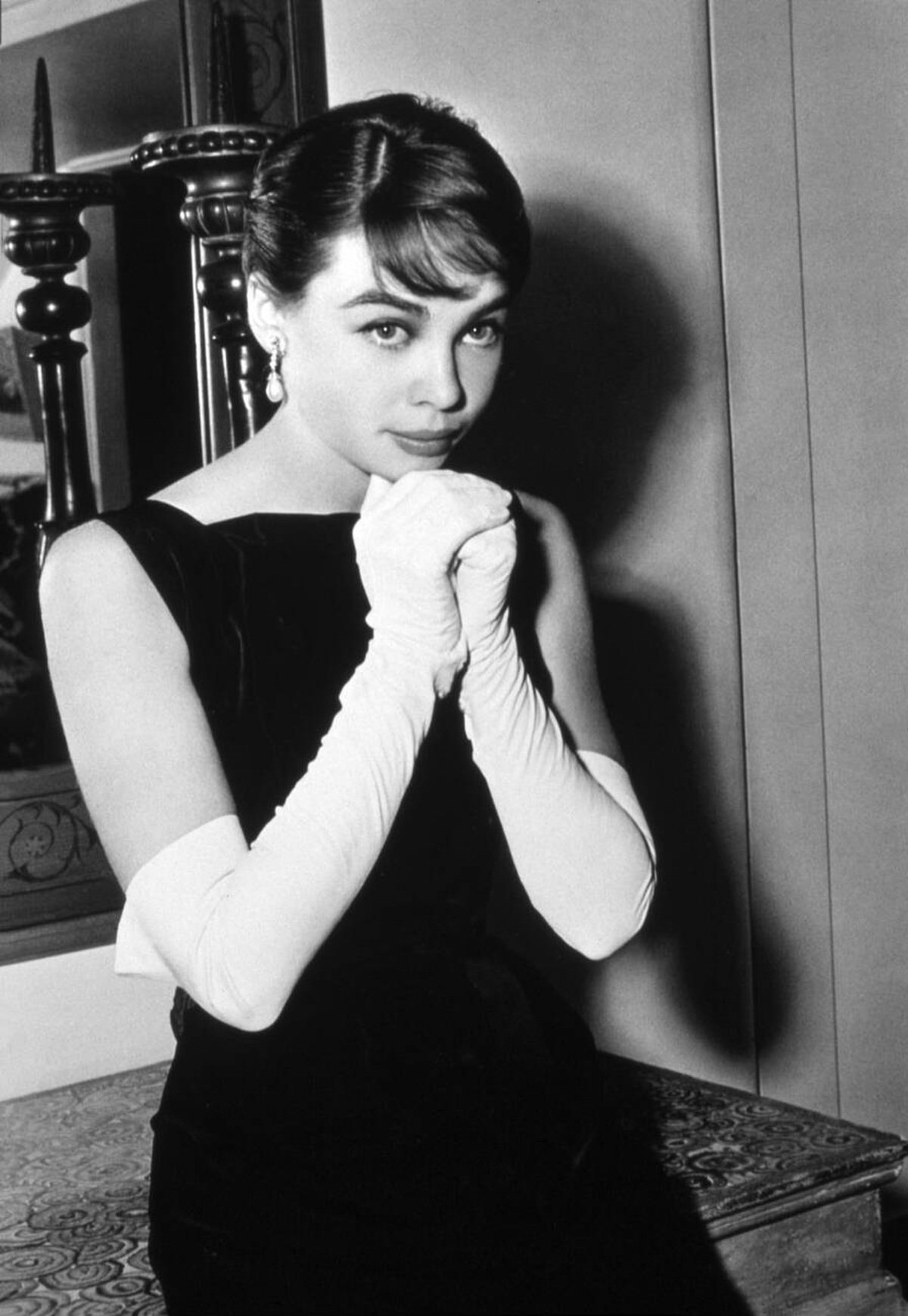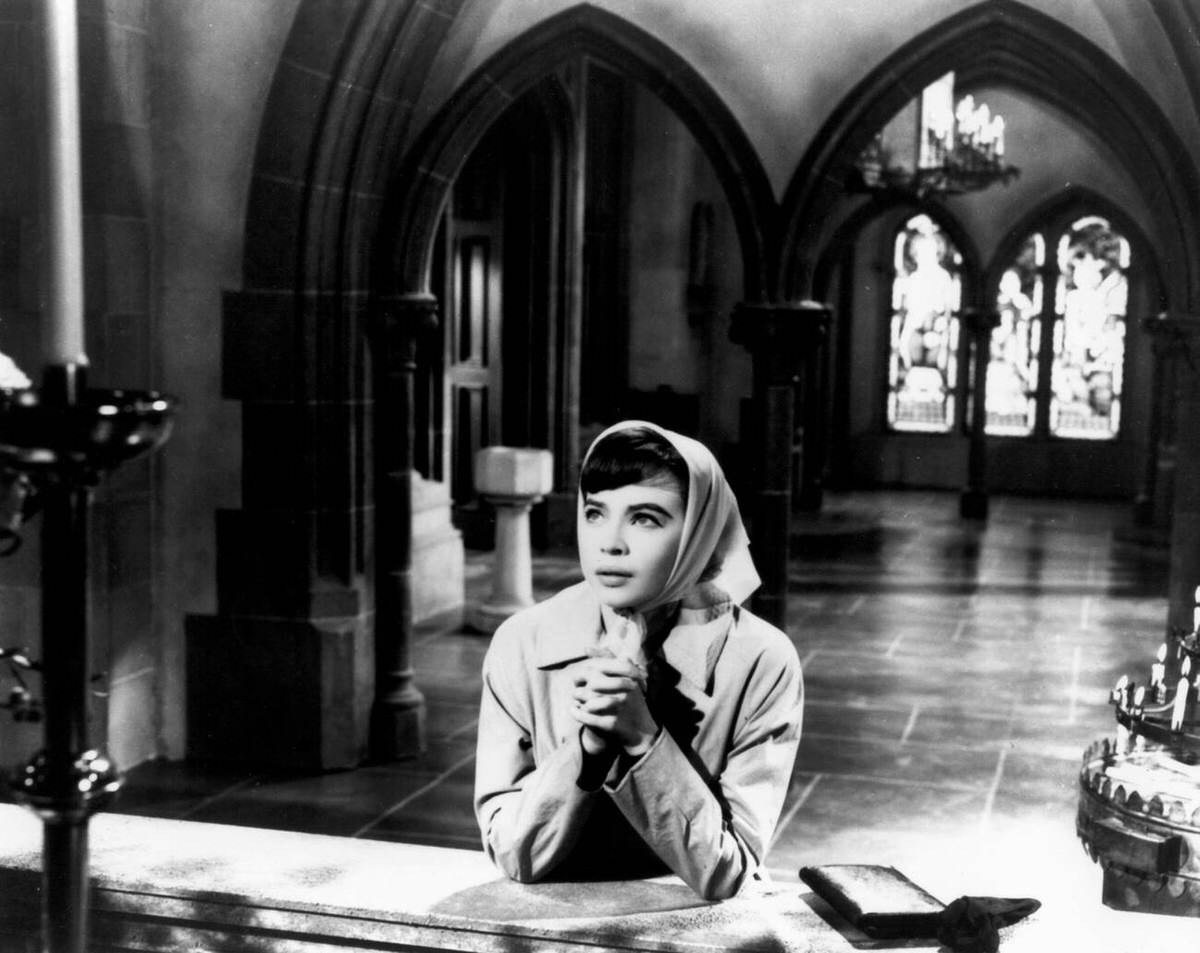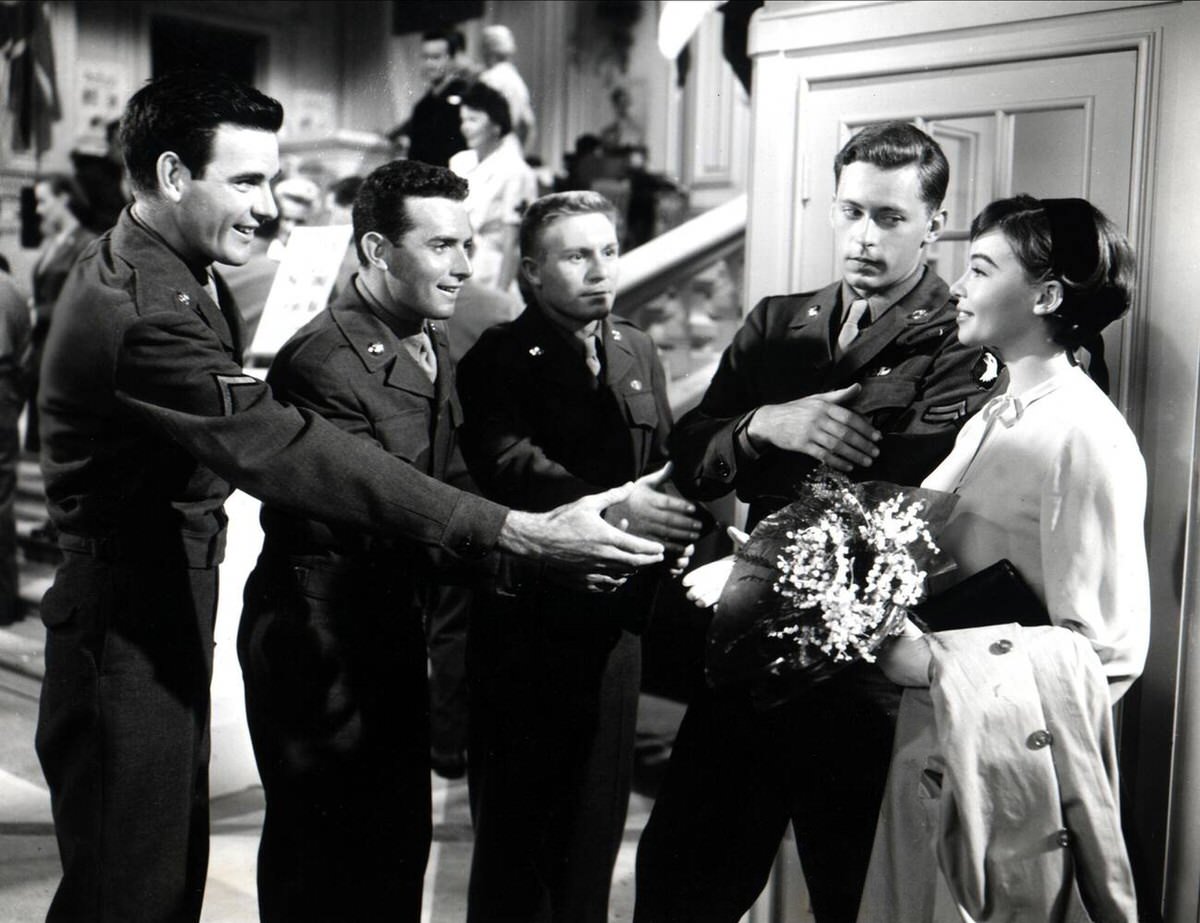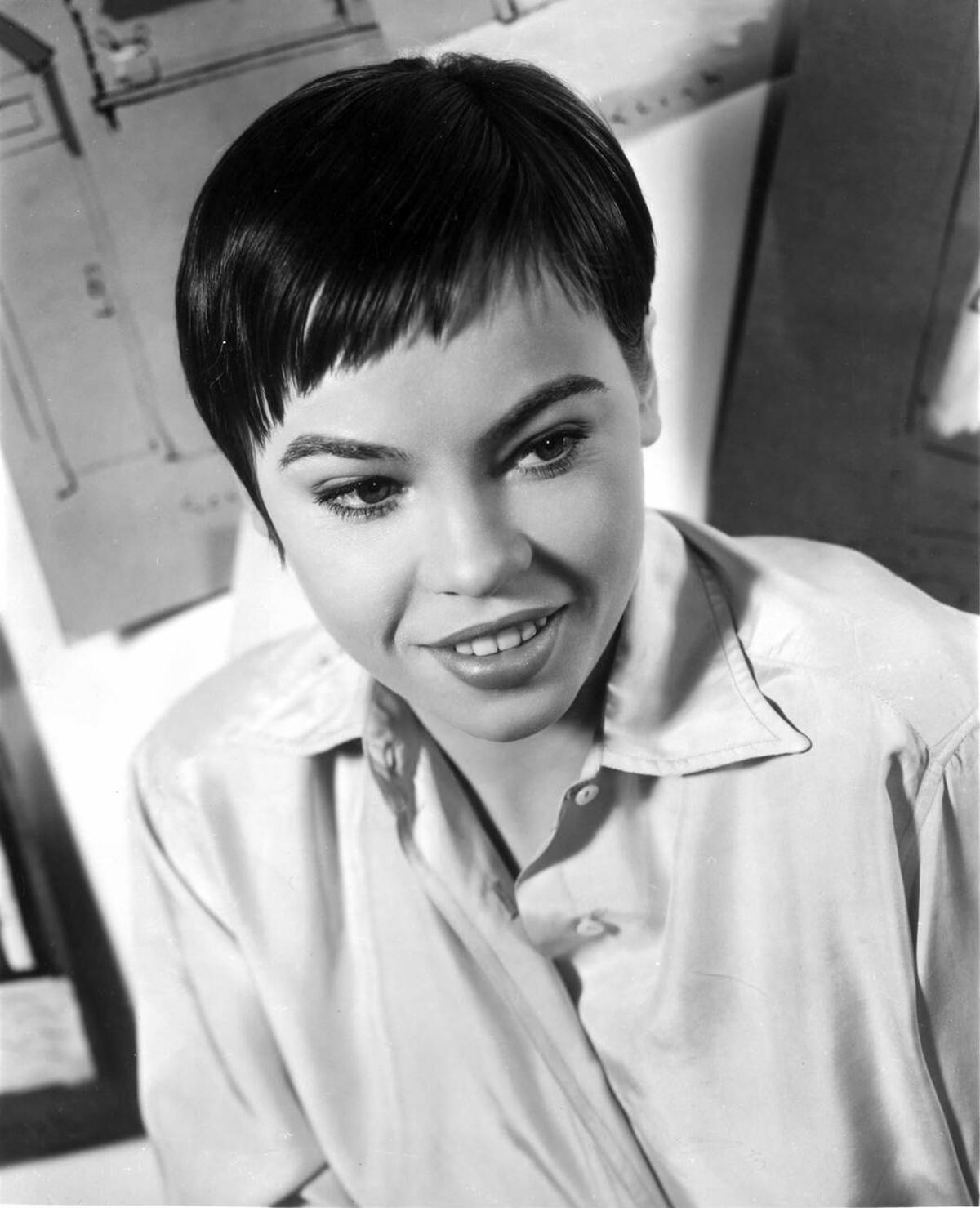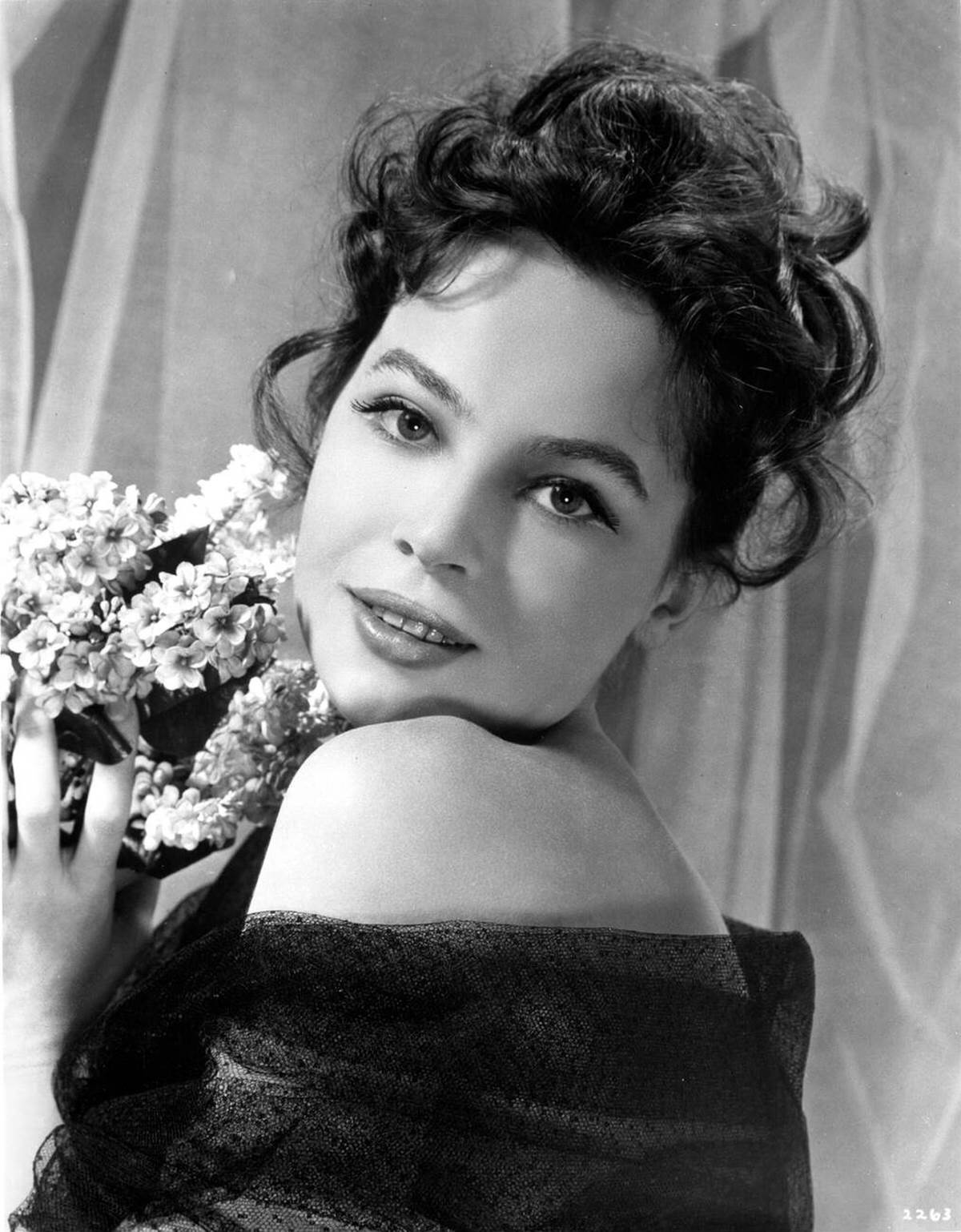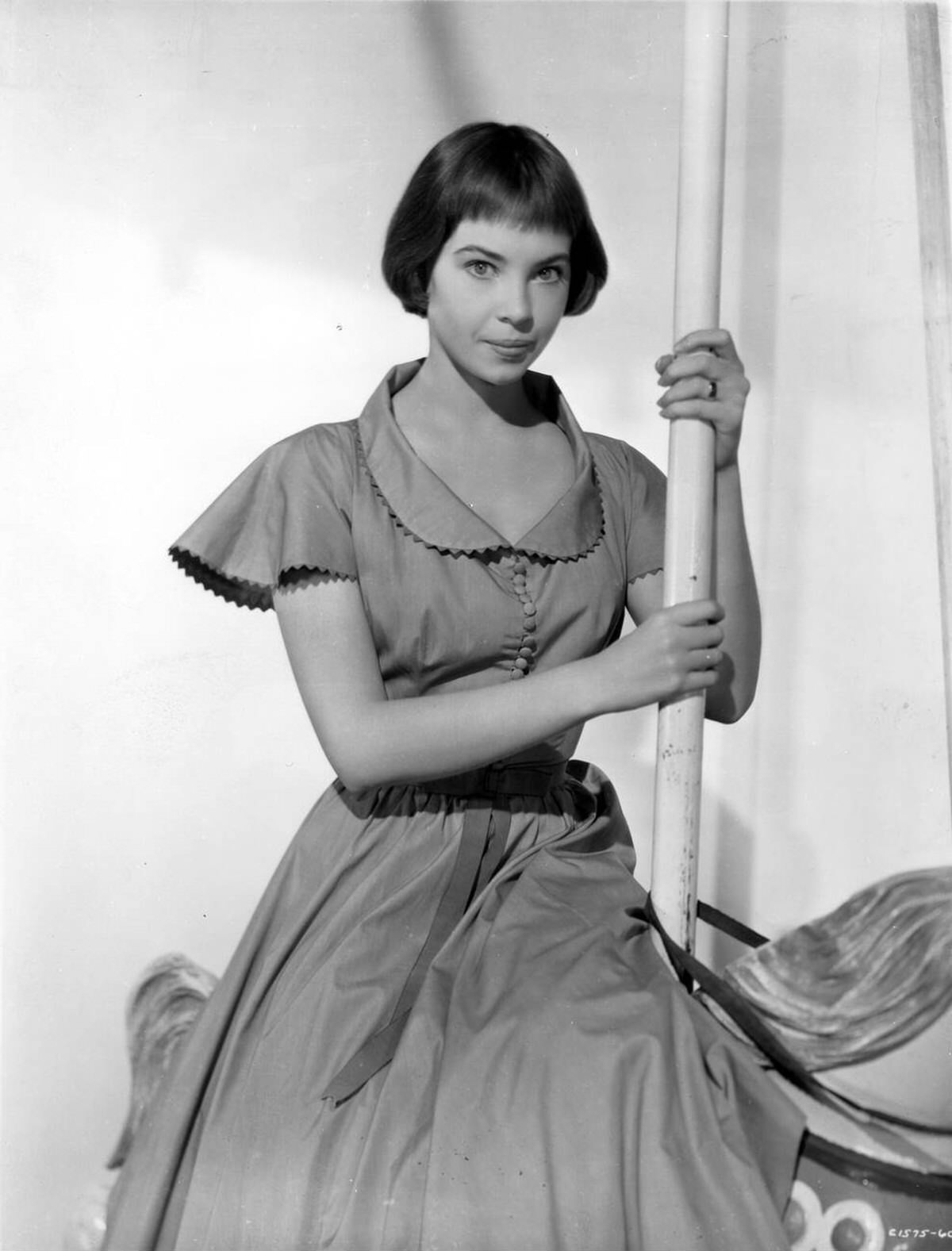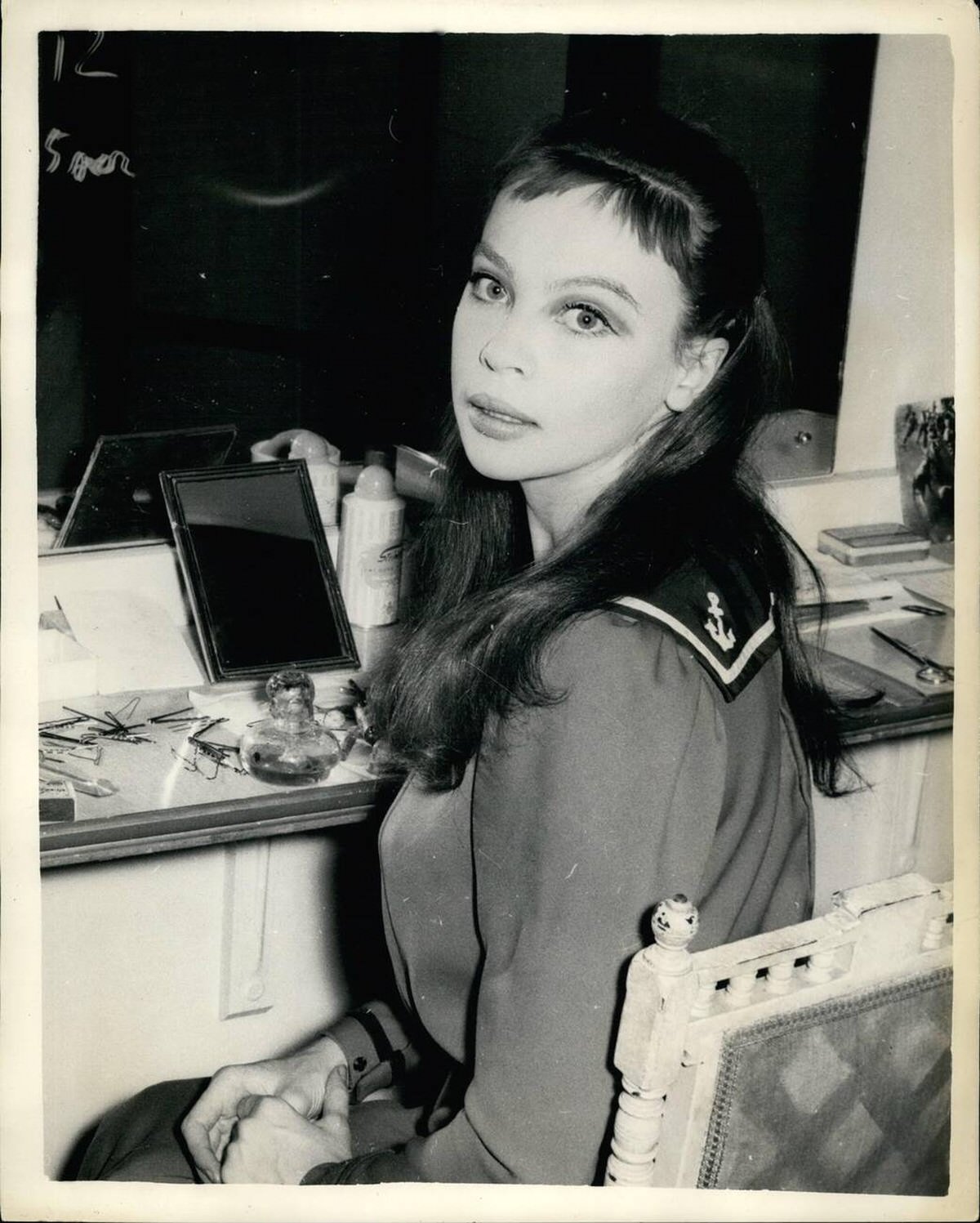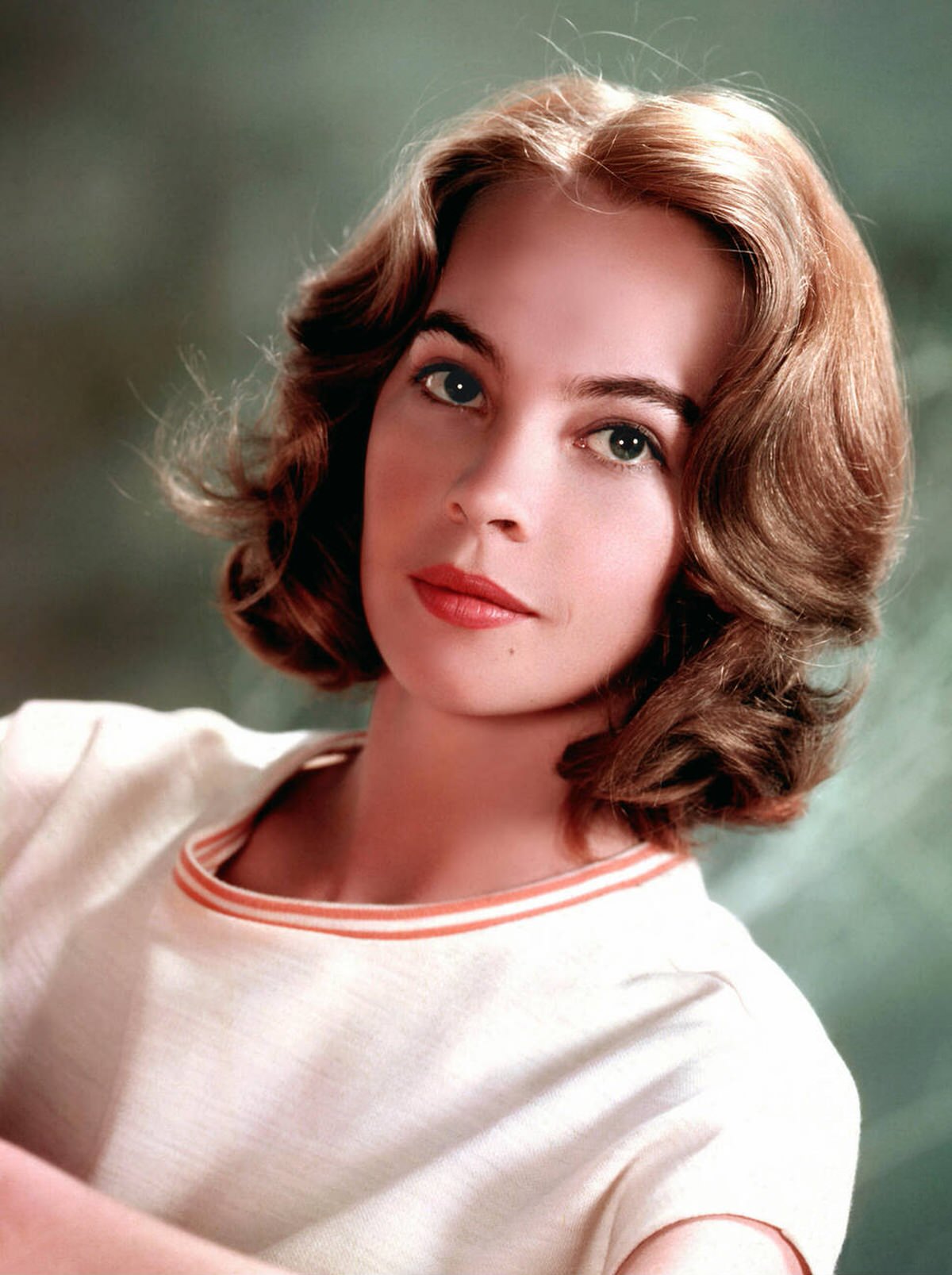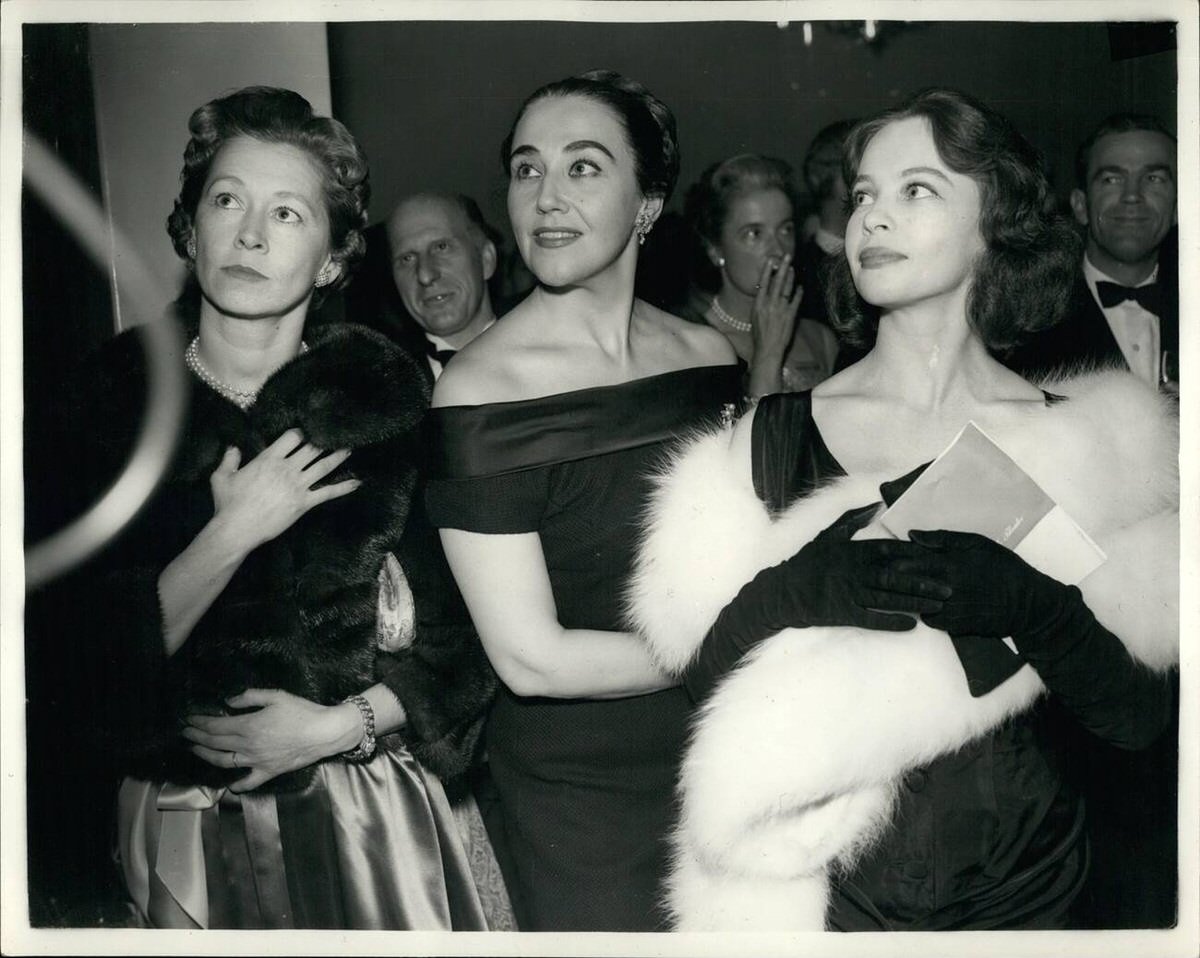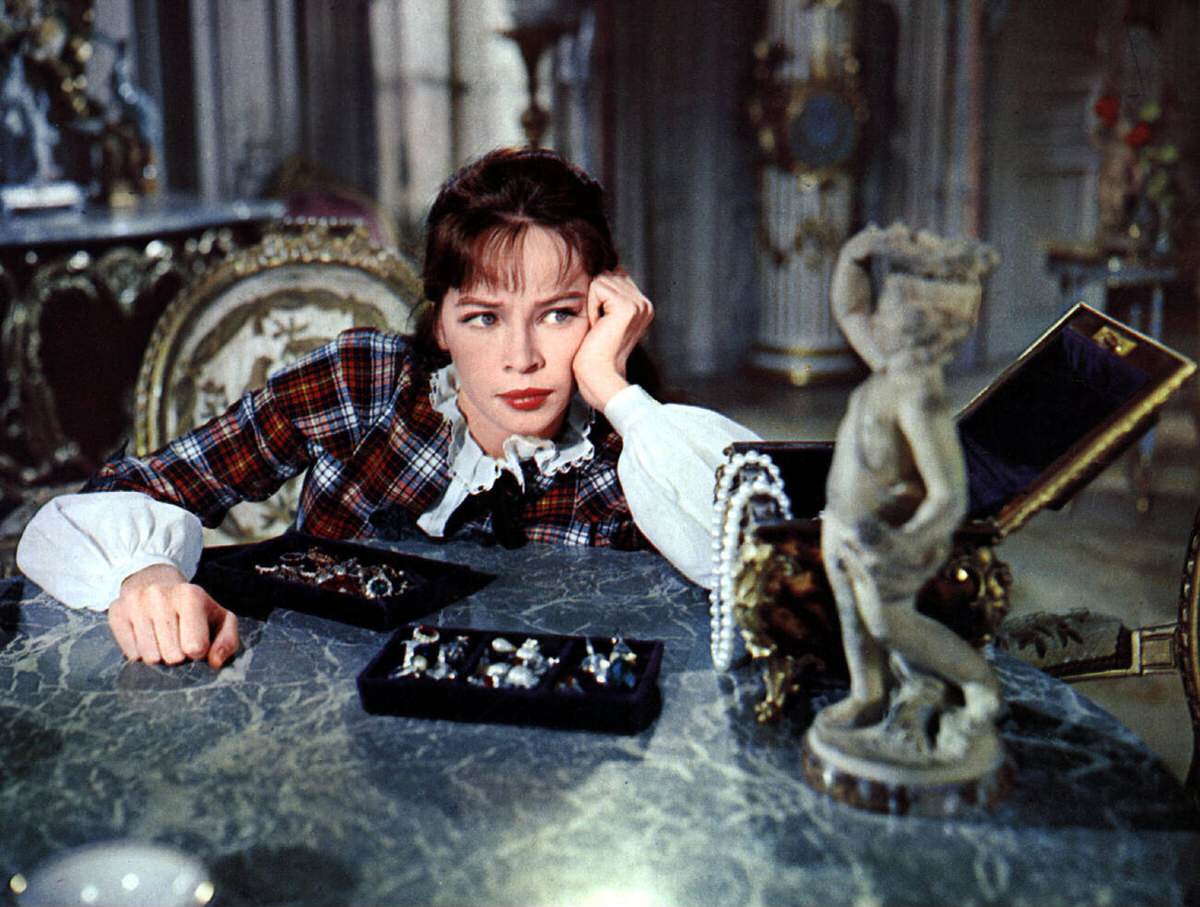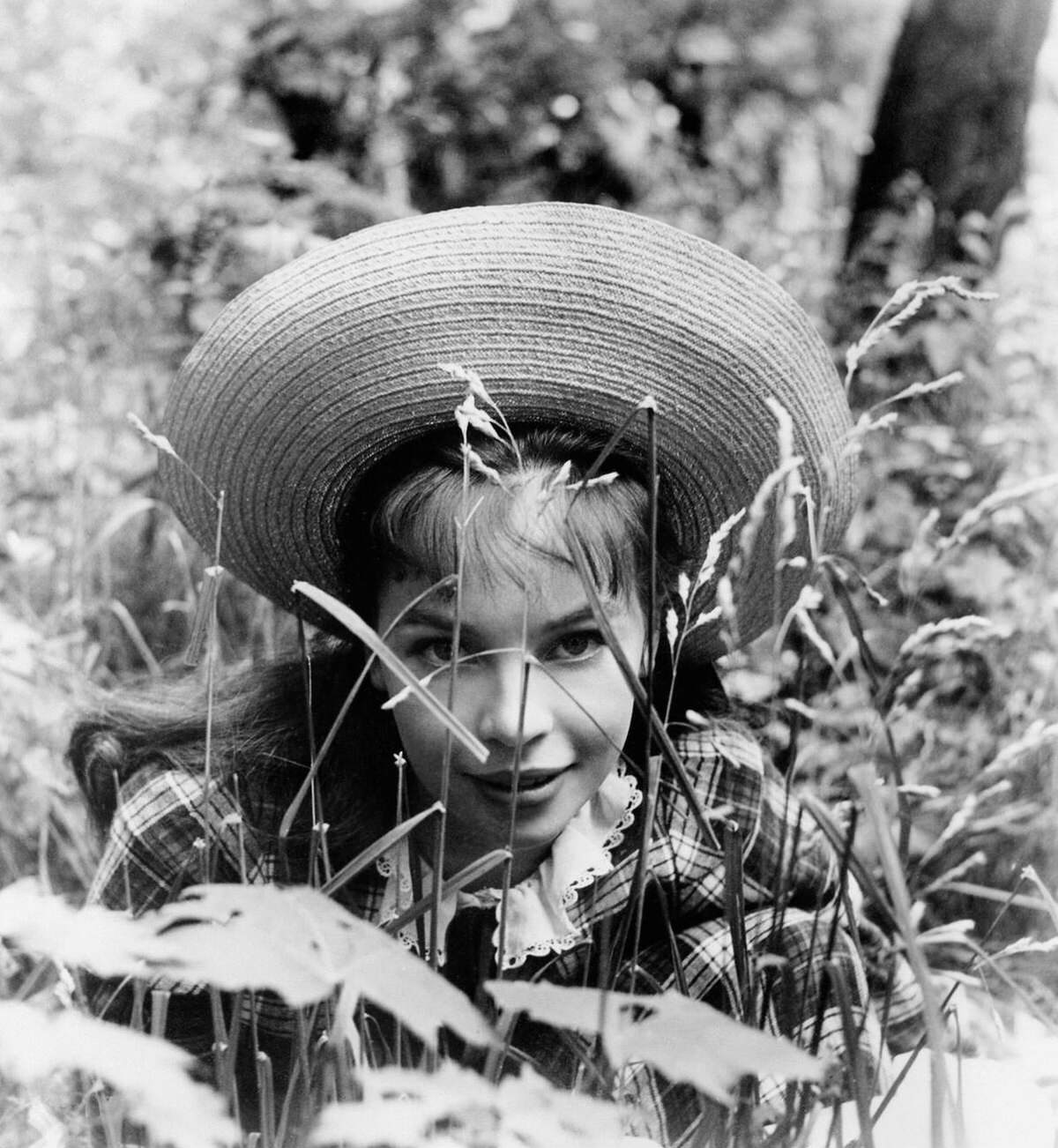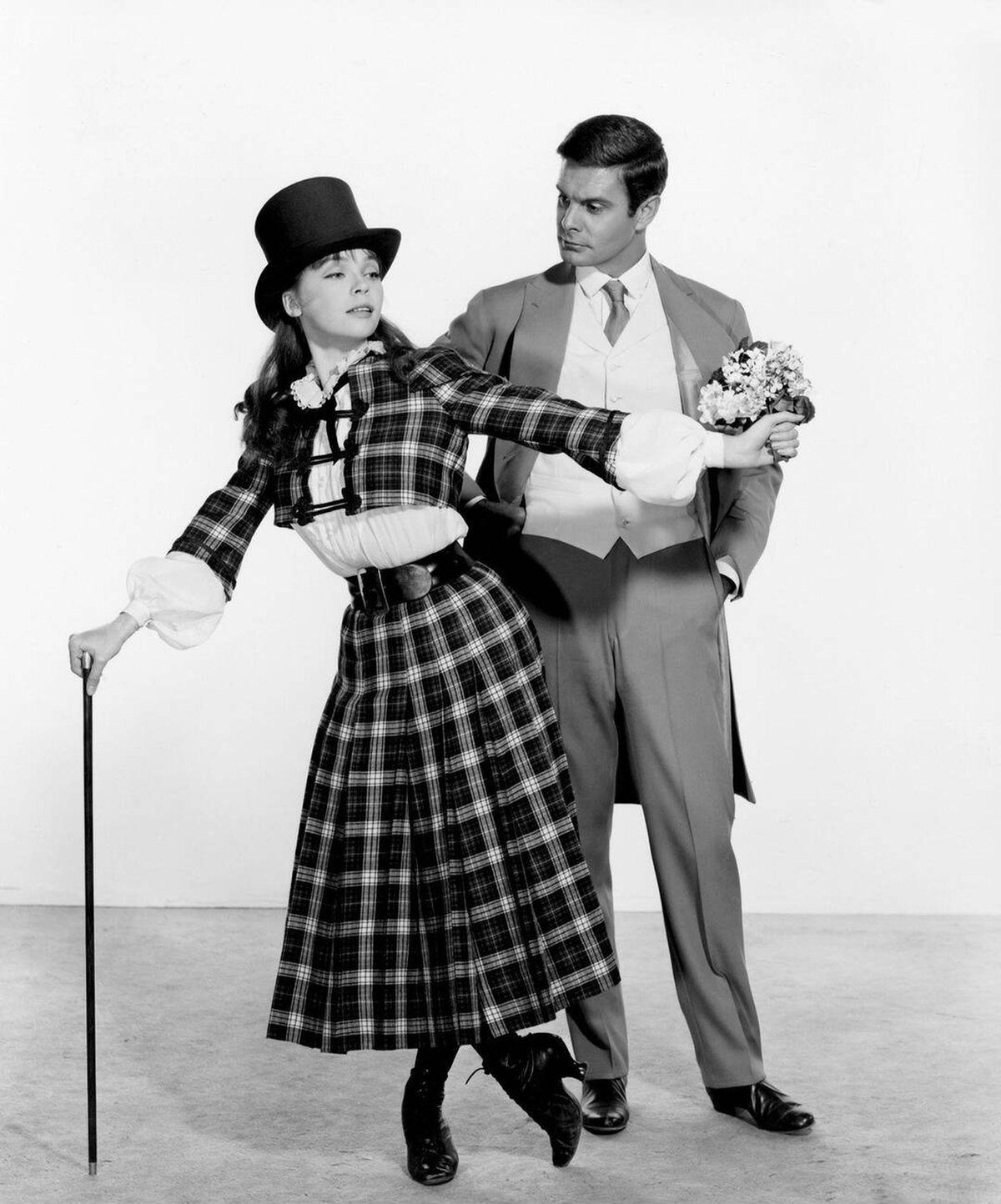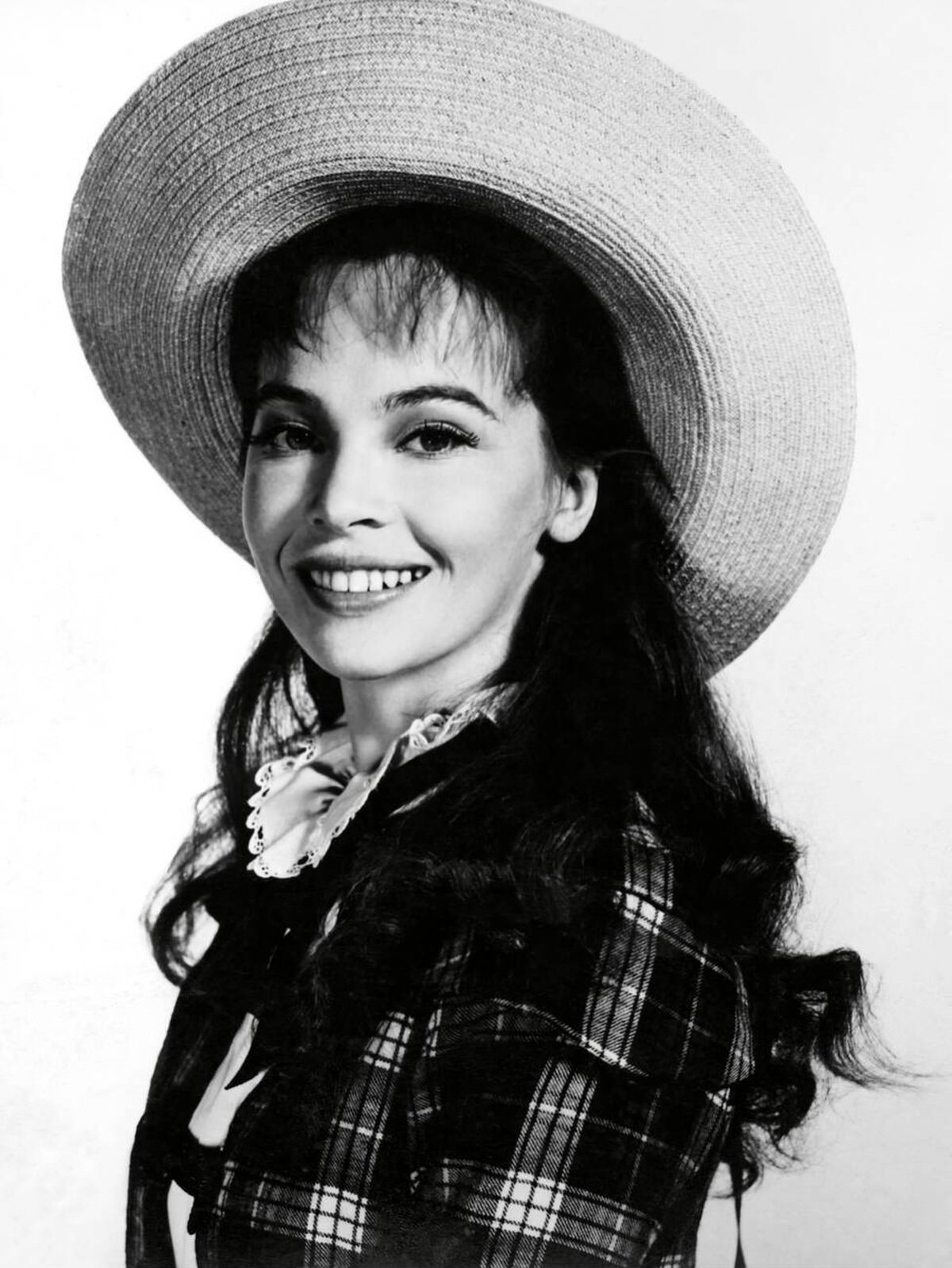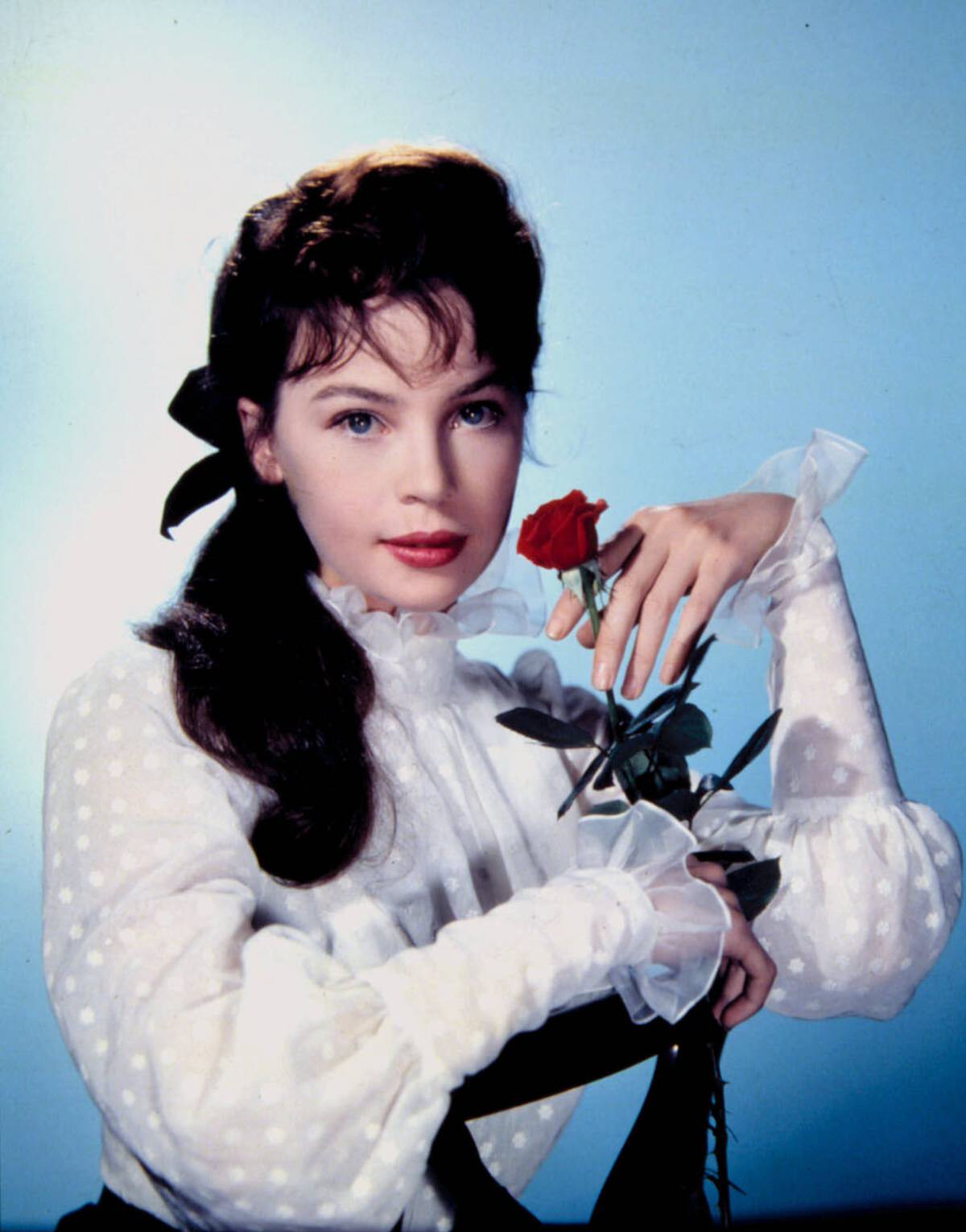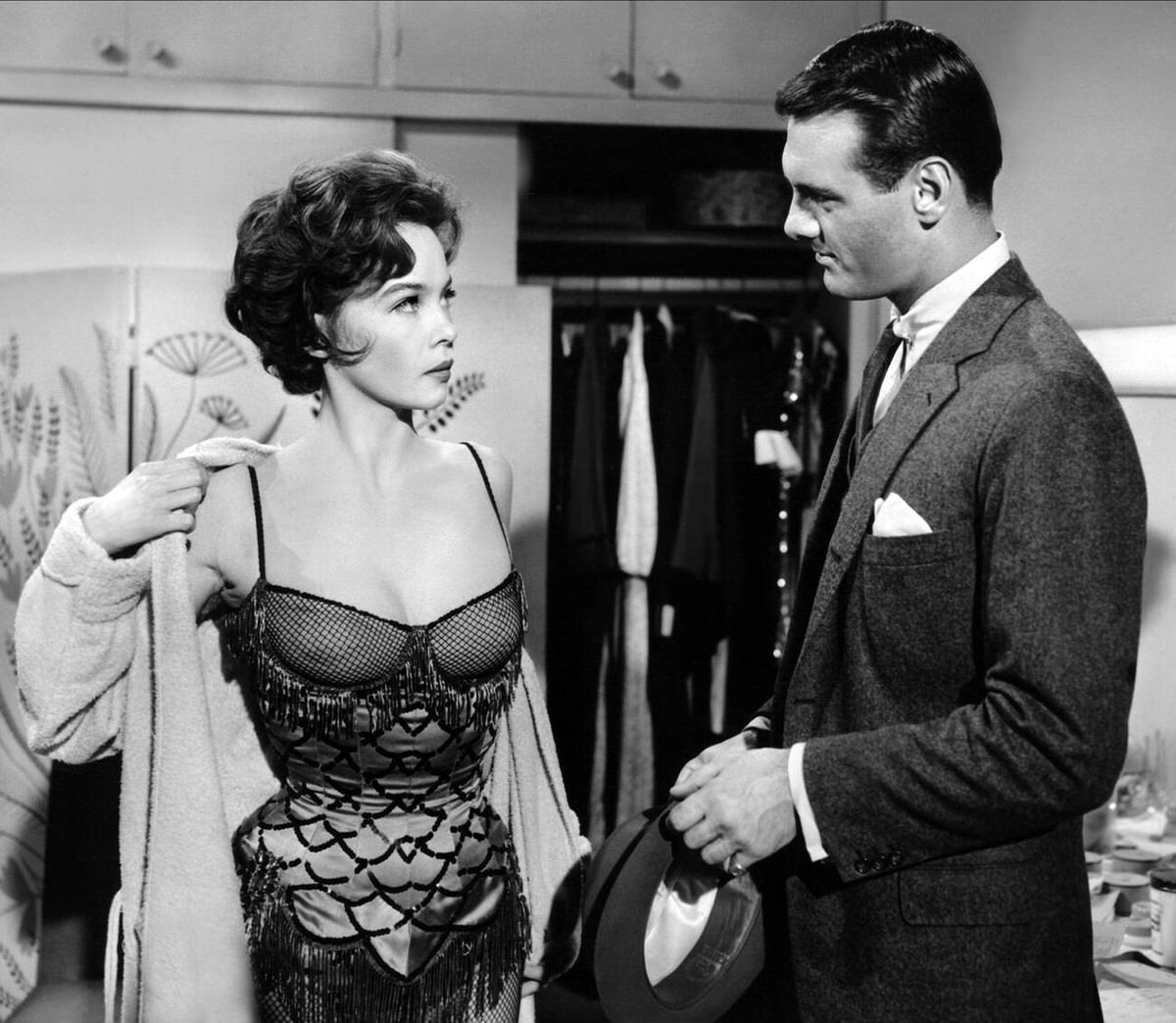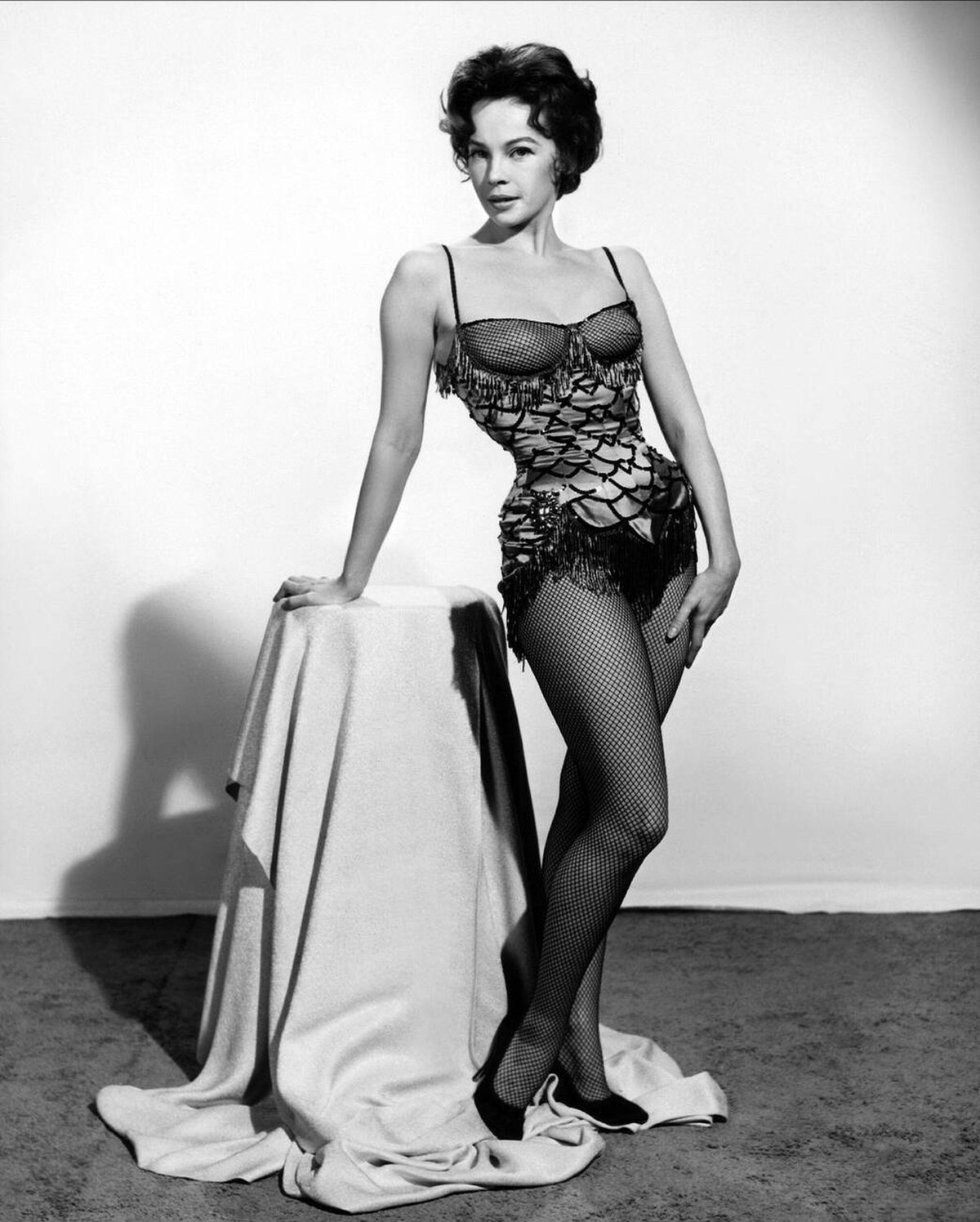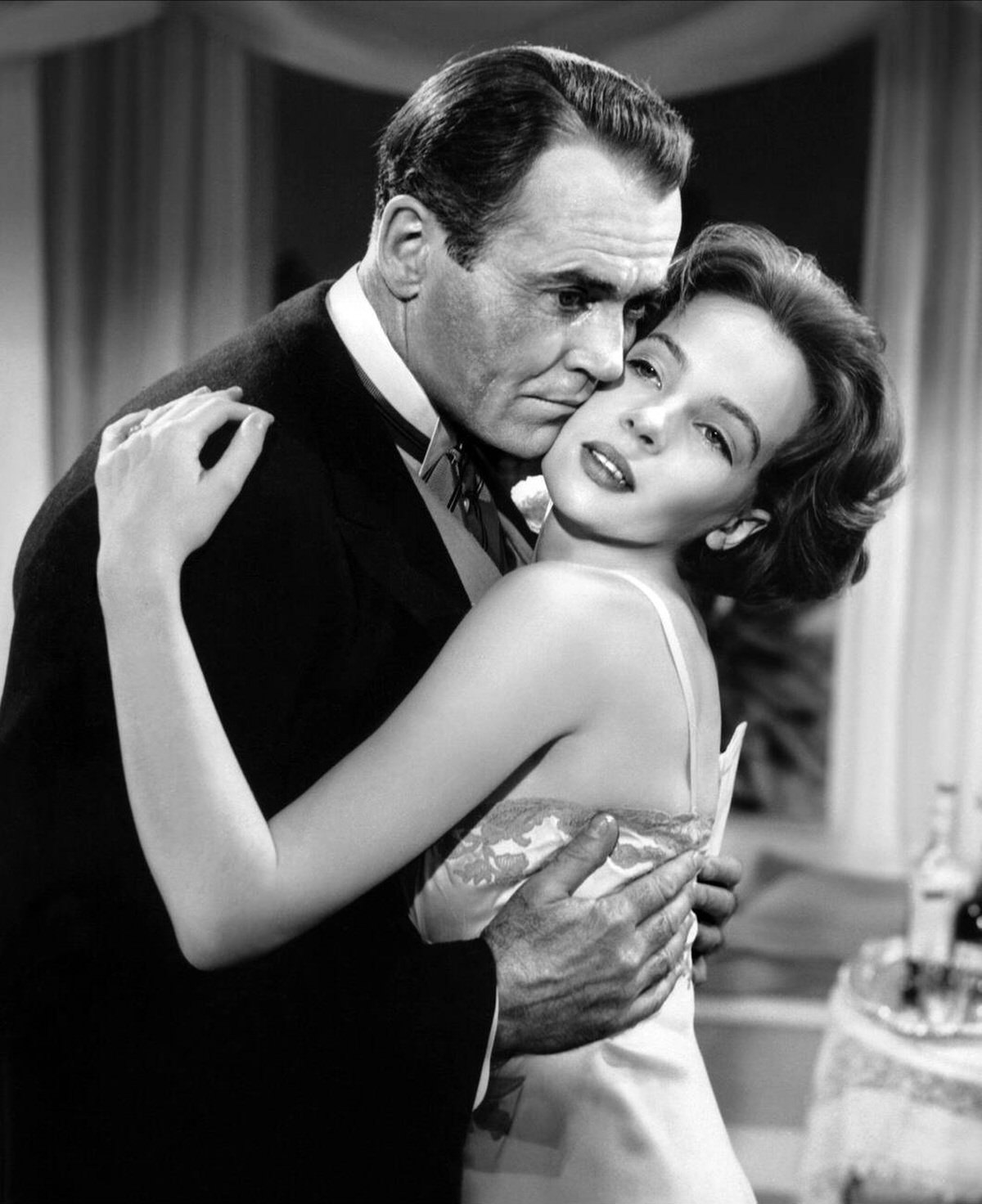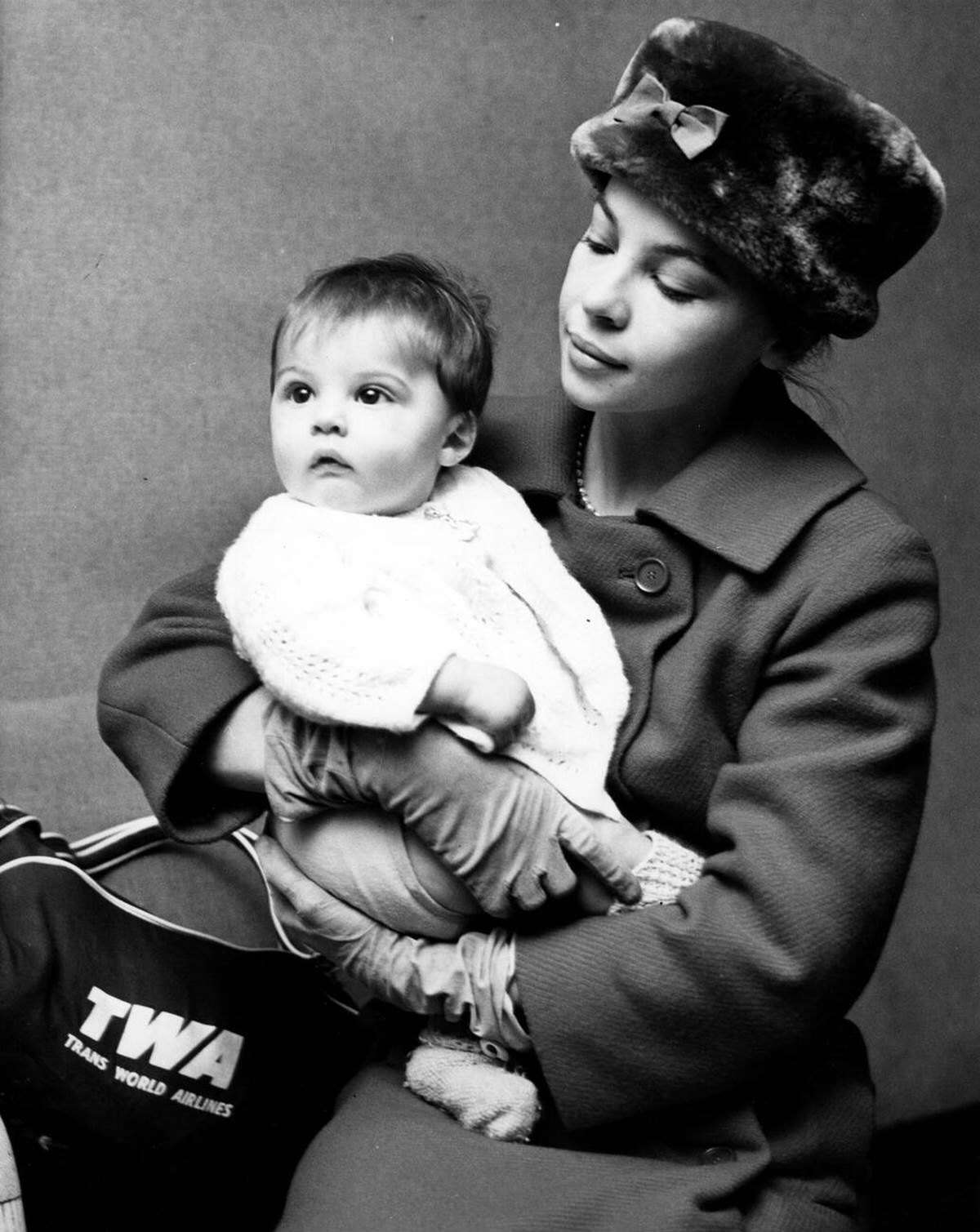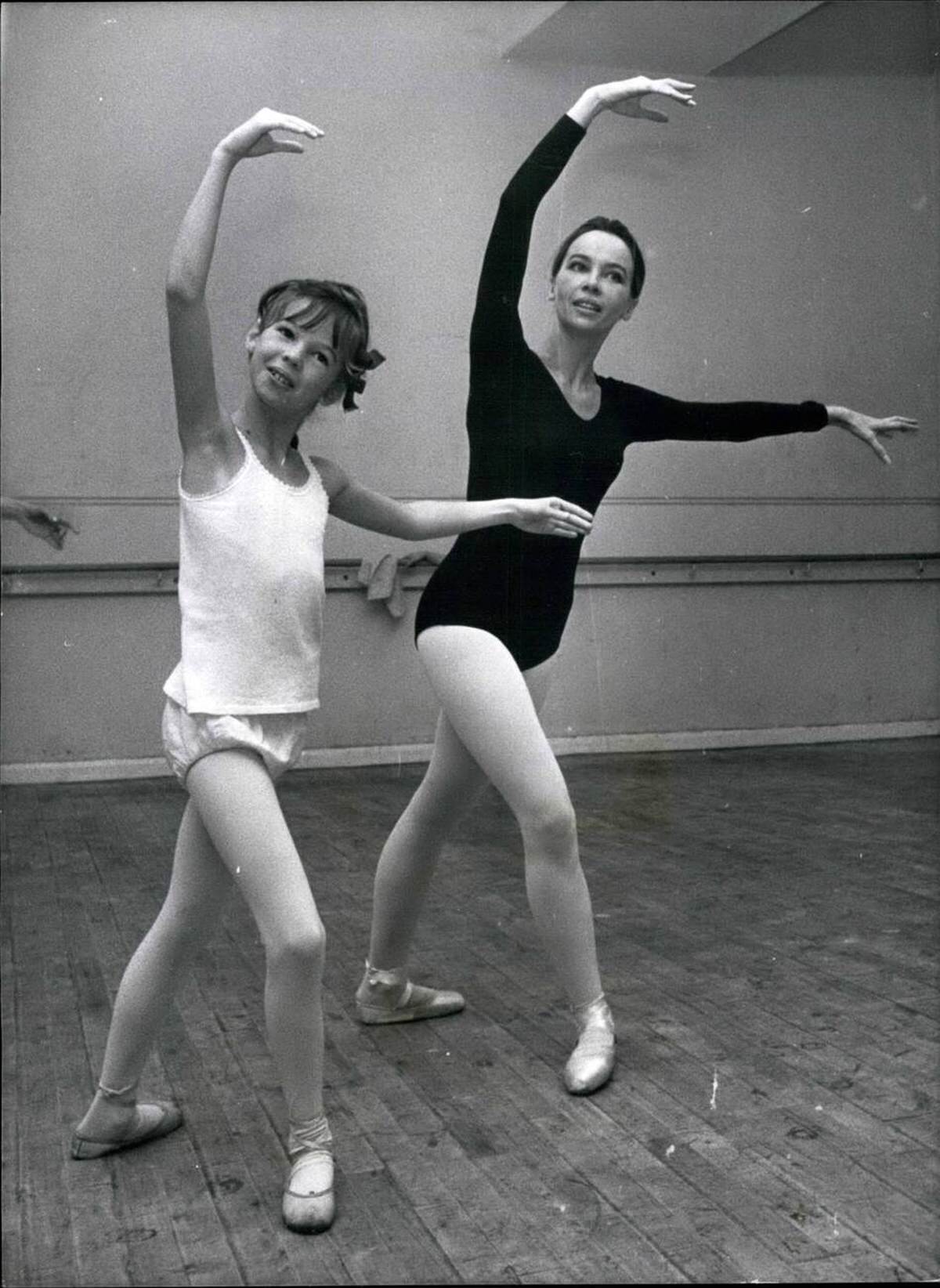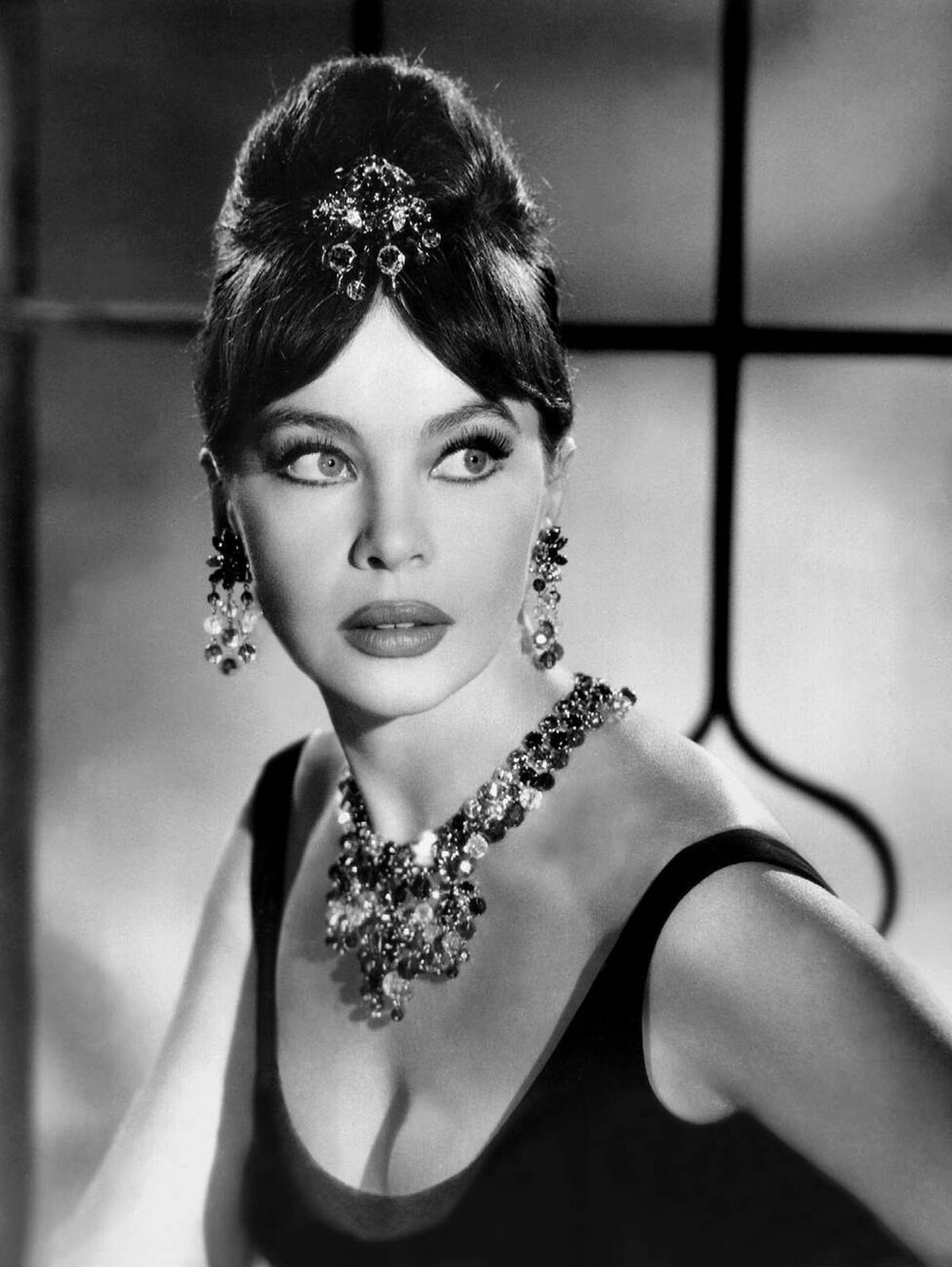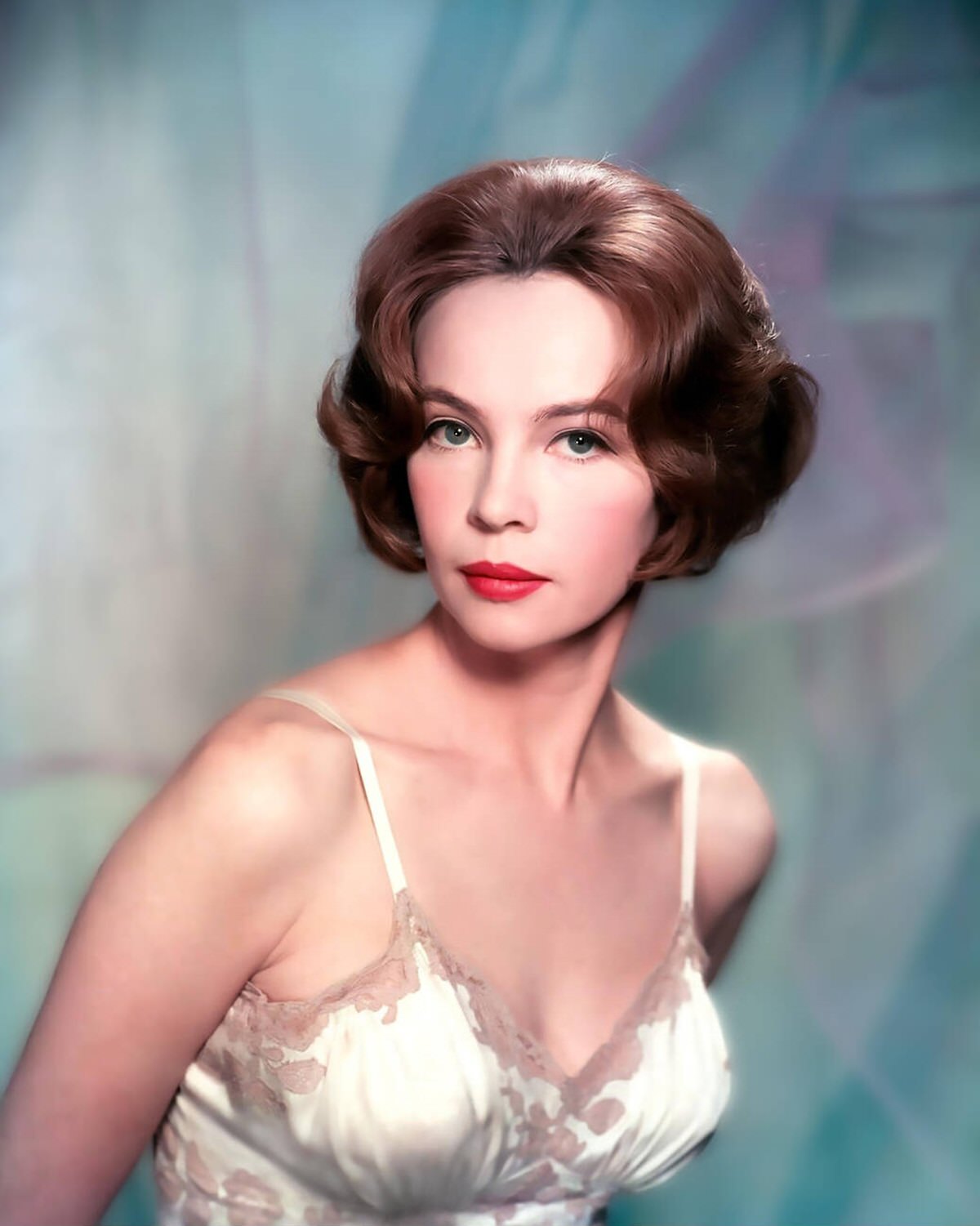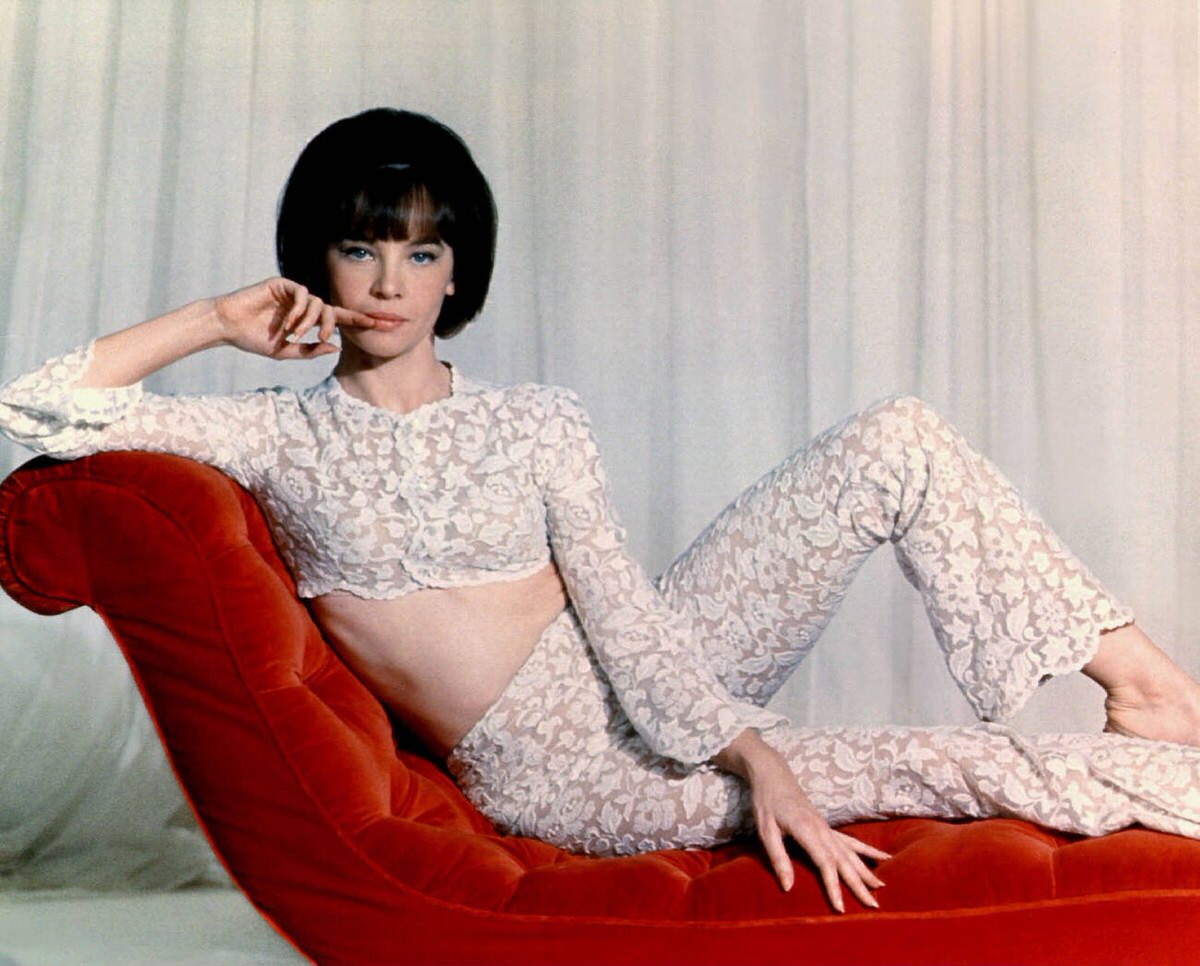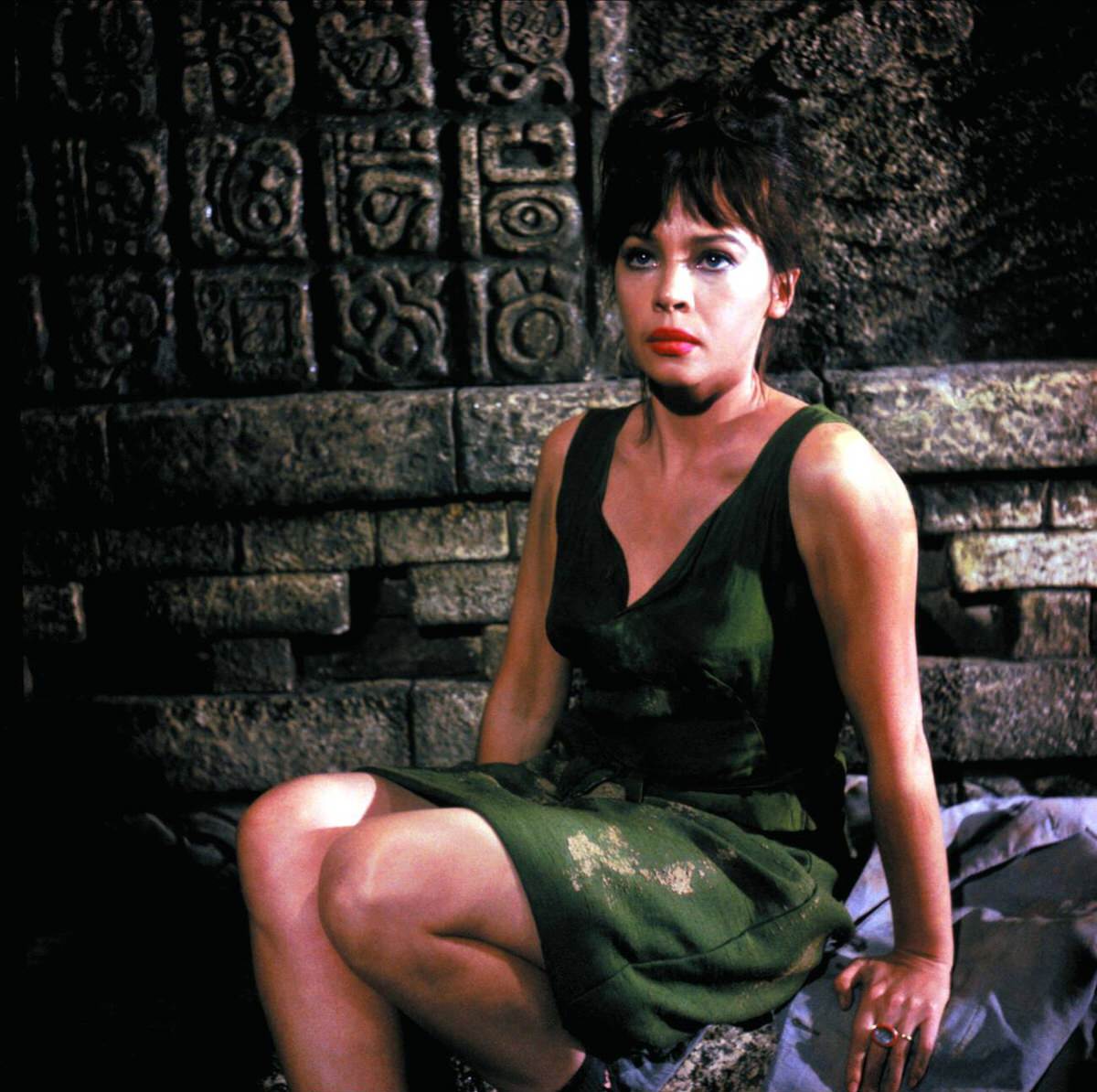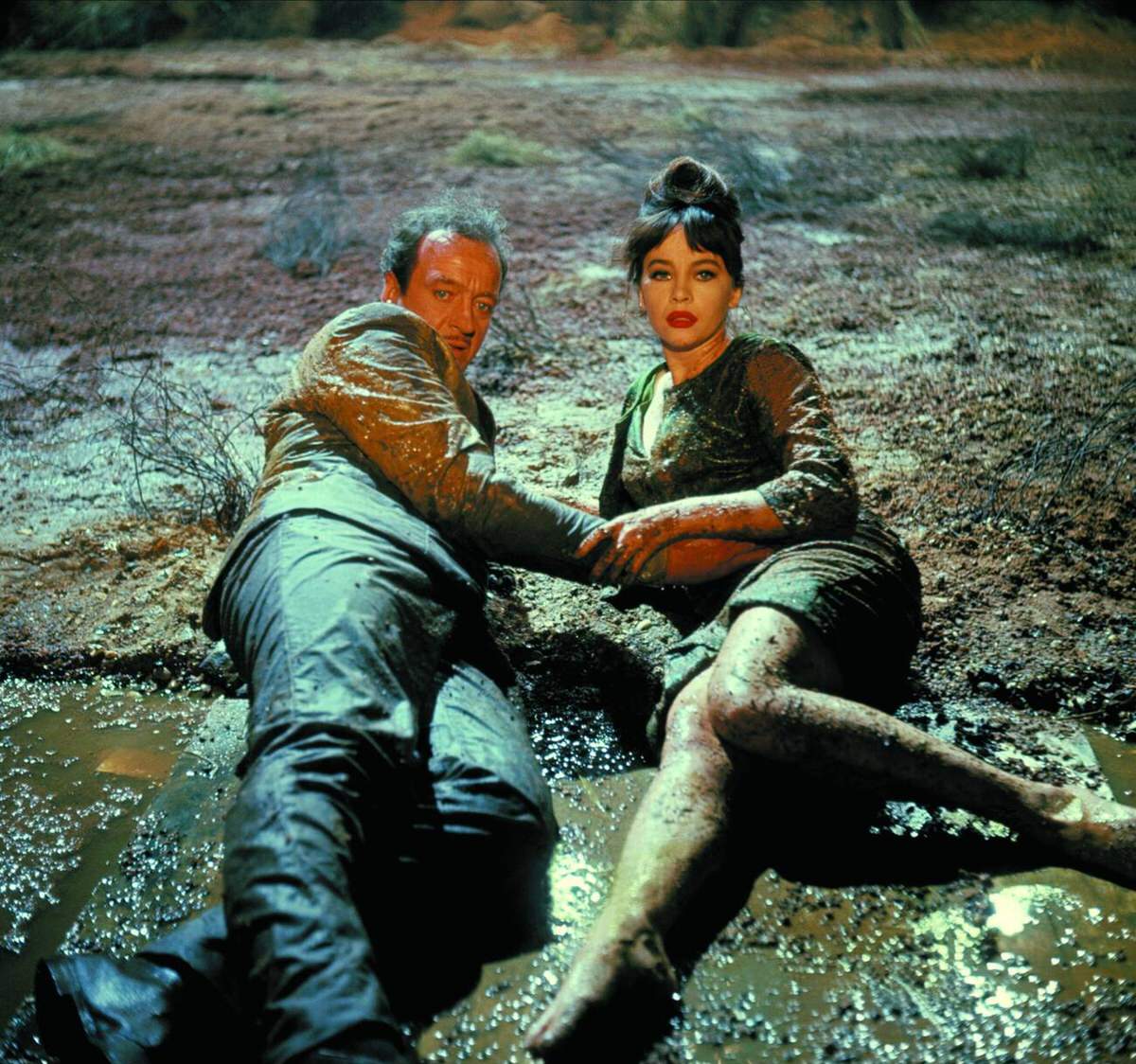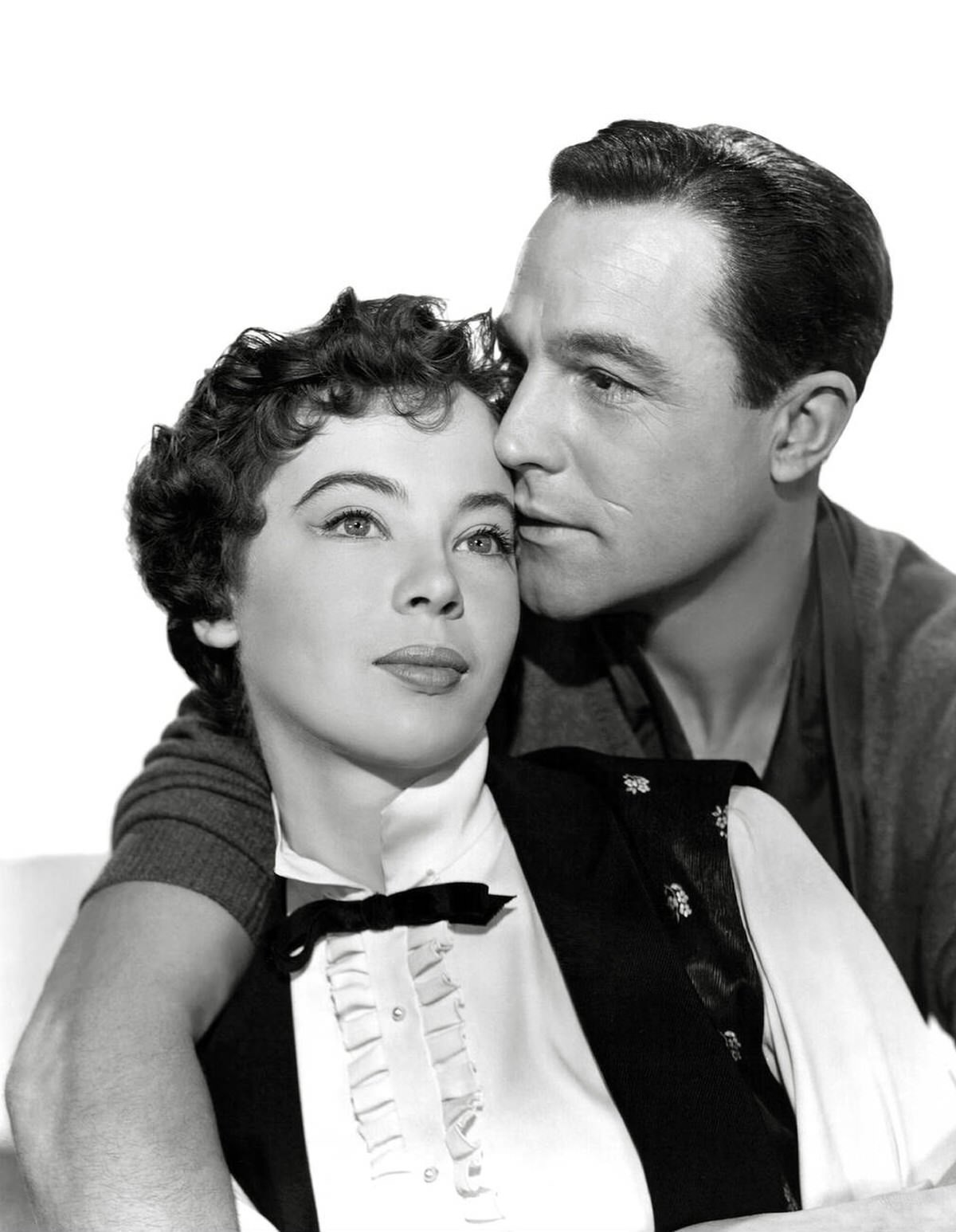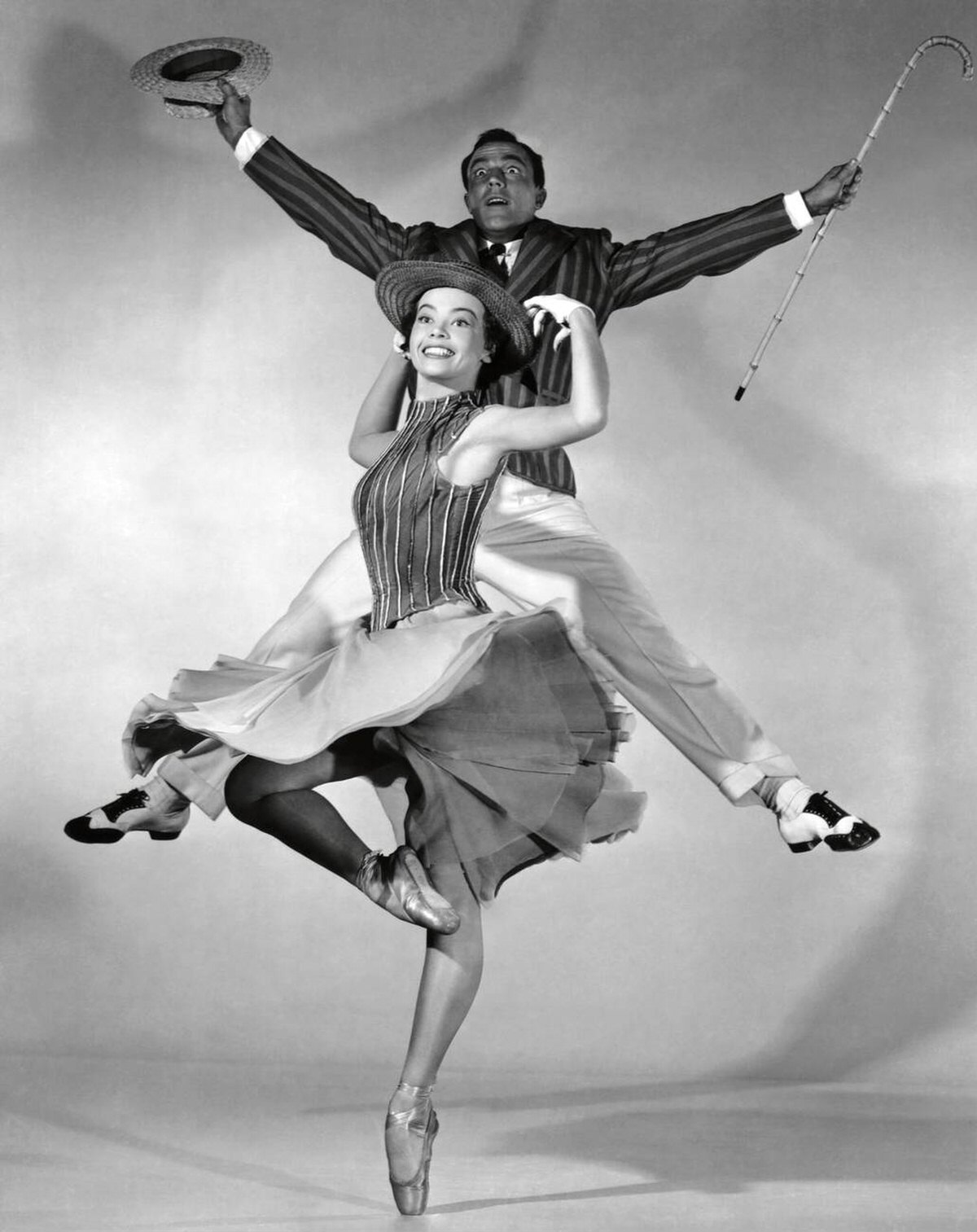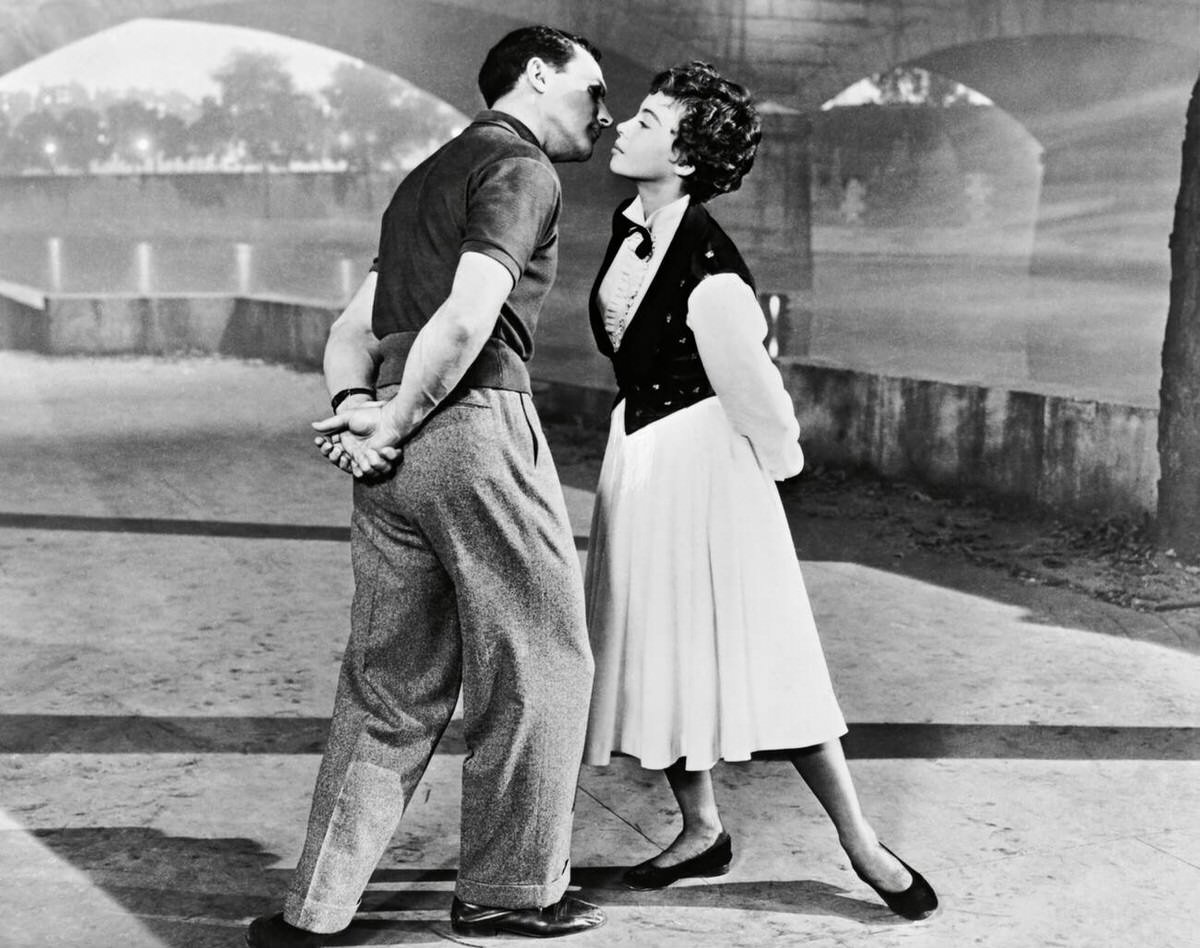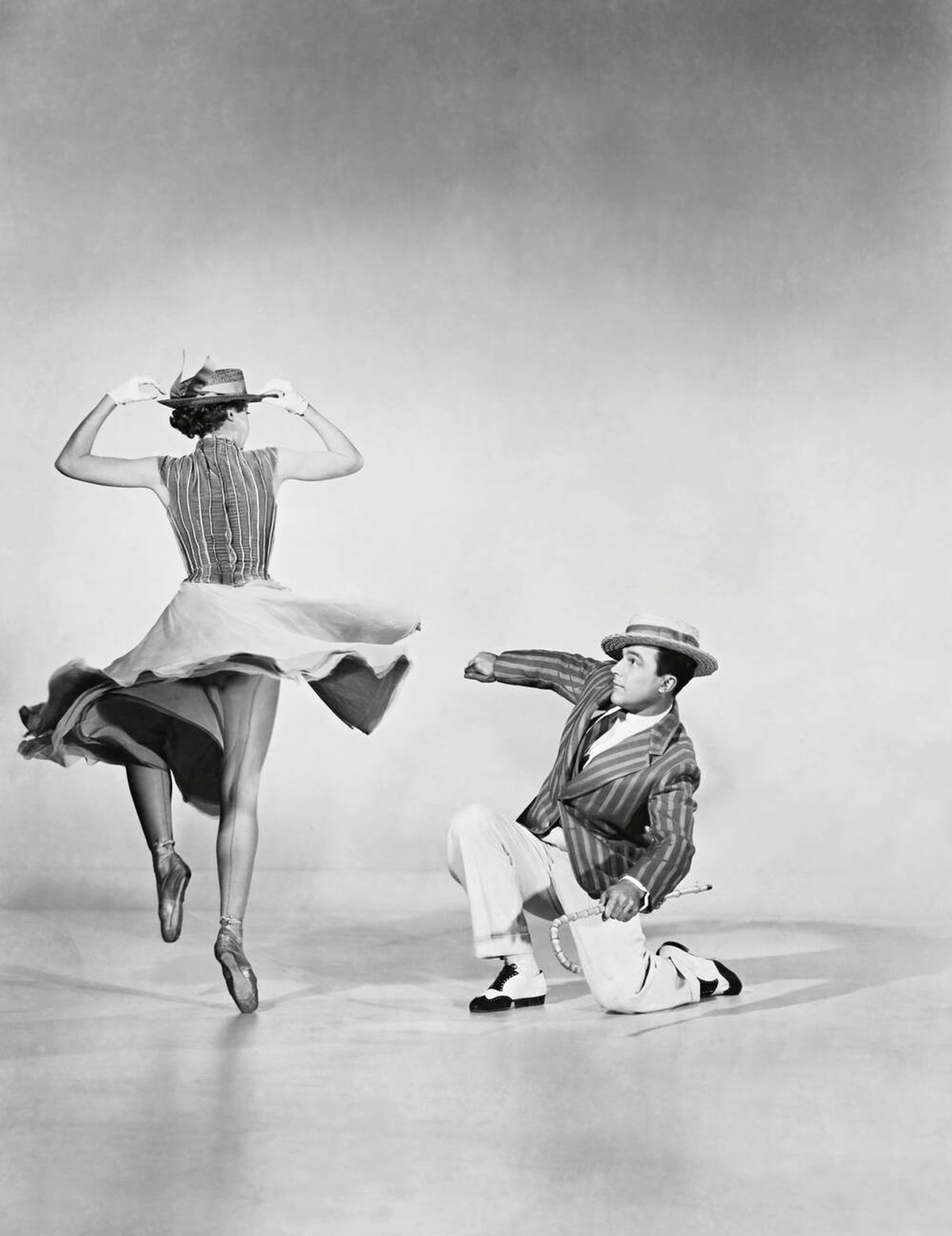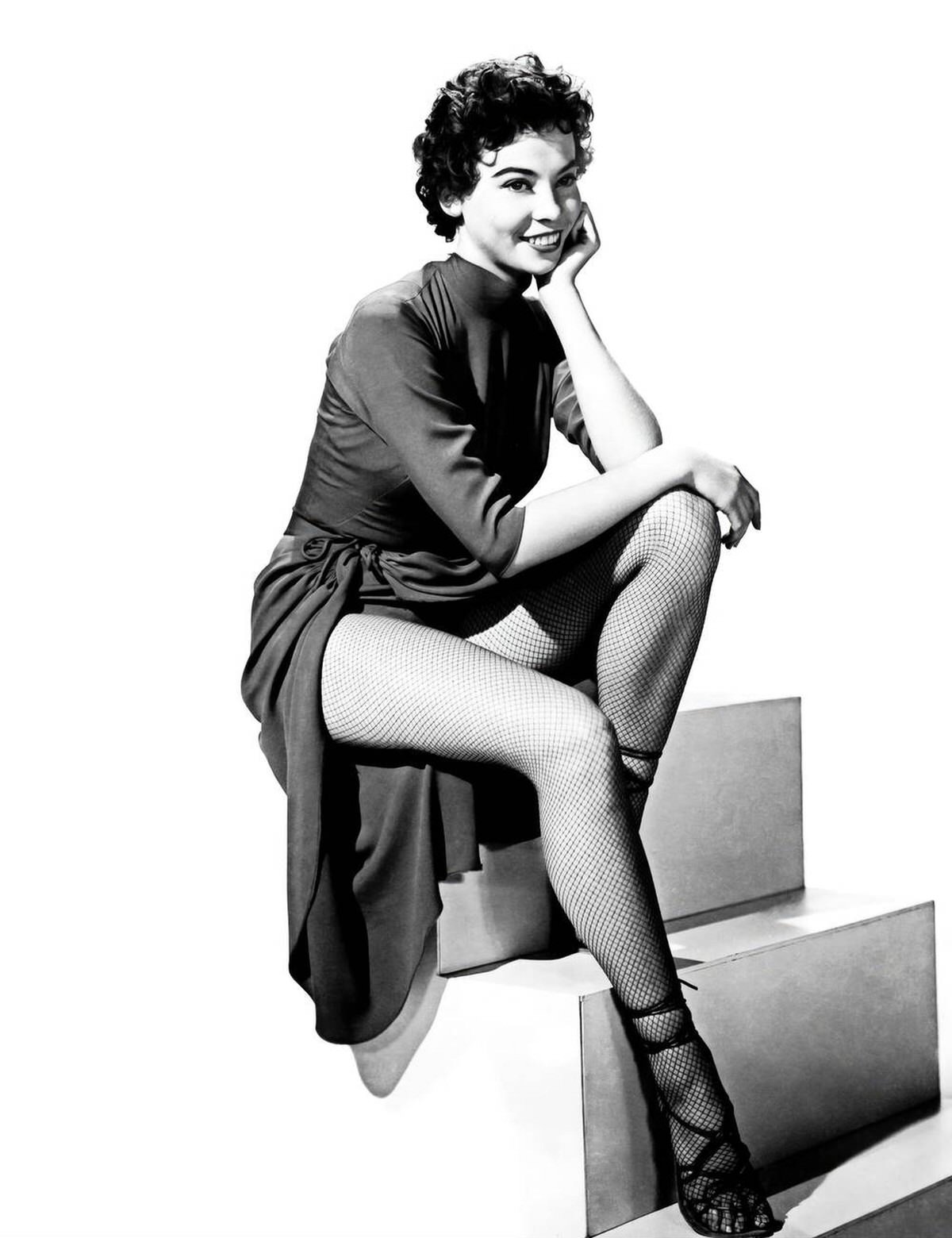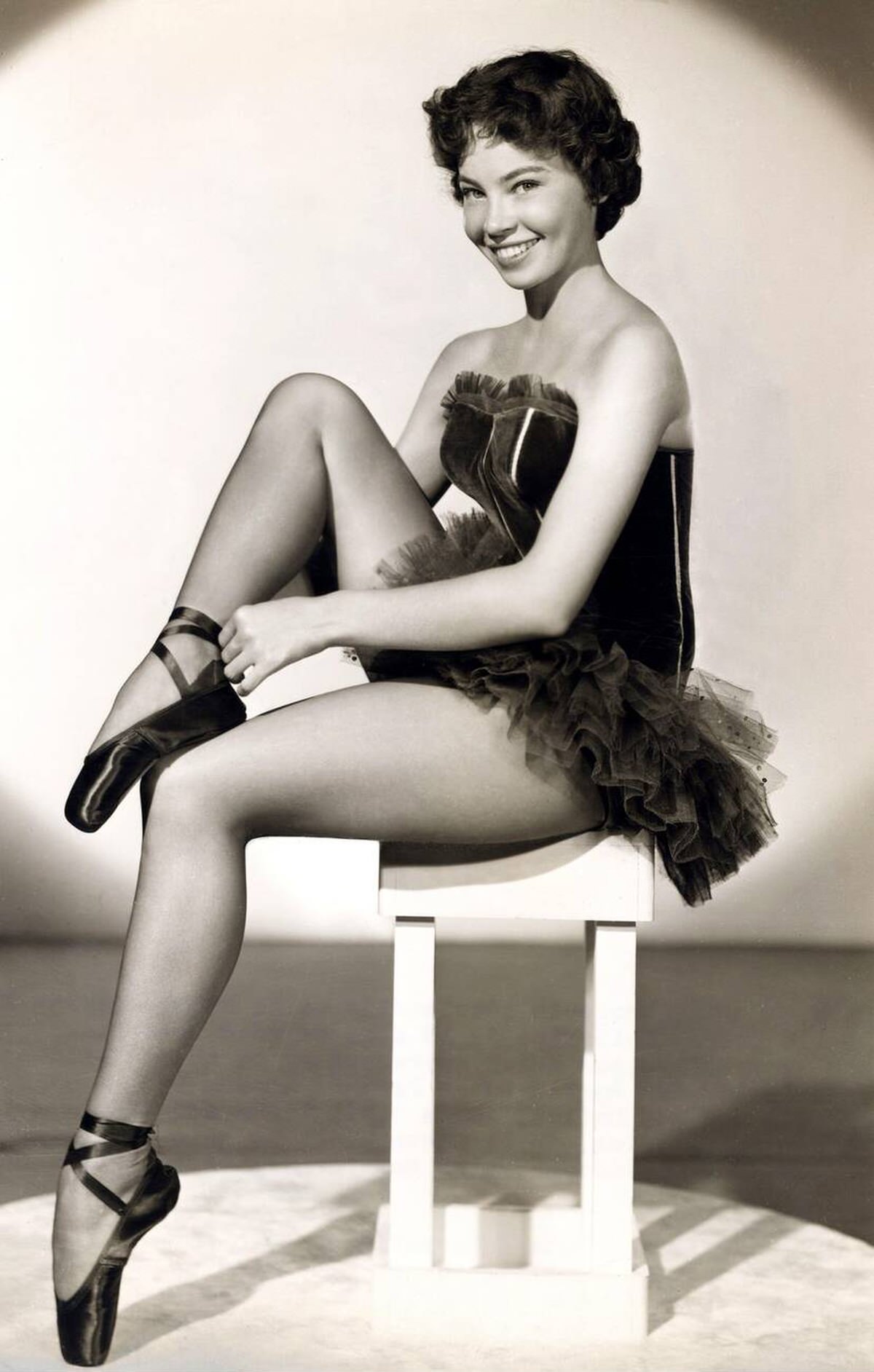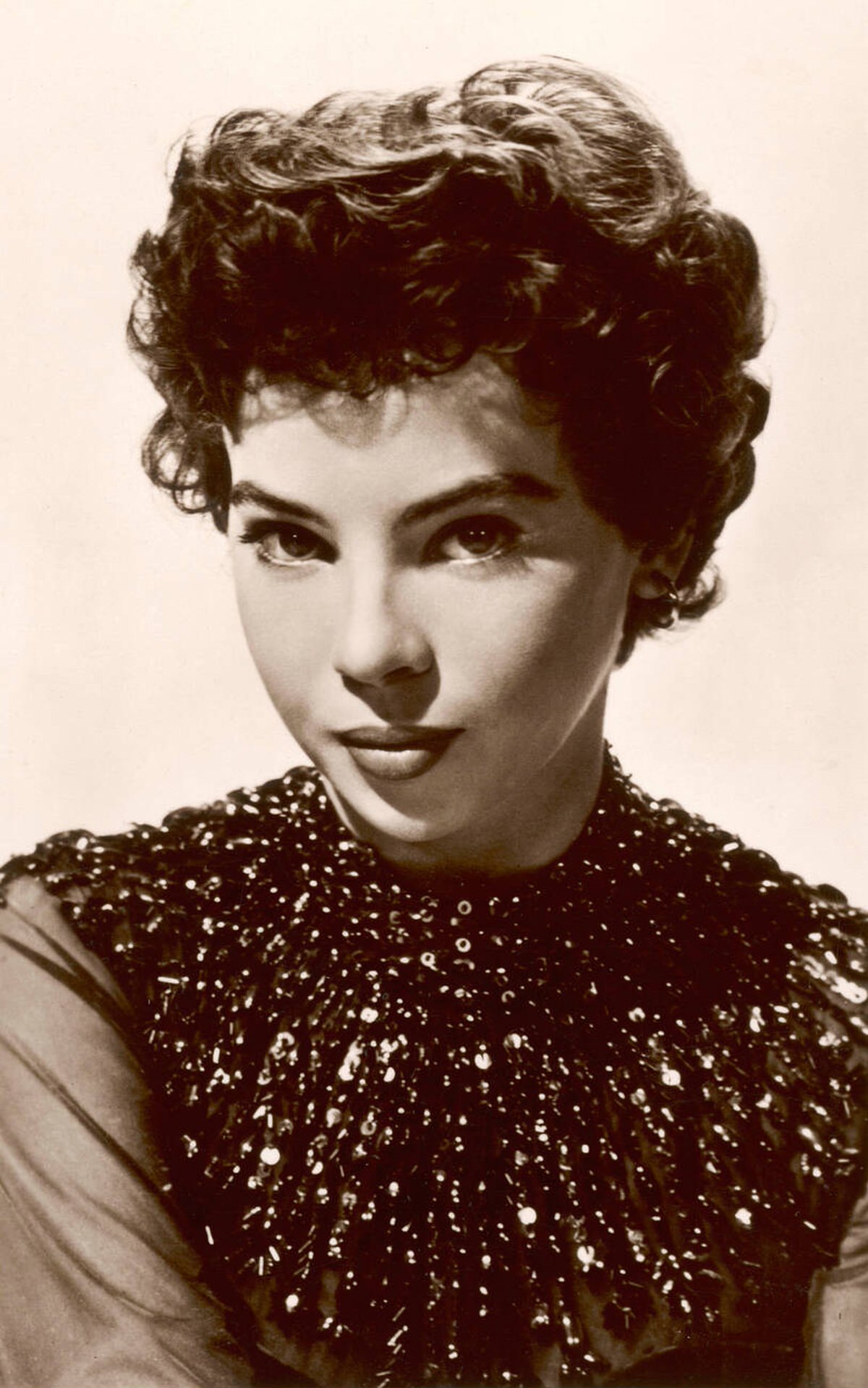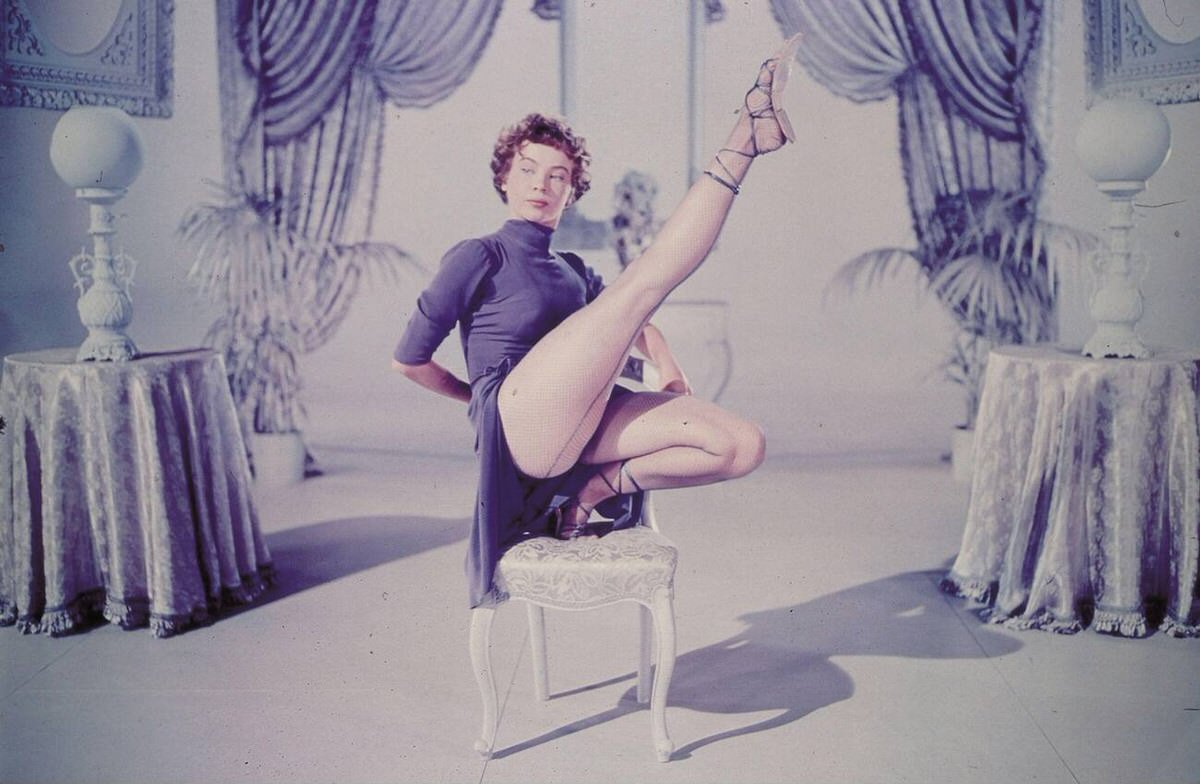

Leslie Caron was born in Boulogne-sur-Seine, France, in 1931. Her mother was an American dancer, and her father was a French chemist. From an early age, Caron trained in classical ballet. She studied at the Paris Conservatory and later danced with the Ballet des Champs-Élysées. This strong foundation shaped her posture, movement, and control on screen.
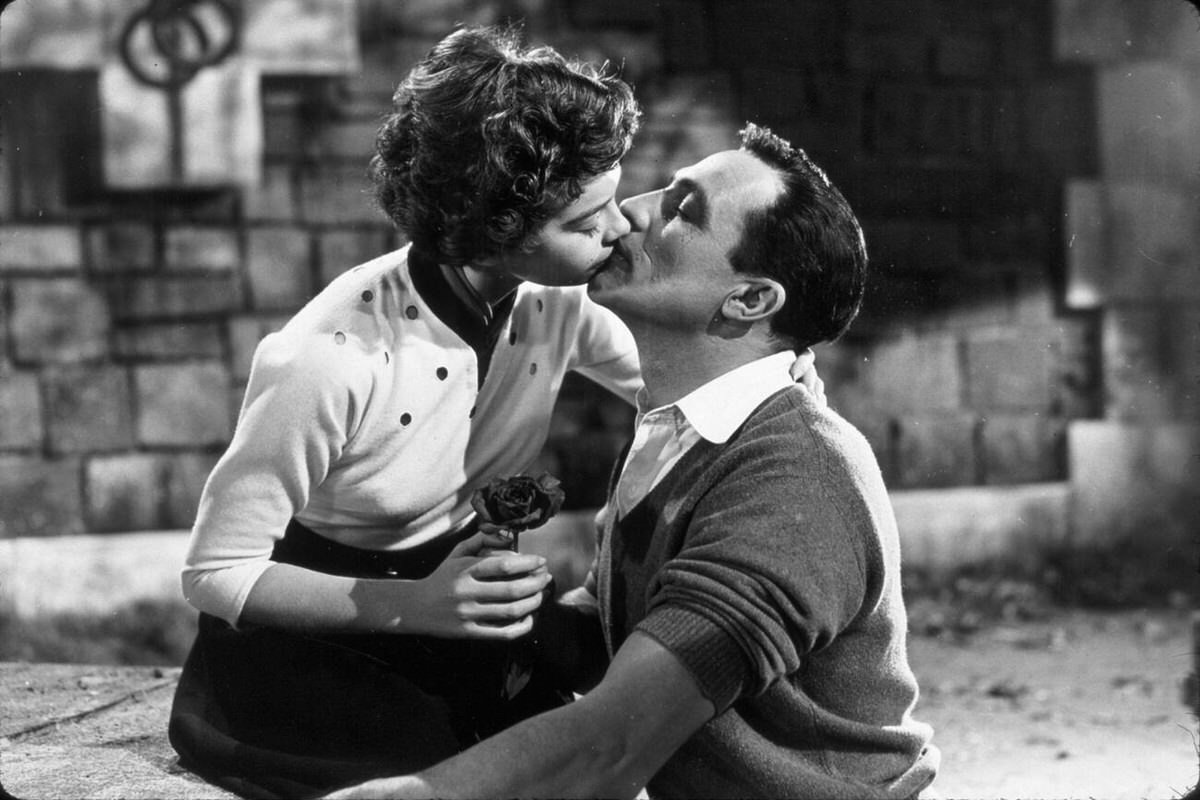
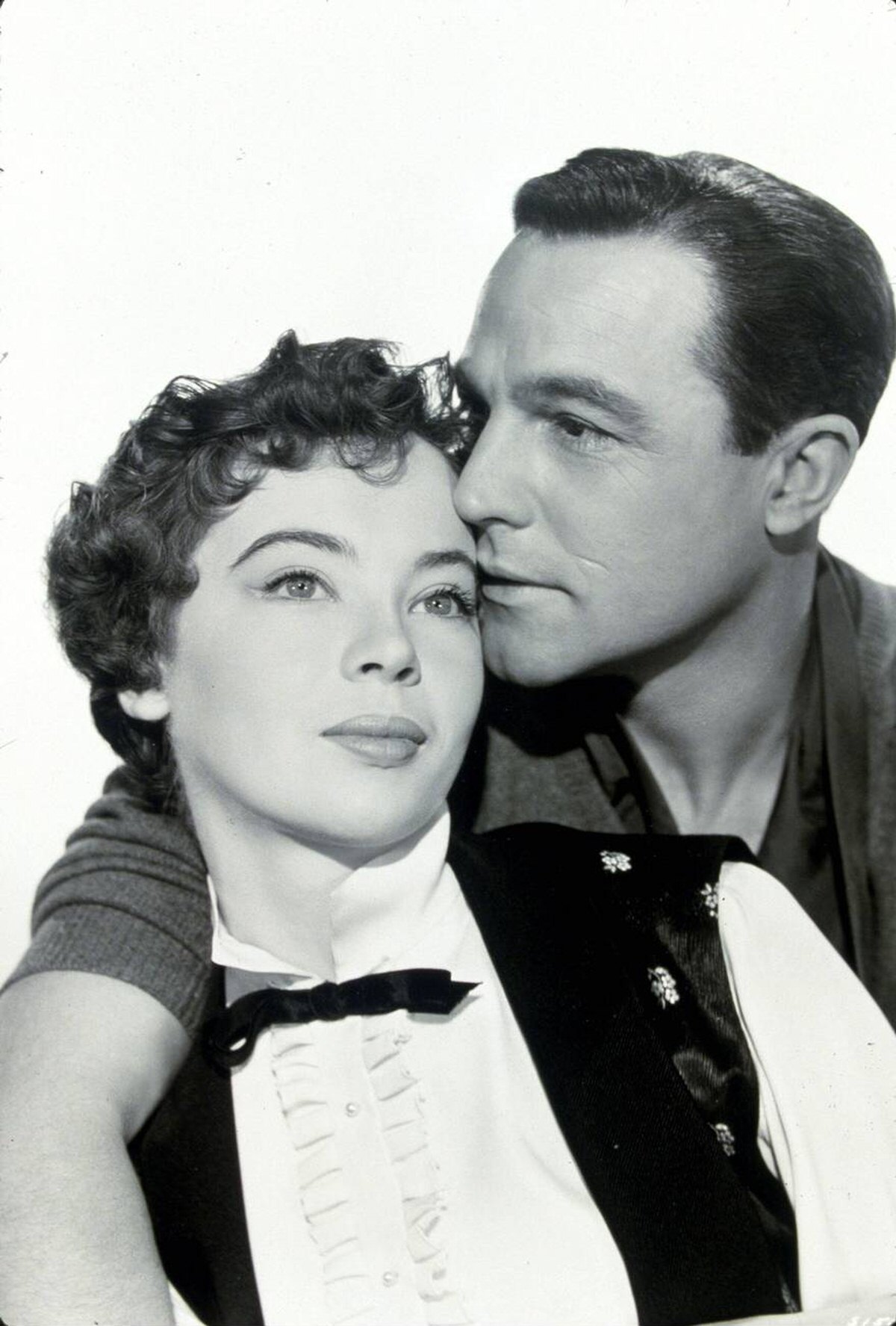
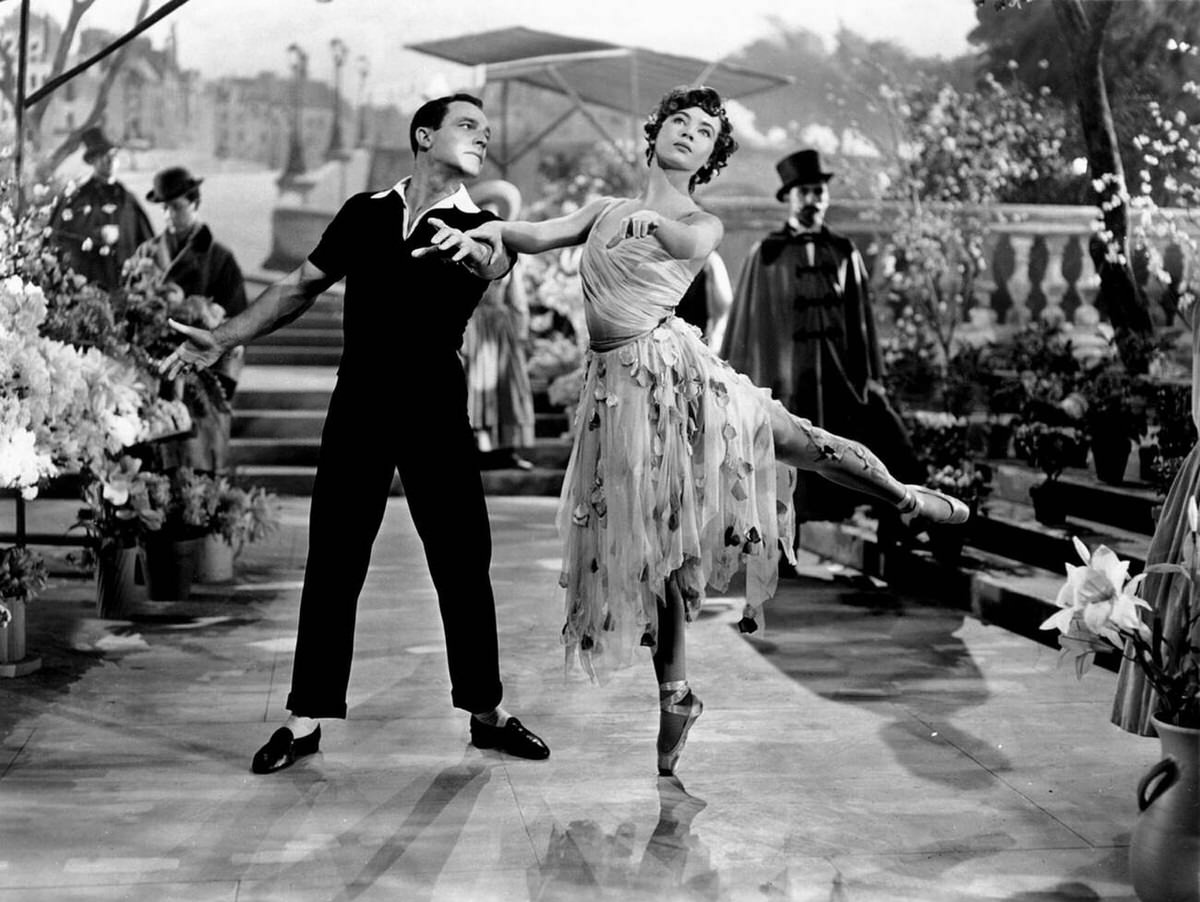
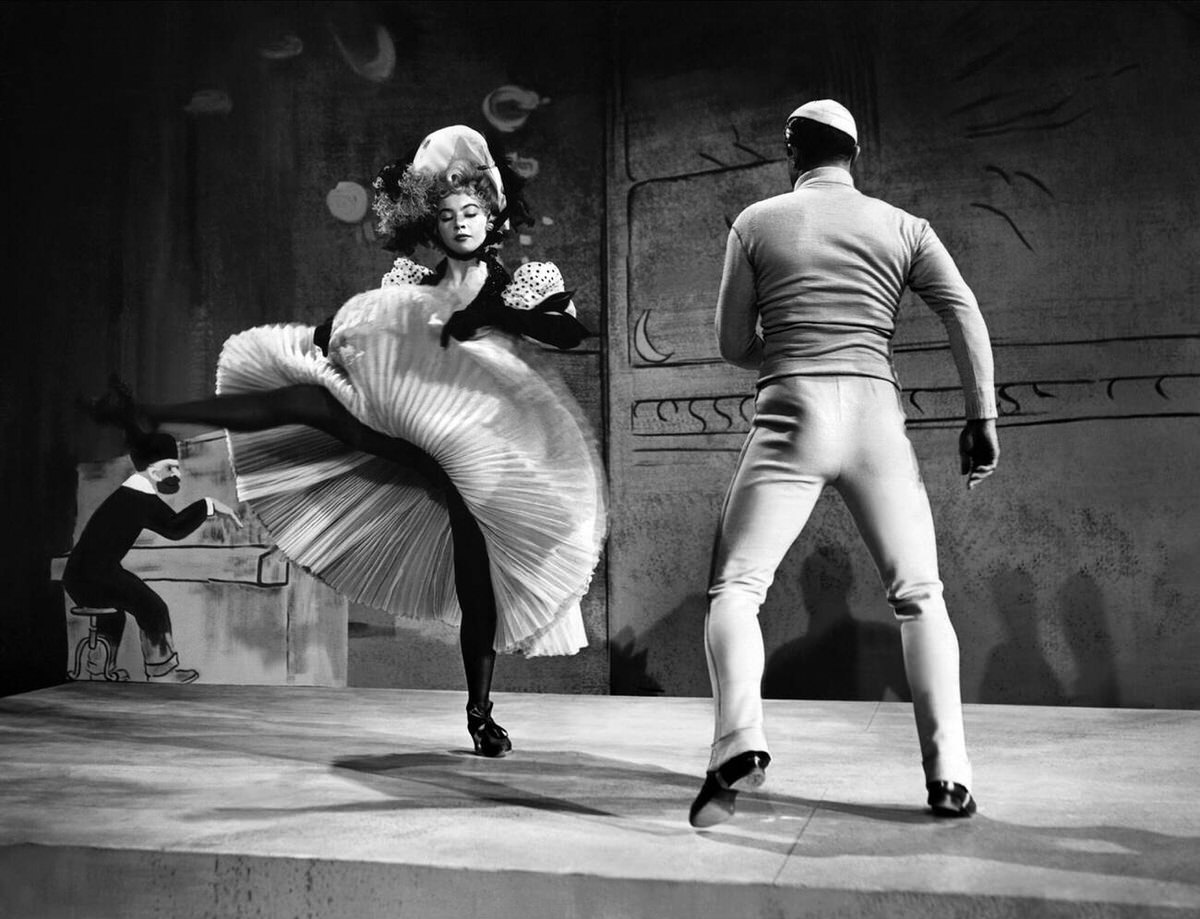
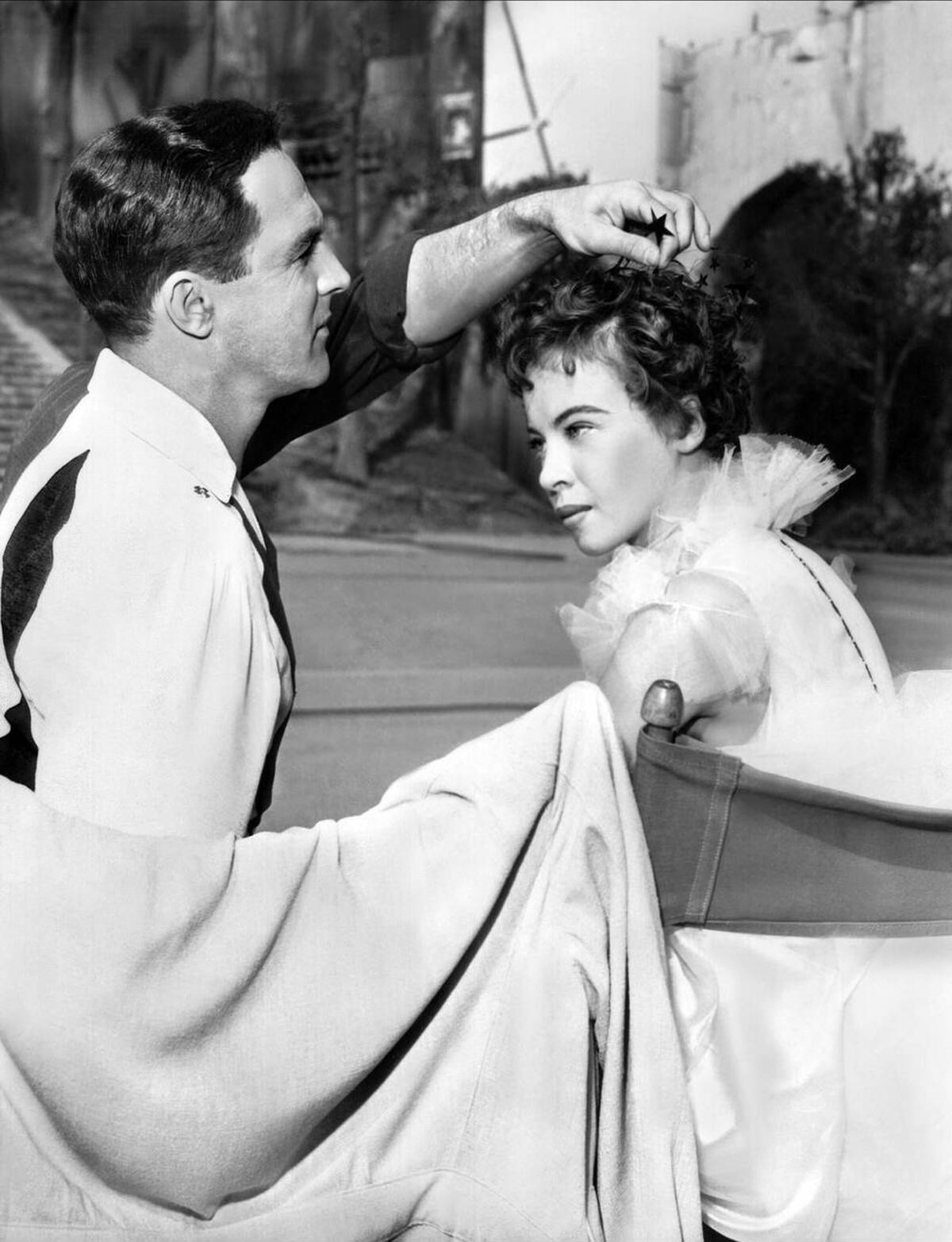
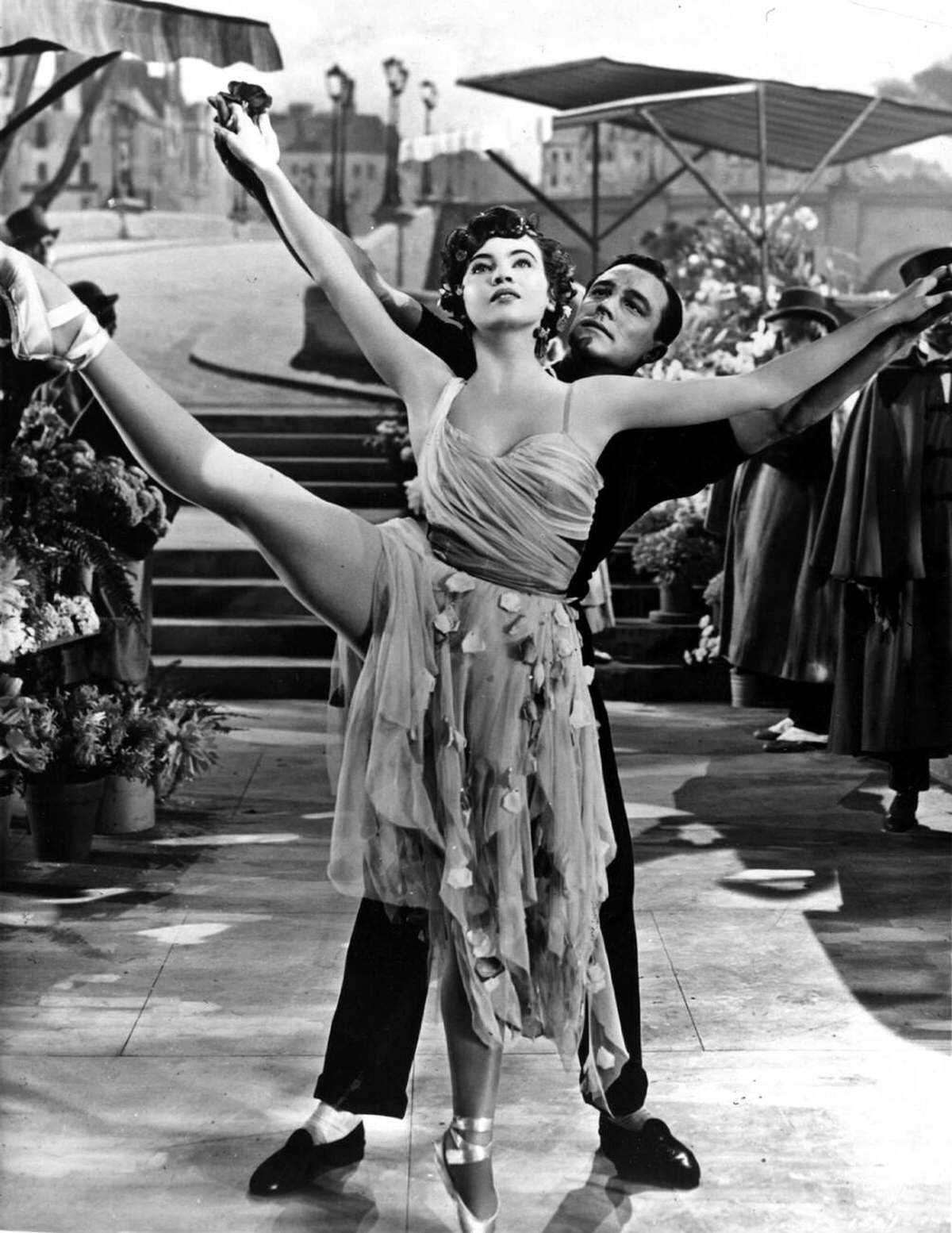
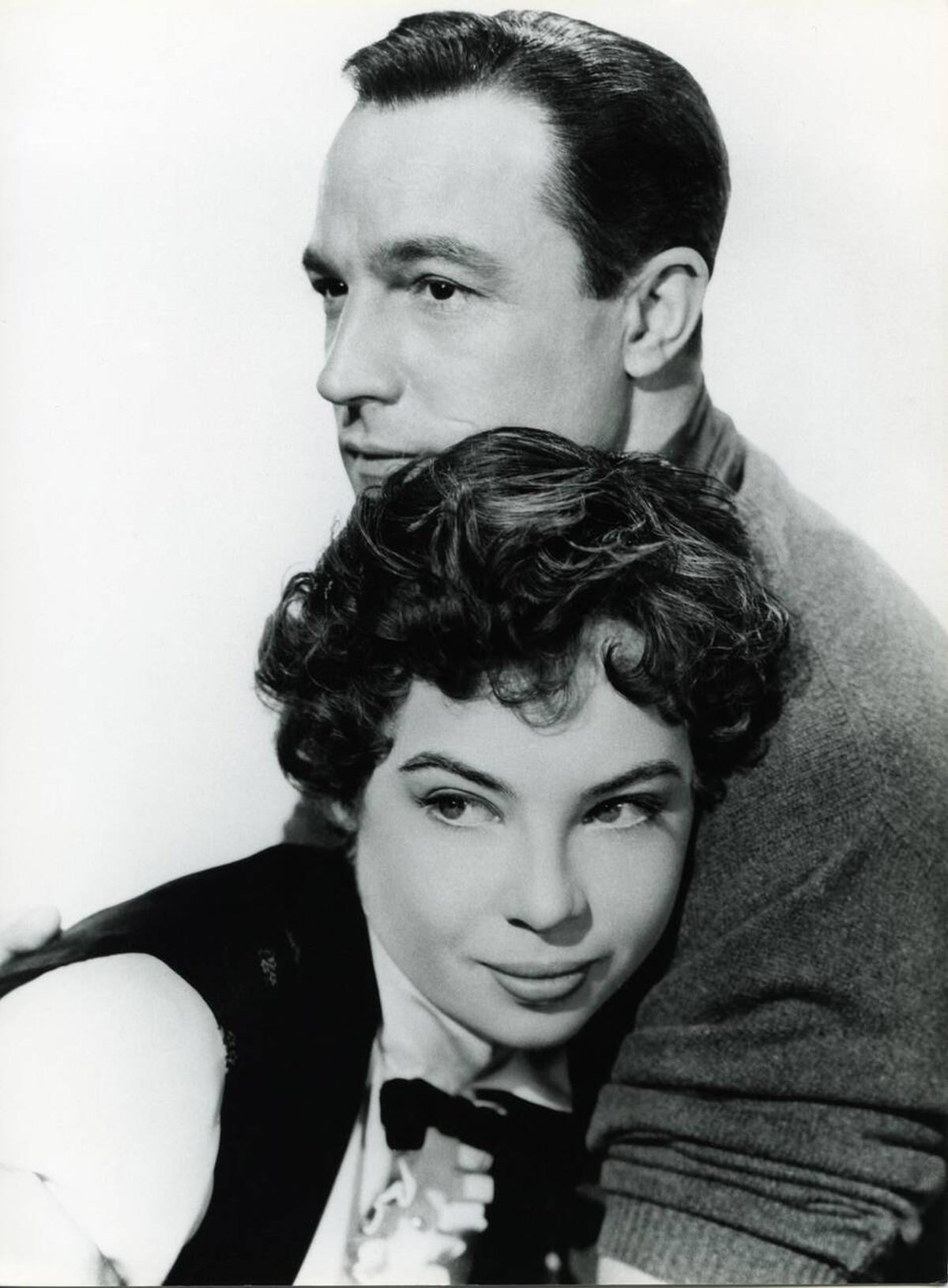
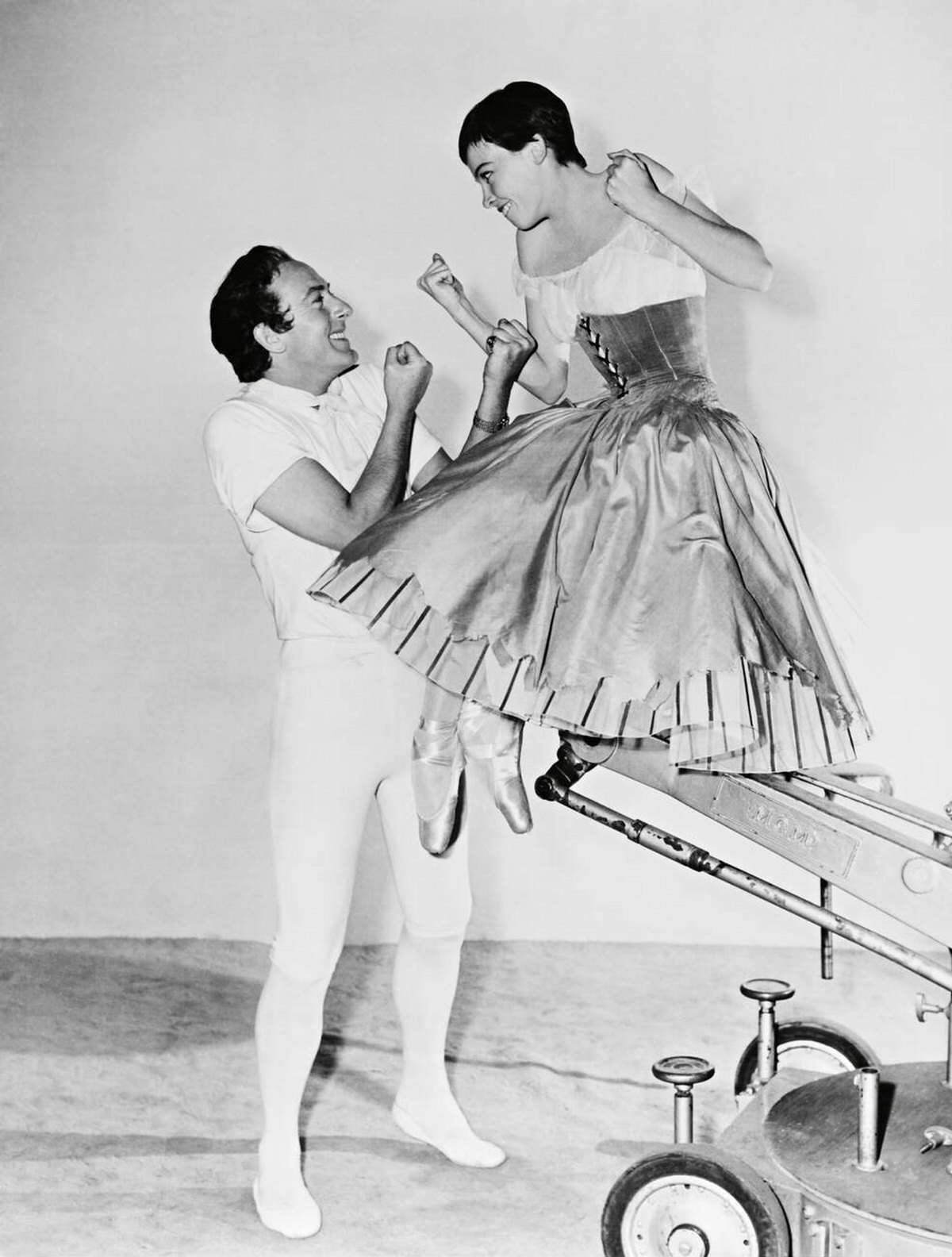
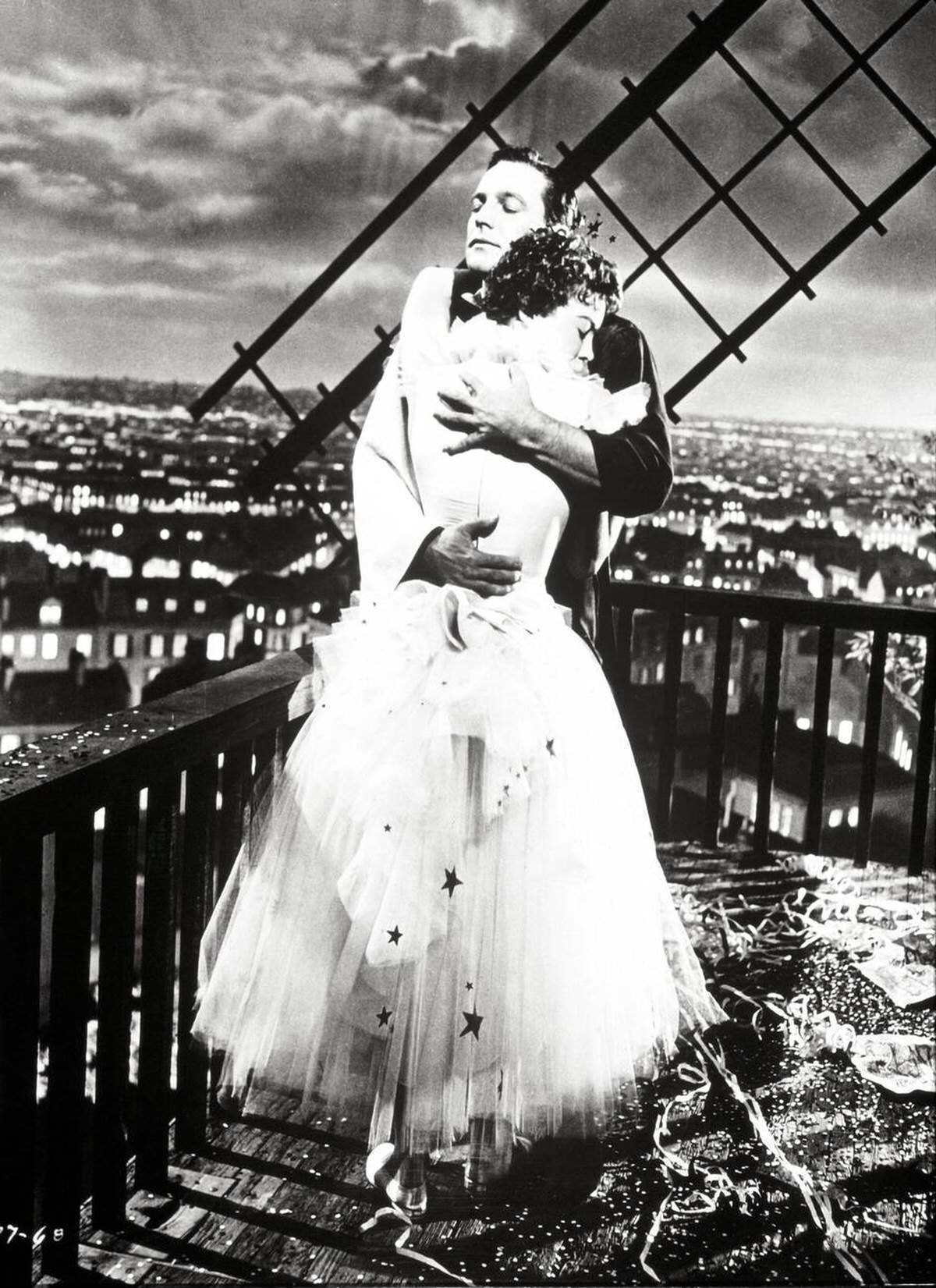
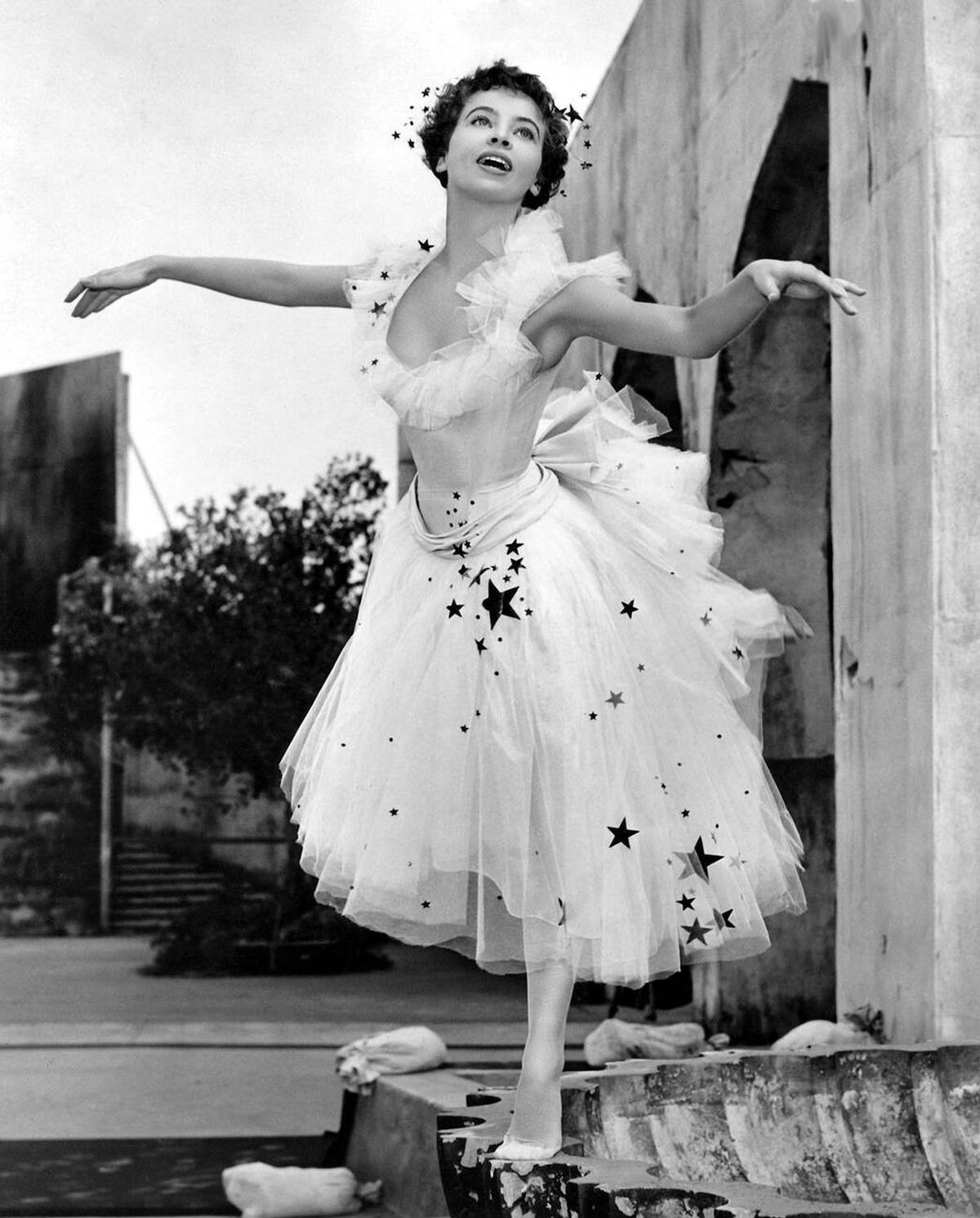
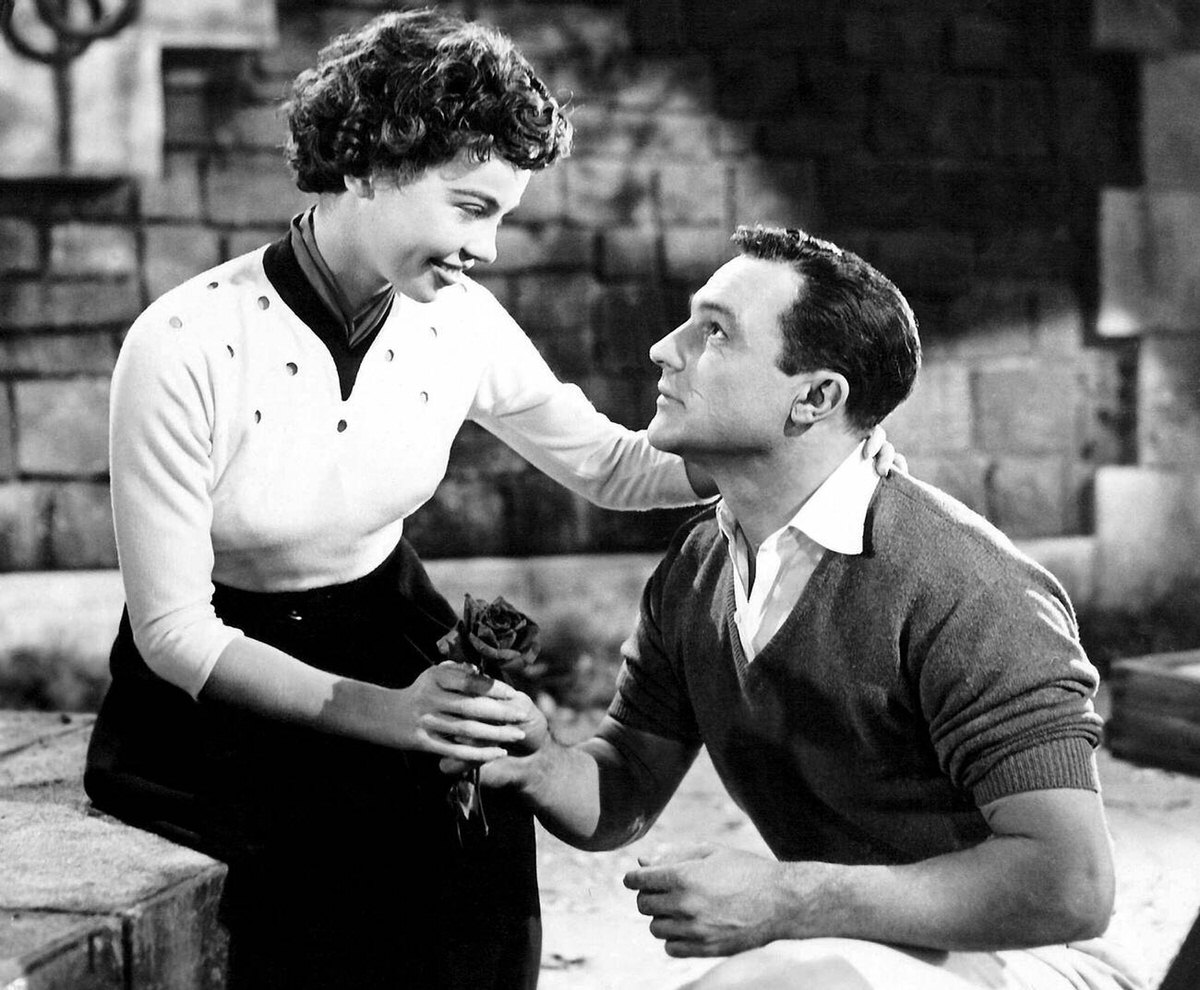
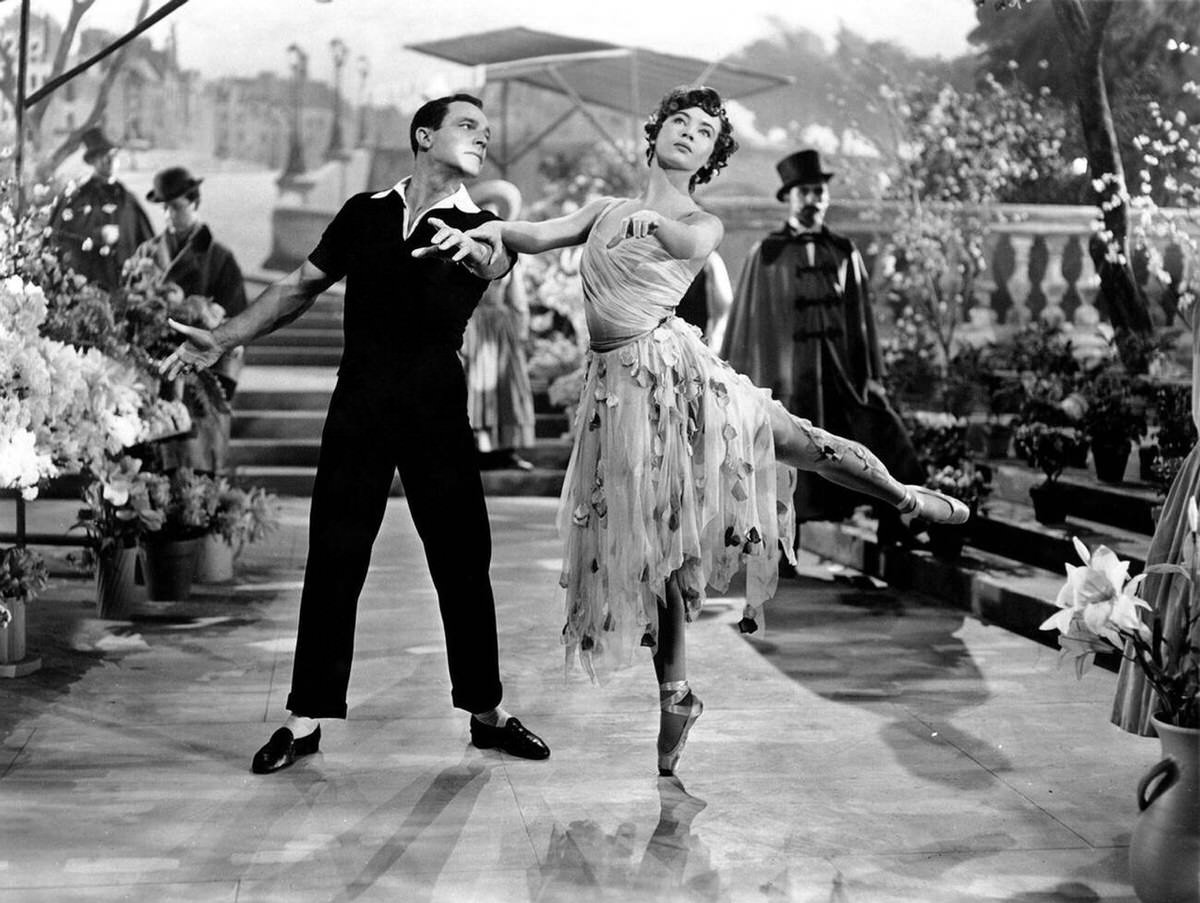
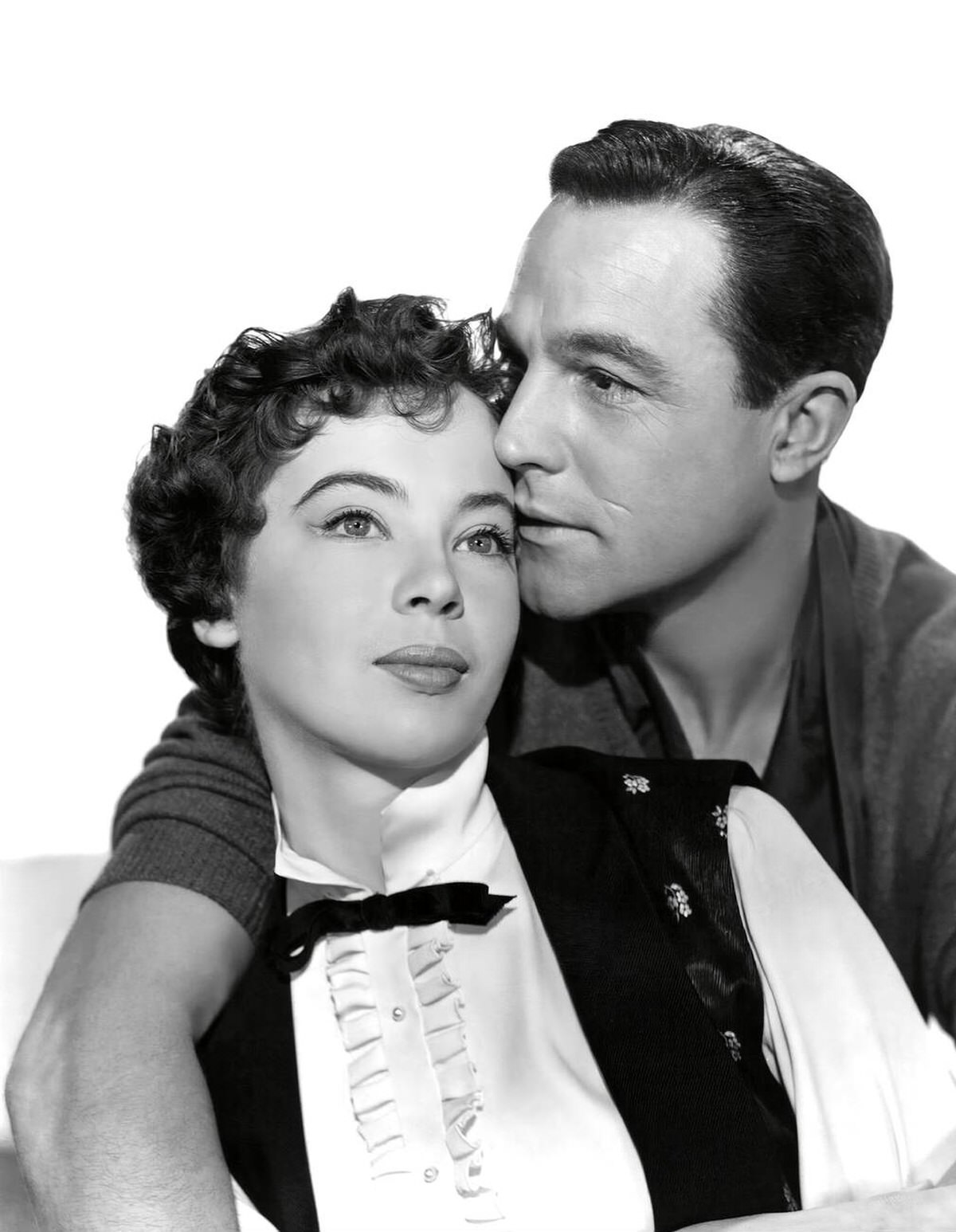
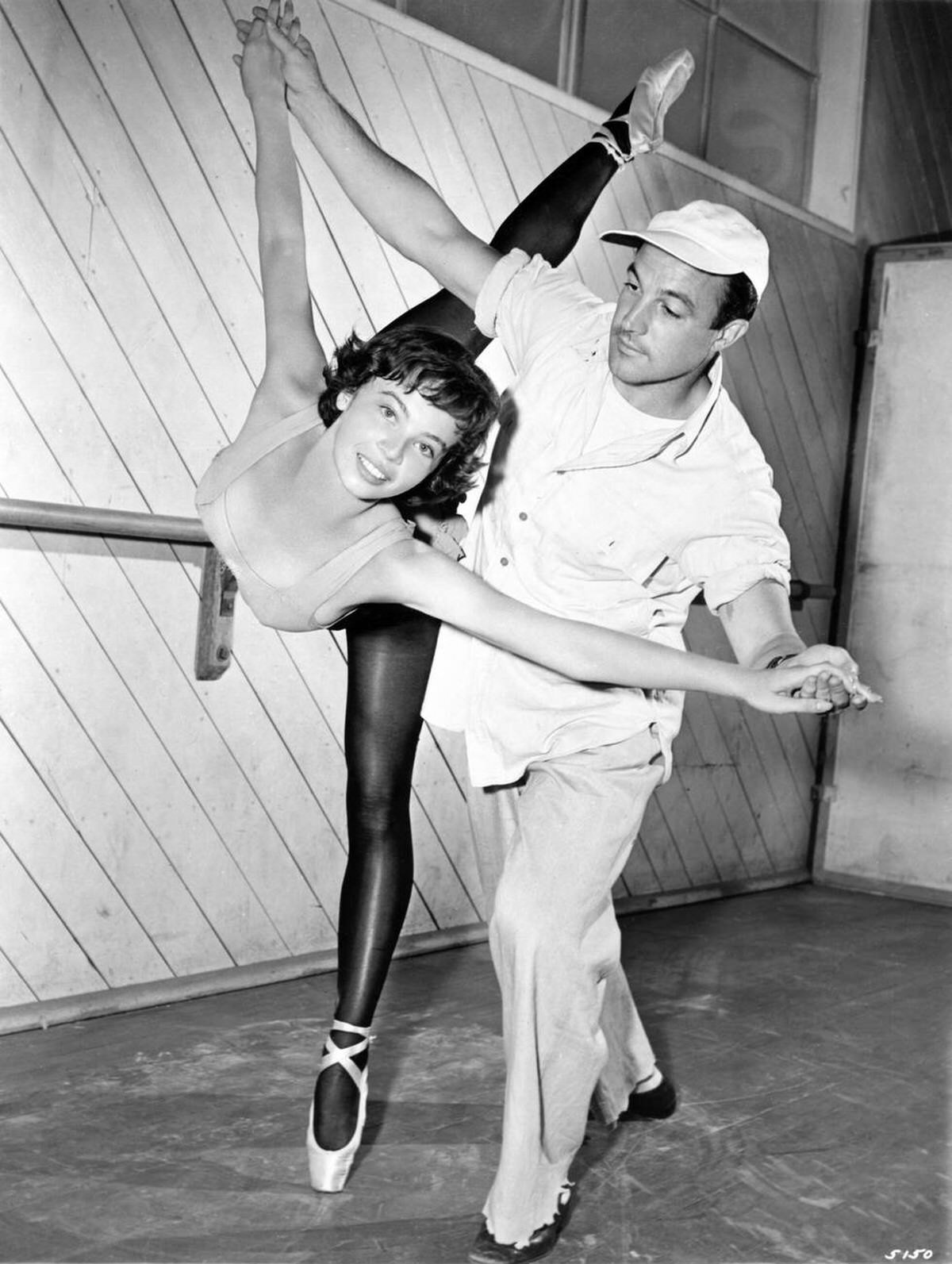
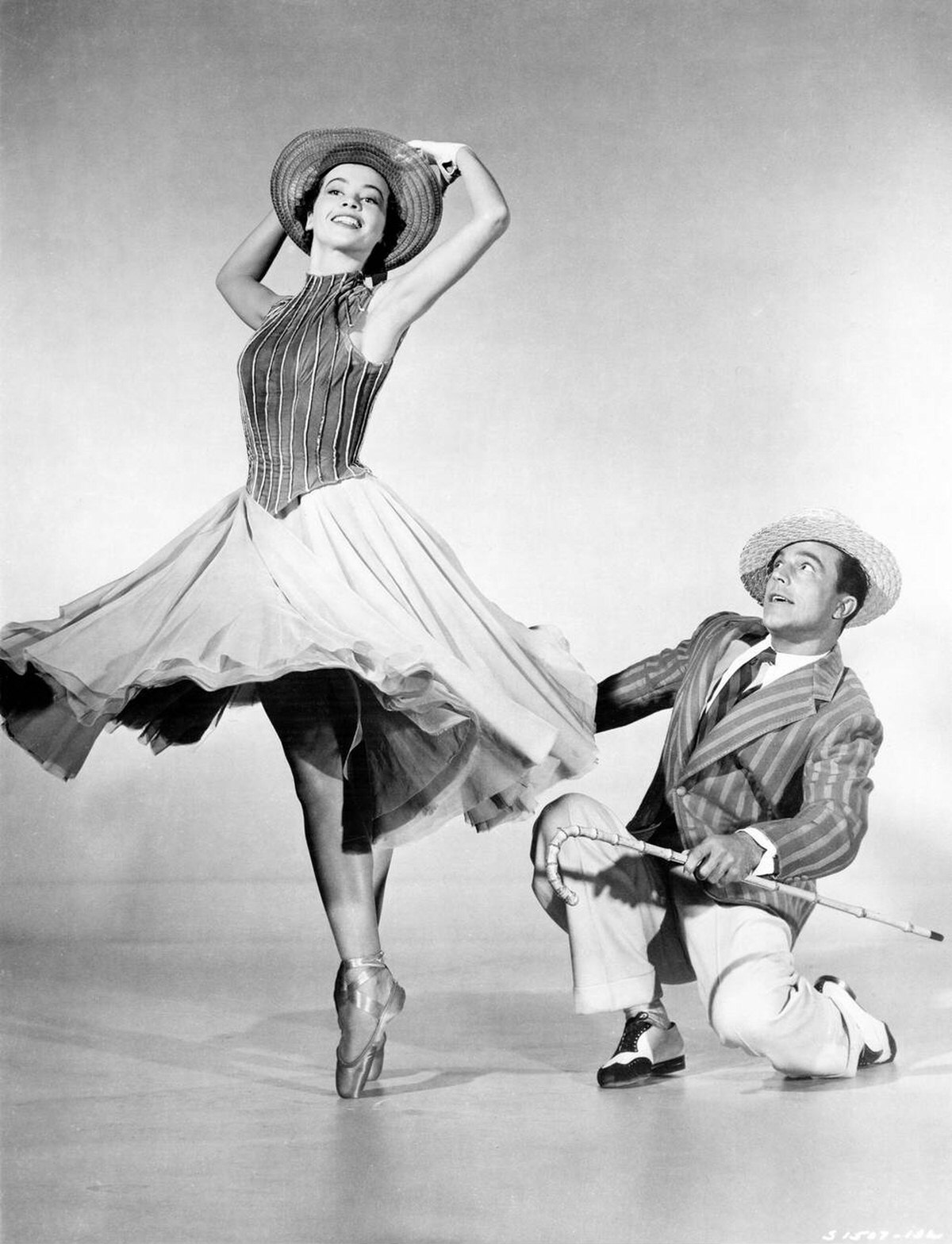
Her career changed in 1951 when Gene Kelly noticed her in Paris. He cast her in An American in Paris without prior film experience. The film blended ballet with modern dance and storytelling. Caron’s performance stood out for its grace and emotional clarity. The role introduced her to international audiences at age nineteen.
Early Musical Film Roles
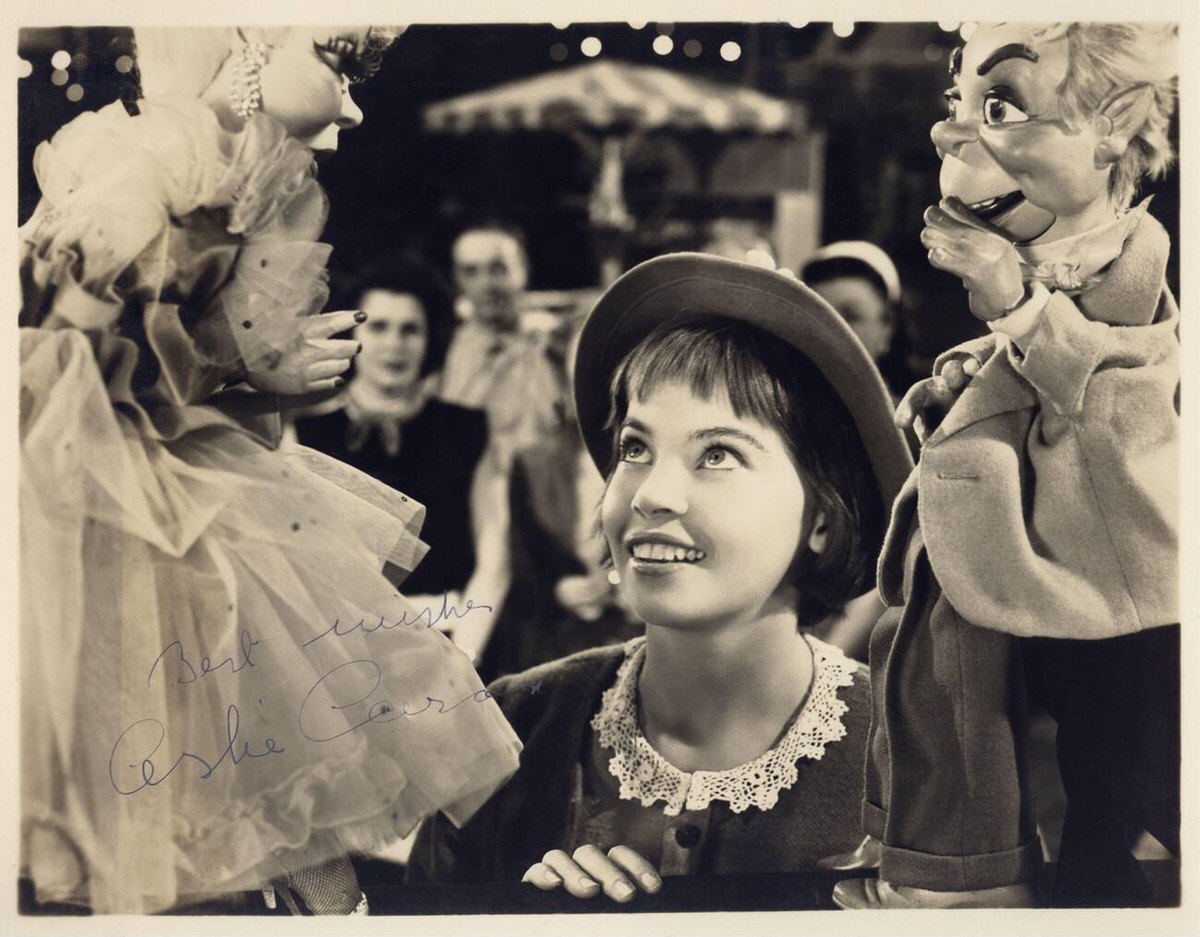
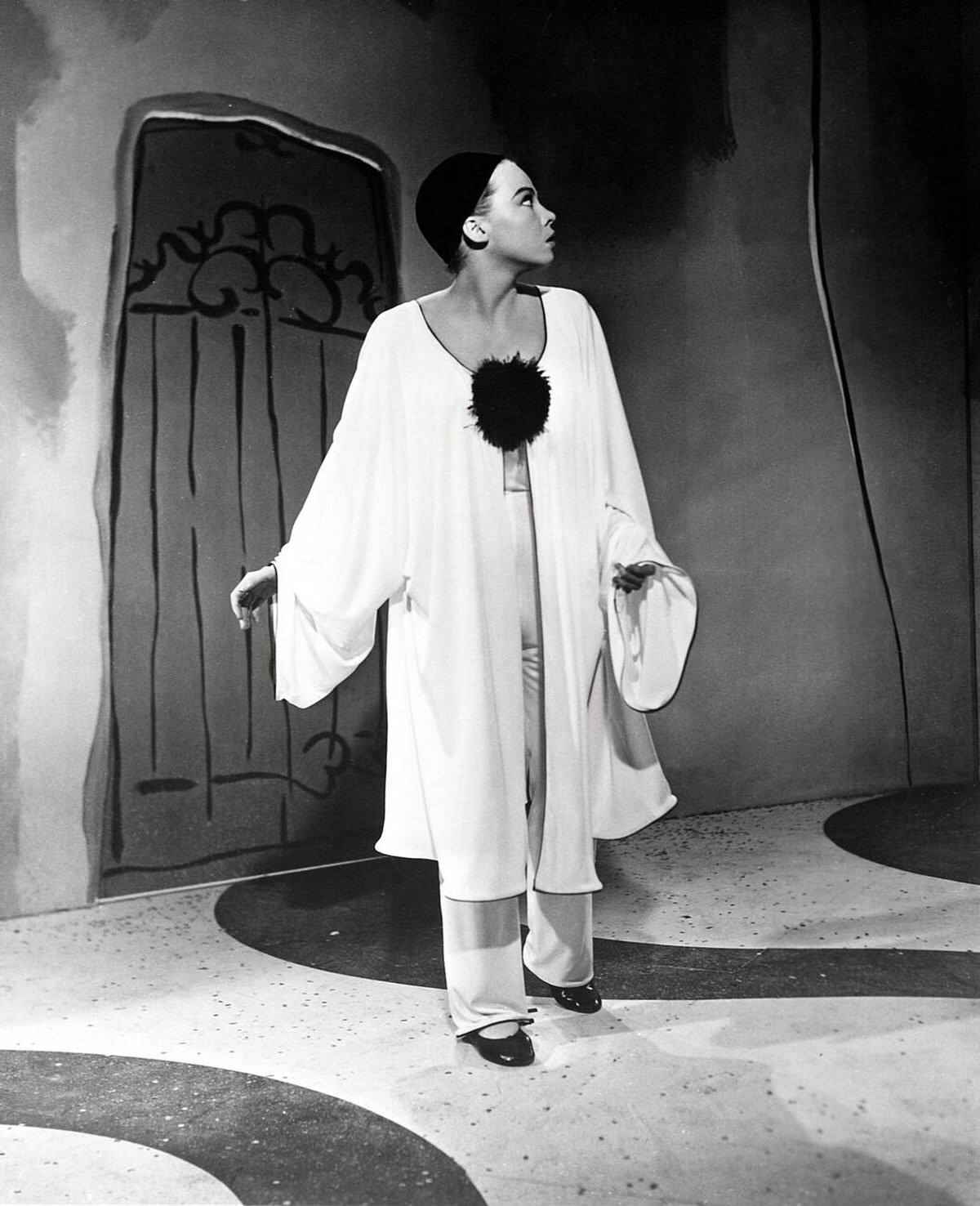
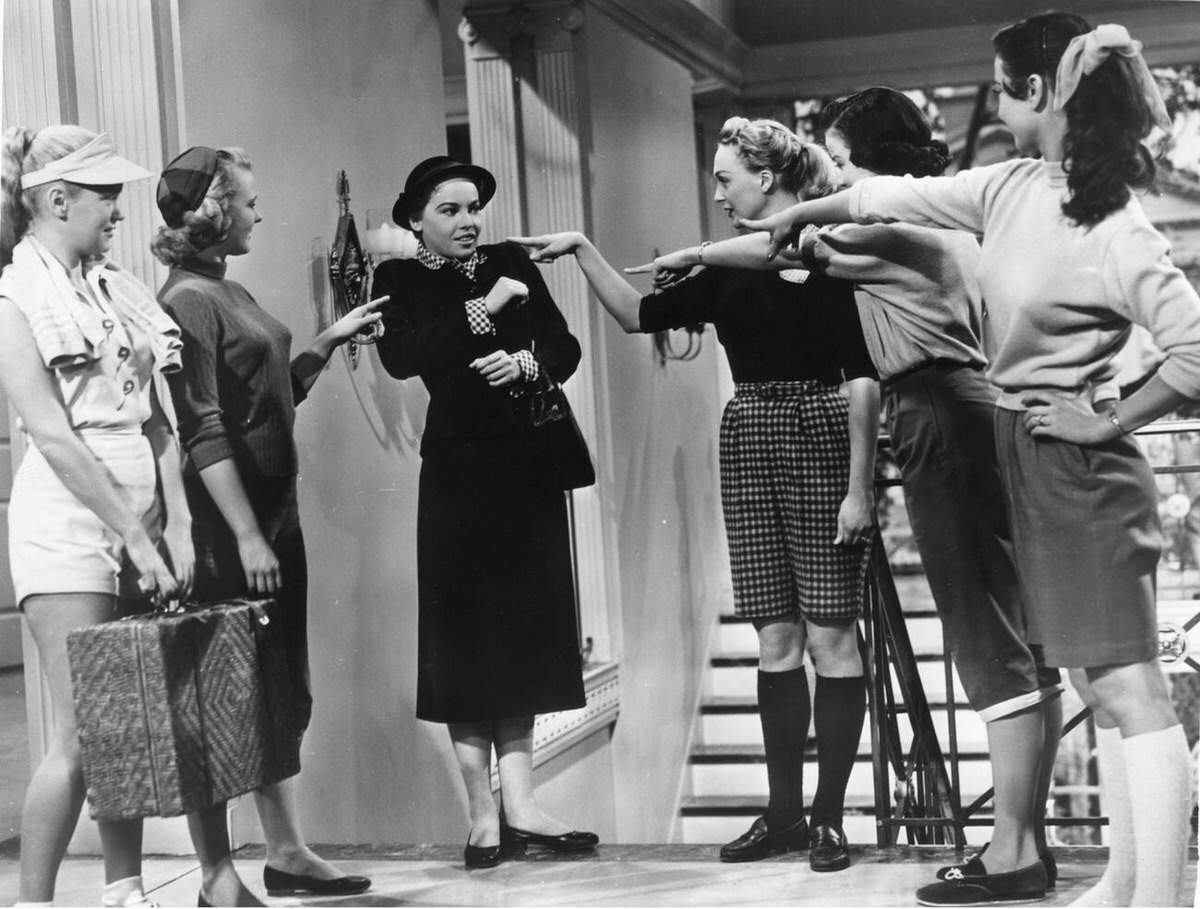
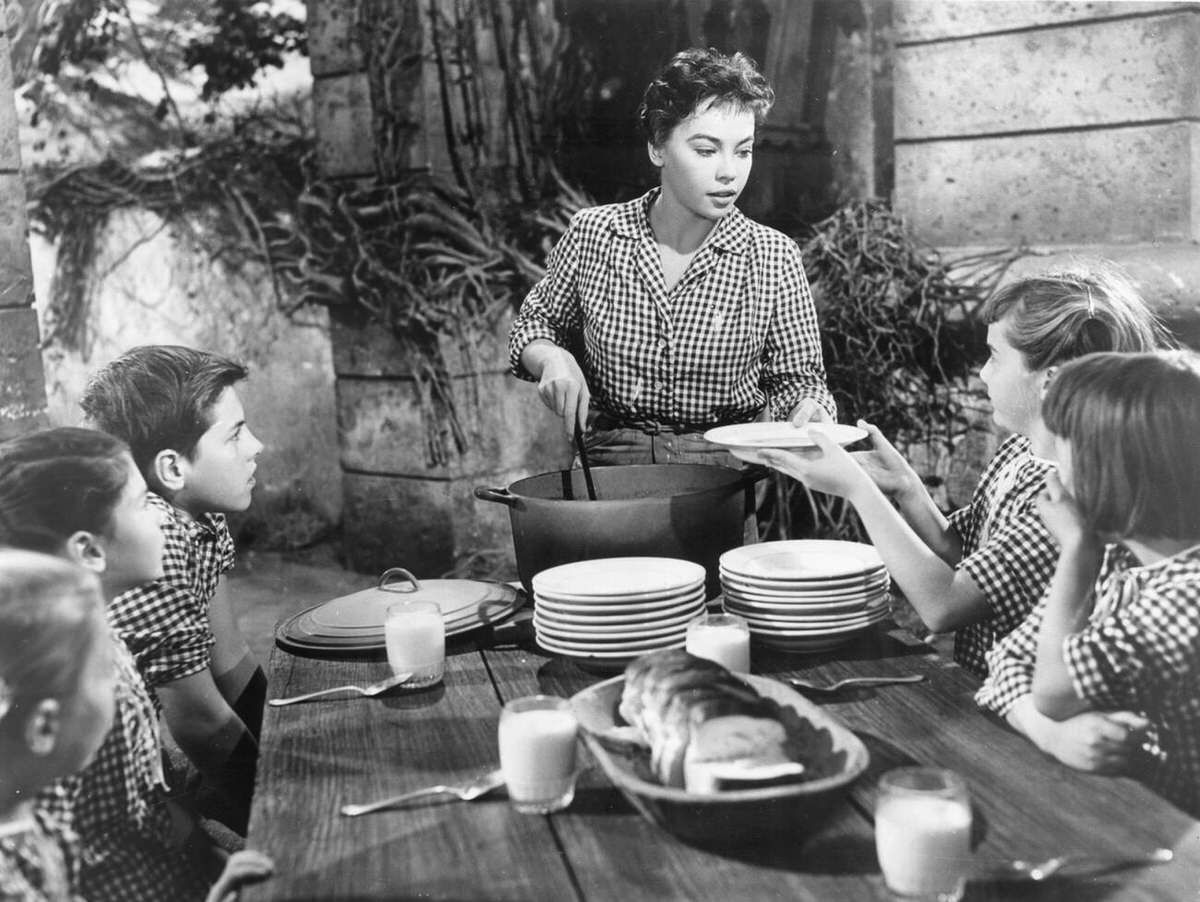
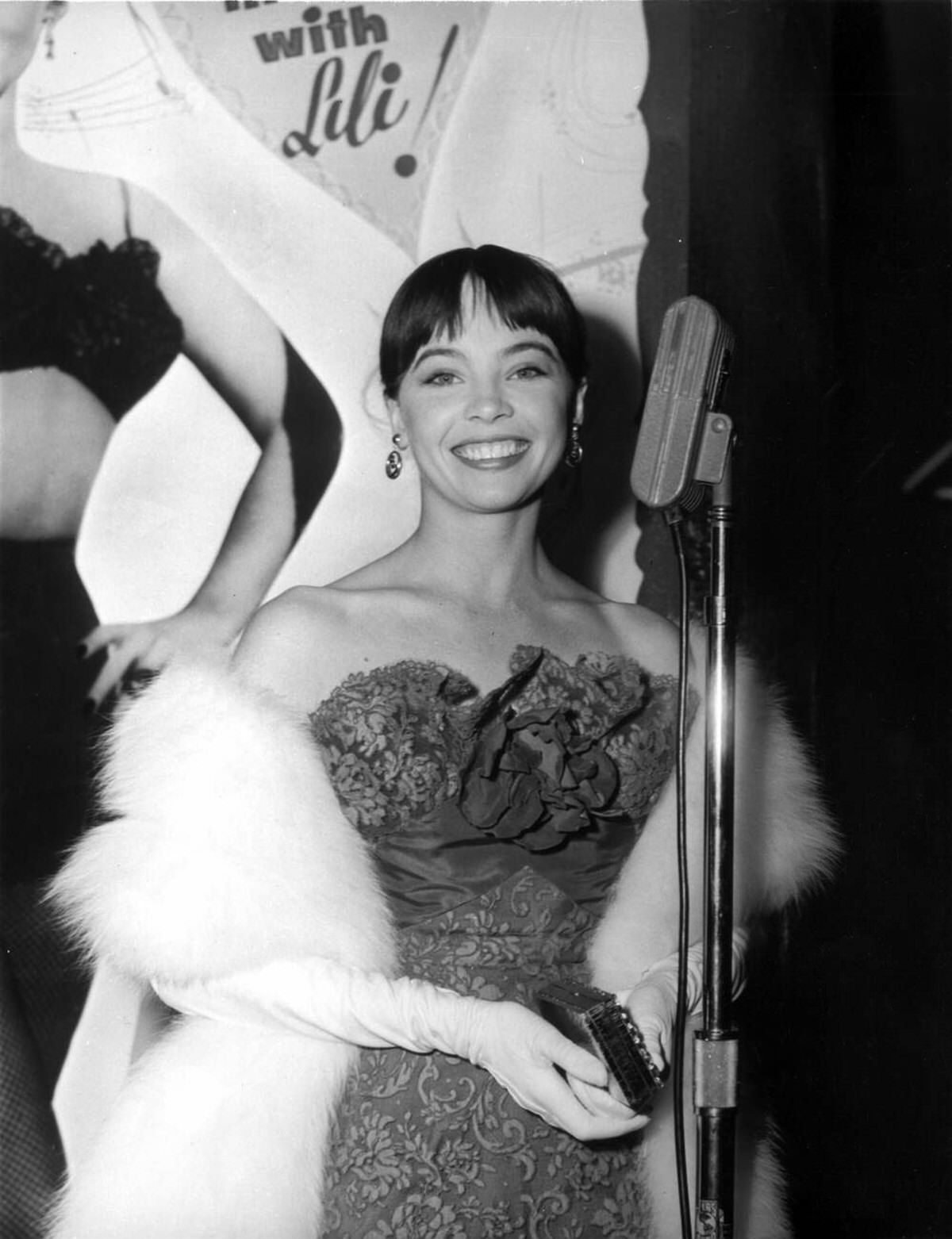
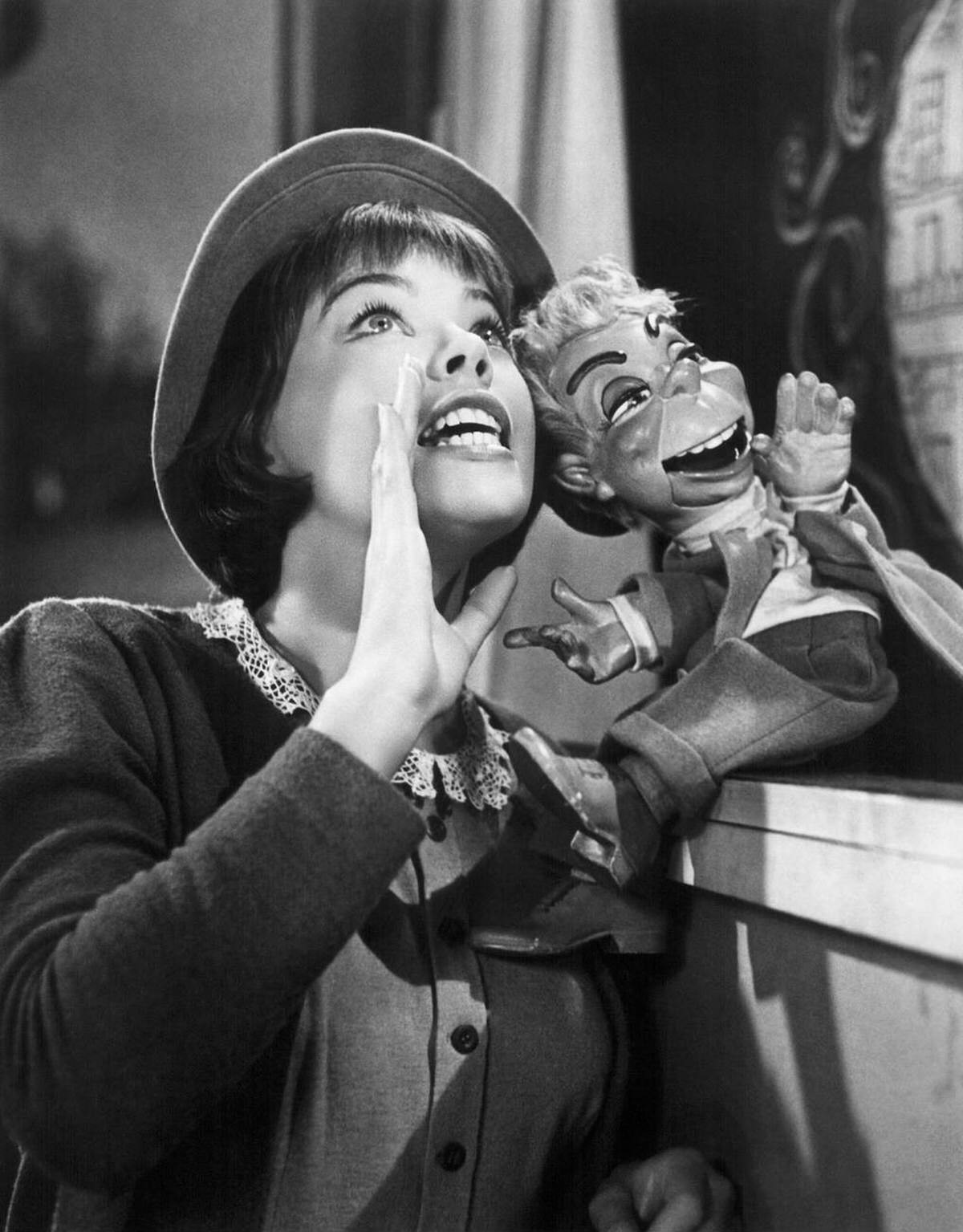
After her debut, Caron became a leading figure in Hollywood musicals. In Lili (1953), she played a young woman who forms a bond with a puppeteer and his marionettes. The role required both acting and dance skills. Her performance earned her first Academy Award nomination for Best Actress.
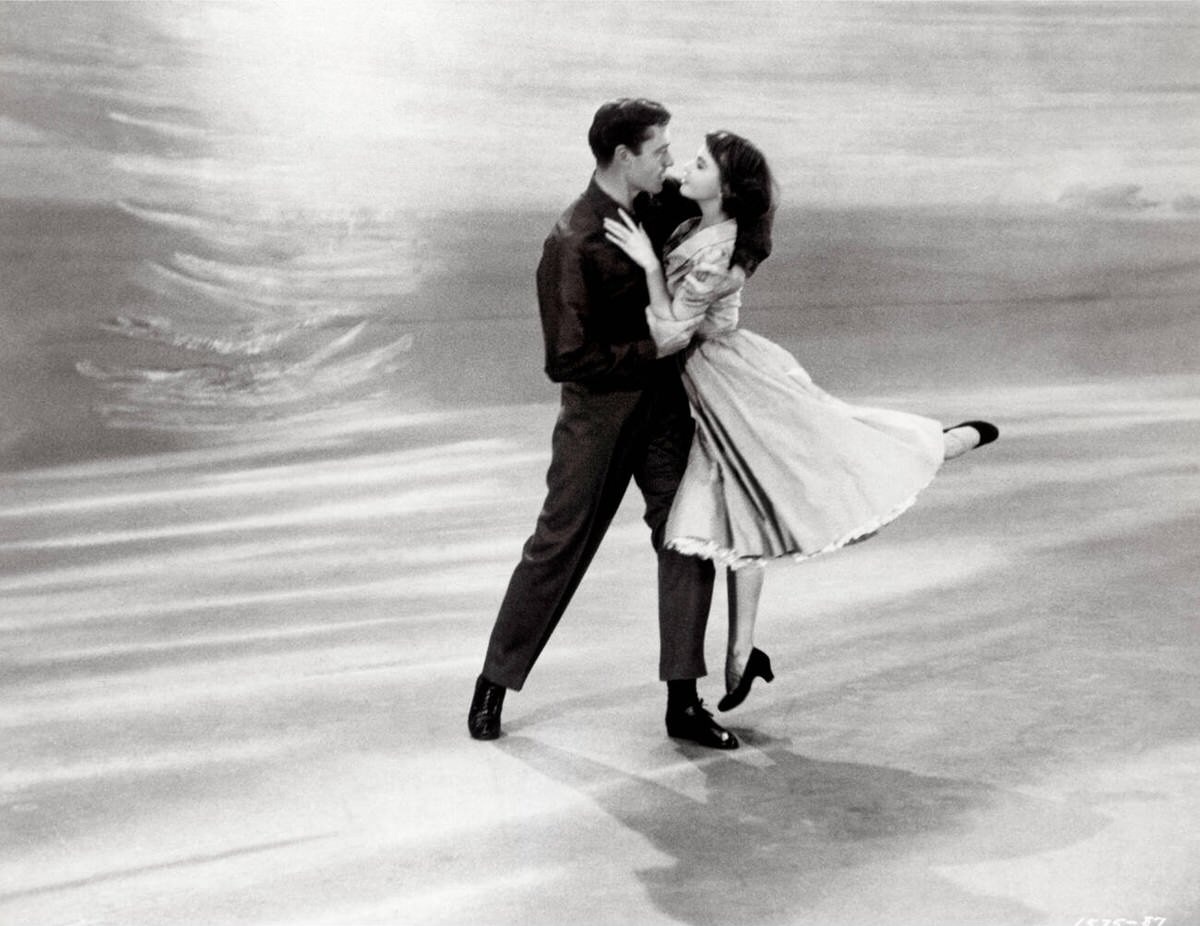
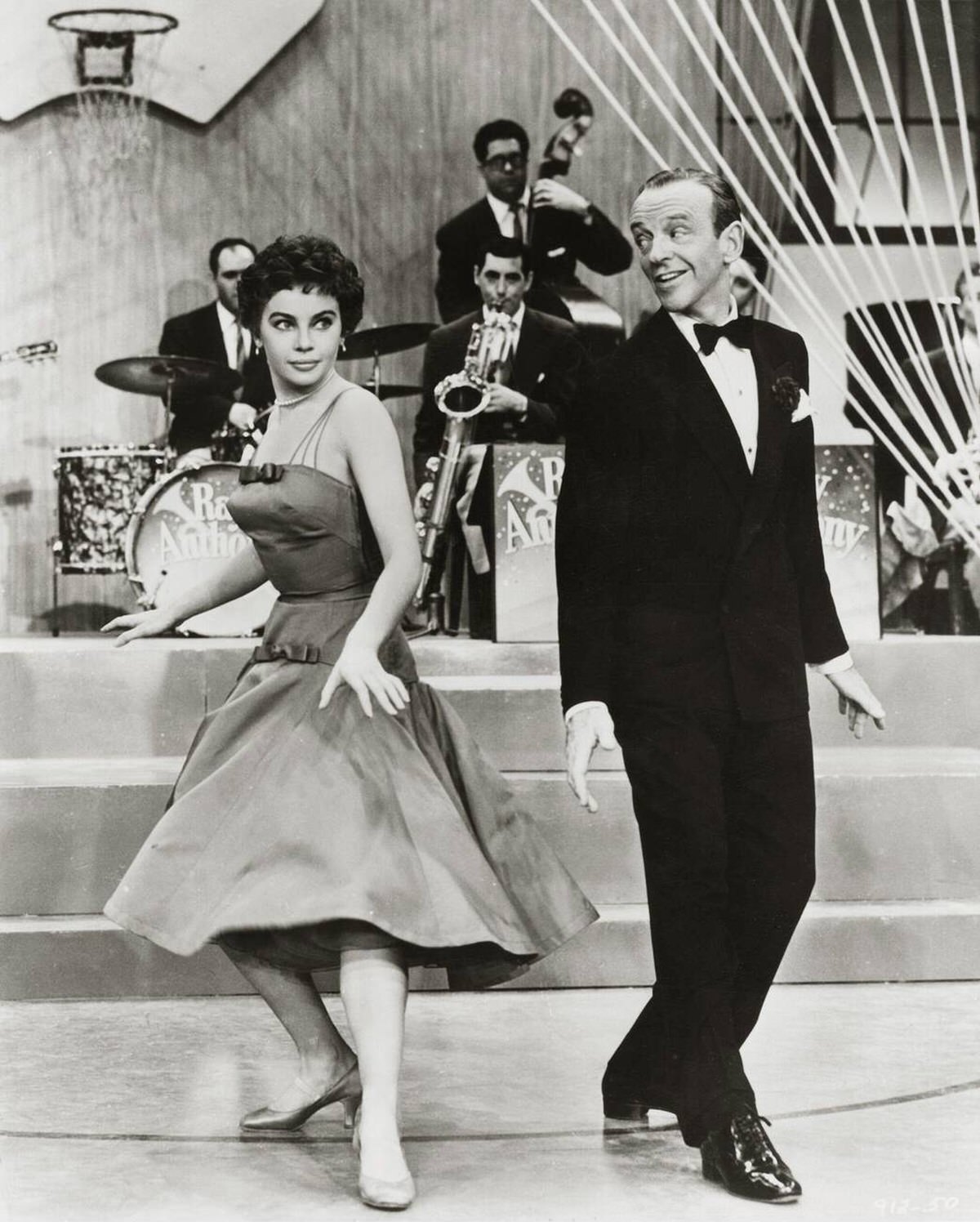
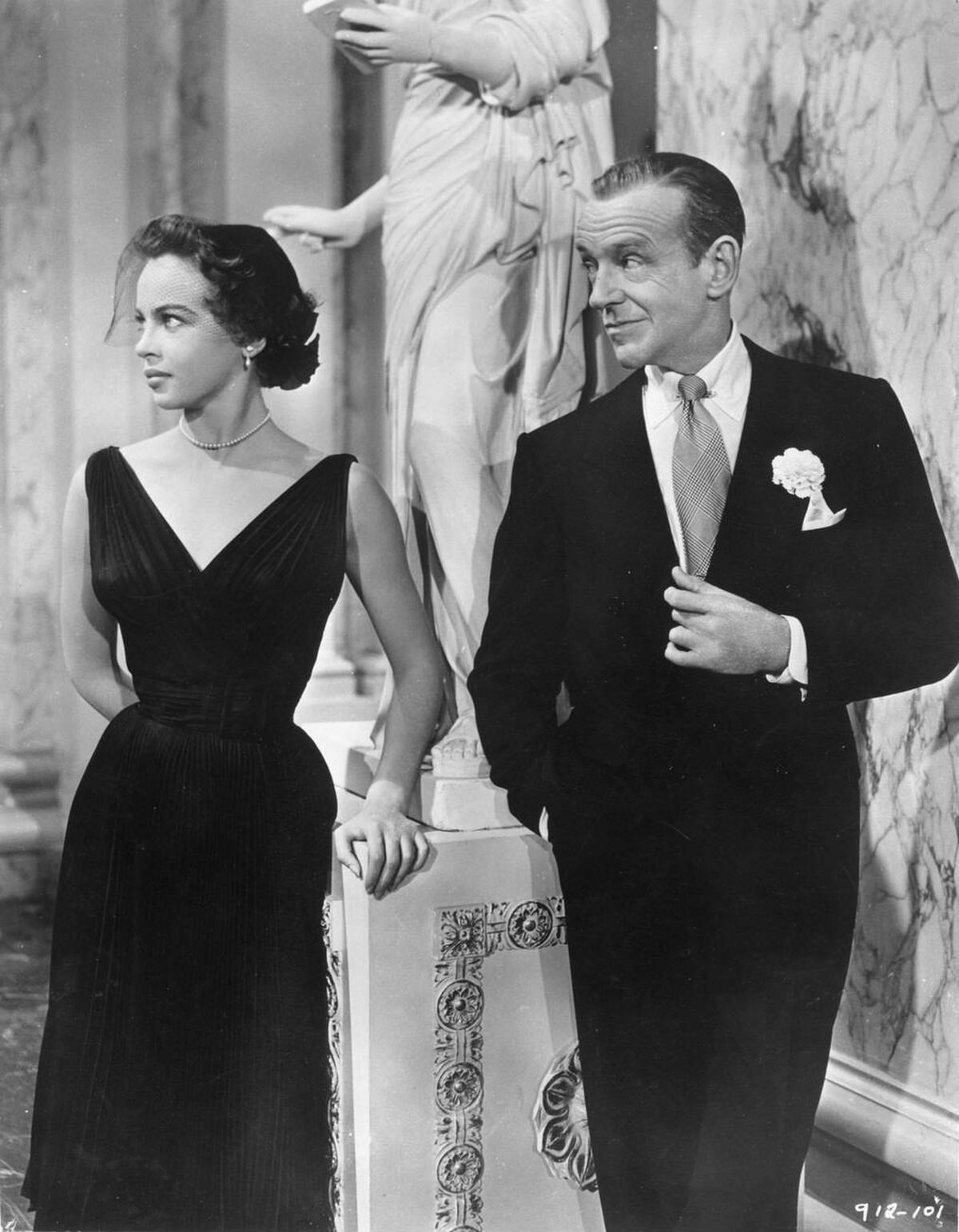
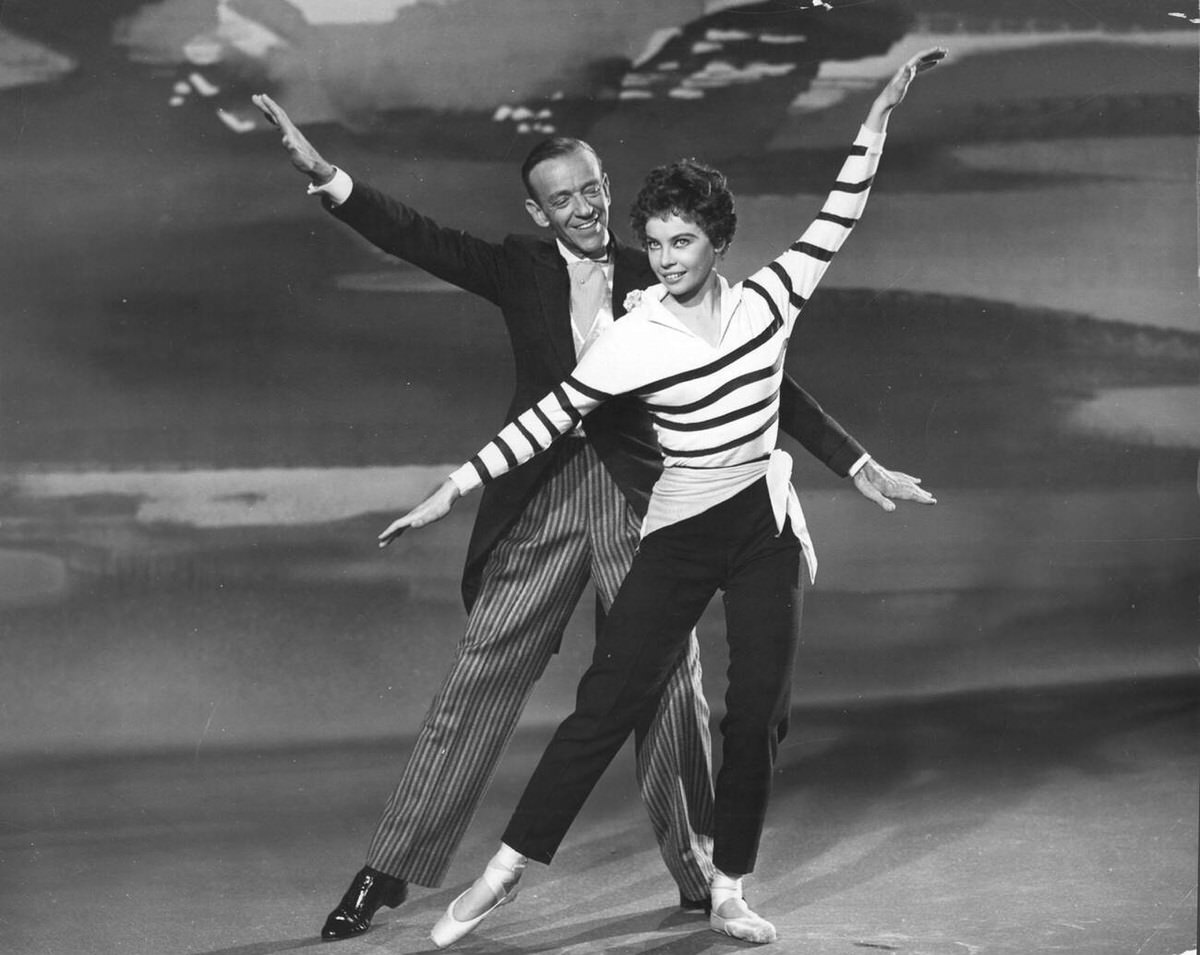
In Daddy Long Legs (1955), she starred opposite Fred Astaire. The film relied heavily on dance sequences rather than dialogue. Caron matched Astaire’s precision while keeping a softer, youthful tone. Their scenes emphasized rhythm, balance, and emotional timing.
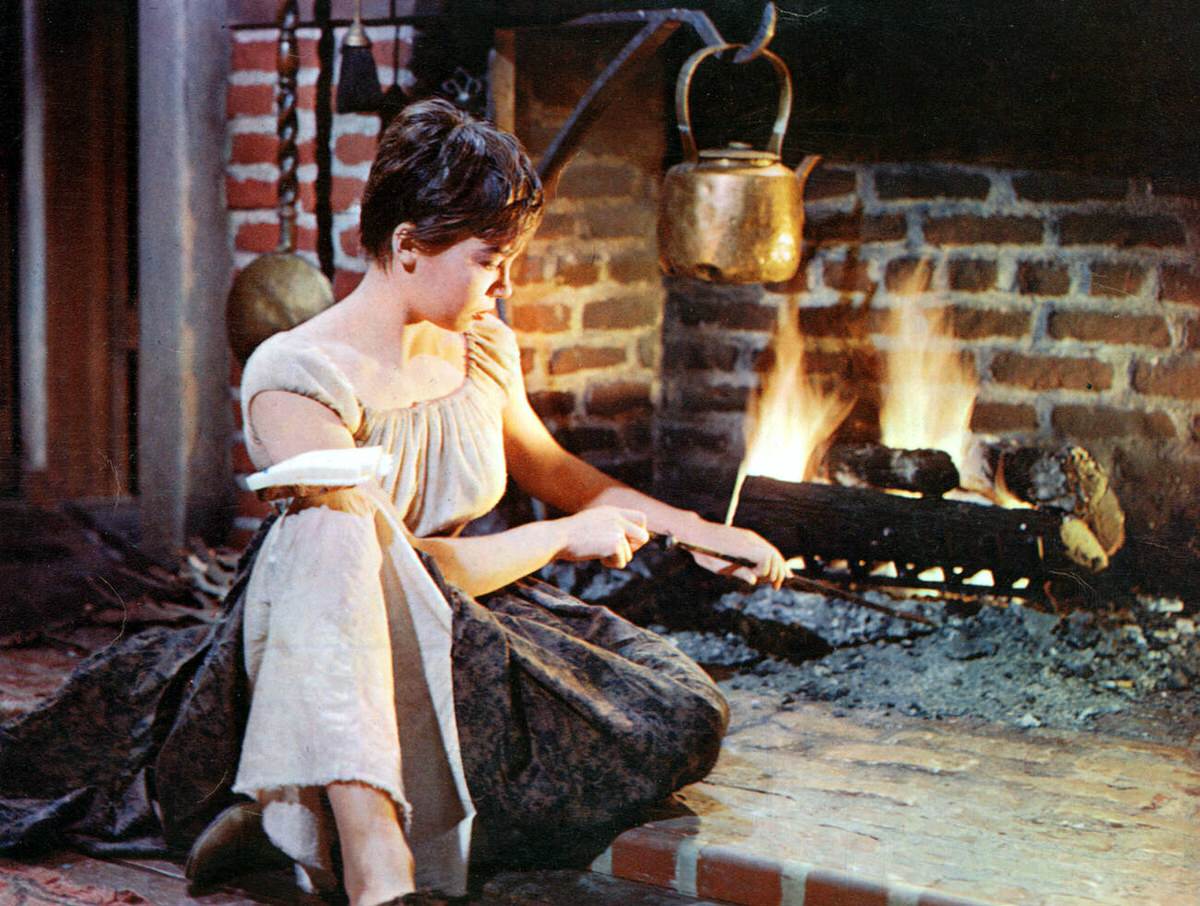
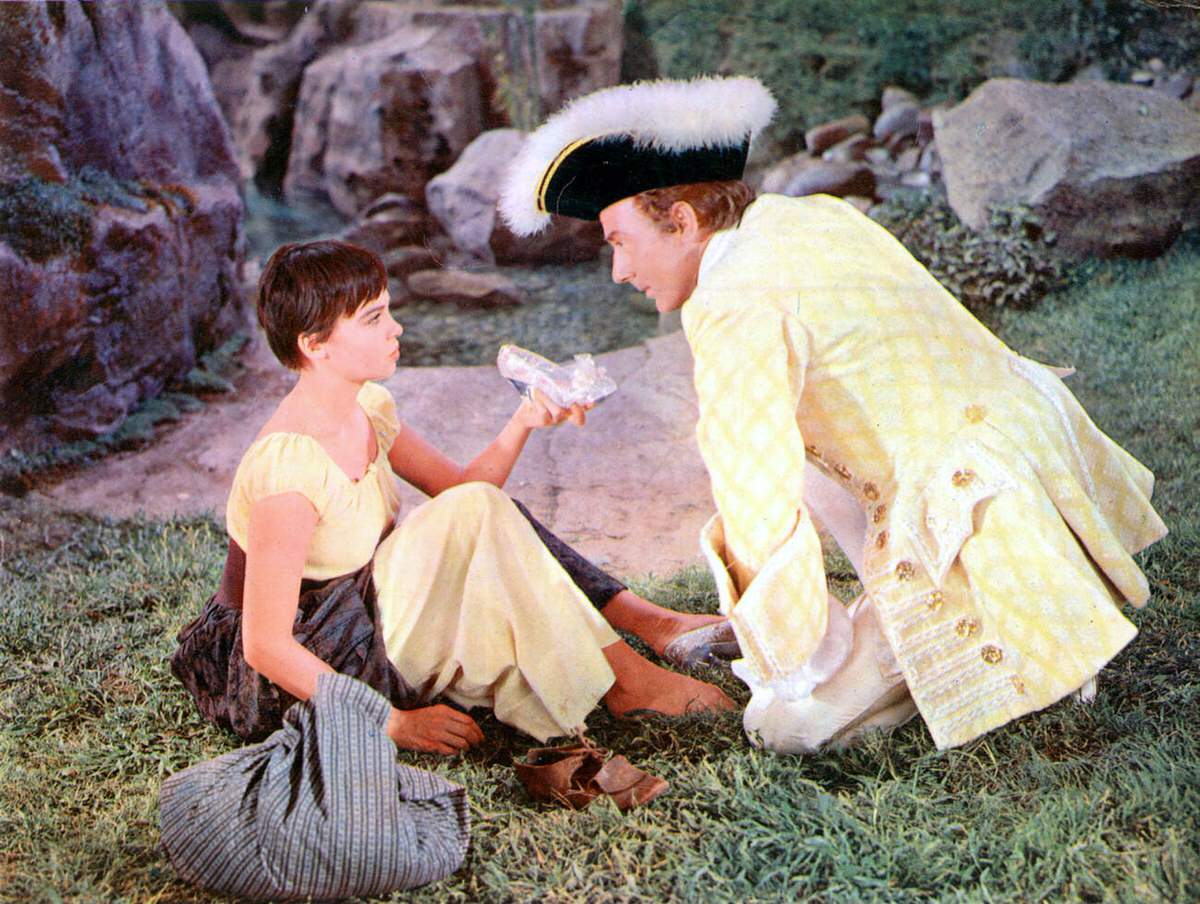
Her most famous role came in Gigi (1958). Caron played a young woman raised to become a courtesan but determined to define her own future. The film combined light comedy with social rules of late nineteenth-century Paris. Caron’s performance balanced innocence and confidence. Gigi won nine Academy Awards, including Best Picture.
Read more
Shift Toward Dramatic Roles
In the early 1960s, Caron moved away from musicals. She chose roles that focused on character depth and modern themes. In Fanny (1961), she played a woman facing love, loss, and responsibility. The film removed song and dance entirely, placing full attention on dialogue and emotion.
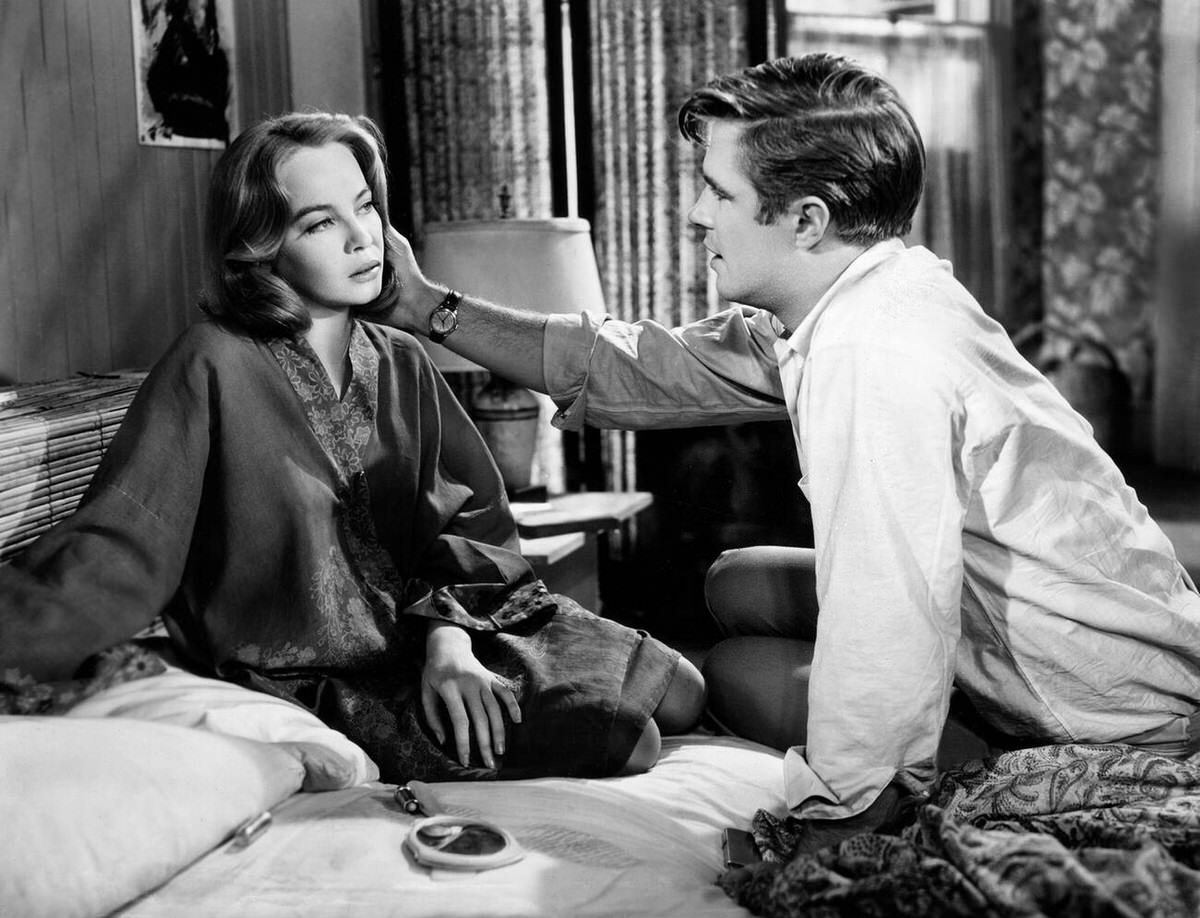
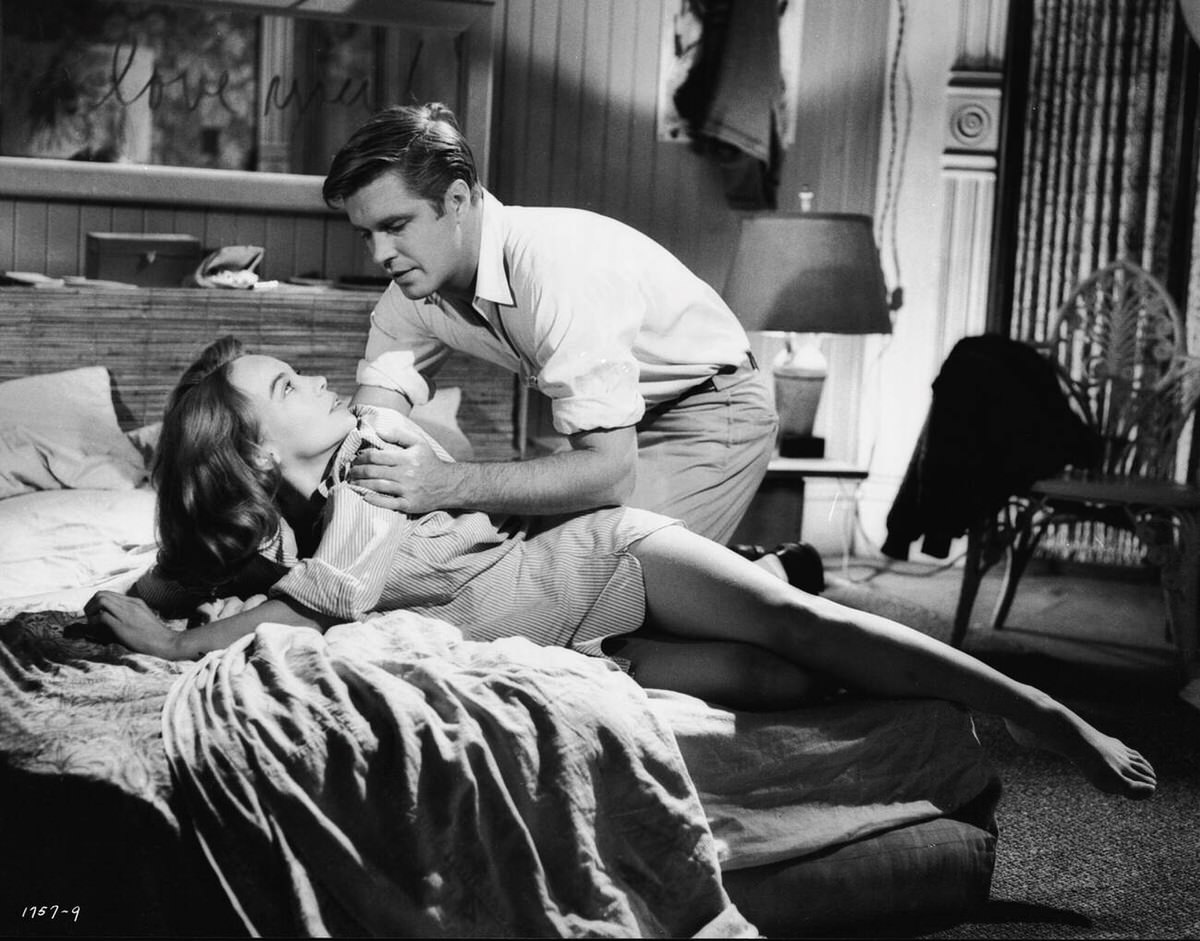
Her role in The L-Shaped Room (1962) marked a turning point. Caron portrayed a young woman navigating life in London while pregnant and unmarried. The film addressed social isolation and personal independence. Her performance earned her a second Academy Award nomination for Best Actress. Critics praised her natural tone and restrained emotion.
In Father Goose (1964), she starred opposite Cary Grant. The film mixed romance with wartime adventure. Caron played a French schoolteacher stranded on a Pacific island. Her character showed resilience and quiet strength, adding warmth to the story.
Range and Longevity
Between 1951 and 2003, Leslie Caron appeared in 45 films. She worked in French, British, and American cinema. Her roles varied across genres, including comedy, drama, romance, and historical films. She avoided being tied to a single screen image.
Caron also appeared in stage productions and television. Her background in dance gave her strong physical awareness, even in non-musical roles. Small gestures and controlled movement became part of her acting style.
As she aged, Caron continued to accept complex roles. She portrayed older women with clear inner lives rather than simplified traits. This approach allowed her to remain active in film well beyond the era of classic Hollywood musicals.
A Distinct Screen Identity
Leslie Caron never fit the typical Hollywood mold. Her appeal came from subtle expression rather than spectacle. She combined European restraint with emotional honesty. Directors relied on her ability to communicate feeling without excess movement or dialogue.
Her work across five decades reflects careful role selection and consistent craft. Whether dancing across a soundstage or standing still in a dramatic scene, Caron maintained control, clarity, and focus. Her performances document a career built on discipline, adaptability, and precise storytelling.