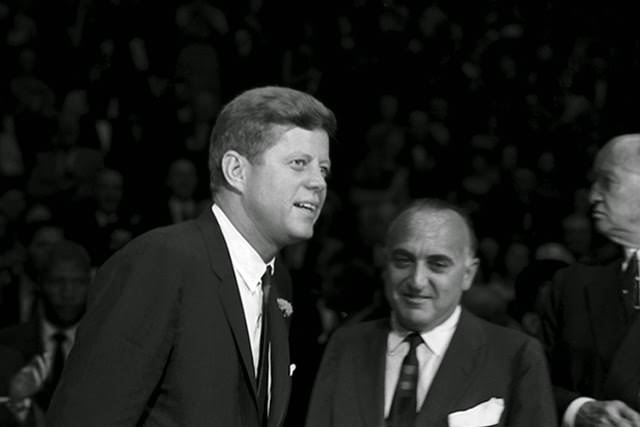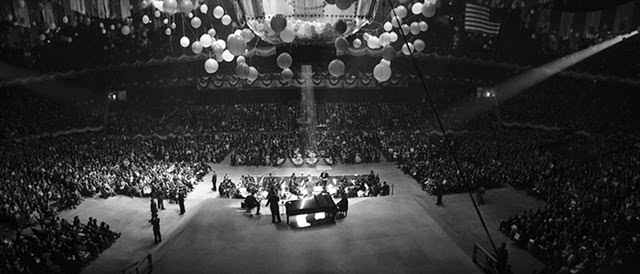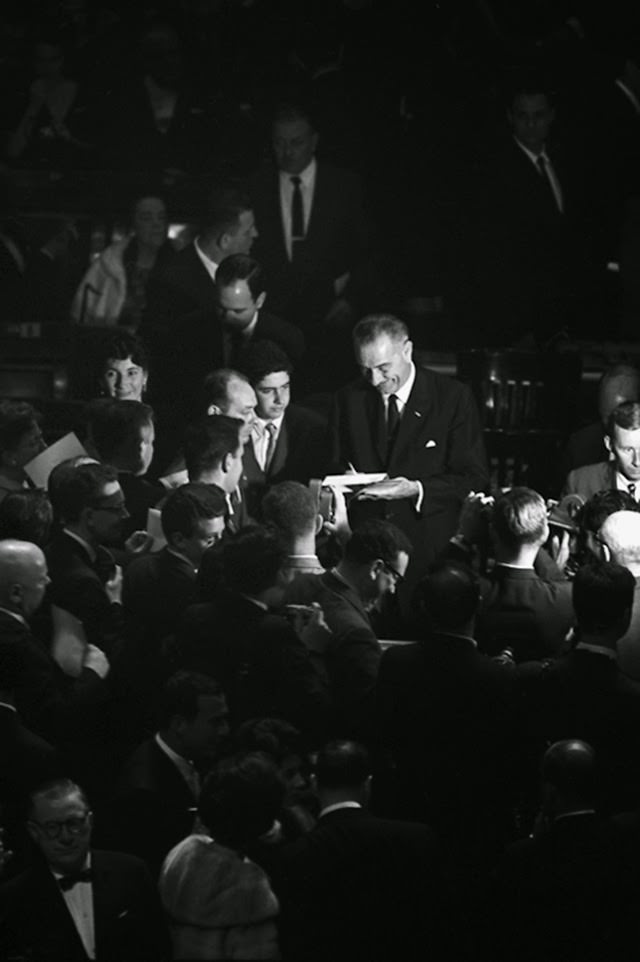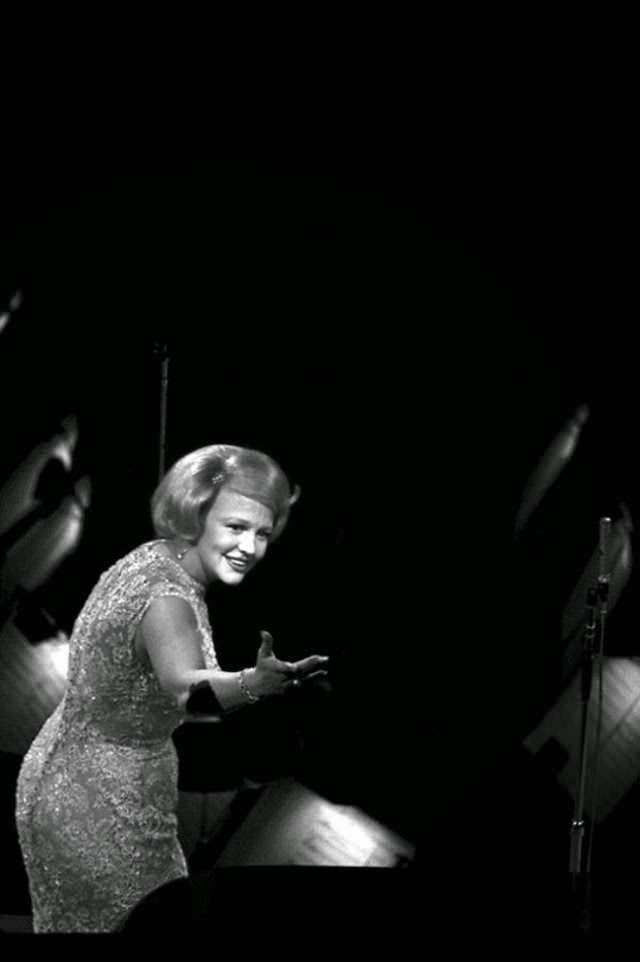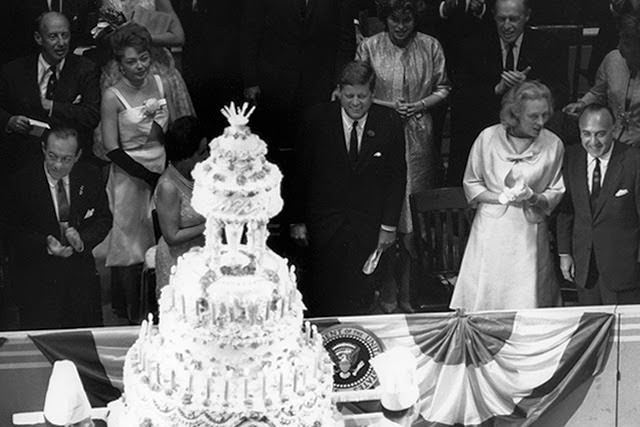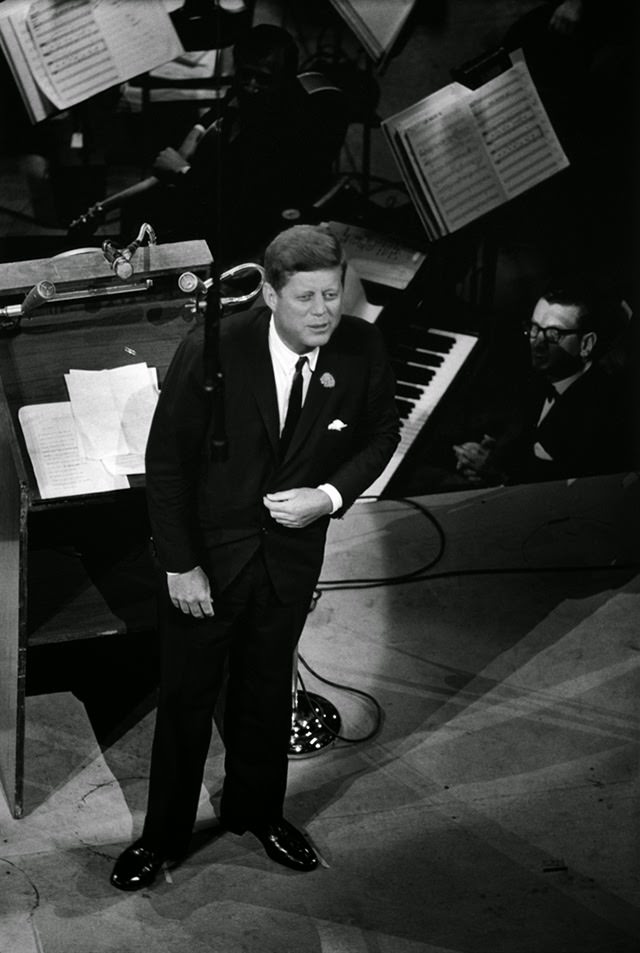

It was May 19, 1962, and Madison Square Garden was packed with 15,000 people. The occasion was a Democratic Party fundraiser and early birthday celebration for President John F. Kennedy, whose actual birthday fell on May 29. Peter Lawford, Kennedy’s brother-in-law and a member of the Rat Pack, served as the evening’s emcee. He had one job that night above all others: introduce Marilyn Monroe.
She was late. Not fashionably late — genuinely, hours late. Lawford had been stalling for most of the evening, making jokes about her absence between acts. When she finally appeared backstage, she was sewn into her dress so tightly that she had to be helped to the microphone in small, careful steps.
The Dress That Made Headlines Before She Even Sang
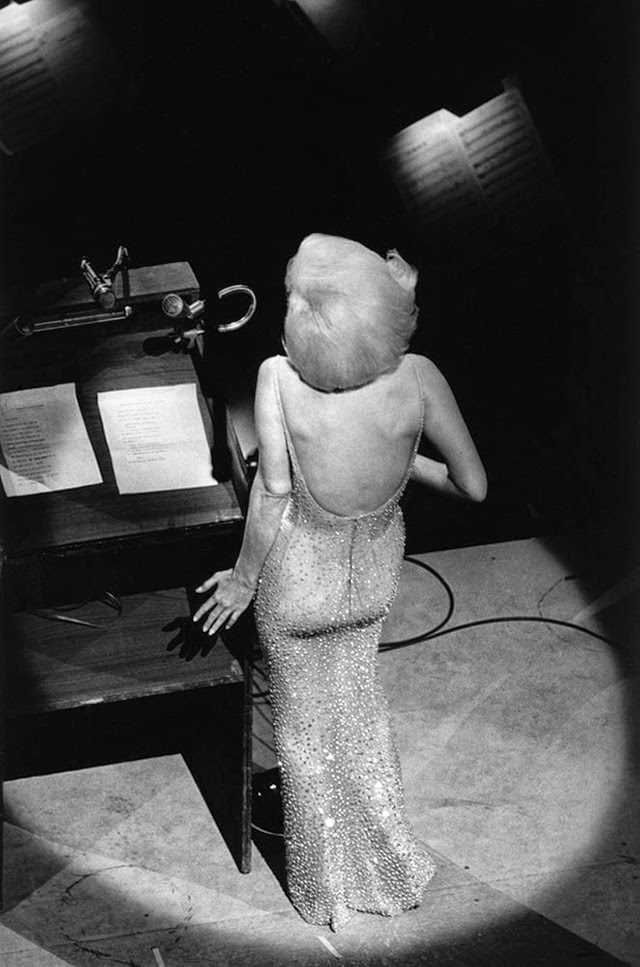
Jean Louis, the Hollywood costume designer, created the gown specifically for that night. It was flesh-toned and covered in 2,500 rhinestones, each sewn by hand onto a sheer fabric so thin it was essentially transparent under stage lighting. The effect was calculated: from a distance, Monroe appeared to be wearing nothing at all. She had to be literally sewn into it backstage because there was no other way to get it on. The dress cost $12,000 — roughly $120,000 in today’s money — and Kennedy later told her it was the most beautiful thing he had ever seen.
Read more..
Peter Lawford’s Introduction
When Monroe finally made her entrance, Lawford drew out the introduction with deliberate theatricality. He called her “the late Marilyn Monroe” — a line that got laughs from the crowd and acknowledged the obvious delay. Then Monroe stepped to the microphone, and the Garden went quiet.
She wore a white ermine fur stole over the rhinestone gown. She let the stole drop to the stage floor as she reached the mic. The crowd erupted before she sang a single note.
The Performance Itself
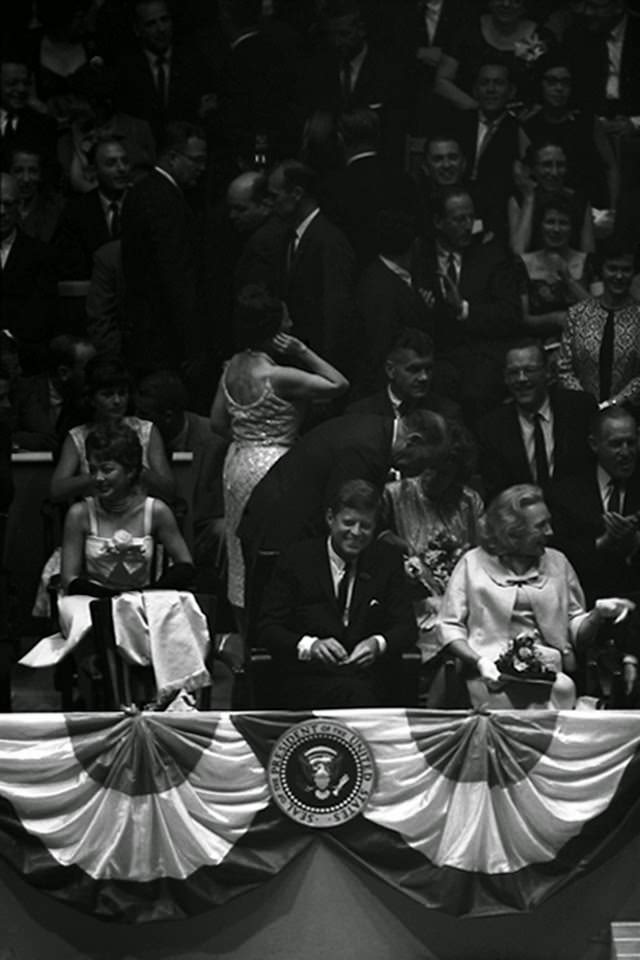
Monroe’s version of “Happy Birthday” was slow, breathless, and unmistakably personal. She stretched each word, dropped her voice low on certain phrases, and delivered the whole thing directly to Kennedy, who was seated in a presidential box. The song lasted about a minute. Then she launched into a special version called “Thanks for the Memory (Of All the Things You’ve Taught Me),” a parody written specifically for Kennedy that referenced his leadership and the New Frontier.
Kennedy sat watching with a wide grin. When he came to the podium afterward, his first words were: “I can now retire from politics after having had ‘Happy Birthday’ sung to me in such a sweet, wholesome way.”
The crowd laughed. The line was a joke — and also not quite a joke.
Who Was in the Room
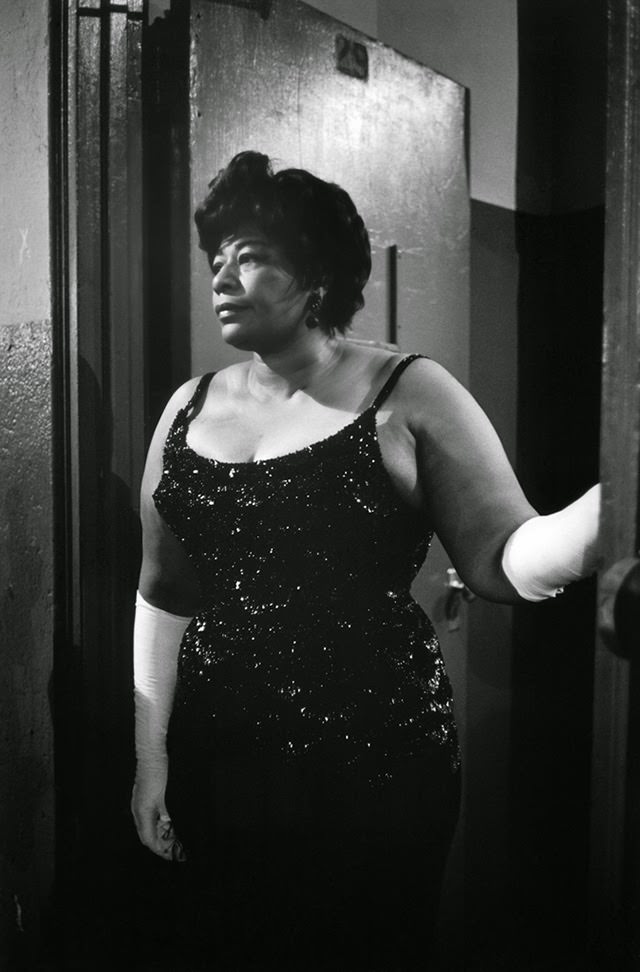
The guest list read like a cross-section of mid-century American power. Senators, governors, Hollywood actors, Democratic Party donors. Bobby Kennedy was there. Adlai Stevenson was there. Harry Belafonte performed earlier in the evening. Ella Fitzgerald sang. Jack Benny did a comedy set. But none of it generated the same electricity as Monroe’s 60-second performance.
The event raised $1 million for the Democratic Party — the equivalent of about $10 million today. It was the largest Democratic fundraiser held up to that point.
The Complicated Backstory
Monroe almost didn’t perform. She was under contract at 20th Century Fox, still filming Something’s Got to Give, and the studio refused to give her permission to attend. She went anyway. Fox used her absence as one of the justifications for firing her the following month.
Her relationship with Kennedy was an open secret in certain circles by 1962. She had attended White House dinners. She had his private phone number. FBI director J. Edgar Hoover had already compiled files on both of them. The performance at Madison Square Garden made what had been whispered in private circles into something that played out in front of 15,000 people and was filmed for broadcast.