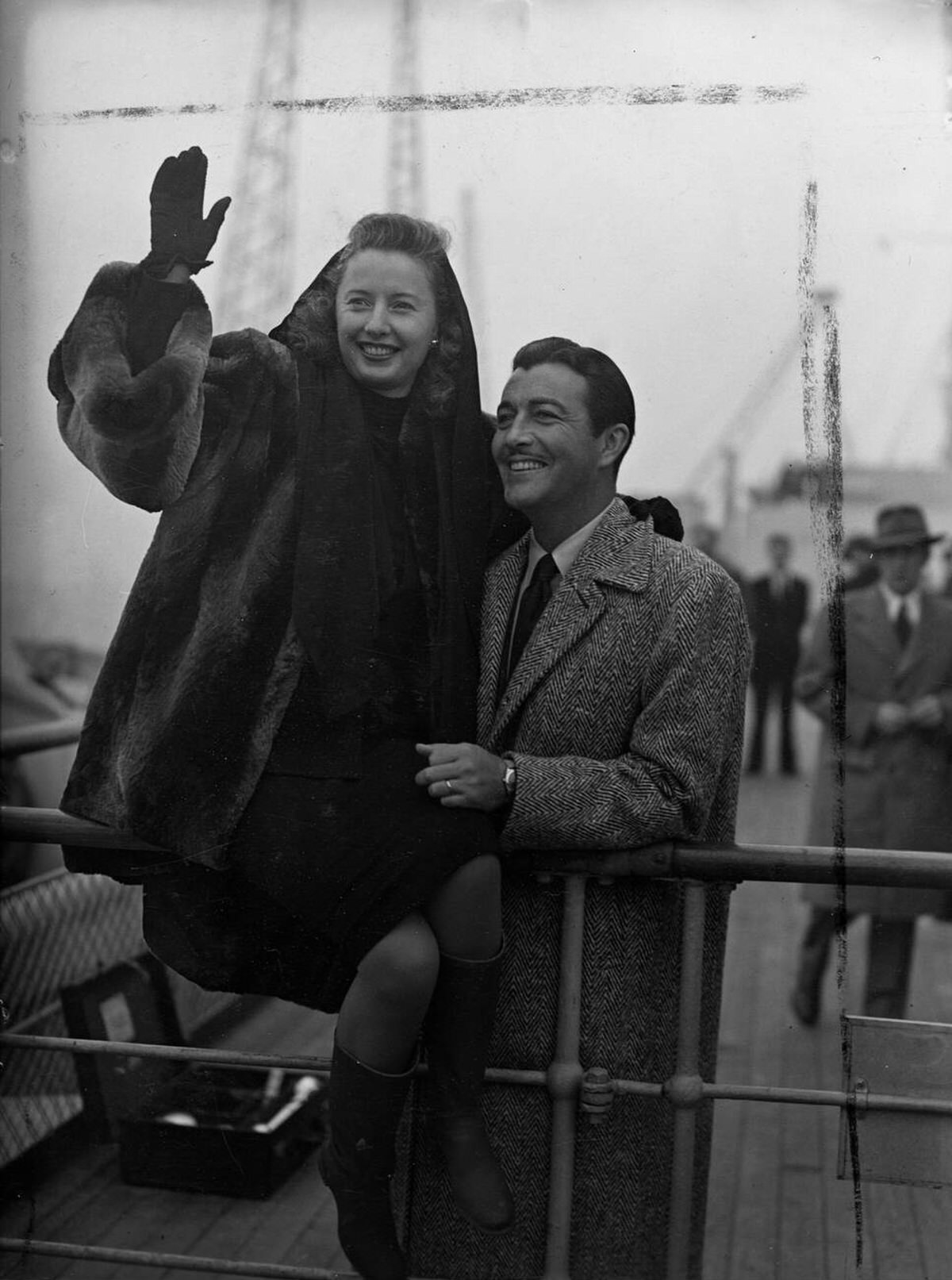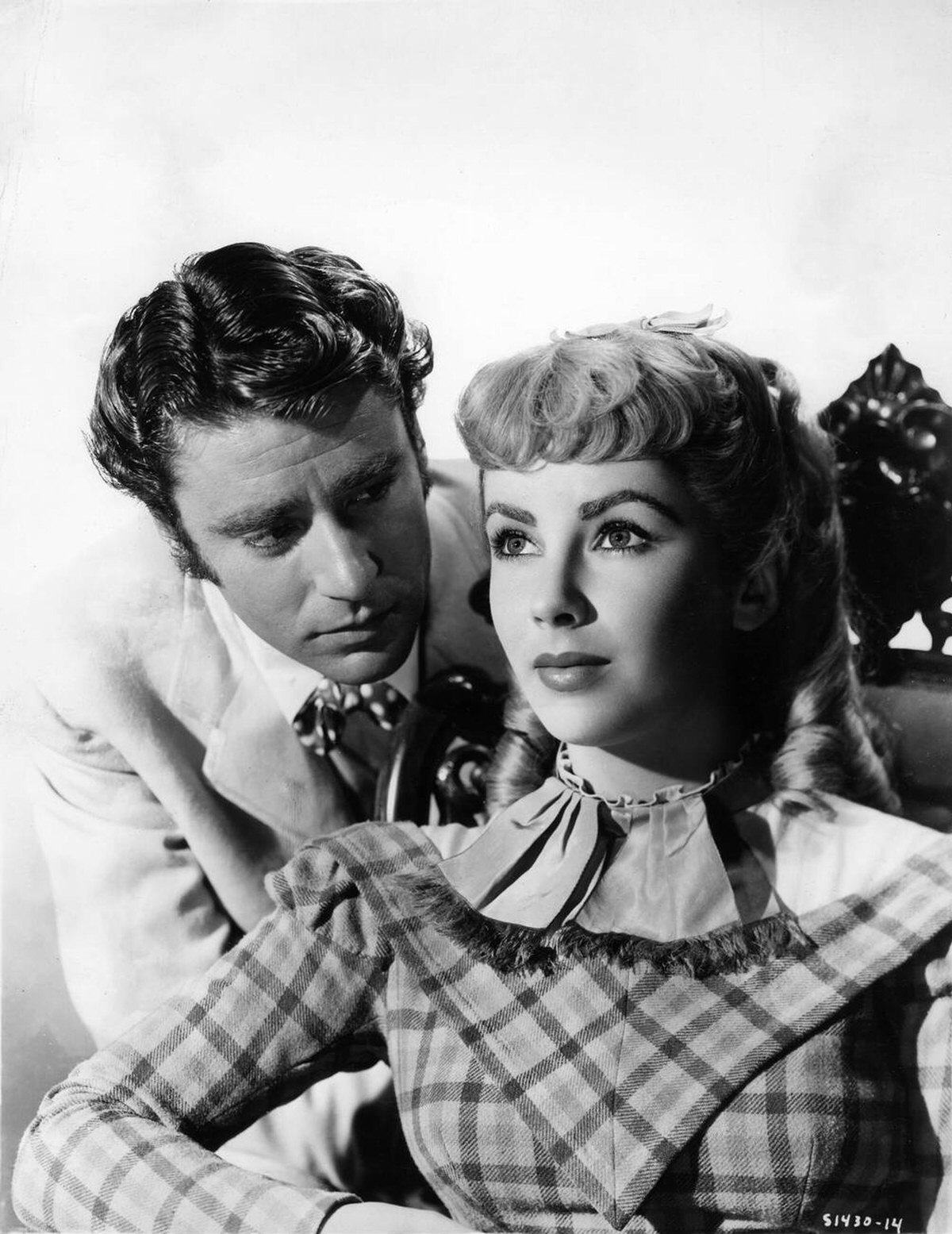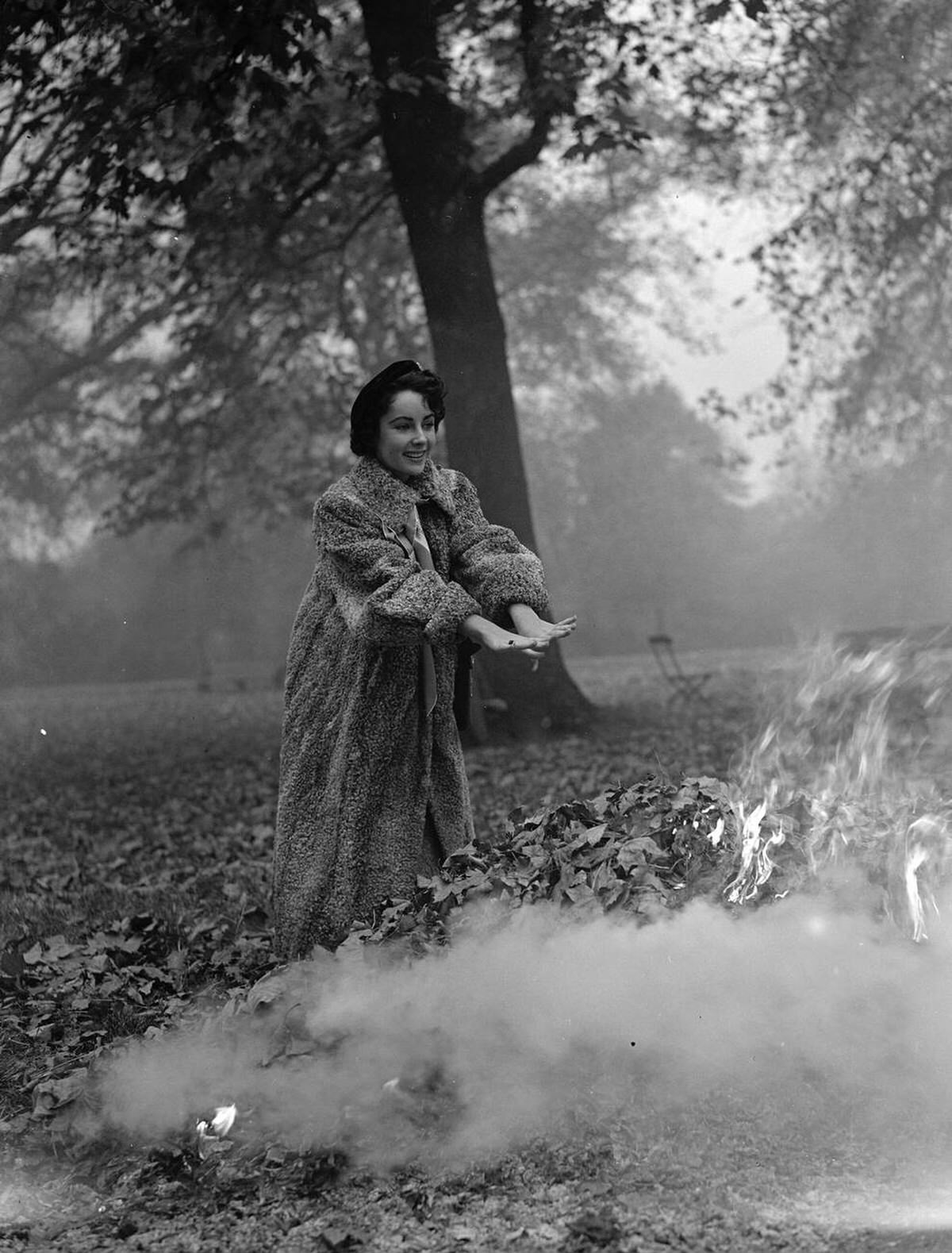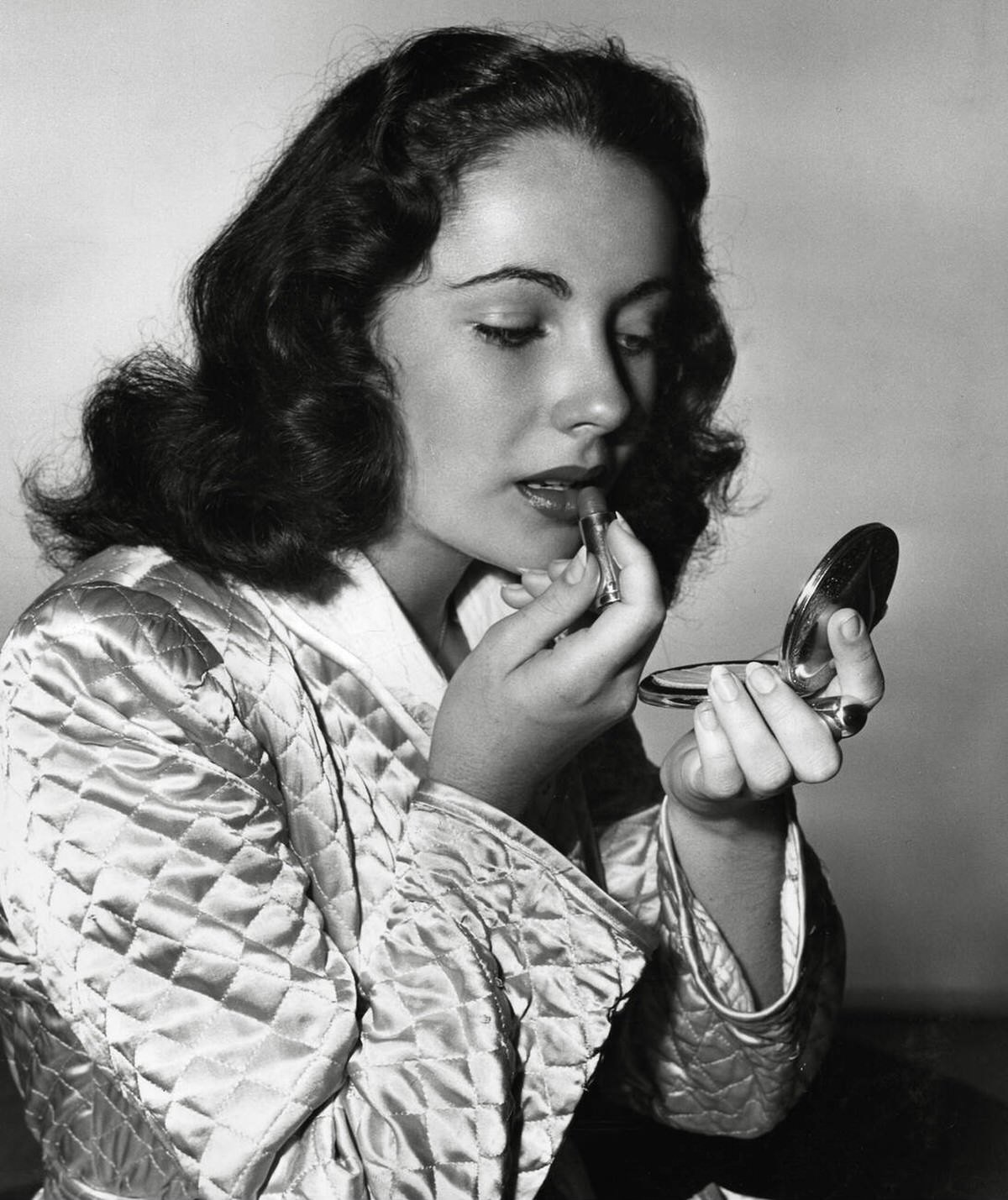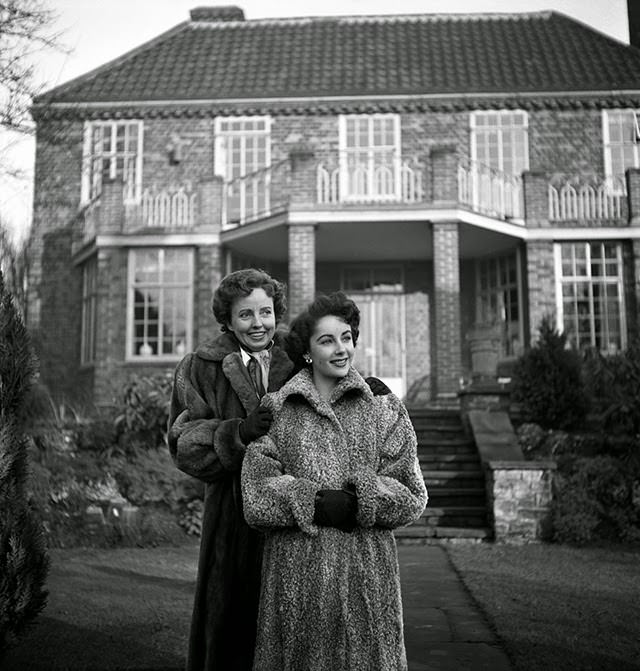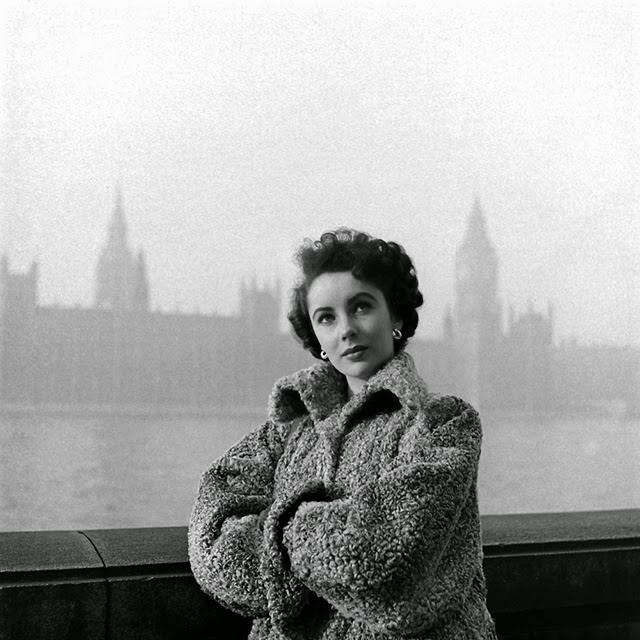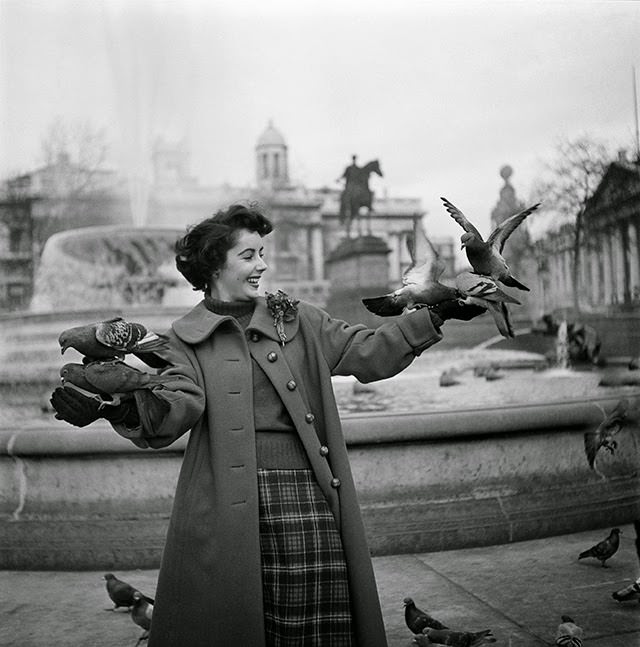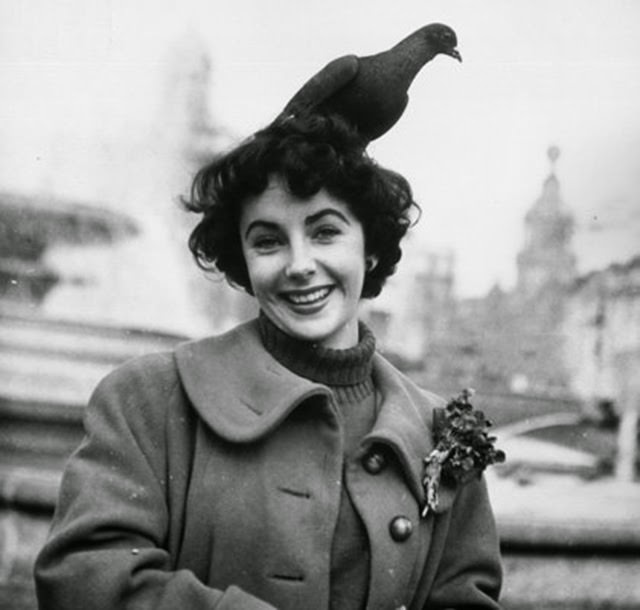

Elizabeth Taylor was not discovered by accident. She was placed in front of the right people at the right time by a mother who understood exactly what her daughter looked like and what Hollywood would do with it. What followed was one of the most concentrated periods of star-making in studio history — a teenage girl becoming one of the most recognized faces in American cinema before she turned eighteen.
The Beginning
Elizabeth Rosemond Taylor was born on February 27, 1932, in London, England, to American parents. Her father, Francis Taylor, ran an art gallery. Her mother, Sara Sothern, had been a stage actress before her marriage. The family moved to Los Angeles in 1939, just before World War Two began, settling in the Pacific Palisades neighborhood.
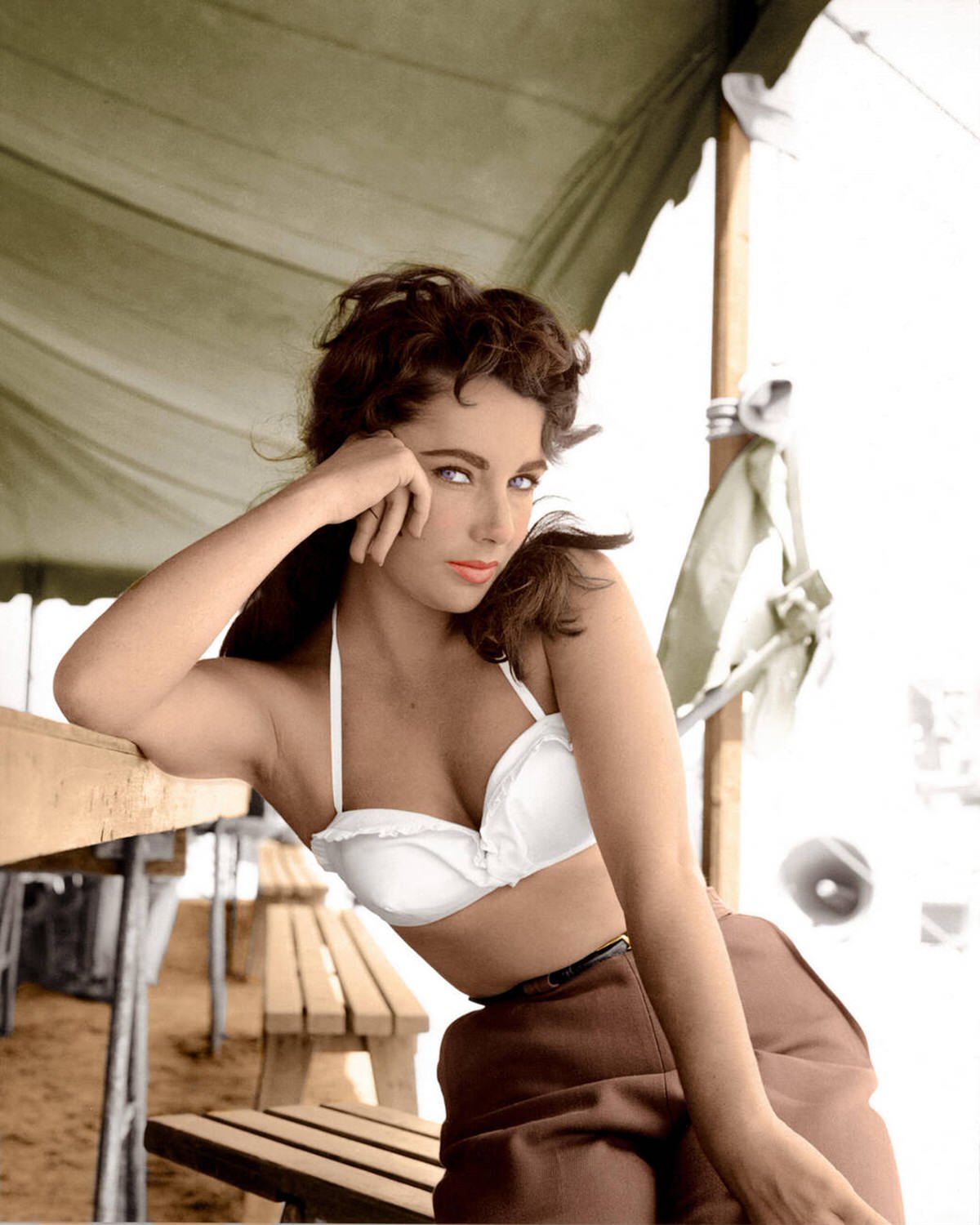
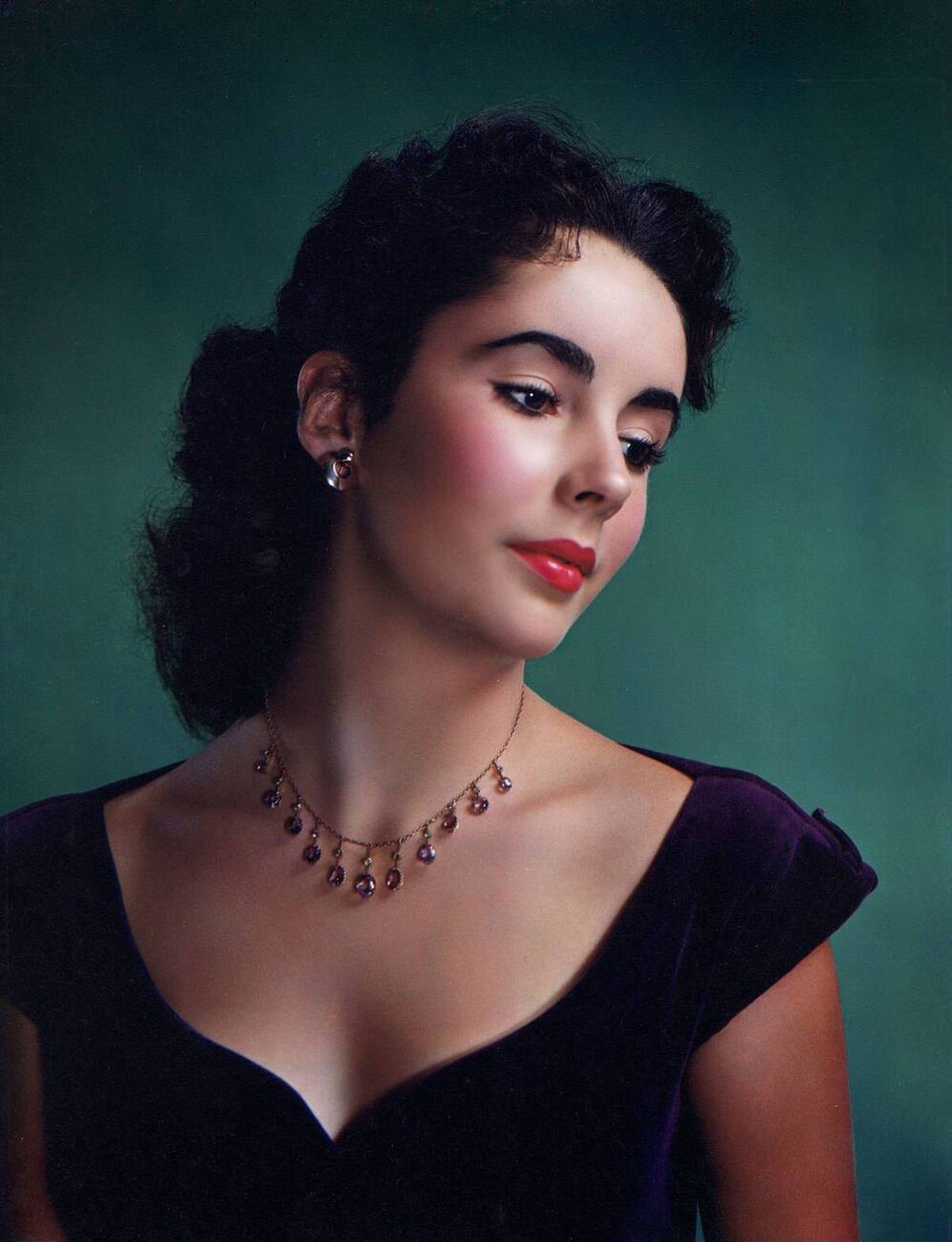
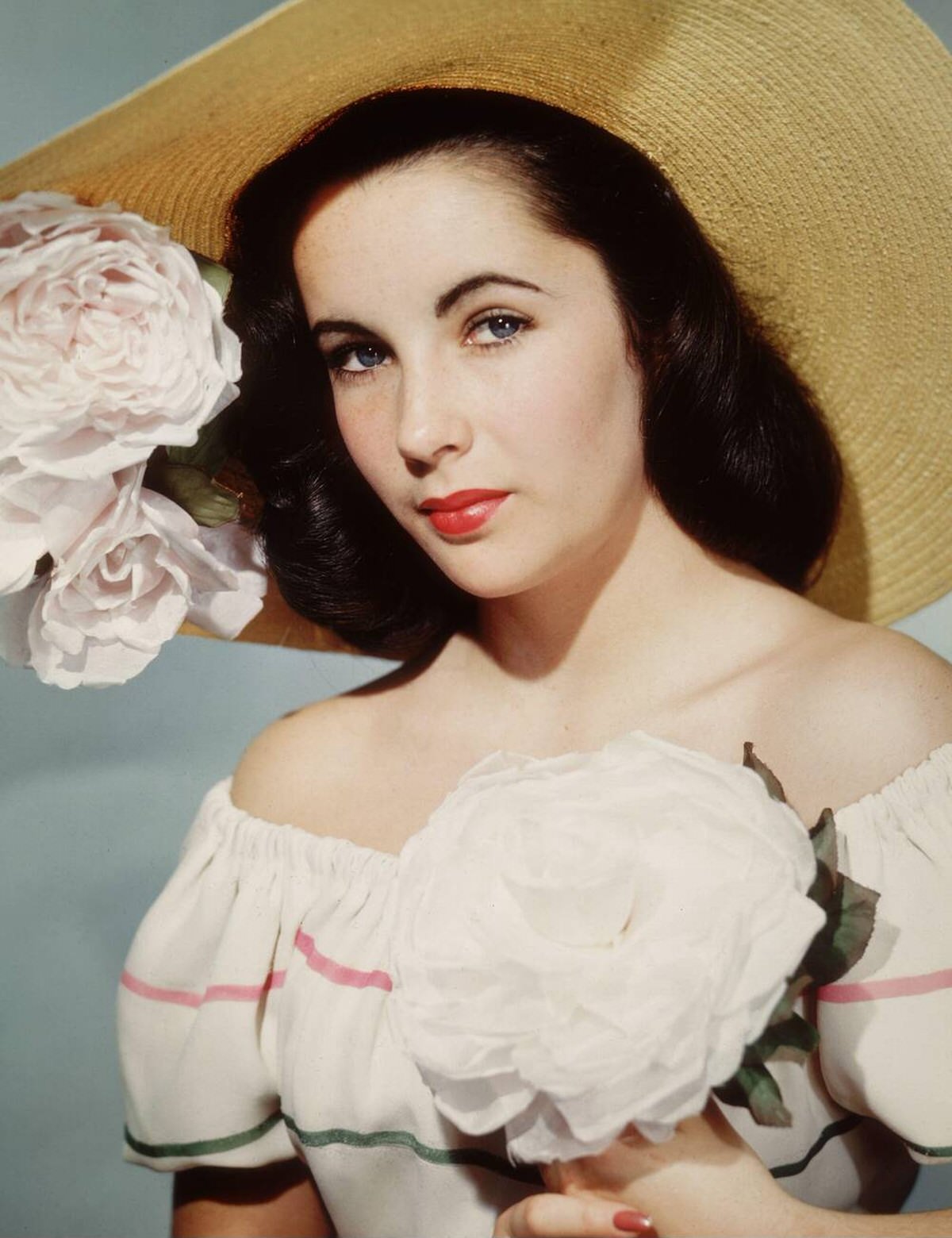
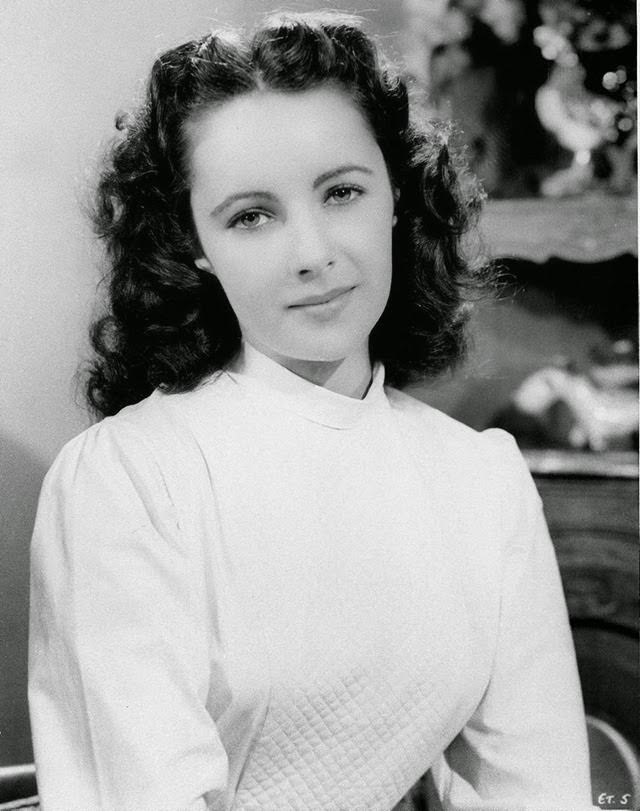
Sara Taylor recognized her daughter’s extraordinary looks early and pushed toward a screen career with focused determination. Elizabeth had violet eyes — a genuinely rare physical characteristic — dark hair, fair skin, and a symmetrical face that photographed with unusual clarity. These were not qualities that needed development. They were simply there, fully formed, in a child.
Read more..
Elizabeth auditioned for Universal Pictures in 1941, at age nine. The studio signed her but let her contract lapse after a year, reportedly because an executive’s wife found the child irritating. MGM signed her shortly afterward, and this time the studio held on.
National Velvet and the Breakthrough
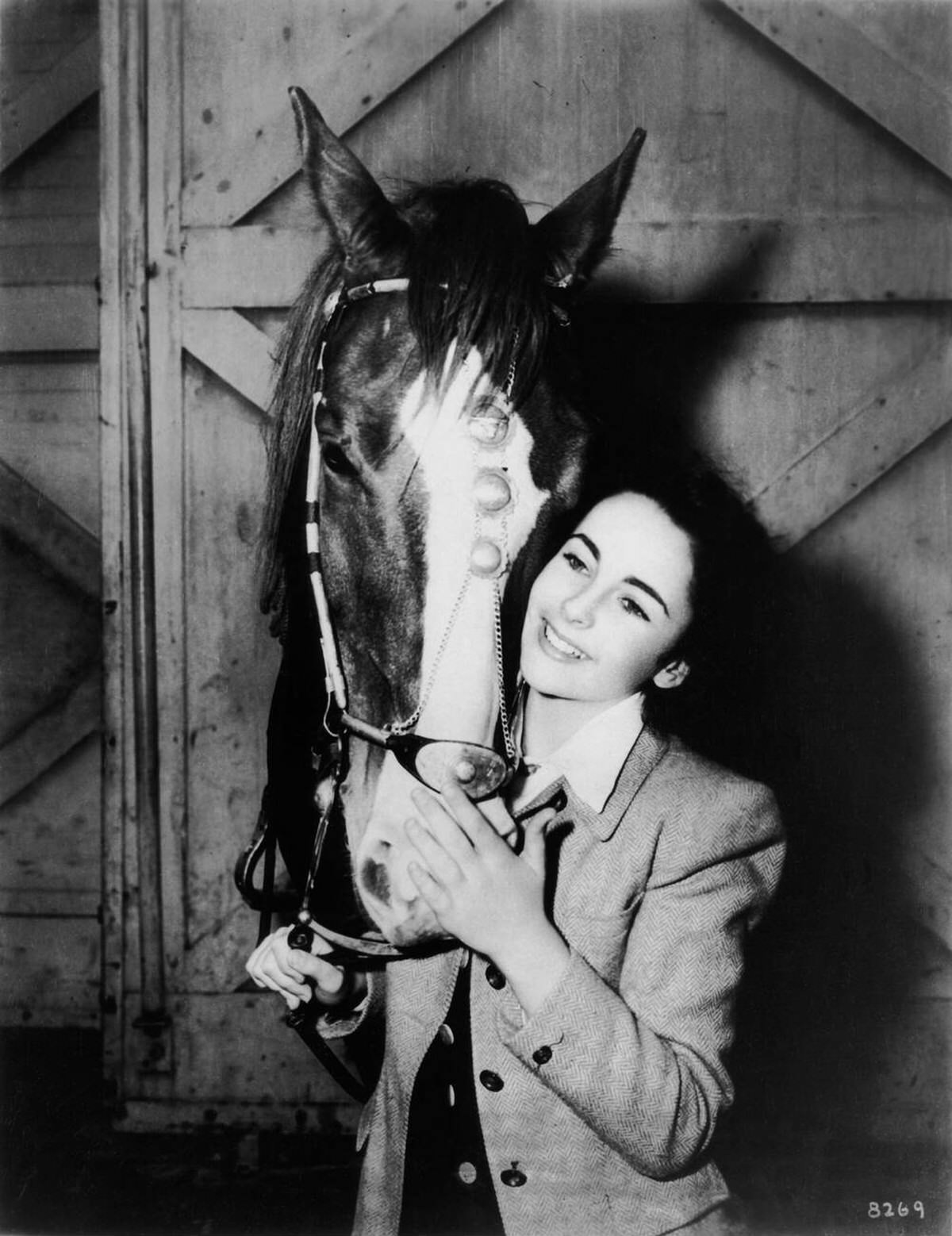
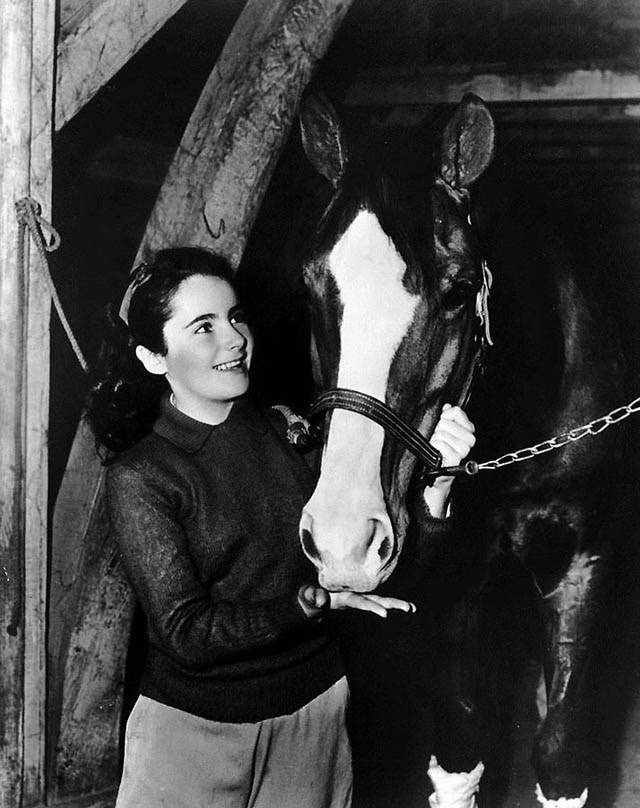
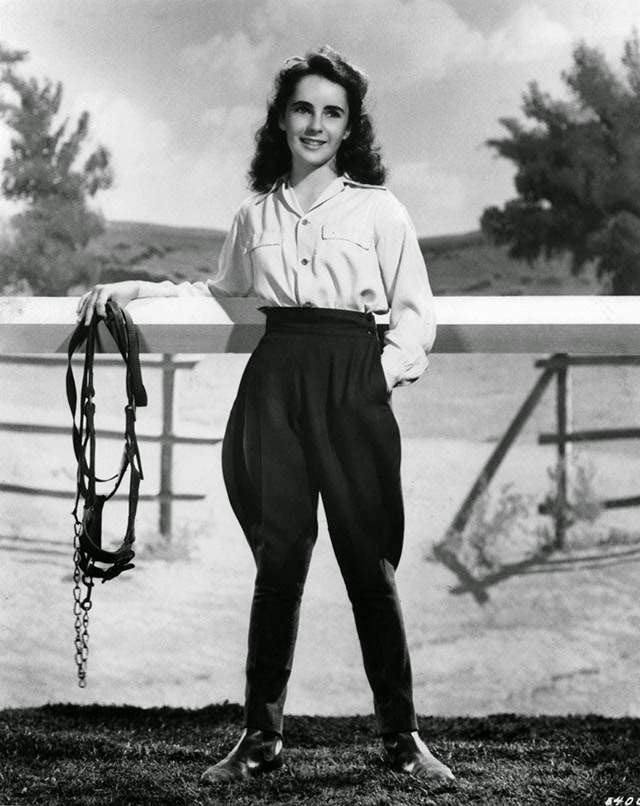
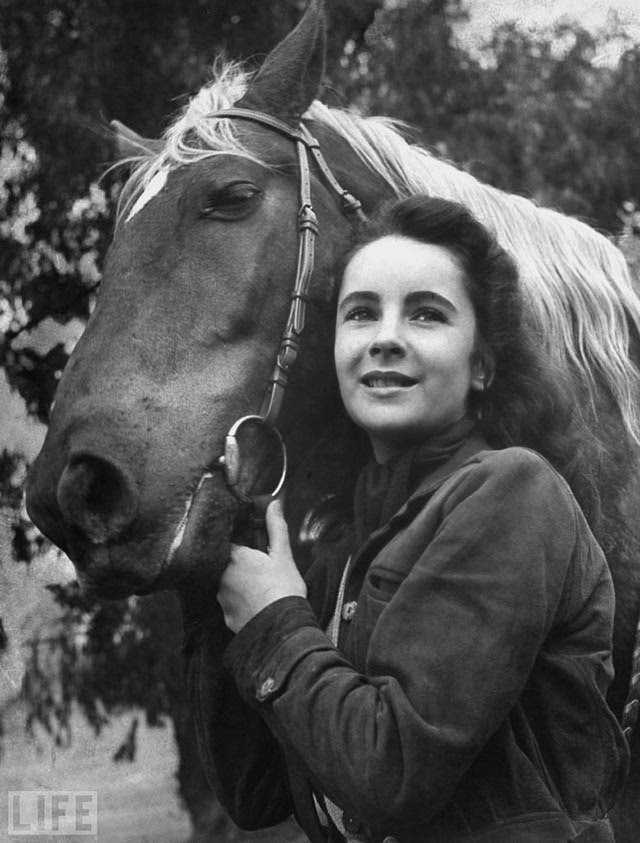
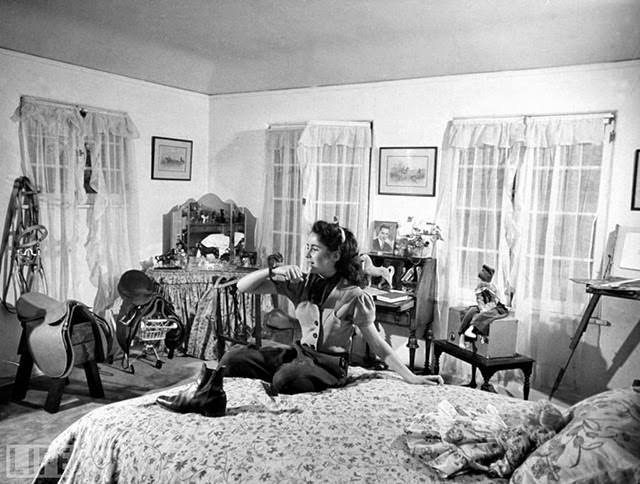
The film that changed everything was National Velvet, released in 1944. Elizabeth Taylor was twelve years old when production began and thirteen by the time filming wrapped. She played Velvet Brown, a young girl who trains a horse to compete in the Grand National race.
Getting the role required effort beyond talent. The producers initially felt Elizabeth was too small for the part. She spent months on a rigorous physical regimen — riding daily, eating specifically to gain weight and height. She grew three inches during pre-production and convinced the studio she was right for the role.
The performance was genuine. Elizabeth Taylor rode the horse herself for most of the film’s riding sequences, which were physically demanding and not without risk. Her work on screen held its own against veteran actors including Mickey Rooney, who had been a major star since the mid-1930s and was the more experienced performer by a significant margin.
National Velvet was a massive commercial success. It earned over four million dollars at the box office against a production cost of under one and a half million. Elizabeth Taylor’s name went above the title, and at thirteen, she was a star.
Life Under the Studio System
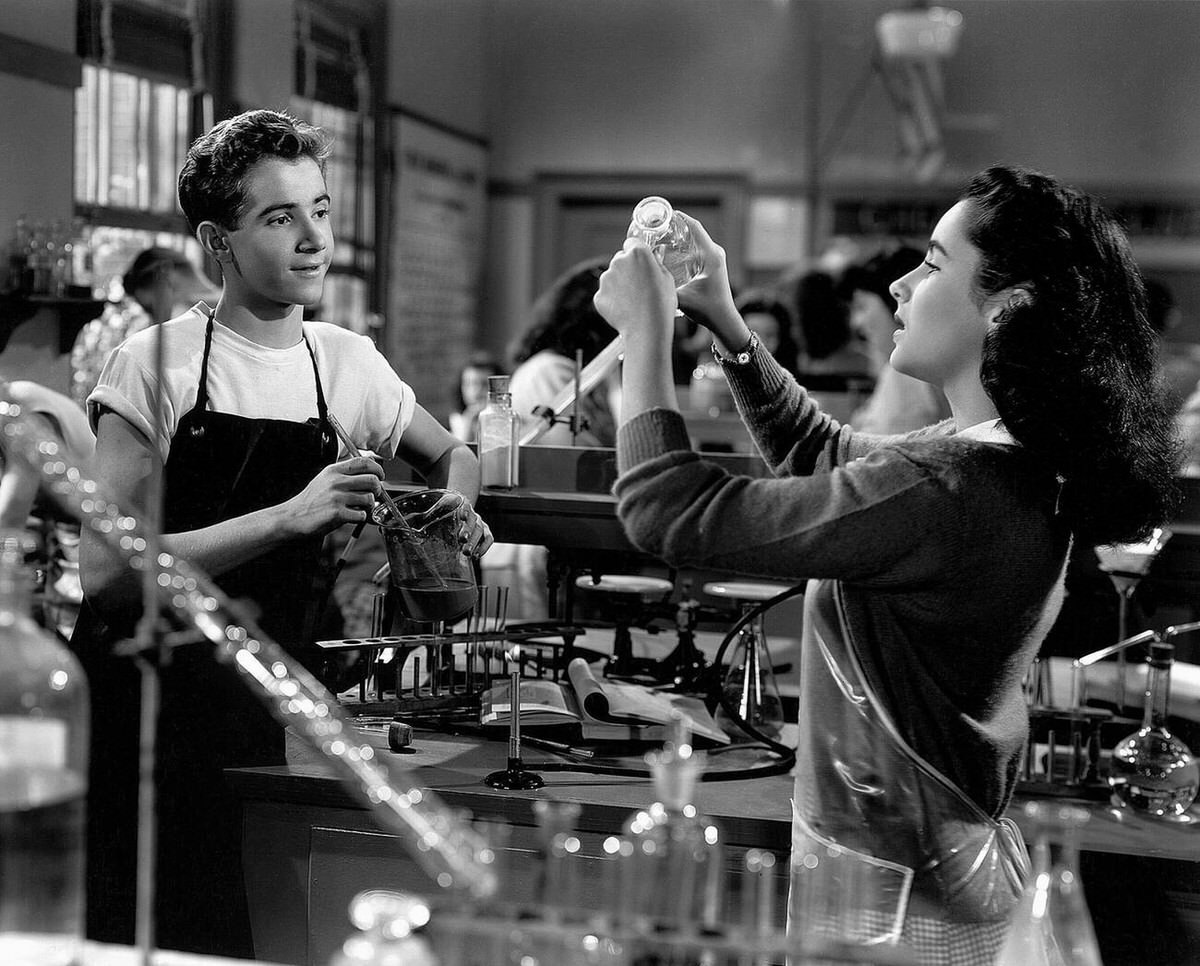
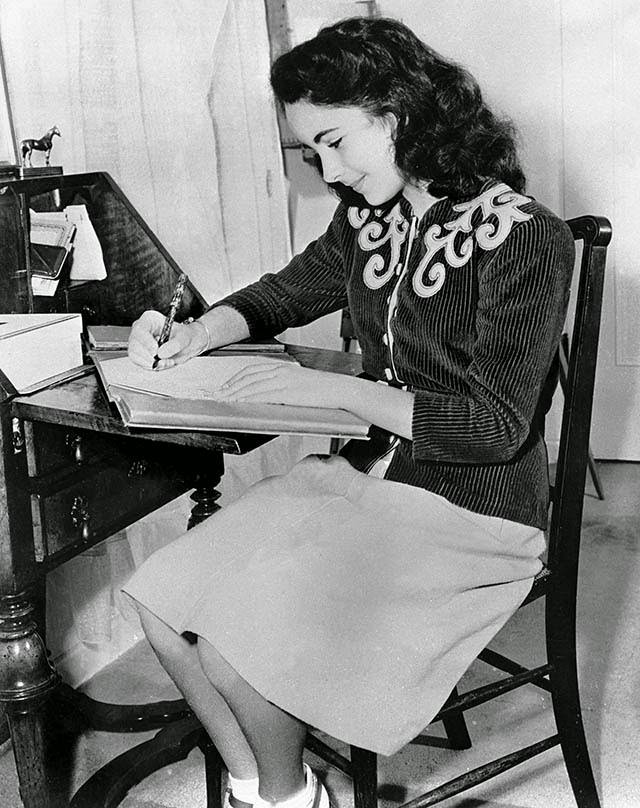
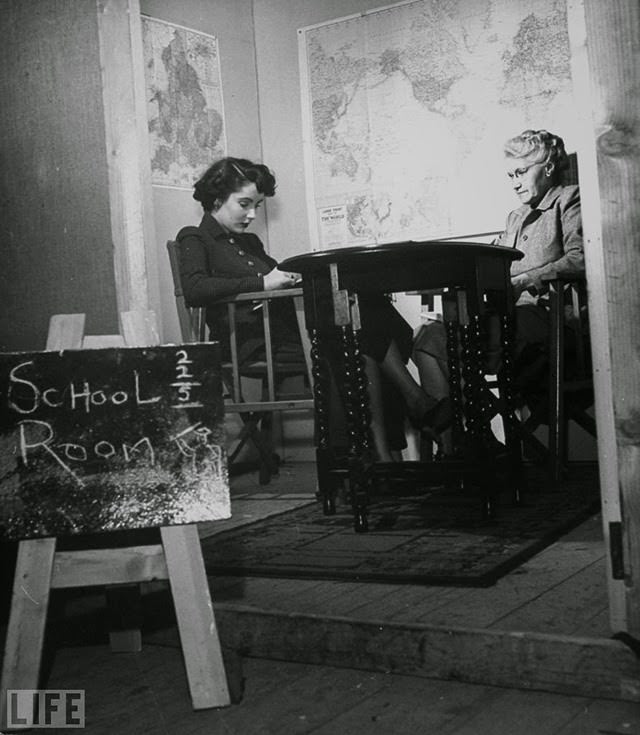
MGM’s control over its contract players in the 1940s was total. The studio managed Elizabeth Taylor’s public image, approved her interviews, selected her projects, and supervised her education through the studio school system. She completed her schooling on the MGM lot alongside other young contract players, with tutors assigned to work around shooting schedules.
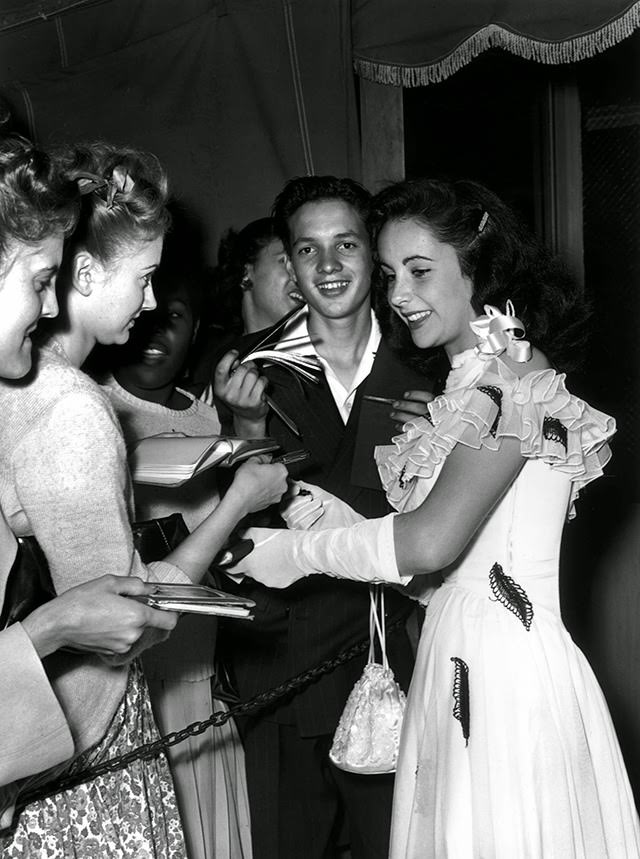
The studio controlled what she wore to public events, how she was photographed, and what stories the press was allowed to tell about her. This was standard practice for MGM during this period — the studio operated as a factory with its stars as products — but for a teenager, the level of institutional control over daily life was absolute.
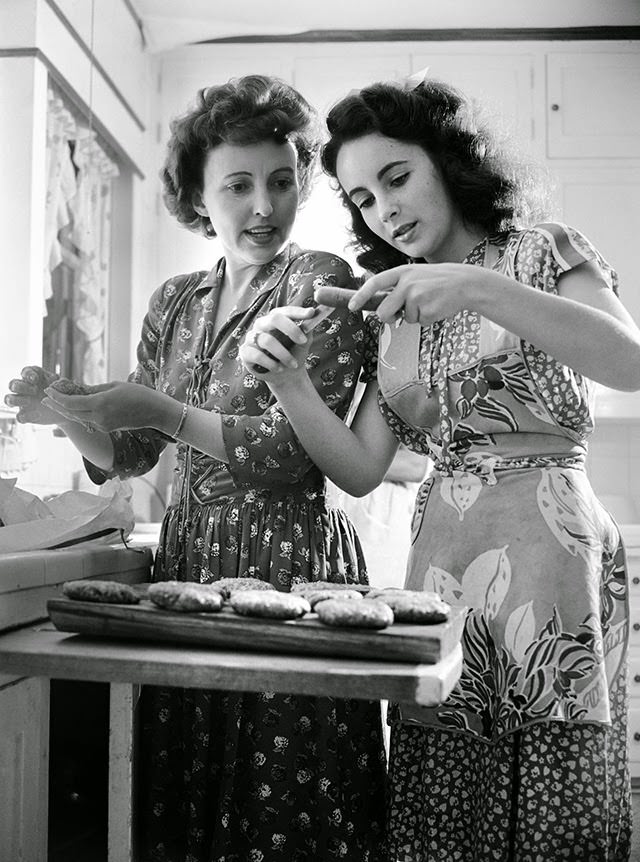
Her mother Sara remained a constant presence on set and at the studio throughout Elizabeth’s teenage years. Sara Taylor’s involvement was both protective and professionally strategic. She understood the studio system and navigated it aggressively on her daughter’s behalf, which created its own set of pressures for Elizabeth as she moved through adolescence under constant professional scrutiny.
The Films That Followed
After National Velvet, MGM moved Elizabeth Taylor through a series of productions designed to maintain her visibility while the studio figured out how to transition her from child star to adult actress.
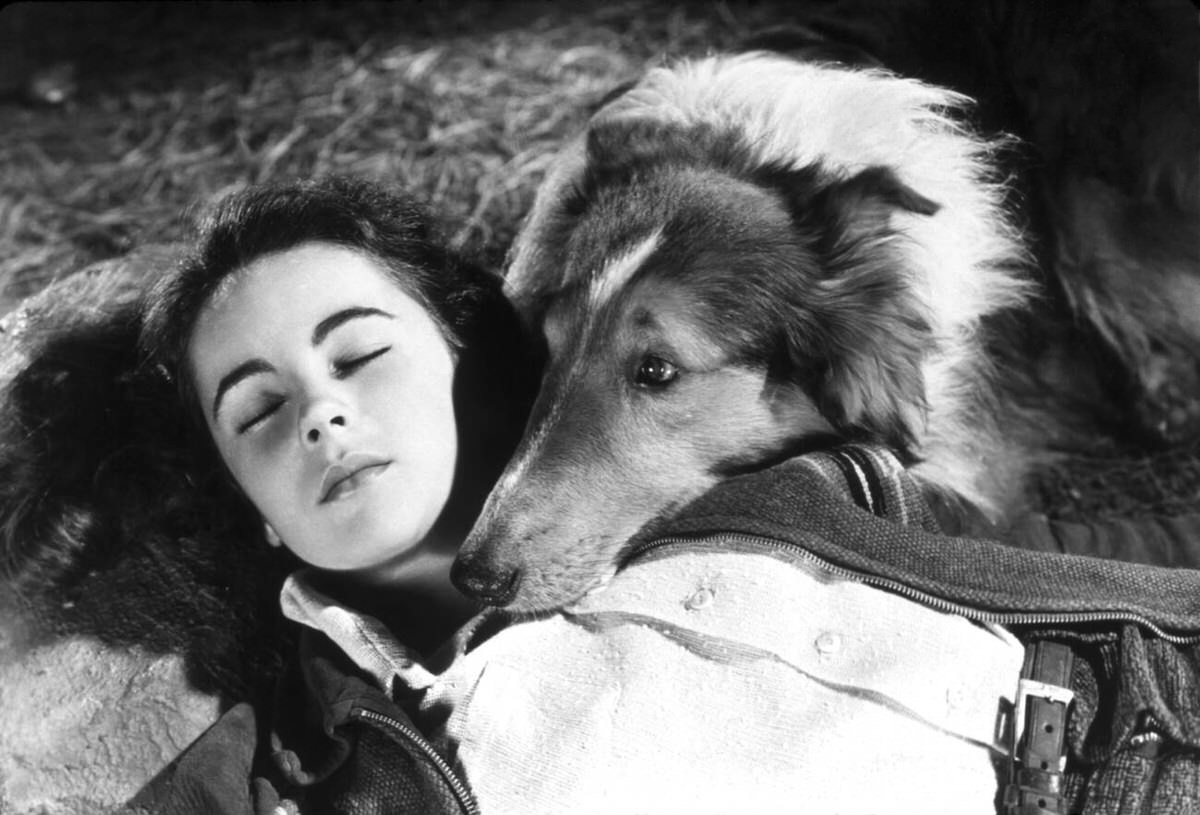
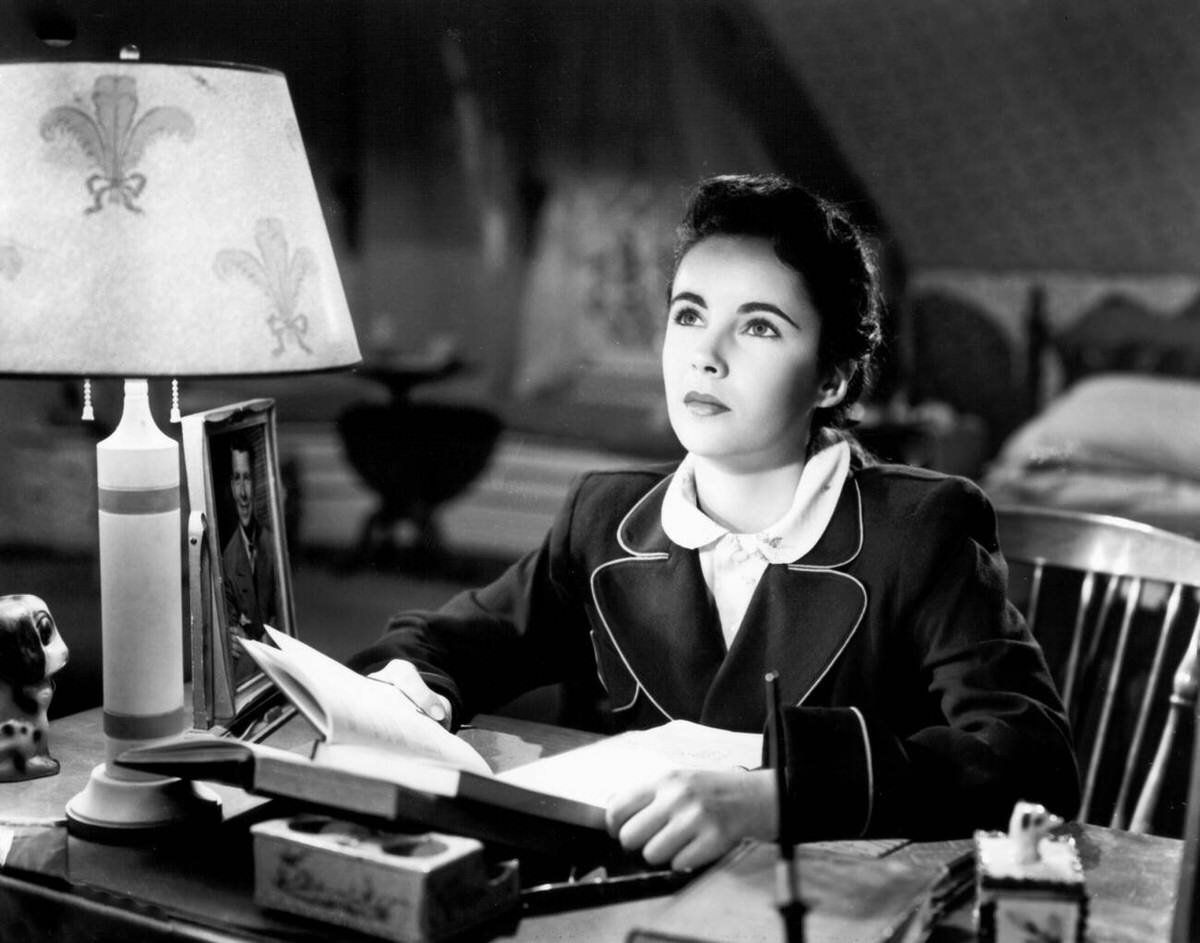
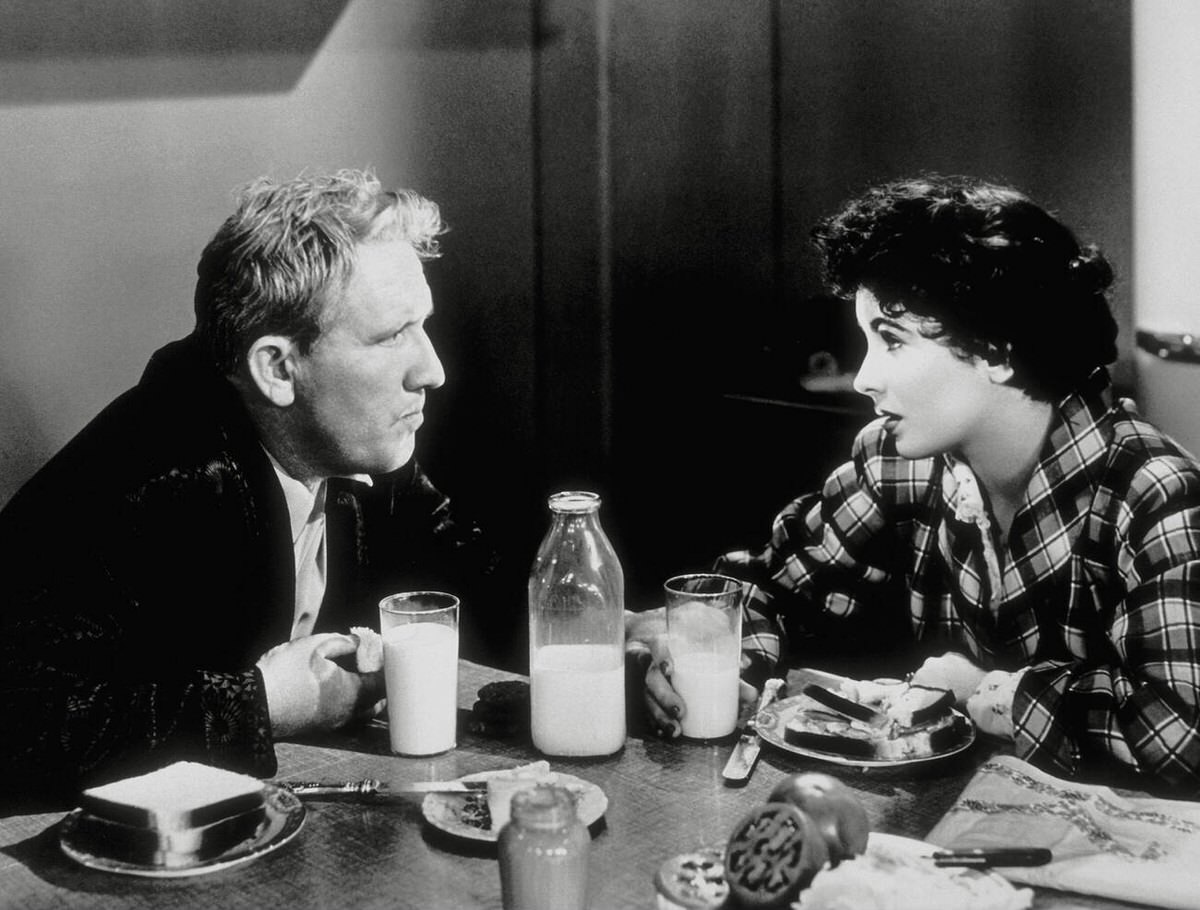
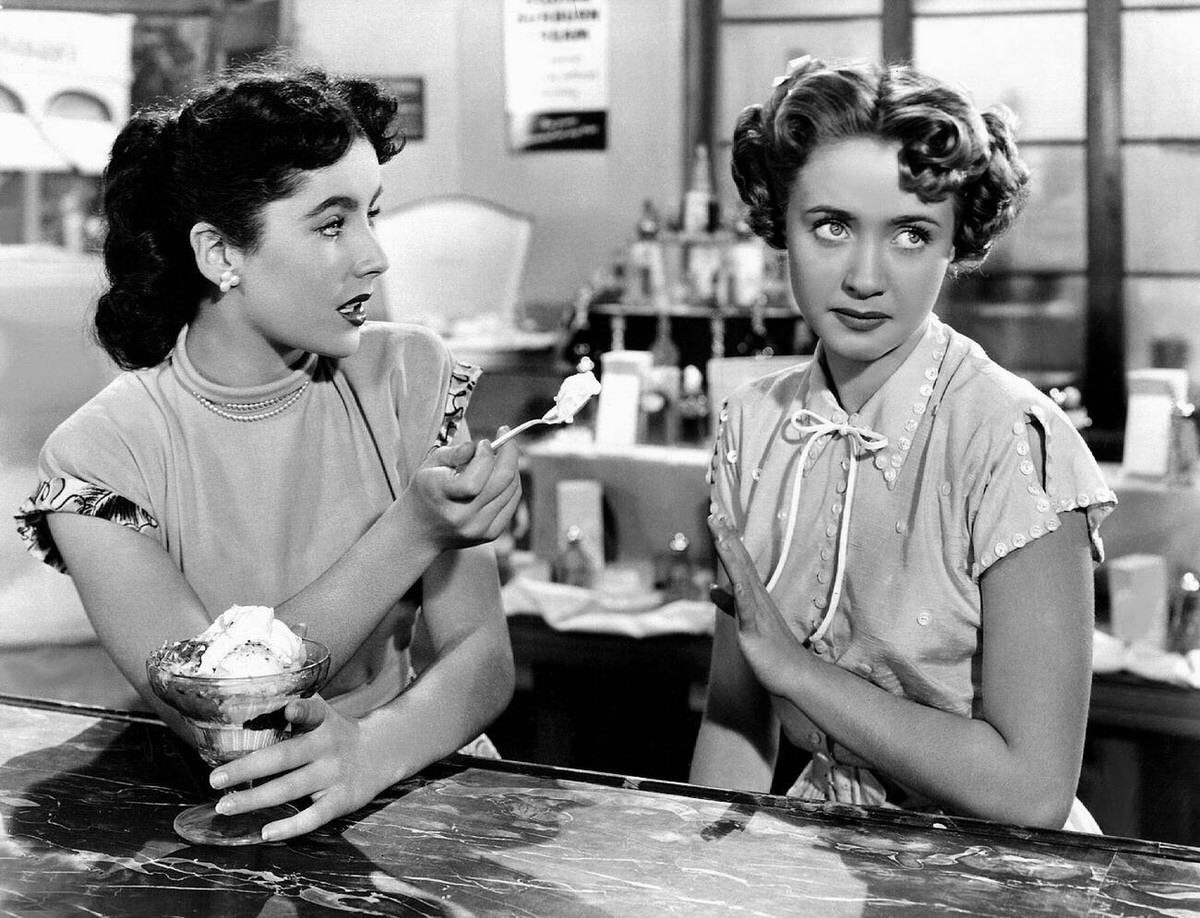
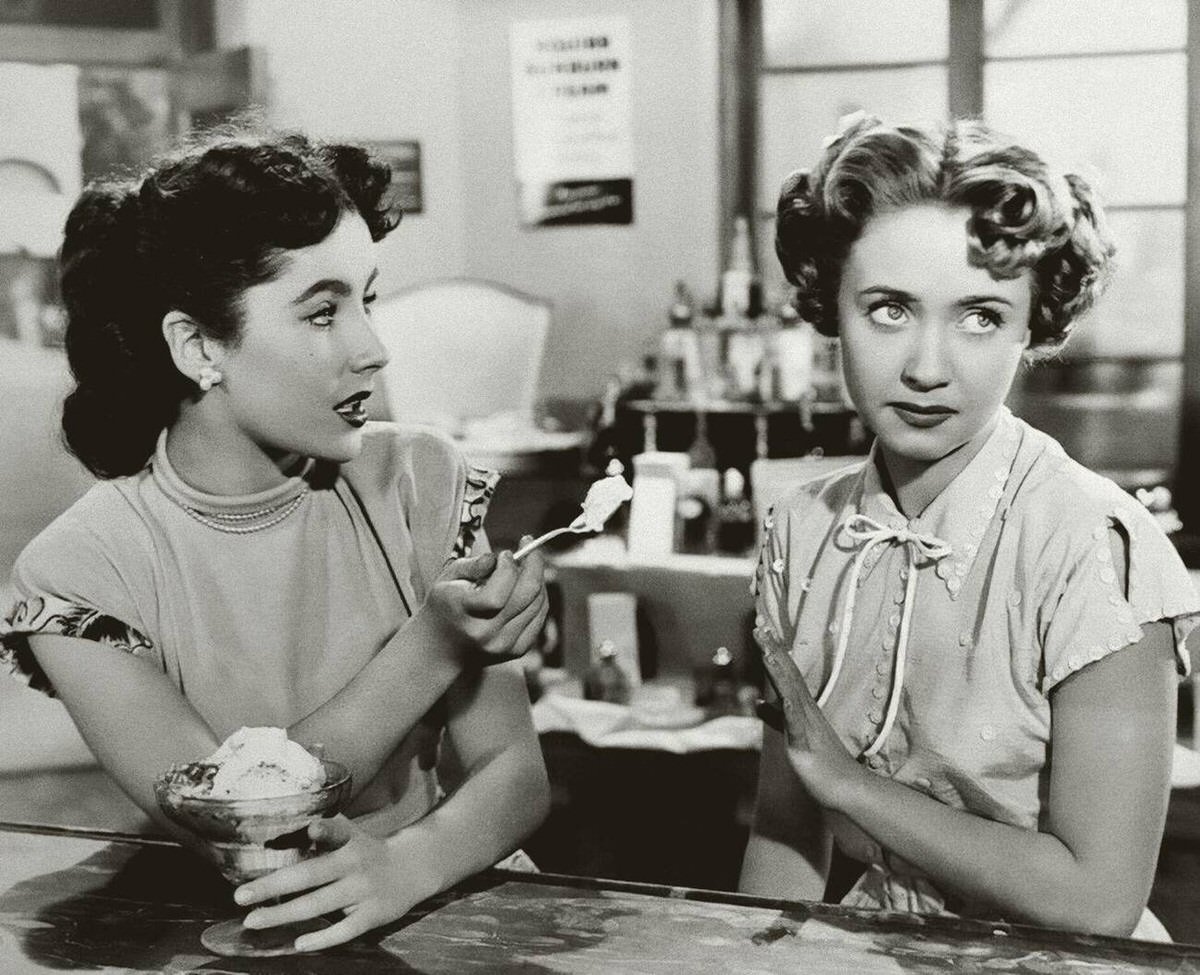
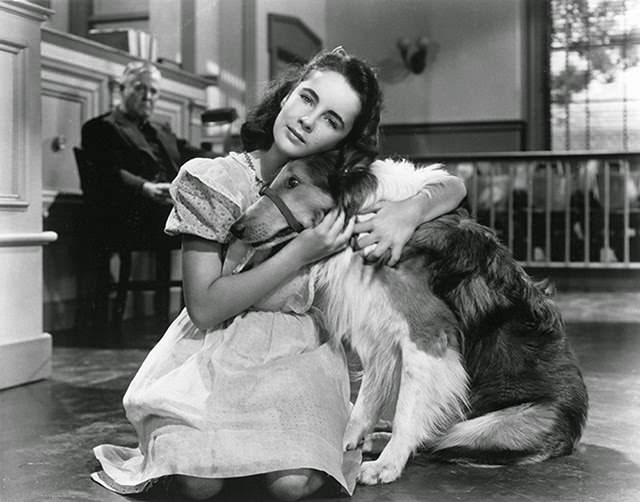
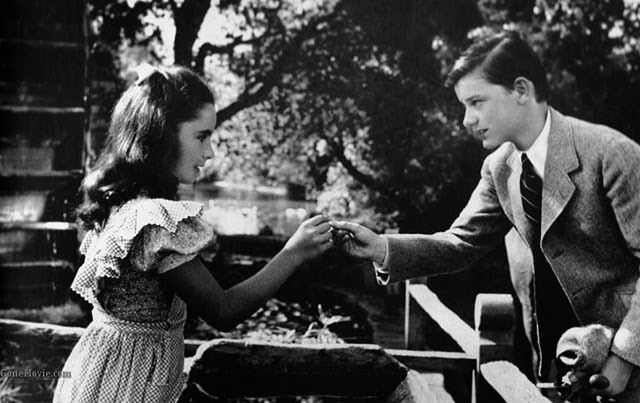
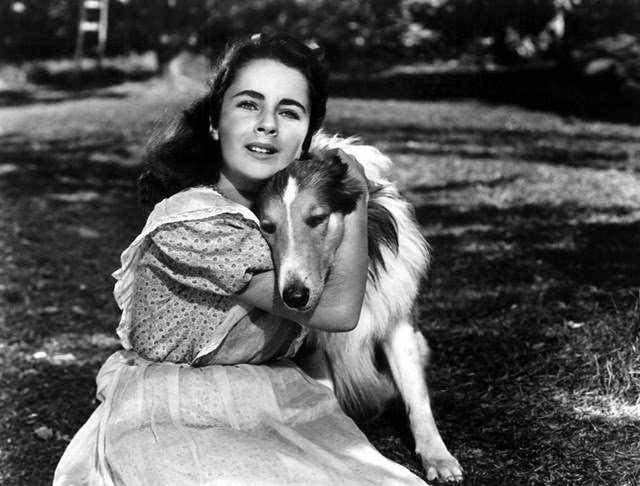
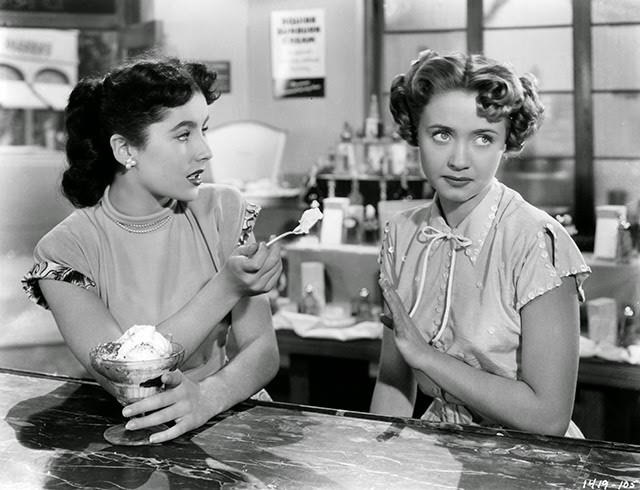
Courage of Lassie came in 1946, when she was fourteen. Cynthia followed in 1947, her first film where she played a contemporary teenage character rather than a period role or an animal-focused story. A Date with Judy and Julia Misbehaves both appeared in 1948, the year she turned sixteen.
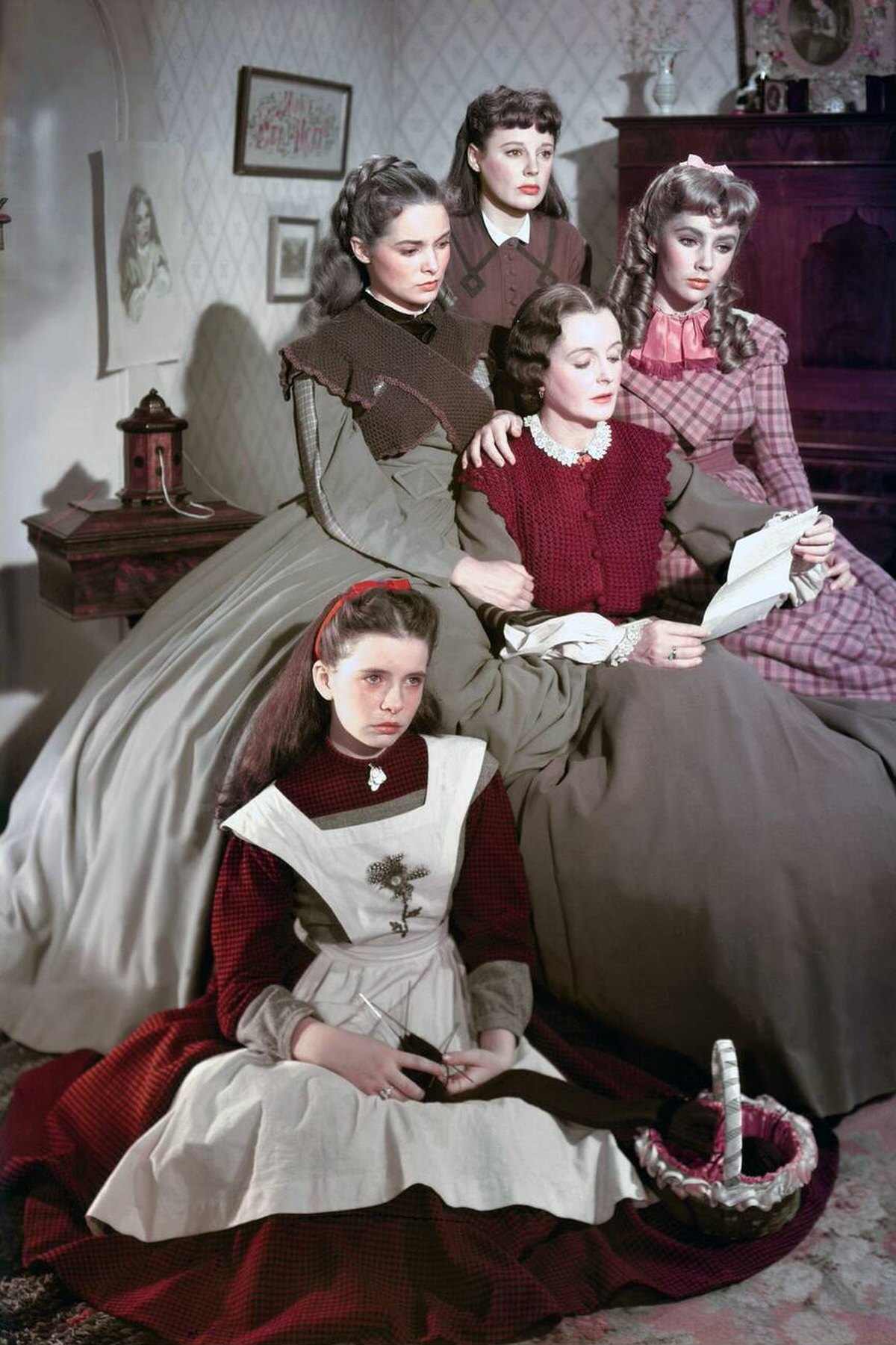
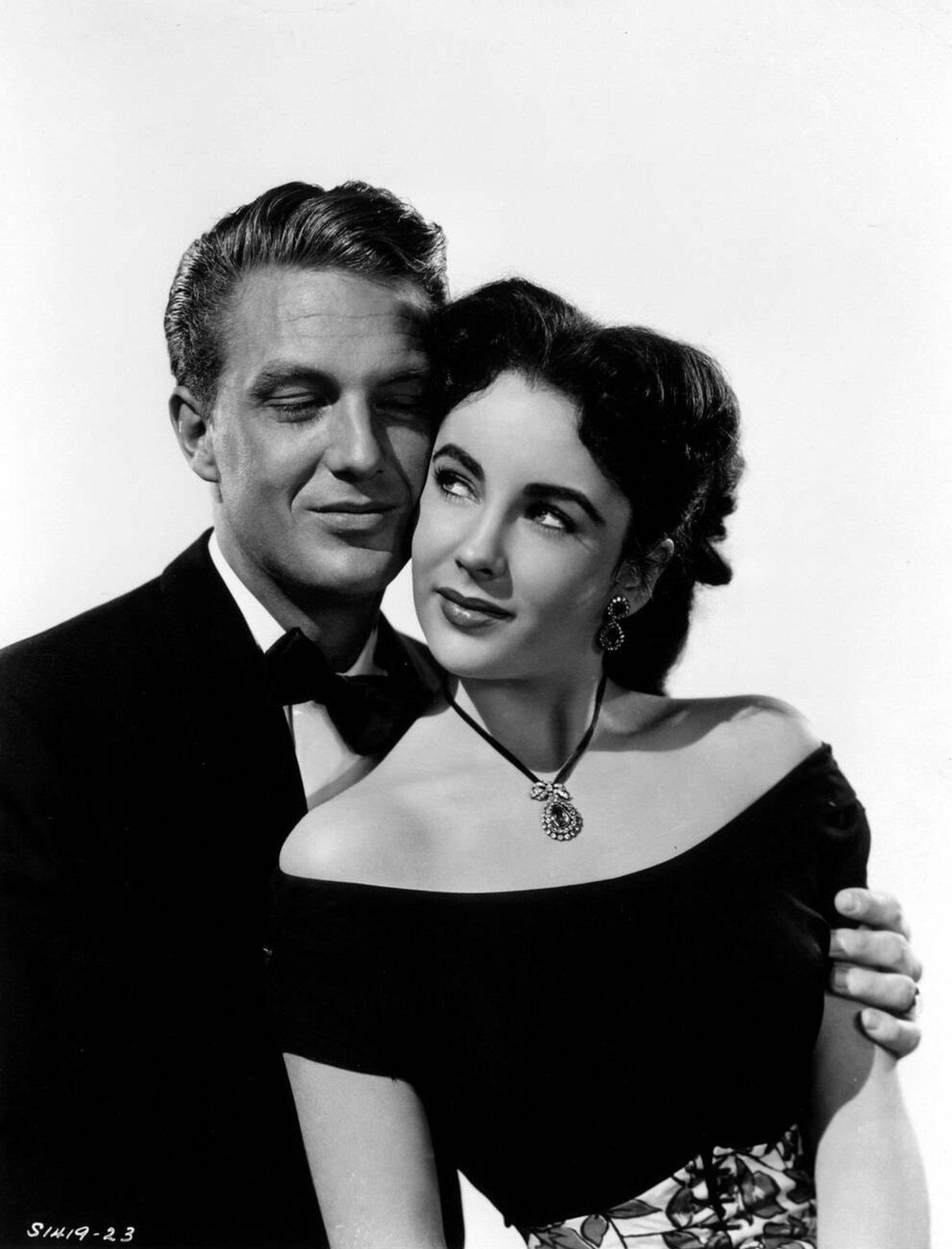
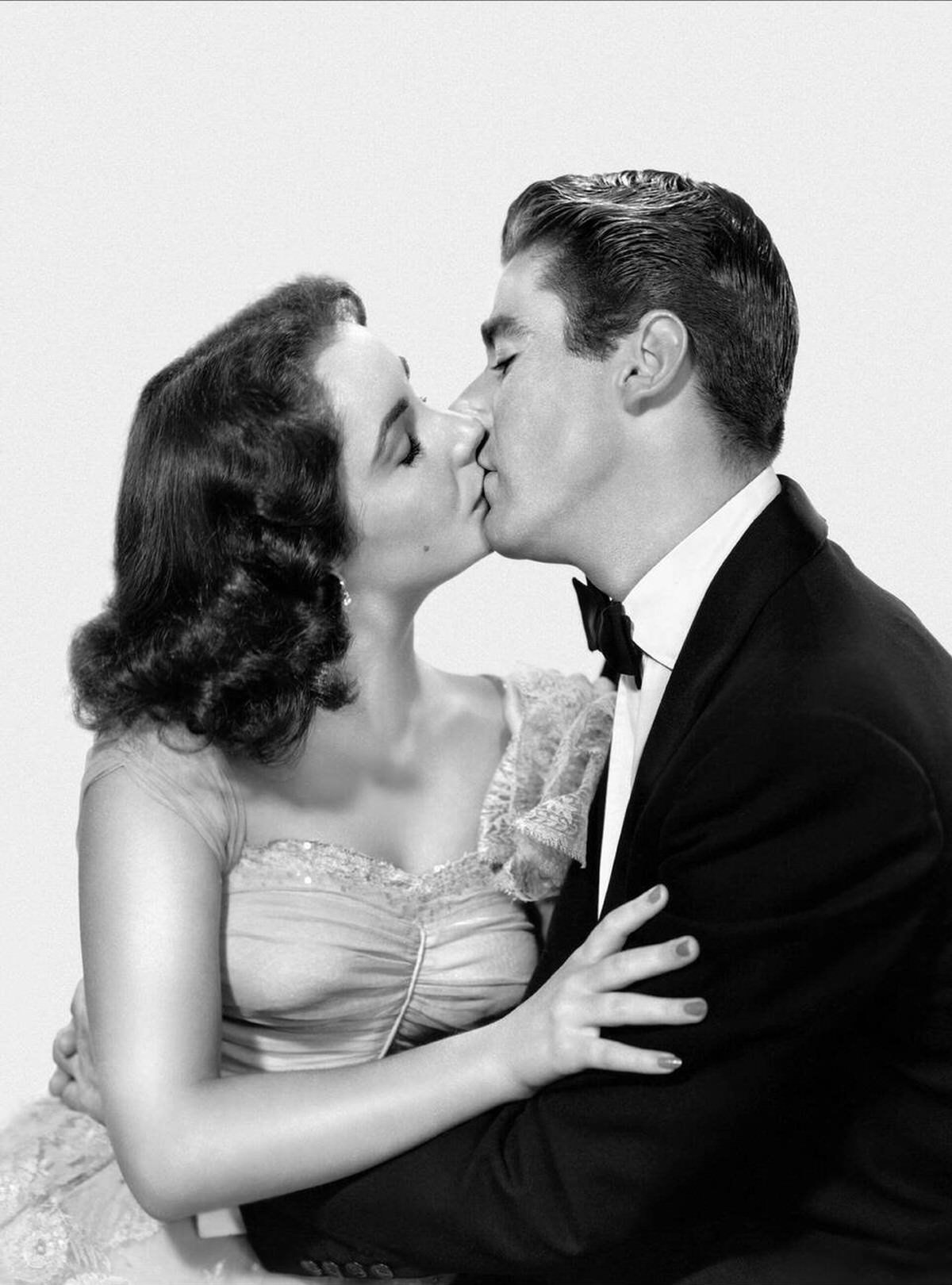
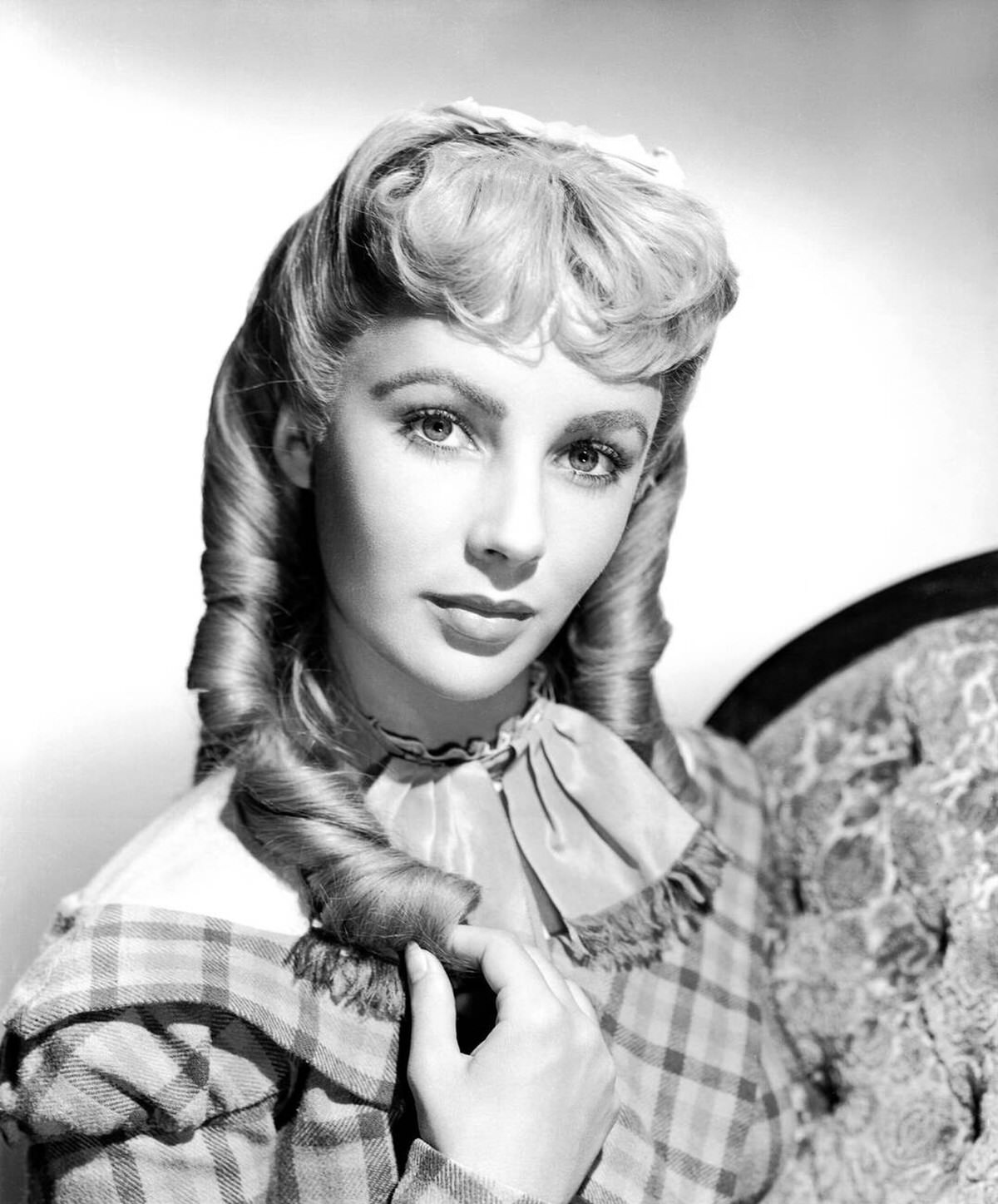
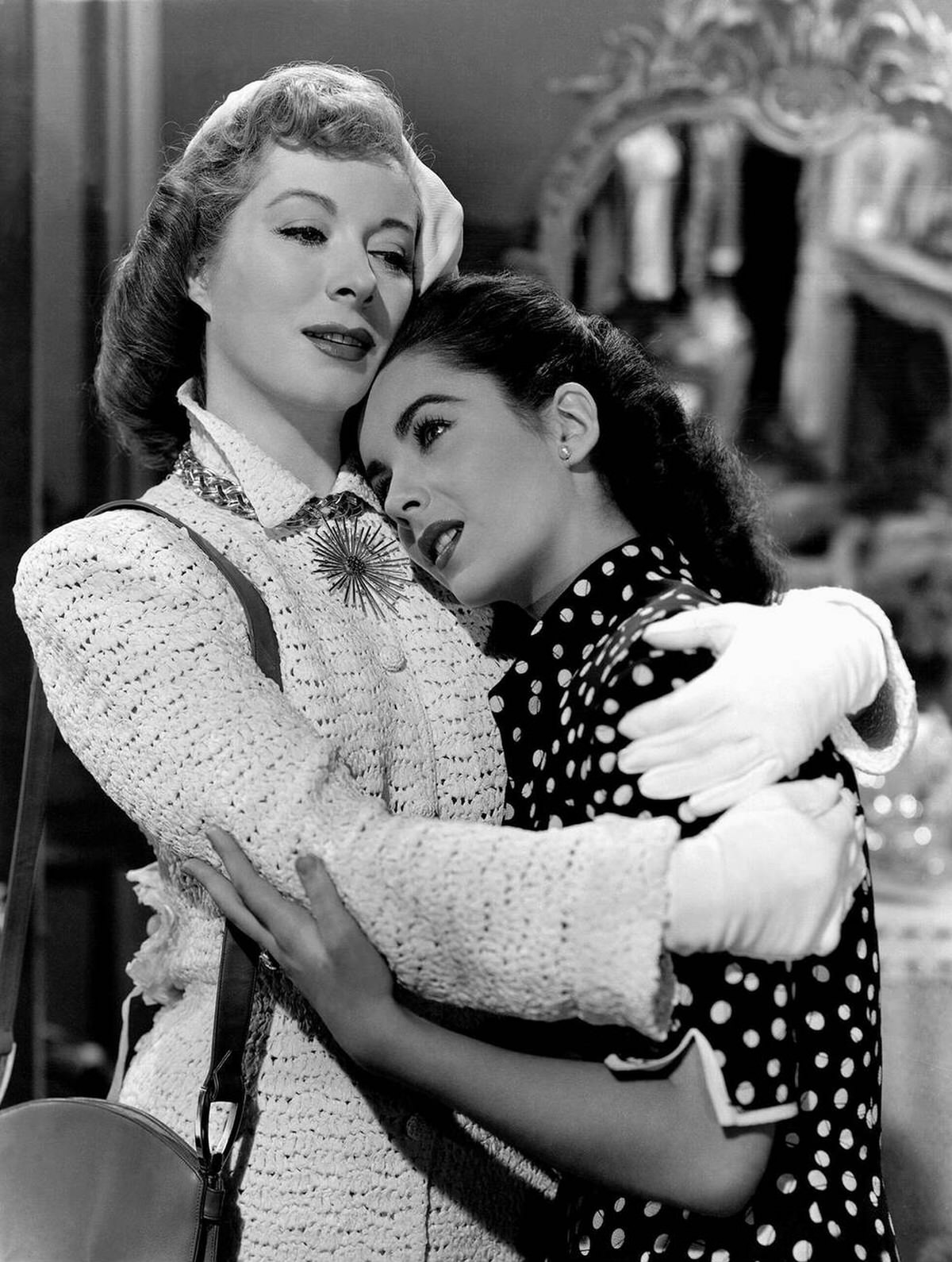
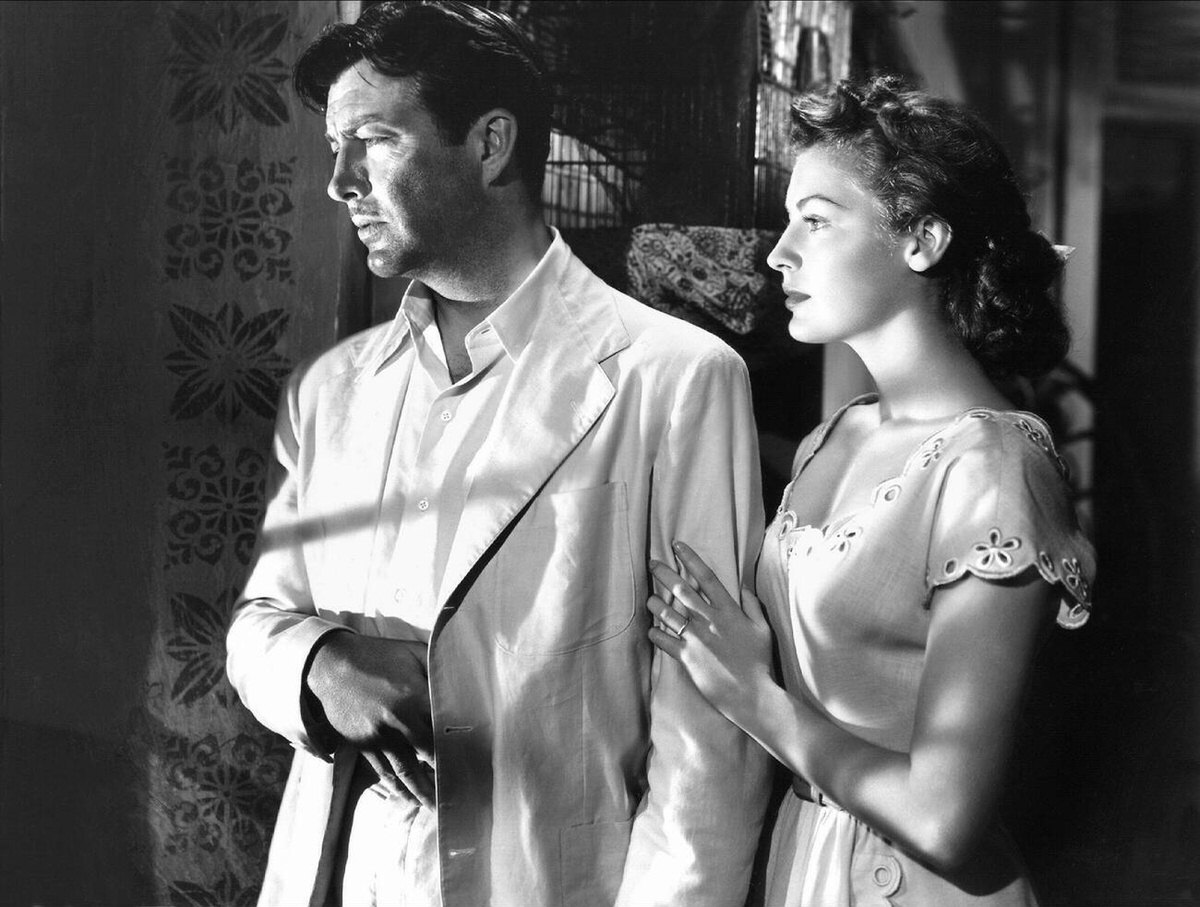
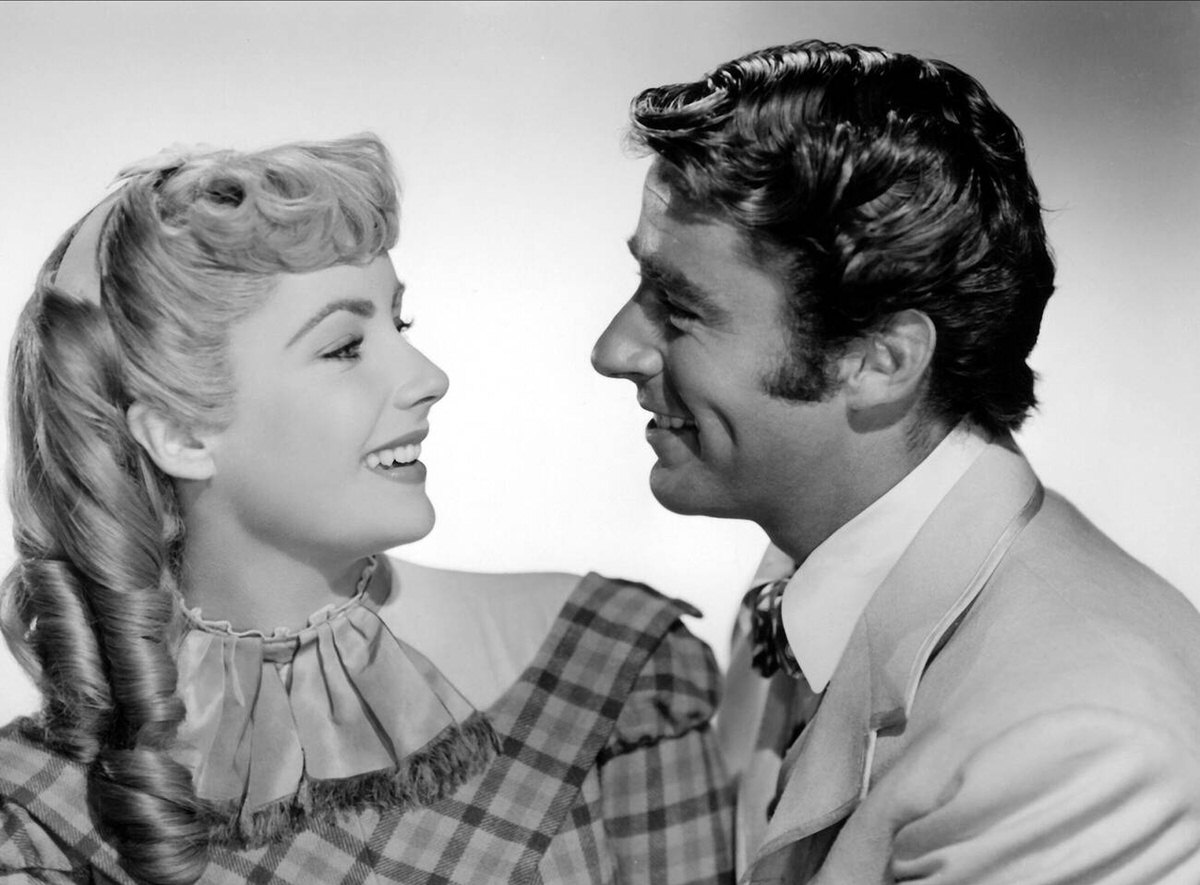
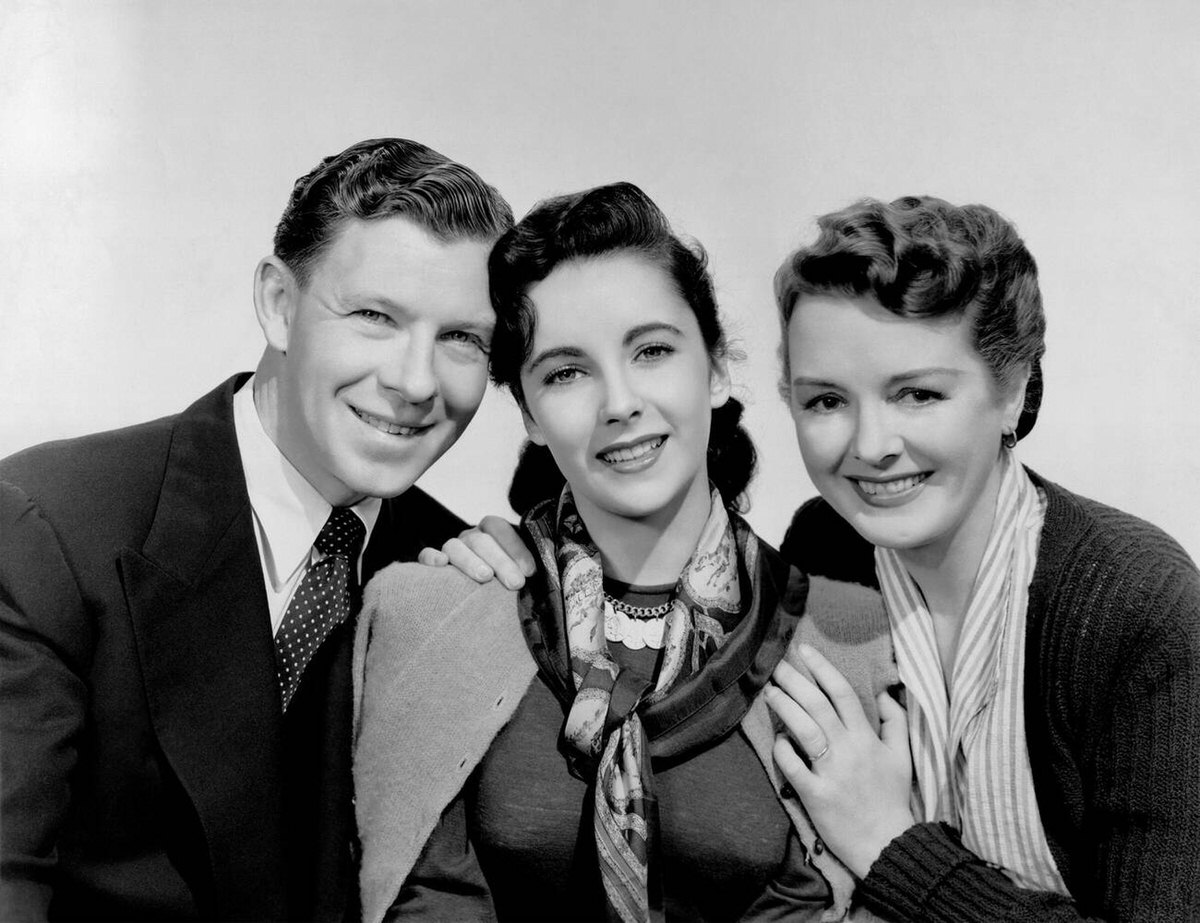
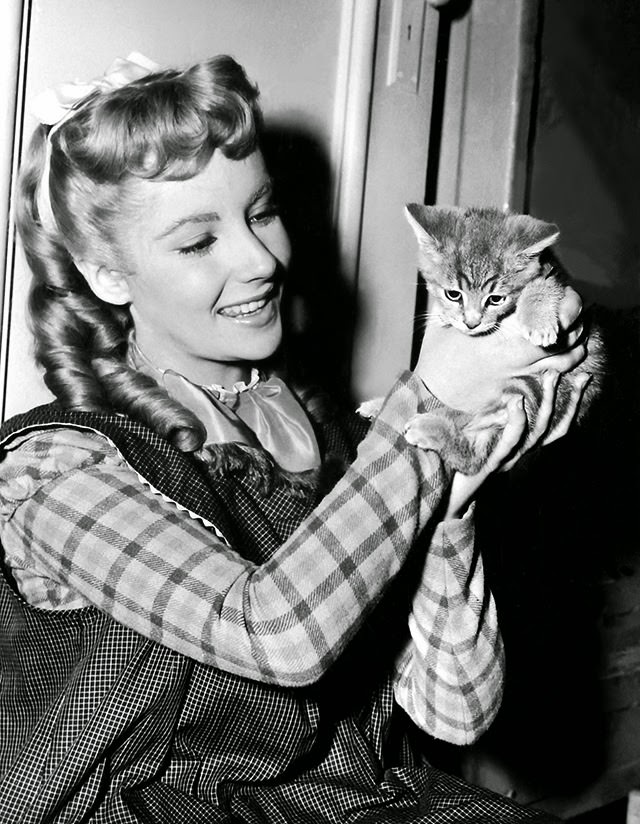
By 1949, with Little Women and Conspirator, MGM was actively positioning her as a young adult actress. In Conspirator, she appeared opposite Robert Taylor in a film with genuine romantic content — a deliberate signal from the studio that the transition was underway.
What She Actually Looked Like
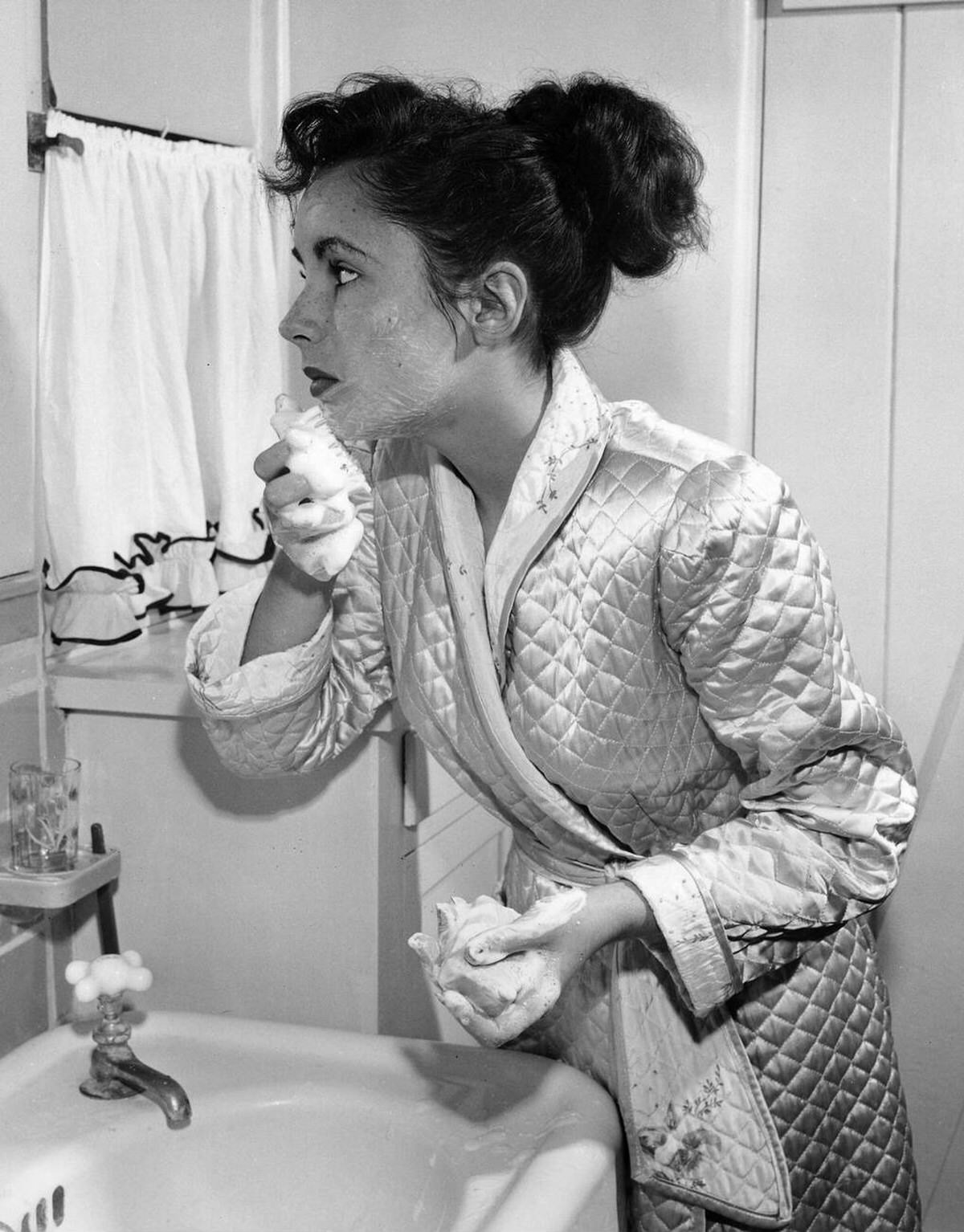
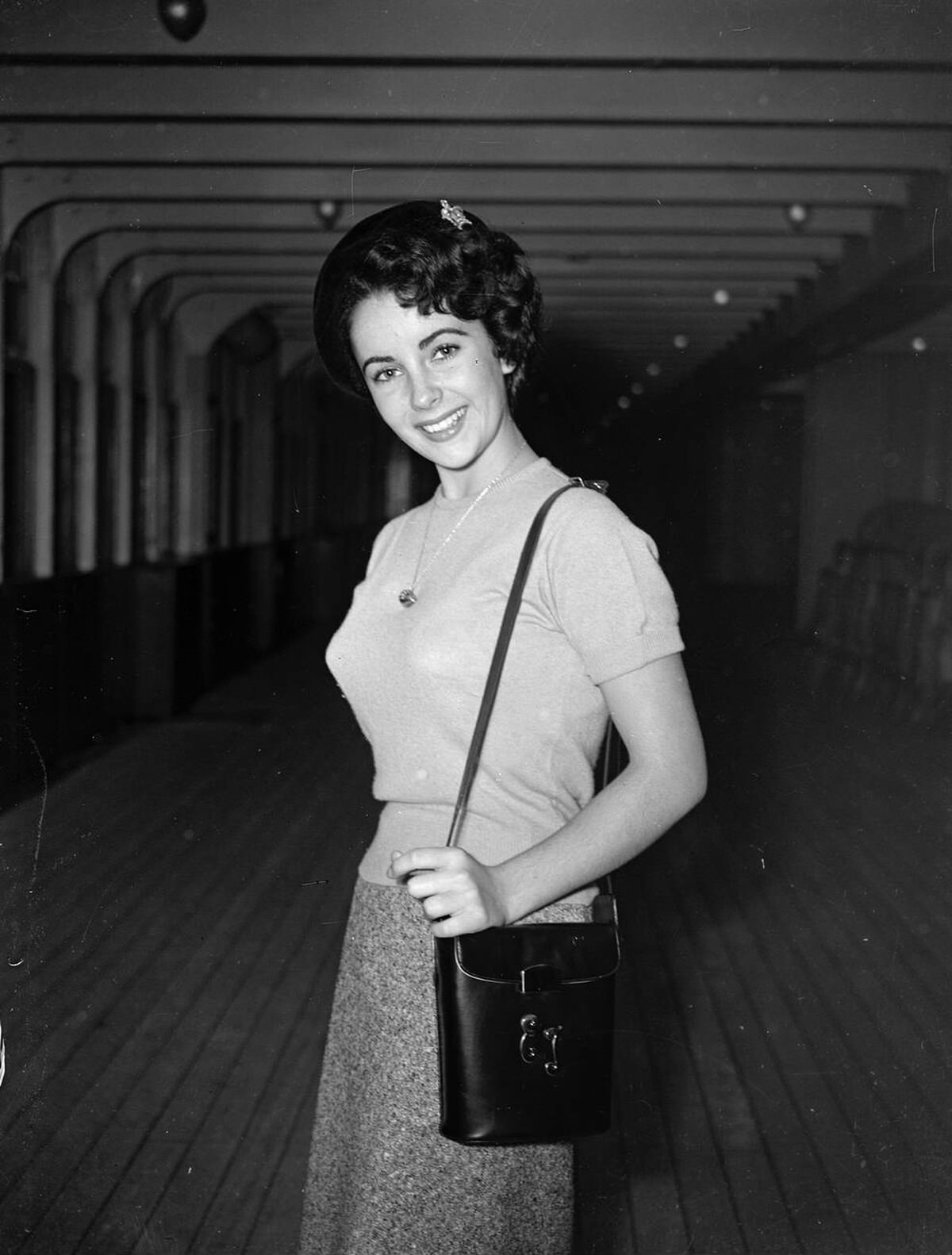
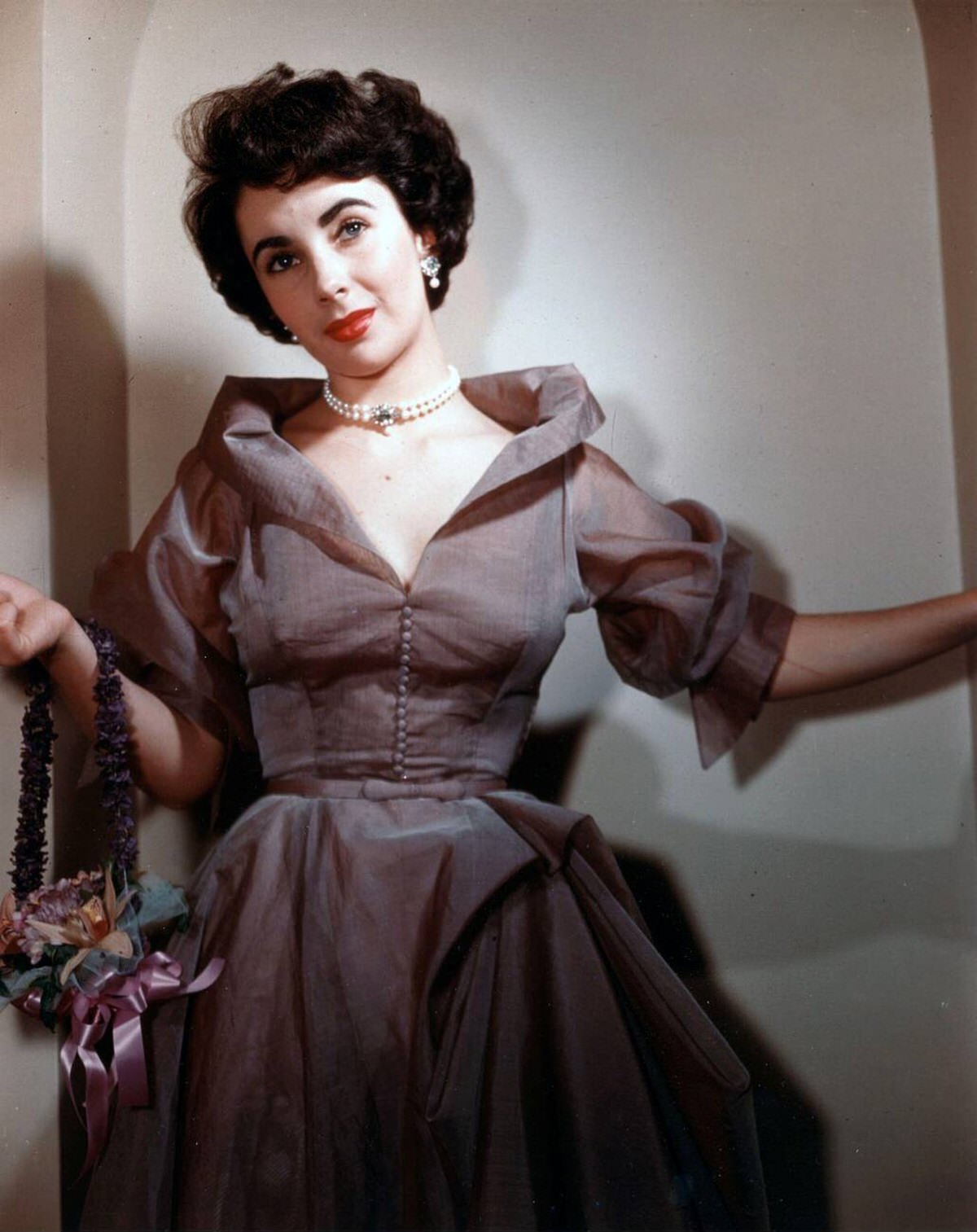
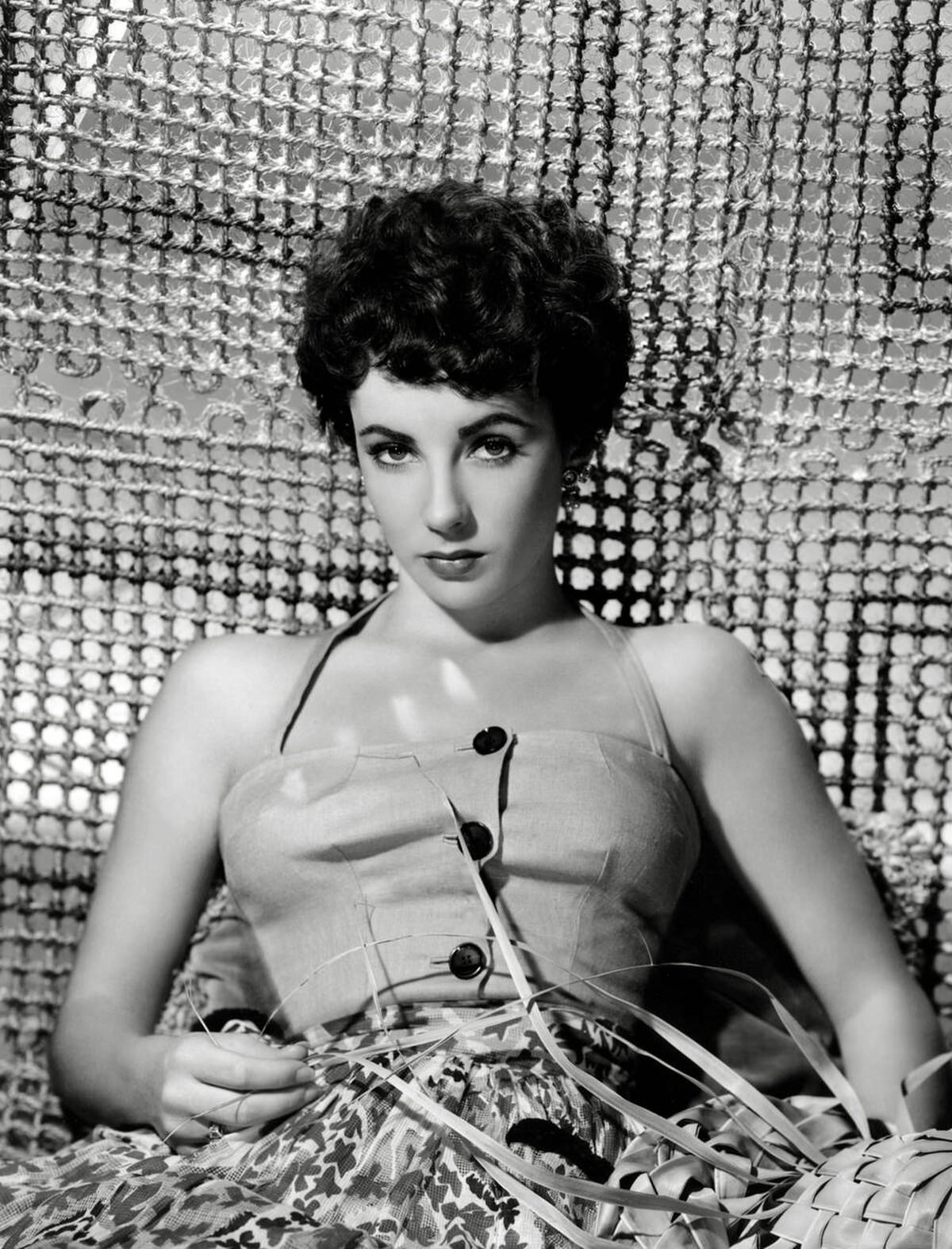
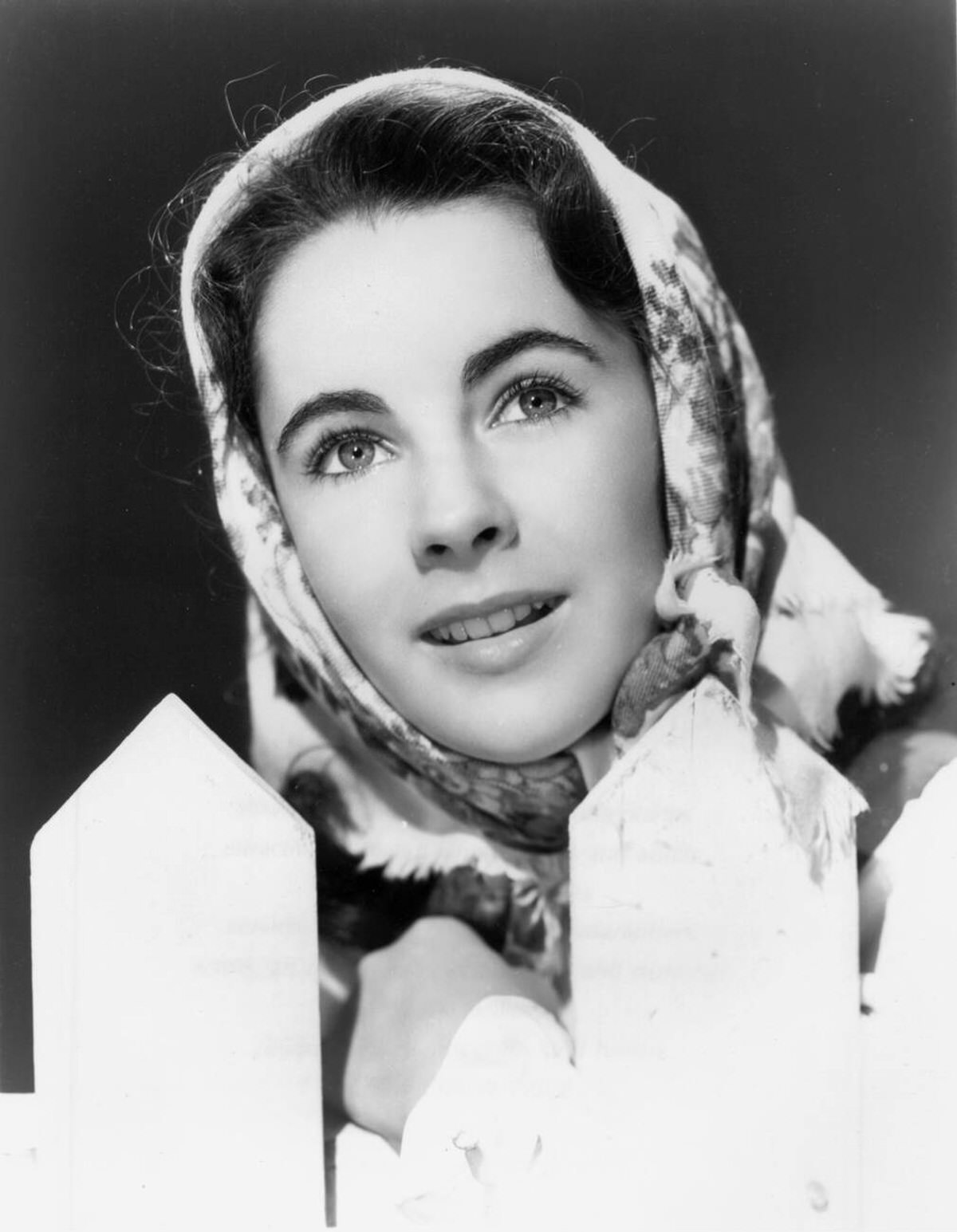
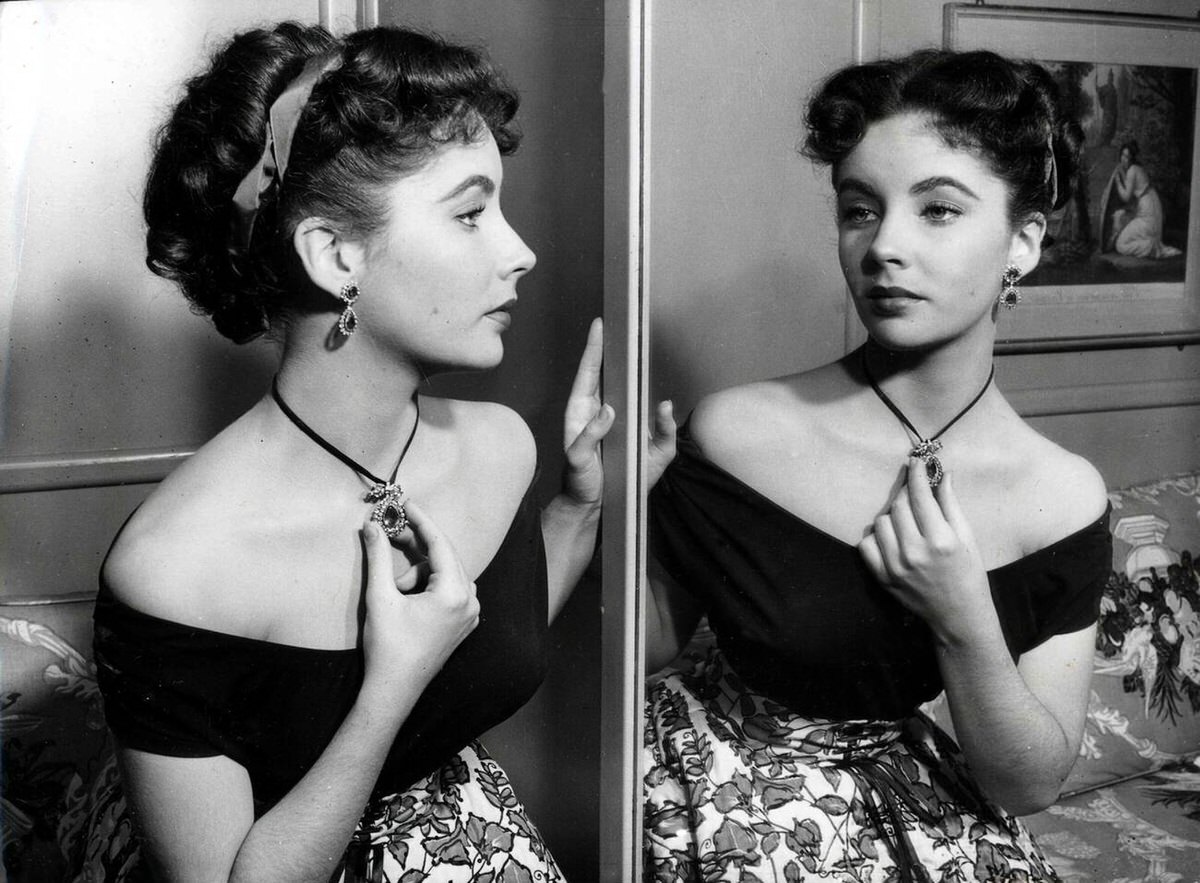
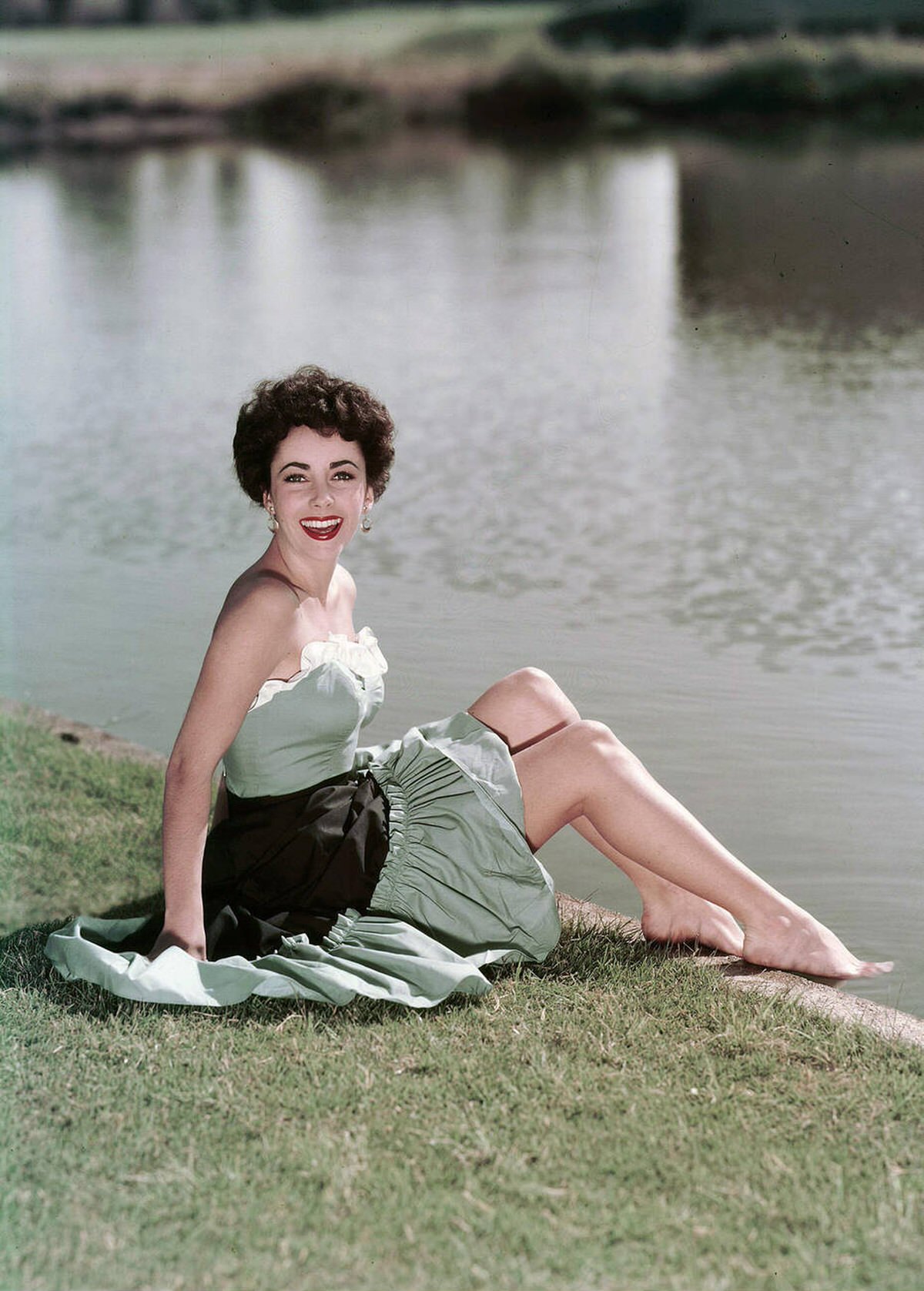
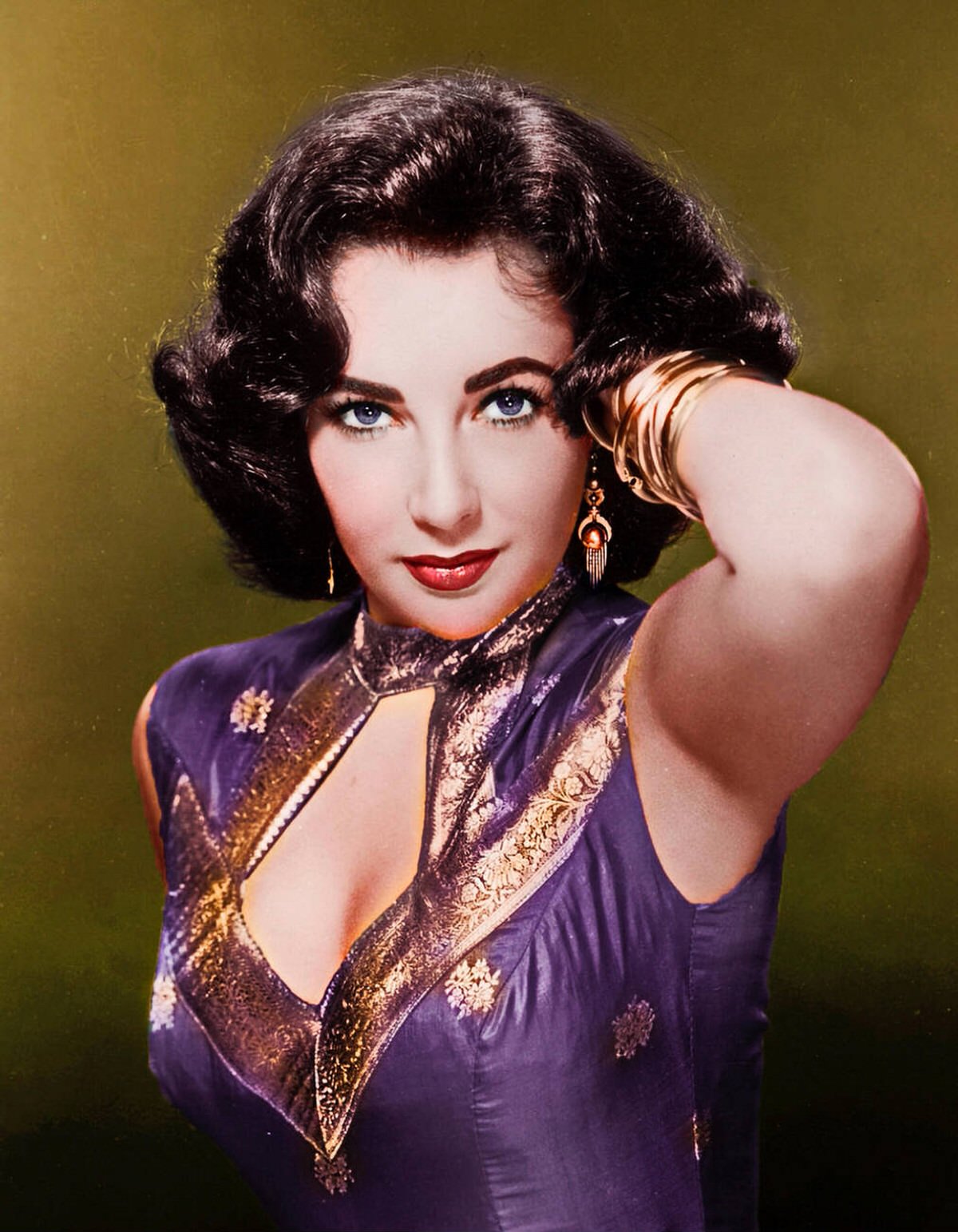
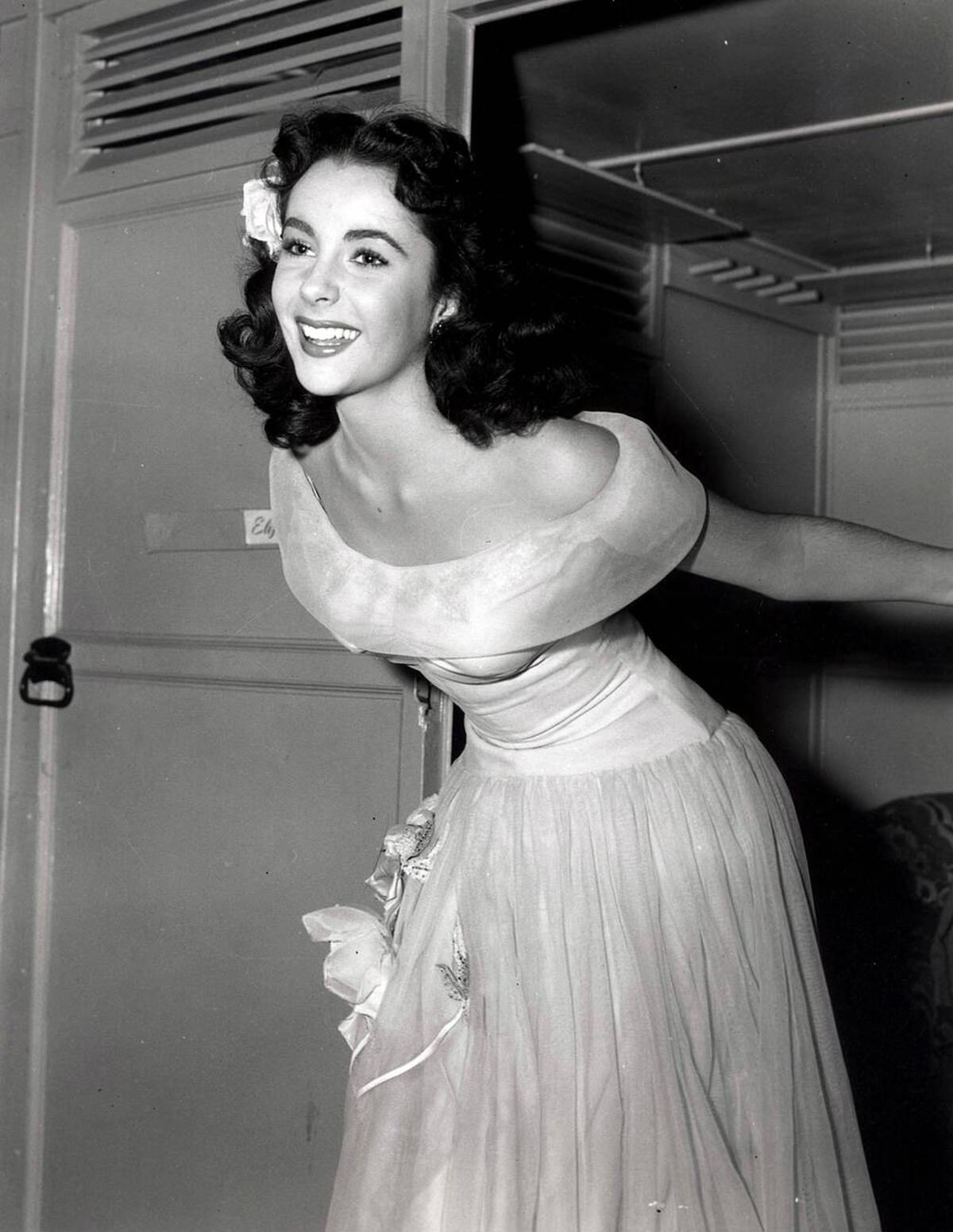
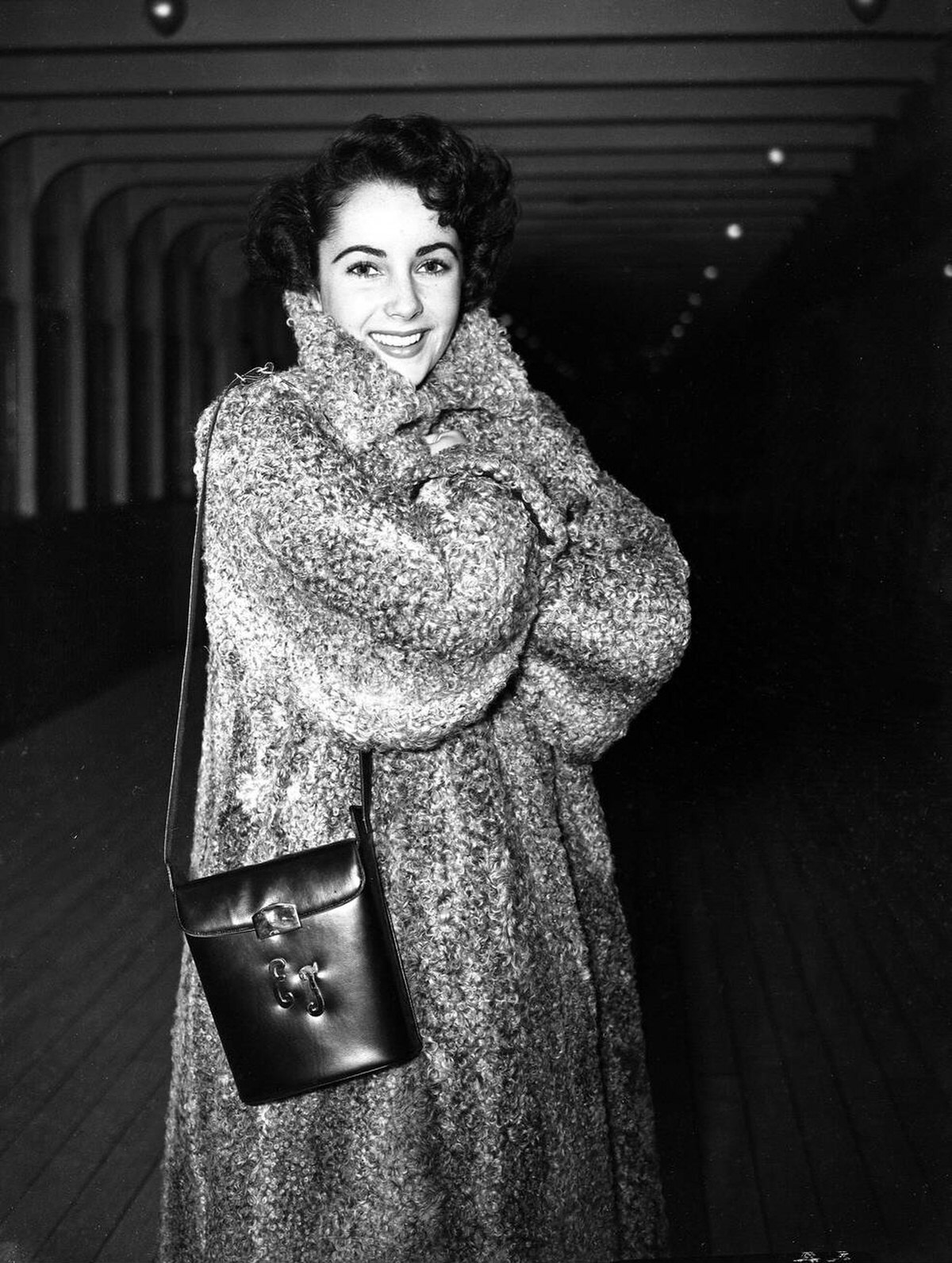
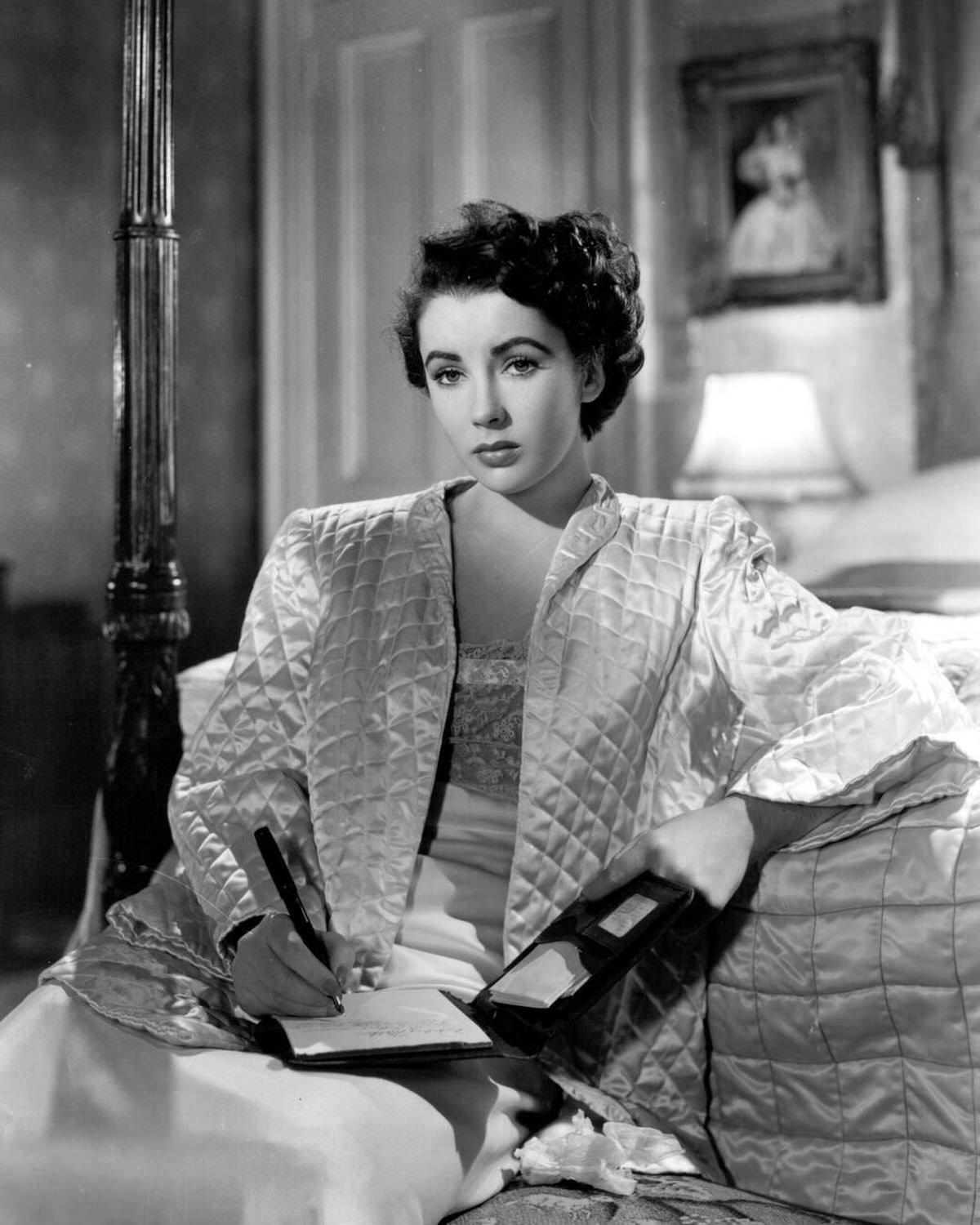
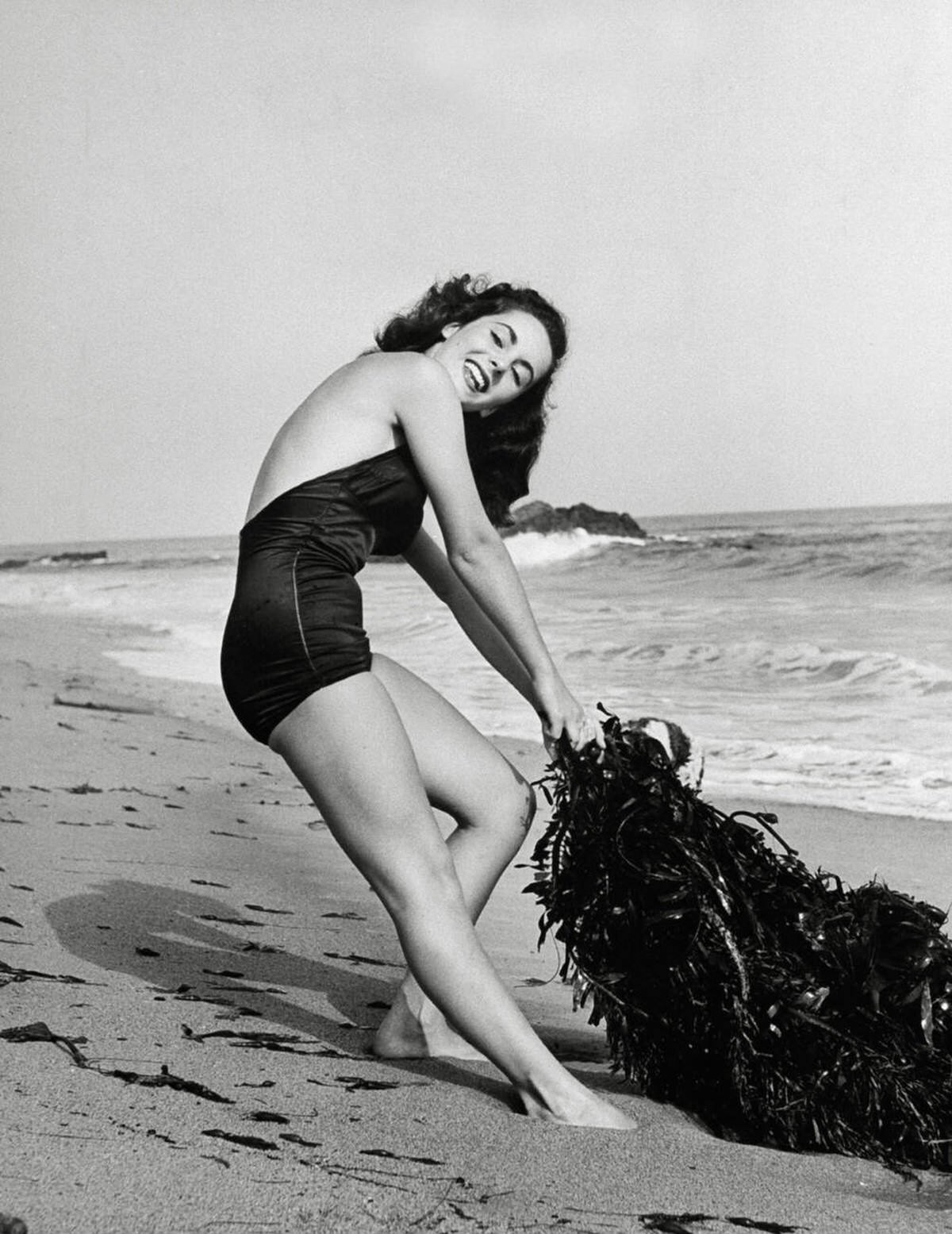
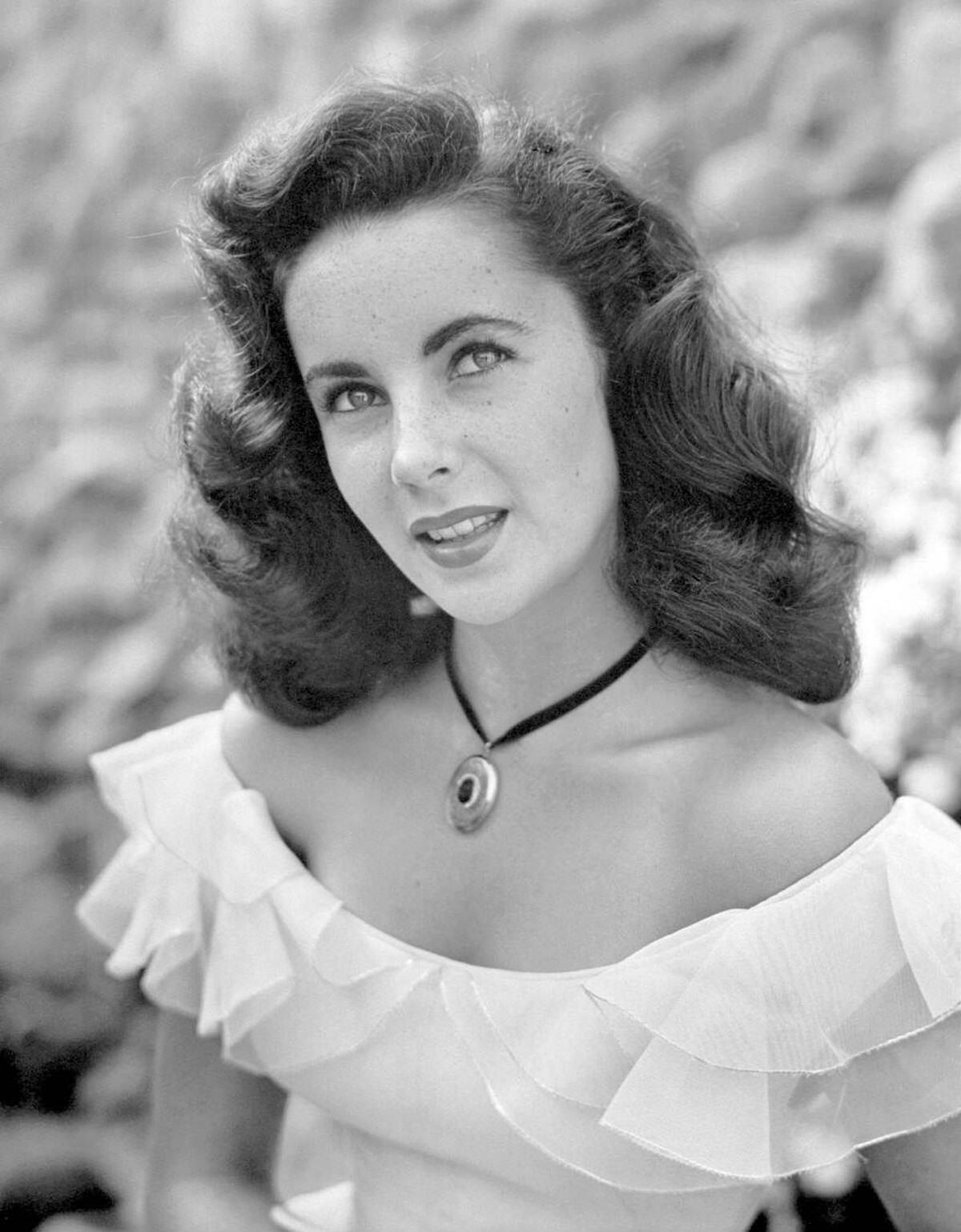
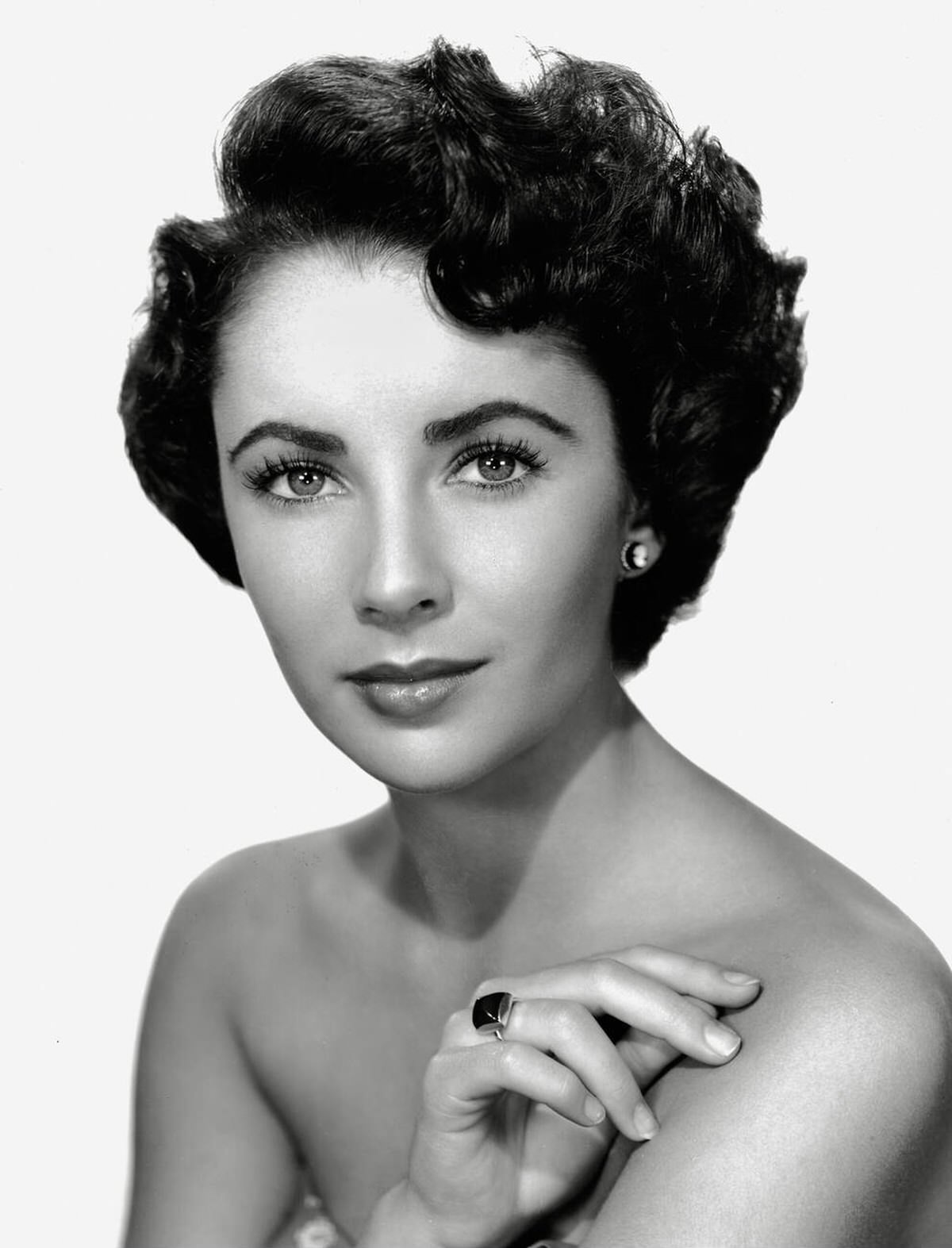
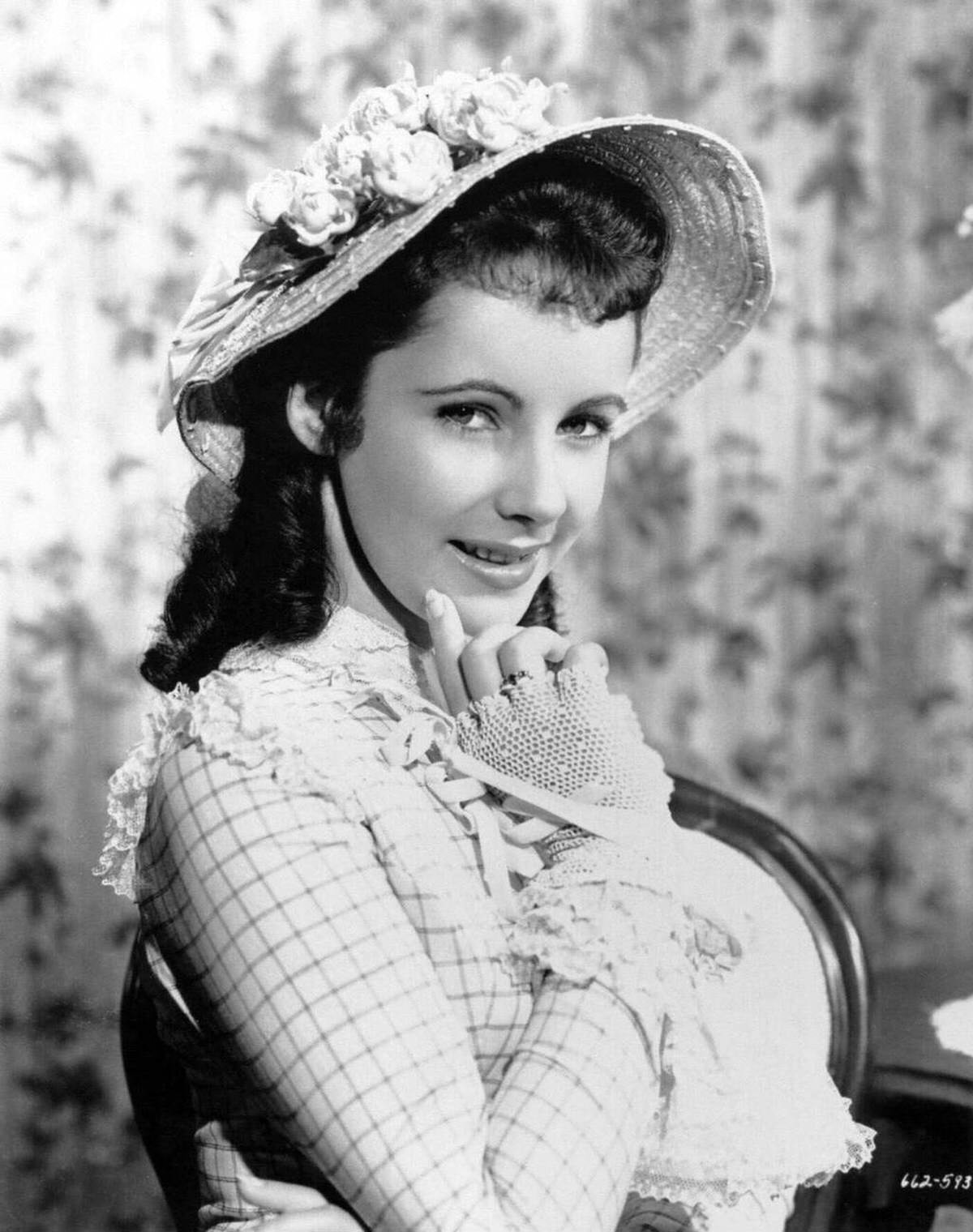
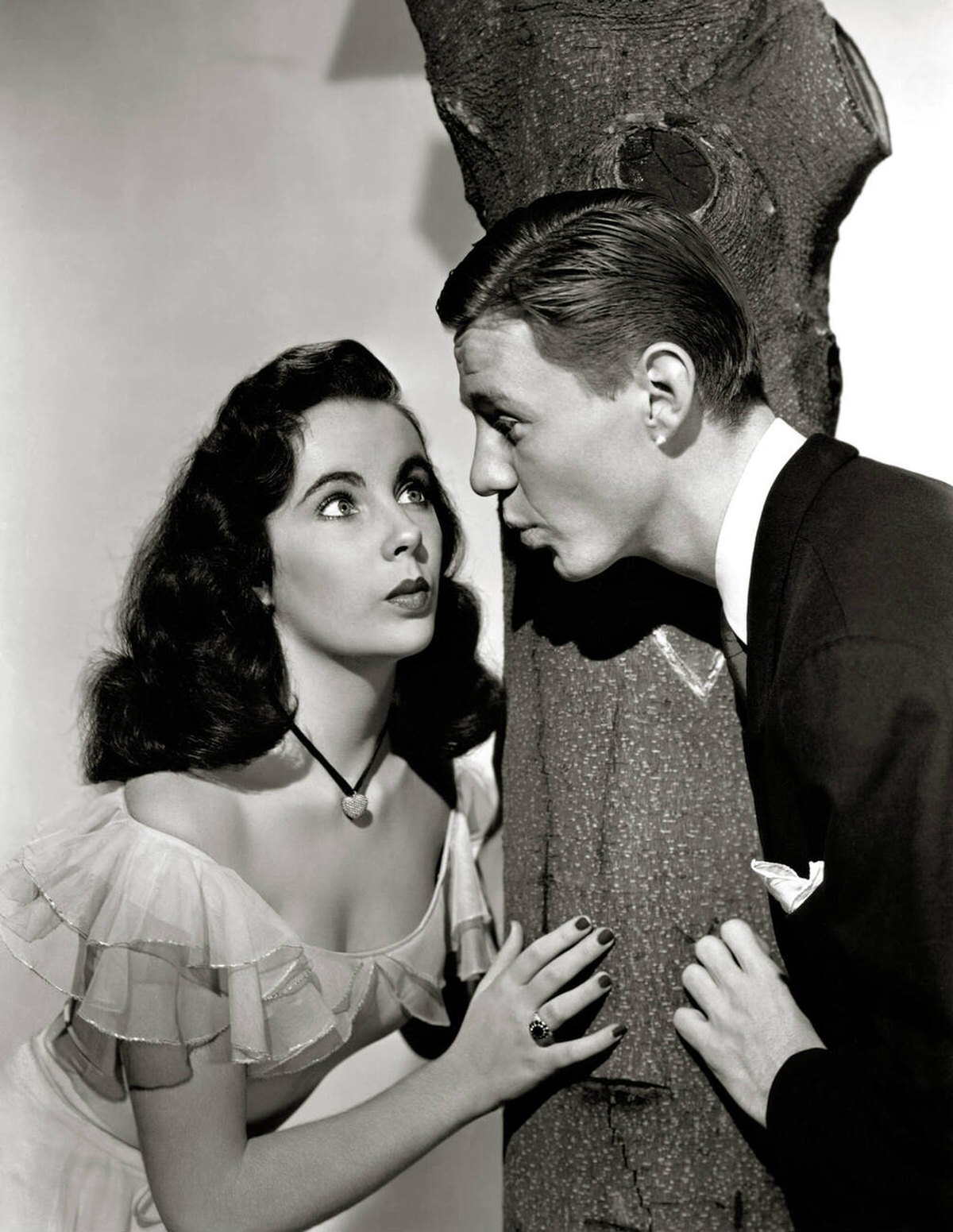
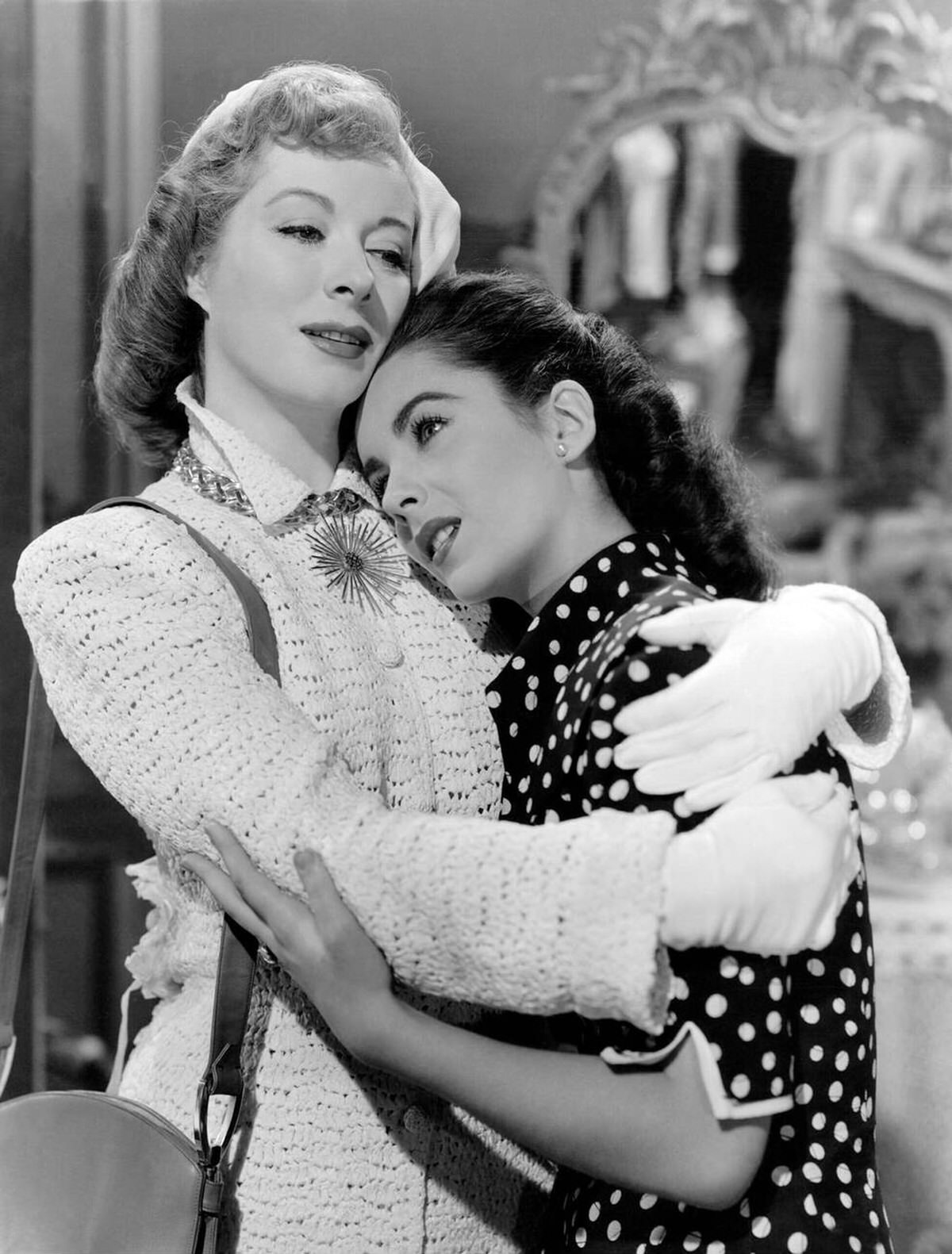
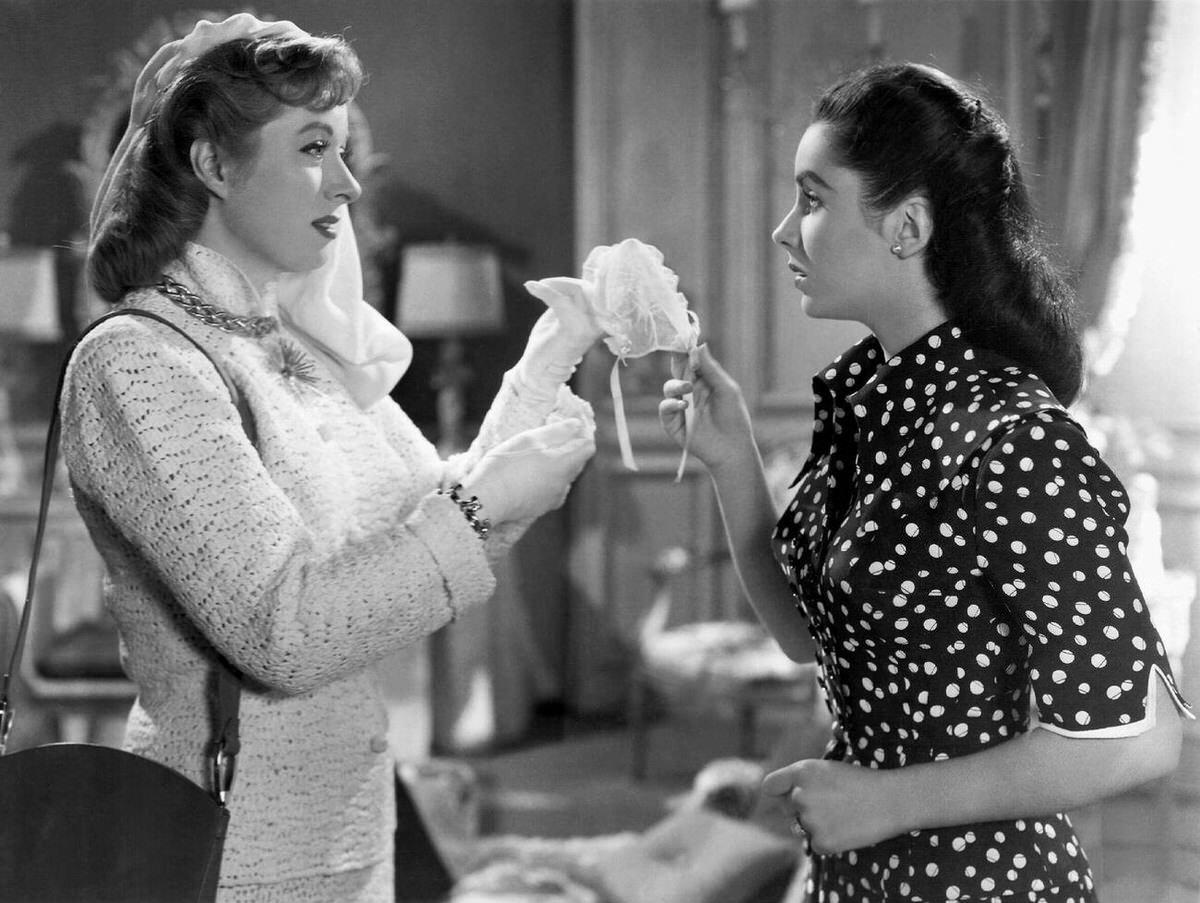
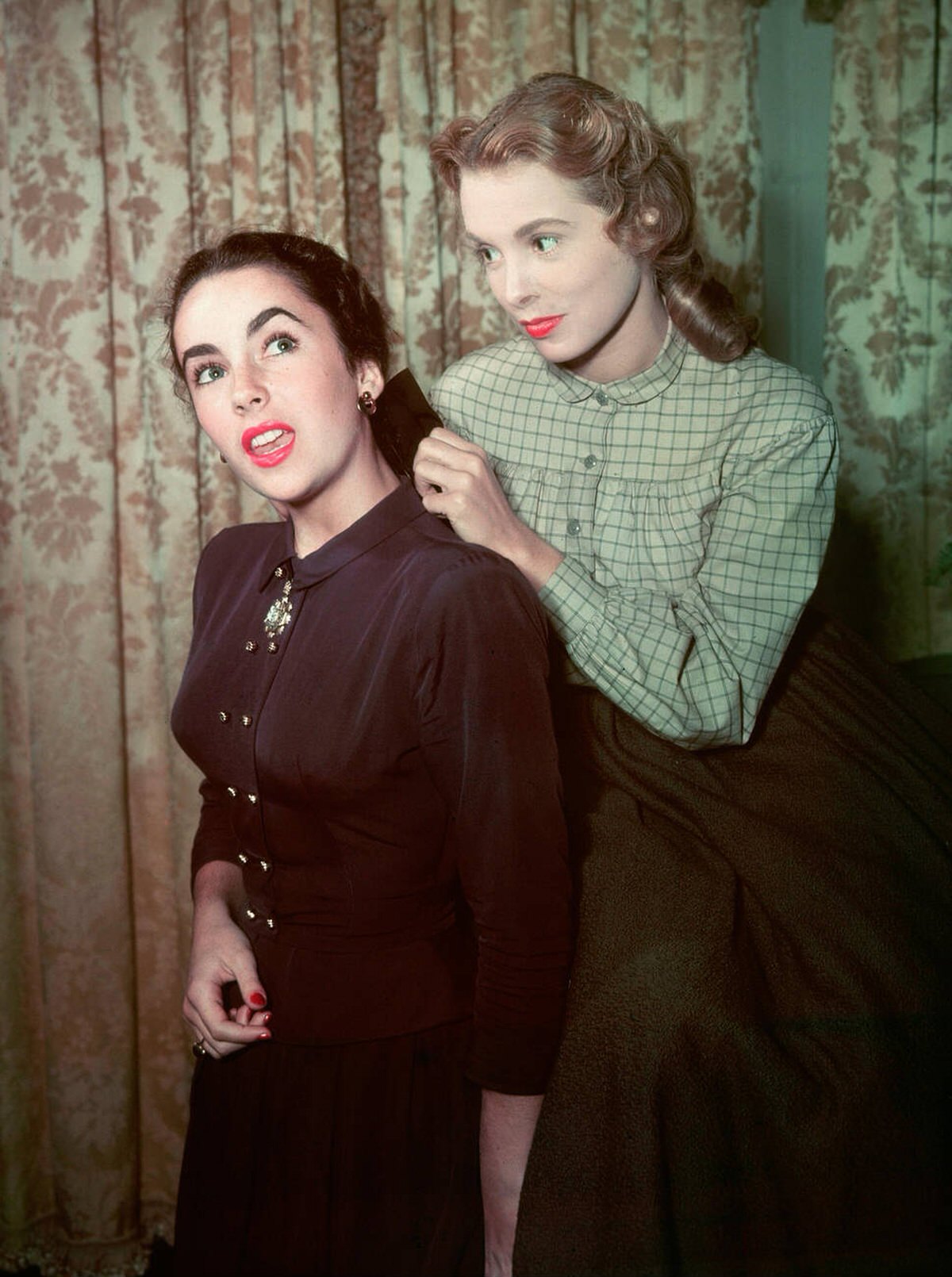
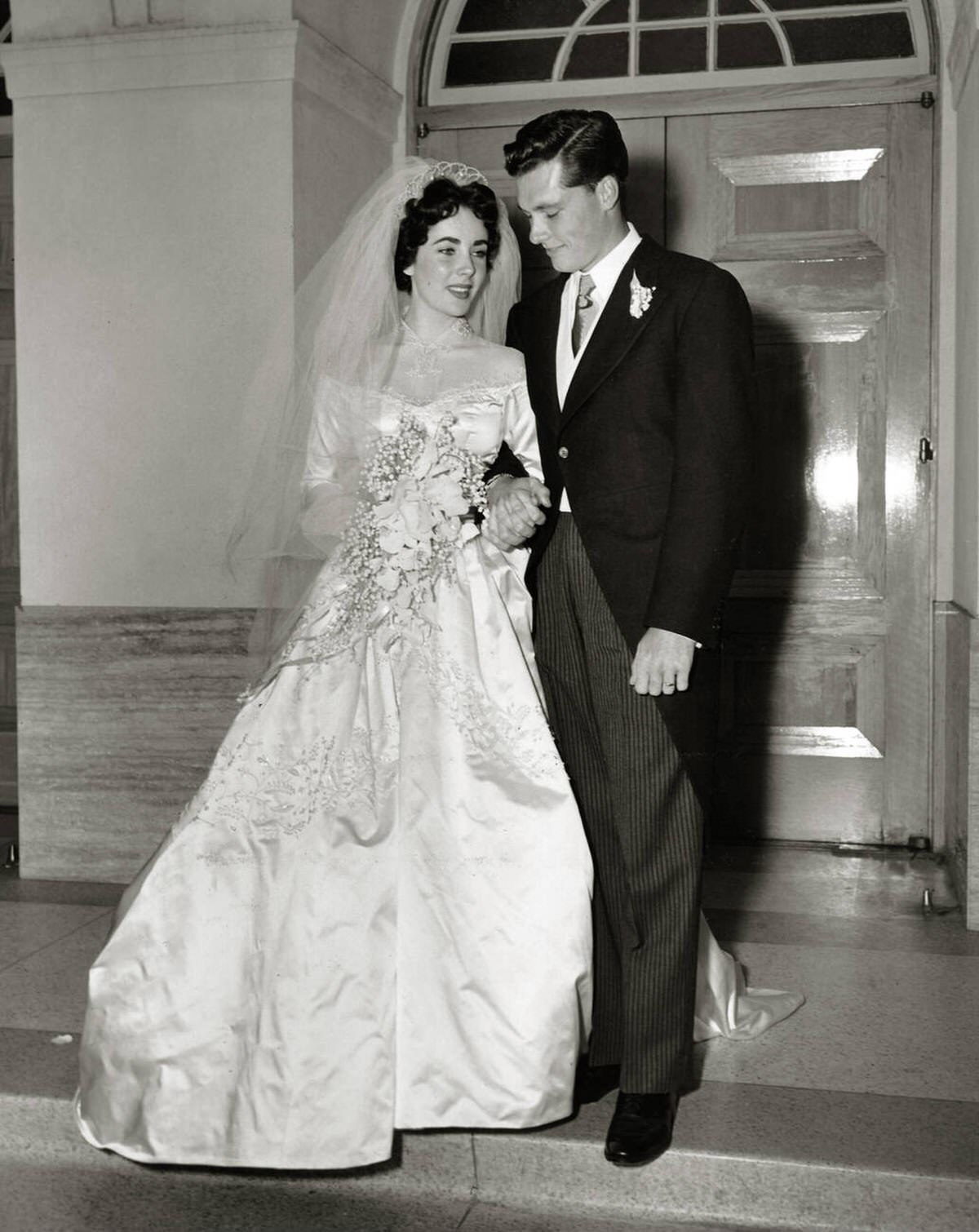
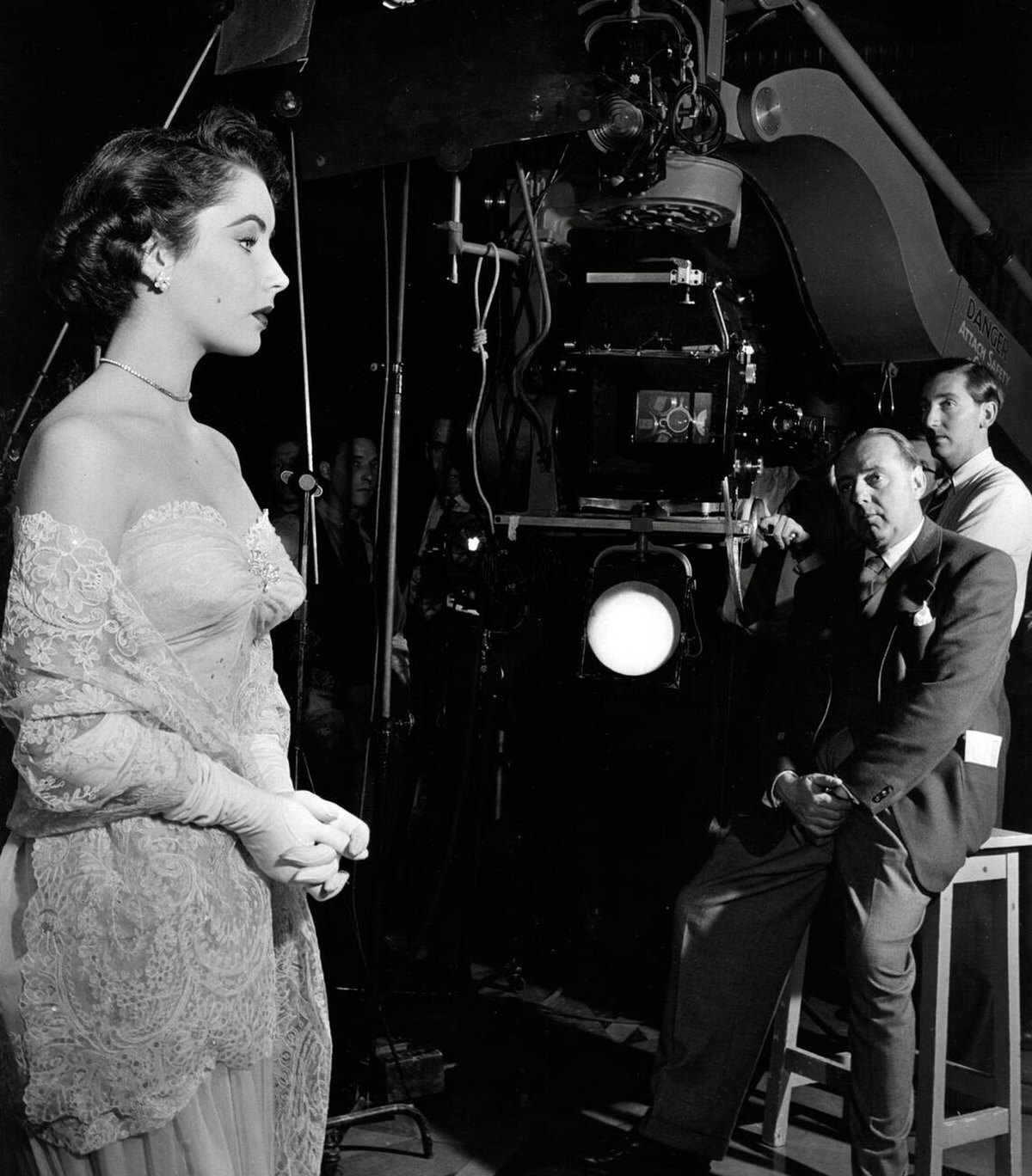
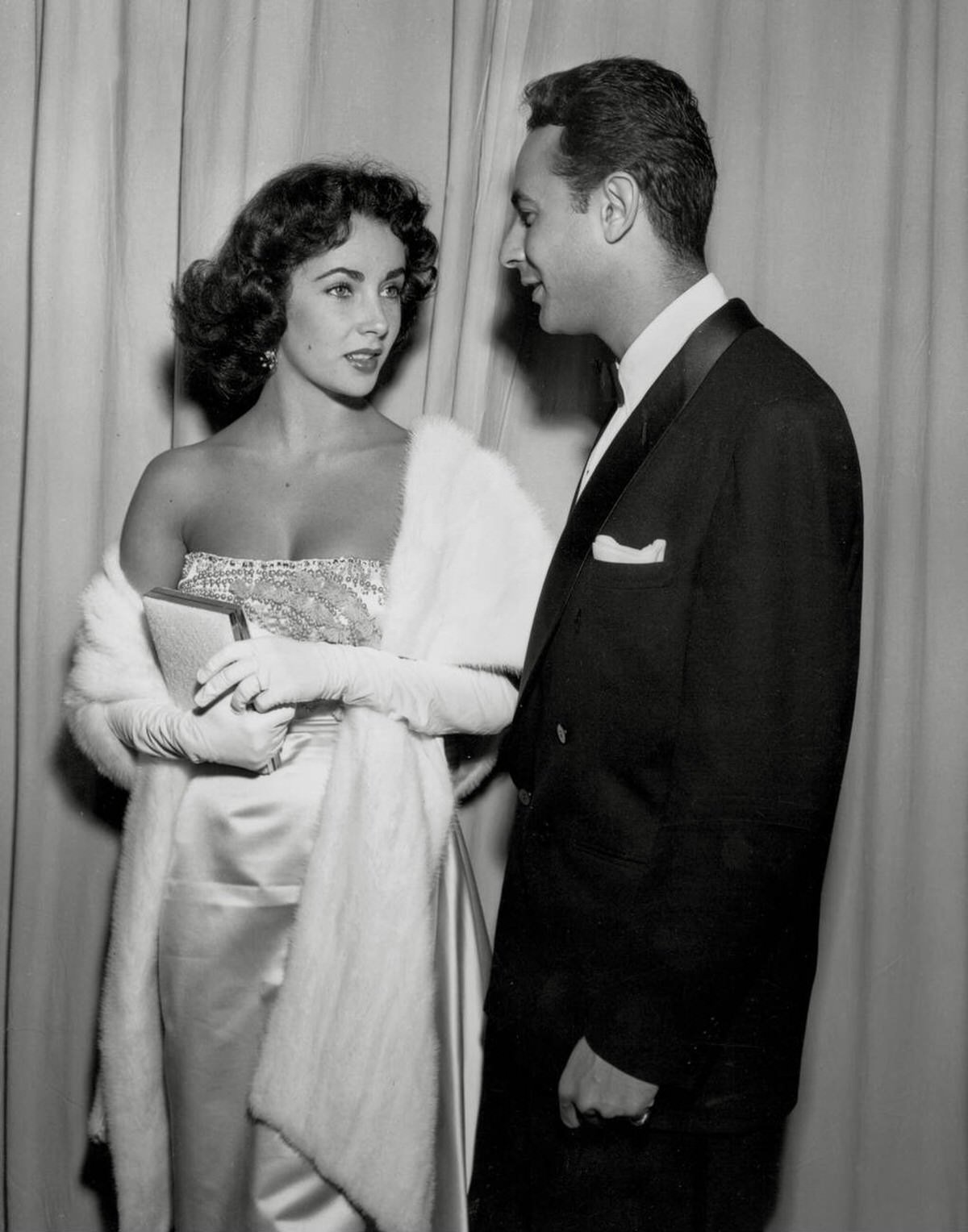
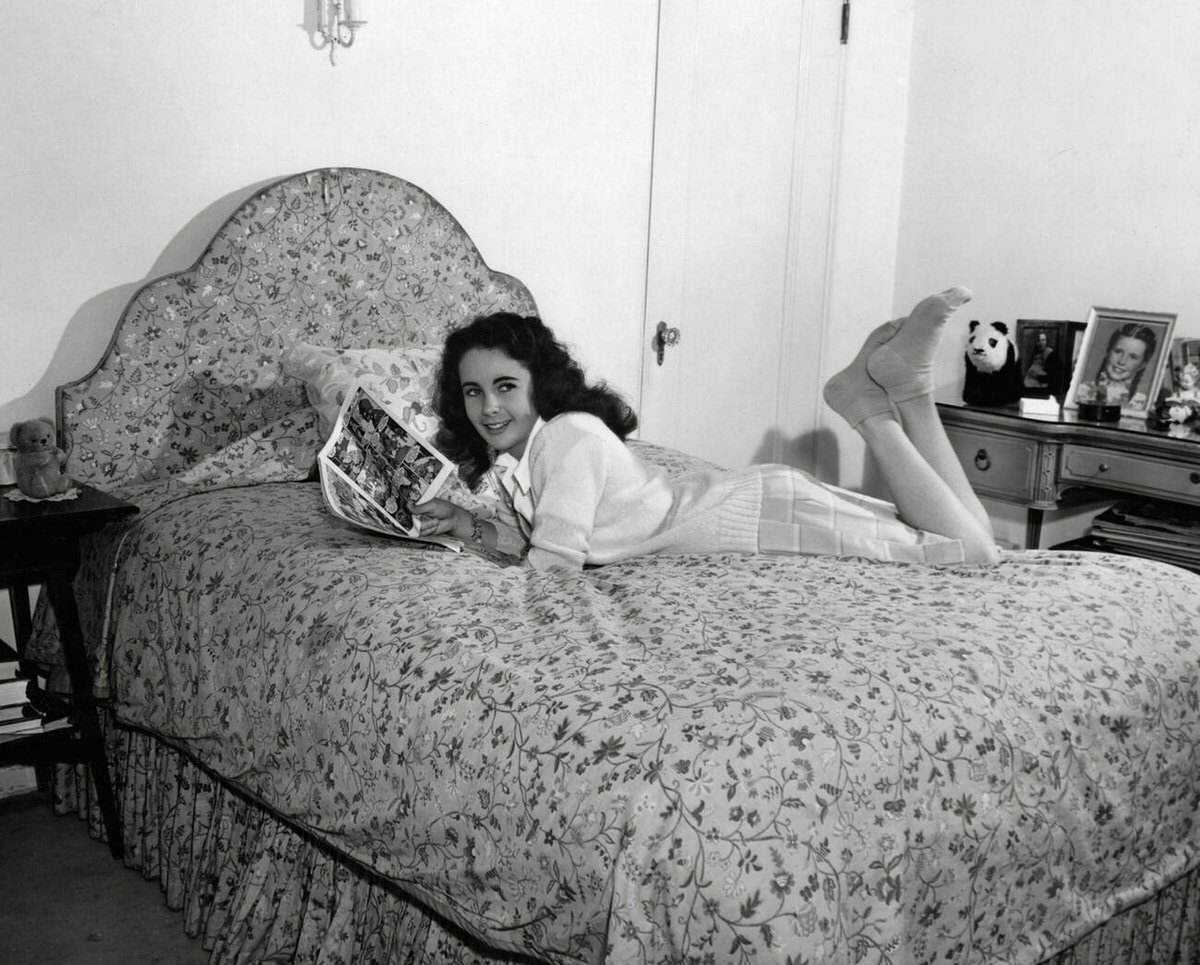
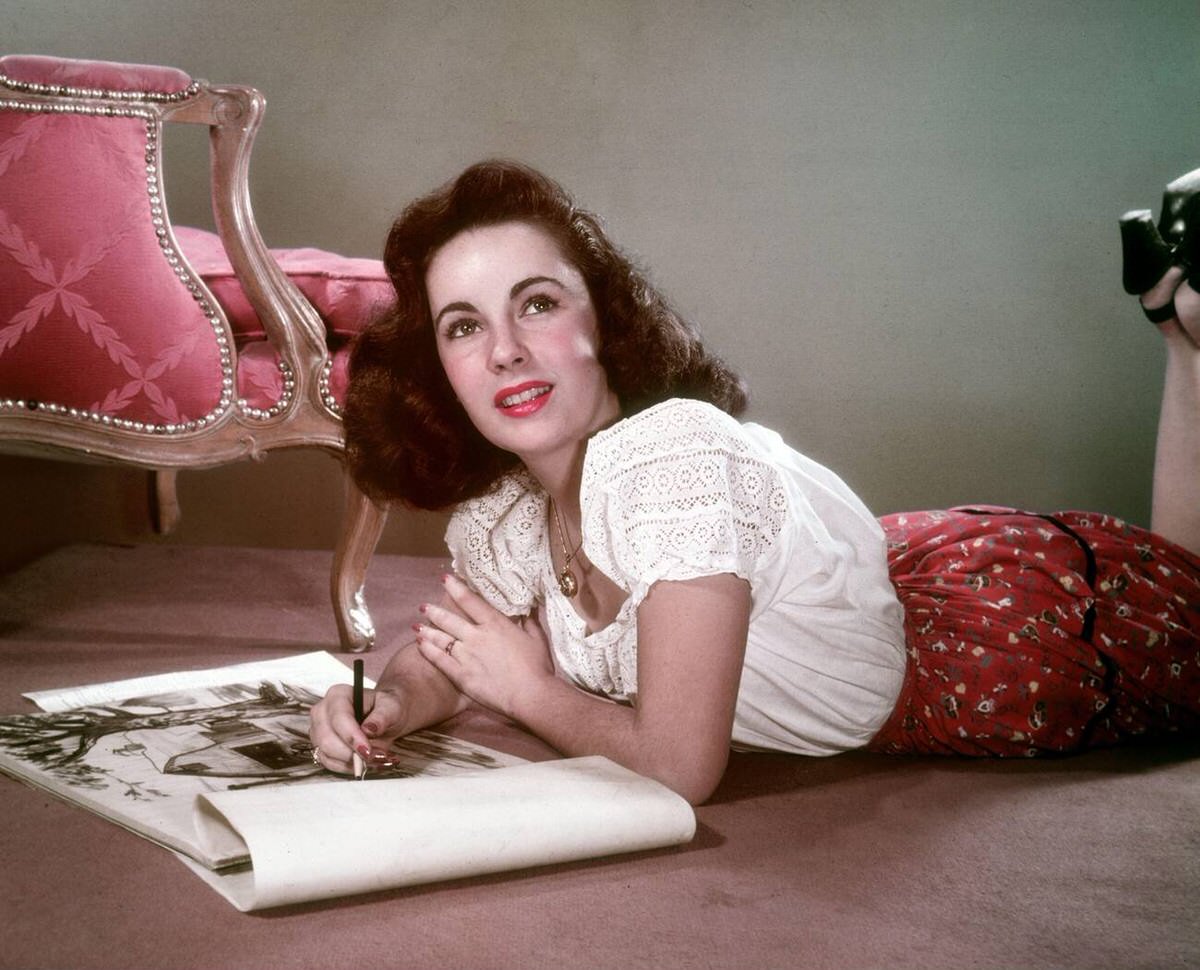
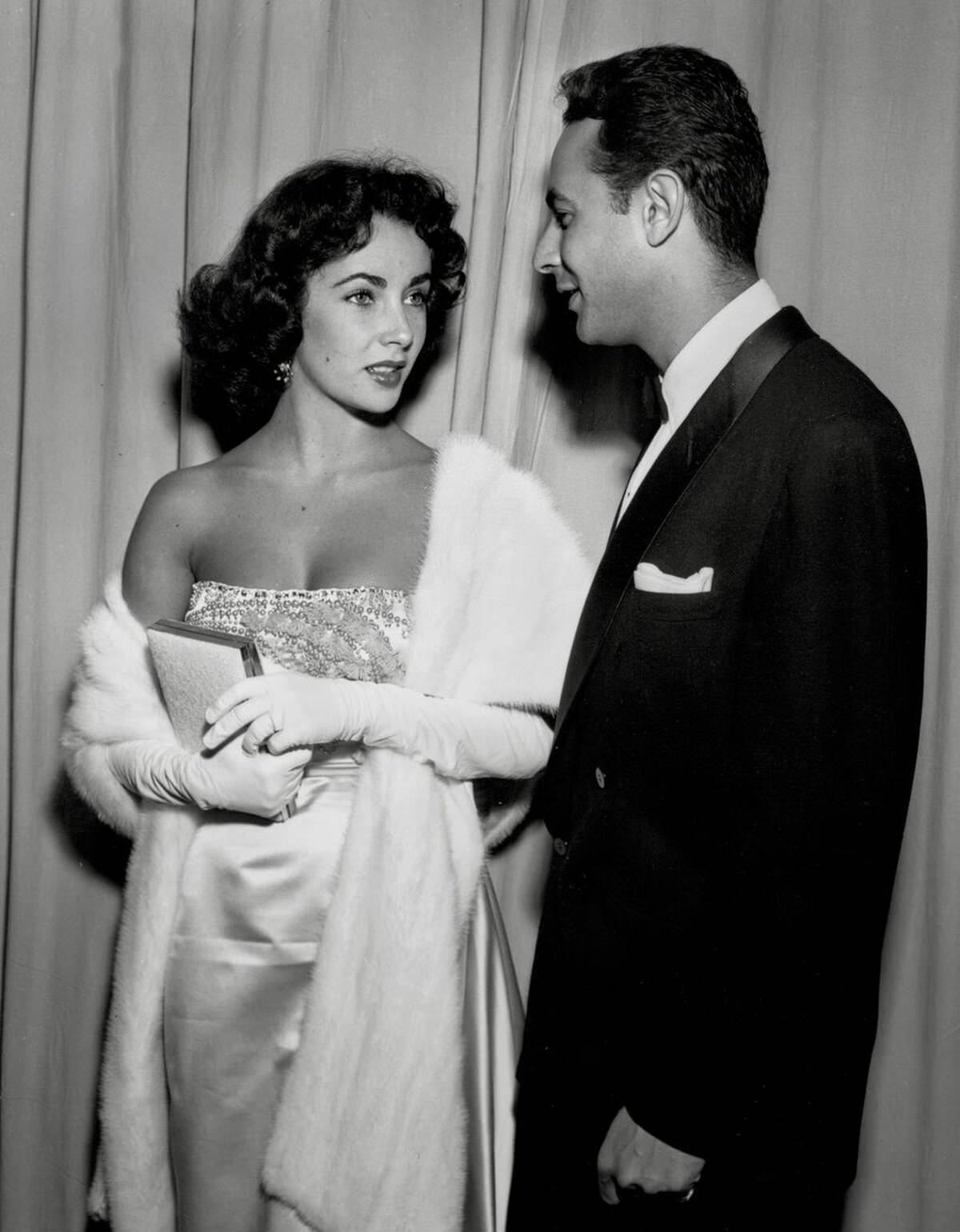
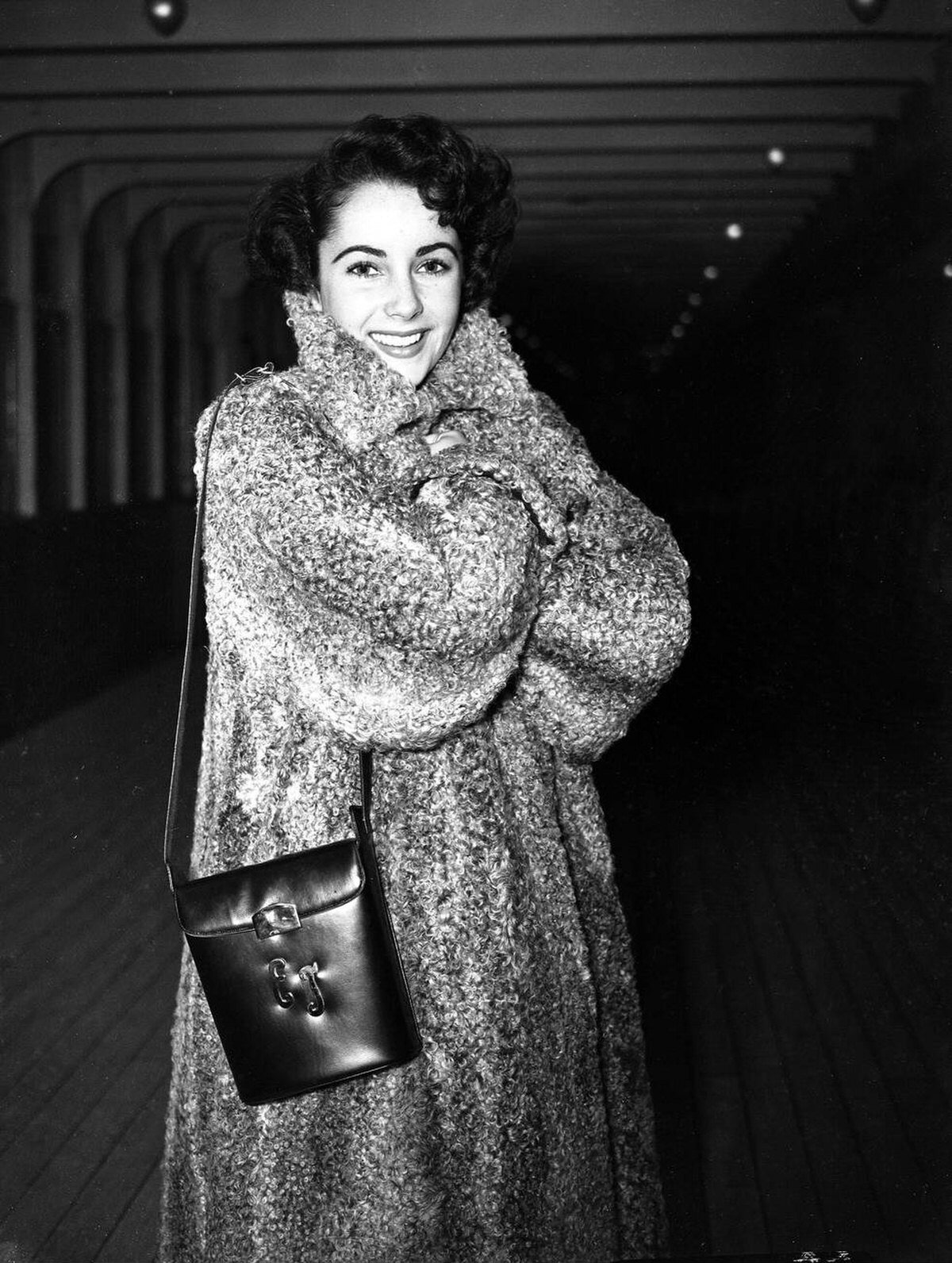
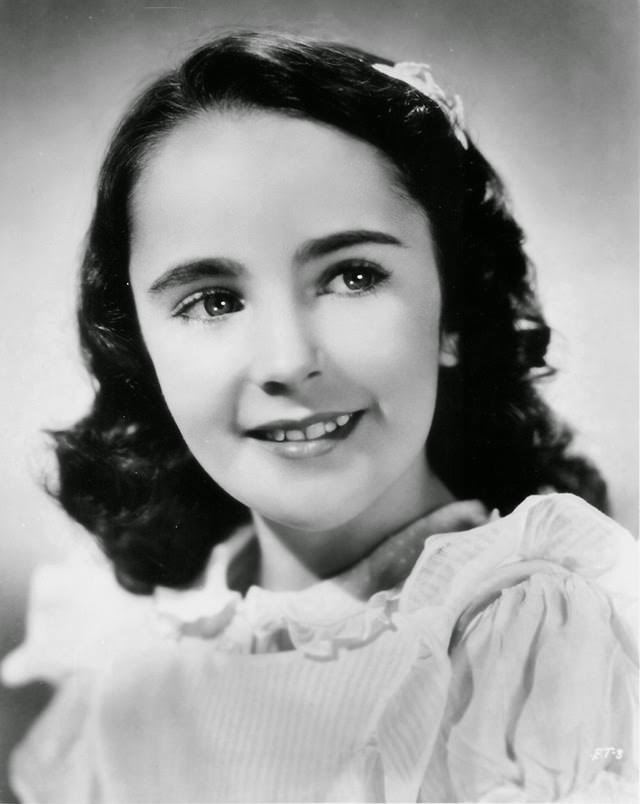
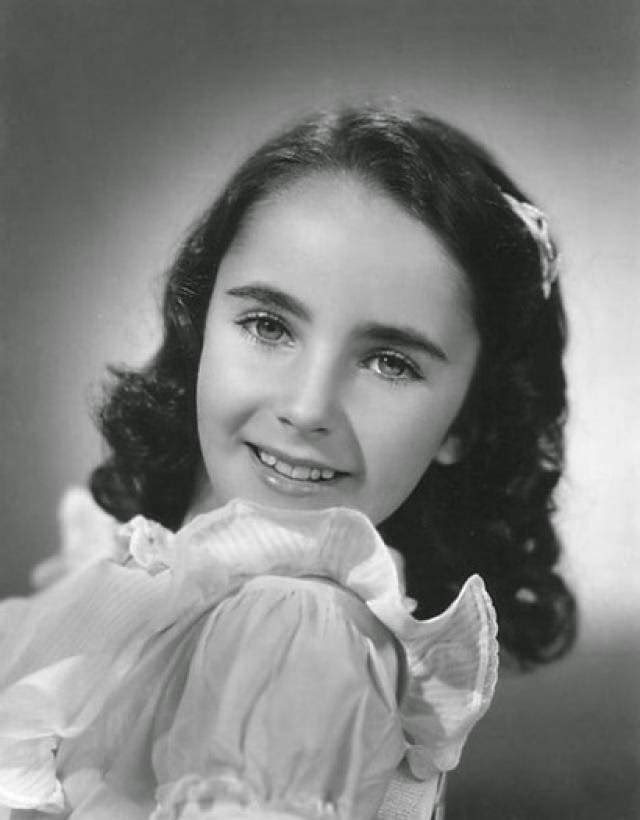
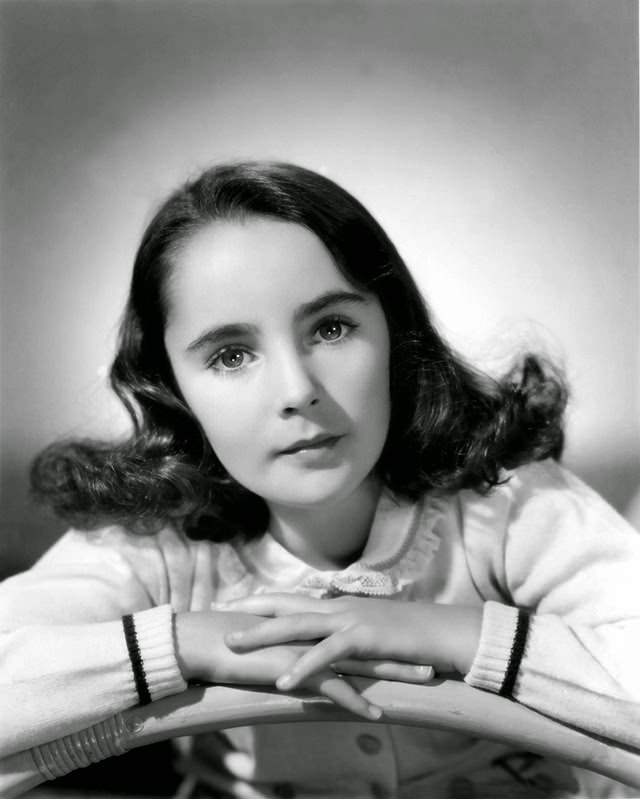
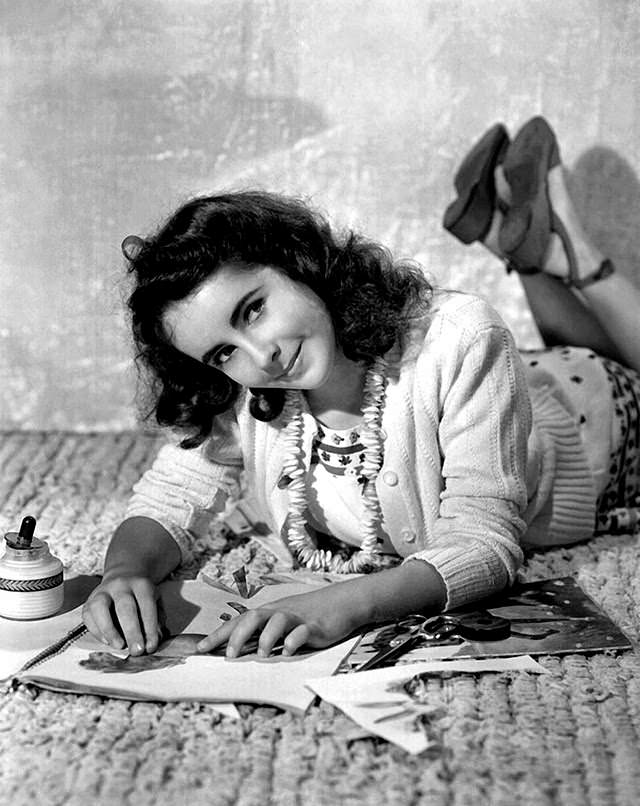
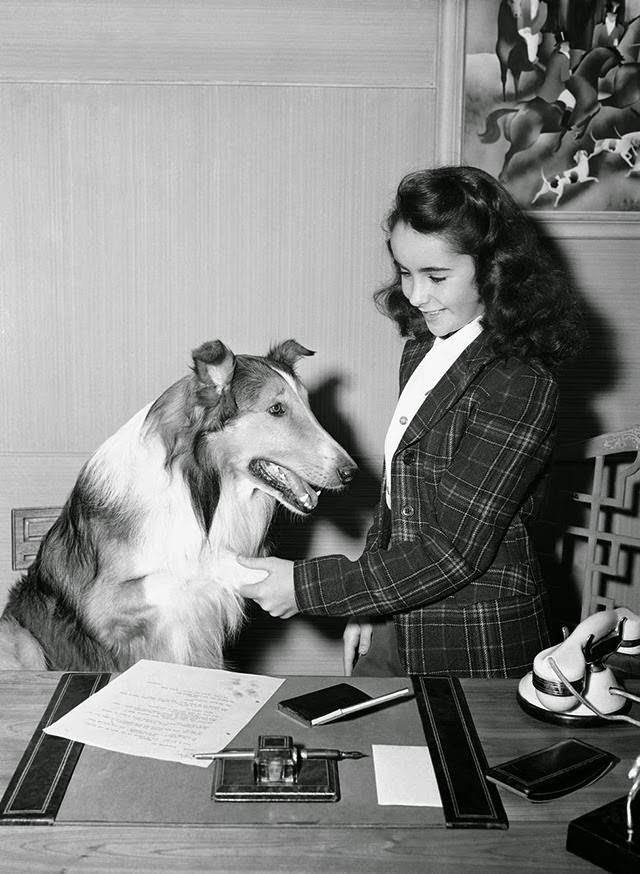
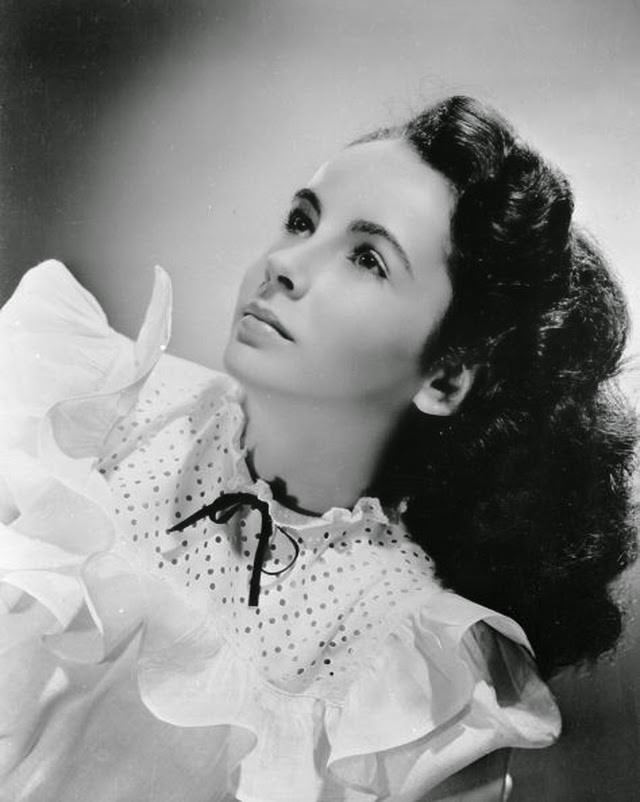
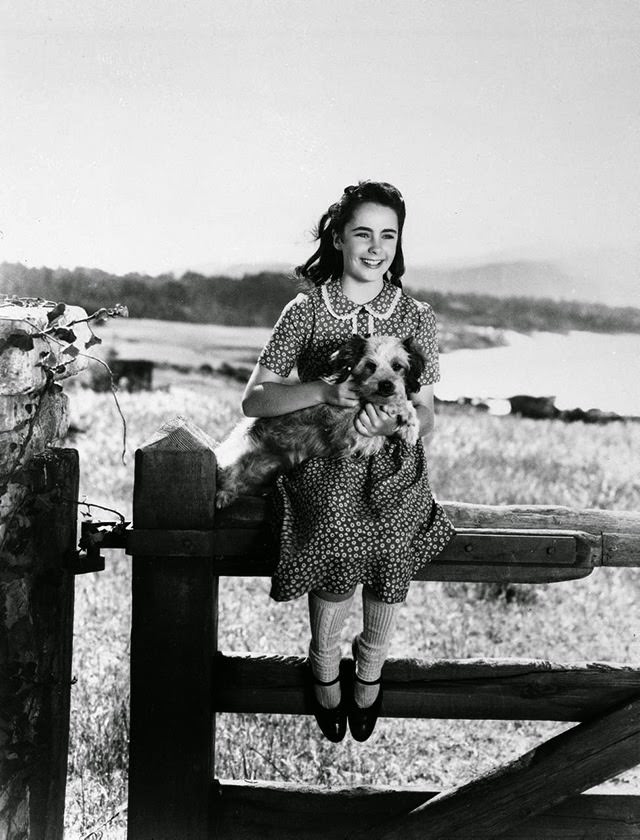
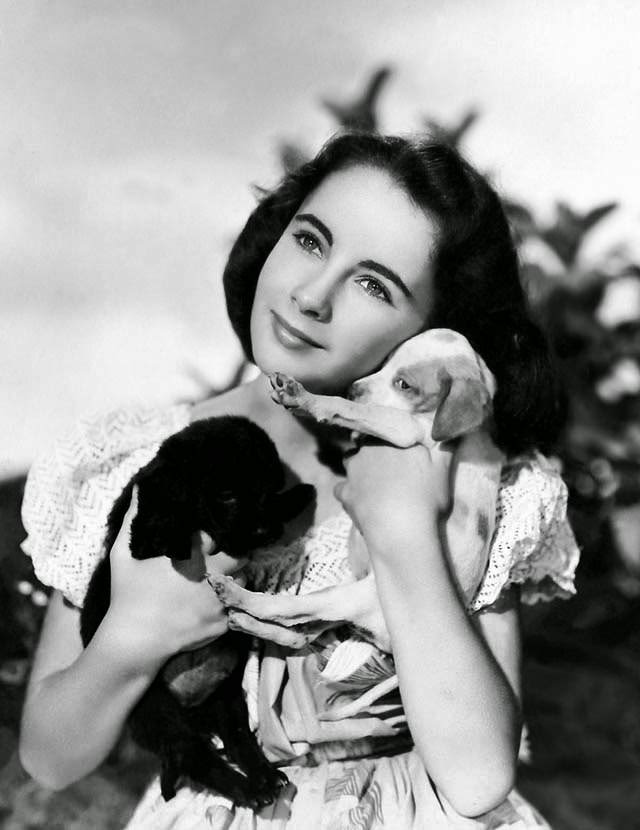
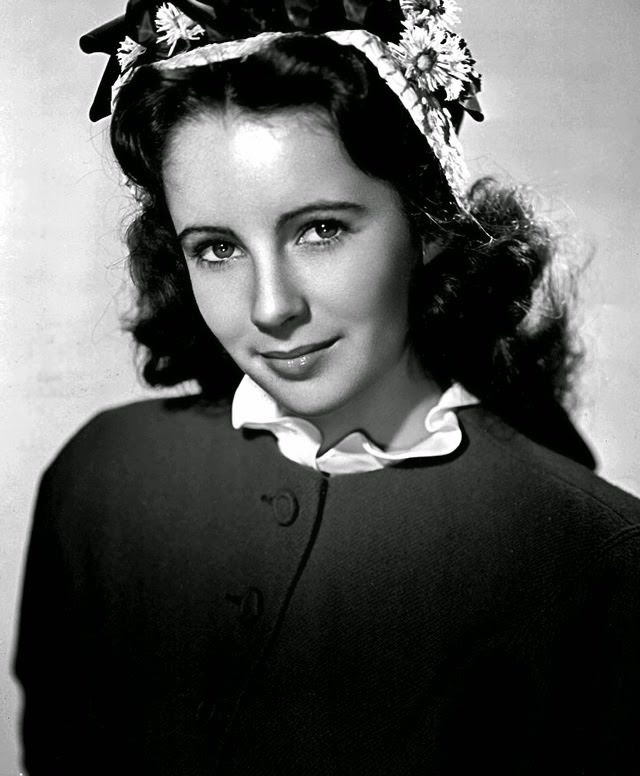
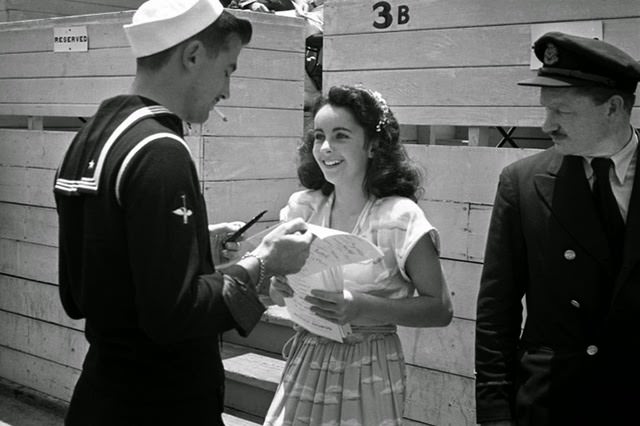
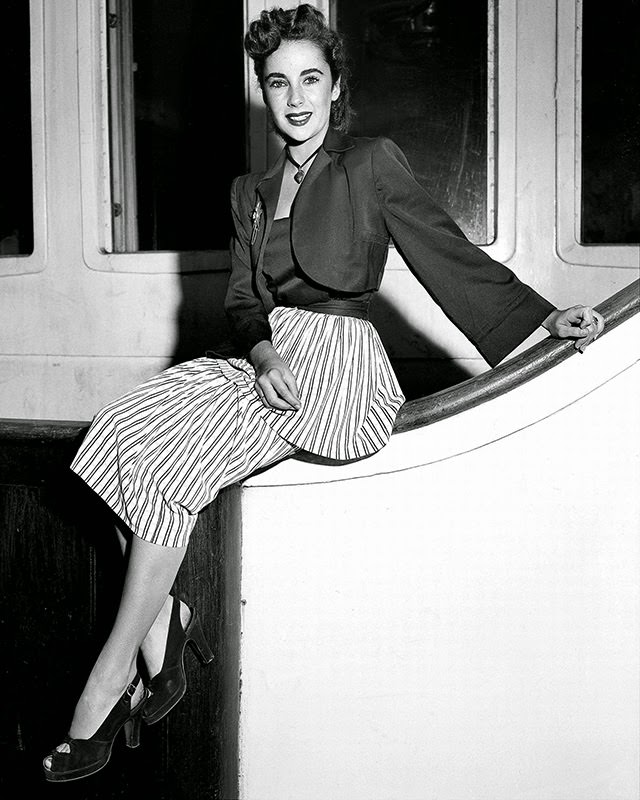
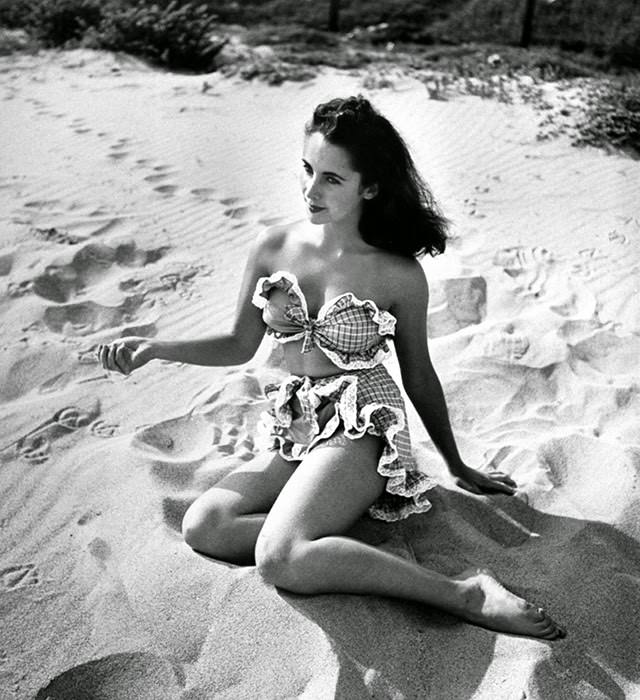
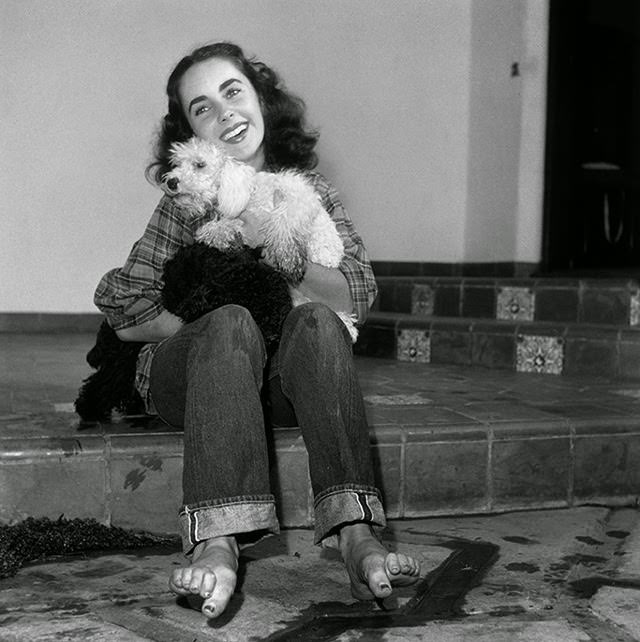
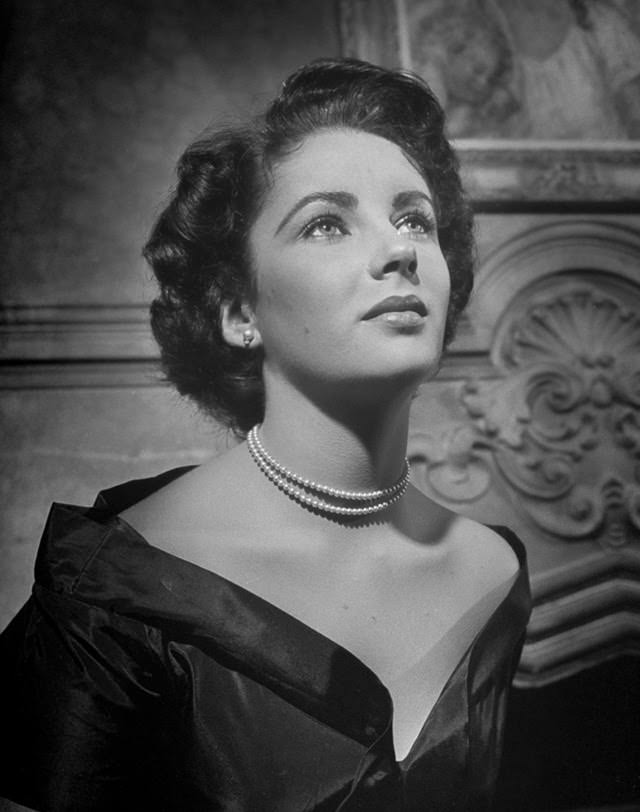
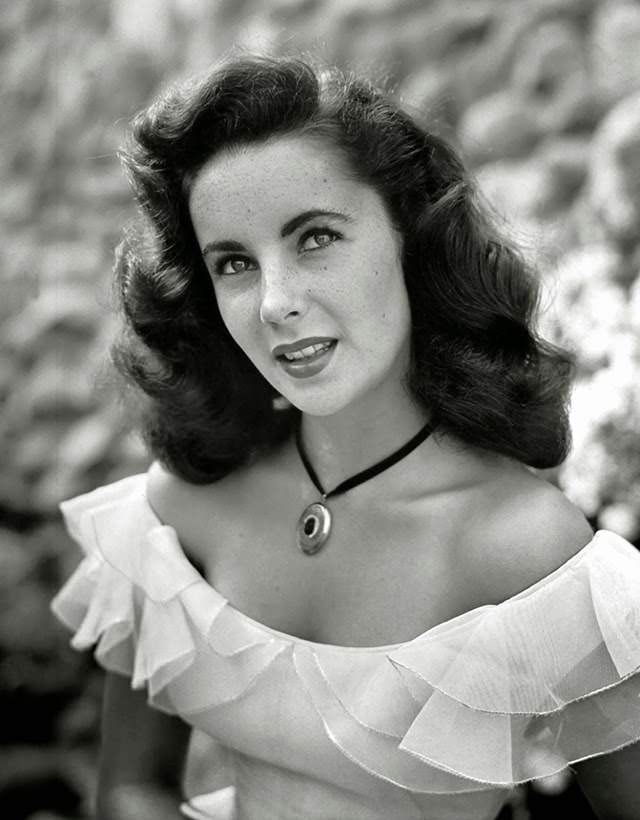
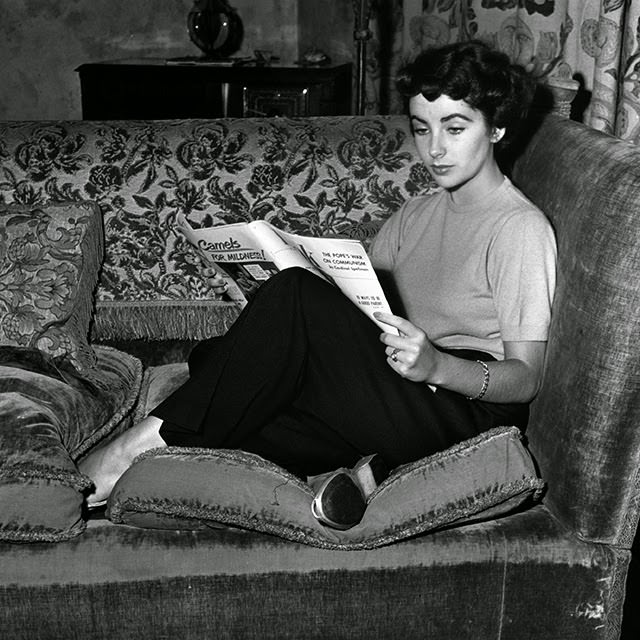
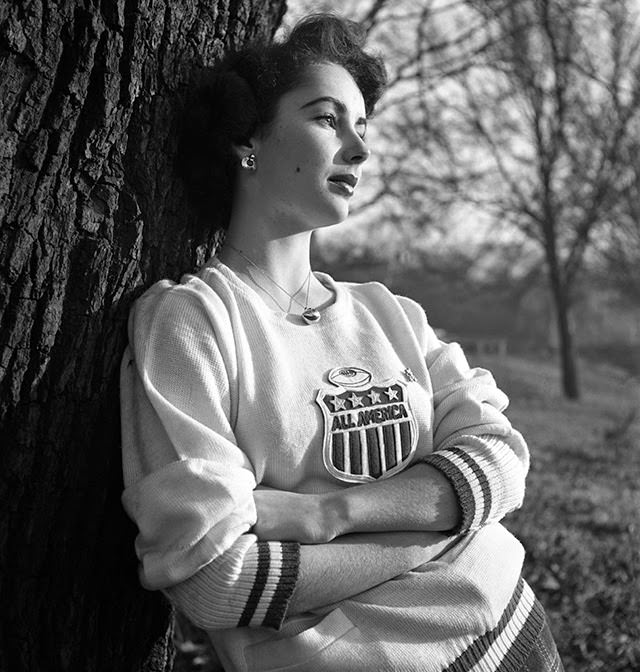
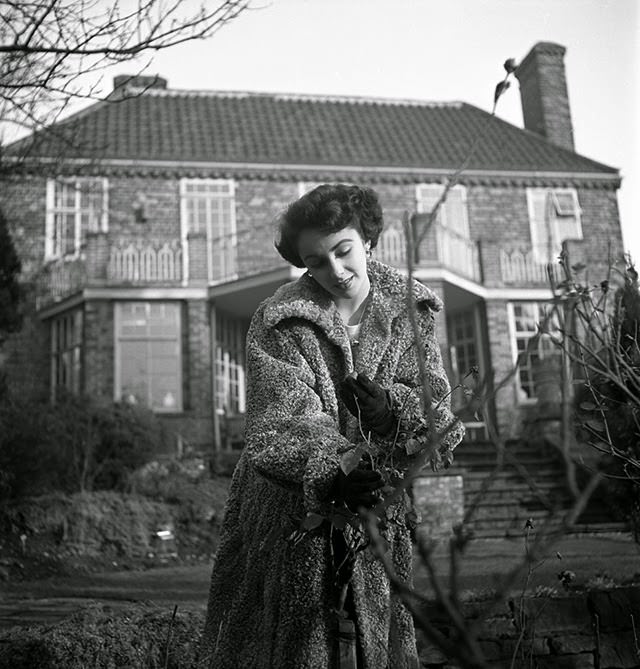
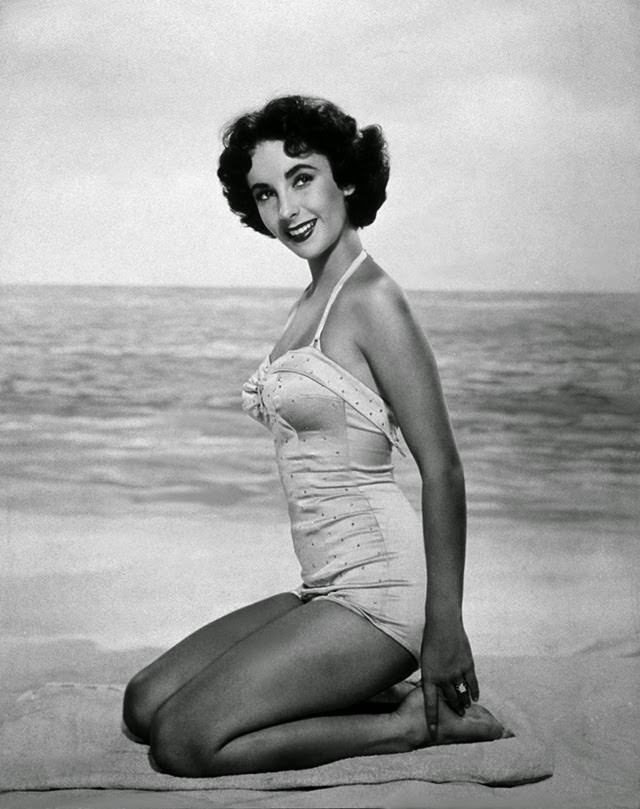
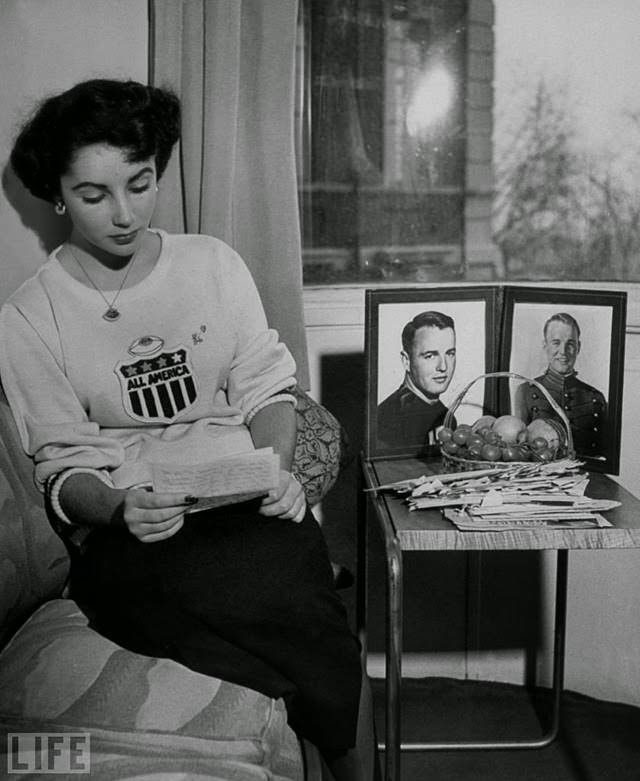
The photographs of Elizabeth Taylor from her teenage years in the 1940s are striking precisely because there is no awkward phase. Most people have one. She didn’t. The same face that would appear on magazine covers throughout the 1950s and 1960s was fully present at thirteen, fourteen, and fifteen — the violet eyes, the defined bone structure, the quality that cameras responded to with unusual fidelity.
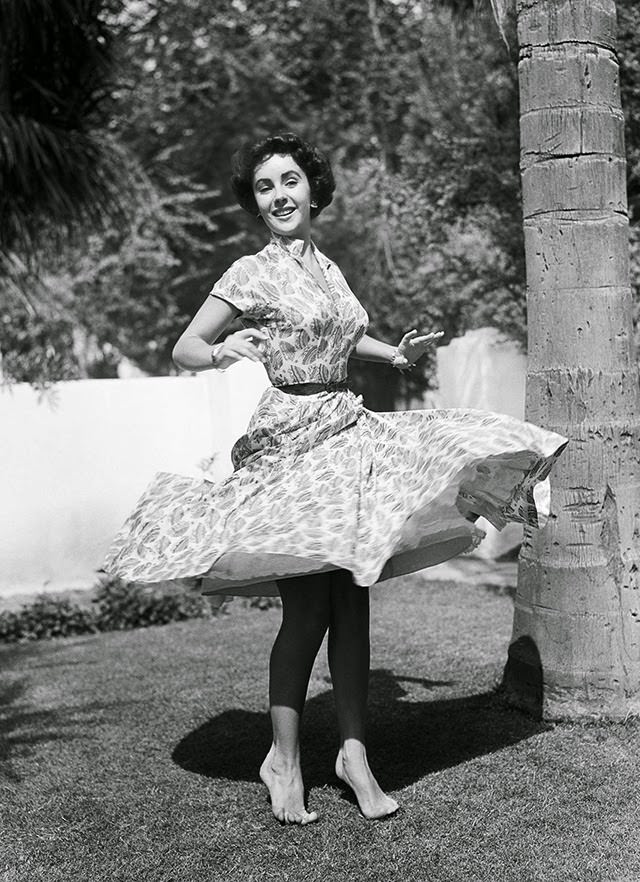
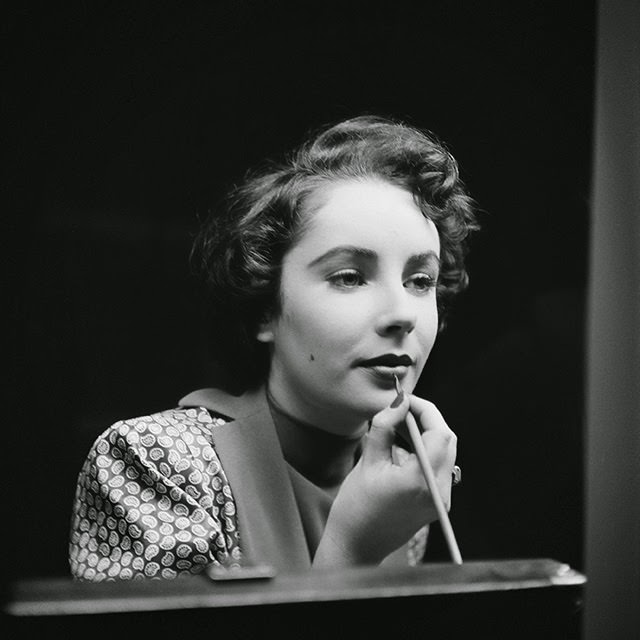
MGM’s photographers documented her constantly throughout this period. Portrait sessions, publicity stills, candid shots on set — the archive from her teenage years is enormous. The studio understood that her appearance was a commercial asset and treated its documentation accordingly.