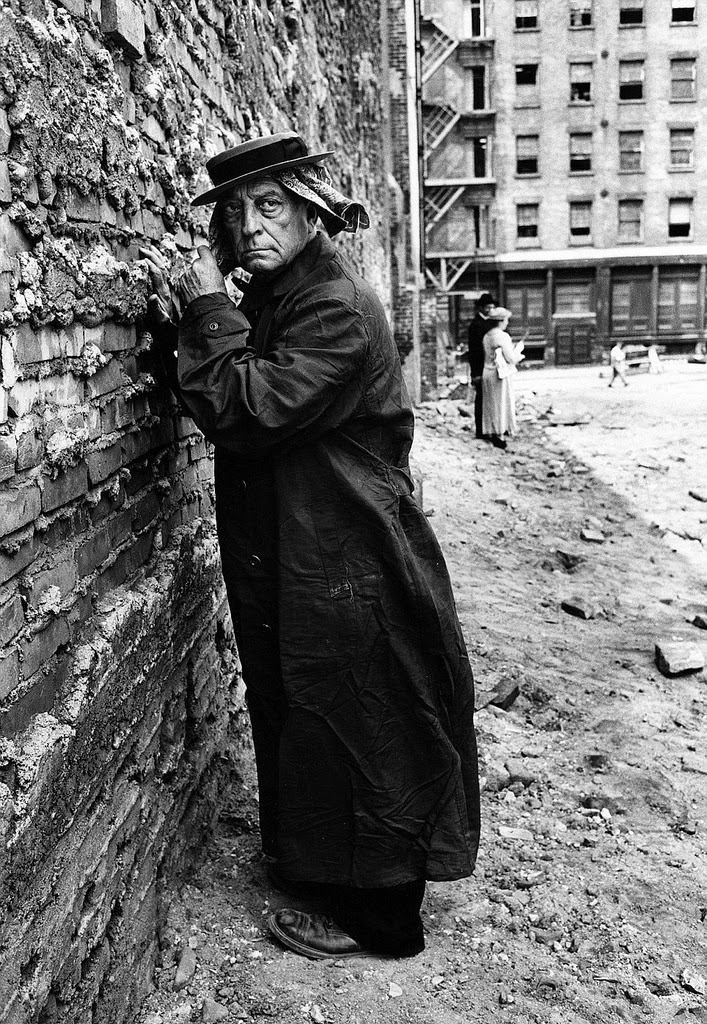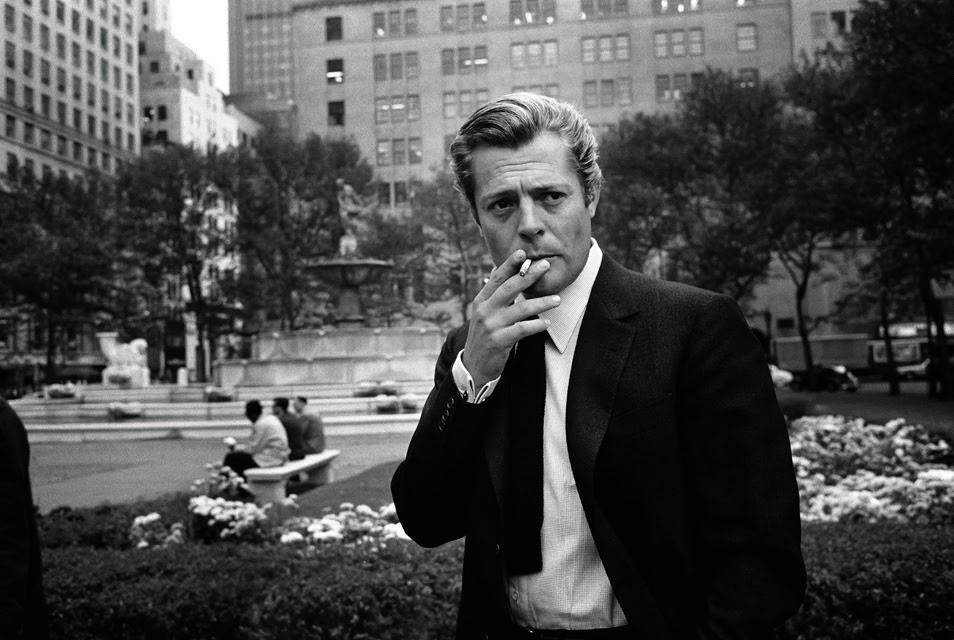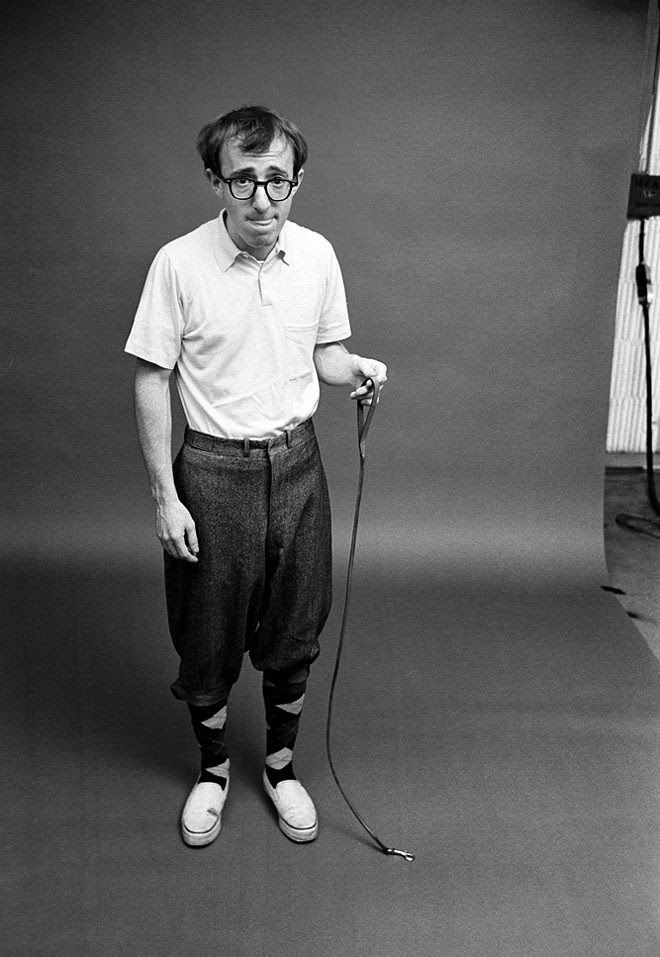

Steve Schapiro bought his first box camera at age nine in New York City and spent his childhood developing film in makeshift bathroom darkrooms. By the 1960s, he built a career as a freelance photojournalist for major publications like Life, Look, and Sports Illustrated. He traveled across the United States to document civil rights protests, poverty programs, and political campaigns. He favored a Leica camera and natural lighting. This equipment let him move quickly through crowds and capture unposed expressions without drawing attention to himself.
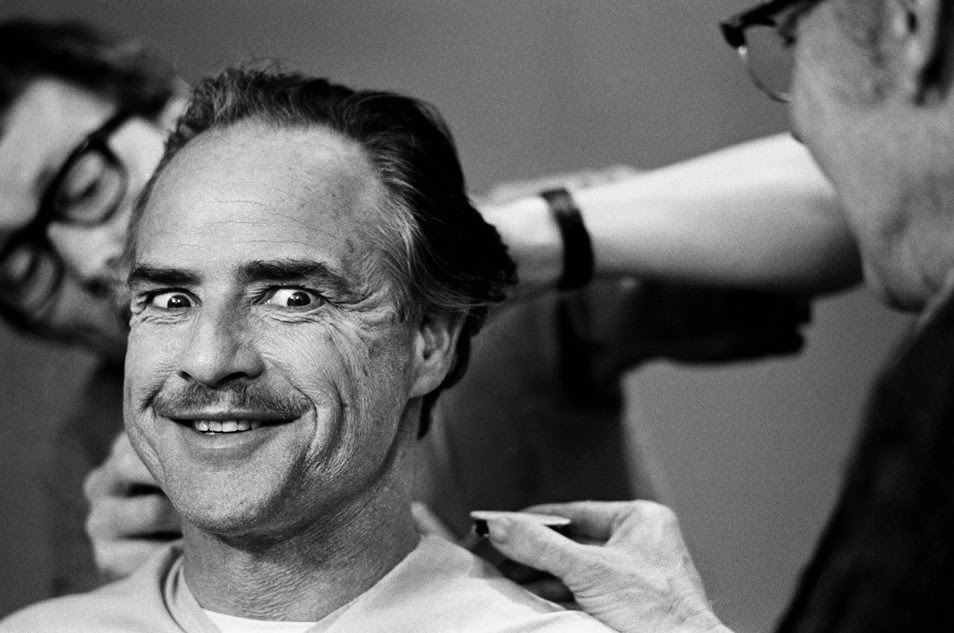
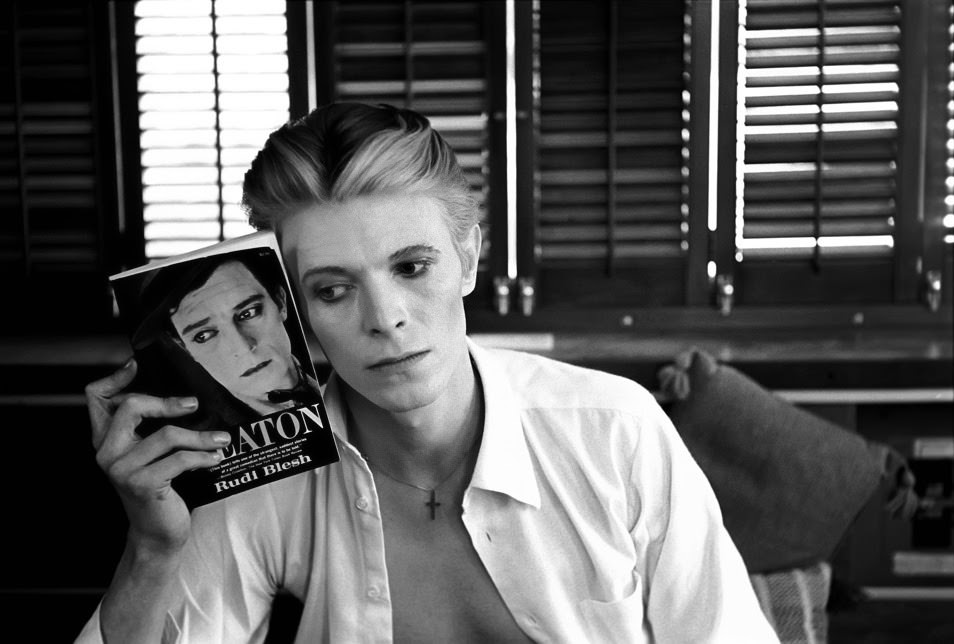
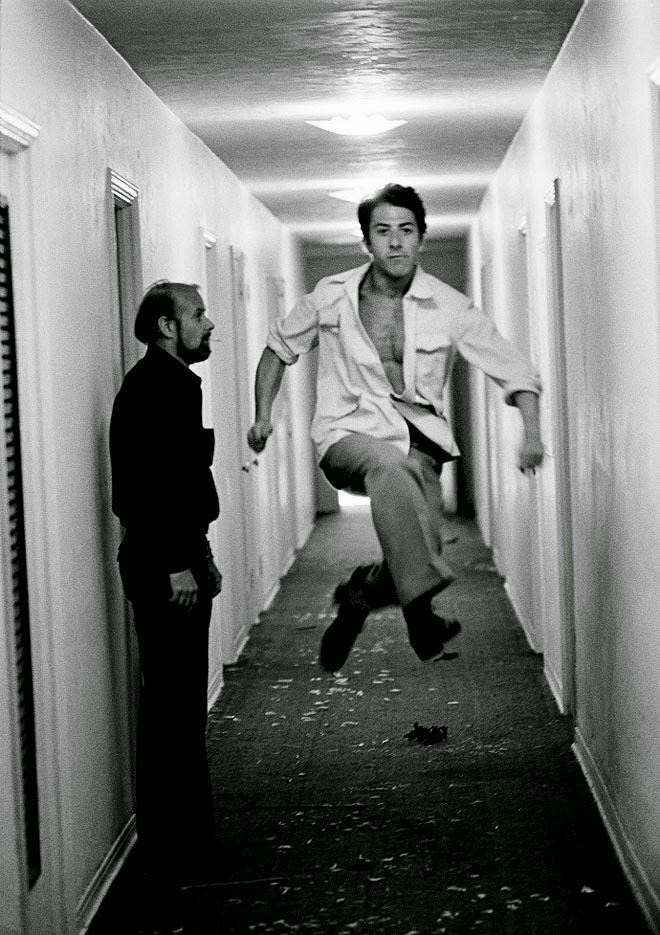
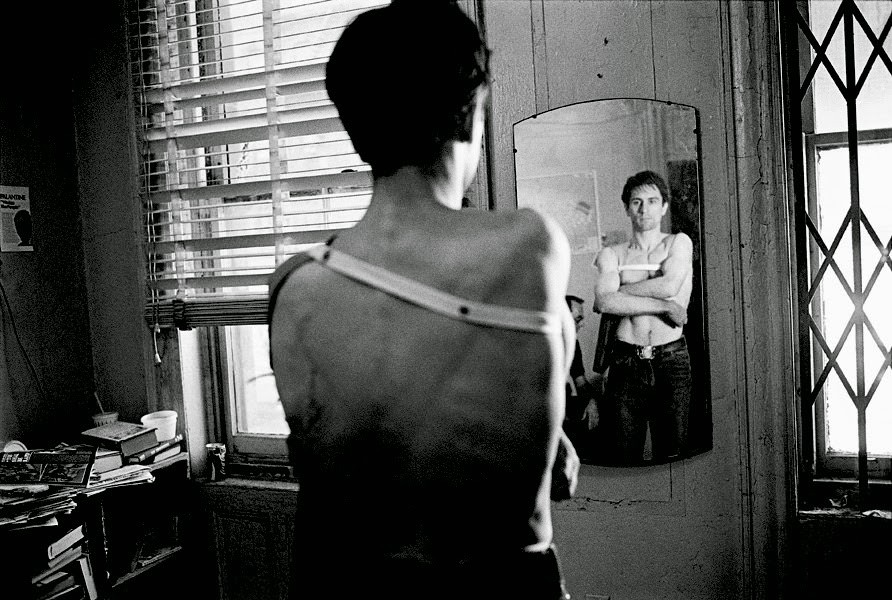
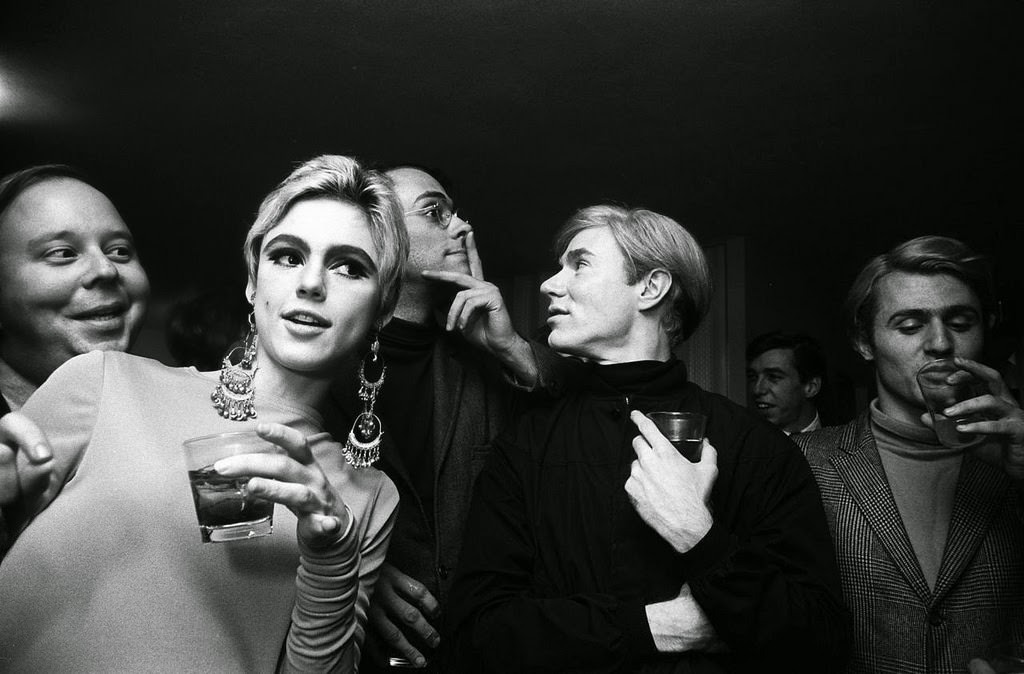
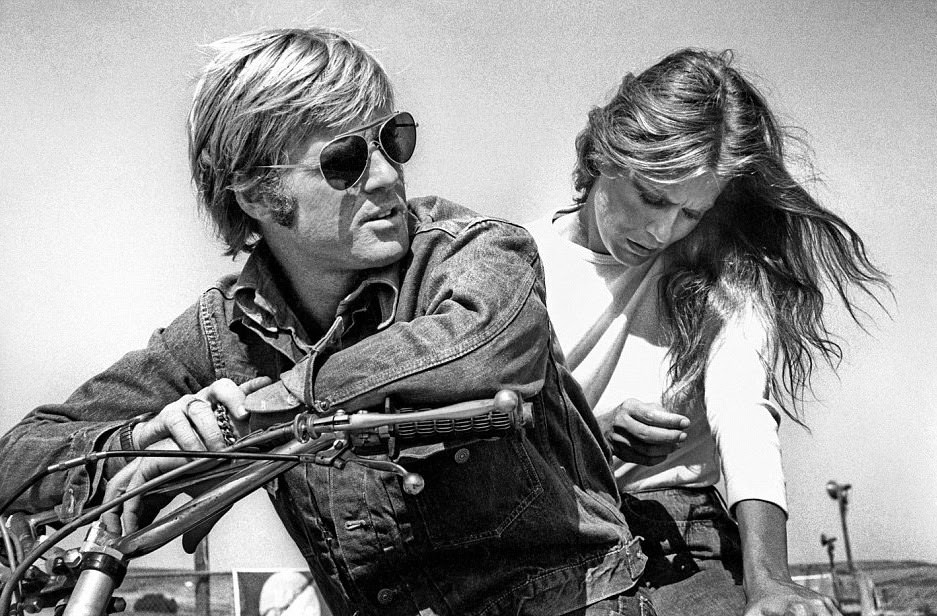
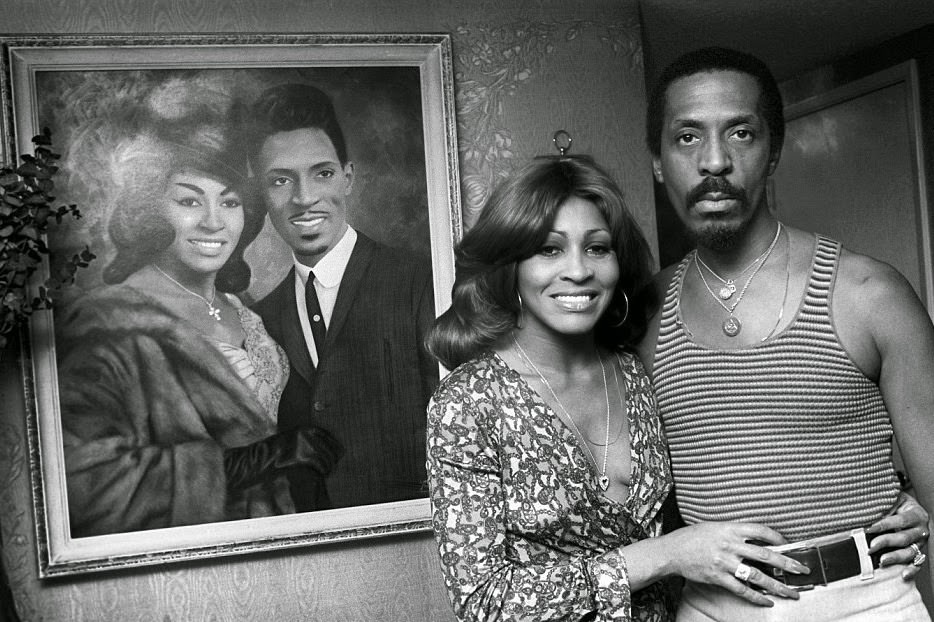
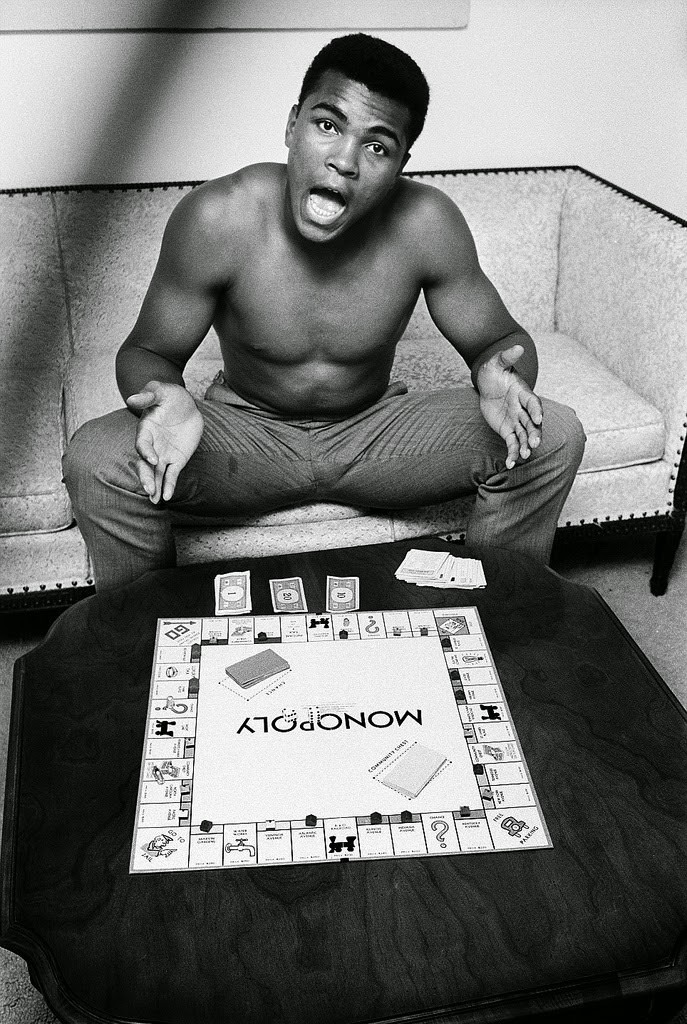
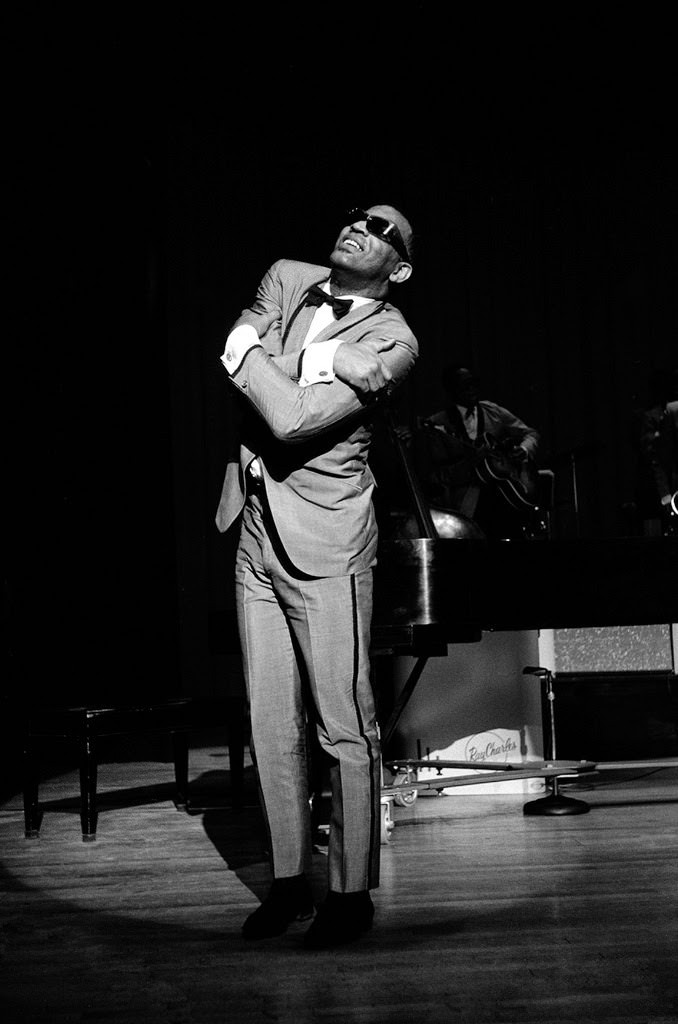
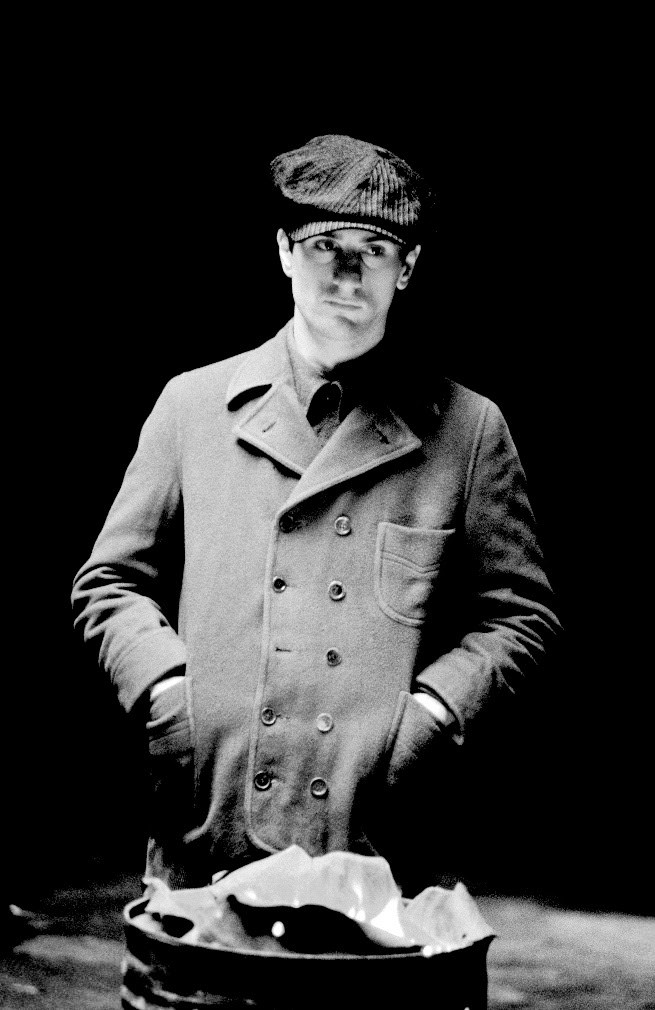
Hollywood studios frequently invited Schapiro onto movie sets to document the filmmaking process. He stood on damp asphalt streets during the 1975 night shoots for Taxi Driver, watching Robert De Niro pace between takes. On the set of The Godfather in 1971, Schapiro watched makeup artists press cotton balls into Marlon Brando’s cheeks to create the famous bulldog look of Don Vito Corleone. Musicians and artists also opened their doors to his lens. David Bowie sat cross-legged on hotel floors reading Buster Keaton biographies, and Andy Warhol brought his factory entourage to gallery openings while Schapiro tracked every movement. Muhammad Ali sat on the floor of a hotel room playing Monopoly between training sessions.
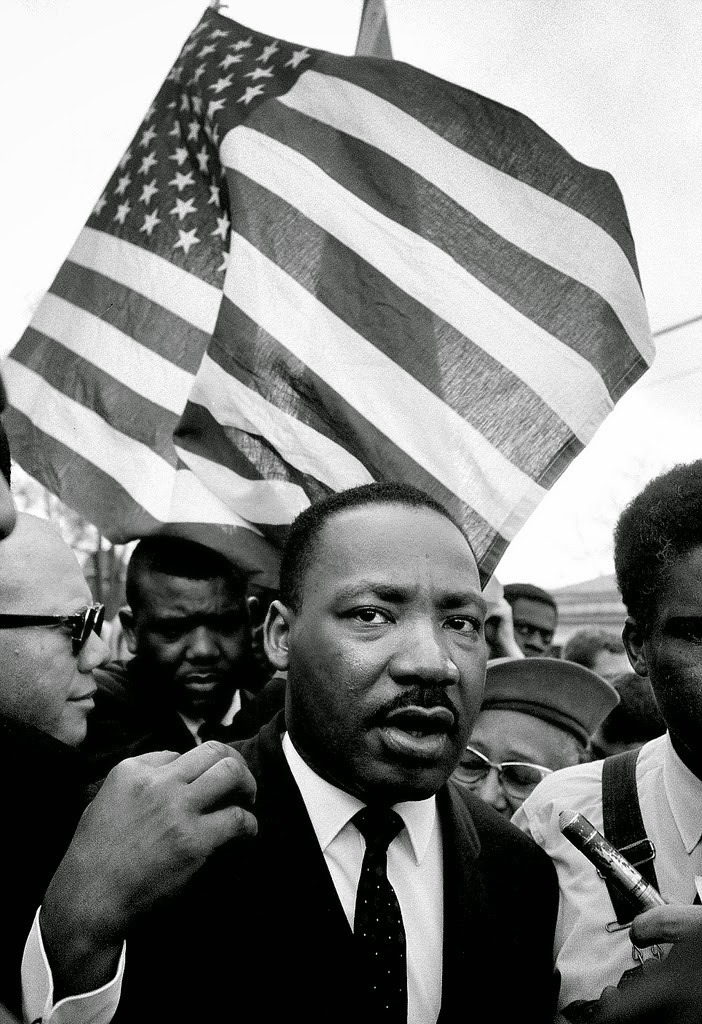
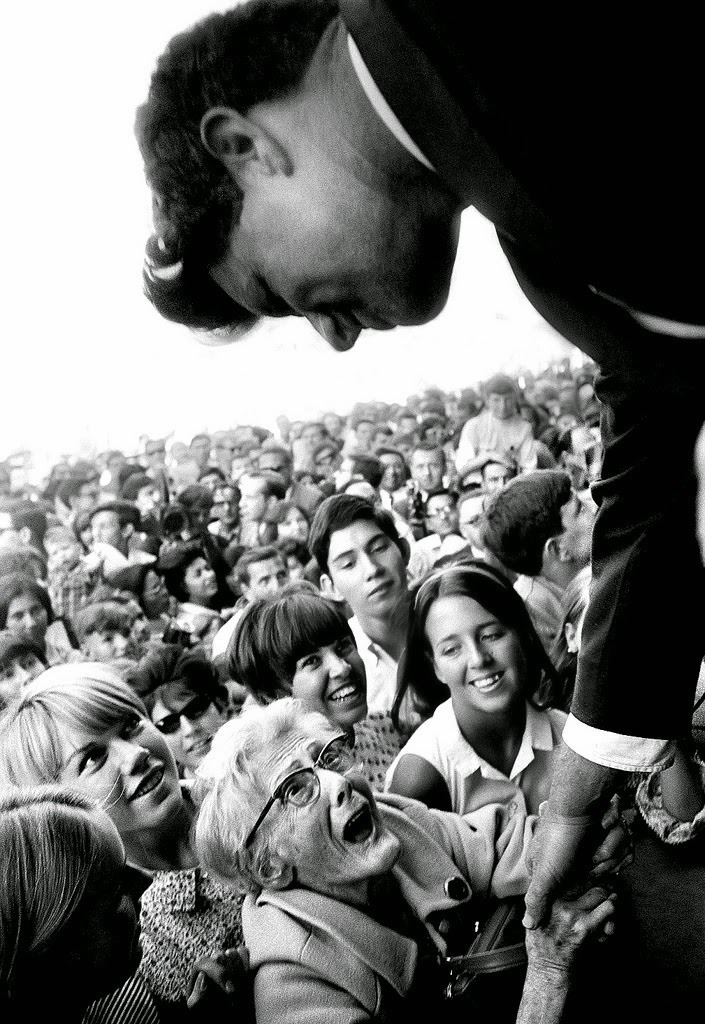
History moved fast around Schapiro, and he pointed his camera at the most dangerous political flashpoints of the era. He joined the front lines of the 1965 Selma to Montgomery voting rights marches in Alabama. State troopers attacked demonstrators with tear gas and clubs on the Edmund Pettus Bridge, and Schapiro absorbed physical blows while protecting his camera and shooting pictures of the violence. In 1968, Robert F. Kennedy asked Schapiro to serve as his primary campaign photographer. Schapiro spent months riding on campaign planes and documenting small-town diners, motel rooms, and noisy rallies.
He captured the final moments of Kennedy’s life on the night of the California primary in June 1968, photographing the candidate just hours before his assassination at the Ambassador Hotel in Los Angeles. Schapiro kept working for decades, shifting from photojournalism to fine art photography and publishing numerous books of his mid-century archives. On November 1, 2022, he died at his home in Chicago at the age of 87.