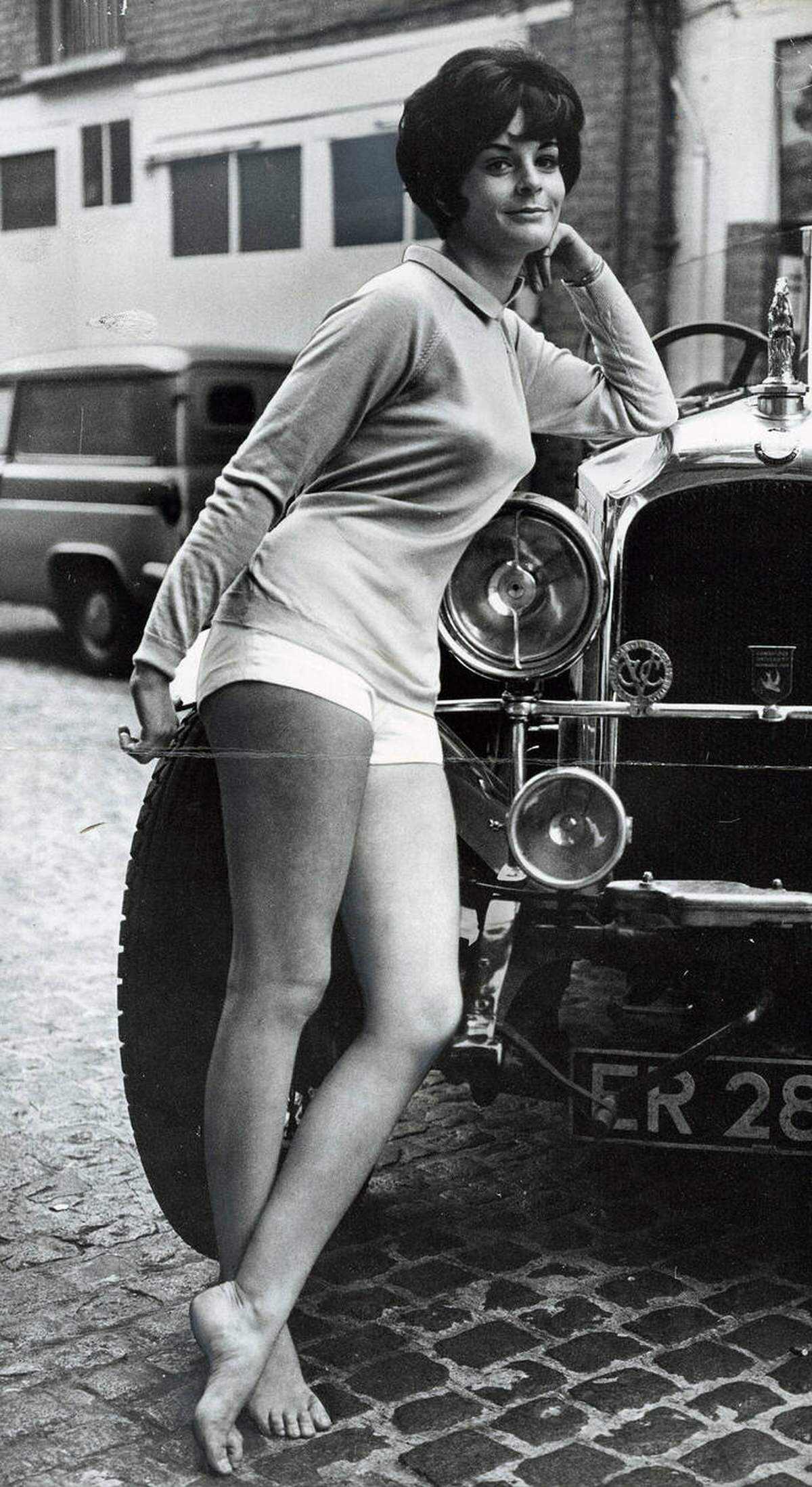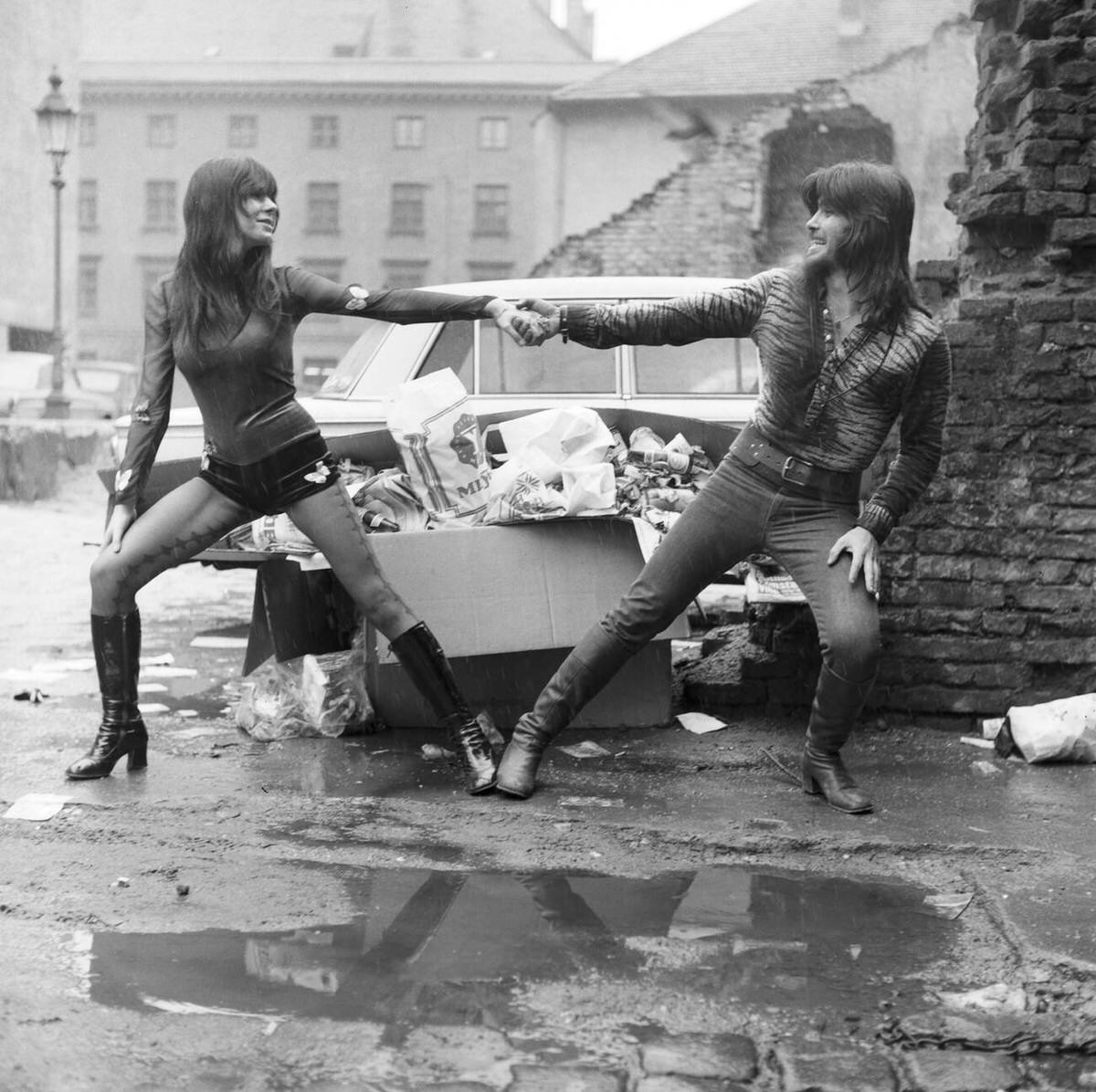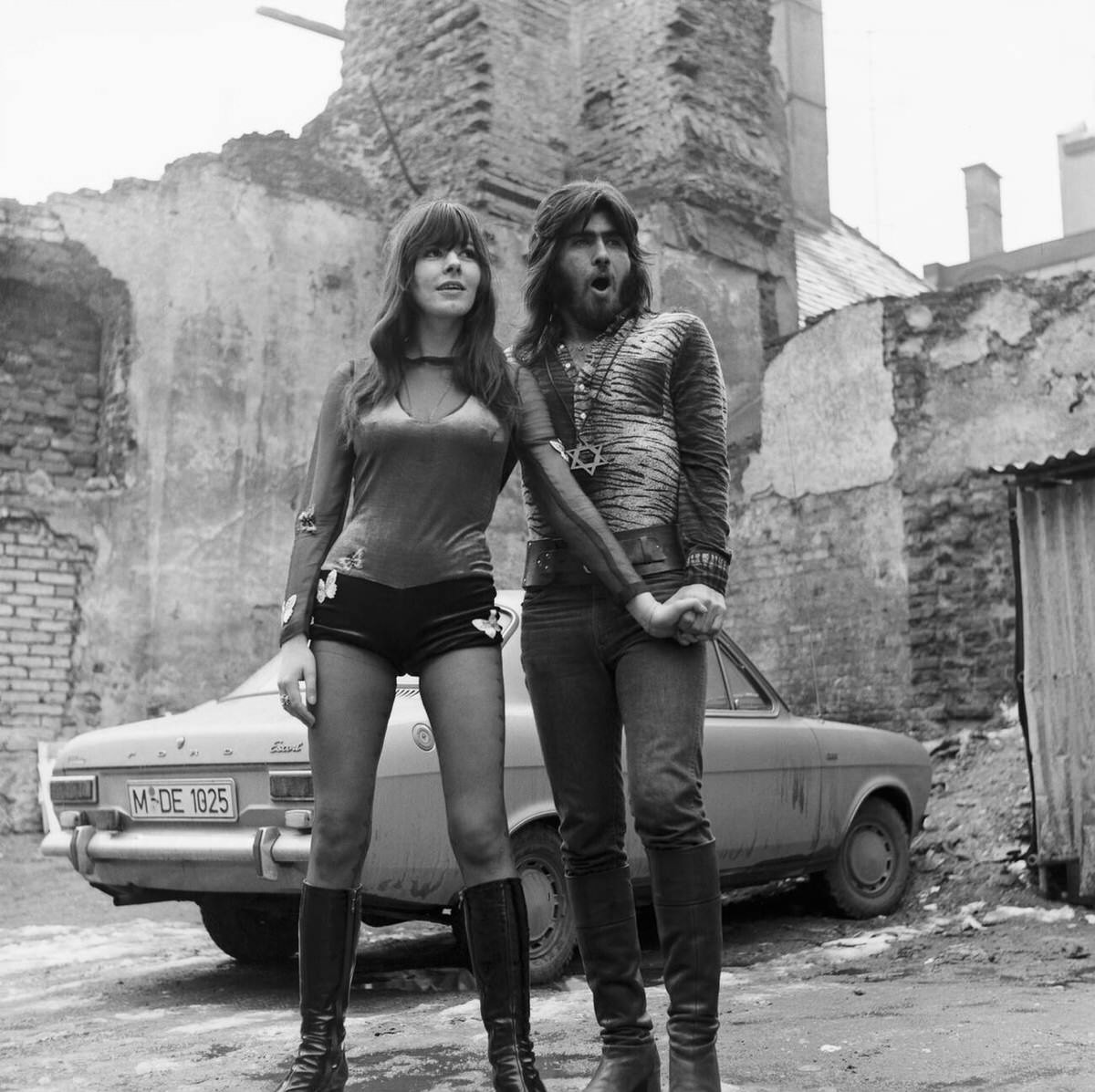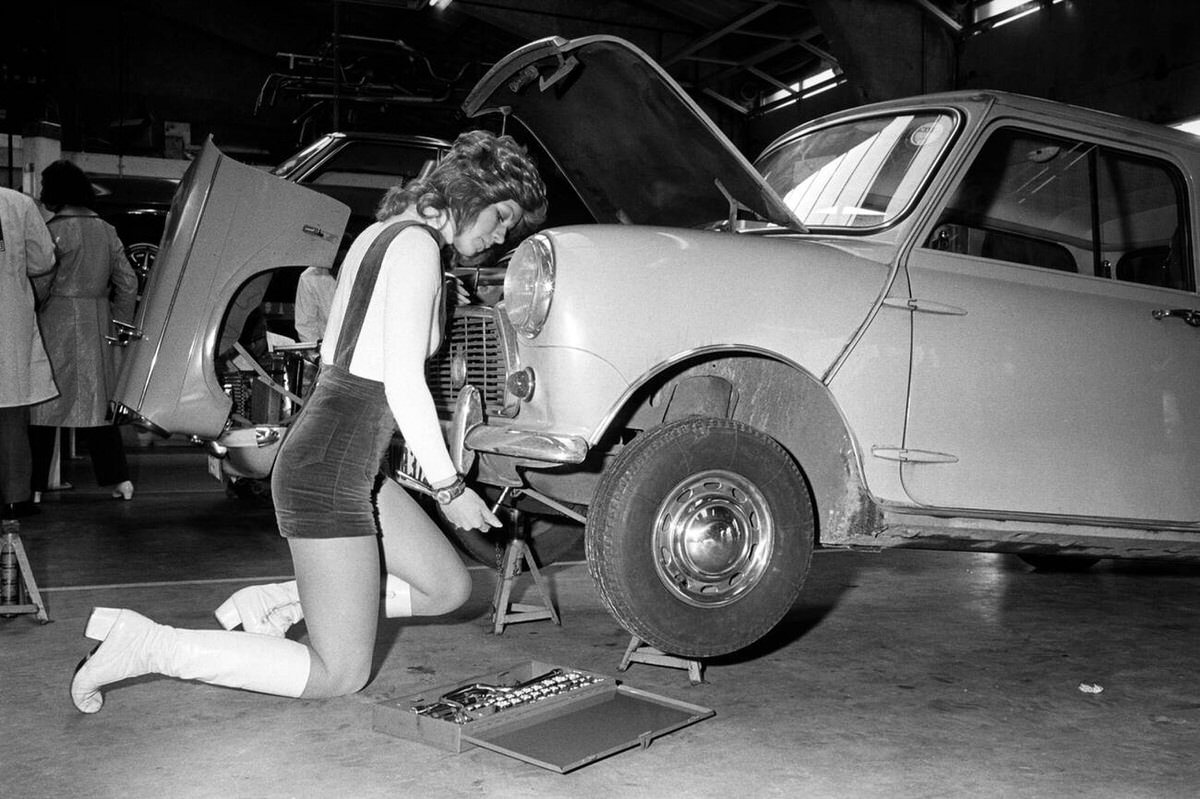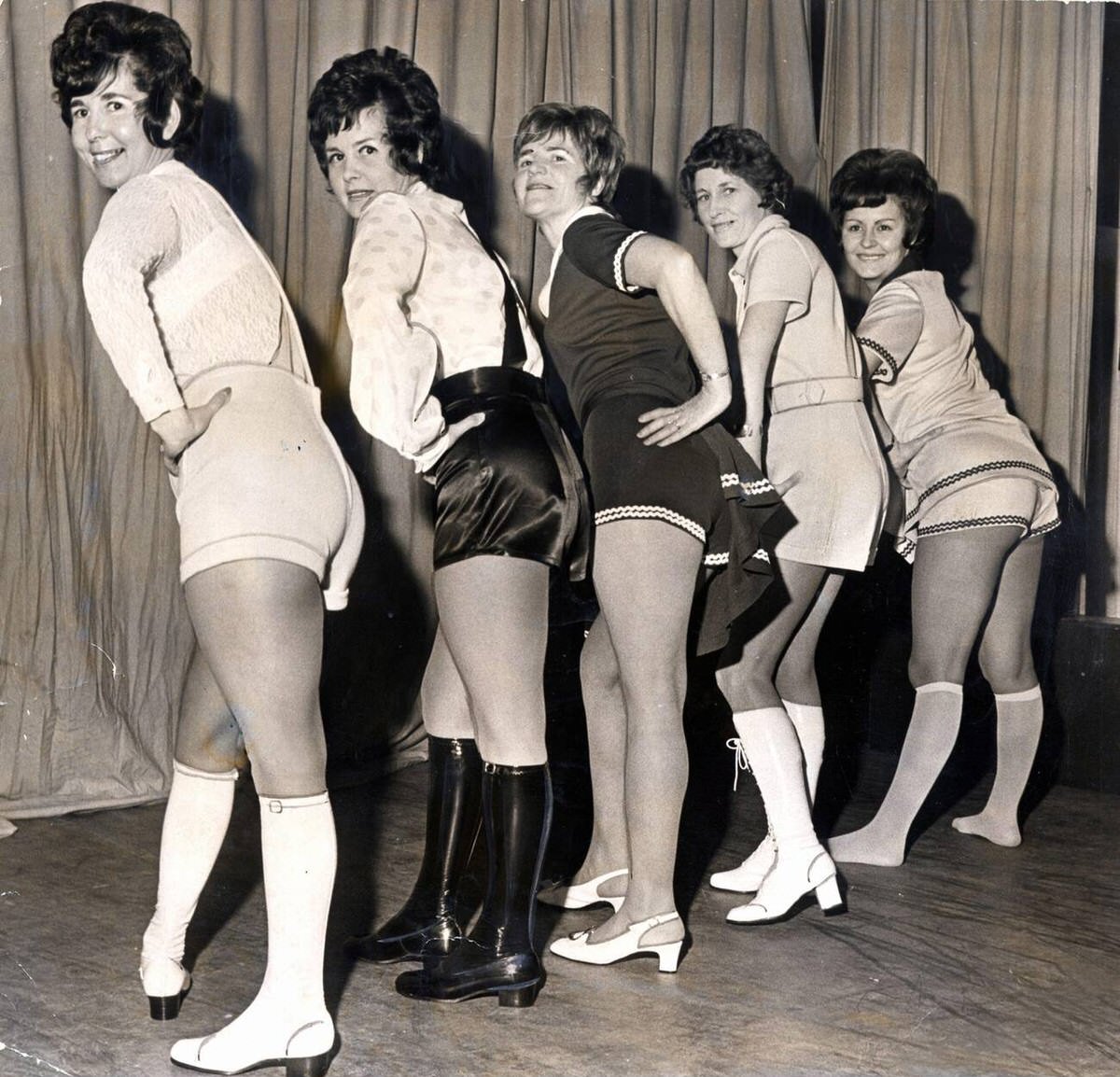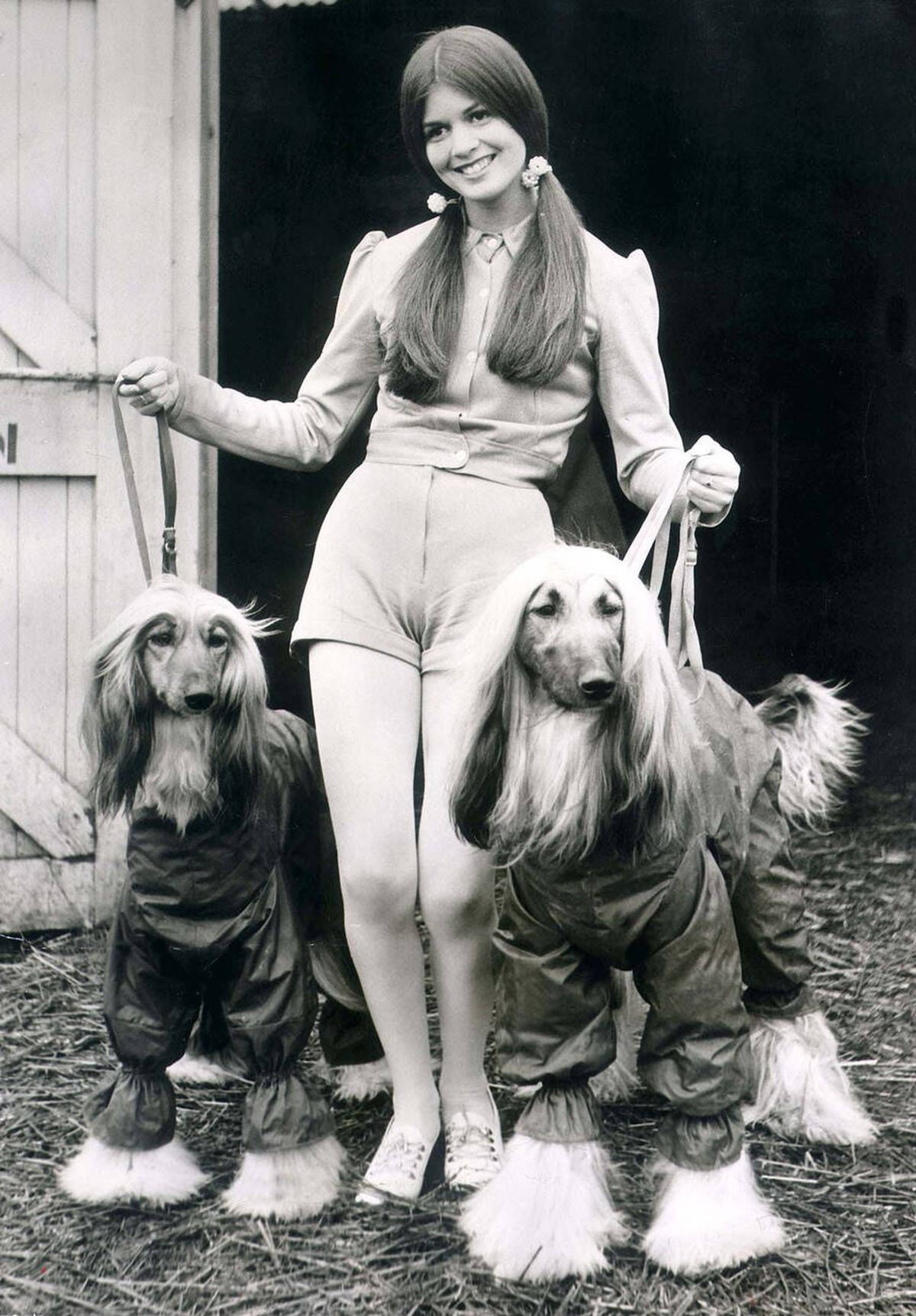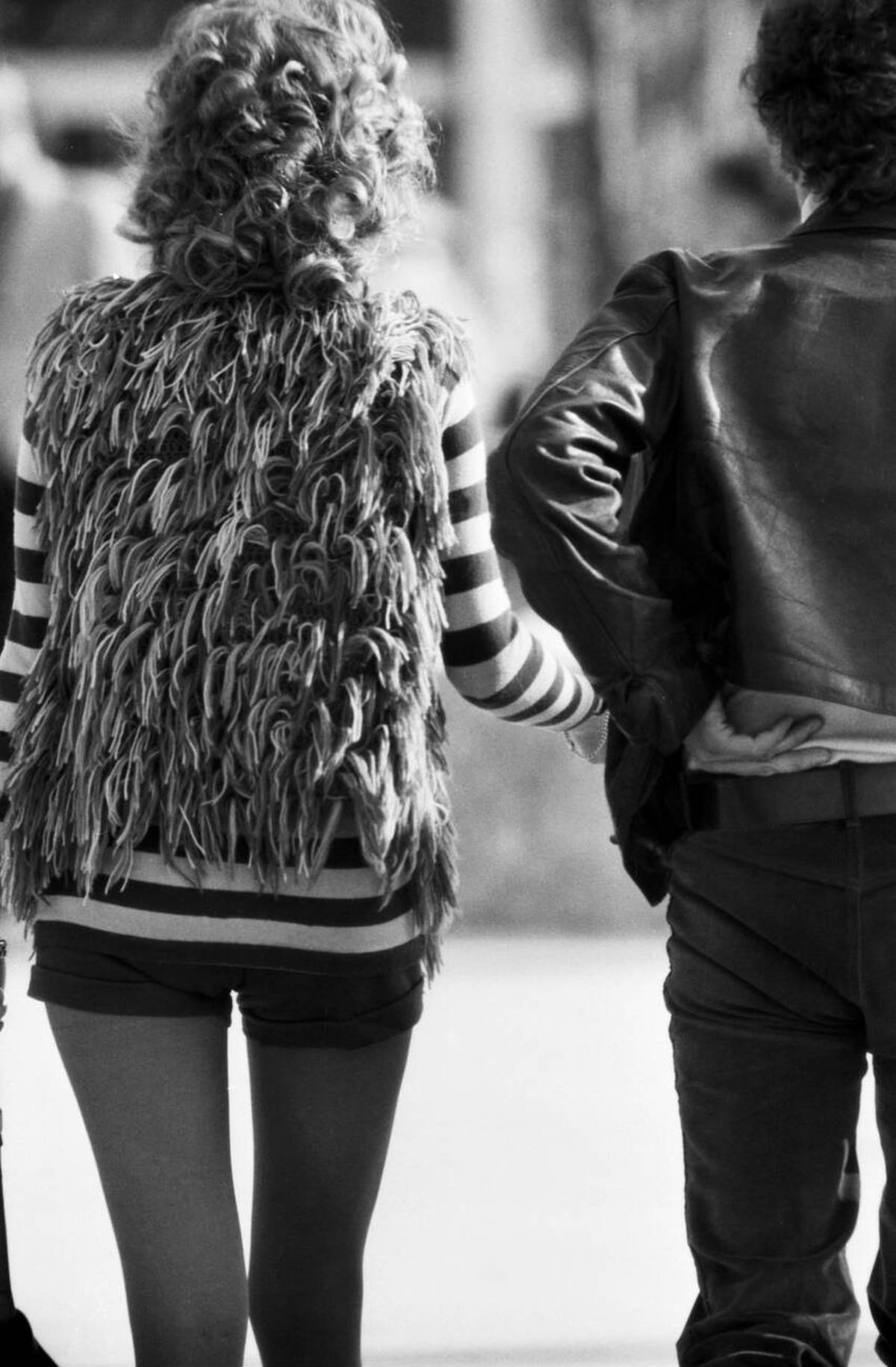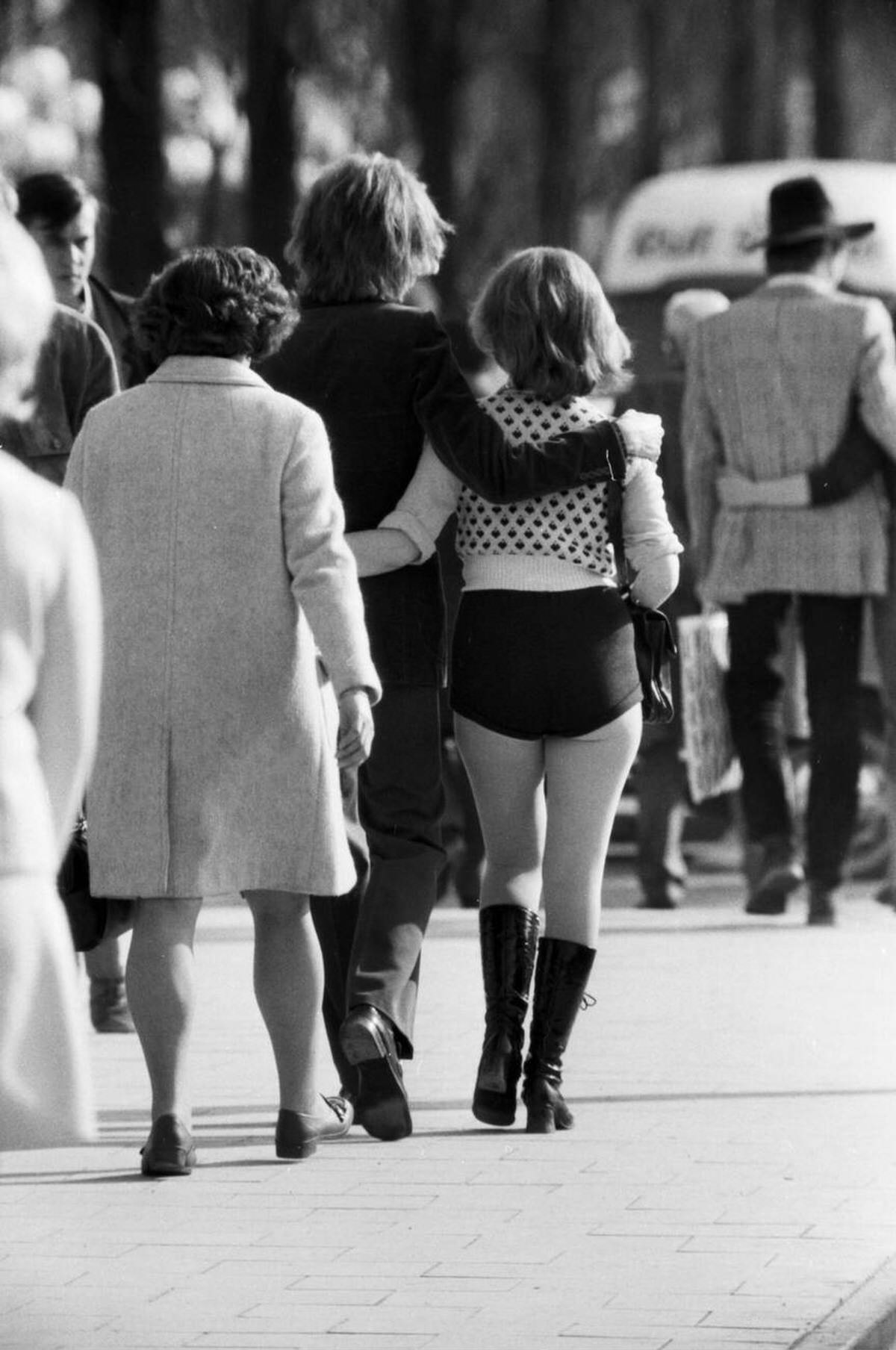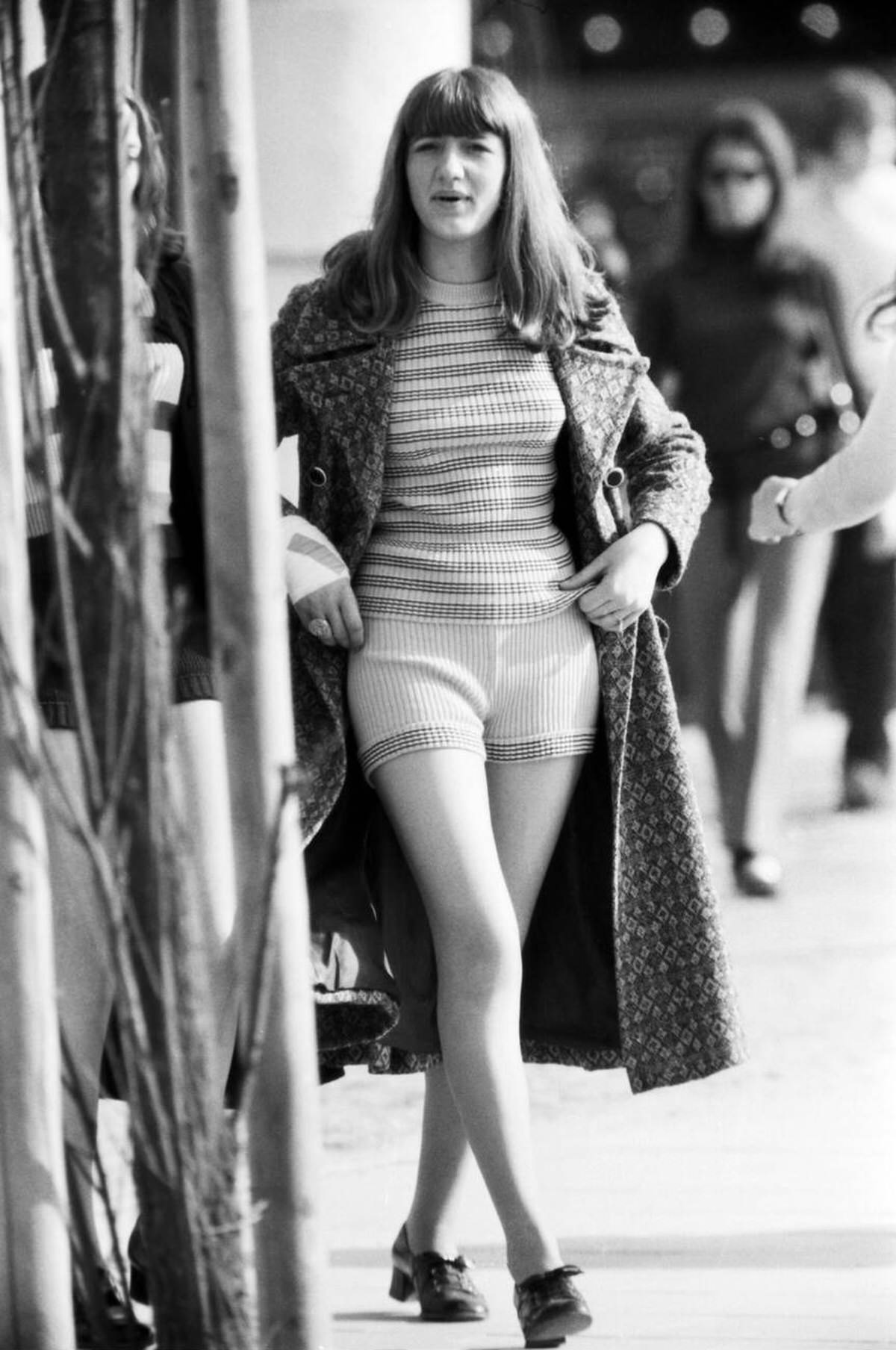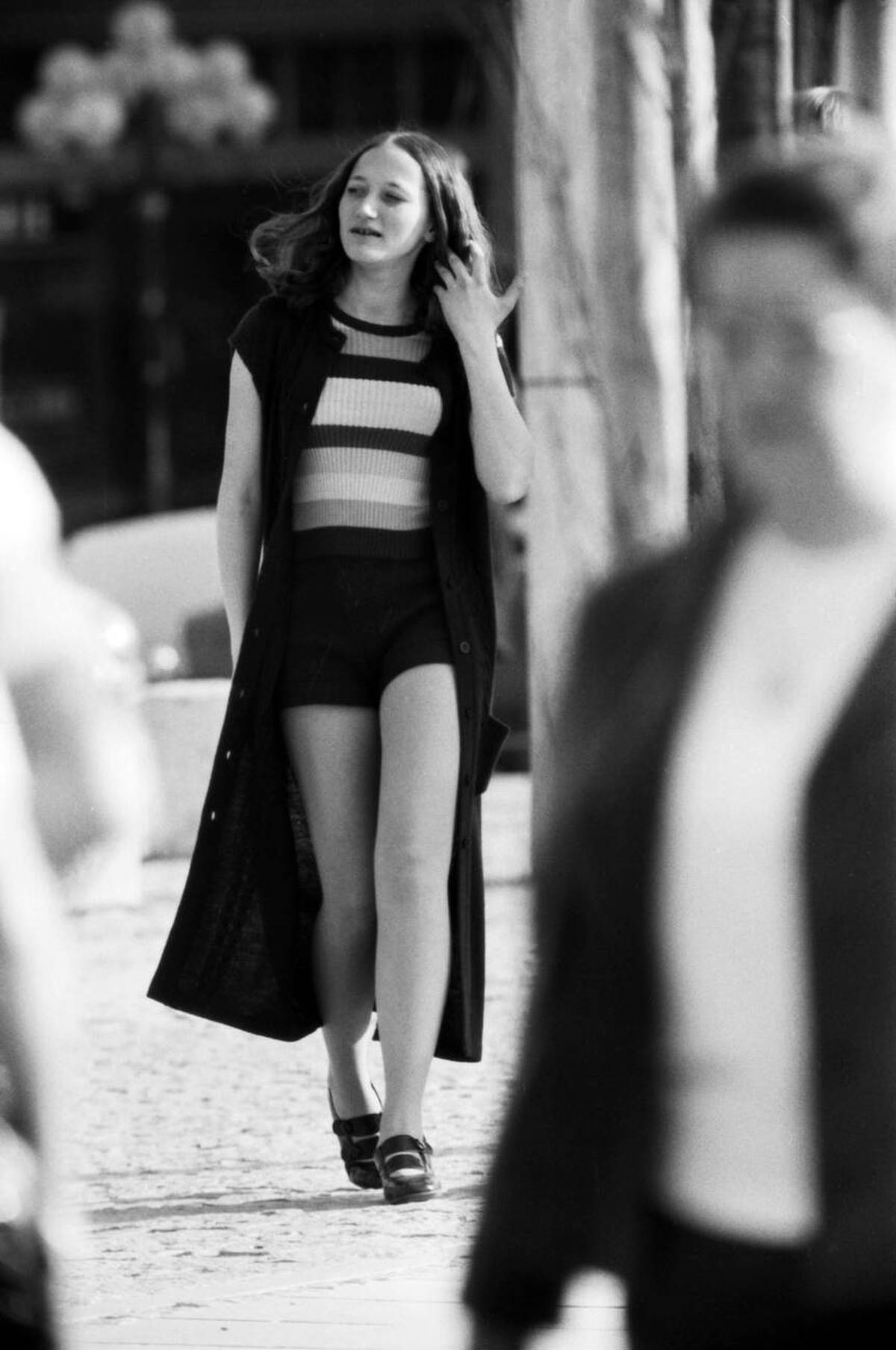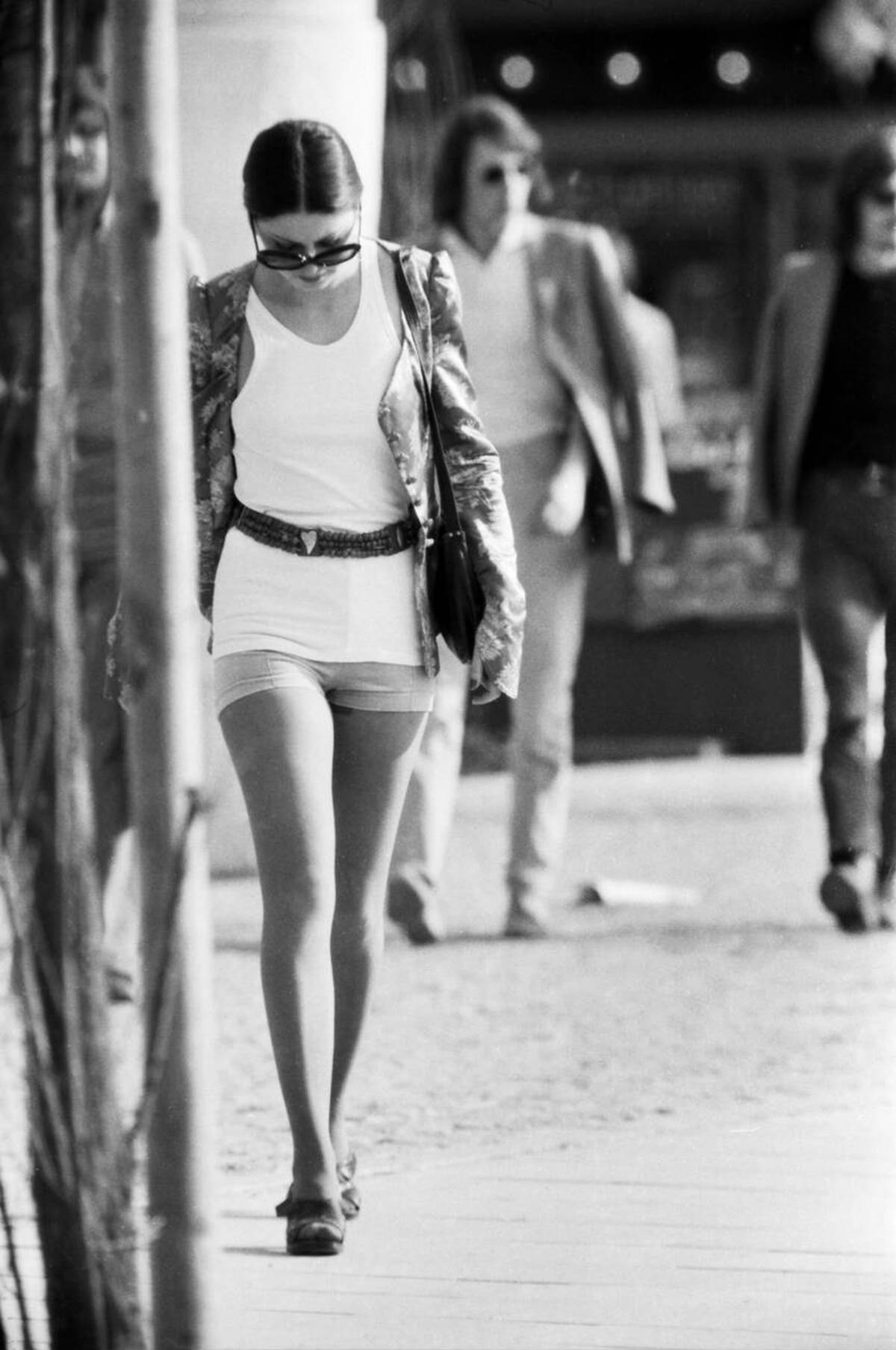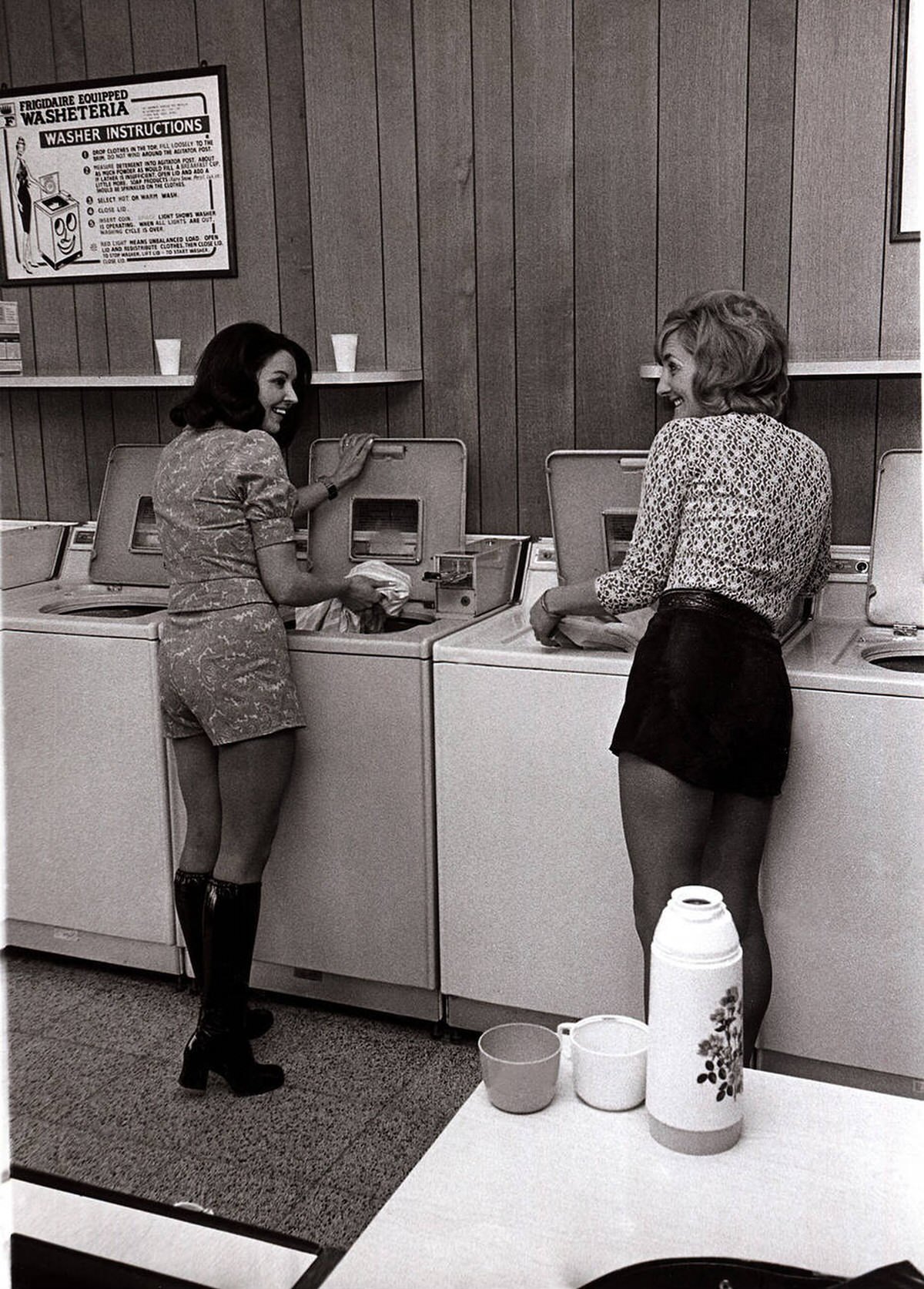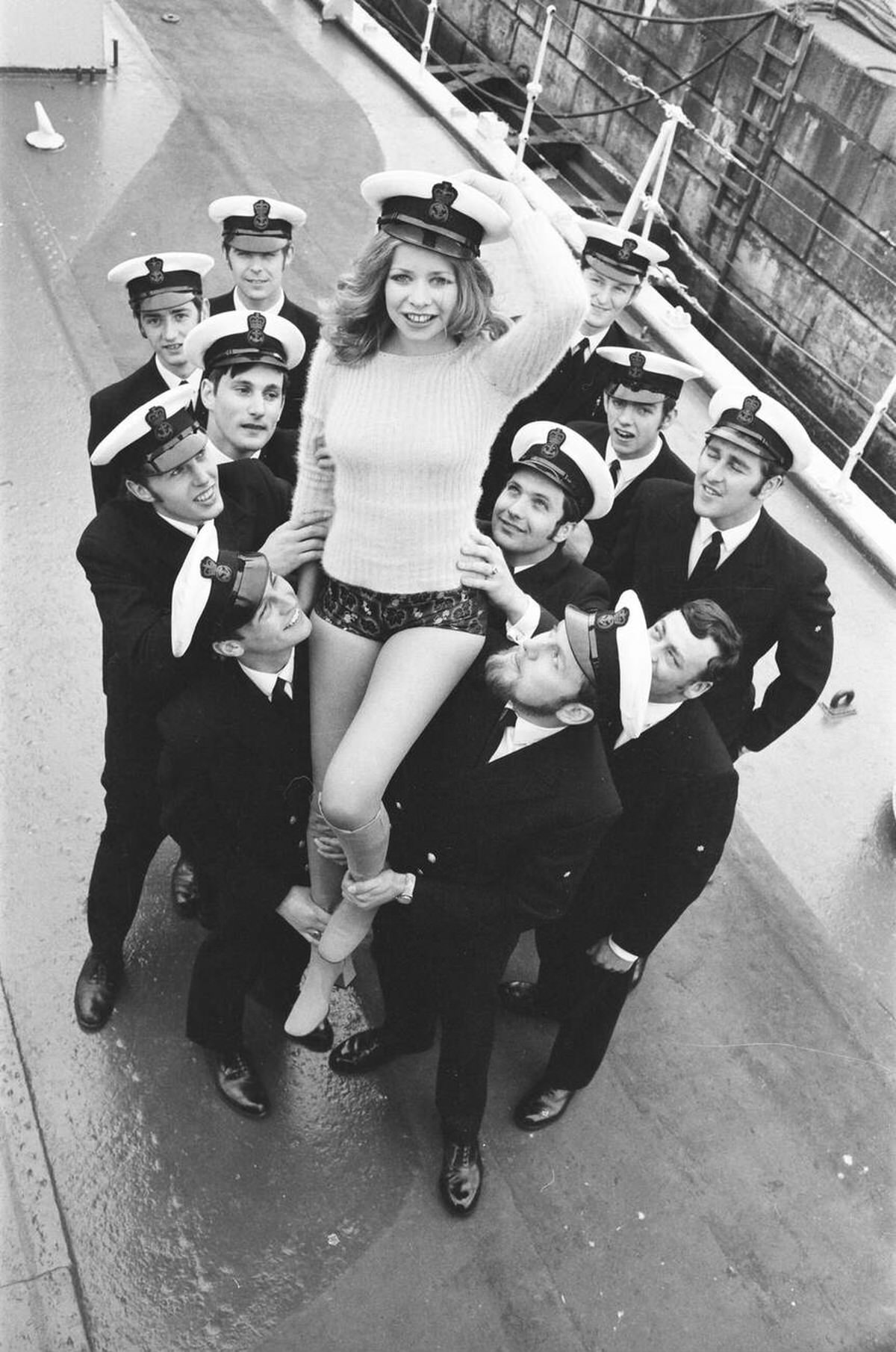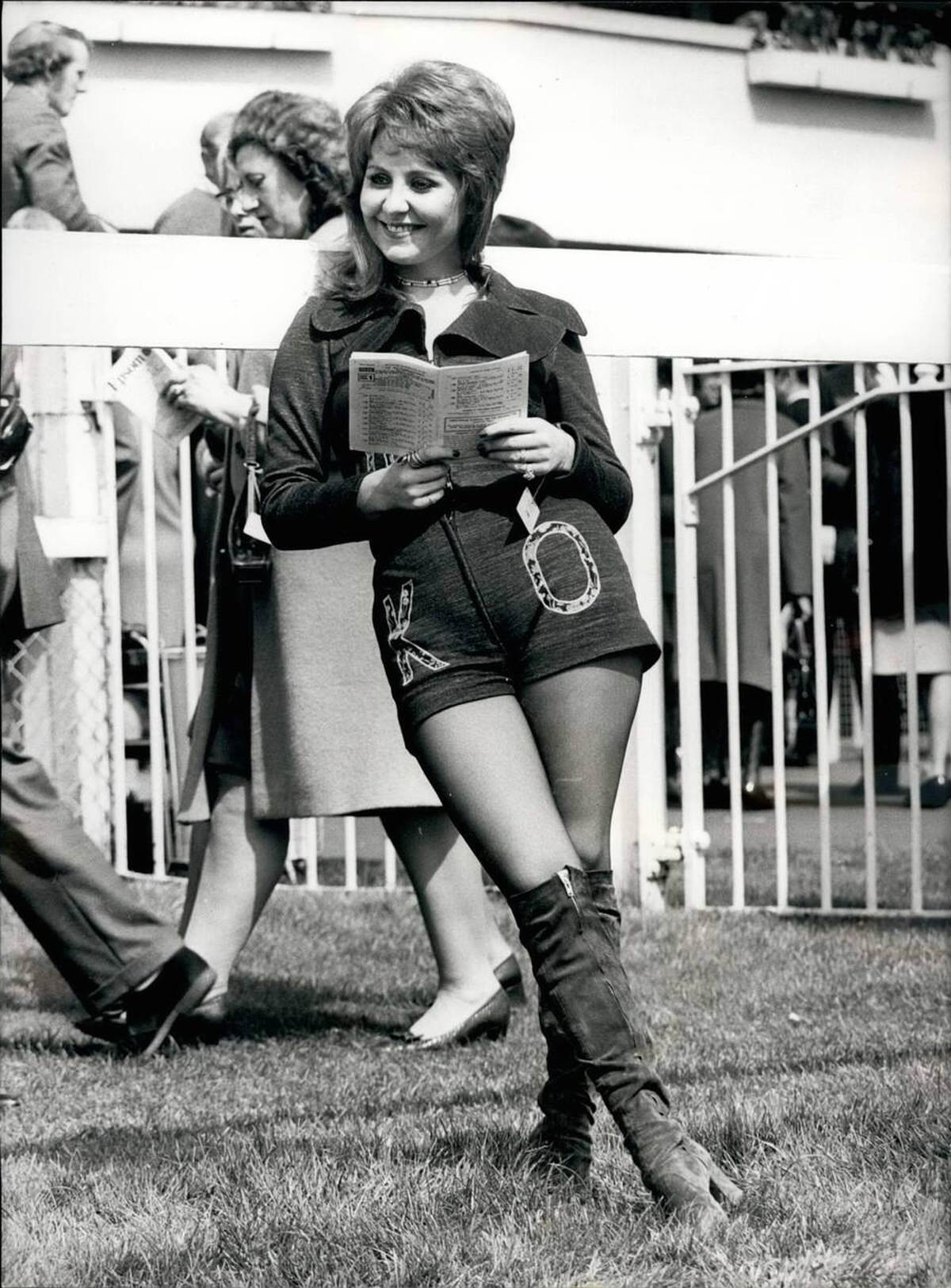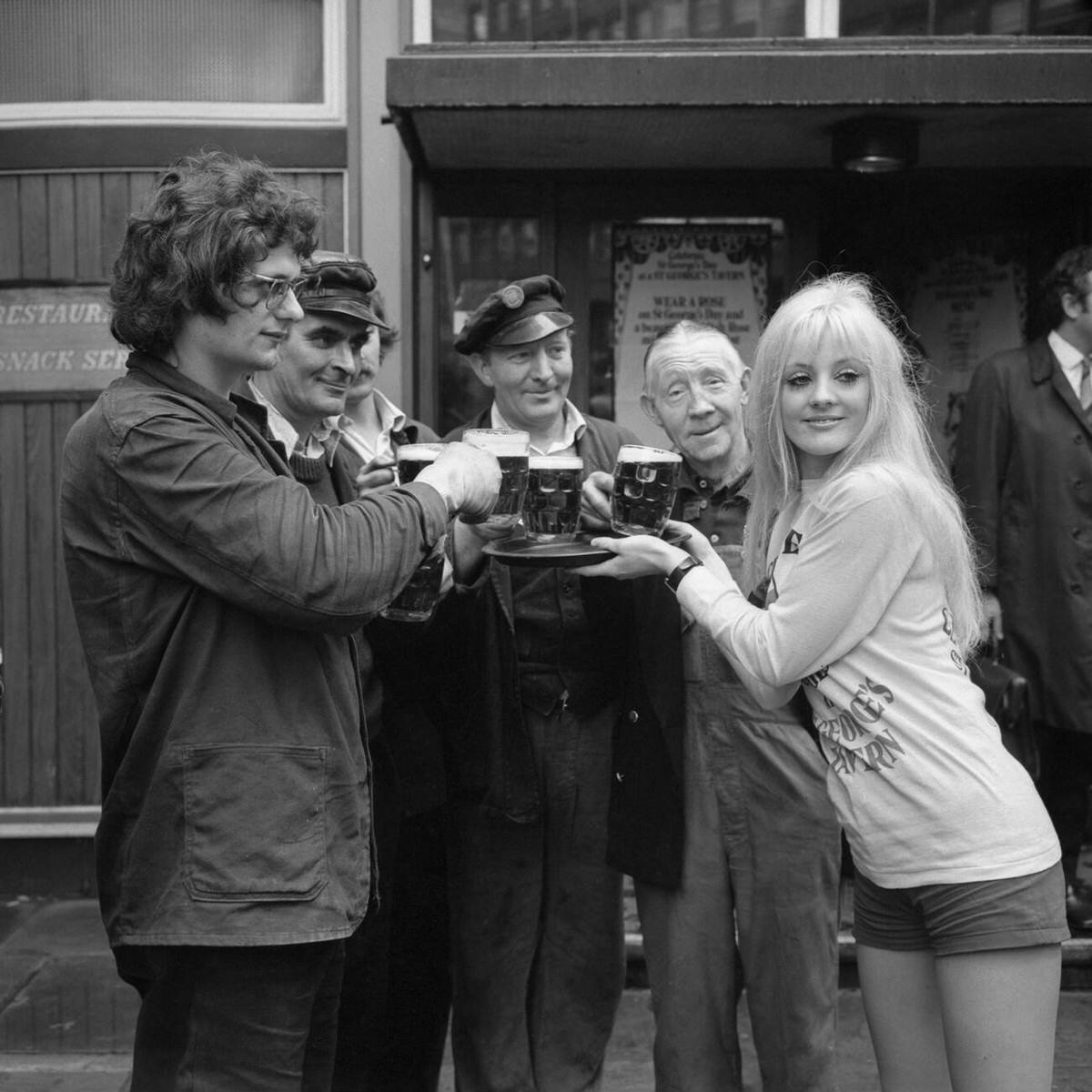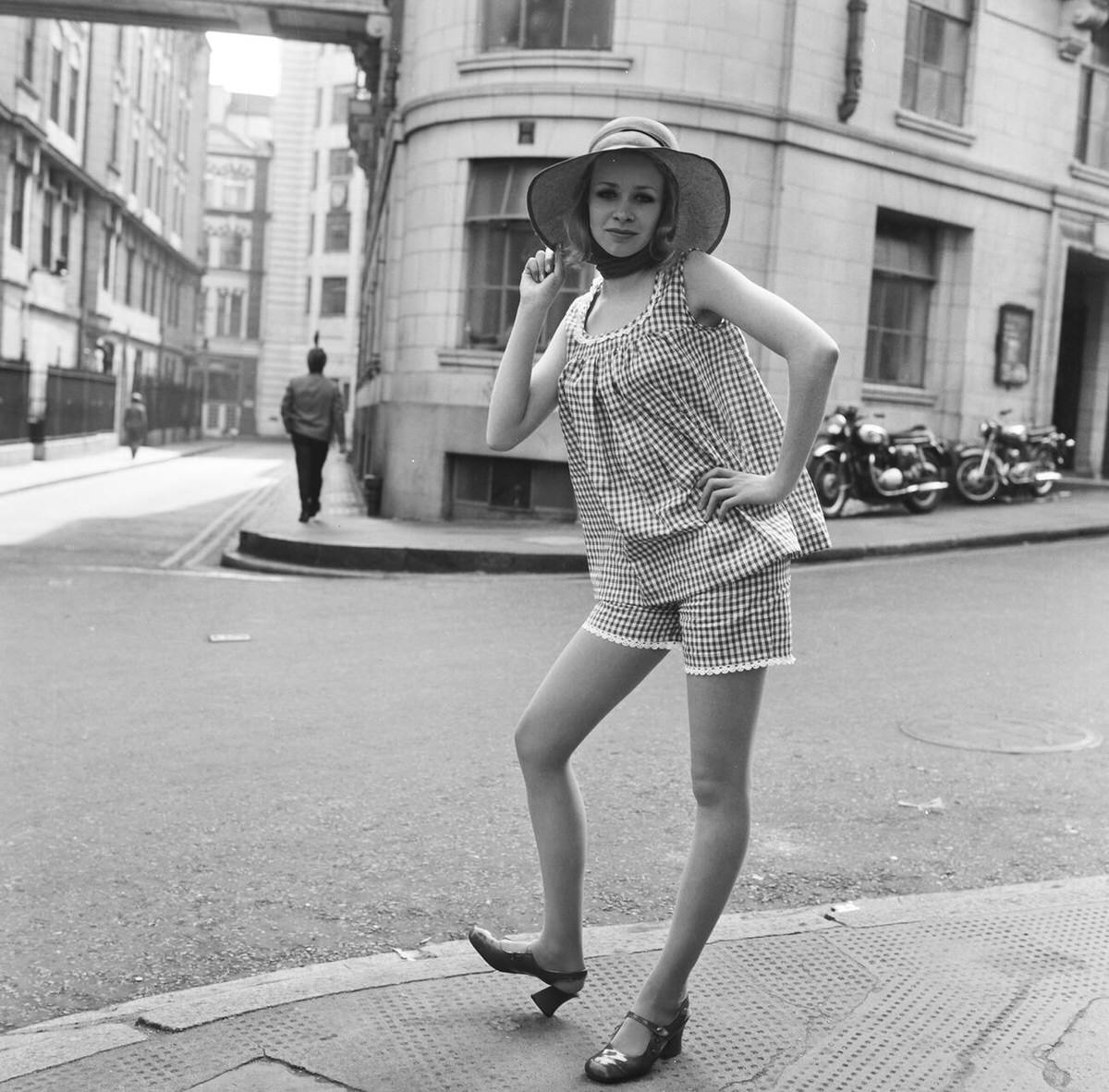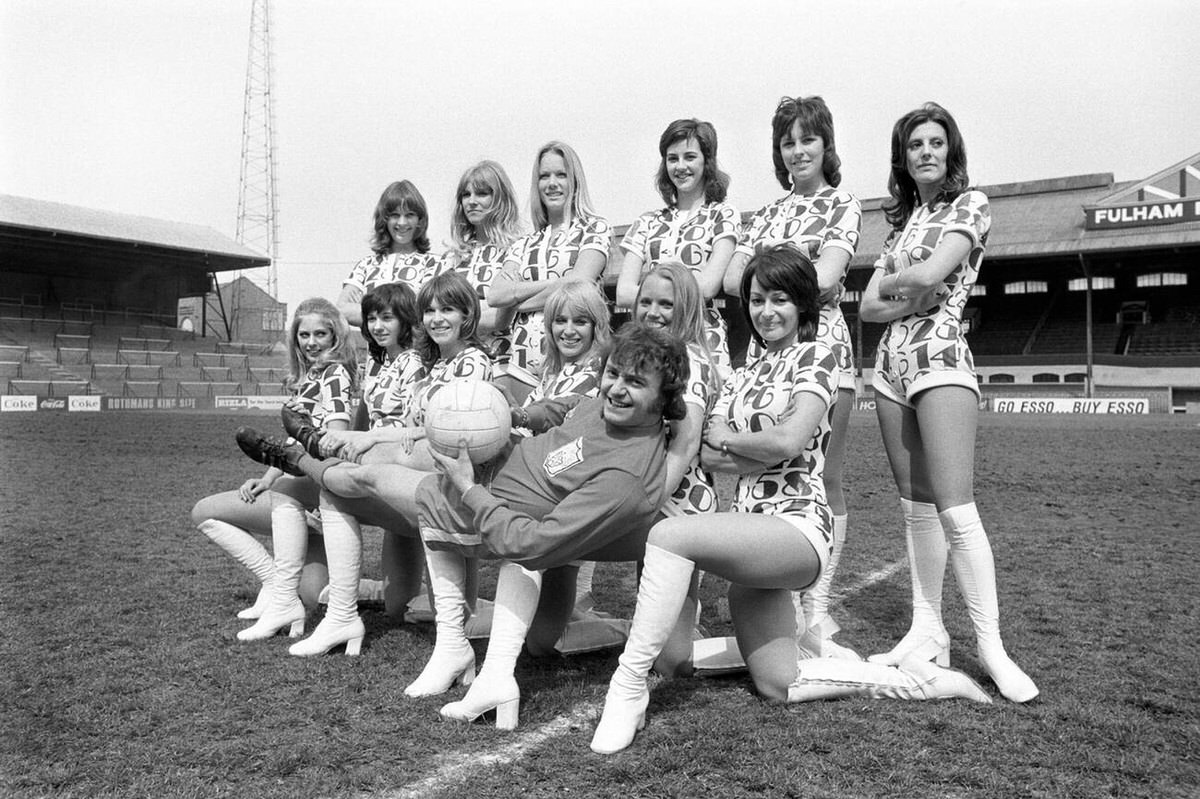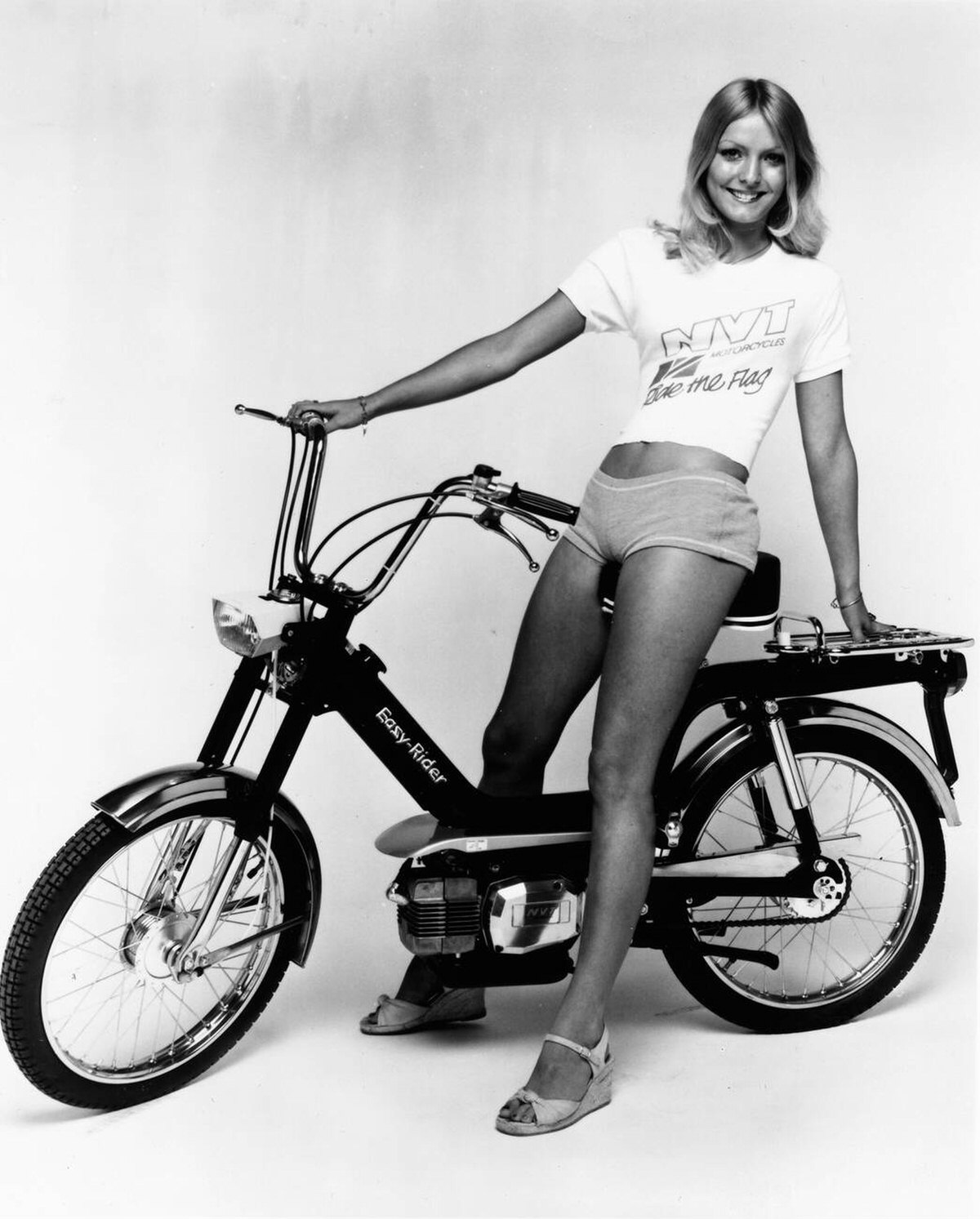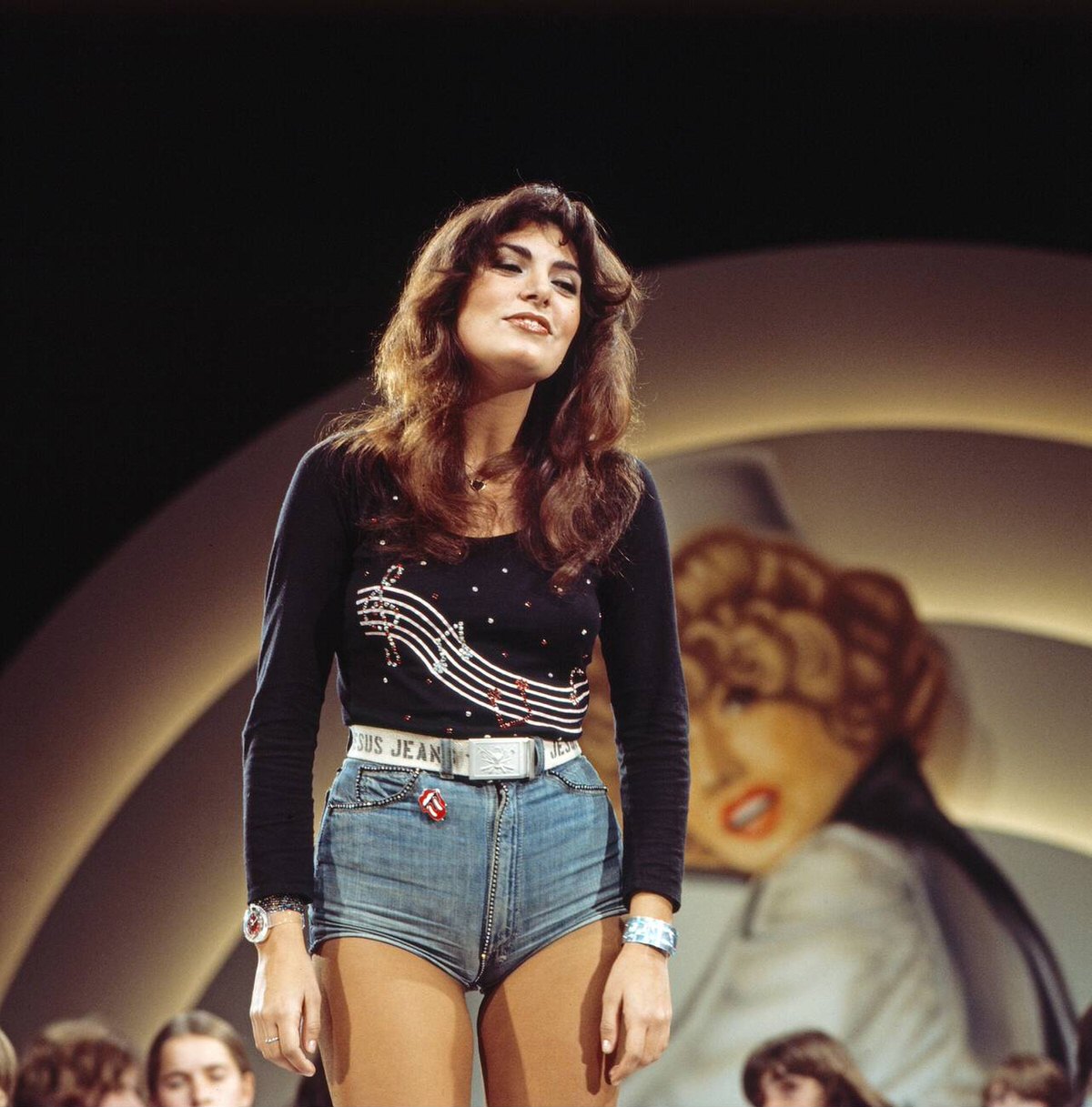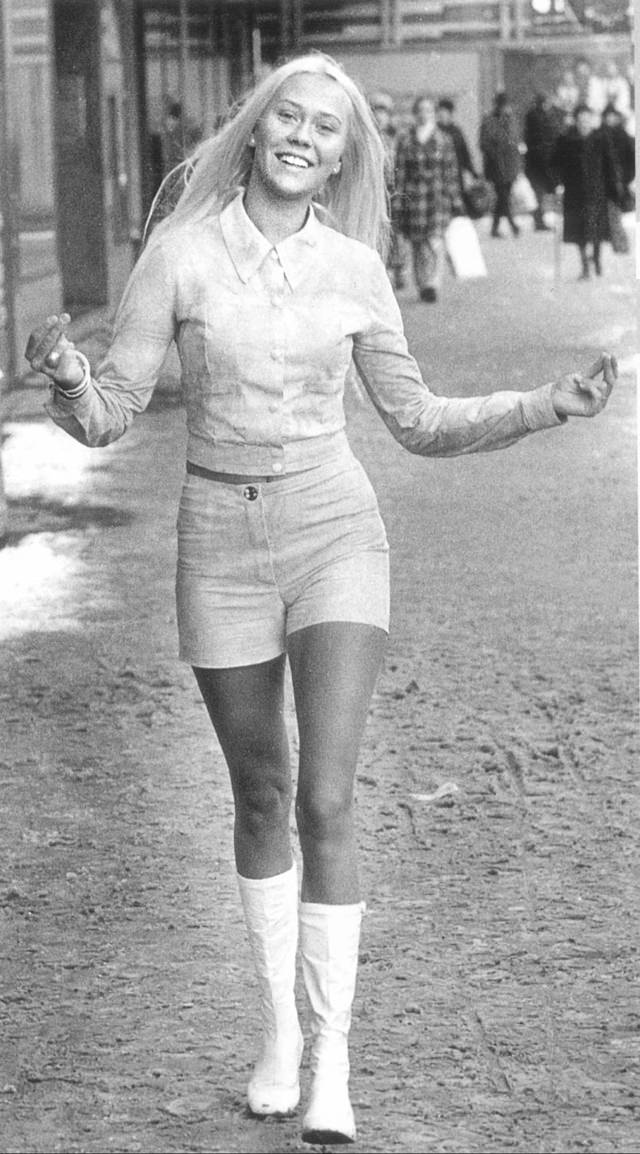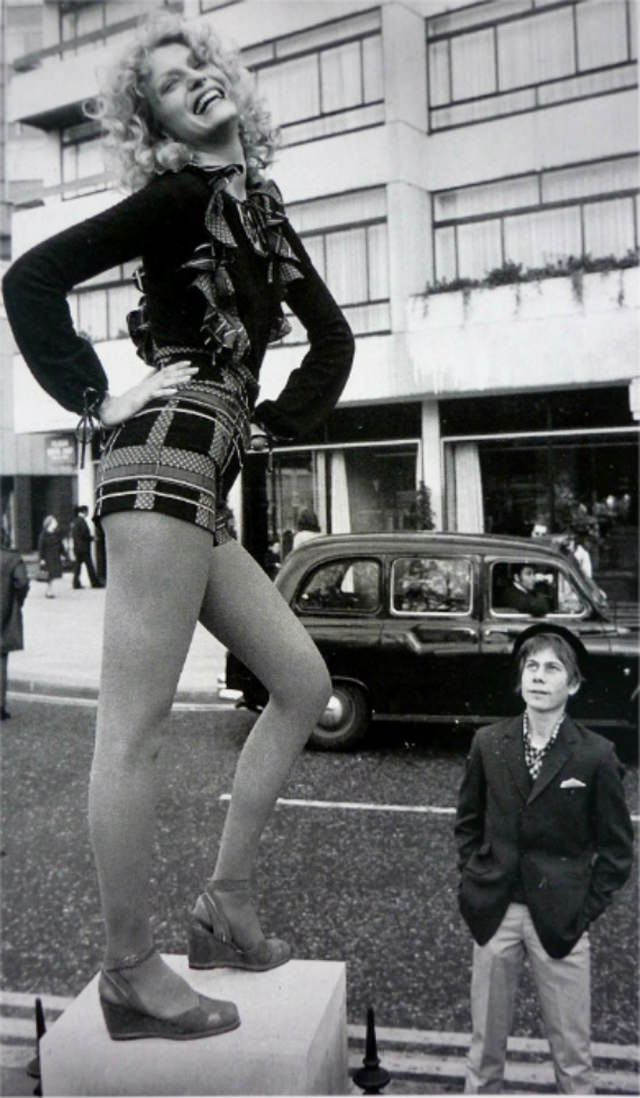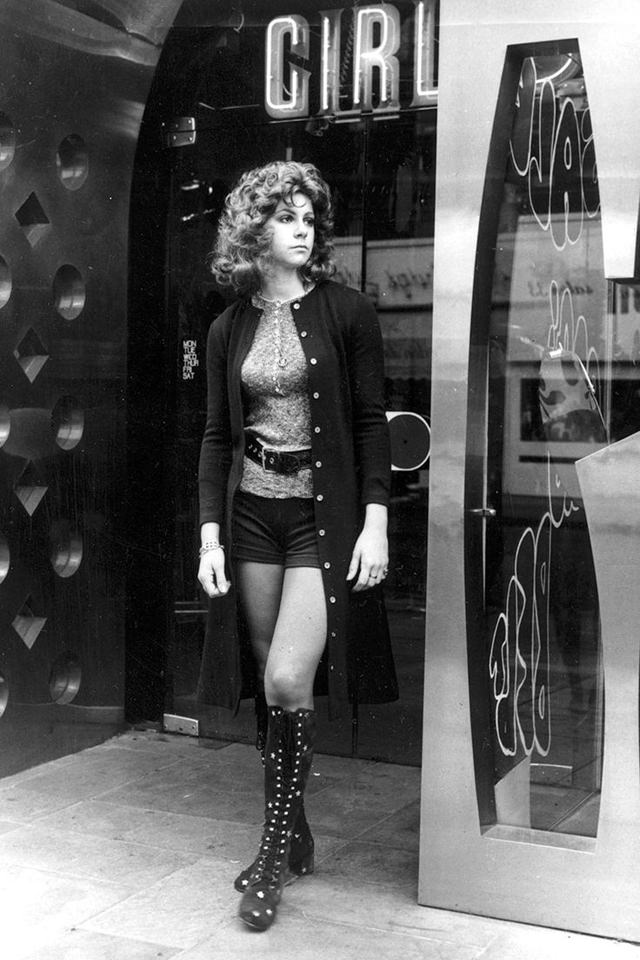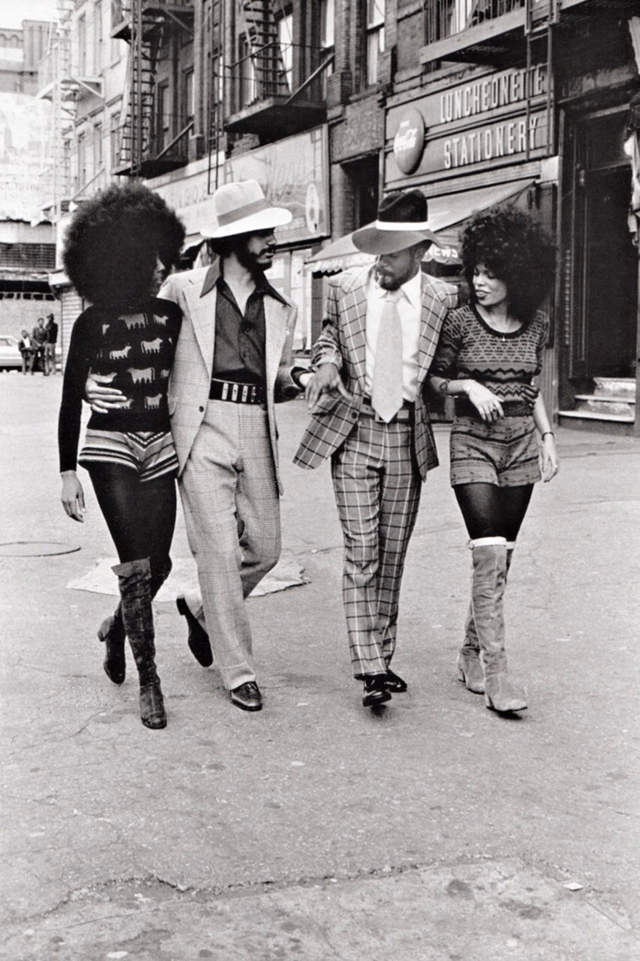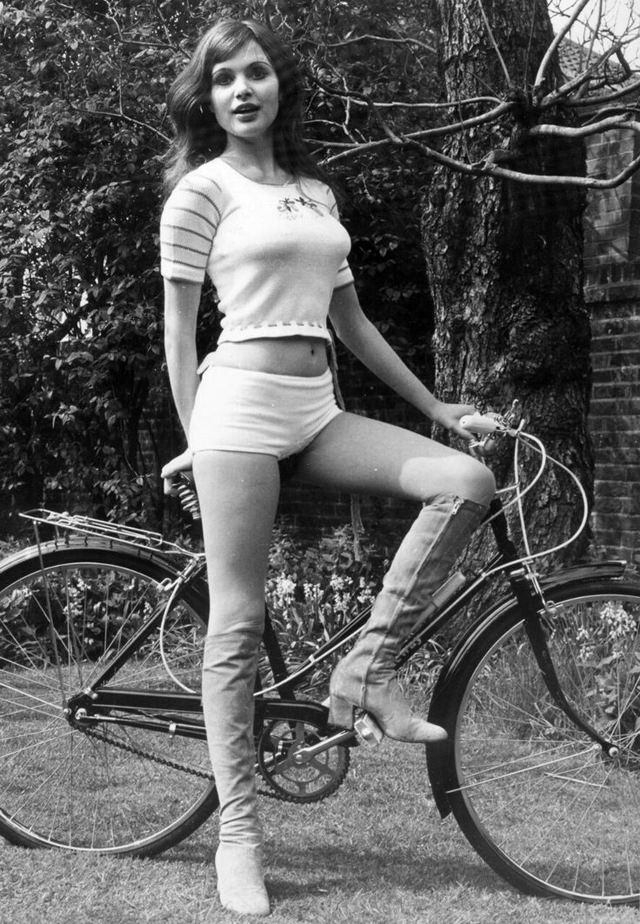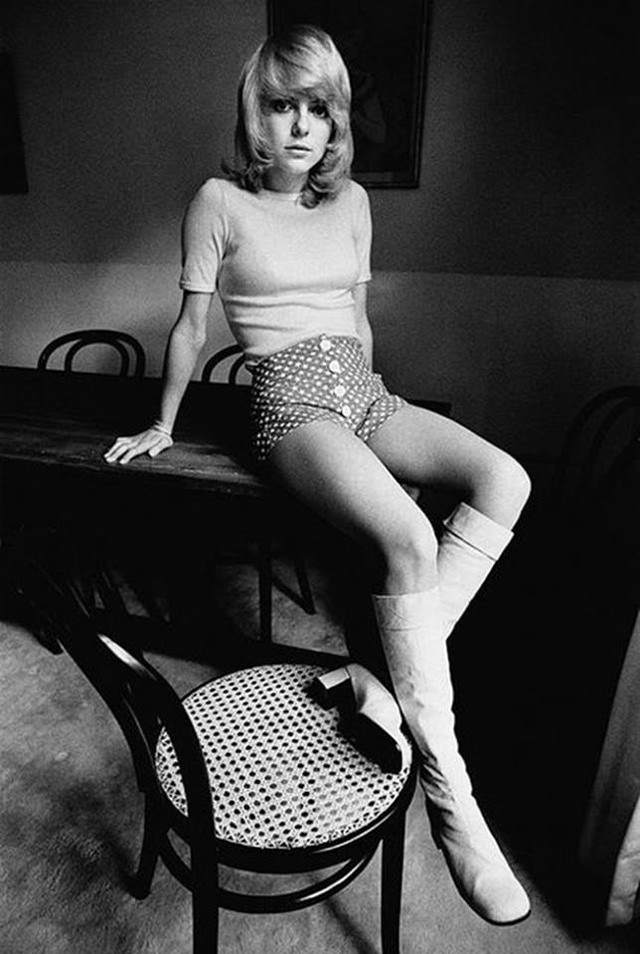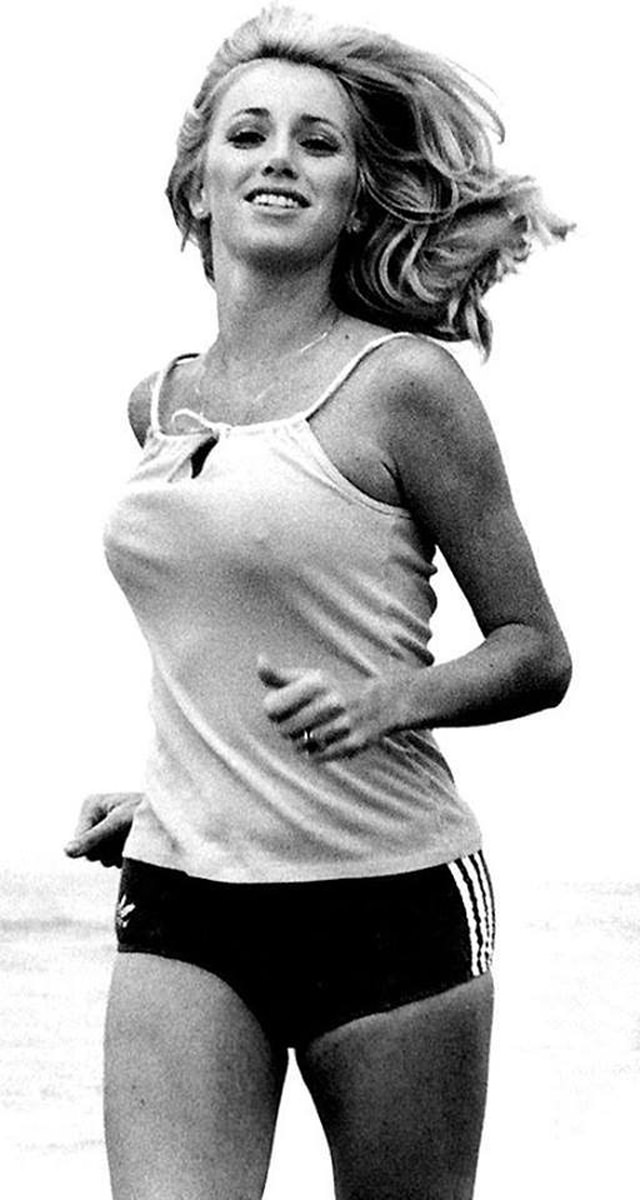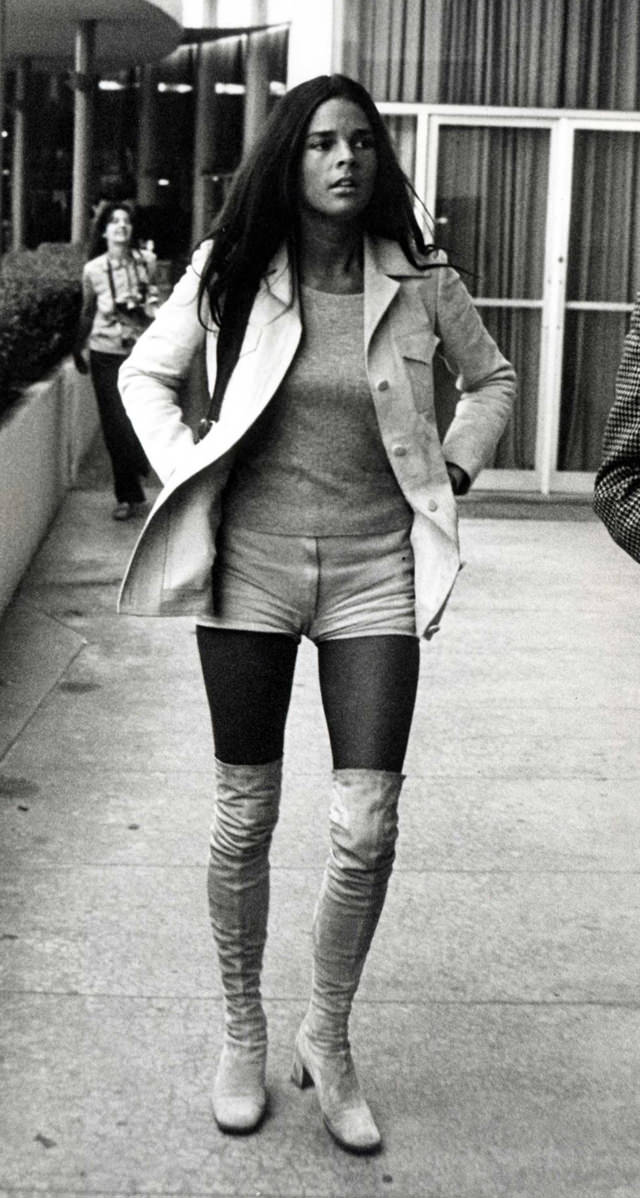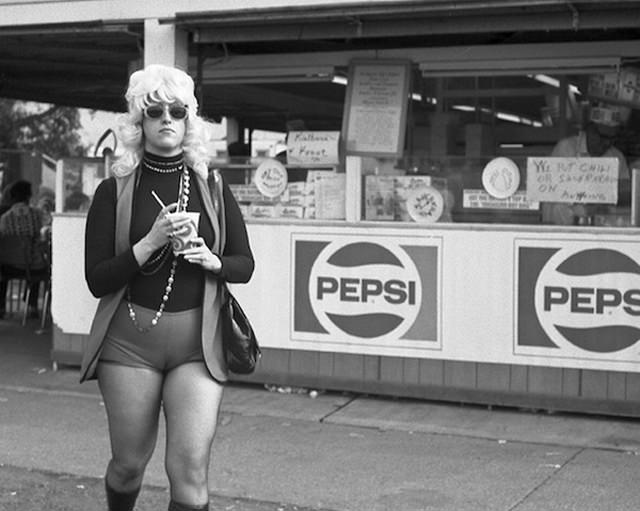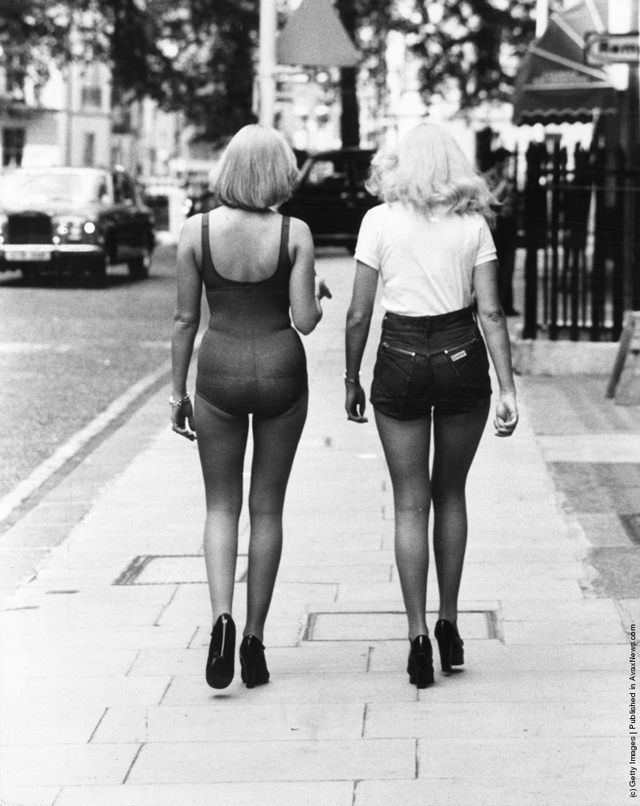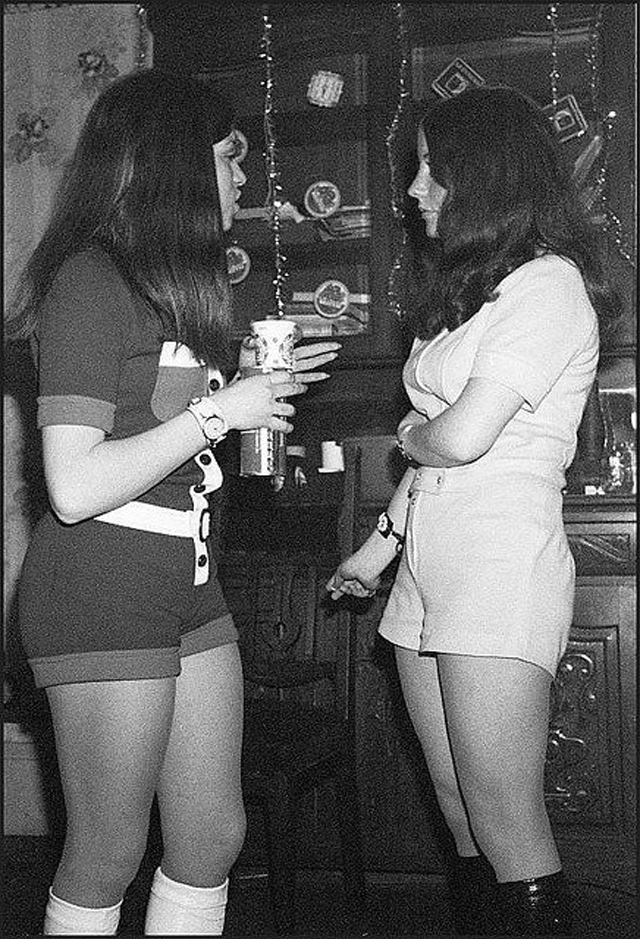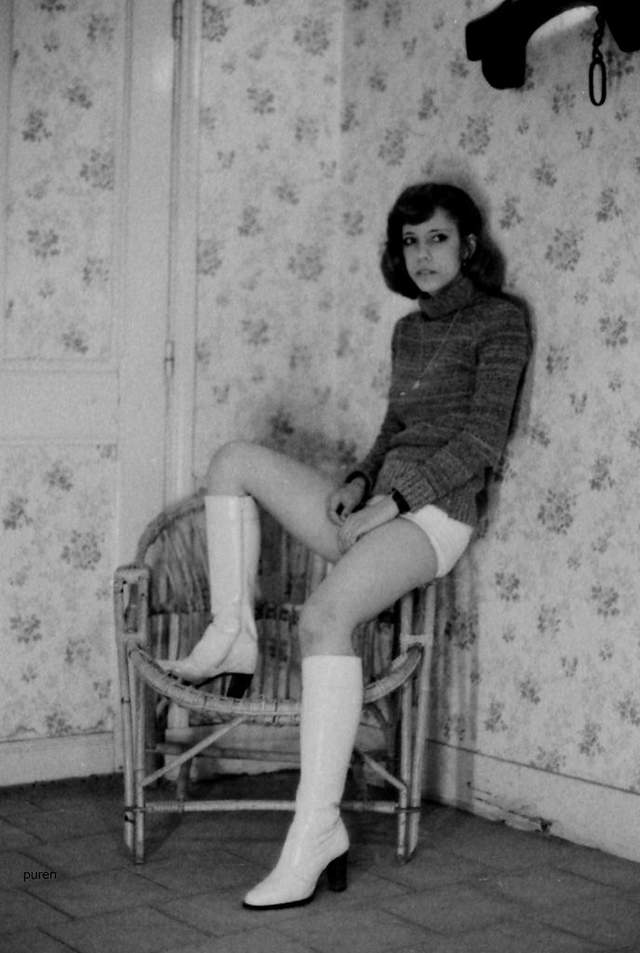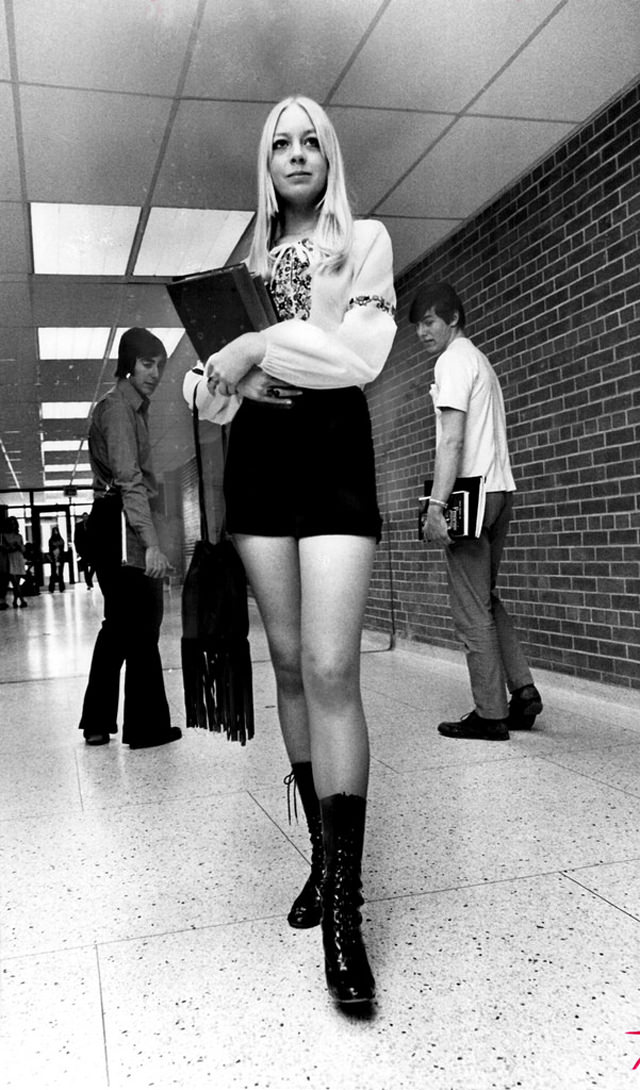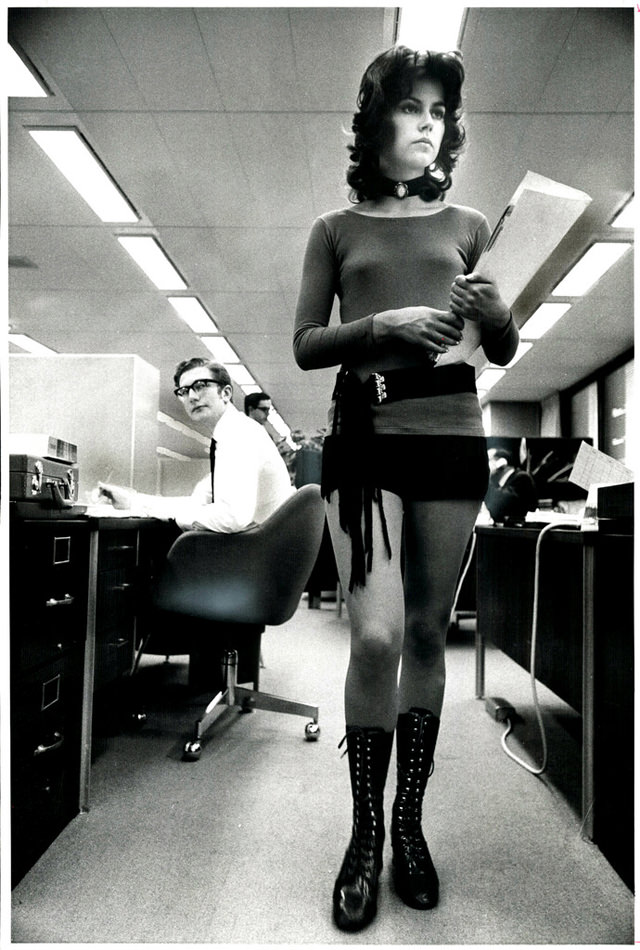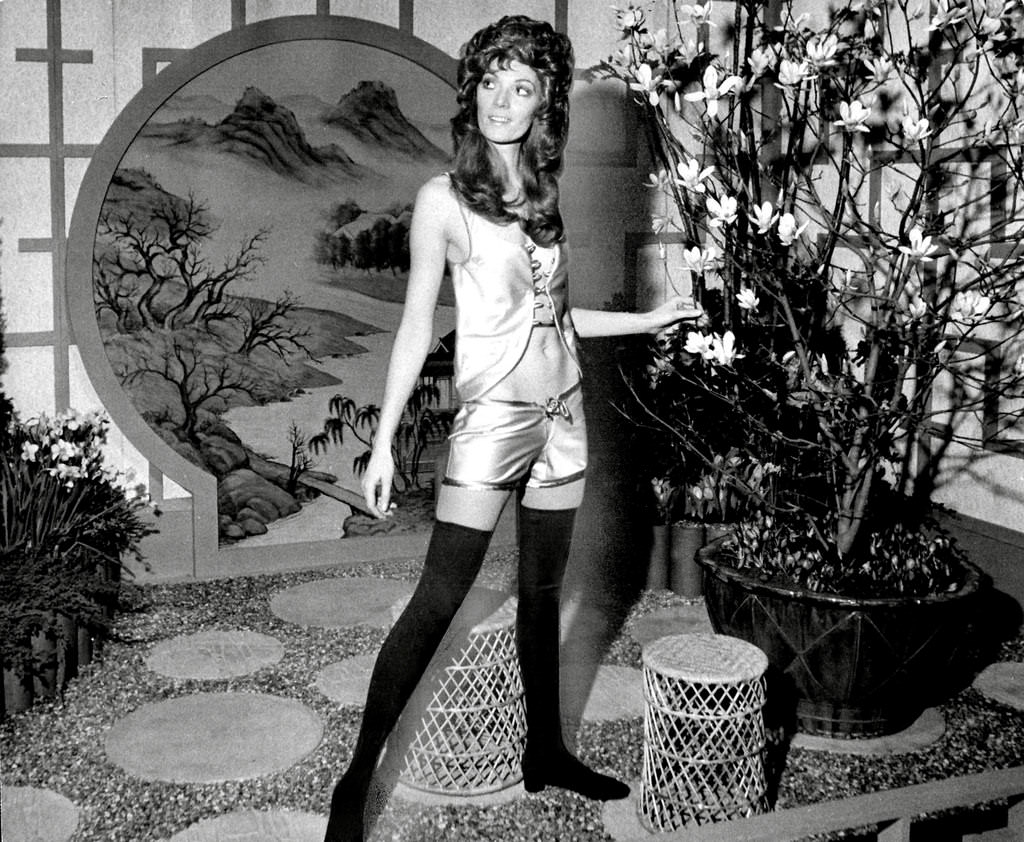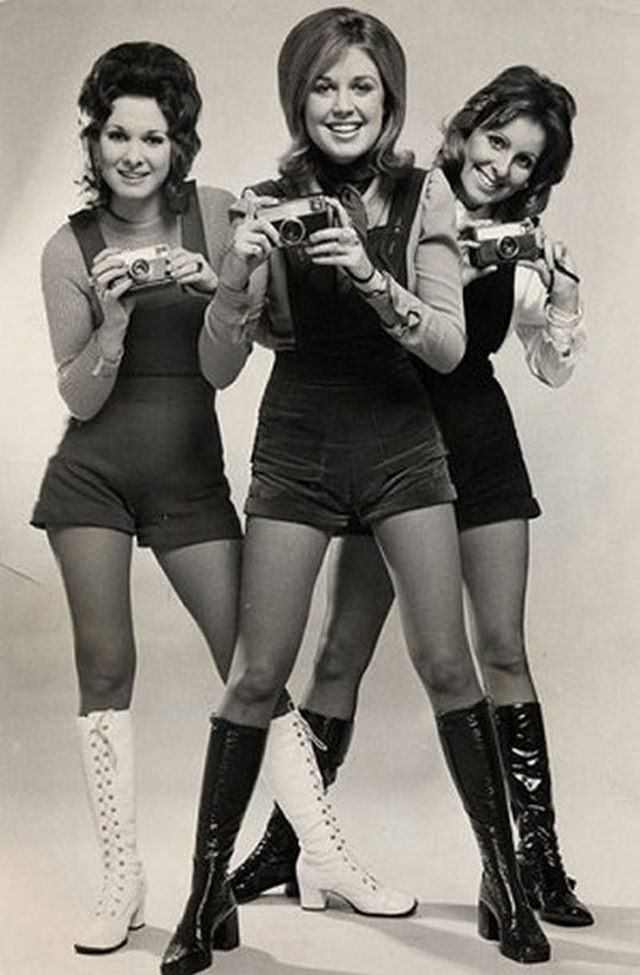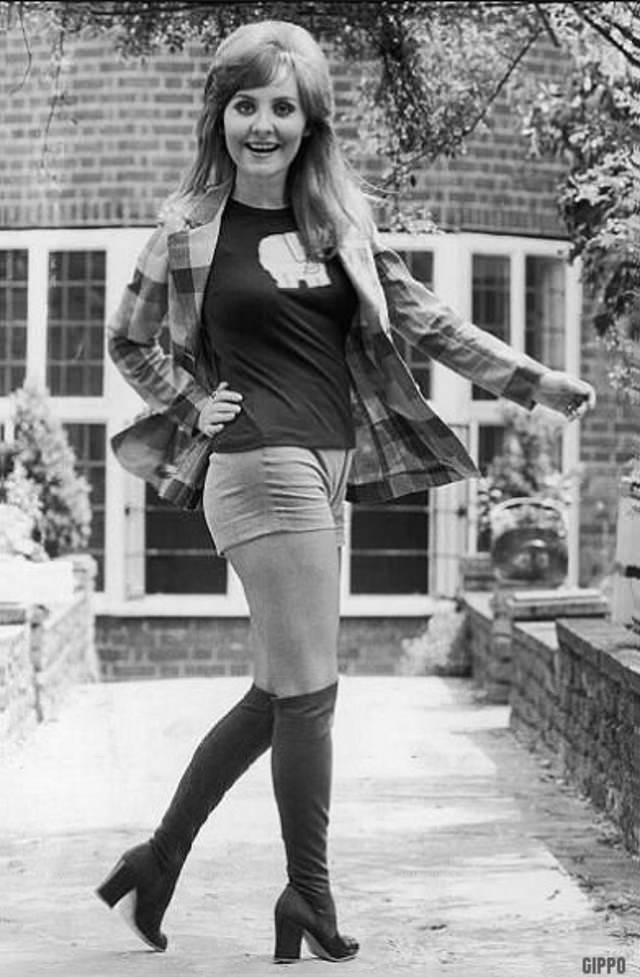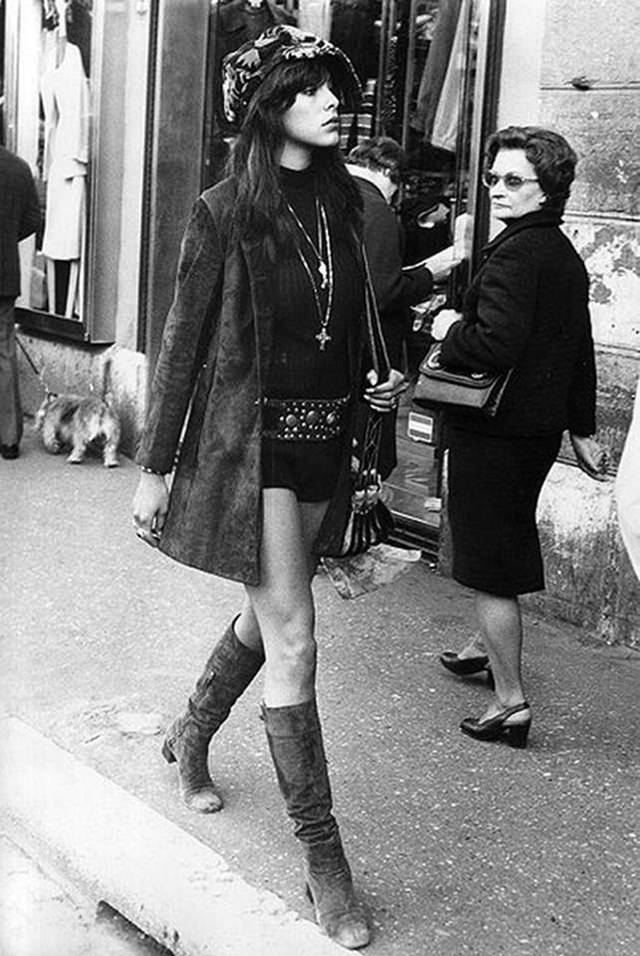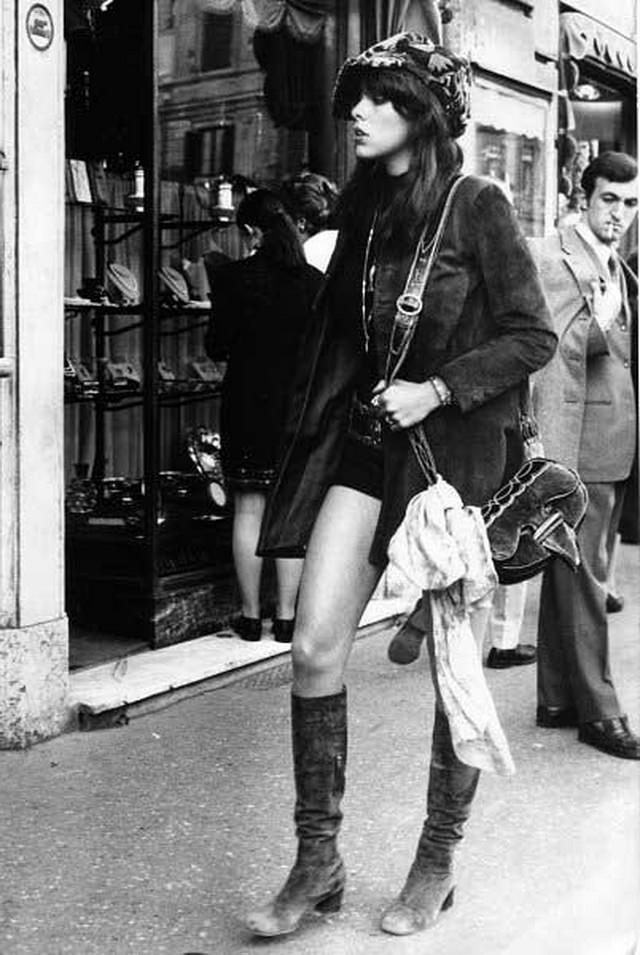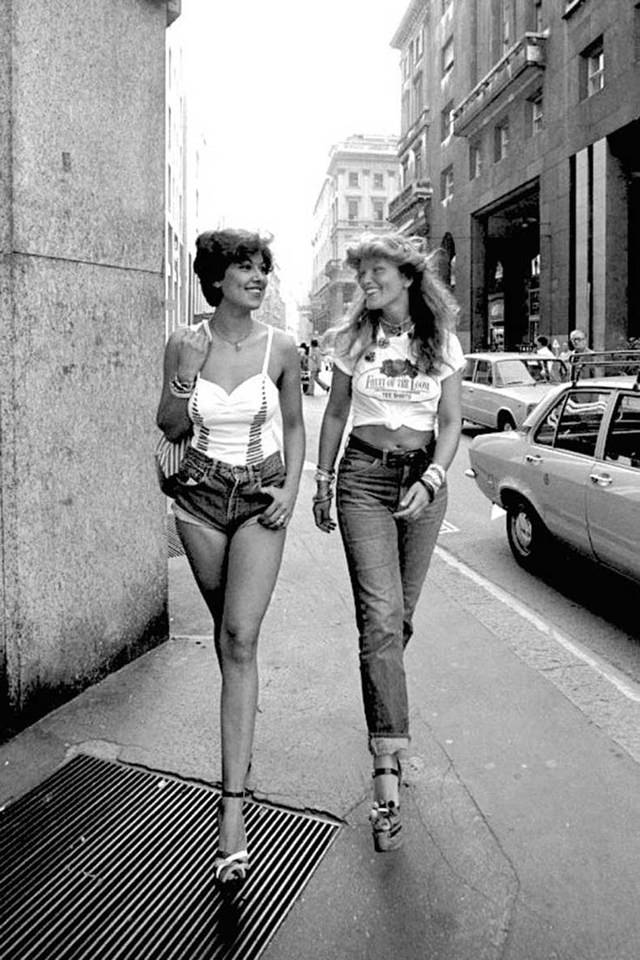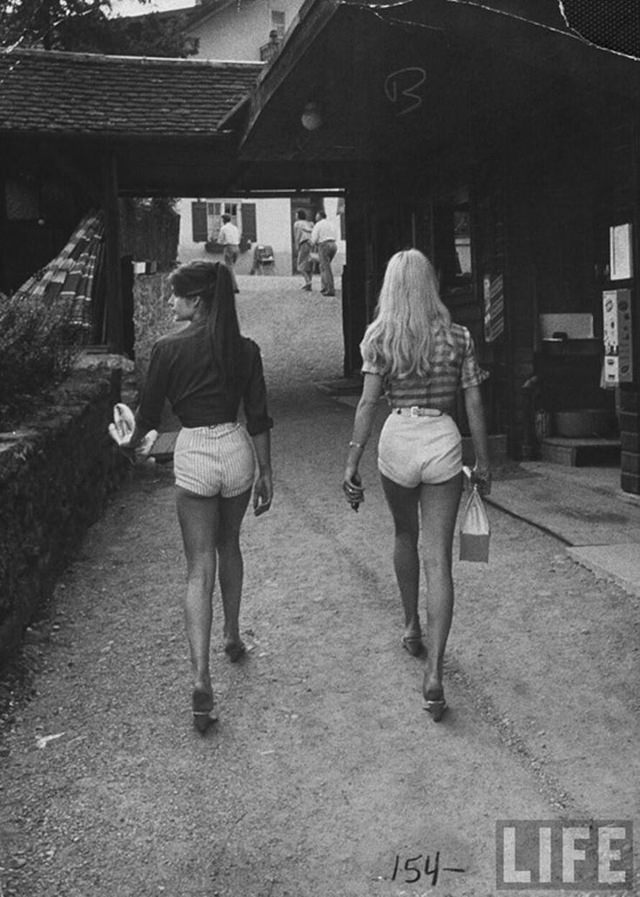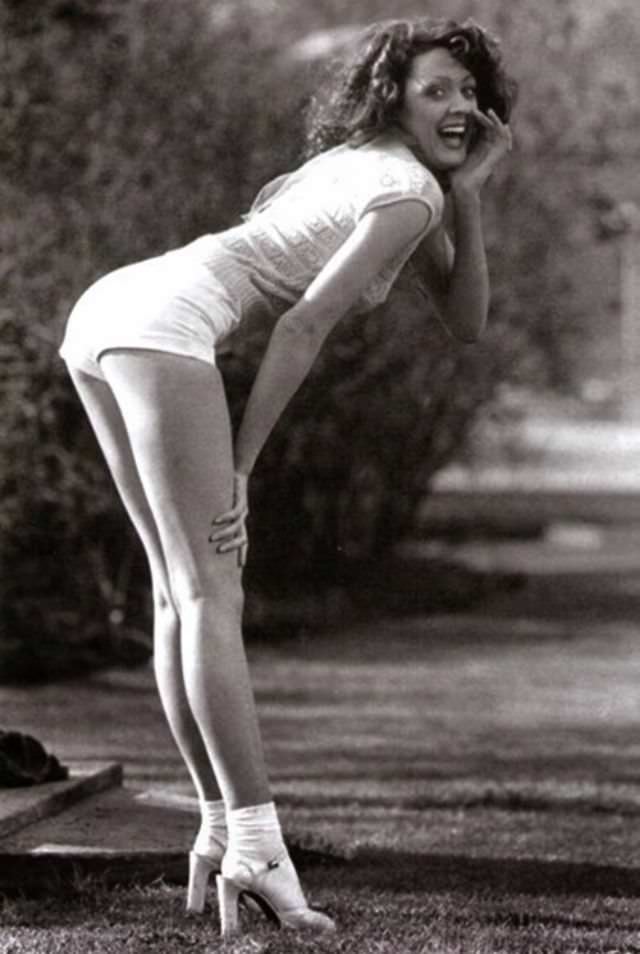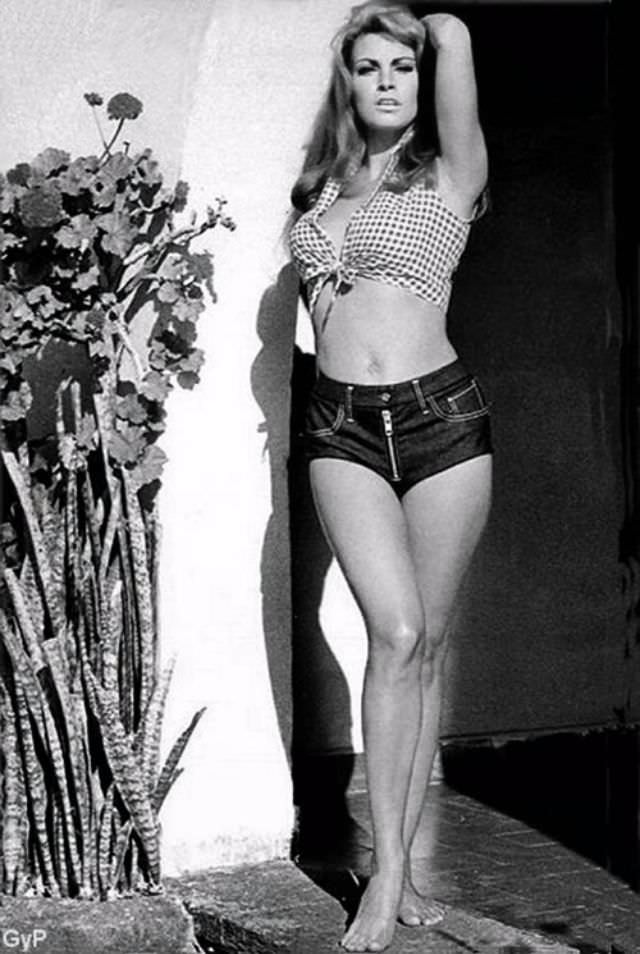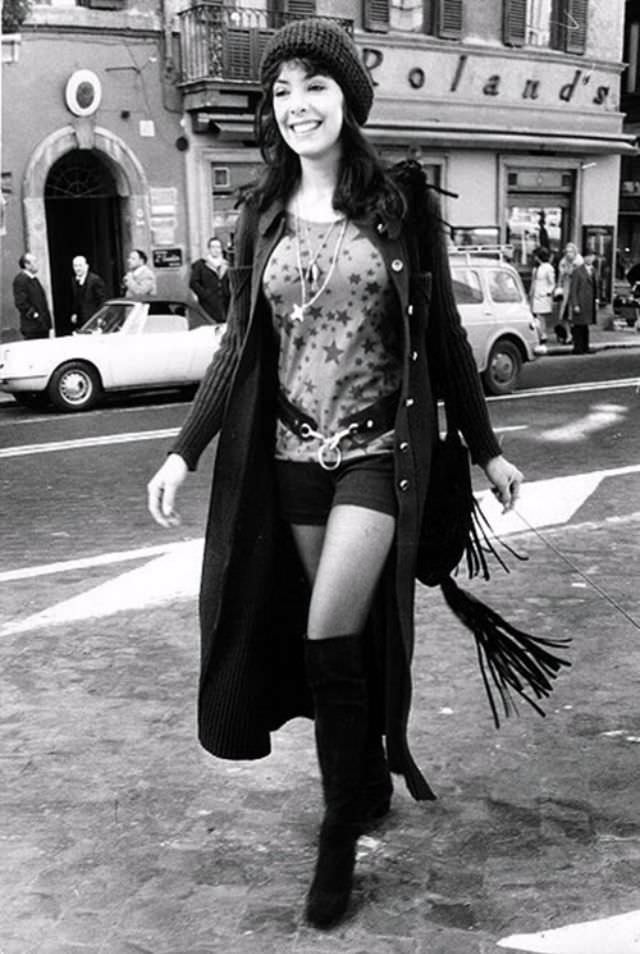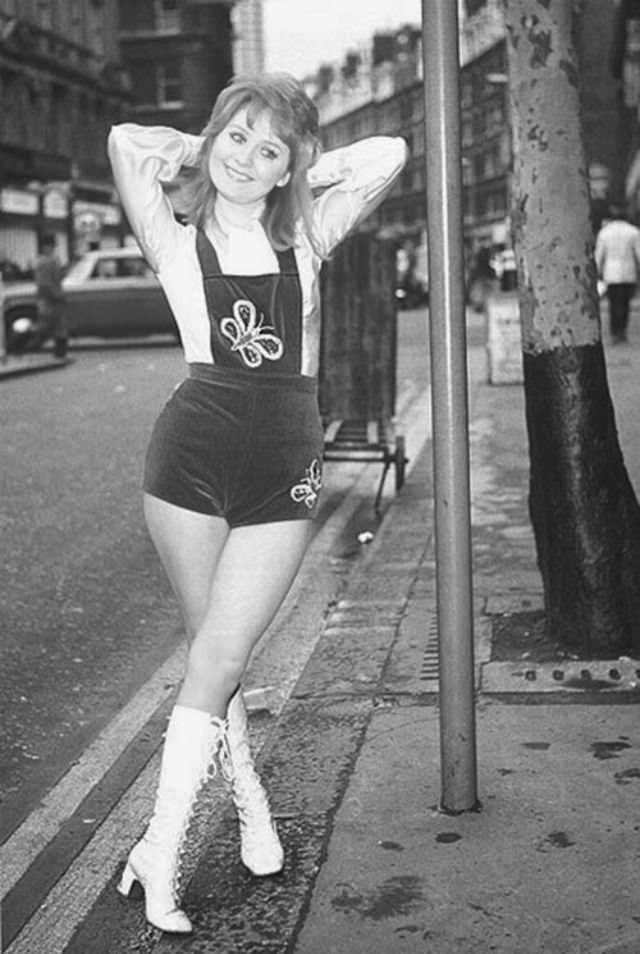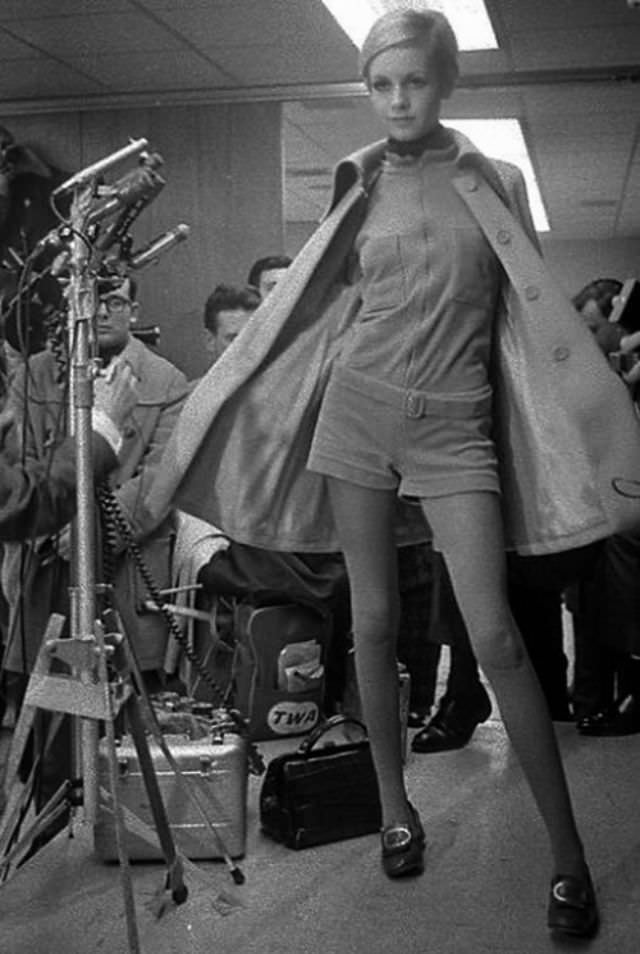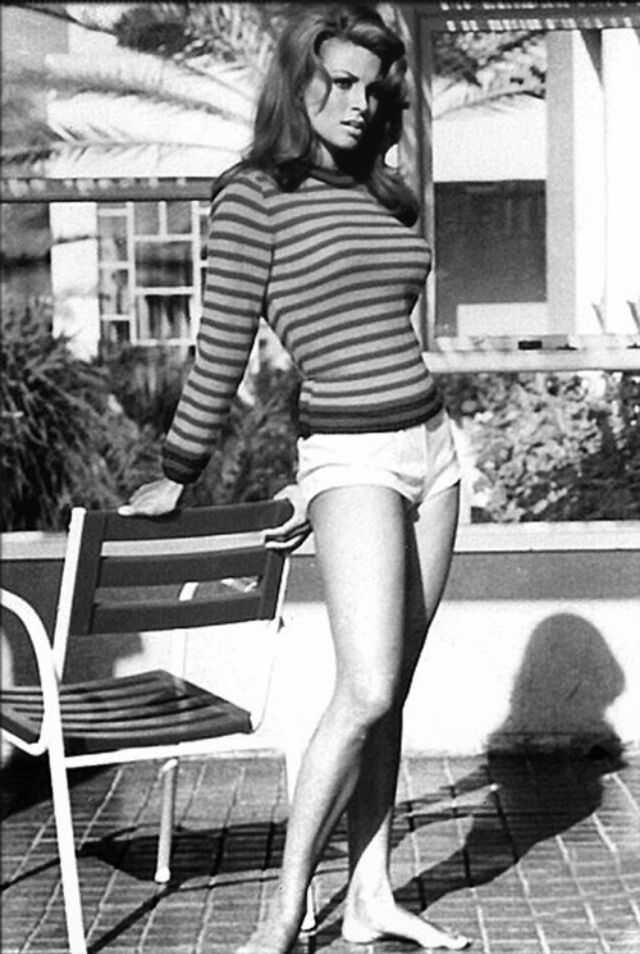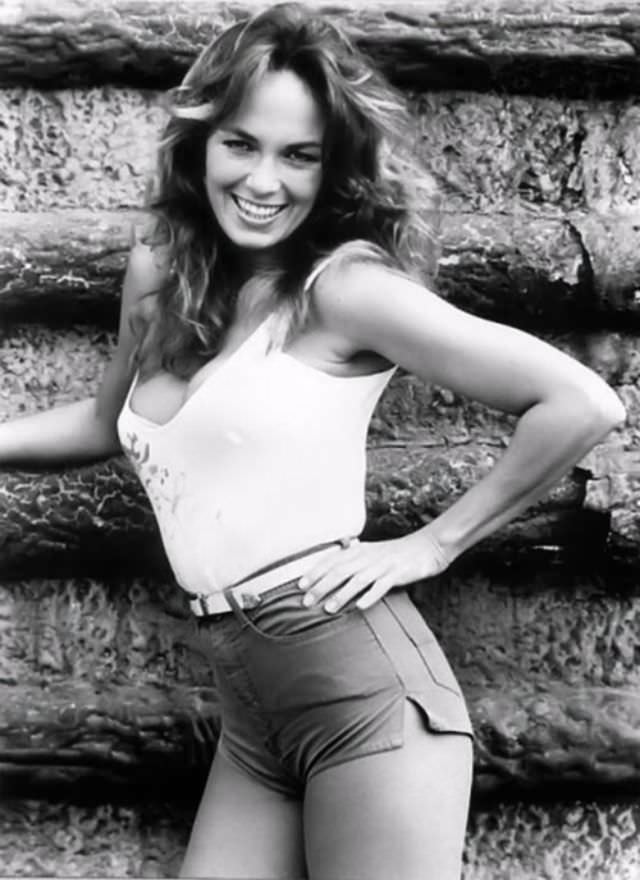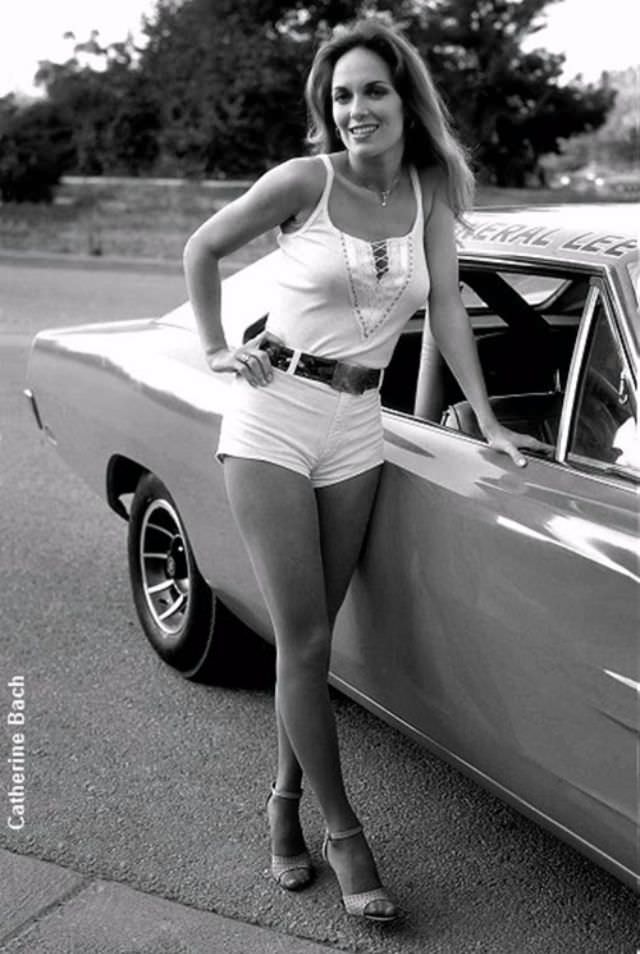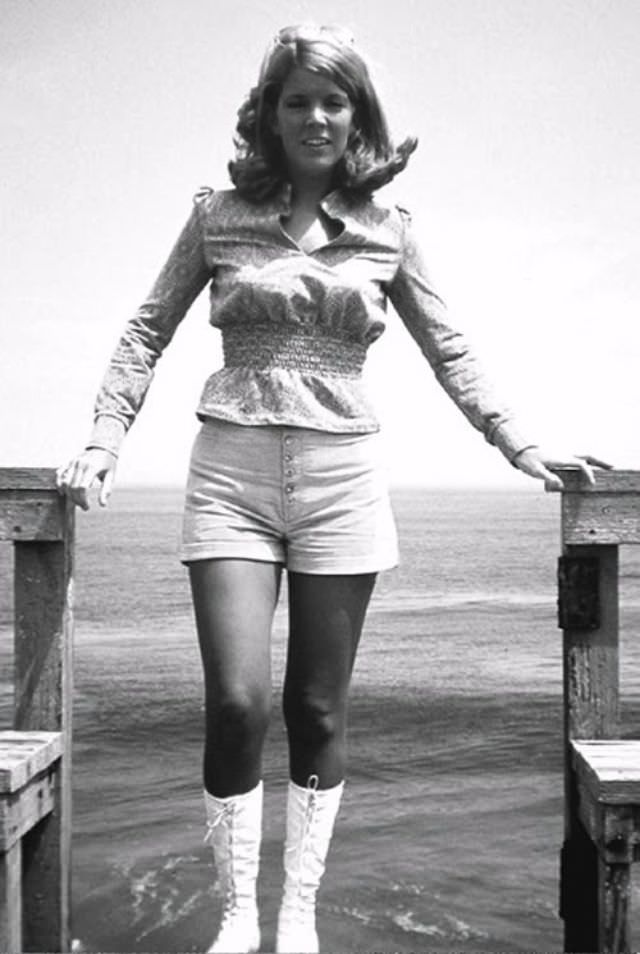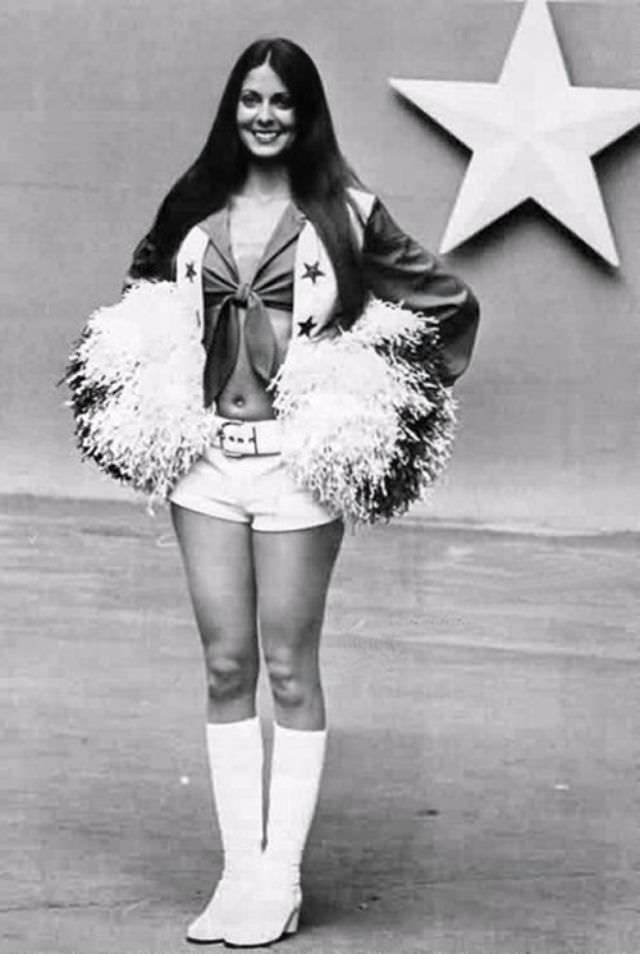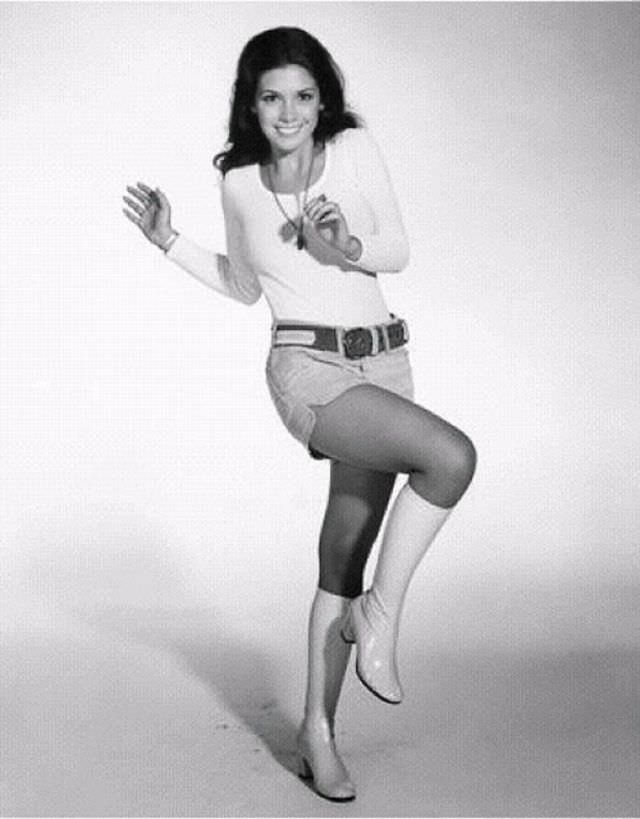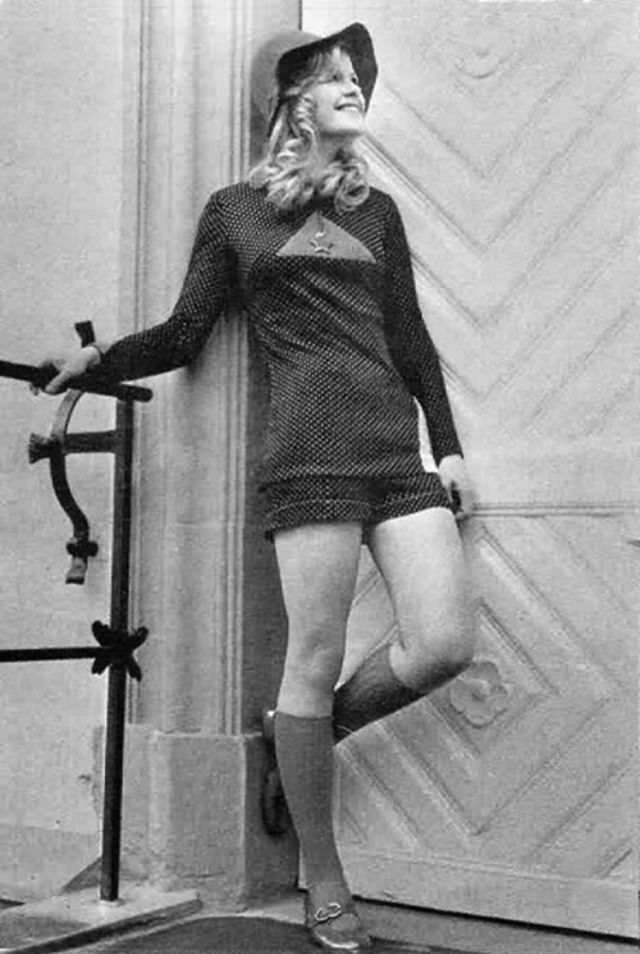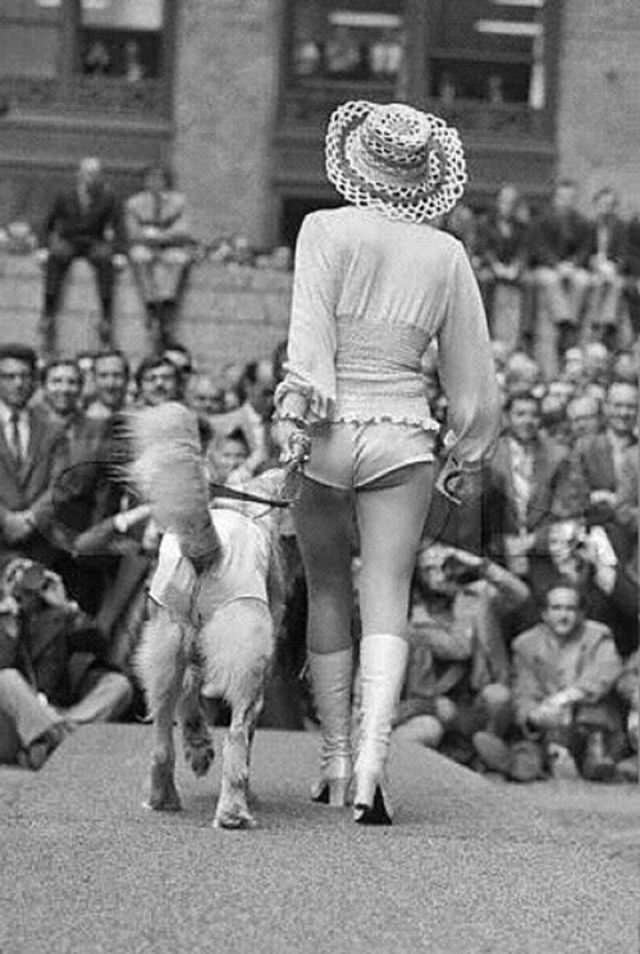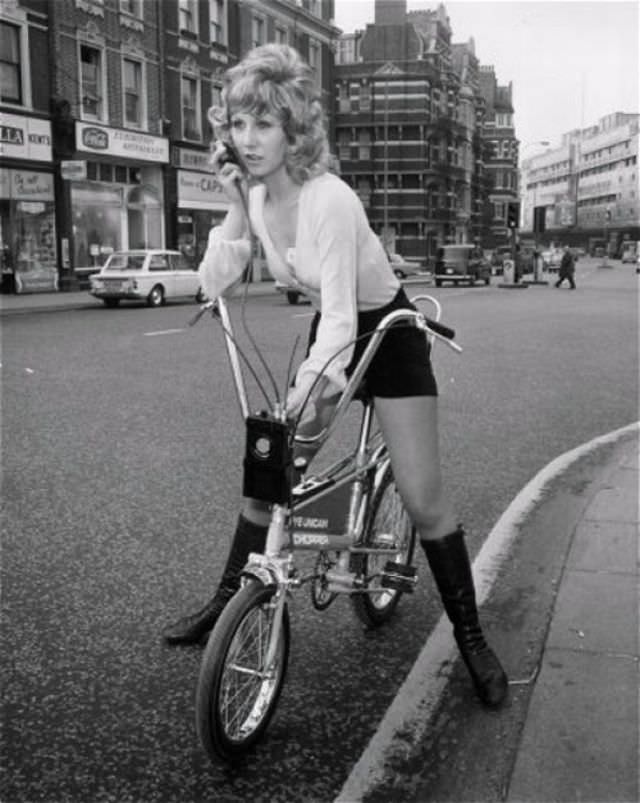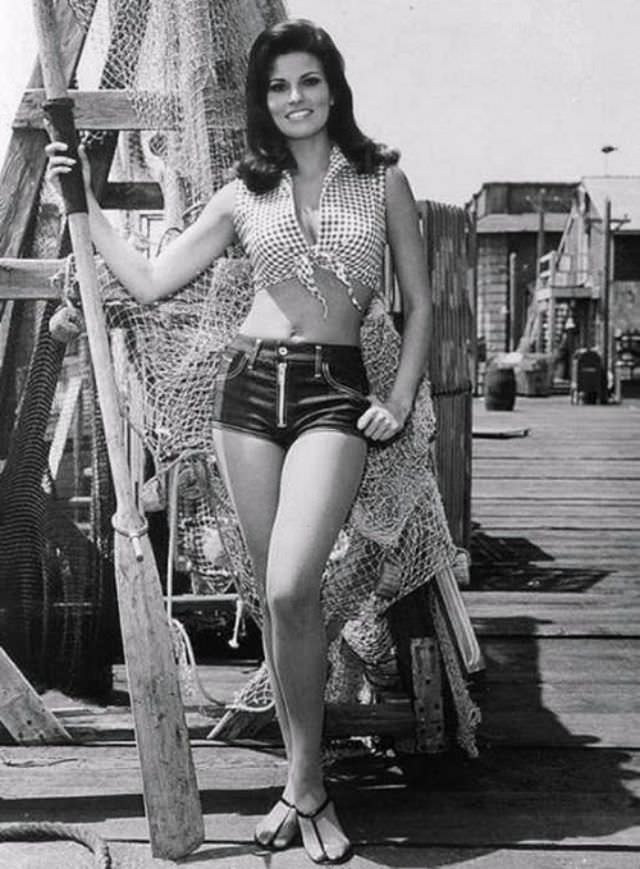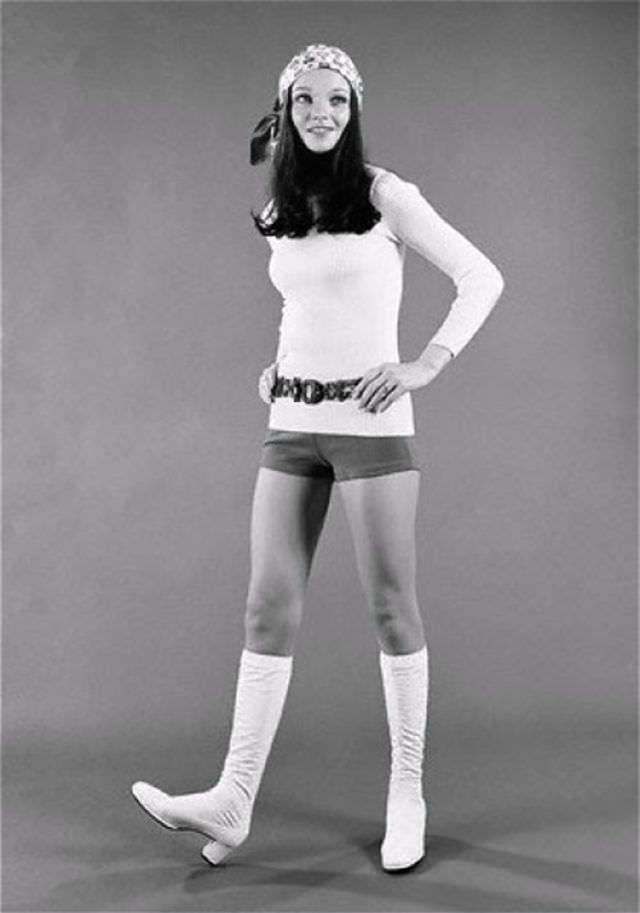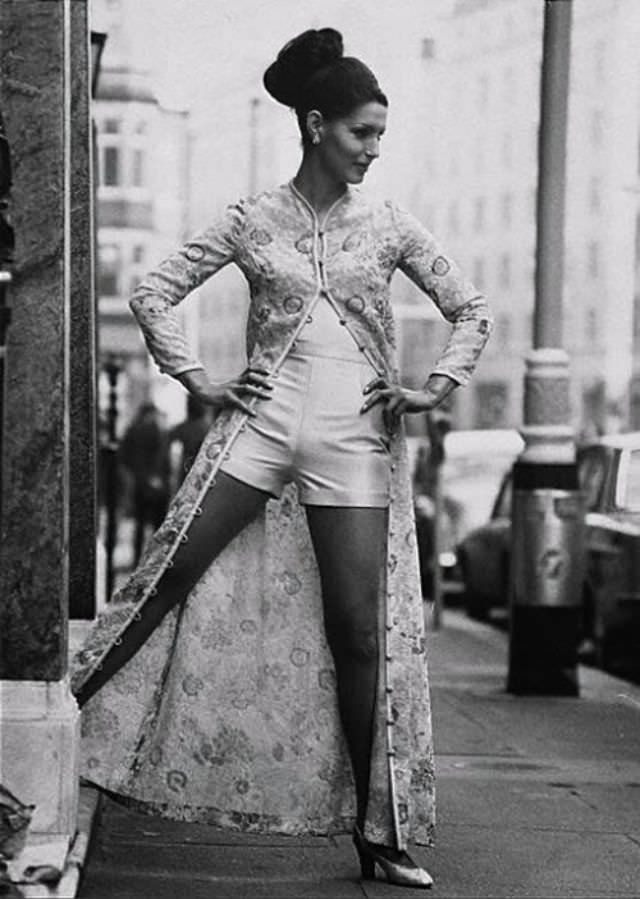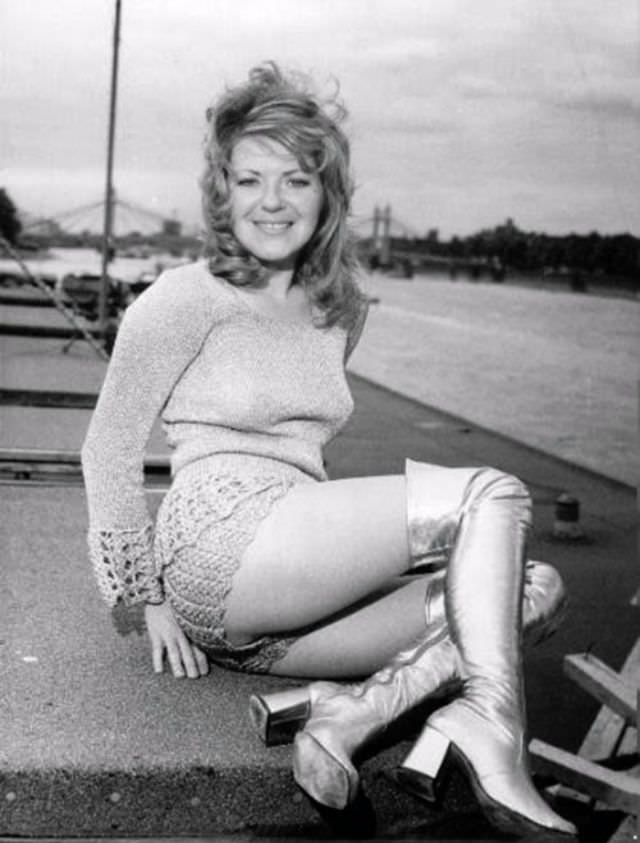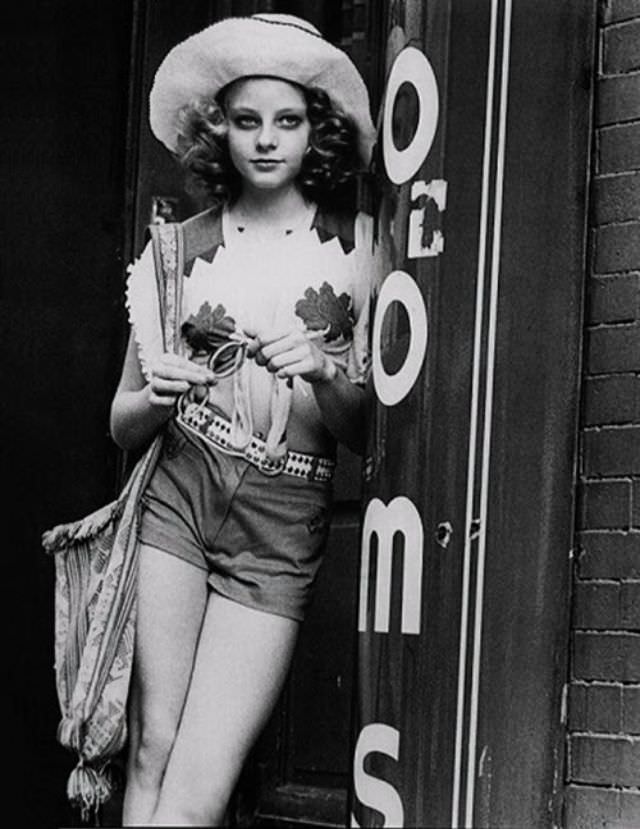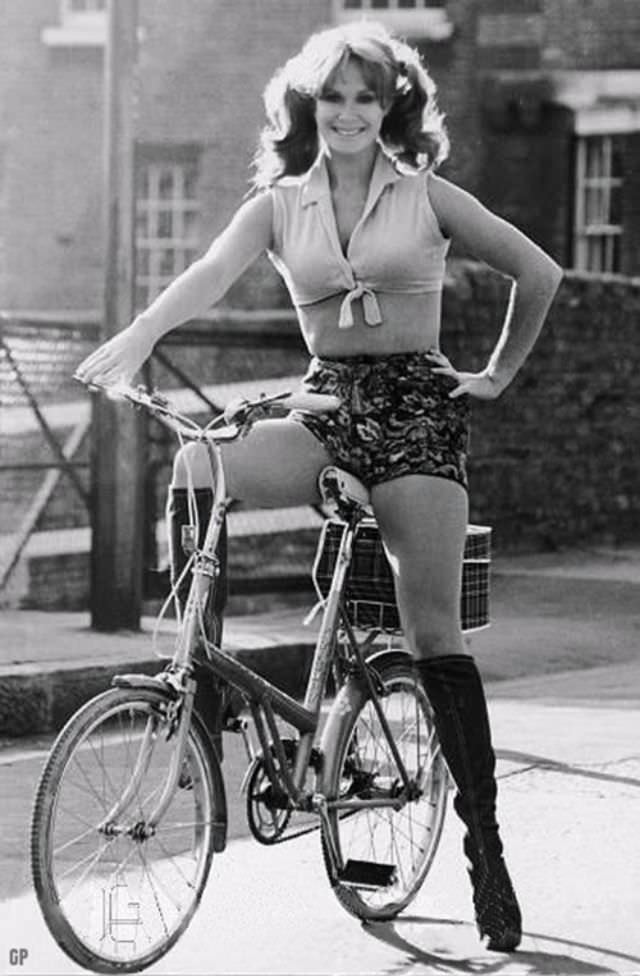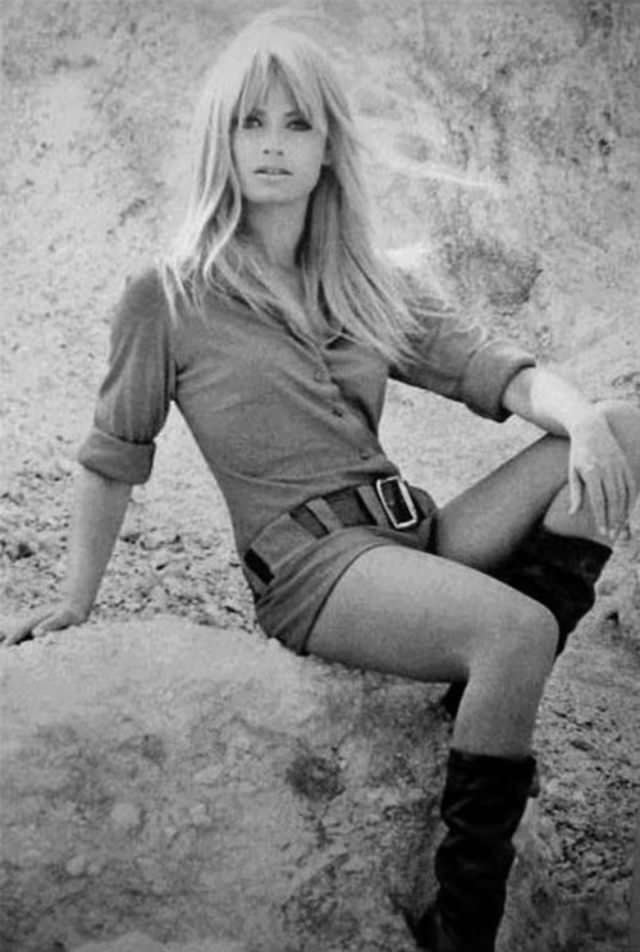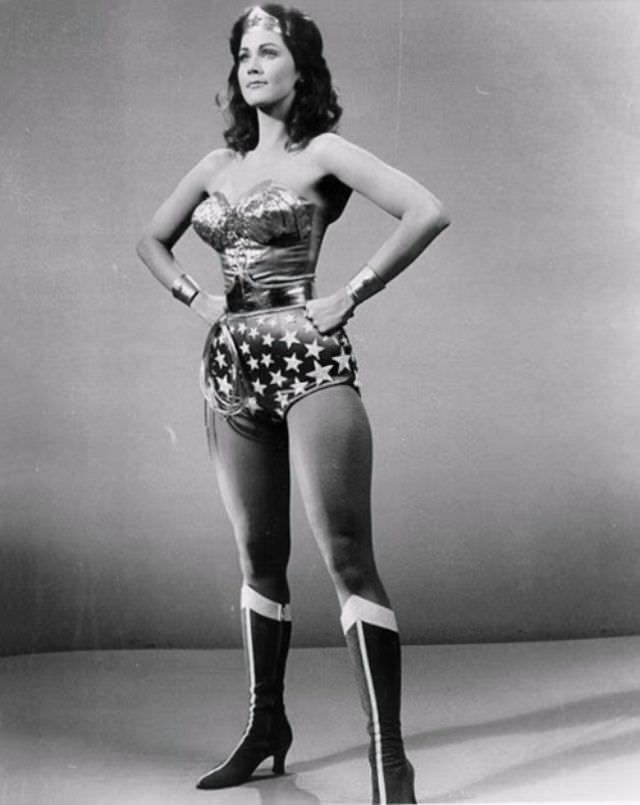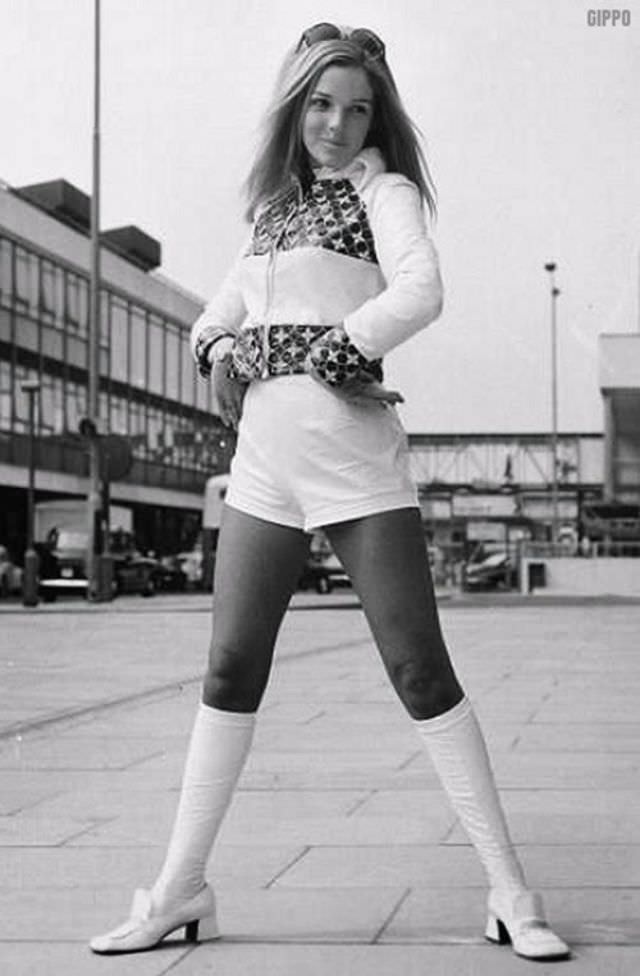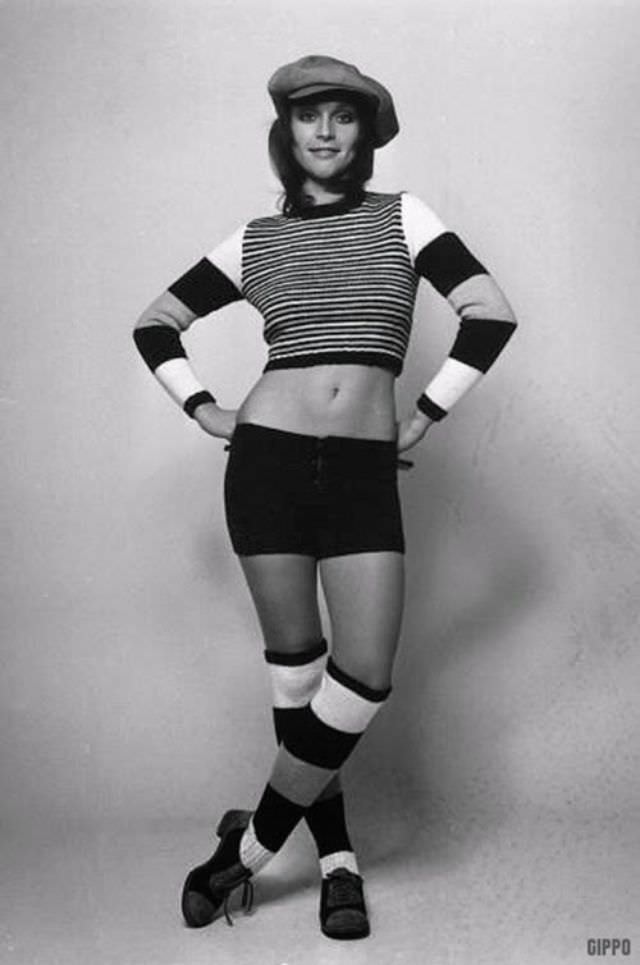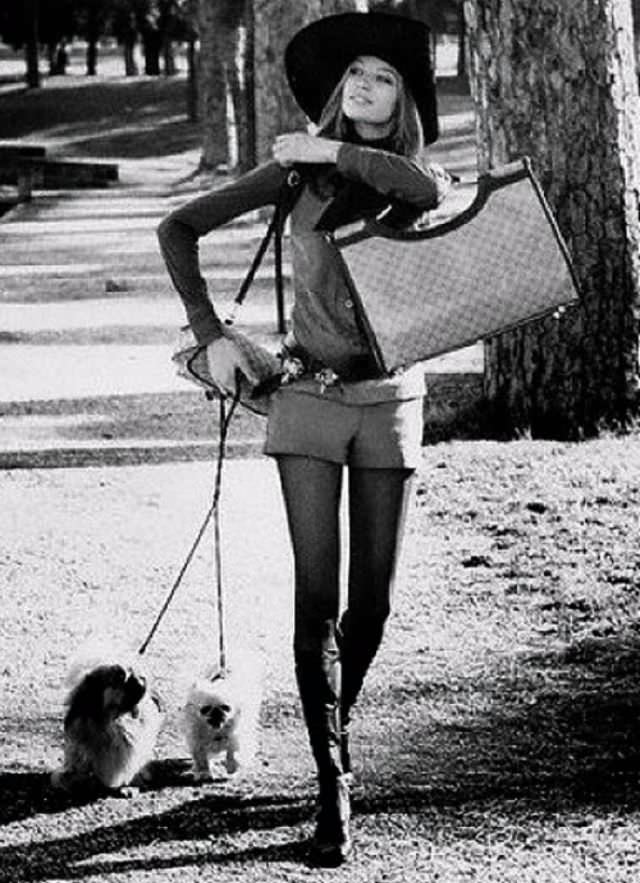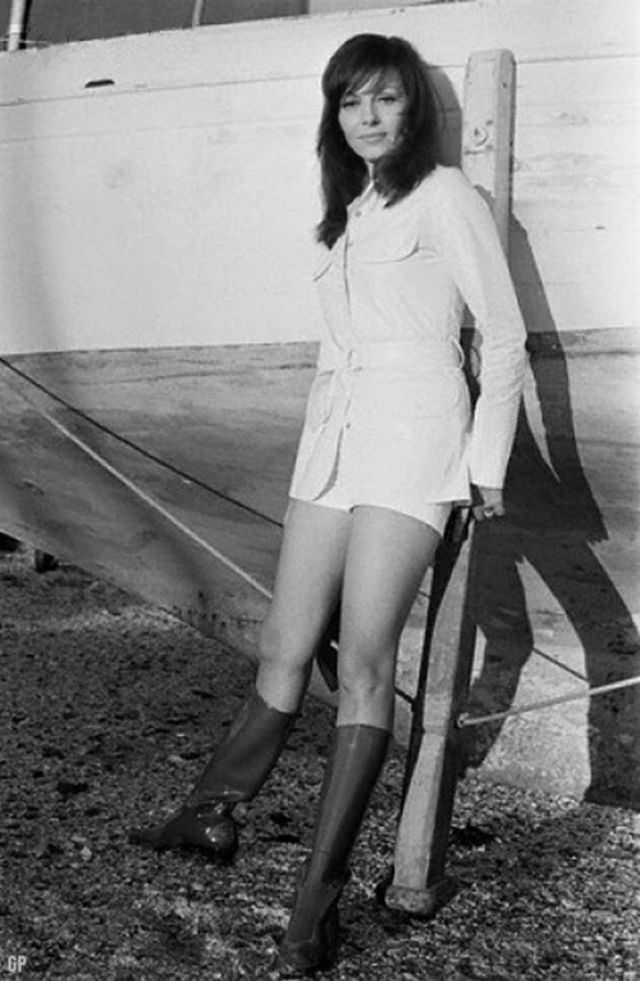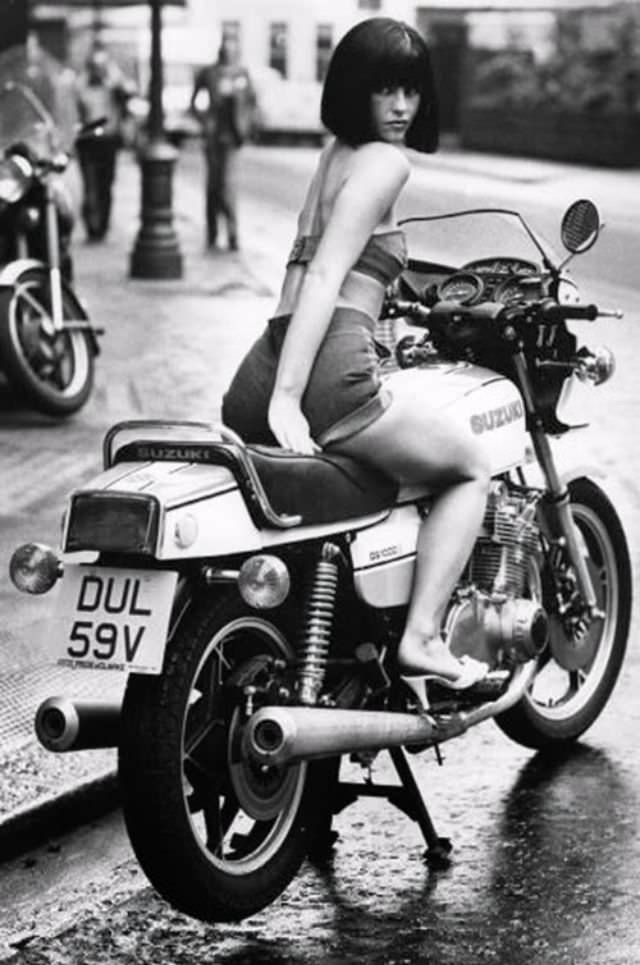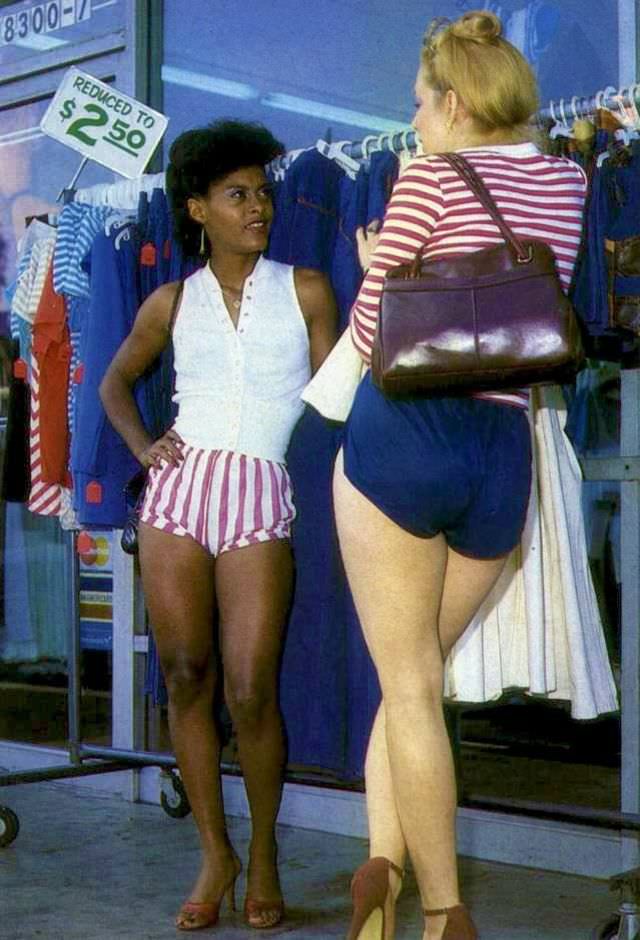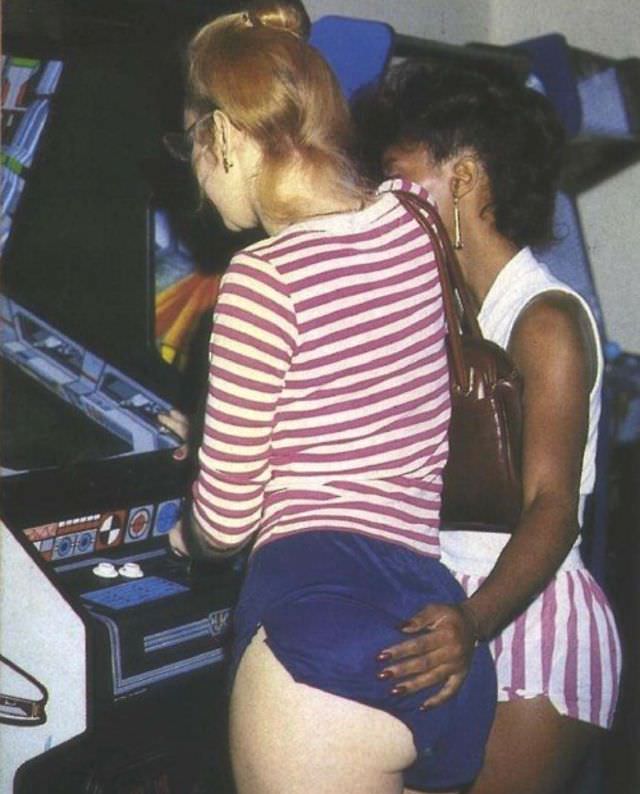

Hotpants became a massive global fashion trend between 1969 and 1972. These were extremely short, tight-fitting shorts designed for women to wear as high-fashion garments. The term “hotpants” was first used by the trade publication Women’s Wear Daily in 1970. Before this name existed, the style was often called “short shorts.” The trend grew directly out of the popularity of the miniskirt. As hemlines moved higher throughout the late 1960s, designers looked for a more practical way to show even more of the leg. Hotpants allowed for greater freedom of movement than a very short skirt.
The Origins and Design of the Trend
Fashion designers in London and Paris introduced short shorts into their collections in the late 1960s. Mary Quant, a famous British designer, played a major role in the early development of the style. She wanted to create clothing that matched the energetic lifestyle of young women in “Swinging London.” In France, designers like Pierre Cardin and André Courrèges included short, structured shorts in their Space Age collections. These early designs often used stiff fabrics and bright, solid colors.
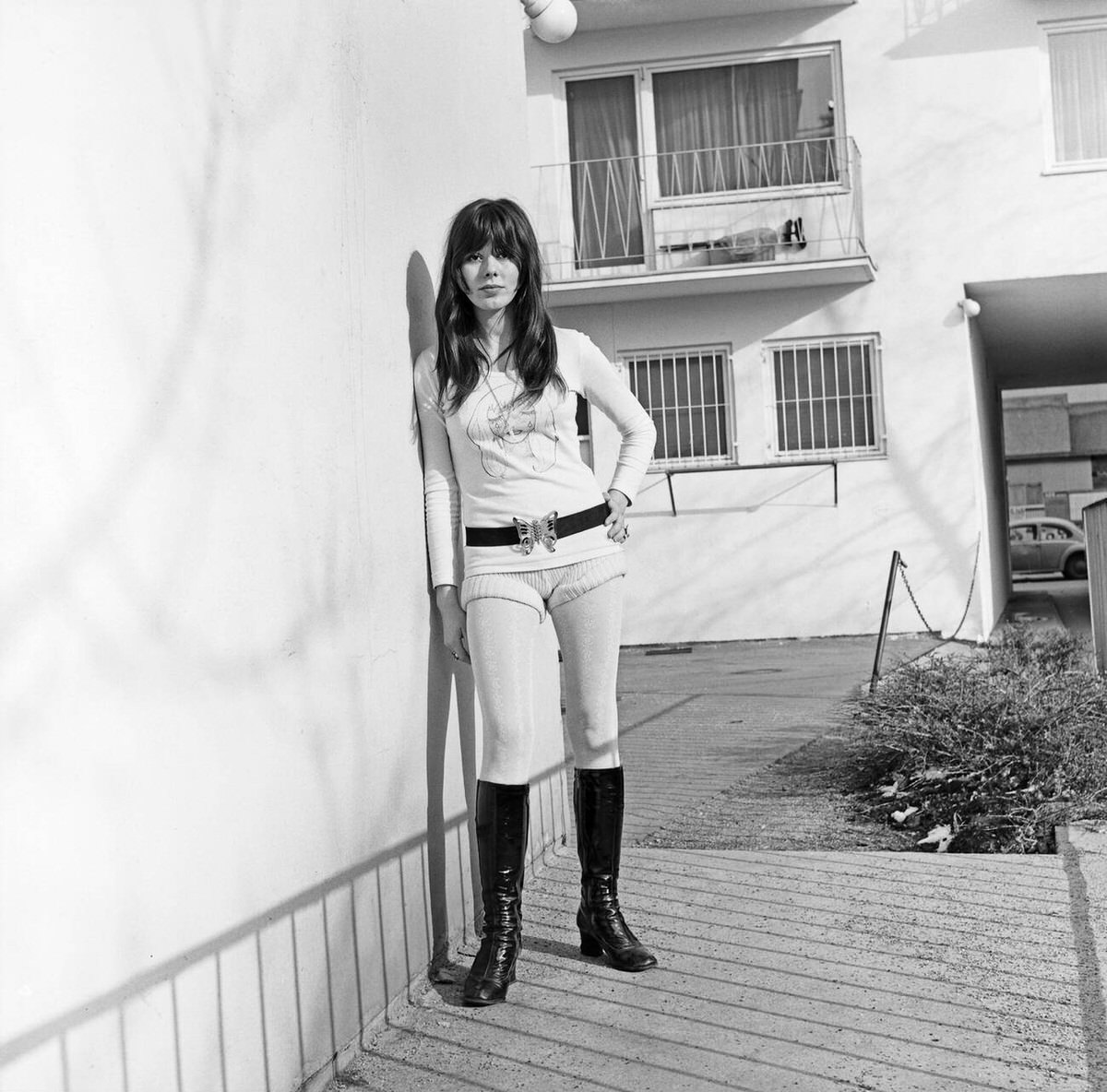
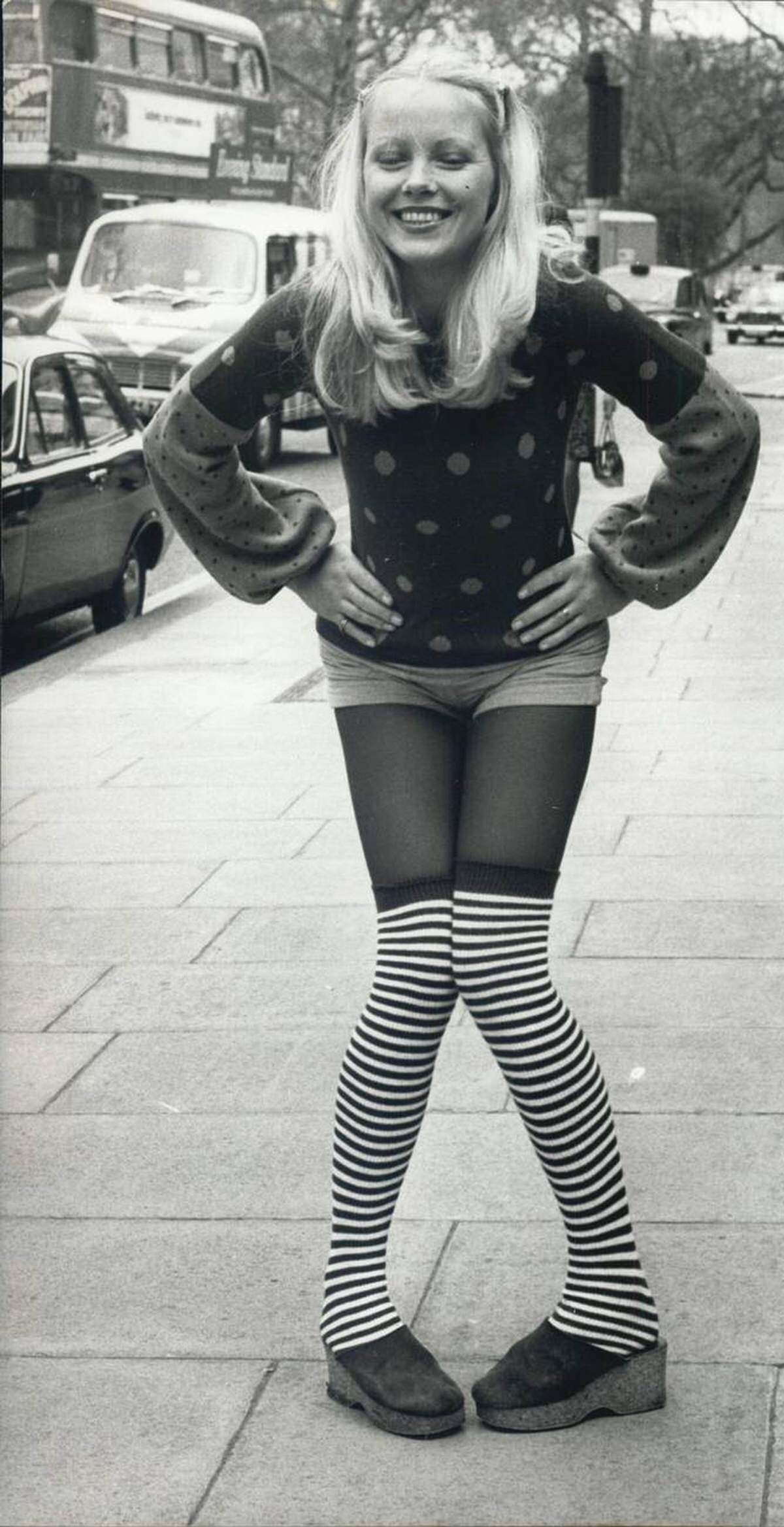
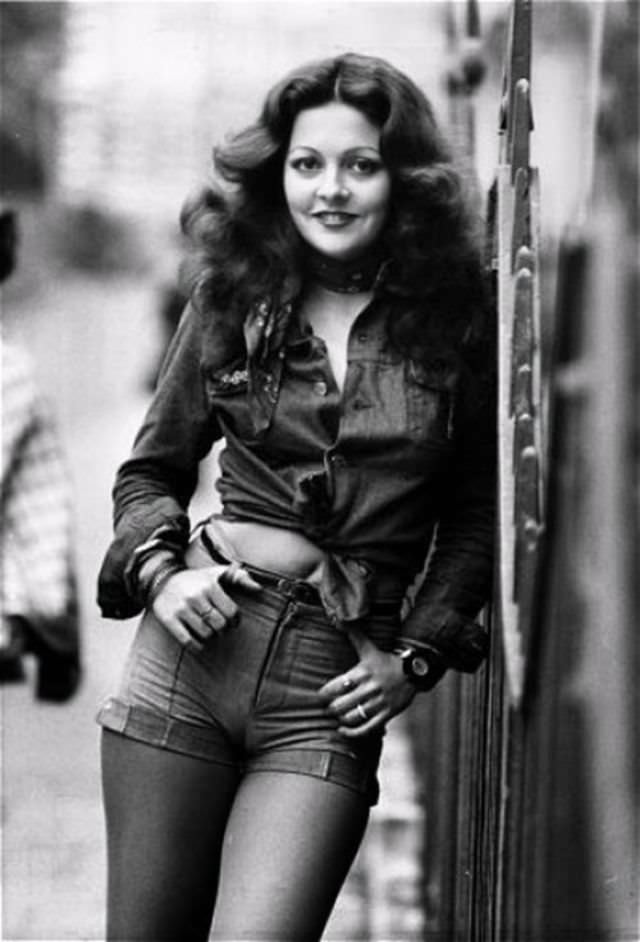
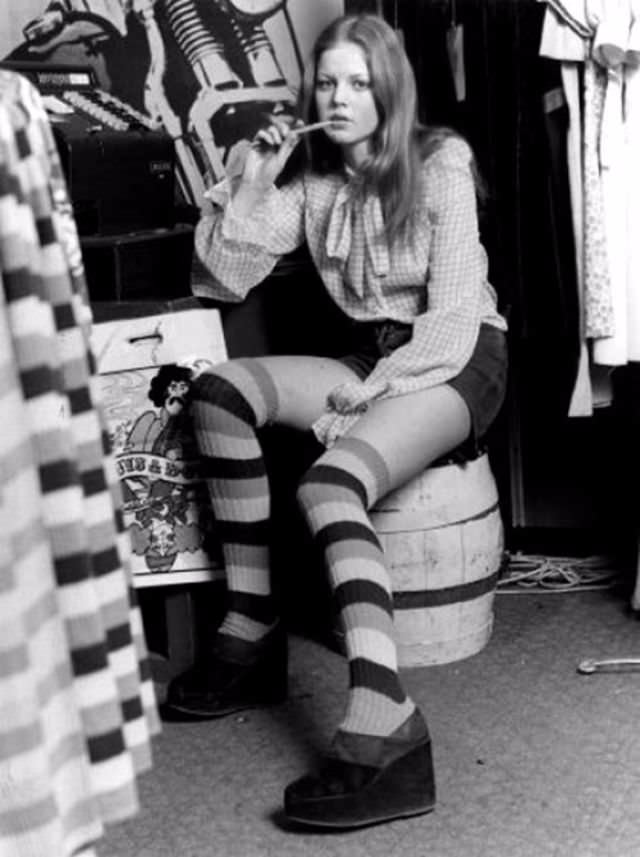
By 1970, the style was a mainstream success. Manufacturers used a wide variety of materials to make hotpants. For evening wear, they used velvet, satin, and lace. For casual daytime looks, they used denim, corduroy, and leather. Some designers even created knitted hotpants made from wool or acrylic fibers. These were often worn over thick tights or pantyhose to protect against the cold. The shorts featured very short inseams, usually measuring only one or two inches. They were almost always high-waisted to emphasize the length of the wearer’s legs.
Read more..
Corporate Adoption and Uniforms
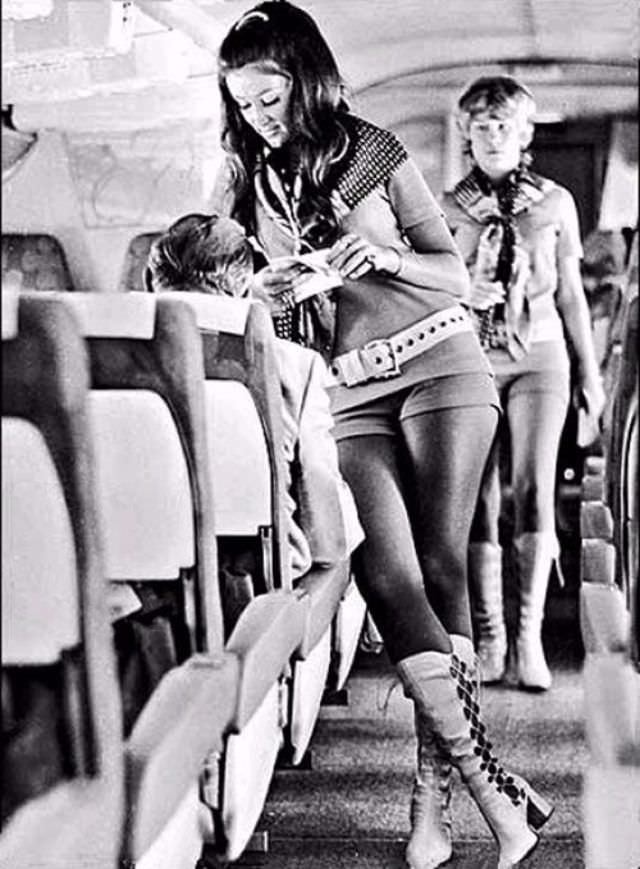
The popularity of hotpants reached into the corporate world during the early 1970s. Several airlines decided to use hotpants as part of their flight attendant uniforms. Southwest Airlines was the most famous example. In 1971, the airline launched its service with flight attendants wearing bright orange hotpants and go-go boots. The company used the slogan “Someone Else Up There Loves You” and marketed the uniforms to attract male business travelers.
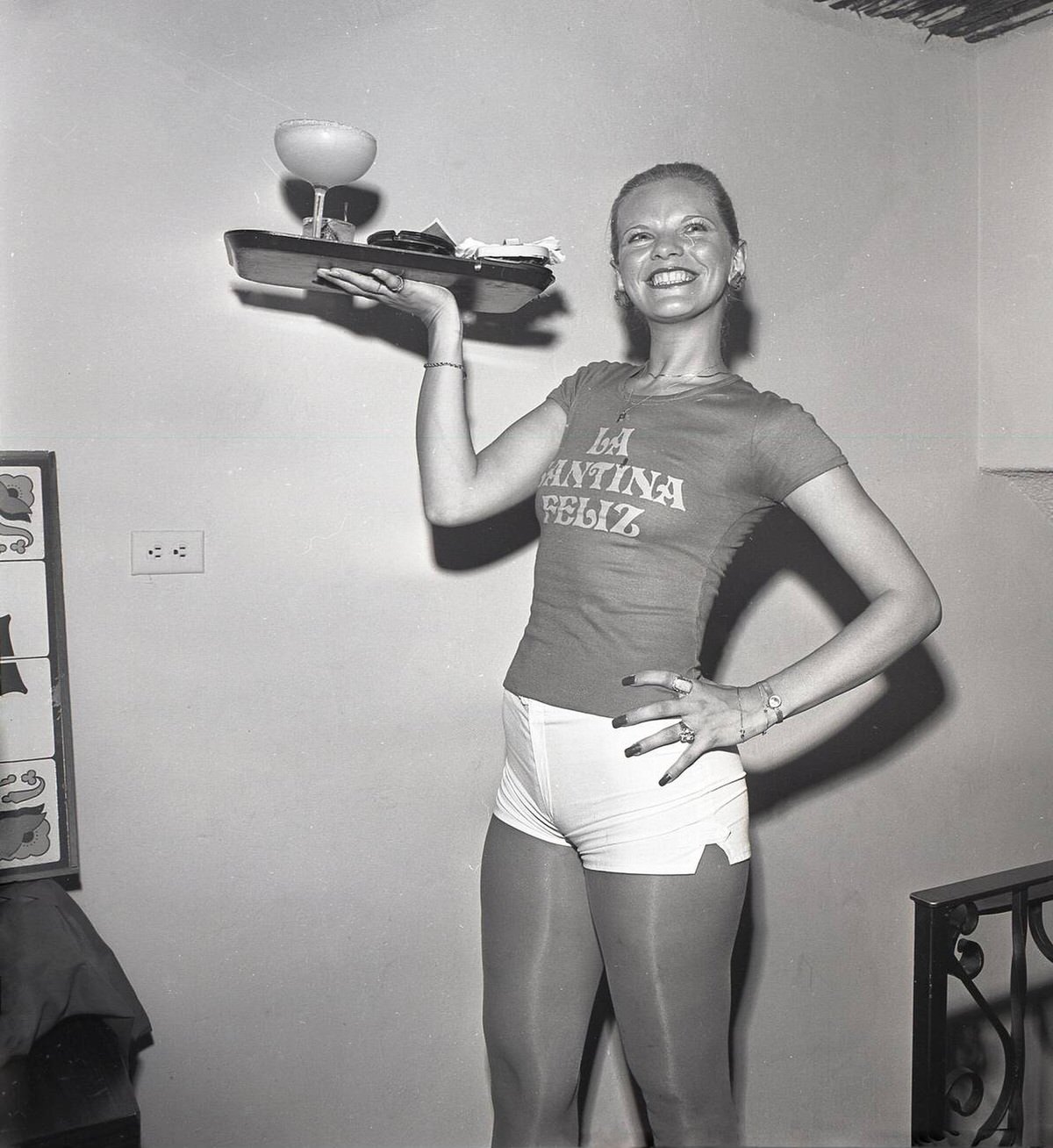
Allegheny Airlines and Pacific Southwest Airlines also adopted similar styles. The use of hotpants in the airline industry was a specific marketing tactic. It transformed the image of the flight attendant into a symbol of the “liberated” and trendy 1970s woman. Outside of the airline industry, some restaurants and bars also required female staff to wear hotpants. These uniforms were often made of shiny polyester fabrics that were easy to clean and maintained a bright appearance under artificial lights.
Pop Culture and Musical Influence
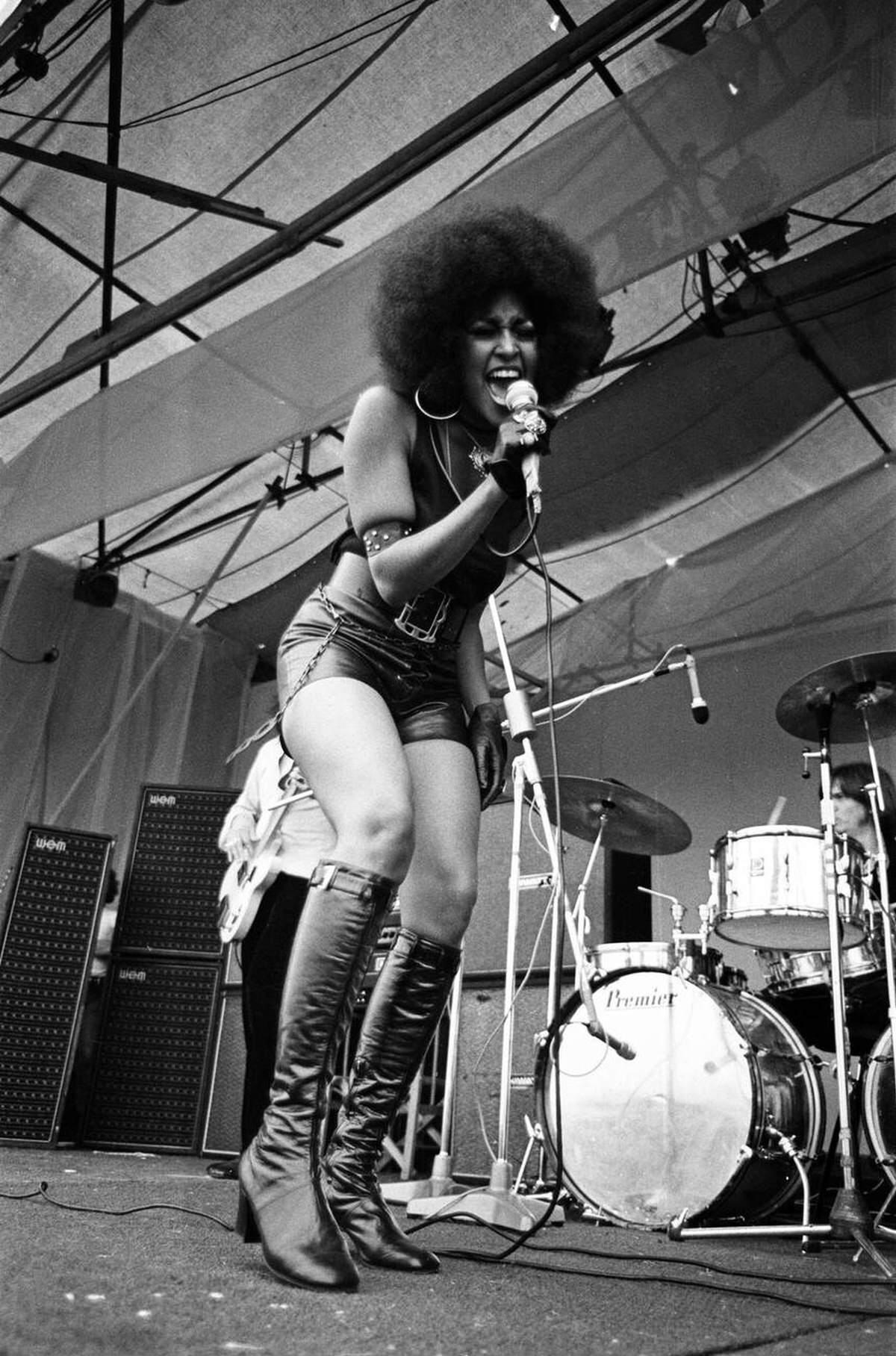
The music industry helped push hotpants into the spotlight. In 1971, James Brown released a song titled “Hot Pants (She Got to Use What She Got to Get What She Wants).” The song reached number one on the R&B charts and was a major hit on the Billboard Hot 100. It celebrated the fashion trend and solidified the term “hotpants” in the American vocabulary. The song’s success led to several other artists recording tracks about the garment.
Celebrities frequently appeared in public wearing hotpants, which increased the demand among young women. Elizabeth Taylor was photographed wearing a pair during a trip to London. Jacqueline Kennedy Onassis wore them while vacationing on the island of Capri. In the world of film and television, characters often wore hotpants to signify they were modern and fashionable. The 1971 film The Gang’s All Here featured several scenes centered around the trend. These public appearances by famous women made the style acceptable for a wider range of social settings.
Social Reception and Controversy
While hotpants were very popular, they were also highly controversial. Many traditional organizations viewed them as inappropriate for professional or formal settings. In 1971, many schools and offices in the United States and Europe banned students and employees from wearing them. Some high schools updated their dress codes specifically to mention the length of shorts. In several cities, government offices refused to serve women who were dressed in hotpants.
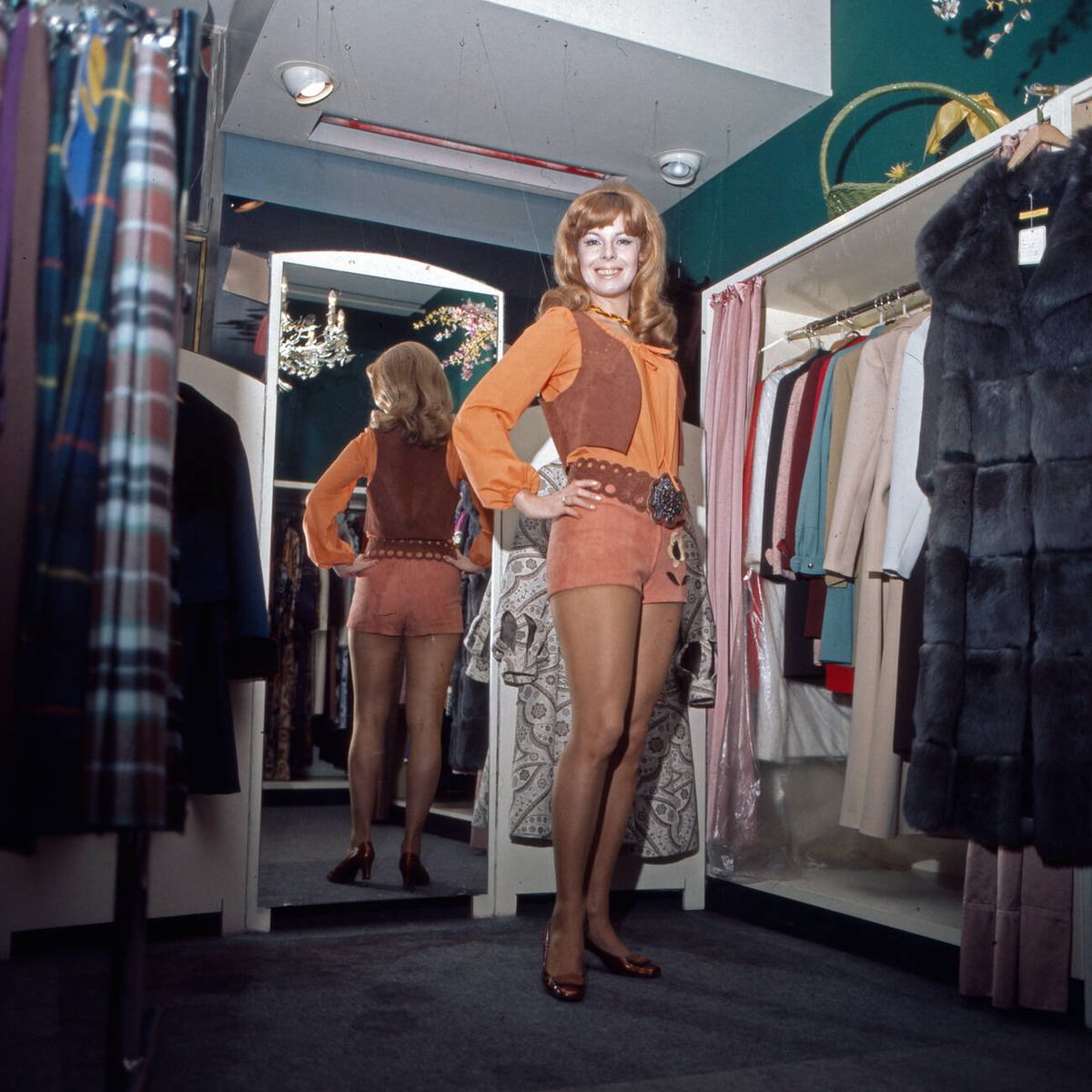
The fashion industry debated the longevity of the trend. Some critics believed that hotpants were too revealing to remain popular for more than one season. However, the sales figures for 1971 showed that the demand was at an all-time high. Major department stores like Macy’s and Sears dedicated entire sections to the garment. They sold them in coordinated sets with matching vests or jackets. These “hotpants suits” were an attempt to make the style feel more like a complete outfit rather than just casual beachwear.
Technical Construction and Fit
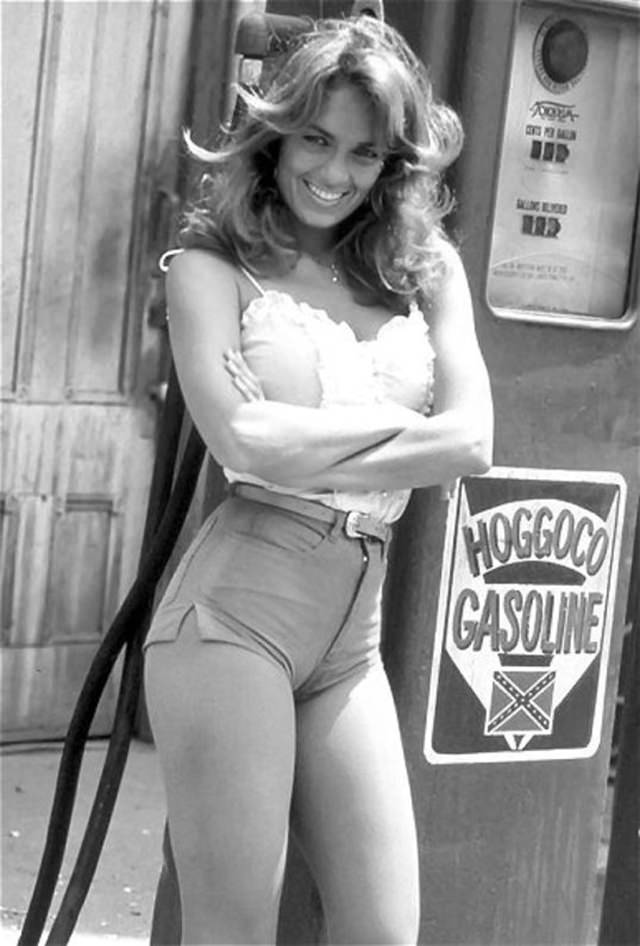
The construction of hotpants required precise tailoring to ensure they stayed in place. Because the shorts were so short, they often featured a “cheeky” cut at the back. Designers added small side slits to some models to prevent the fabric from binding during walking. Most hotpants used a front zipper and a button closure, though some pull-on versions used elastic waistbands. The use of Lycra and other stretch fabrics was still in its early stages, so many hotpants were made of non-stretch woven materials.
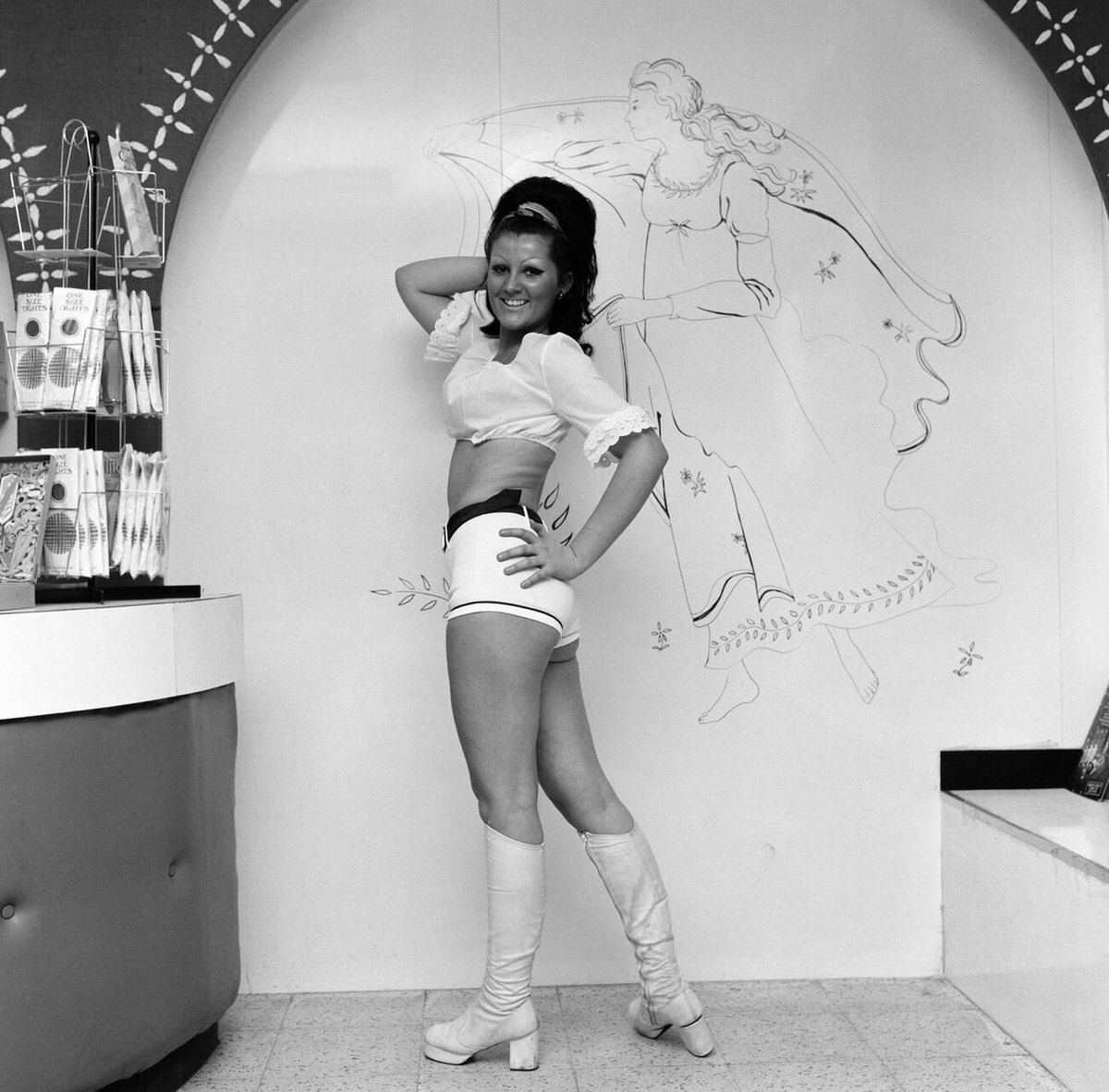
To achieve the best look, women often wore hotpants with specific types of footwear. Platform shoes and high-heeled boots were the most common choices. These shoes added height and made the legs appear even longer. For a more casual look, women wore them with flat sandals or sneakers. The choice of footwear often determined whether the hotpants were considered appropriate for a daytime outing or a night at a disco club.
The Evolution of the Style
As the mid-1970s approached, the style began to evolve into different forms. One variation was the “knickers” style, which was slightly longer and gathered at the knee. Another variation was the “shorty-short,” which remained popular for athletic activities like volleyball and track. The extreme version of hotpants eventually transitioned into what many now call “Daisy Dukes,” named after the character from the television show The Dukes of Hazzard in the late 1970s. These were usually made of cut-off denim jeans with frayed edges.
By 1973, the fashion world moved toward longer silhouettes like the “maxi” dress and the “midi” skirt. The peak of the hotpants craze had passed, but the garment remained a staple of the 1970s disco scene. In the clubs, the reflective fabrics and short cuts matched the vibrant lighting and the physical demands of dancing. The trend demonstrated a period where fashion was used to challenge older ideas about what was acceptable to wear in public. The specific look of the 1971 hotpants remains a definitive image of early 1970s culture.