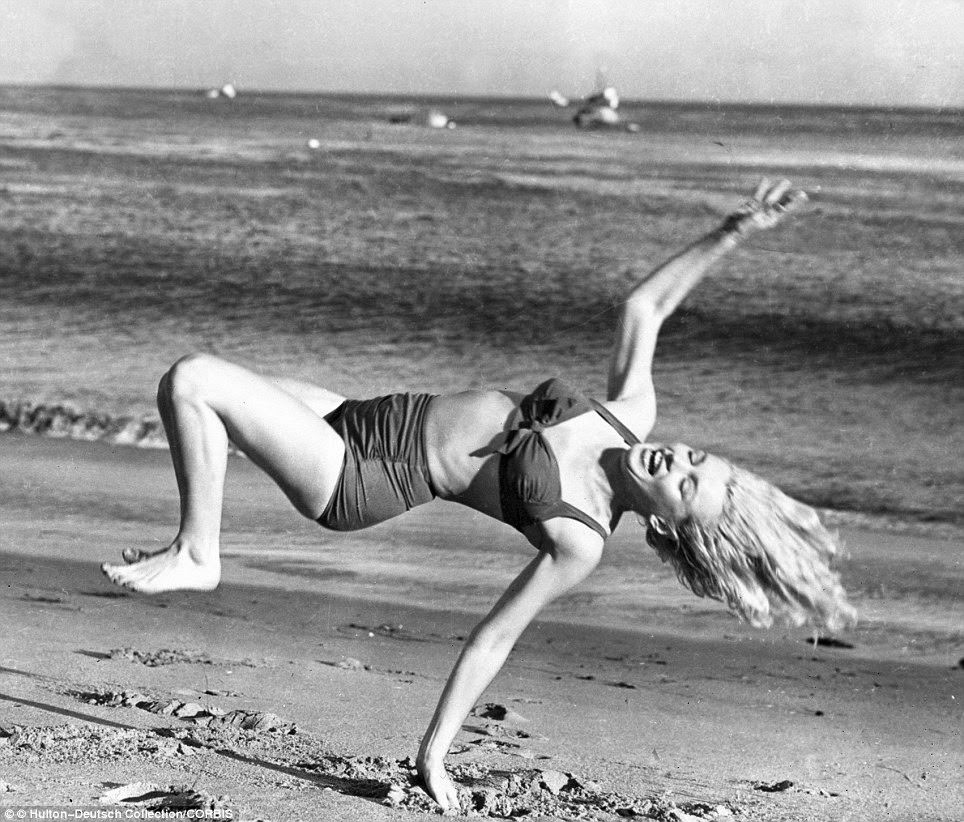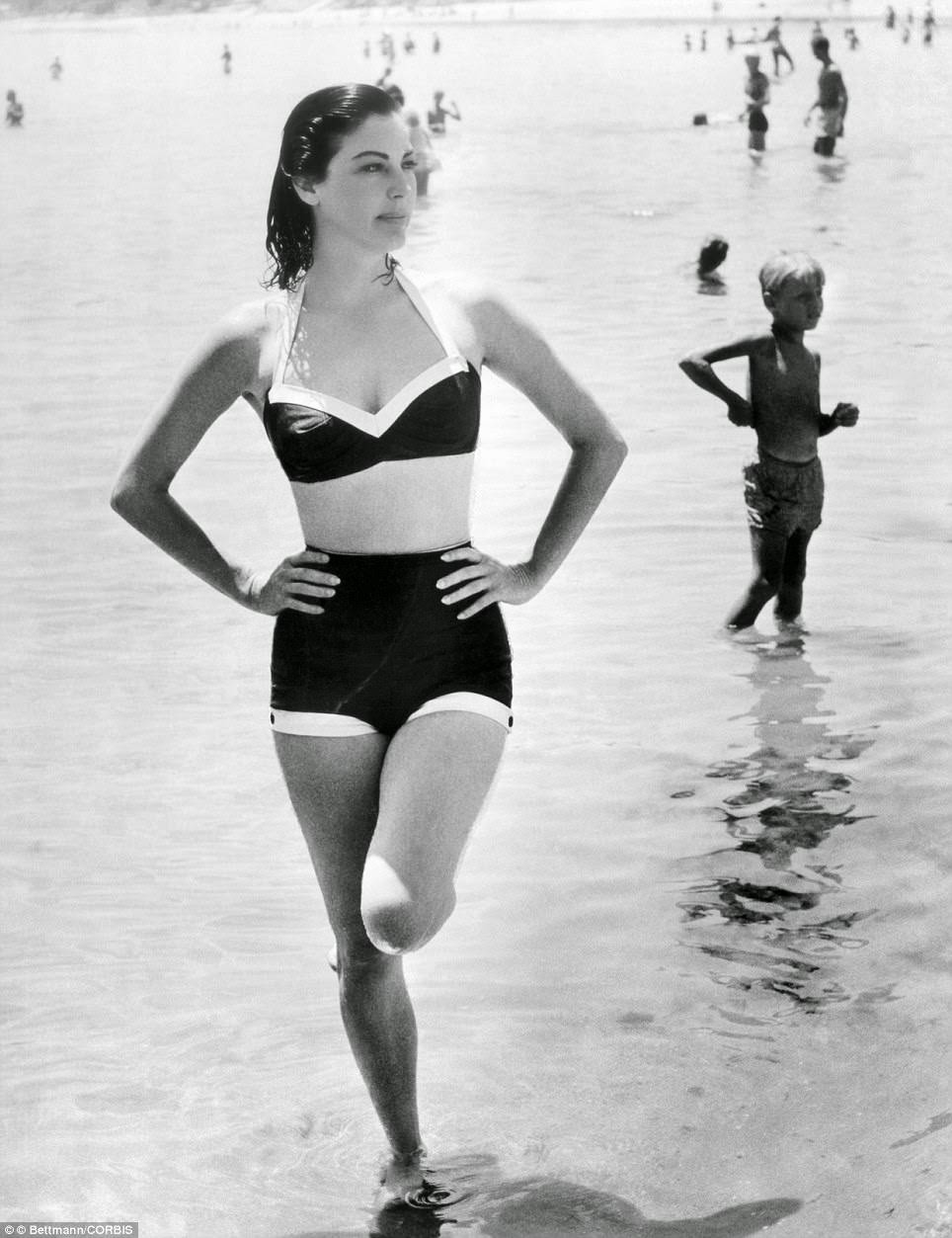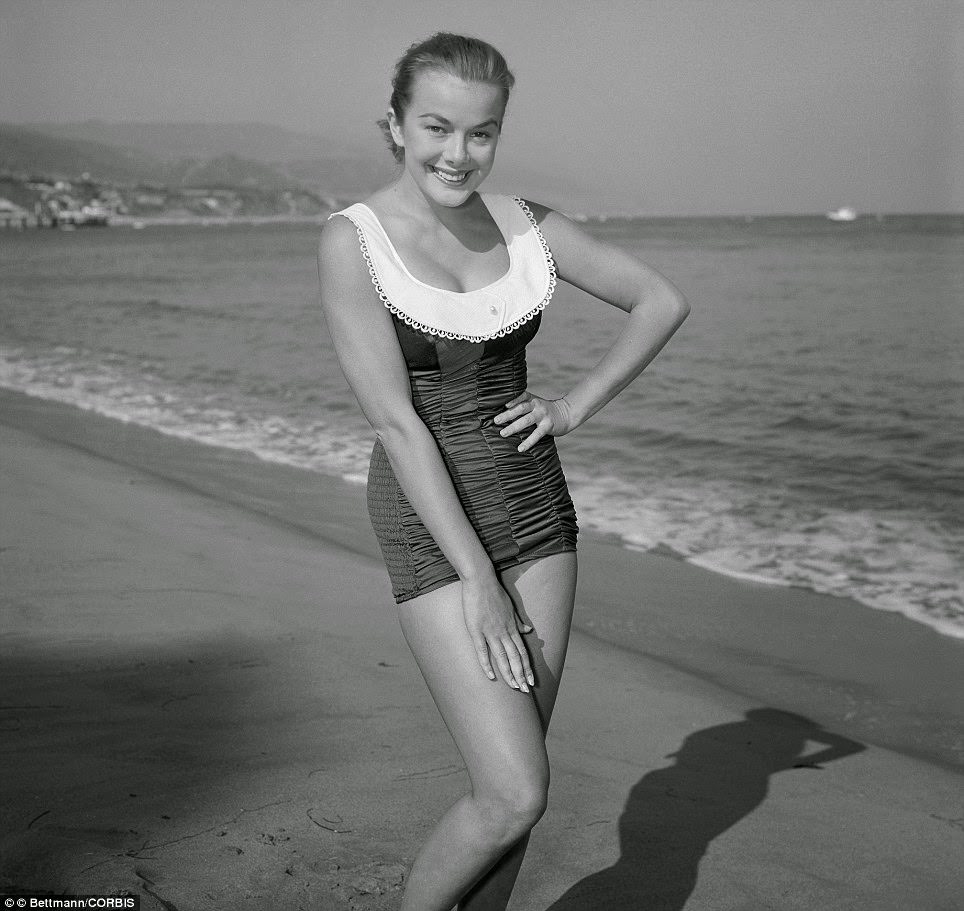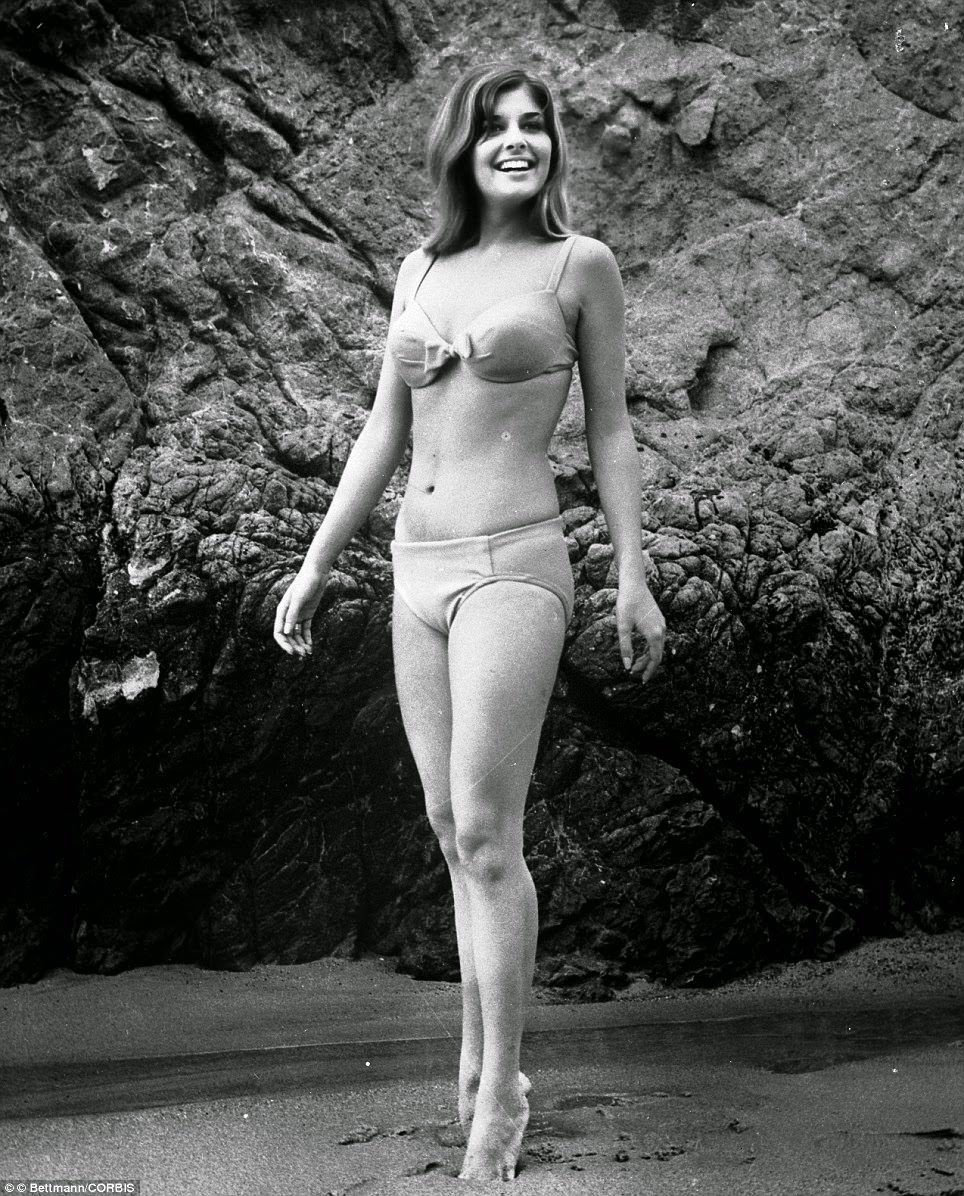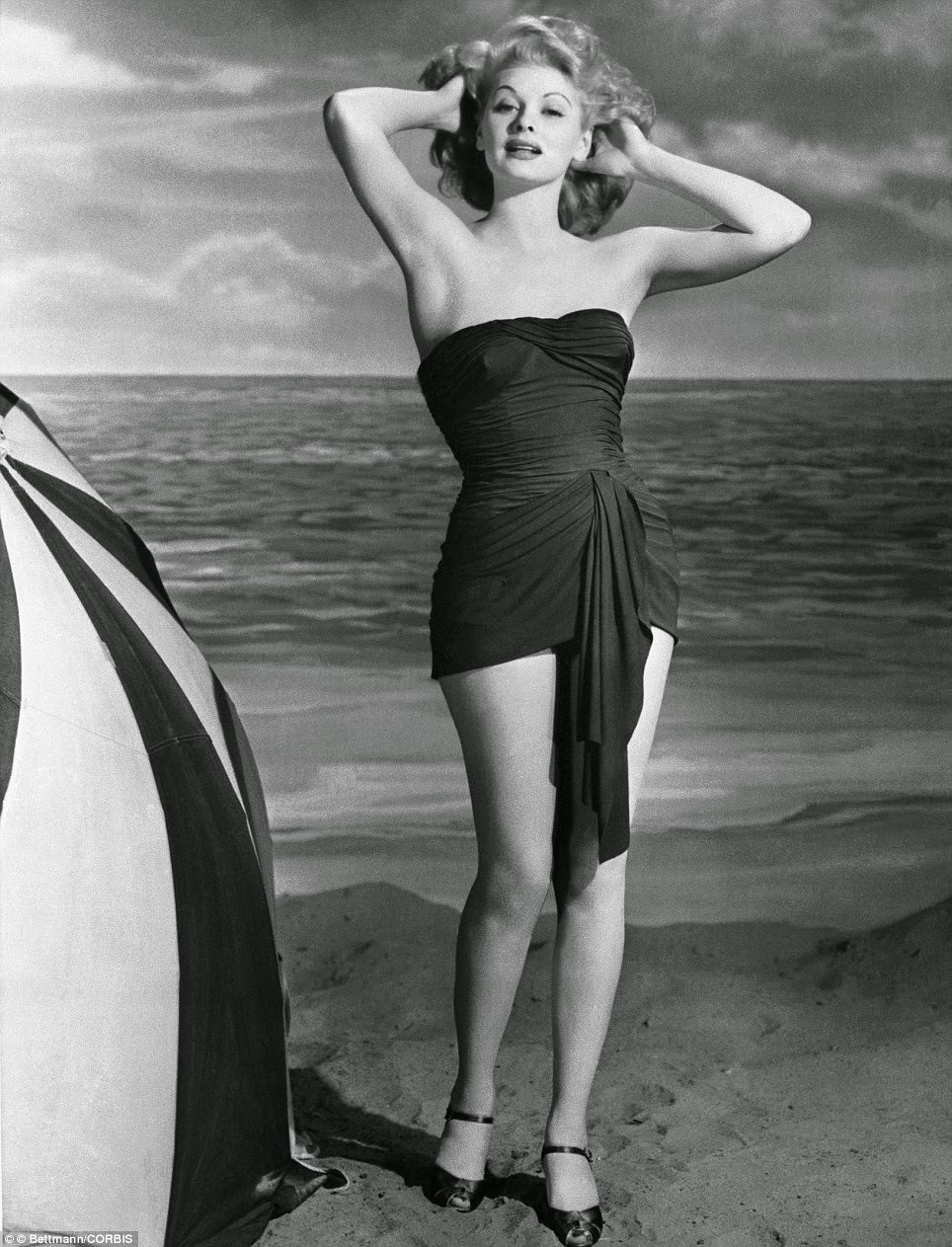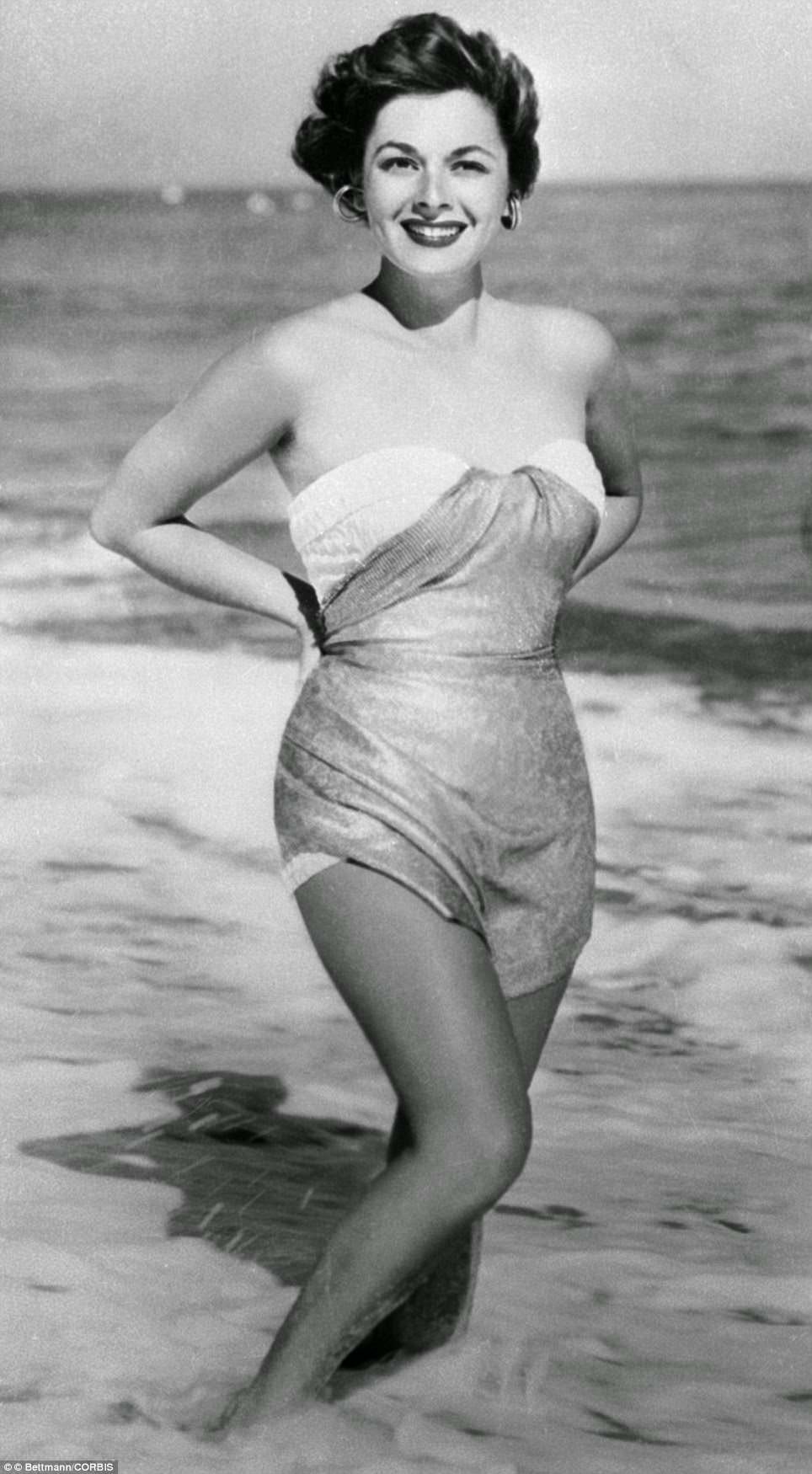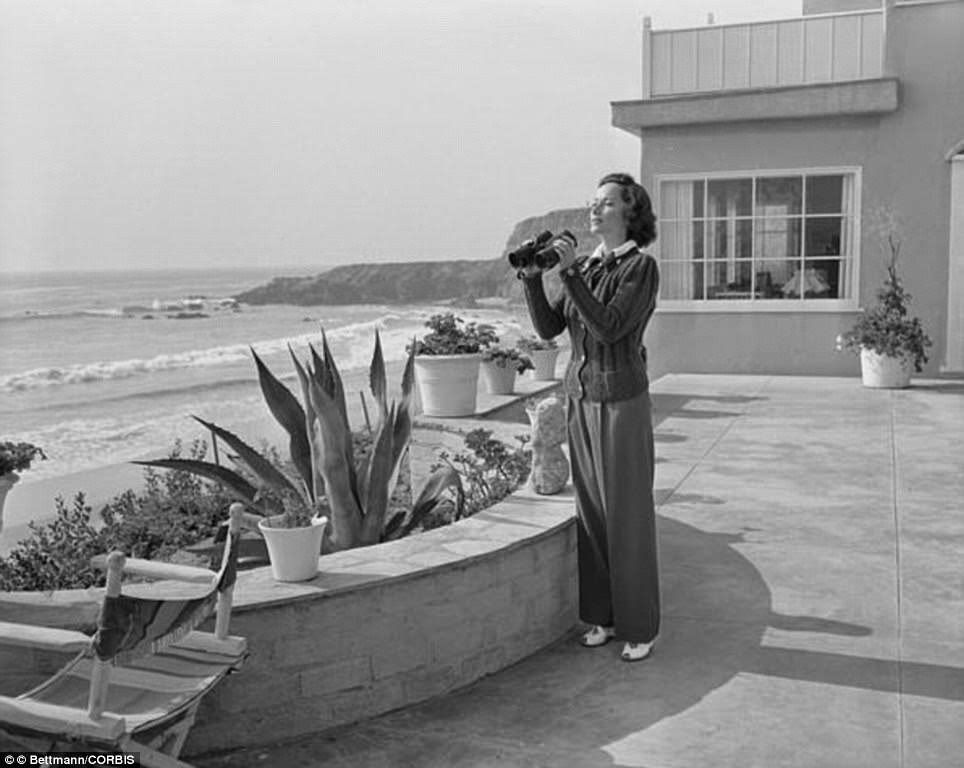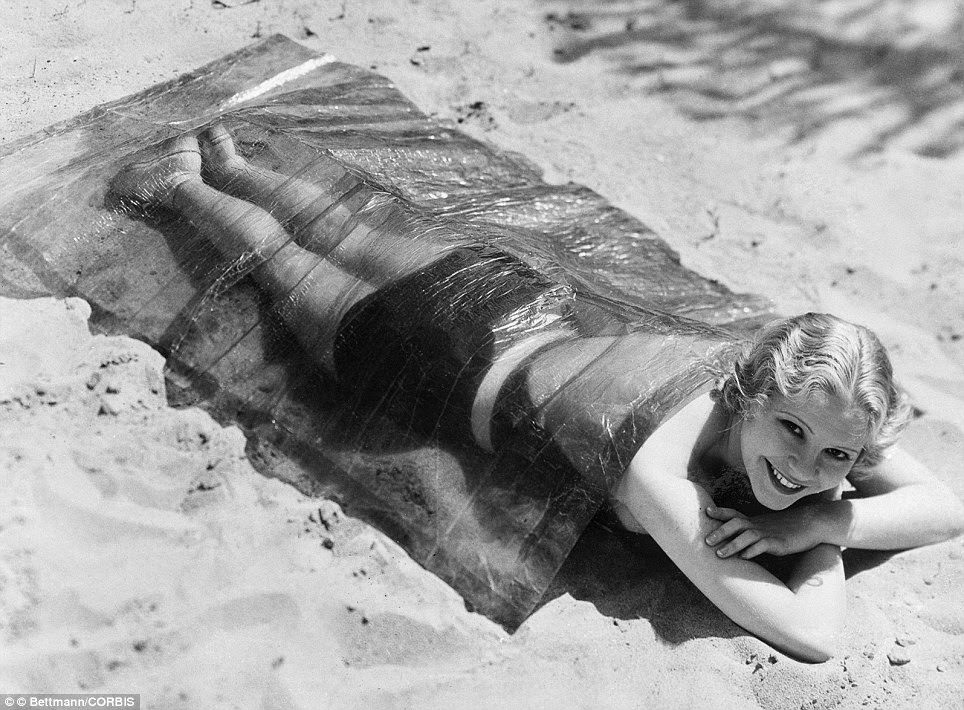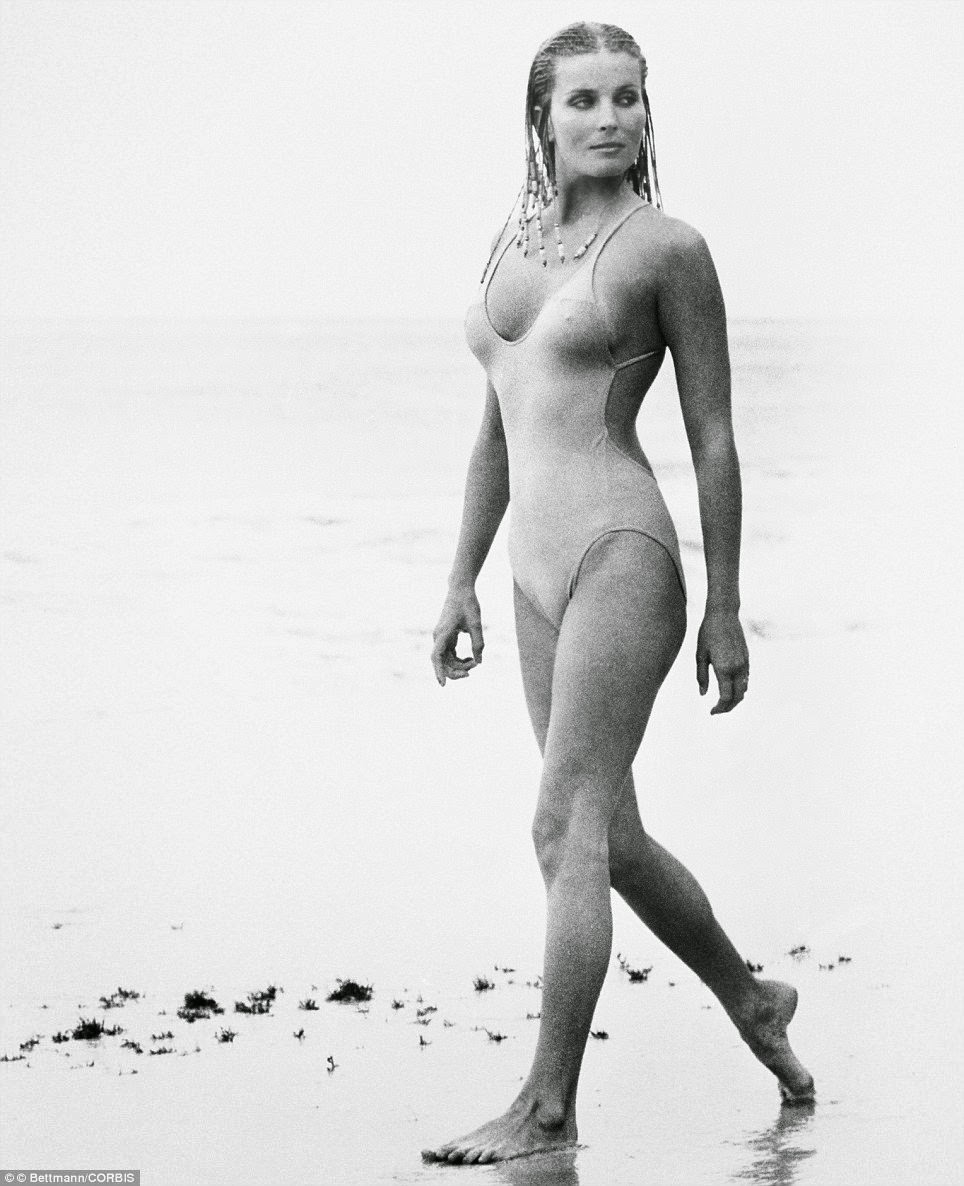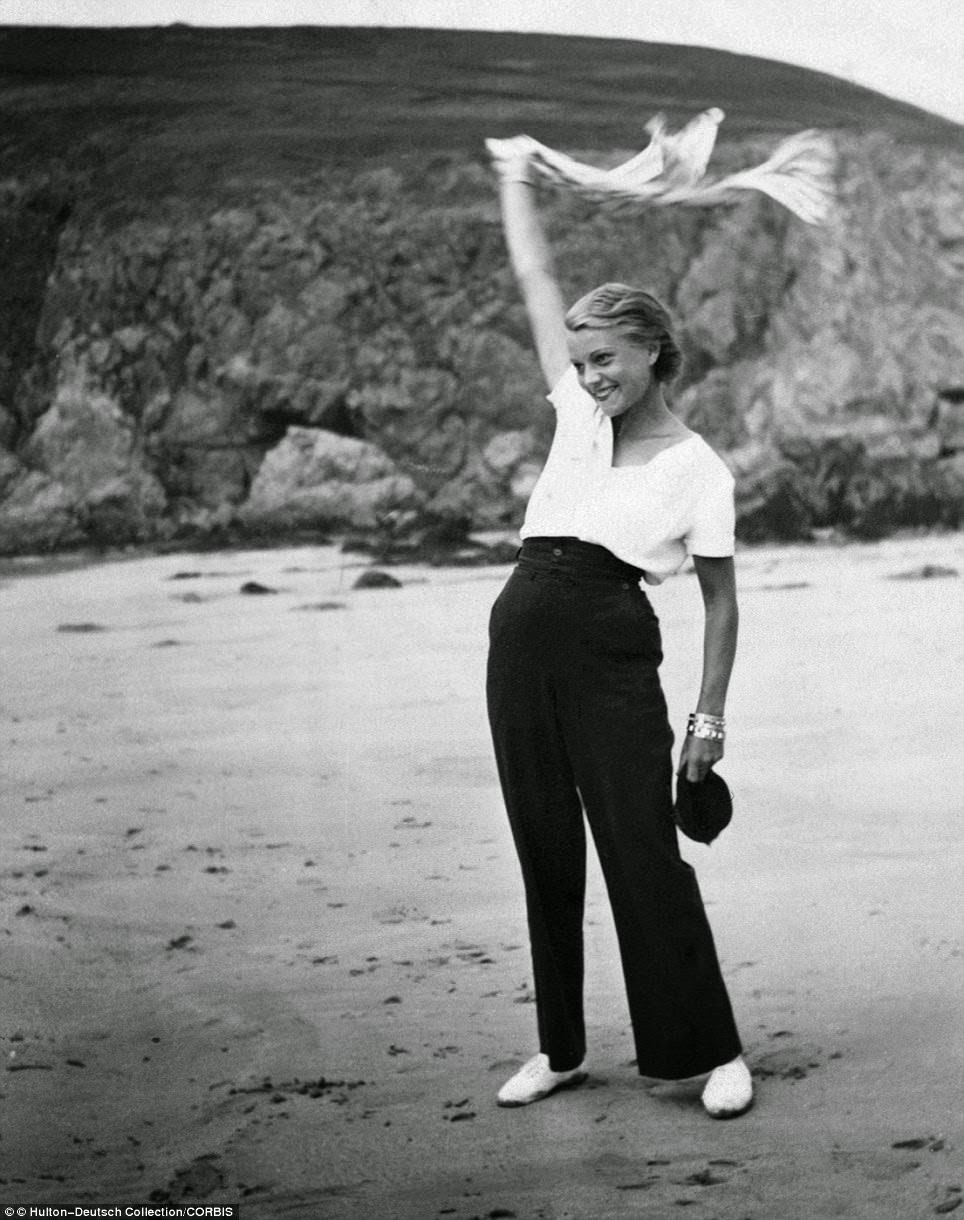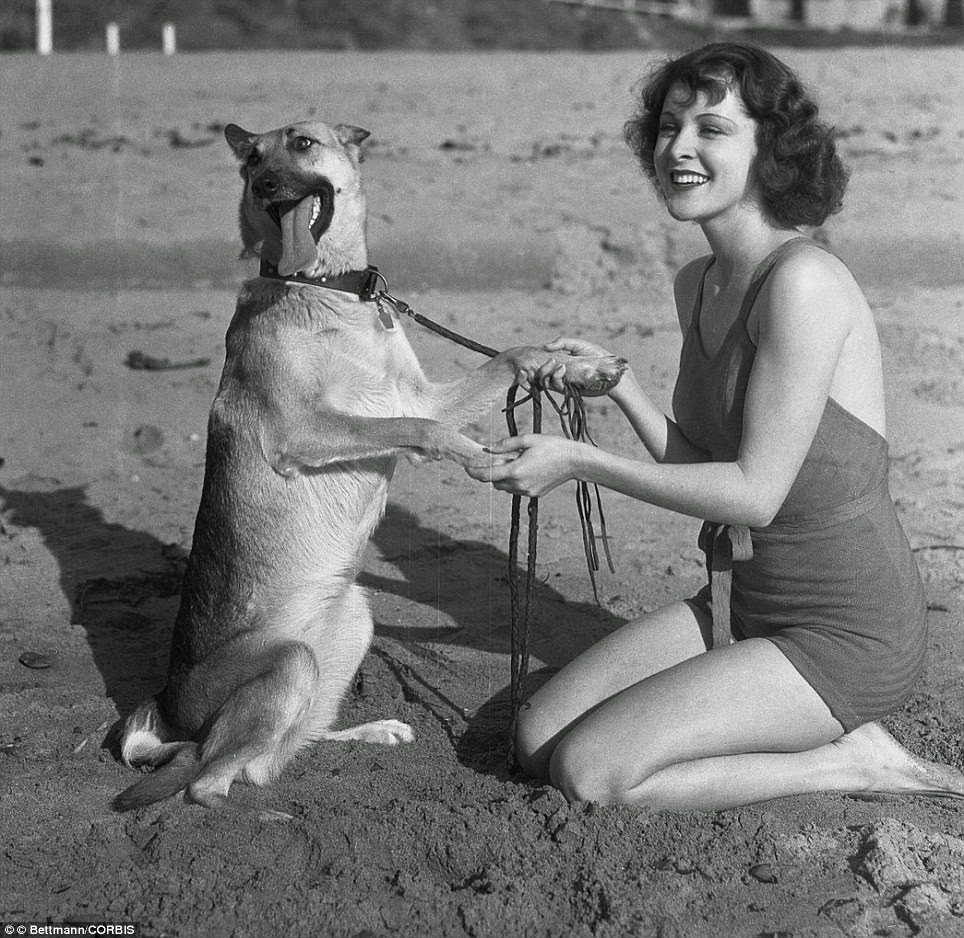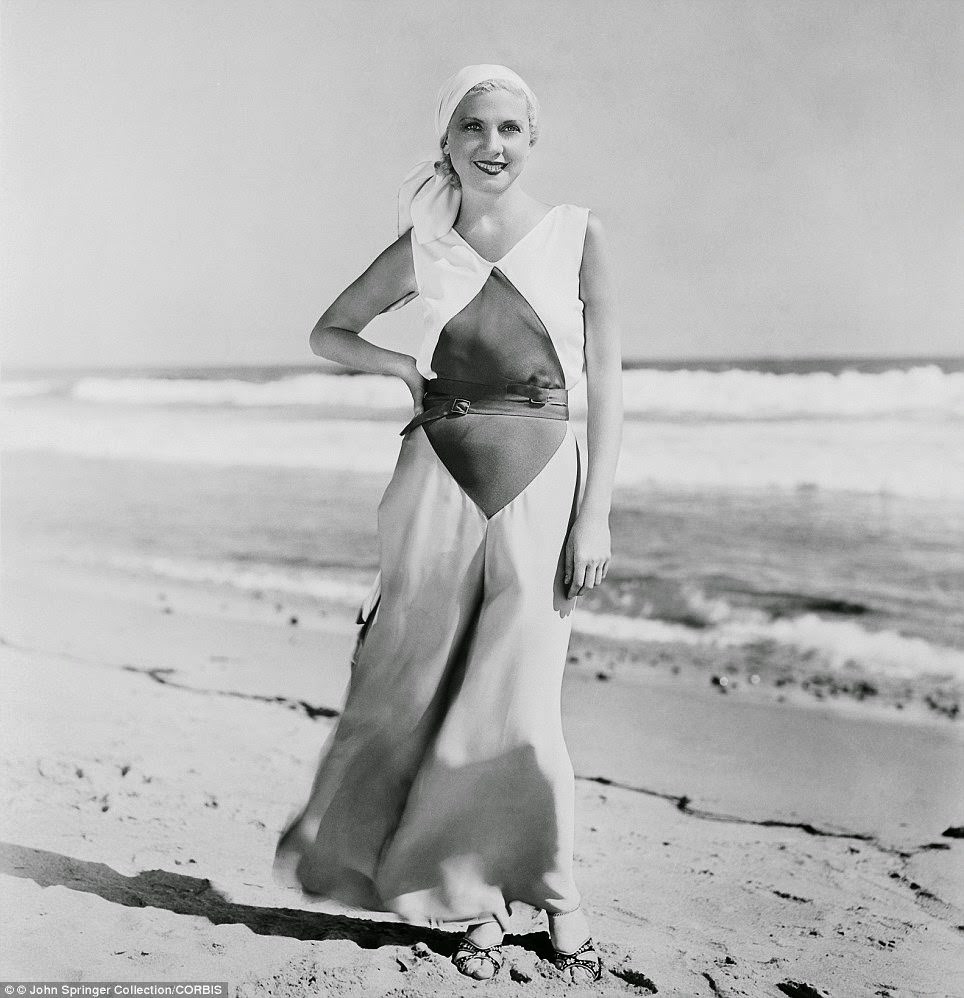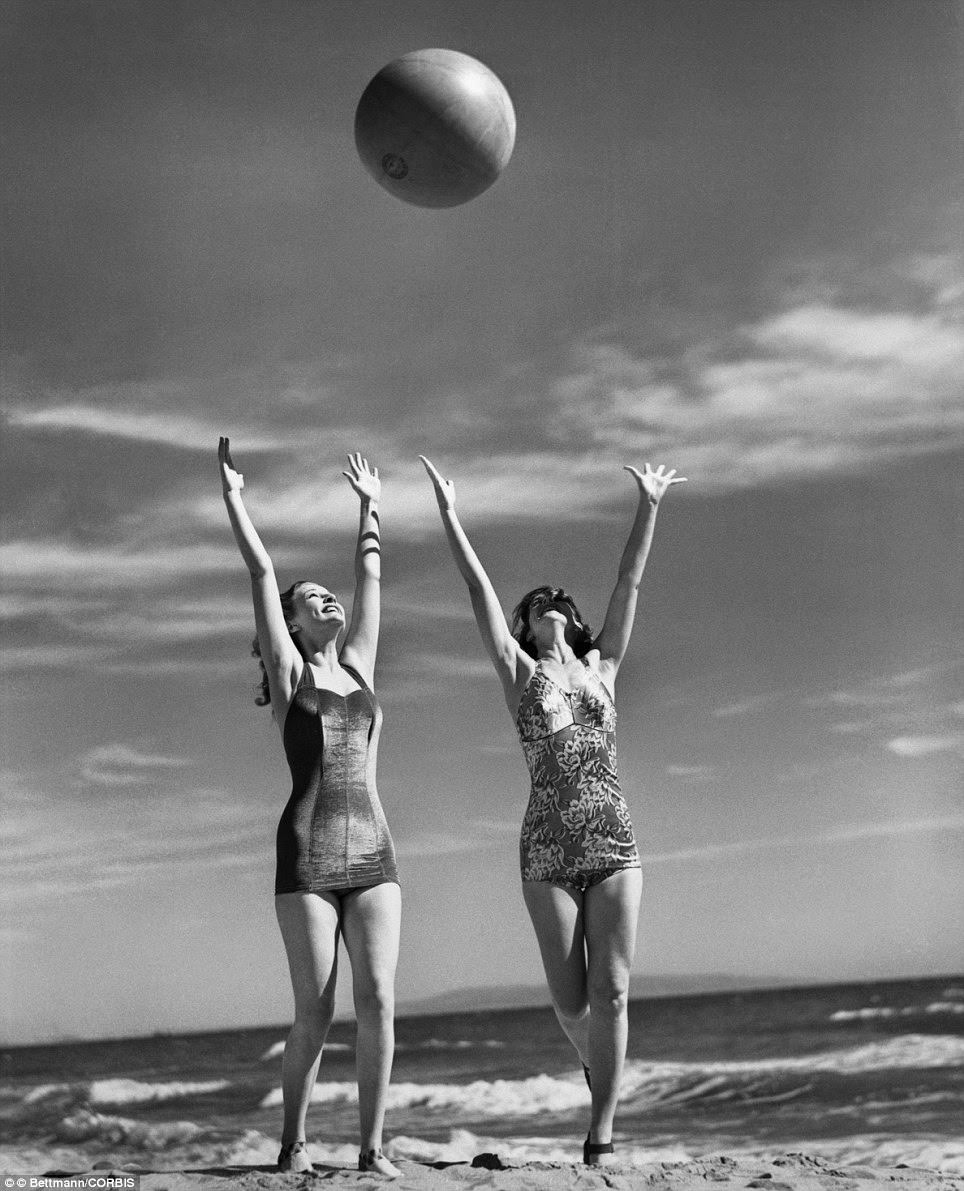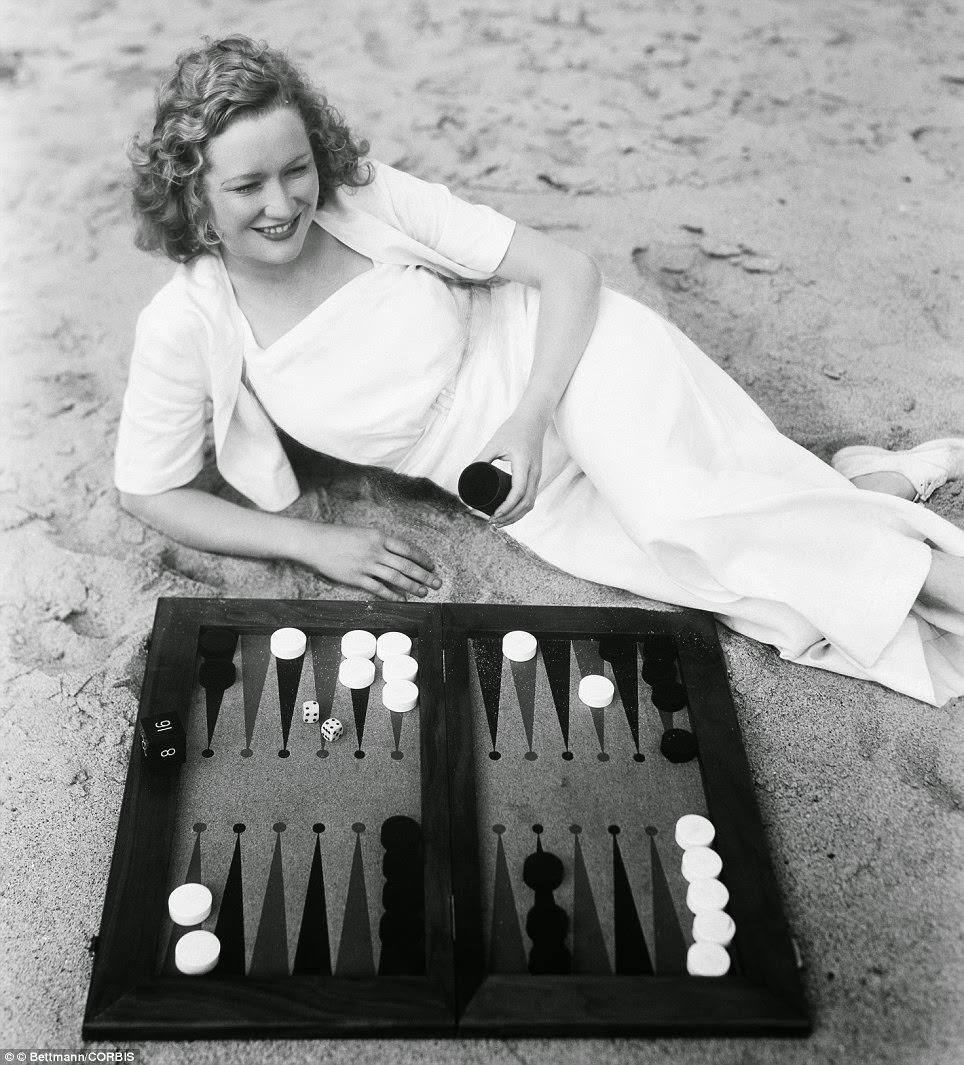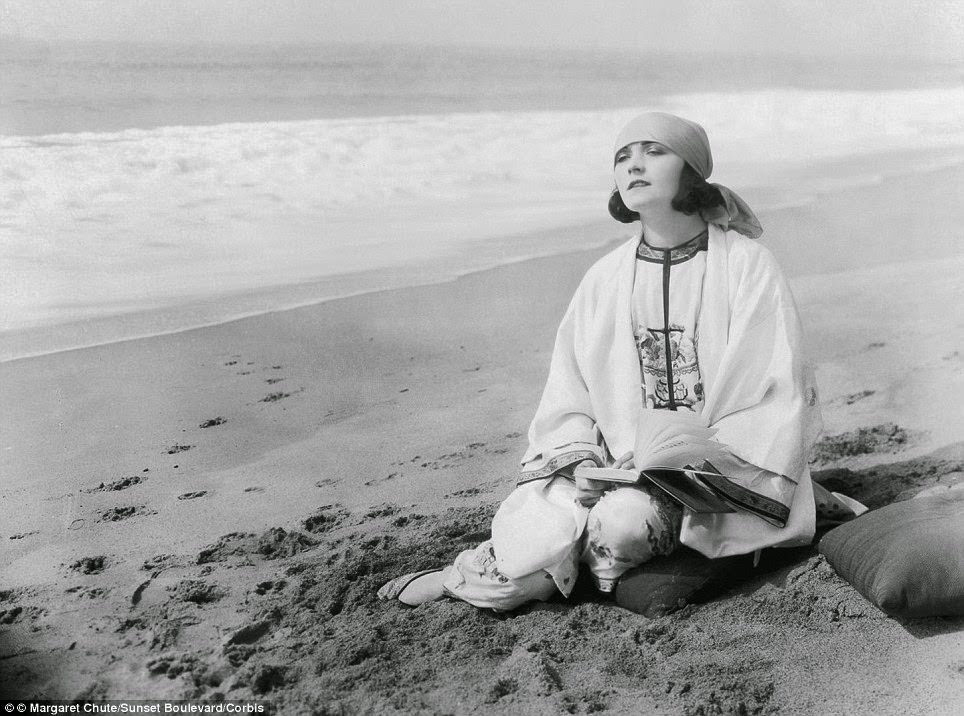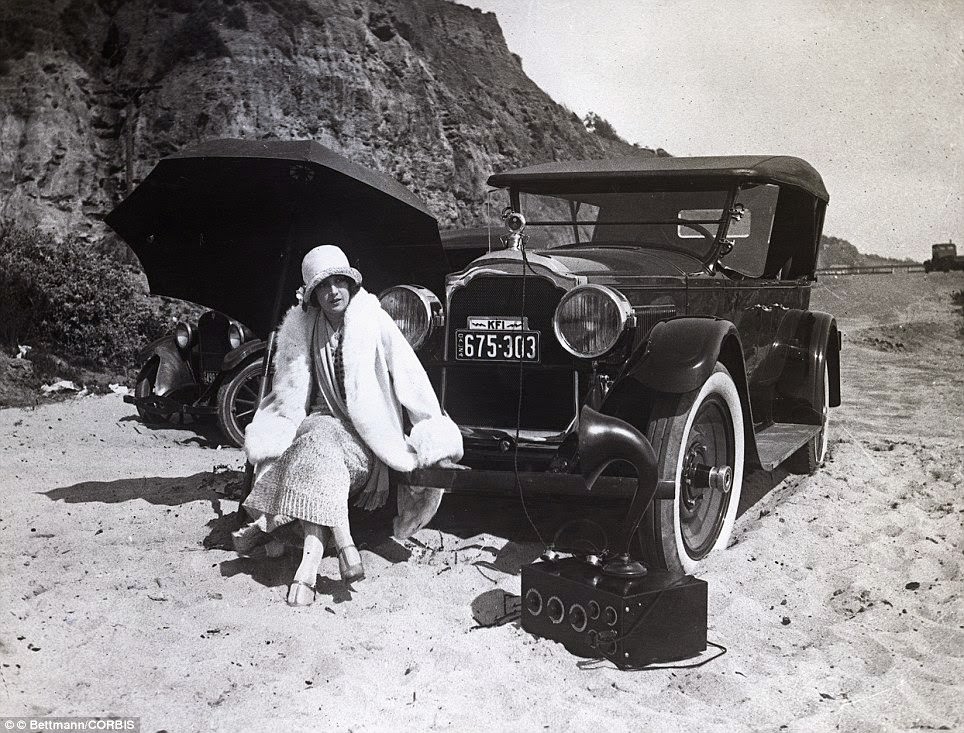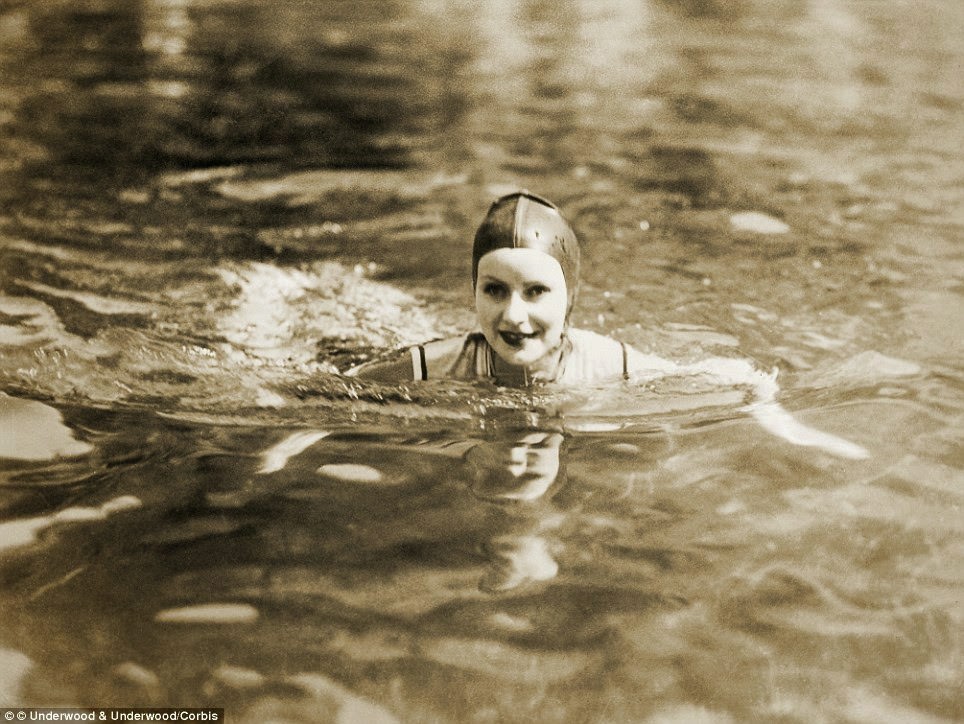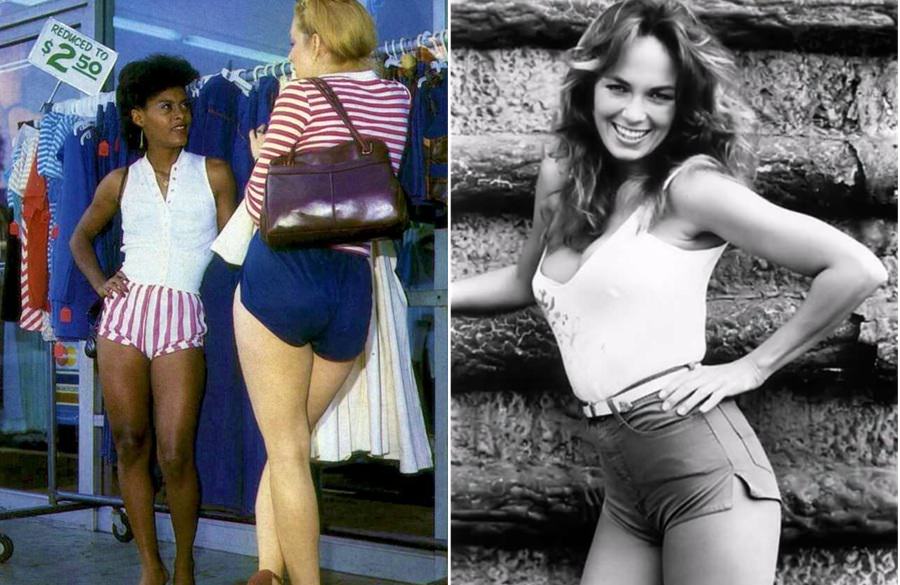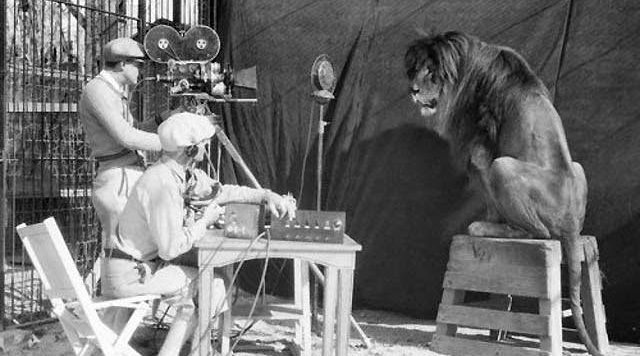

Los Angeles gave Hollywood something no other film capital in the world could offer — a coastline minutes from the studio lot. During the golden age of Hollywood and the decades that followed, the beaches of Santa Monica, Malibu, and Venice became extensions of the industry itself. Actresses showed up to relax, to be photographed, and to exist outside the controlled environment of the studio — though the cameras always followed.
The Silent Era Stars
The earliest Hollywood actresses to be photographed on Los Angeles beaches came from the silent film era, when the studios were still establishing themselves in Southern California and the beach was already a fixture of local life.
Pola Negri, the Polish-born actress who became one of the biggest stars of the silent era, was photographed on L.A. beaches during the height of her fame in the early 1920s. Her presence on the sand carried the same dramatic intensity she brought to her screen performances. Estelle Taylor, who appeared in major productions throughout the 1920s, was another regular subject for beach photographers during this period.
Read more..
For silent era actresses, beach photographs served a specific publicity function. The studios needed images that showed their stars as real people with real lives outside the carefully constructed personas of their films. The beach provided a setting that was simultaneously glamorous and accessible — a place where a movie star could appear relaxed without the image losing its aspirational quality.
The Studio System Years
Through the 1930s and 1940s, the major studios maintained tight control over how their contract players were photographed in public settings. Beach photographs from this era were frequently arranged by studio publicity departments, with specific photographers given access in exchange for images the studio could approve before publication.
The swimwear actresses wore on these occasions was chosen carefully. The Production Code, which governed what was acceptable in American entertainment from 1934 onward, extended informally into publicity photography. Swimsuits were one-piece, coverage was substantial by modern standards, and poses were reviewed before any image went to press.
Despite this control, the beach photographs from the 1930s and 1940s have a quality of ease that formal studio portraits lack. The natural light, the open space, and the physical activity of being at the beach produced images that felt genuinely candid even when they were staged.
Malibu and the Postwar Years
The postwar period loosened things considerably. The Production Code’s grip weakened through the 1950s, swimwear became more revealing, and the relationship between Hollywood and the beach shifted from carefully managed publicity to something closer to actual leisure.
Malibu became the preferred destination for working actresses during this era. The beach colony at Malibu, where studios and entertainment figures owned or rented properties, gave stars a genuinely private stretch of coastline where they could spend time without being in full public view. The photographs that emerged from this period have a different character — less posed, more spontaneous, taken by photographers who had been invited into a social environment rather than arranged by a publicity office.