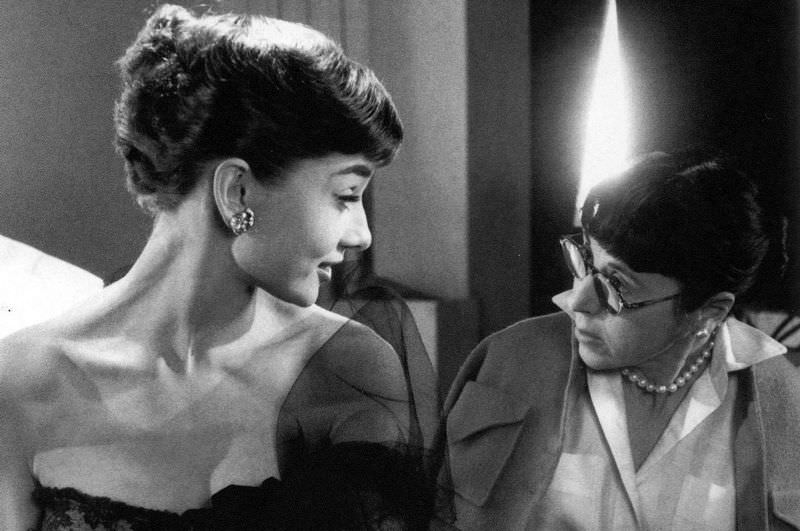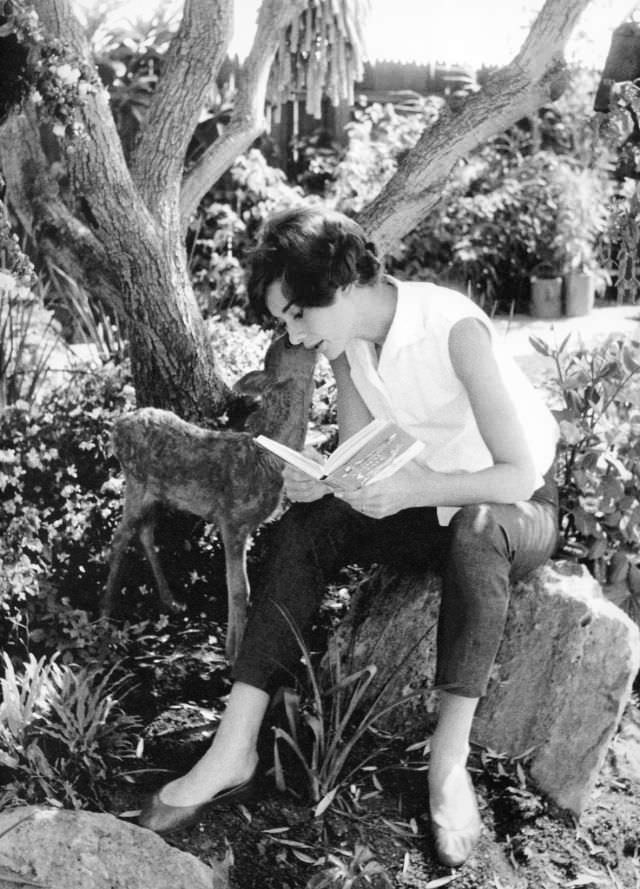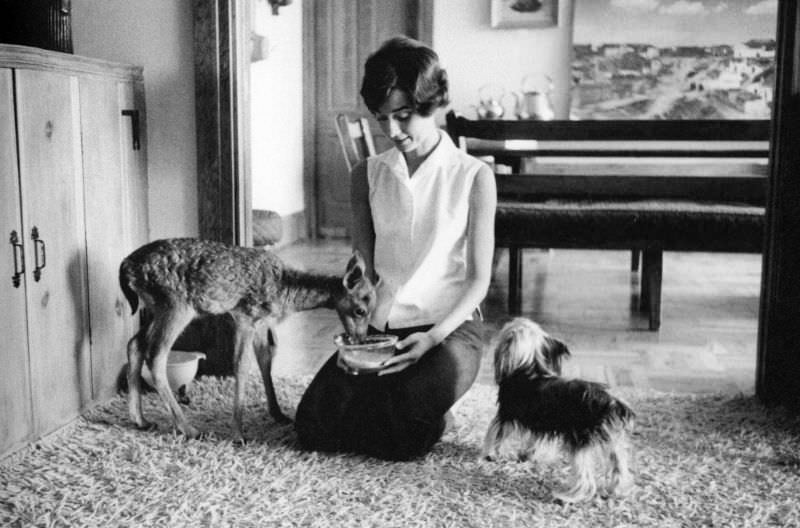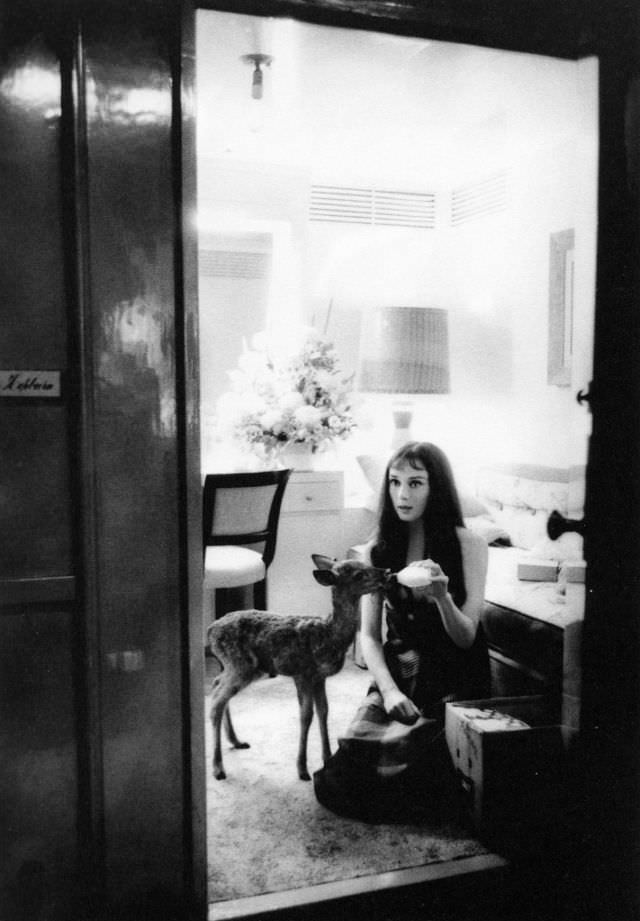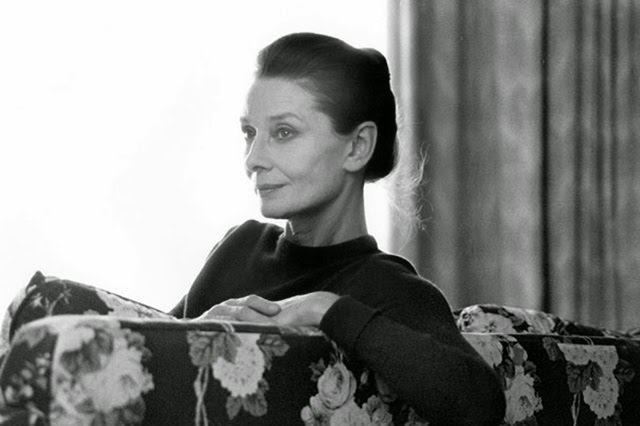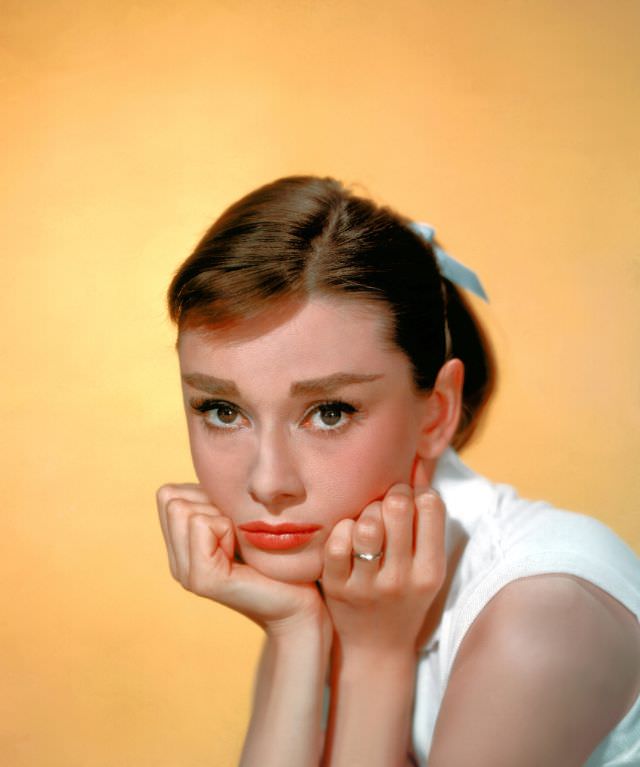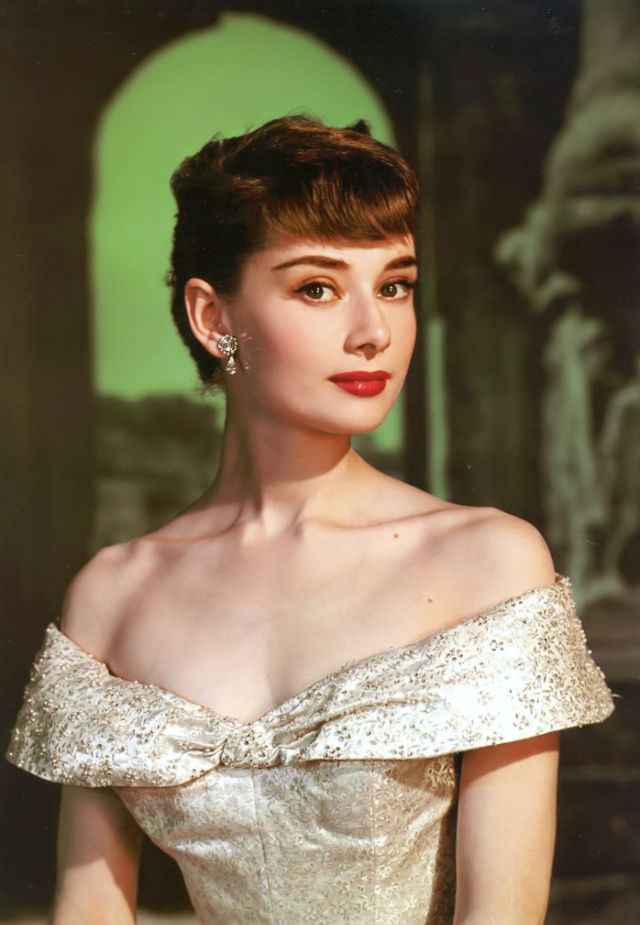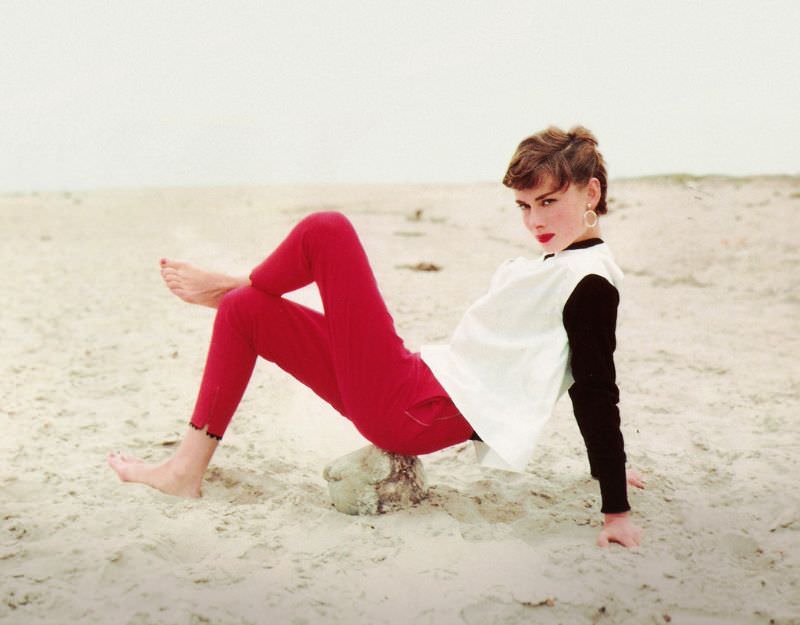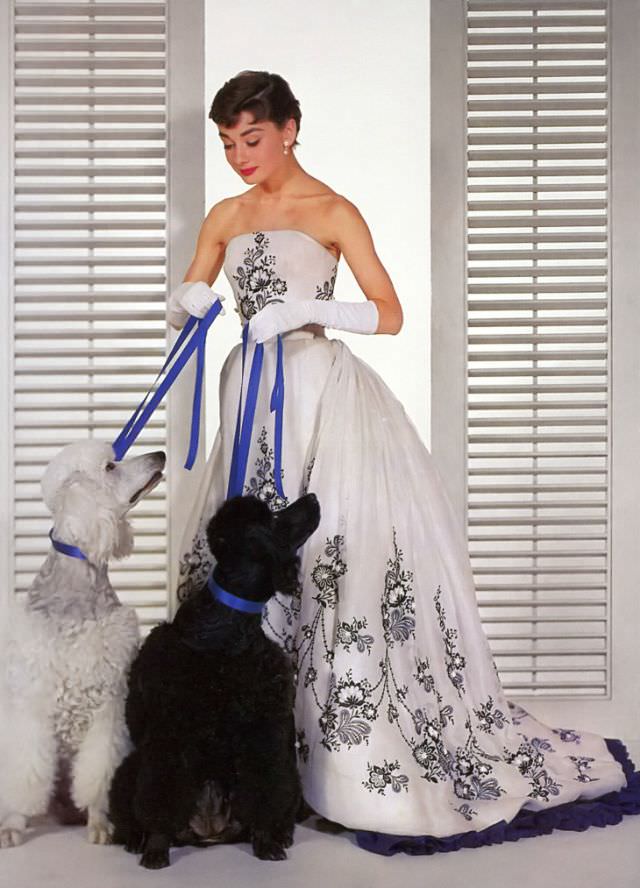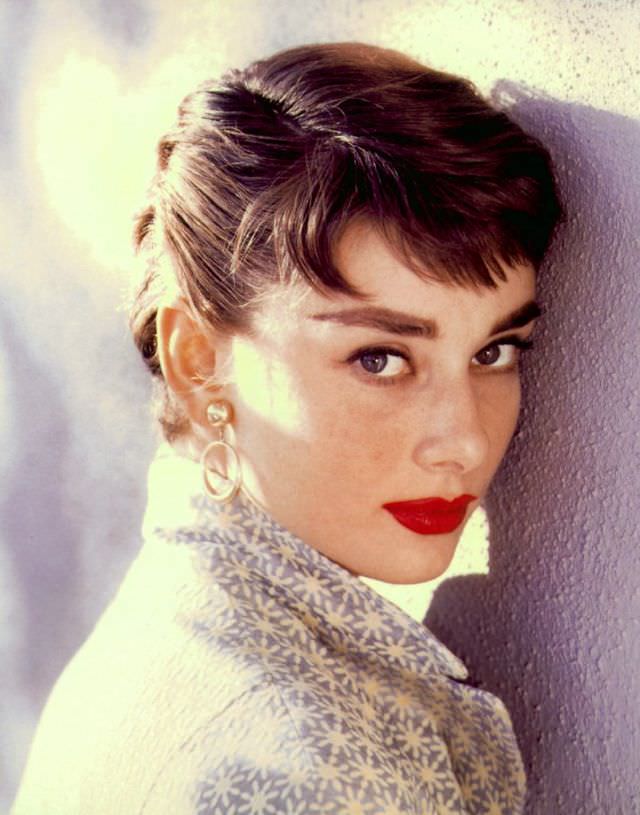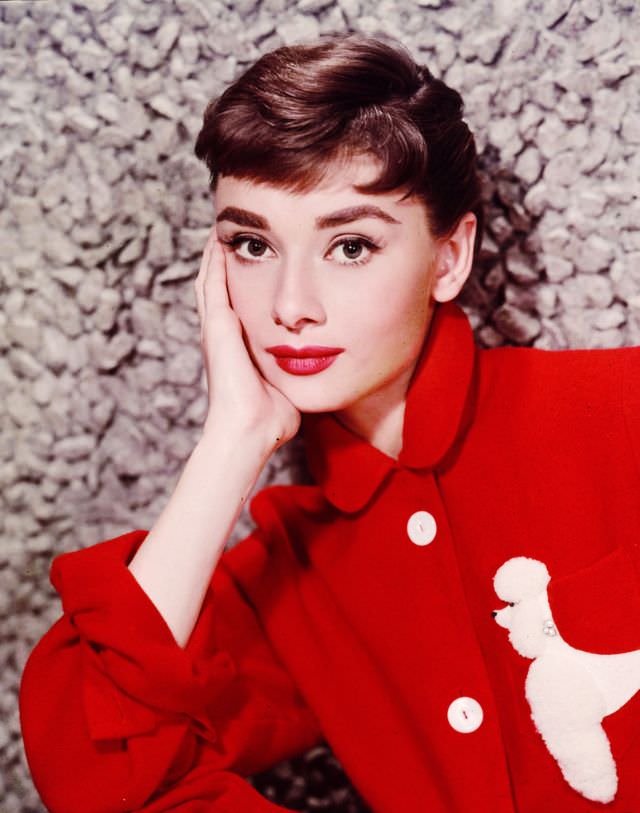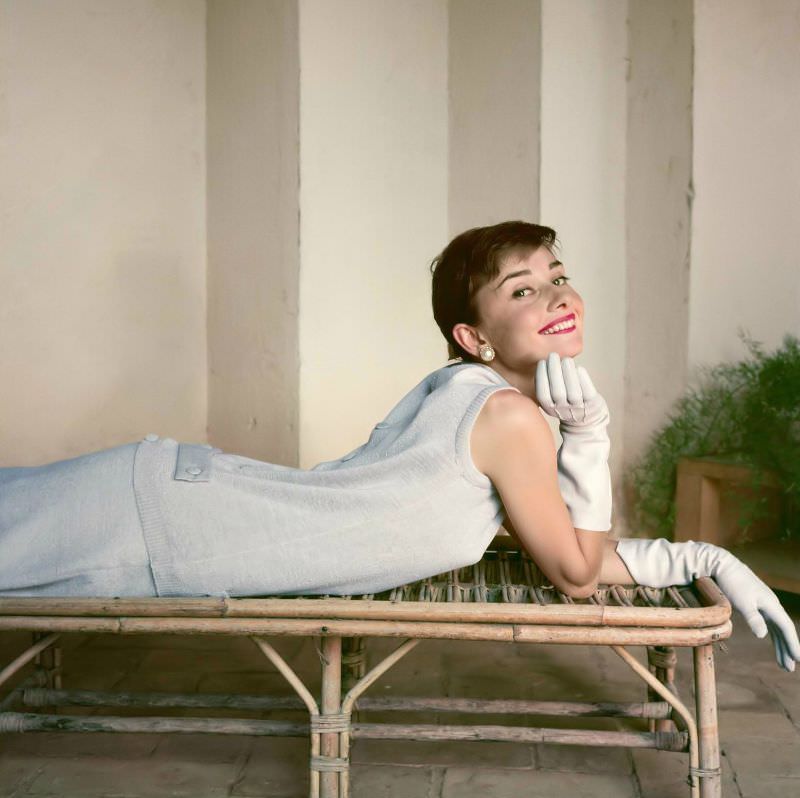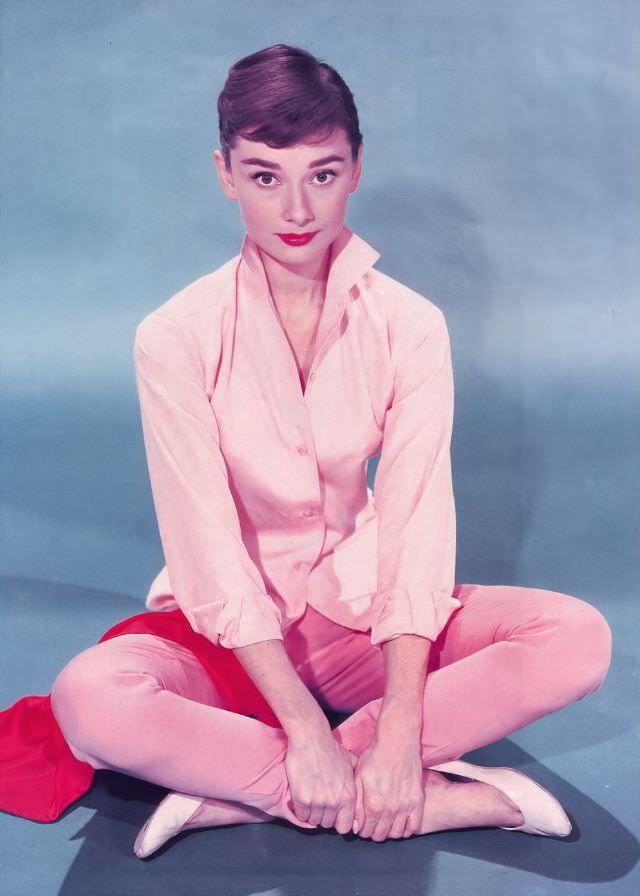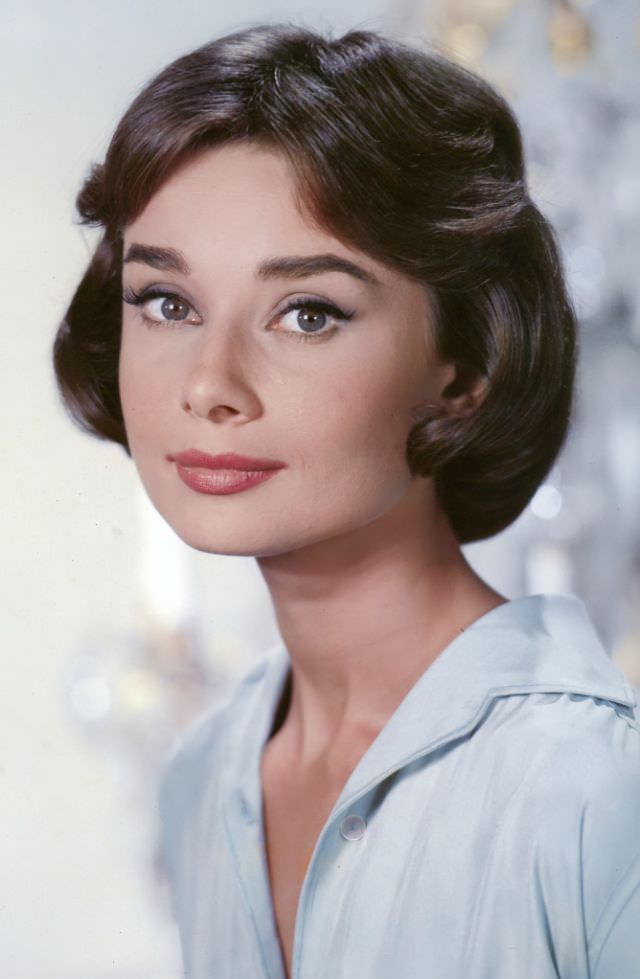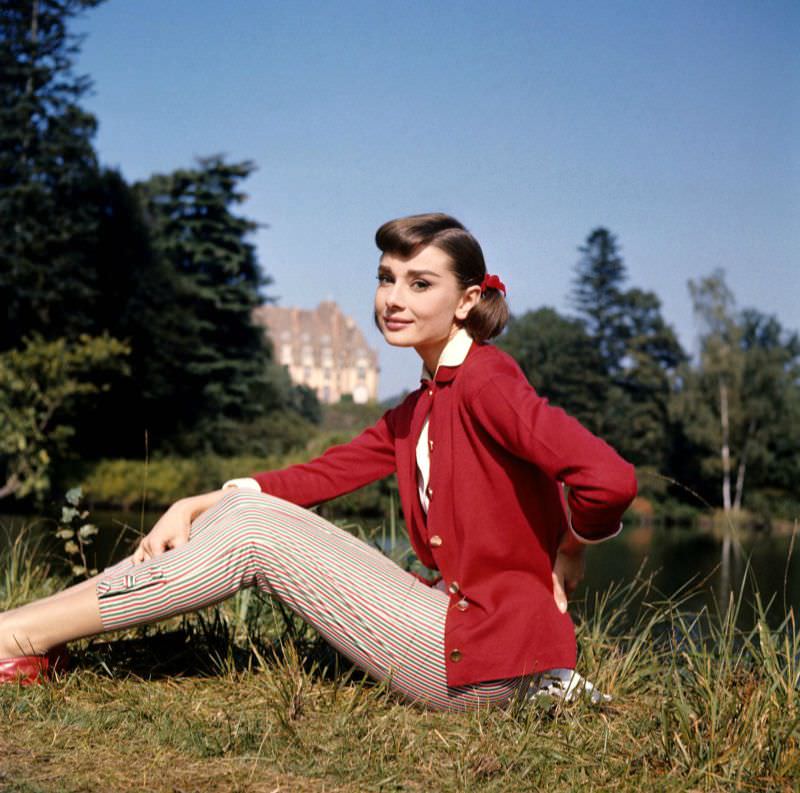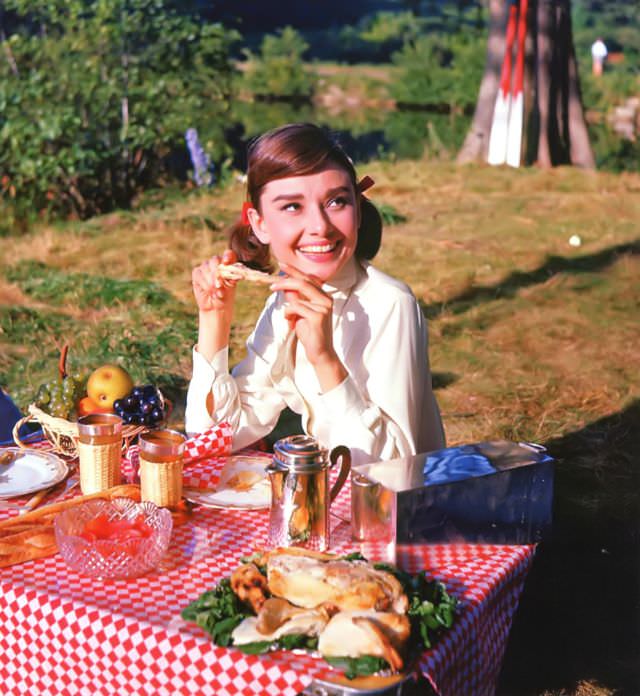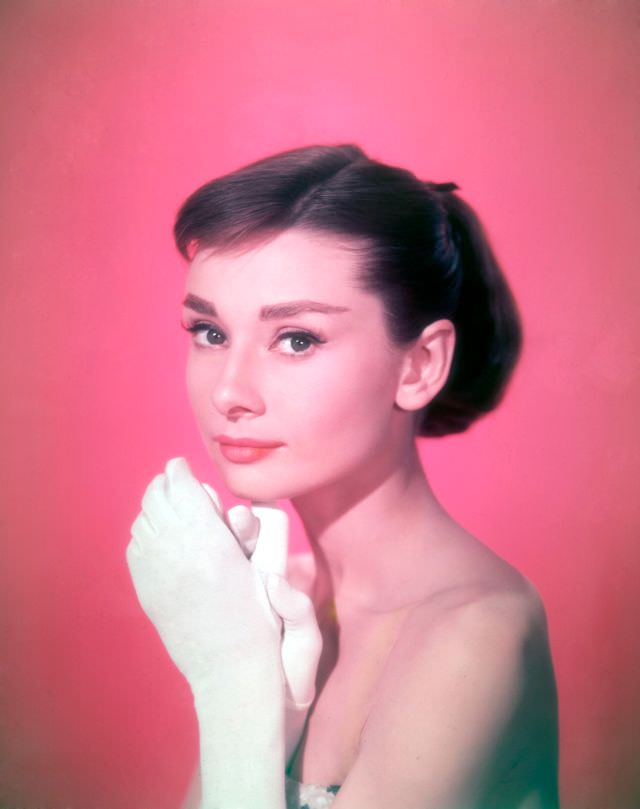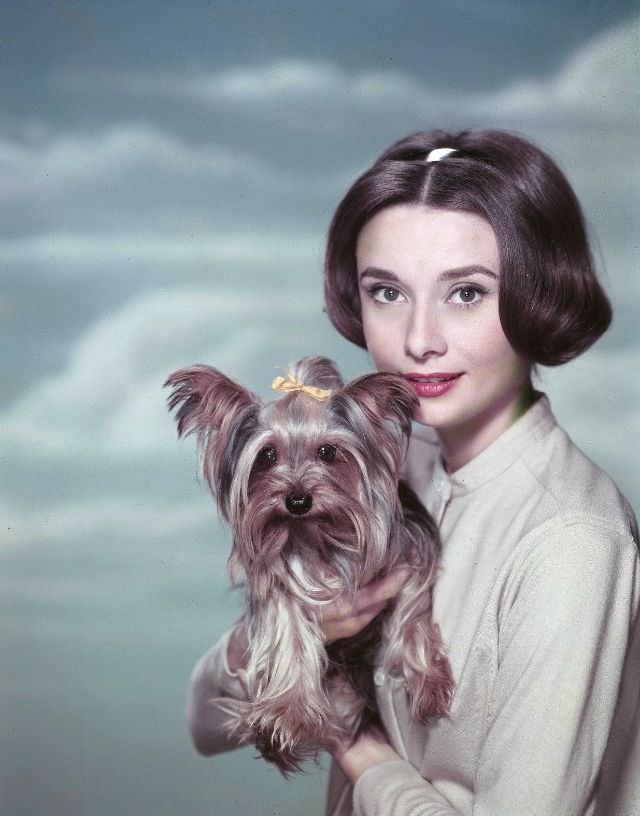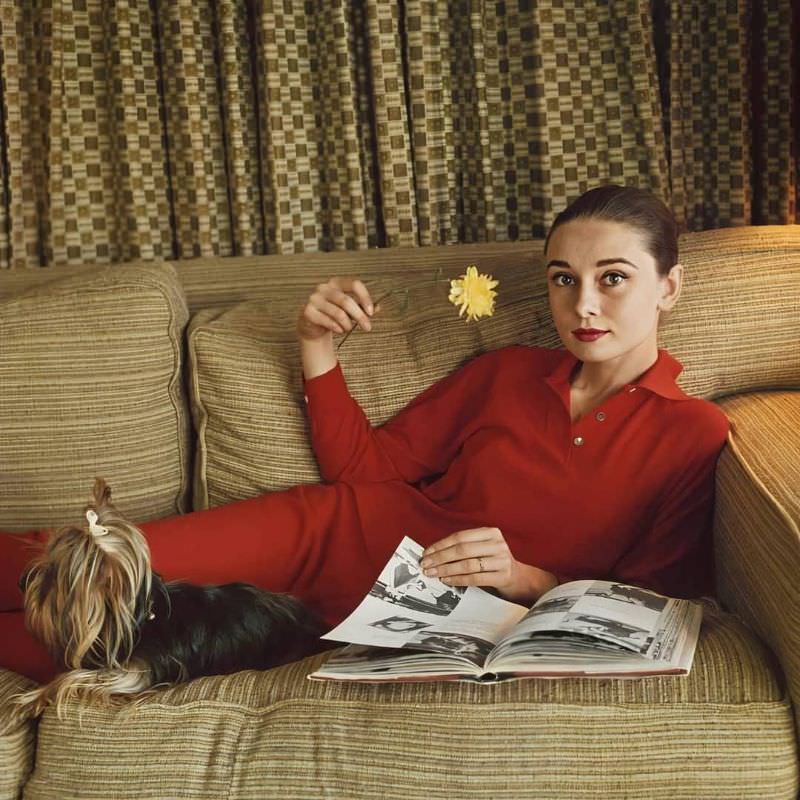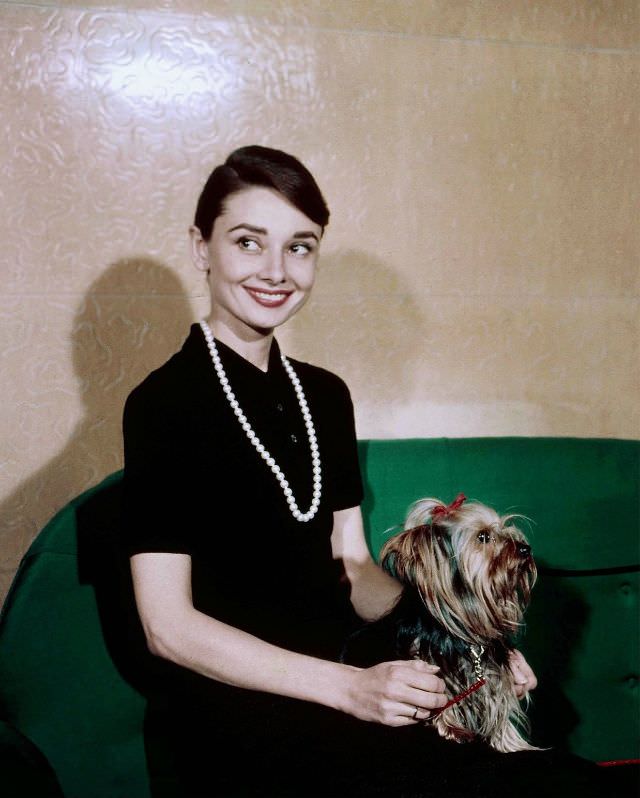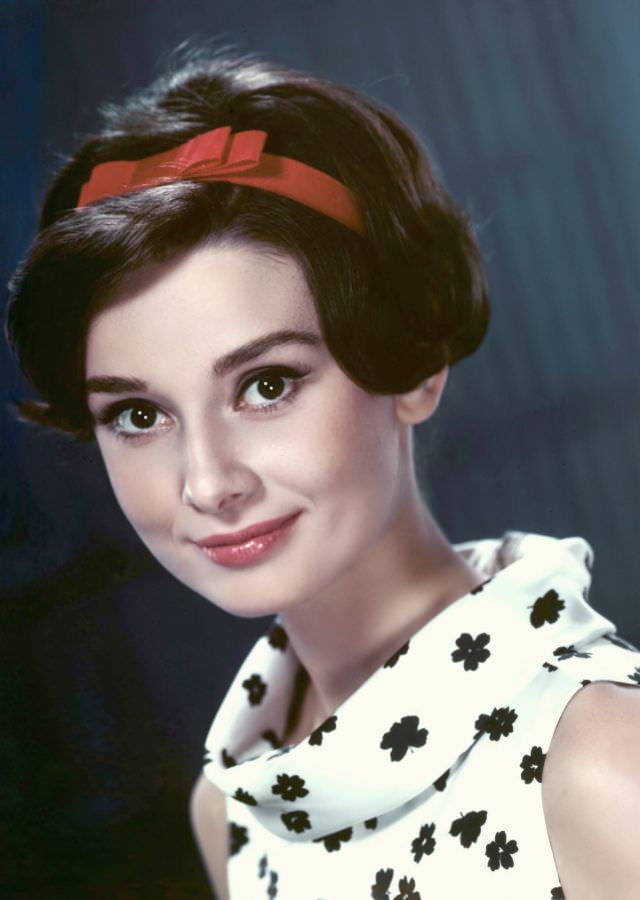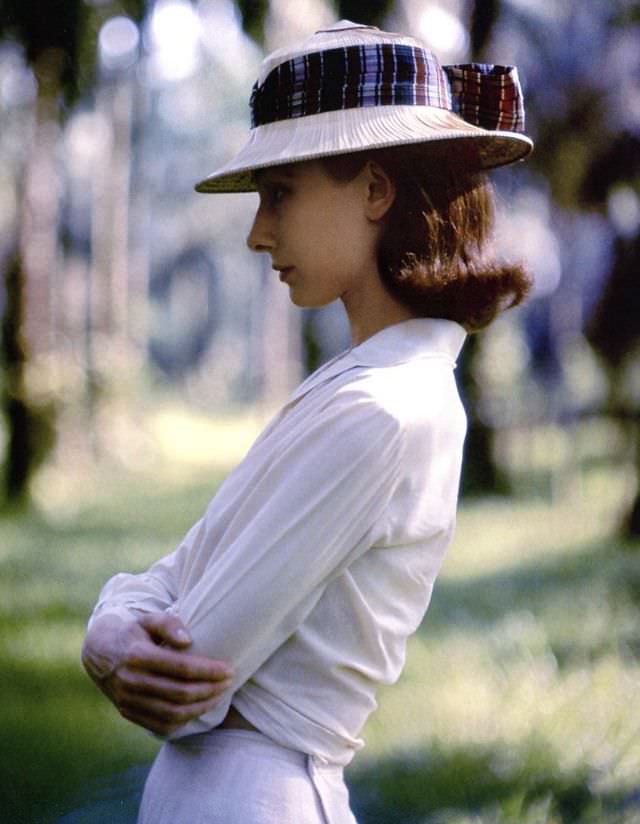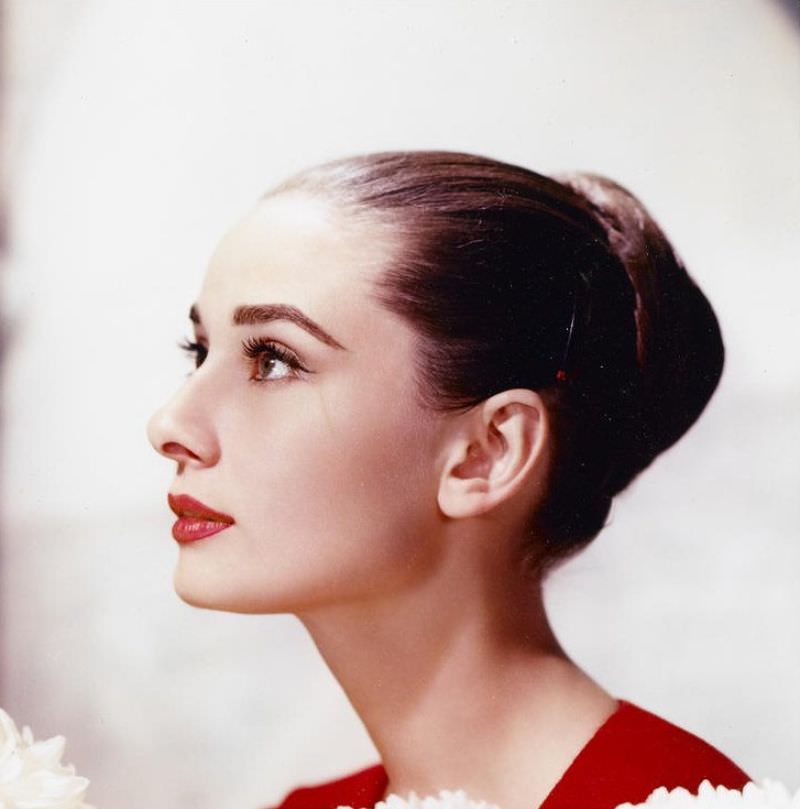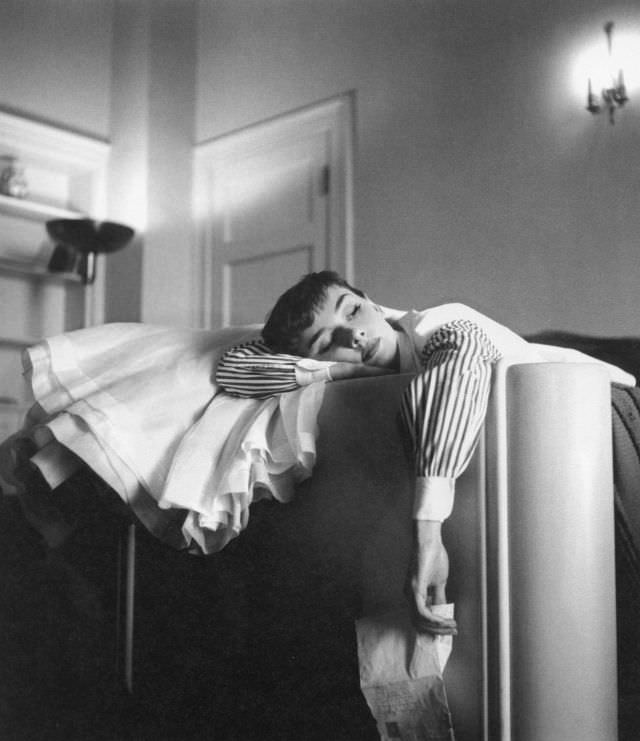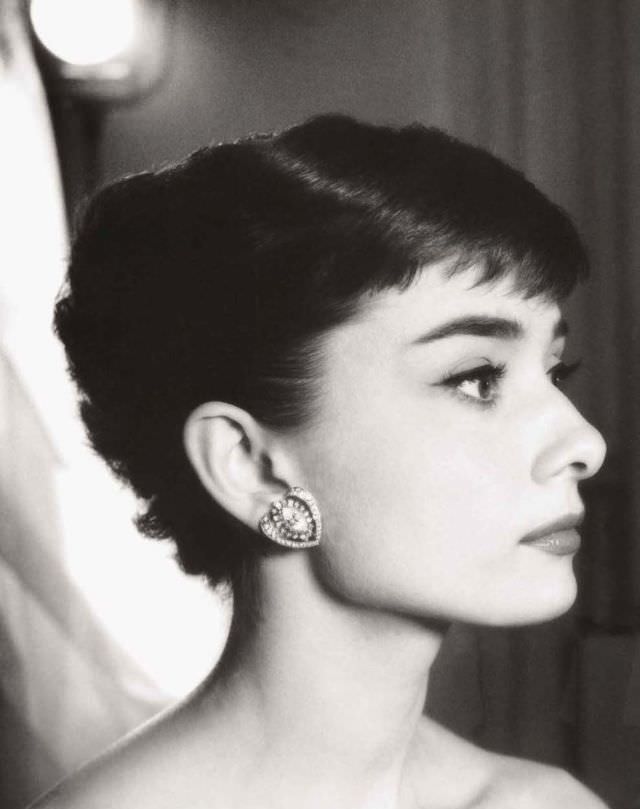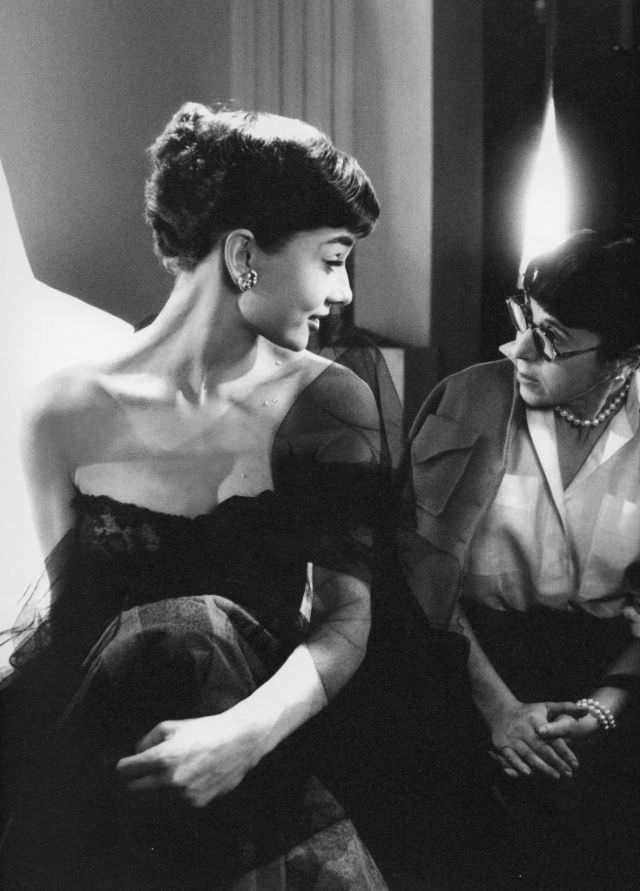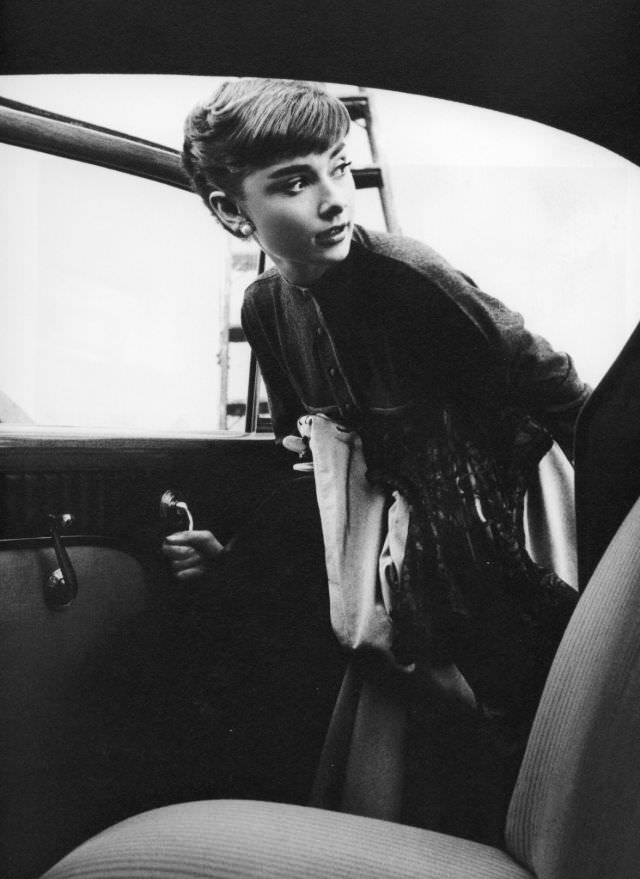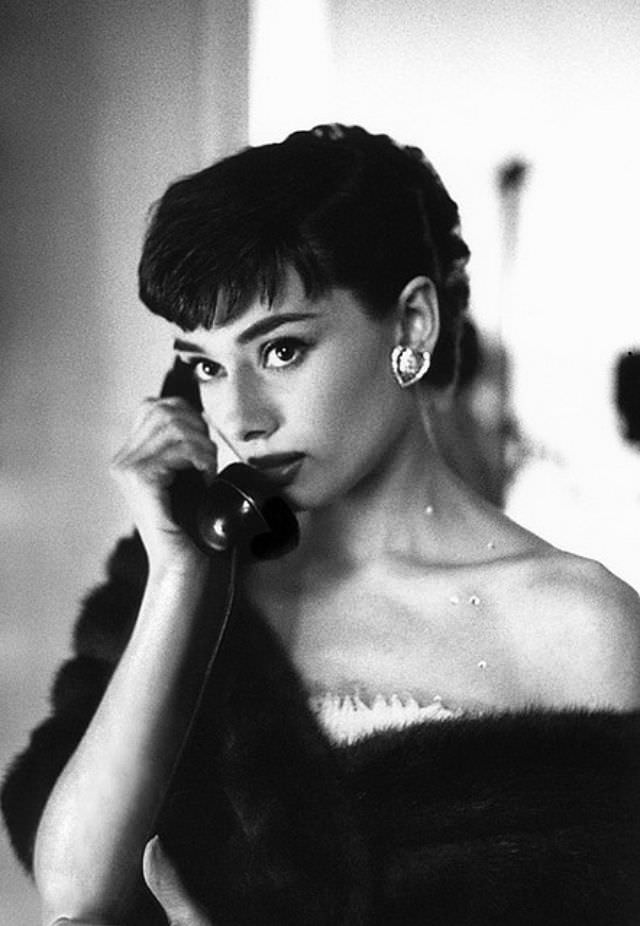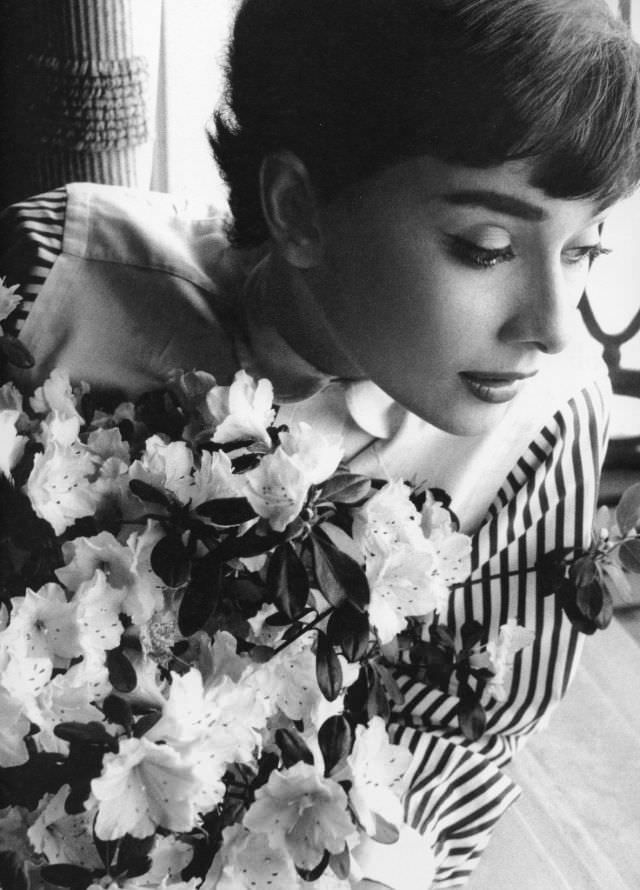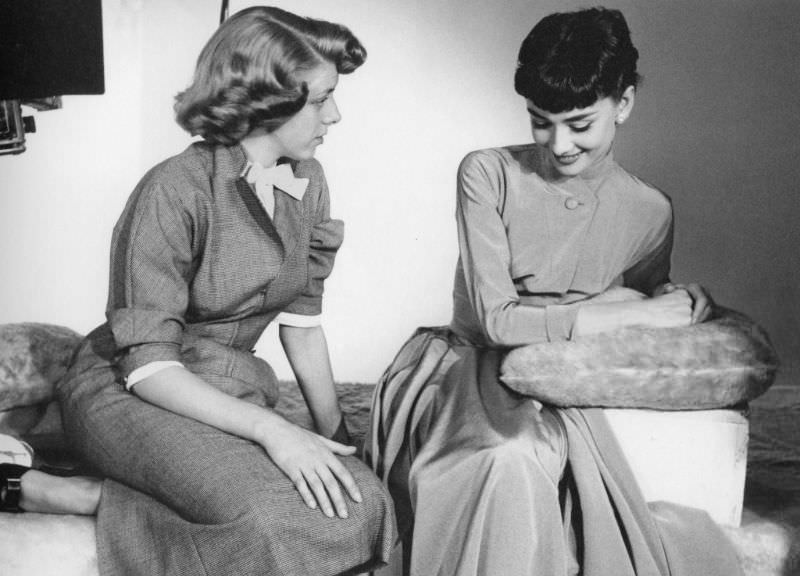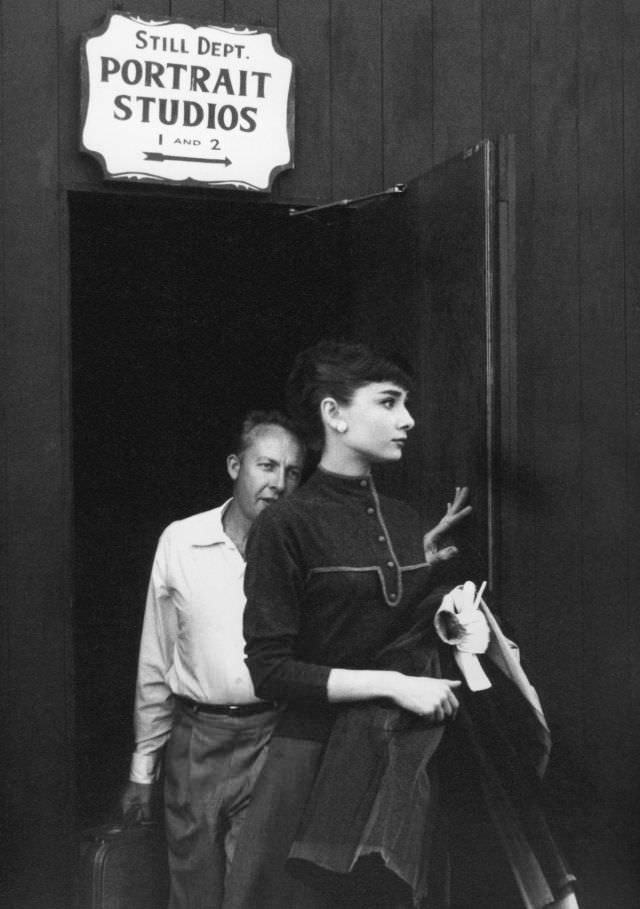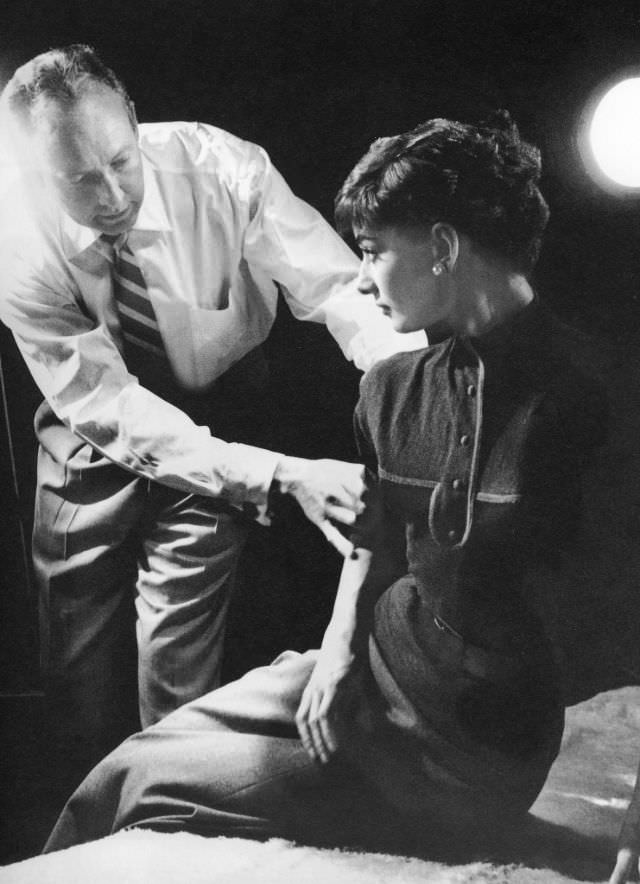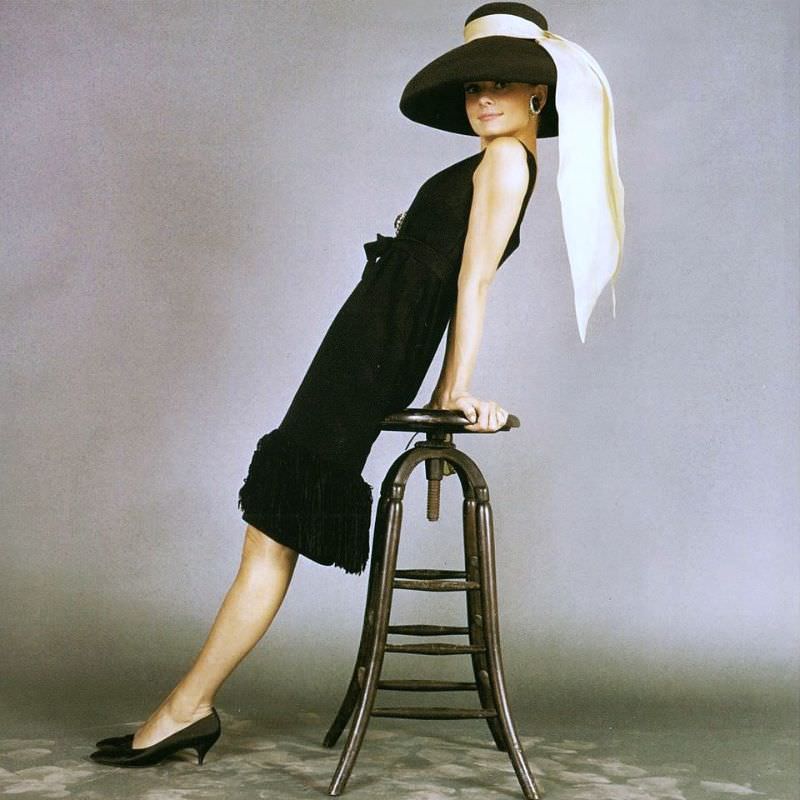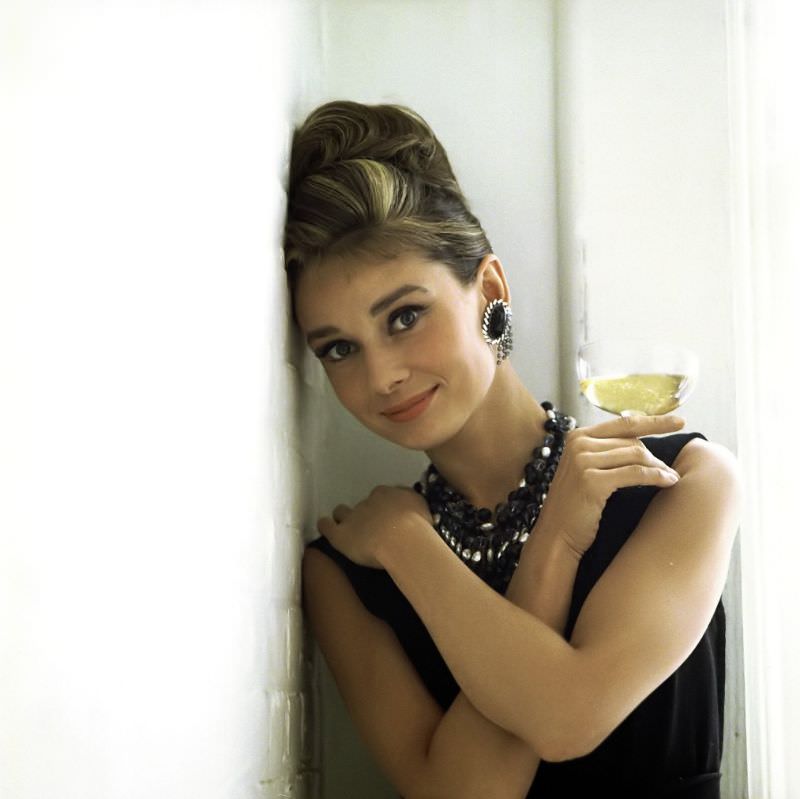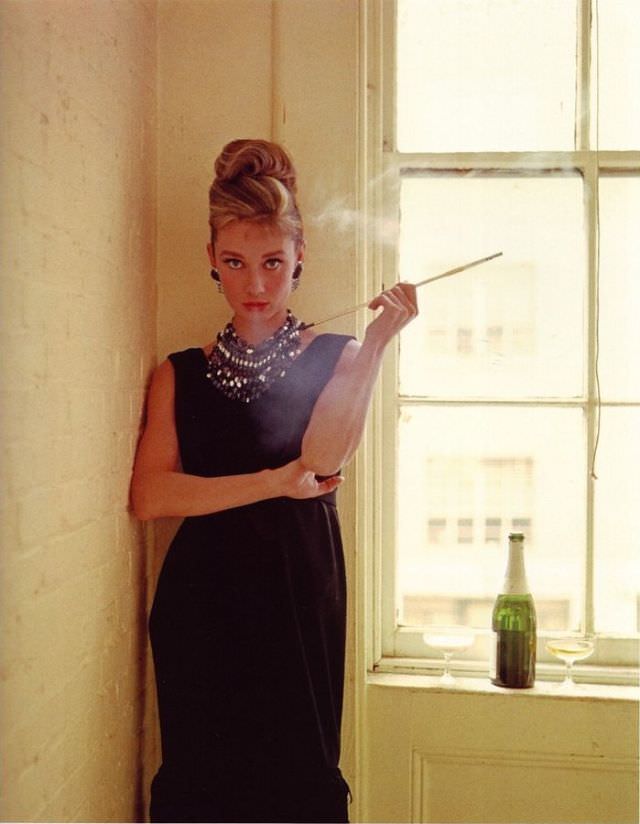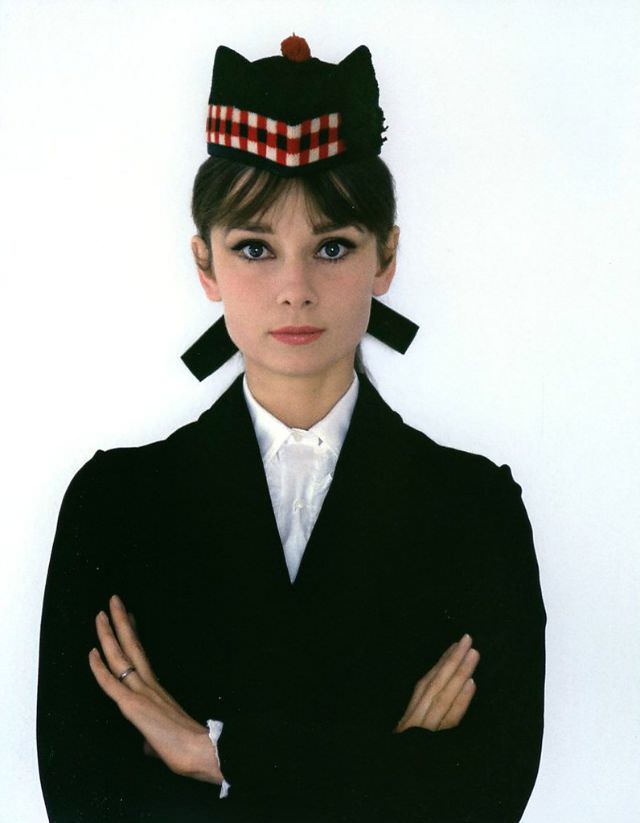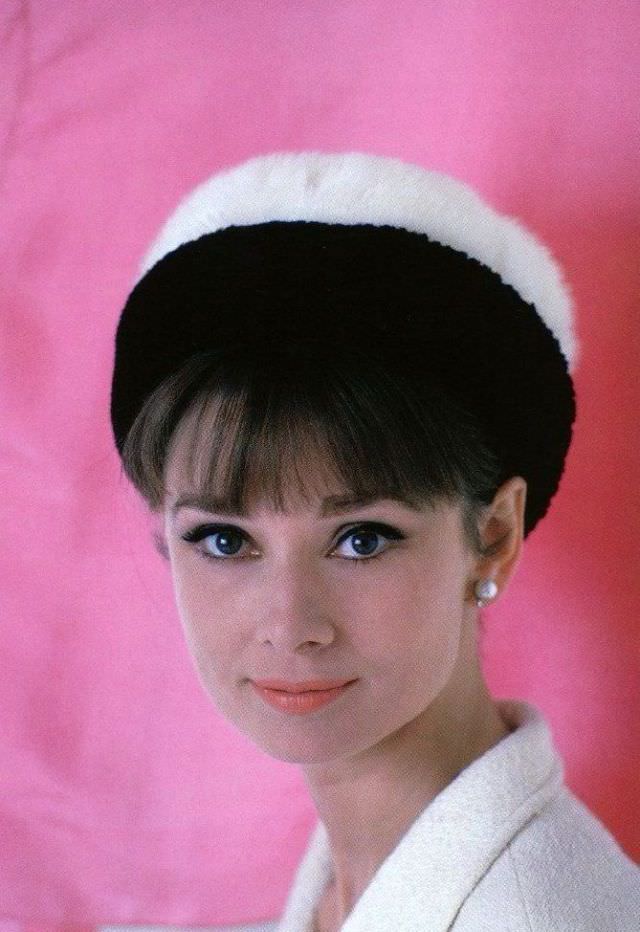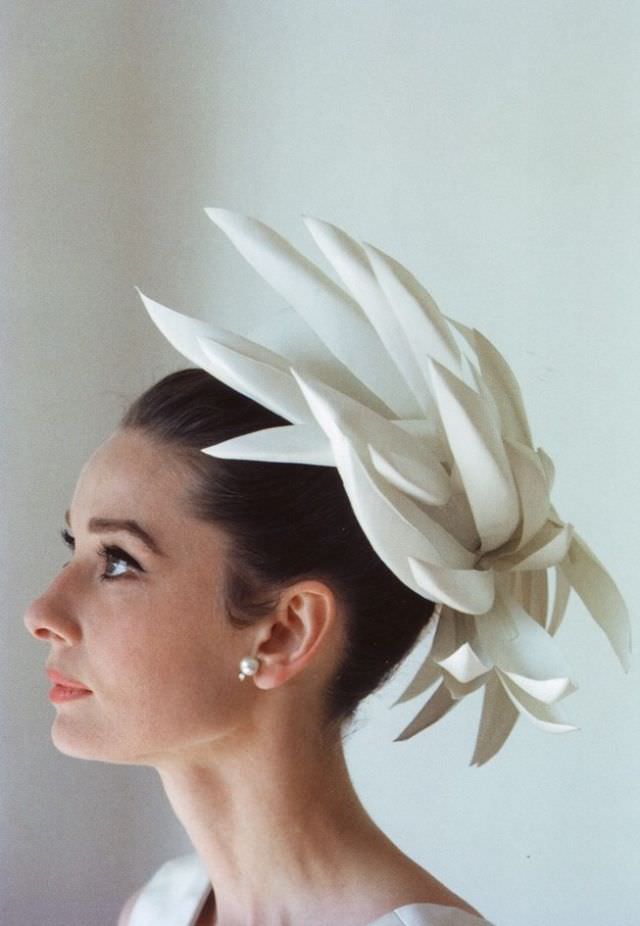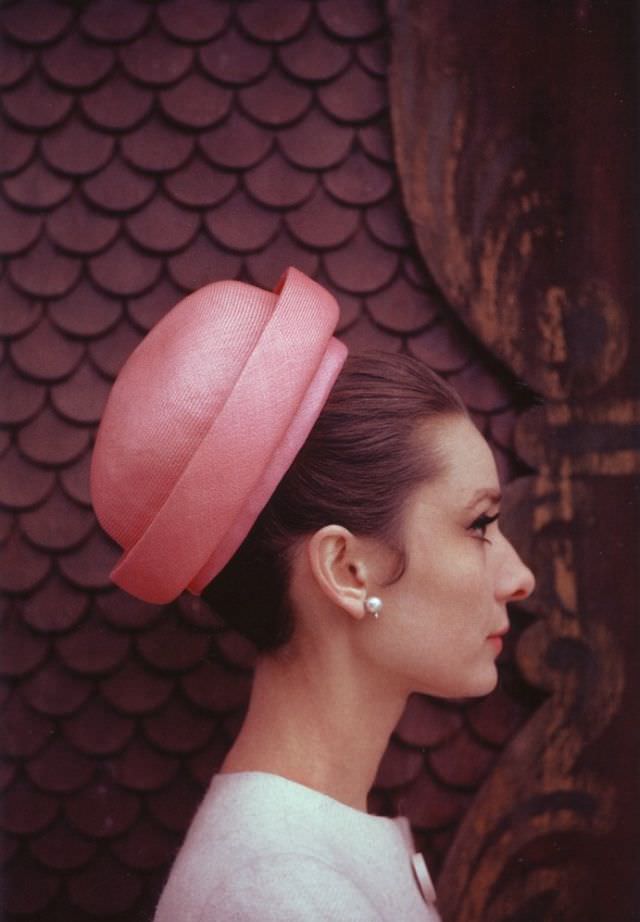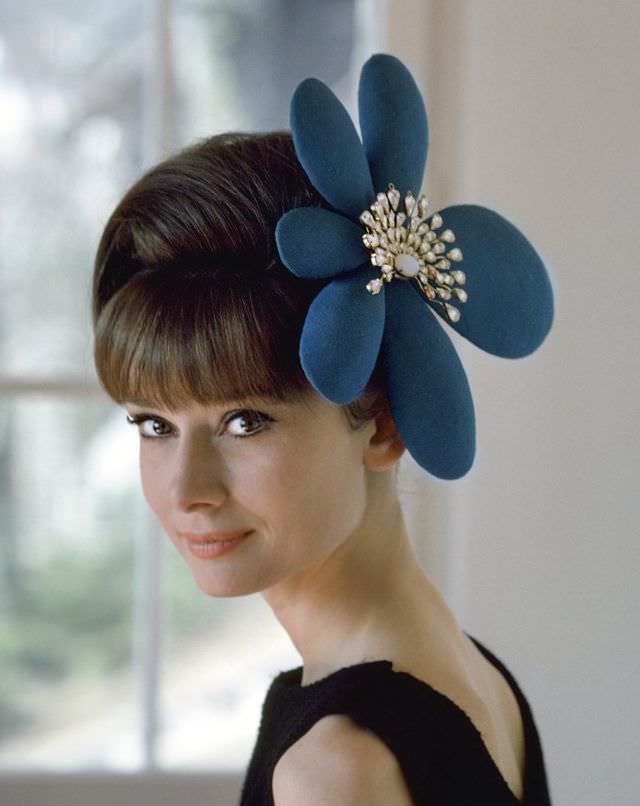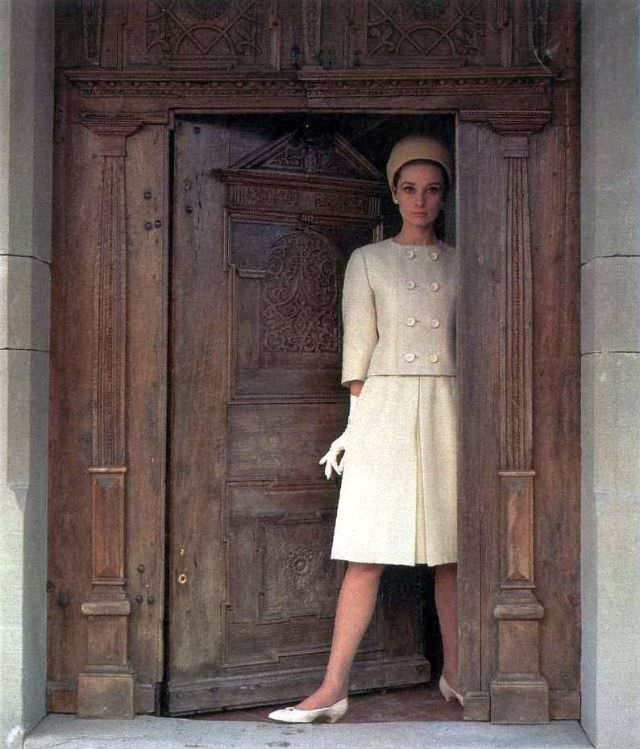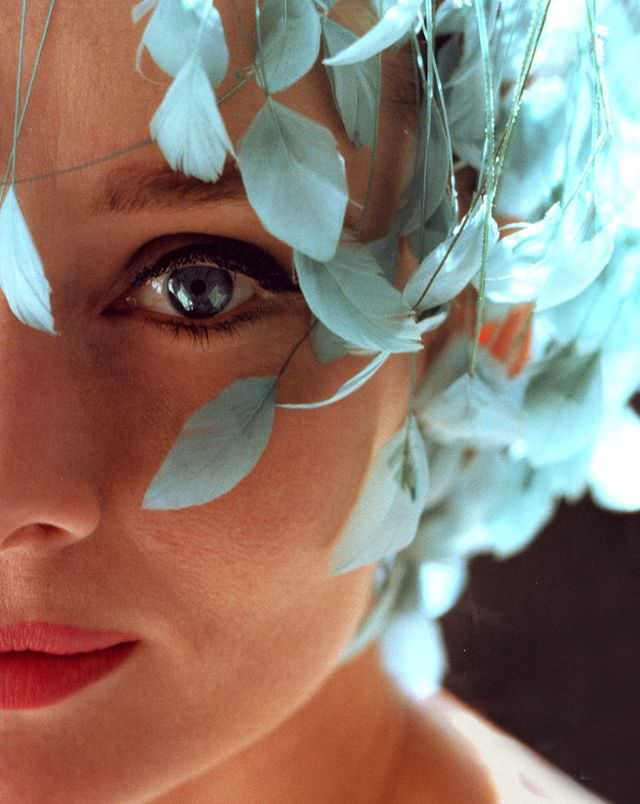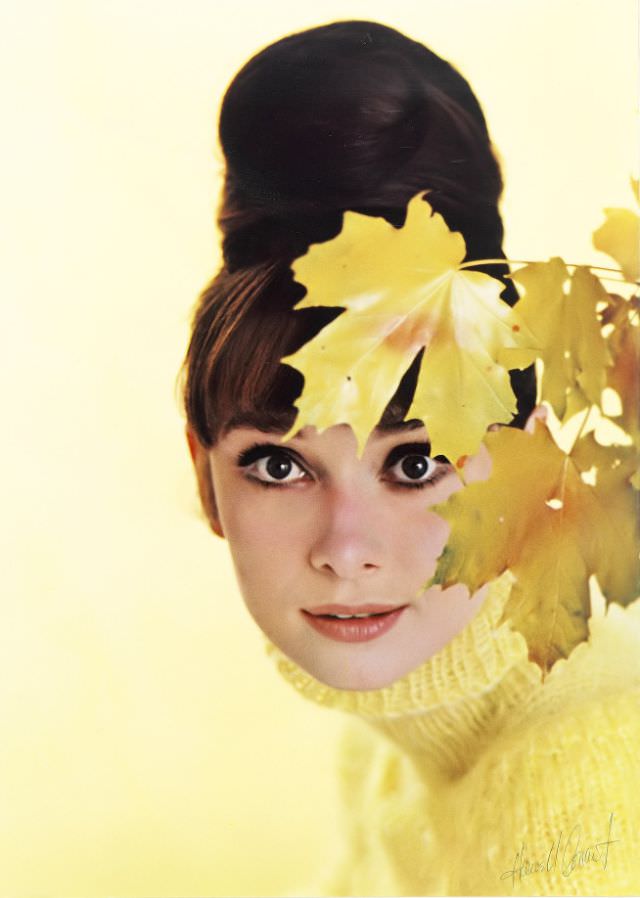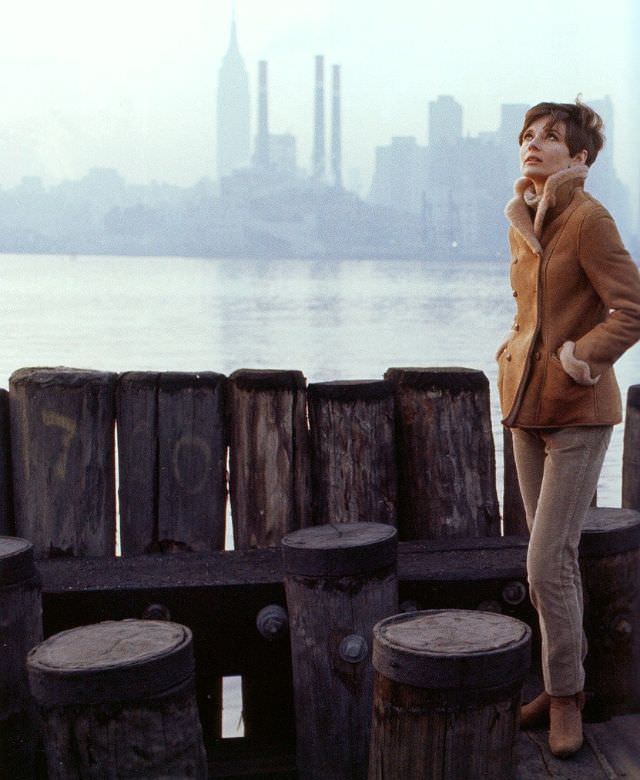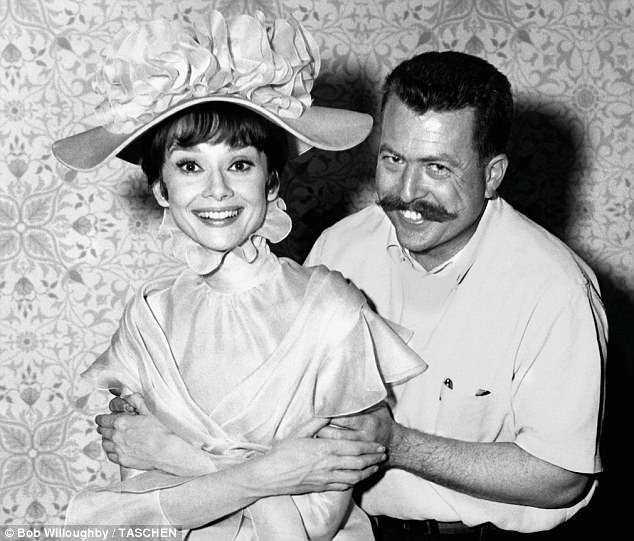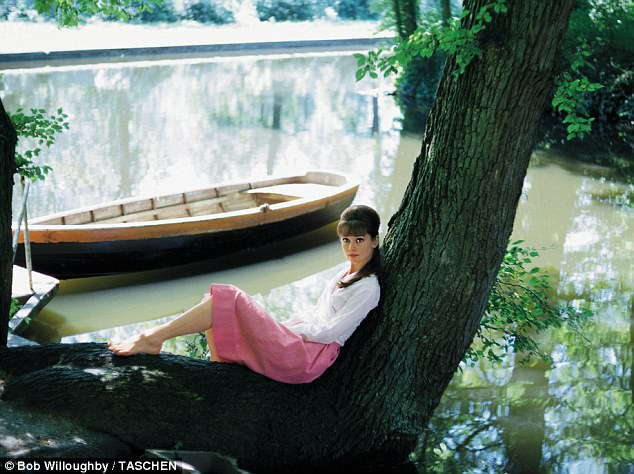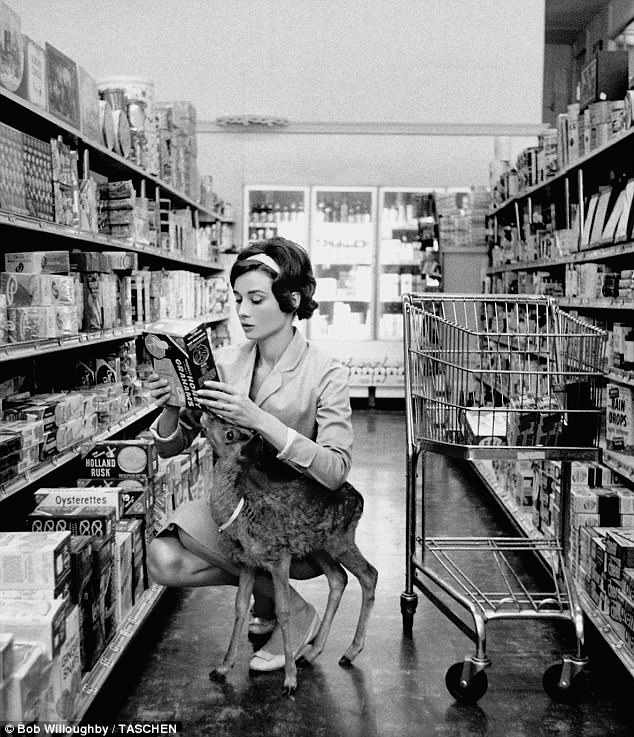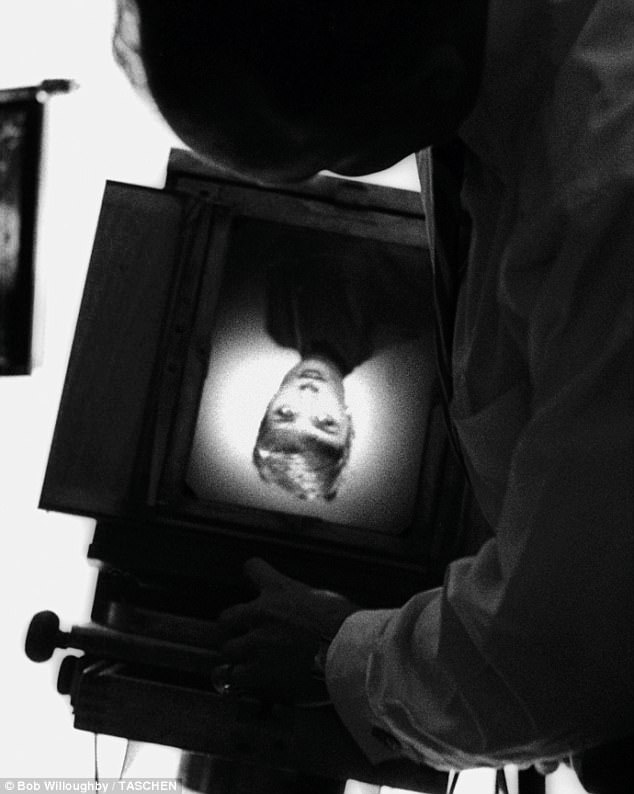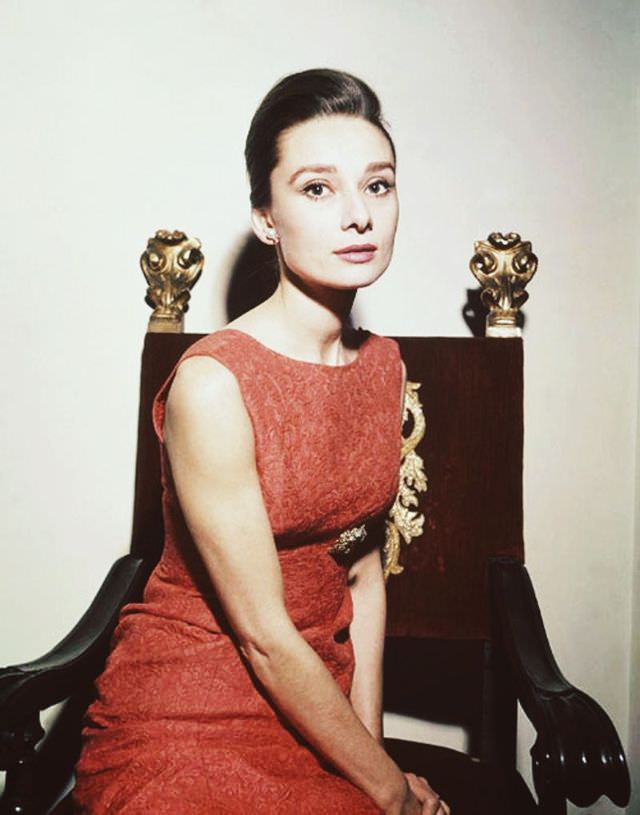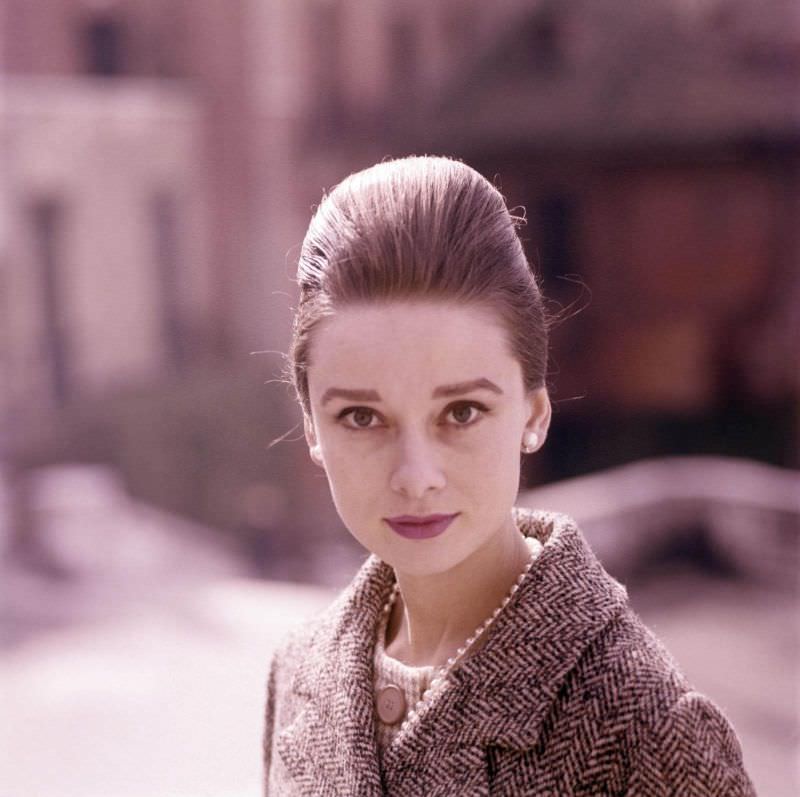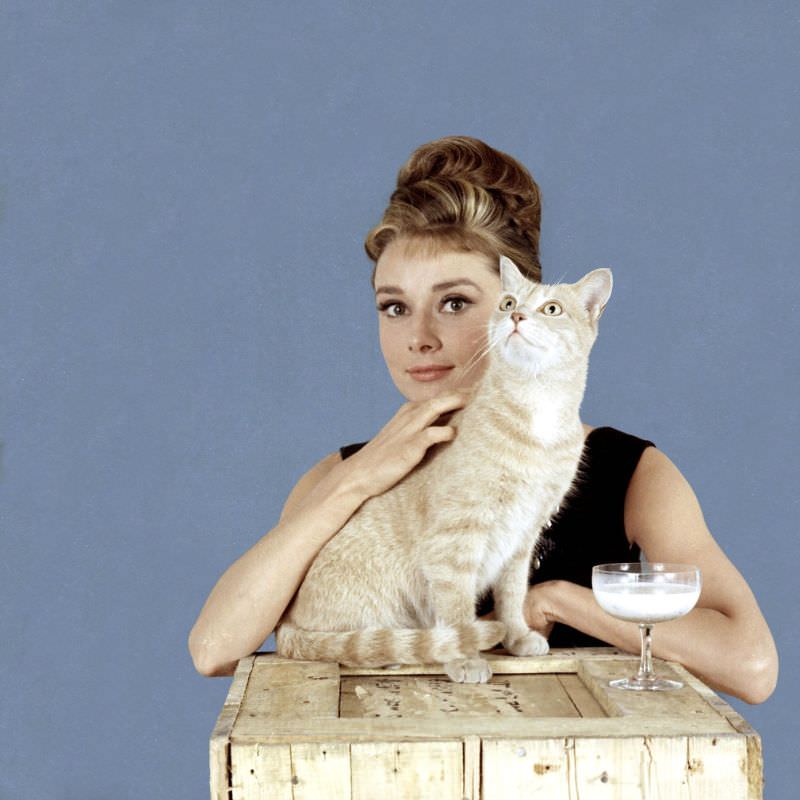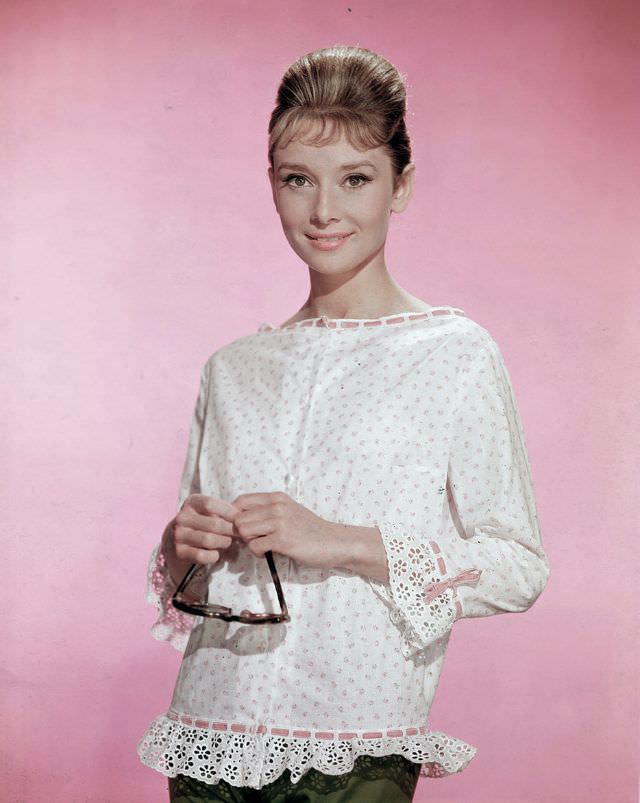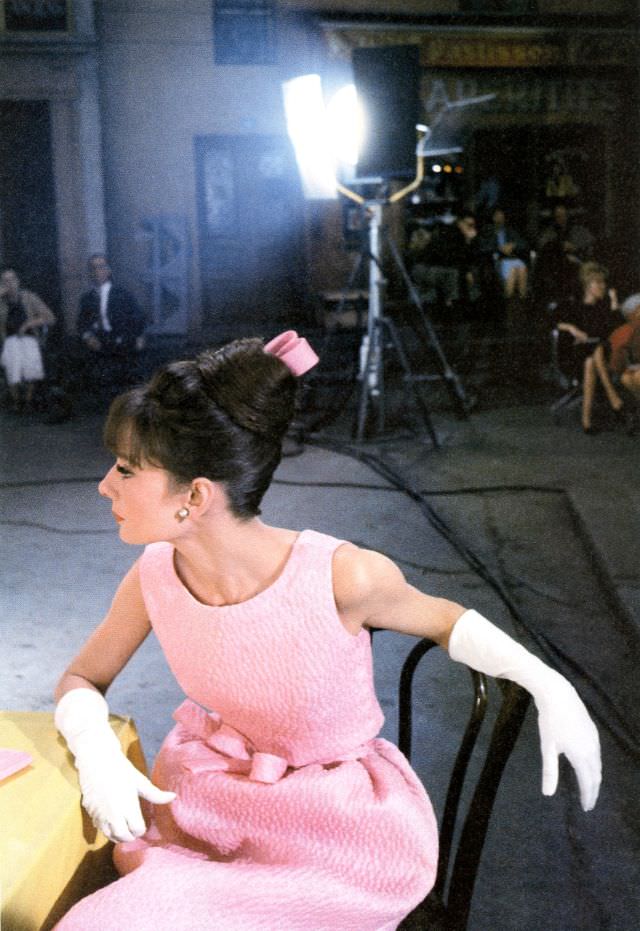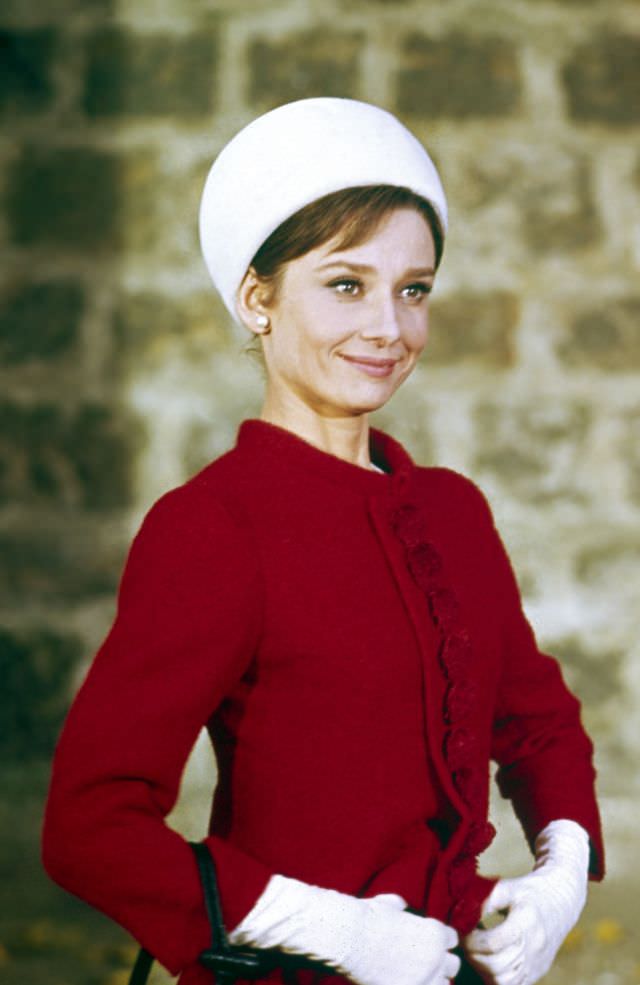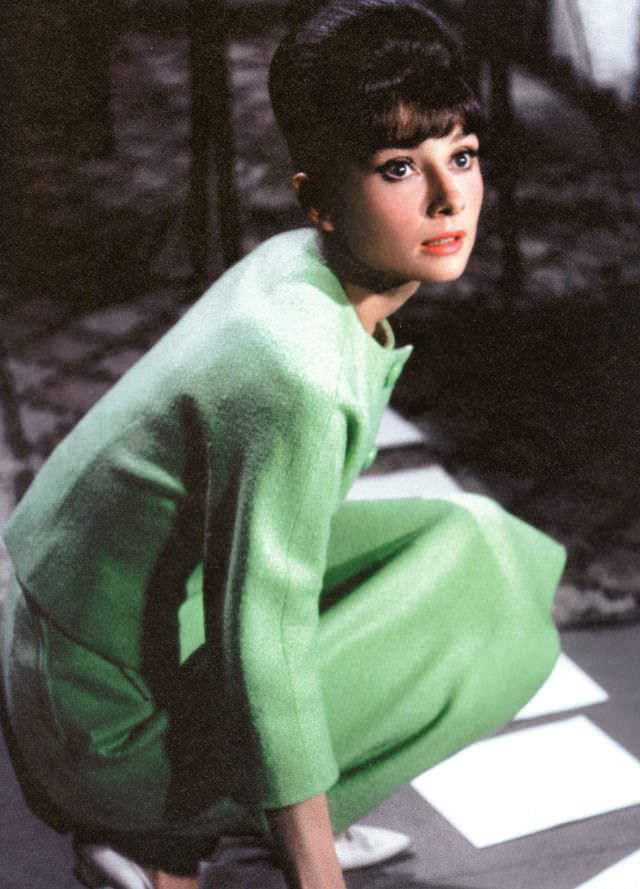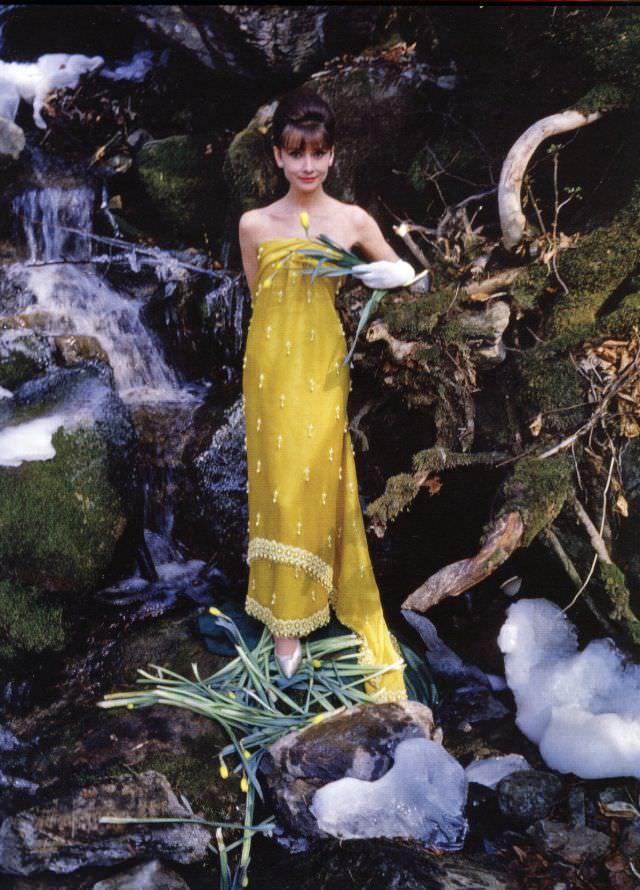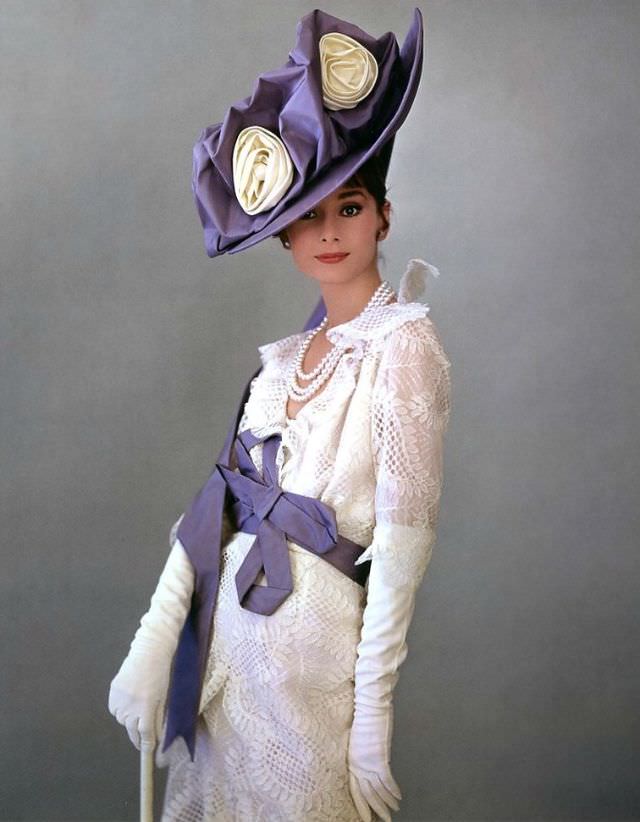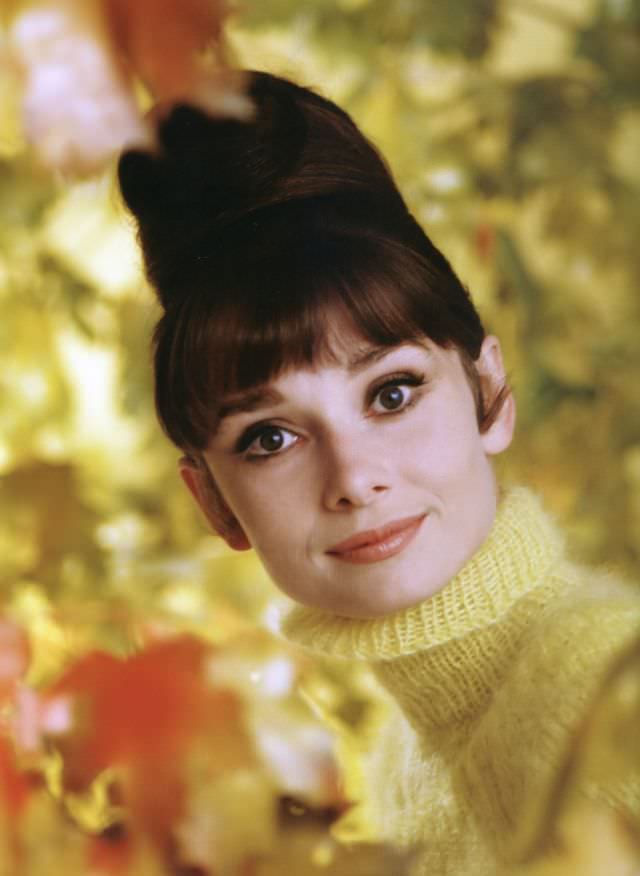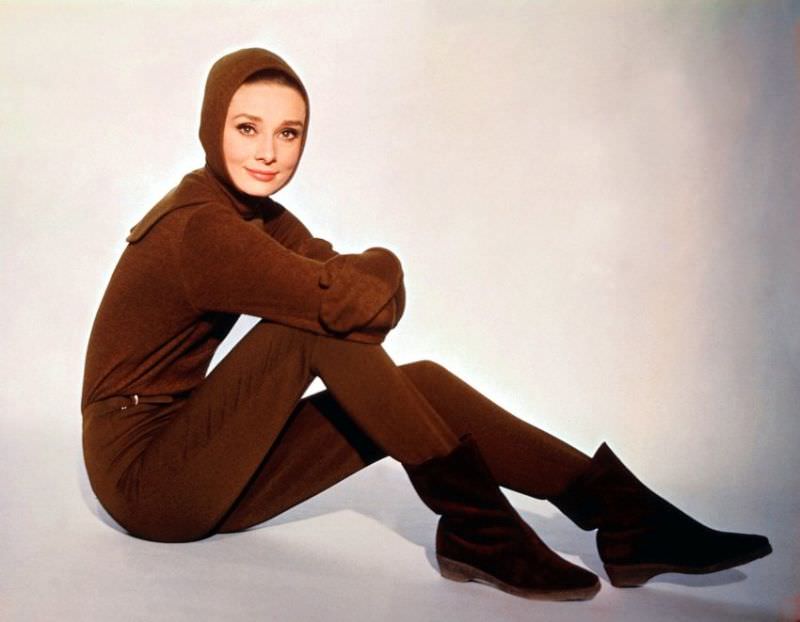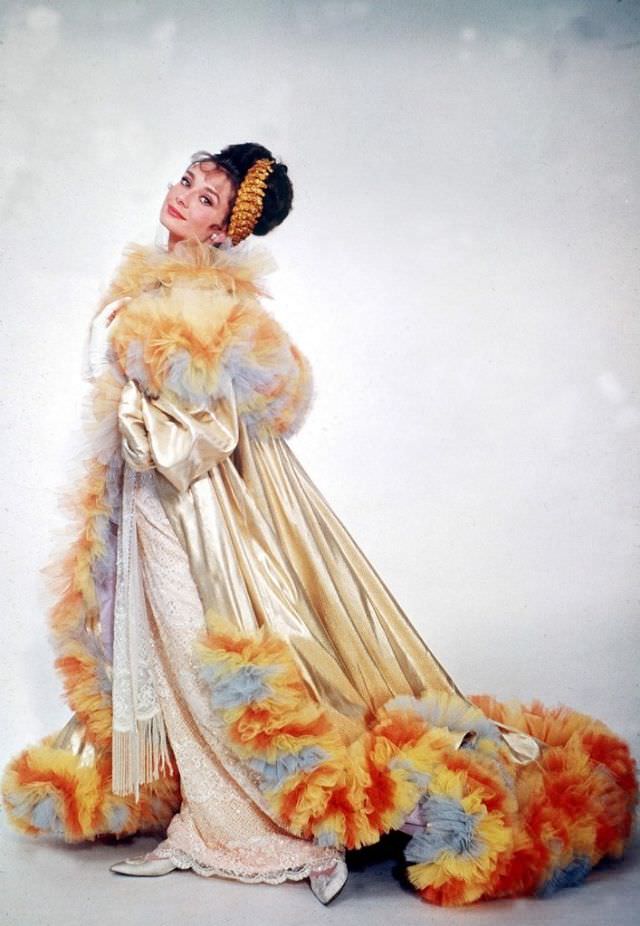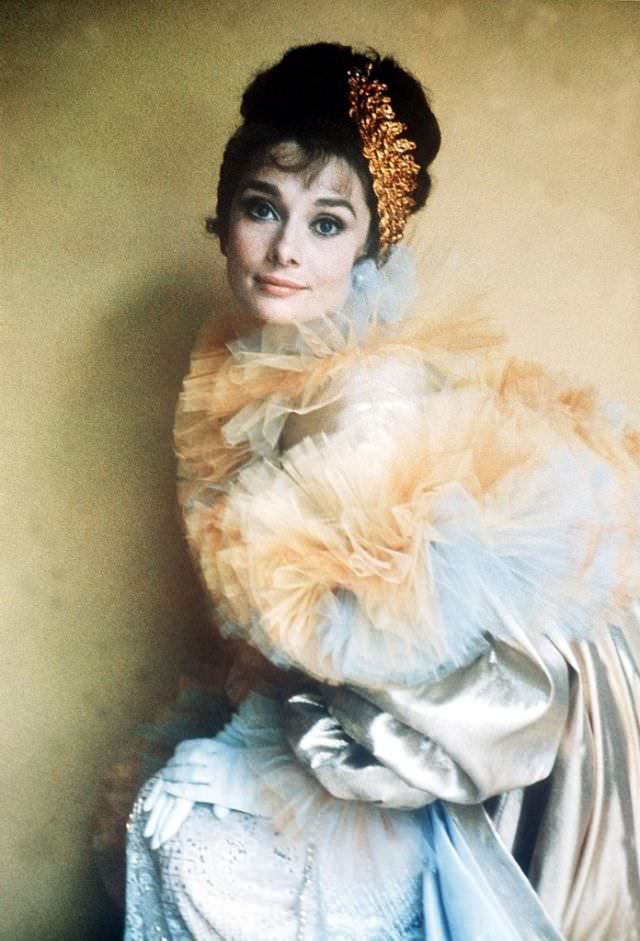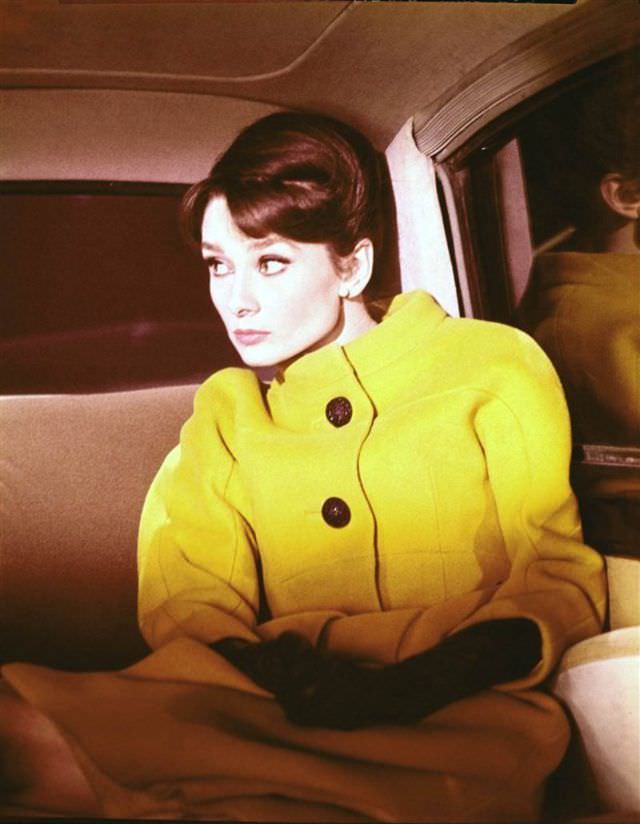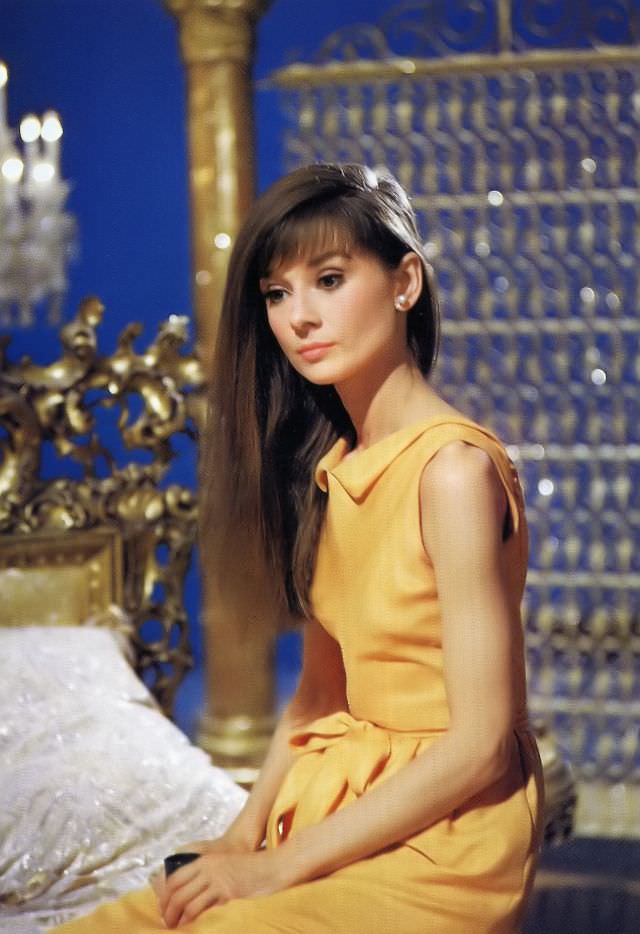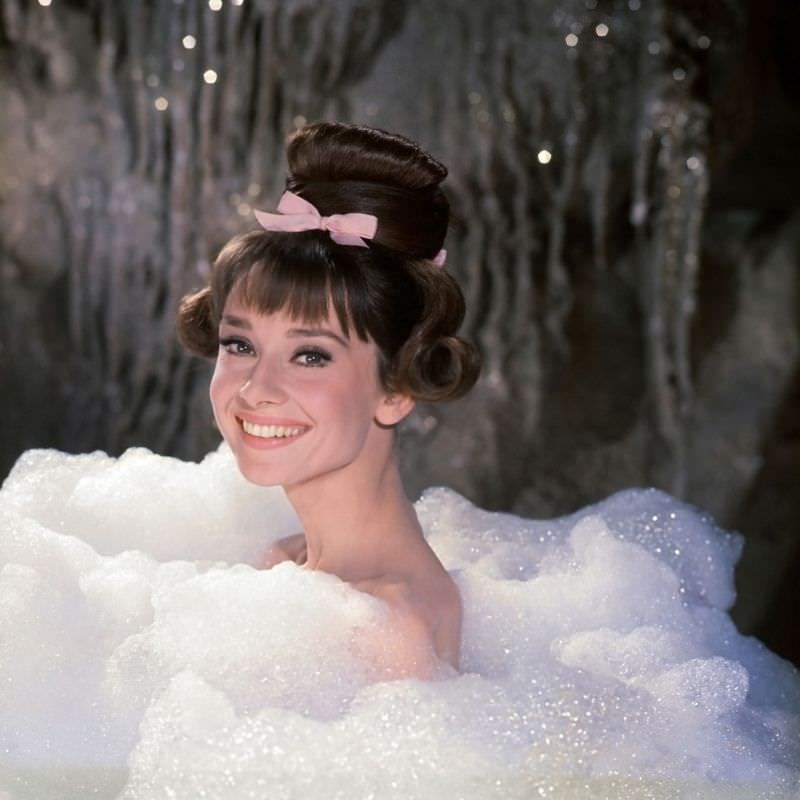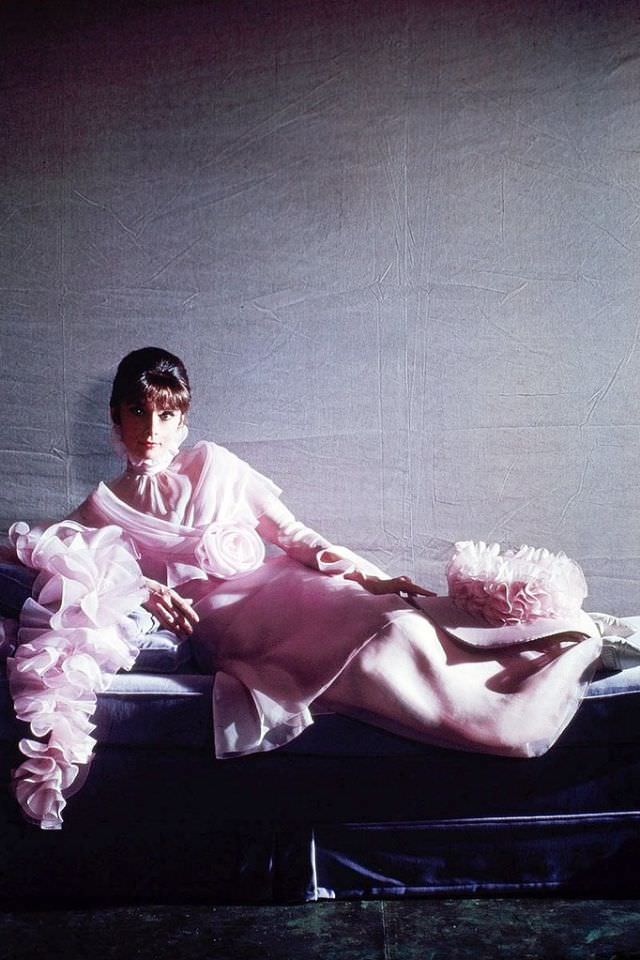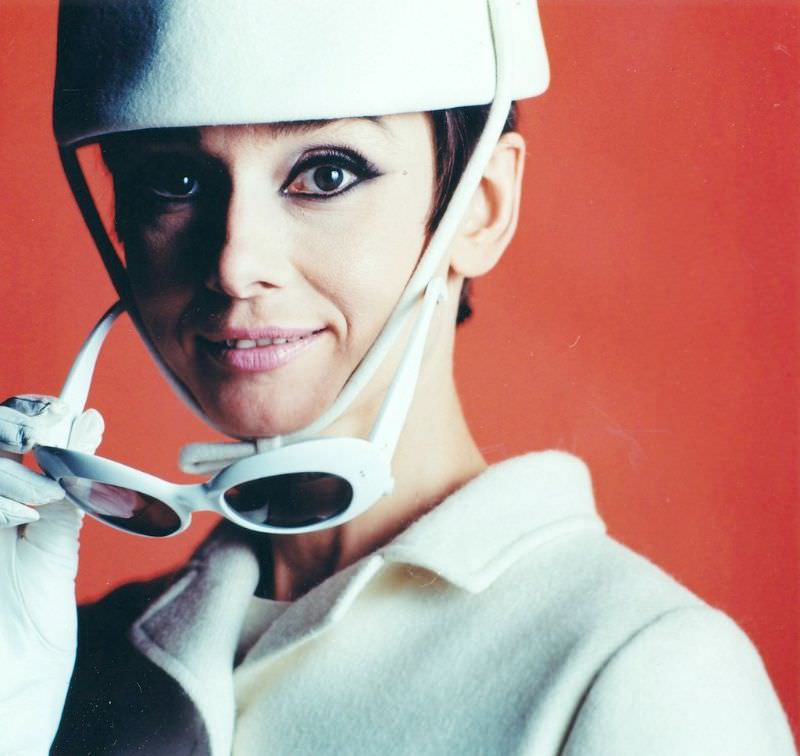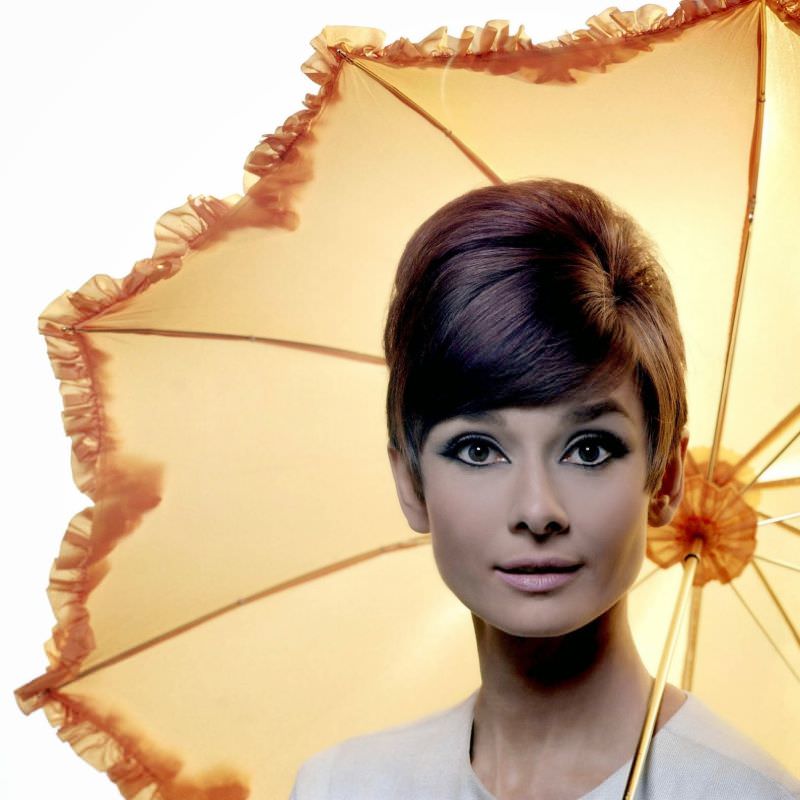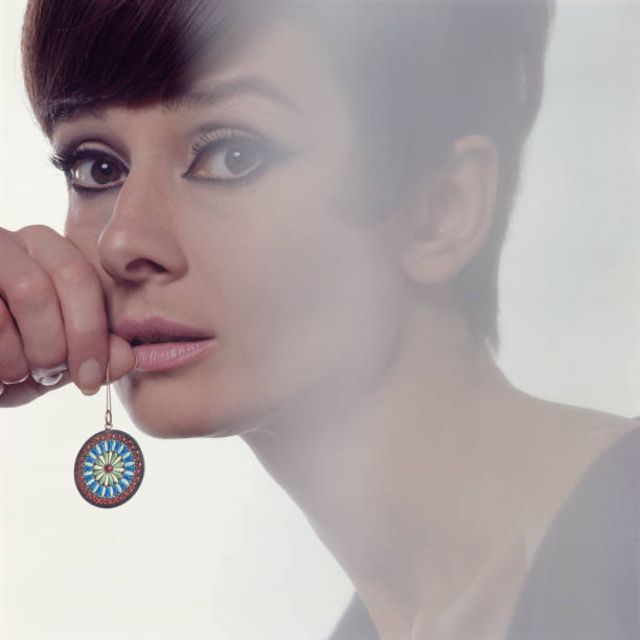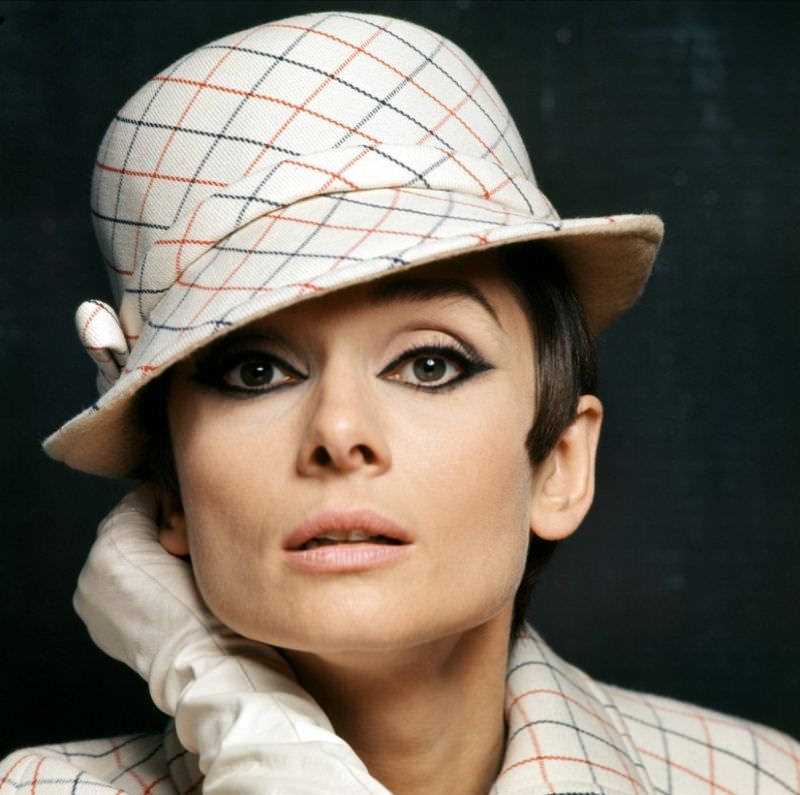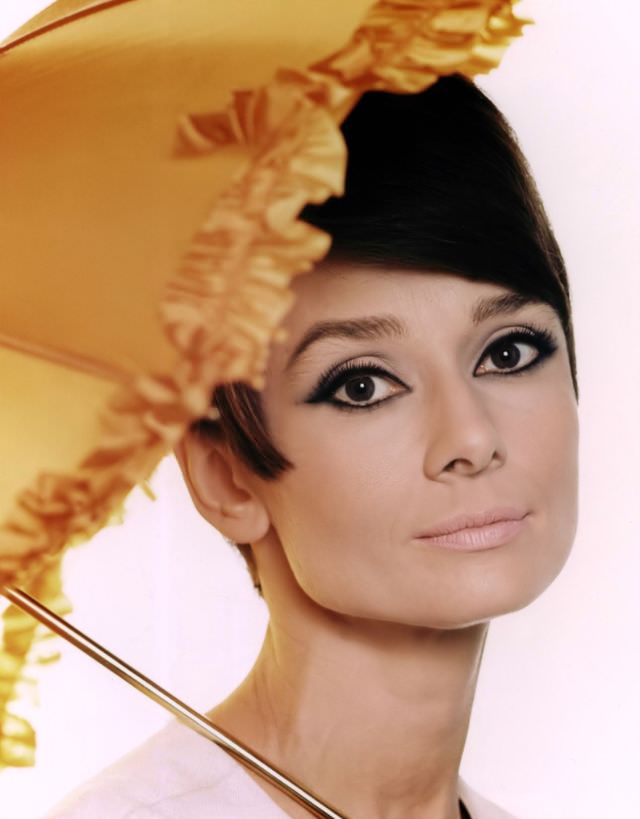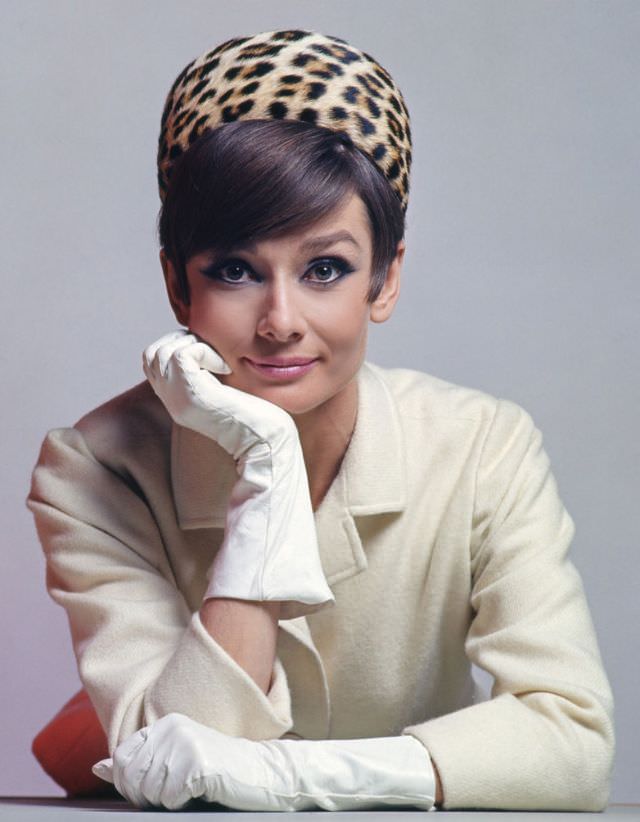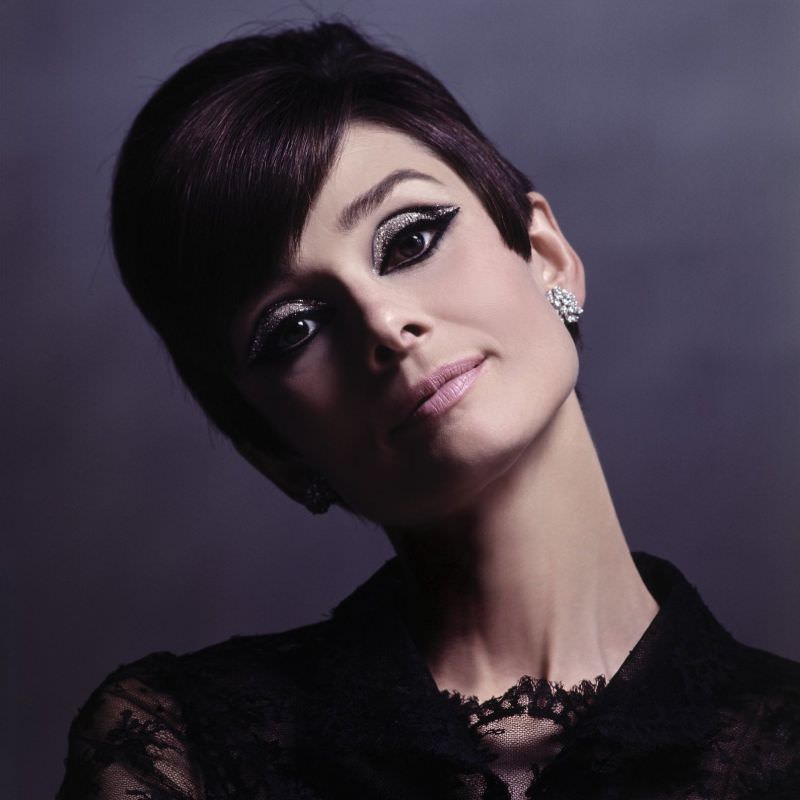

Audrey Hepburn was a woman defined by a quiet, resilient, and deeply empathetic nature. While the world saw her as a glamorous movie star, she viewed herself as a shy introvert who preferred the comfort of home over the spotlight of Hollywood. Her personality was shaped significantly by her experiences during World War II in the Netherlands. These early years taught her the value of gratitude, the necessity of discipline, and a profound understanding of human suffering.
The Inner Introvert
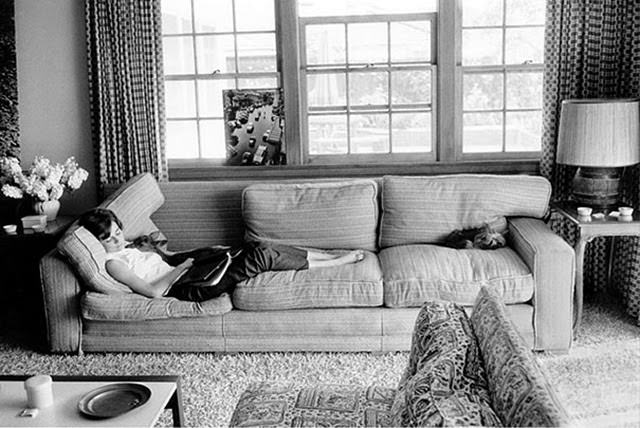
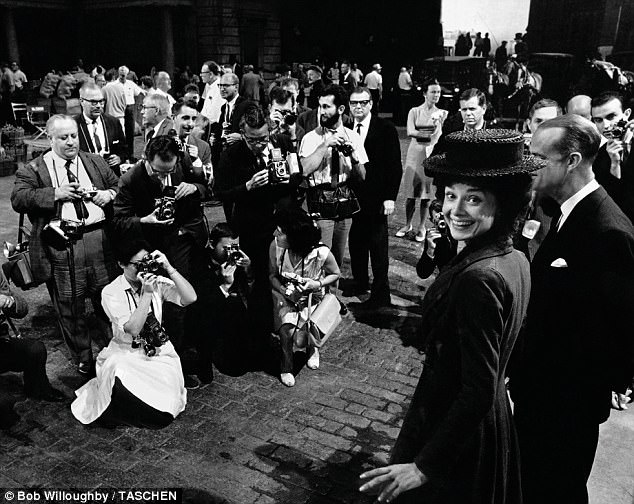
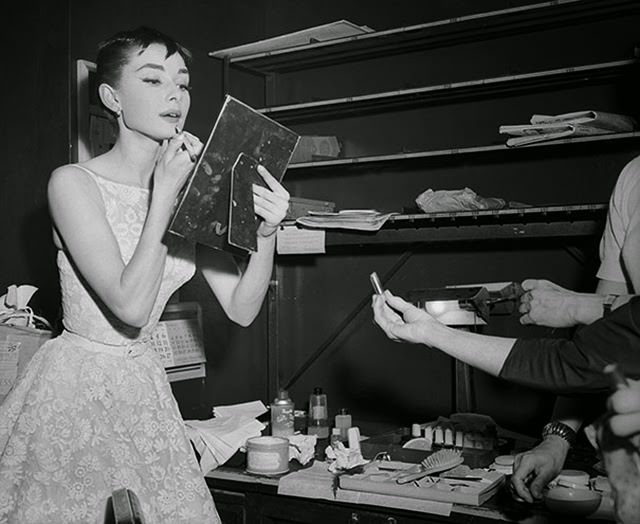
Hepburn frequently described herself as an introvert. She required long periods of solitude to recharge her energy after working on film sets or attending public events. She did not enjoy large parties and often felt uncomfortable in crowded social settings. Instead, she found joy in simple activities like reading, gardening, and spending time with her family. This preference for privacy was a core part of her identity. She valued genuine connections with a small circle of loyal friends rather than seeking the attention of the masses.
Her introversion did not mean she was cold or distant. On the contrary, she was known for her warmth and approachability. She spoke in a soft, melodic voice and listened intently to others. When she was on a movie set, she treated everyone from the director to the lighting crew with the same level of respect. She made a point to learn the names of the staff and often arrived early for rehearsals. This humility was a direct result of her belief that every person contributed something essential to the final product.
Read more..
Discipline Born from Ballet and War
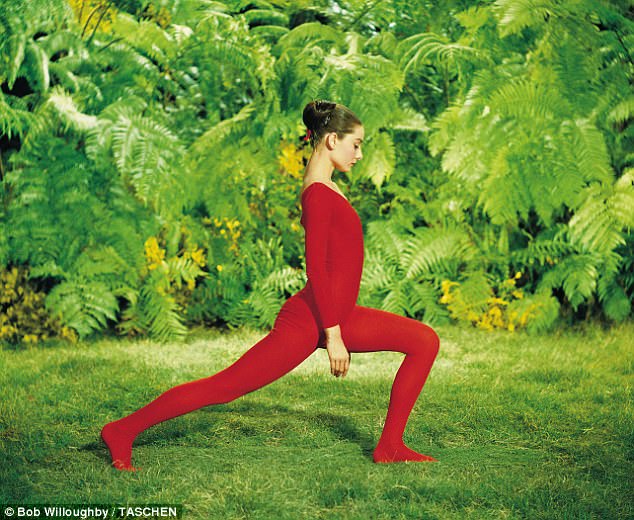
The discipline that Hepburn displayed in her professional life grew from her training as a ballerina. In her youth, she spent hours every day practicing at the barre. This taught her how to control her body and maintain a perfect posture, even when she was exhausted. Ballet requires a high level of physical and mental toughness. She carried this work ethic into her acting career. She was never late for a call time and always had her lines memorized perfectly. She did not demand special treatment or make difficult requests of her producers.
Her resilience was also a product of the “Hunger Winter” during World War II. As a teenager in the occupied Netherlands, she experienced true starvation. She lived on tulip bulbs and grass to survive. This period of extreme hardship removed any sense of entitlement from her character. She never took food for granted and maintained a lifelong habit of eating small, simple meals. The fear and uncertainty of the war years made her a very grounded person. She understood that fame and wealth were temporary, which allowed her to stay focused on what she considered truly important.
Professional Humility and Insecurity
Despite being one of the most successful actresses in history, Hepburn suffered from deep professional insecurity. She did not believe she was a naturally gifted actress or a great beauty. She often worried that her features were too sharp or that her neck was too long. These insecurities drove her to work harder than many of her peers. She studied her scripts with intense focus and sought constant feedback from her directors. She took her work seriously because she wanted to justify the opportunities she had been given.
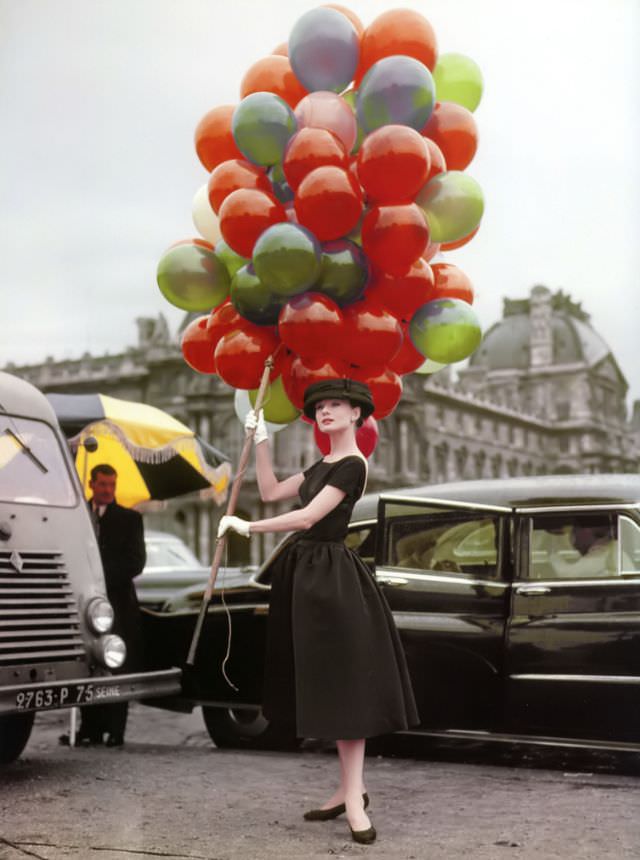
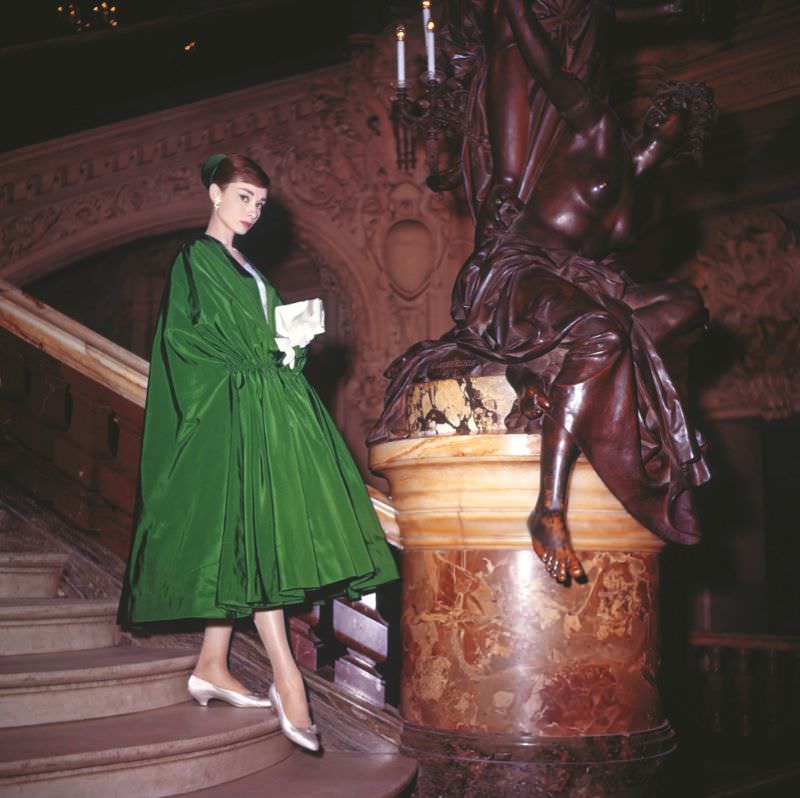
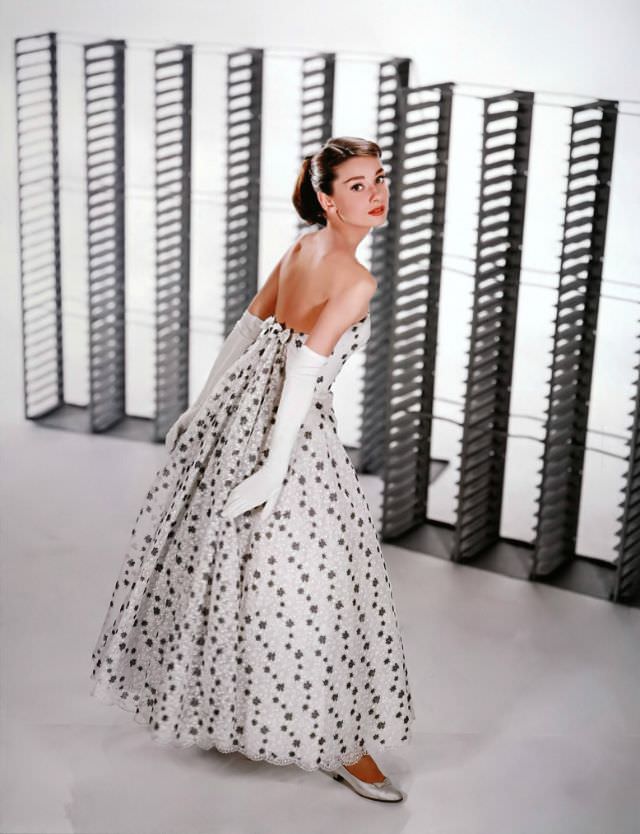
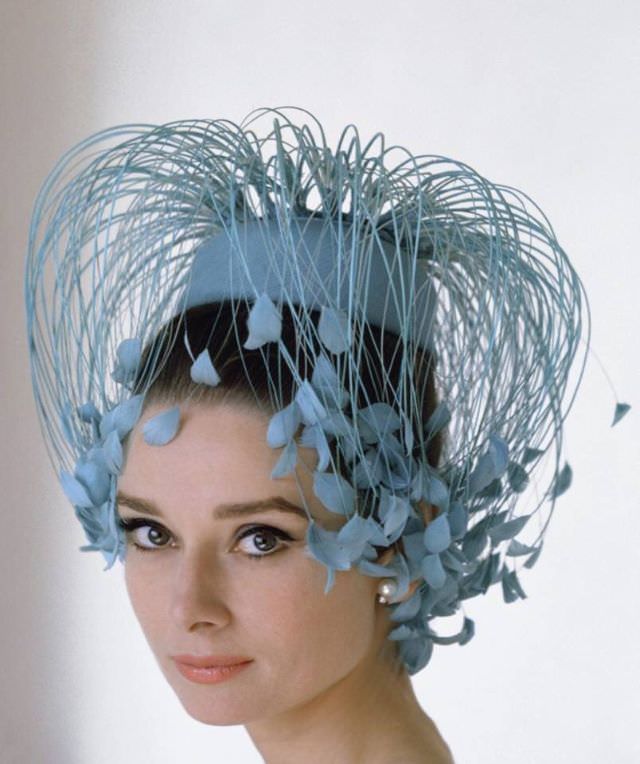
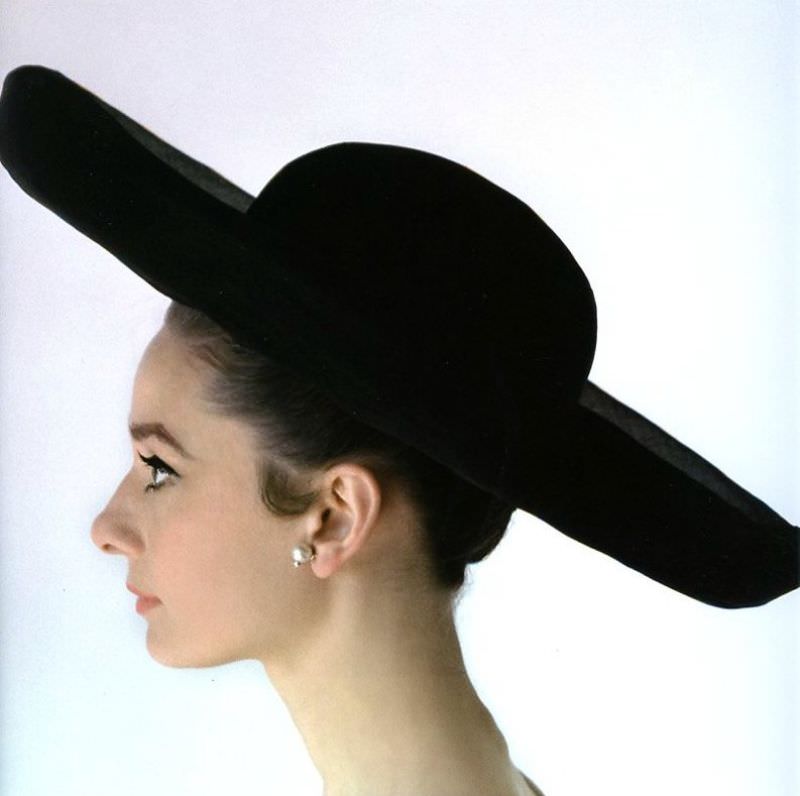
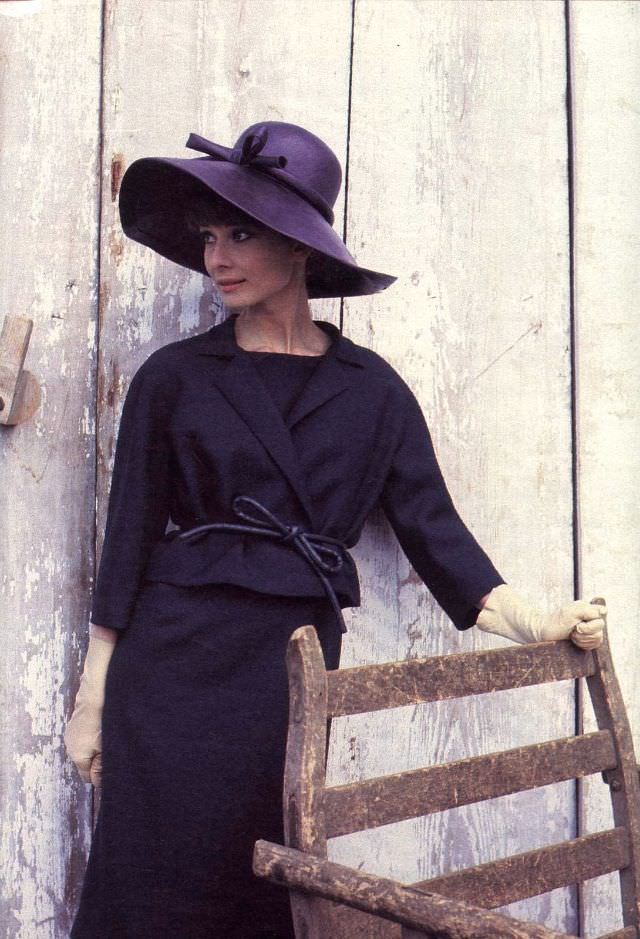
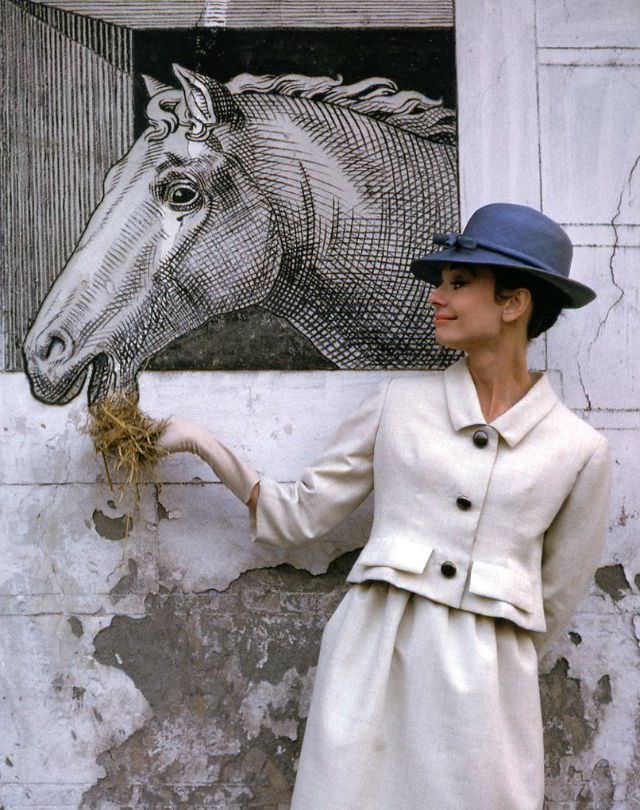
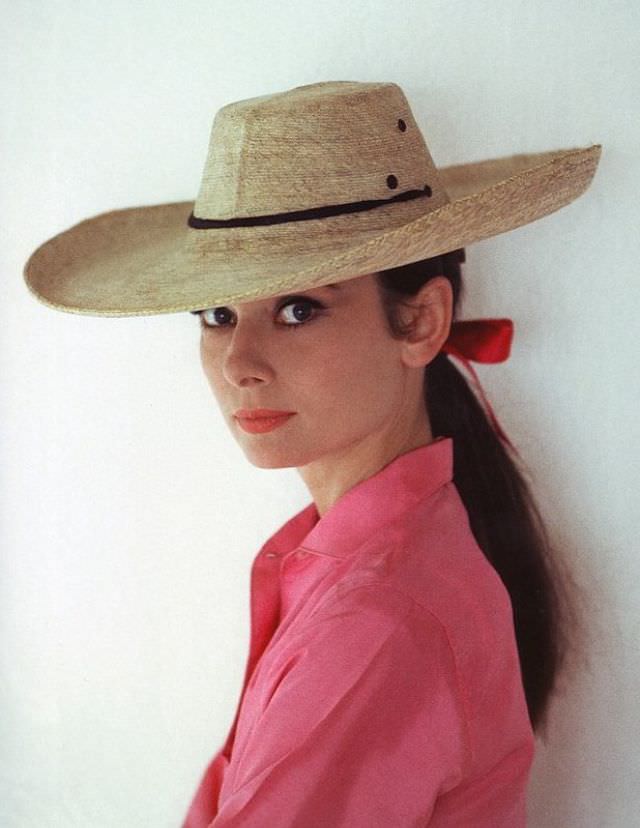
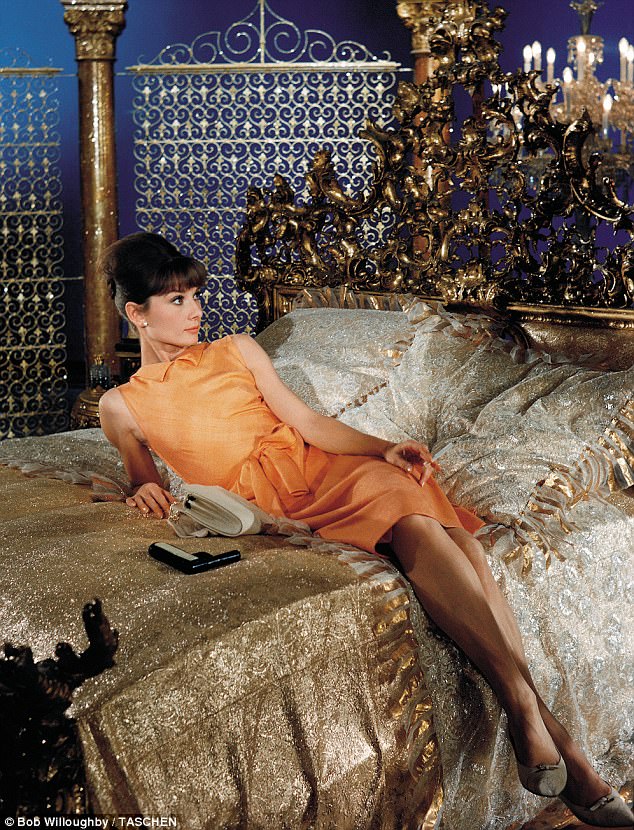
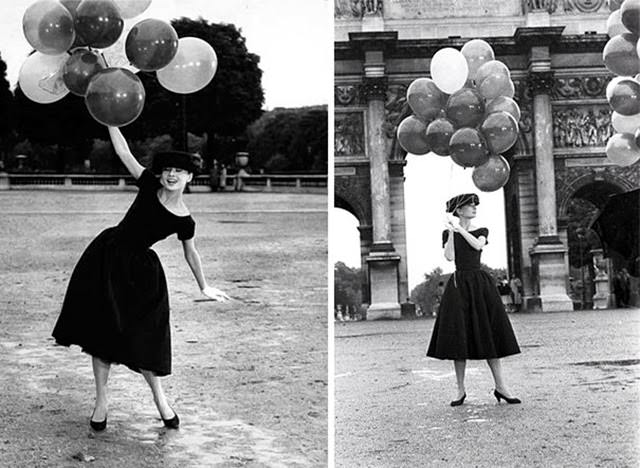
She was also remarkably modest about her fashion influence. She did not see herself as a style icon. She viewed her collaboration with designer Hubert de Givenchy as a practical partnership. She chose clothes that were simple, elegant, and comfortable. She preferred the “little black dress” because it was functional and did not distract from her personality. Her style was a reflection of her desire for order and simplicity in a world that often felt chaotic.
Life at La Paisible
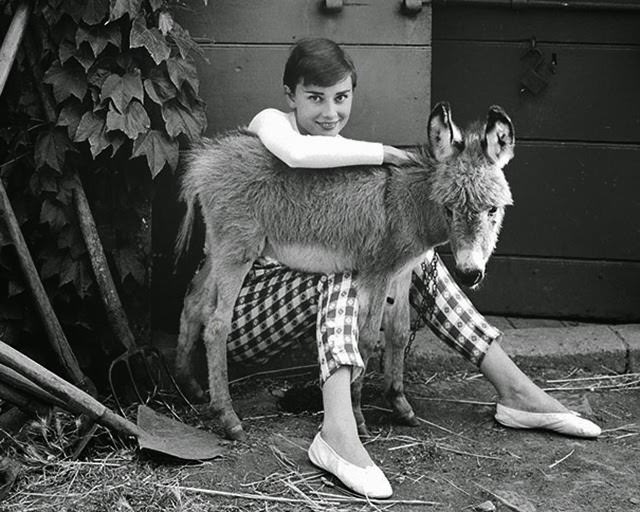
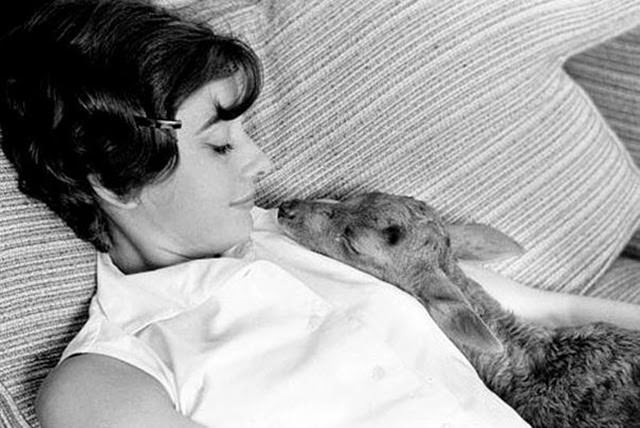
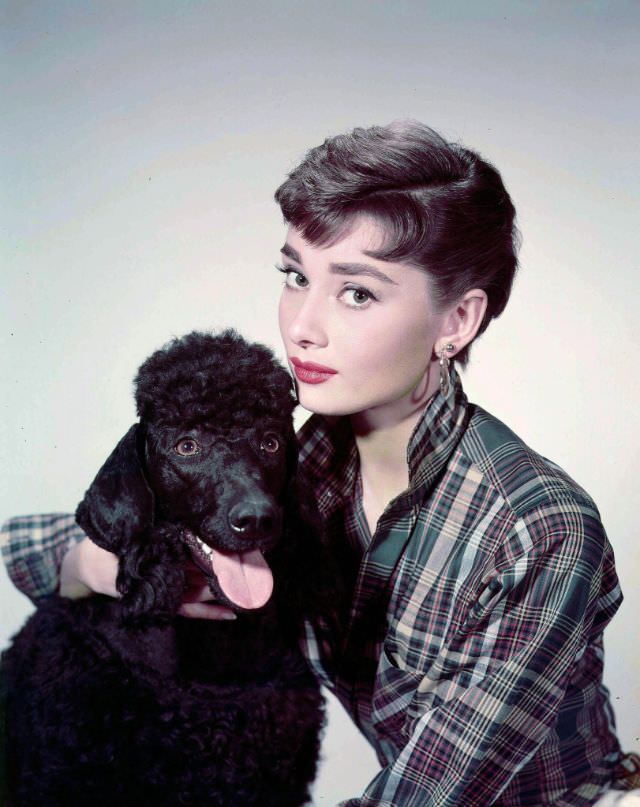
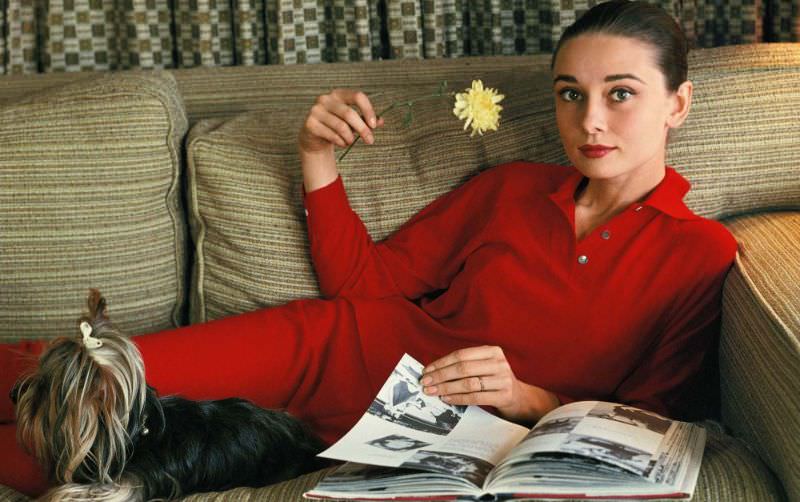
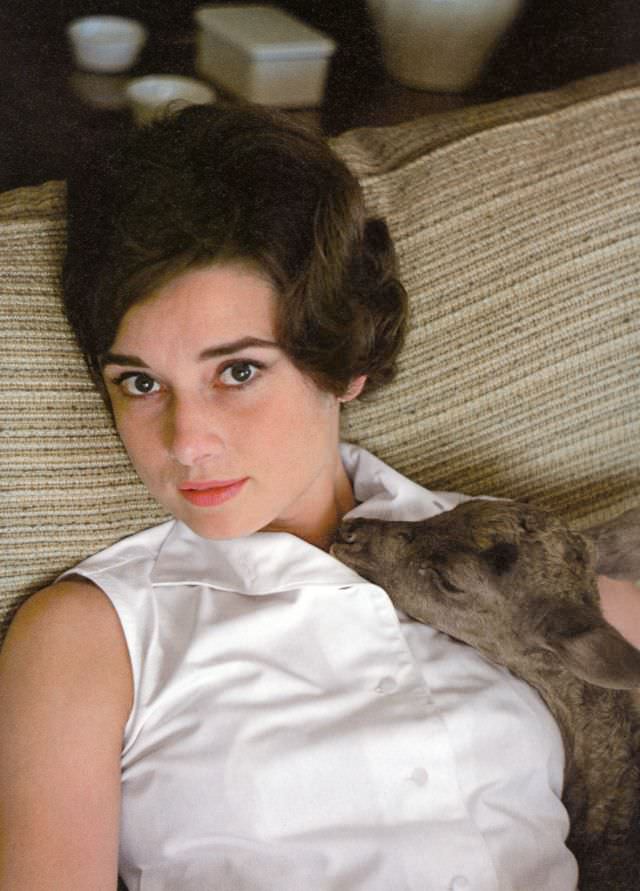
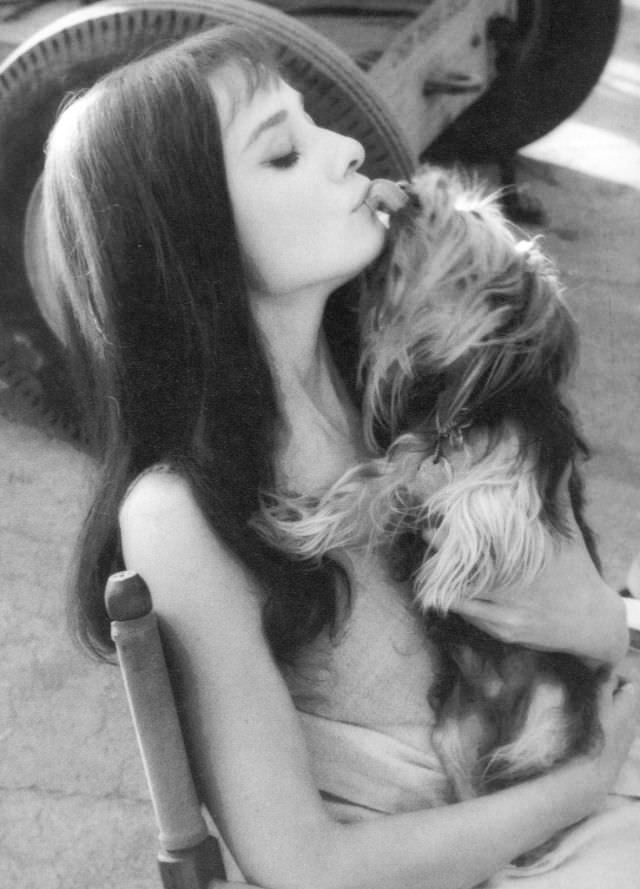
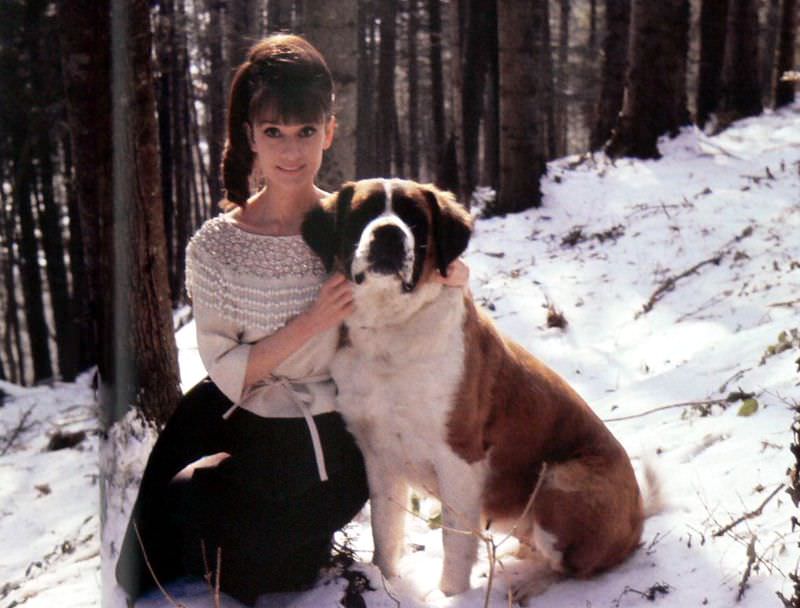
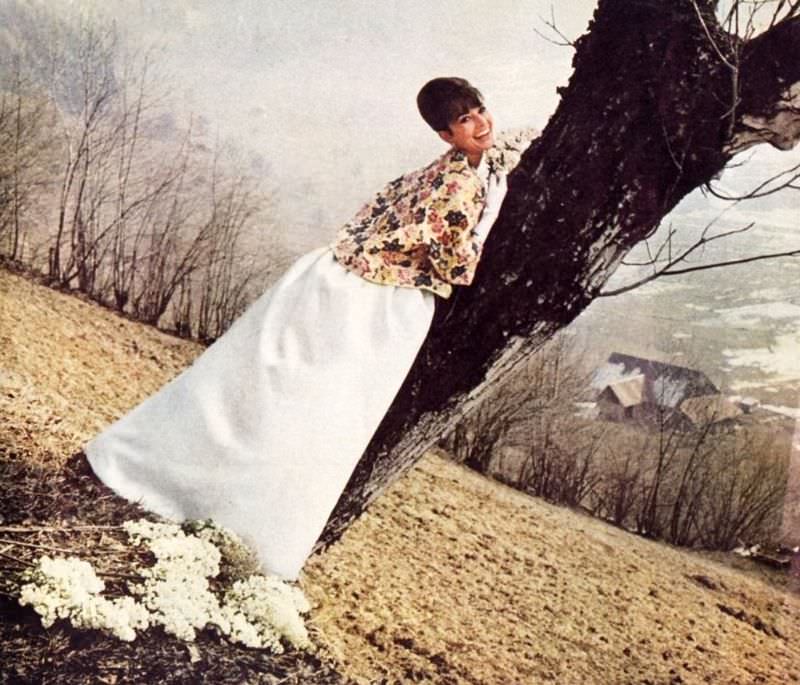
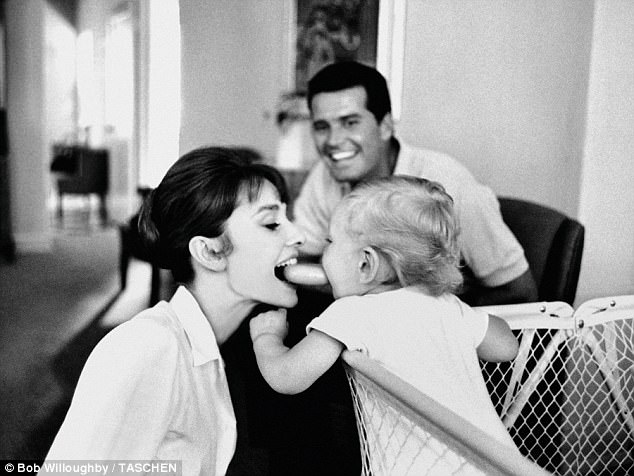
In the mid-1960s, Hepburn chose to move away from Hollywood to live in a house called “La Paisible” in Switzerland. This move was a deliberate choice to prioritize her role as a mother and her personal peace. At La Paisible, she led a structured and quiet life. She spent her mornings gardening and taking her dogs for long walks in the countryside. She was a dedicated cook and enjoyed preparing pasta and chocolate cake for her children.
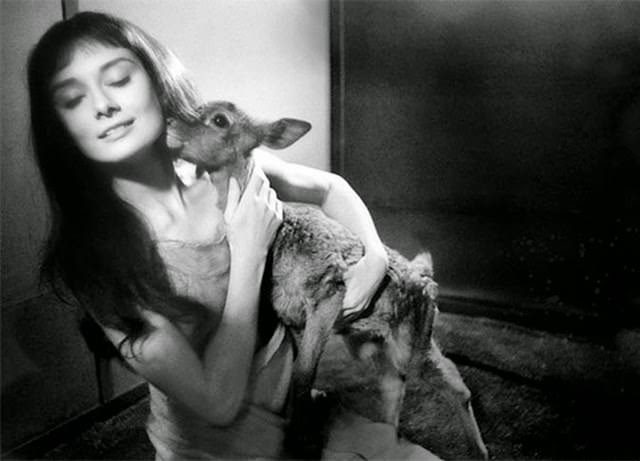
She was a devoted mother who put the needs of her children above her career. She turned down many lucrative film roles so that she could stay home and provide a stable environment for her sons. She wanted them to have a normal childhood, away from the paparazzi and the artificial nature of the film industry. Her home was filled with books and dogs, reflecting her love for learning and animals. She found more satisfaction in a blooming garden than in a successful box office opening.
Compassion and UNICEF
The final chapter of Hepburn’s life was dedicated entirely to her work as a Goodwill Ambassador for UNICEF. This was not a superficial role for her. She felt a deep obligation to help children who were suffering from the same hunger and fear she had experienced as a child. Her personality made her an effective advocate because she was genuinely moved by the people she met. She did not just give speeches; she traveled to dangerous and remote locations in Africa, Asia, and South America.
During these missions, she showed incredible physical and emotional strength. She sat on the dirt floors of huts and held the hands of sick children. She spoke with mothers about their struggles to find clean water and food. Her empathy was not for the cameras. She often returned from these trips physically exhausted and emotionally drained, but she refused to stop. She used her fame as a tool to bring the world’s attention to the plight of the vulnerable. Her work with UNICEF was the most fulfilling part of her life because it allowed her to turn her childhood trauma into a force for good.
Simple Joys and Personal Values
Hepburn’s personal values were centered on kindness, honesty, and gratitude. She believed that the greatest thing one could do for another person was to listen to them. She was a loyal friend who kept in touch with people for decades. She did not gossip and avoided the drama that often follows famous people. Her favorite things were very basic: a walk in the rain, a good book, and the company of her family.
She remained a student of life until the very end. She was curious about the world and continued to read and learn about different cultures. Her personality was a rare blend of elegance and toughness. She proved that a person could be soft-spoken and gentle while still possessing an iron will. Her life was a testament to the idea that true beauty comes from a person’s character and the way they treat others. She remained a private, quiet person who used her voice only when she believed it could make a difference for someone else.