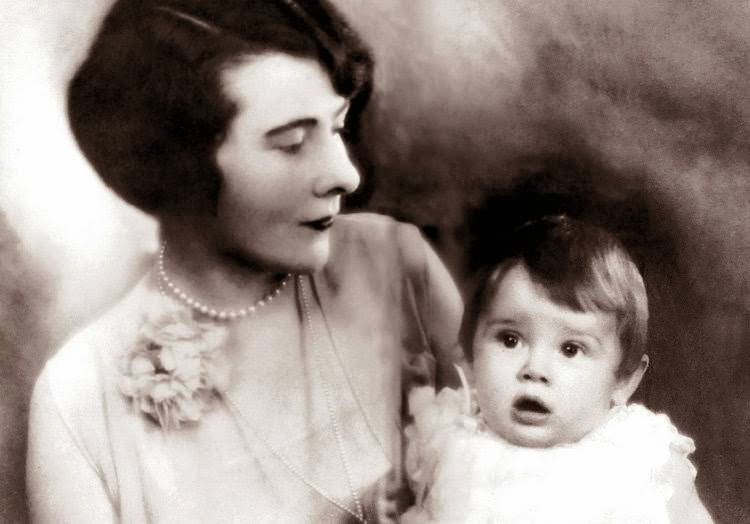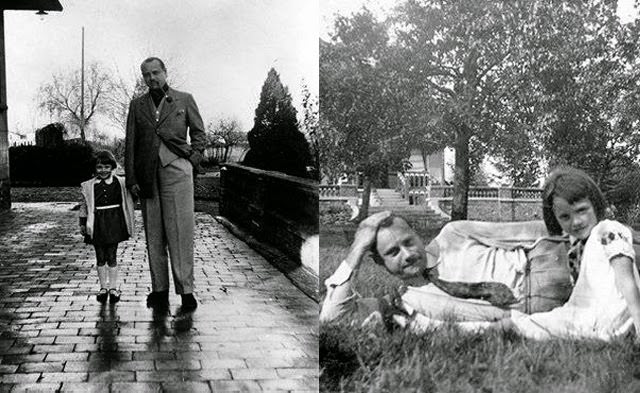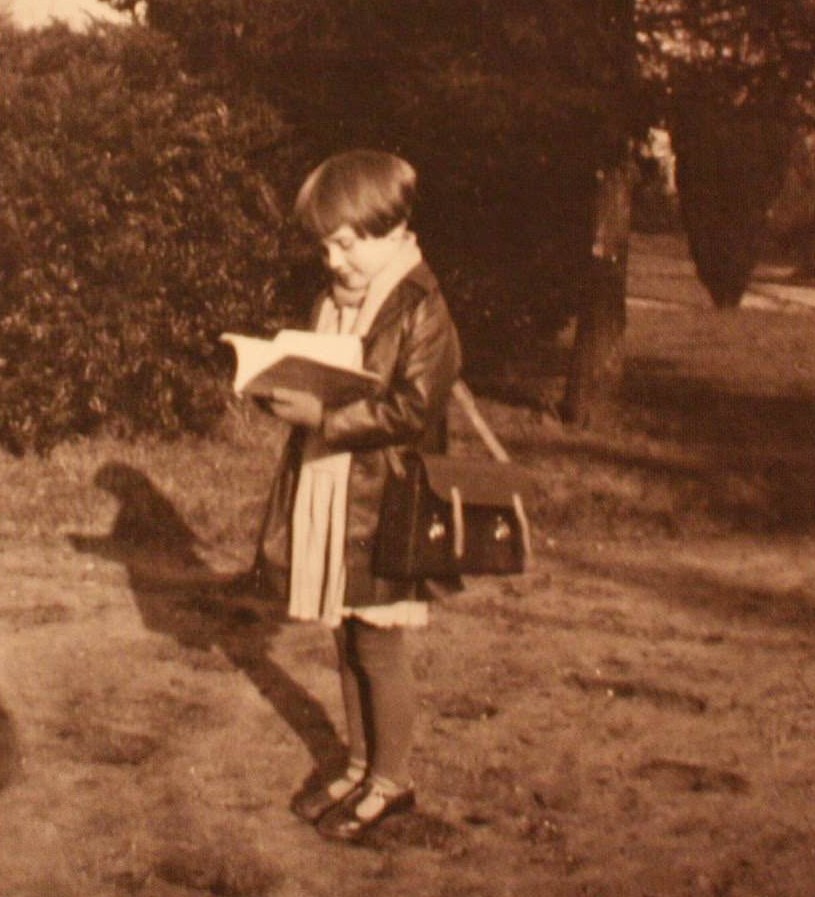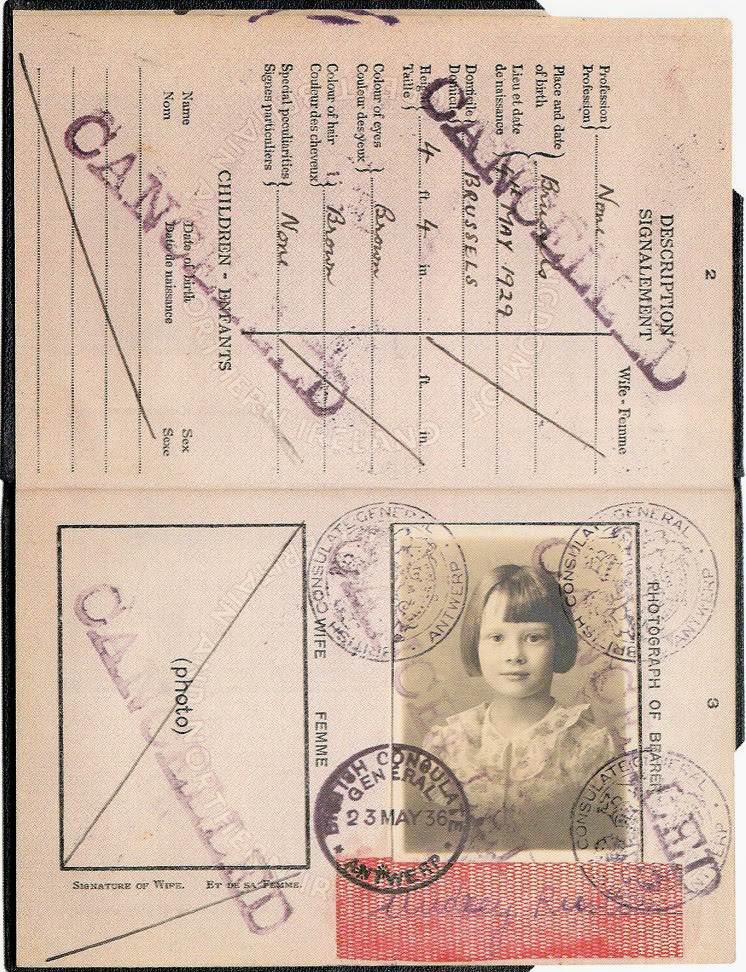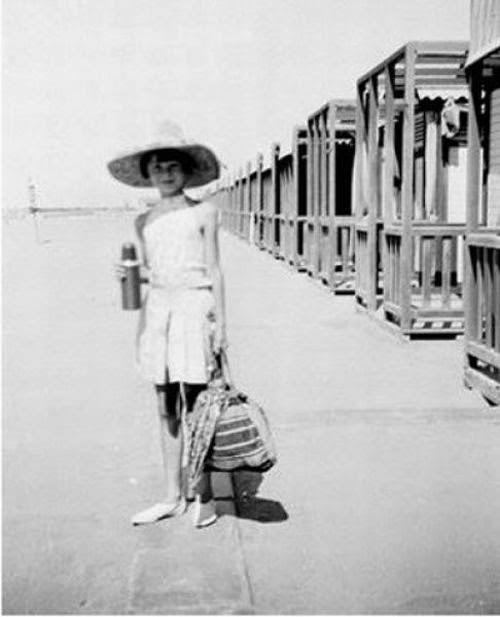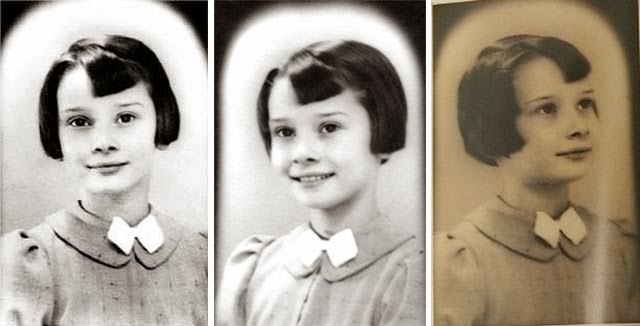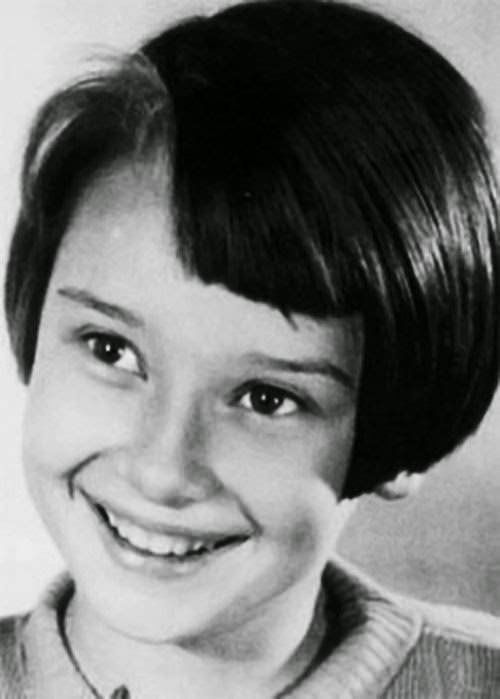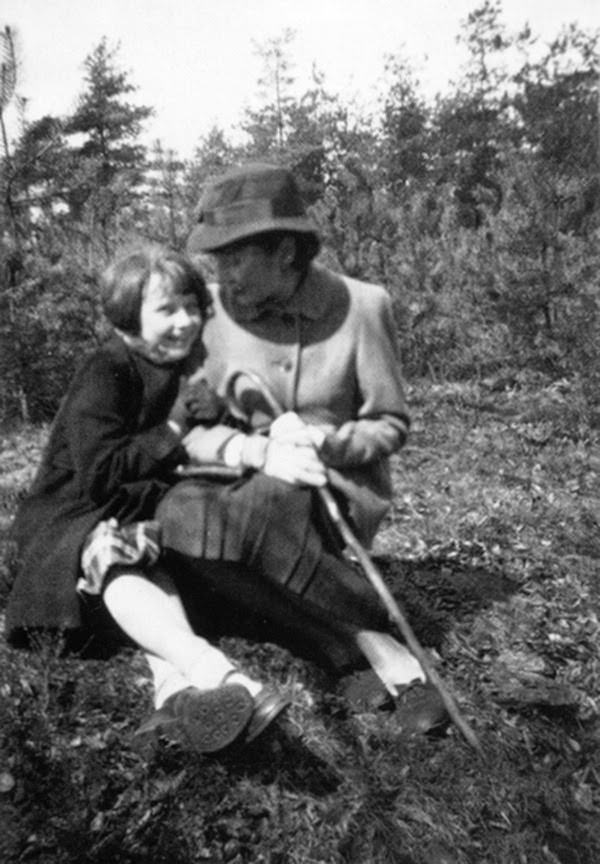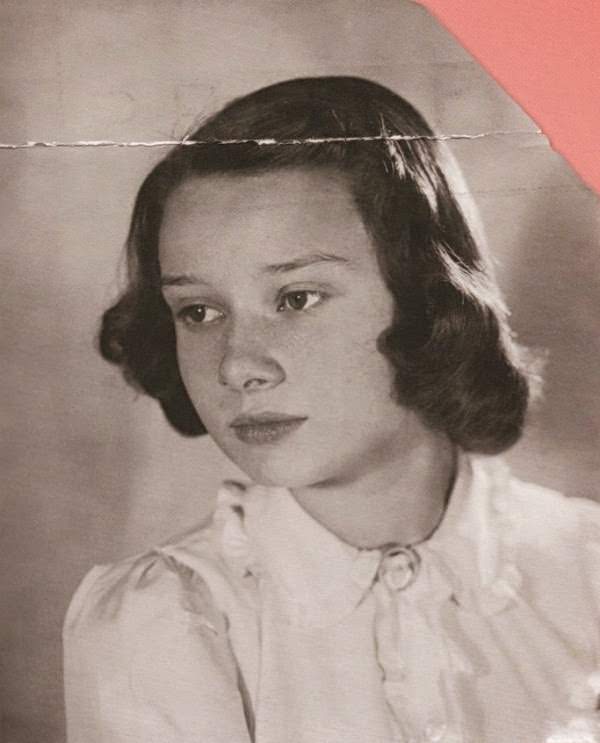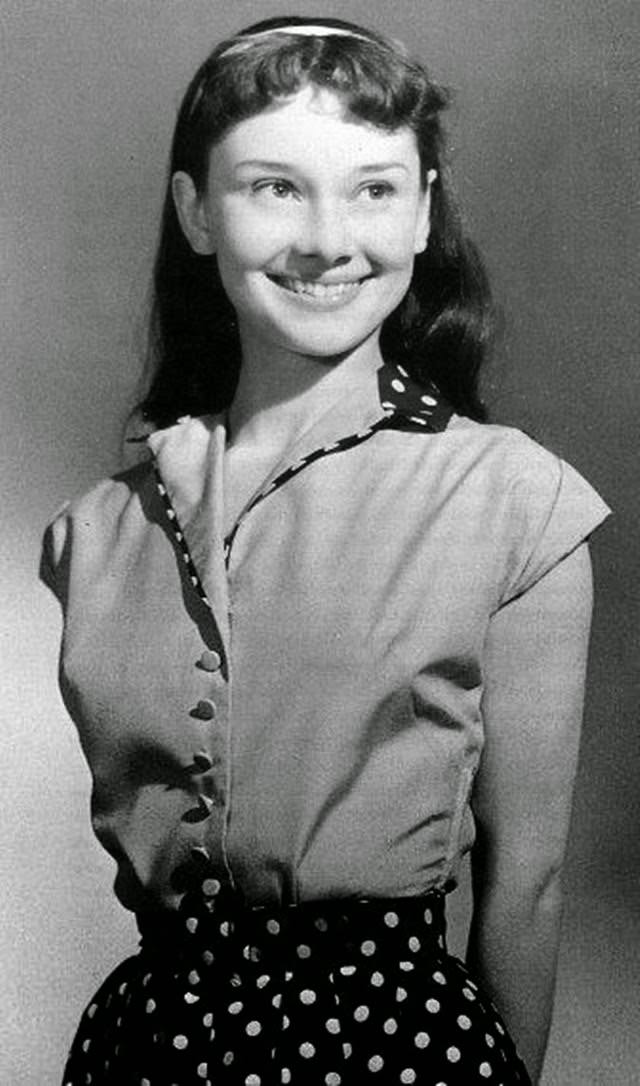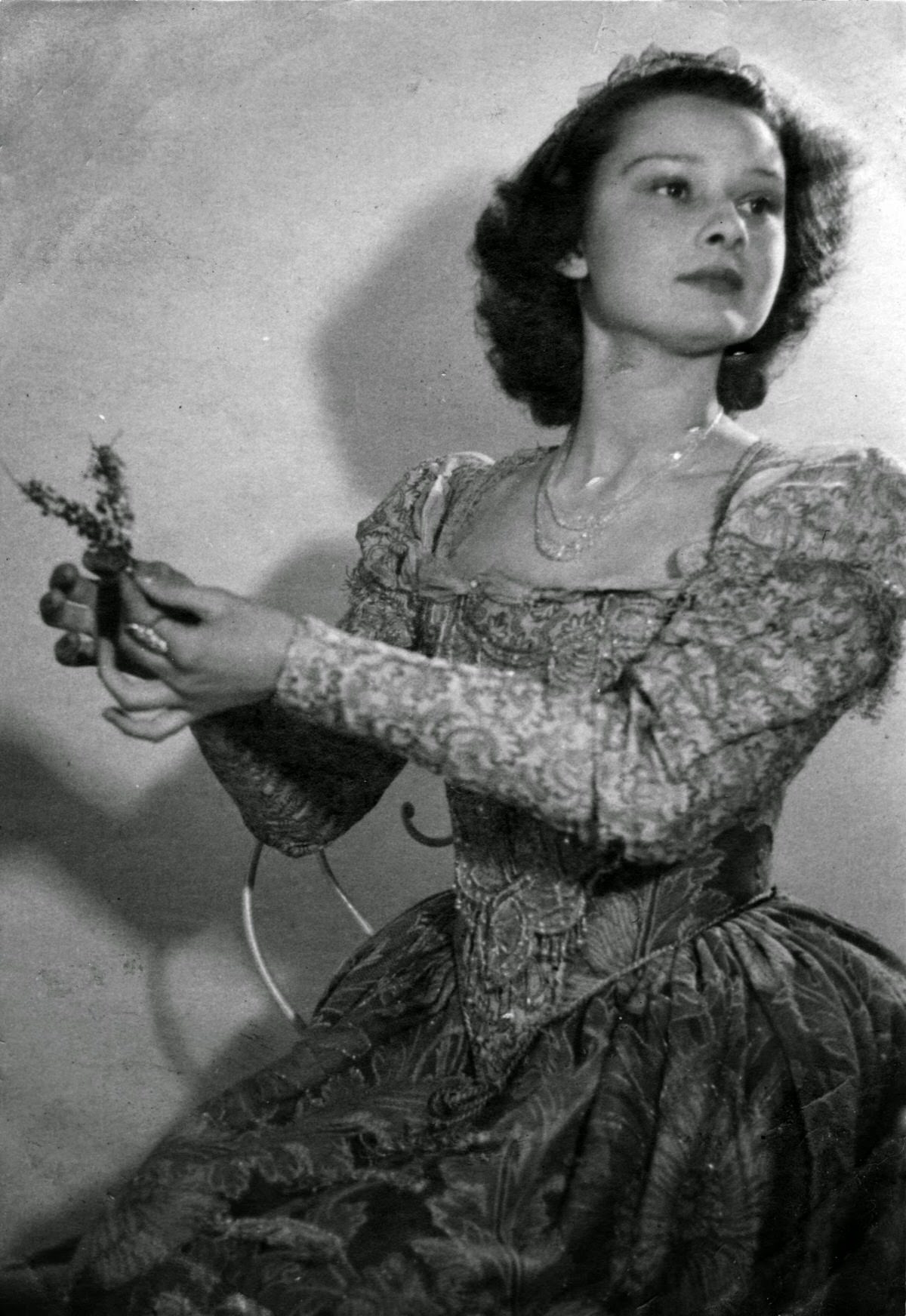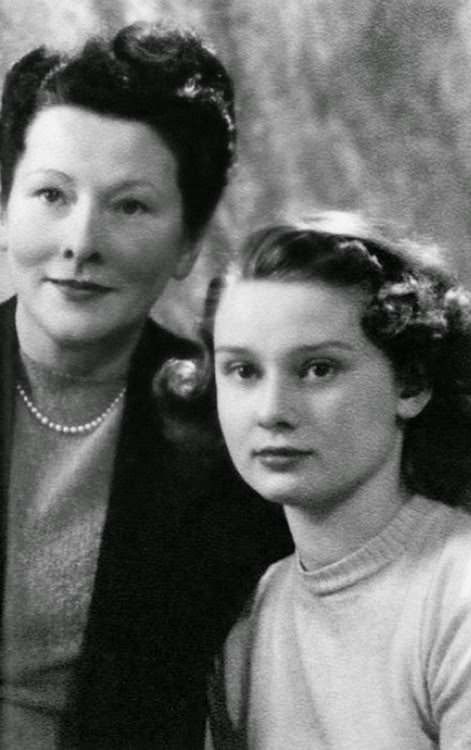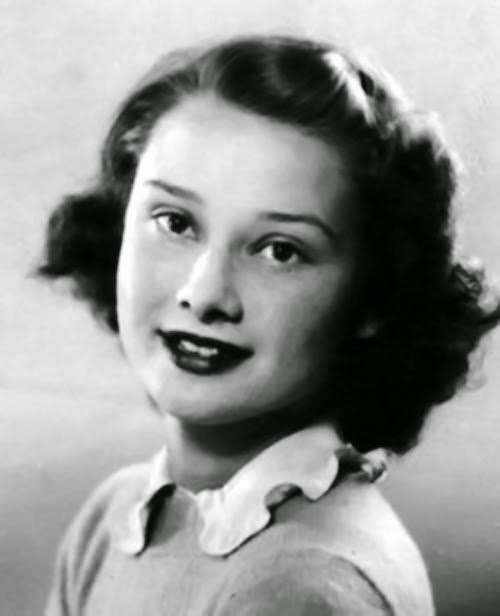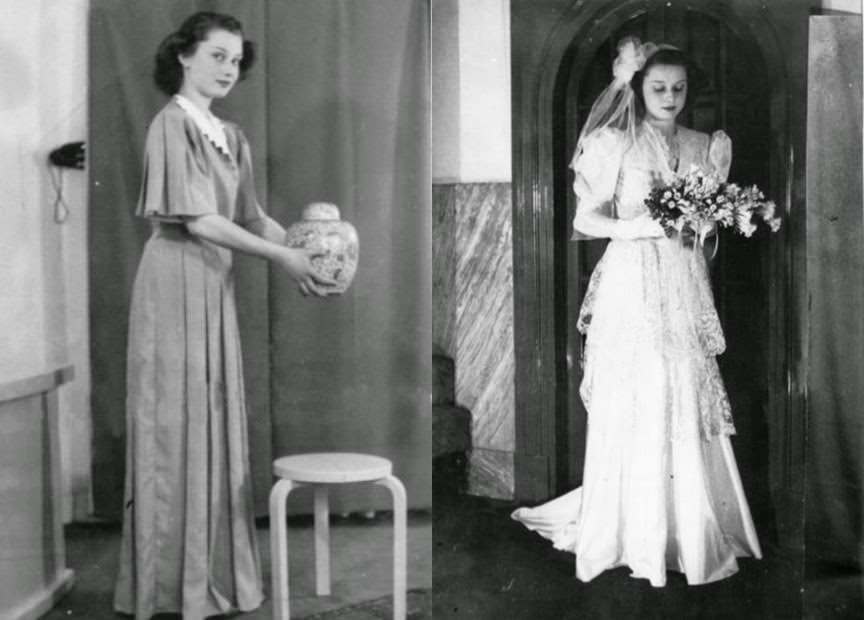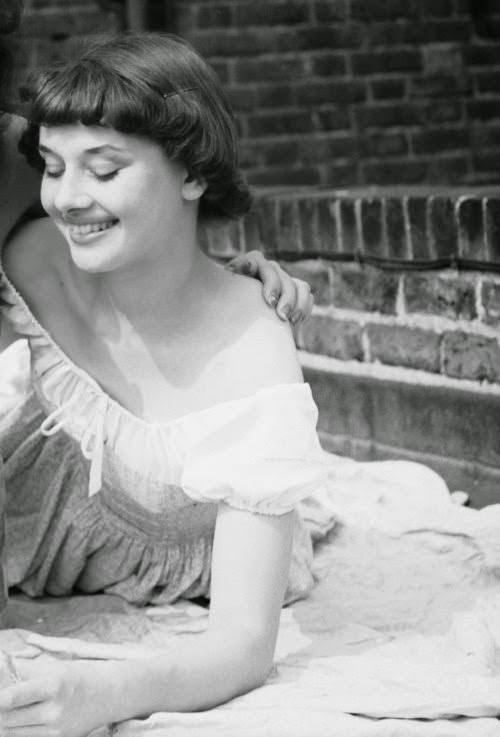

Audrey Hepburn was born on May 4, 1929, in Ixelles, a district of Brussels, Belgium. Her birth name was Audrey Kathleen Ruston. Her father, Joseph Victor Anthony Ruston, was a British subject born in Bohemia. Her mother, Ella van Heemstra, was a Dutch aristocrat and a baroness. Because of her father’s work in finance, the family traveled frequently between Belgium, England, and the Netherlands. This international lifestyle allowed Audrey to become fluent in several languages at a very young age. She learned to speak English, Dutch, French, Spanish, and Italian before she reached her teenage years.
In 1934, her parents sent her to a boarding school in Elham, England. This was her first formal education outside of her home. During this time, her father became a supporter of the British Union of Fascists. In 1935, Joseph Ruston abruptly left the family. Audrey later described this event as the most traumatic moment of her life. She stayed at the boarding school until 1939. When Britain declared war on Germany, her mother moved her to Arnhem in the Netherlands. Ella believed that the Netherlands would remain neutral and safe, just as it had during World War I.
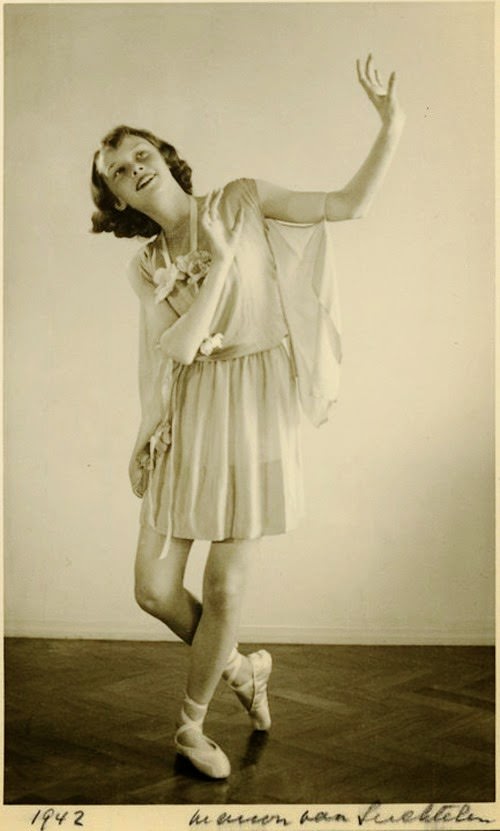
Audrey attended the Arnhem Conservatory from 1939 to 1945. She focused her studies on ballet and music. In 1940, Germany invaded the Netherlands, and the occupation began. The life of the family changed instantly. The Nazis seized the van Heemstra family’s property and money. Audrey witnessed the arrests and executions of her own family members. Her uncle was executed for his involvement in the resistance movement. These events created a deep sense of fear and loss that Audrey lived with throughout her teenage years.
Read more..
The winter of 1944 was known as the Hunger Winter. Food supplies in the Netherlands were cut off by the German army. Audrey and her family survived on very little. They ate flour made from ground tulip bulbs and tried to bake bread out of grass. The lack of food caused Audrey to develop several health problems. She suffered from severe anemia, respiratory infections, and edema. These conditions permanently affected her physical health and stopped her from growing as strong as other dancers her age. Despite her hunger, she participated in “blackout performances.” These were secret dance shows held in darkened rooms to raise money for the Dutch resistance.
Audrey also served as a courier for the resistance. Because she was a child, she could move through the streets without being suspected by German soldiers. She carried secret messages and newspapers hidden inside her shoes. She also worked as a volunteer nurse in a hospital that treated wounded soldiers. During the Battle of Arnhem, she saw many people die in the streets near her home. These experiences made her very empathetic toward others who suffered during the war. Her thin frame and hollow cheeks were a direct result of the malnutrition she suffered during these final years of the conflict.
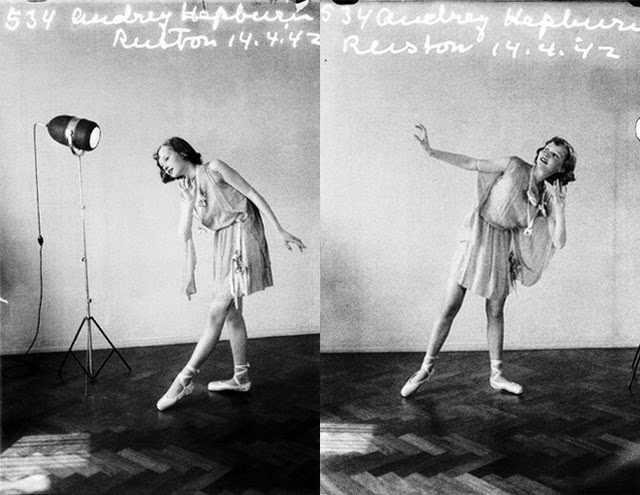
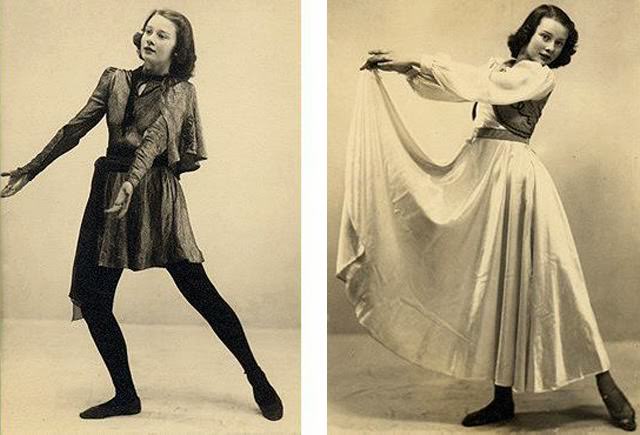
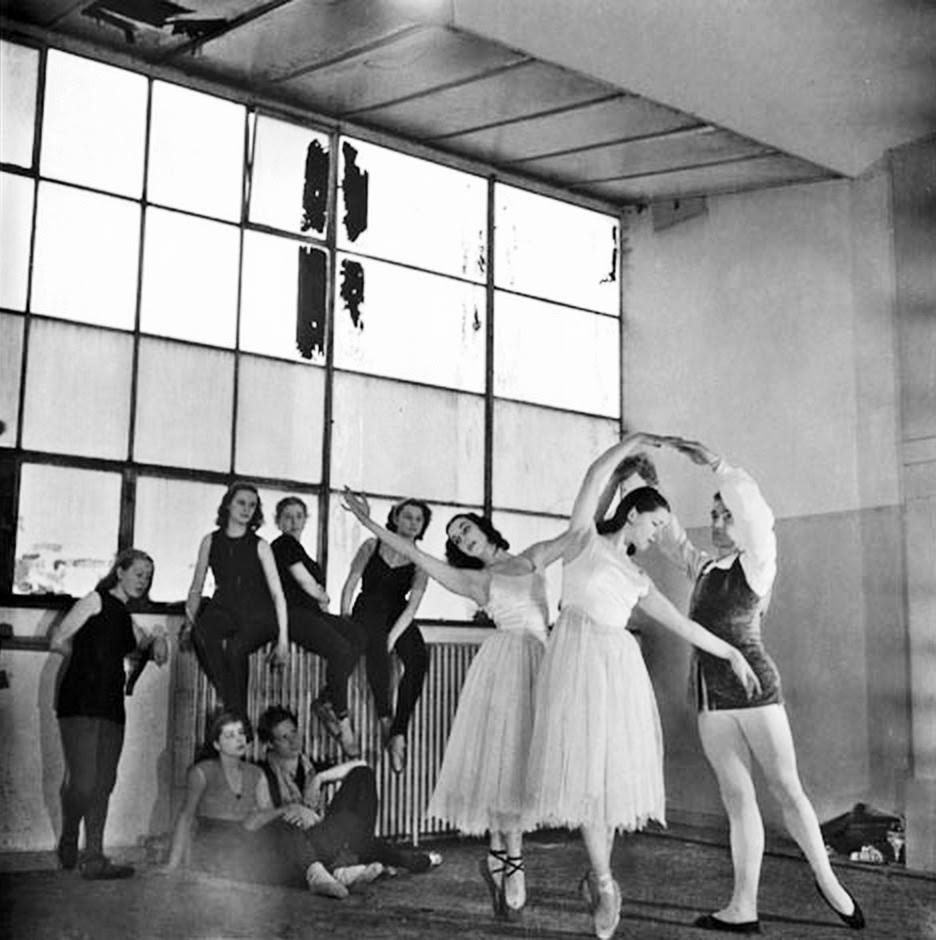
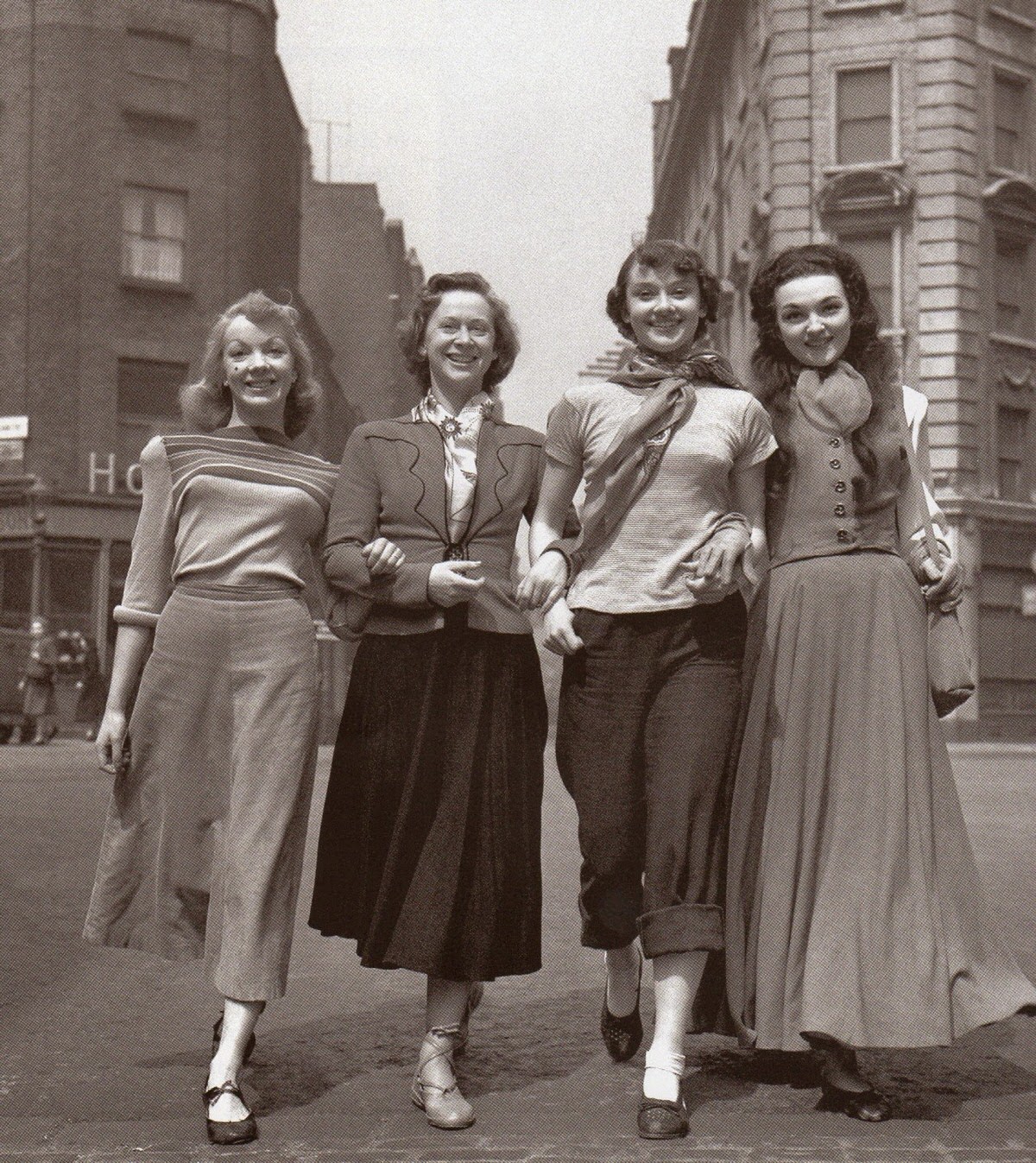
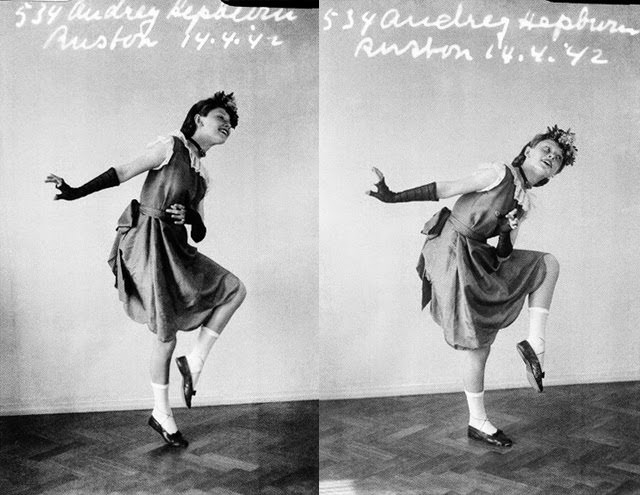
When the war ended in 1945, Audrey moved to Amsterdam with her mother. She began studying ballet under Sonia Gaskell, who was a leading teacher in the country. To help pay for her lessons and support her family, Audrey worked in a florist shop. In 1948, she received a scholarship to study at the Marie Rambert ballet school in London. She moved there alone and lived in a small apartment while practicing her dance routines for hours every day. She hoped to become a prima ballerina, which was her greatest dream.
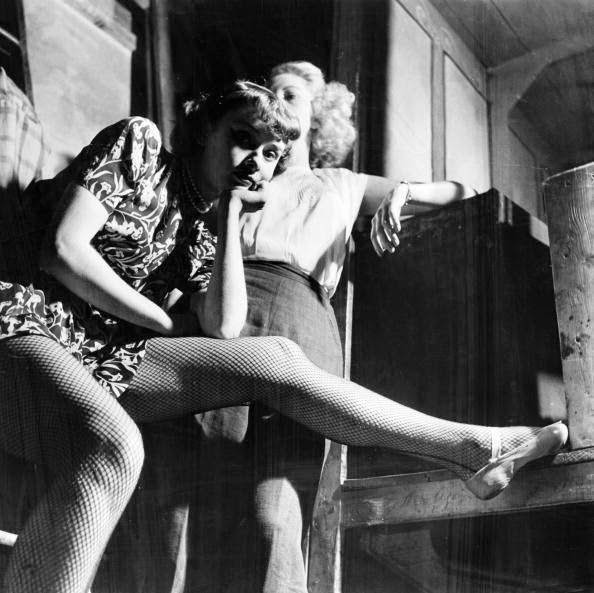
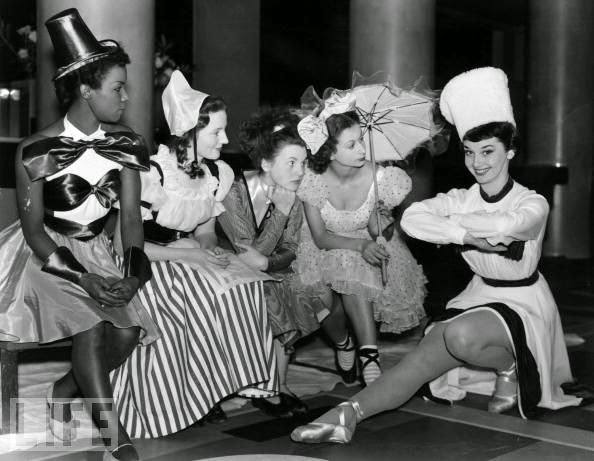
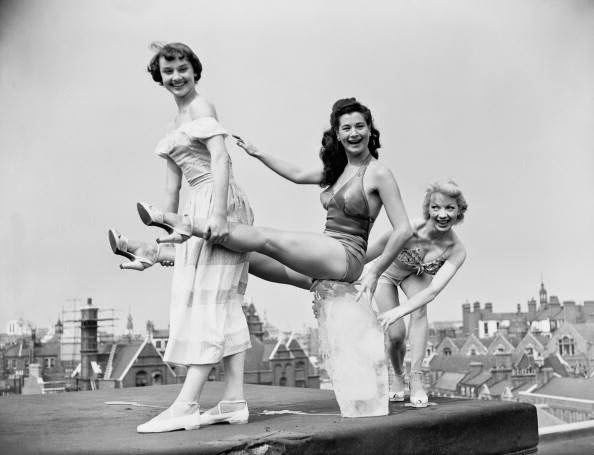
Marie Rambert eventually told Audrey that she did not have the physical build to be a lead dancer. Audrey was five feet and seven inches tall, which was considered too tall for most male dancers to lift. Her health issues from the war also meant she lacked the necessary muscle strength for the most difficult roles. Knowing she could not reach the top of the ballet world, Audrey began looking for other ways to earn money. She started working as a model for photographers and as a chorus girl in musical theater productions.
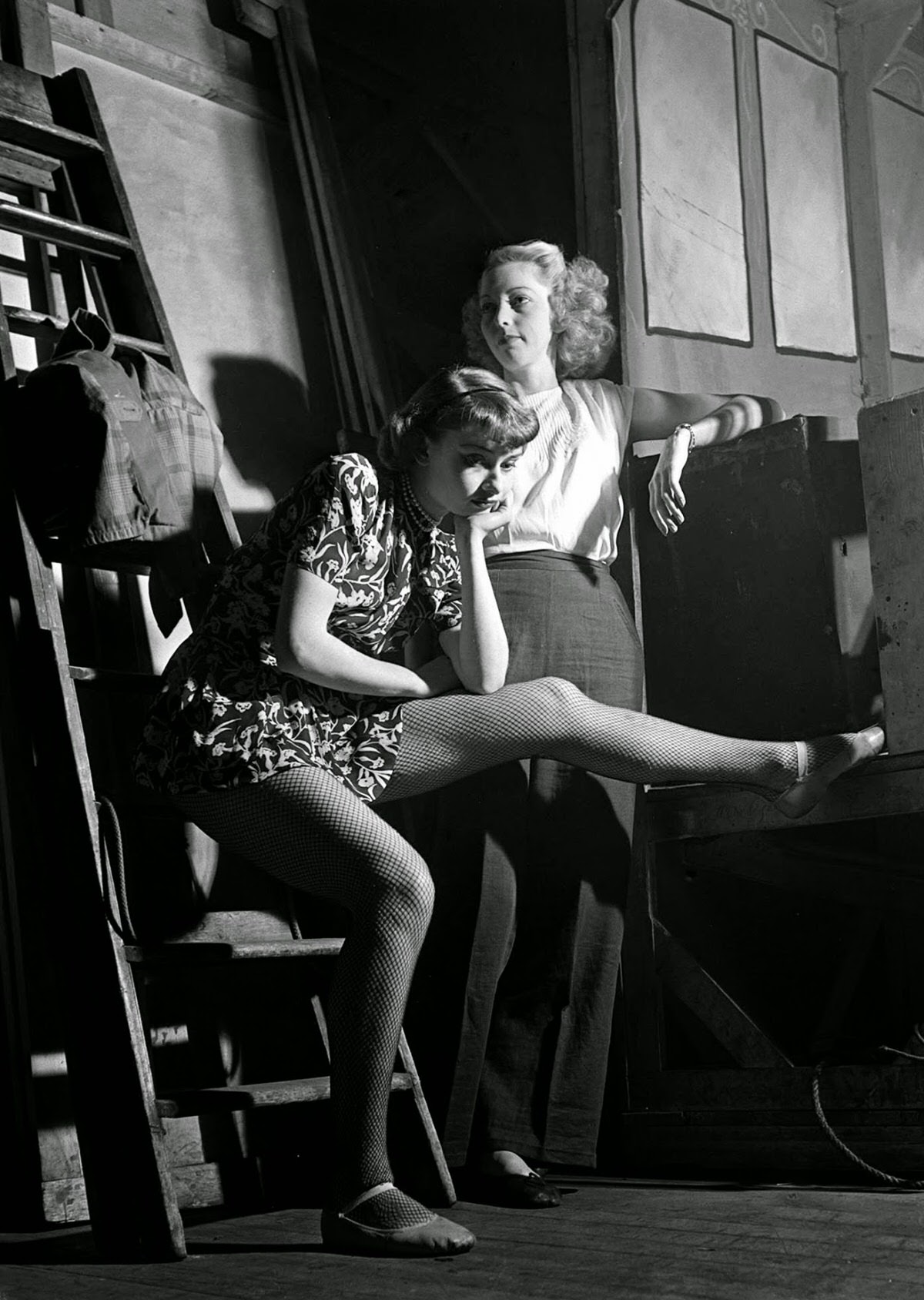
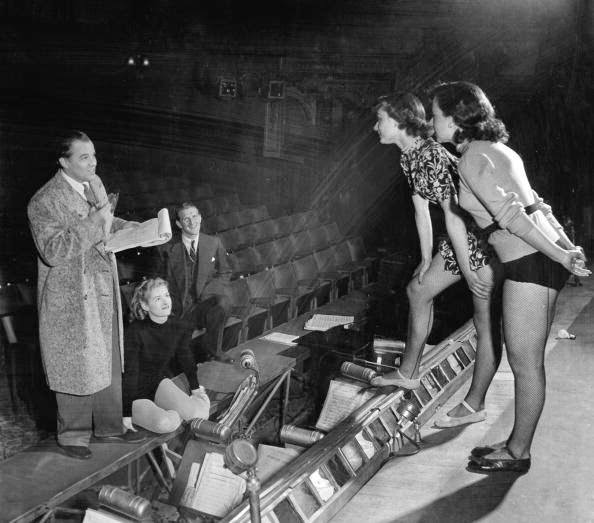
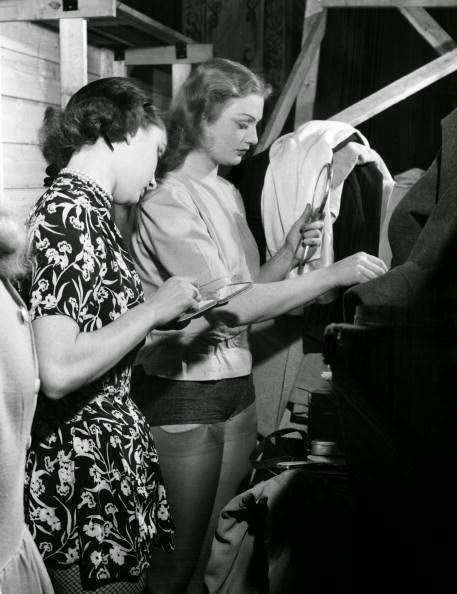
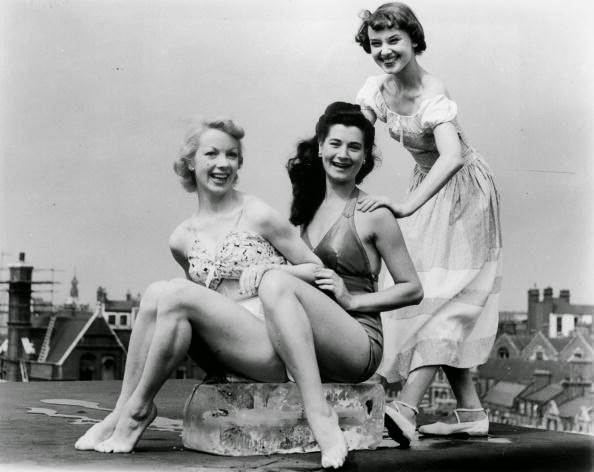
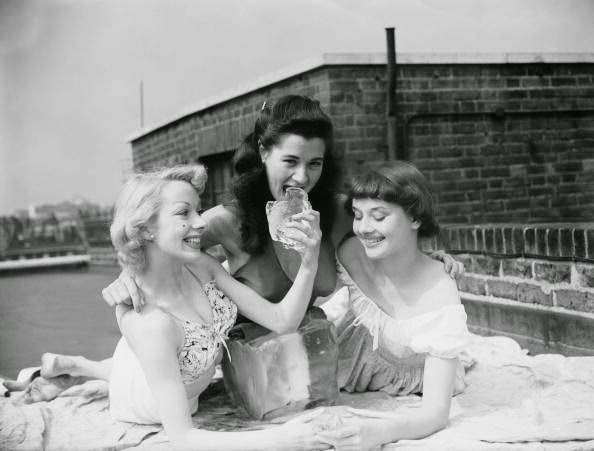
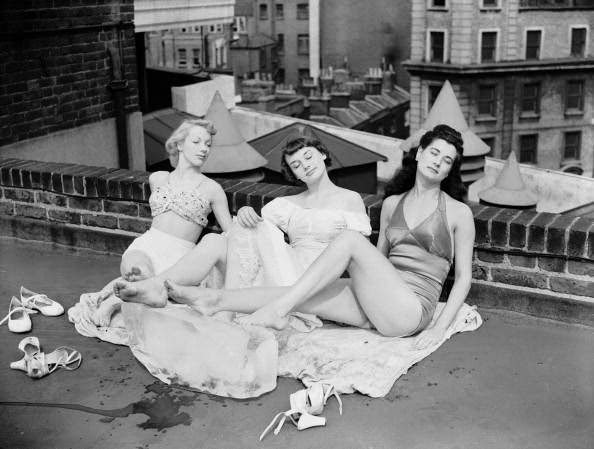
Her first stage appearance in London was in a show called High Button Shoes in 1948. She performed in the chorus line and began to take small acting classes on the side. She appeared in minor roles in British films such as One Wild Oat and The Lavender Hill Mob. While she was filming a small part in France, the famous writer Colette saw her. Colette immediately decided that Audrey was the perfect person to play the title character in her play Gigi. This casting led Audrey to travel to America, marking the end of her life as an unknown student and the beginning of her career in the theater.