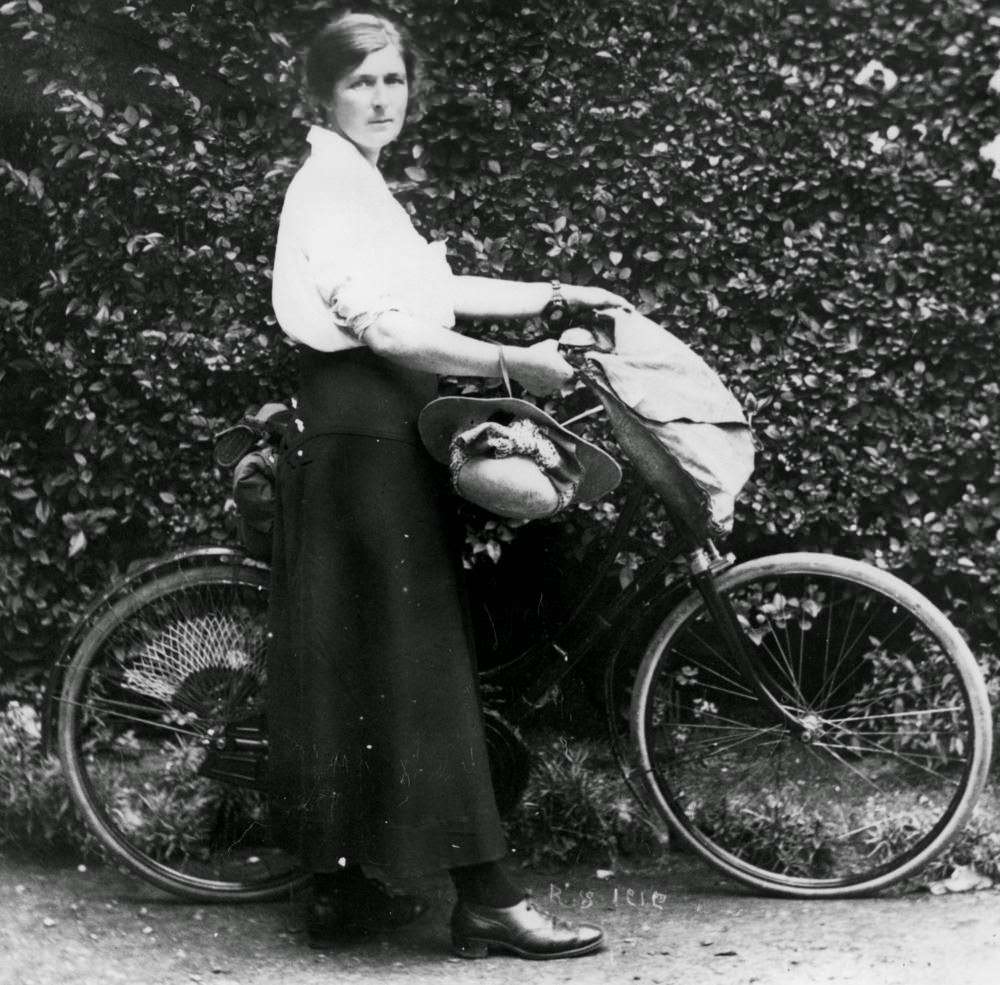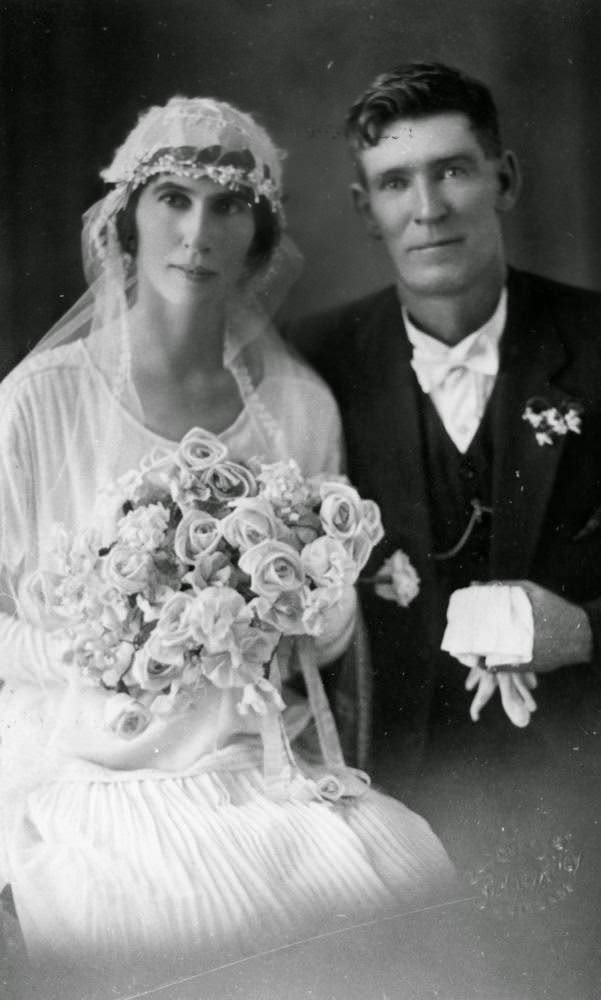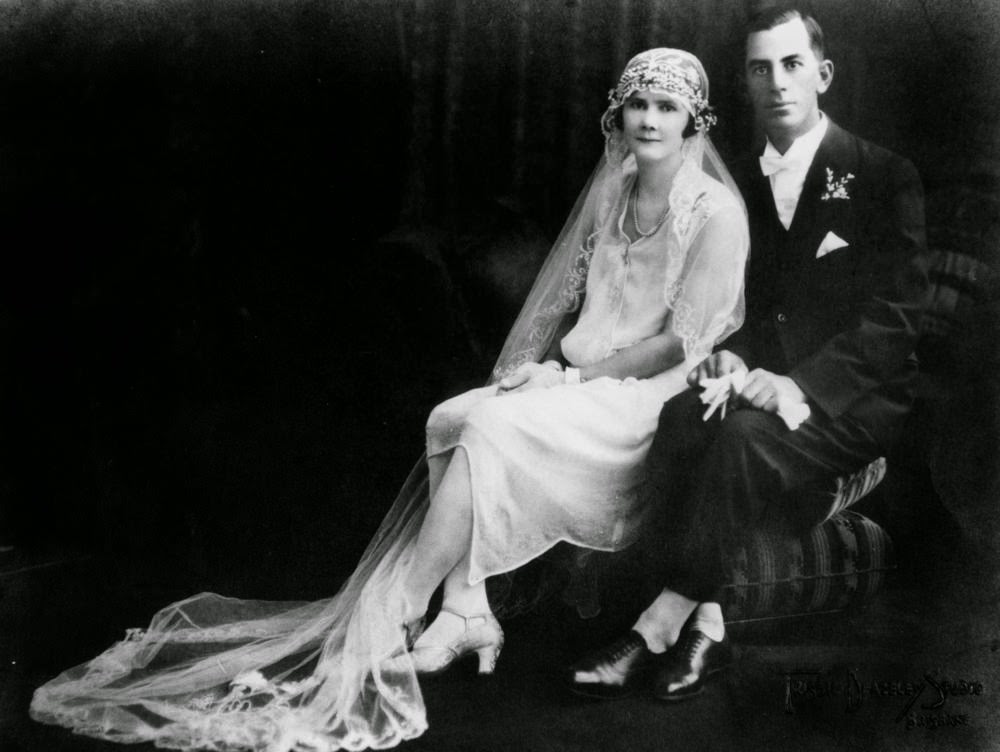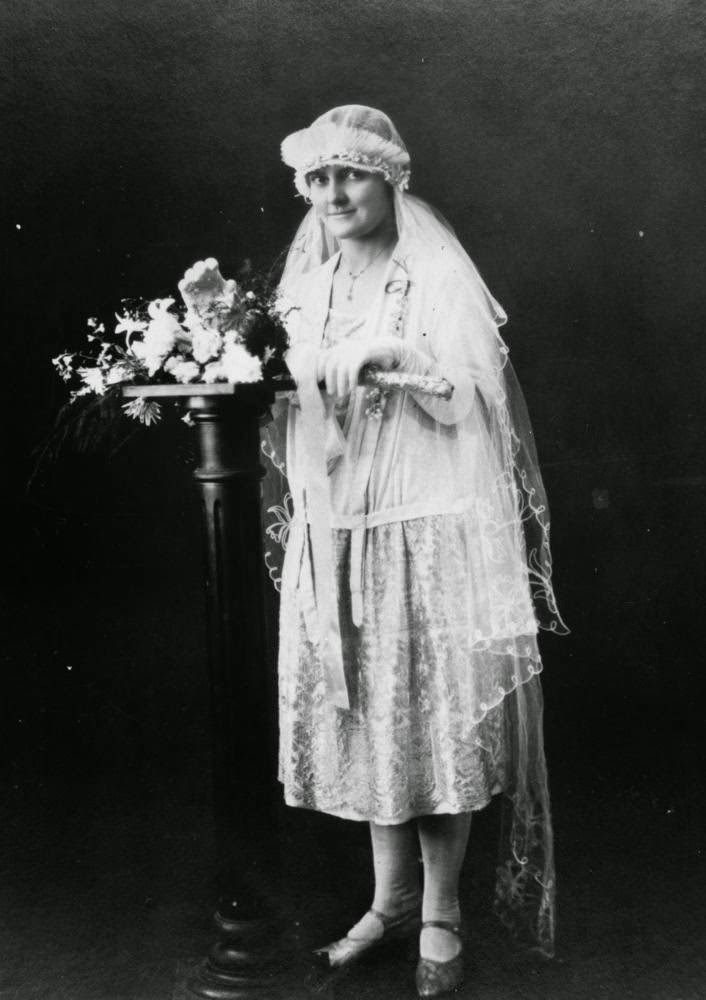

Australia in the 1920s was a country finding its footing. The First World War had ended, cities were growing, and a new generation of young Australians wanted to live differently from their parents. Fashion was one of the clearest signs of that shift. What people wore in Sydney and Melbourne in 1925 looked nothing like what they had worn in 1910, and the reasons went far beyond simple trends.
The Flapper Arrived, But on Australian Terms
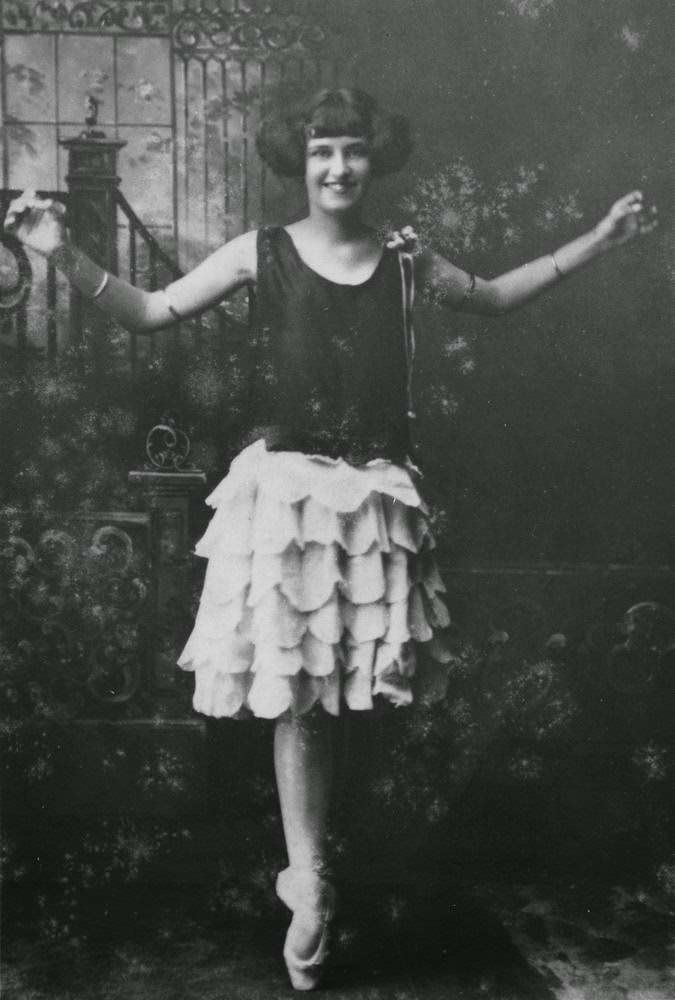
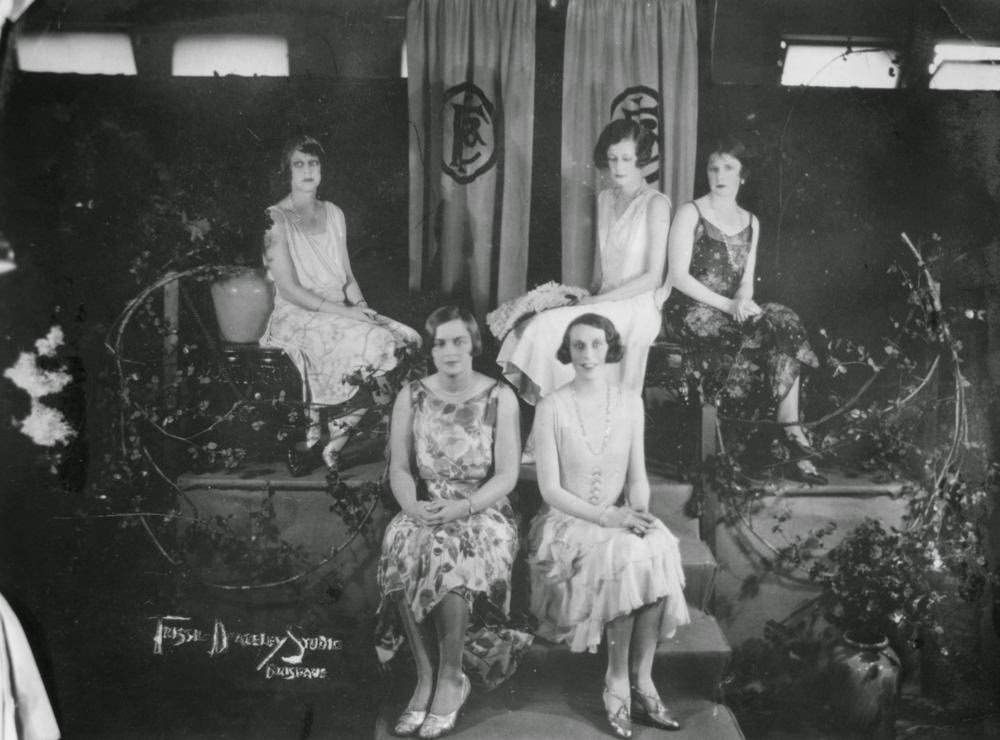
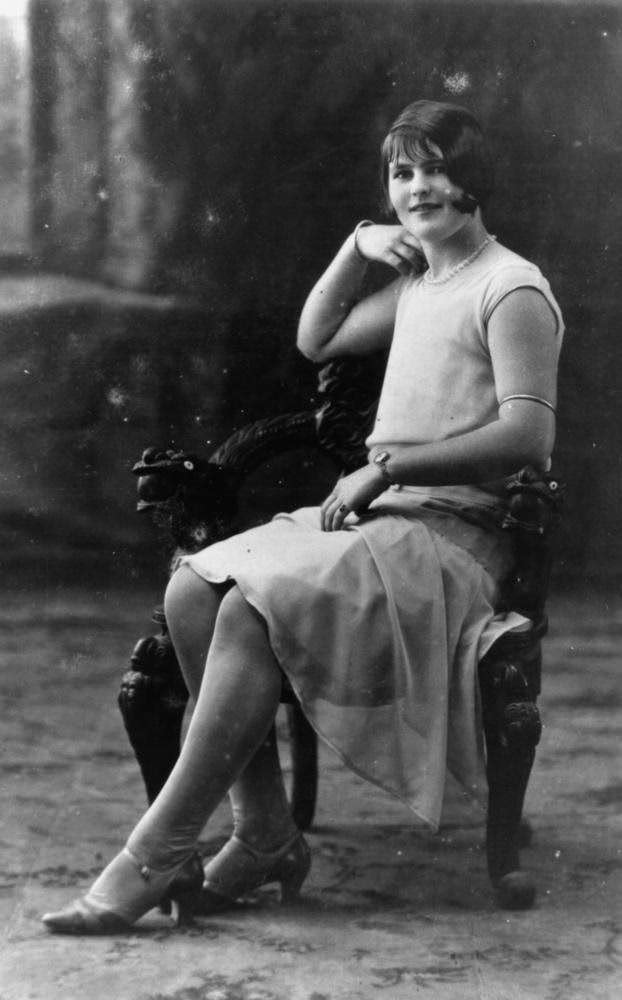
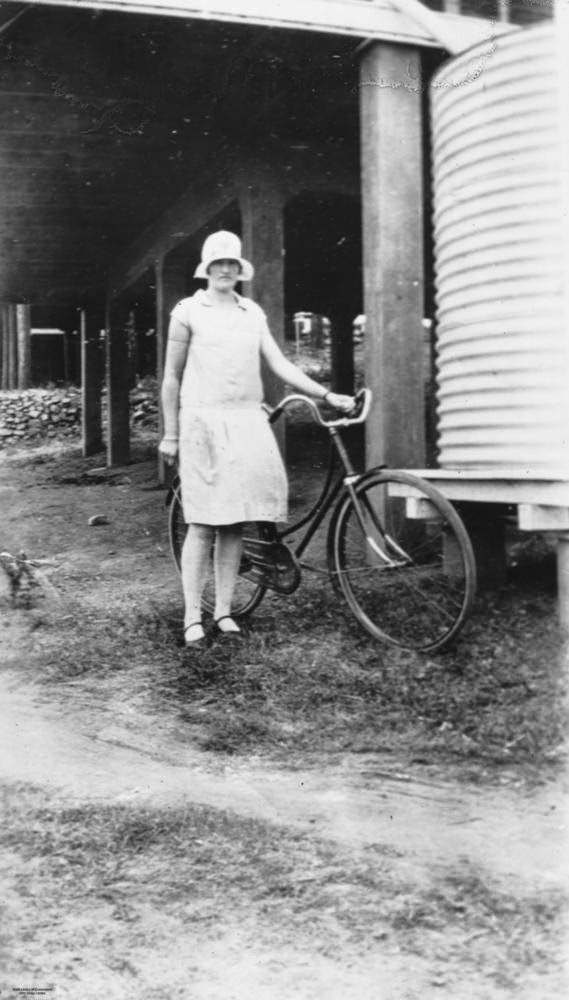
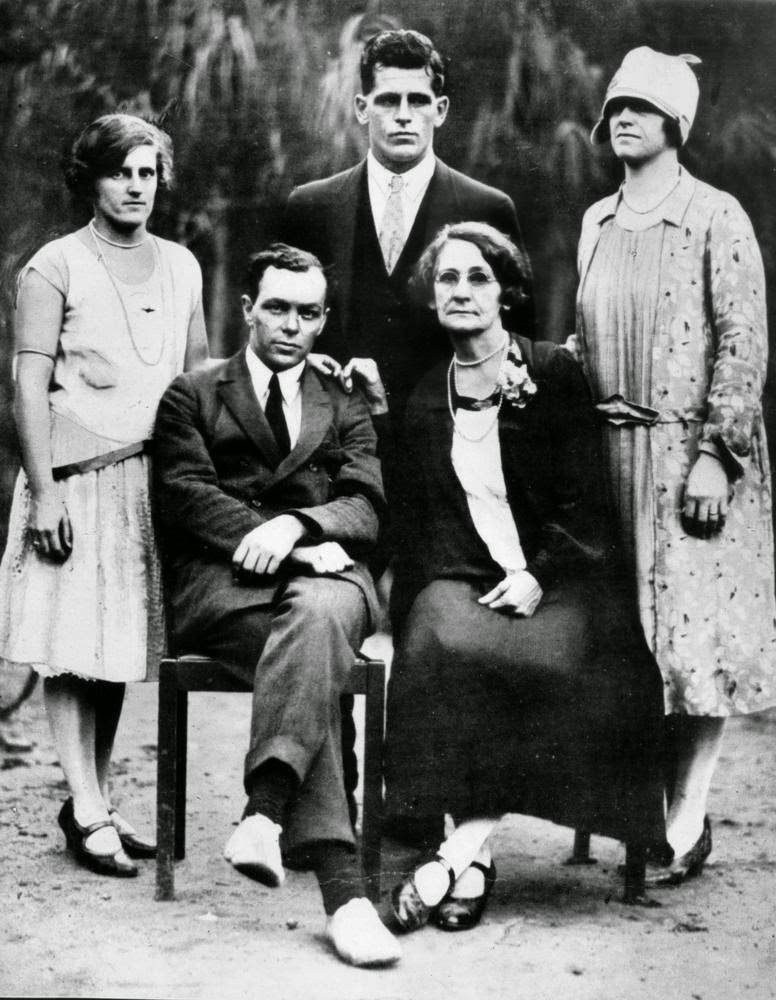
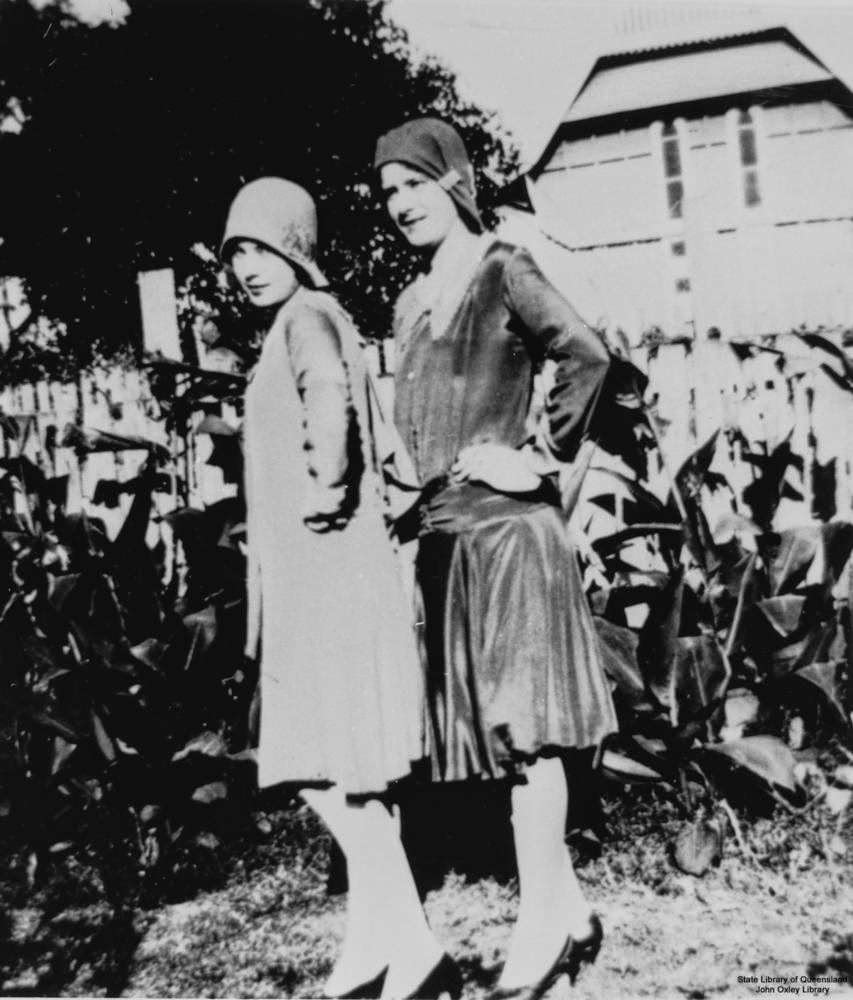
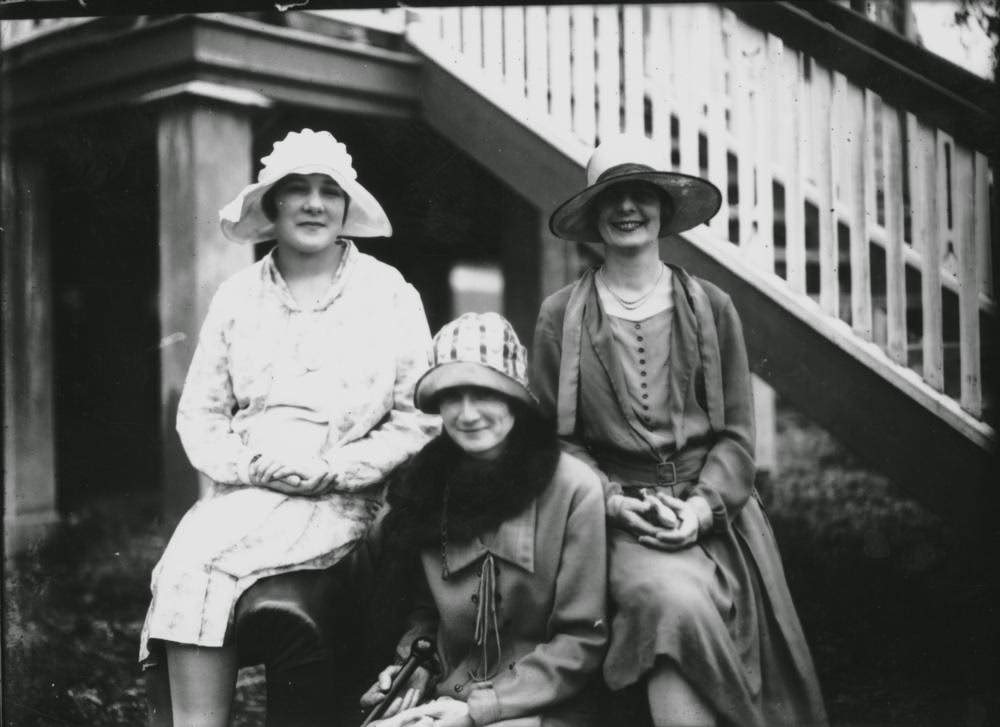
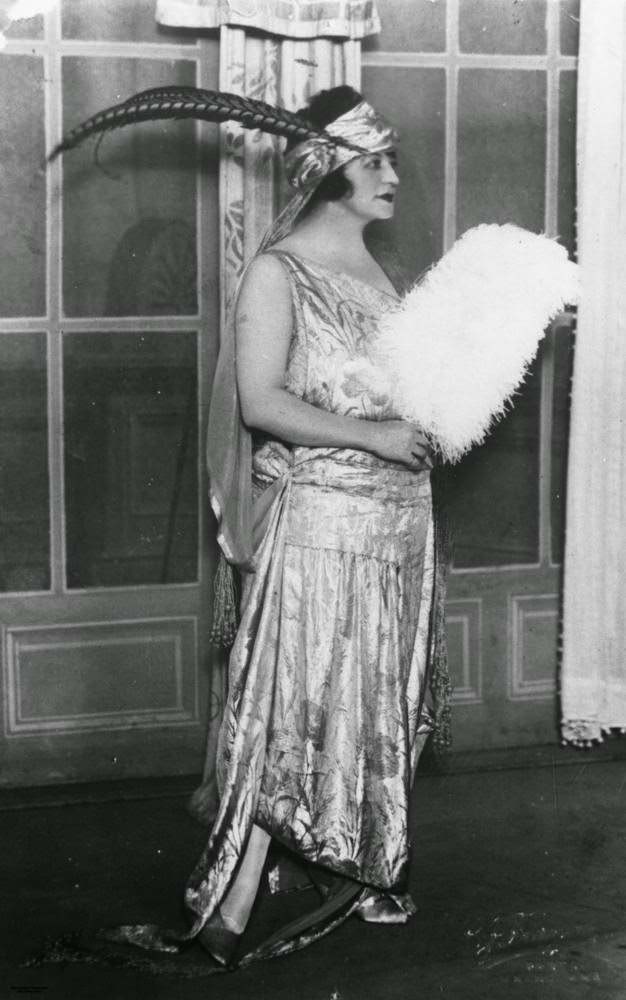
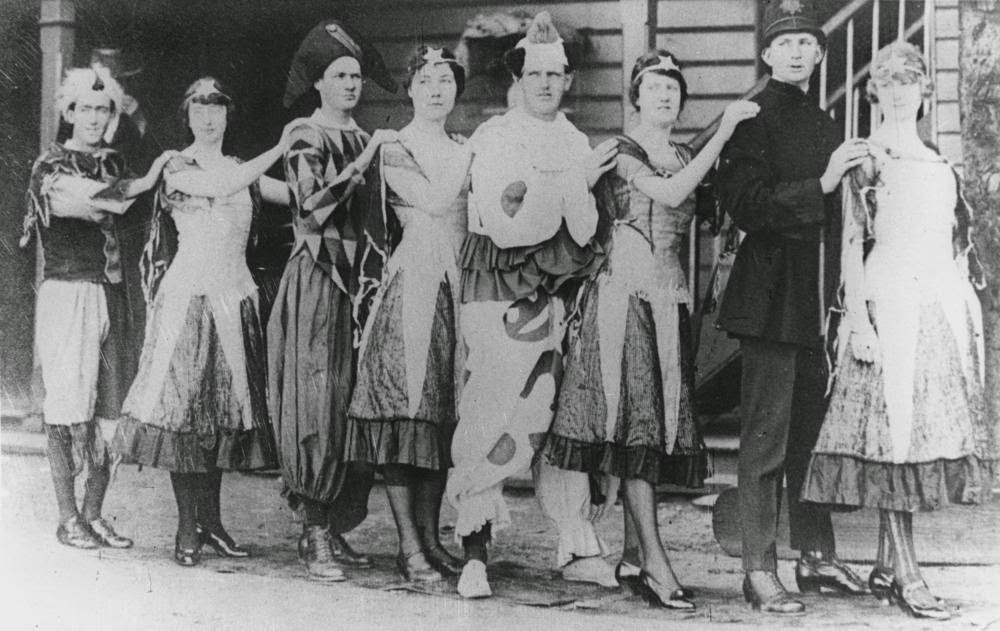
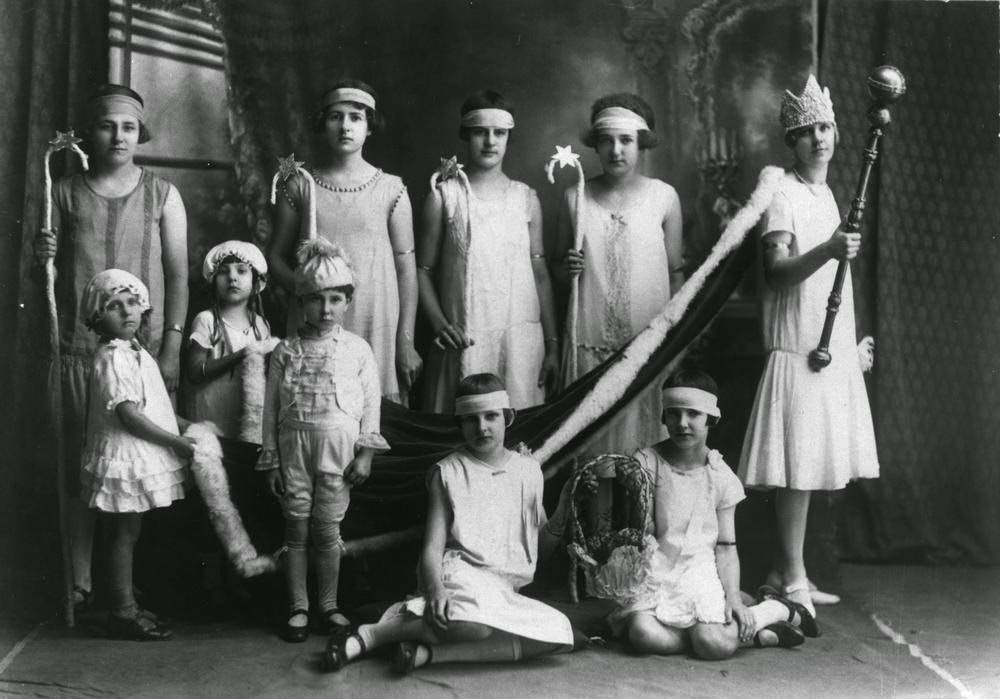
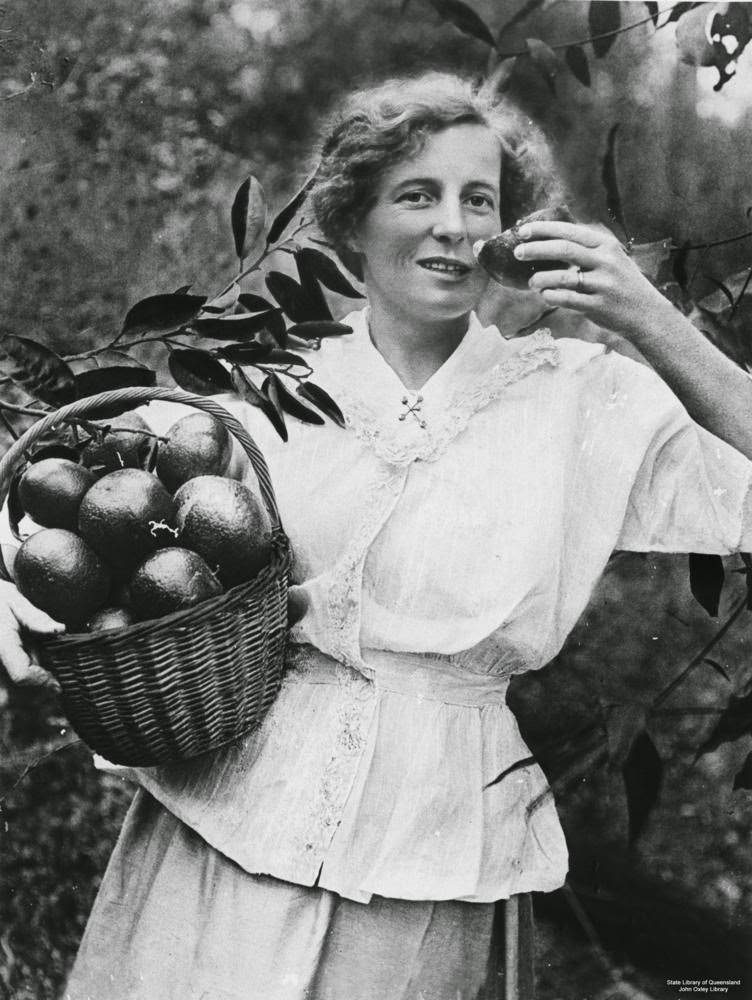
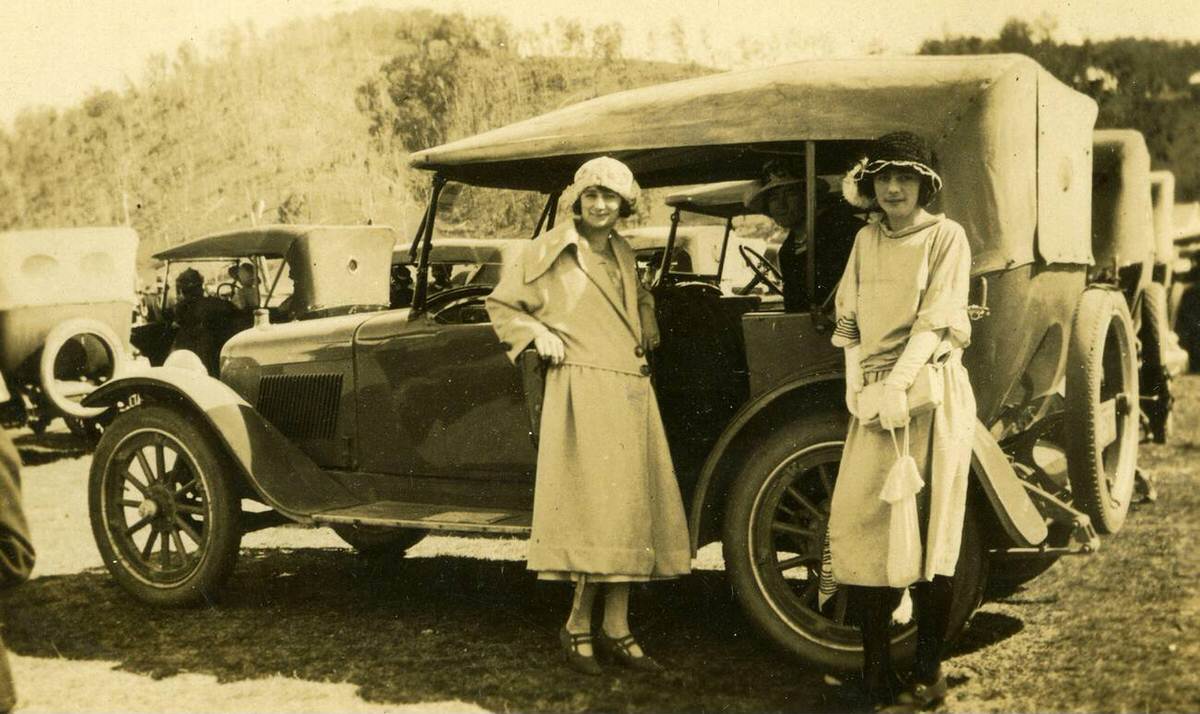
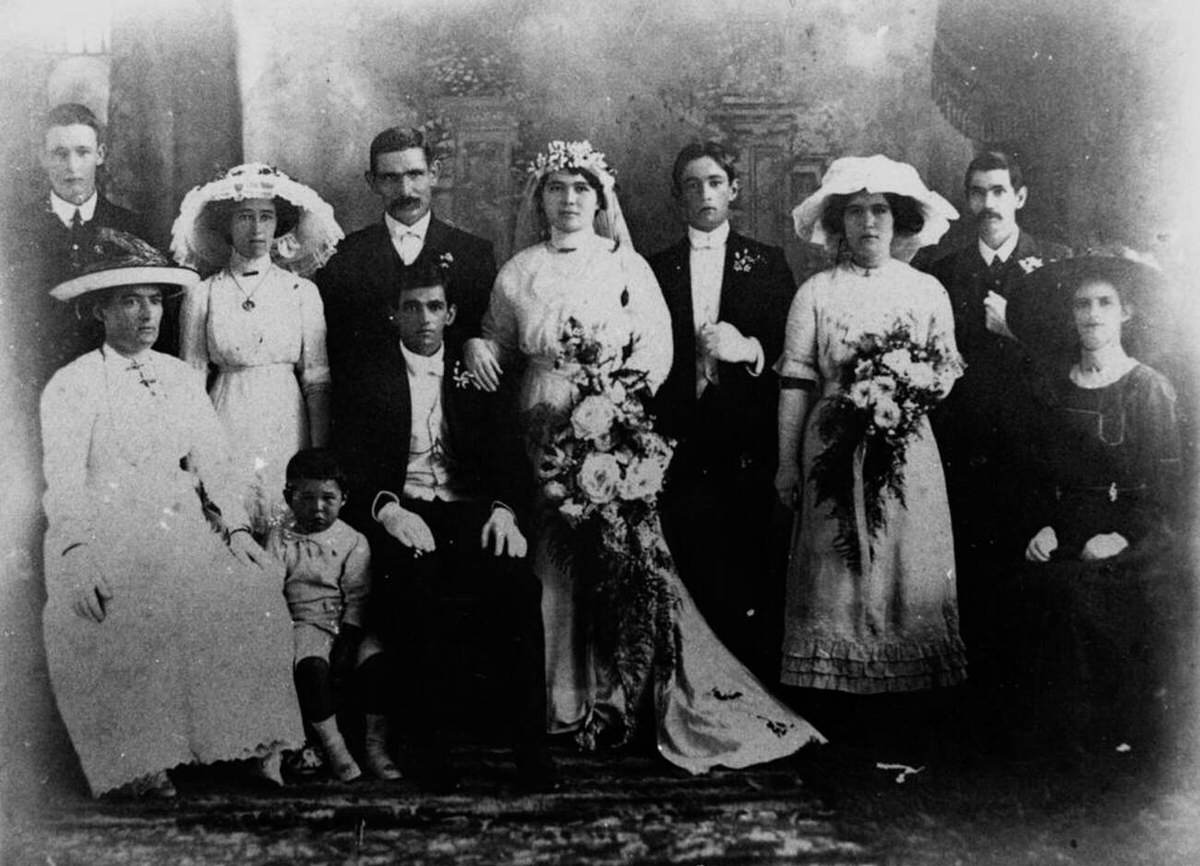
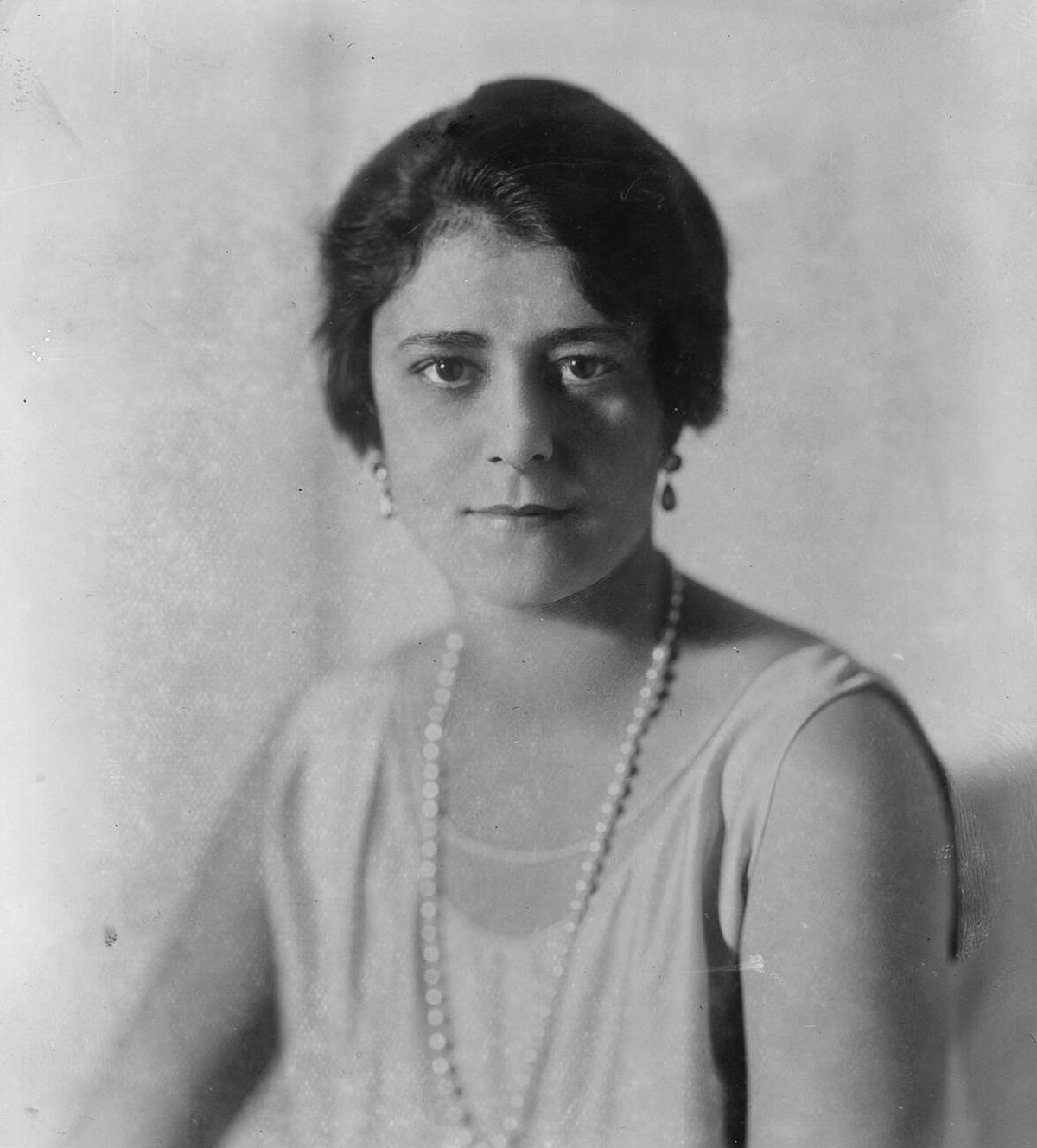
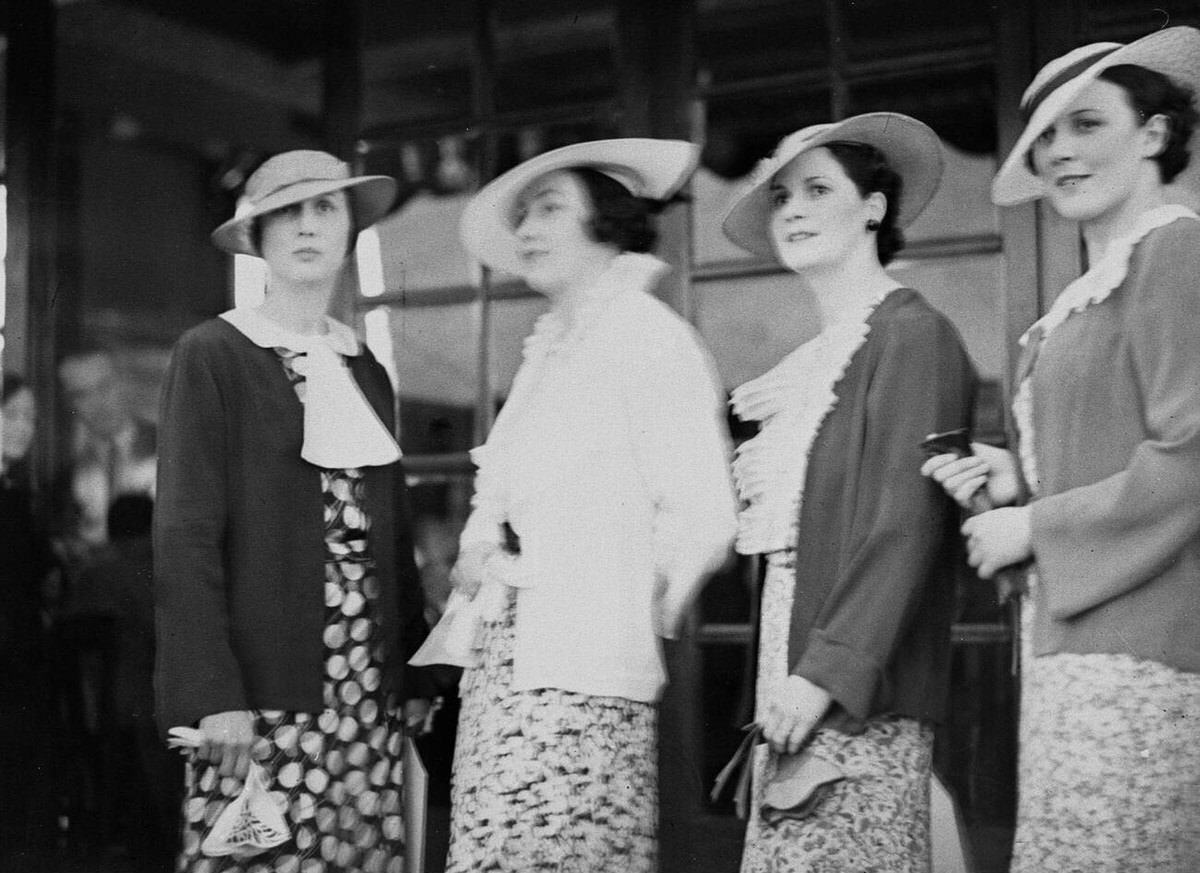
The flapper style that swept through Europe and America landed in Australia with genuine force. Dropped waistlines, shorter hemlines, and looser silhouettes replaced the rigid, corseted shapes of the previous decade. By the mid-1920s, Australian women in cities were wearing dresses that sat just below the knee — scandalously short by the standards of their mothers’ generation.
Australian designers and dressmakers did not copy Paris directly. They adapted. The Australian climate made heavy European fabrics impractical for most of the year, so local dressmakers worked with lighter cotton voiles, silk crepe, and lawn fabrics that could handle the heat. A drop-waist dress cut in Paris from heavy charmeuse got remade in Sydney using georgette that moved in the summer breeze. The silhouette was the same. The fabric choice was distinctly local.
Read more..
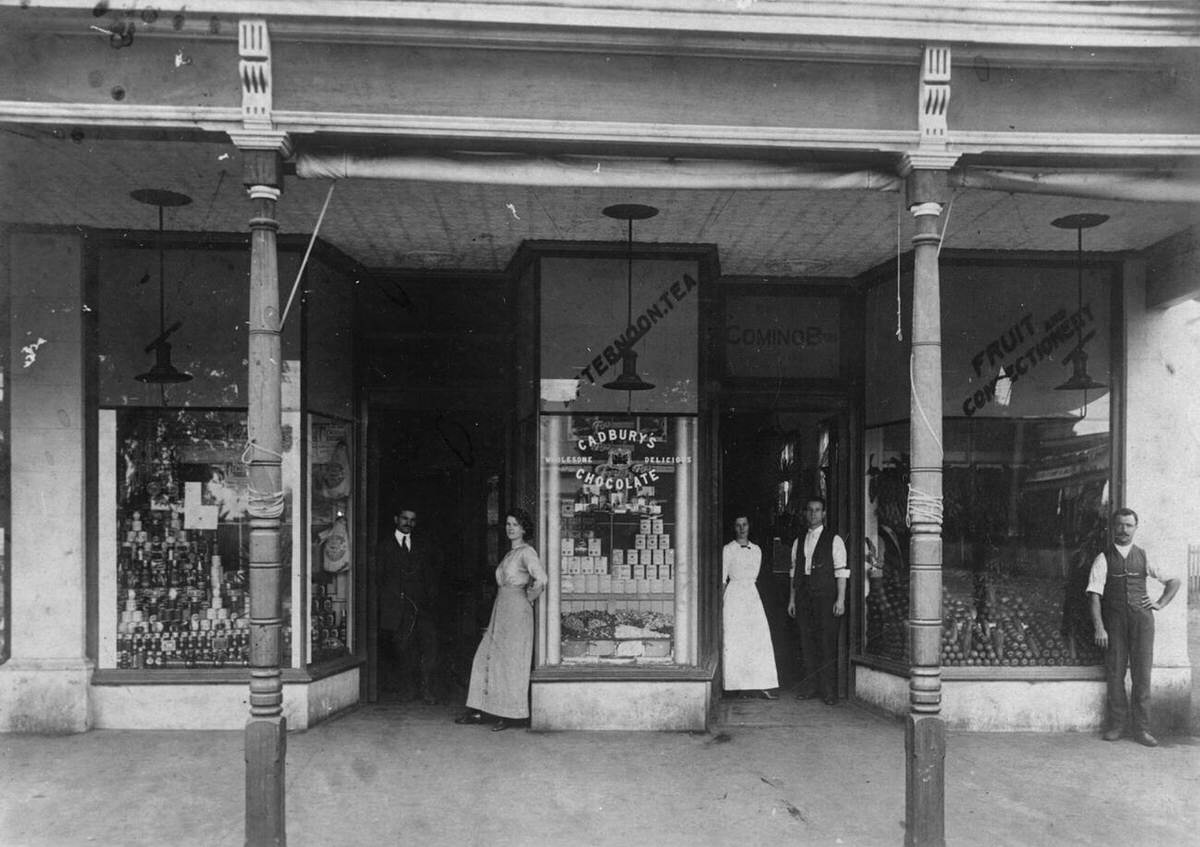
Department stores played a central role in how fashion reached ordinary Australians. David Jones in Sydney and Myer in Melbourne imported fabrics and patterns from Britain and Europe, then sold them alongside ready-made garments that translated the latest looks into affordable pieces. Women who could not afford a dressmaker bought paper patterns and made their clothes at home. Fashion in 1920s Australia was not purely for the wealthy — it filtered down quickly through department store culture and home sewing.
What Men Were Wearing
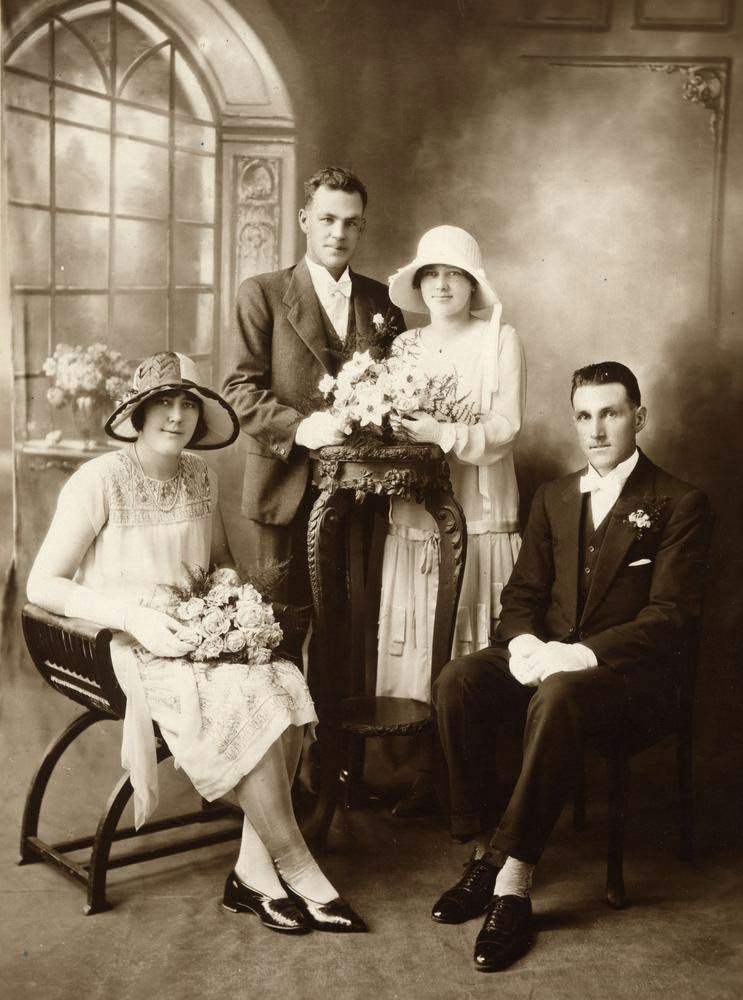
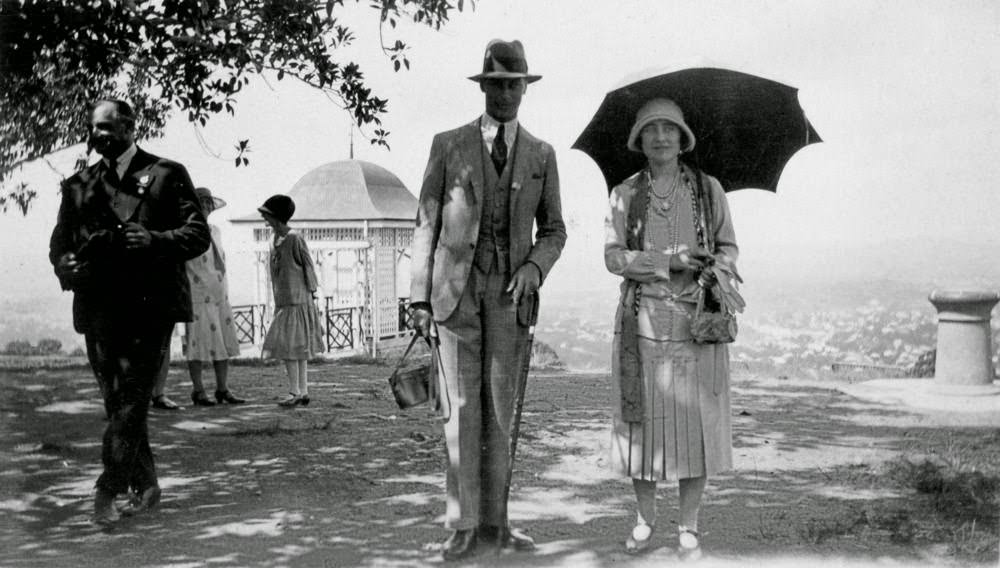
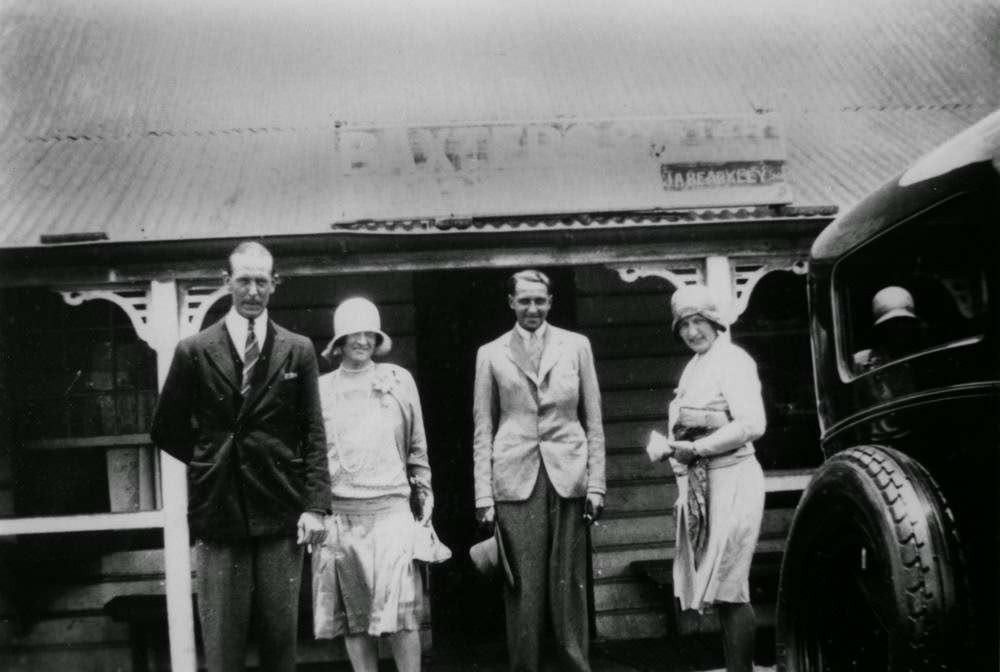
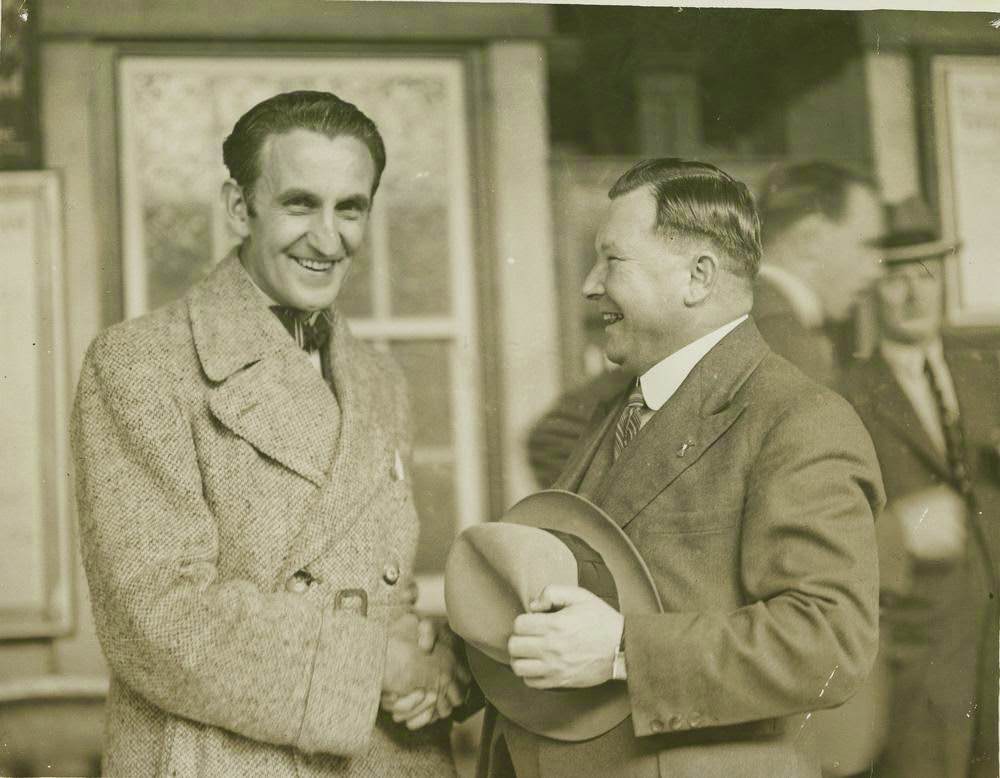
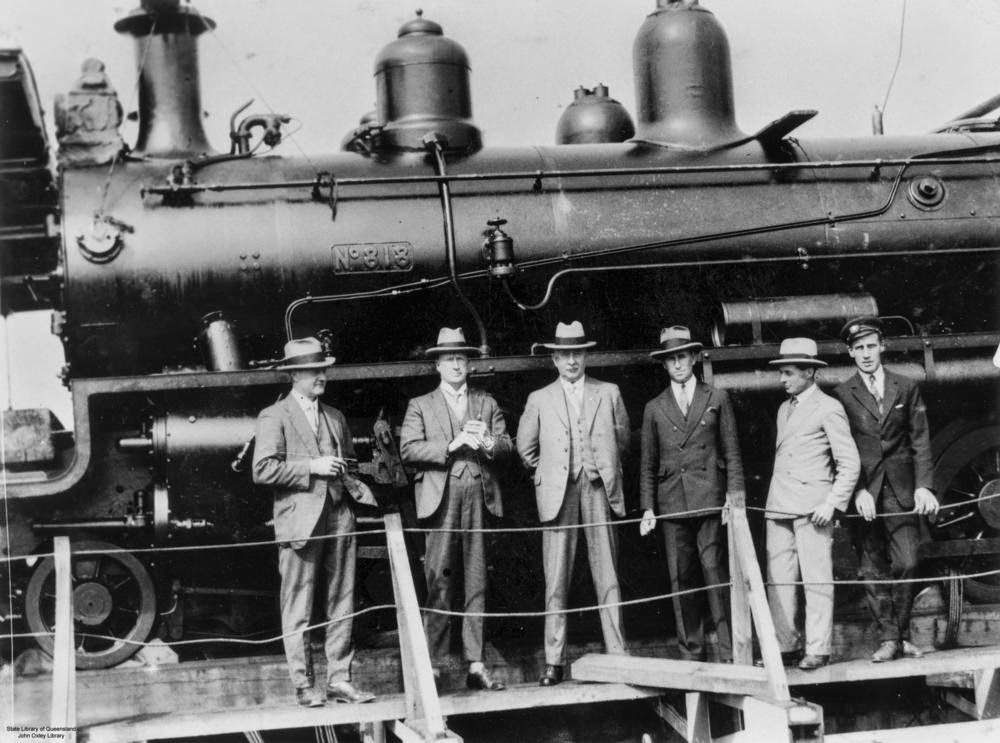
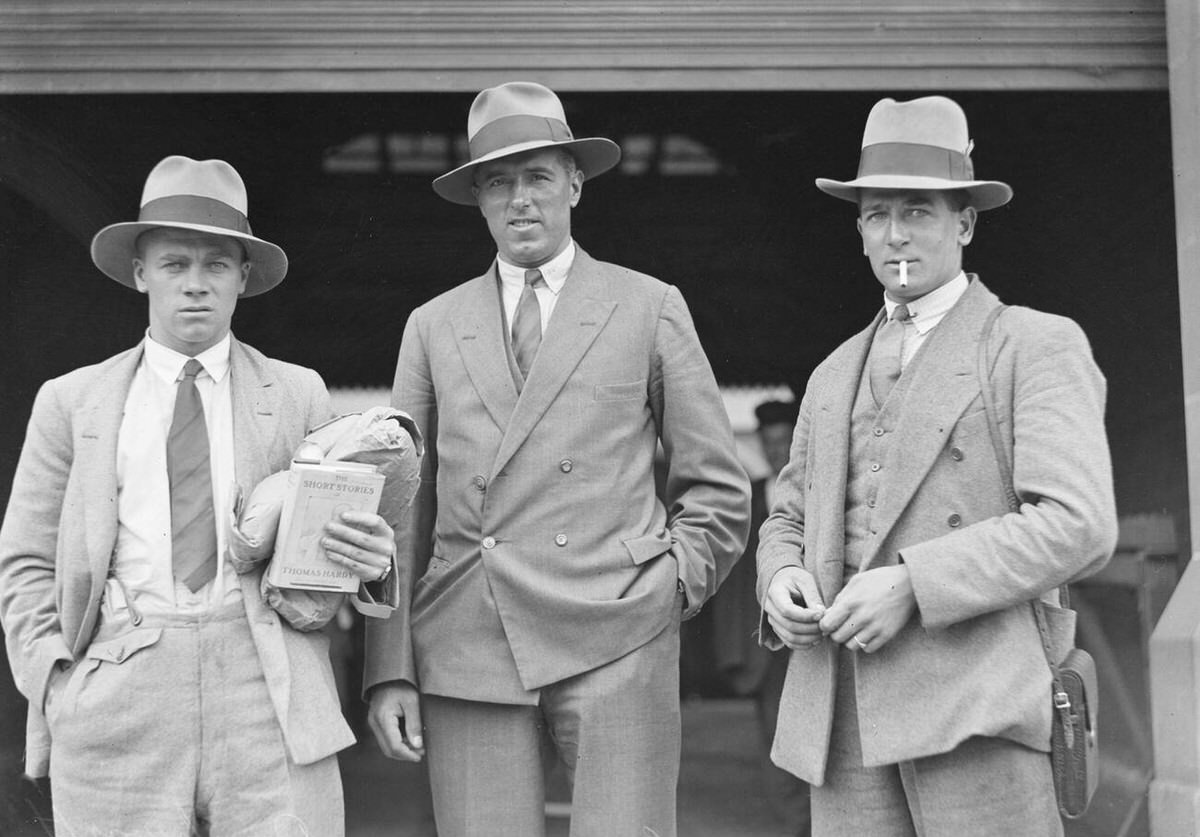
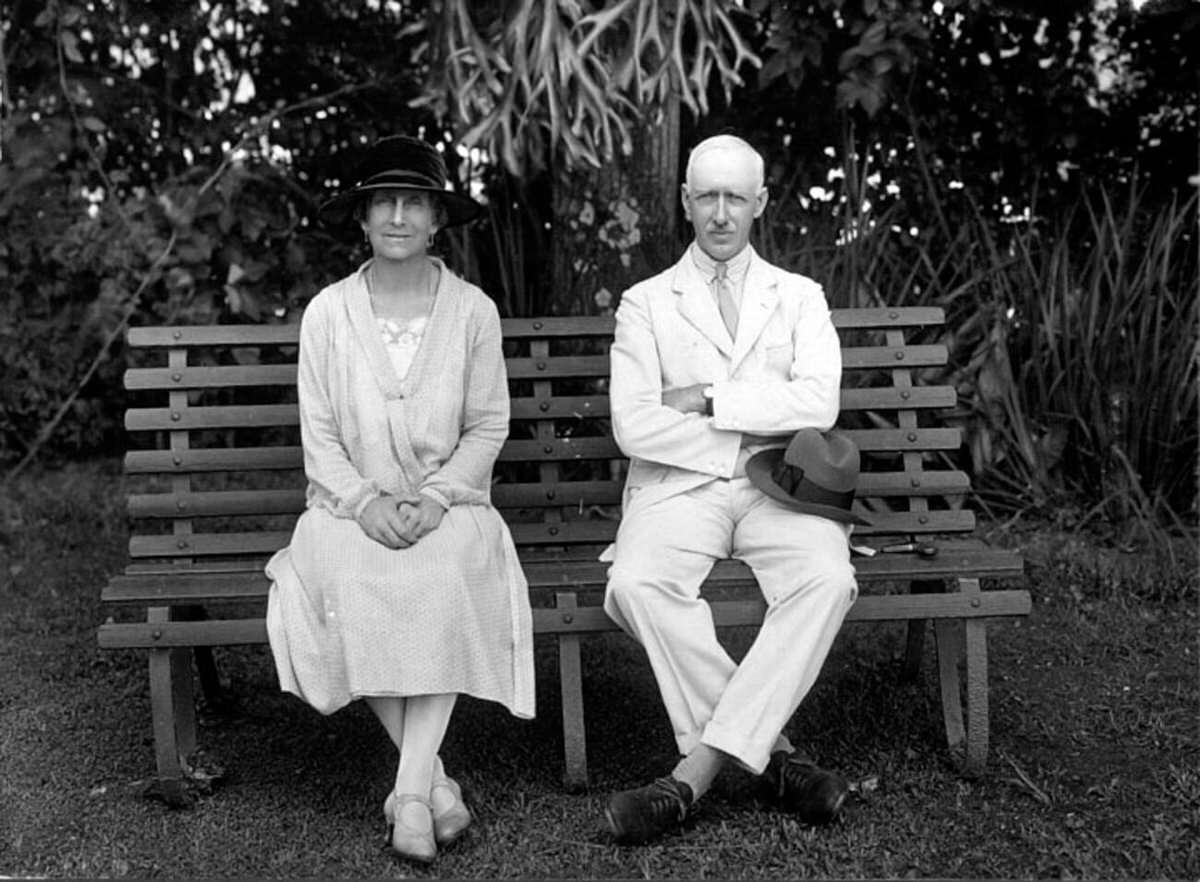
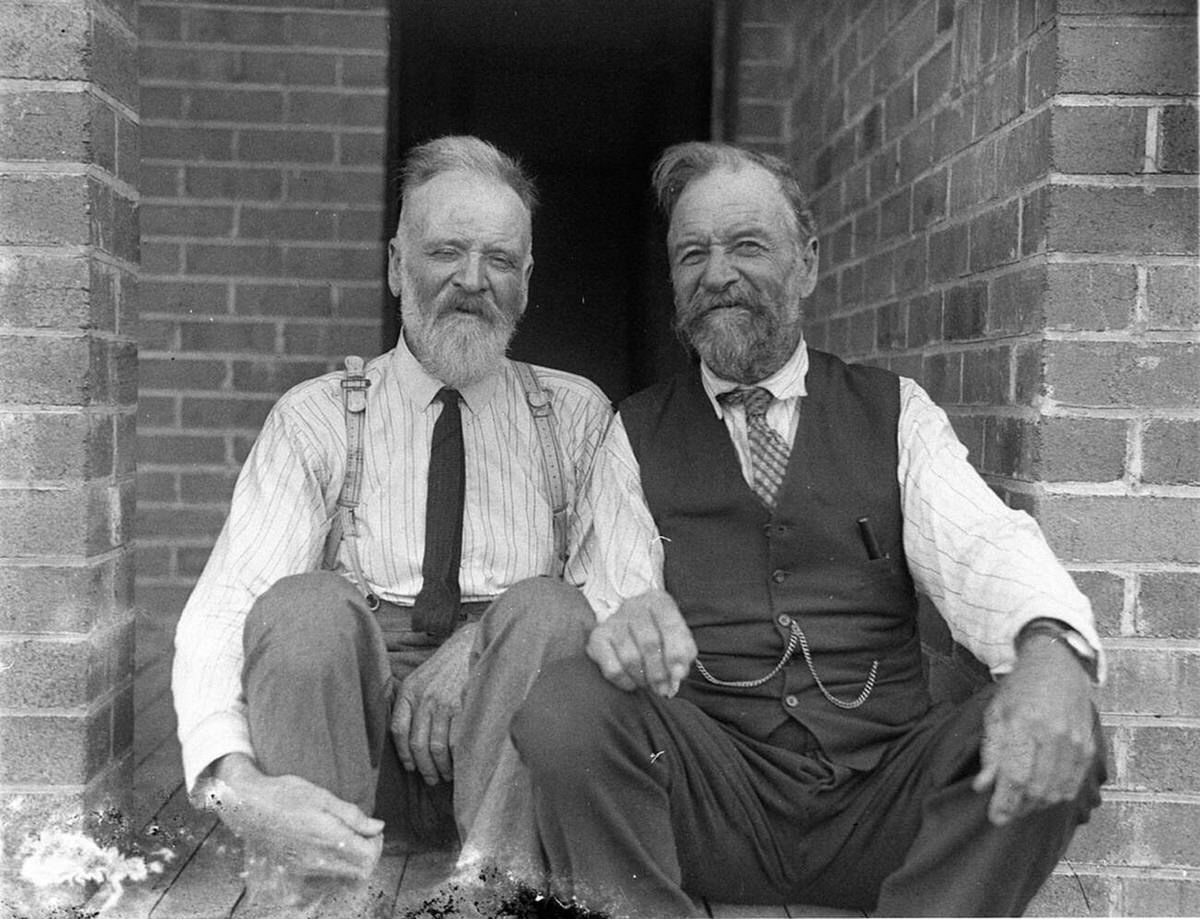
Men’s fashion changed more slowly, but it did change. The three-piece suit remained the standard for business and formal occasions, but the cuts loosened noticeably through the decade. Jackets became less structured, trousers wider, and the rigid formality of Edwardian menswear softened into something more relaxed. Oxford bags — extremely wide-legged trousers that became fashionable among young men in Britain — appeared on Australian streets in the latter half of the decade, particularly among university students in Melbourne and Sydney.
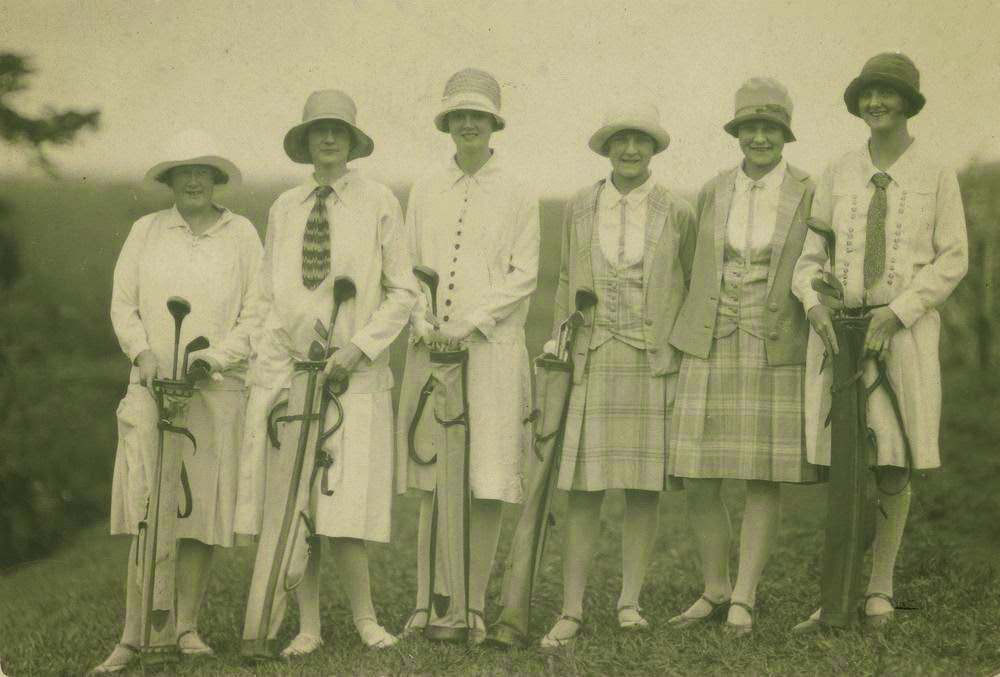
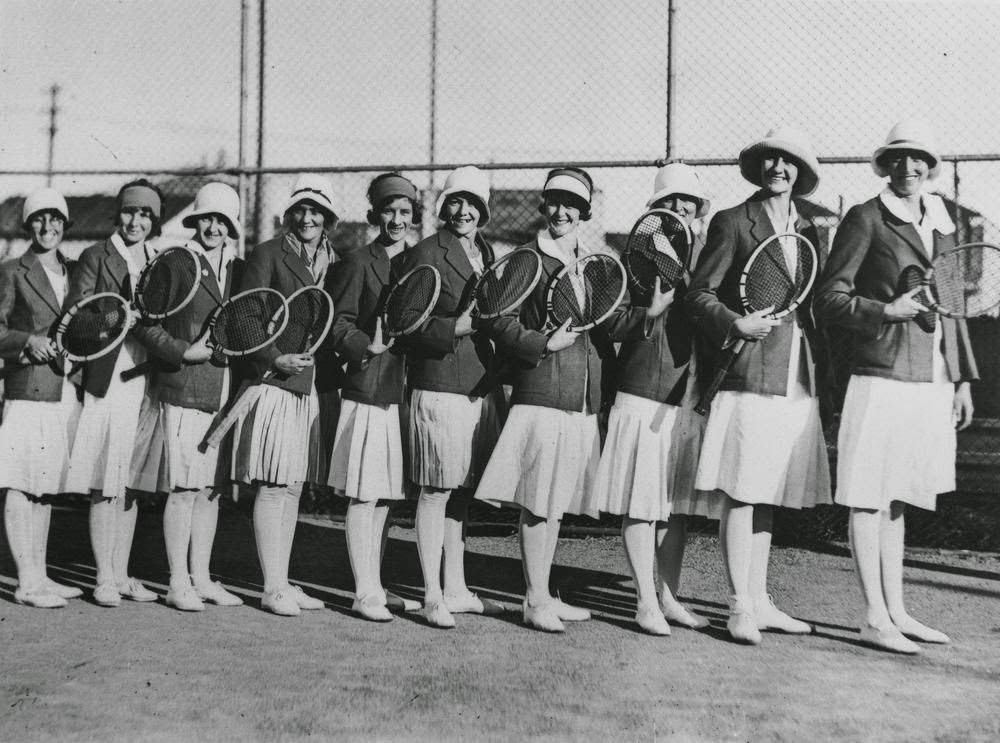
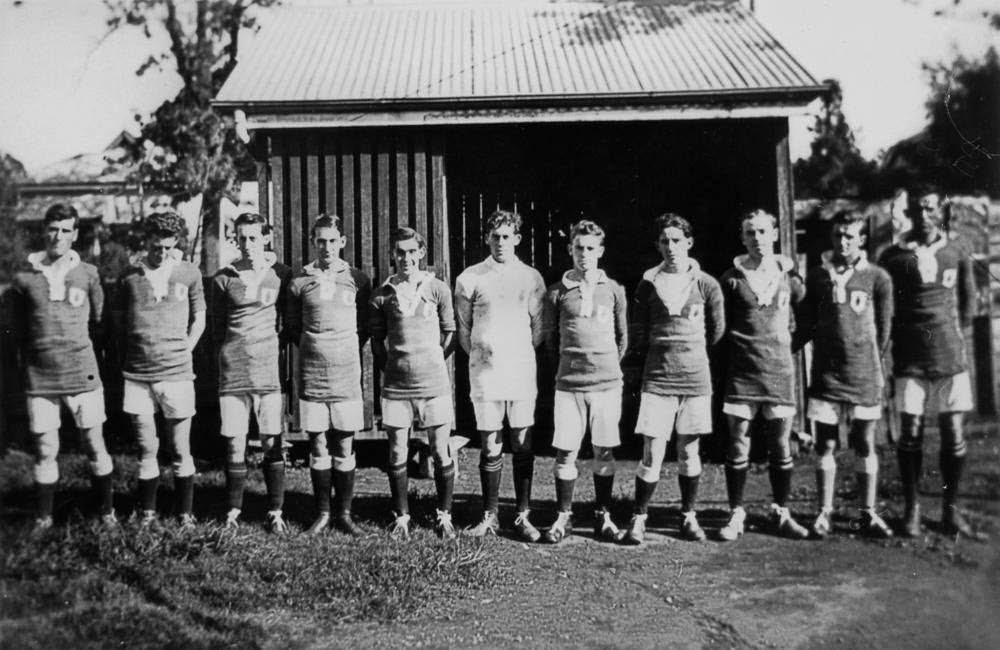
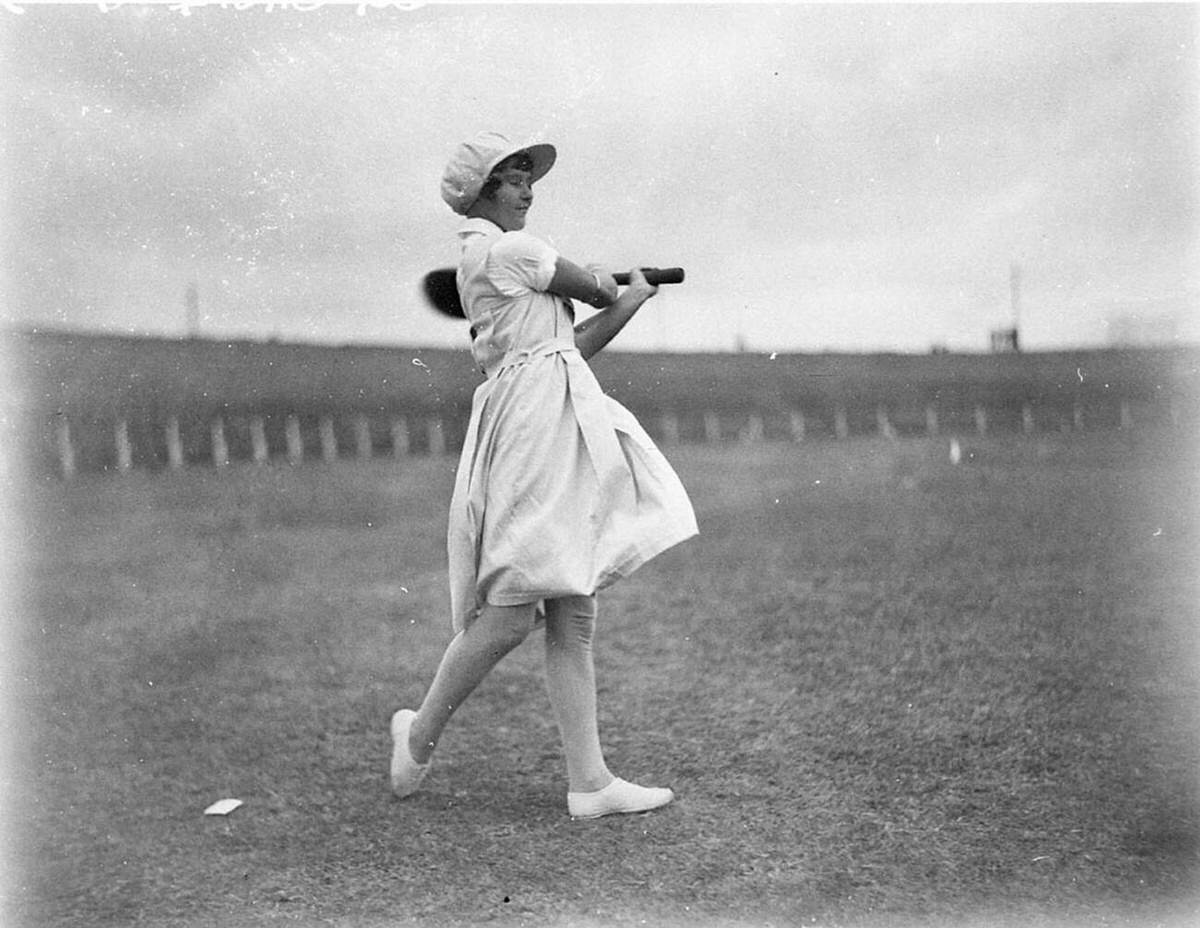
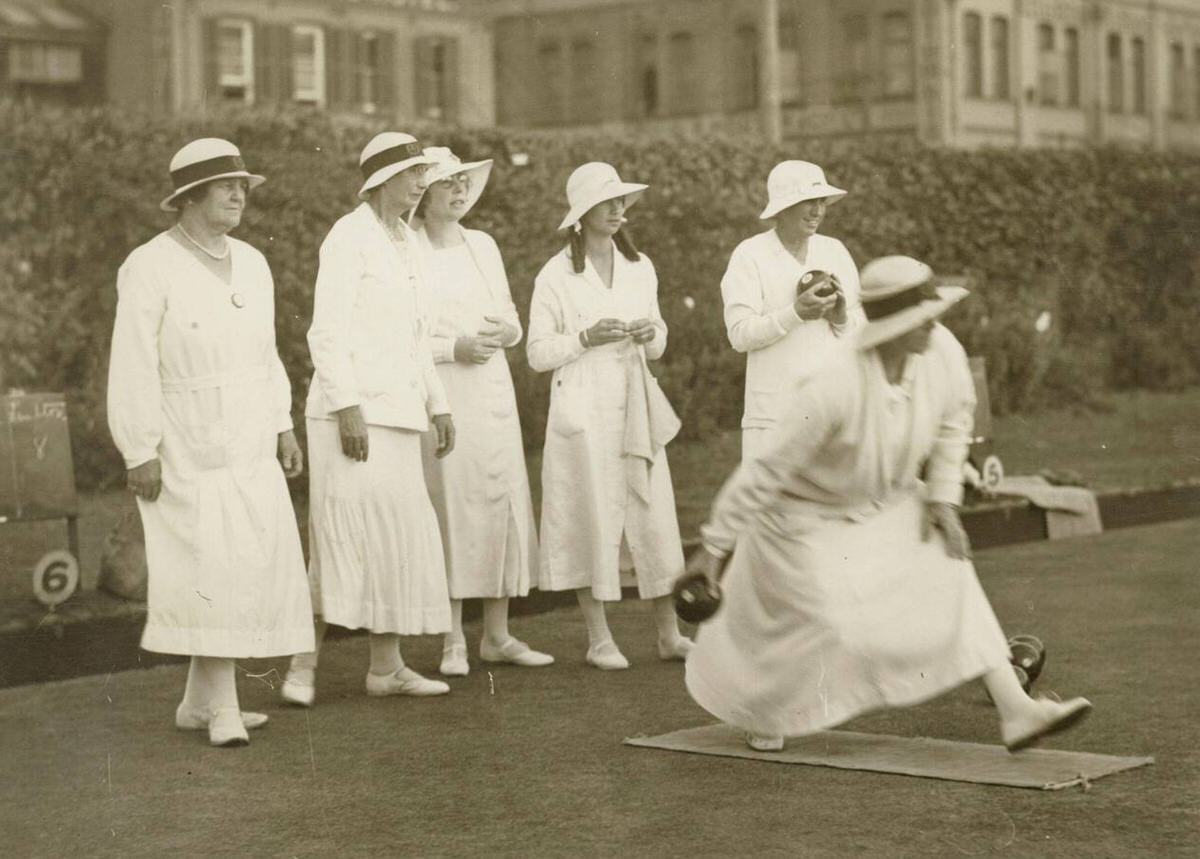
Sportswear became a genuine category for men in a way it had not been before. Australia’s outdoor culture and strong tradition of sport made athletic clothing more visible in daily life. Lightweight cricket whites, tennis flannels, and swimming costumes were designed with actual physical activity in mind, and the boundary between sporting dress and casual dress began to blur for the first time.
Beachwear and the Australian Exception
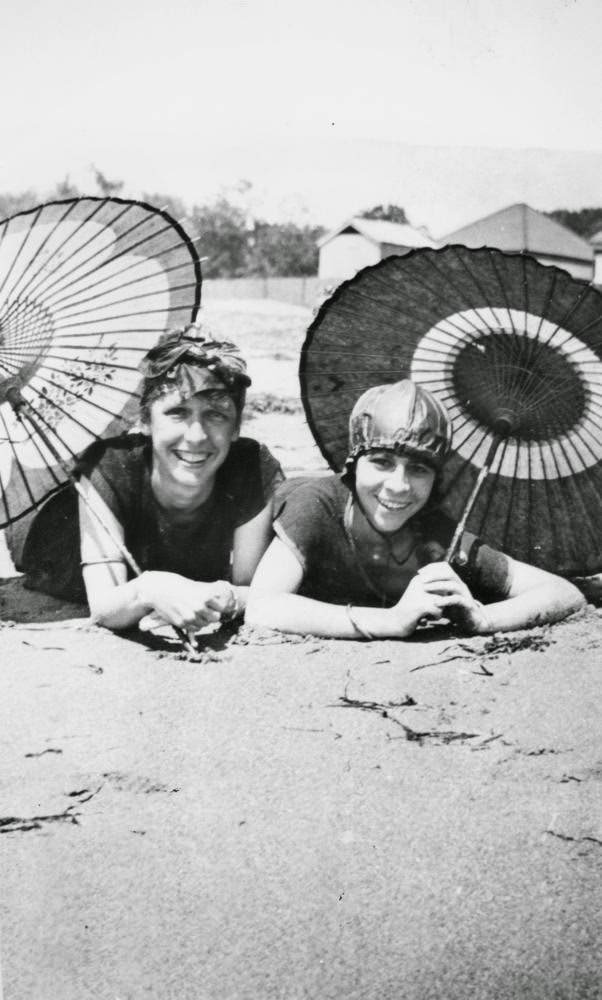
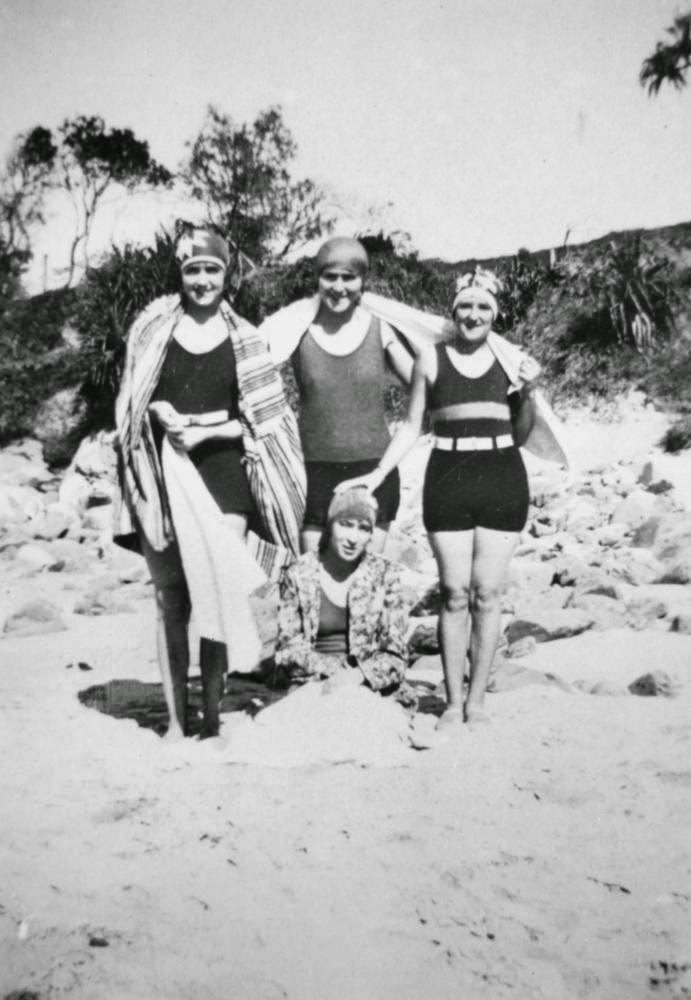
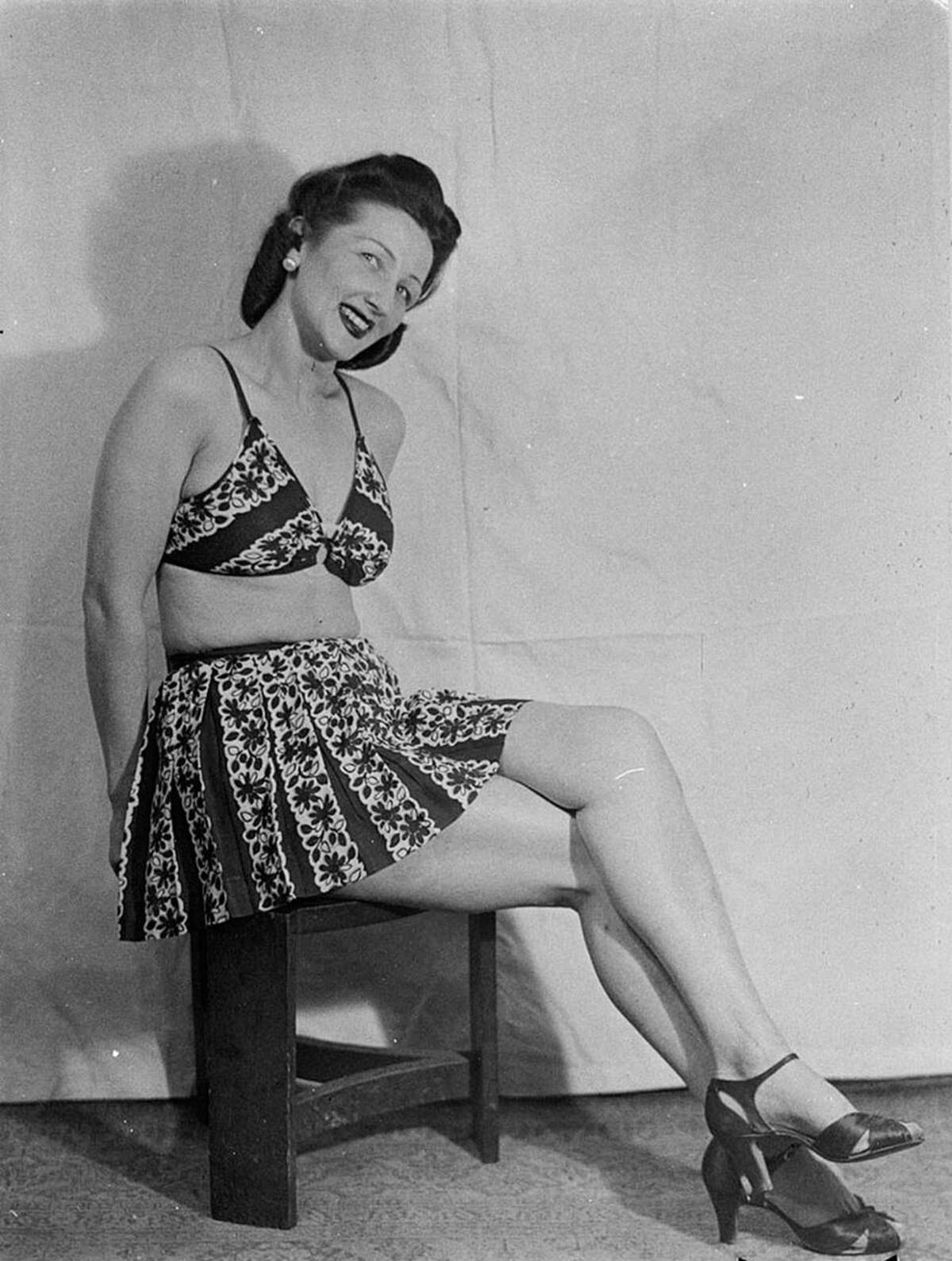
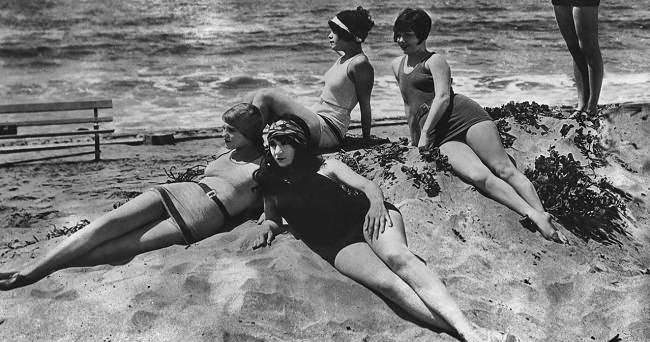
Australia’s relationship with the beach gave its fashion a dimension that European countries did not have in the same way. Swimming and surfing were popular, publicly practiced, and required specific clothing. The restrictive bathing costumes of the pre-war years gave way to shorter, more practical swimwear through the 1920s.
The Surf Life Saving movement, which had been formalised in the early 1900s, gave men a reason to be seen in public in minimal clothing. Surf carnivals were major community events where athletes competed in brief costumes in front of large crowds. This normalised the male body on public beaches in a way that was genuinely ahead of what was happening in most Western countries. For women, bathing costumes became shorter and more fitted through the decade, though they remained considerably more modest than men’s equivalents.
The Hat Was Not Optional
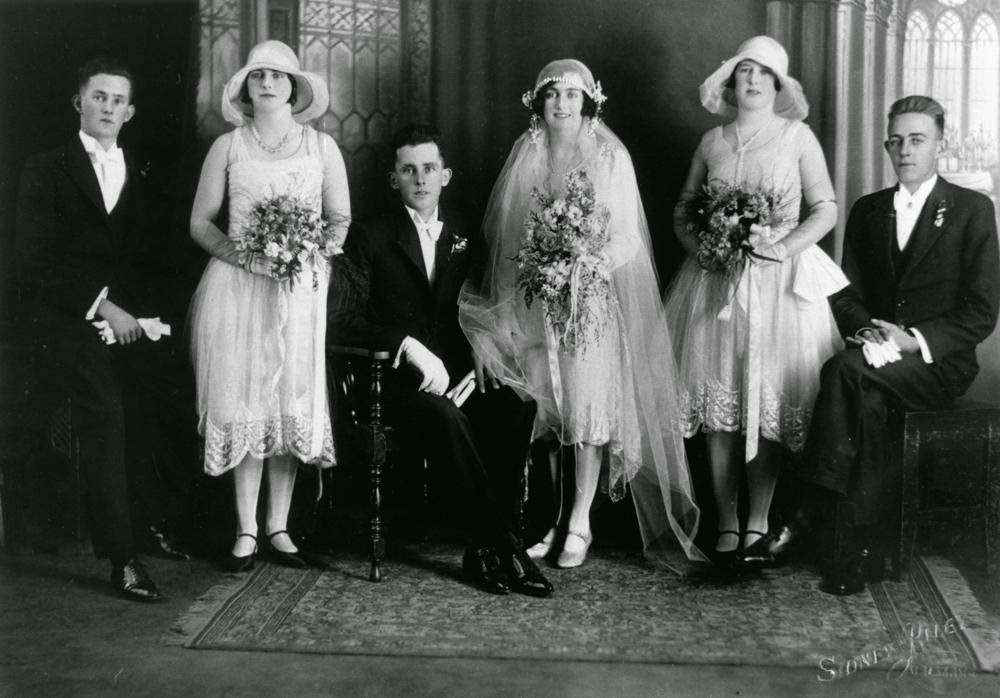
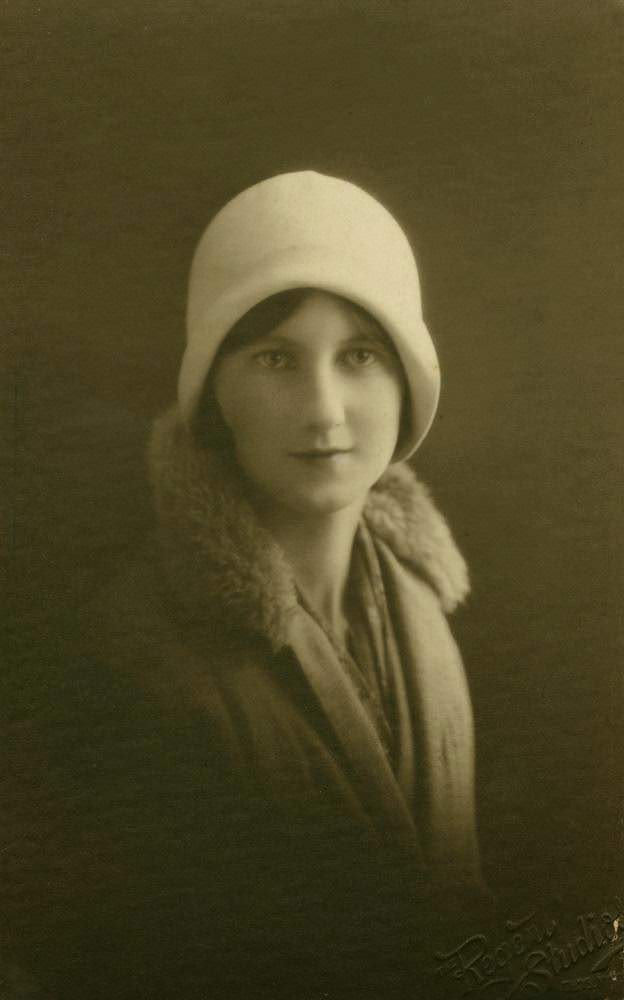
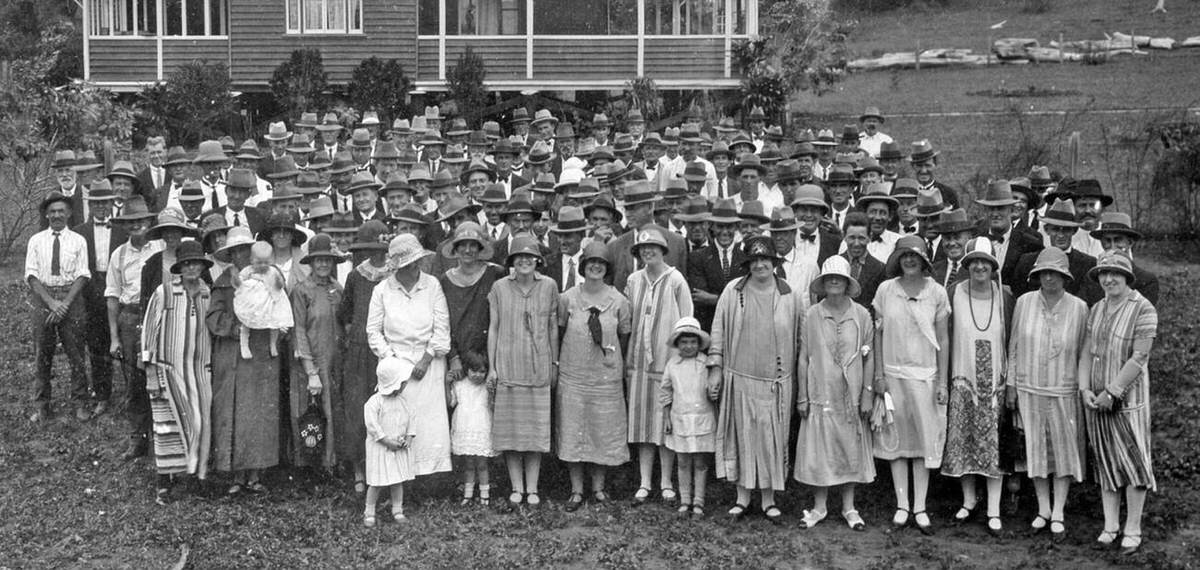
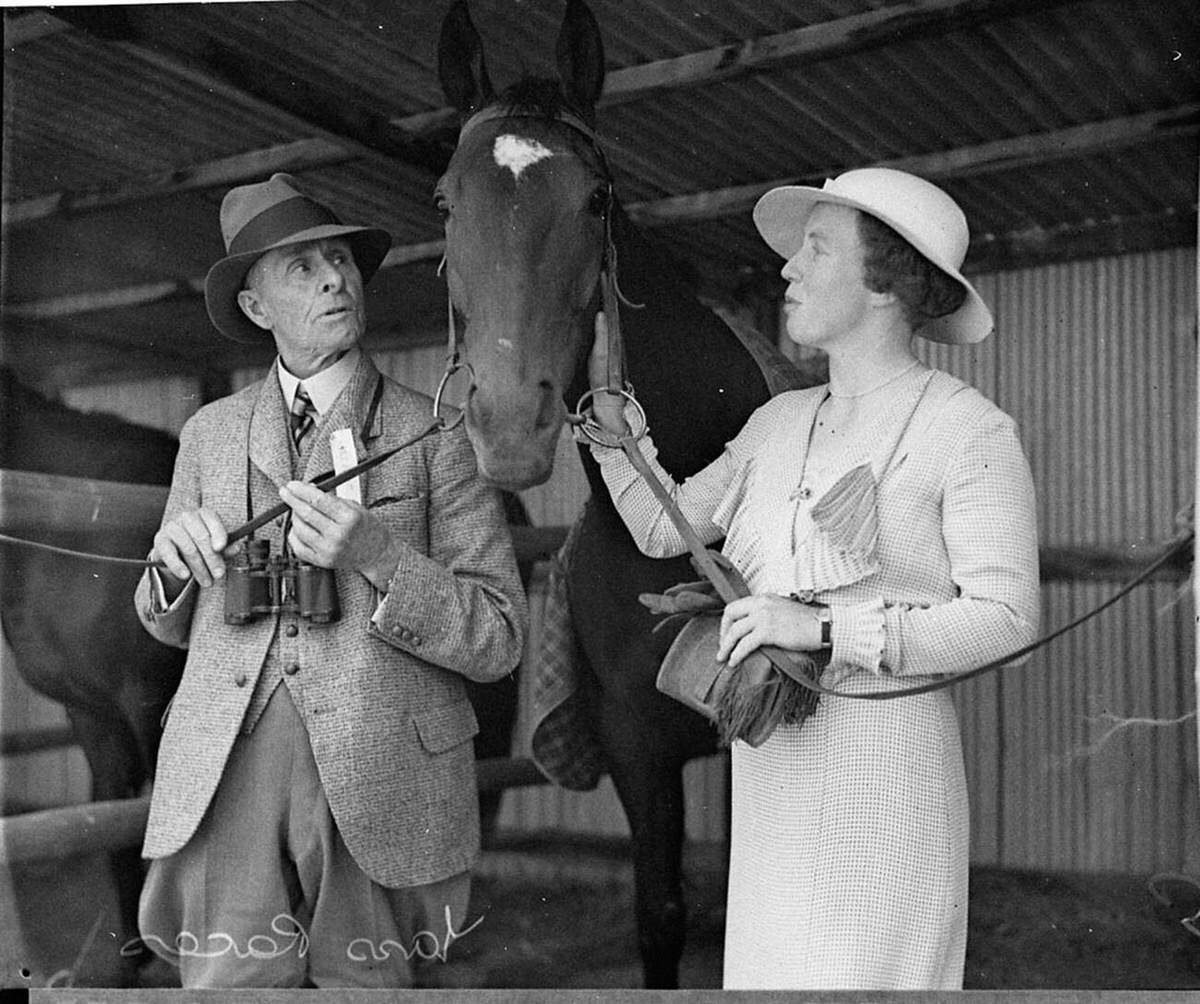
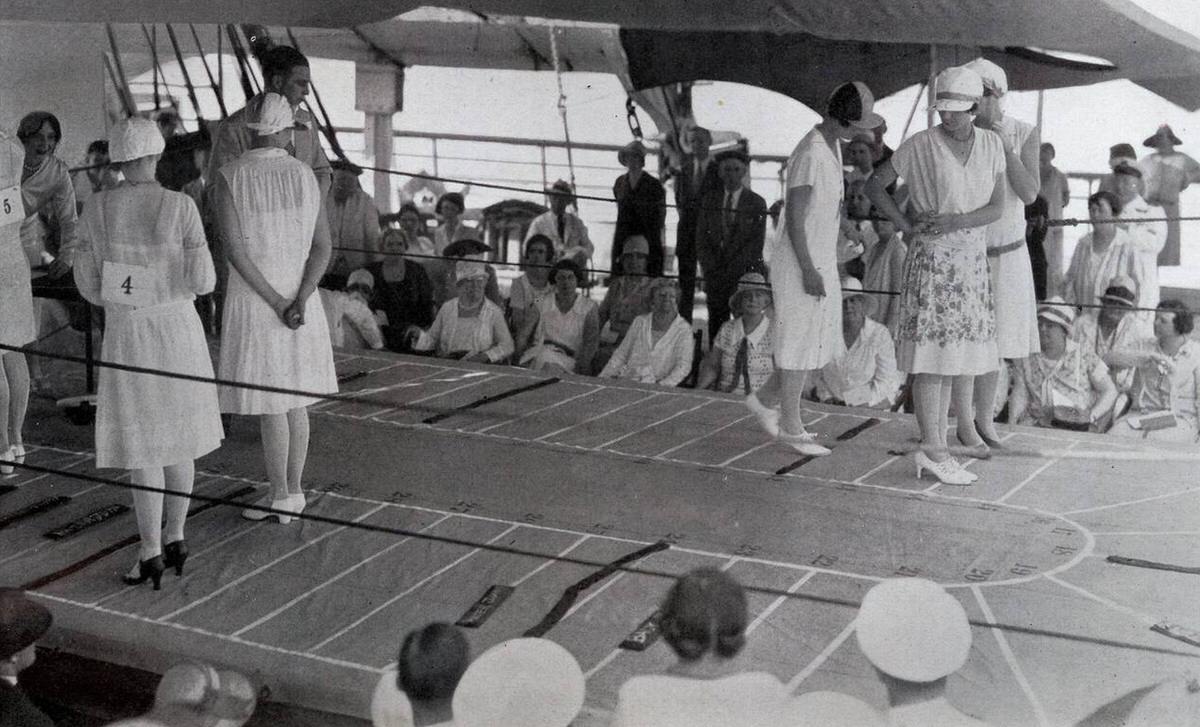
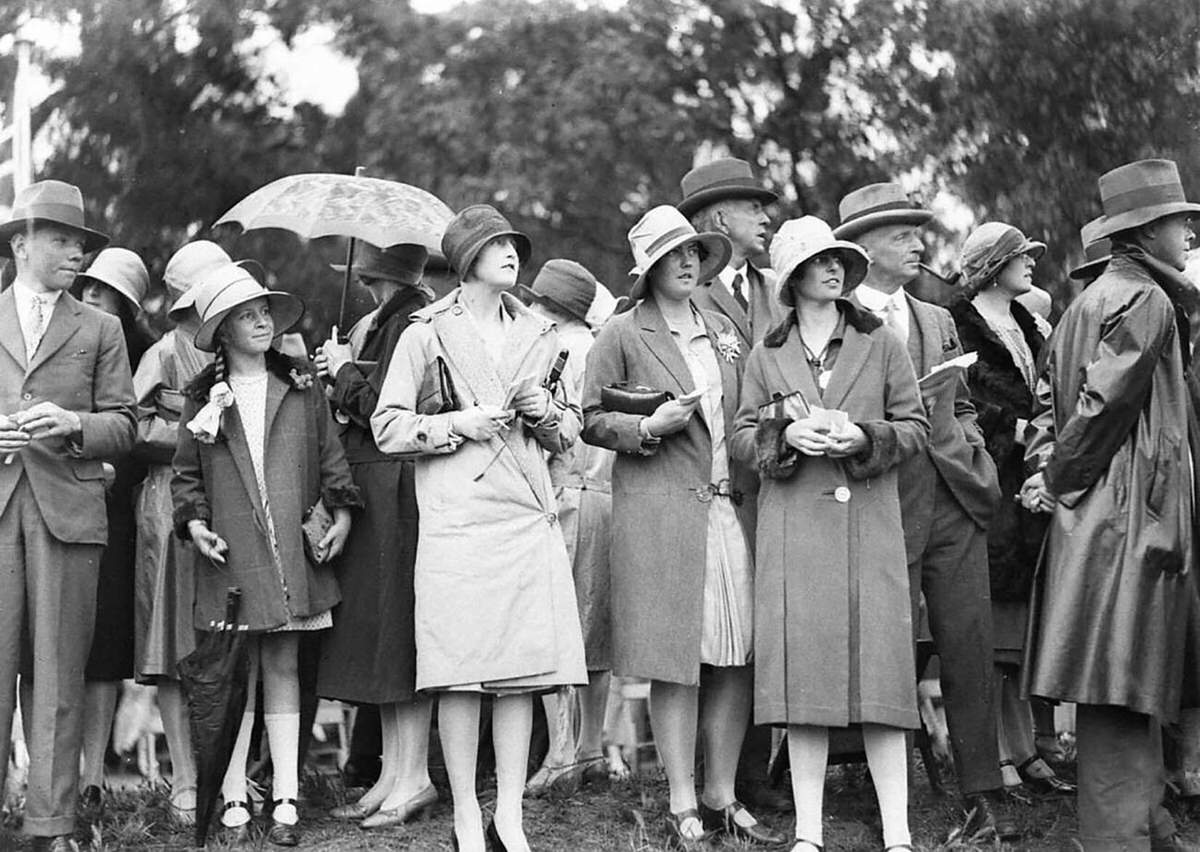
Both men and women wore hats in the 1920s, and Australia was no exception. Women favoured the cloche hat — a close-fitting, bell-shaped style that sat low over the forehead and worked perfectly with the short bobbed hair that became fashionable mid-decade. The bob haircut itself was a social statement as much as a style choice. Many Australian women adopted it specifically because it was seen as modern and independent, and conservative commentators in newspapers said exactly that, usually in disapproving tones.
Men wore felt fedoras, panama hats, and flat caps depending on the occasion and their social position. A man arriving at an office without a hat in 1925 was making a conspicuous choice. Hats were so standard that department stores dedicated entire floors to them and employed specialist milliners who customised styles on request.
Shoes, Stockings, and the Details
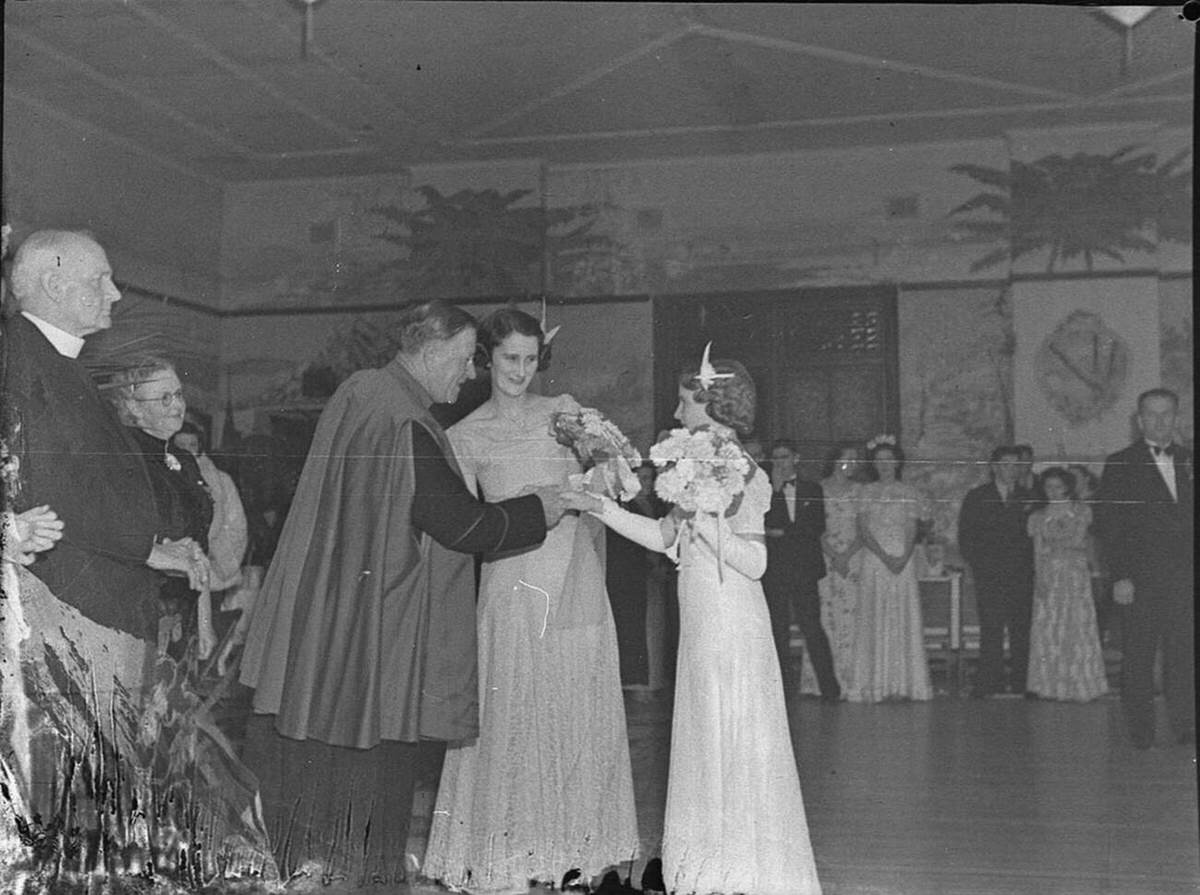
T-bar shoes and Mary Janes in leather and suede were the footwear of choice for women through the decade. Heels were moderate — high enough to be fashionable, low enough to walk in. Silk stockings were worn by women who could afford them, and rayon stockings by those who could not. The distinction mattered socially, and women knew it. Gloves remained a standard accessory for formal occasions well into the decade, a holdover from Victorian expectations that the 1920s had not yet fully discarded.