
The beach in the 1920s was a battleground between old rules and new attitudes, and the women who showed up in the latest swimwear were right at the center of it. What they wore, how they posed, and where they were photographed tells a precise story about a decade that was actively rewriting what was considered acceptable for women in public.
What They Were Actually Wearing
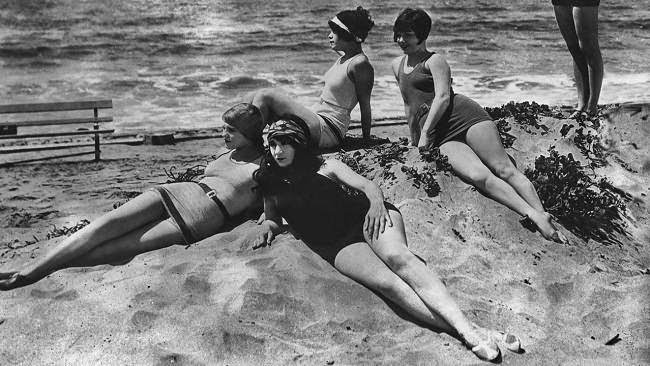
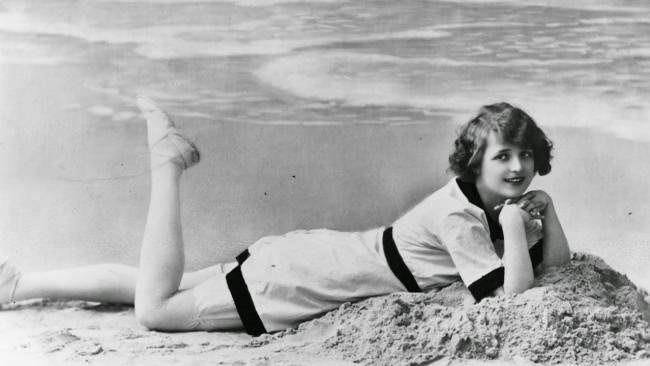
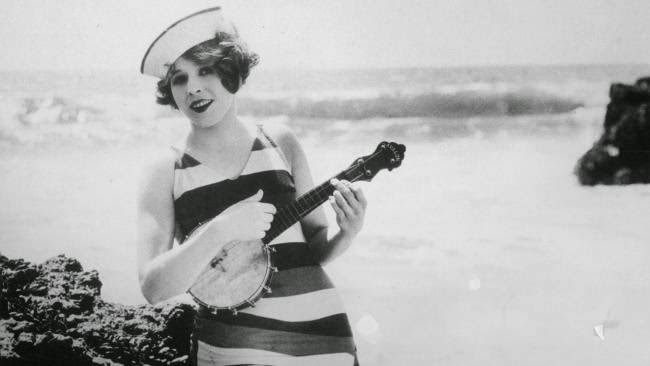
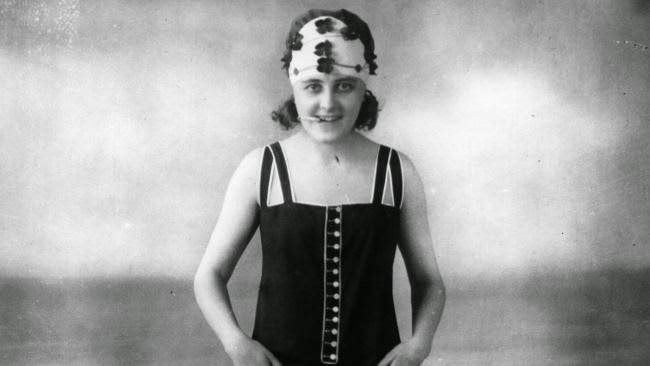
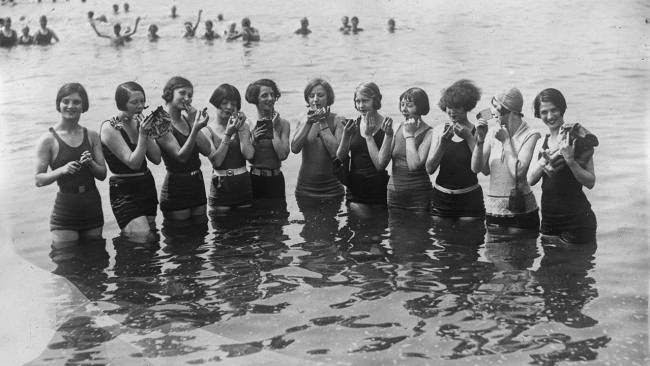
Early 1920s swimwear still carried the weight of the previous decade. Wool knit tank suits with attached skirts sat at the knee or just above it. Long dark stockings were still common in the early years of the decade, worn into the water along with rubber bathing caps that covered the ears entirely. The silhouette was modest by any modern standard, but compared to the full-length bathing costumes of the Victorian era, it was a significant shift.
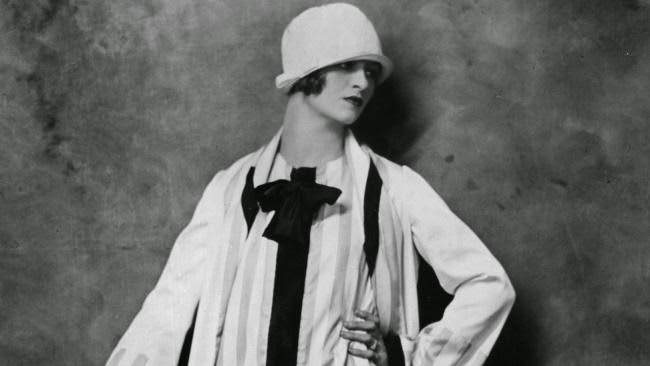
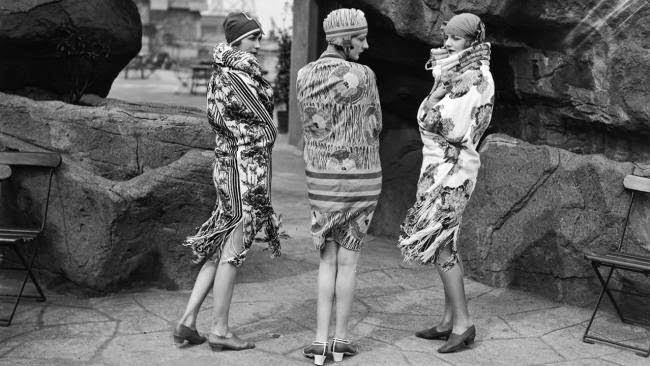
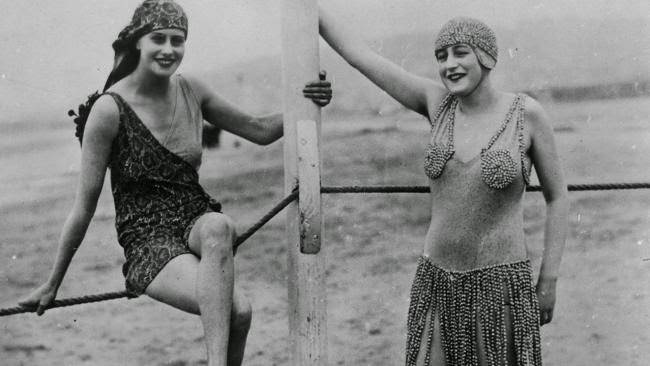
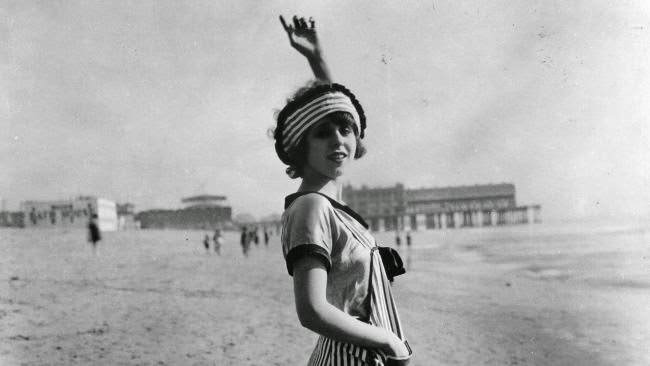
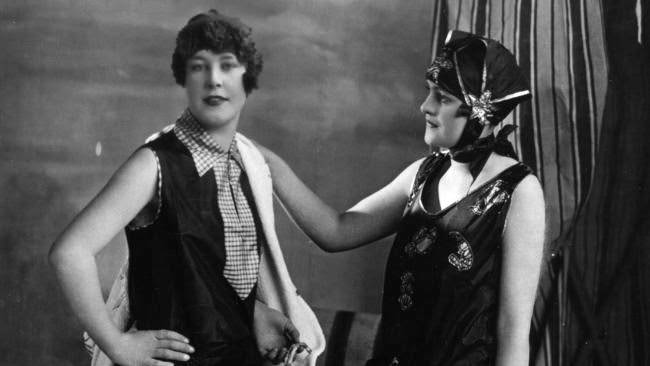
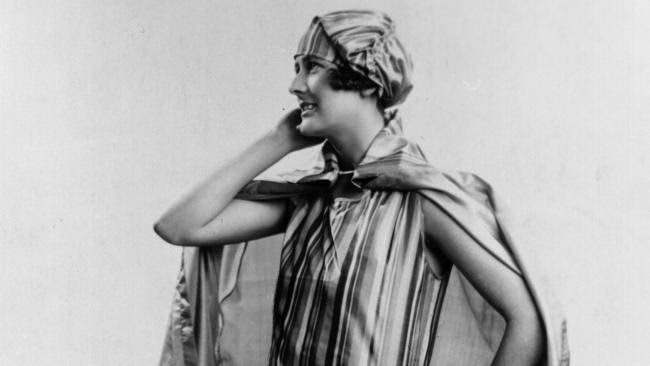
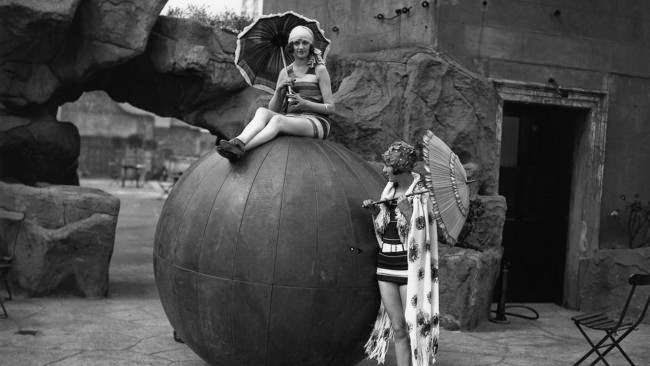
By the mid-1920s, the cuts were getting shorter and the fabrics were getting lighter. Striped taffeta, satin combinations with latex panels, and rubberized fabrics appeared in beach fashion spreads and on the rooftop modeling stages that department stores in London used for publicity shots. Oxford Street stores photographed models in brightly colored beach wraps and rubberized bathing caps specifically to generate press coverage — and it worked.
Read more..
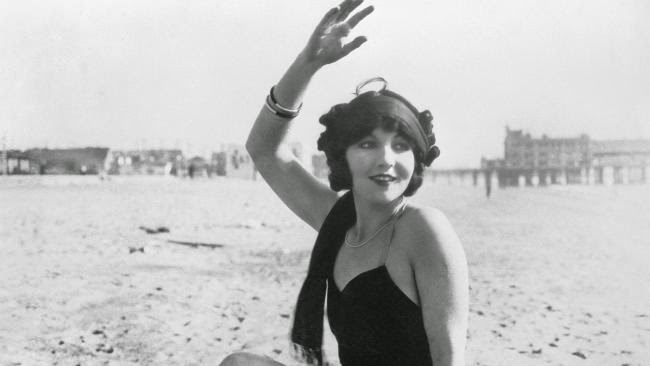
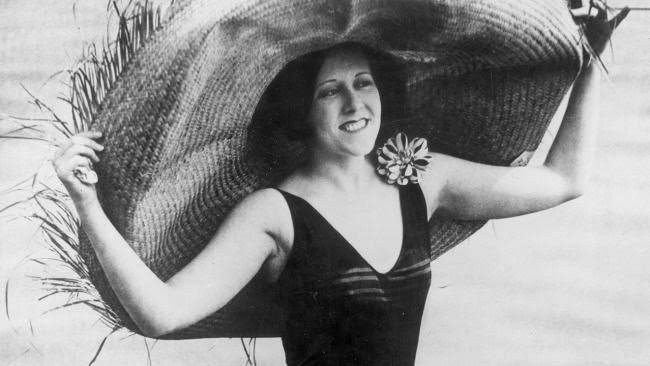
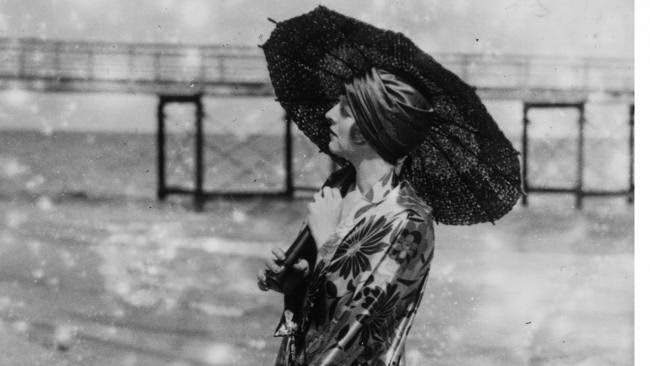
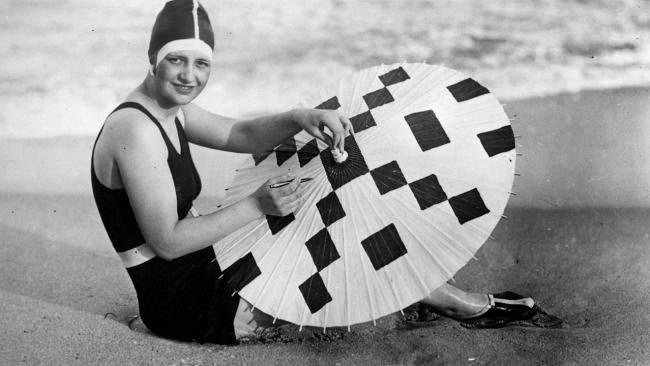
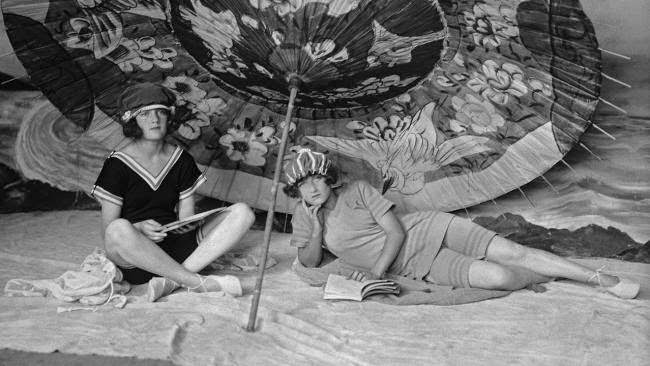
The accessories were as important as the swimsuit itself. Wide-brimmed straw hats appeared constantly, both for sun protection and as fashion statements. Parasols were carried onto the beach as standard equipment, with some models customizing theirs with painted designs. Beach wraps in bold colors were layered over swimsuits for the walk to and from the water.
The Modeling Itself
Beach modeling in the 1920s was a direct commercial exercise. Studios, fashion houses, and publications needed images that showed the clothes clearly while suggesting an aspirational lifestyle. Models posed on actual beaches in Deauville and Palm Beach, on studio sets designed to look like beaches, and on rooftops in central London that had been dressed with beach balls and props.
Mack Sennett’s Bathing Beauties — the group of models and actresses who appeared in his comedy film shorts — helped establish the beach as an acceptable setting for women to be photographed in fitted swimwear. Their visibility in popular culture normalized what had previously been considered too revealing for public imagery.
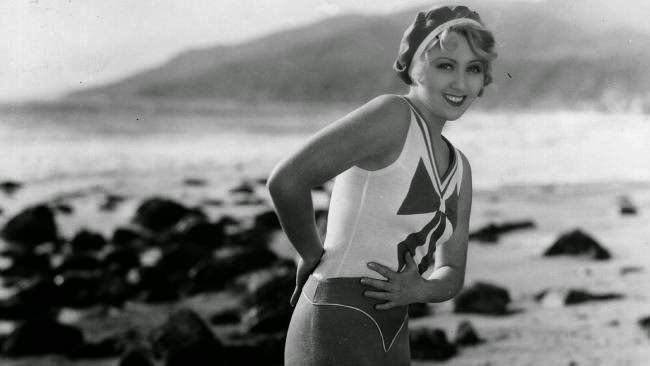
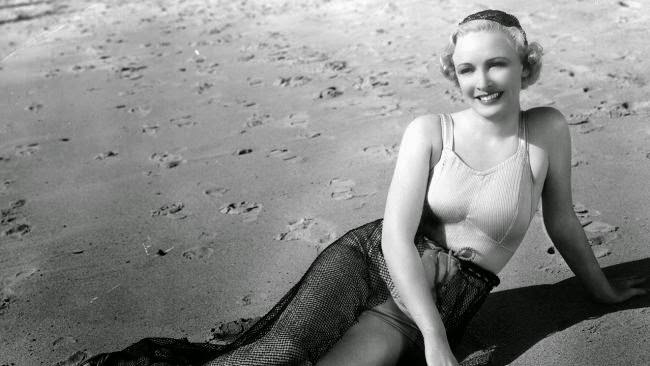
Actresses crossed freely between film work and swimwear modeling during this period. Joan Blondell was photographed on the beach in 1929 wearing a fitted suit that showed her legs to mid-thigh — entirely unremarkable by the end of the decade, but a genuine statement just a few years earlier.
The Geography of Beach Fashion
Different locations carried different associations. Palm Beach, Florida attracted a wealthy American crowd and became a testing ground for more daring cuts and lighter fabrics. Deauville on the French coast served the same function for European fashion — a place where designers could push boundaries in front of an audience that appreciated the effort.
English beach fashion moved more slowly. Photographs from English seaside locations in the mid-1920s show fuller cuts and more conservative styling compared to what was appearing in Florida and France at the same time. The rubberized bathing caps that were fashionable in London — photographed on rooftops rather than actual beaches — reflect a more cautious approach to the whole enterprise.
By 1928, beach suits were being designed explicitly not for swimming but for being seen on the sand. The distinction was openly acknowledged in fashion coverage of the time. A woman in a satin and fishnet ensemble was not planning to get wet — she was there to be noticed, photographed, and talked about. The beach had become a stage, and the swimsuit had become a costume.