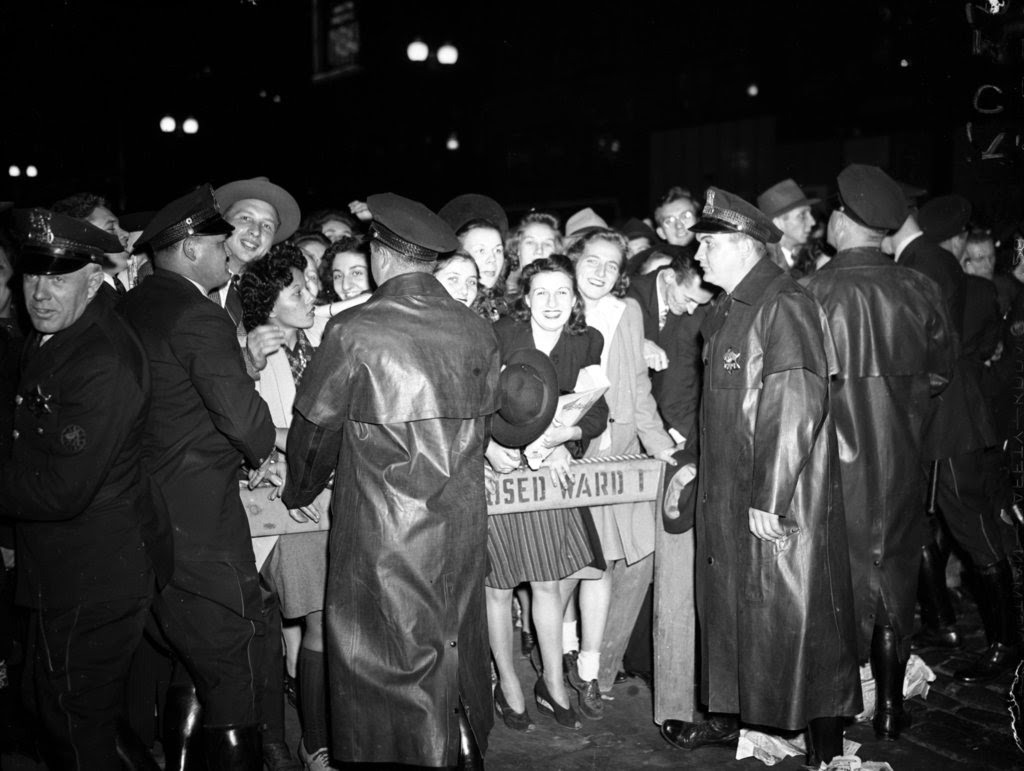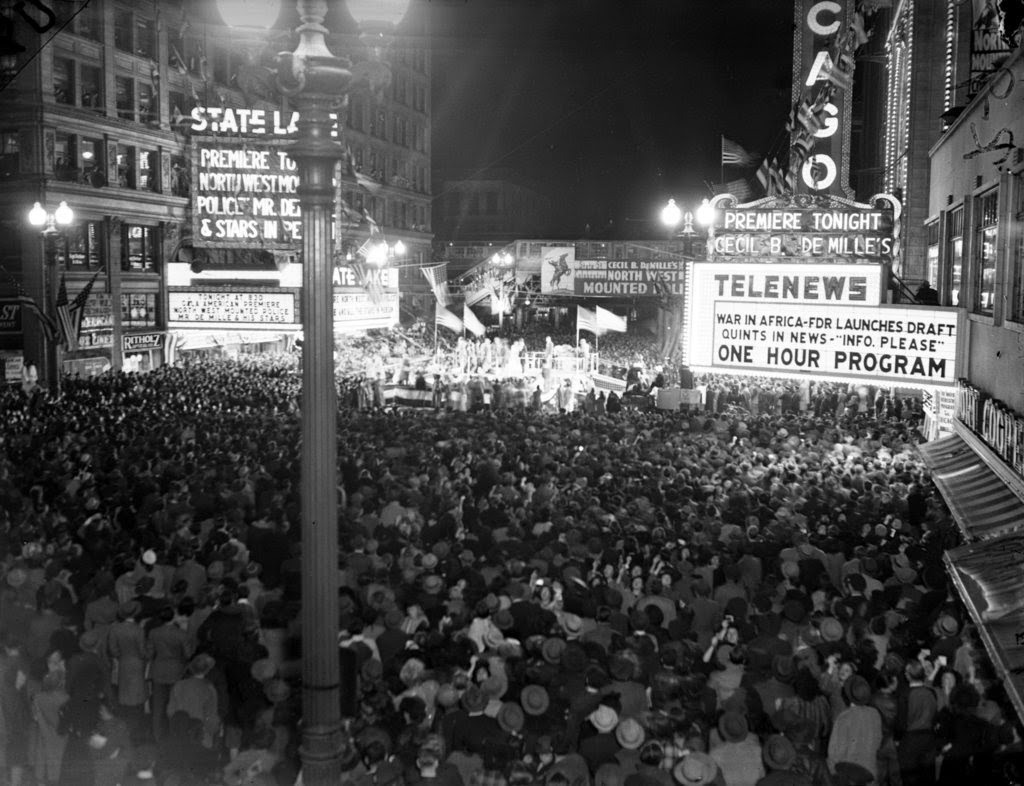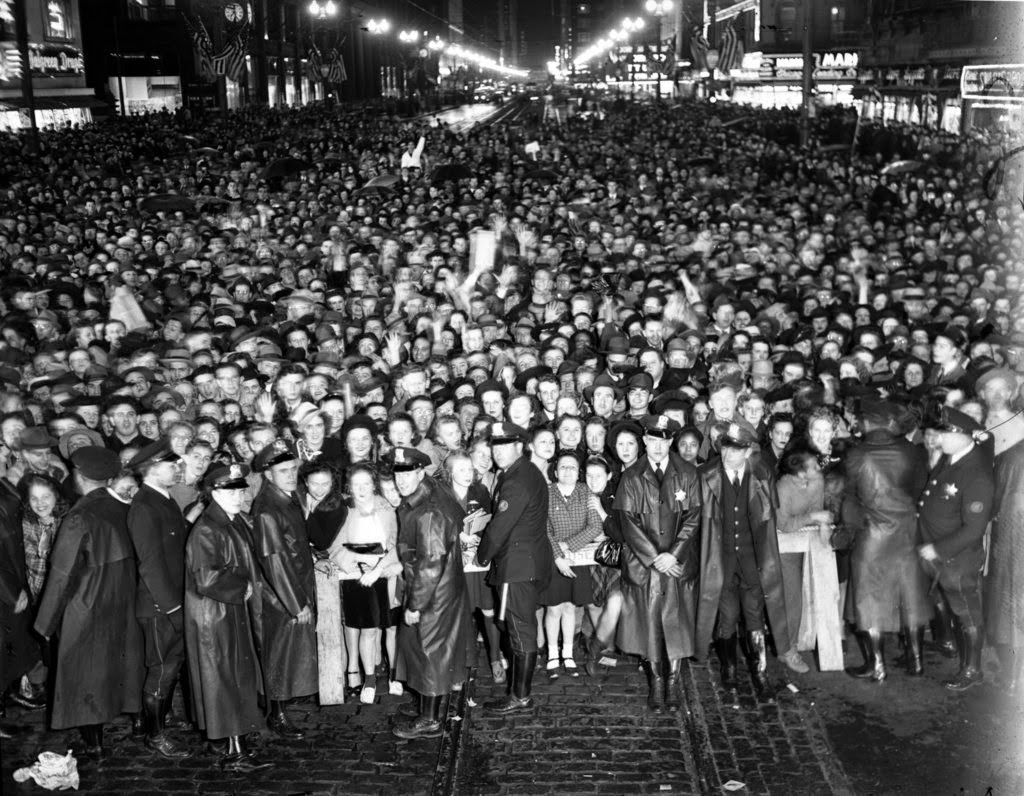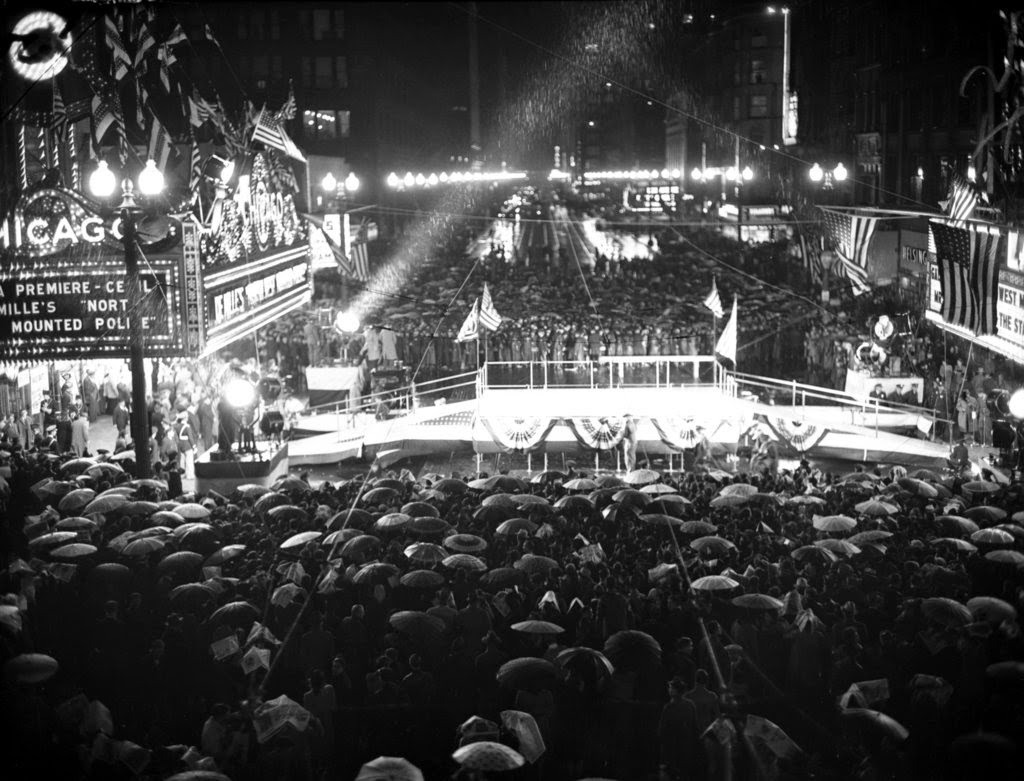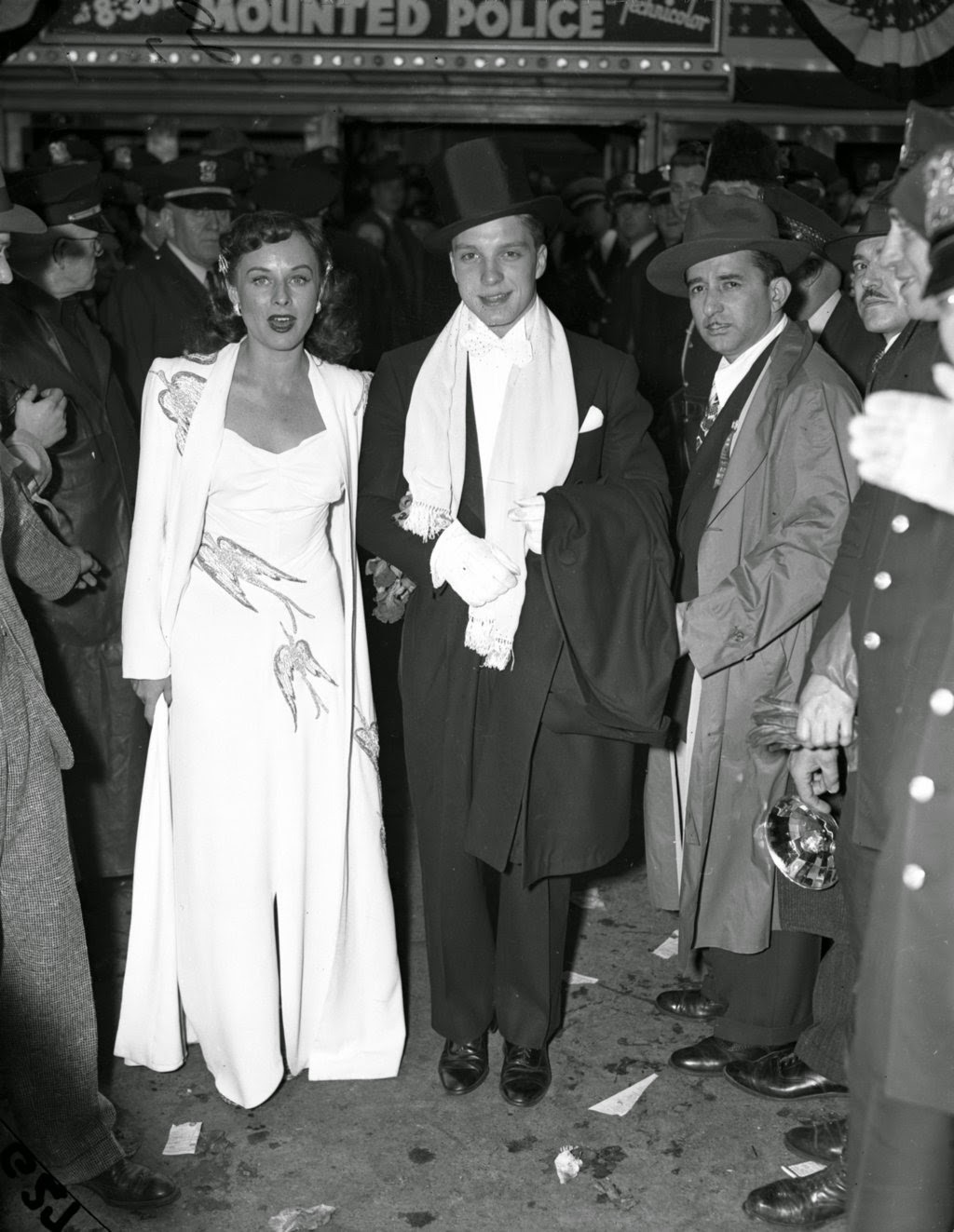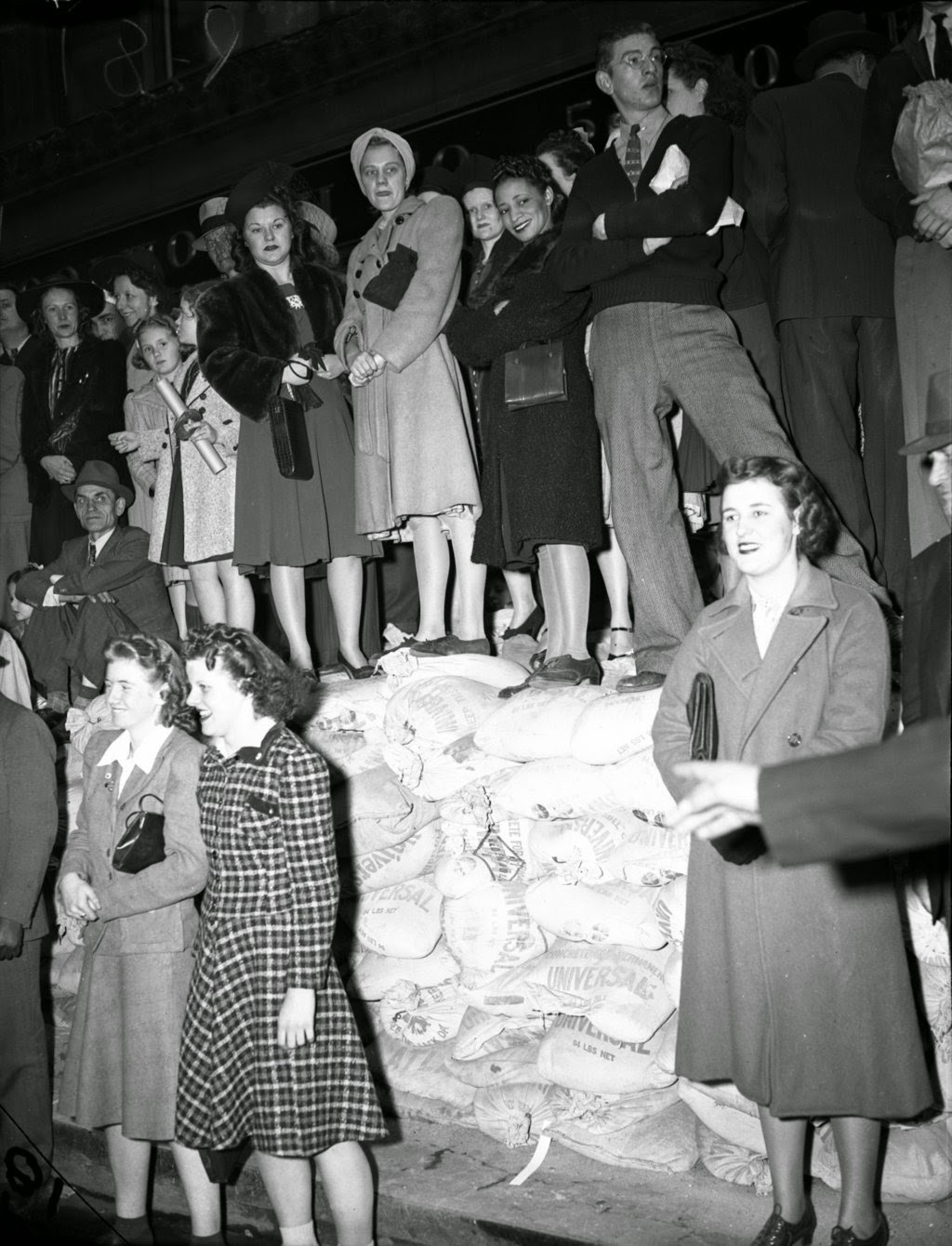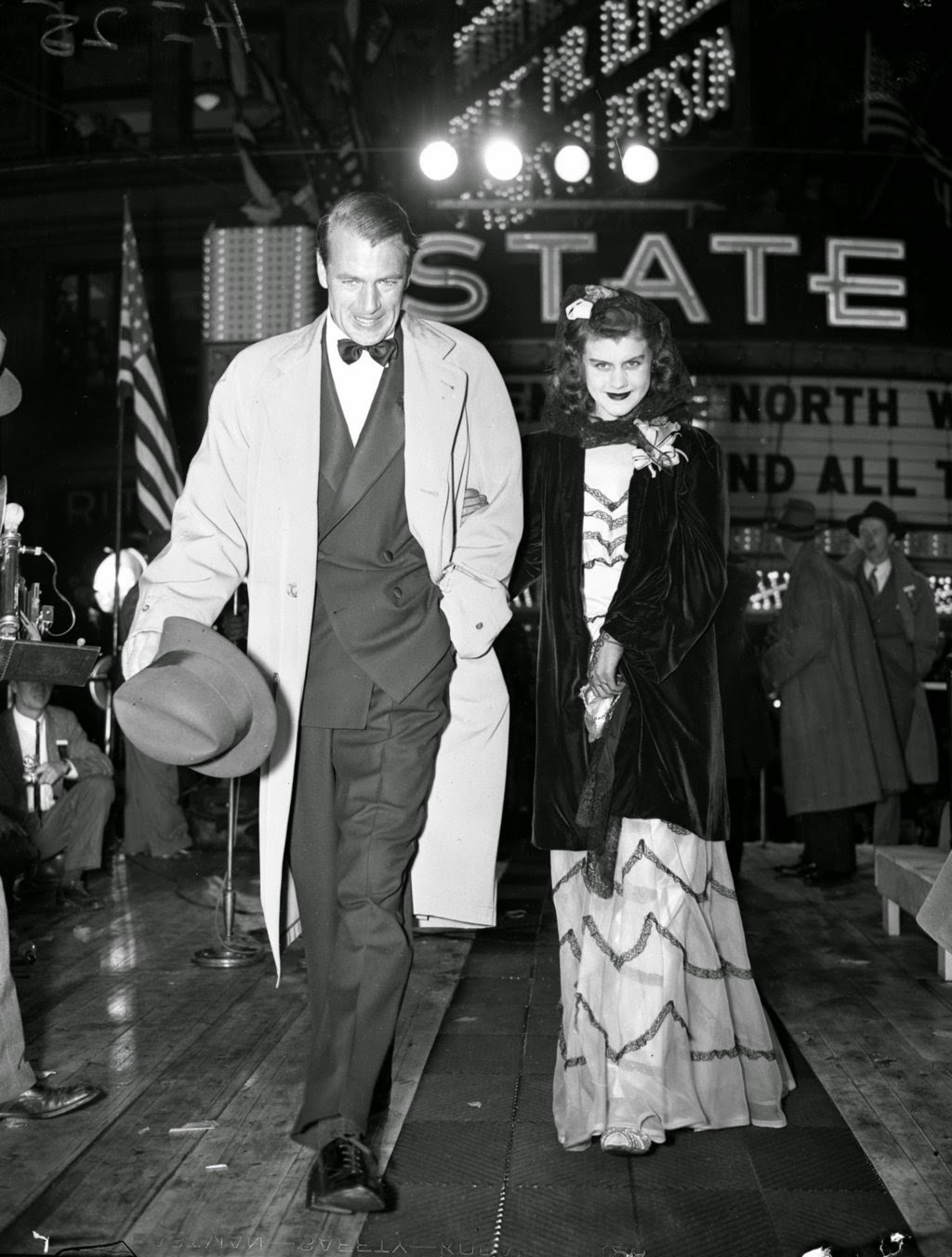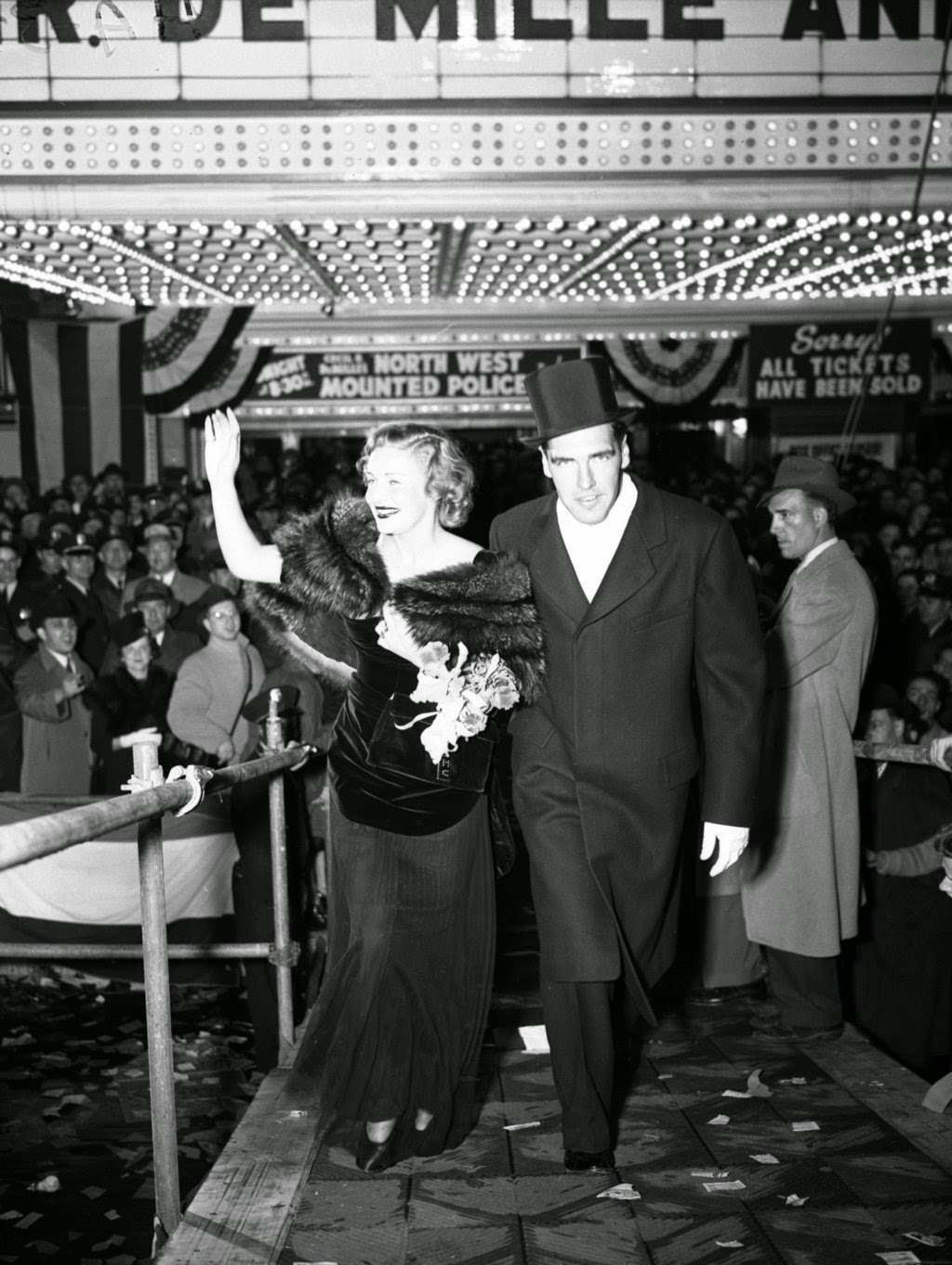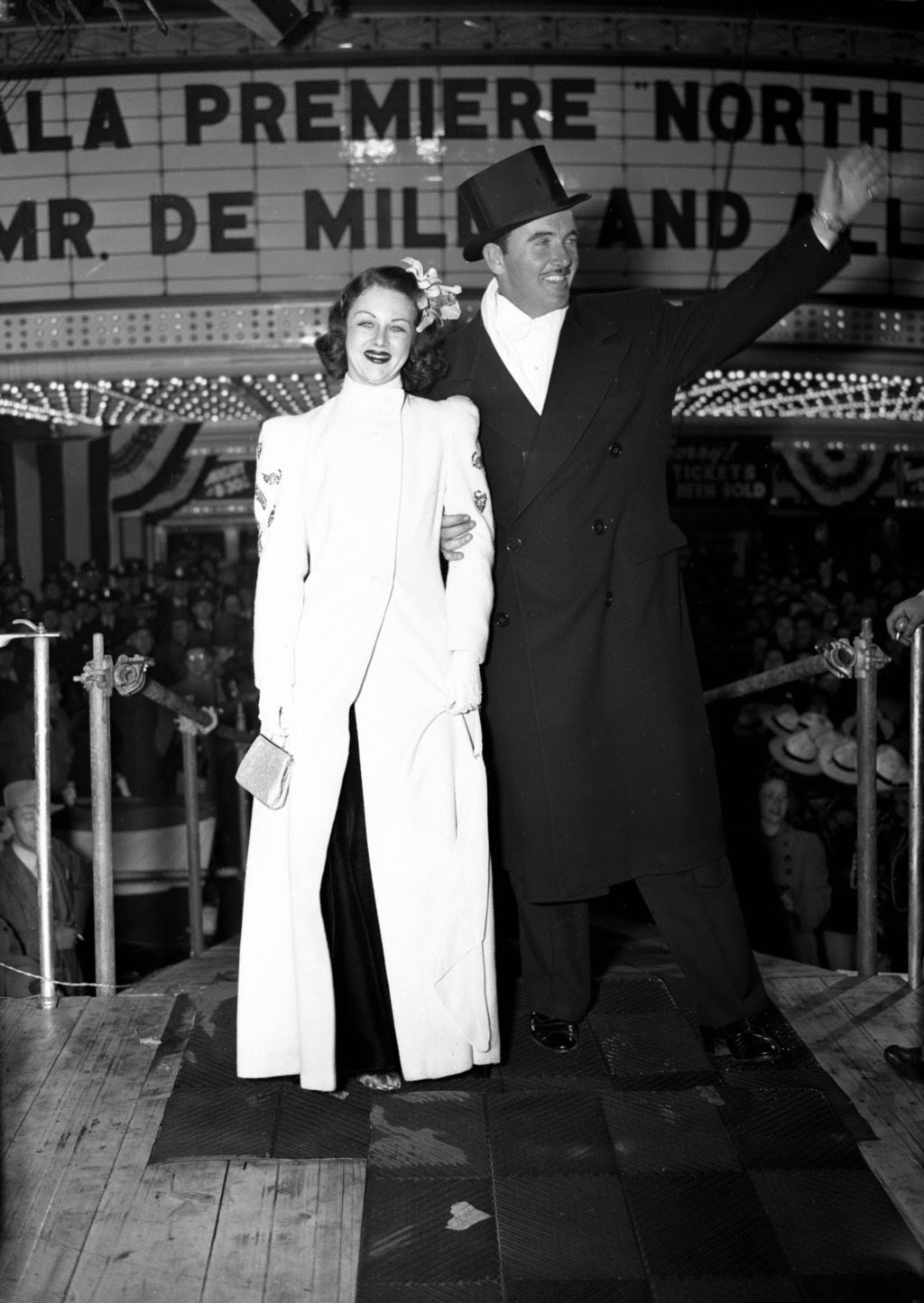

On October 24, 1940, downtown Chicago hosted its very first major Hollywood movie premiere. Studio executives chose the city for a massive Midwestern promotional push for Cecil B. DeMille’s new Technicolor action film, “North West Mounted Police.” Crowds began gathering on State Street hours before the actors arrived, enduring a steady and cold autumn rain. Chicago police departments deployed five hundred uniformed officers to manage the human sea blocking streetcar lines and automobile traffic between the historic Chicago Theatre and the sprawling State-Lake Theater.
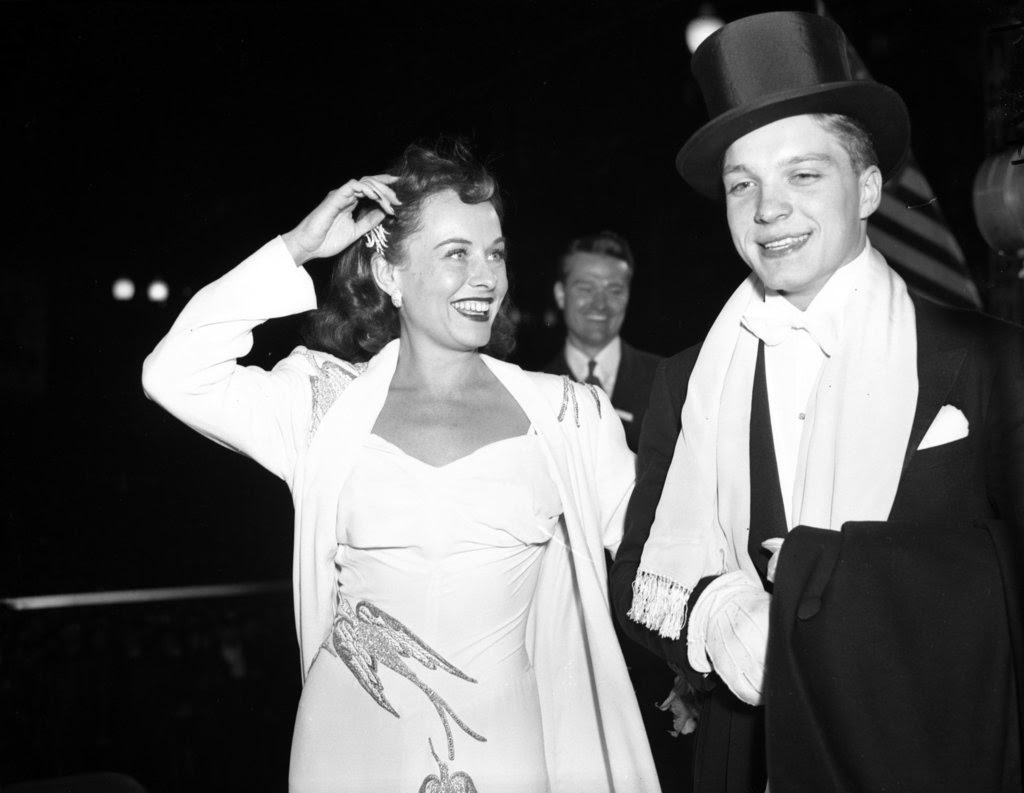
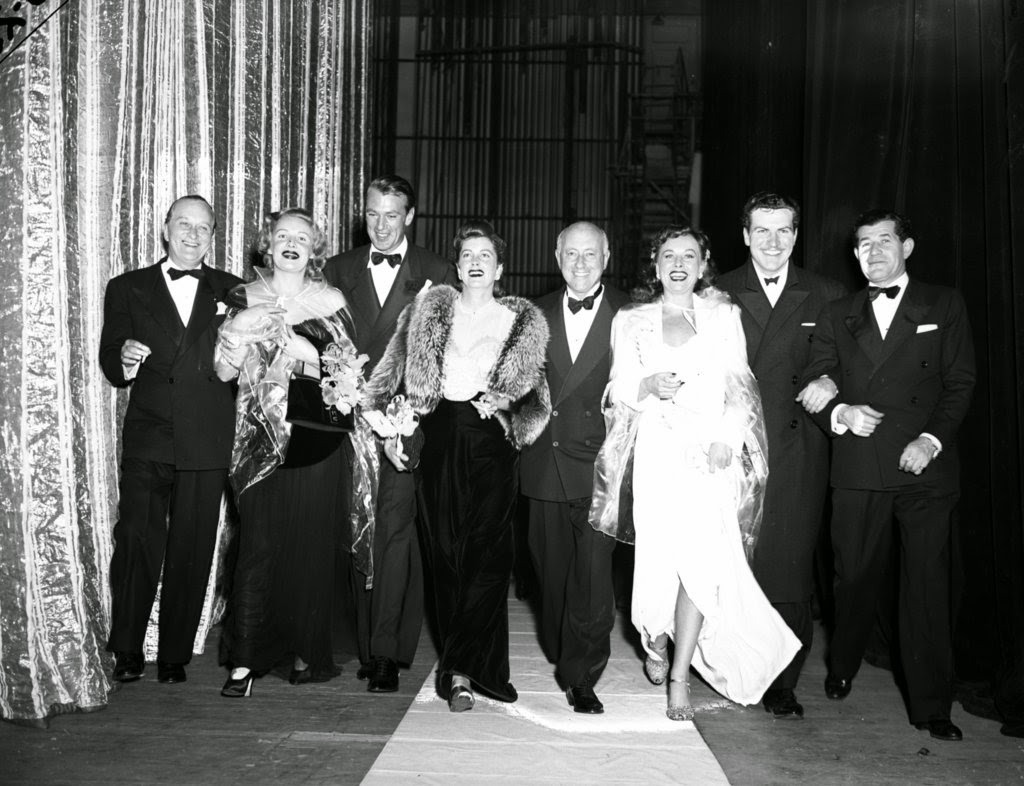
Paramount Pictures spent a fortune bringing their top box office talent directly to Midwestern fans. Actor Gary Cooper, who starred as Texas Ranger Dusty Rivers, and actress Madeleine Carroll traveled by private luxury railcar from Los Angeles alongside co-stars Paulette Goddard, Robert Preston, and Preston Foster. Theater owners constructed a temporary wooden aerial structure known as the Bridge of Stars above the pavement. This elevated walkway connected the two grand movie houses across the street, allowing the visiting celebrities to wave to the public without getting crushed by the surging throngs below.
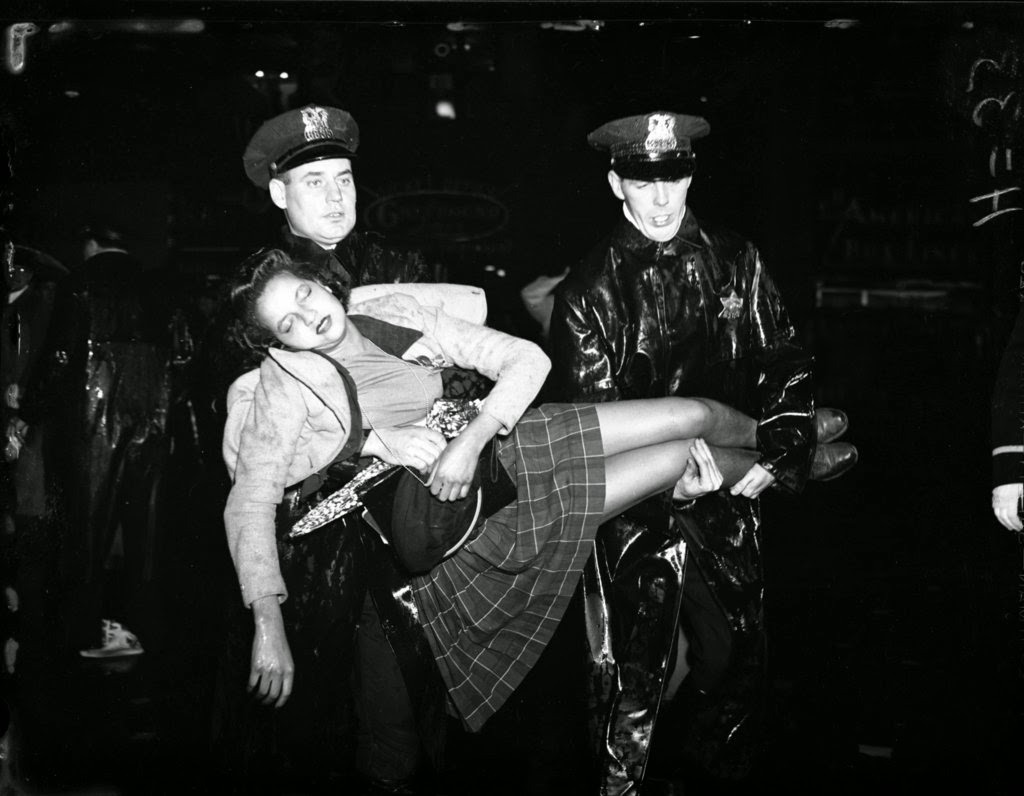
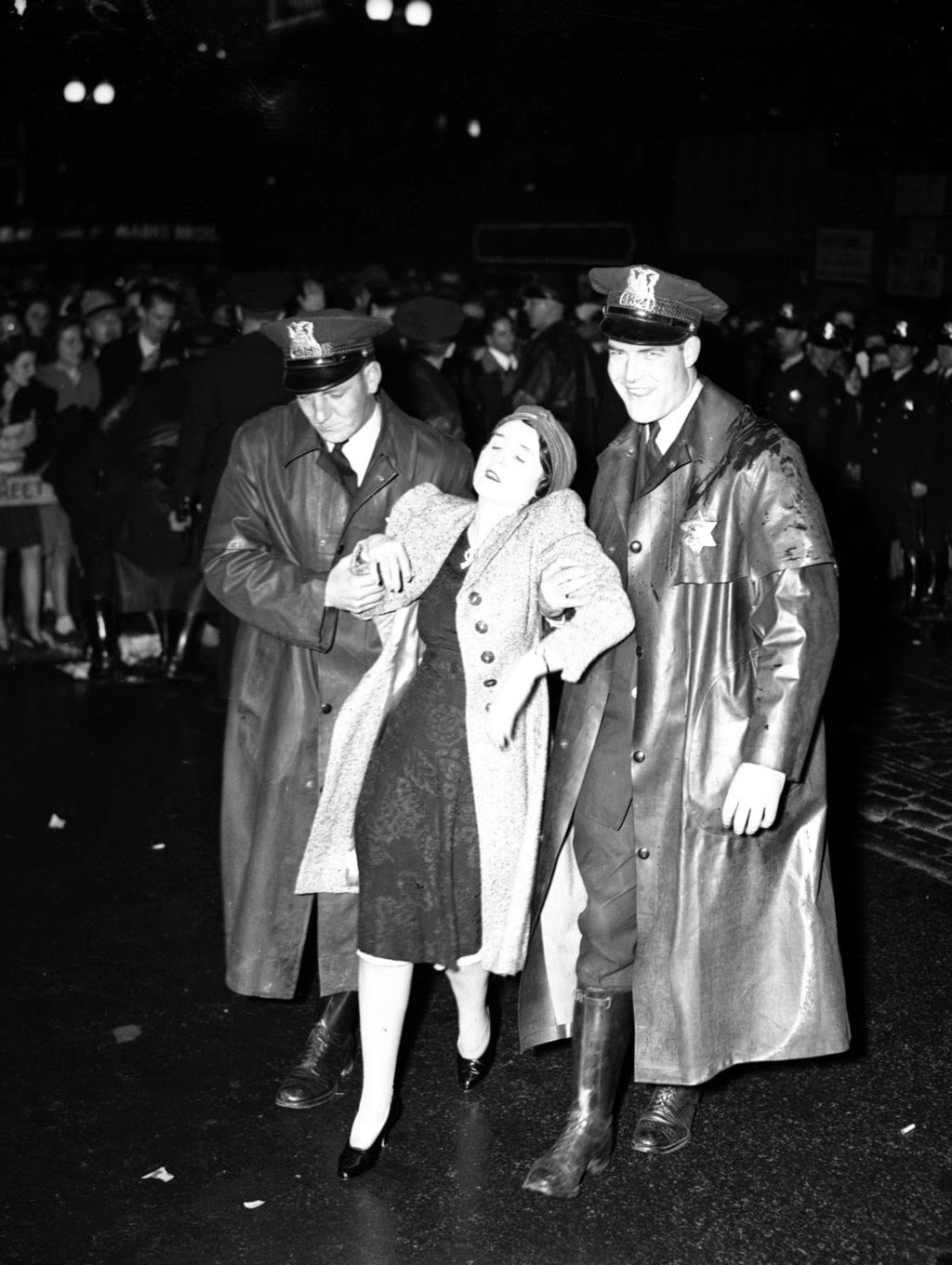
The intense public enthusiasm quickly turned dangerous as the evening screening time approached. Police precinct lines broke repeatedly under the physical weight of the audience, which local newspaper reporters estimated at upwards of twenty thousand people. Patrolmen dragged multiple fainting women from the packed street corners and lifted frightened children over wooden barricades to safety. Excited citizens lost shoes, hats, and heavy winter coats in the pushing mass while trying to reach out and touch Gary Cooper or Paulette Goddard as armed security guards rushed them forward.
Read more..
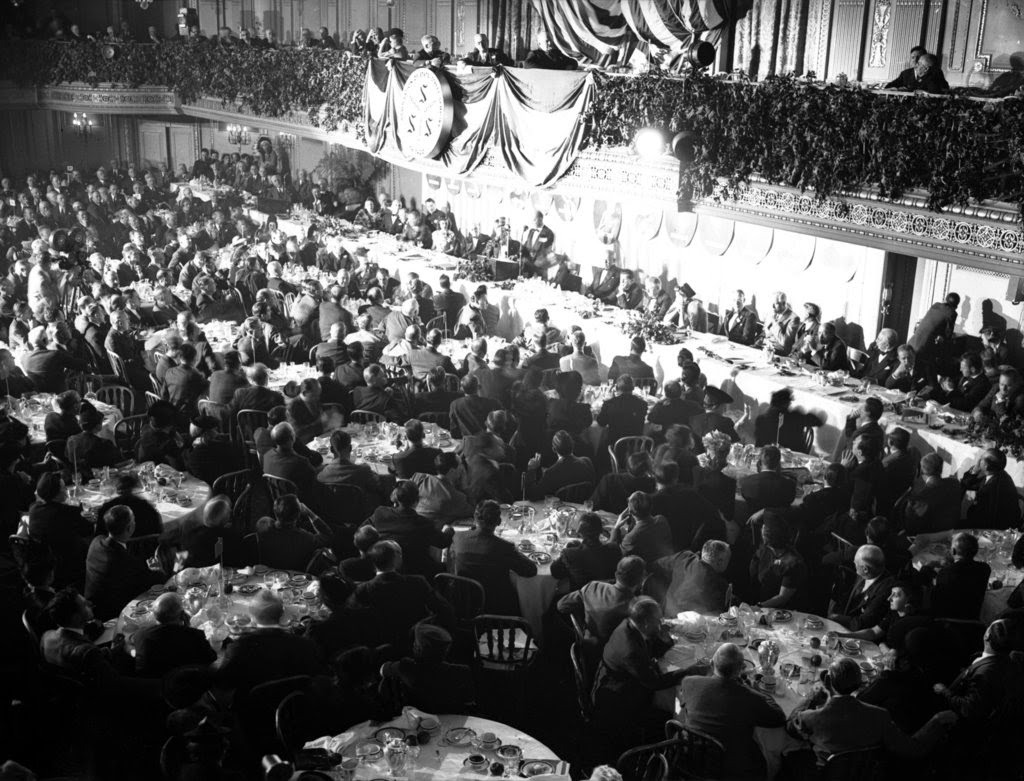
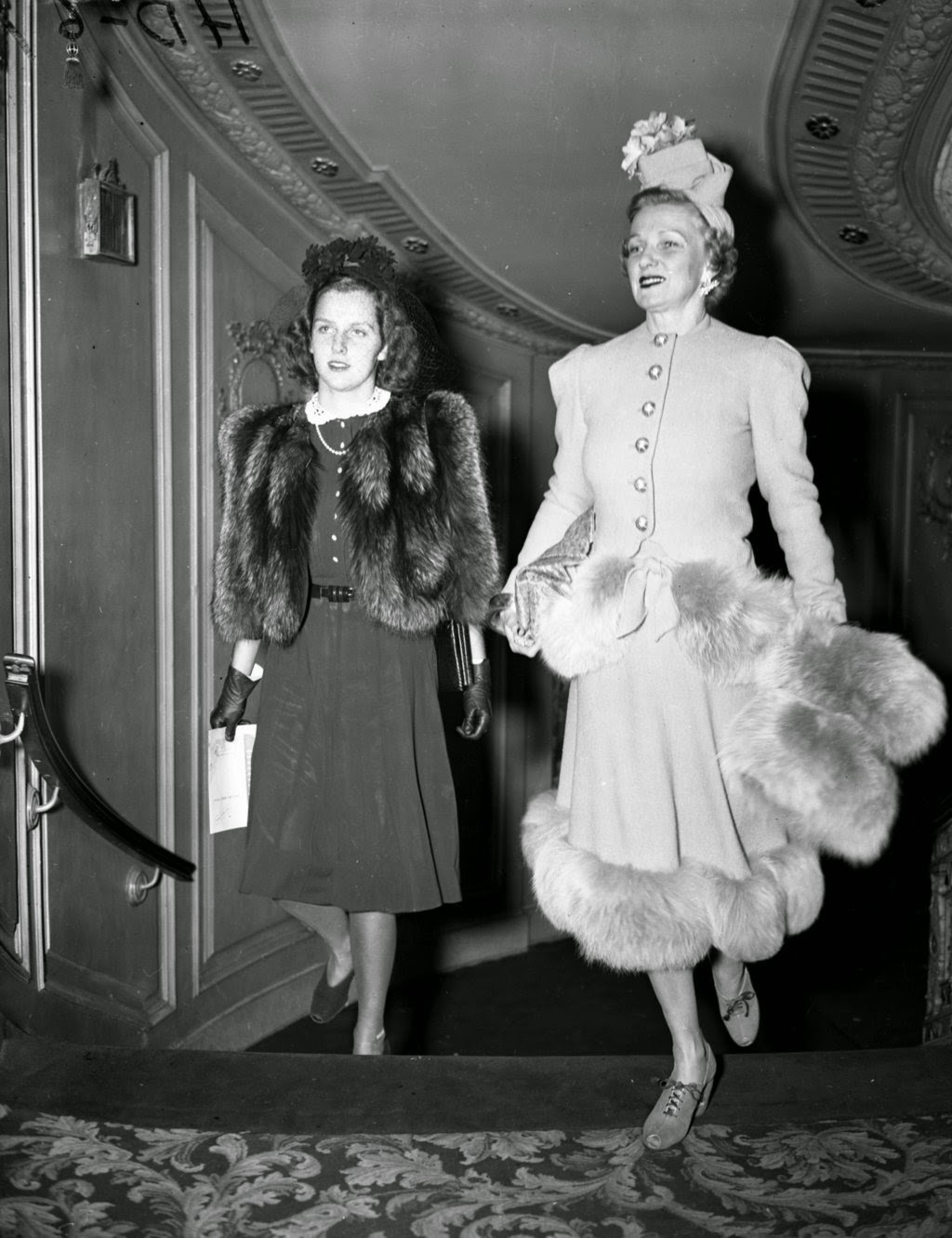
Inside the massive auditoriums, the atmosphere shifted instantly from chaotic street noise to high society elegance. Wealthy Chicagoans wearing expensive tuxedos and floor-length evening gowns filled every available seat across the balconies and orchestra pits of both the Chicago Theatre and the State-Lake Theater. Director Cecil B. DeMille walked onto the gilded stages to address the ticket holders, praising the Midwestern grit required to brave the freezing rain. Ushers locked the heavy velvet doors once absolute capacity was reached, leaving thousands of ticketless fans standing outside in the dark.
The simultaneous double-theater screening ended late into the night as the final credits rolled. The visiting actors slipped out through secure backstage exits to avoid the lingering crowds still waiting on the wet sidewalks. Paramount studio executives immediately boarded private railcars bound back for California, declaring the unprecedented promotional stunt a massive box office triumph. City sanitation crews swept away discarded raincoats, theater programs, and broken umbrellas from State Street by midnight, returning the commercial district to its normal weekday delivery routines before dawn.