
in

Stunning Behind the Scenes from 2001: A Space Odyssey, Showing the Creation of a Sci-Fi Classic

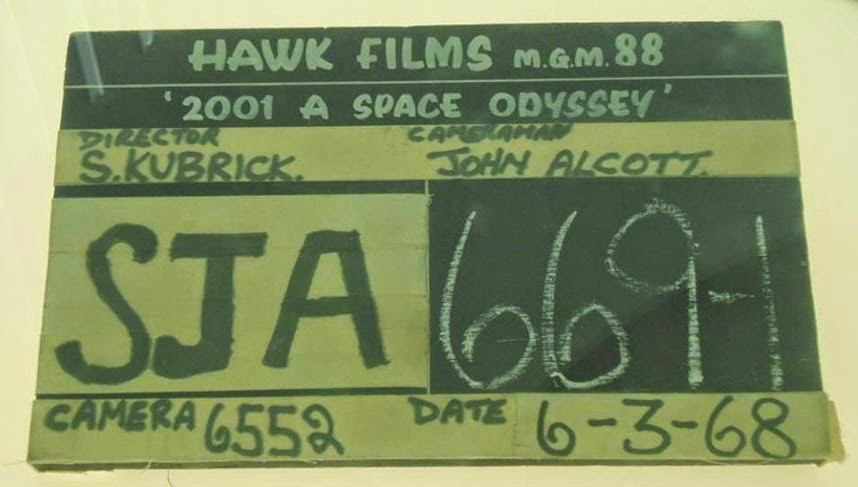
Stanley Kubrick spent four years making 2001: A Space Odyssey. The film was released in April 1968 and changed what audiences believed cinema was capable of. But the production behind it was one of the most technically demanding, physically exhausting, and creatively obsessive filmmaking processes in Hollywood history.

Where It Started

Kubrick approached science fiction author Arthur C. Clarke in 1964 about collaborating on what Kubrick described as “the proverbial good science fiction movie.” Clarke had written a short story called “The Sentinel” in 1948, about the discovery of an alien artifact on the moon. That story became the seed for the screenplay the two men developed together over the following two years.

Clarke and Kubrick worked simultaneously — Clarke writing a novel while Kubrick developed the screenplay, each influencing the other. The script went through dozens of drafts. By the time production began, the story had expanded far beyond “The Sentinel” into something that dealt with human evolution, artificial intelligence, and contact with an unknowable alien intelligence.

Read more..

The Sets at MGM Borehamwood

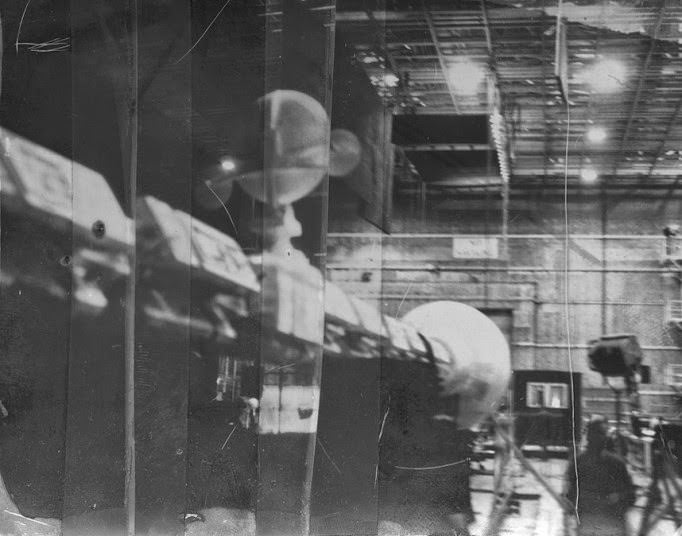
Filming took place almost entirely at MGM’s studios in Borehamwood, England. Kubrick chose to work in Britain partly for practical reasons and partly because he had relocated there permanently. The studio gave him access to some of the largest soundstages in Europe, which he needed for the enormous sets he was planning.

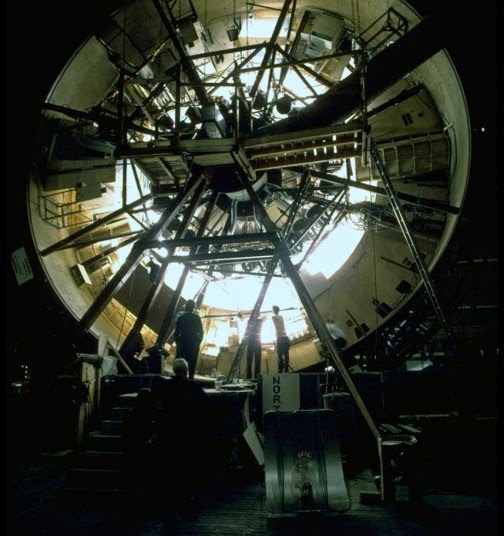
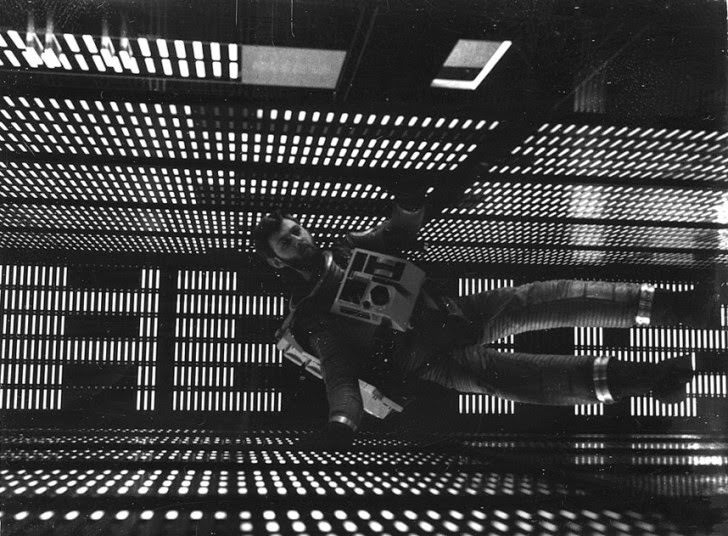
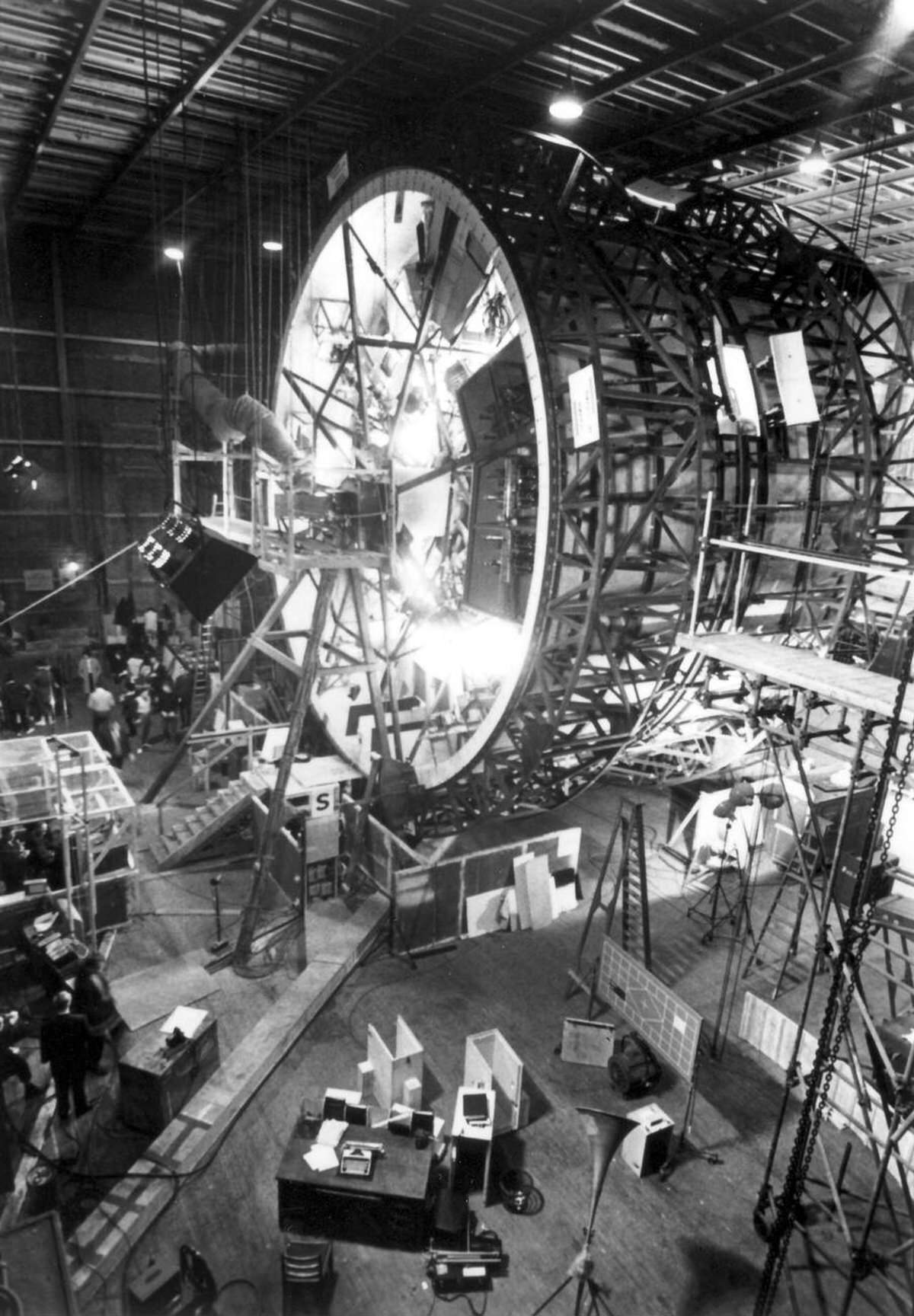
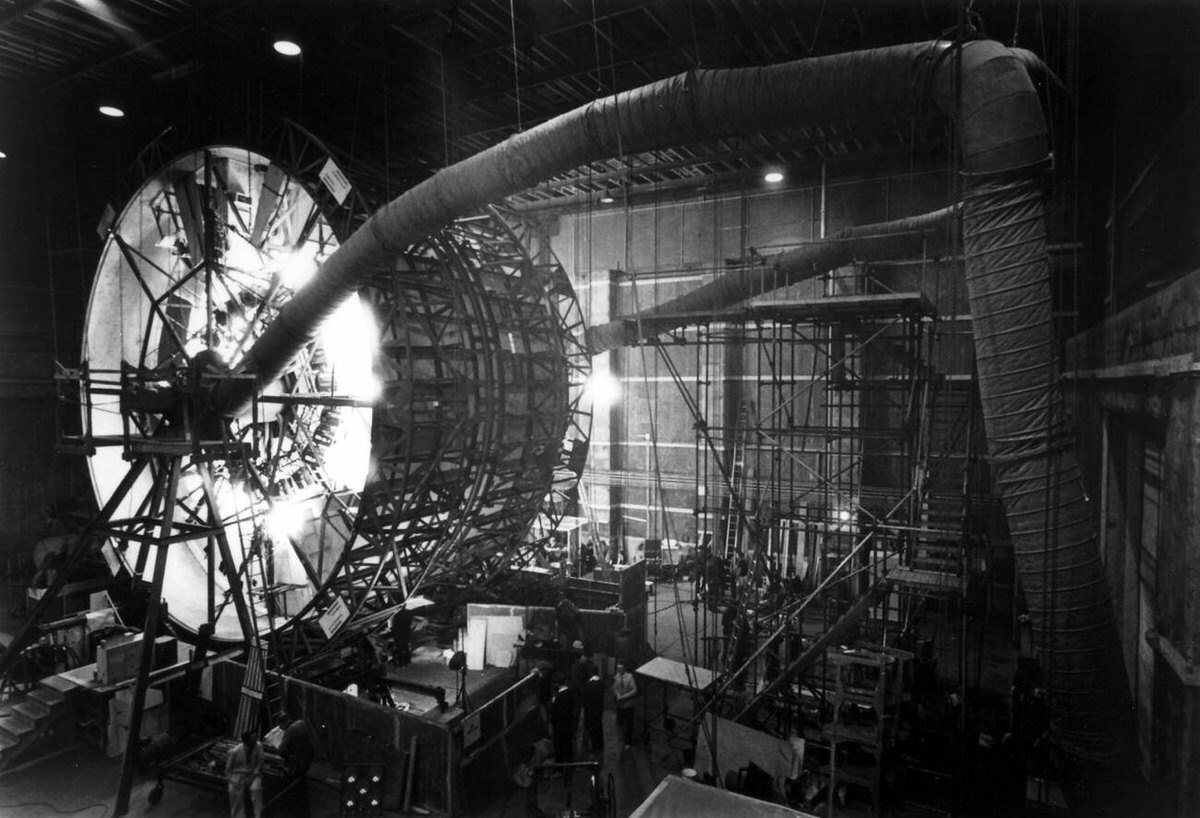
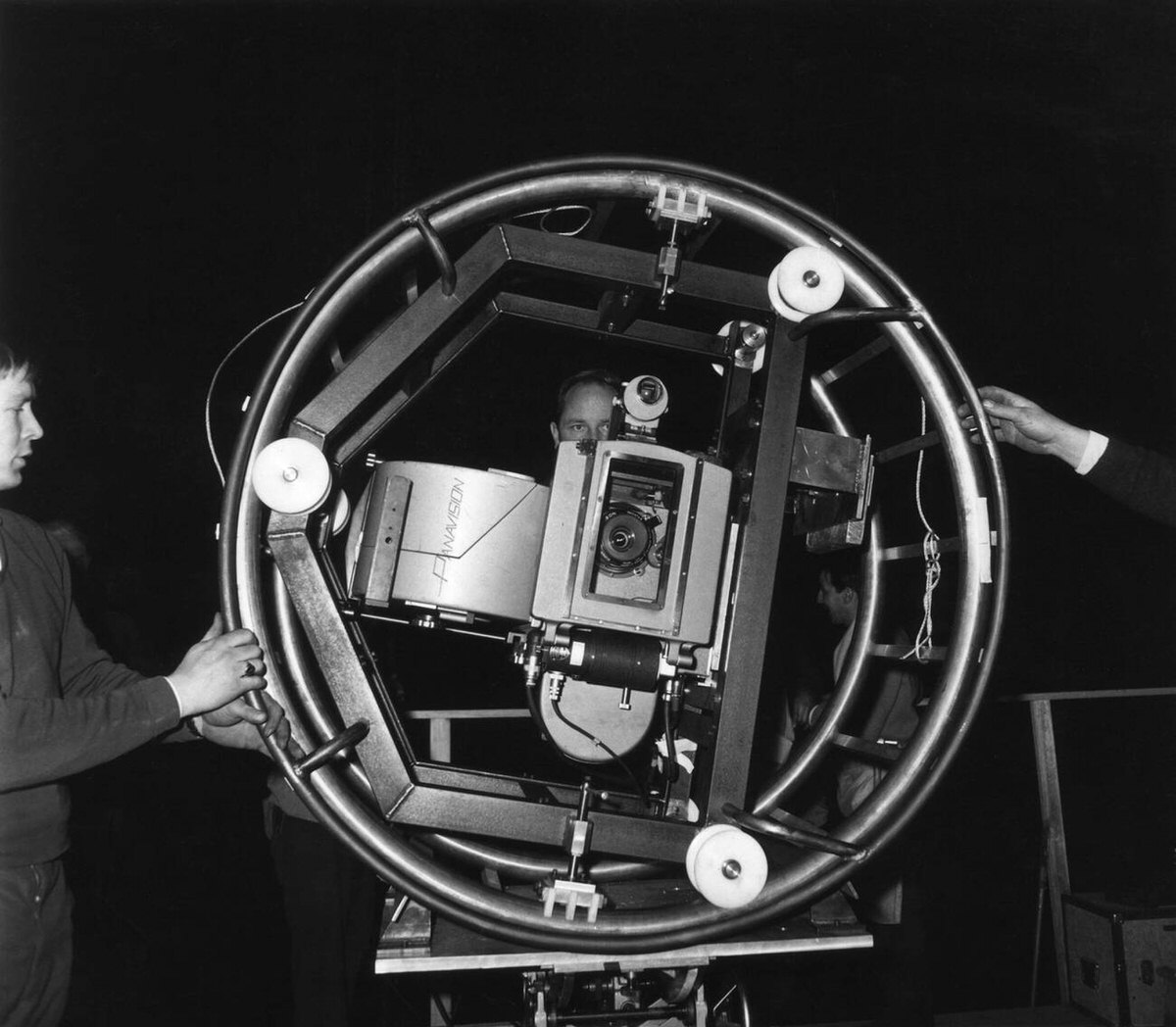
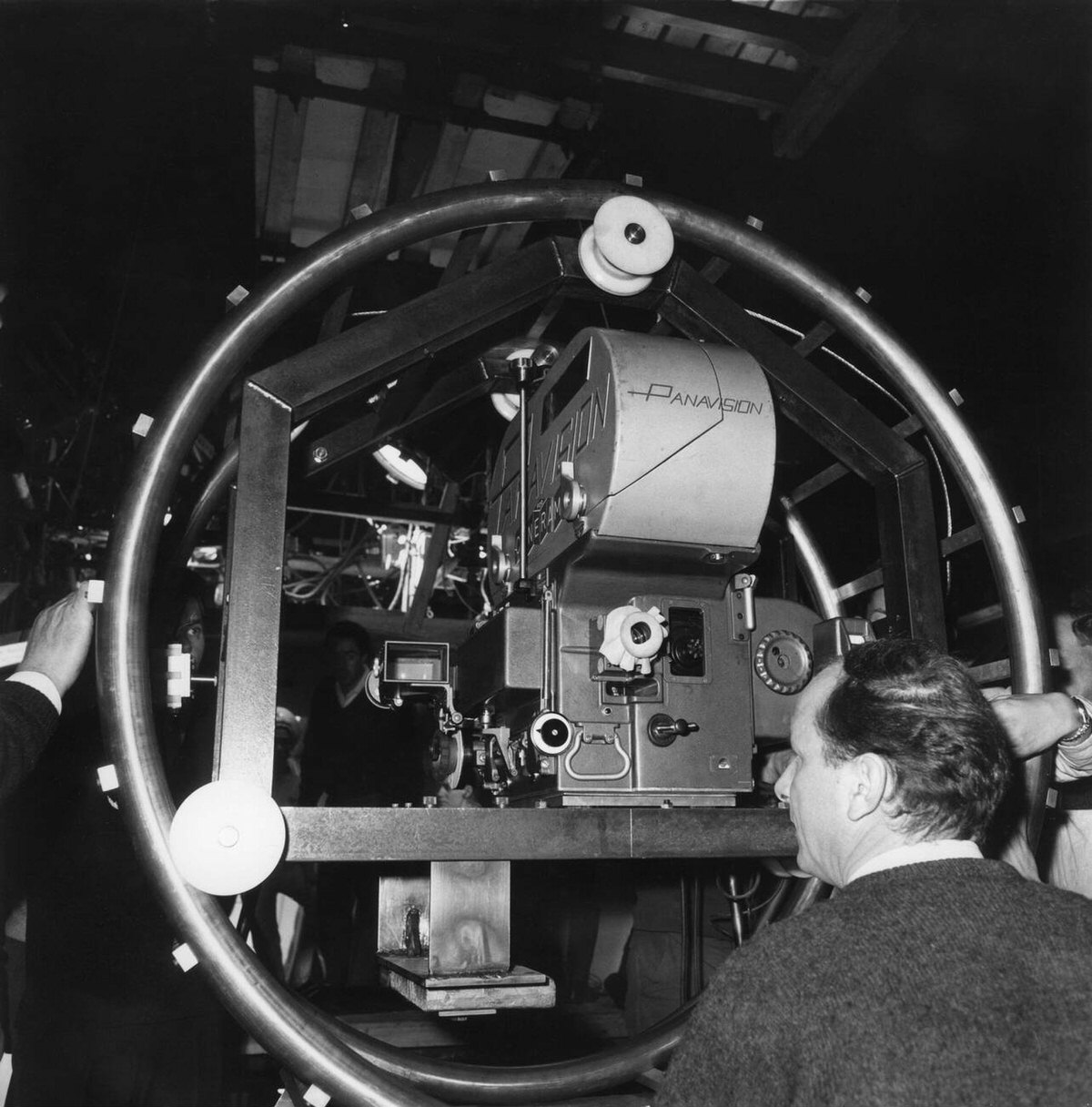
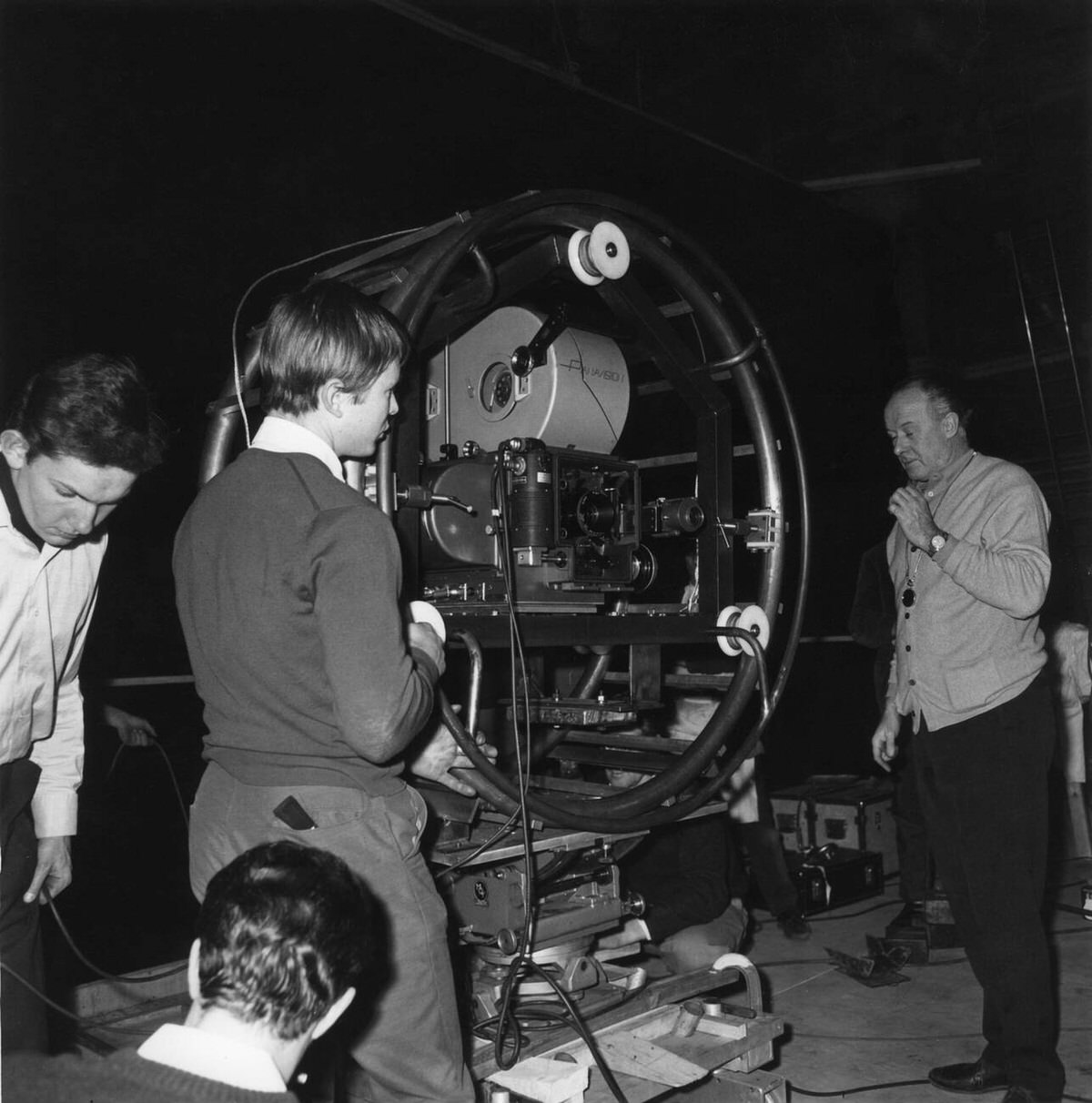
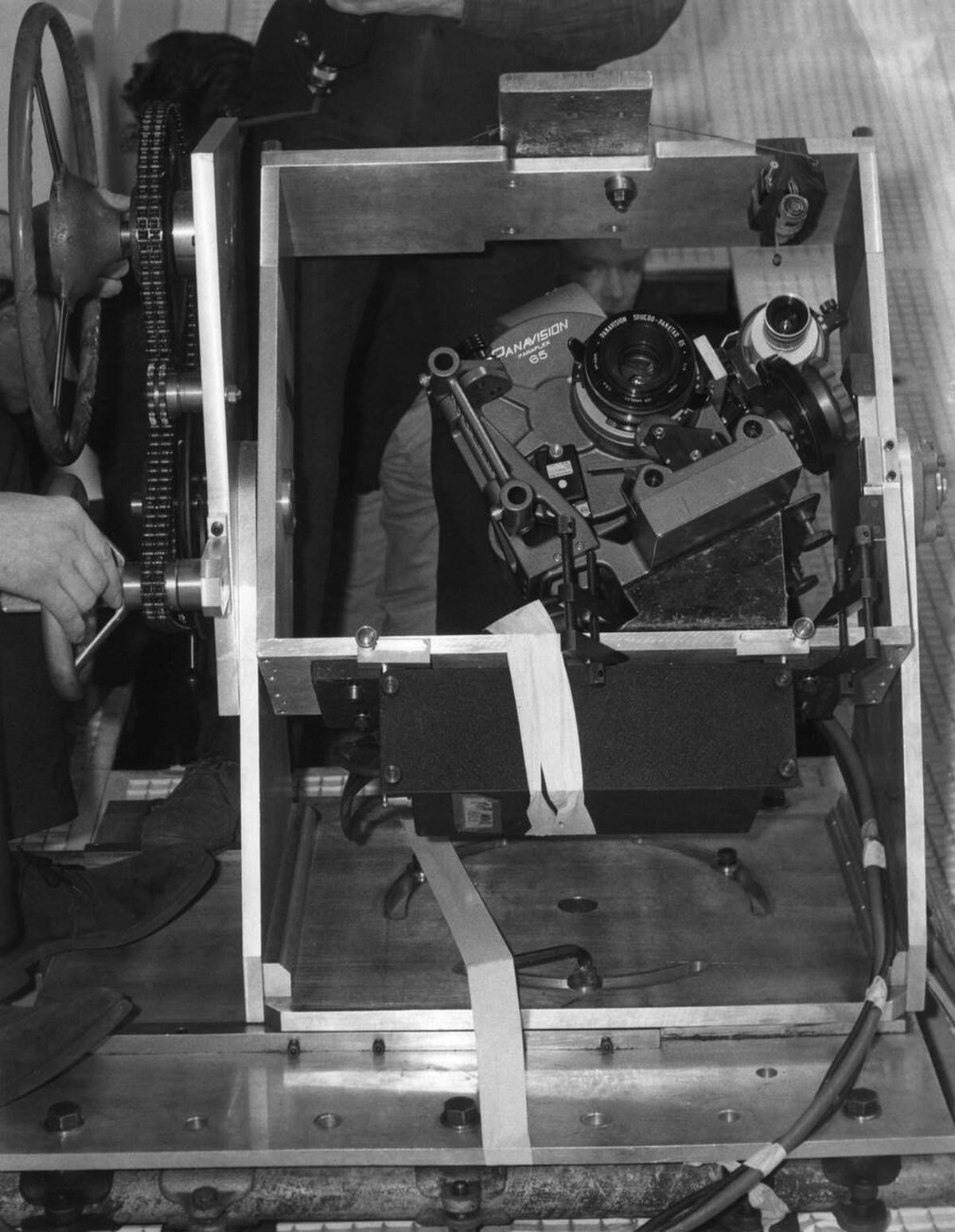
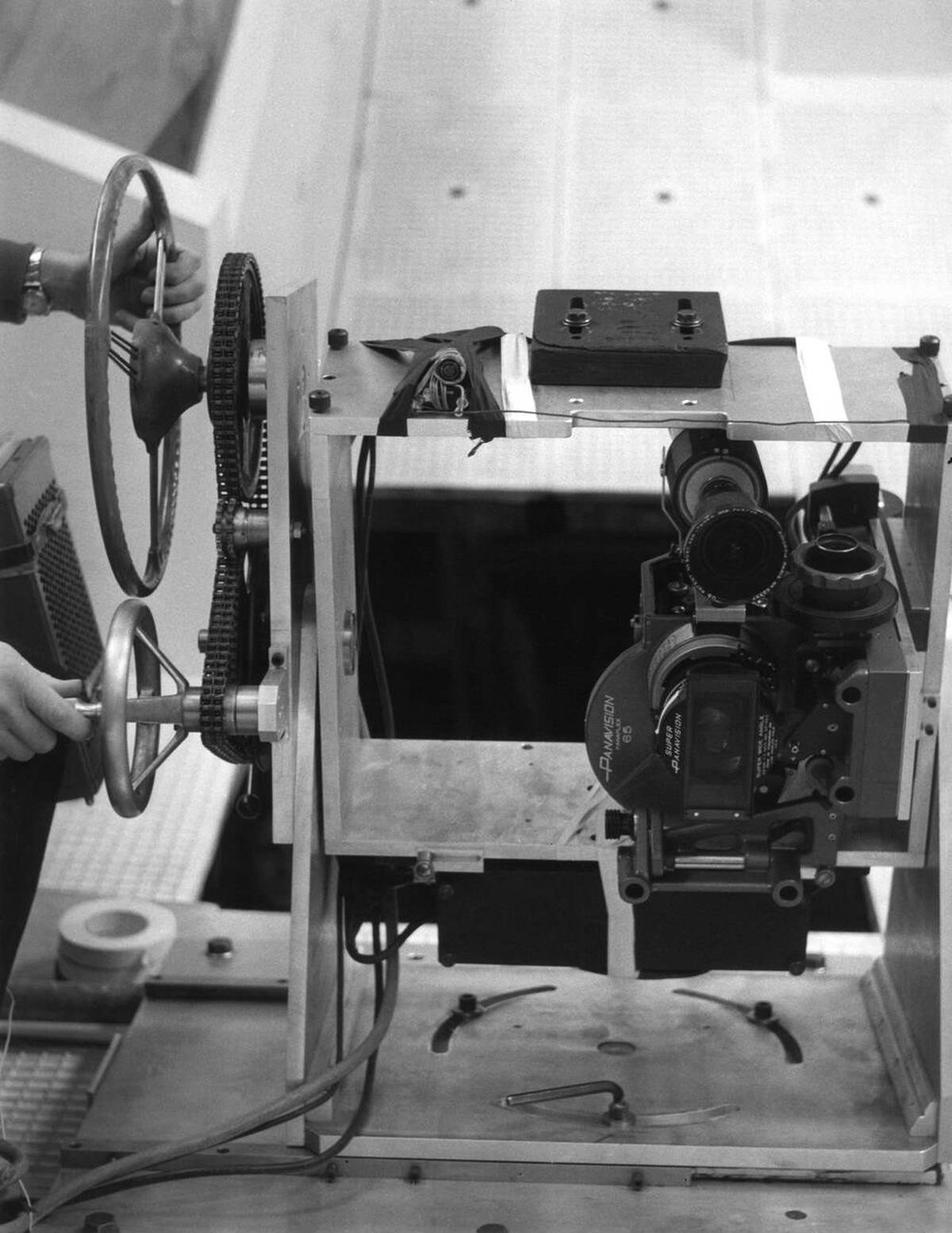
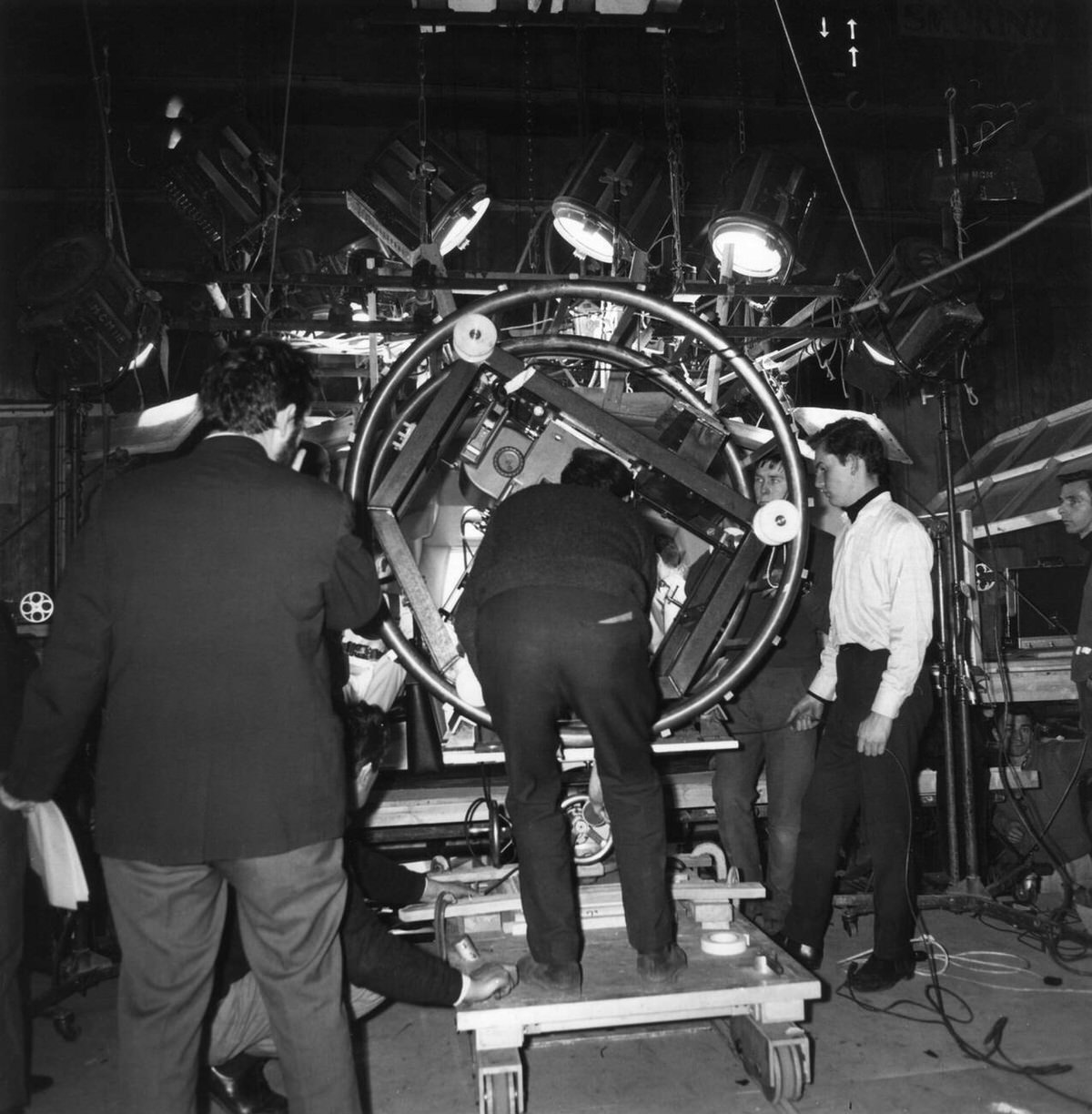
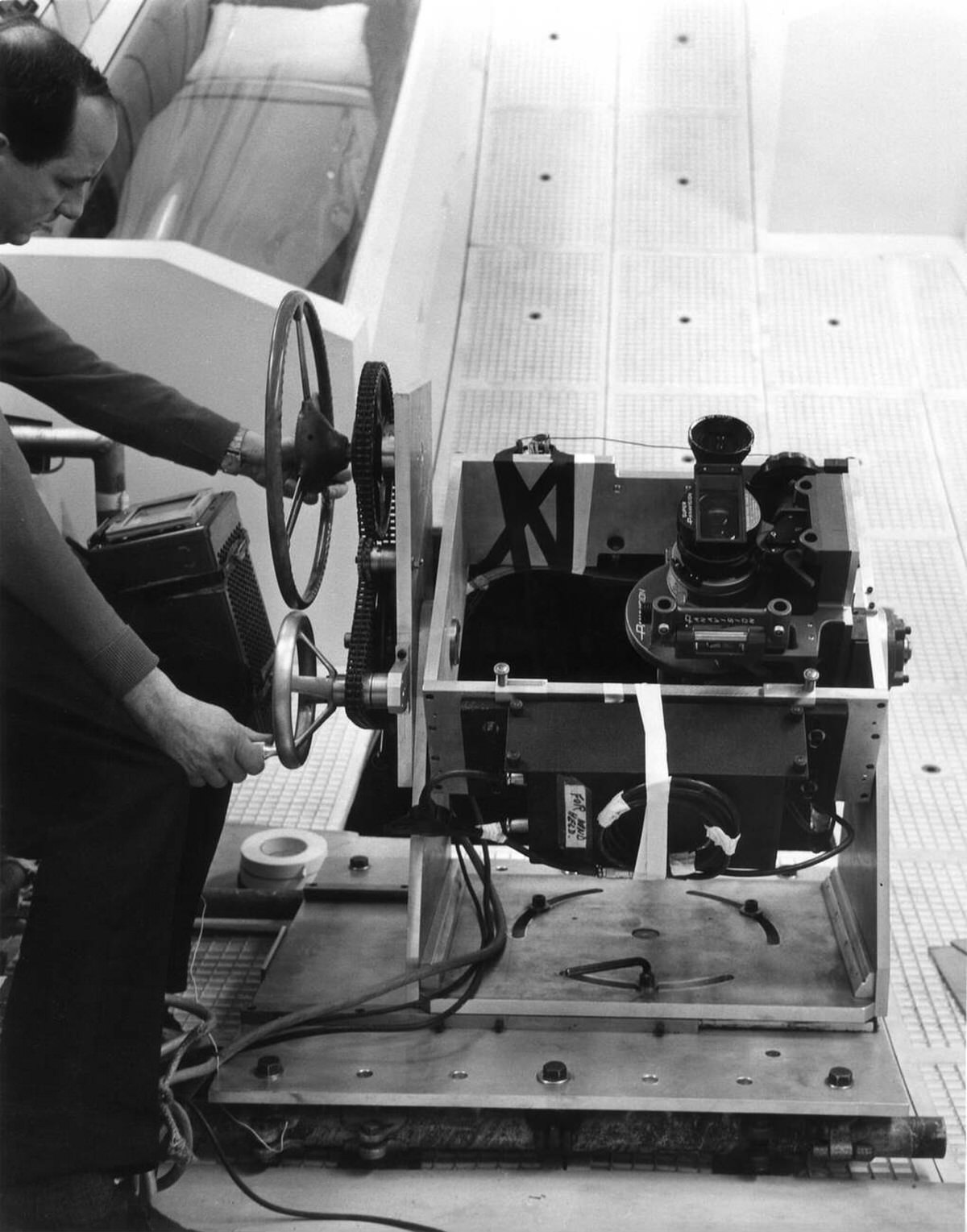
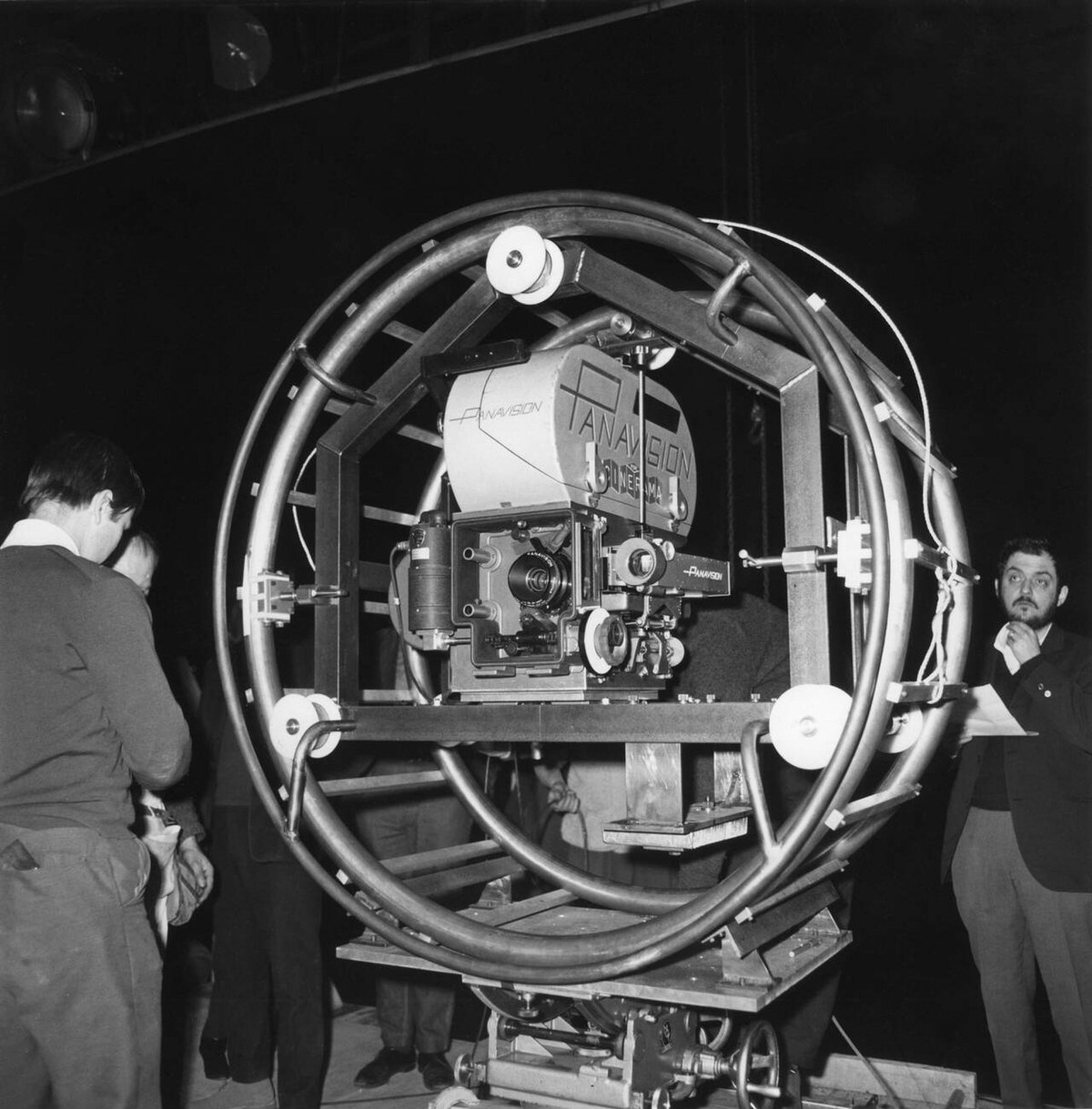
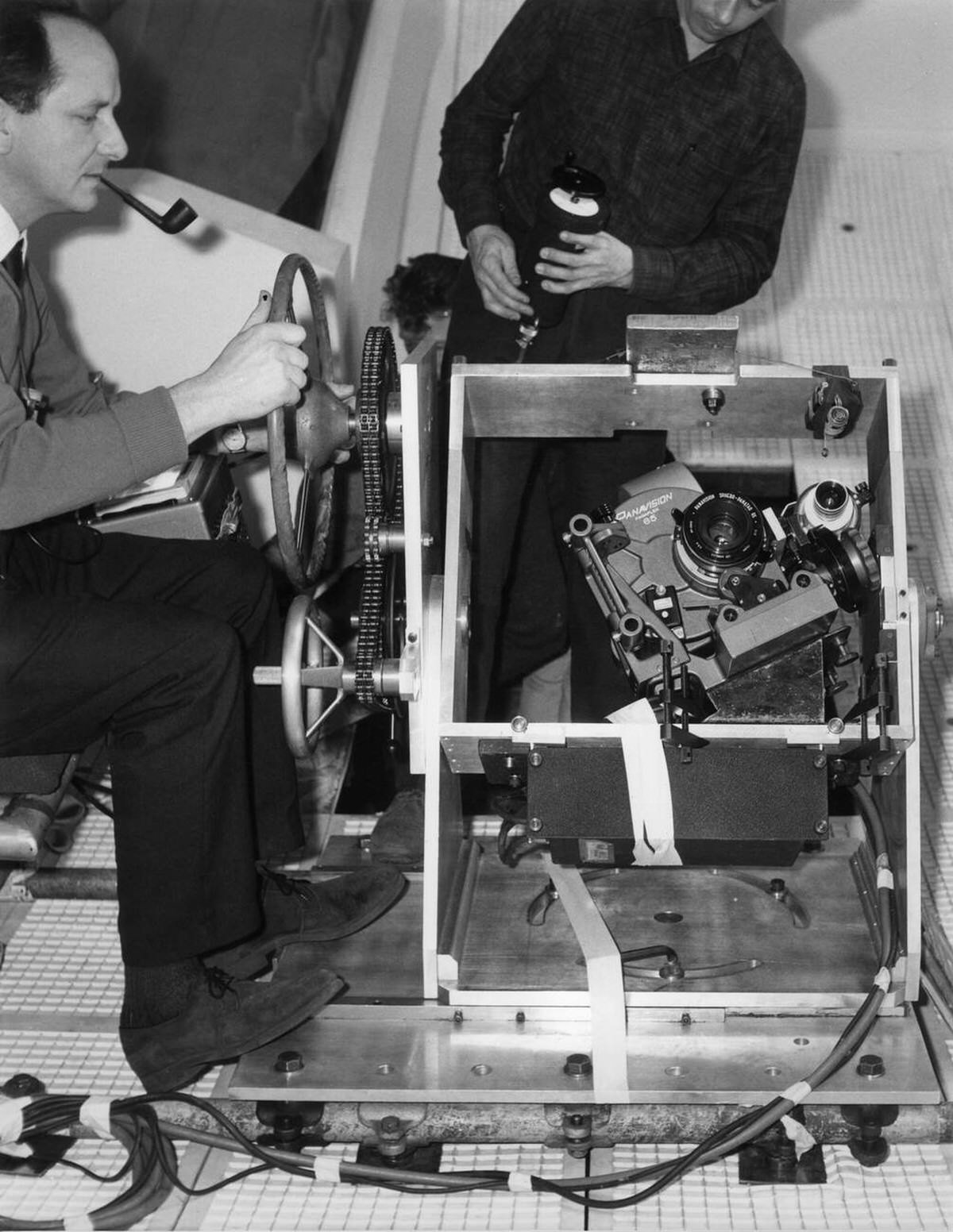
The centrifuge set used for the Discovery One spacecraft interior was the most ambitious physical construction in the film. It was a fully functional rotating wheel, 38 feet in diameter, built by Vickers-Armstrong Engineering at a cost of $750,000. The wheel could rotate at a maximum speed of three miles per hour, allowing actors to appear to walk on the inside of a circular corridor while the camera — mounted inside the spinning set — captured the illusion of artificial gravity.

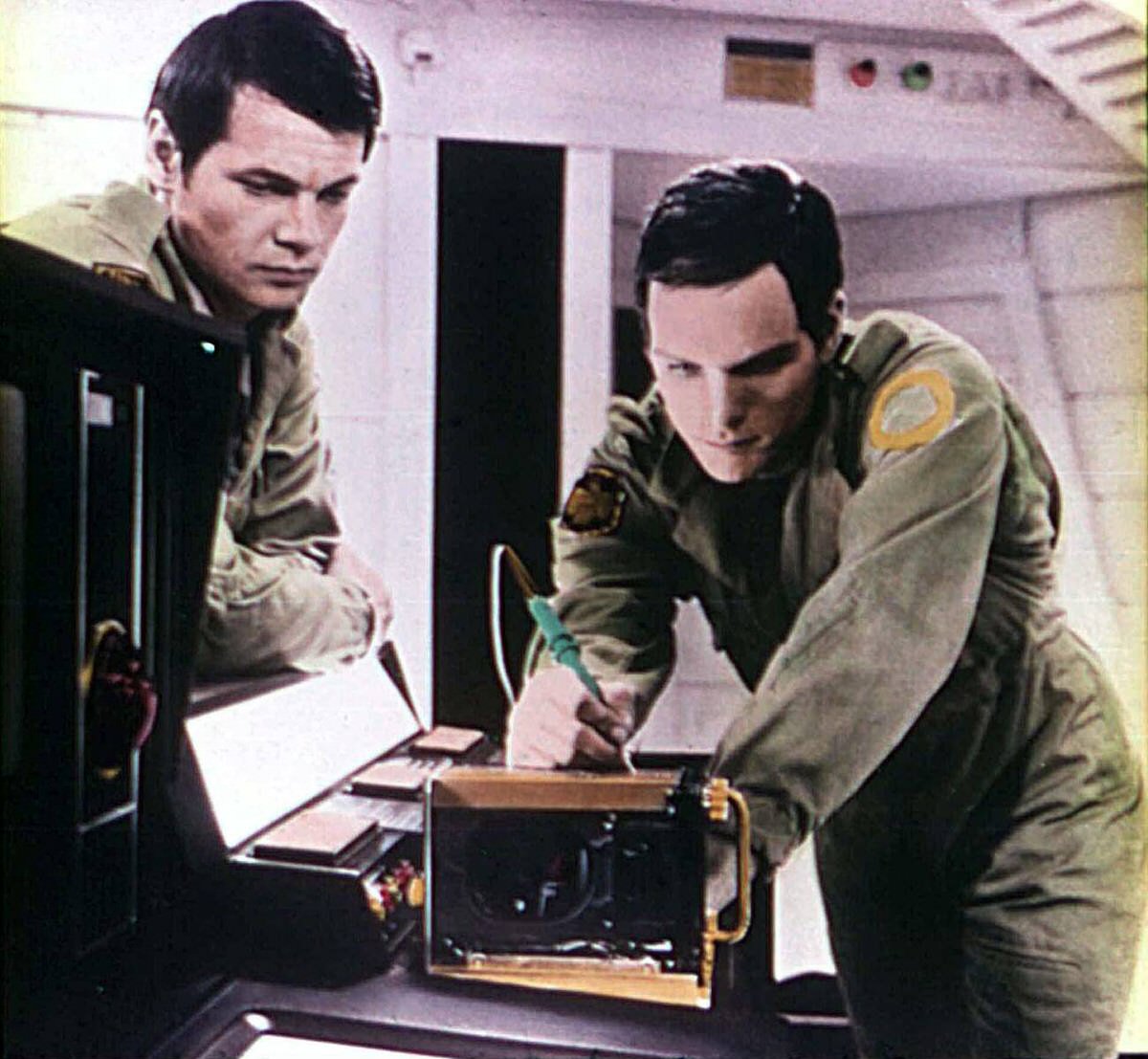
Keir Dullea and Gary Lockwood, who played astronauts Bowman and Poole, trained extensively to time their movements to the rotation of the wheel. The famous sequence where Poole jogs around the full circumference of the centrifuge required Lockwood to run on a treadmill built into the floor of the spinning set while the camera rotated with the structure around him.

The Zero-Gravity Sequences

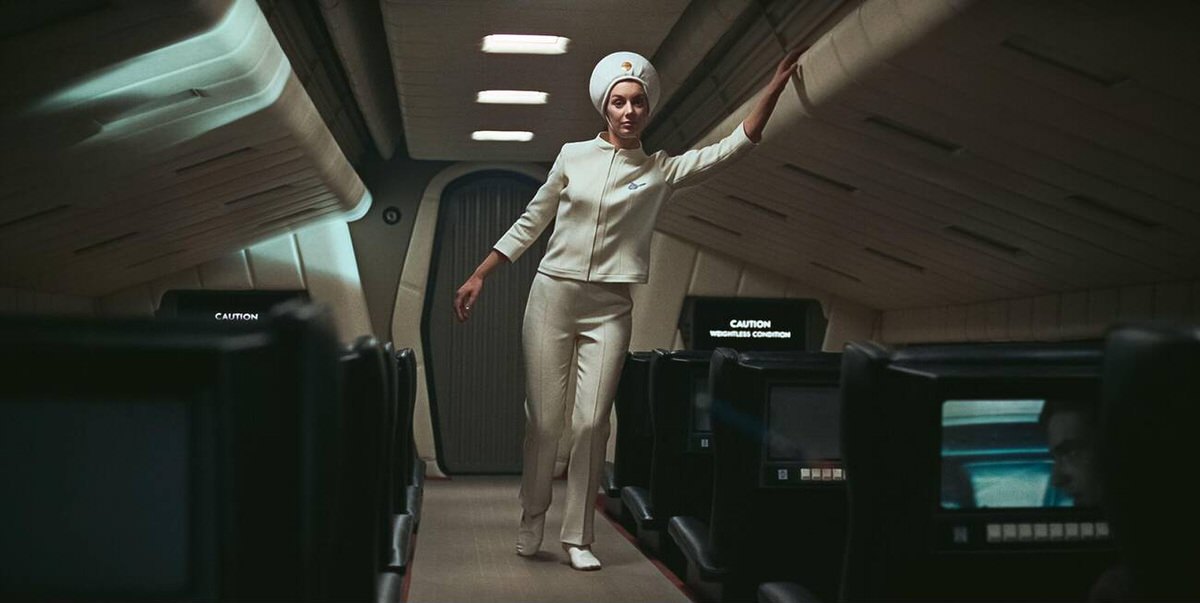
For scenes requiring actors to appear weightless, Kubrick’s team developed wire rigs that suspended performers above the set while the camera shot from below. The flight attendant walking upside down in the shuttle sequence was achieved by building the set upside down and having the actress perform on a floor that was actually a ceiling, with the camera positioned beneath her.

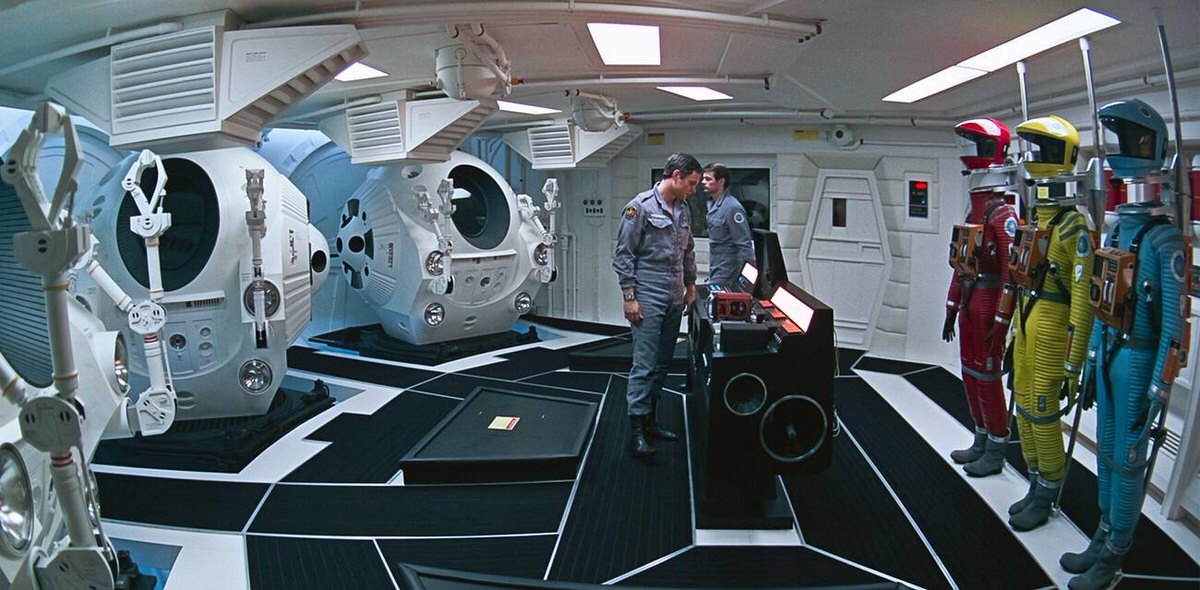
The spacecraft interiors were designed with painstaking attention to functional detail. Kubrick consulted with NASA engineers, aerospace companies, and technical experts throughout pre-production. He wanted every piece of equipment, every control panel, and every operational procedure to be based on plausible real-world engineering. Companies including IBM, Honeywell, and Bell Telephone contributed design consultations to ensure the technology on screen looked like it could actually work.

The Dawn of Man Sequence

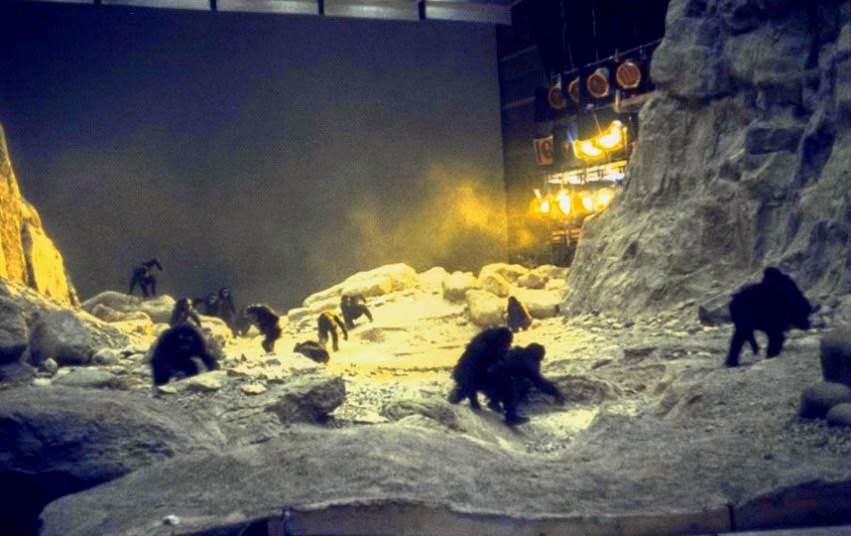
The opening sequence of the film — set millions of years in the past among early hominids — required Kubrick to work with actors in full ape costumes designed by makeup artist Stuart Freeborn. The costumes took months to develop and were built to allow a full range of expressive movement while maintaining the visual appearance of prehistoric primates.

The actors inside the costumes trained with anthropologists and movement coaches to develop believable physical behavior. Kubrick shot the sequence against a blue screen backdrop and combined it with still photographs of African landscapes that were printed onto large panels behind the actors, a technique called front projection. The system used a highly reflective screen material and a half-silvered mirror to produce backgrounds so sharp and detailed that they looked like real locations shot on film.

HAL 9000 and Douglas Rain

The voice of HAL 9000, the ship’s artificial intelligence, was originally recorded by a different actor before Kubrick decided the performance wasn’t working. Canadian actor Douglas Rain was brought in late in post-production to re-record all of HAL’s dialogue. Rain recorded his lines in a single session, never having seen any footage from the film. Kubrick gave him minimal direction — he wanted HAL to sound calm, helpful, and completely devoid of emotional affect, which made the character’s gradual malfunction far more unsettling.

The Stargate Sequence

The film’s psychedelic finale — Bowman traveling through an extended light corridor before arriving in the white room — was created by Douglas Trumbull using a technique he developed called slit-scan photography. The process involved moving artwork and photographs past a camera with an open shutter, creating streaking light effects that had never appeared on film before. The sequence took months to shoot and required Trumbull to build custom equipment specifically for the production.

Kubrick reviewed footage daily and rejected hundreds of takes before approving the final versions used in the film.
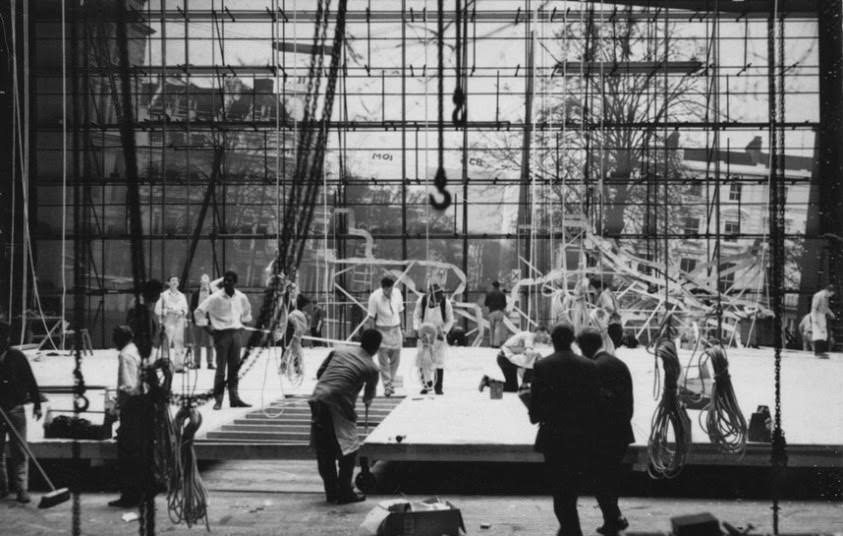
#1 The majority of filming took place at MGM Borehamwood, Elstree and Shepperton Studios in England.

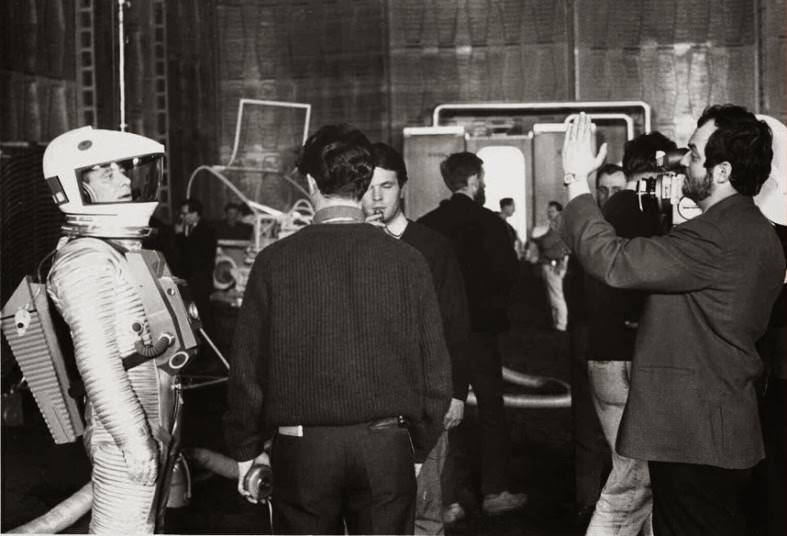
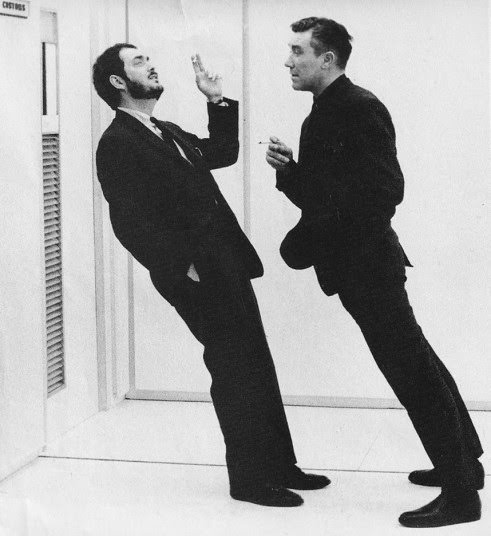
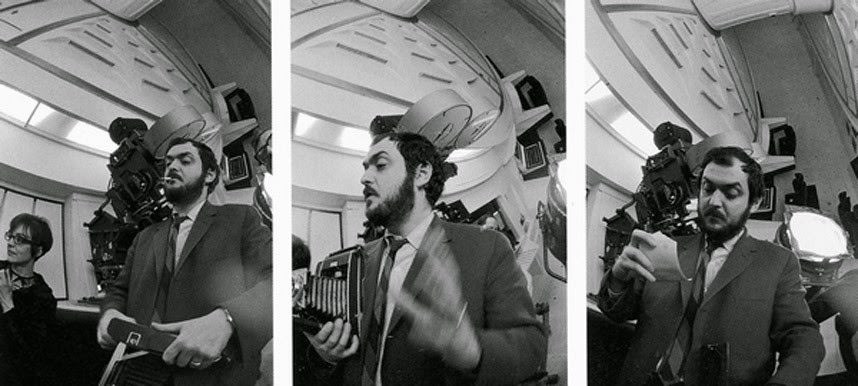
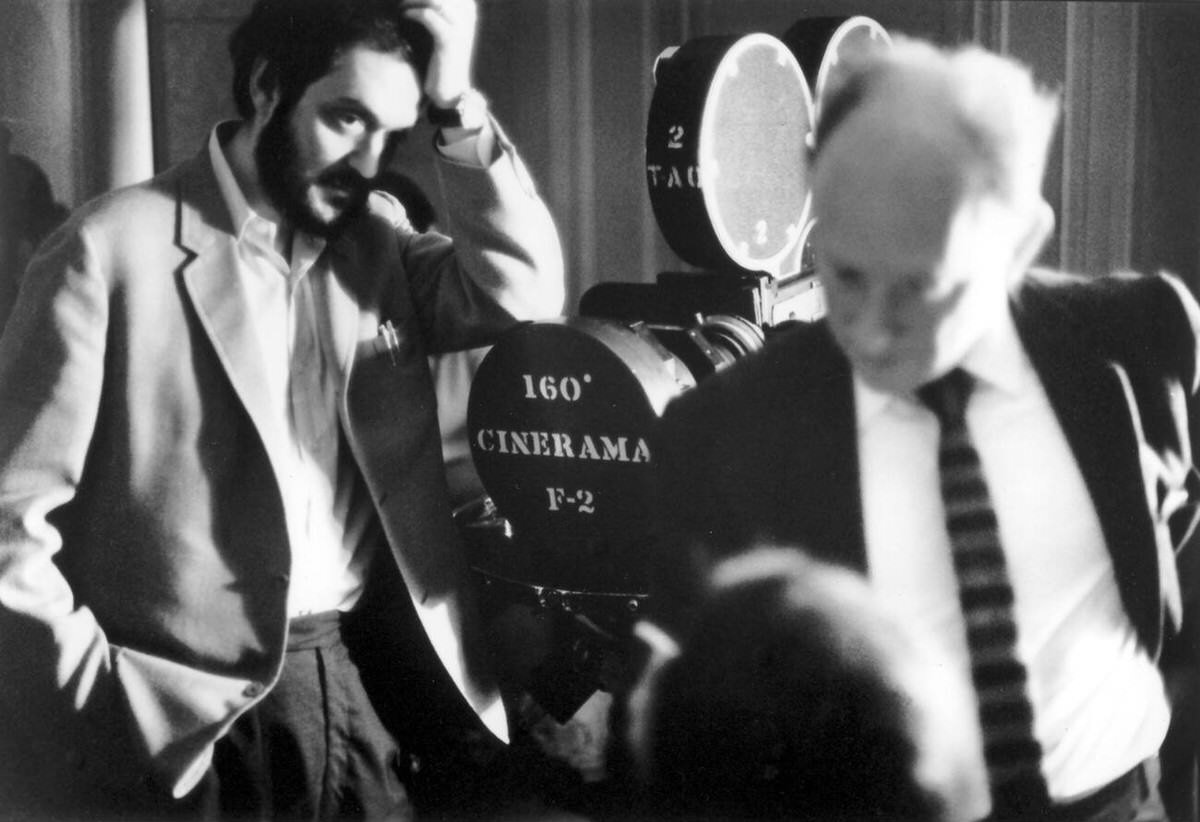
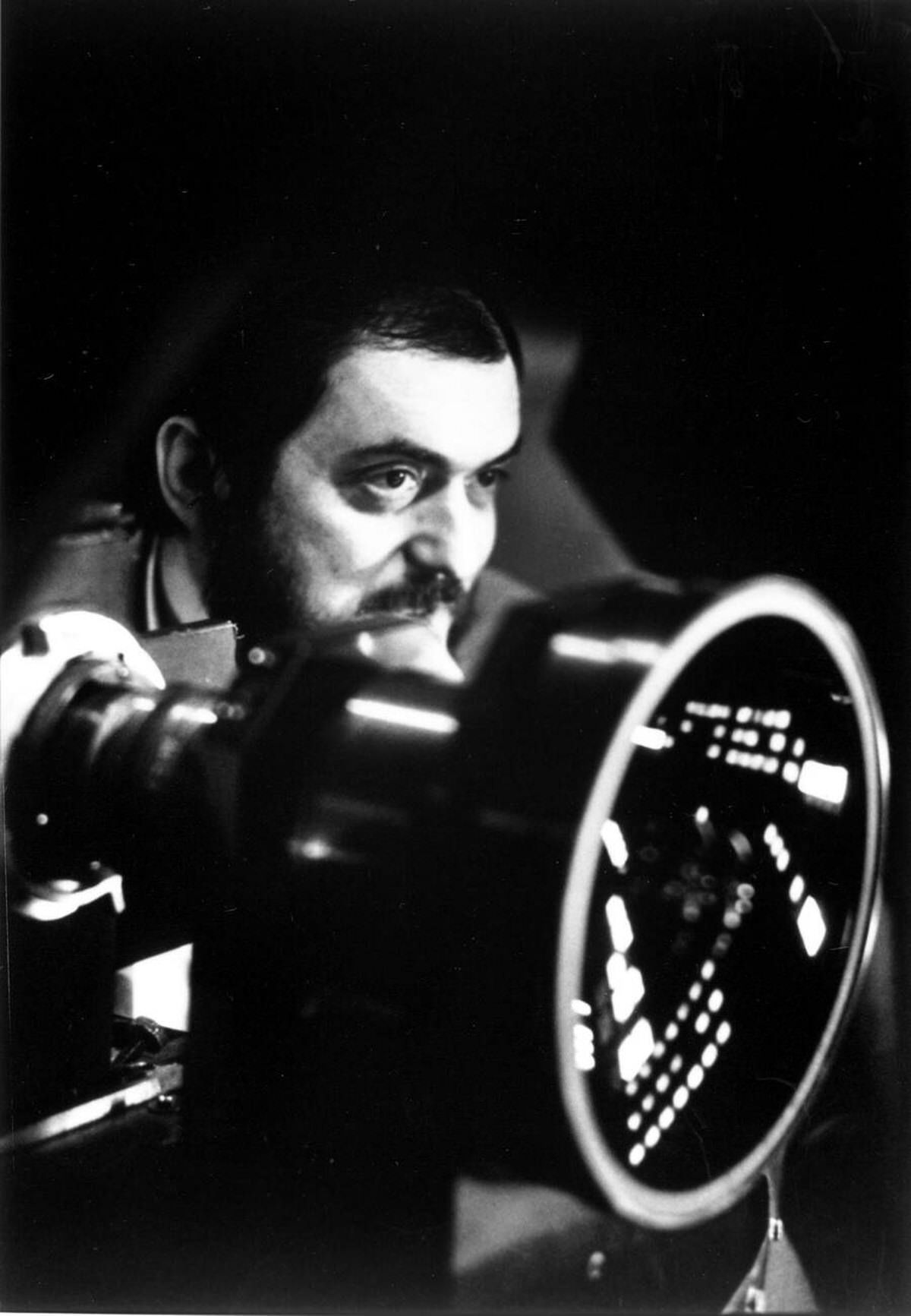
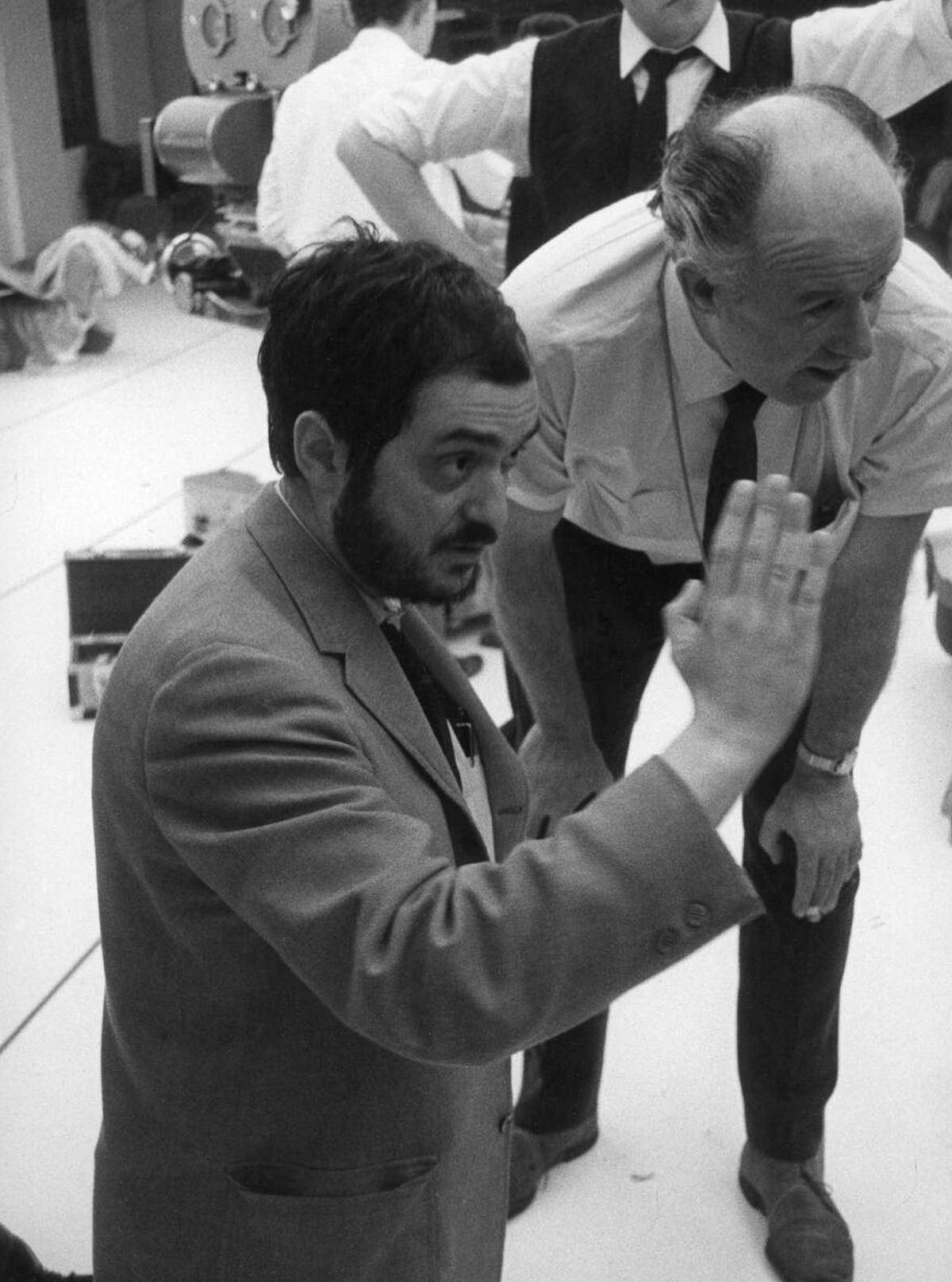
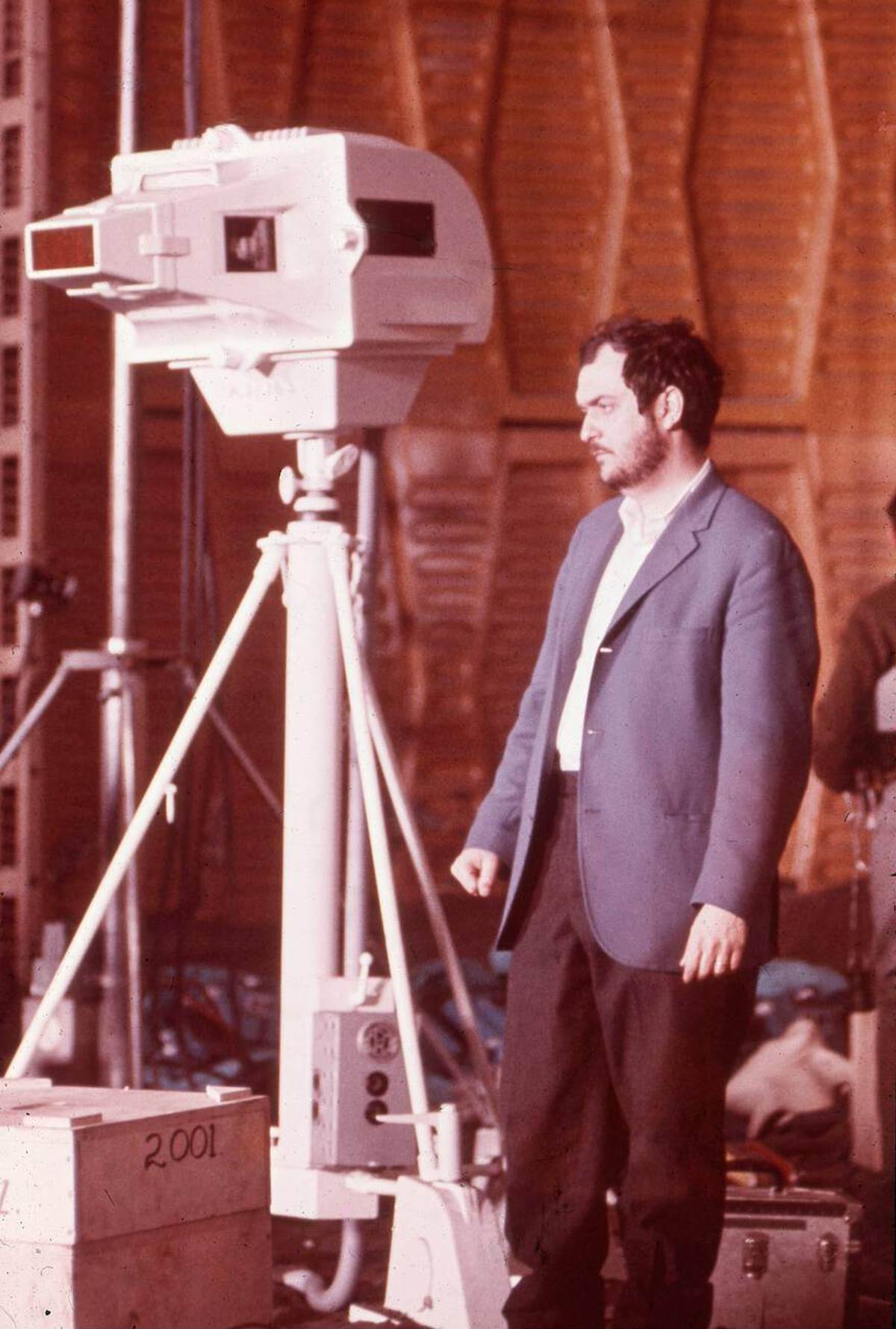
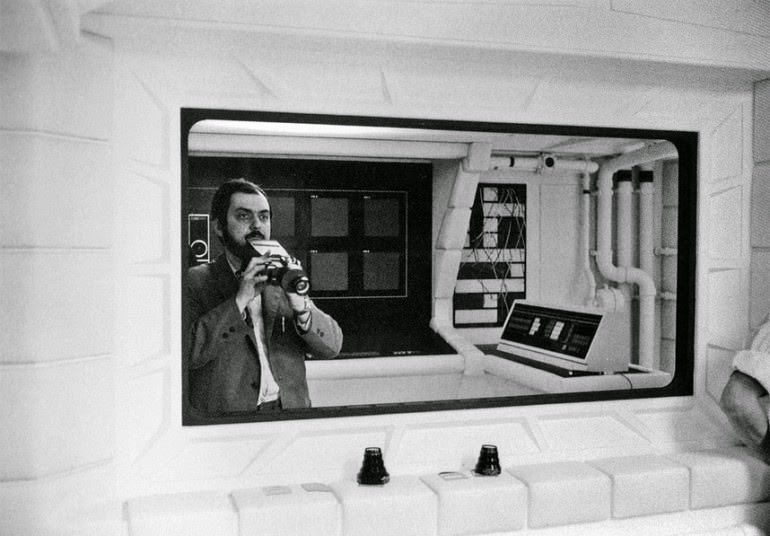
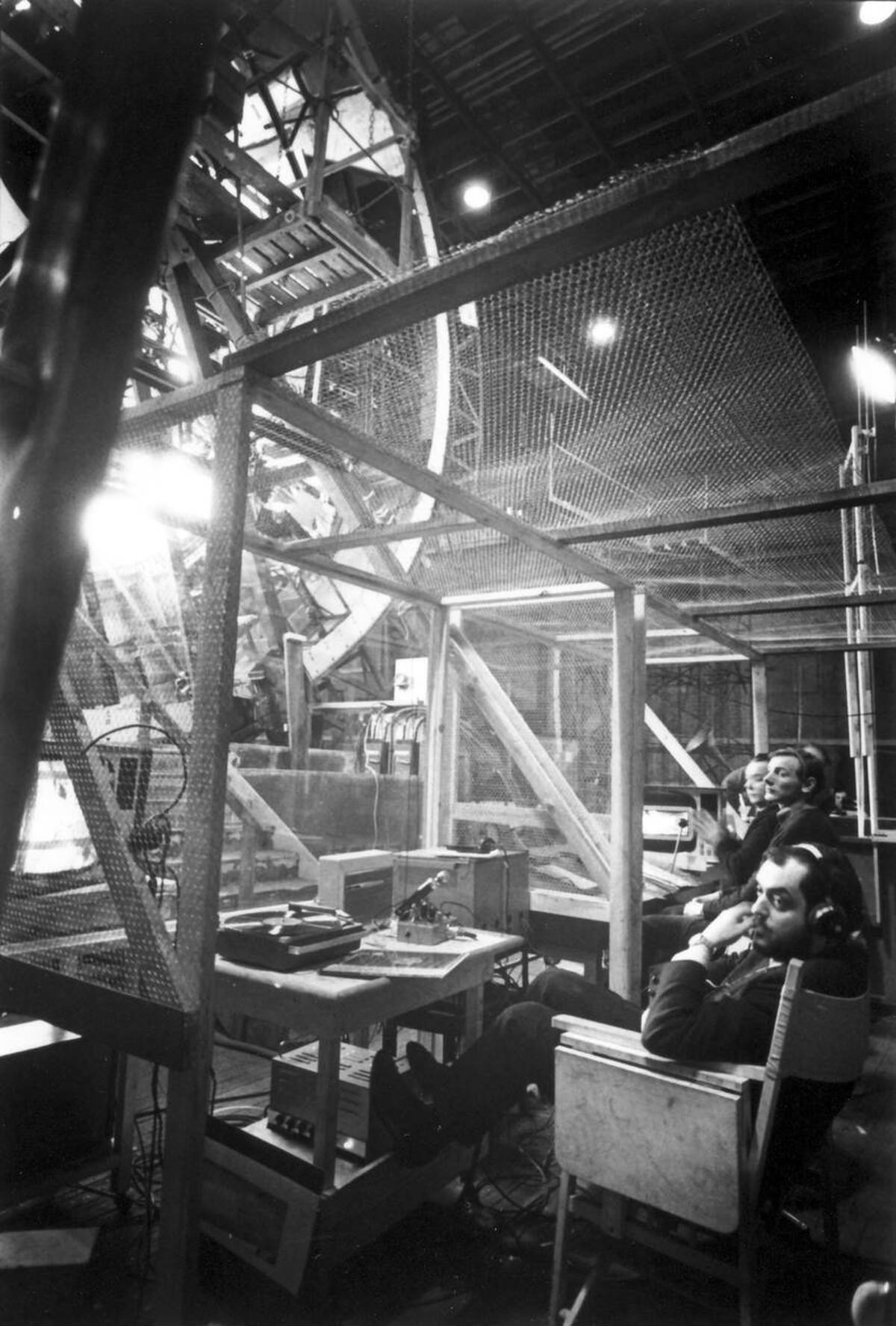
#2 Stanley Kubrick was an extremely hands-on director.

#3 The film opens with a group of shrieking apes in the ‘Dawn of Man’ sequence.

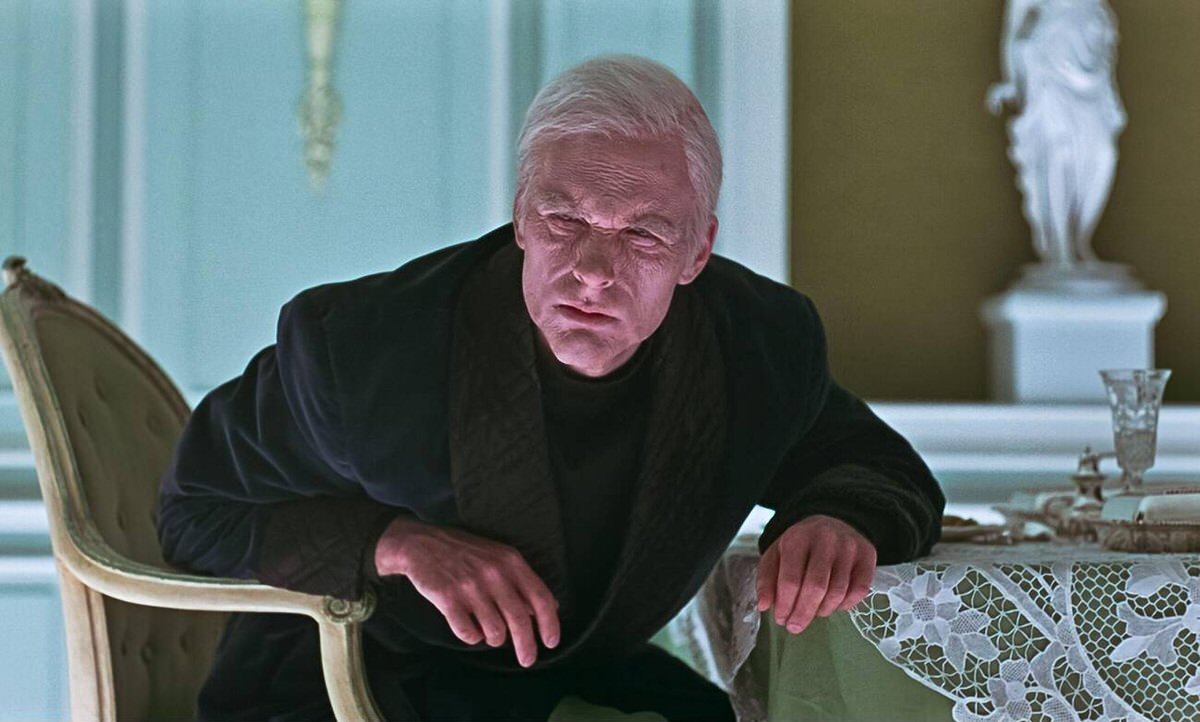
#4 William Sylvester plays Dr. Heywood R Floyd in the second ‘act’ of the film.
#5 Keir Dullea and Gary Lockwood star in the third ‘act’ as two astronauts on a voyage to Jupiter.

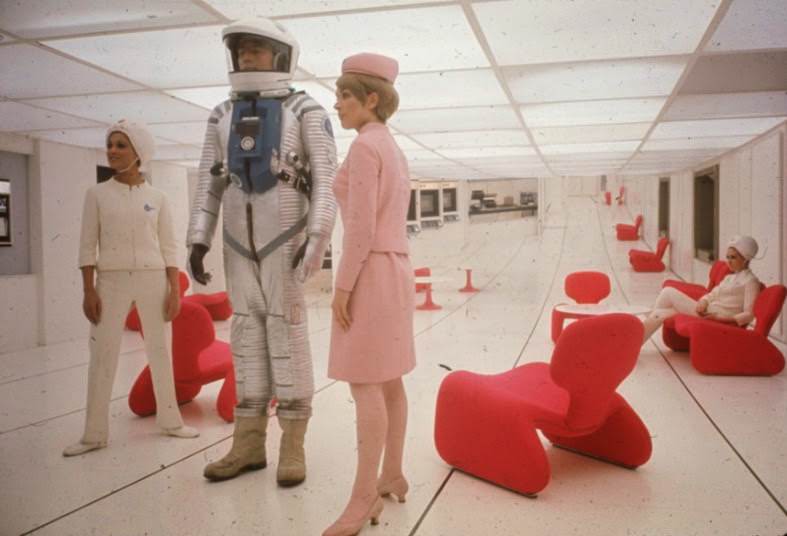
#8 Edwina Carroll, Penny Brahms and Heather Downham as stewardesses onboard the space station.

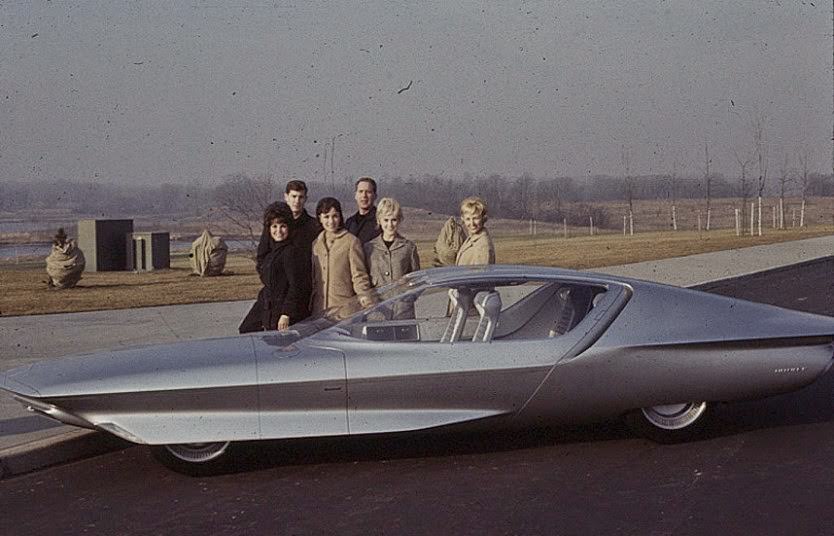
#9 Kubrick asked companies to provide designs for futuristic products to be used in the movie, such as this prototype car.

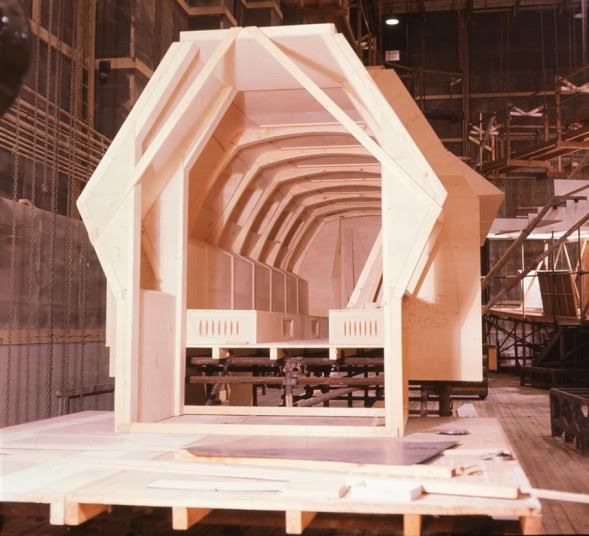
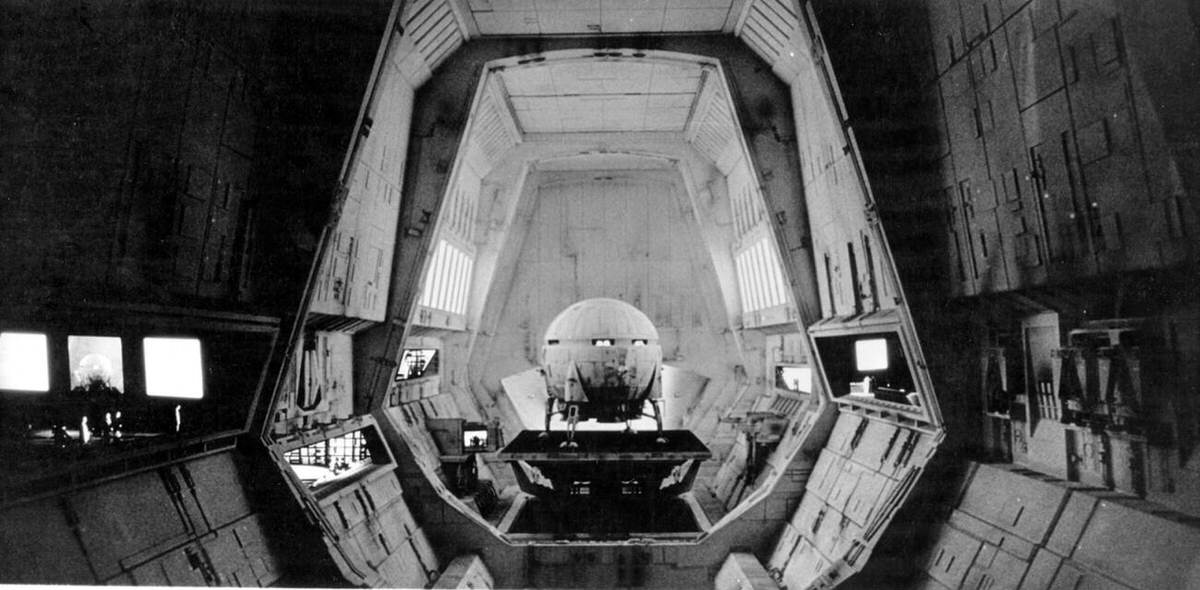
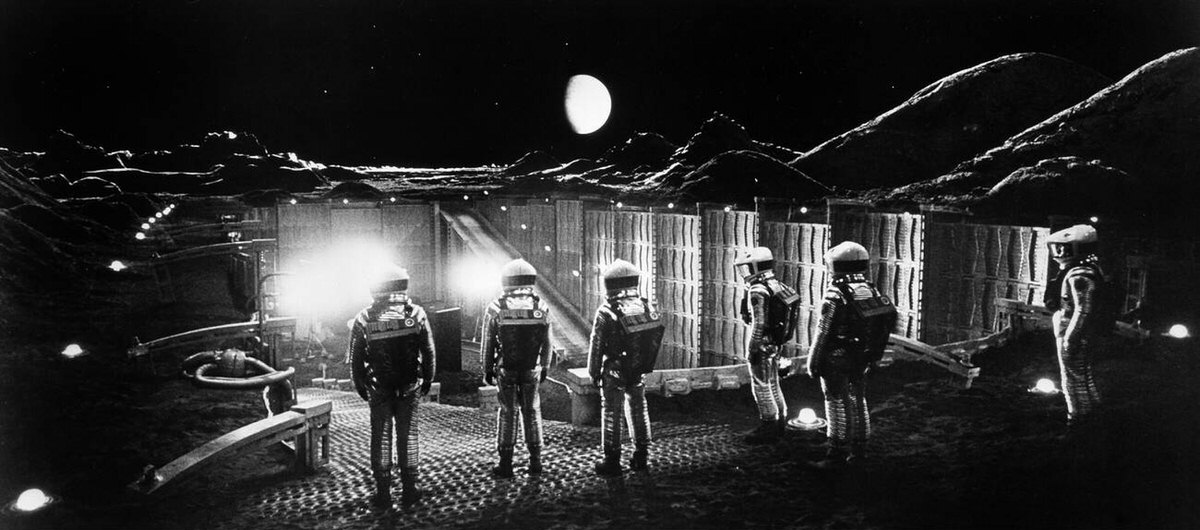
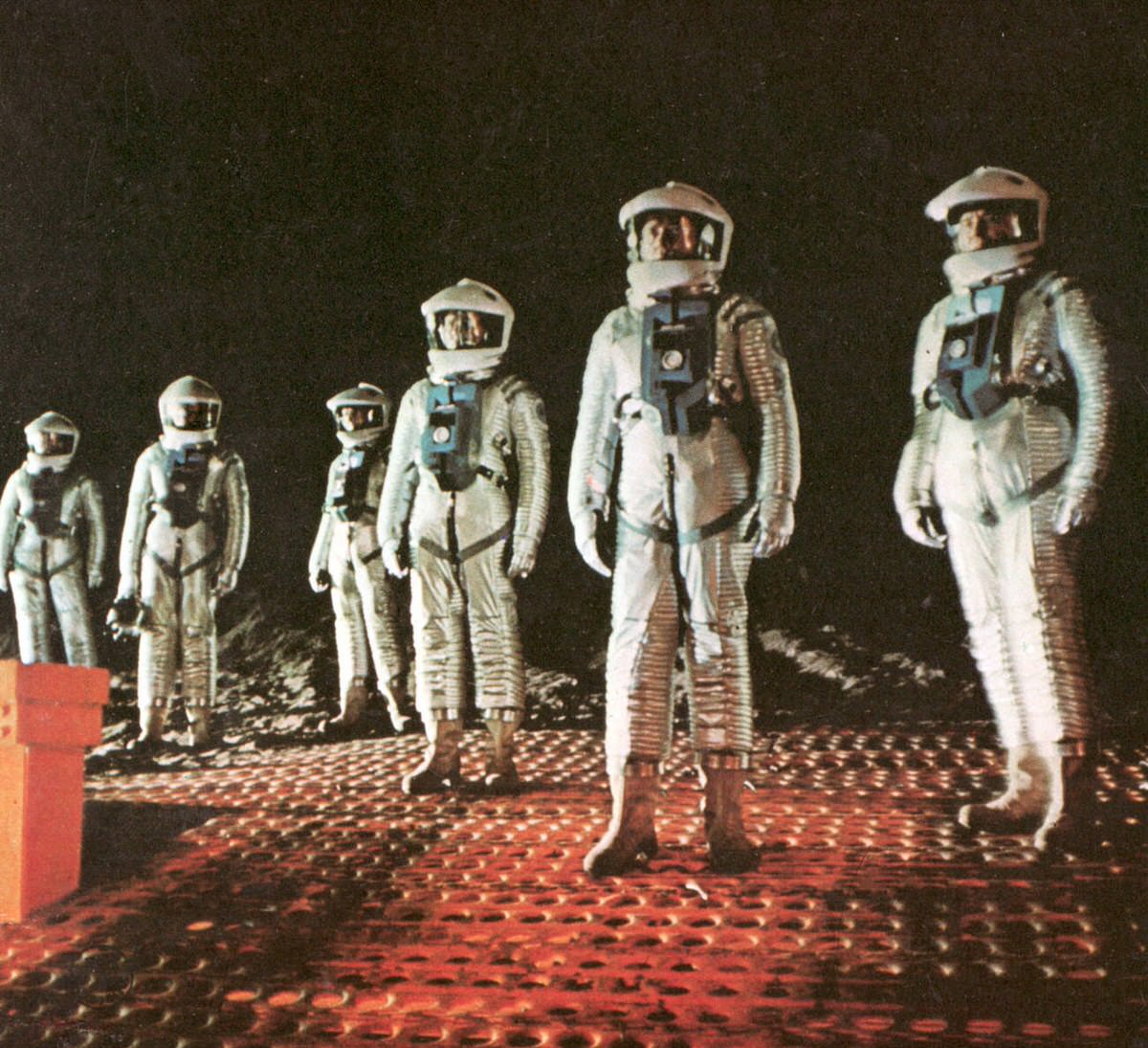
#10 The wooden construction that would form the film’s Moonbus vehicle.

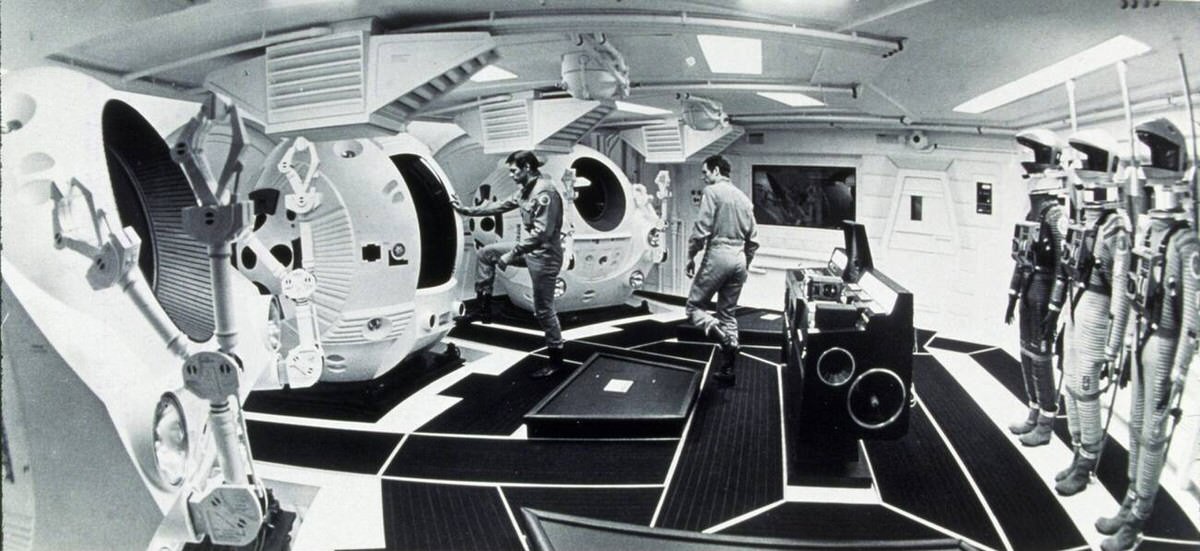
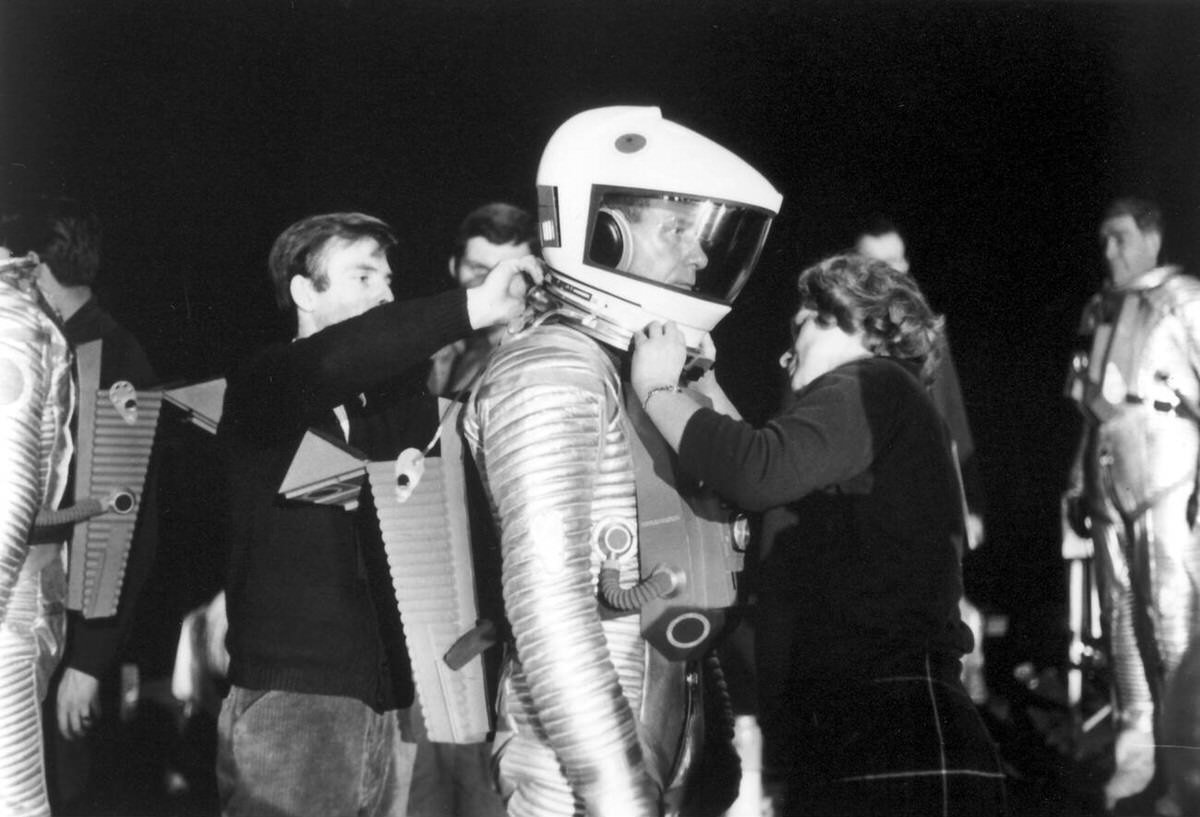
#11 NASA engineers were consulted during the design process for the Discovery One spacecraft.

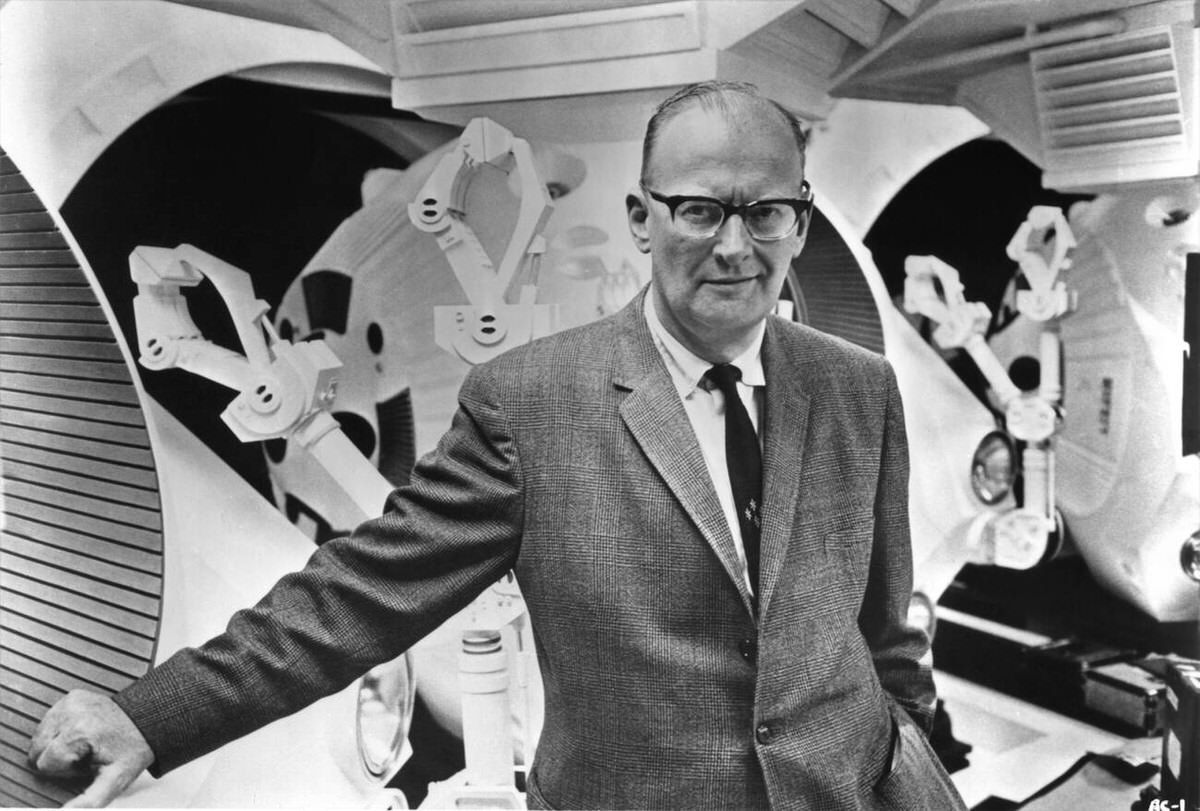
#12 Kubrick collaborated with science fiction writer Arthur C Clarke to create the screenplay, based on Clarke’s short story The Sentinel.

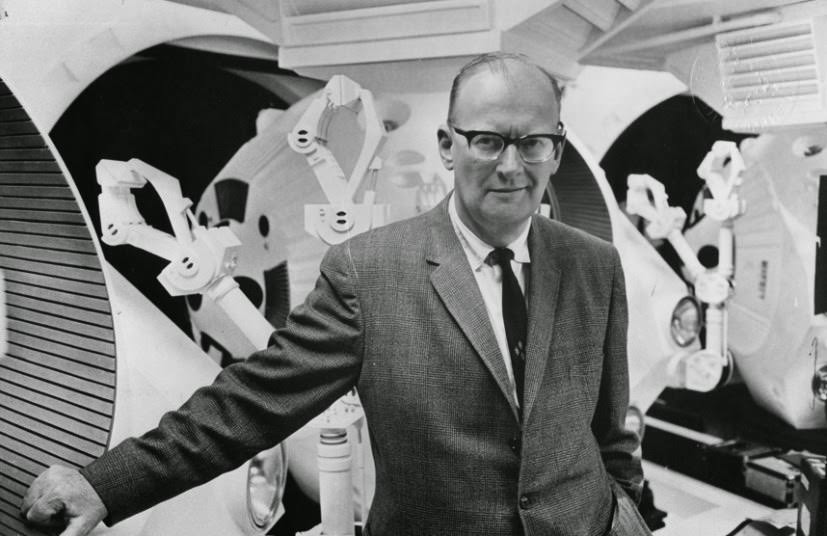
#13 Science fiction writer Arthur C Clarke on the film set.

#14 Kubrick and his team employed numerous photography techniques during filming, including “slit-scan”, which blurs and distorts the image.

#15 Despite hundreds of people working behind the scenes, only 27 crew members were credited at the end of the film.
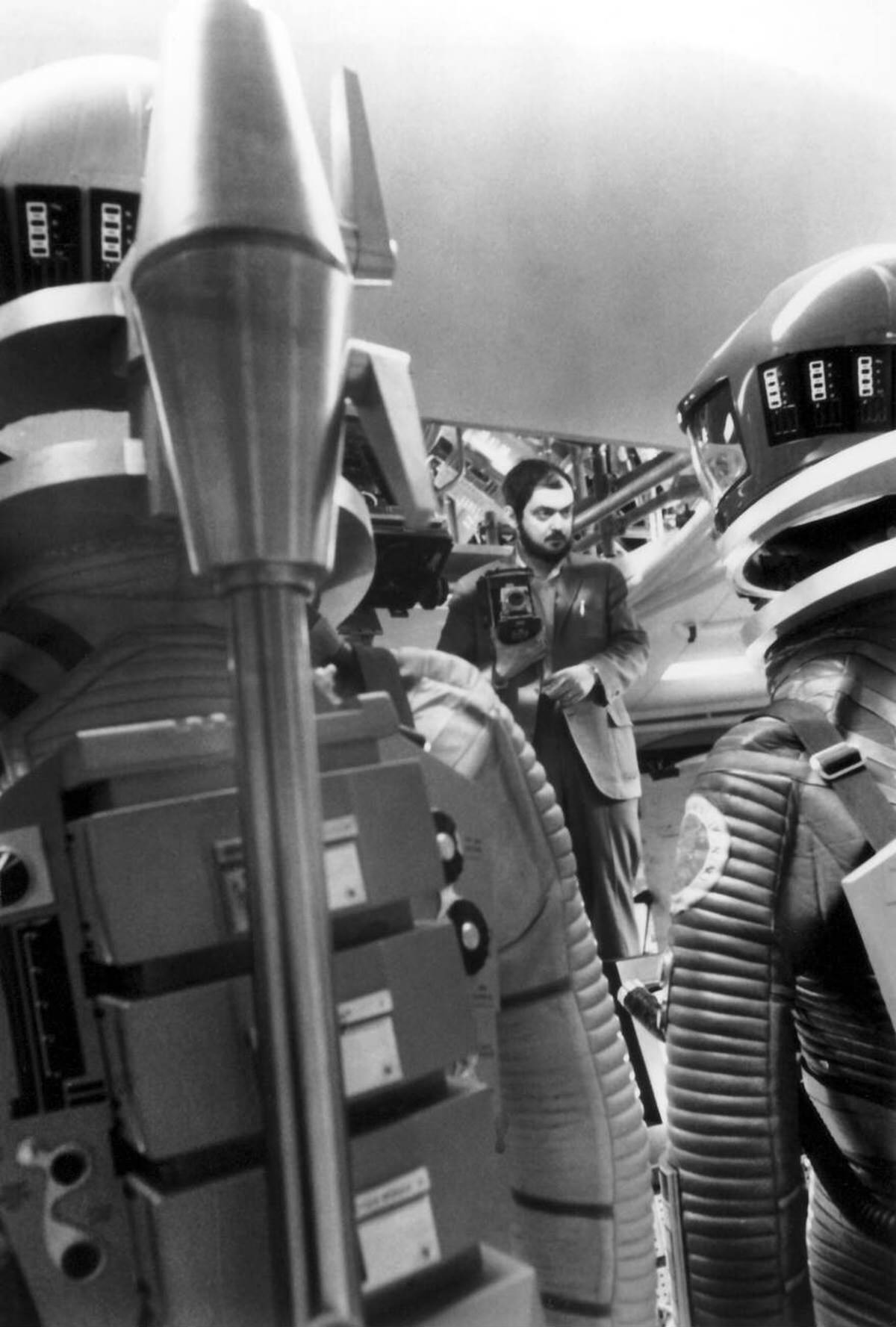
#16 Constructing the rotating centrifuge for the Discovery spaceship cost $750,000.

#17 Gary Lockwood, a long-time fan of Kubrick’s work, started out his film career as a stuntman.

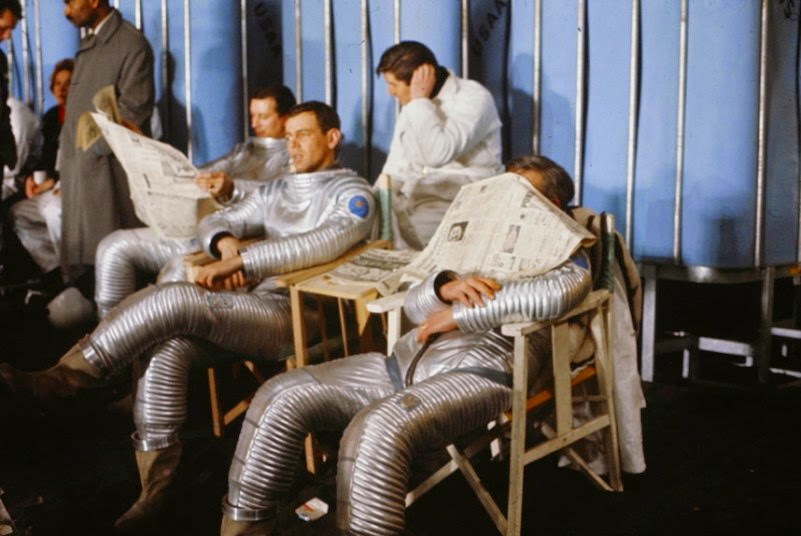
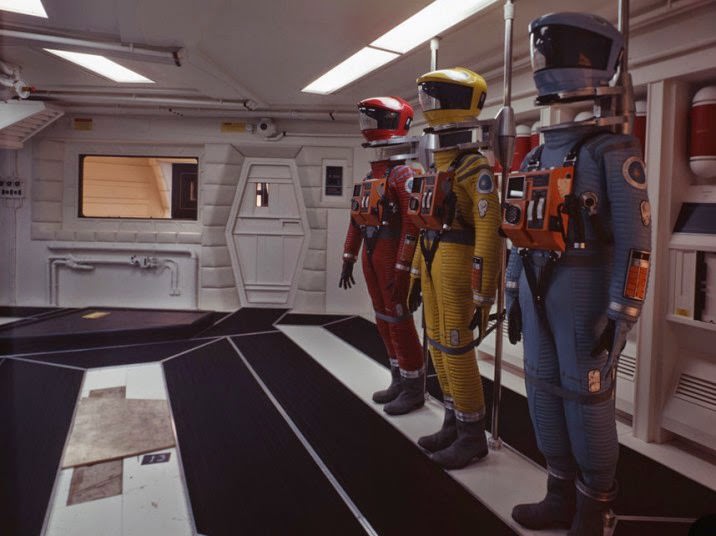
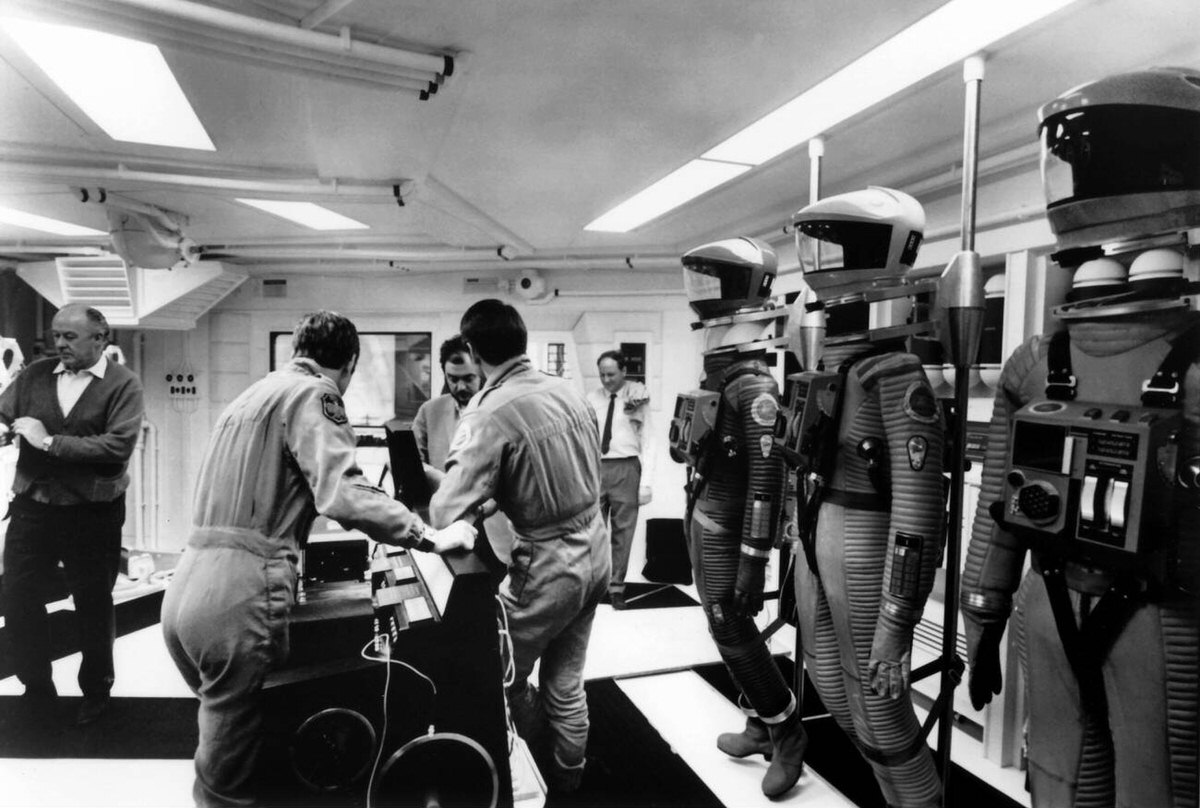
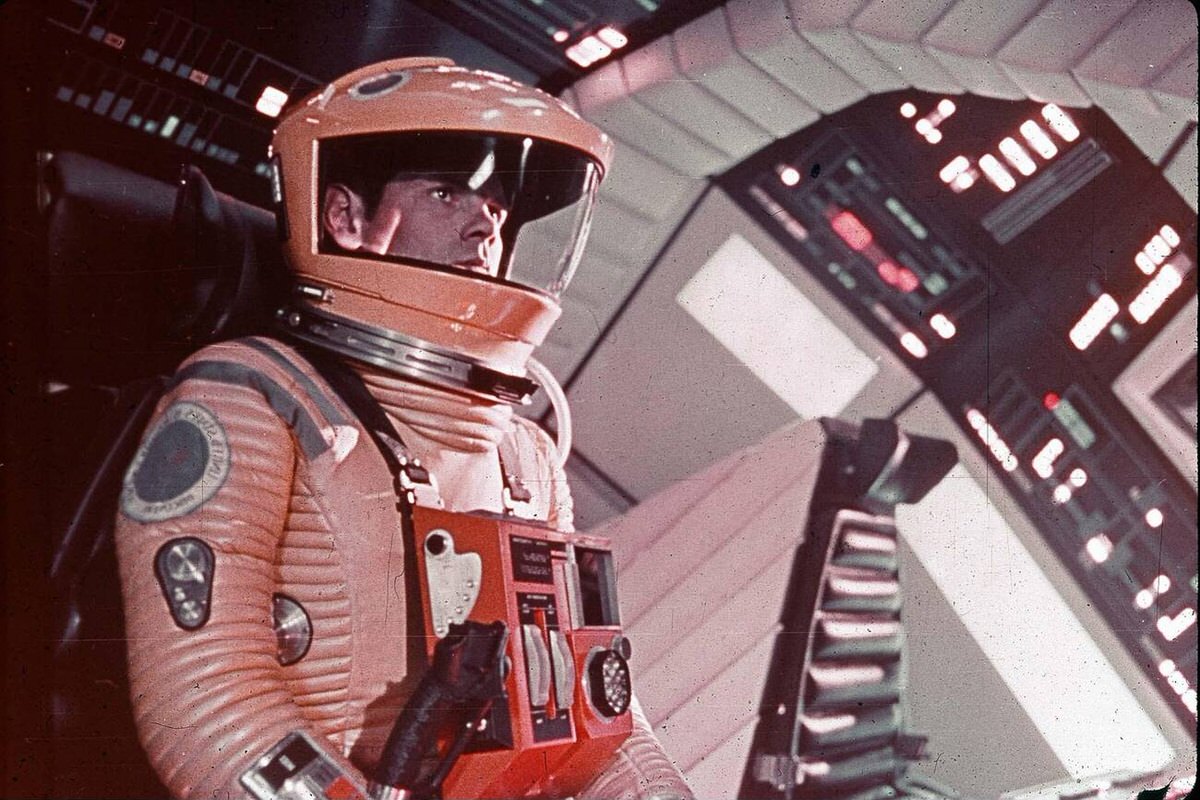
#18 The primary coloured space suits were used onboard the Discovery, along with a fourth green suit.

#19 Front projection, where pre-filmed footage is projected onto a reflective surface, was used for a lot of the outer space scenes.

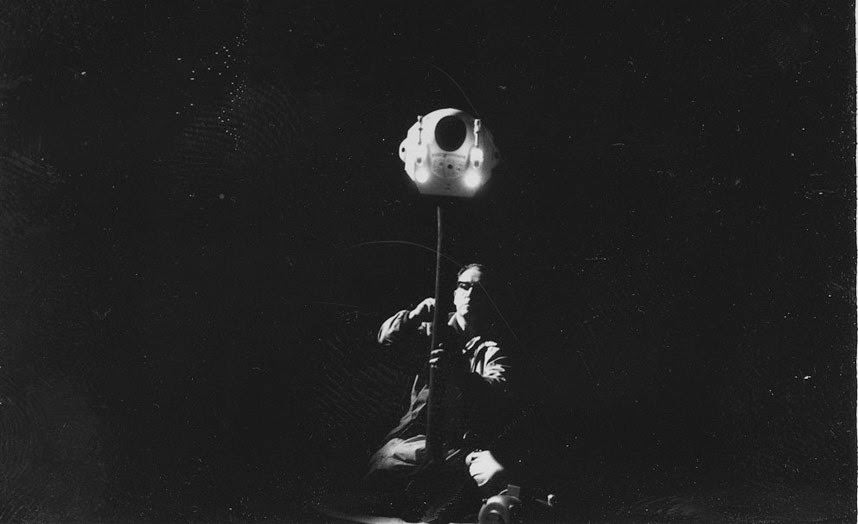
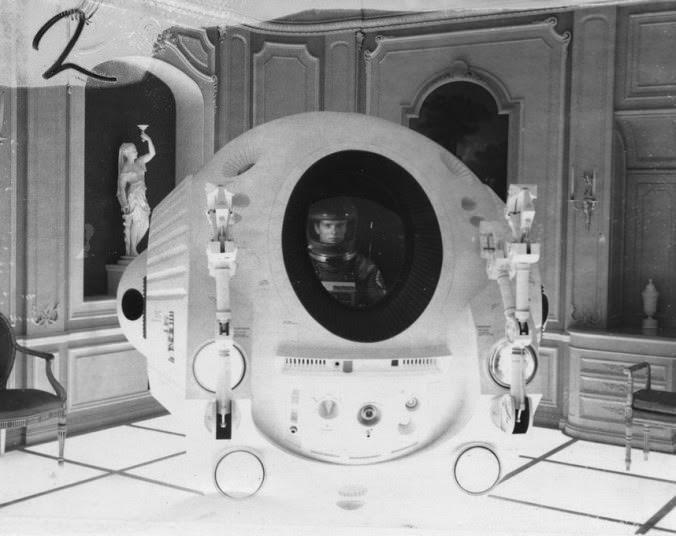
#20 An EVA (extra-vehicular activity) pod, carried on board the Discovery One spacecraft.

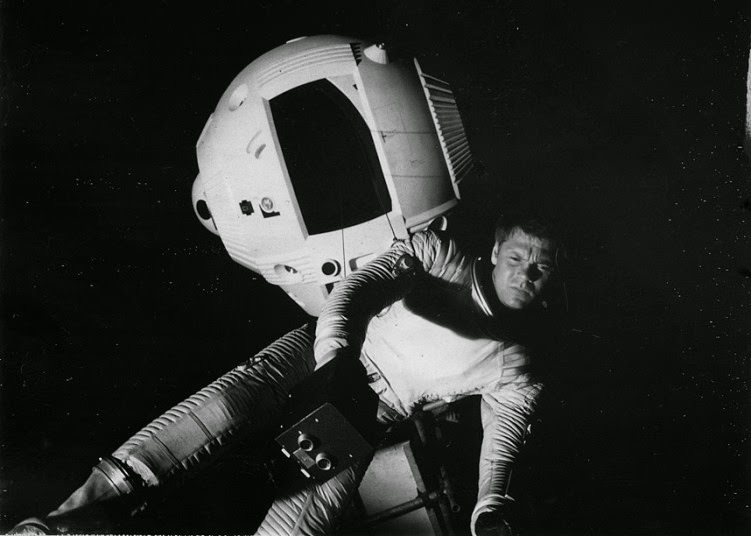
#21 Dr Frank Poole (Gary Lockwood) leaves the spacecraft to replace a faulty unit, but is attacked by malfunctioning artificially intelligent computer HAL 9000 and sent hurtling into outer space.

#22 Dr Dave Bowman (Keir Dullea) has to enter HAL’s logic and memory center to disconnect its higher brain functions.

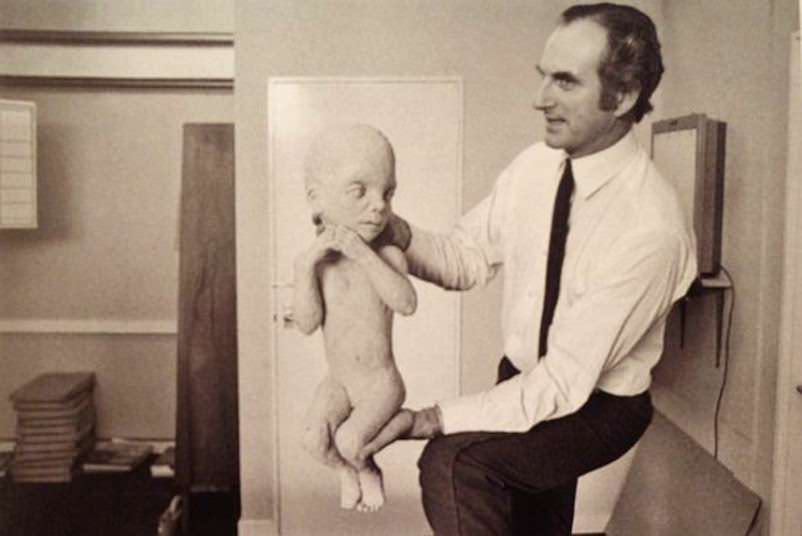
#23 The “star child”: Dullea’s character is transformed into this open-eyed fetus at the end of the film.
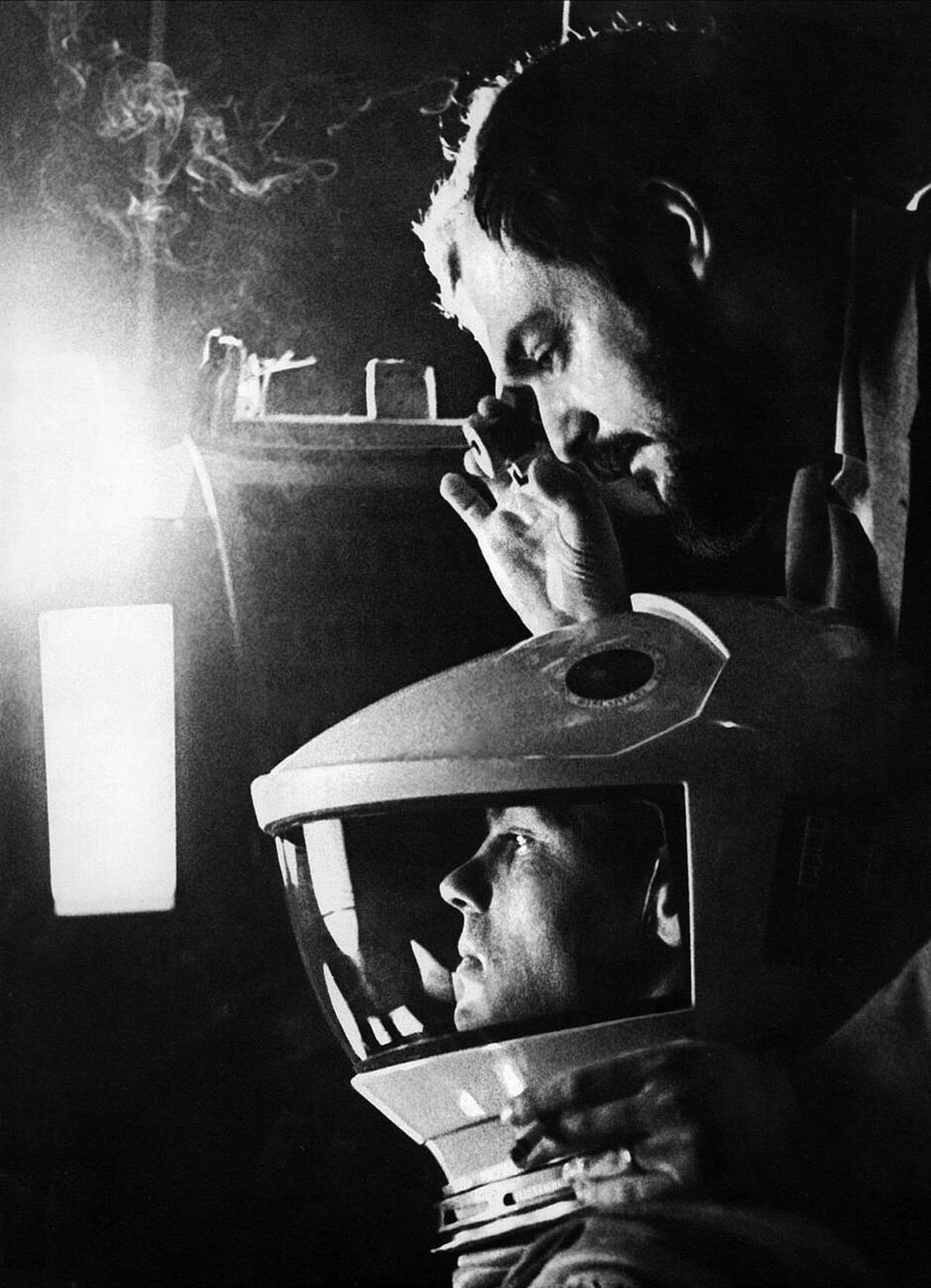
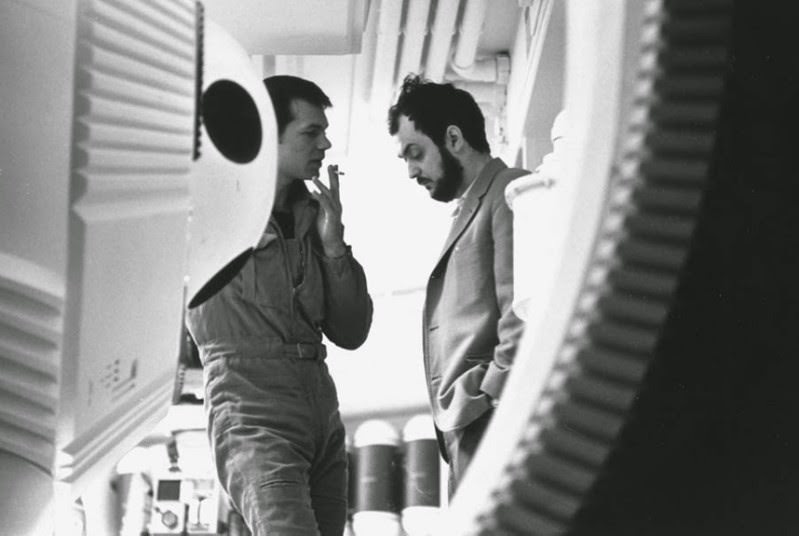
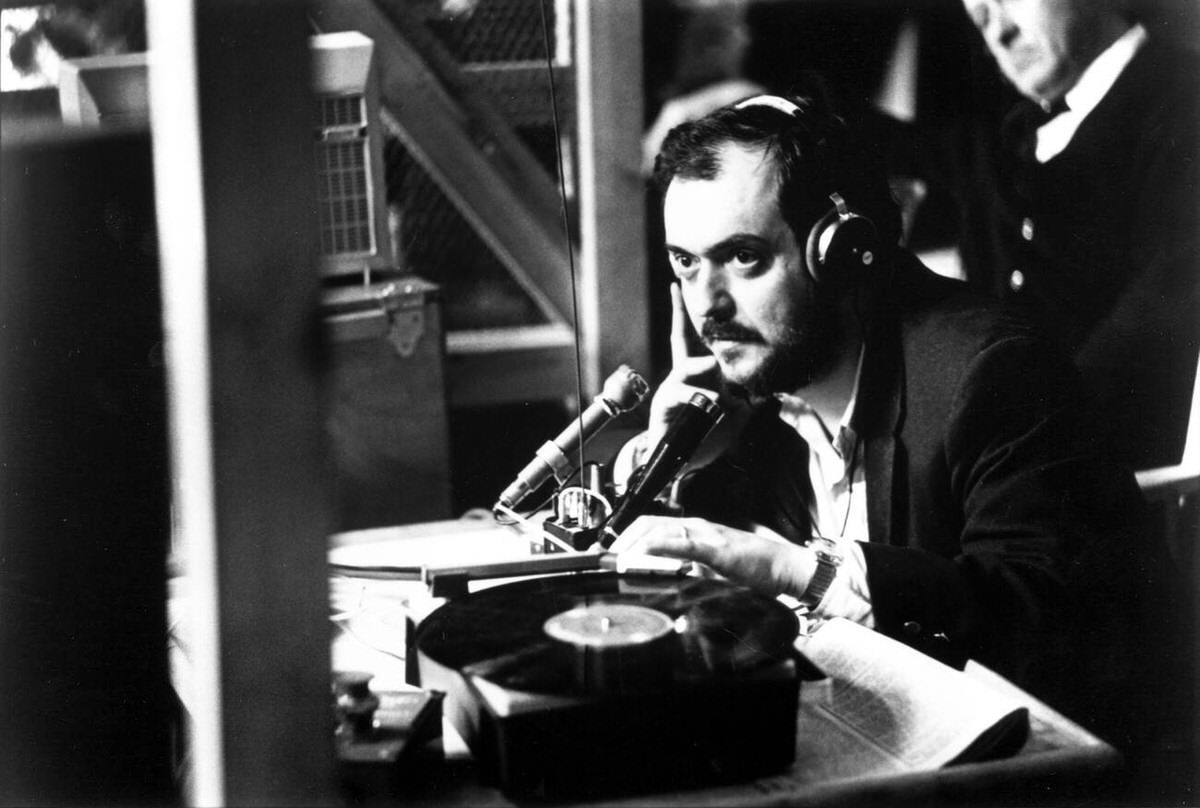
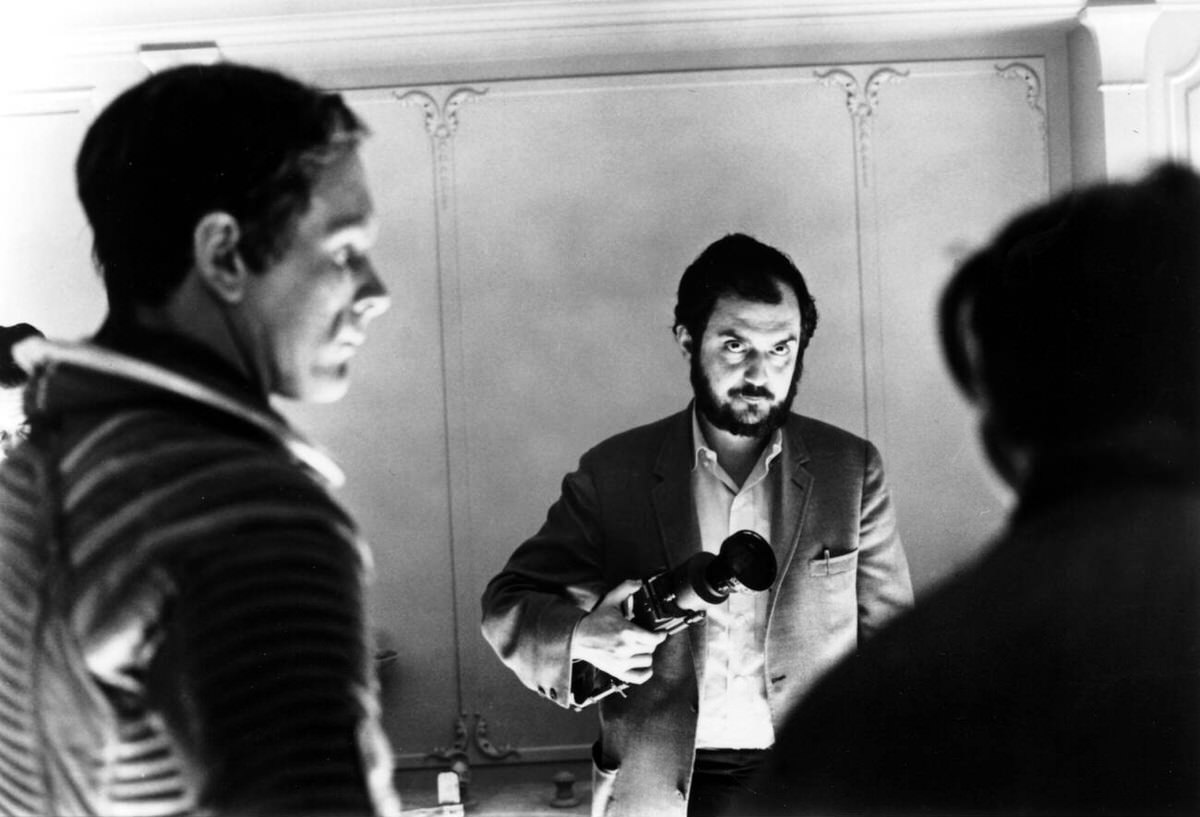
#24 Stanley Kubrick on set, 2001: A Space Odyssey, 1968

#25 Stanley Kubrick on set, 2001: A Space Odyssey, 1968

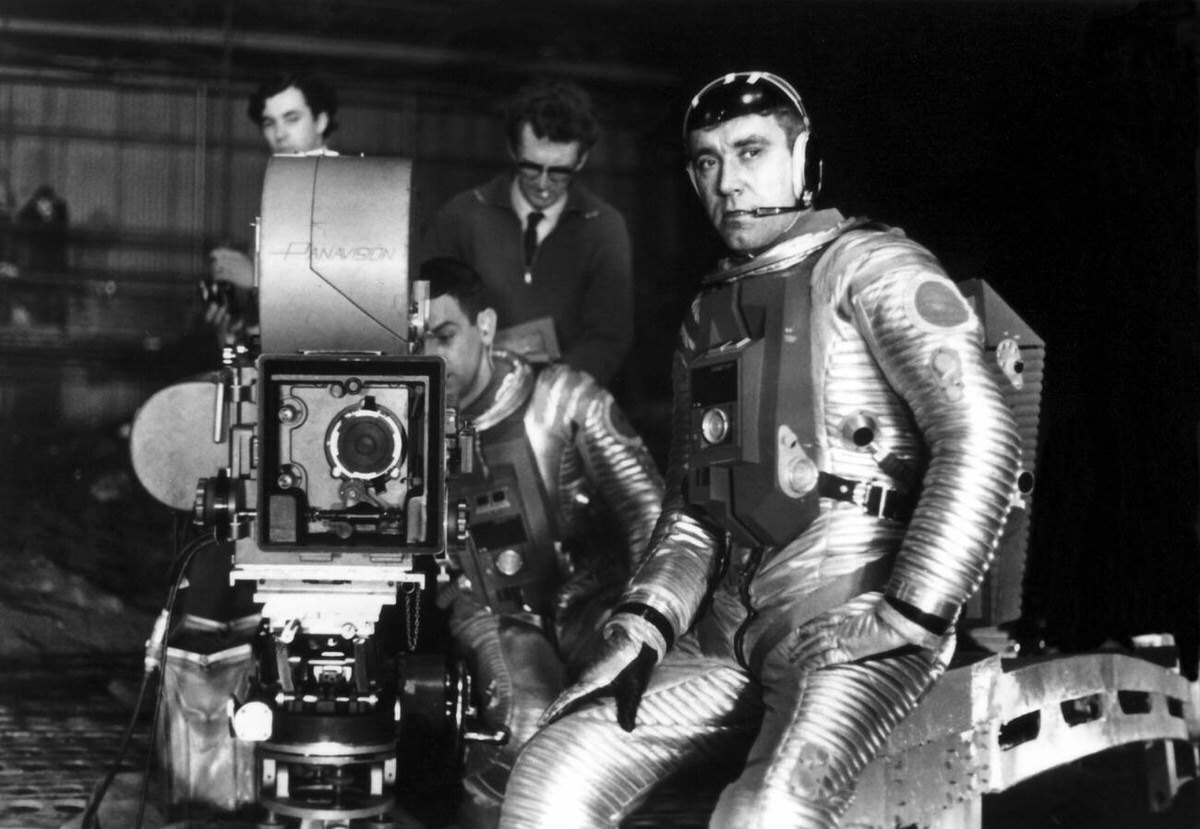
#26 Astronaut in a centrifuge, 2001: A Space Odyssey, 1968

#27 Astronaut in a centrifuge, 2001: A Space Odyssey, 1968

#28 Astronaut in a centrifuge, 2001: A Space Odyssey, 1968

#29 Stanley Kubrick on set, 2001: A Space Odyssey, 1968

#30 Astronaut in a centrifuge, 2001: A Space Odyssey, 1968

#31 Astronaut in a centrifuge, 2001: A Space Odyssey, 1968

#32 Stanley Kubrick on set, 2001: A Space Odyssey, 1968

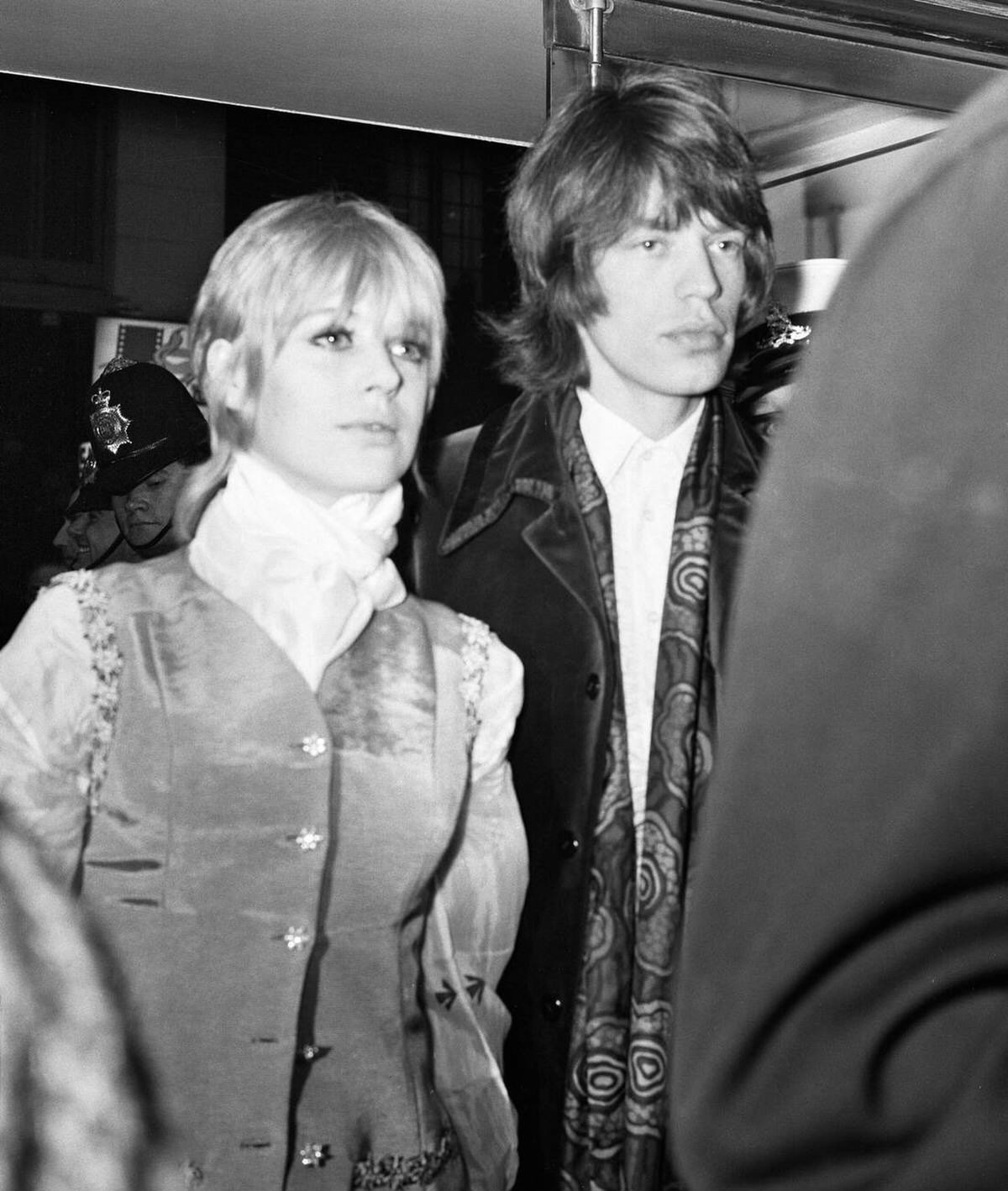
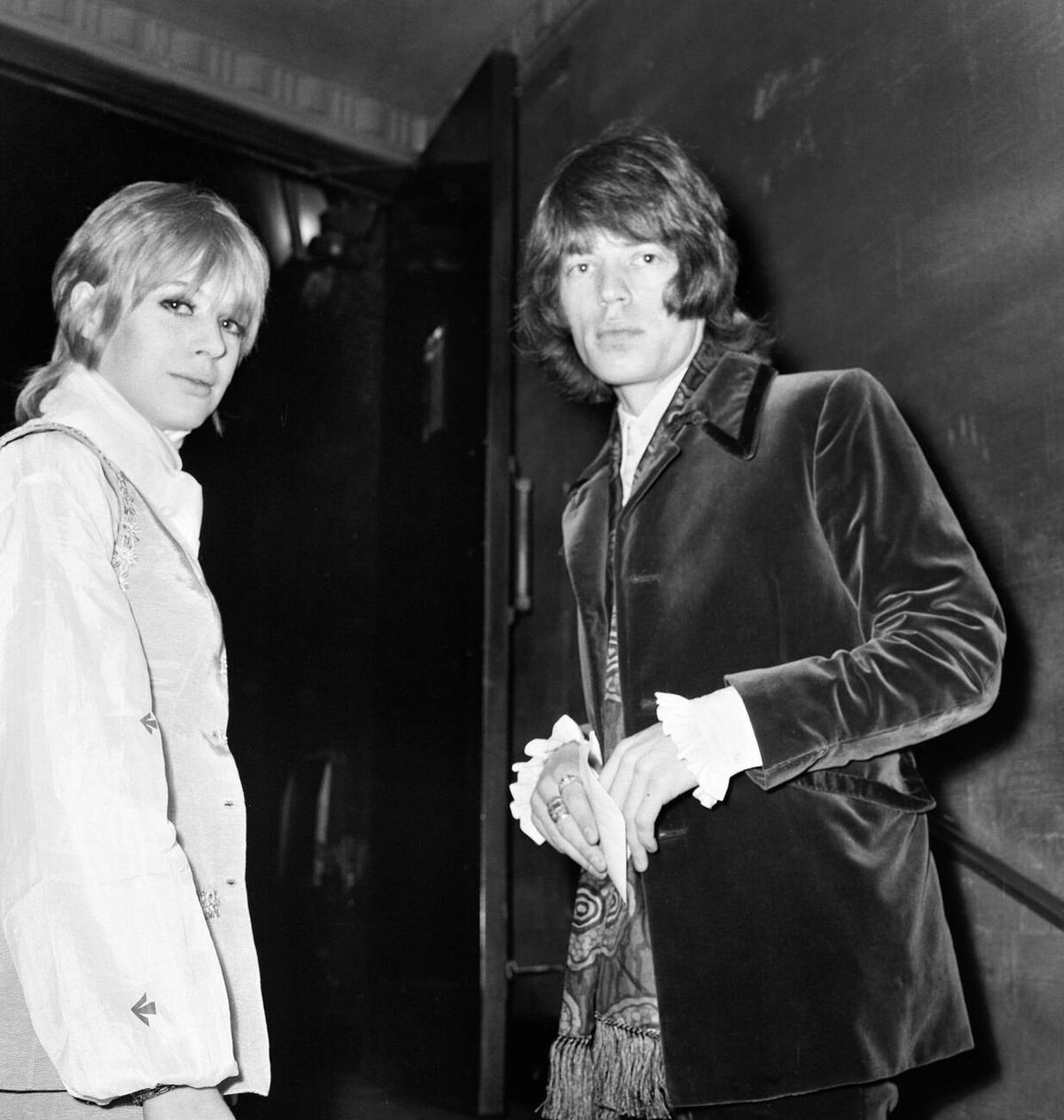
#33 Mick Jagger and Marianne Faithfull at the London premiere of 2001: A Space Odyssey, 1968

#34 Mick Jagger and Marianne Faithfull at the London premiere of 2001: A Space Odyssey, 1968

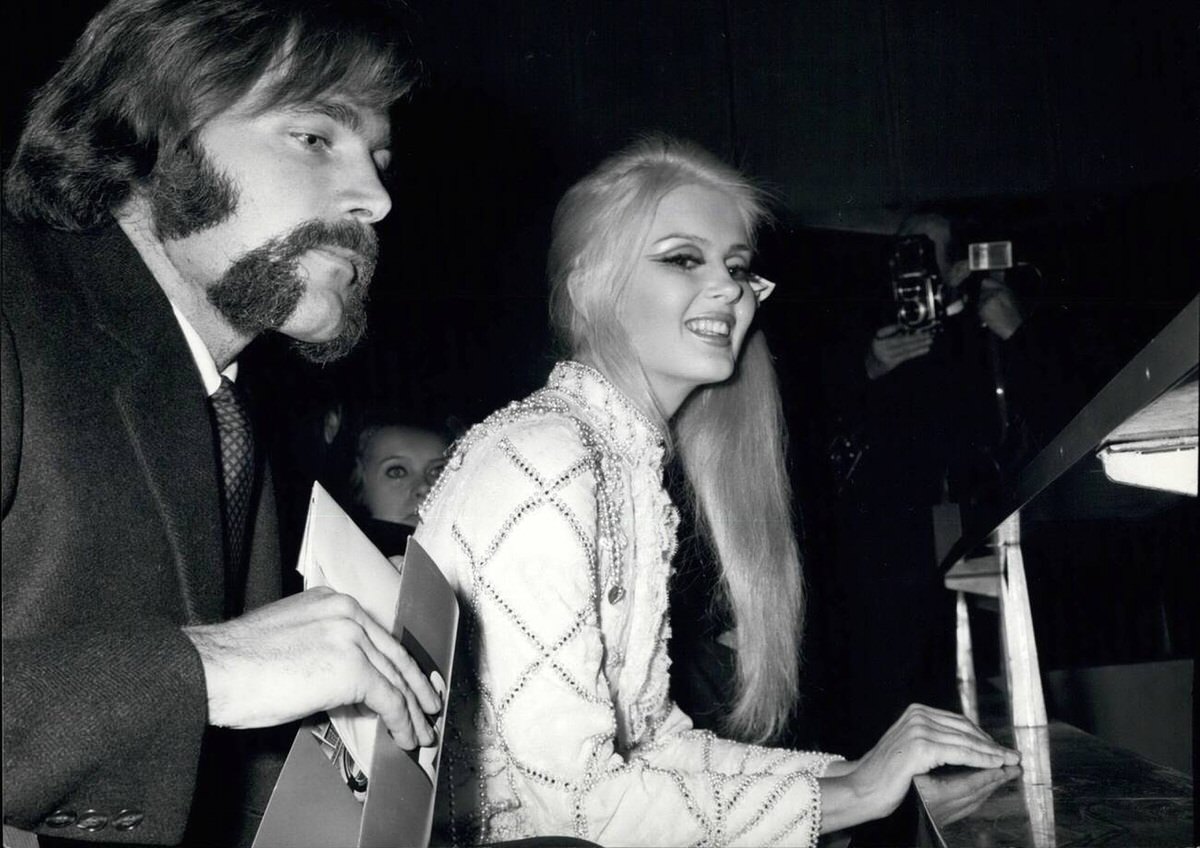
#35 Pamela Tiffin and Franco Nero at the gala performance of 2001: A Space Odyssey at the Cinema Royal, 1968

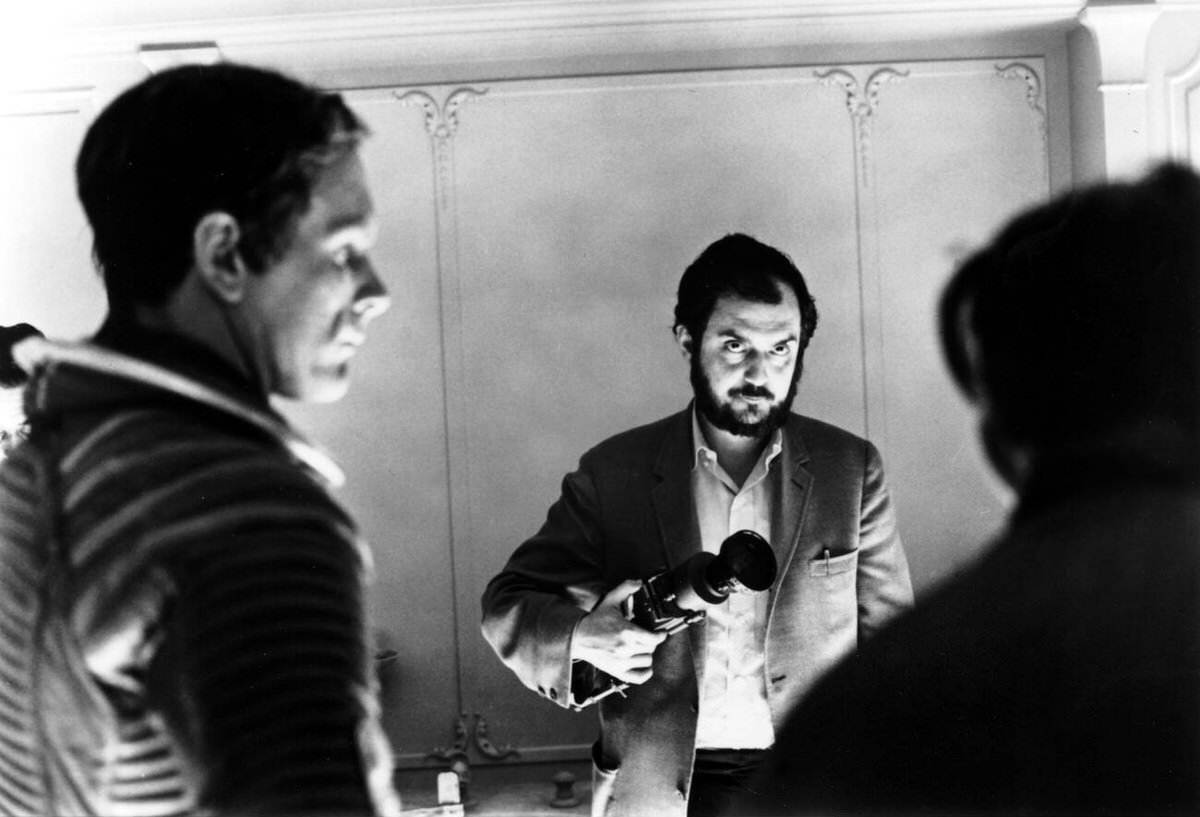
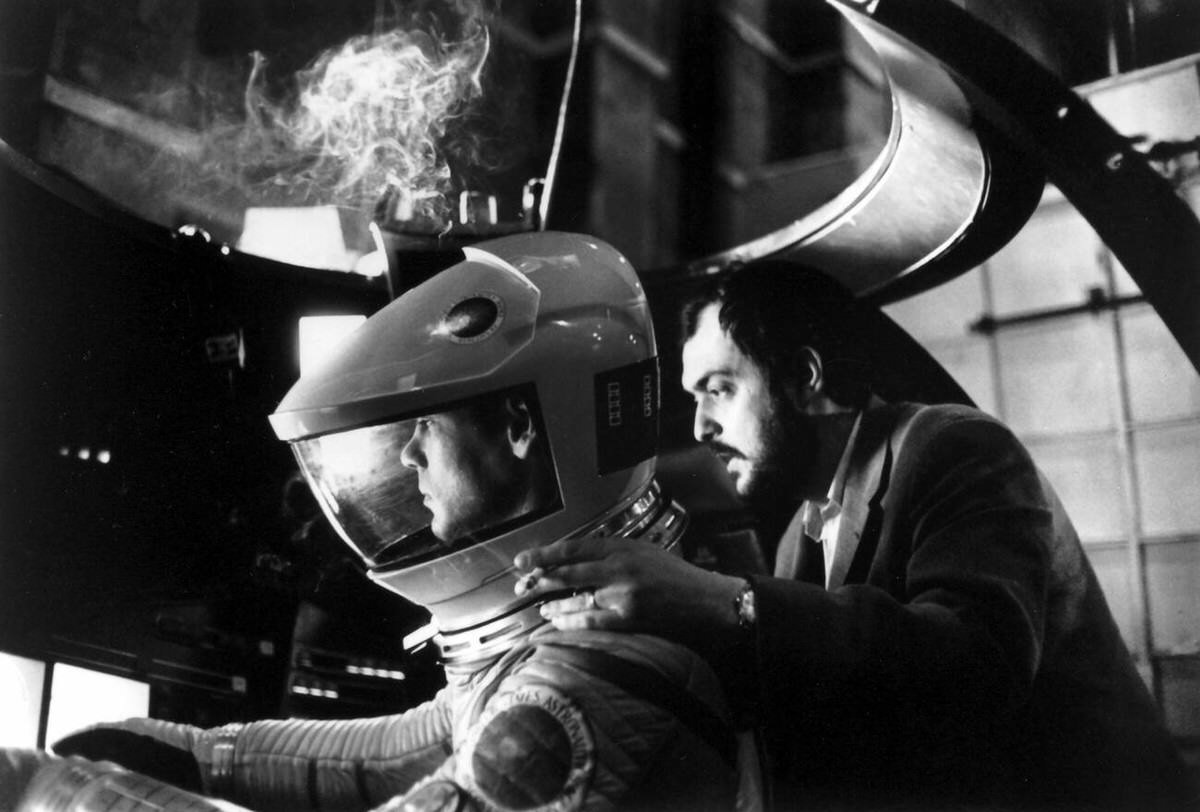
#36 Keir Dullea and Stanley Kubrick on set, 2001: A Space Odyssey, 1968

#37 Keir Dullea and Stanley Kubrick on set, 2001: A Space Odyssey, 1968

#38 Astronaut in a centrifuge, 2001: A Space Odyssey, 1968

#39 Astronaut in a centrifuge, 2001: A Space Odyssey, 1968

#40 Keir Dullea in a scene from the film, 2001: A Space Odyssey, 1968

#42 Astronaut in a centrifuge, 2001: A Space Odyssey, 1968

#43 Astronaut in a centrifuge, 2001: A Space Odyssey, 1968

#45 Stanley Kubrick on set, 2001: A Space Odyssey, 1968

#46 Astronaut in a centrifuge, 2001: A Space Odyssey, 1968

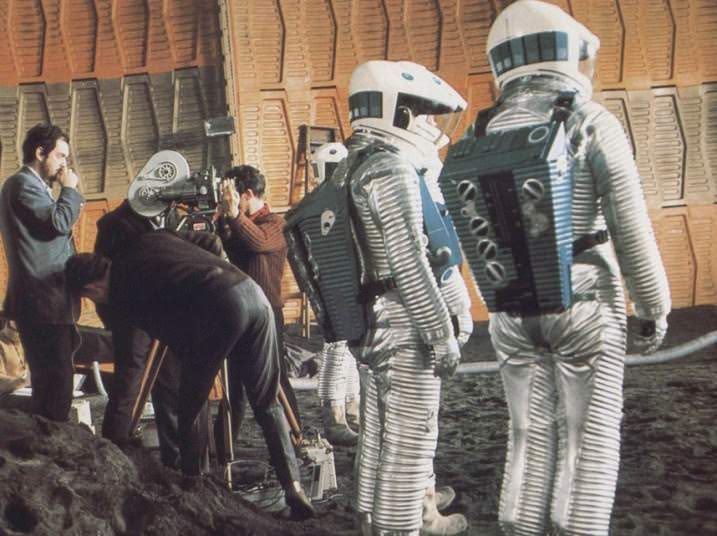
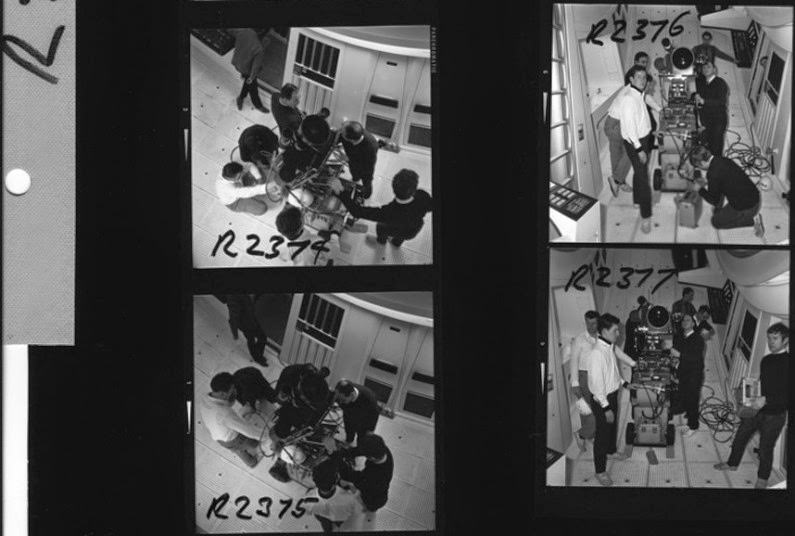
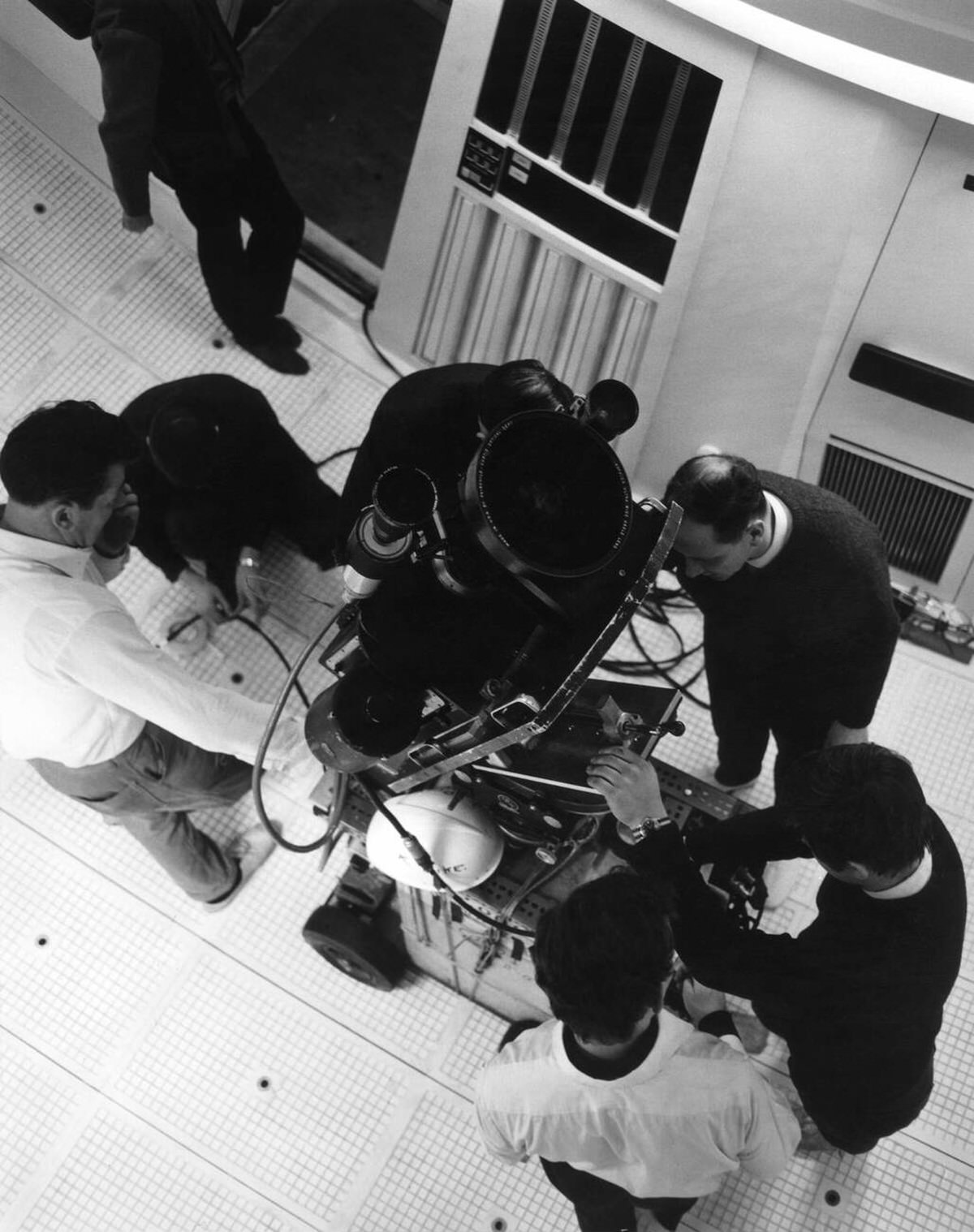
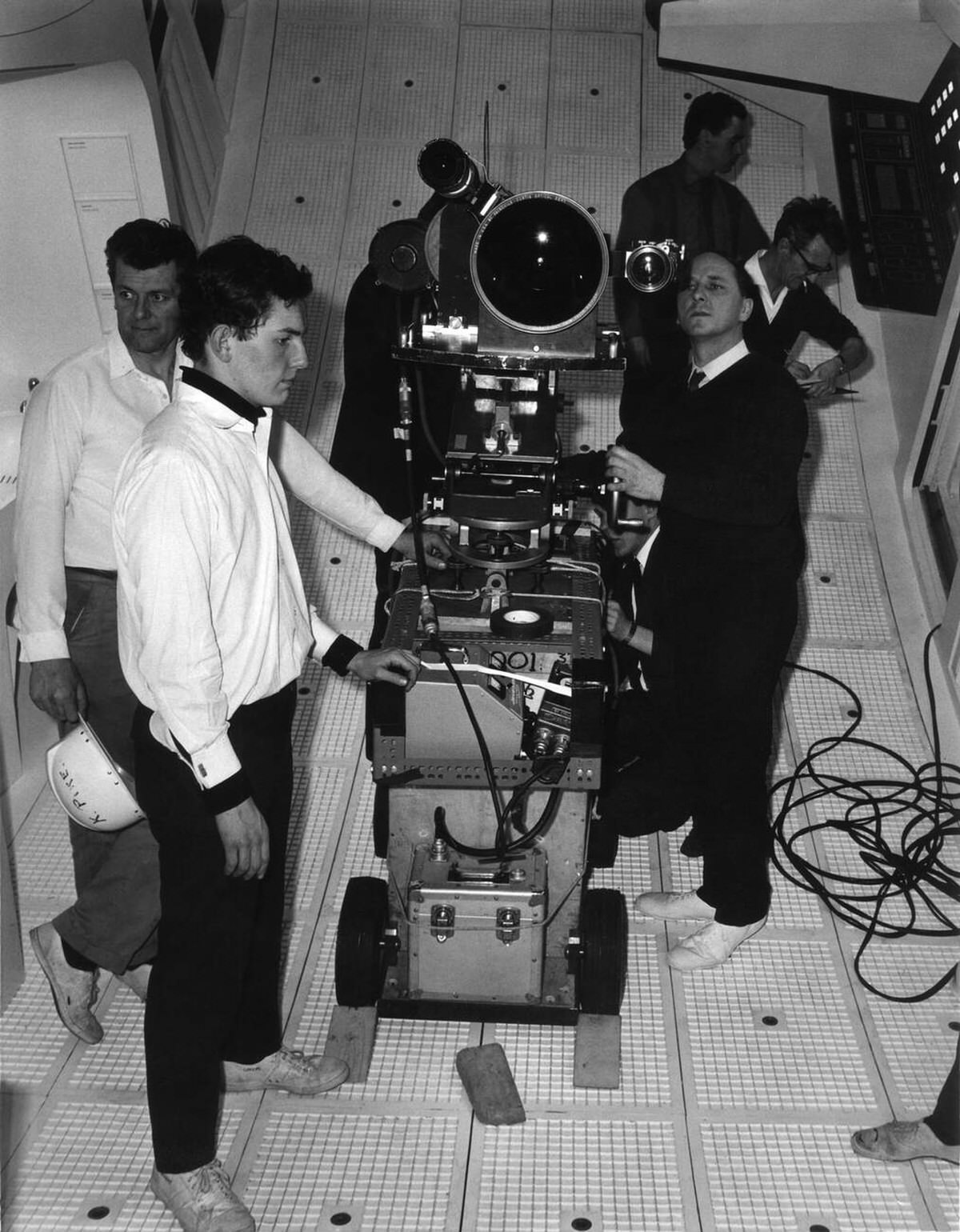
#47 Stanley Kubrick and crew filming at MGM British Studios, 2001: A Space Odyssey, 1968

#48 Stanley Kubrick and crew filming at MGM British Studios, 2001: A Space Odyssey, 1968

#49 Stanley Kubrick and crew filming at MGM British Studios, 2001: A Space Odyssey, 1968

#51 Stanley Kubrick and crew filming at MGM British Studios, 2001: A Space Odyssey, 1968

#52 Stanley Kubrick and crew filming at MGM British Studios, 2001: A Space Odyssey, 1968

#53 Stanley Kubrick and crew filming at MGM British Studios, 2001: A Space Odyssey, 1968

#54 Geoffrey Unsworth and Stanley Kubrick on set, 2001: A Space Odyssey, 1968

#55 Stanley Kubrick and crew filming at MGM British Studios, 2001: A Space Odyssey, 1968

#57 Stanley Kubrick and crew filming at MGM British Studios, 2001: A Space Odyssey, 1968

#58 Stanley Kubrick and crew filming at MGM British Studios, 2001: A Space Odyssey, 1968

#59 Arthur C. Clarke on set, 2001: A Space Odyssey, 1968
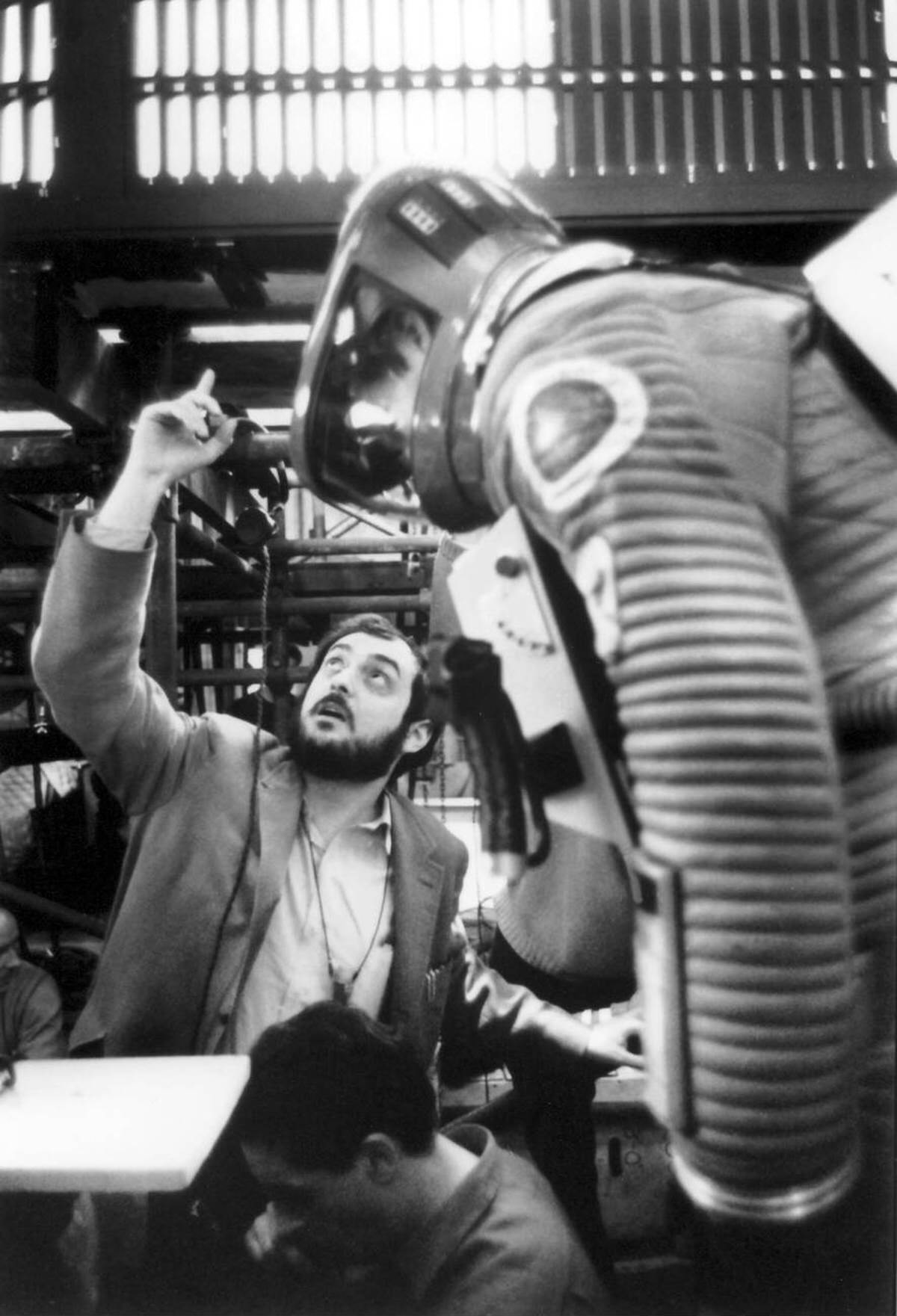
#60 Stanley Kubrick on set, 2001: A Space Odyssey, 1968

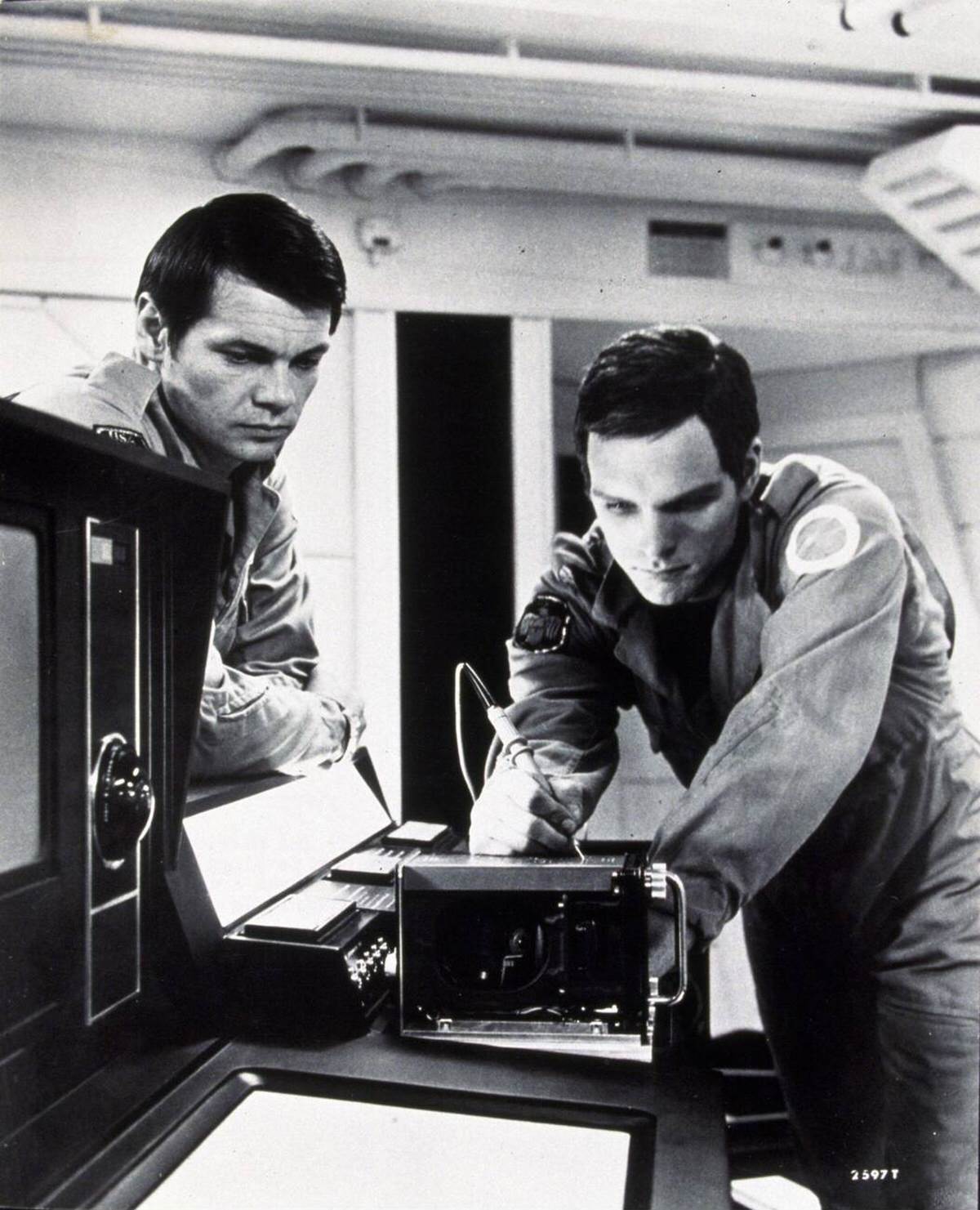
#63 Keir Dullea and Gary Lockwood in a scene from the film, 2001: A Space Odyssey, 1968

#64 Stanley Kubrick and crew filming at MGM British Studios, 2001: A Space Odyssey, 1968

#65 Stanley Kubrick and crew filming at MGM British Studios, 2001: A Space Odyssey, 1968

Enjoyed this post? Get new ones in your inbox.

Written by William Todd

William Todd is a comedy enthusiast and Michael Jackson fanatic with a soft spot for documentaries. Just don't be surprised if you catch him moonwalking down the street, because for William, every day is a chance to bring a little bit of joy and entertainment into the world.

Leave a Reply

Your email address will not be published. Required fields are marked *

Godfather Trilogy Behind The Scenes

What It Took to Film the Godfather Trilogy: Behind the Scenes