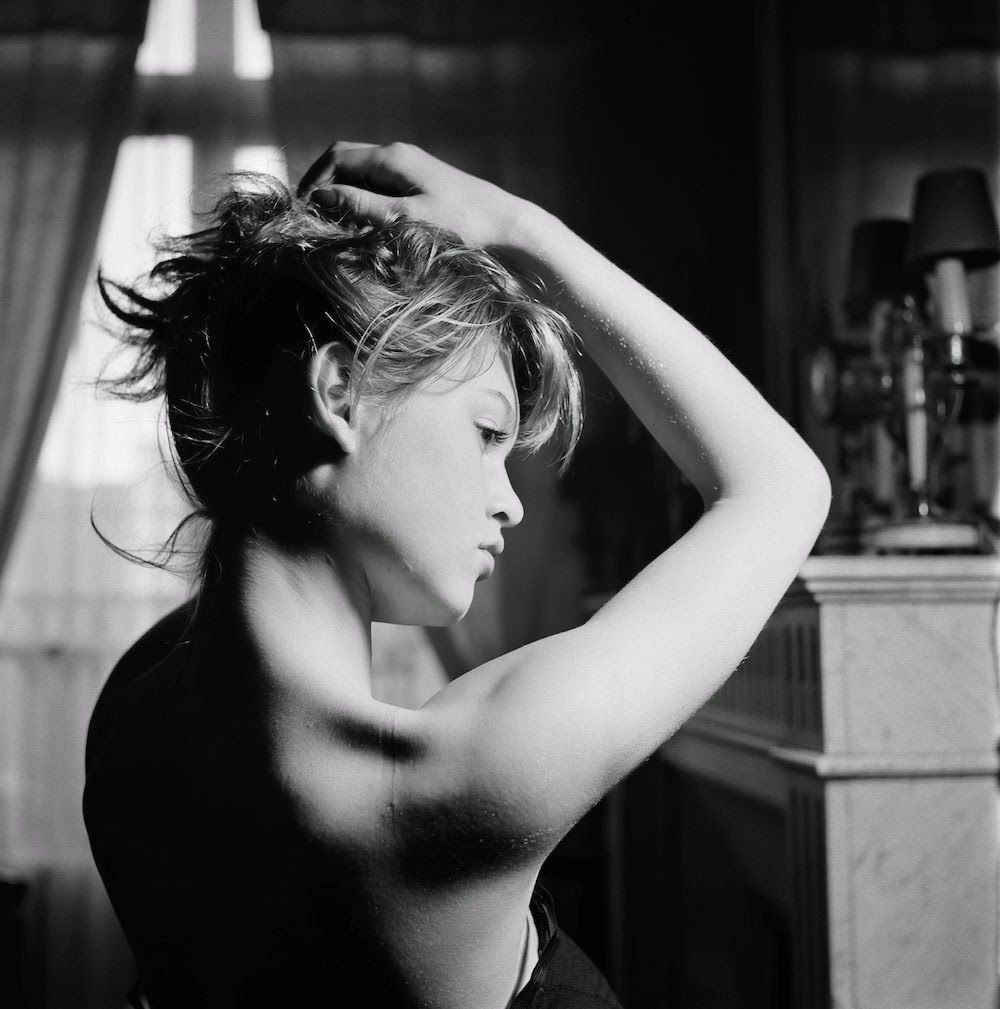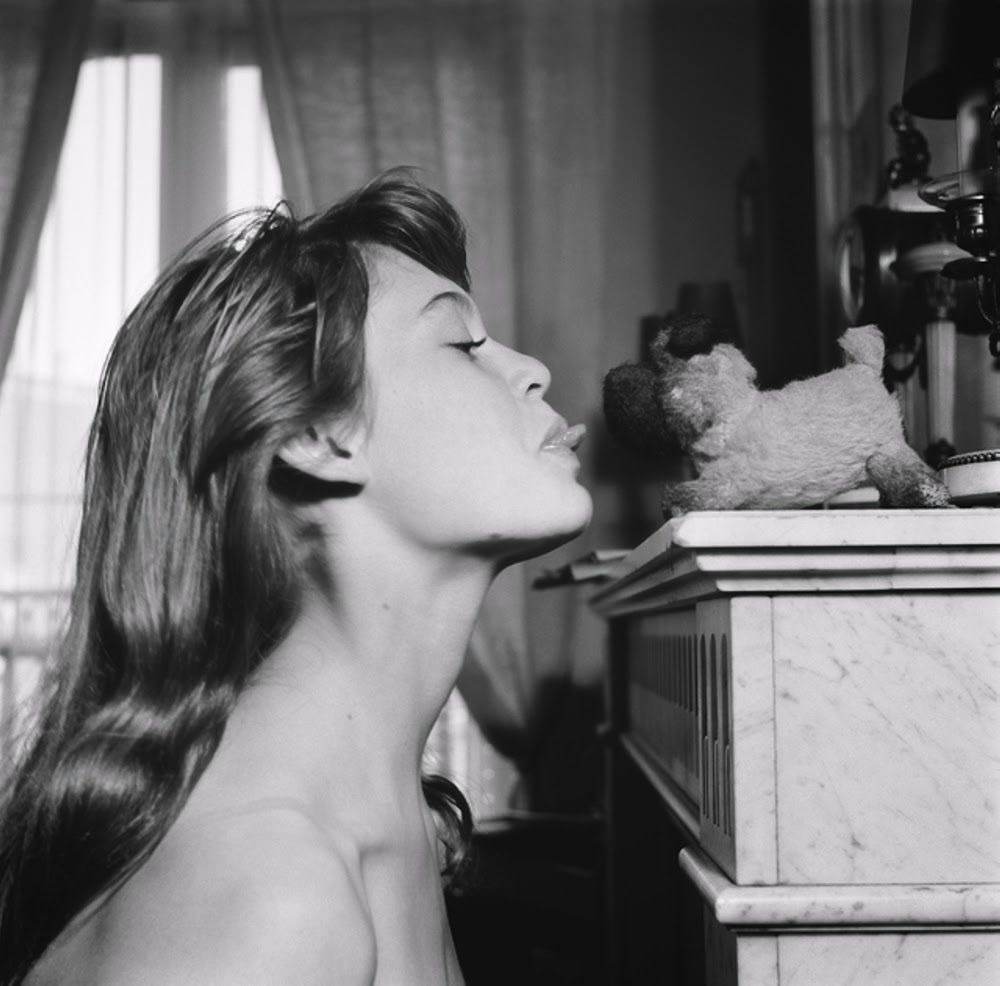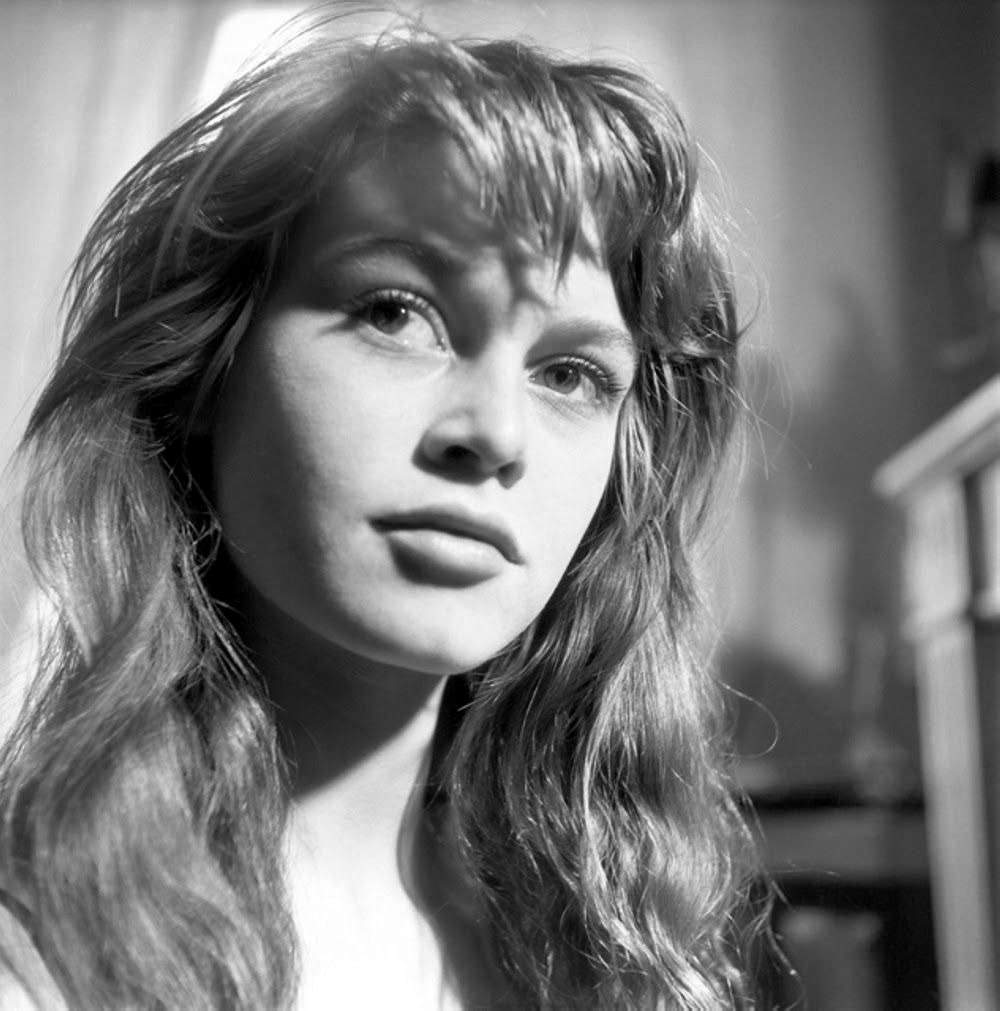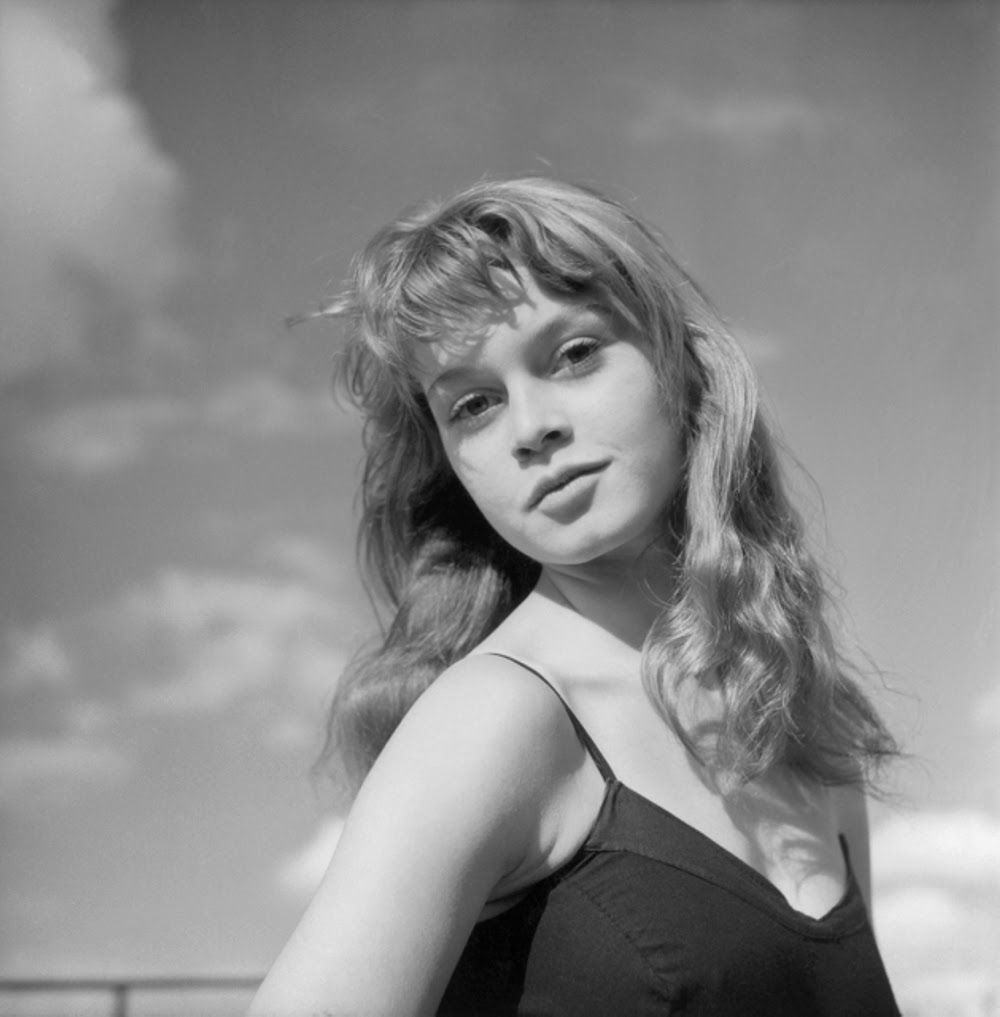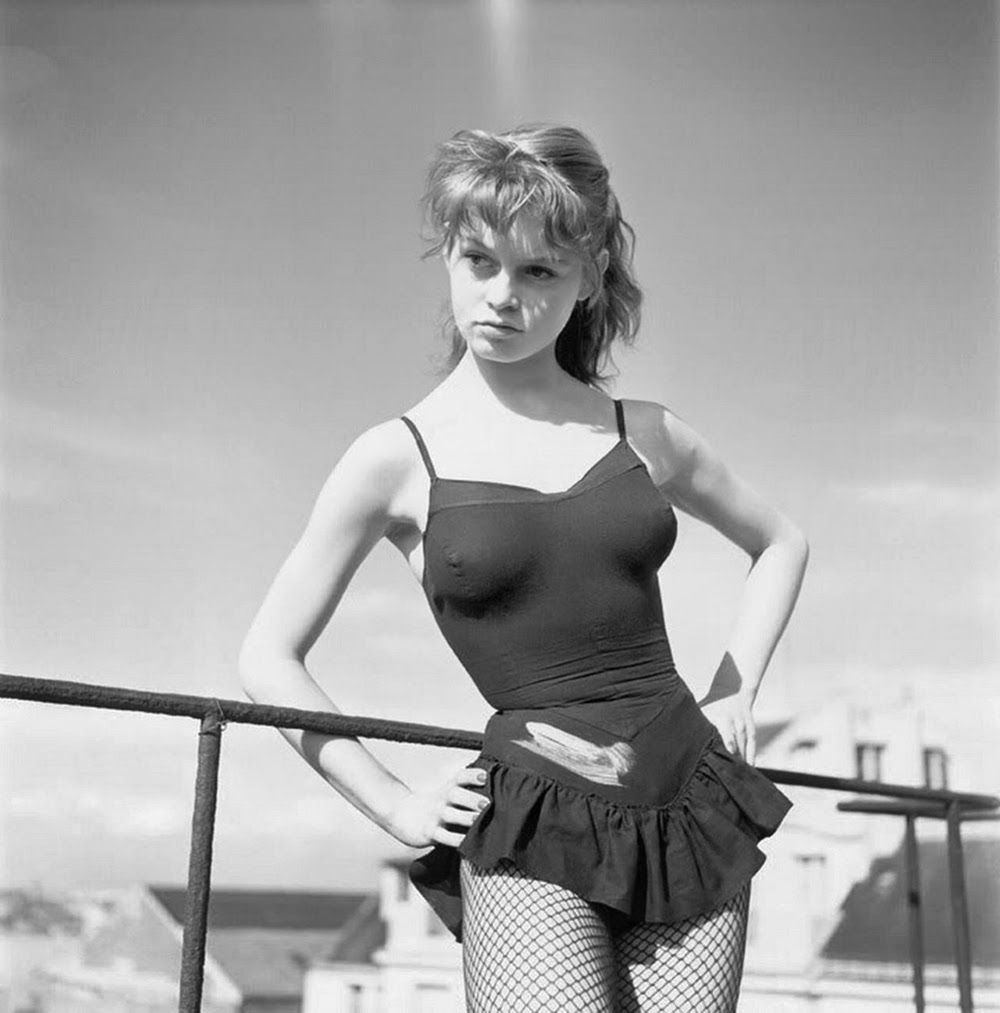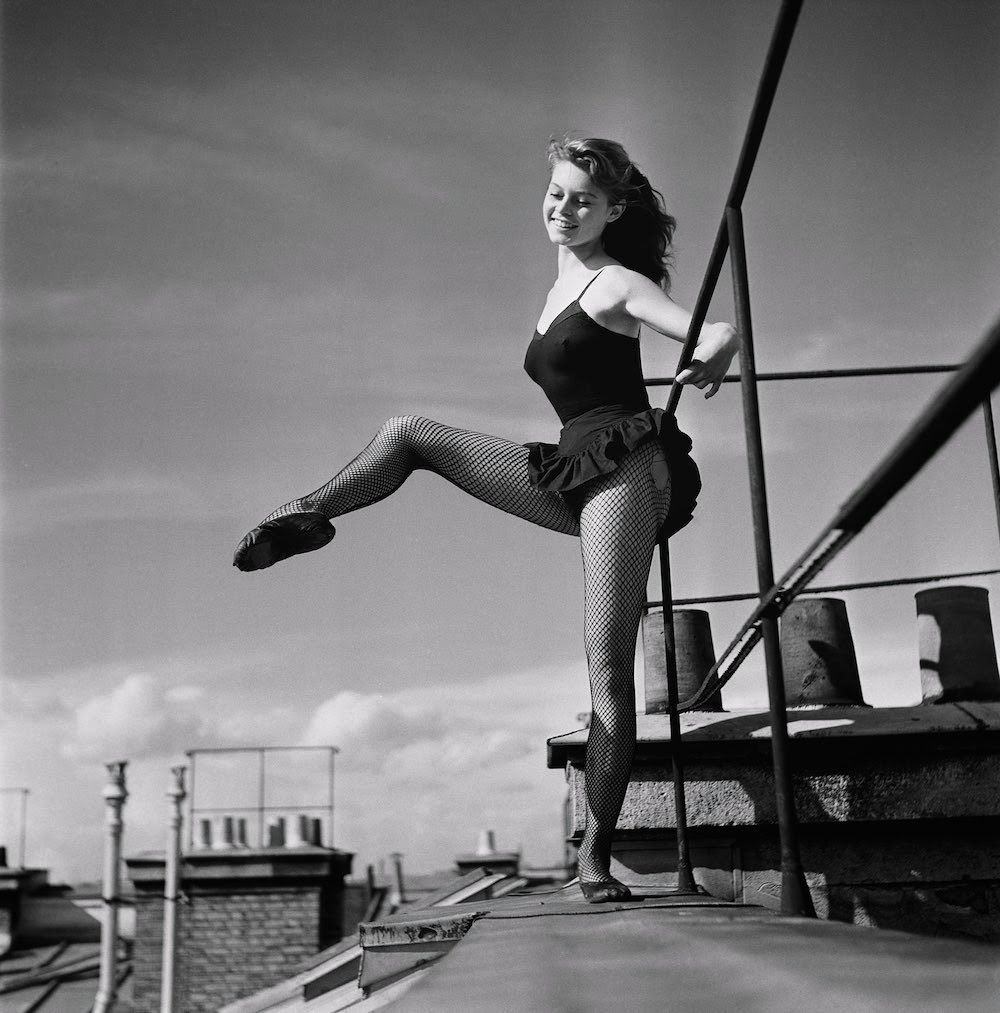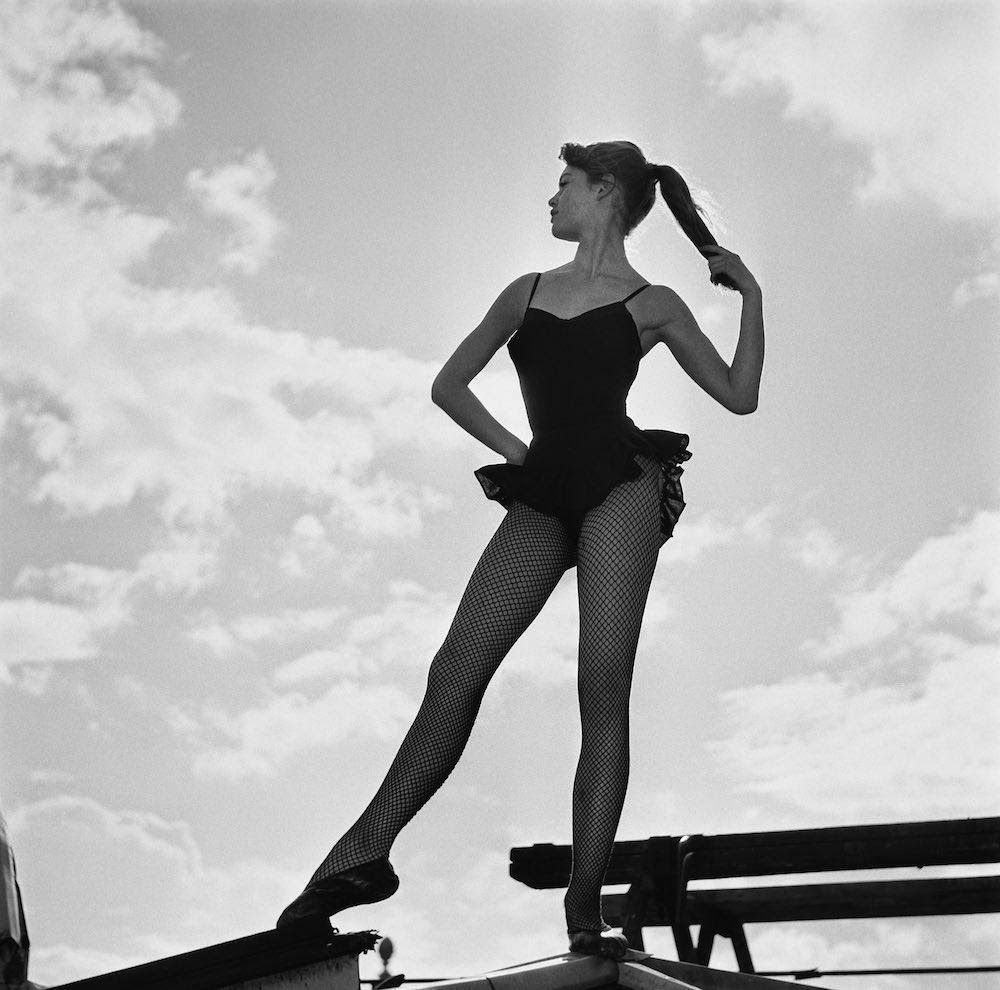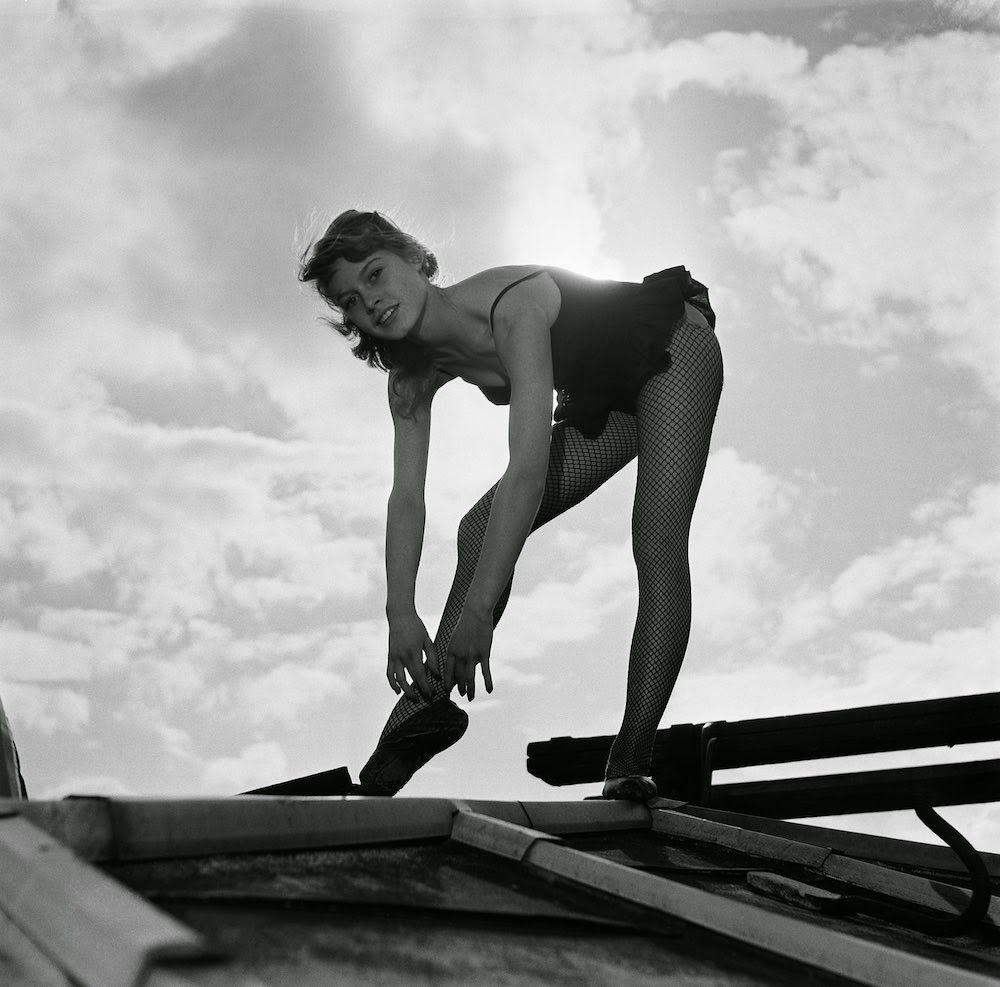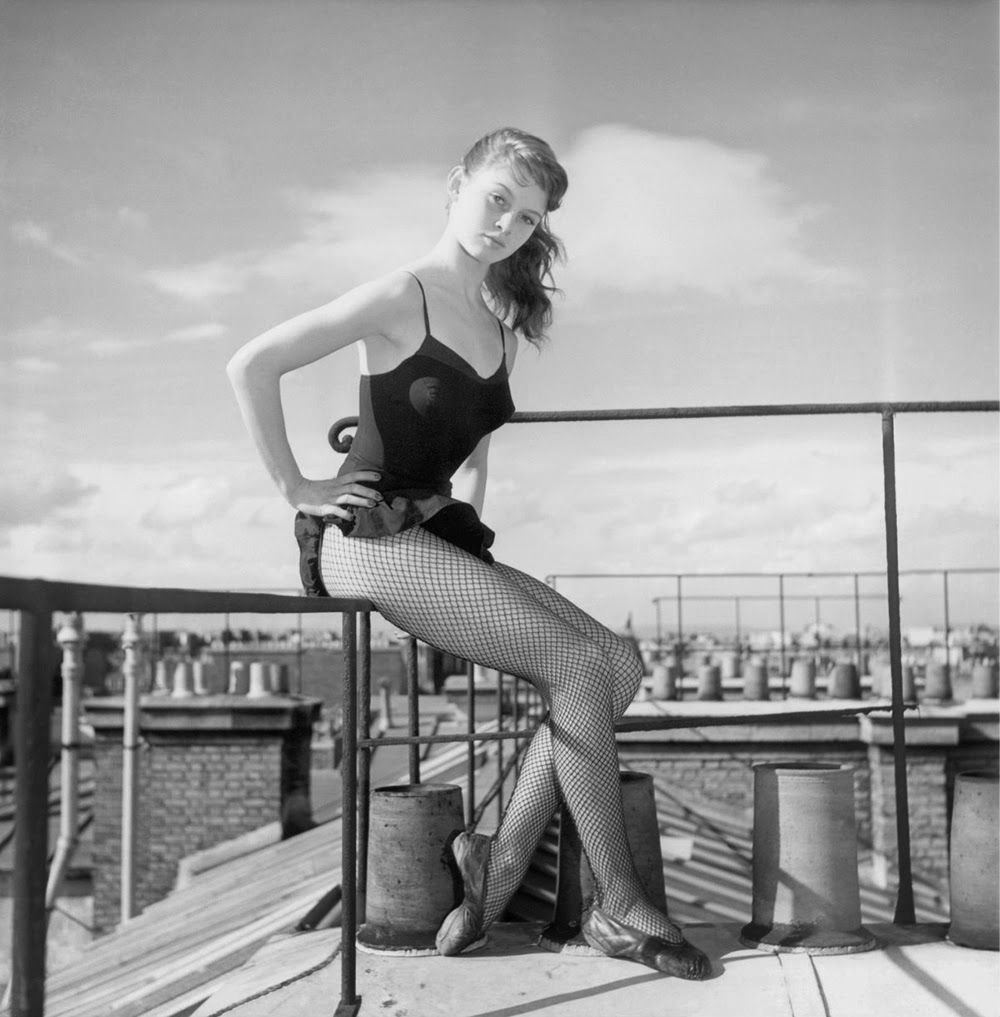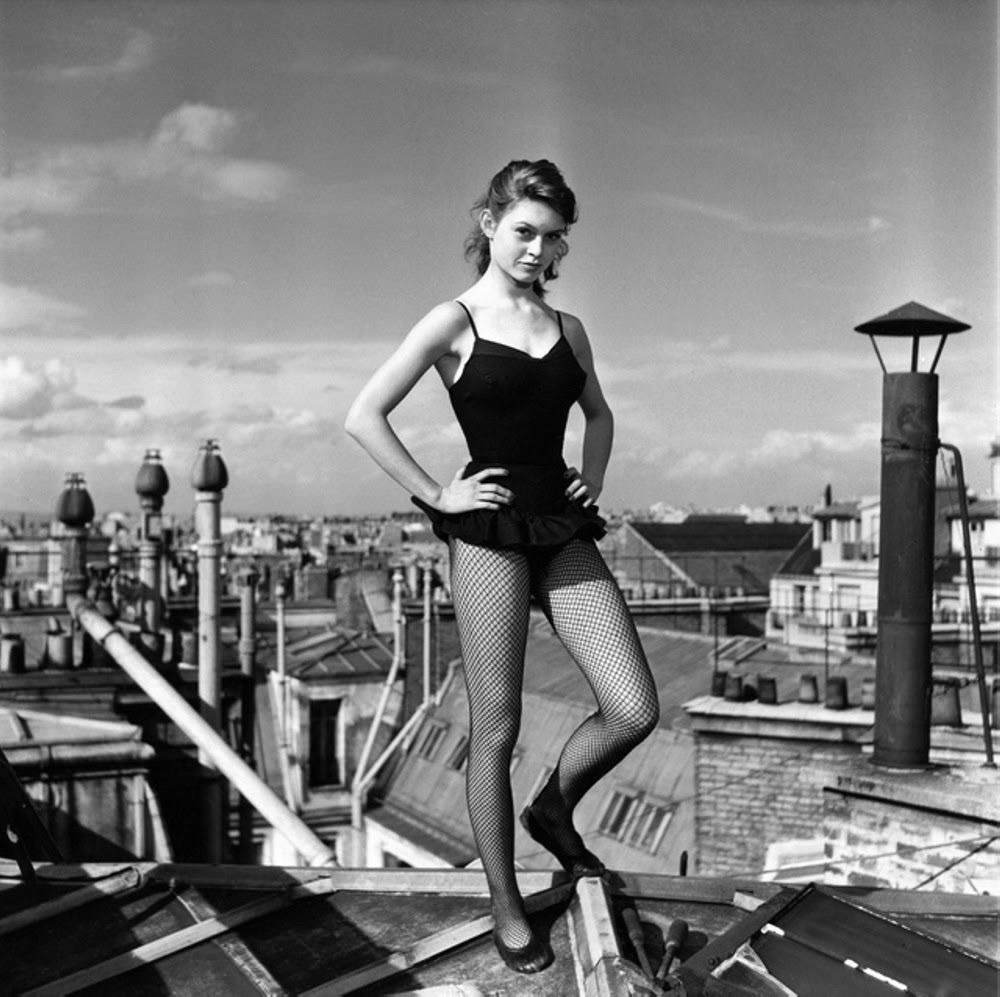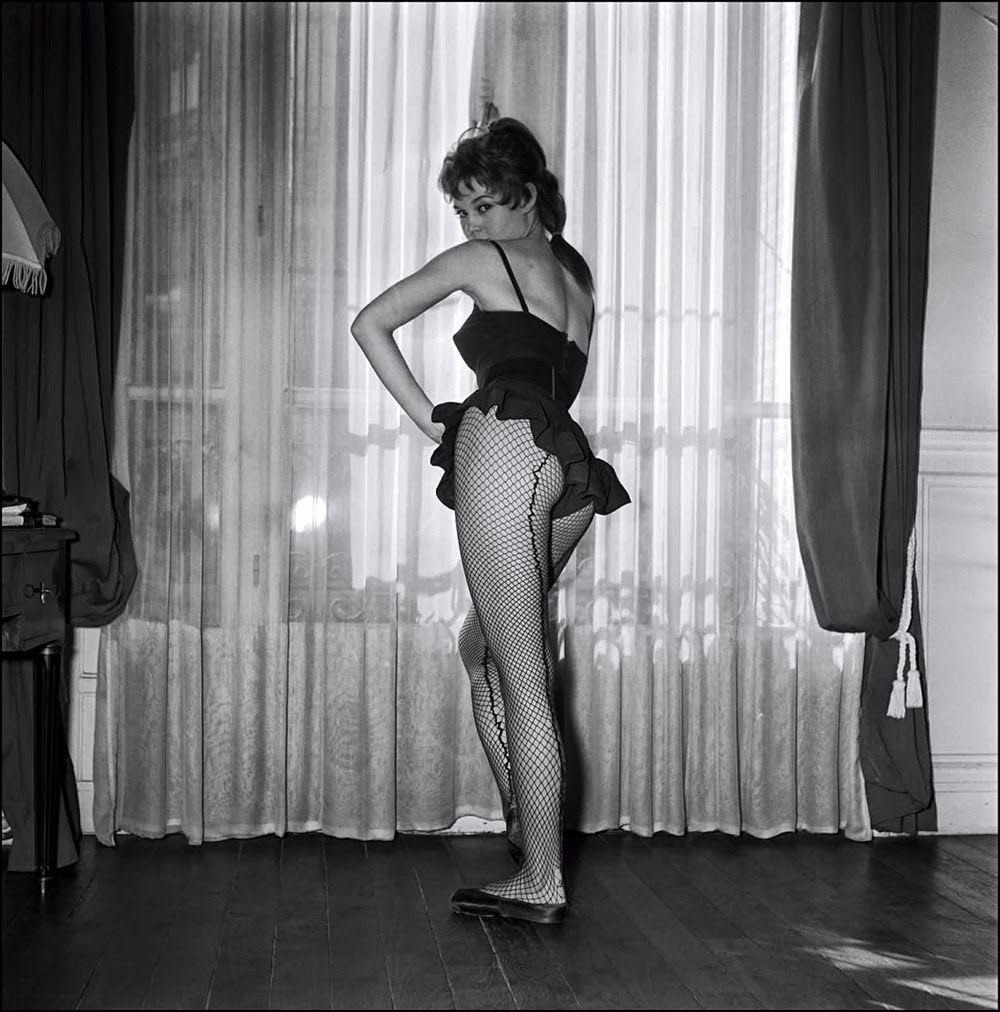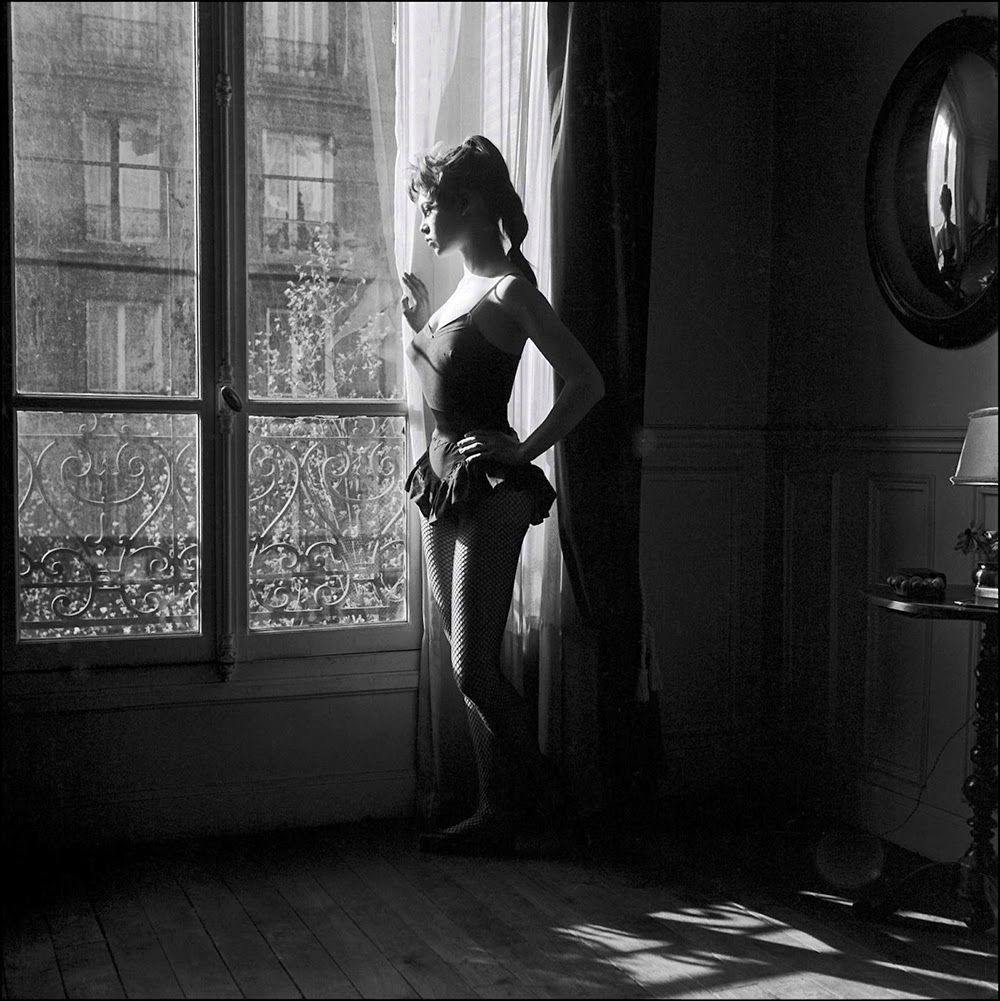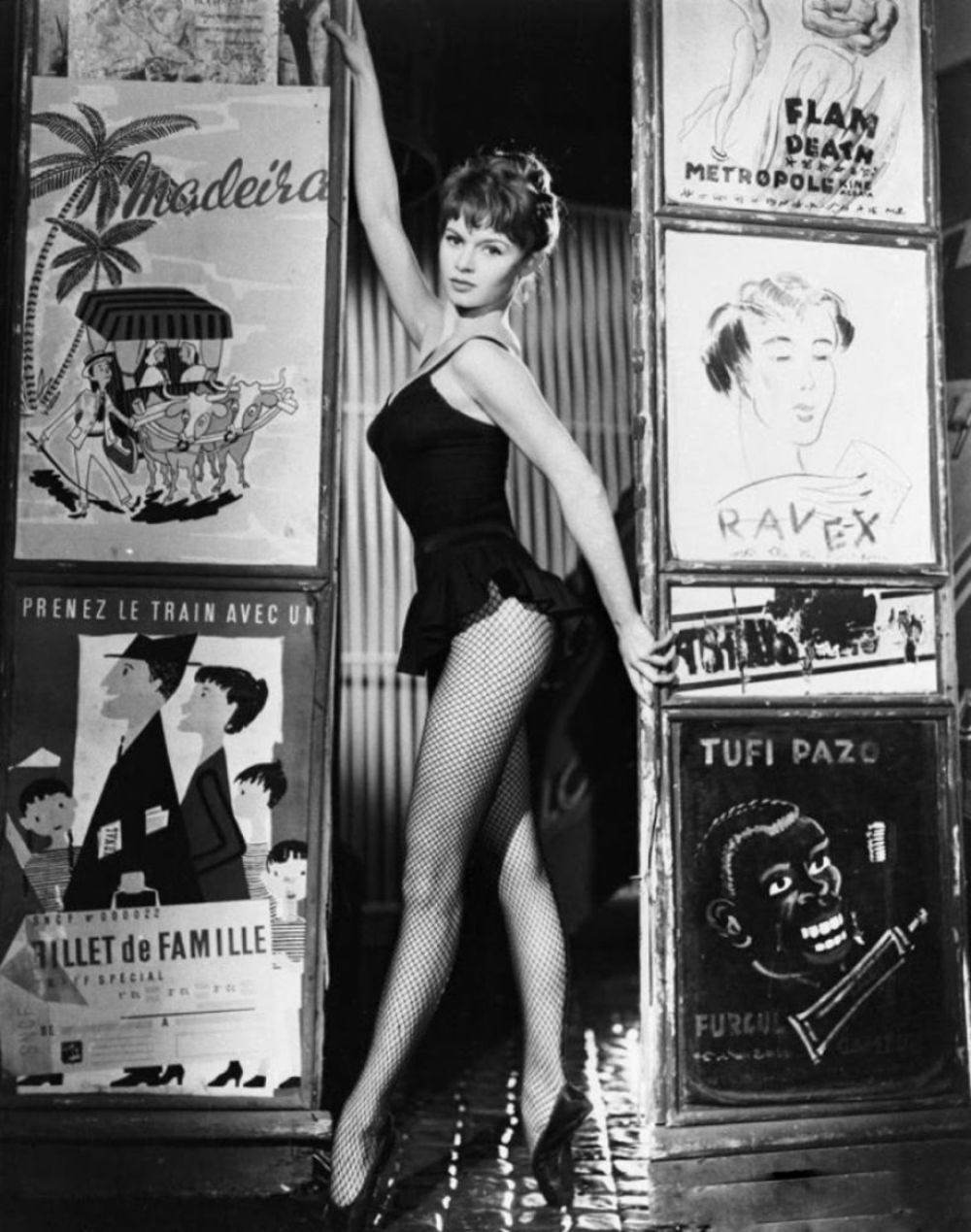

In the autumn of 1952, an eighteen-year-old dancer named Brigitte Bardot climbed out a Parisian window onto a sloping zinc rooftop. World War II had ended seven years earlier, and Paris was slowly reclaiming its identity as a global capital of art and fashion. Born in the sixteenth arrondissement of Paris in 1934, Bardot grew up practicing ballet at the Conservatoire de Paris under choreographer Boris Kniazeff. By age fifteen, her striking looks caught the attention of fashion magazines, and she appeared on the cover of *Elle* in May 1950. That magazine cover changed her life entirely. Film directors took notice of the young teenager, offering her small parts in French comedies and dramas.
Photographers frequently led her up narrow spiral staircases to capture her youthful energy against the sprawling backdrop of Haussmann apartment buildings and grey chimney pots. On this particular afternoon, she posed without the heavy makeup or rigid styling typical of American Hollywood starlets. She wore simple clothing, kicked off her shoes, and twirled across the slate tiles. The press photographer captured her mid-motion, laughing openly with the autumn wind blowing through her long blonde hair. These portrait sessions took place long before publicists and studio executives controlled every aspect of her public image.
At this exact time in her life, Bardot was romantically involved with assistant director Roger Vadim. They married in December 1952, just months after these rooftop pictures were captured on film. Her cinematic career was moving forward with minor roles in films like *Crazy for Love* and *Le Trou Normand*. She spent her days running between casting directors, dance studios, and magazine interviews across the city. Her massive breakthrough international film, *And God Created Woman*, directed by Vadim, was still four years away in 1956.