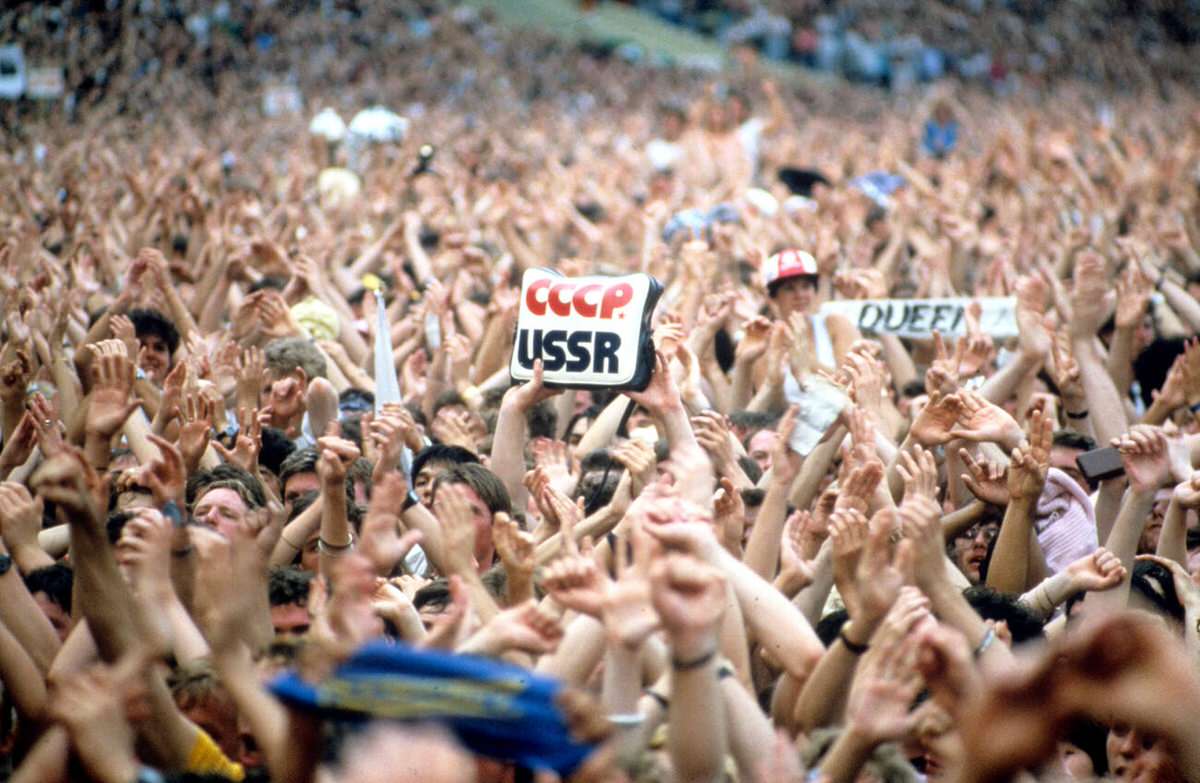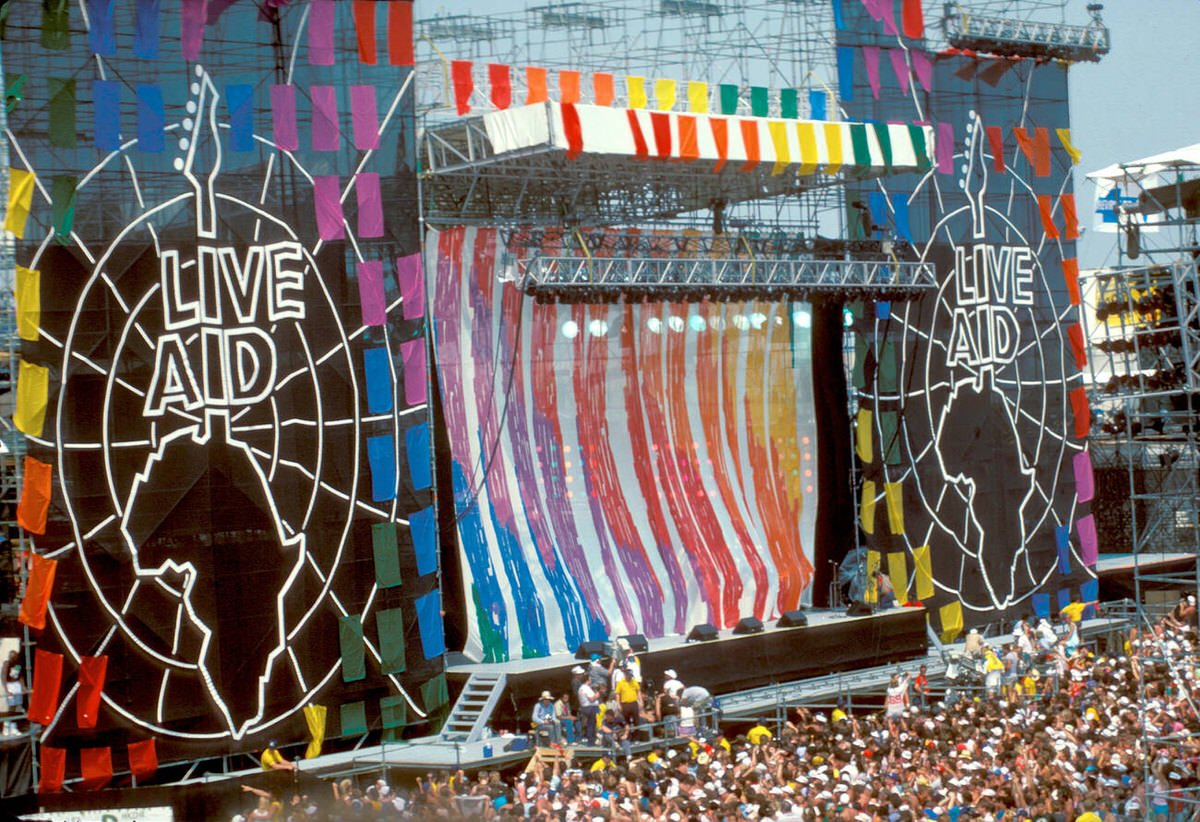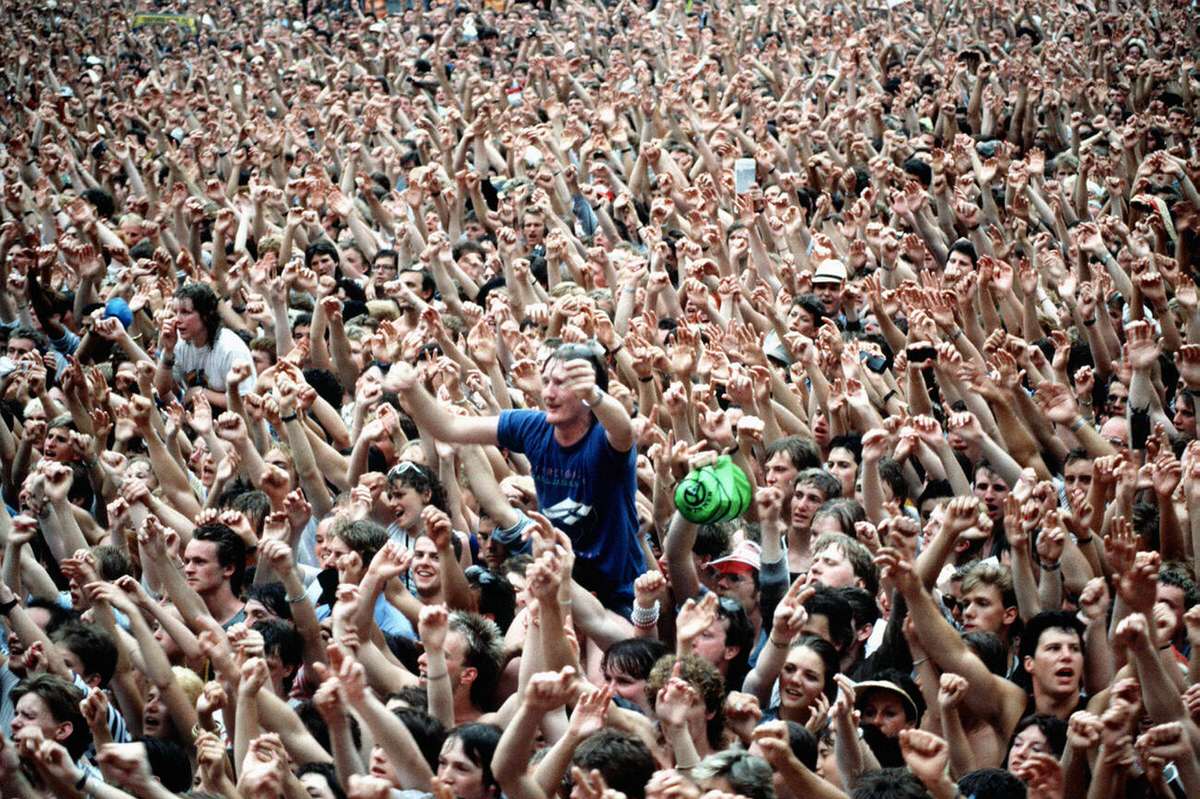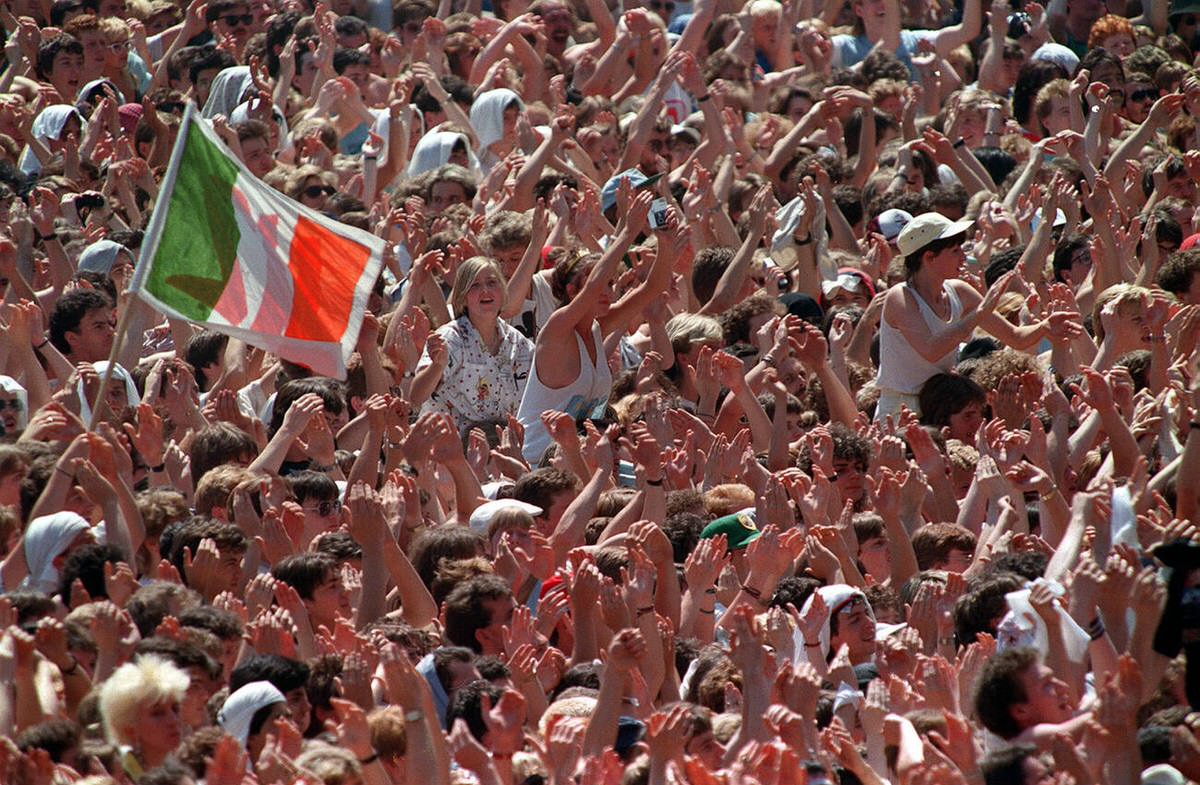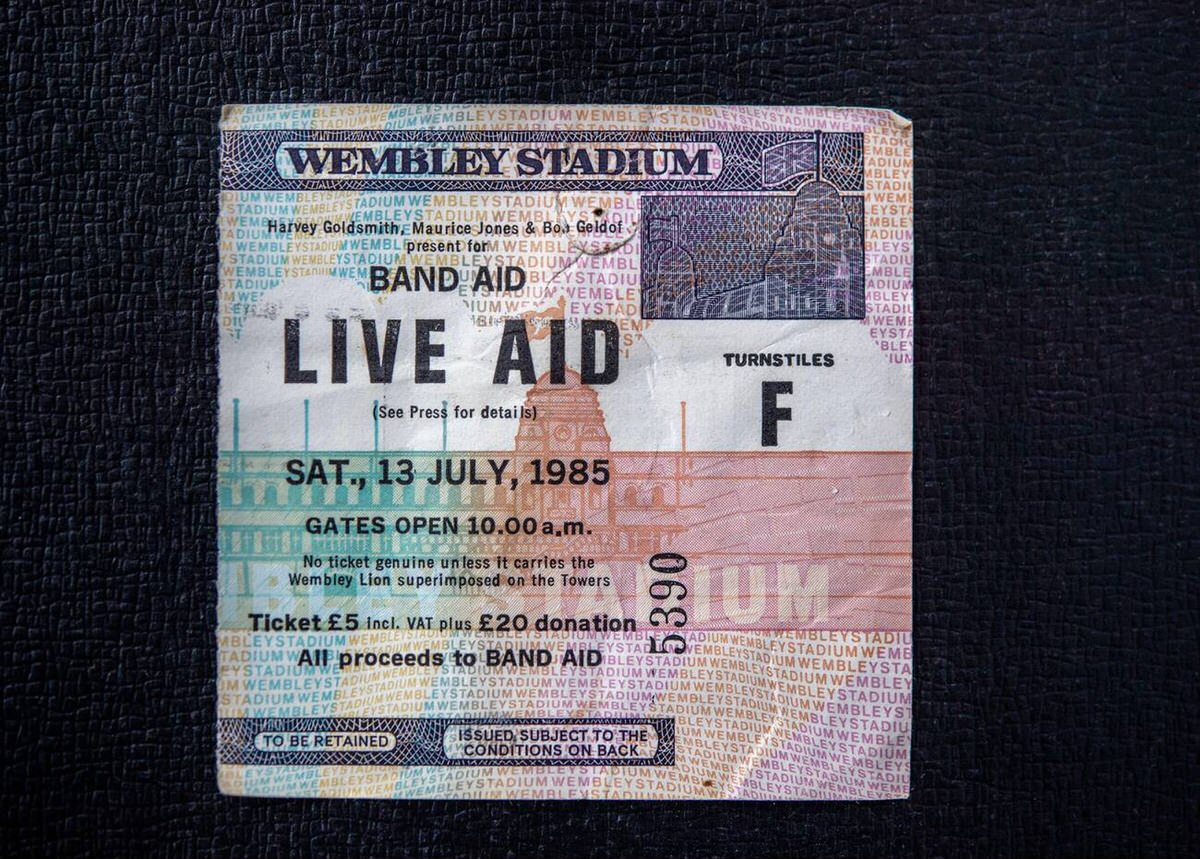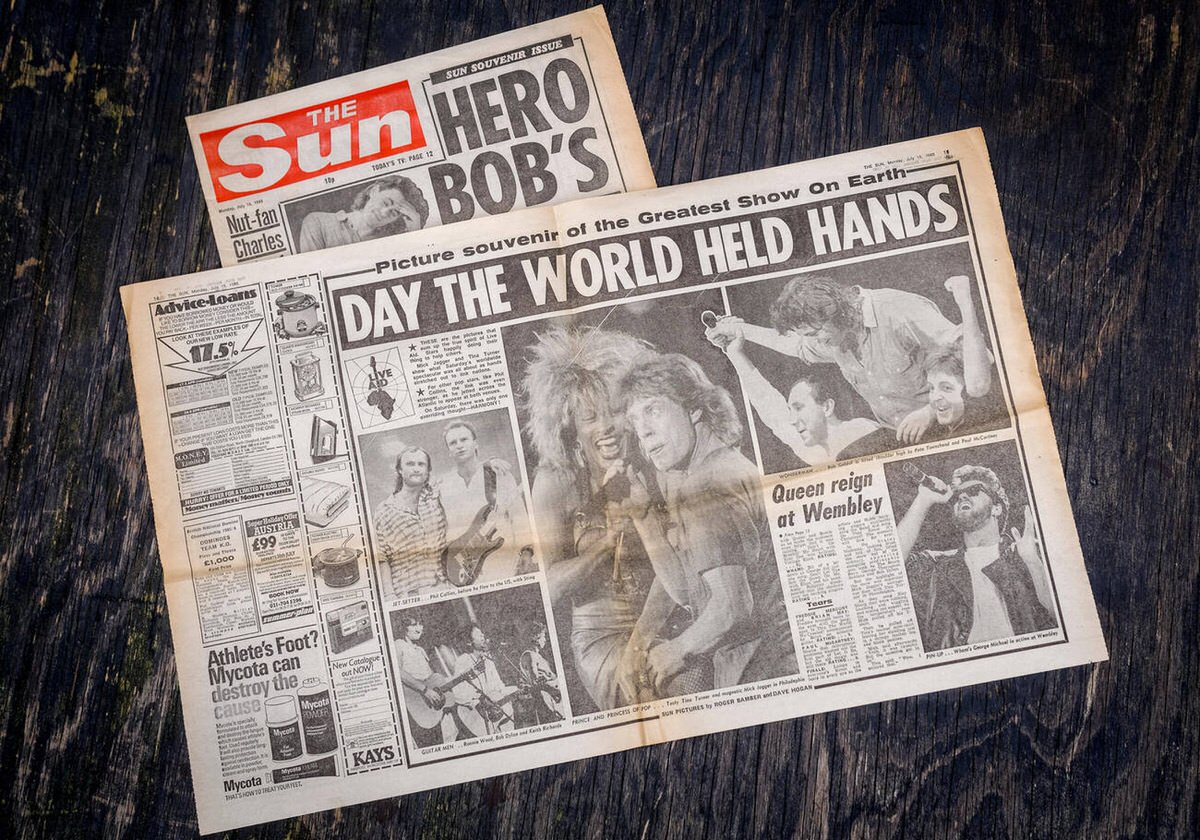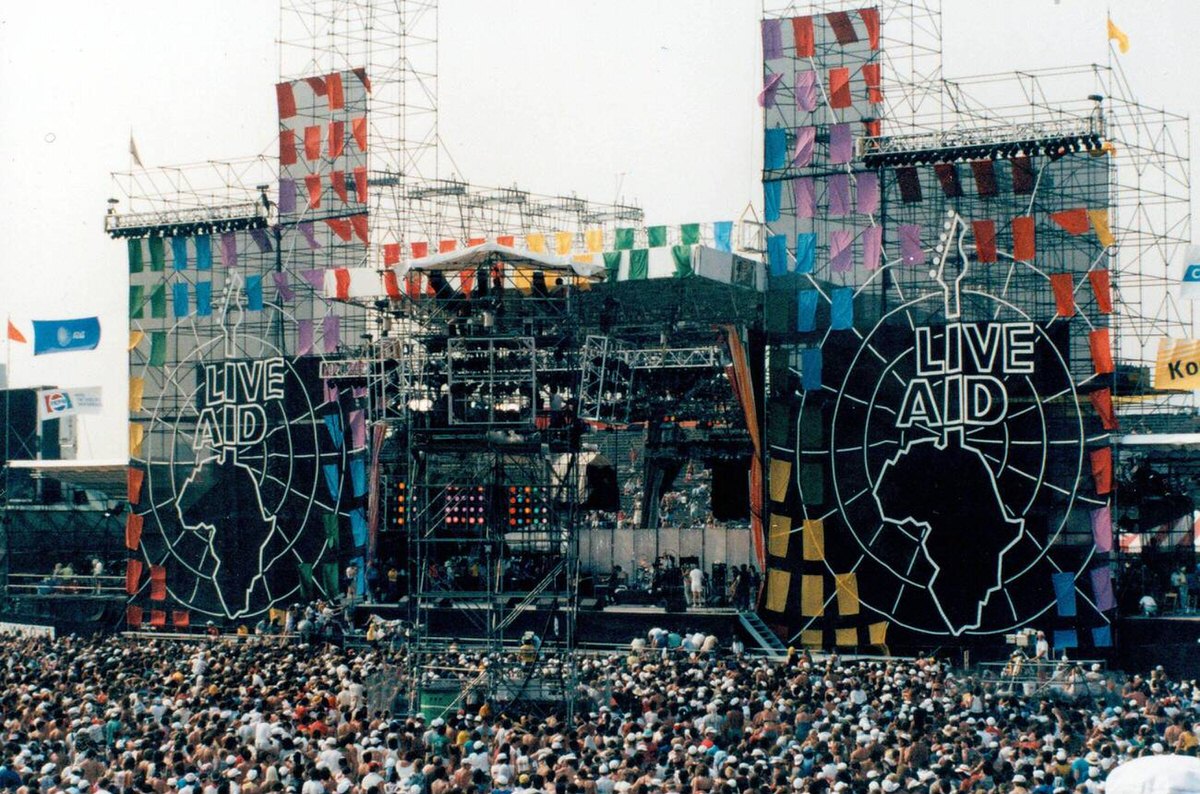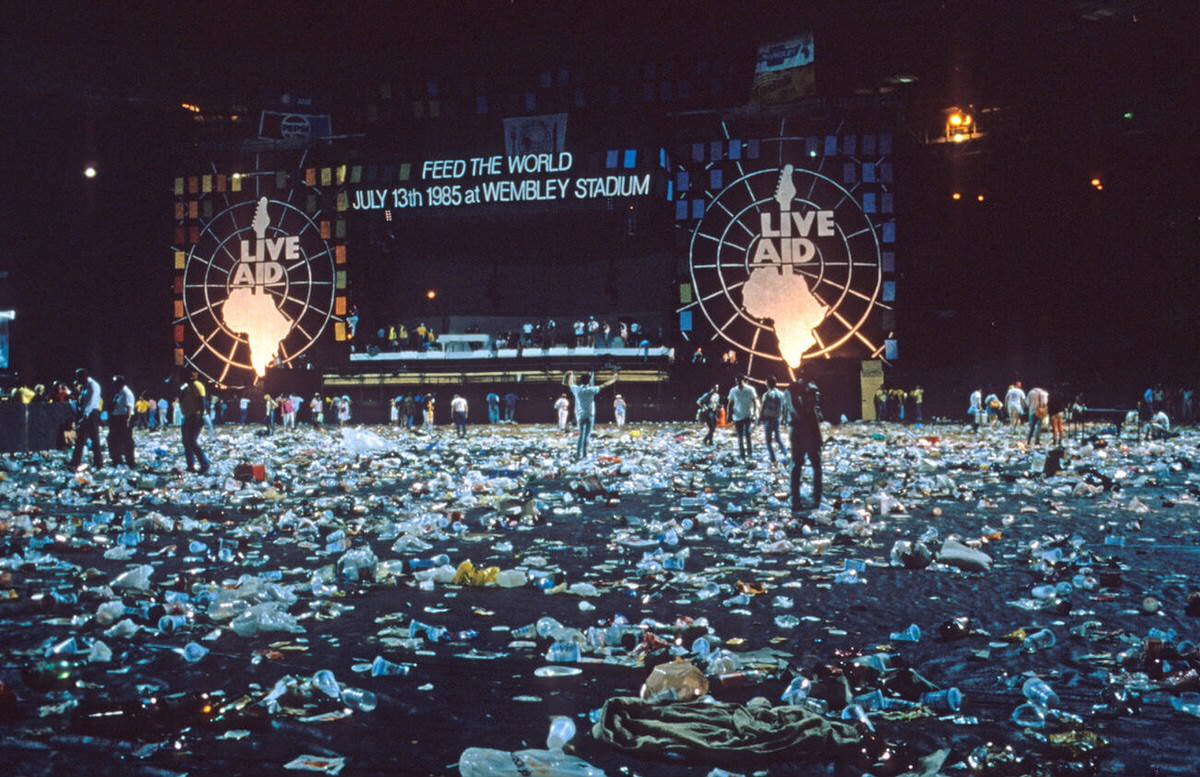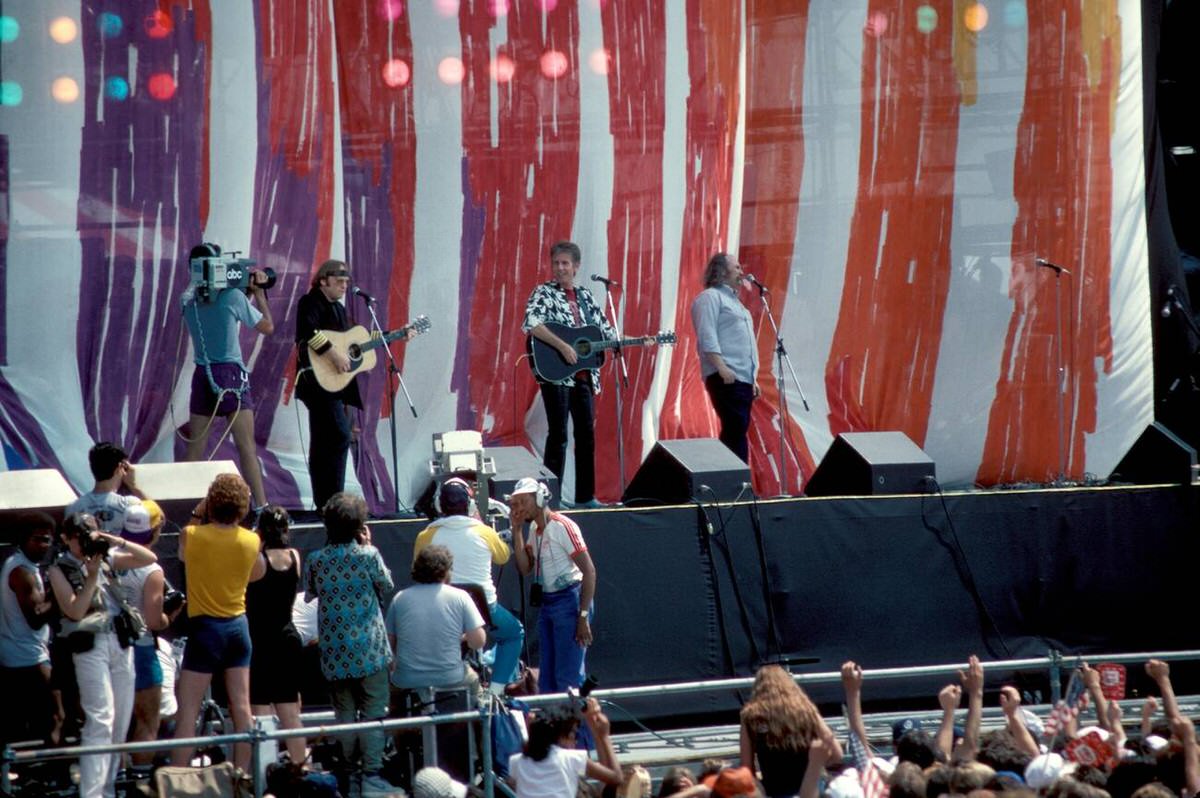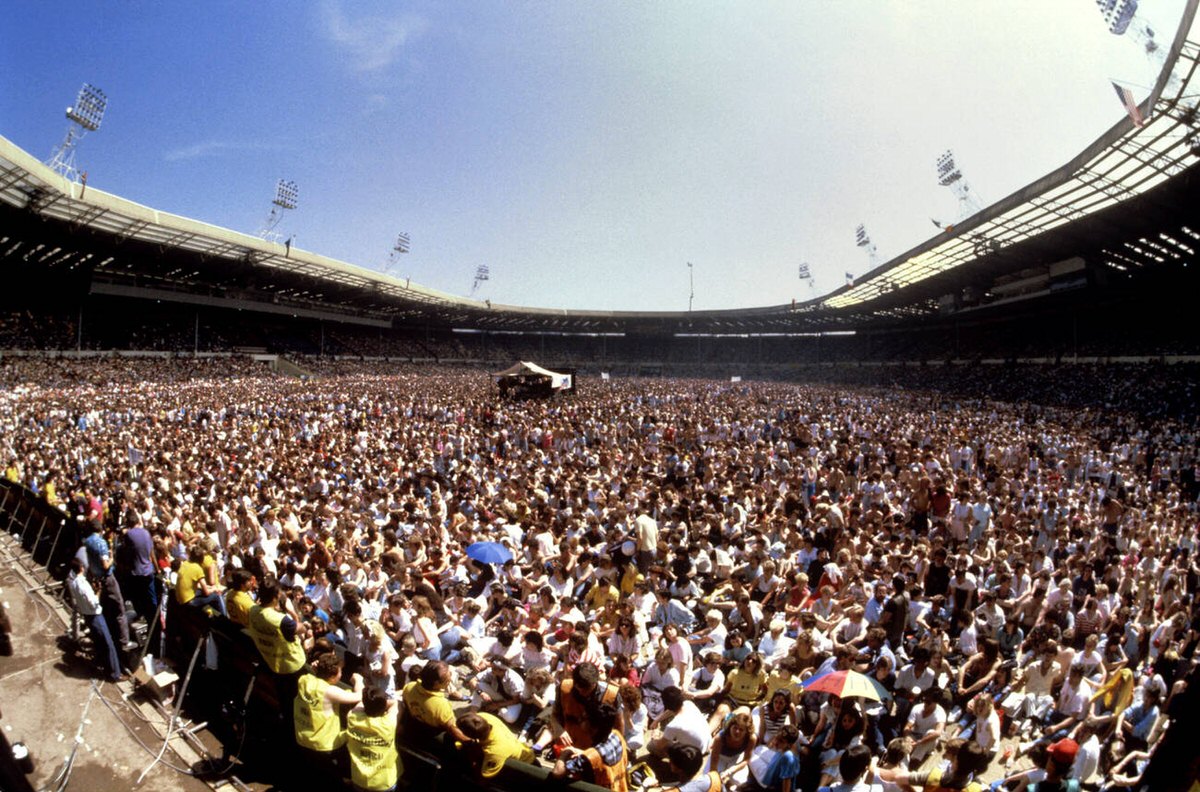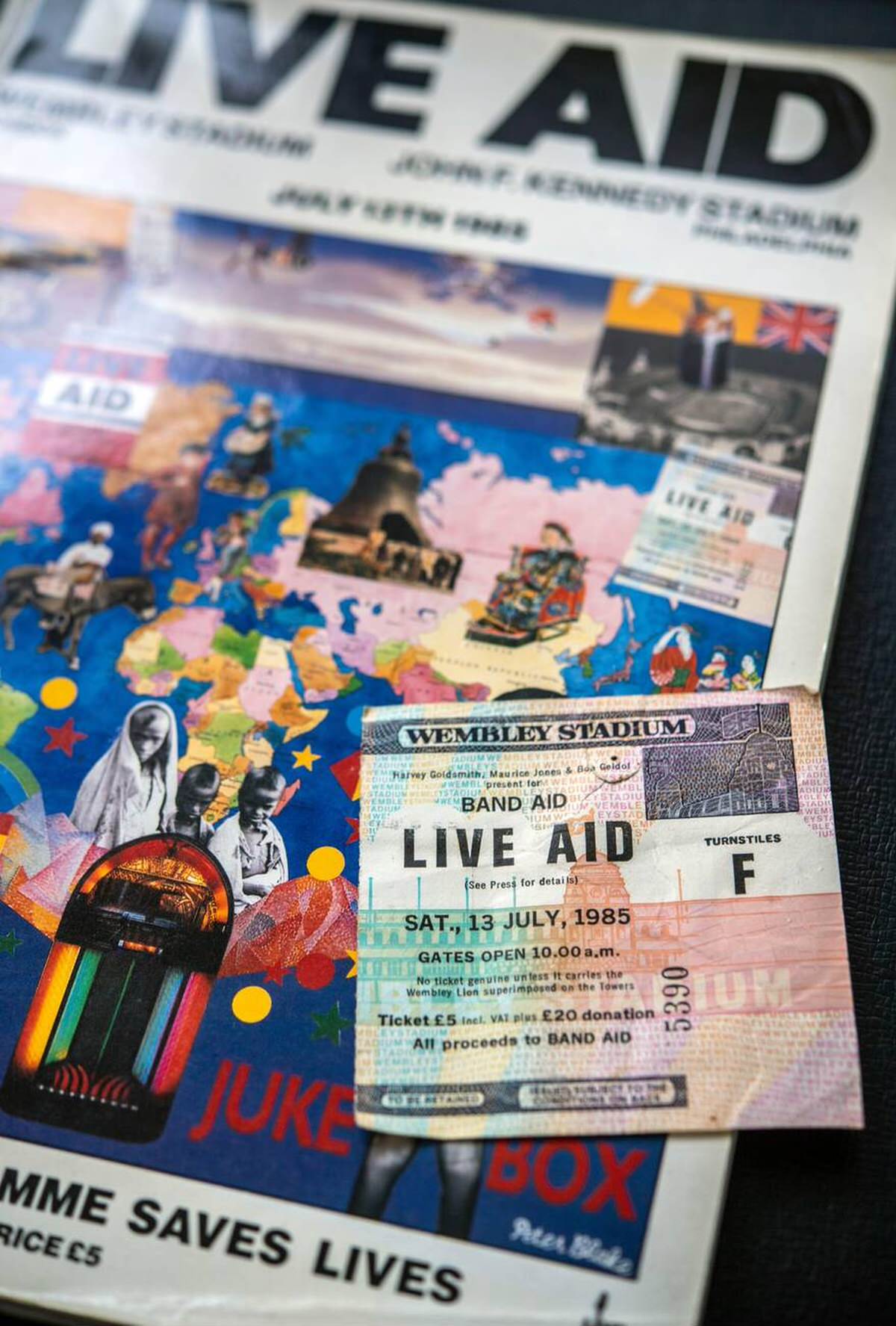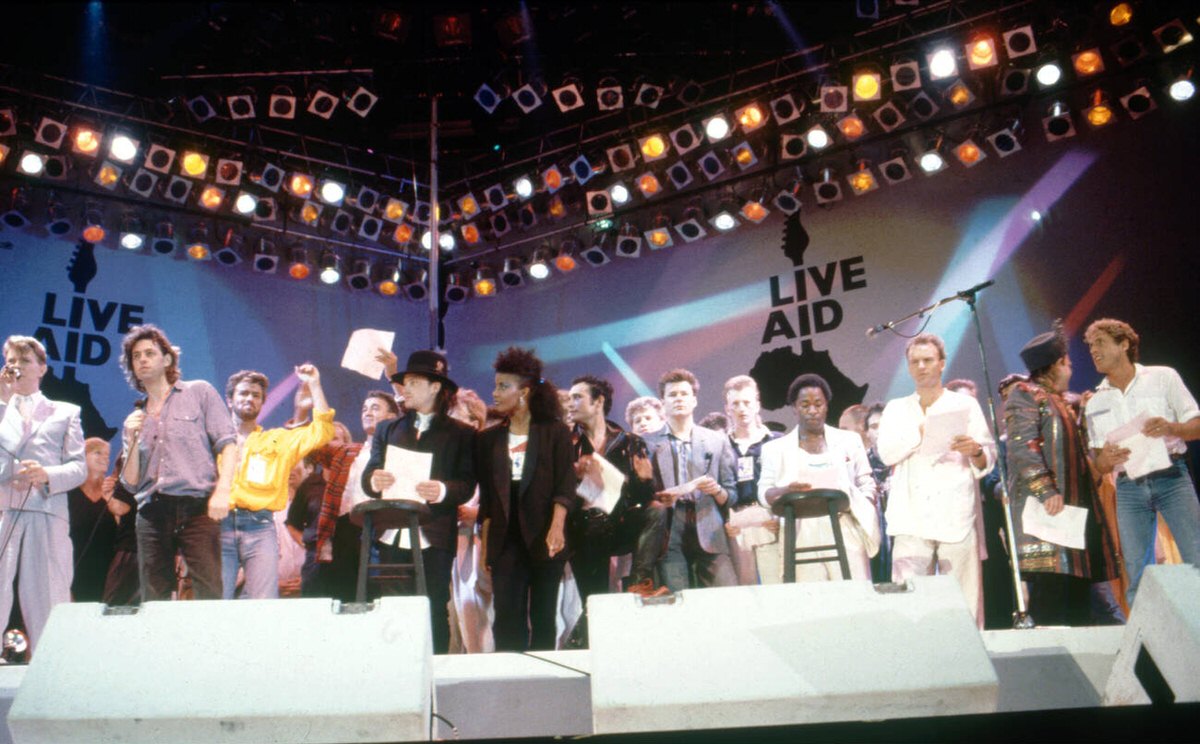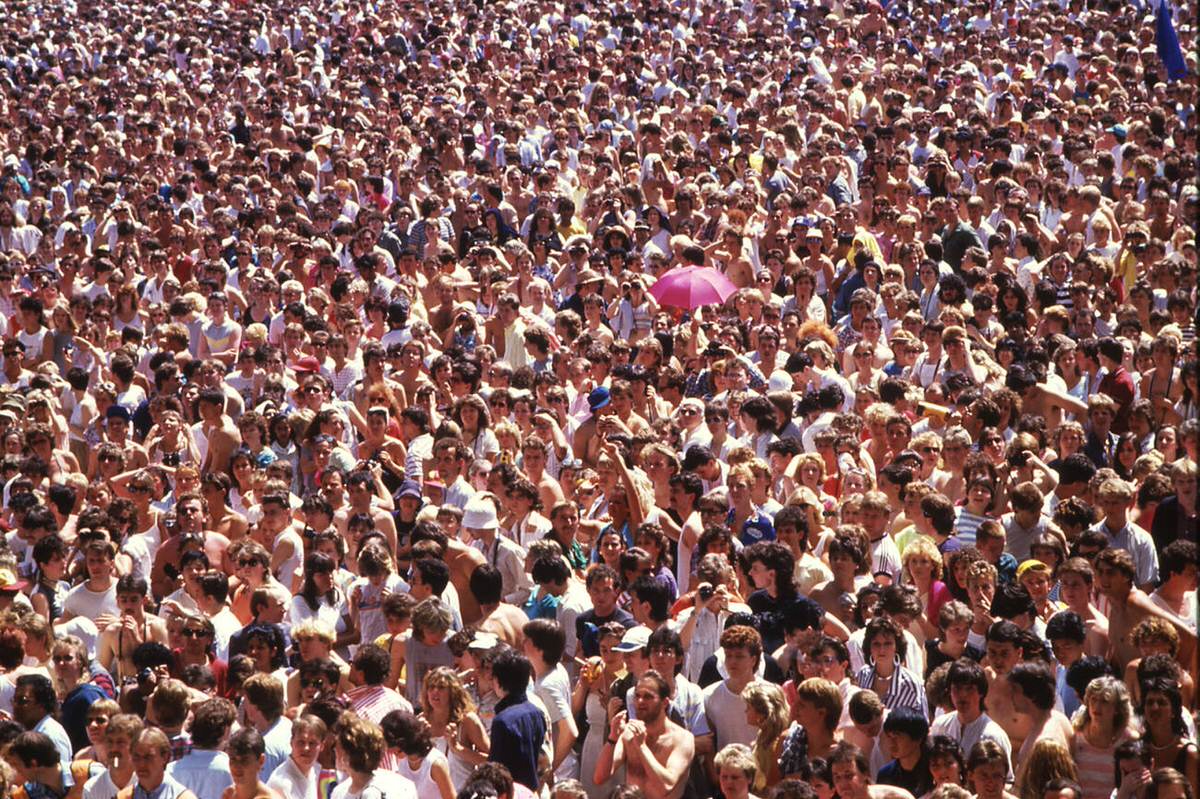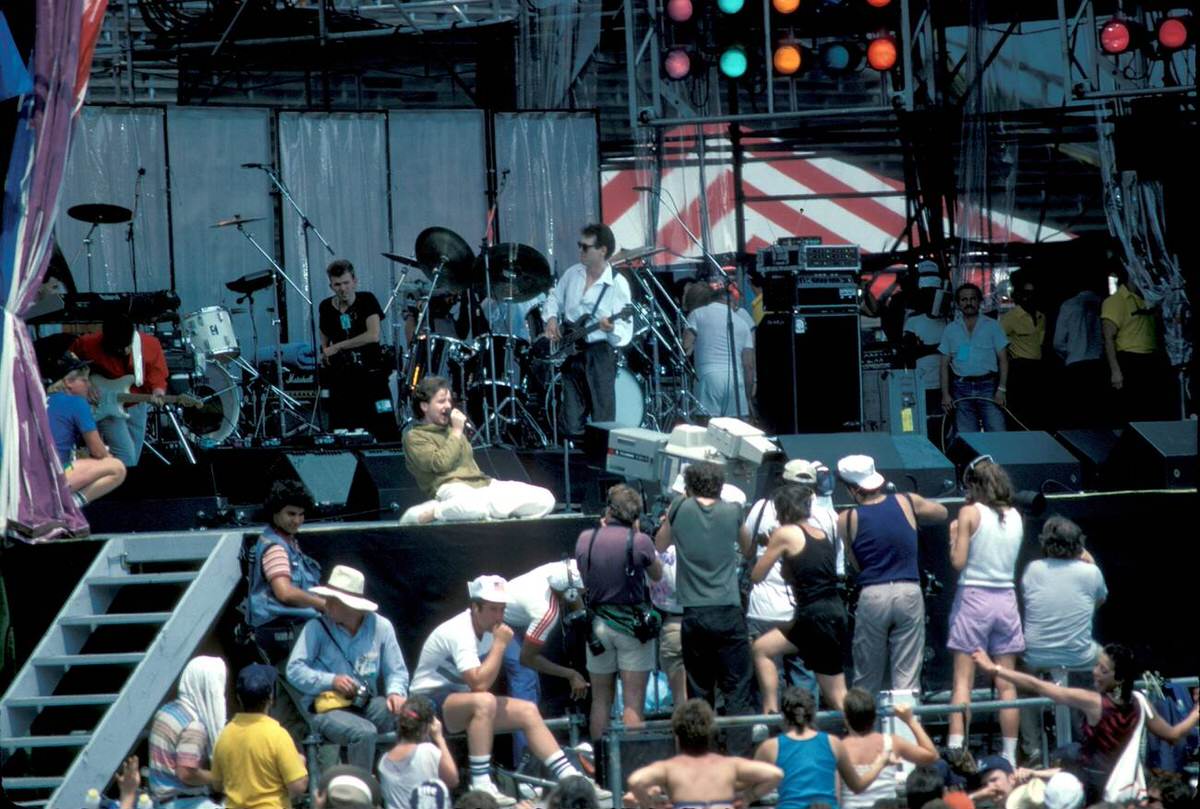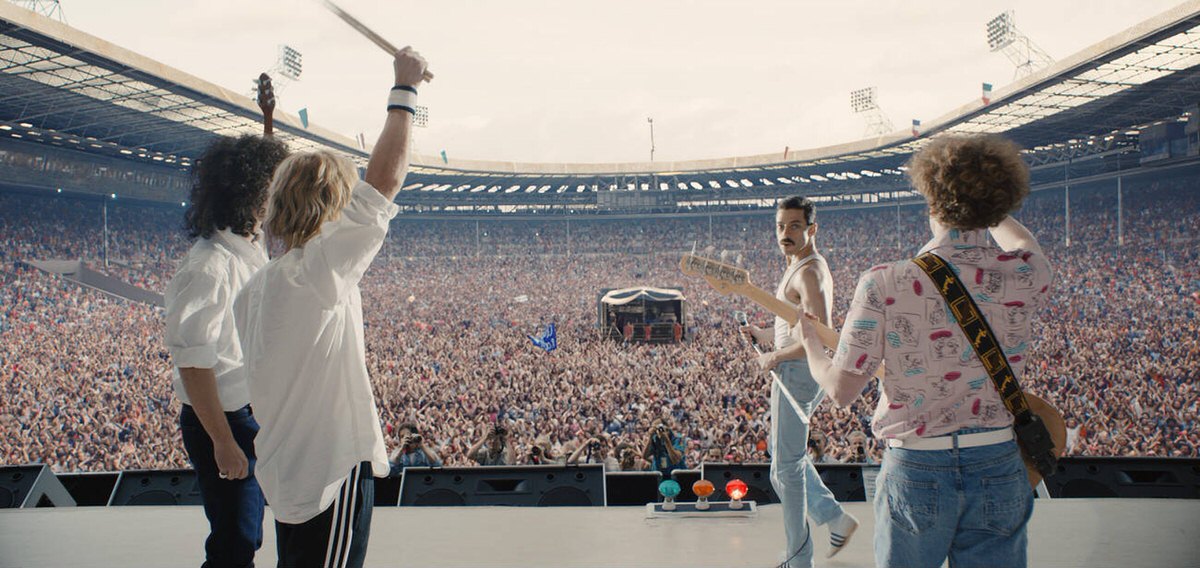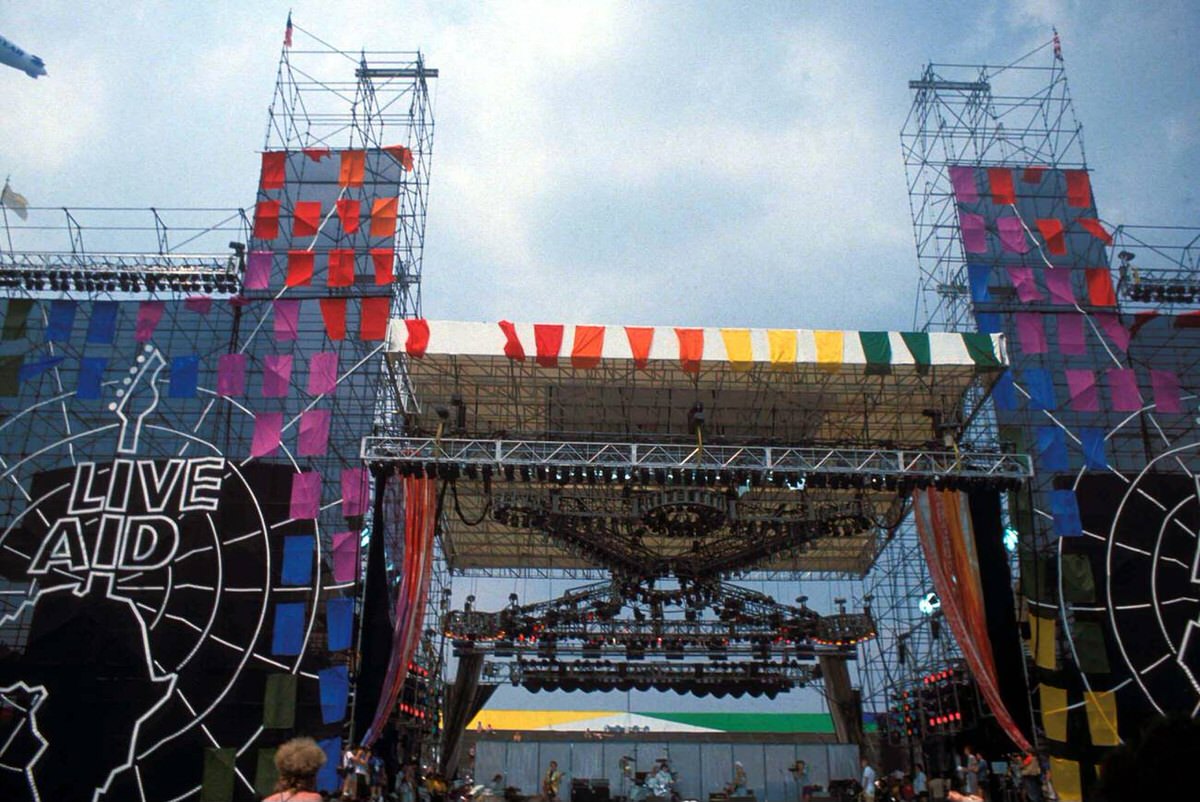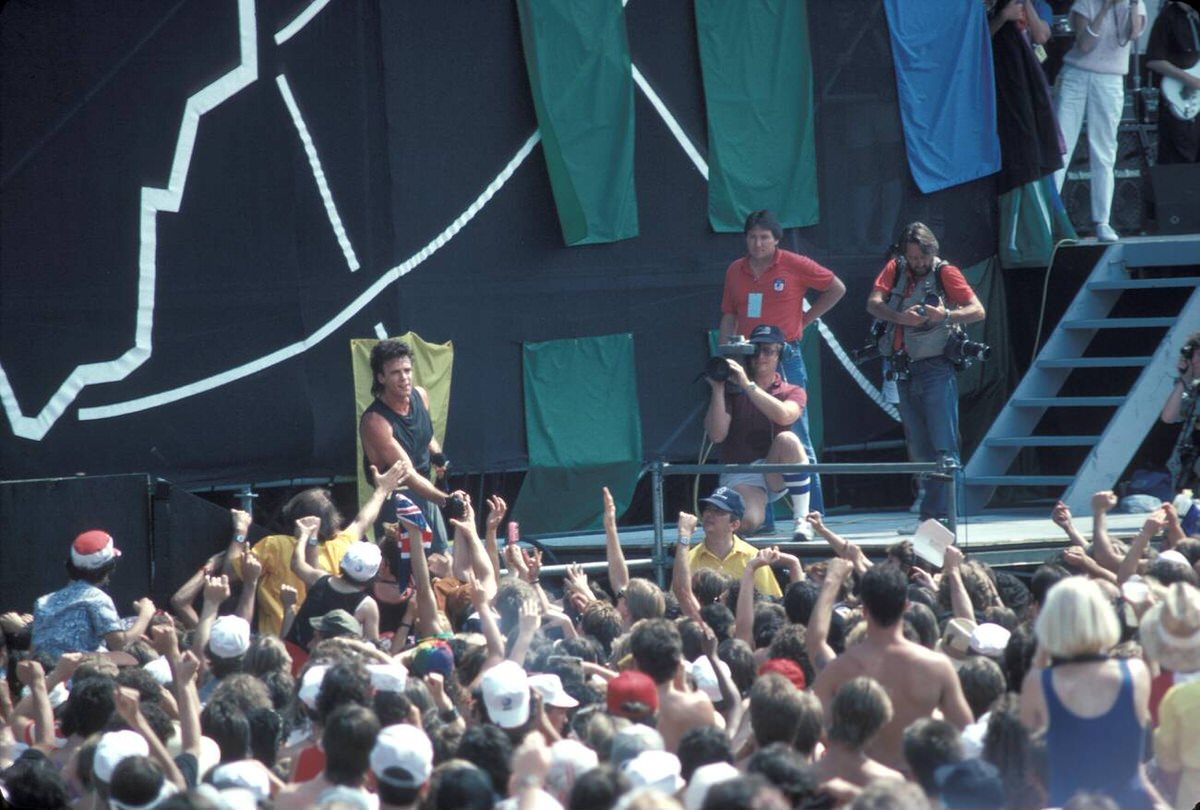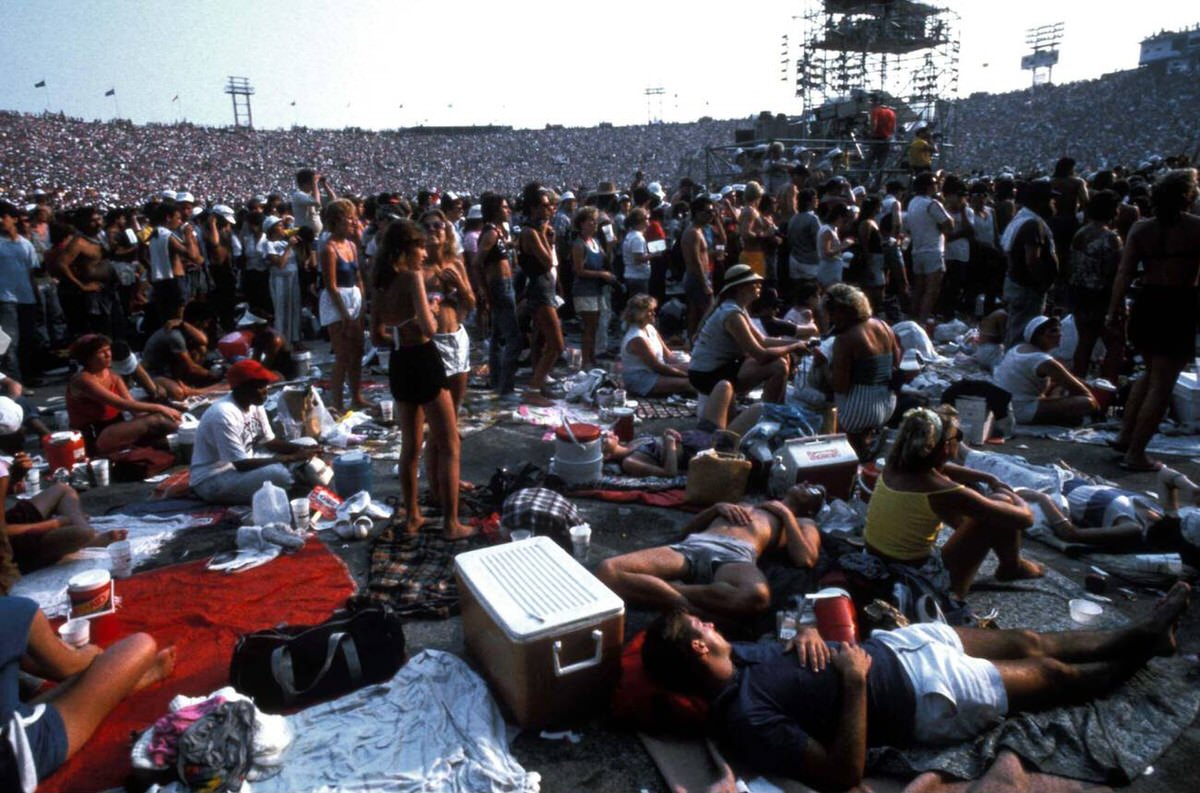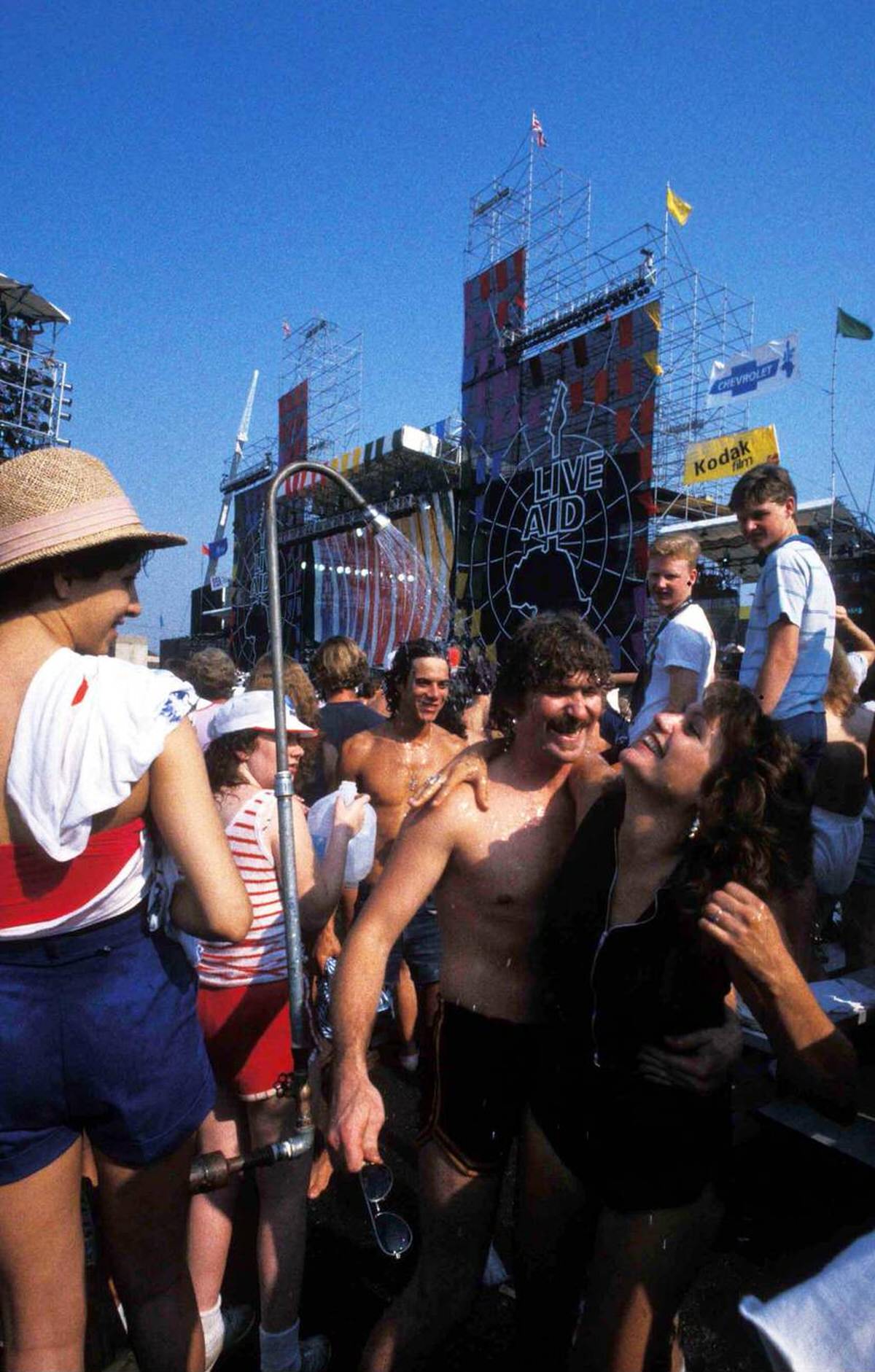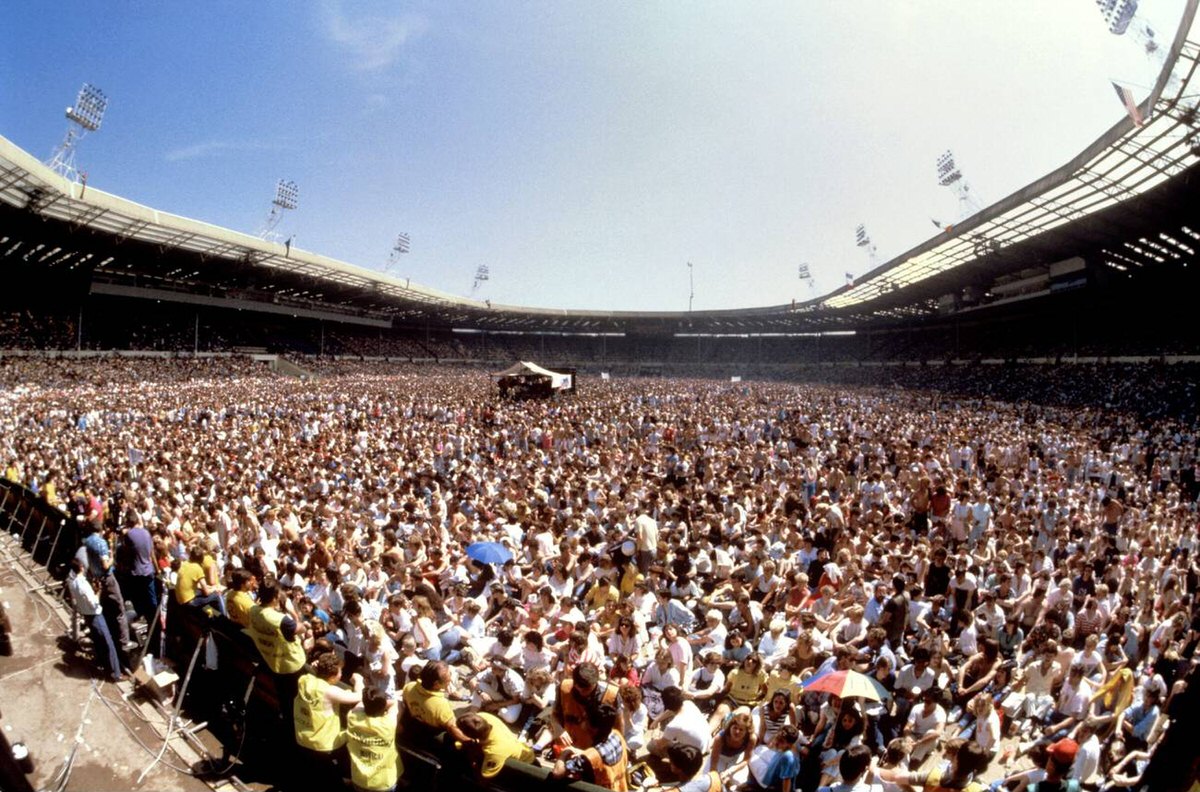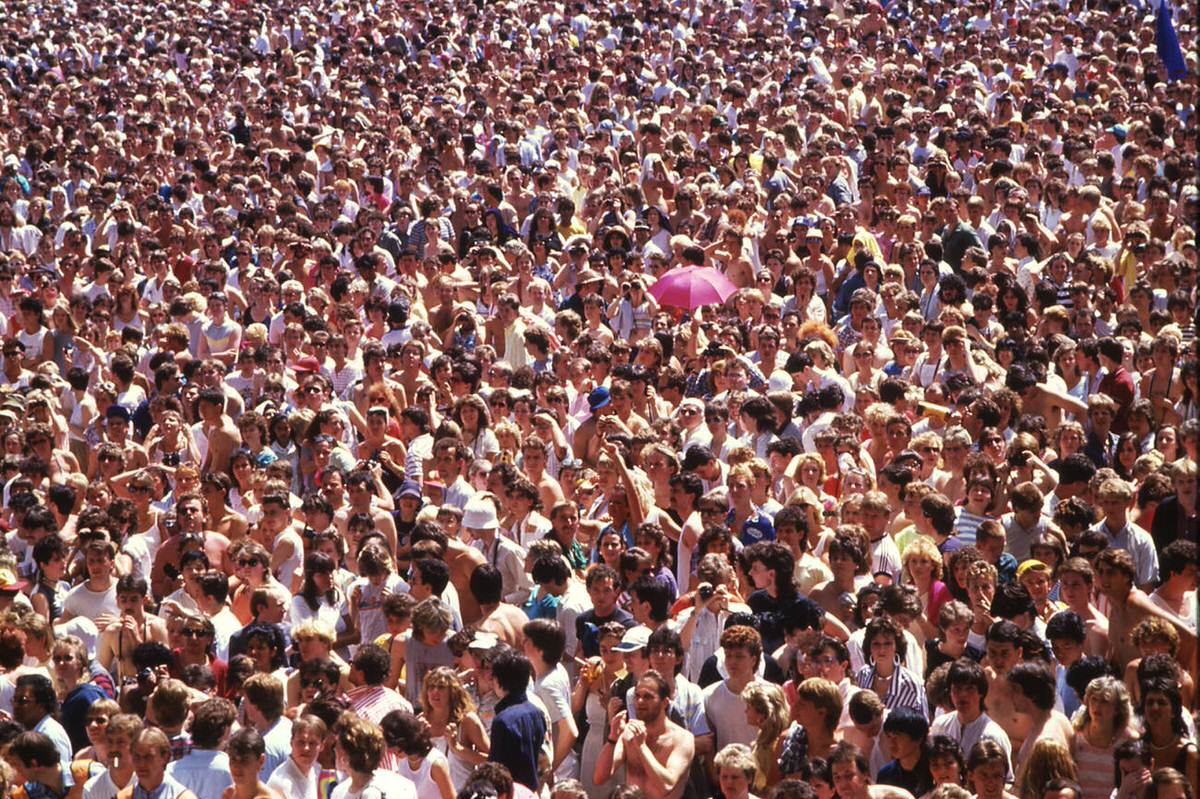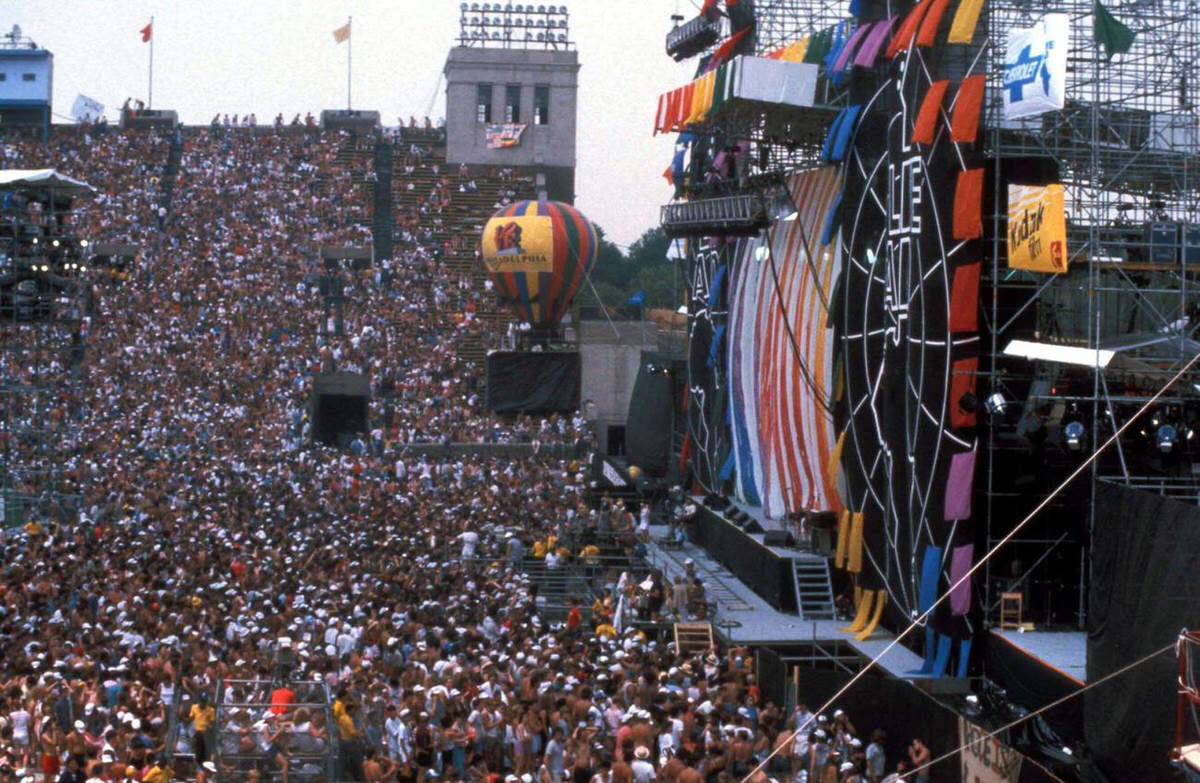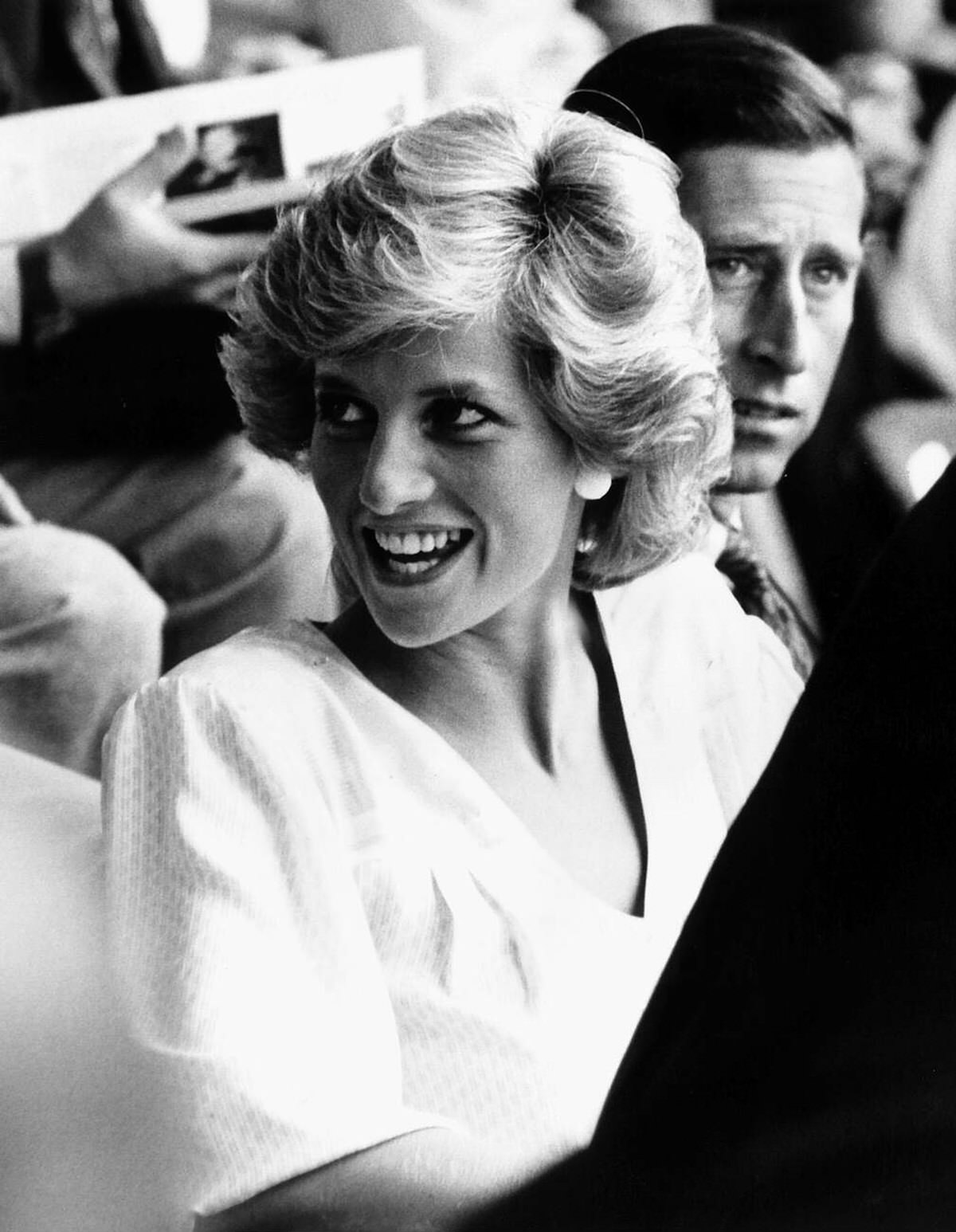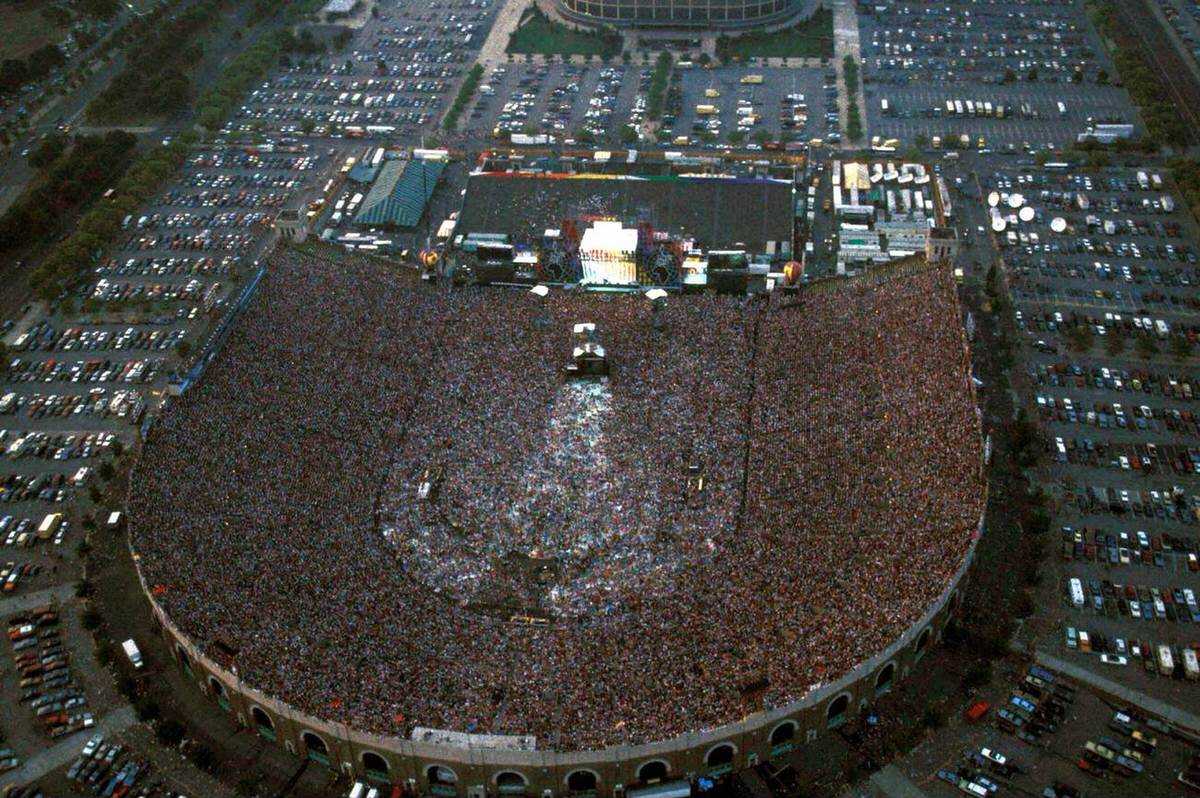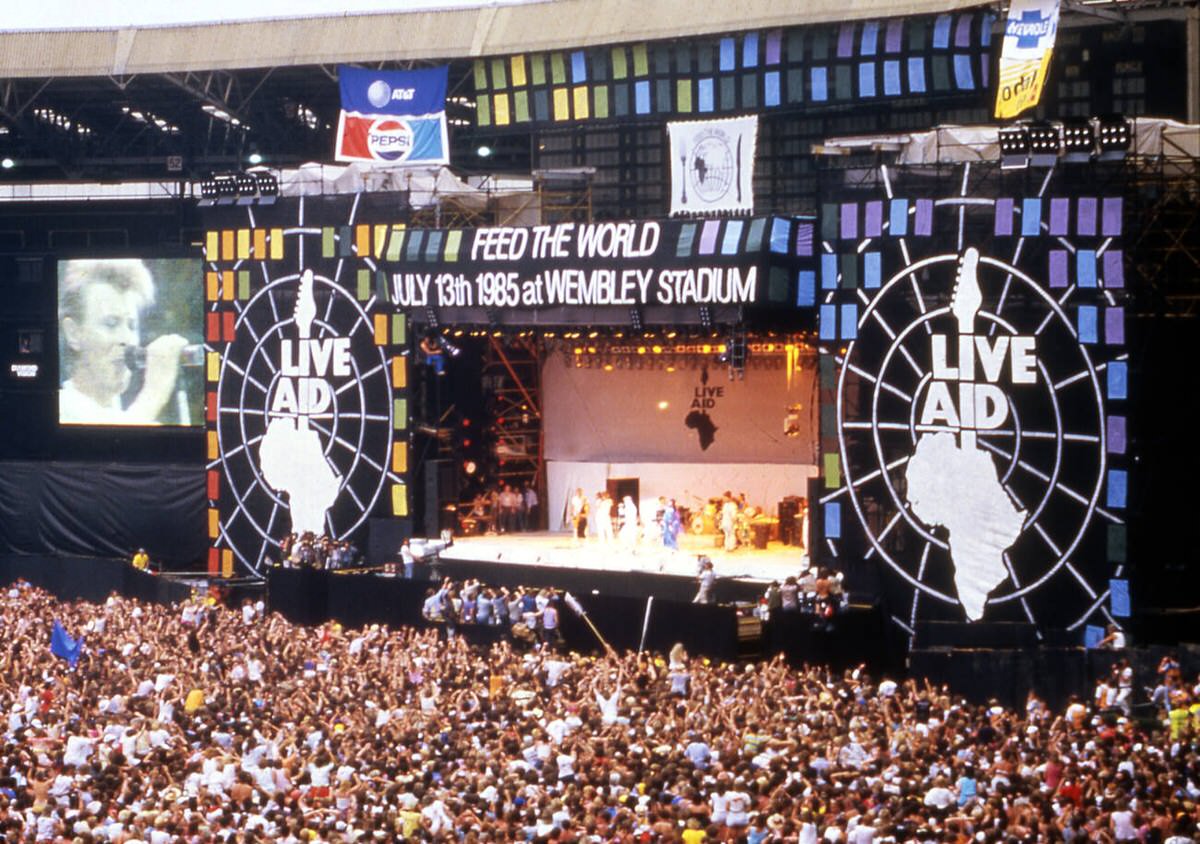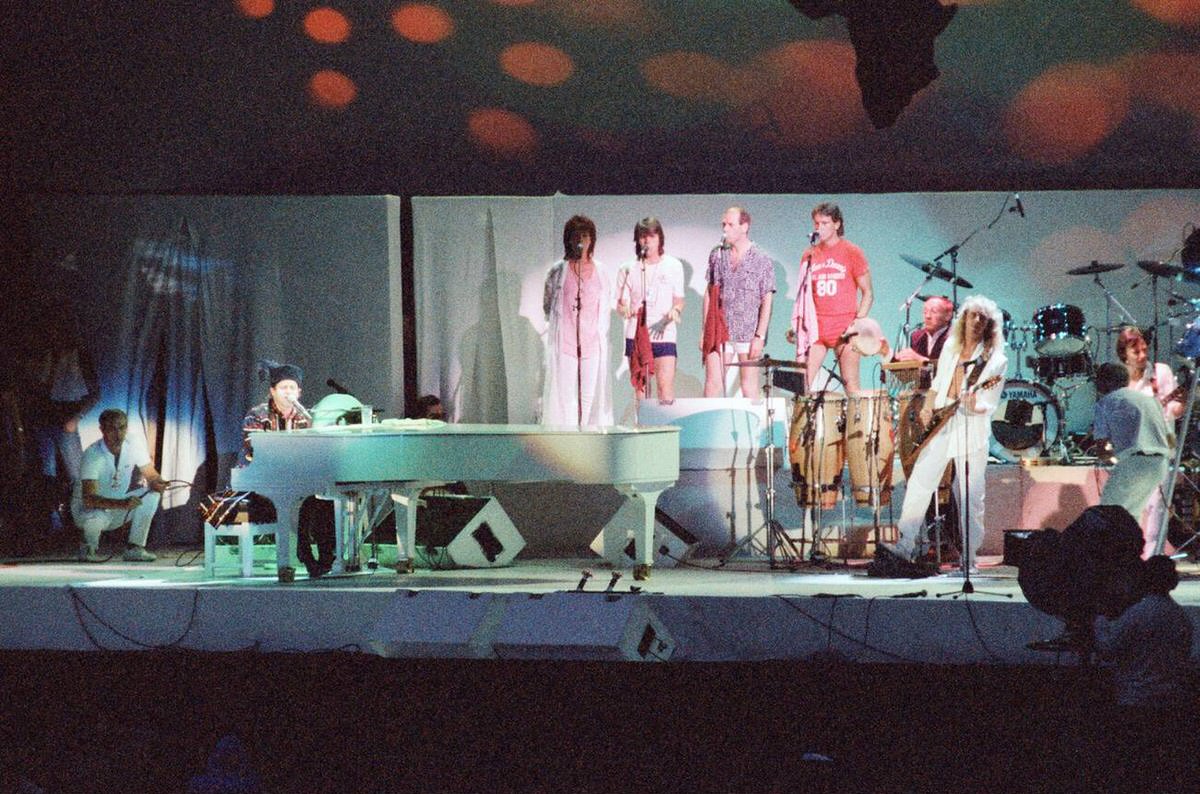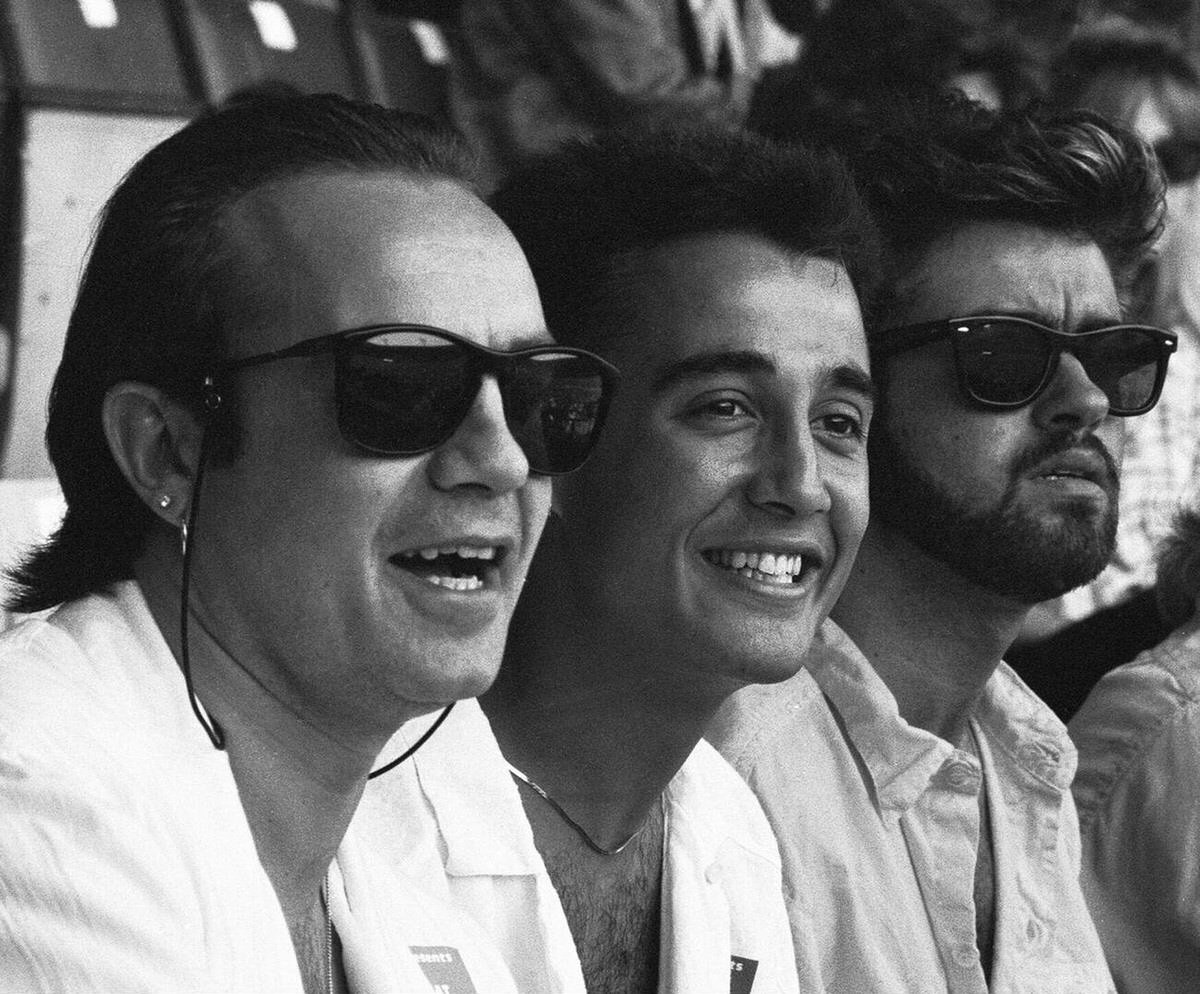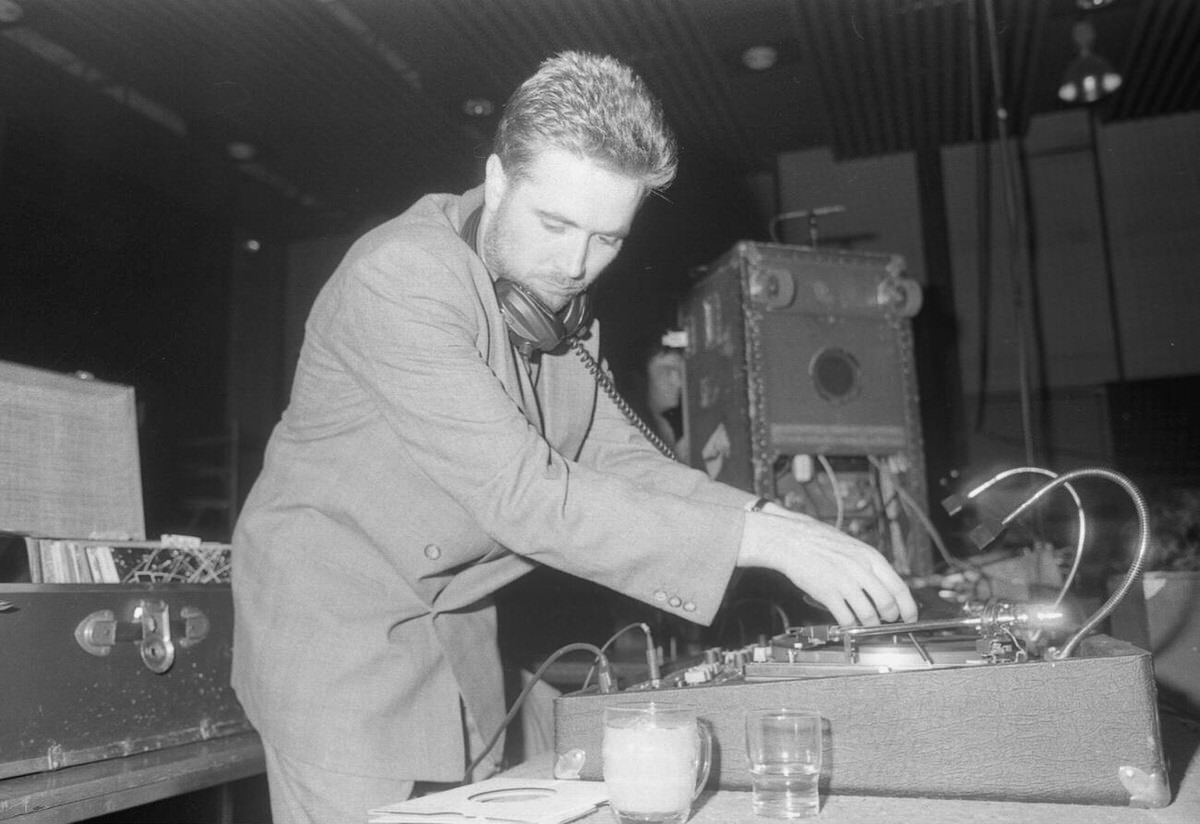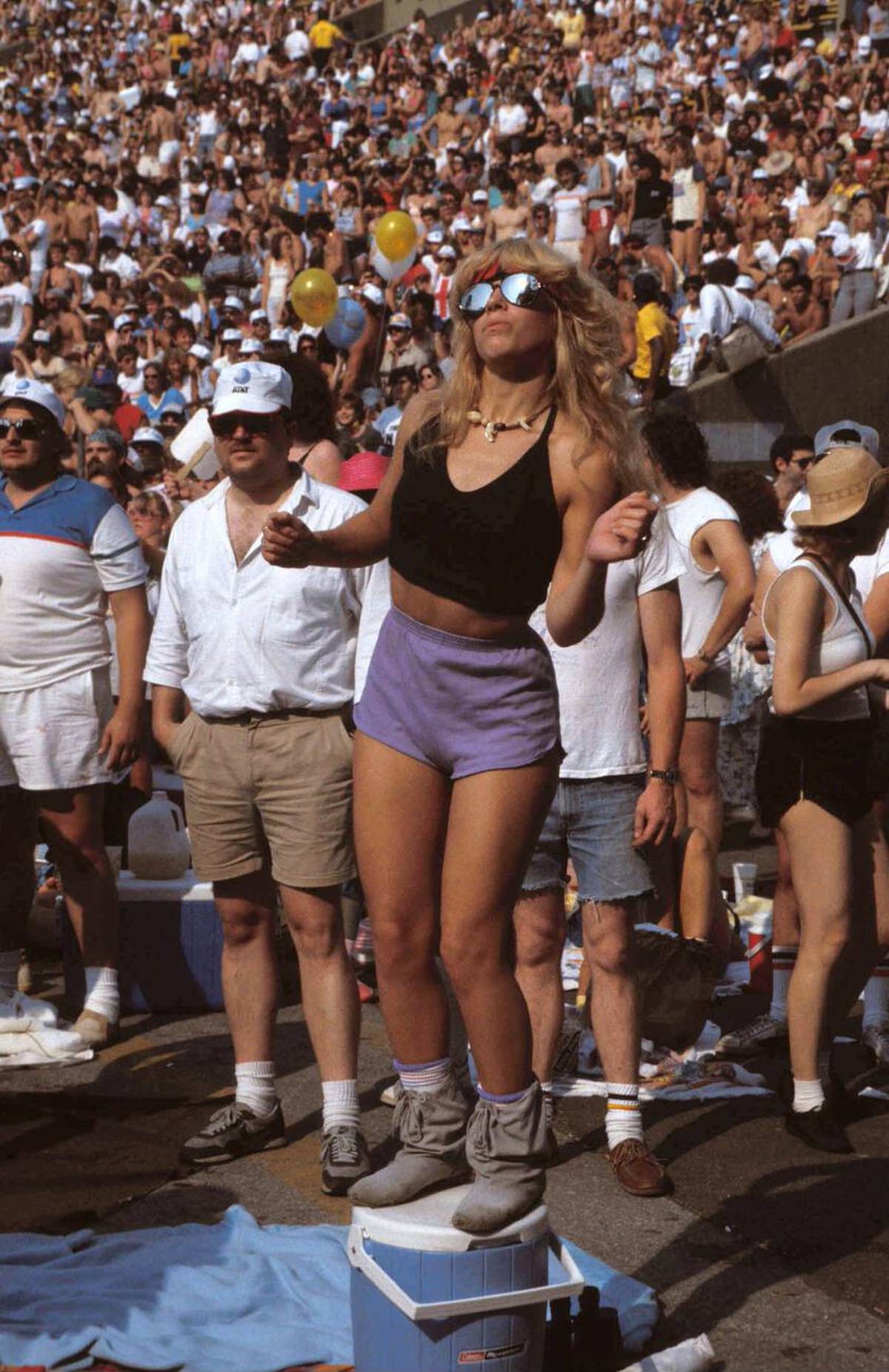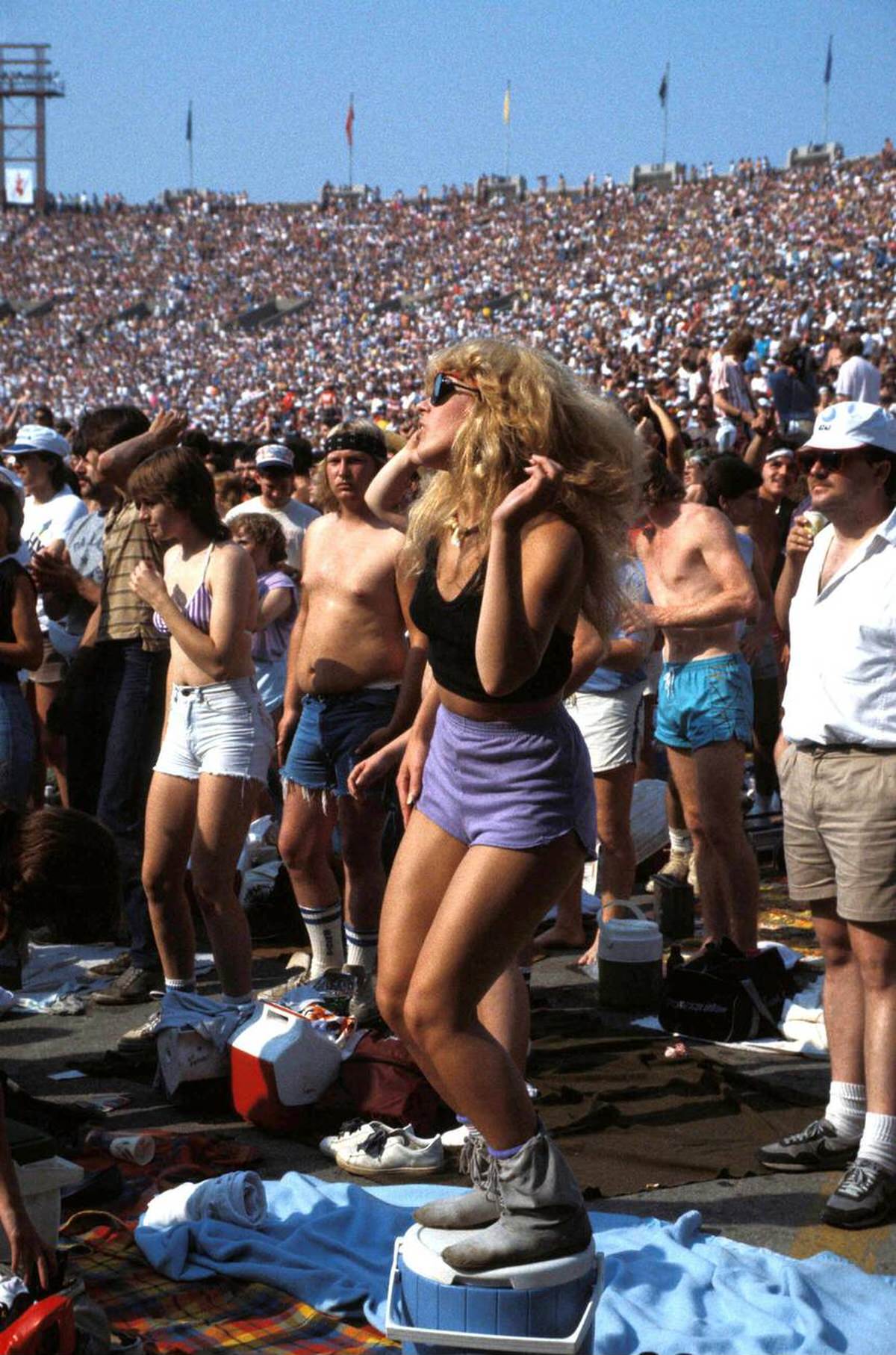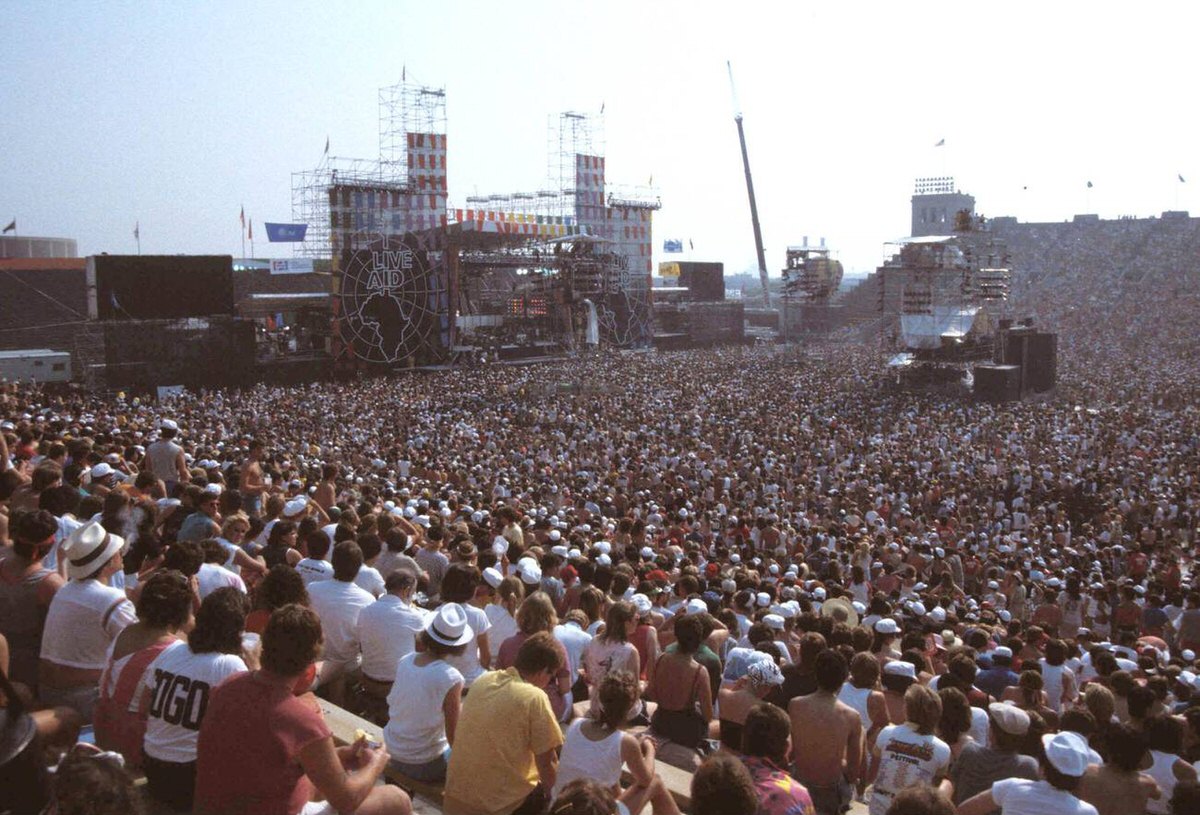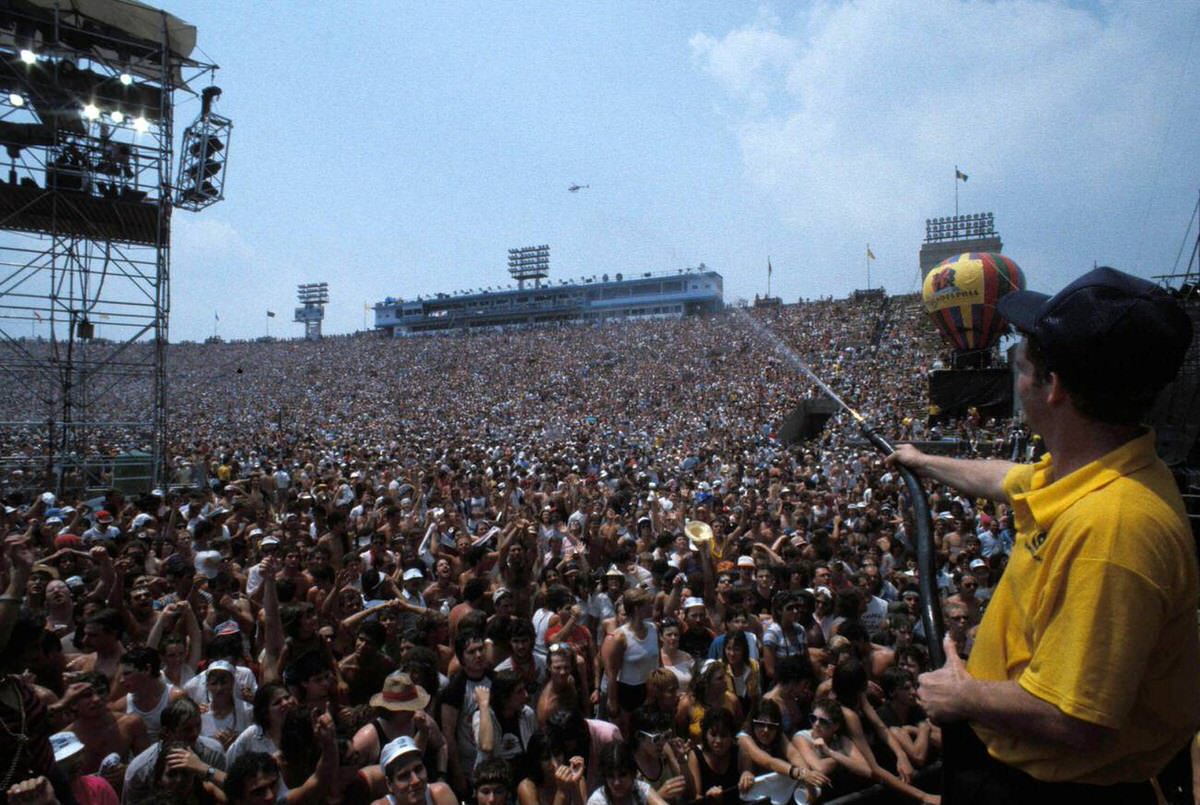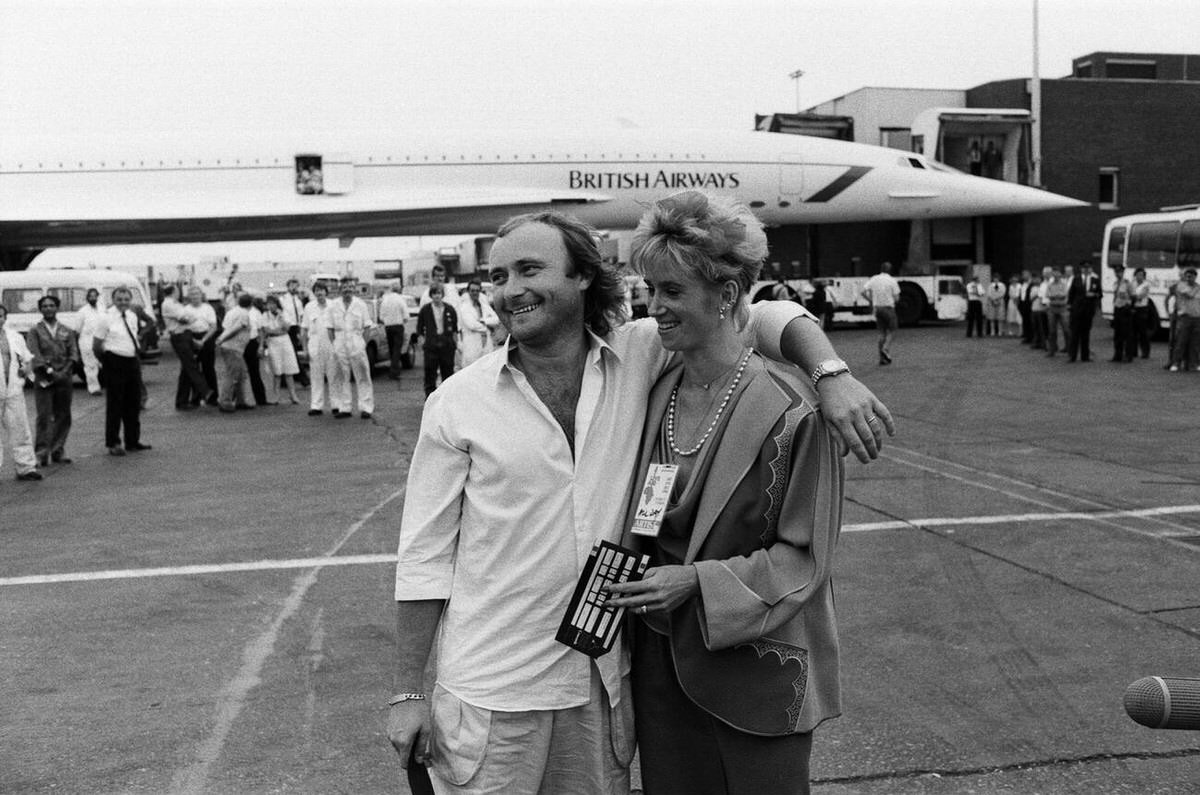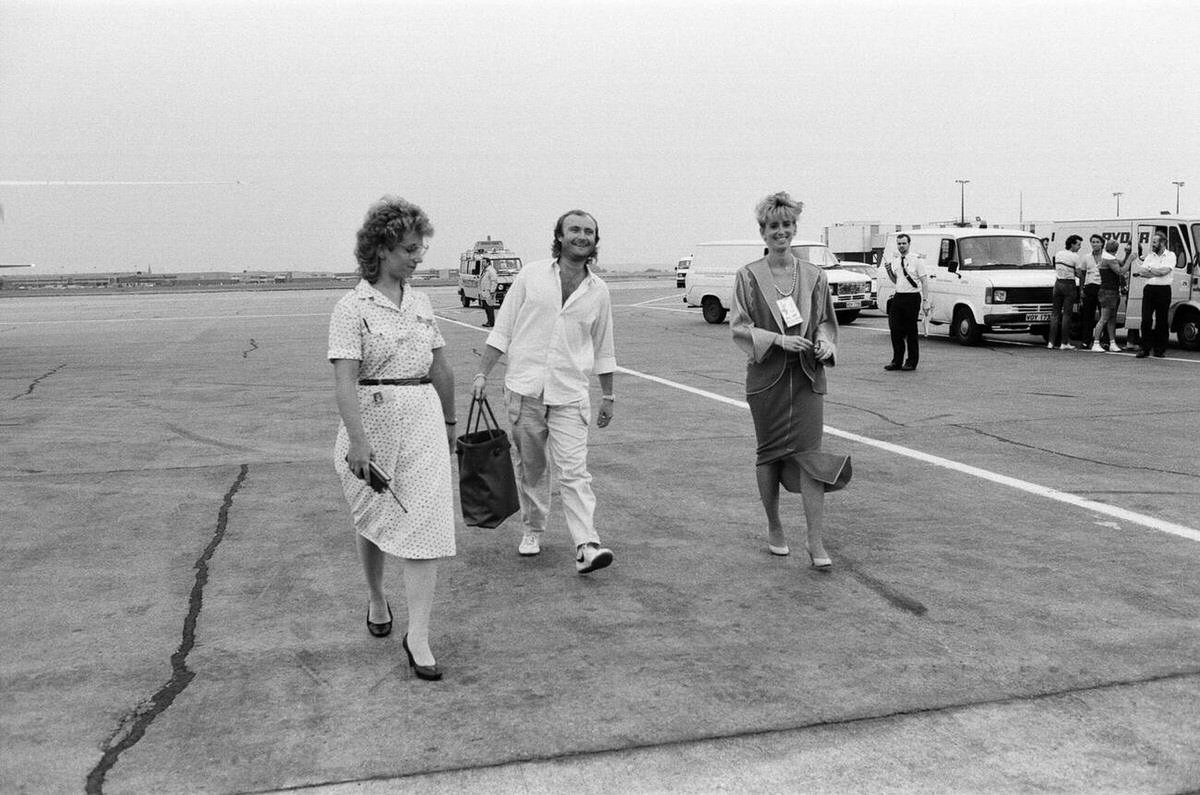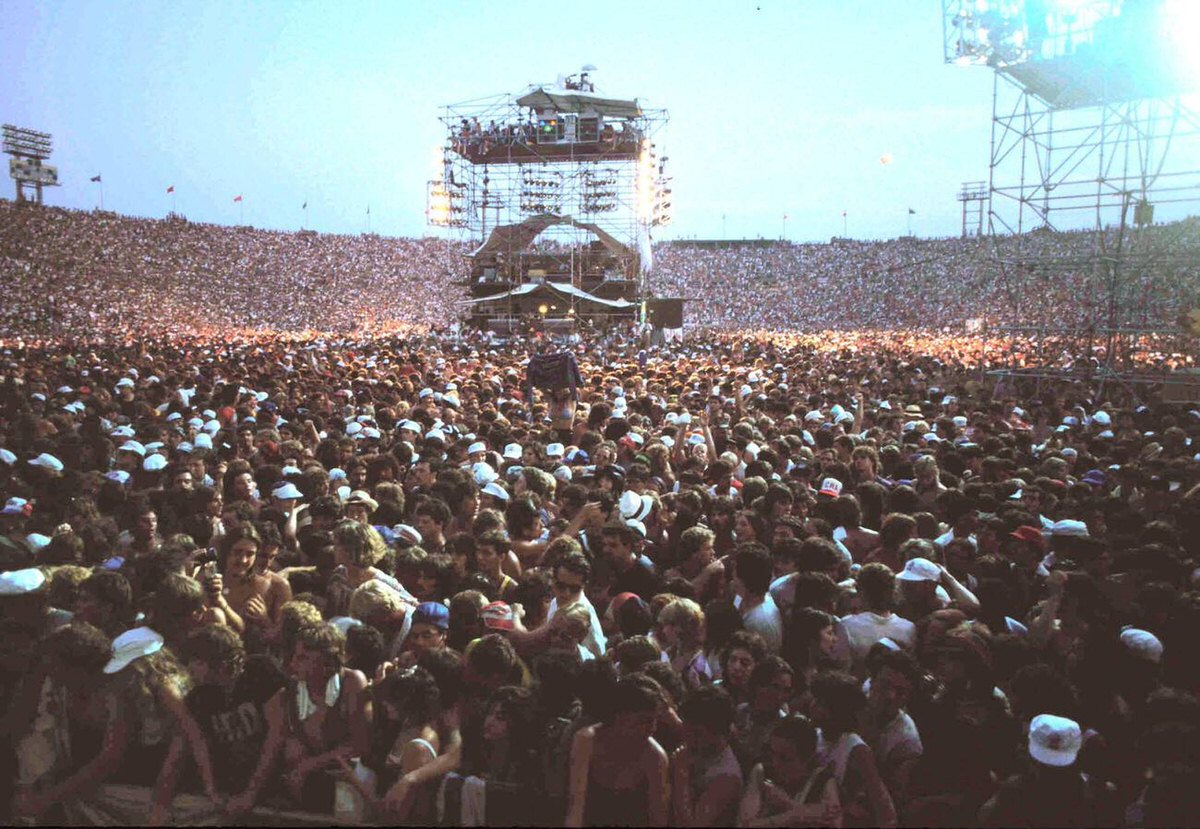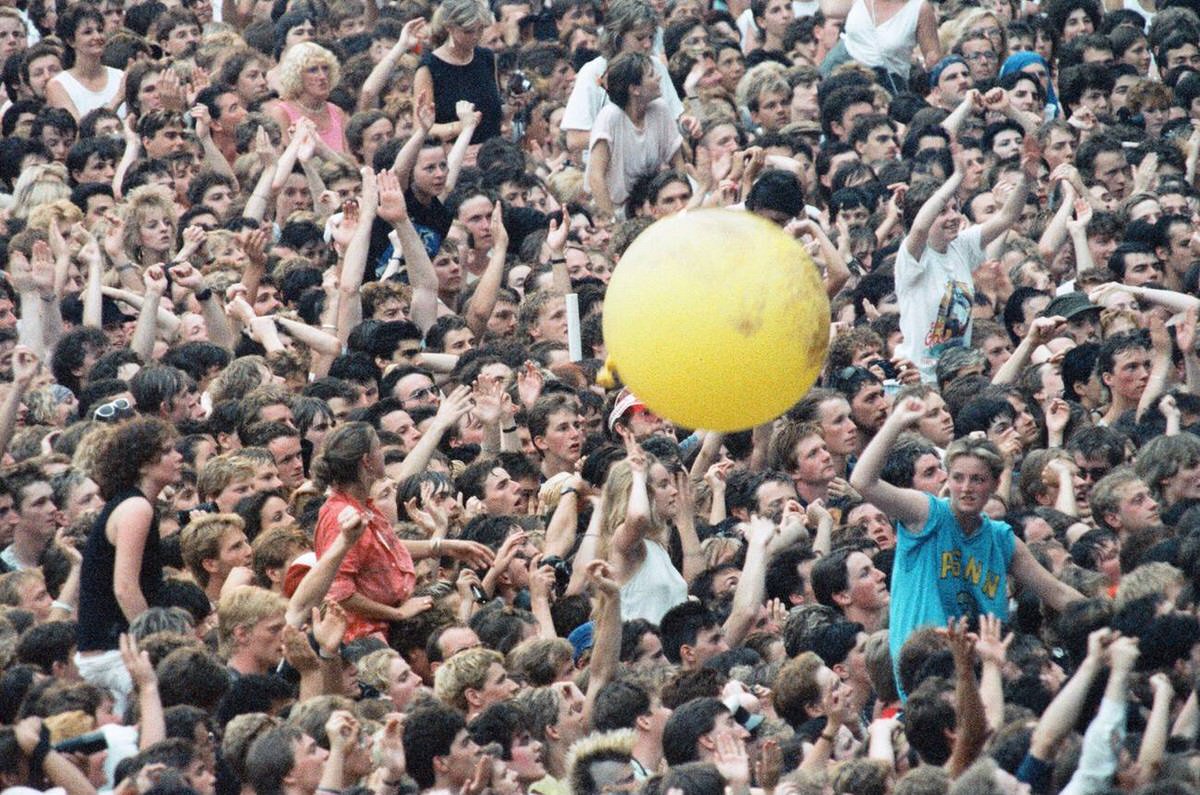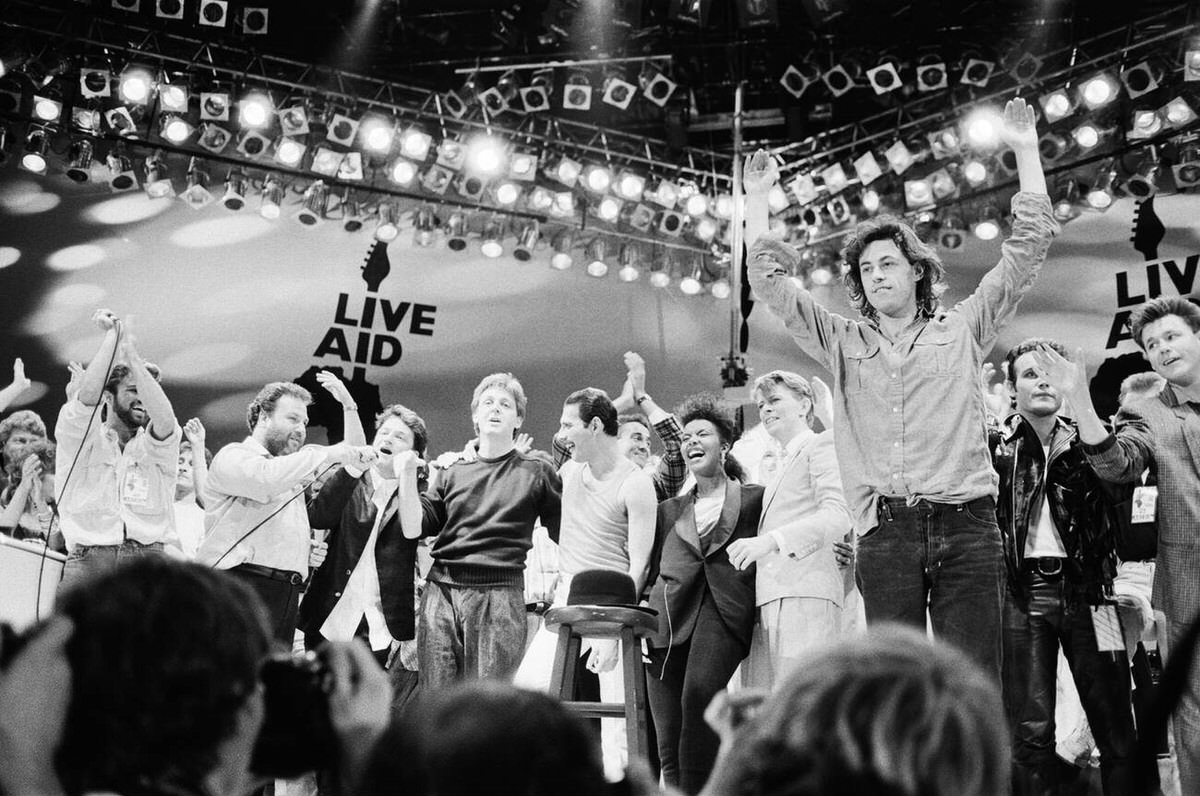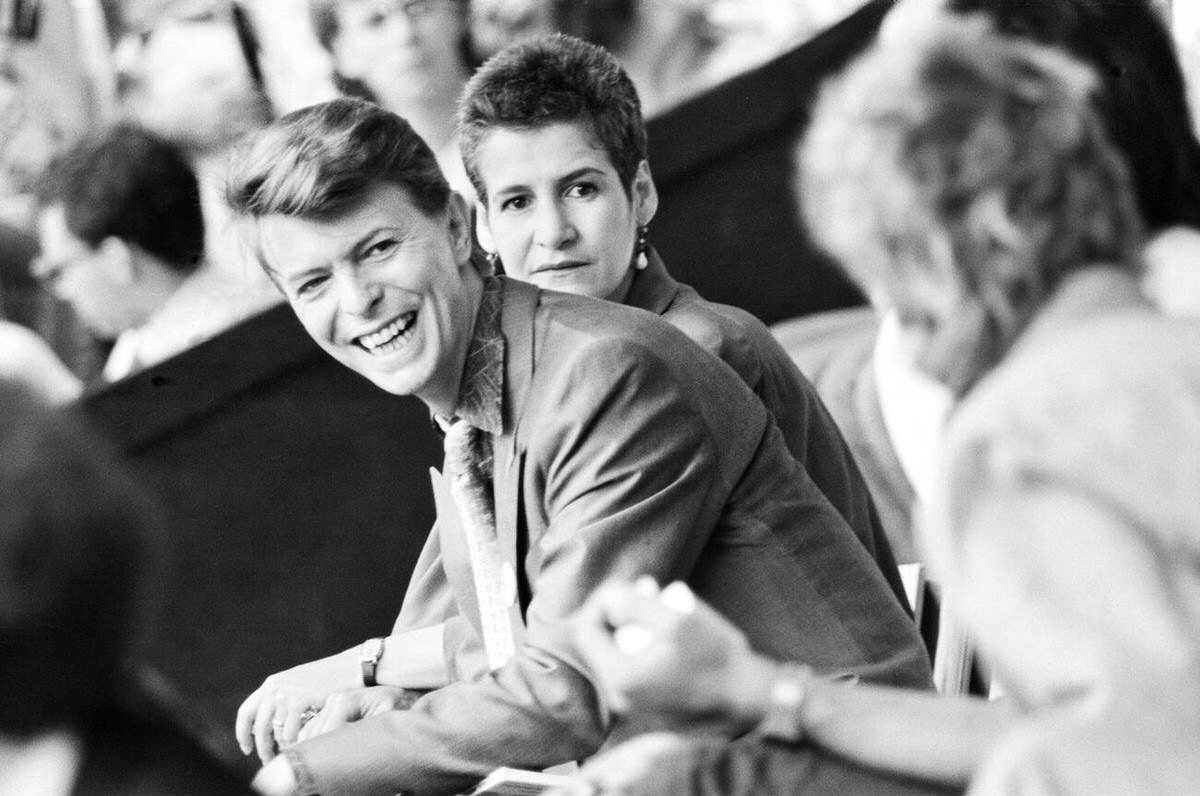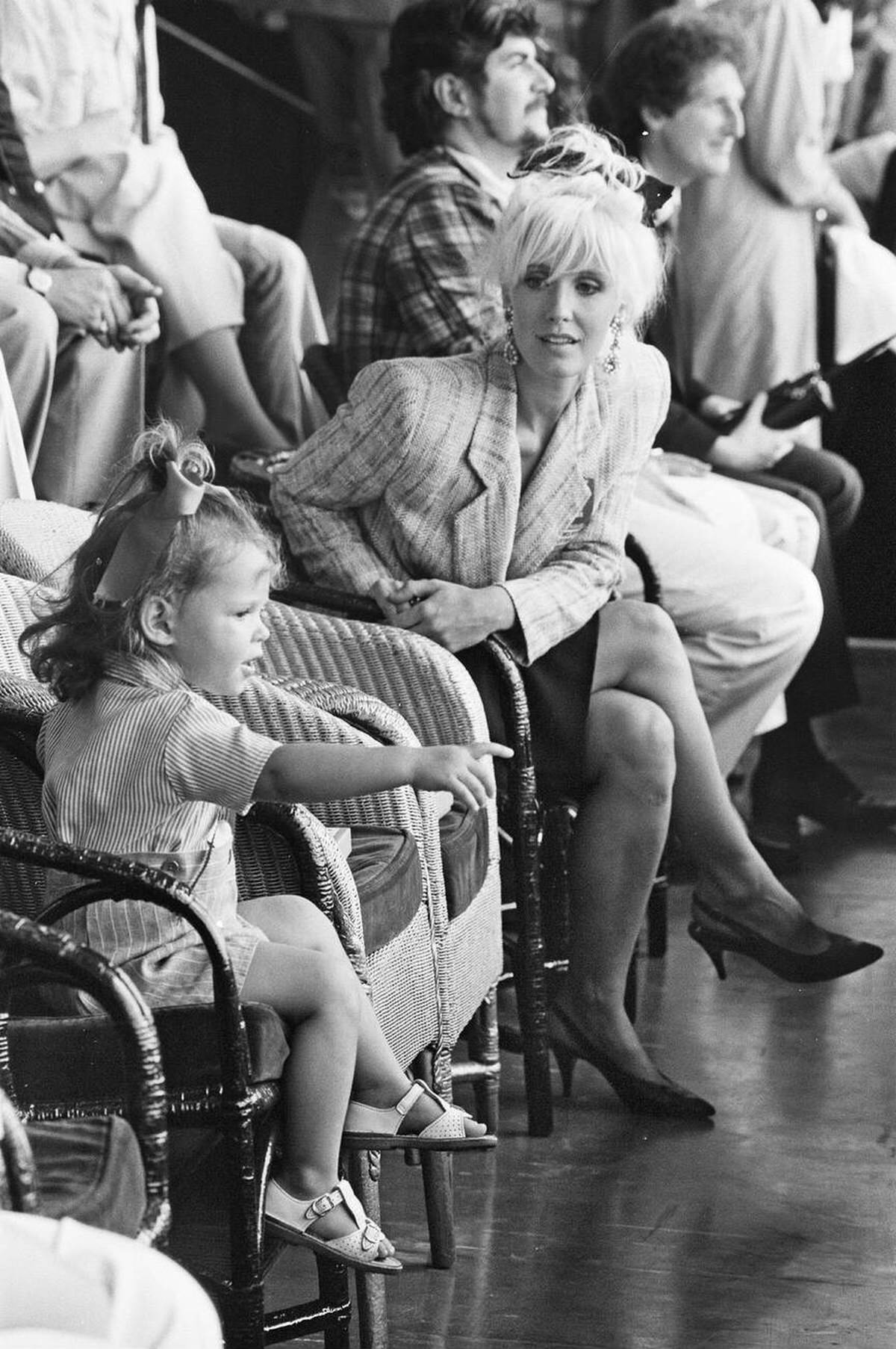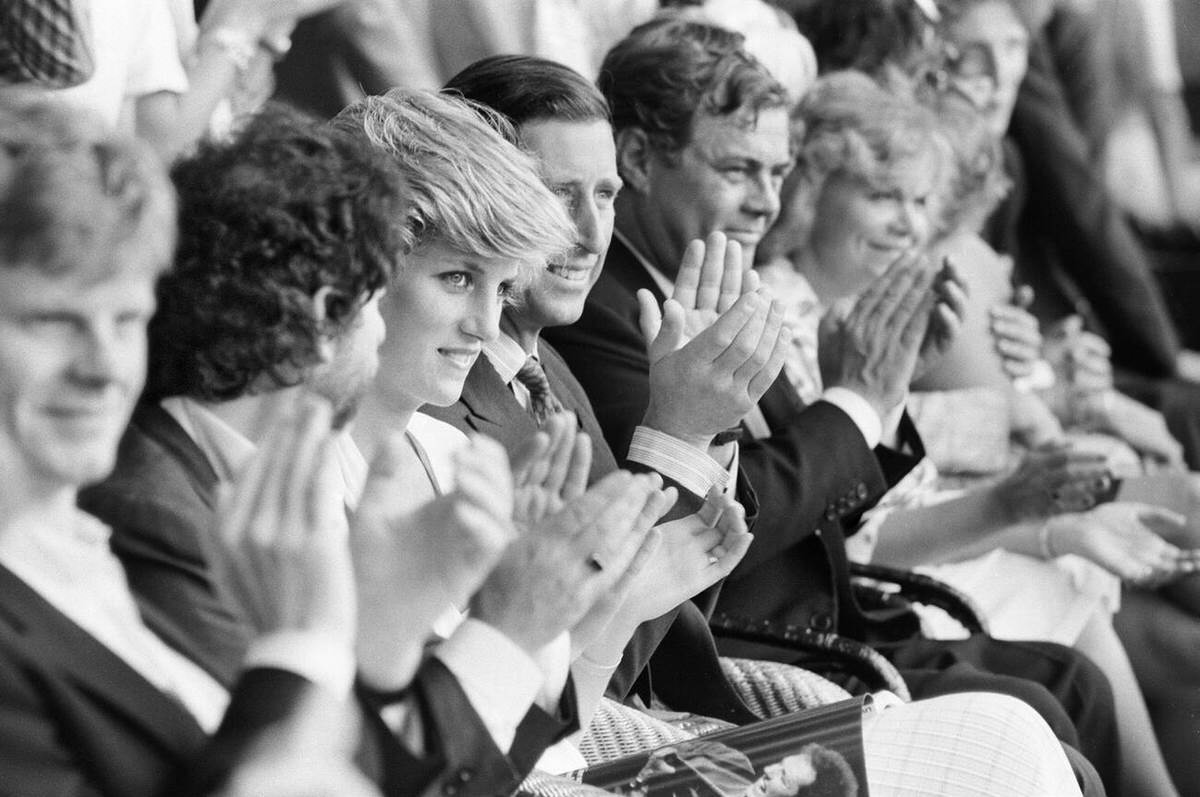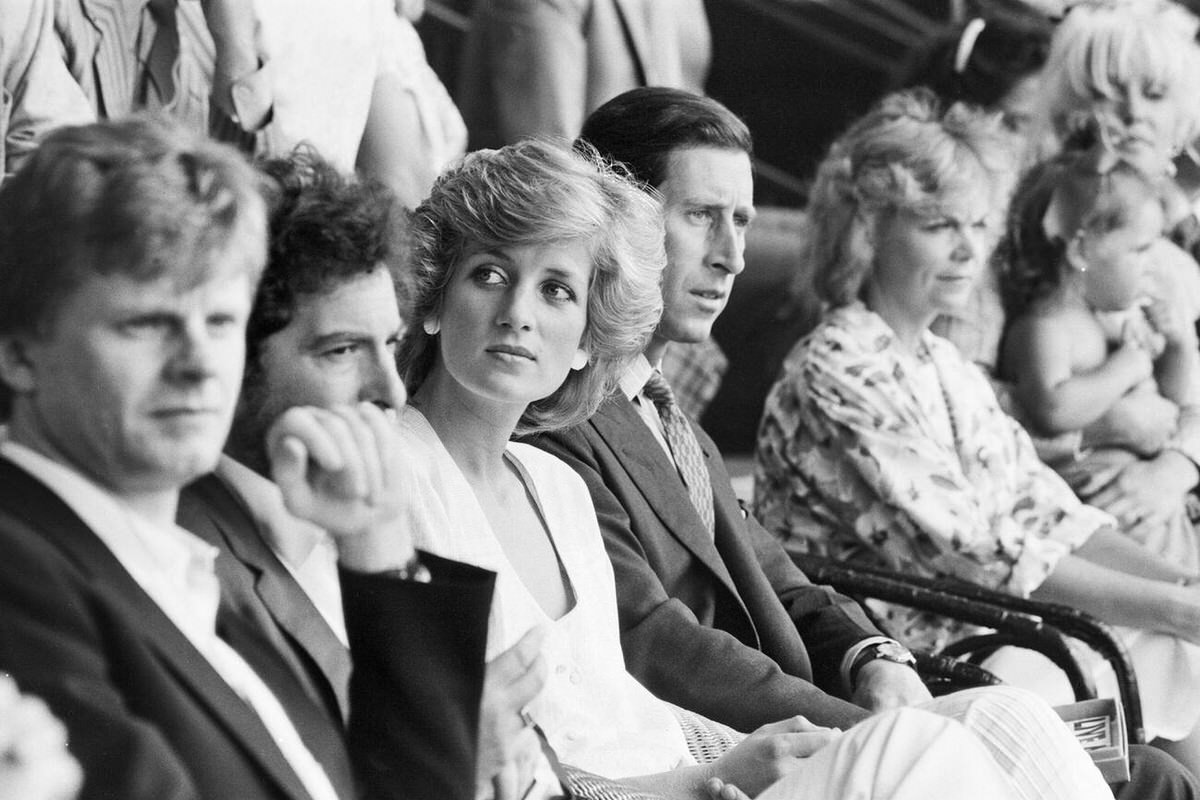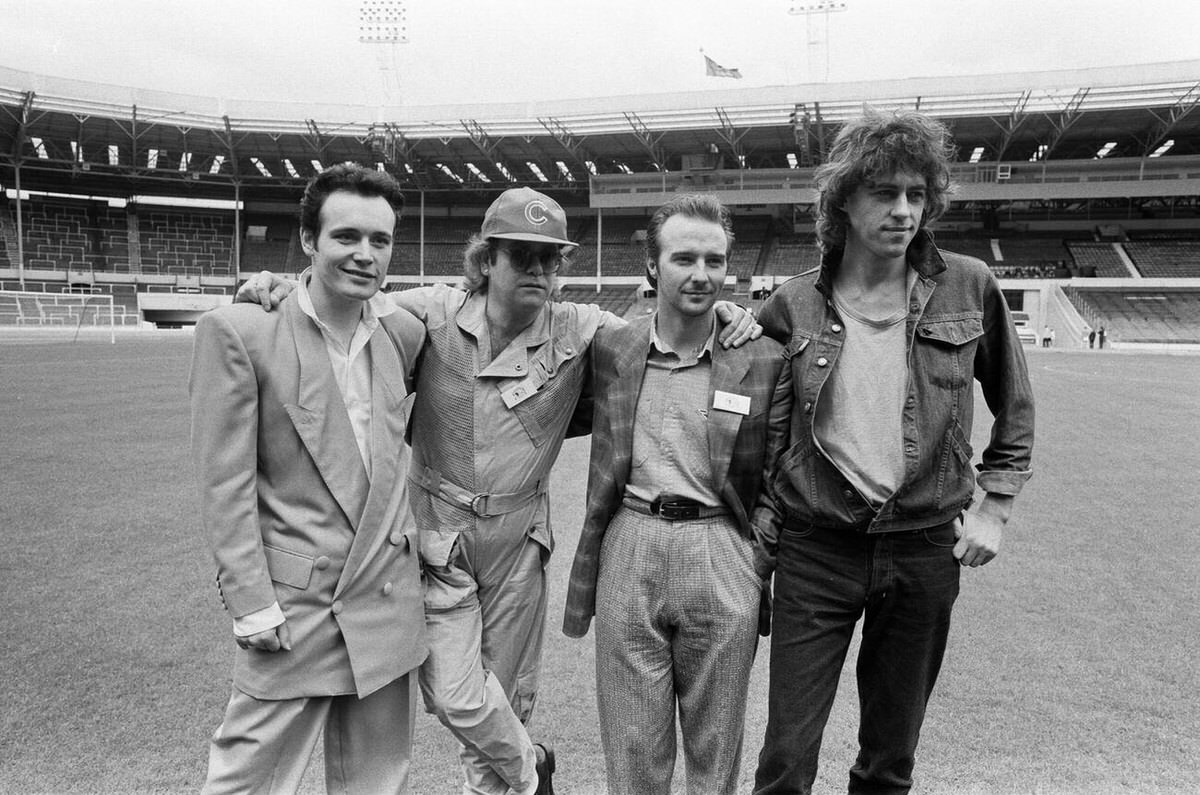

On July 13, 1985, two concerts ran simultaneously on opposite sides of the Atlantic. Wembley Stadium in London held 72,000 people. JFK Stadium in Philadelphia held close to 100,000 more. An estimated 1.9 billion people watched on television across 150 countries. It was the largest live broadcast in history at that point, and it had been organized in under twelve weeks.
How It Came Together
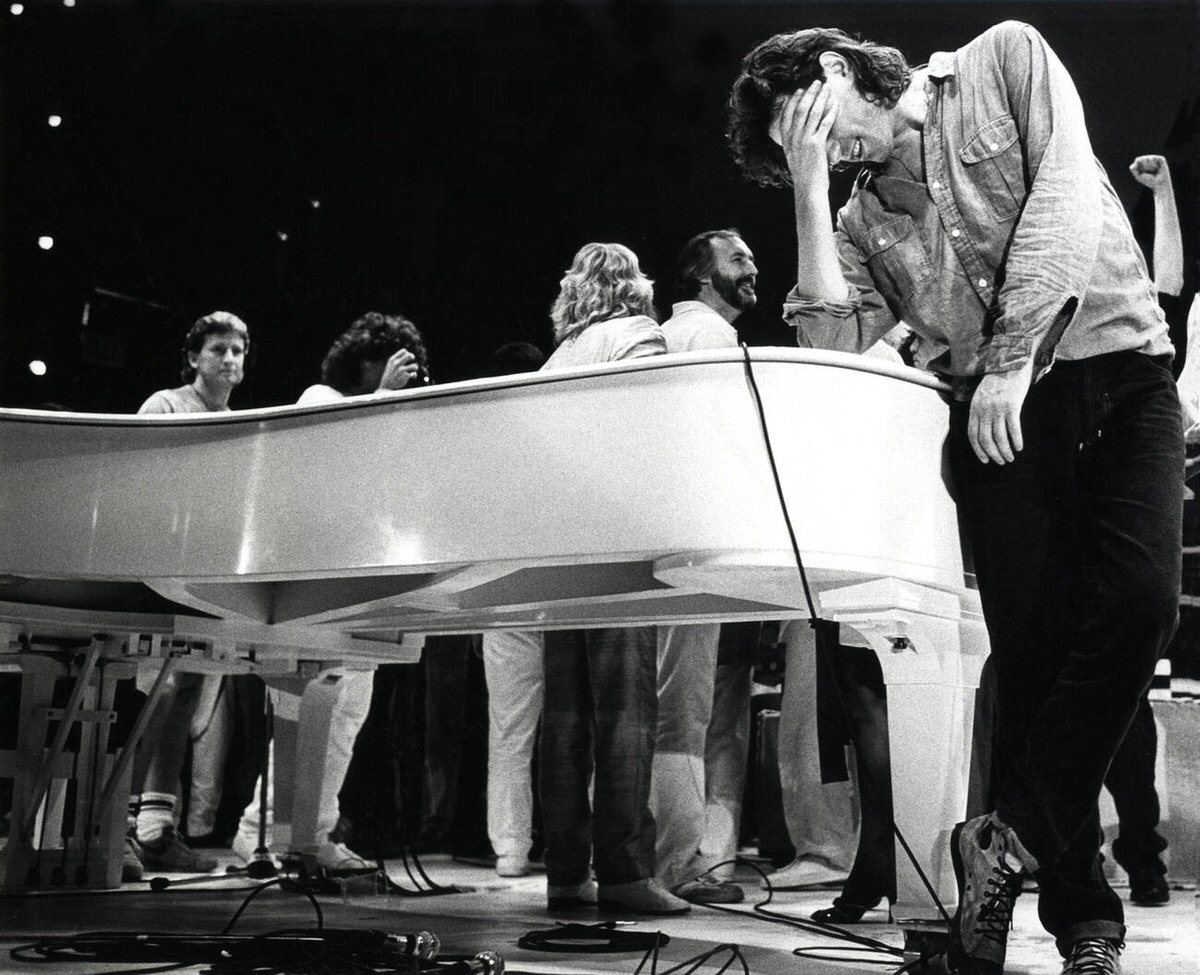
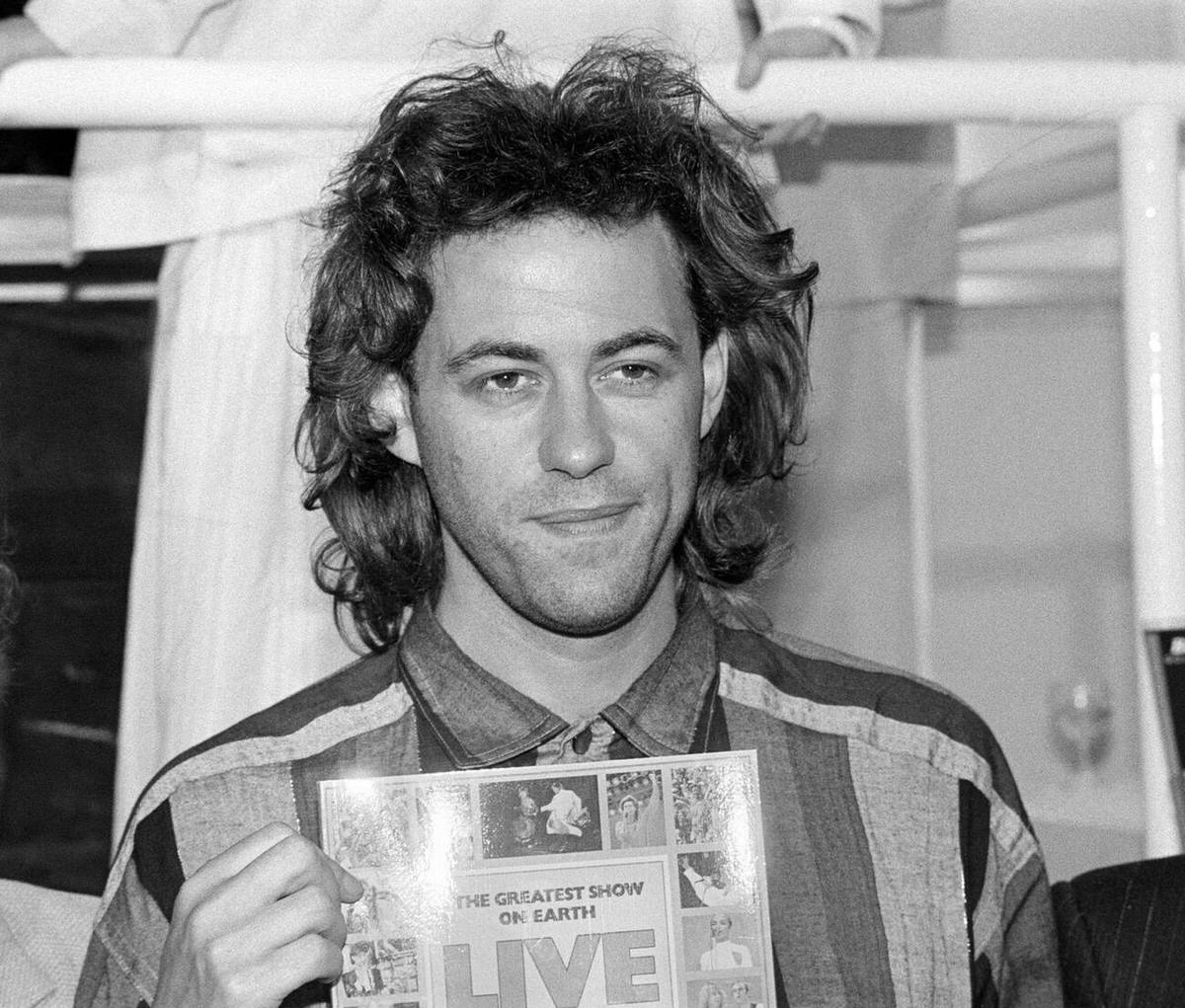
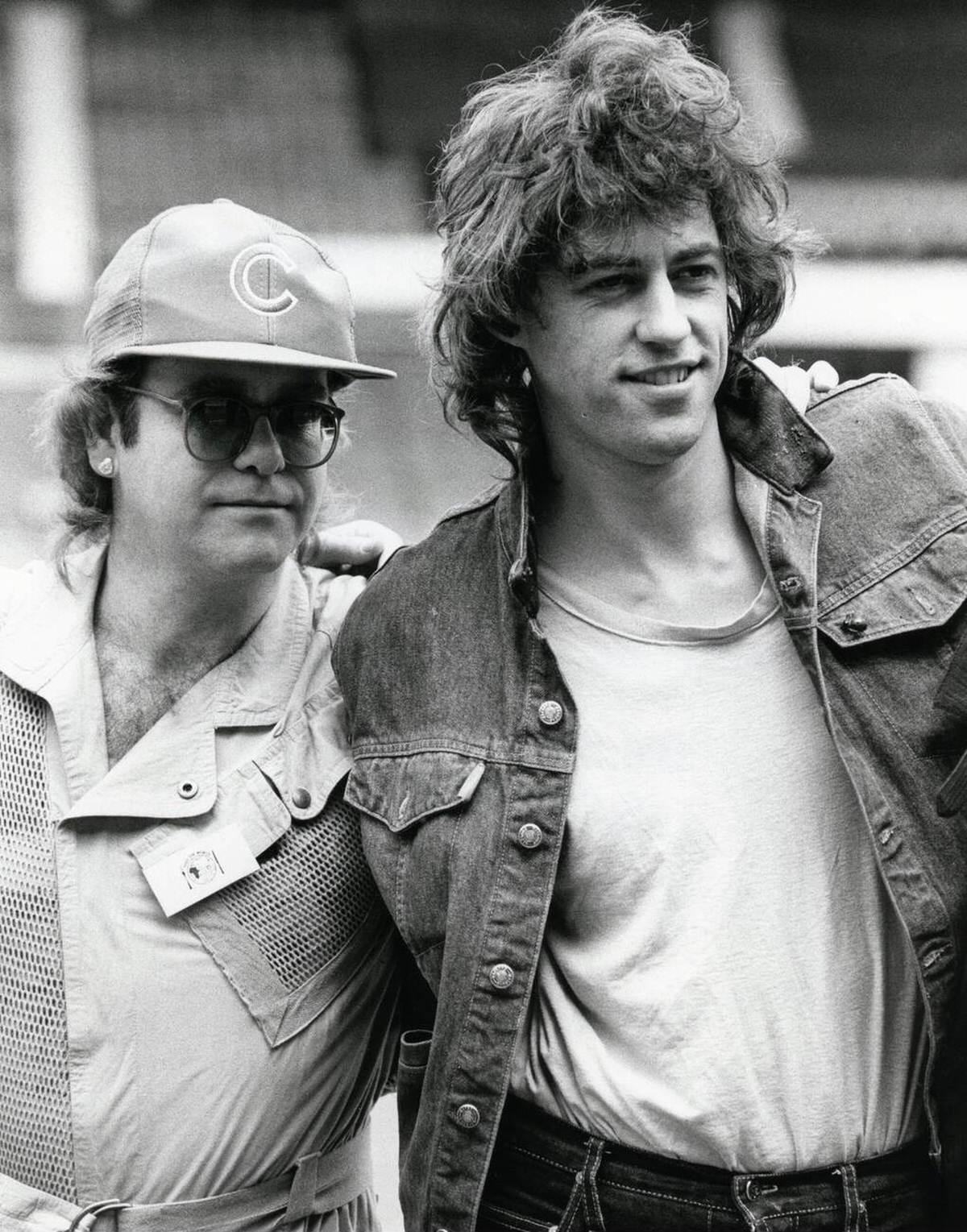
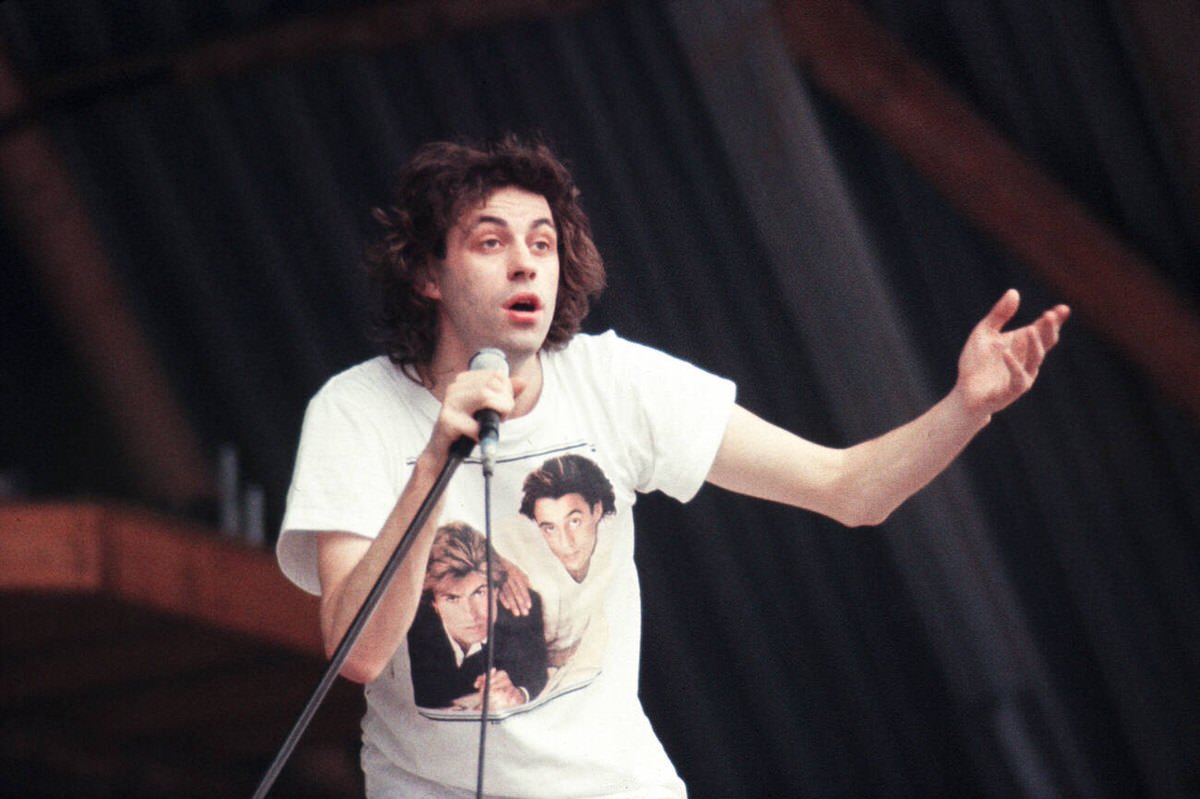
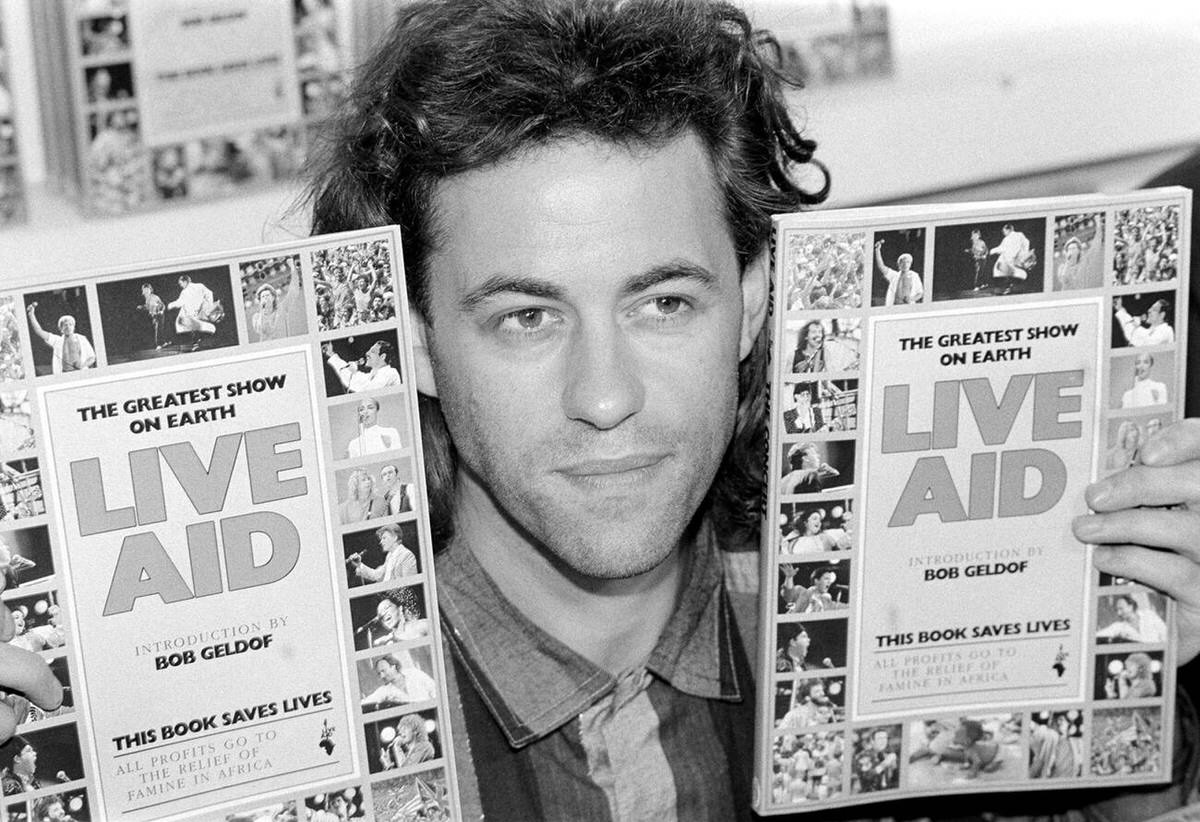
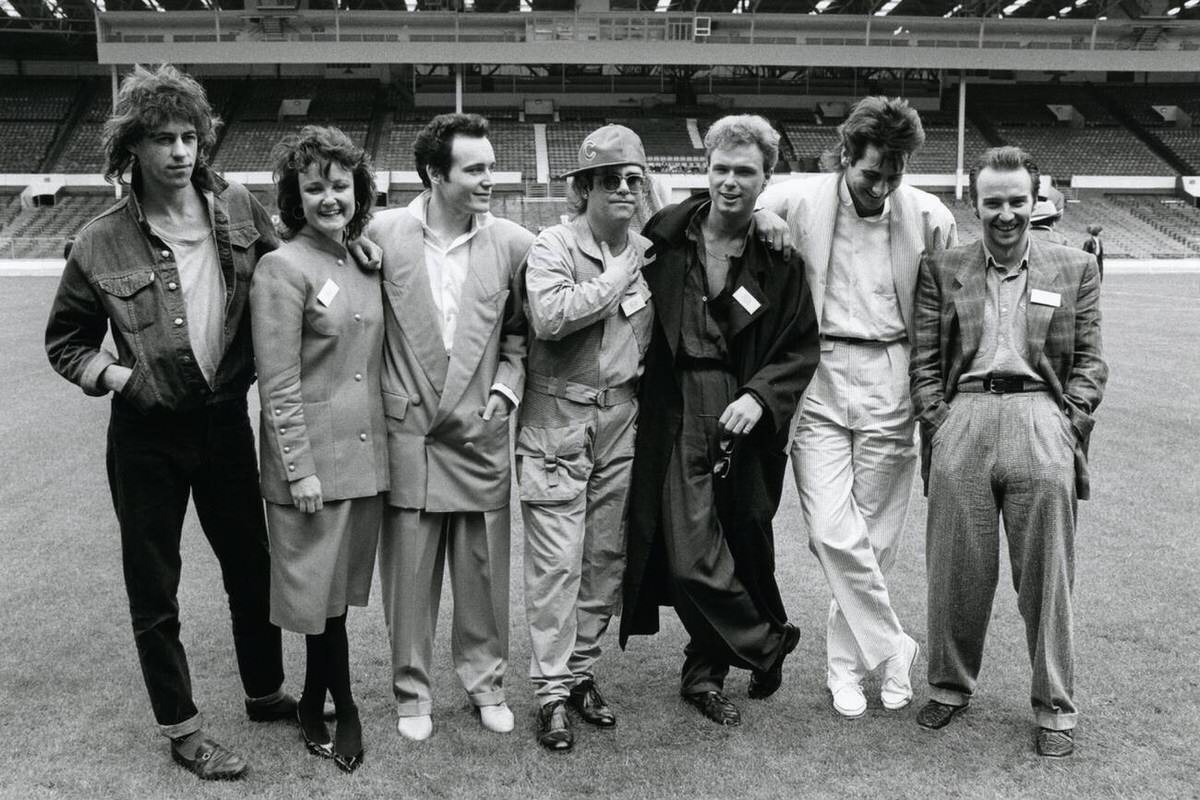
The driving force behind Live Aid was Bob Geldof, the Irish singer from the Boomtown Rats. In late 1984, he had watched a BBC news report by journalist Michael Buerk documenting the famine in Ethiopia. The footage showed mass starvation on a scale that was difficult to process. Geldof responded by organizing a charity single — “Do They Know It’s Christmas?” — with a group of British and Irish musicians under the name Band Aid. The single raised millions, but Geldof decided it wasn’t enough.
He and Ultravox frontman Midge Ure began planning a live concert event. Geldof called artists personally, pushed hard, and refused to take no for an answer. Within weeks, the biggest names in music had agreed to perform for free.
Read more..
The Wembley Show
The London concert opened at noon with Status Quo playing “Rockin’ All Over the World.” What followed was sixteen hours of back-to-back performances with a production turnaround between acts of under twenty minutes — an almost impossible logistical challenge that the crew executed with remarkable precision.
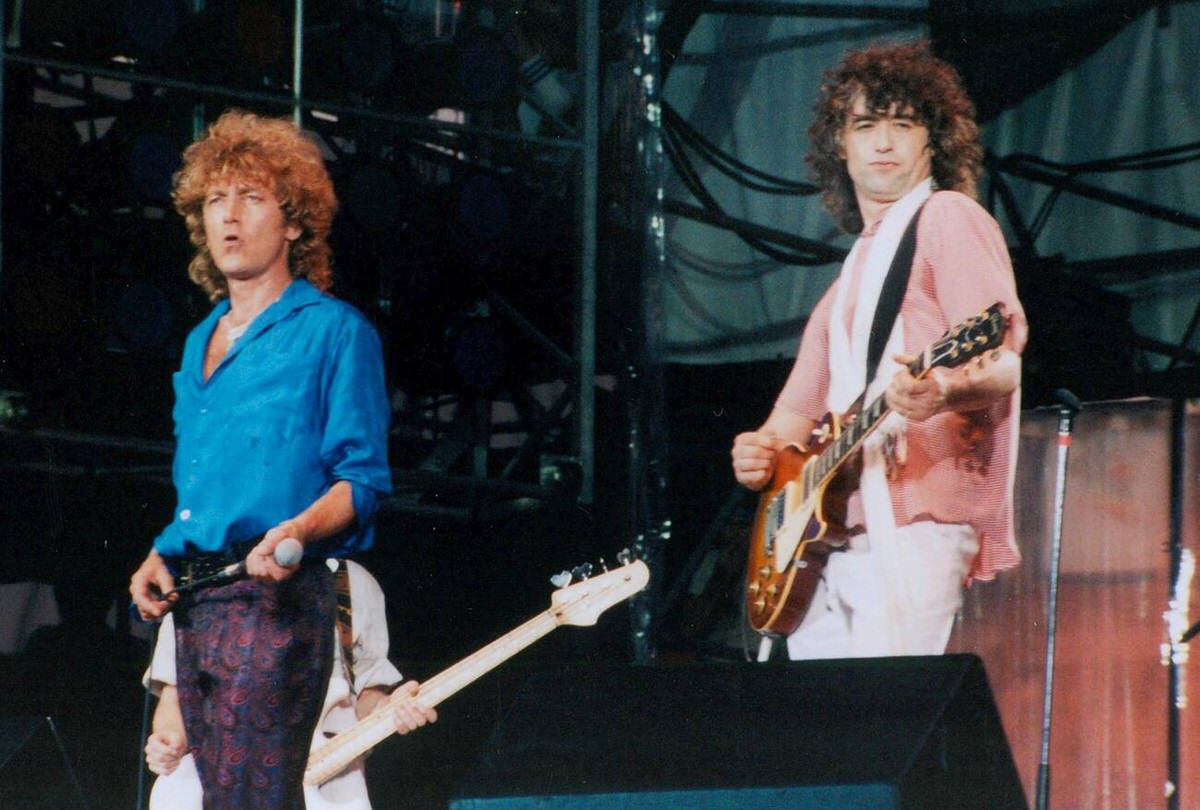
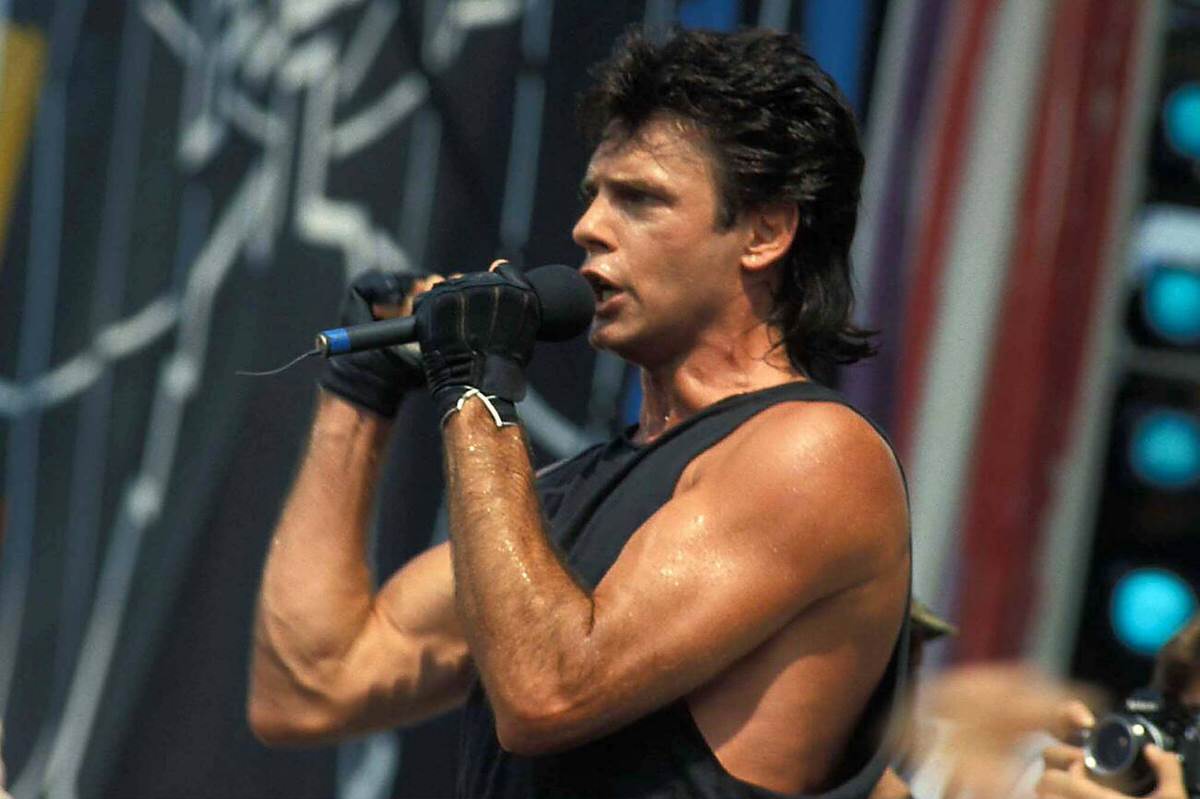
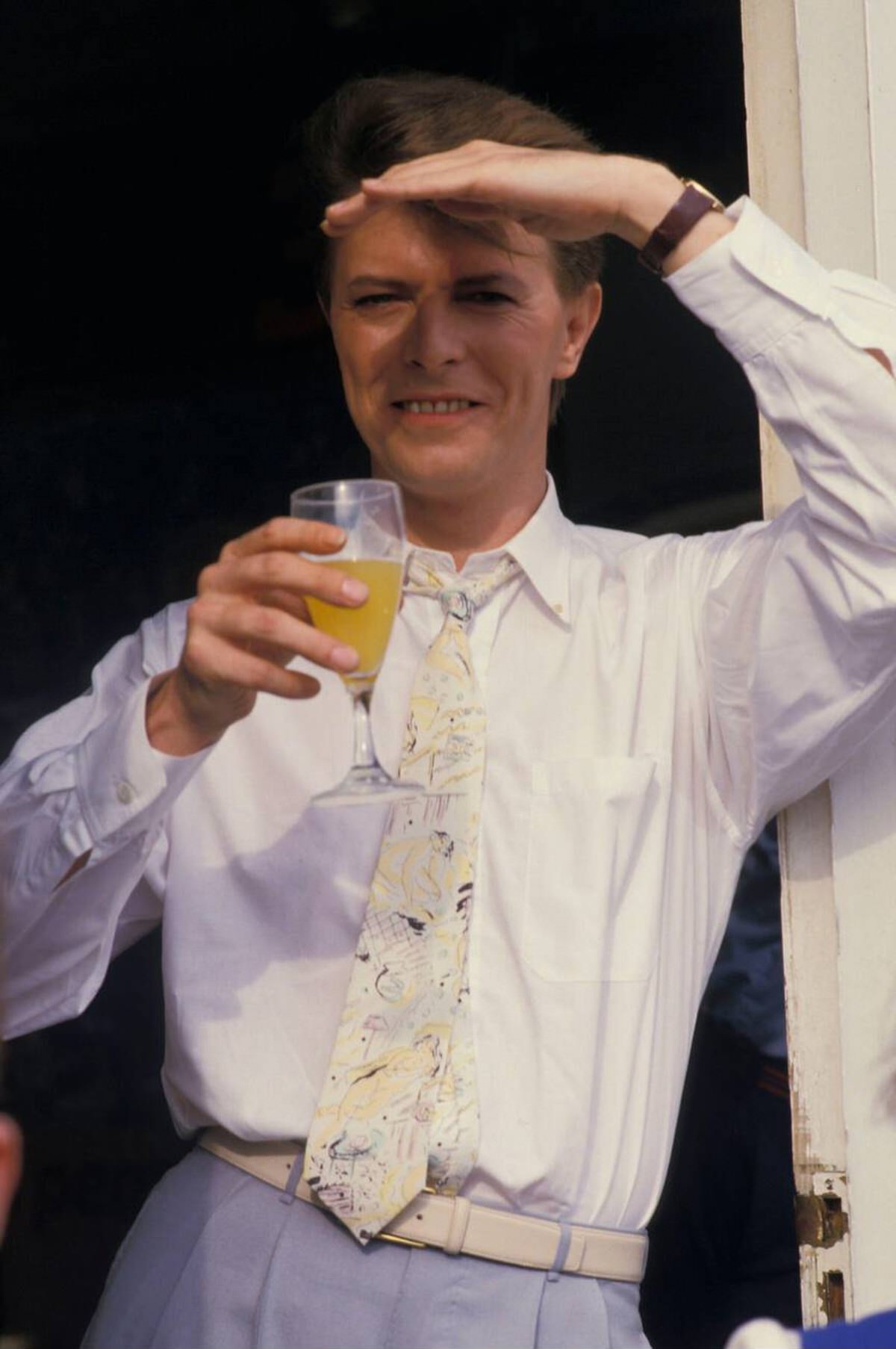
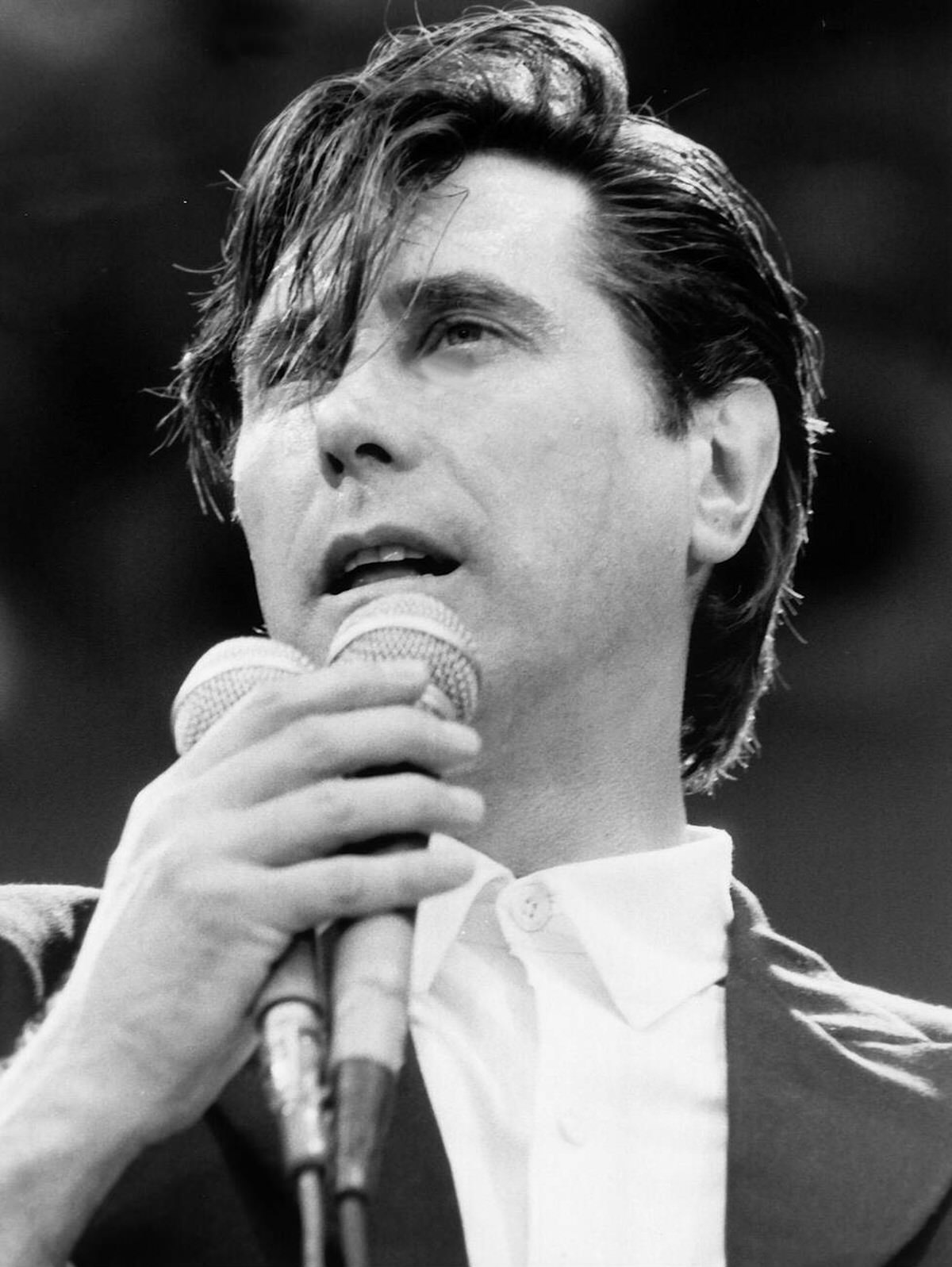
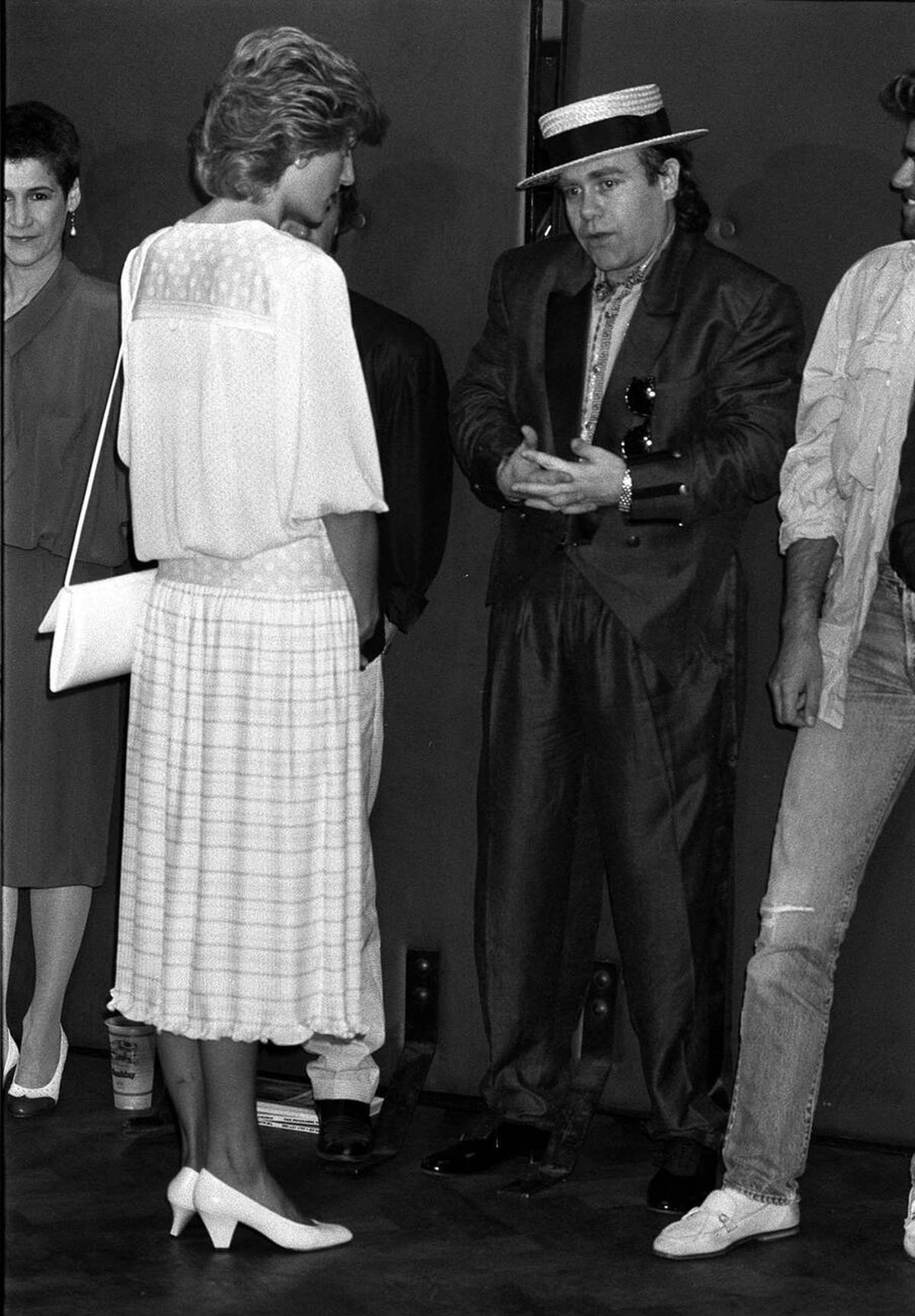
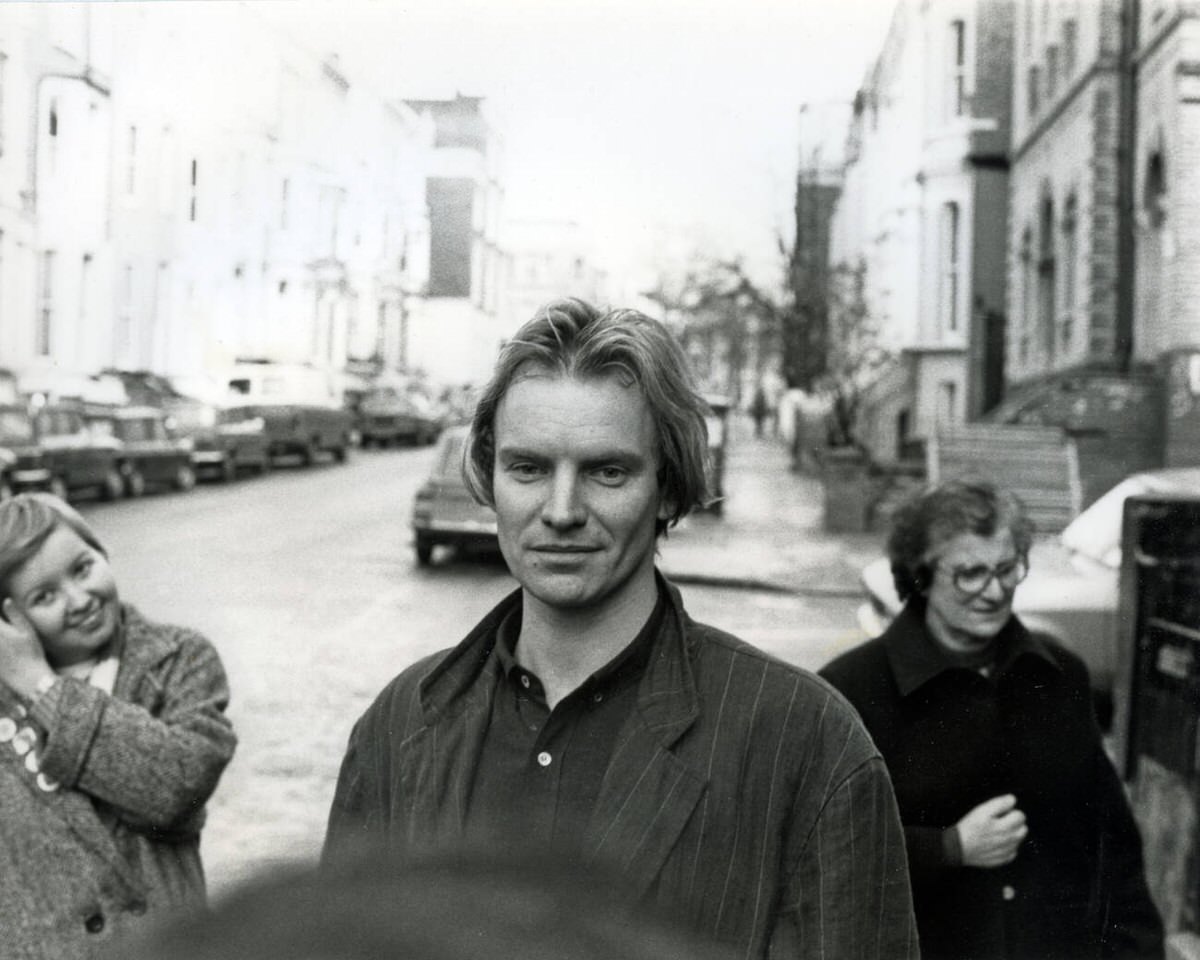
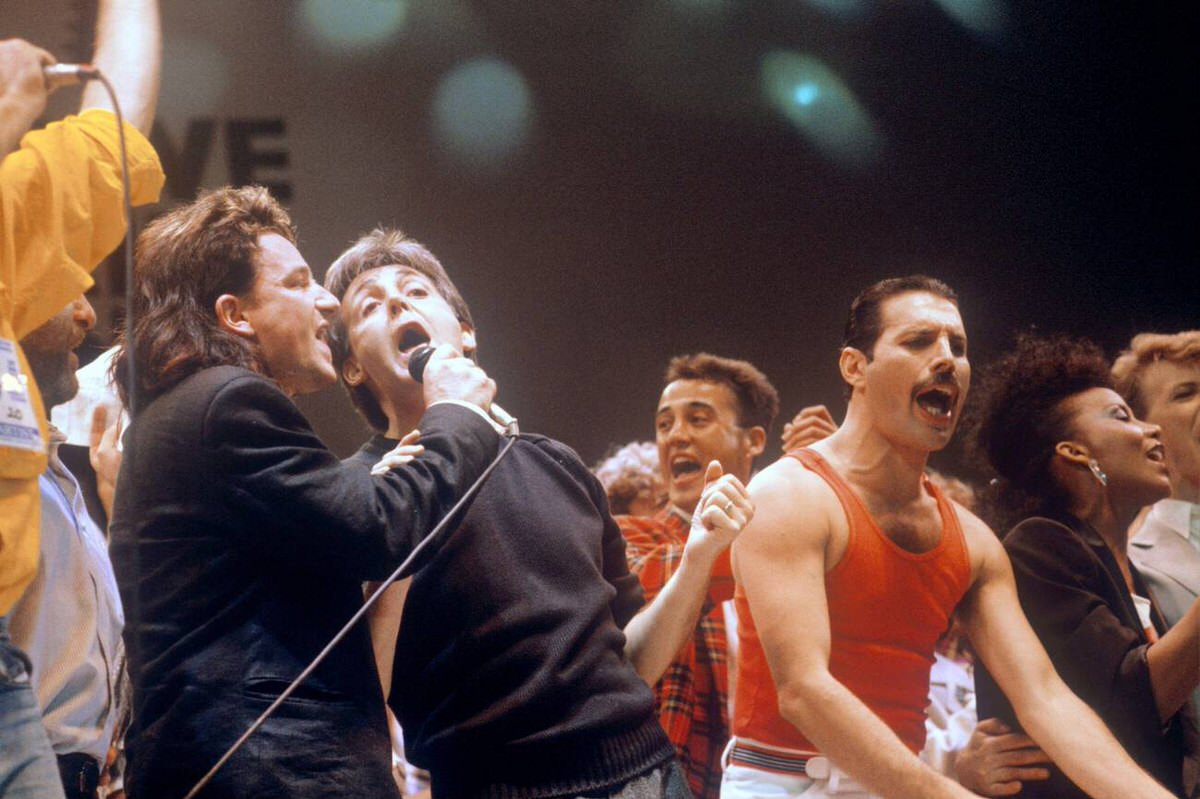
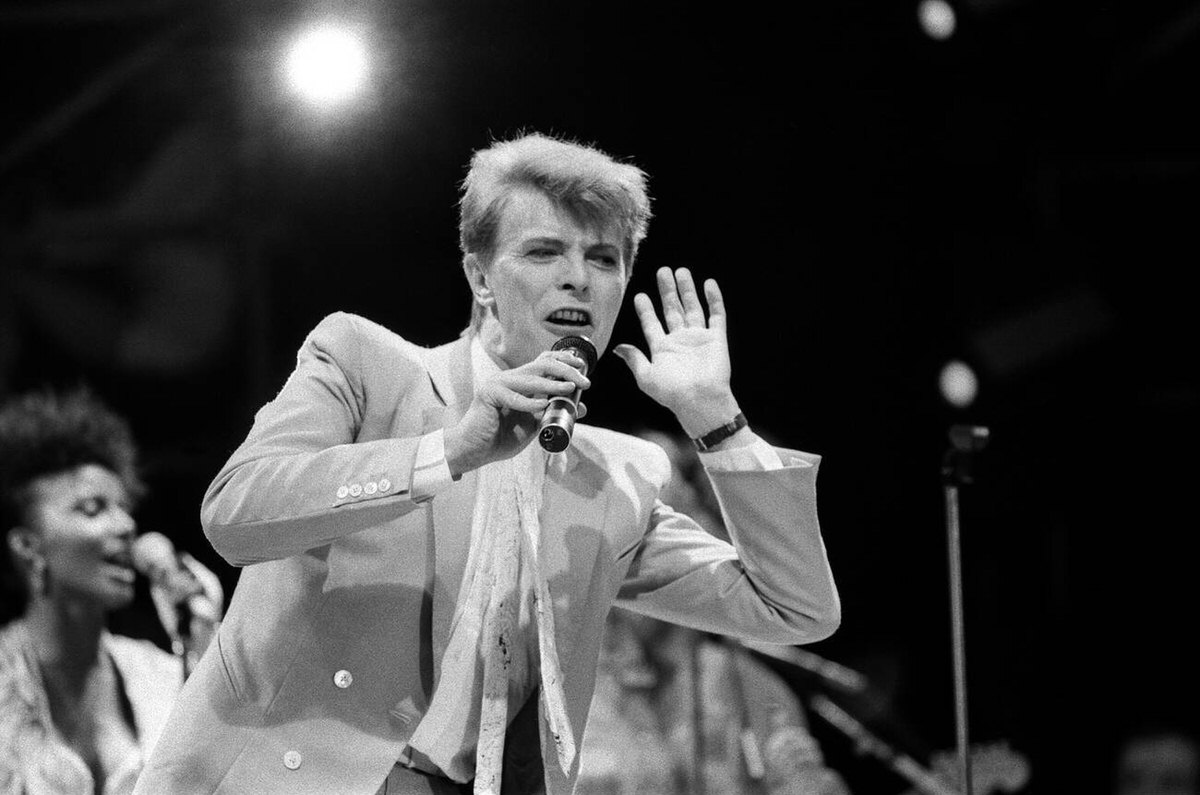
The lineup at Wembley included David Bowie, Paul McCartney, The Who, Elton John, U2, Dire Straits, Sting, and Queen. Each act was given approximately seventeen minutes on stage. Most artists played their biggest hits and left. The schedule was tight and almost nothing ran over.
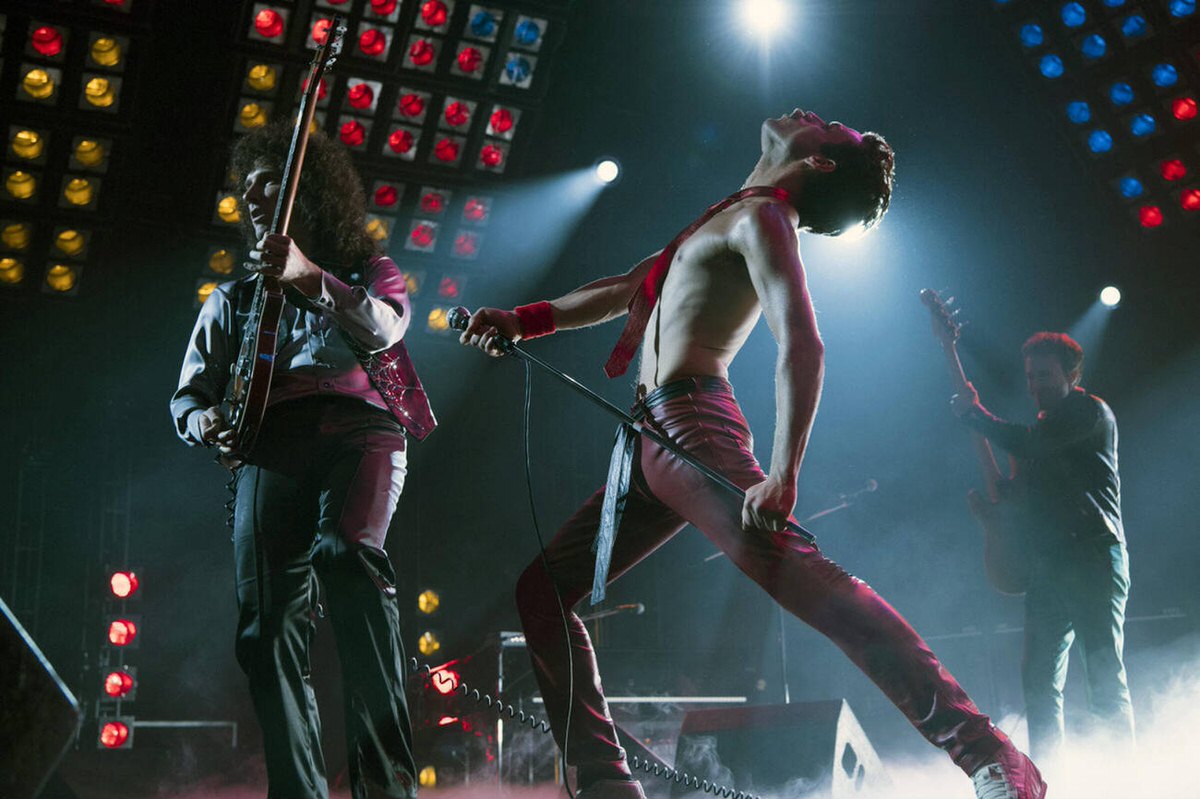
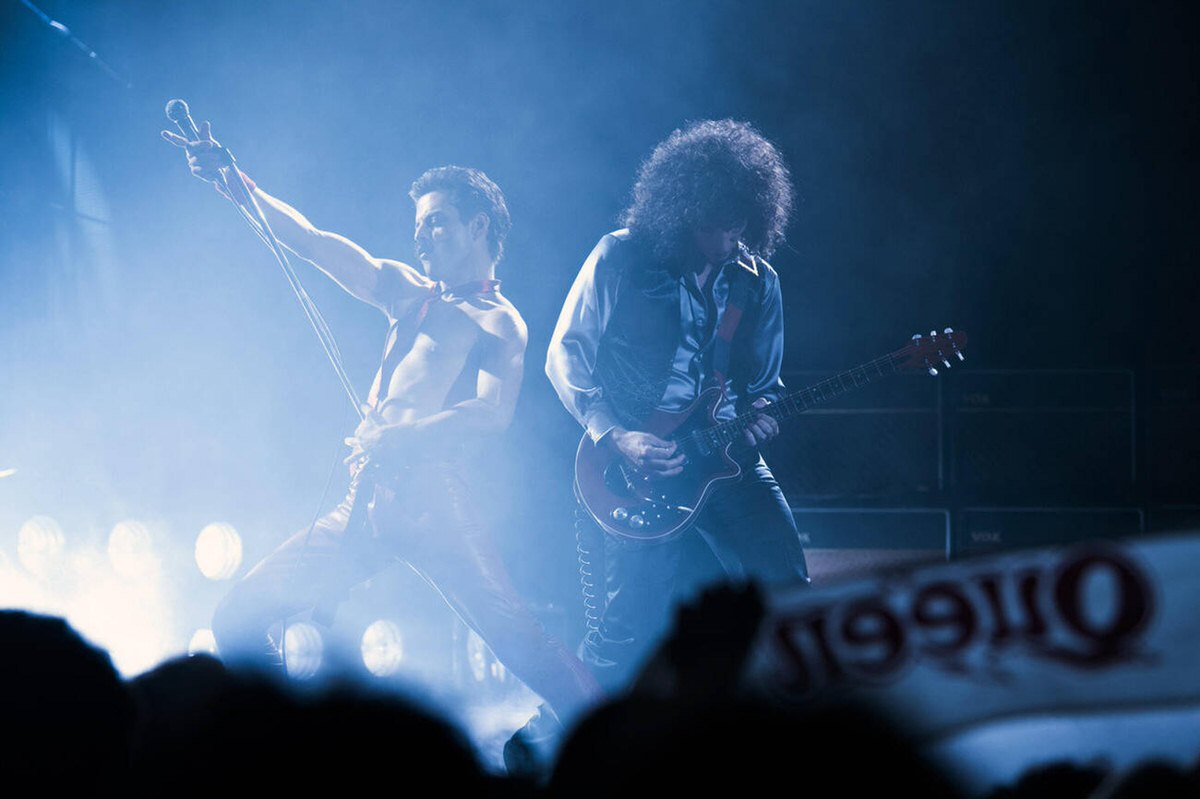
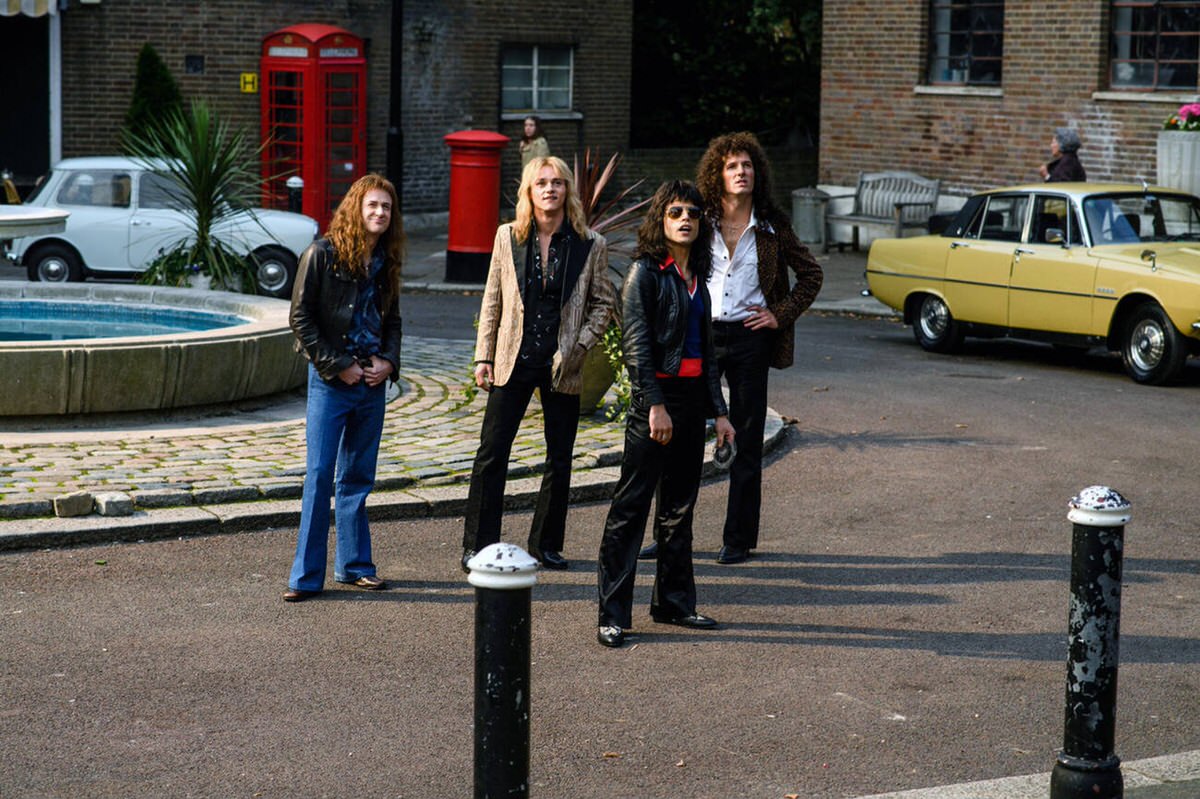
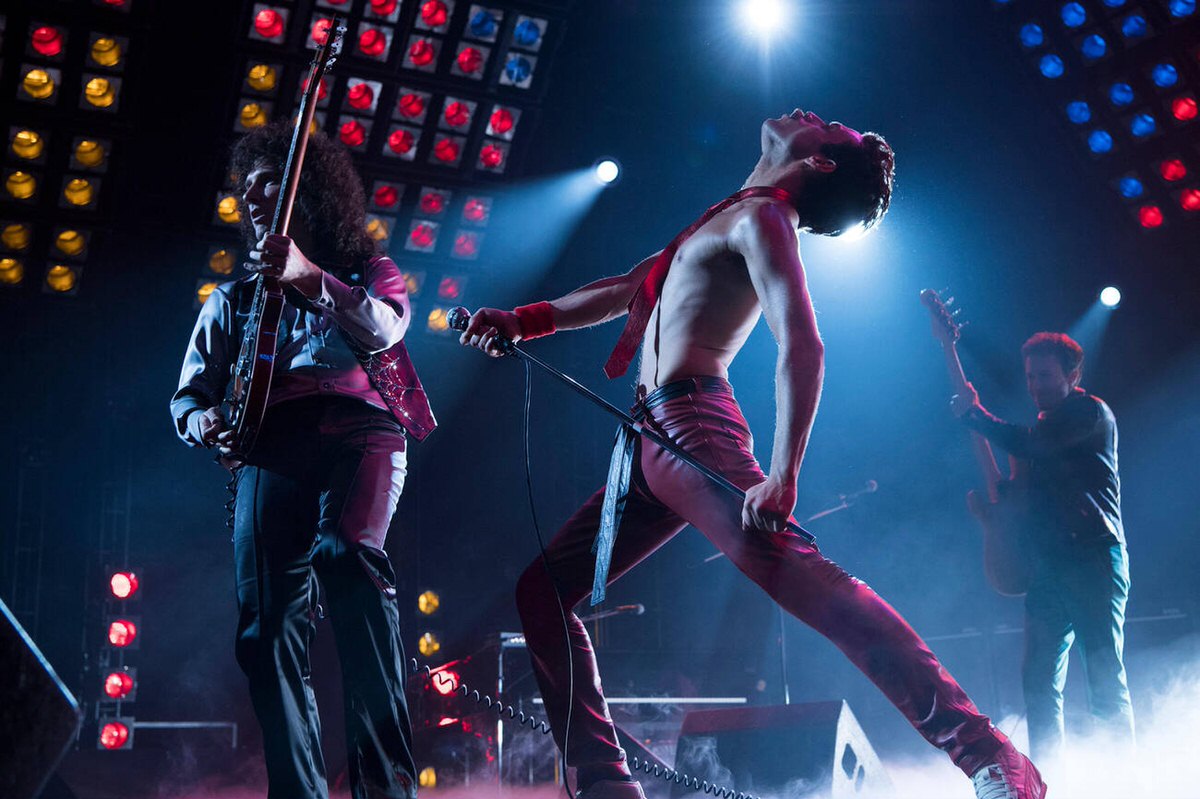
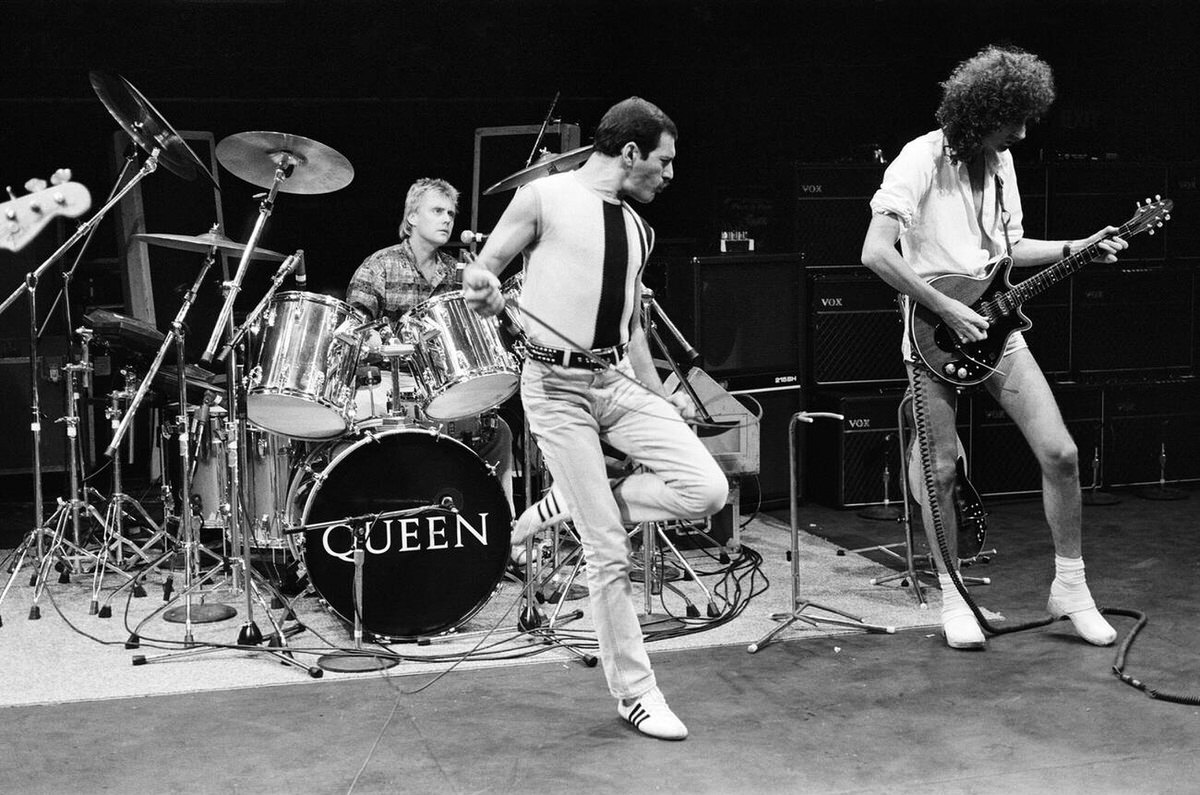
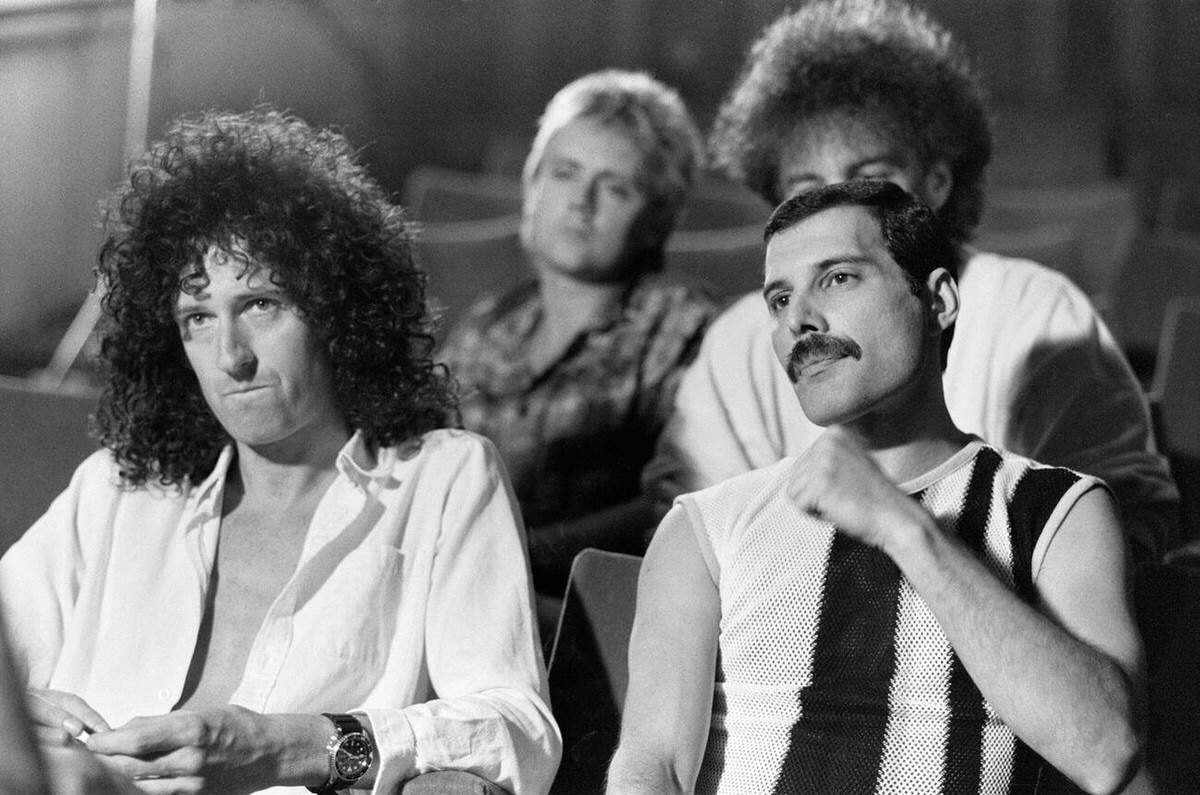
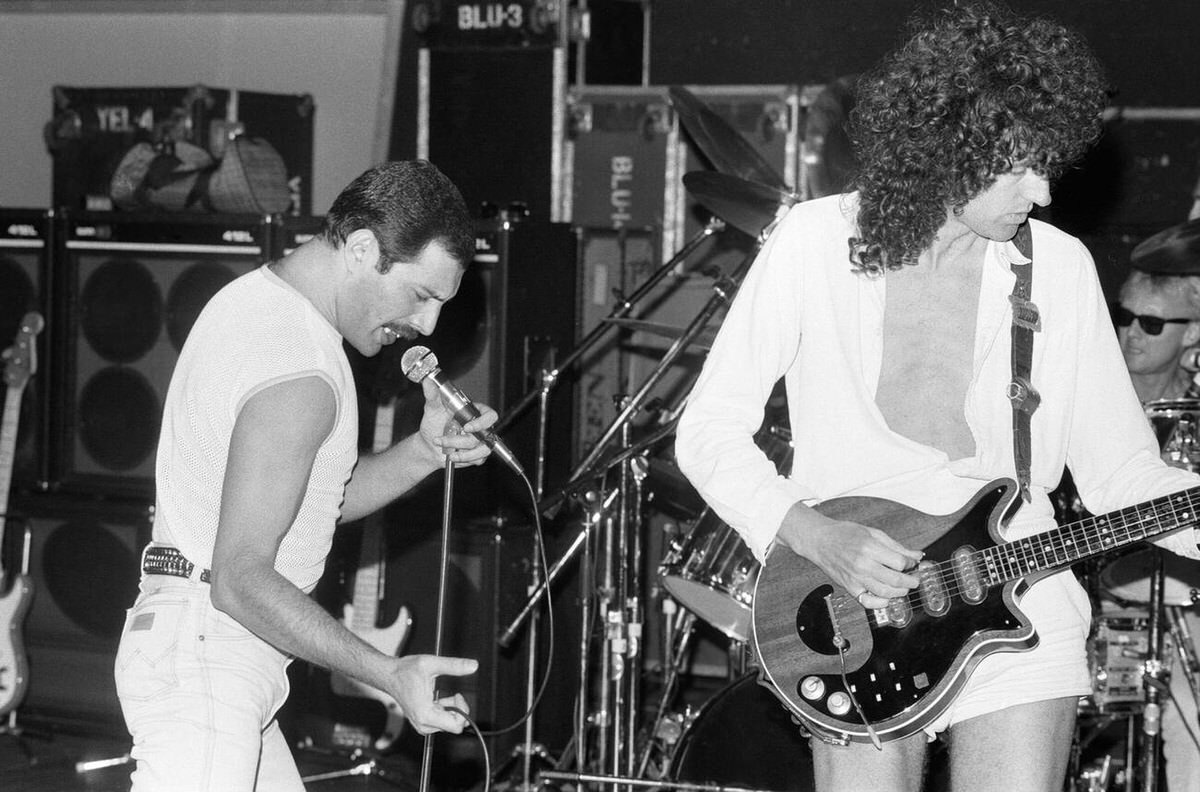
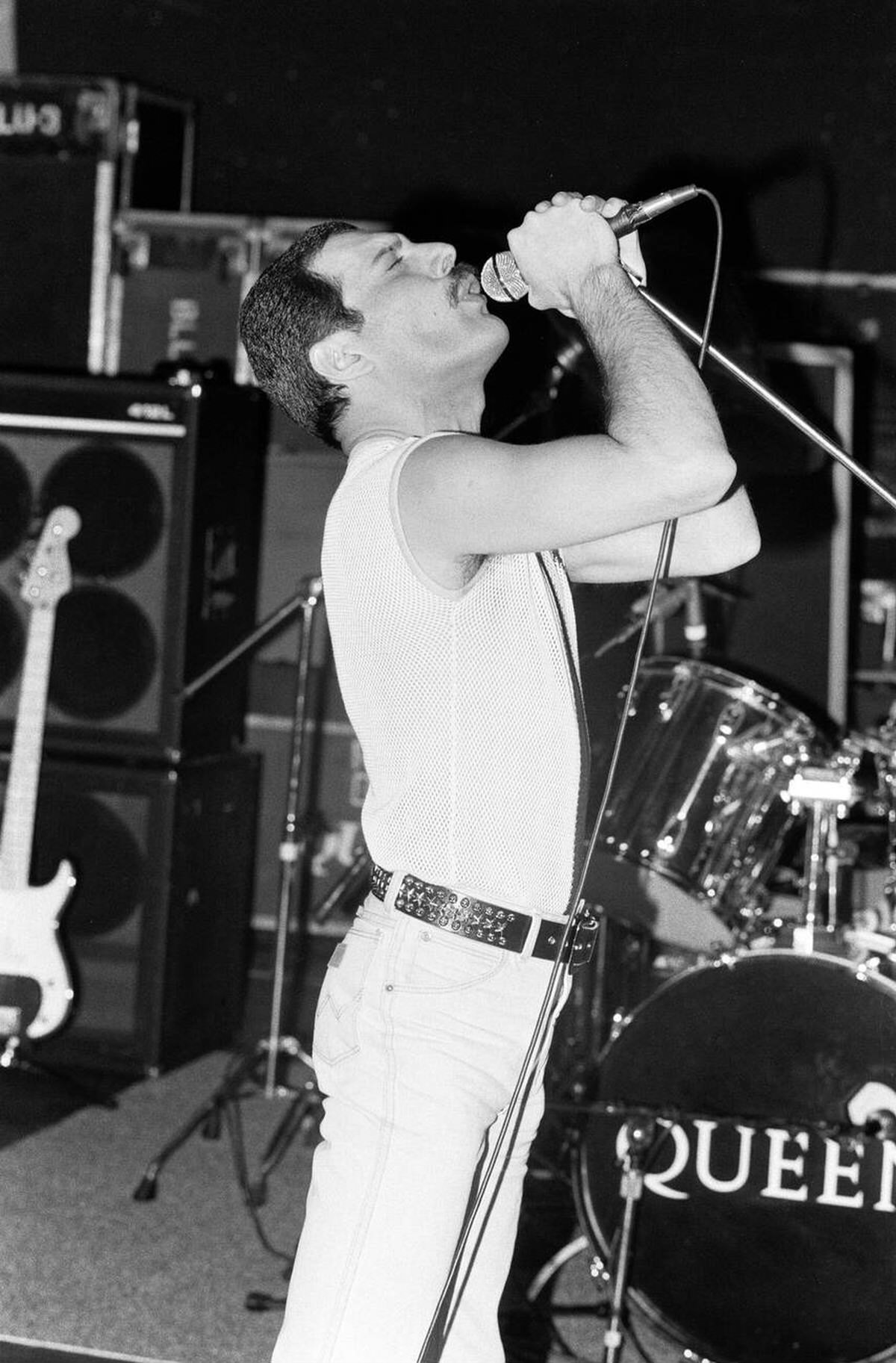
Queen didn’t follow the rules — and it worked completely in their favor. Freddie Mercury, Brian May, Roger Taylor, and John Deacon took the Wembley stage in the early evening and delivered a twenty-one minute set that started with “Bohemian Rhapsody” and didn’t let up. Mercury worked the crowd of 72,000 with the confidence of someone performing in a small club. The call-and-response section alone, where Mercury led the entire stadium through a vocal improvisation, has since been voted the greatest live performance in rock history in multiple polls.
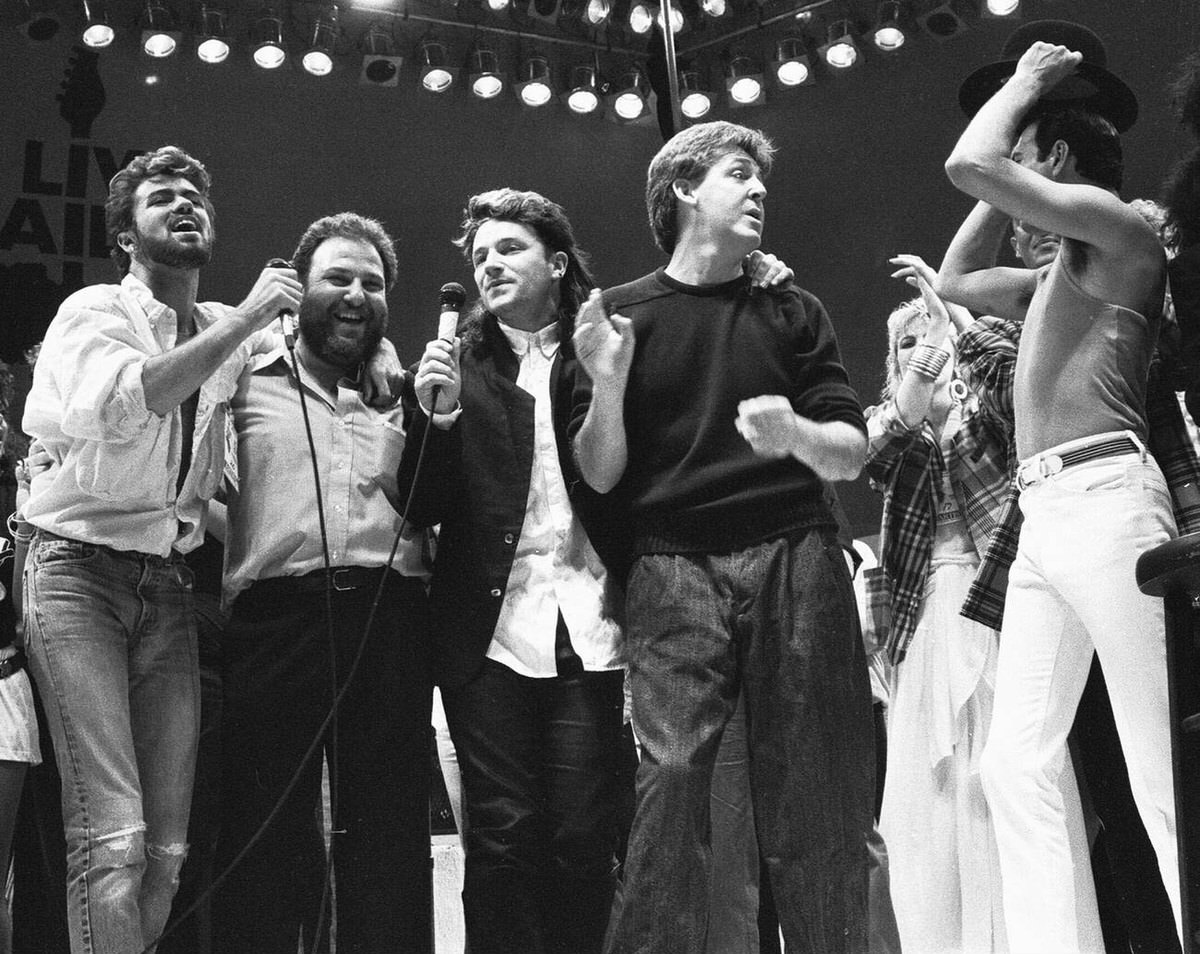
Paul McCartney closed the Wembley show. His microphone failed for the first minute of “Let It Be,” one of the most watched songs of the entire broadcast. The crowd sang it anyway.
The Philadelphia Side
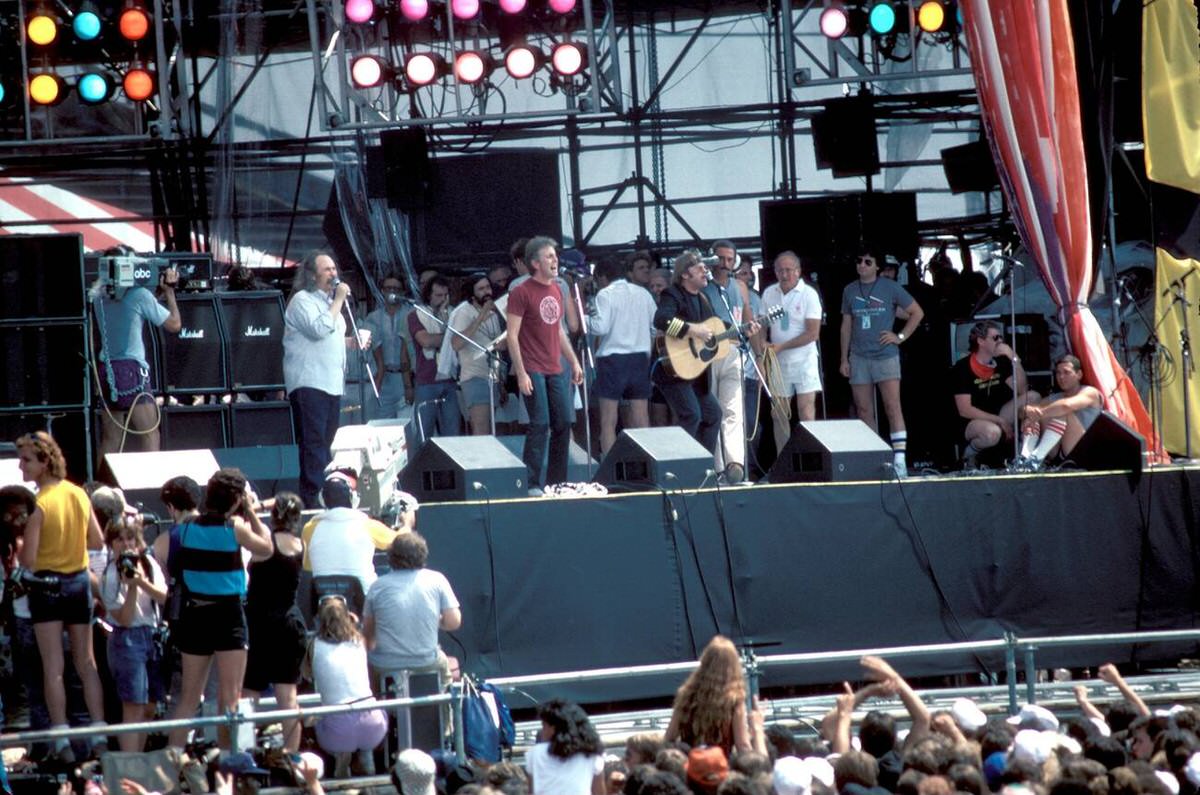
While Wembley ran through the afternoon and evening, the Philadelphia show featured its own extraordinary lineup. Run-DMC, Patti LaBelle, Mick Jagger, Tina Turner, Bob Dylan, and Neil Young all performed. Mick Jagger’s performance with Tina Turner became one of the most talked-about moments of the American show.
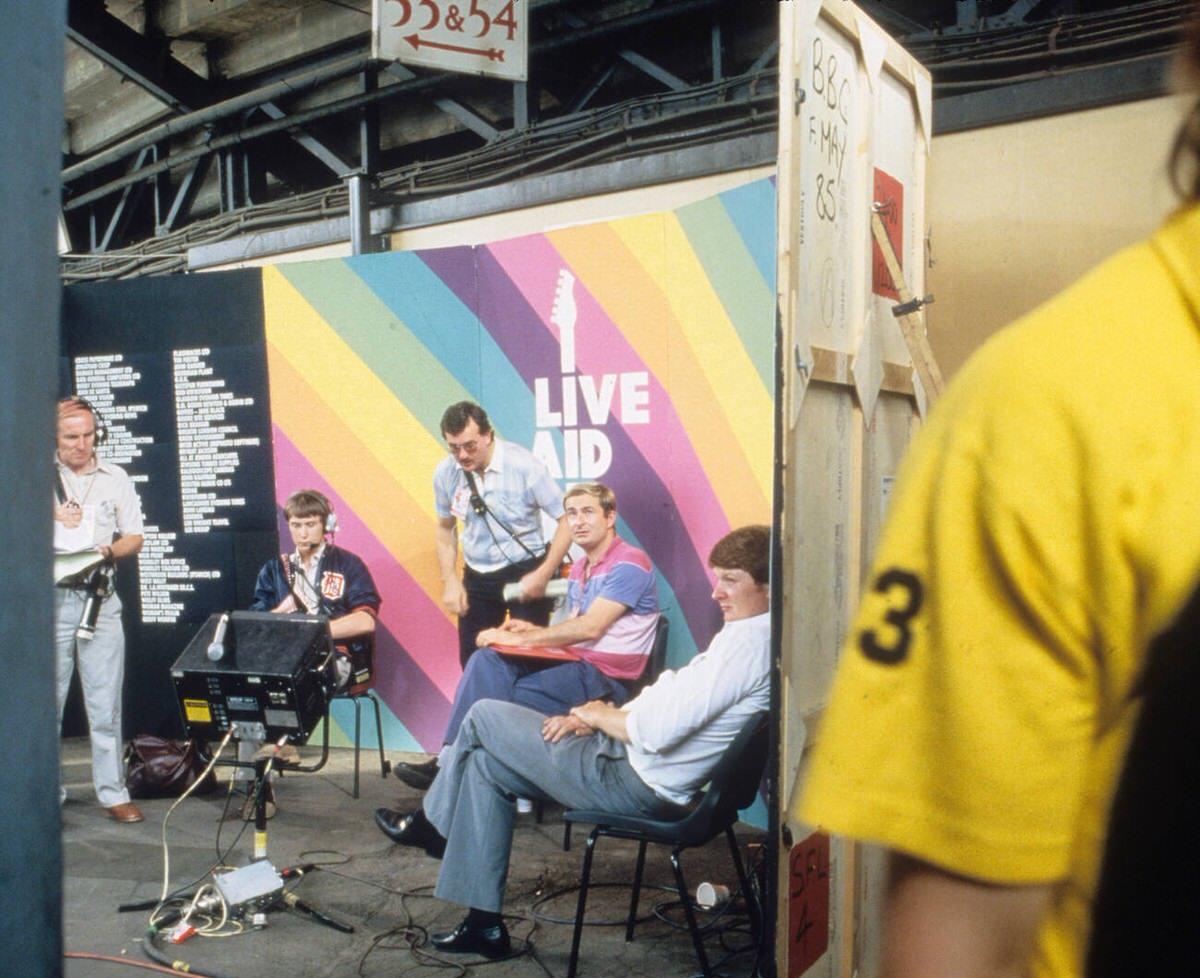
The two concerts were linked by satellite, with presenters switching between London and Philadelphia throughout the broadcast. The coordination required between venues, broadcasters, and satellite operators across multiple time zones was entirely new territory for live television production.
The Numbers
Live Aid raised approximately $127 million for Ethiopian famine relief. The money was channeled through the Band Aid Trust and distributed through aid organizations working on the ground in Africa. The logistics of delivering aid in an active famine zone were complicated, and some of the distribution later faced scrutiny. But the scale of the fundraising — achieved in a single day through concert ticket sales, television pledges, and donations — was unlike anything that had been done before.
The concert proved that popular music had a reach that extended far beyond entertainment, and that artists performing for free in front of cameras could mobilize public generosity on a genuinely massive scale.