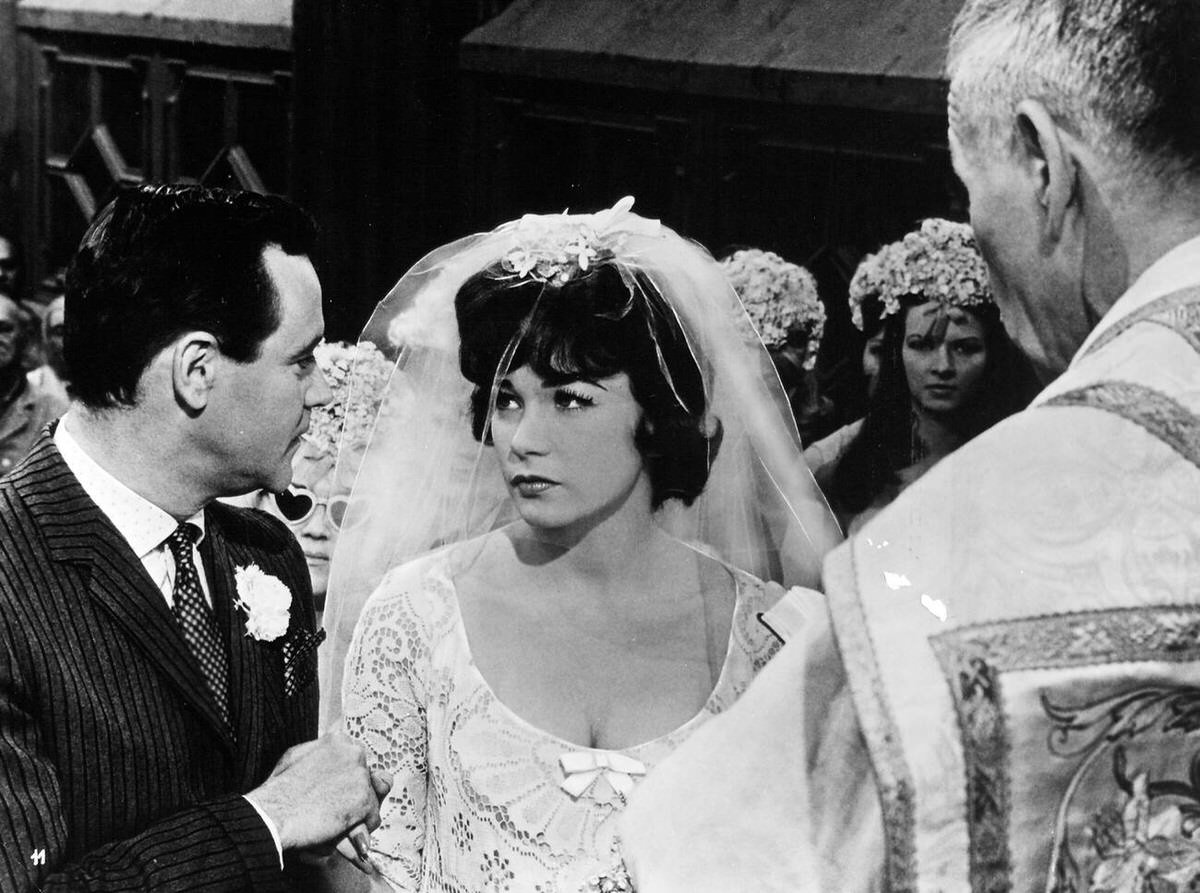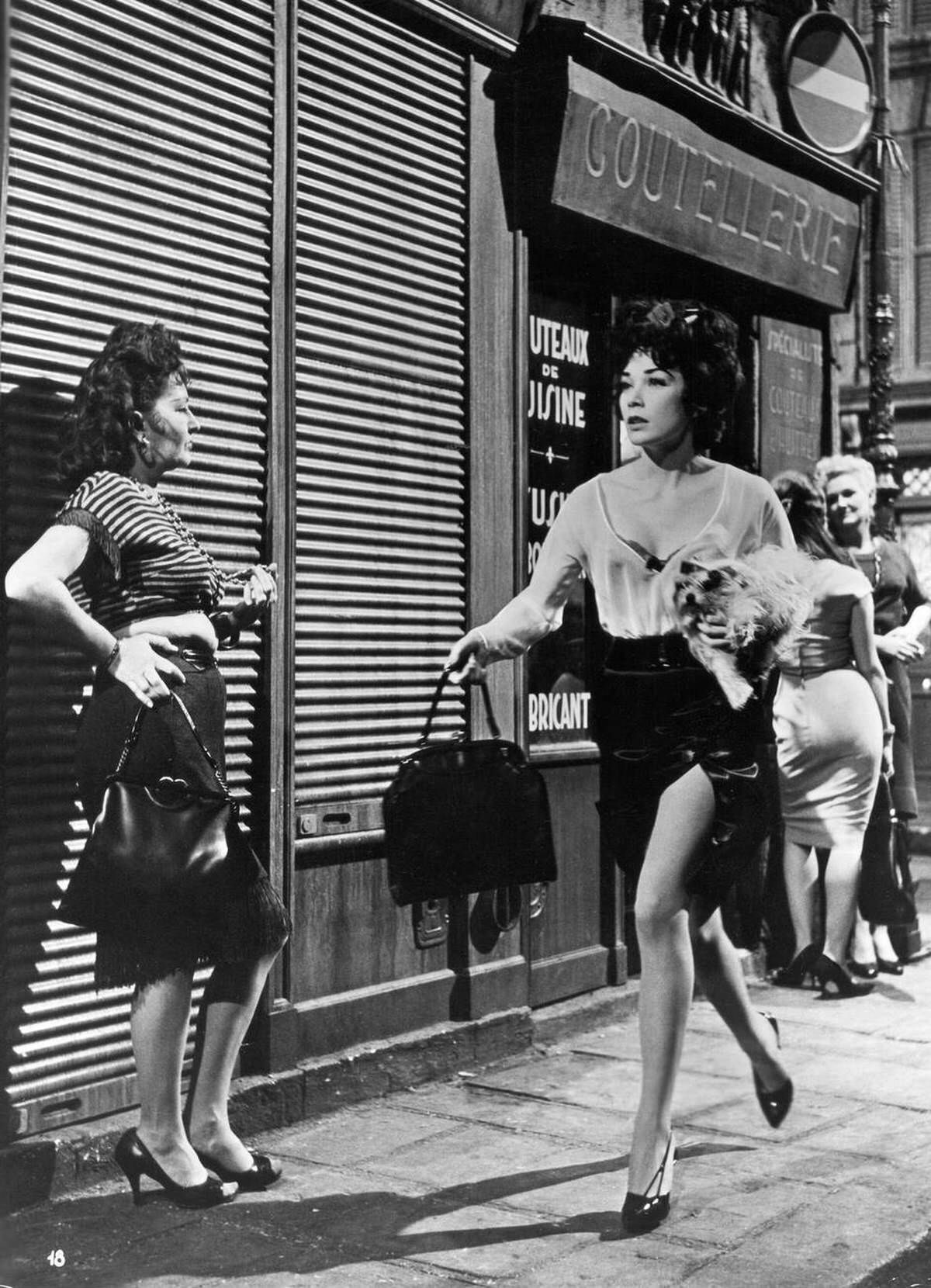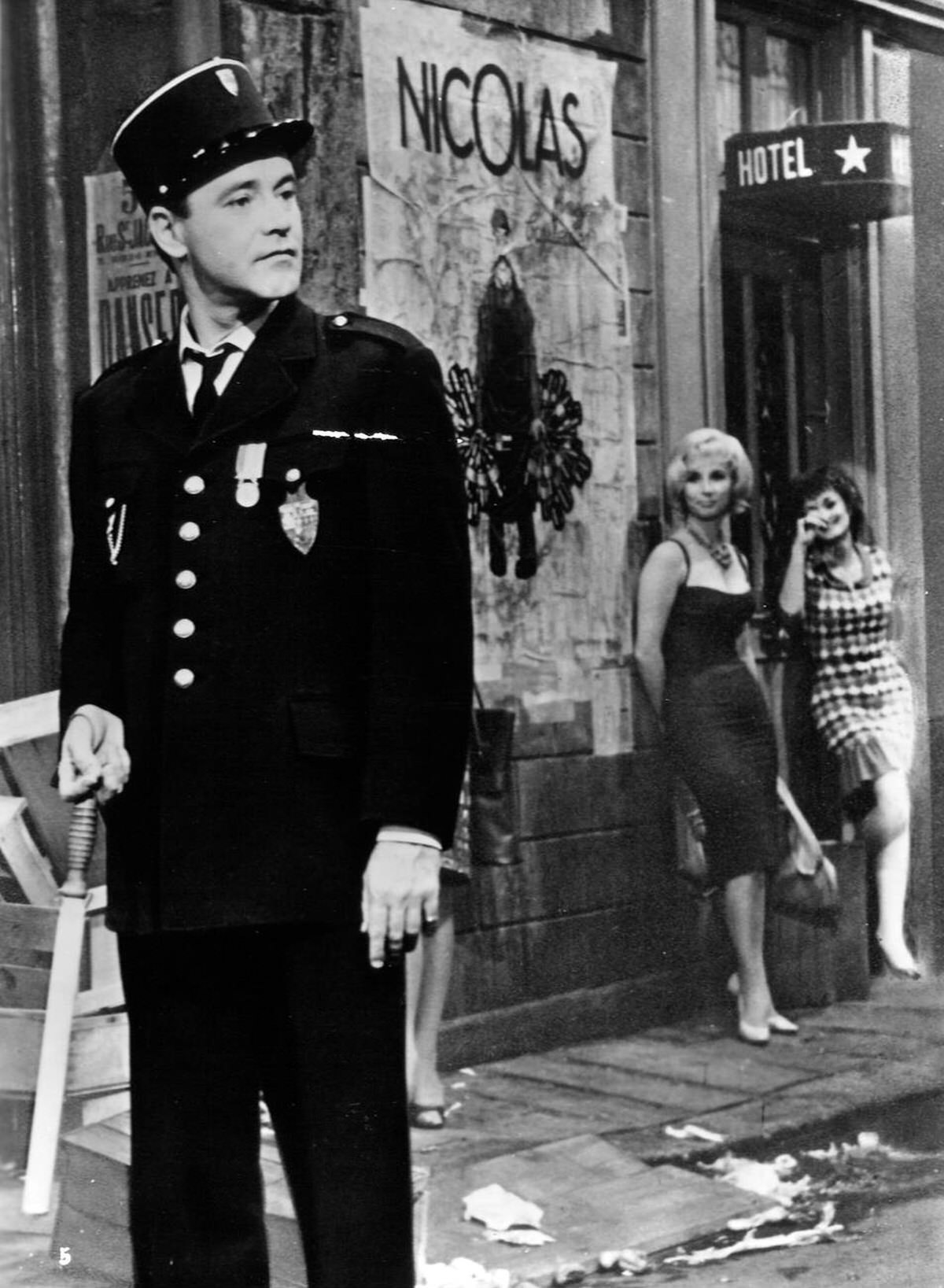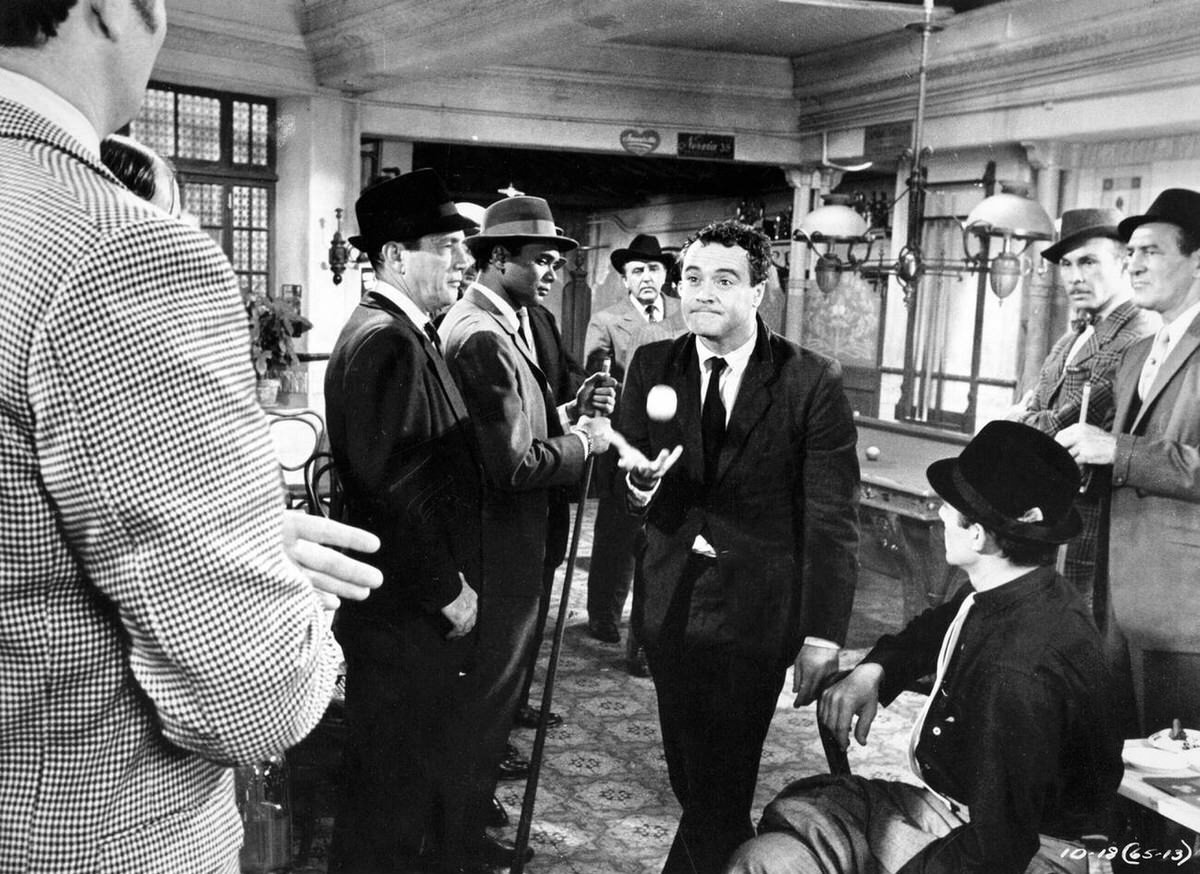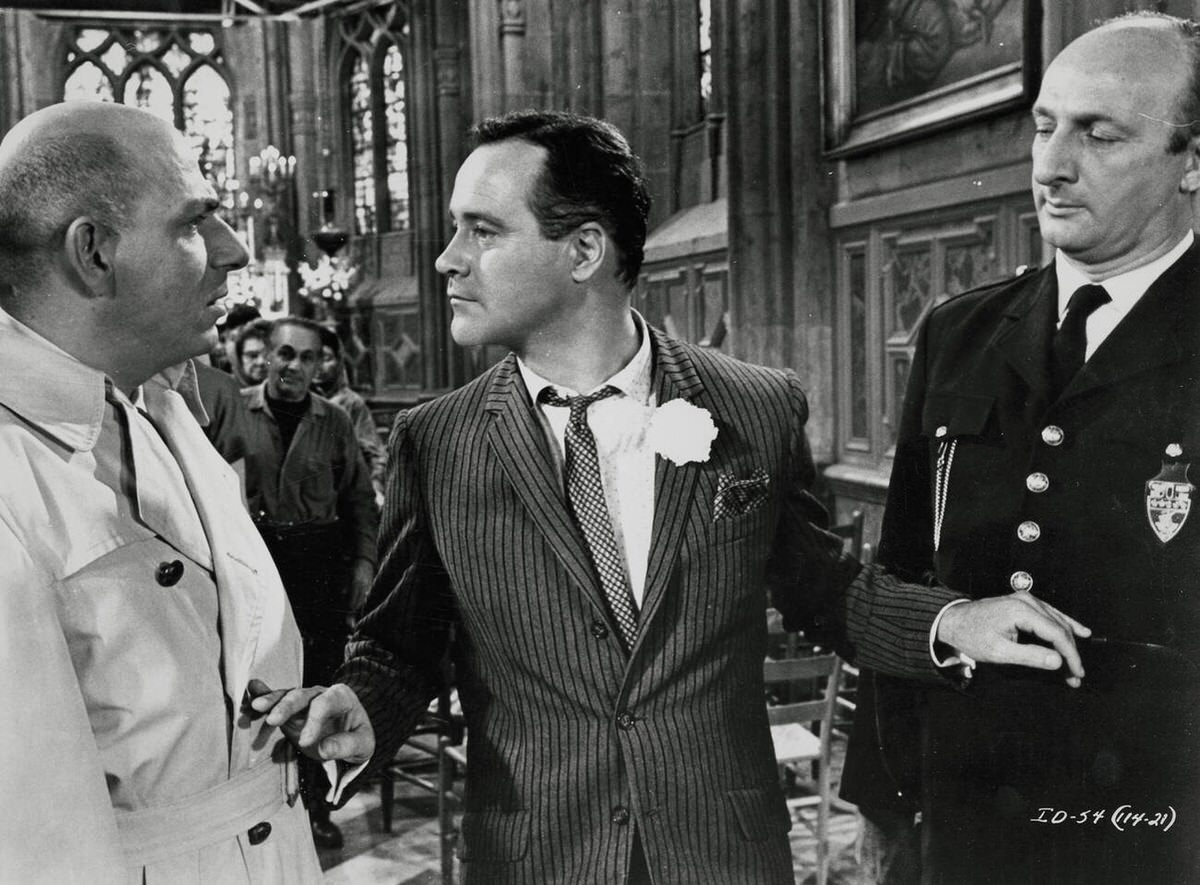

In 1963, director Billy Wilder took a French stage musical about a Parisian prostitute and her lovesick policeman and turned it into a two-and-a-half-hour comedy film — without any of the songs. The result was Irma la Douce, one of the highest-grossing films of that year and one of the most audacious studio comedies Hollywood had produced in years.
The Source Material
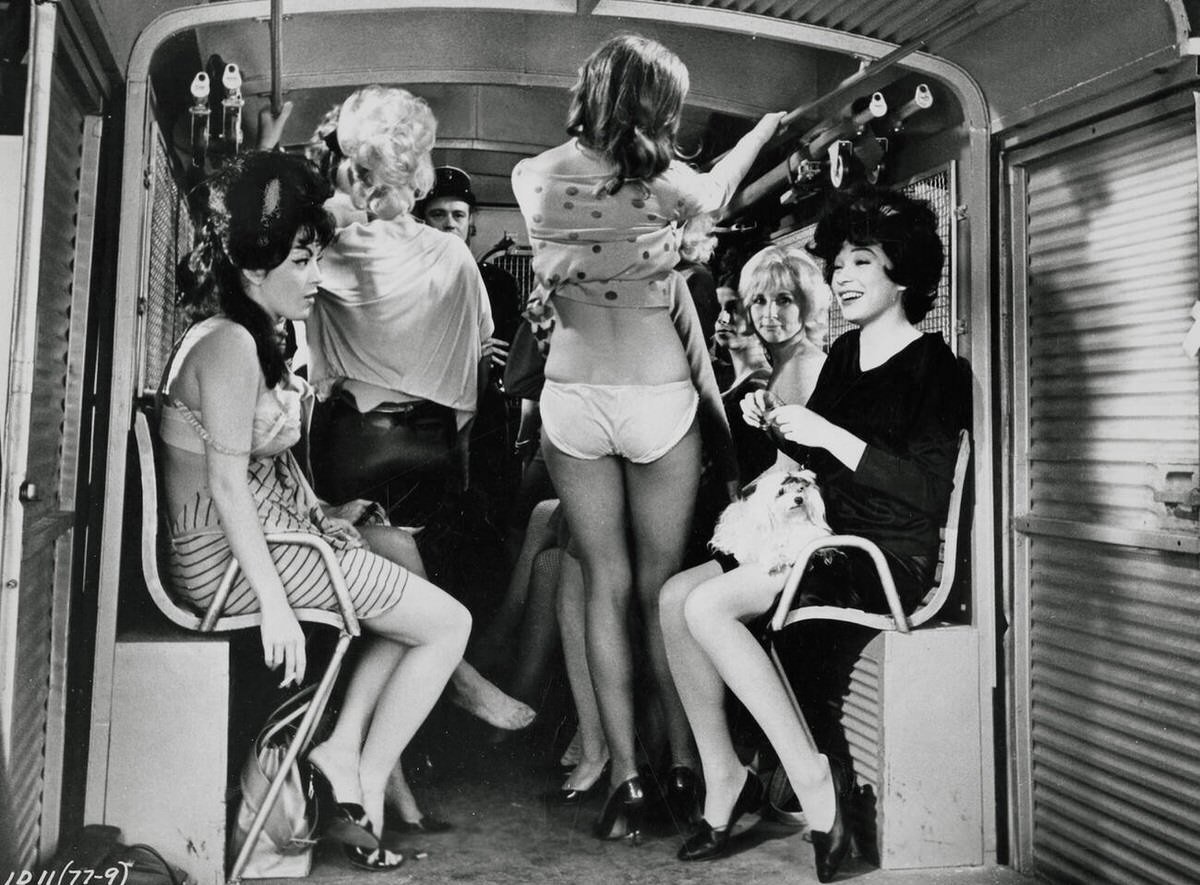
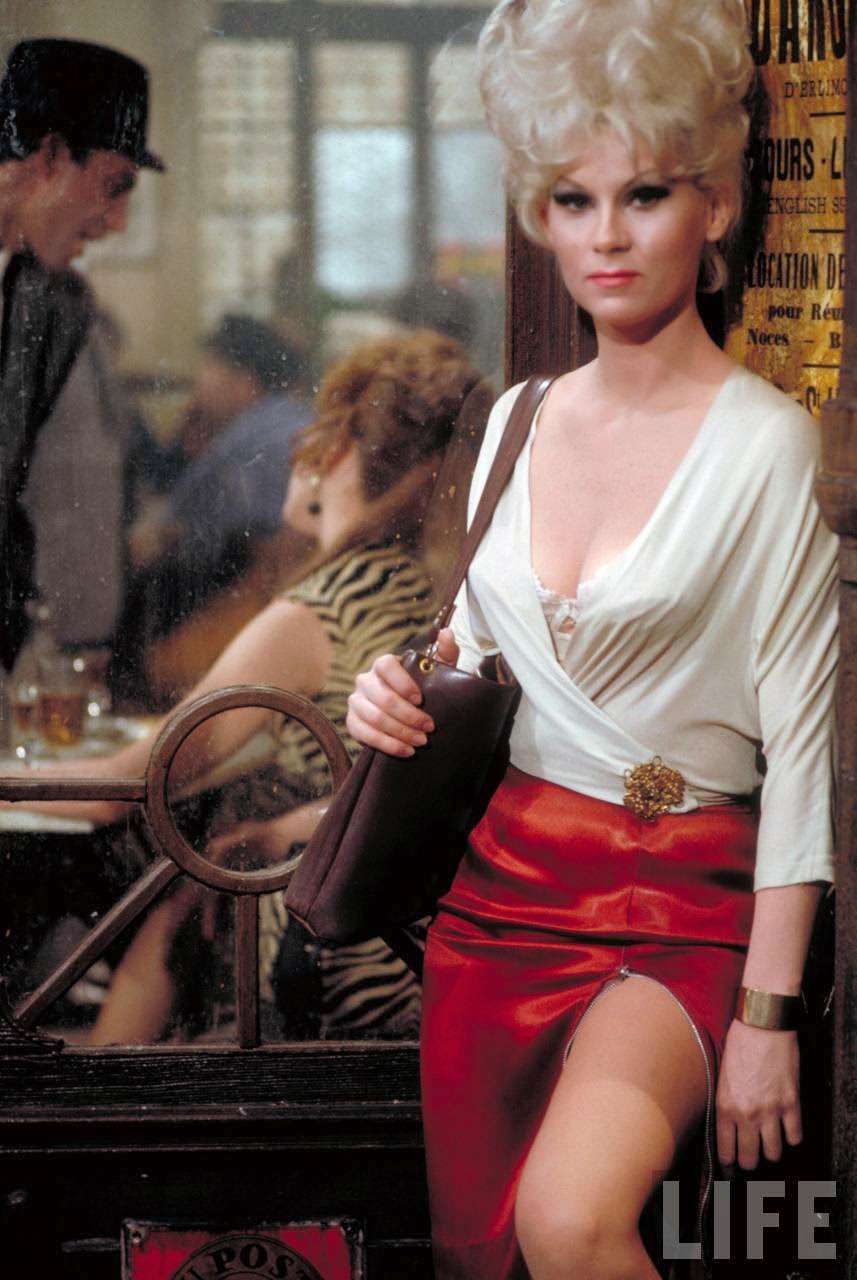
Irma la Douce began as a French stage musical that opened in Paris in 1956 and transferred to London’s West End and then Broadway by 1960. The show was a hit on both sides of the Atlantic, built around the colorful characters of the Rue Casanova — a street in Paris populated by working girls, their mecs (protectors), and the local police. When United Artists acquired the rights for a film adaptation, Wilder was the obvious choice to direct. He had already made Some Like It Hot in 1959 and The Apartment in 1960, both of which handled adult material with a sharp comic touch.
Wilder made one major decision immediately — he dropped all the songs. The stage show’s music was removed entirely, and the film was rebuilt as a straight comedy with no musical numbers. André Previn composed an instrumental score that referenced the French atmosphere without replacing what had been cut.
Read more..
The Cast
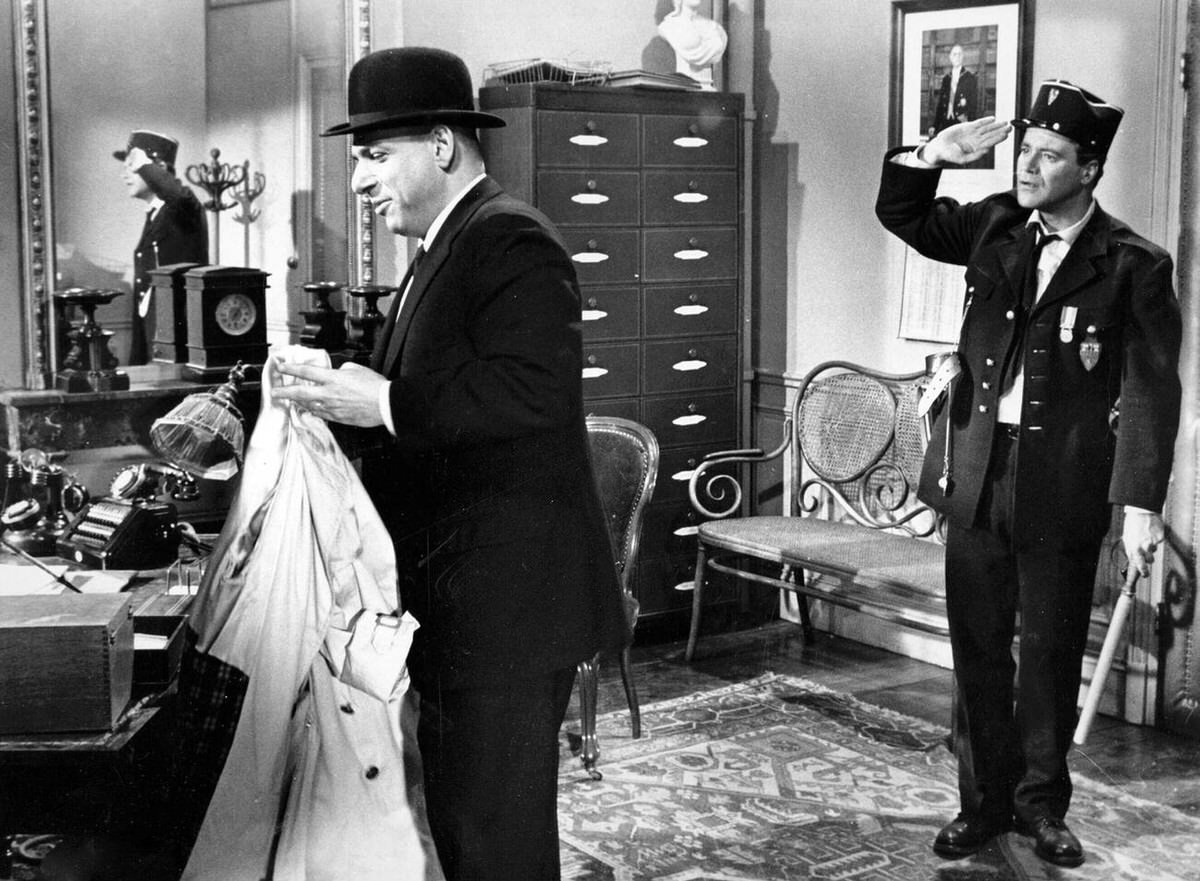
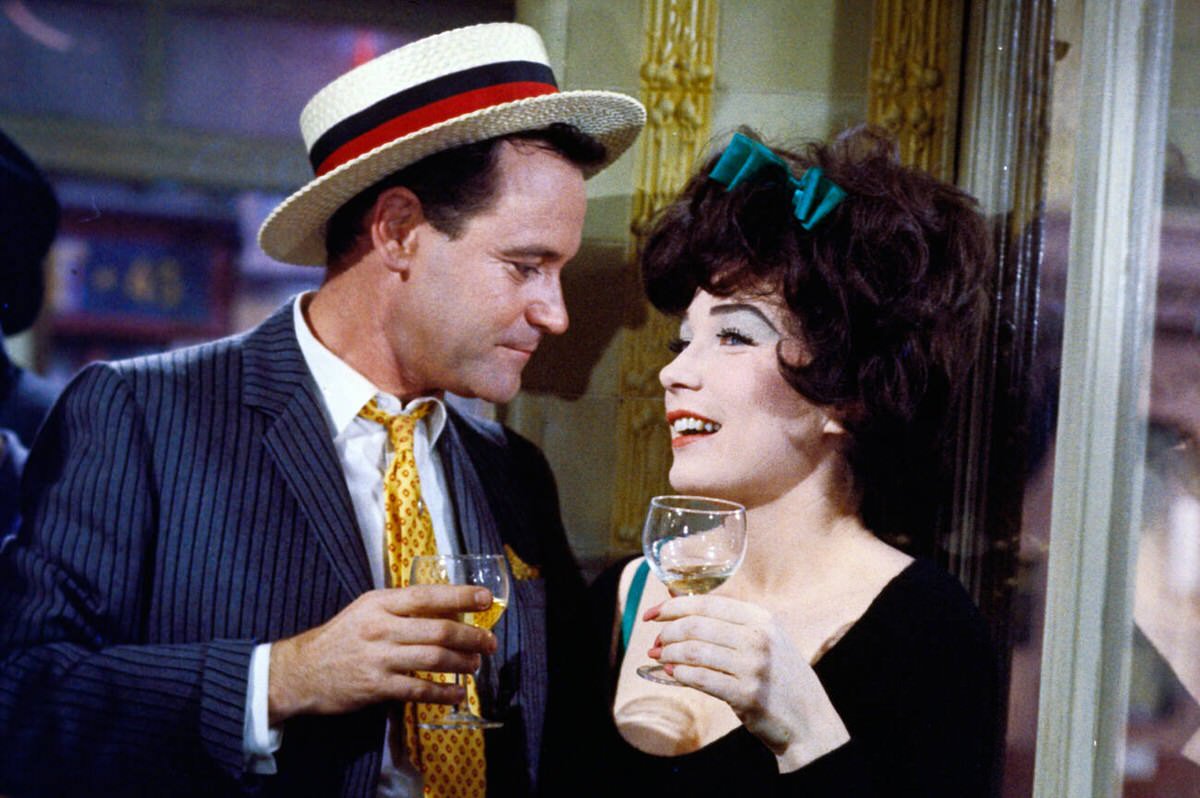
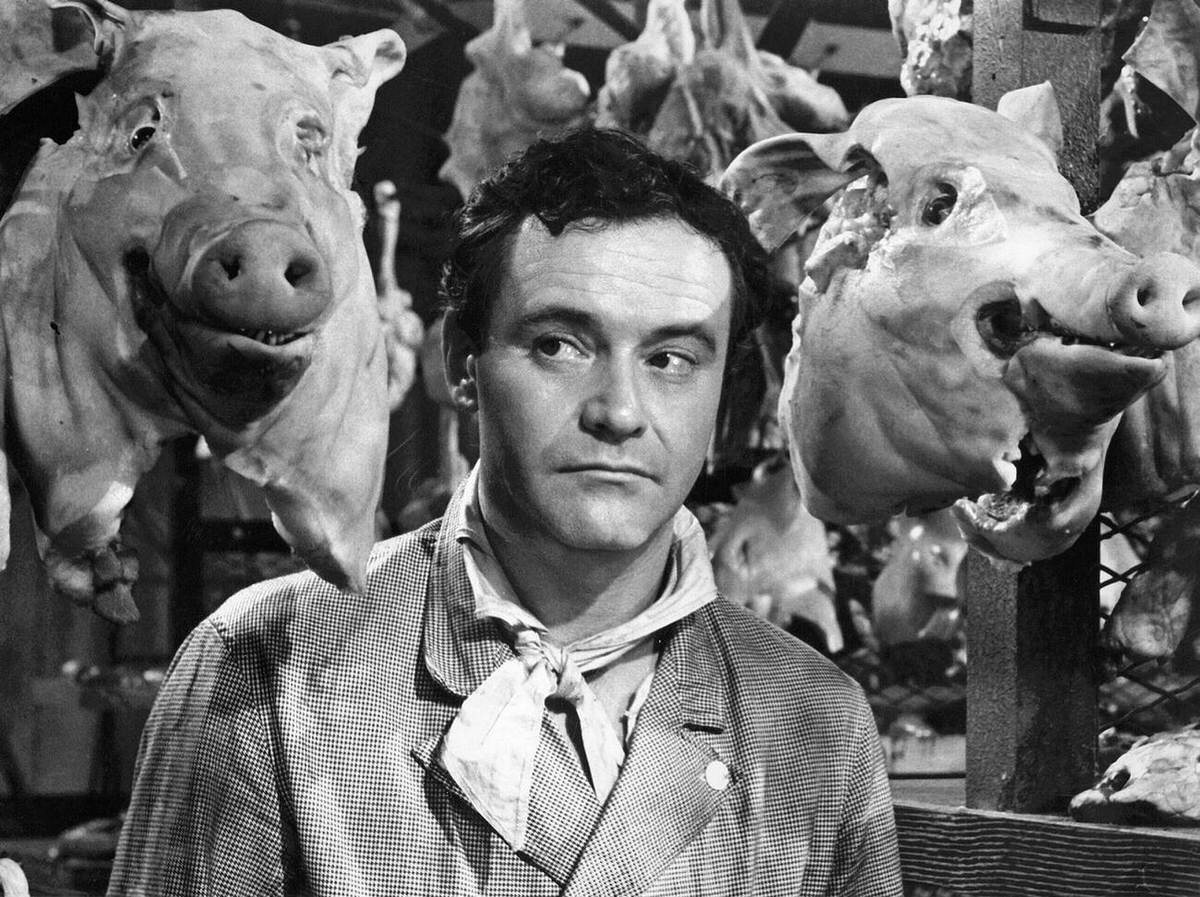
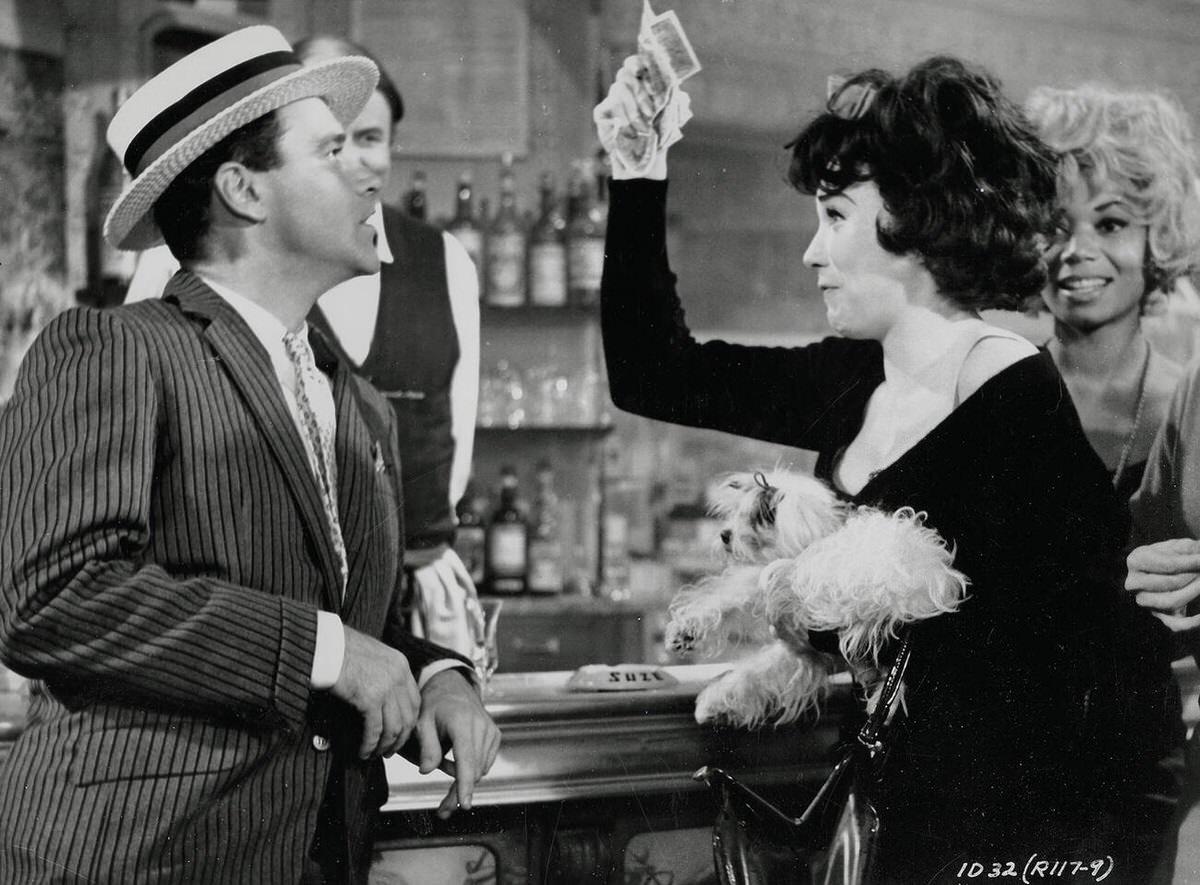
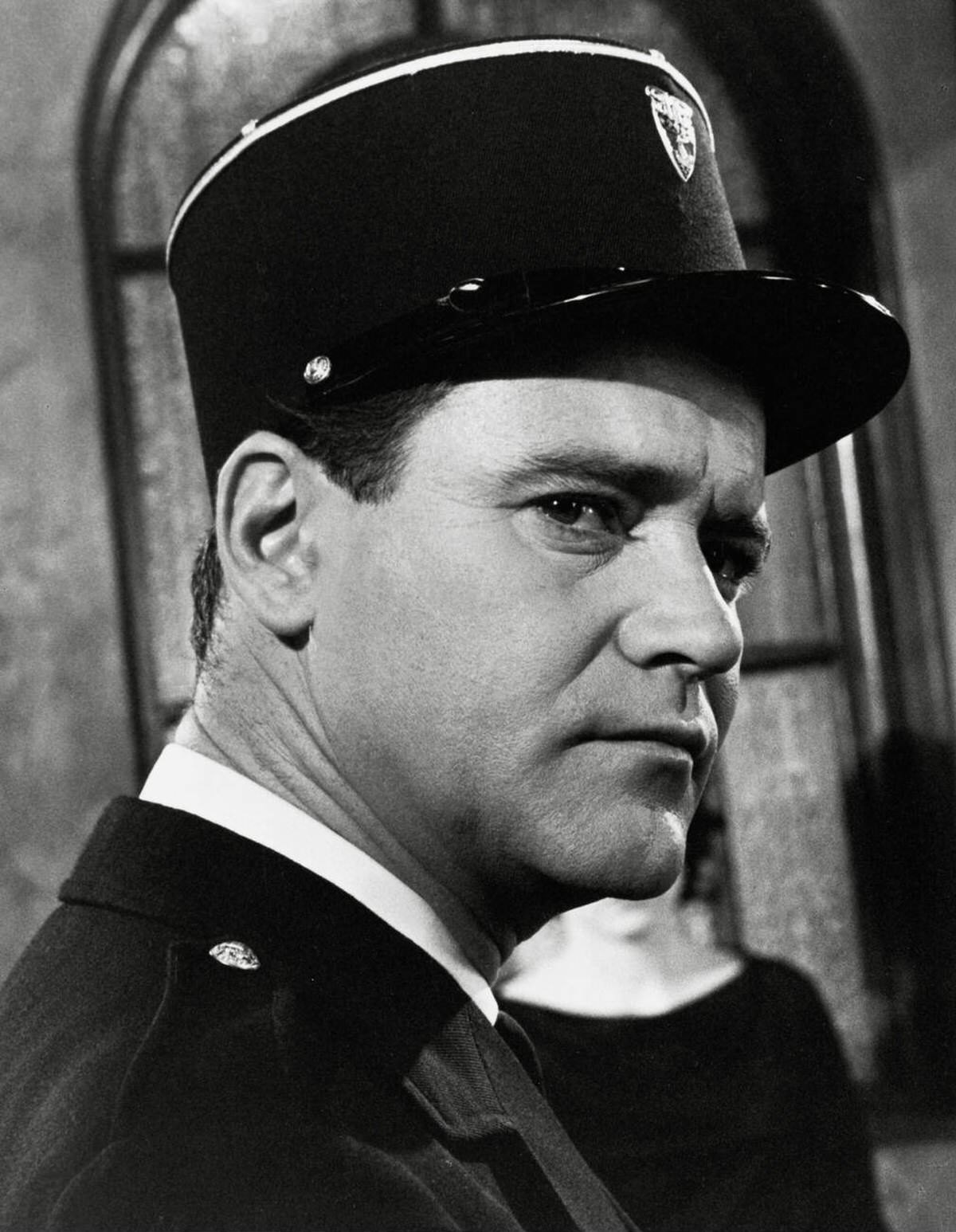
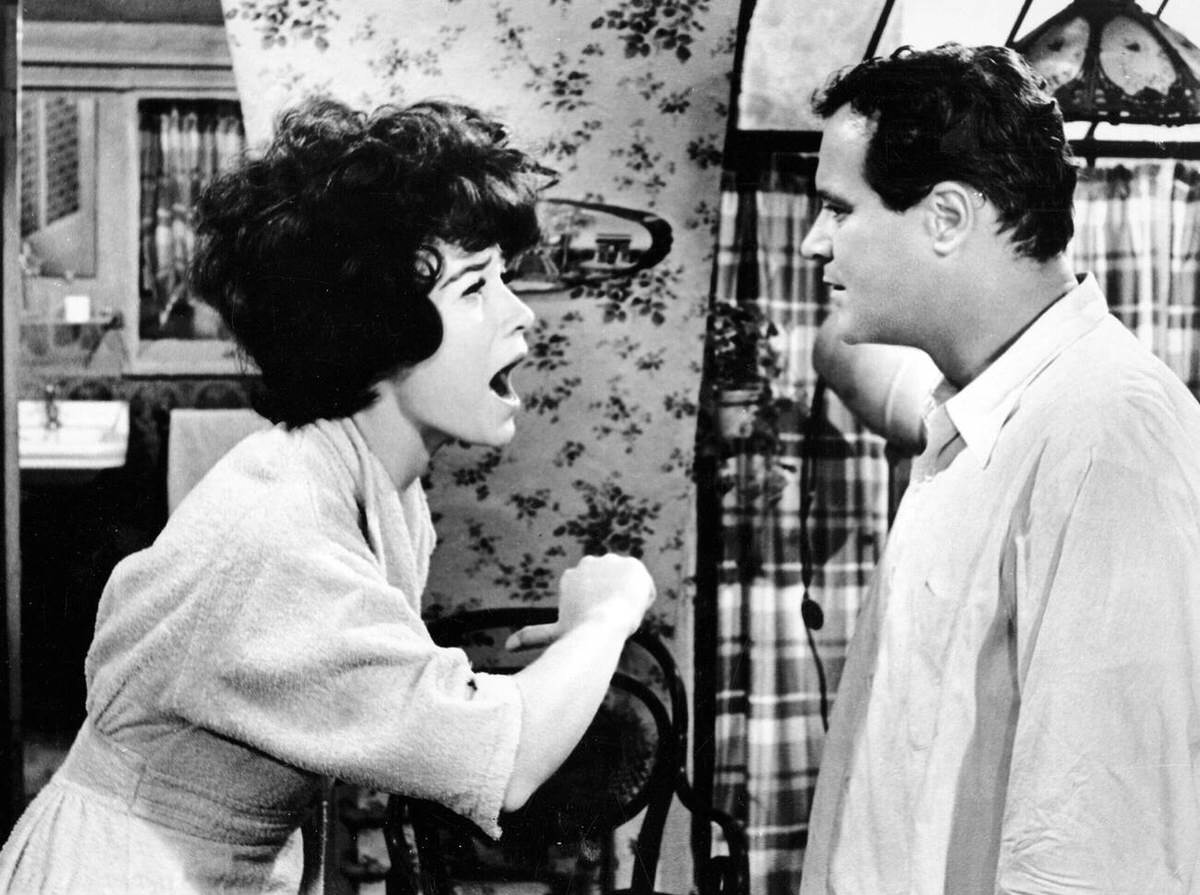
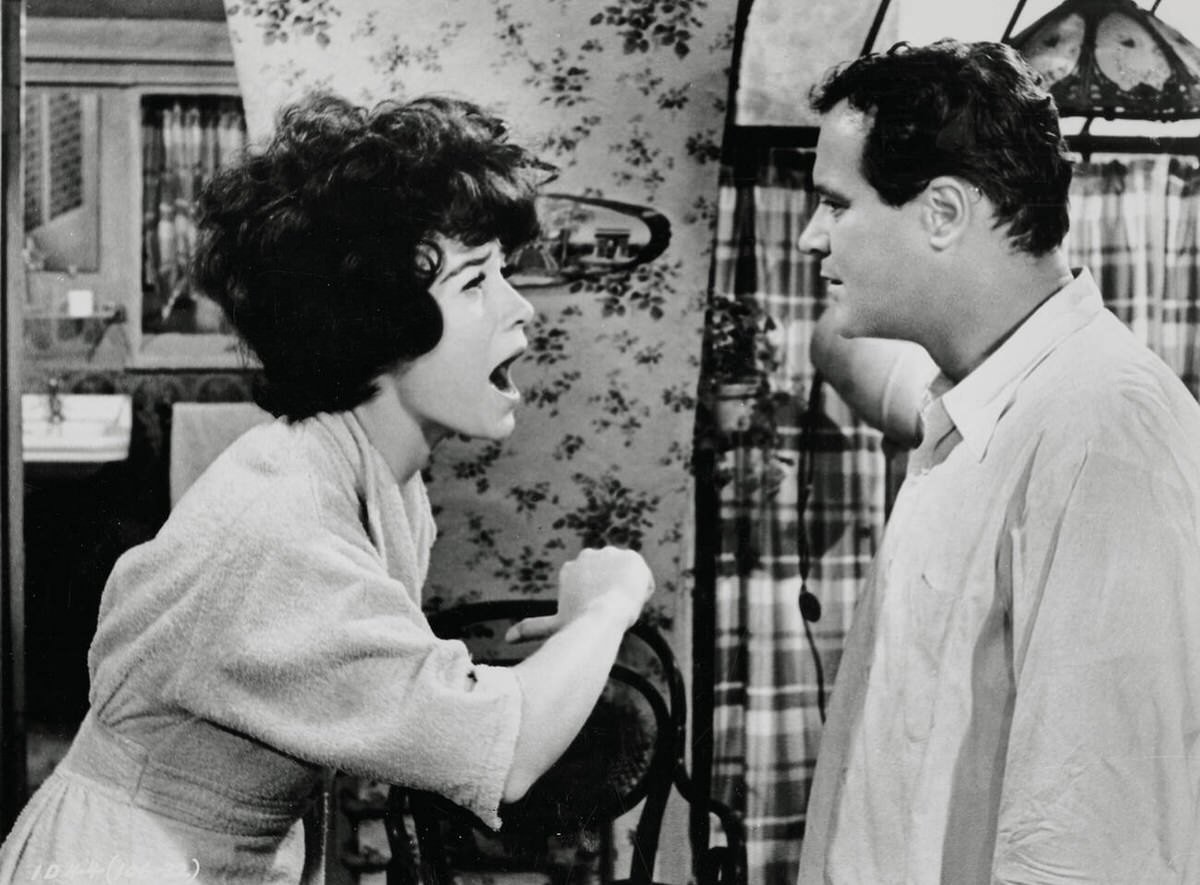
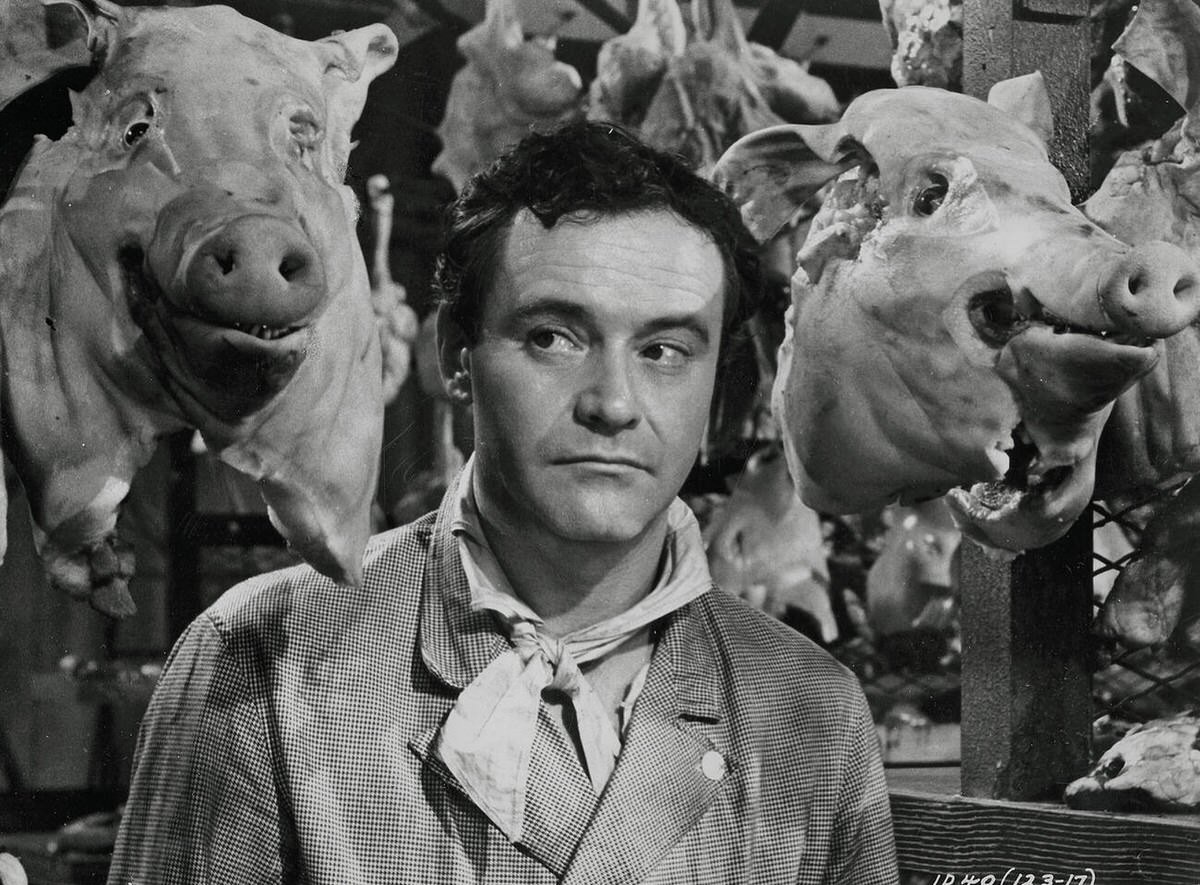
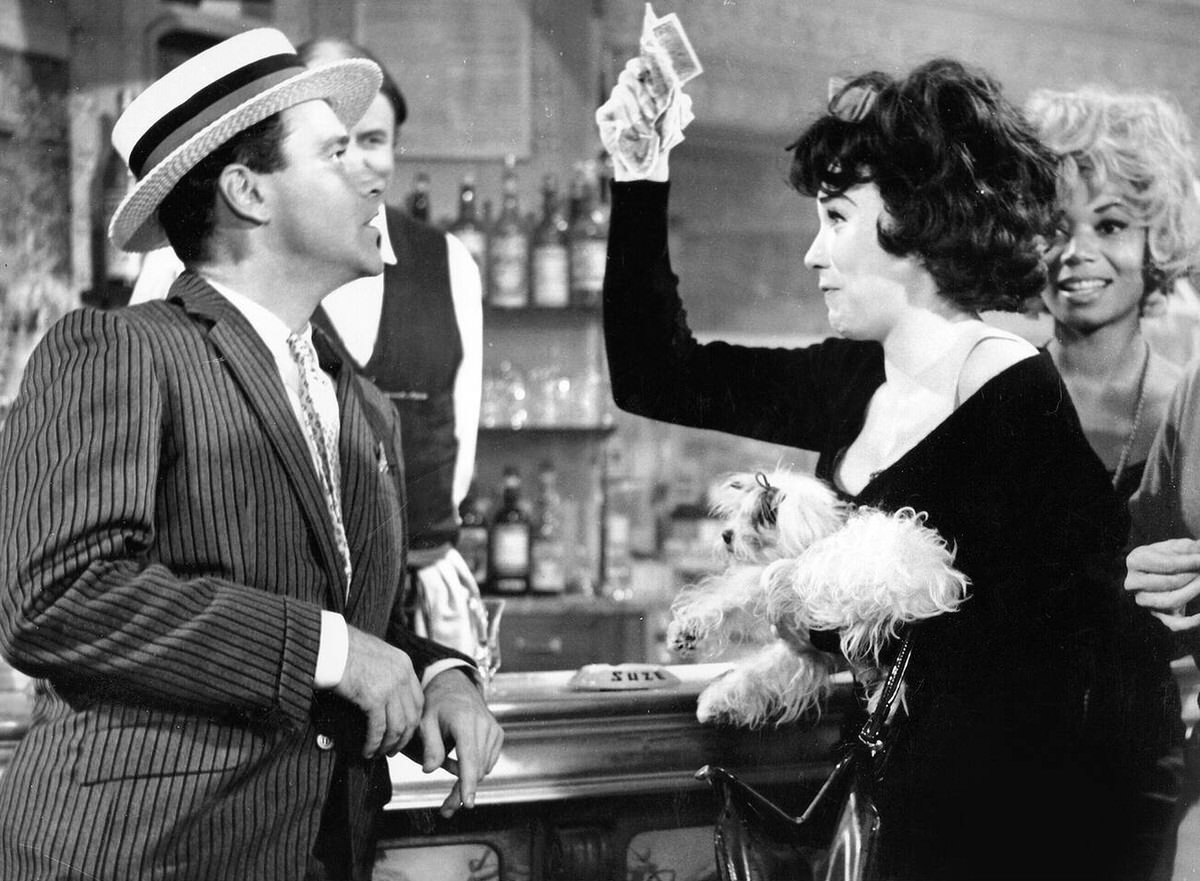
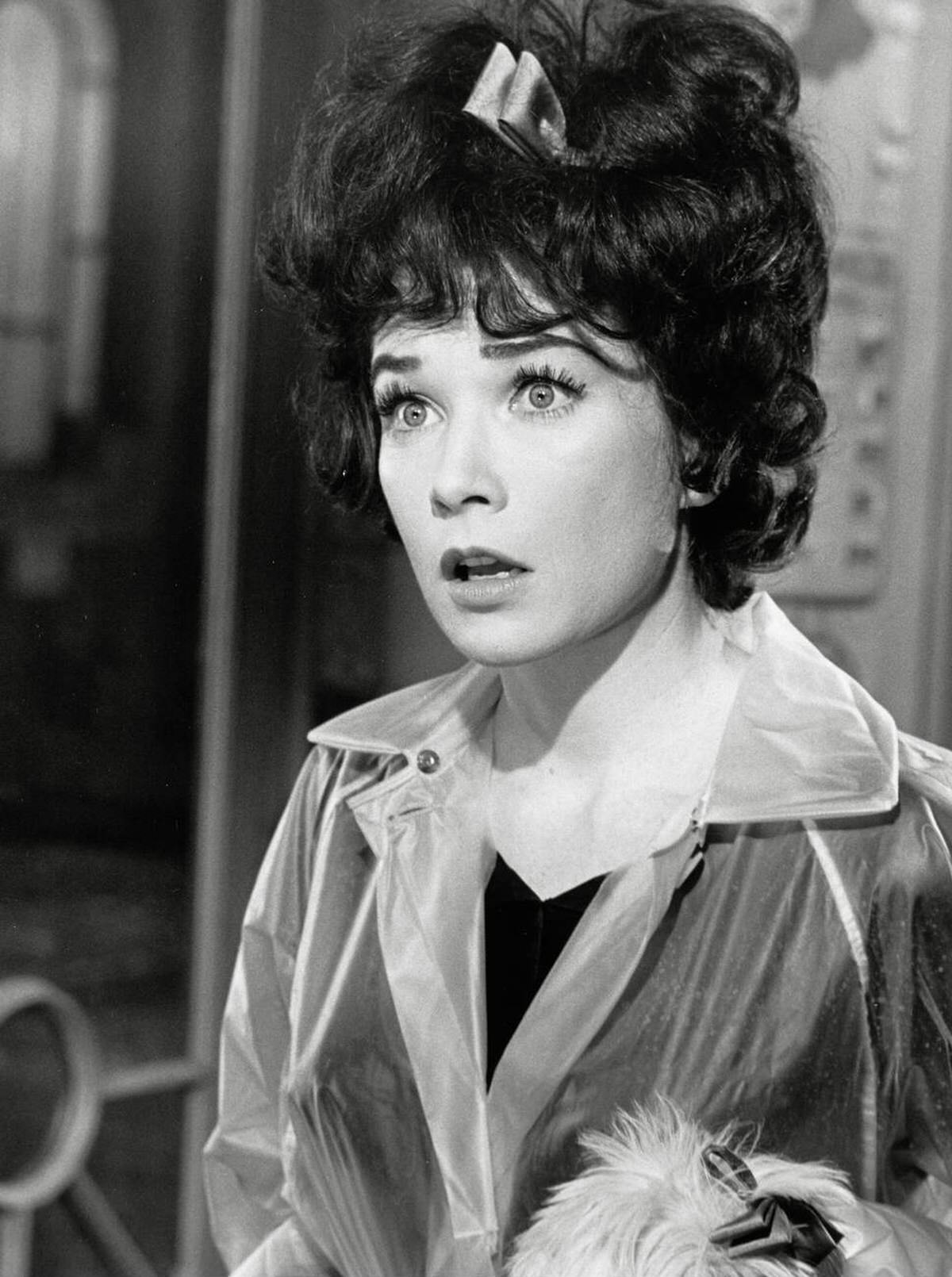
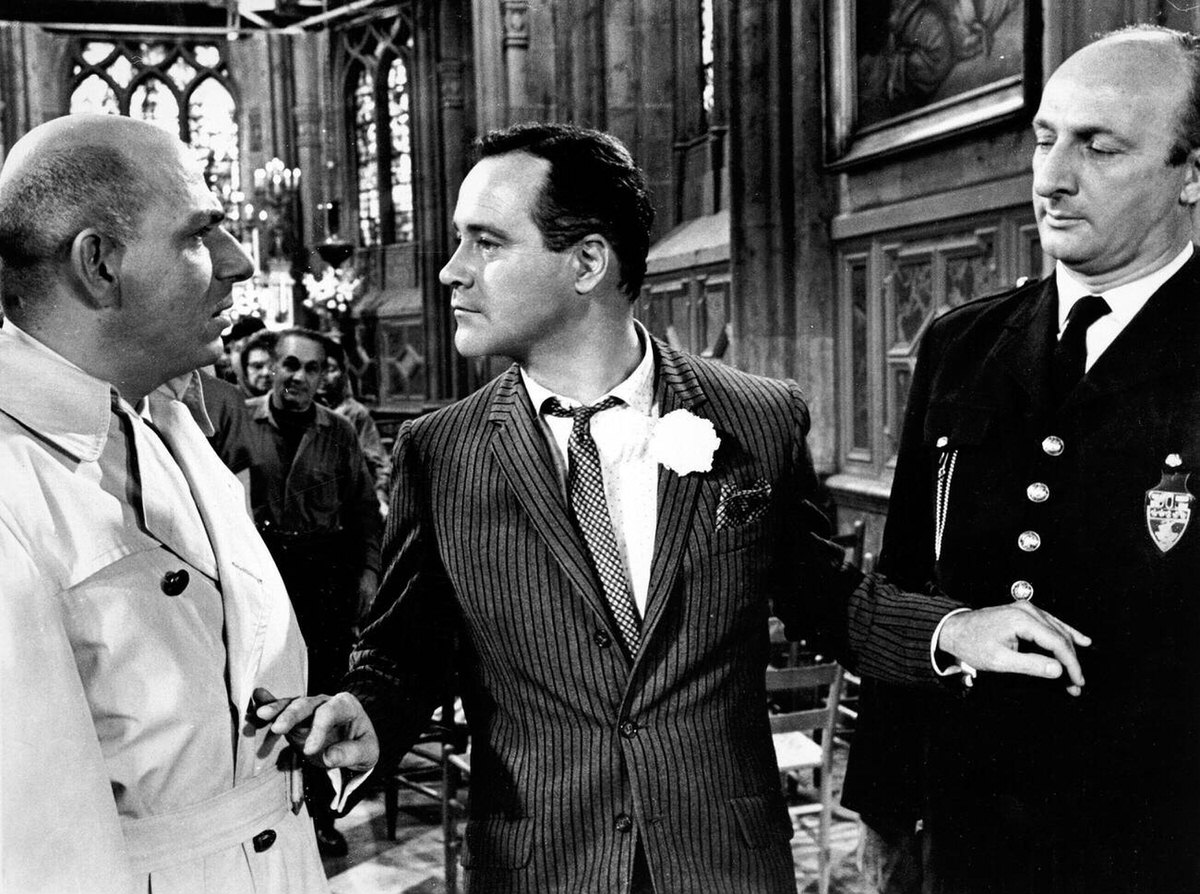
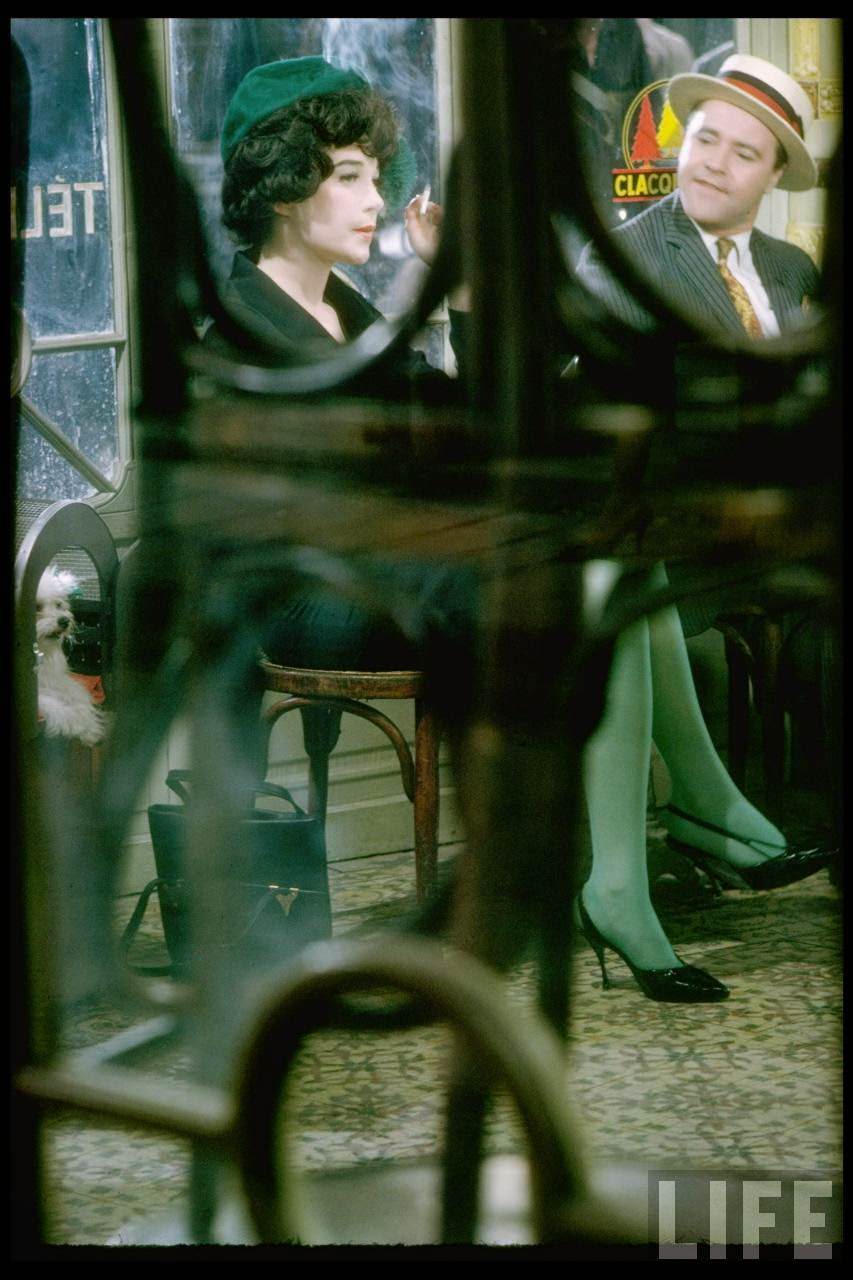
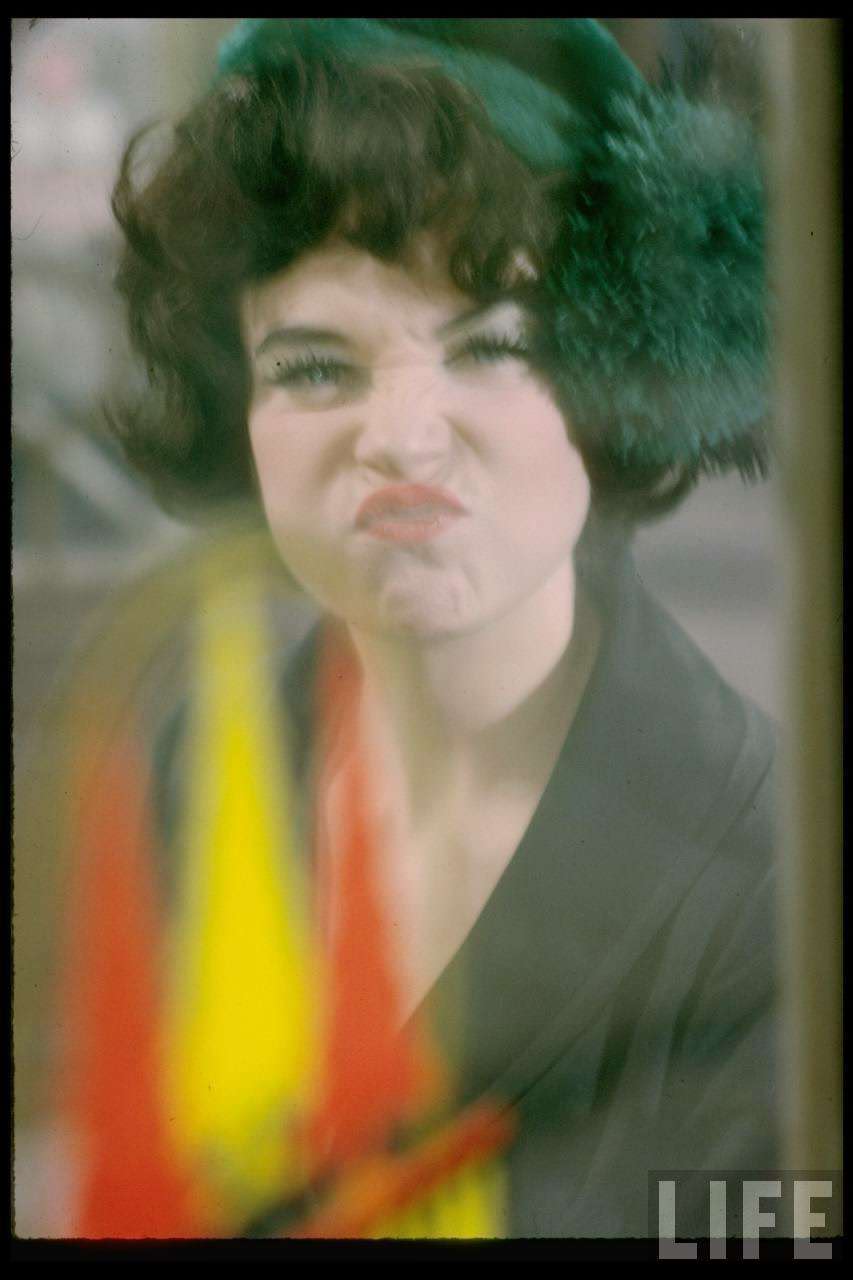
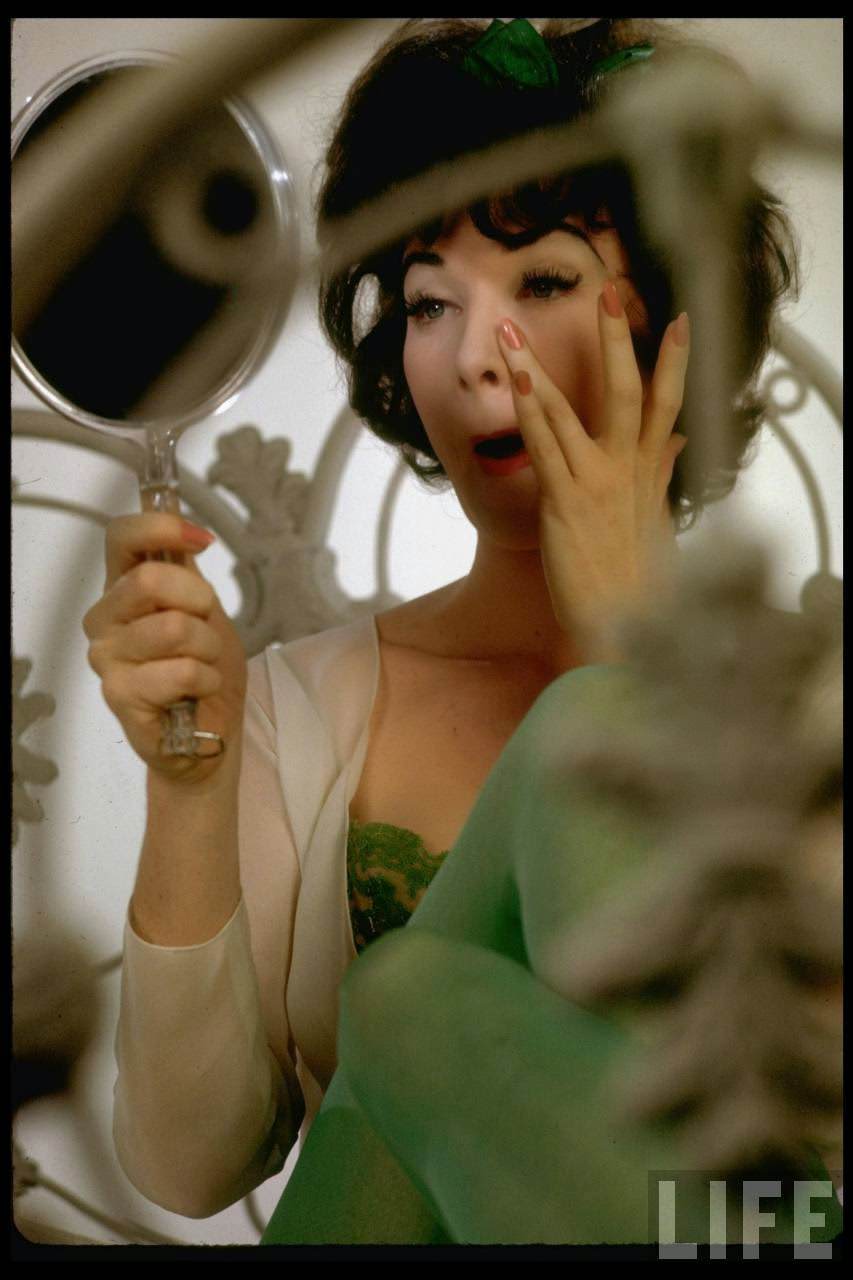
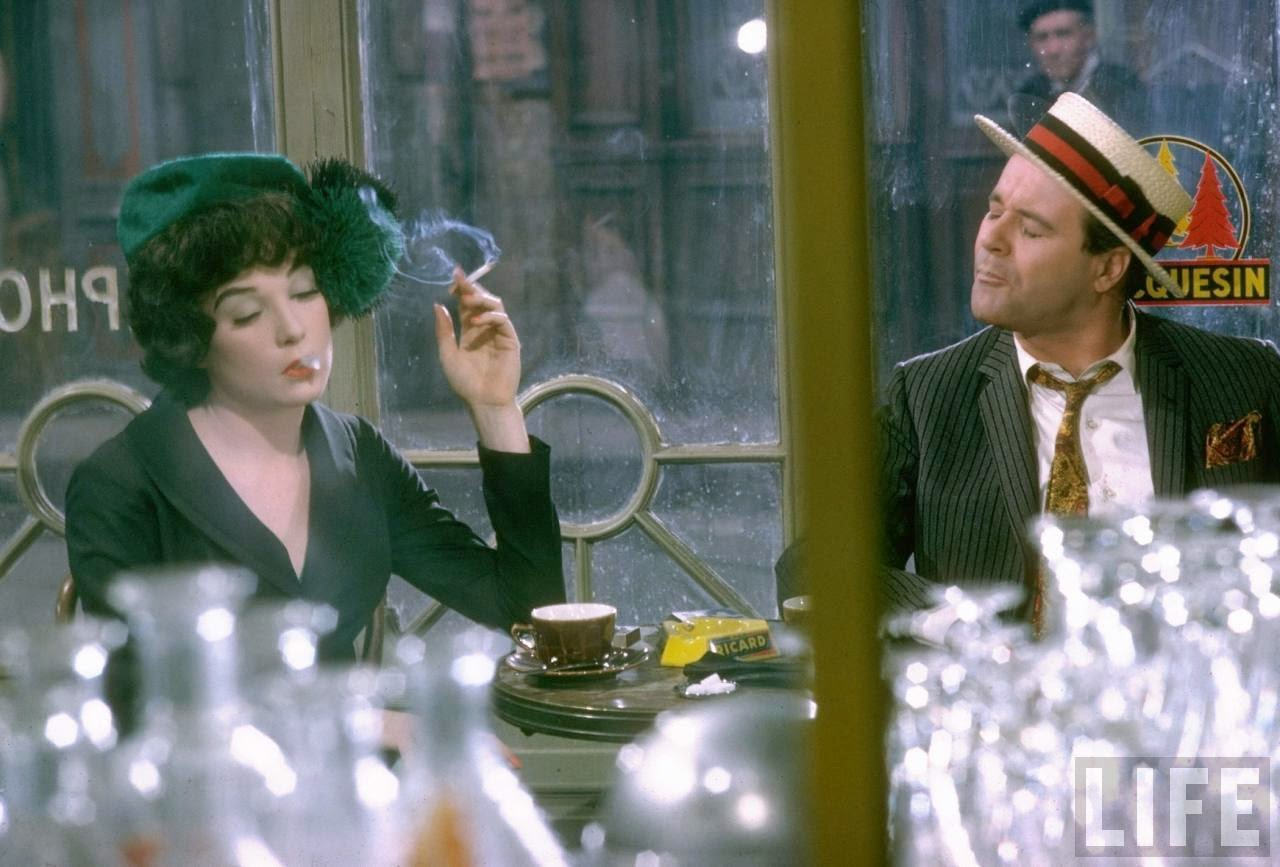
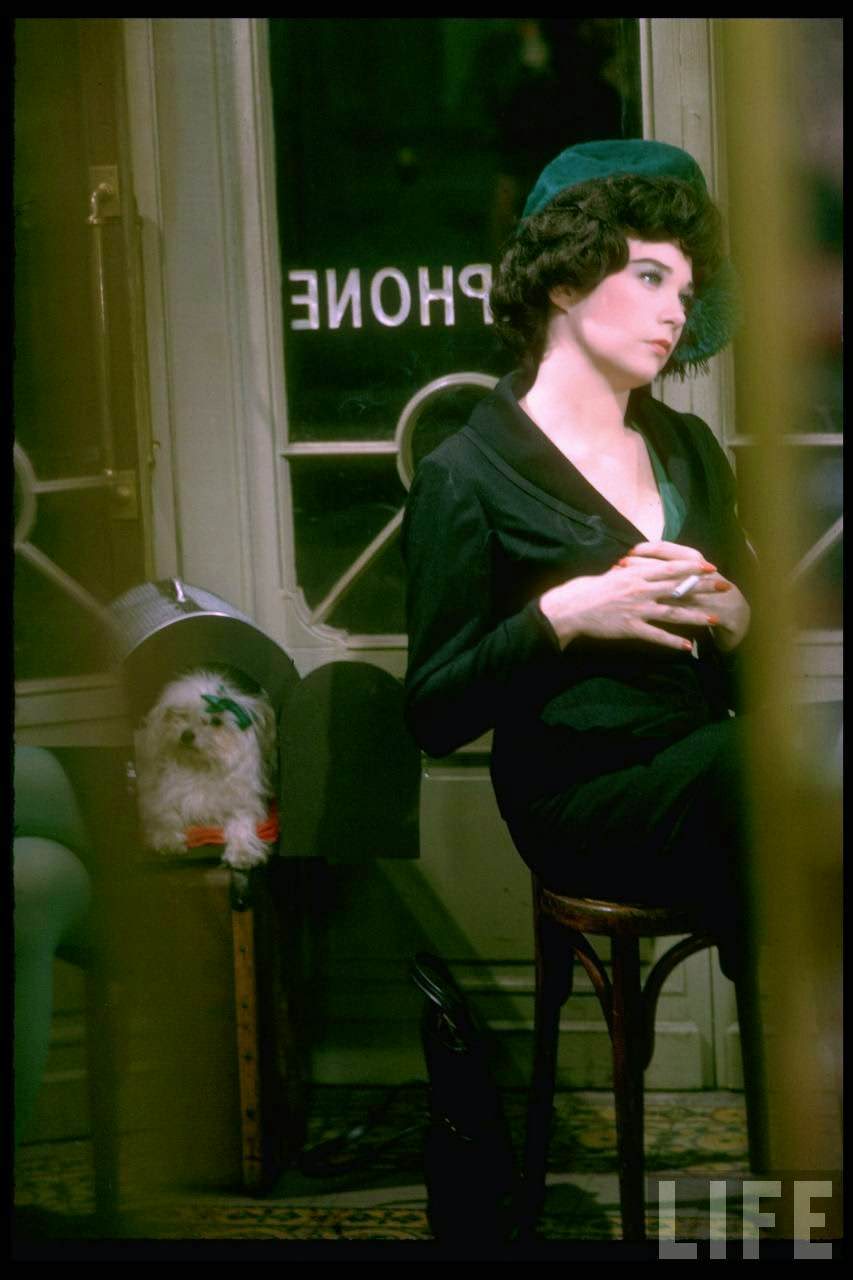
Jack Lemmon played Nestor Patou, an honest young police officer who gets transferred to the Rue Casanova, falls for Irma, and promptly loses his job after raiding the street his superiors had arranged to leave alone. Shirley MacLaine played Irma, the most popular girl on the street, with a directness and physical confidence that made the character work without ever becoming a caricature.
Lemmon and MacLaine had genuine chemistry, and Wilder pushed both of them through an exhausting production. Lemmon, in particular, carried most of the film’s comic weight through a plot that required him to play two separate characters — Nestor and the fictional English lord he invents to keep Irma for himself. The disguise sequences required Lemmon to modulate his performance carefully enough that the audience believed Irma couldn’t see through it even as they could.
The Production
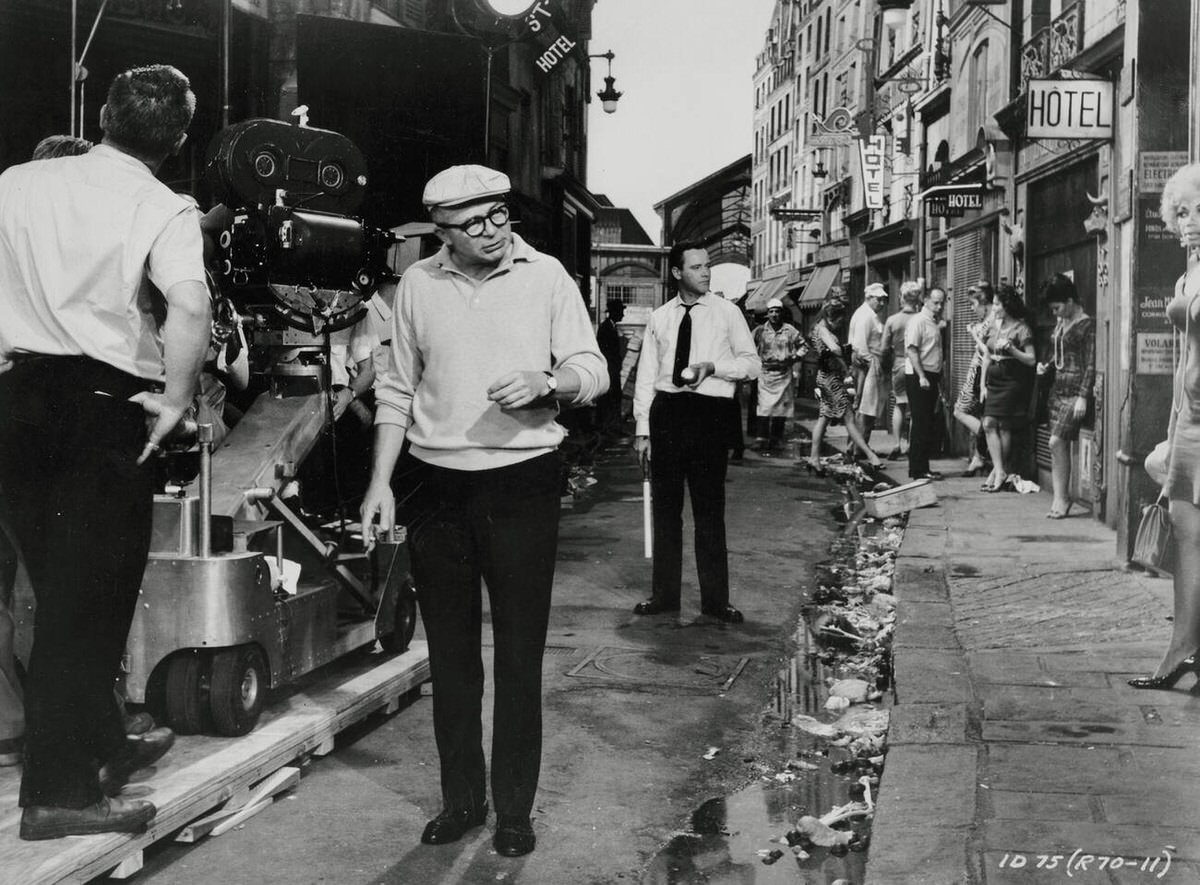
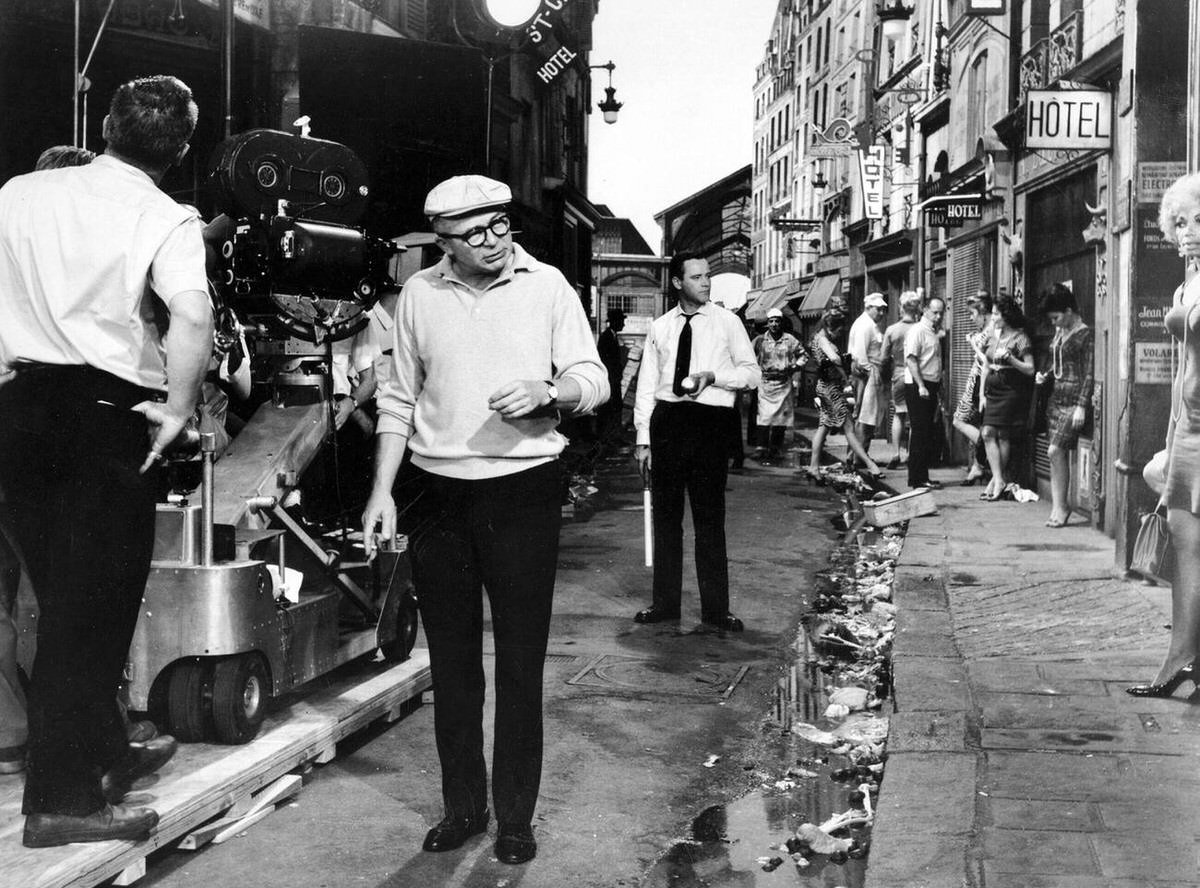
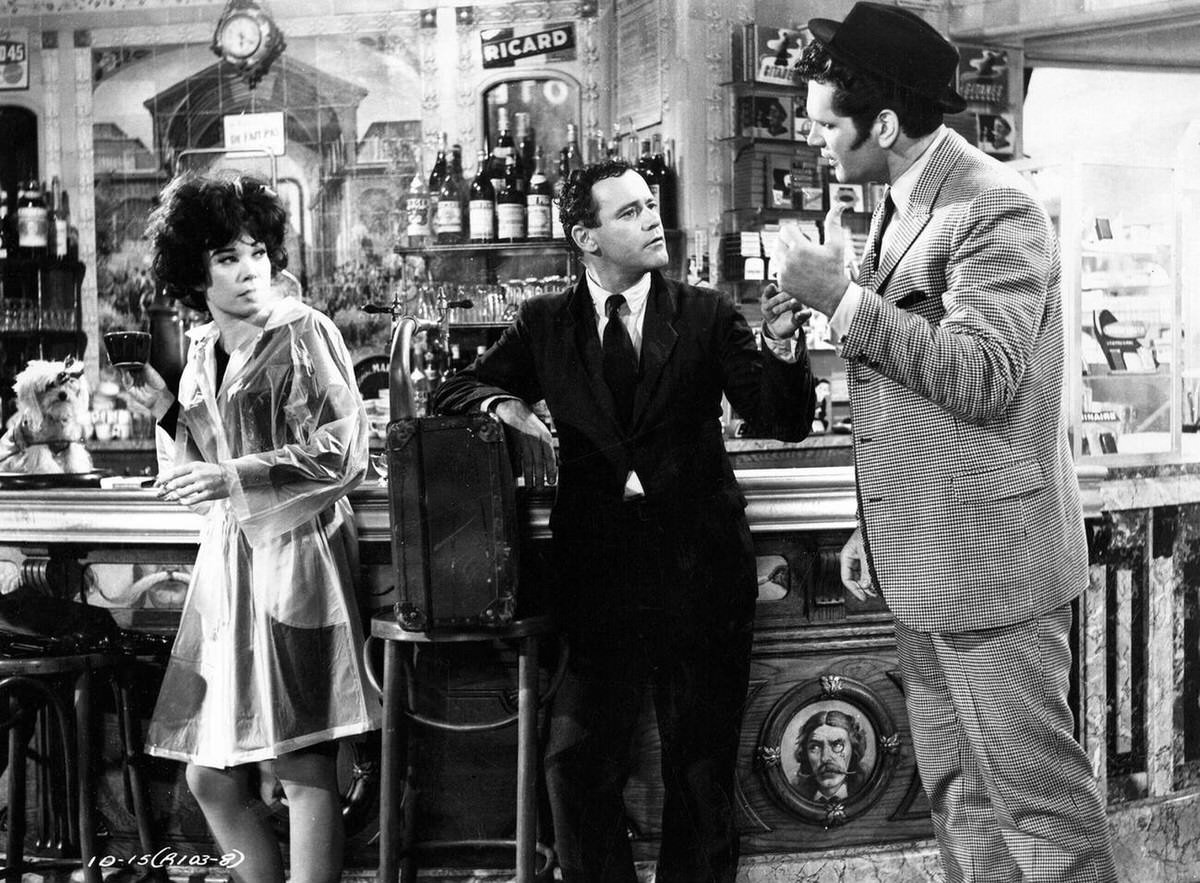
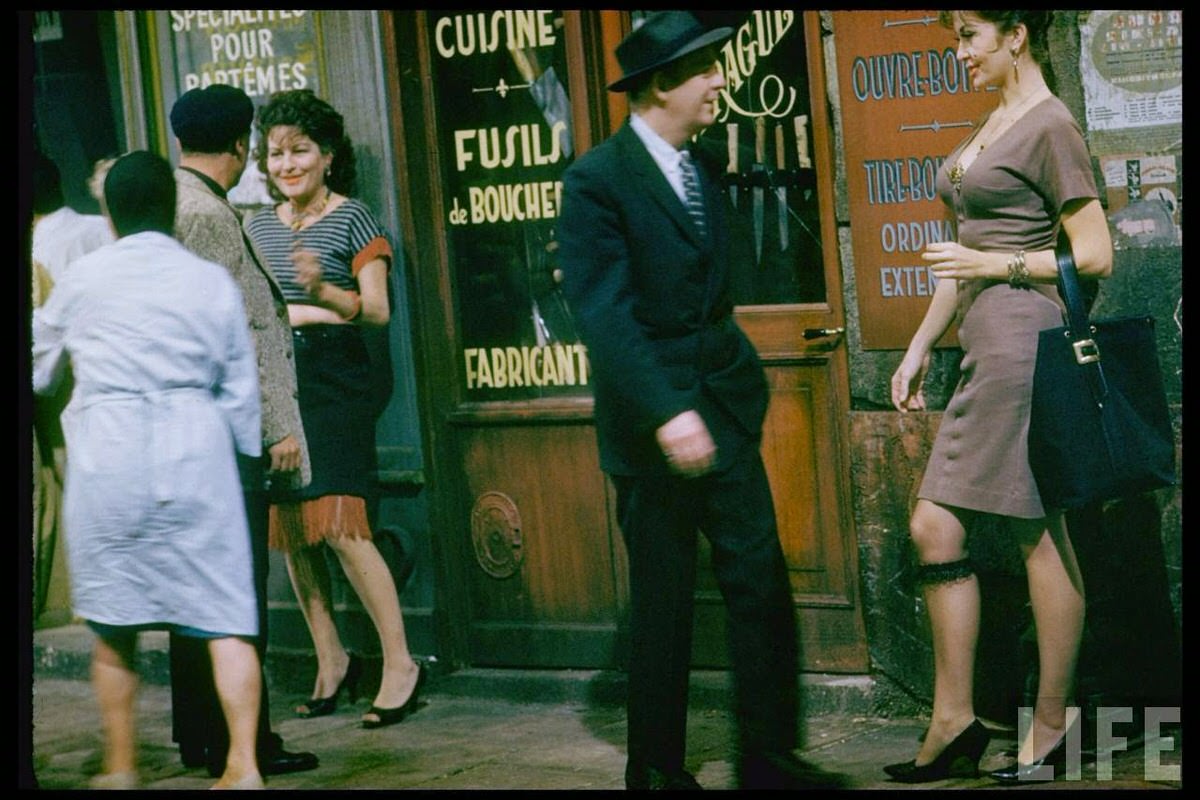
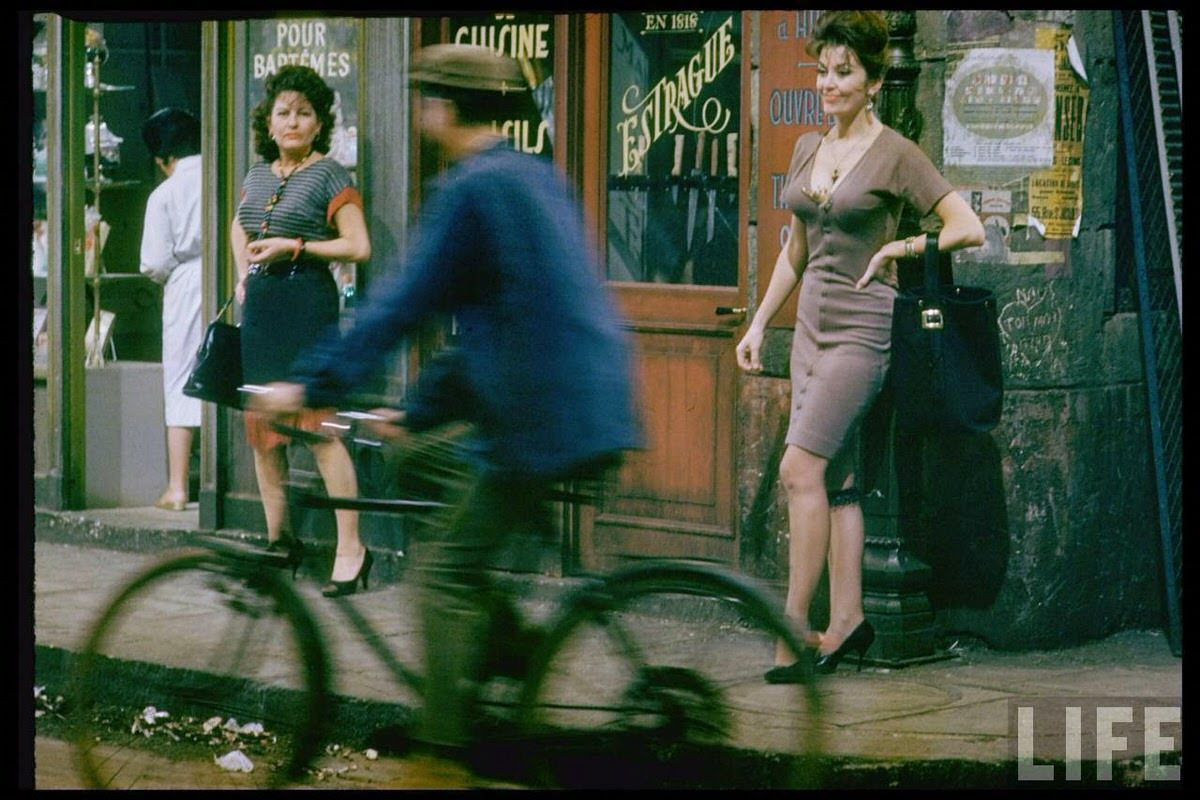
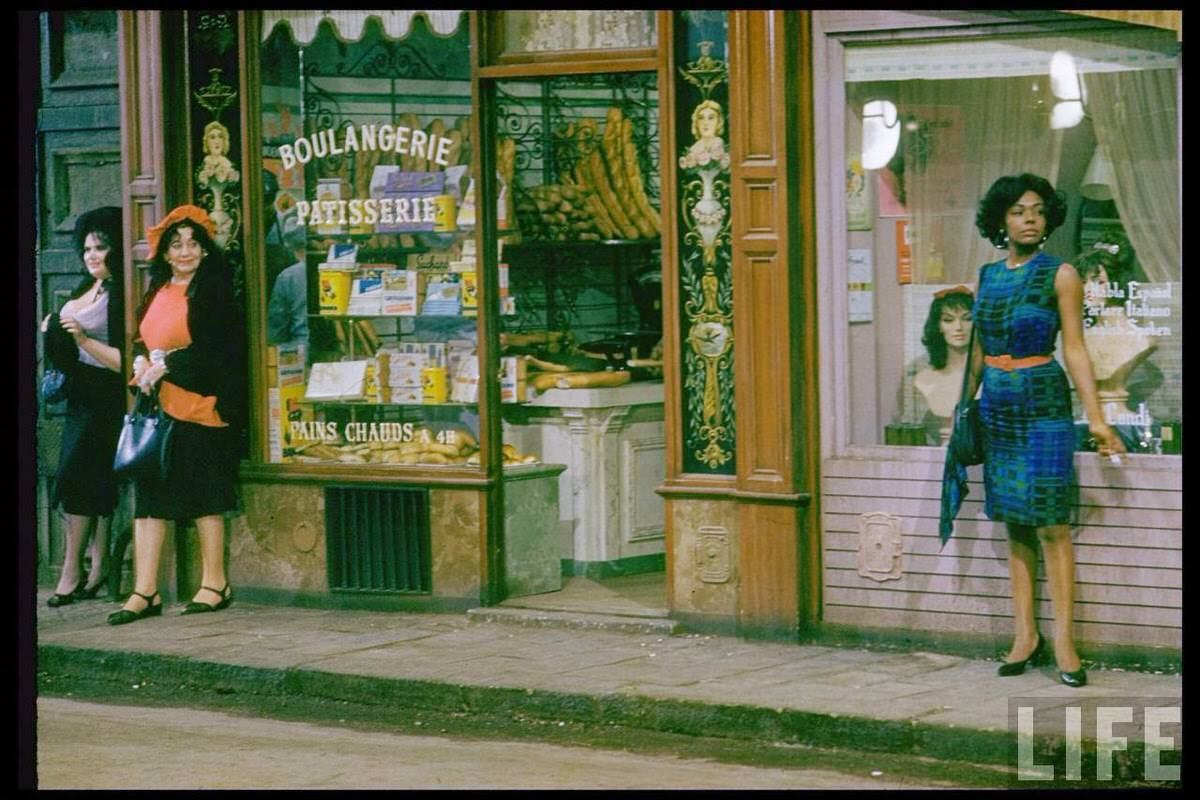
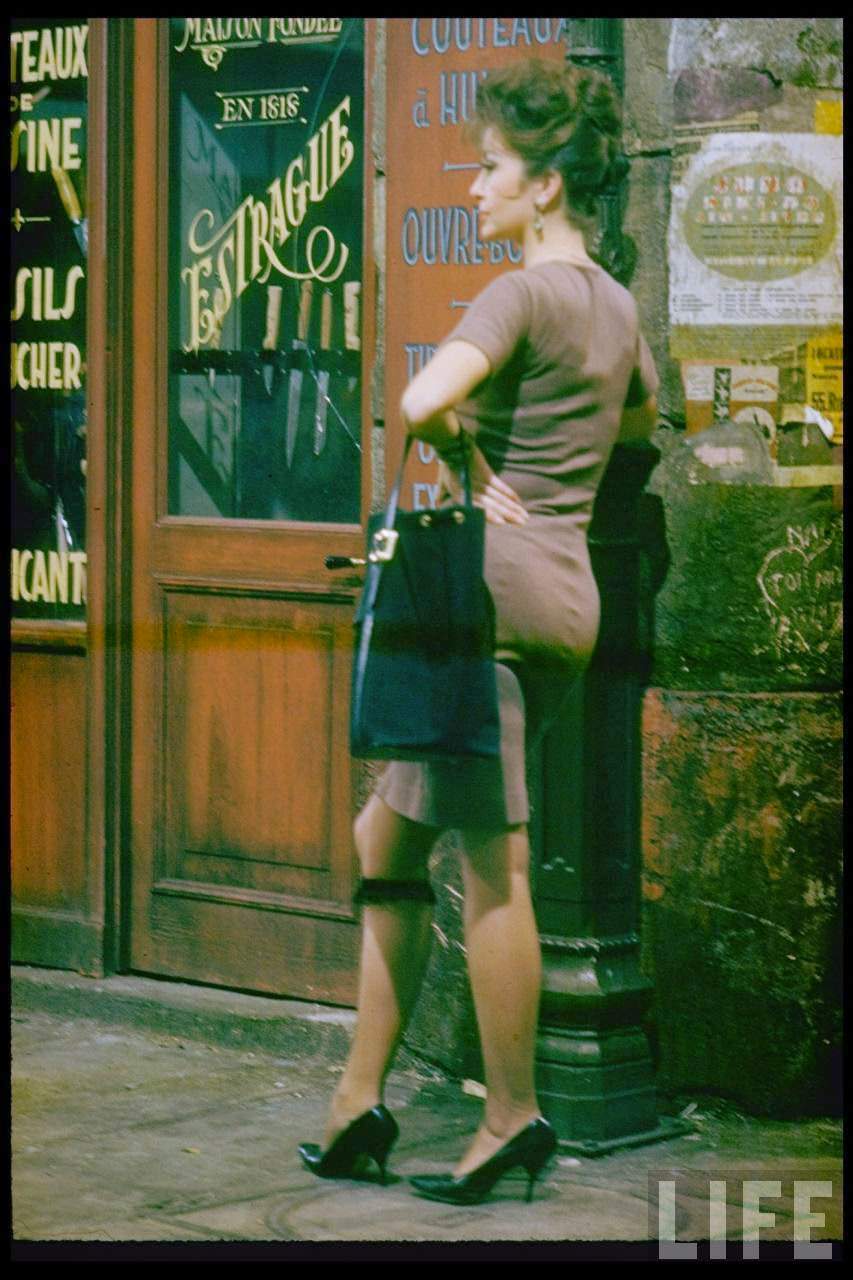
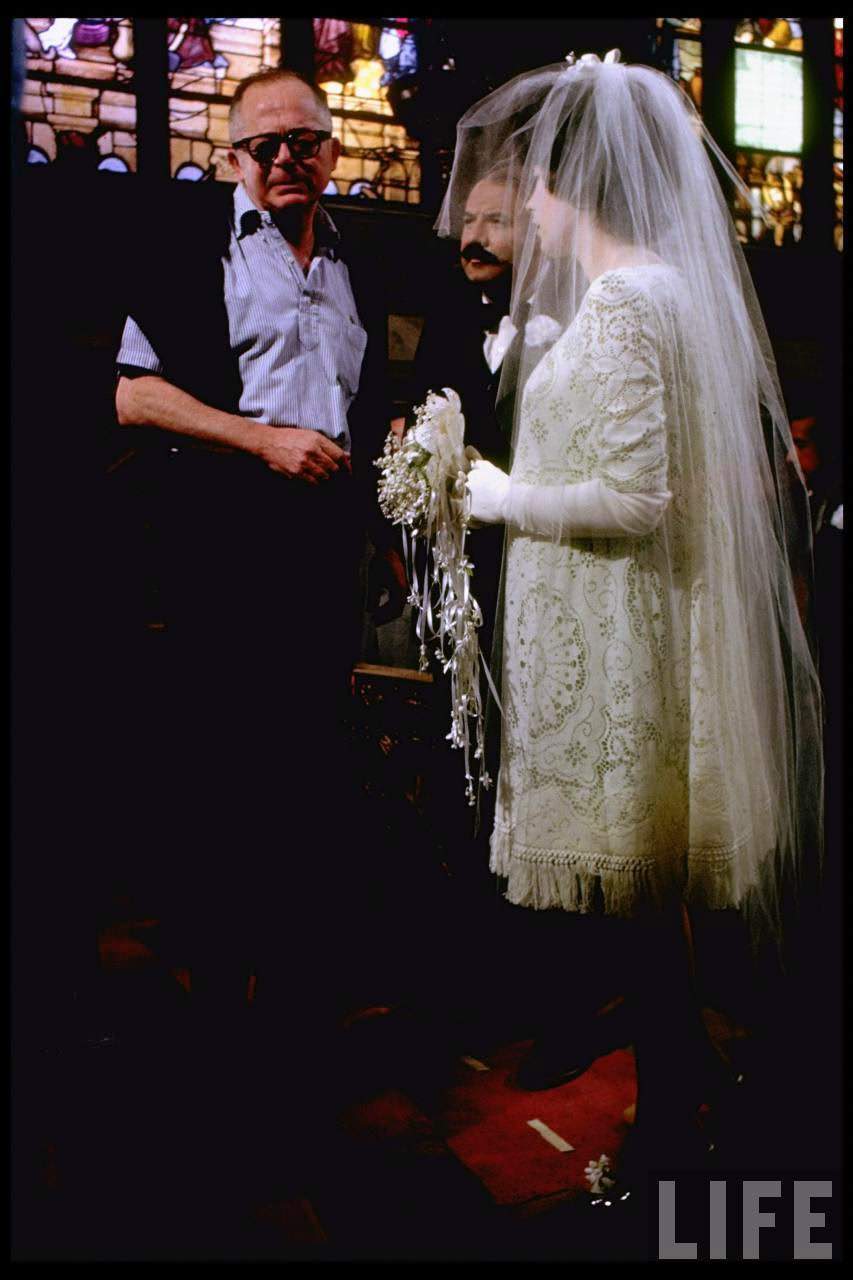
Wilder and his production designer Alexander Trauner built the Rue Casanova entirely on a soundstage at the Samuel Goldwyn Studios in Hollywood. The set was one of the largest constructed for any film that year — a full Parisian street with working storefronts, a bistro, a hotel, and cobblestoned lanes that the camera could move through freely.
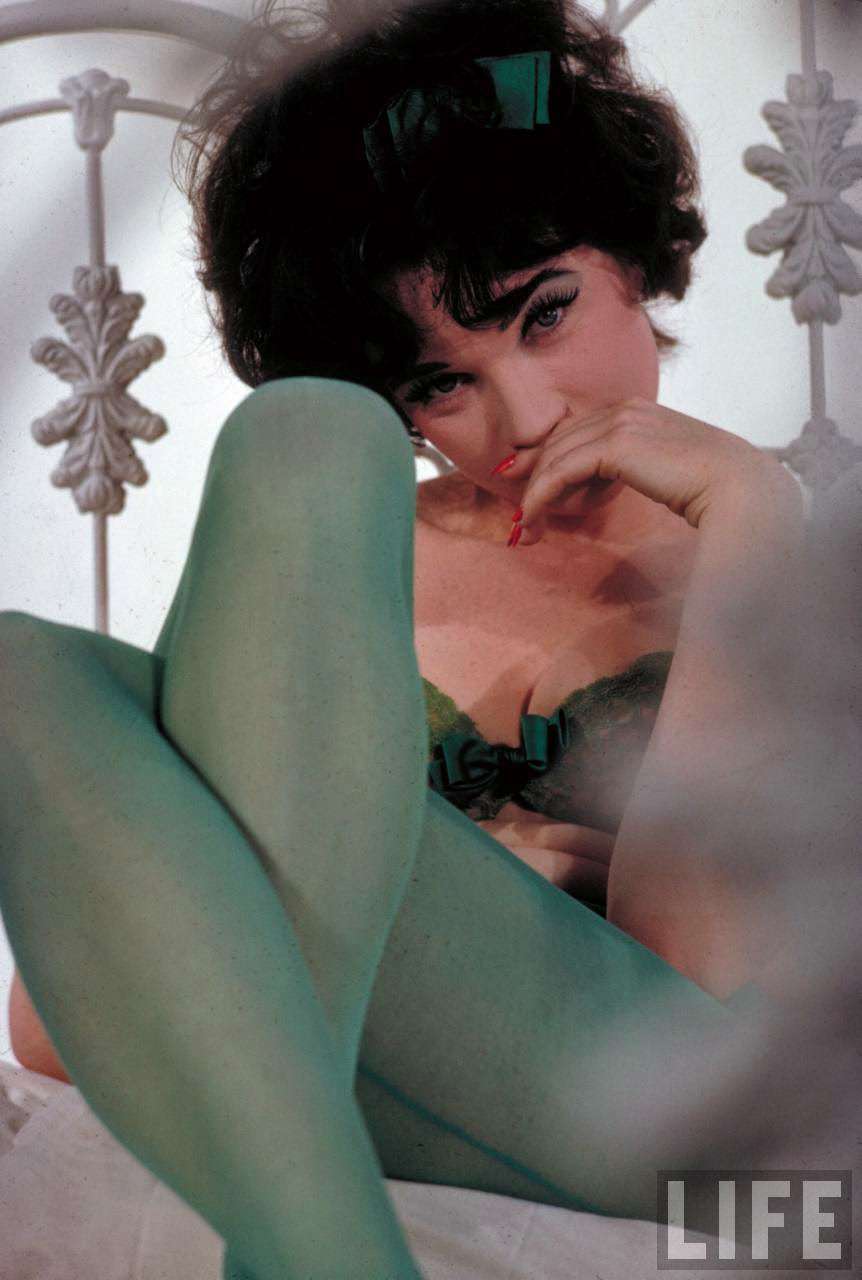
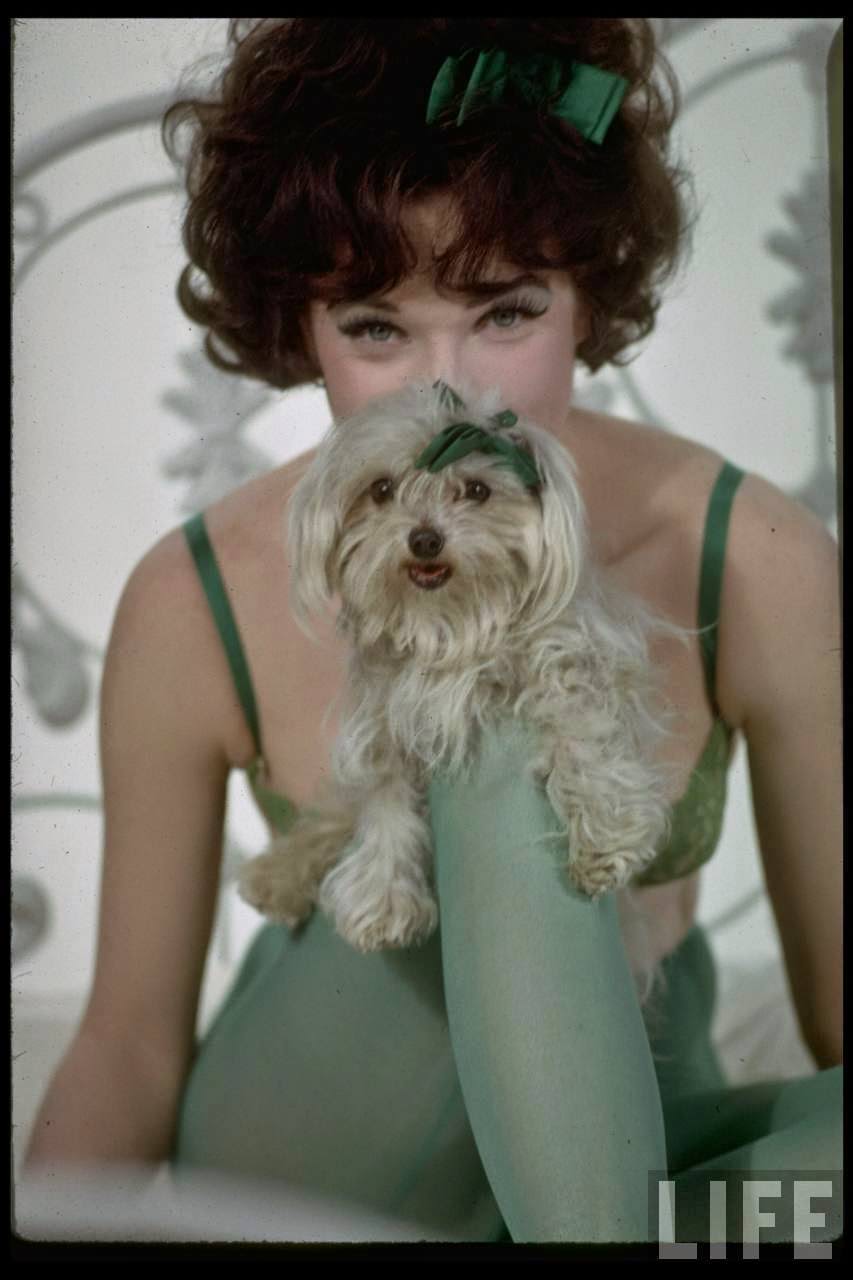
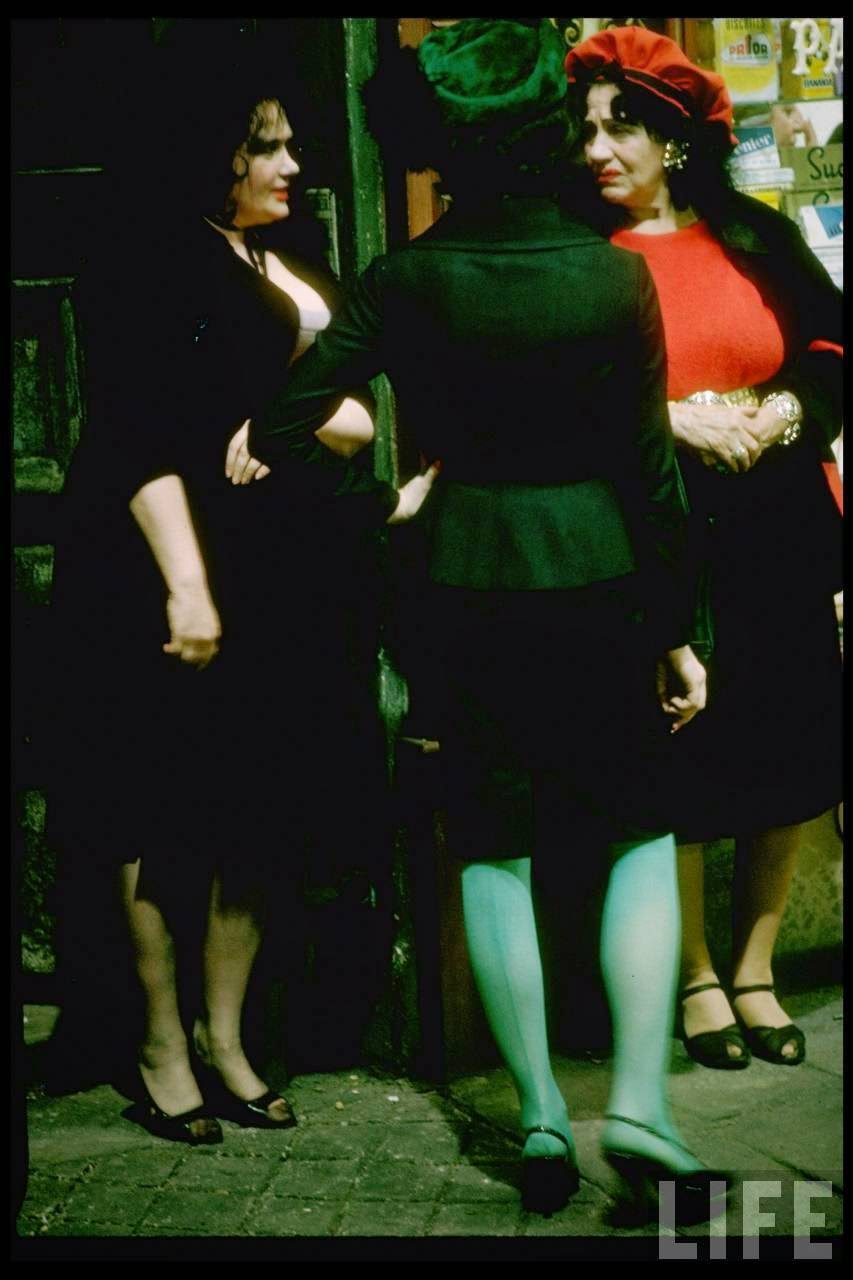
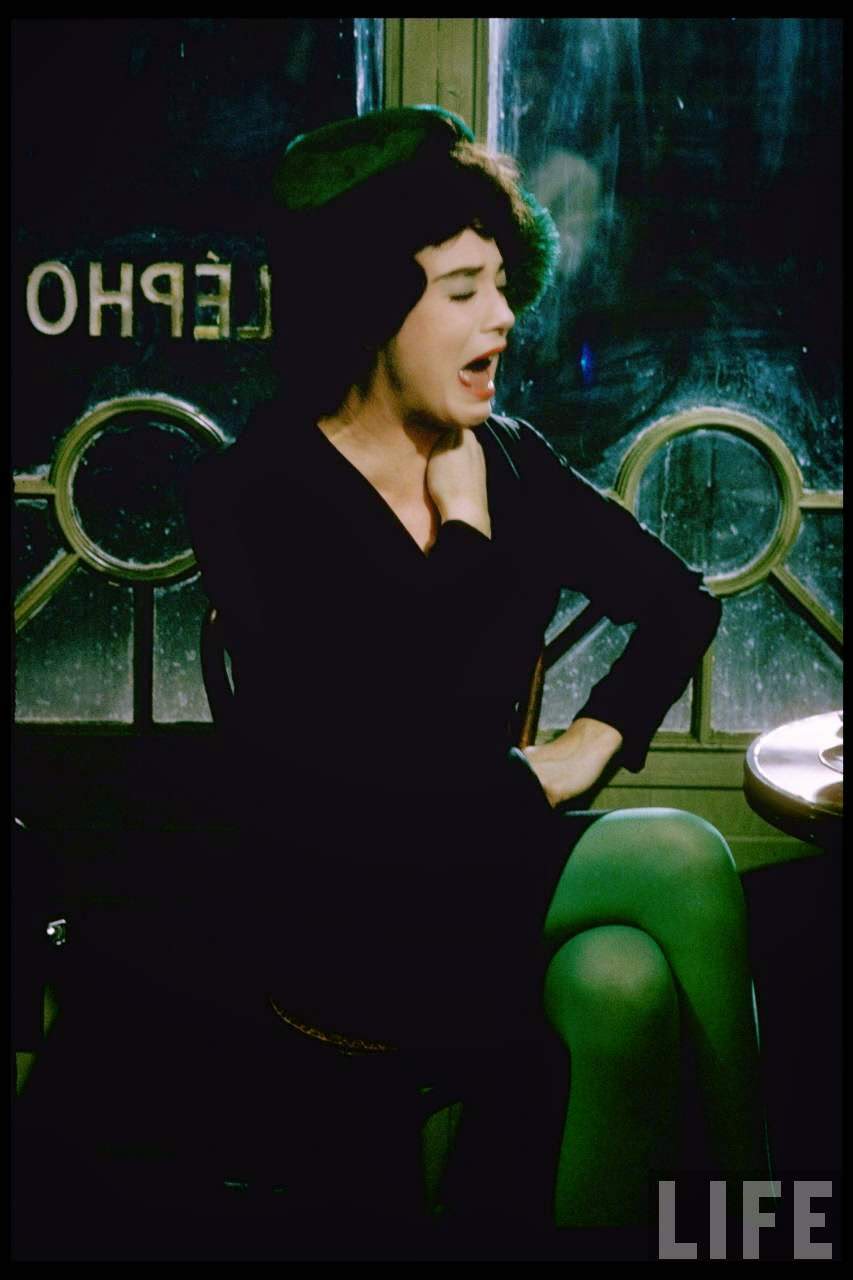
Trauner had designed sets for Wilder on The Apartment and Witness for the Prosecution, and his work on Irma la Douce was widely praised for creating a Paris that felt lived-in rather than decorative. The colors were saturated and deliberate — the green stockings Irma wears throughout the film were a specific costume choice that became one of the movie’s most recognizable visual elements.
Filming ran over schedule and over budget. The two-and-a-half-hour runtime was significantly longer than studio executives wanted, and United Artists pushed Wilder to cut the film down. He refused. The final cut was released at its full length.
The Reception
Irma la Douce opened in June 1963 and became the third highest-grossing film of the year in the United States. Audiences responded to the combination of Lemmon and MacLaine, the Parisian setting, and Wilder’s ability to make genuinely adult material feel playful rather than sordid.
Shirley MacLaine received an Academy Award nomination for Best Actress. André Previn won the Oscar for Best Score — Adaptation or Treatment. The film’s commercial success was significant given its subject matter and runtime, demonstrating that audiences in 1963 were willing to sit with morally complicated characters for nearly three hours if the filmmaking was sharp enough to hold their attention