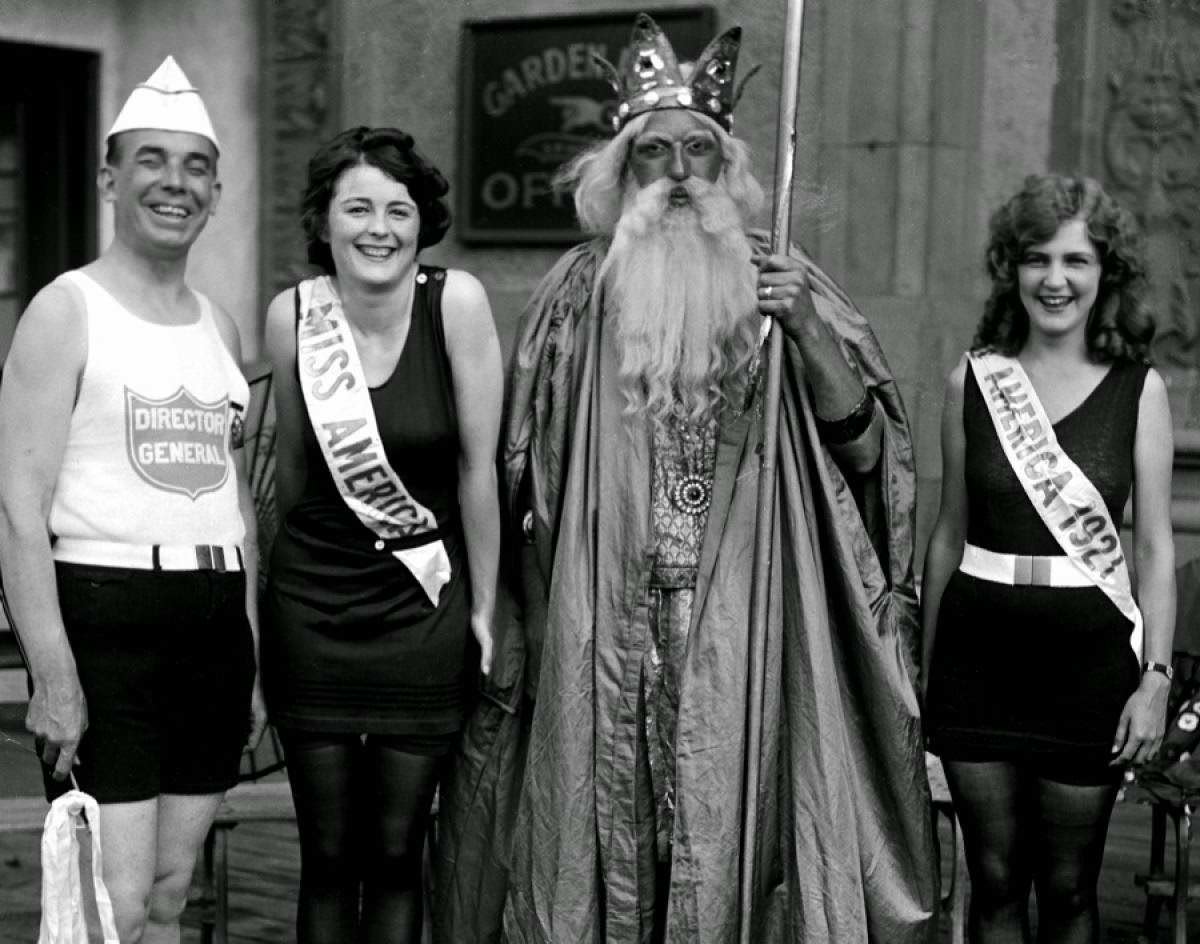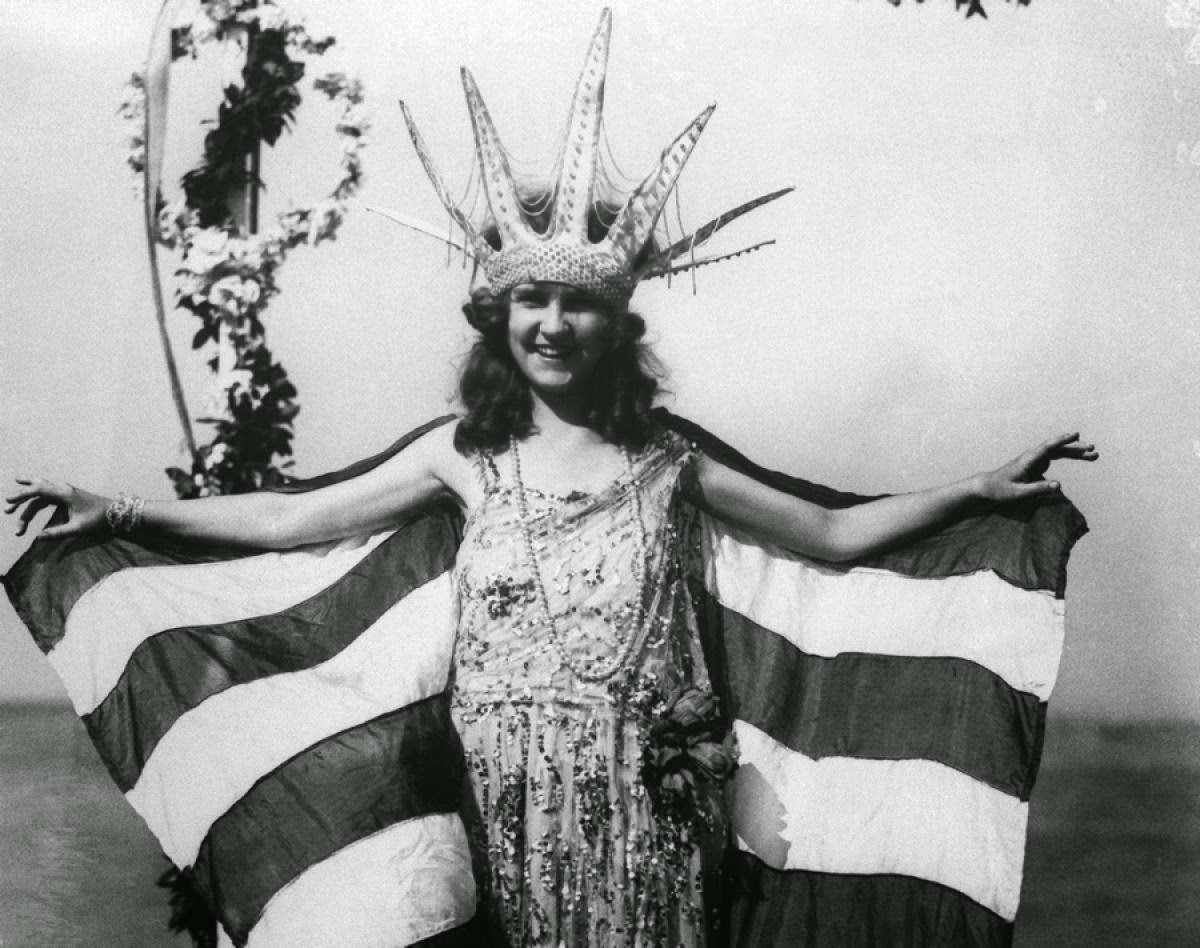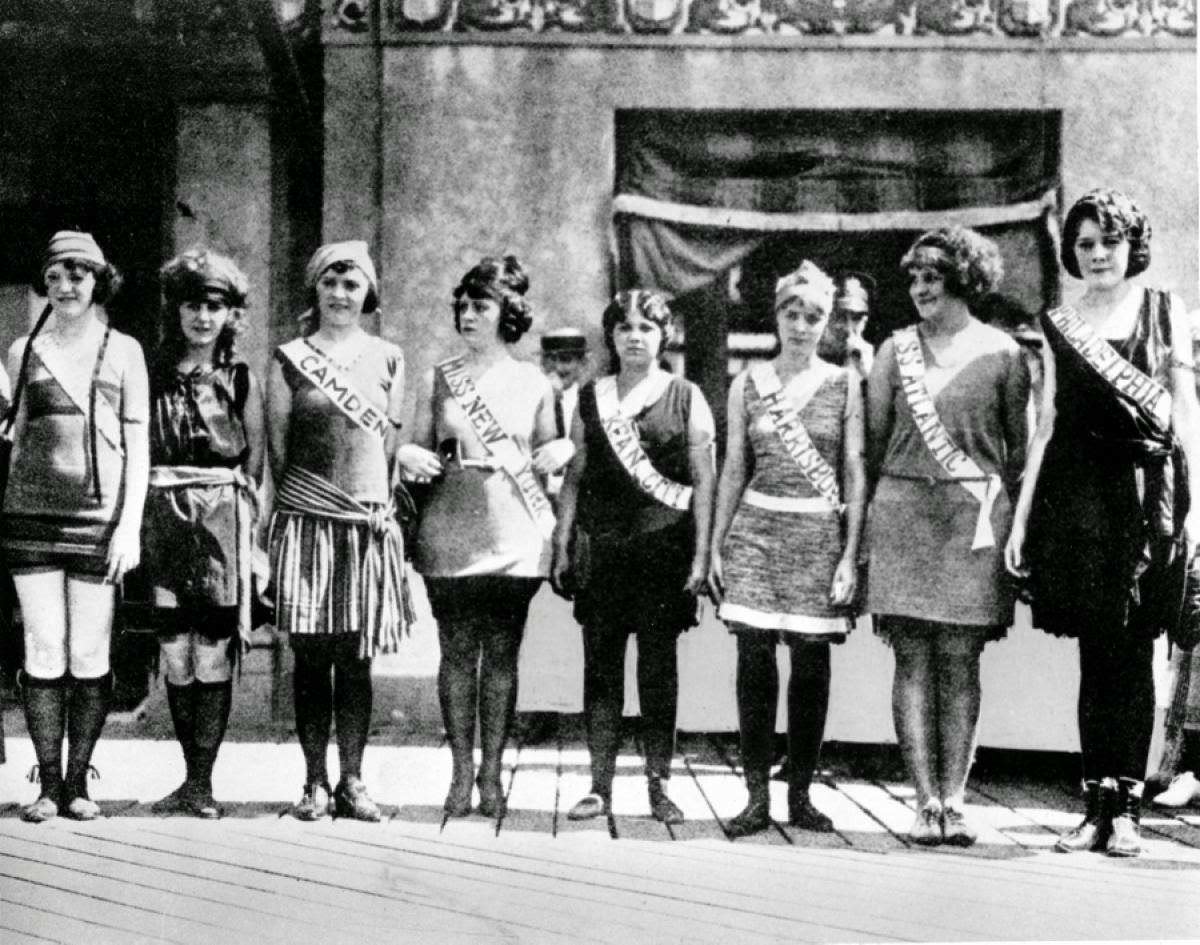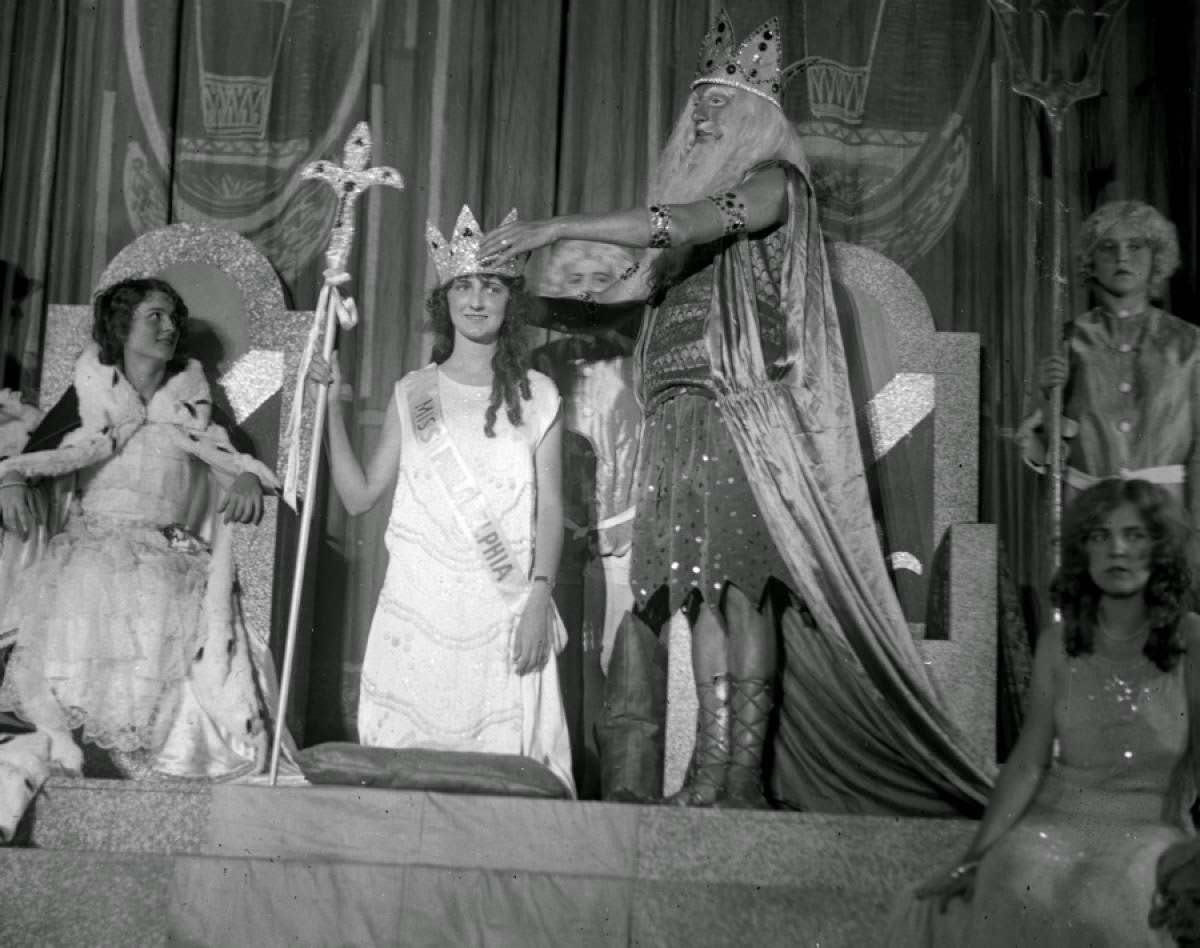

The first Miss America pageant took place in Atlantic City, New Jersey, in September 1921. It was organized by local businessmen who wanted to extend the summer tourist season past Labor Day and keep visitors spending money in the city’s hotels and boardwalks. Eight young women competed. Margaret Gorman, a 16-year-old from Washington D.C., won. She was 5’1″, weighed 108 pounds, and her measurements were recorded and published in newspapers across the country as if they were sports statistics.
That first competition set the template for nearly everything that followed.
How the Pageants Were Structured
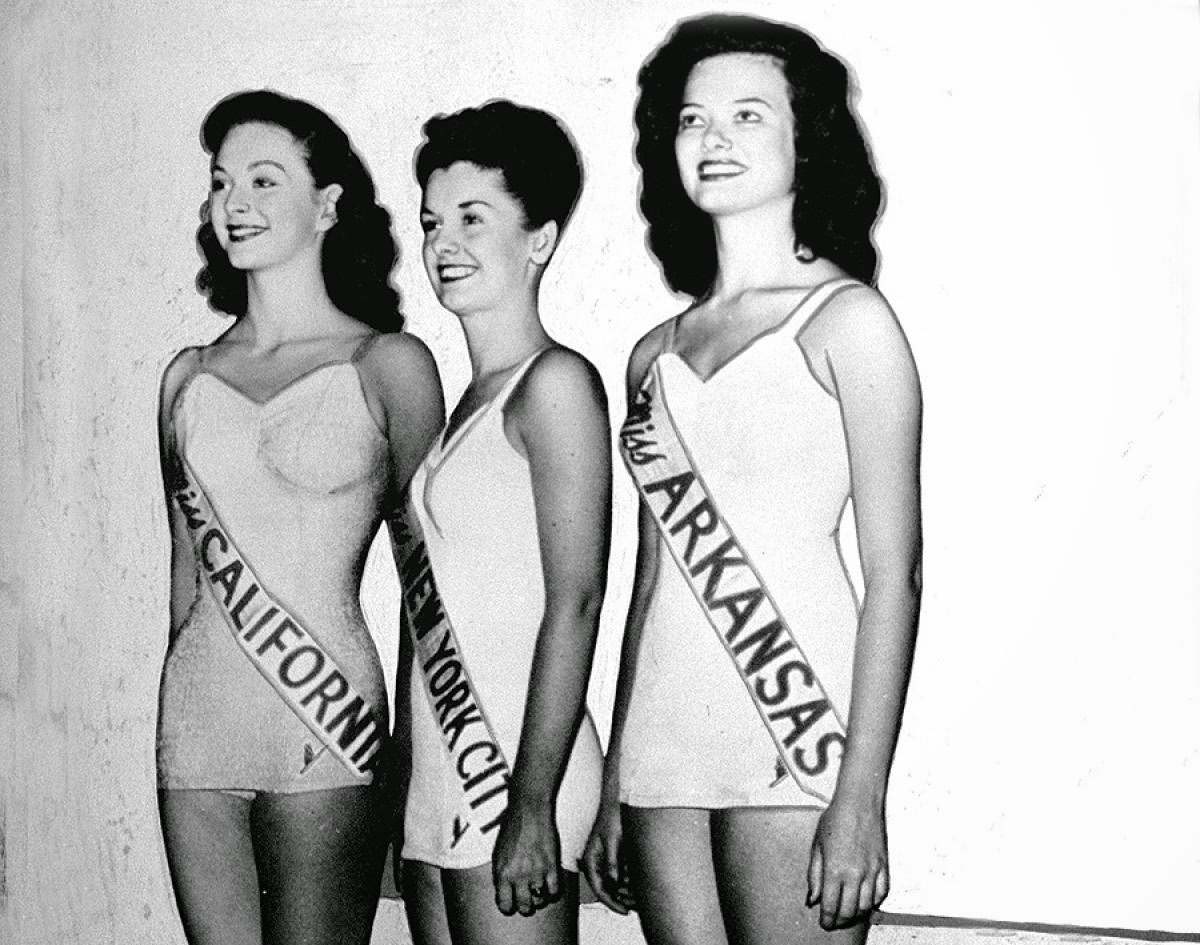
The 1921 Miss America contest judged contestants on physical appearance almost exclusively. Women paraded in front of judges in bathing suits, and the scoring was based on face, hair, figure, and bearing. There was no talent competition, no interview round, and no platform requirement. The winner received a golden trophy and a great deal of newspaper coverage.
By the mid-1920s, the Miss America pageant had grown into a nationally recognized event with contestants arriving from states across the country. The swimsuit component remained central, and the judging criteria remained heavily focused on physical measurements. Newspapers published the vital statistics of contestants as standard coverage, treating the women’s bodies as quantifiable data points in a competition.
Read more..
Other pageants began appearing alongside Miss America during this period. Local and regional contests proliferated across the country, feeding into the national competition and giving smaller cities and towns their own version of the event. County fairs, harvest festivals, and civic organizations all began crowning queens and princesses throughout the 1920s and 1930s.
The Atlantic City Boardwalk Shows
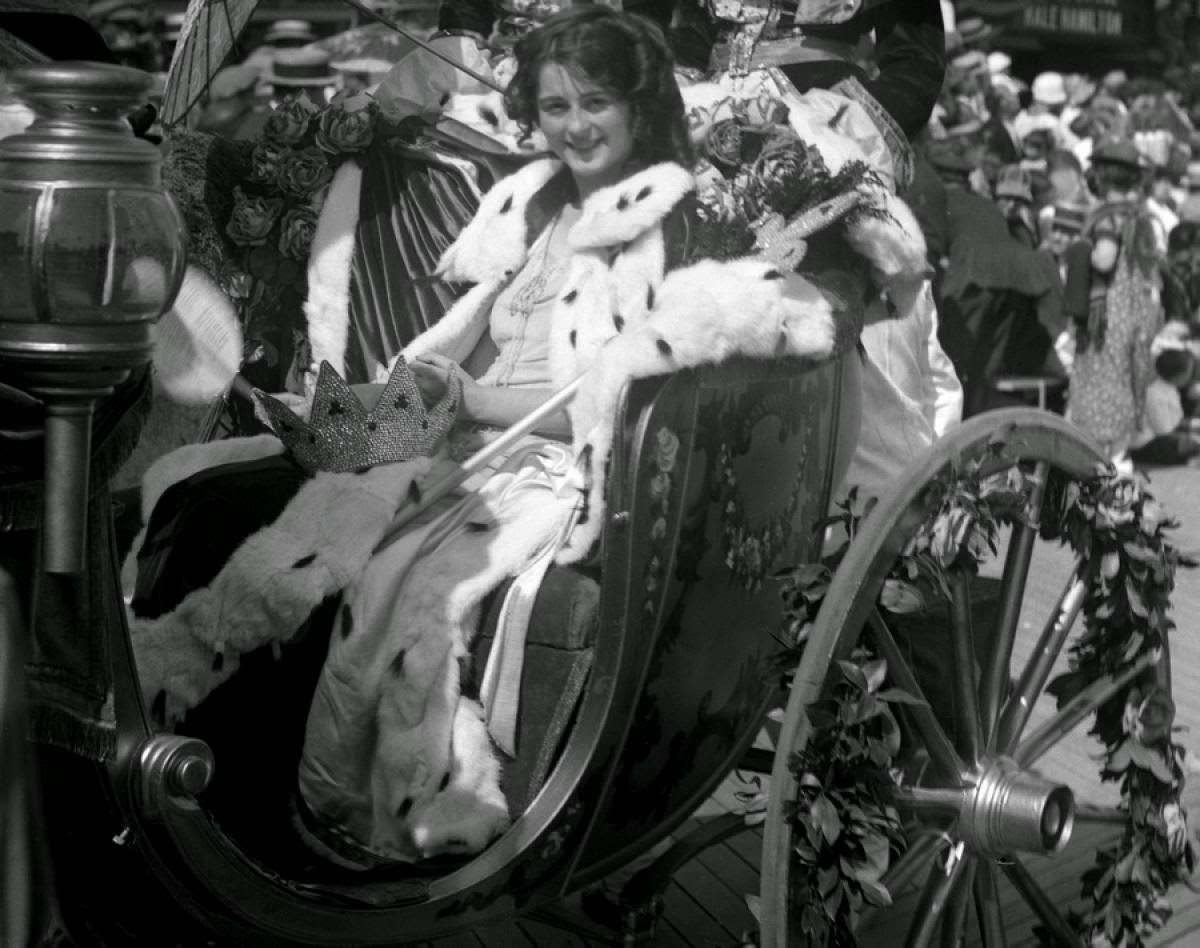
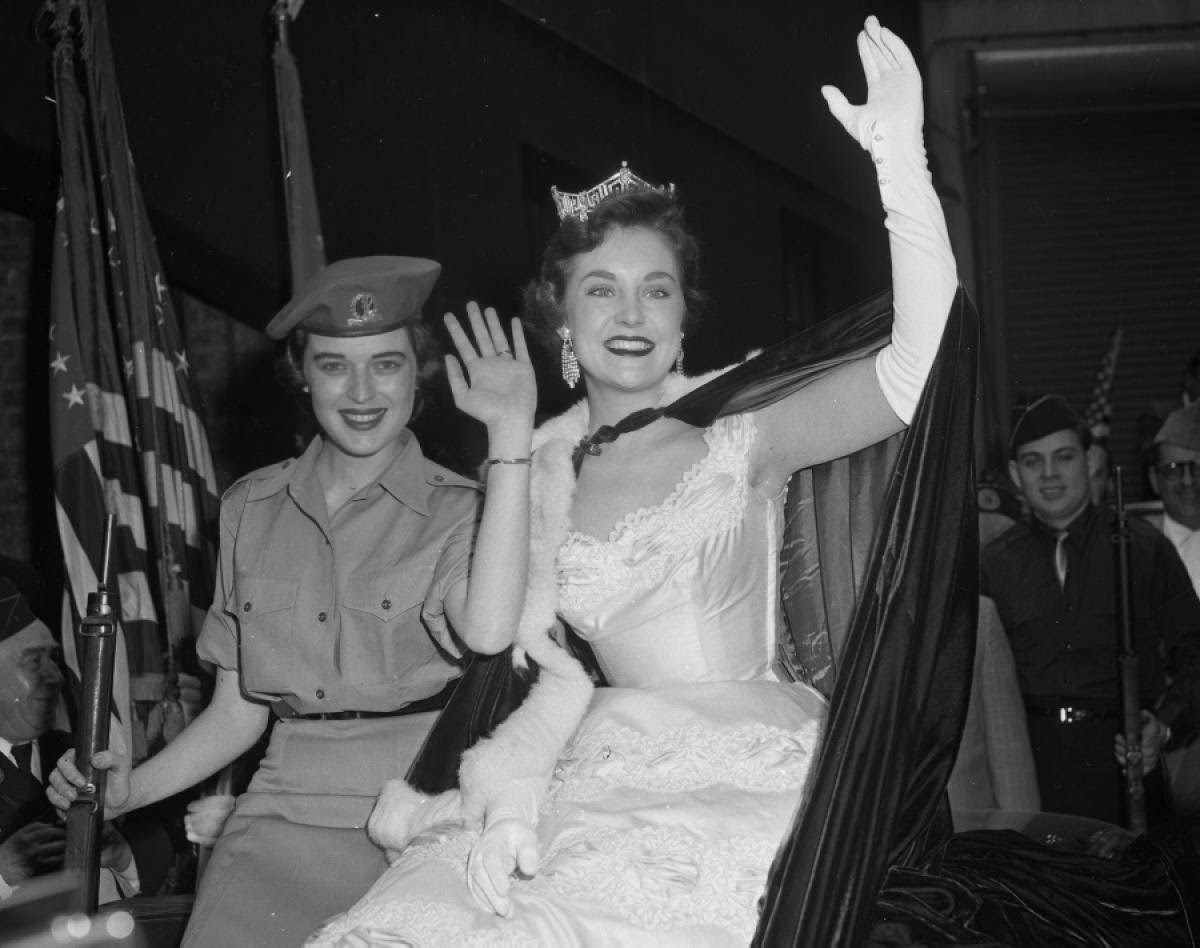
The Miss America pageant’s boardwalk parades became major spectacles by the late 1920s. Contestants rode on floats, waved to crowds that lined the wooden boardwalk for blocks, and were photographed constantly by press photographers whose images ran in papers from New York to Los Angeles.
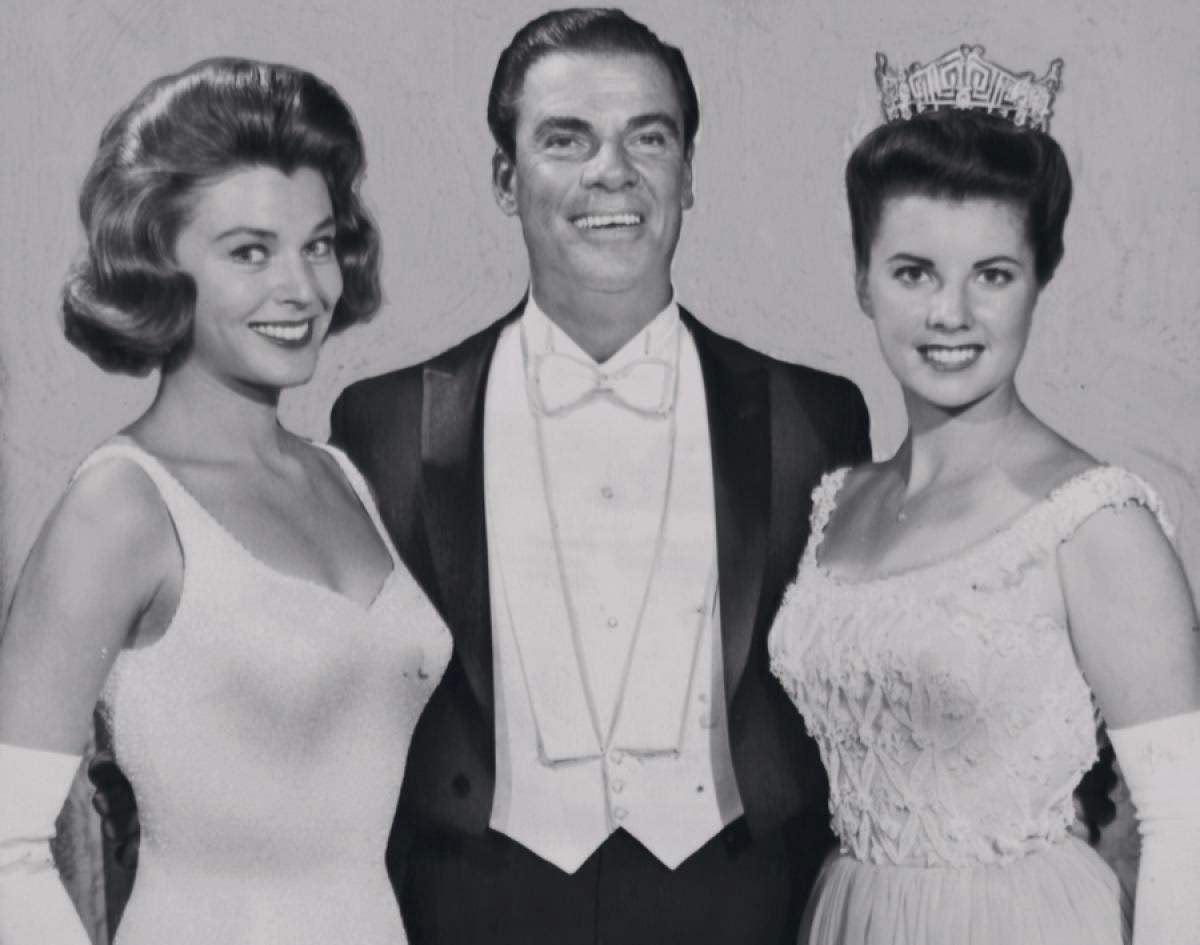
The event drew celebrities as judges. Artists, actors, and public figures were brought in to add prestige to the competition and generate additional press coverage. Howard Chandler Christy, one of the most famous illustrators in America at the time, served as a judge in the early years and his involvement was treated as a significant endorsement of the pageant’s cultural legitimacy.
The Racial Barrier
From 1921 through the early 1950s, the Miss America pageant operated under Rule Seven, which required all contestants to be “of the white race.” Black women were excluded from competing at the national level entirely. Separate pageants existed within Black communities — most notably the Miss Bronze America contest — but these received no mainstream media coverage and none of the commercial infrastructure that supported Miss America.
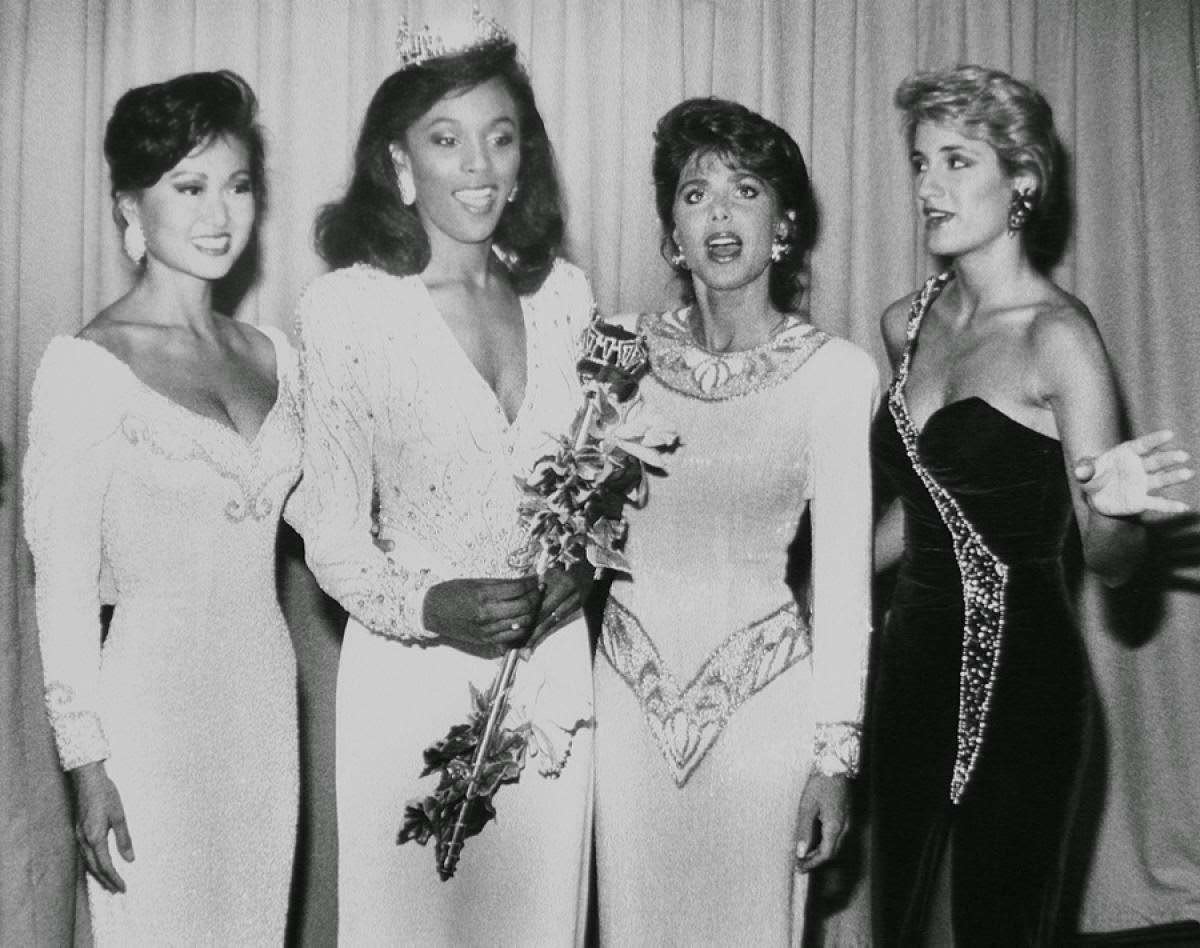
The rule was quietly dropped in 1950, but it took until 1970 for the first Black woman, Cheryl Browne of Iowa, to compete at the Miss America pageant. Vanessa Williams became the first Black Miss America in 1983 — 62 years after the competition began.
What Contestants Actually Experienced
Behind the glamour of the pageant photographs was a highly regulated and often grueling process. Contestants in the 1920s and 1930s submitted to physical measurements taken by judges and recorded officially. Weight and height were scrutinized. Posture was evaluated. Women were judged walking, standing still, and in profile.
By the 1930s and 1940s, the pageant began adding elements beyond physical appearance. A talent component was introduced, and contestants were expected to demonstrate some skill beyond looking good in a swimsuit. The interview portion came later, eventually becoming a significant part of the scoring in the postwar era.
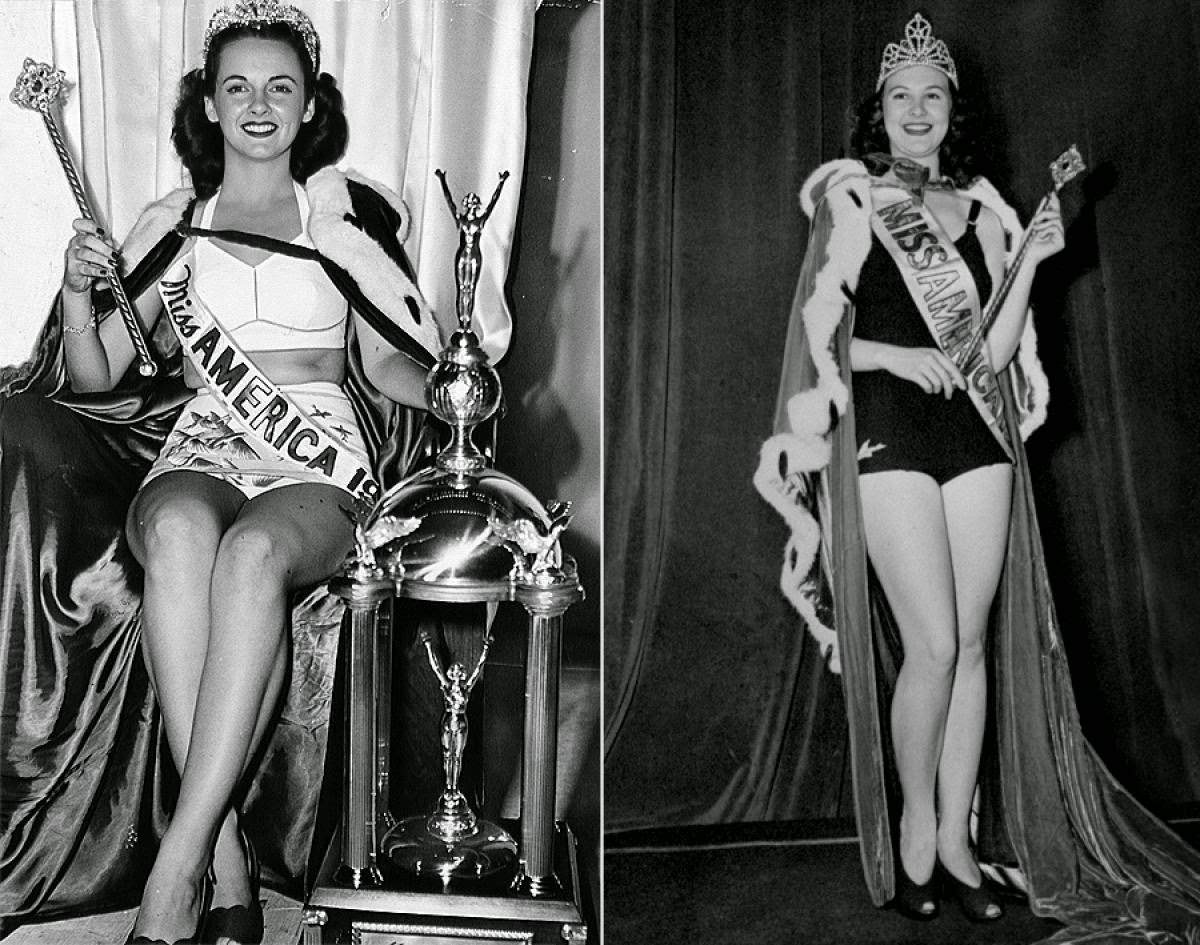
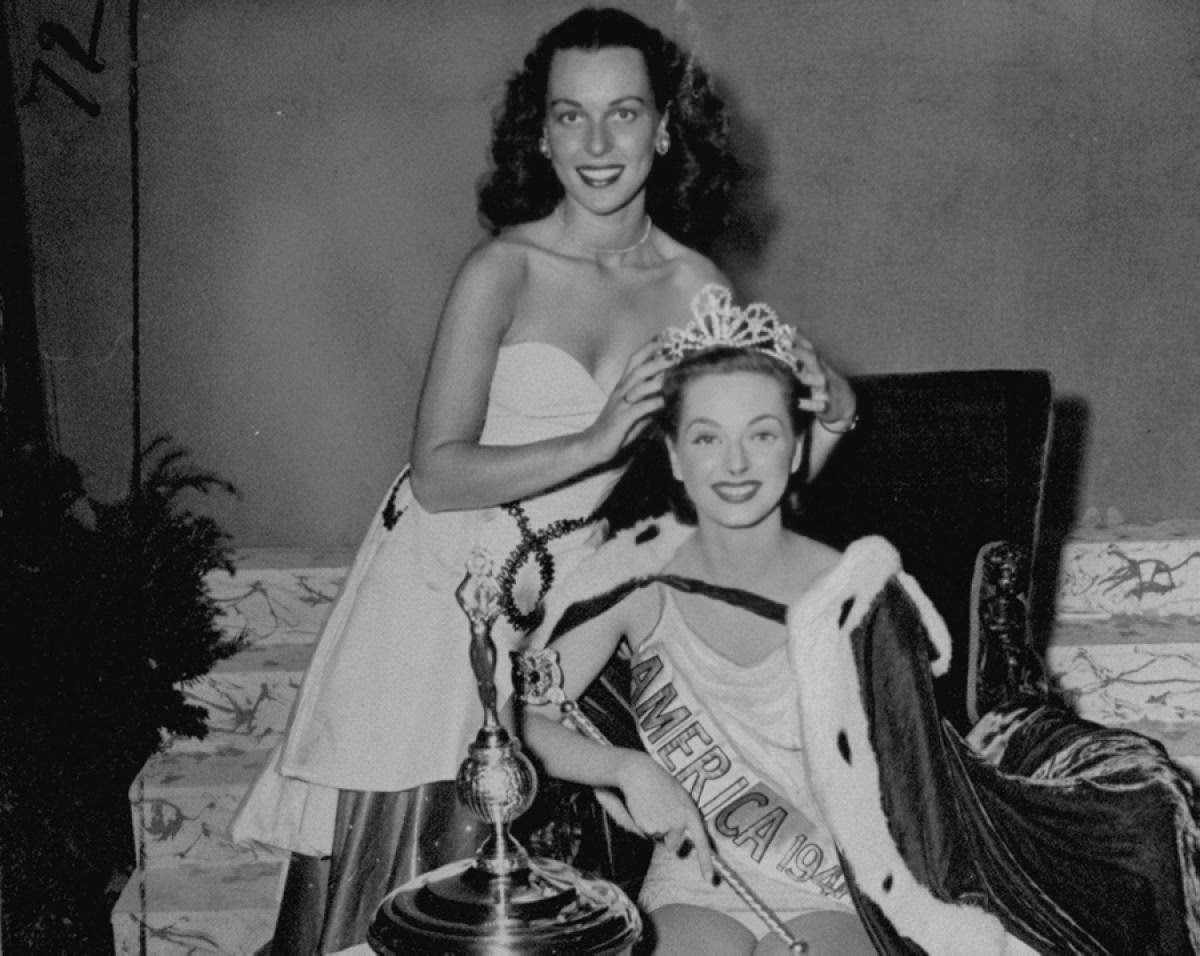
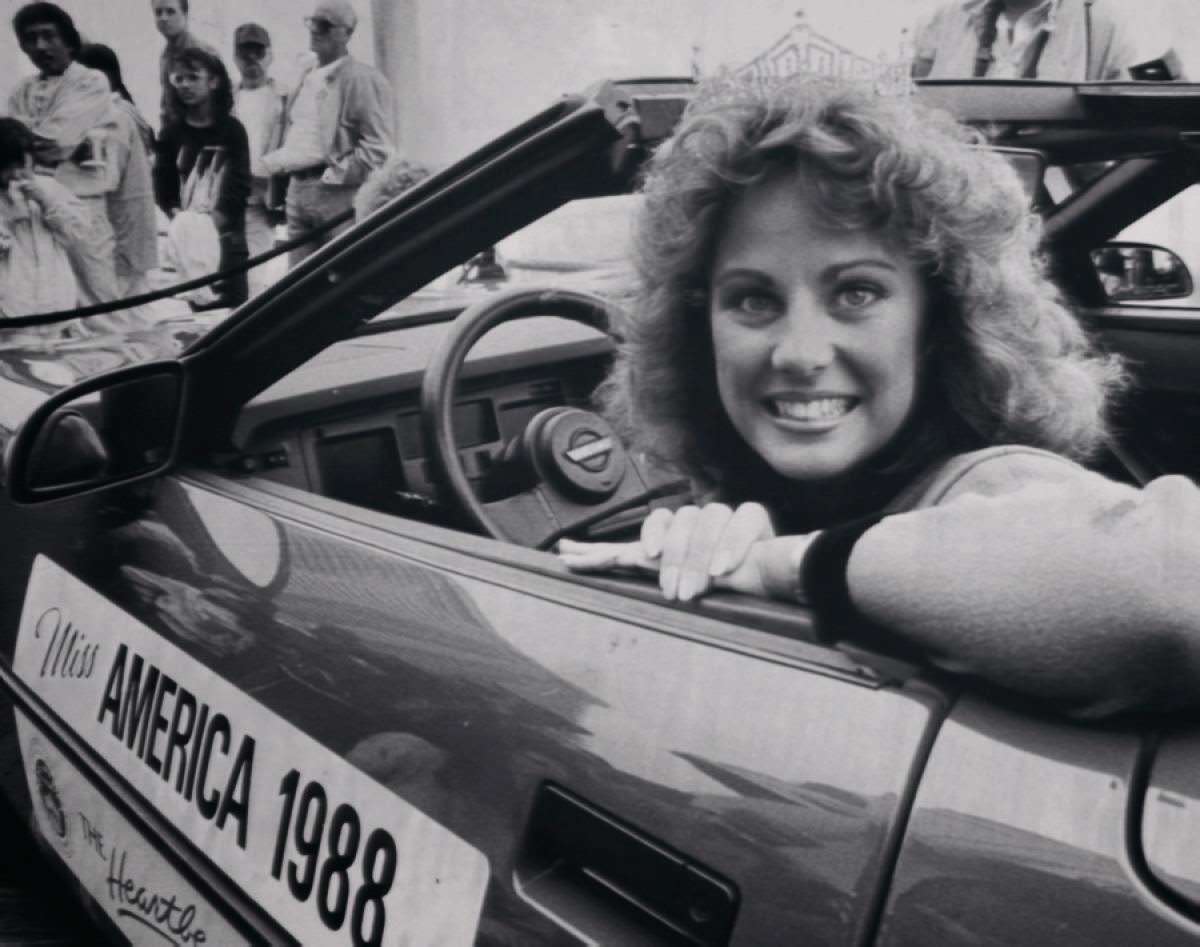
The commercial machinery around the pageants expanded steadily through the 1930s. Winners received scholarships, modeling contracts, and promotional deals. The Miss America title came with a year of public appearances, endorsements, and media obligations that turned the winner into a working representative of the pageant’s sponsors.
The Pageant Photograph as Cultural Document
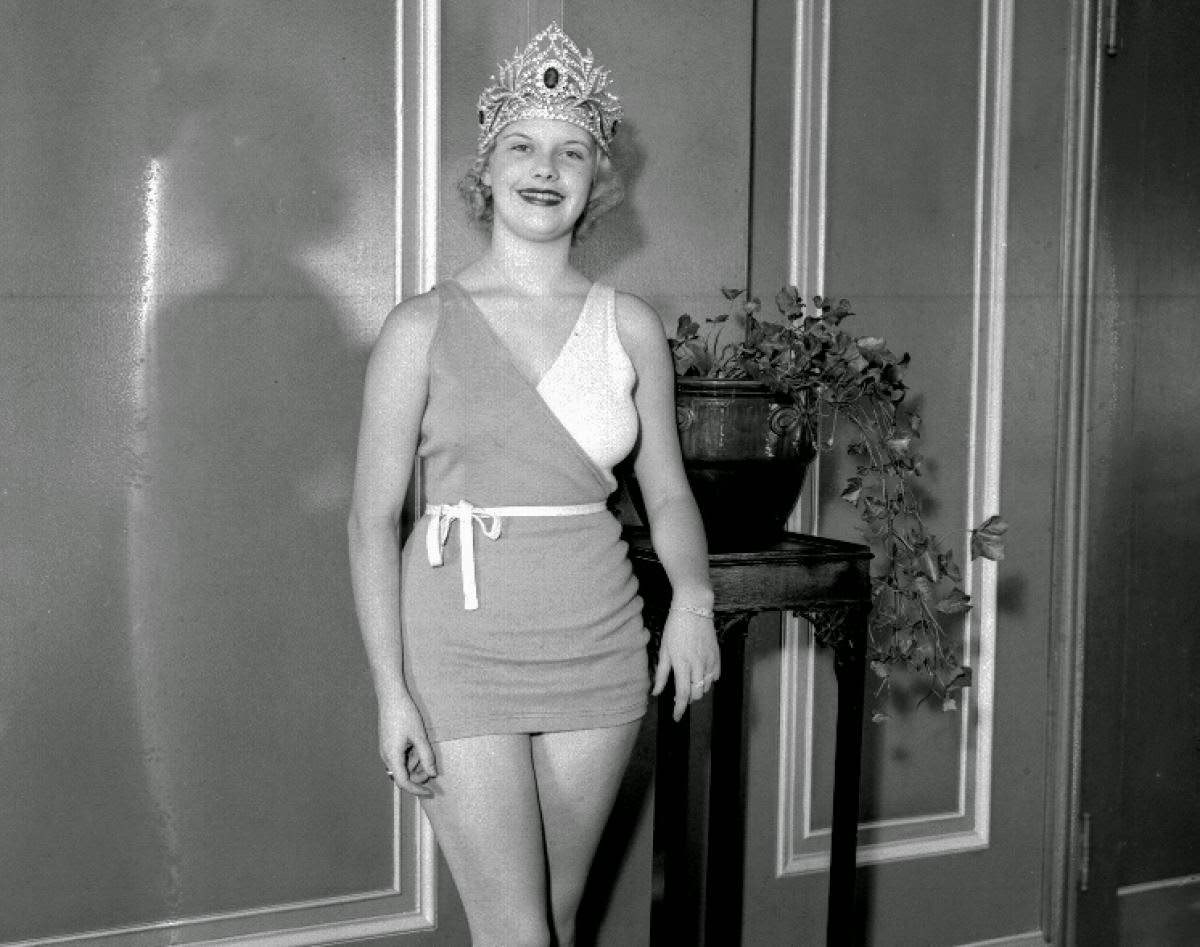
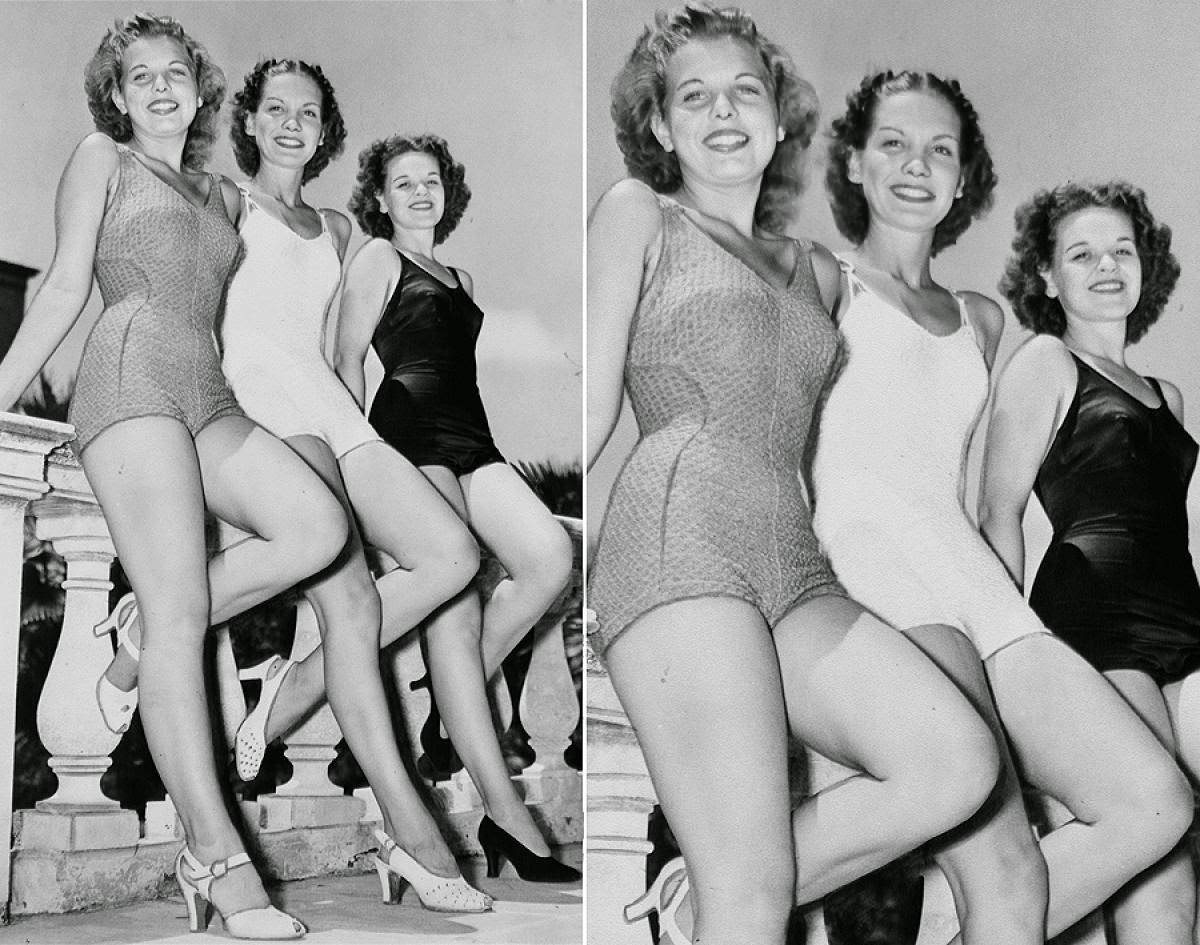
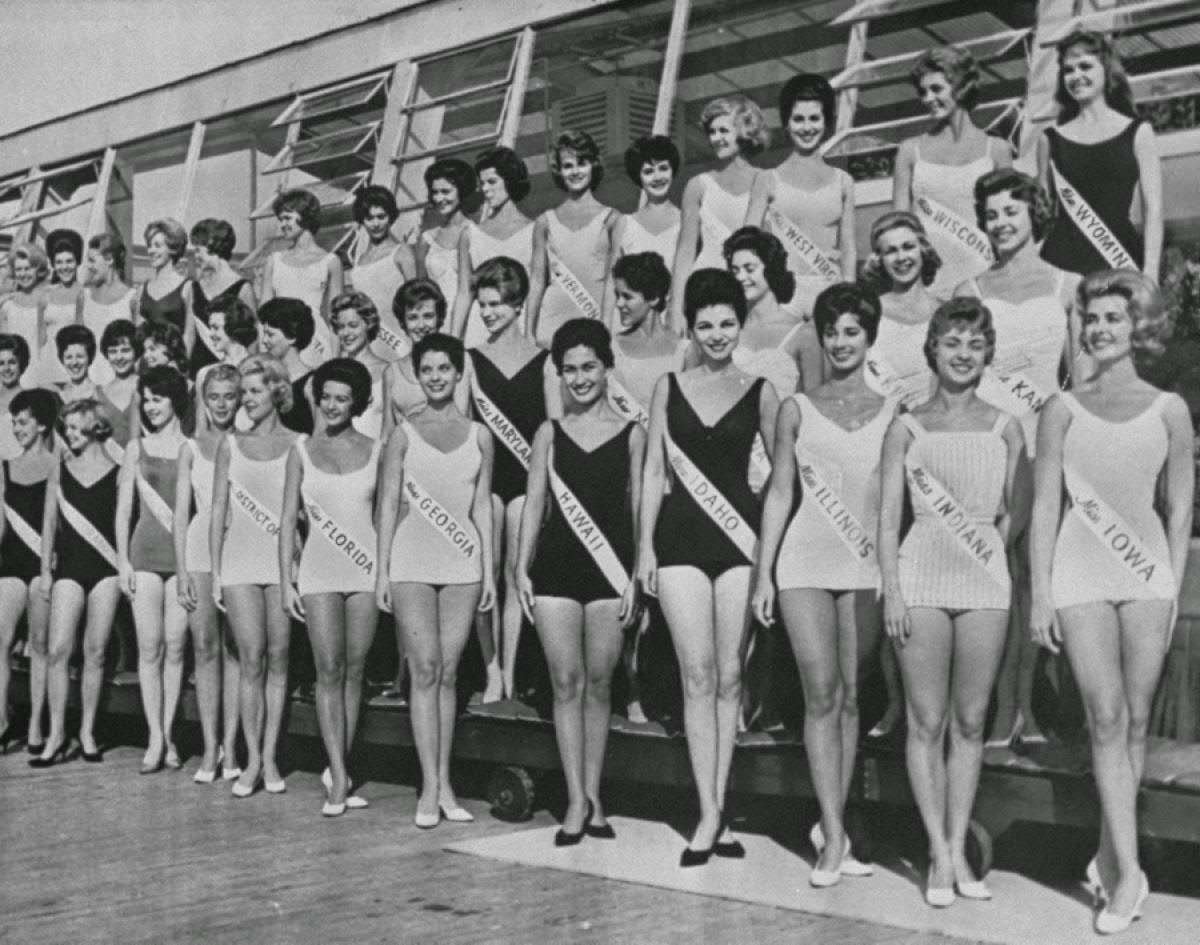
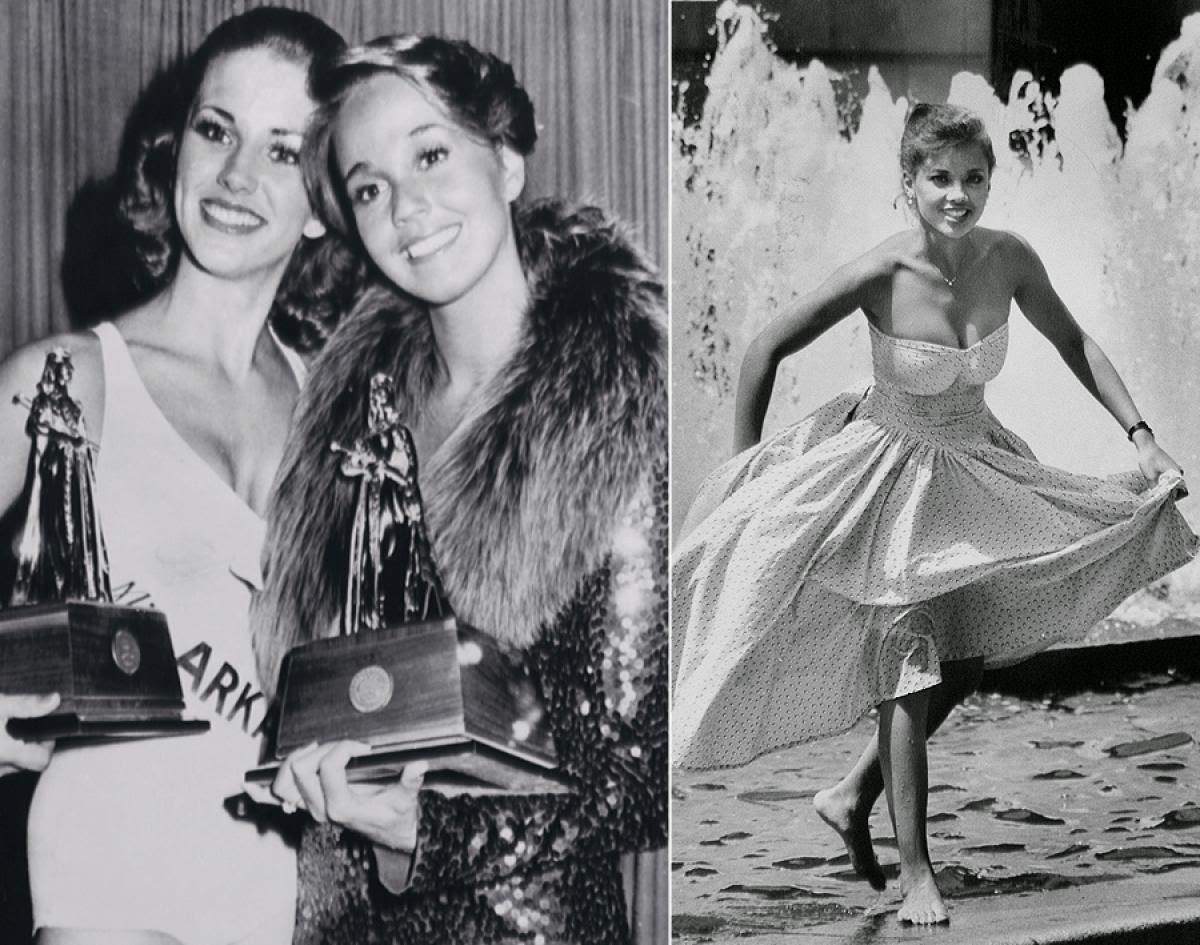
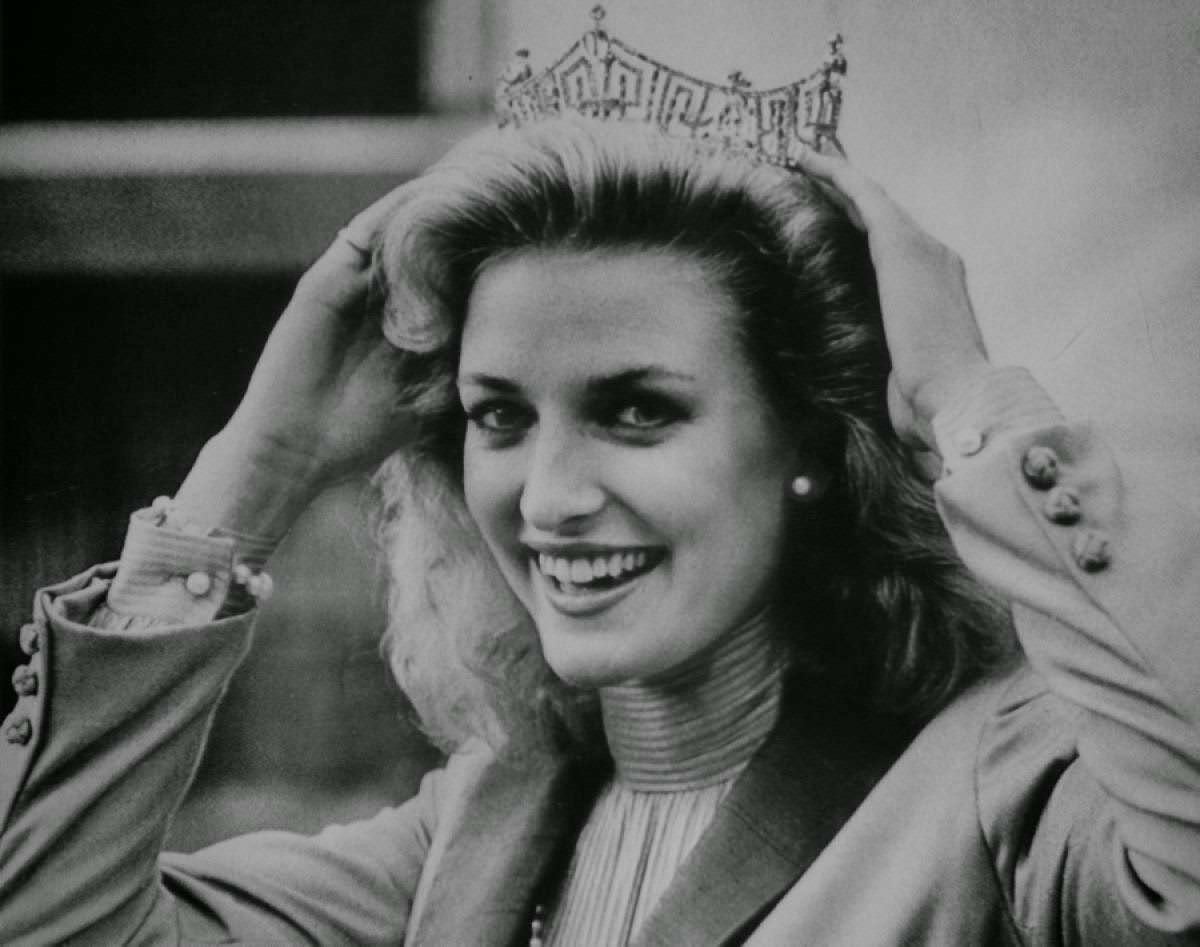
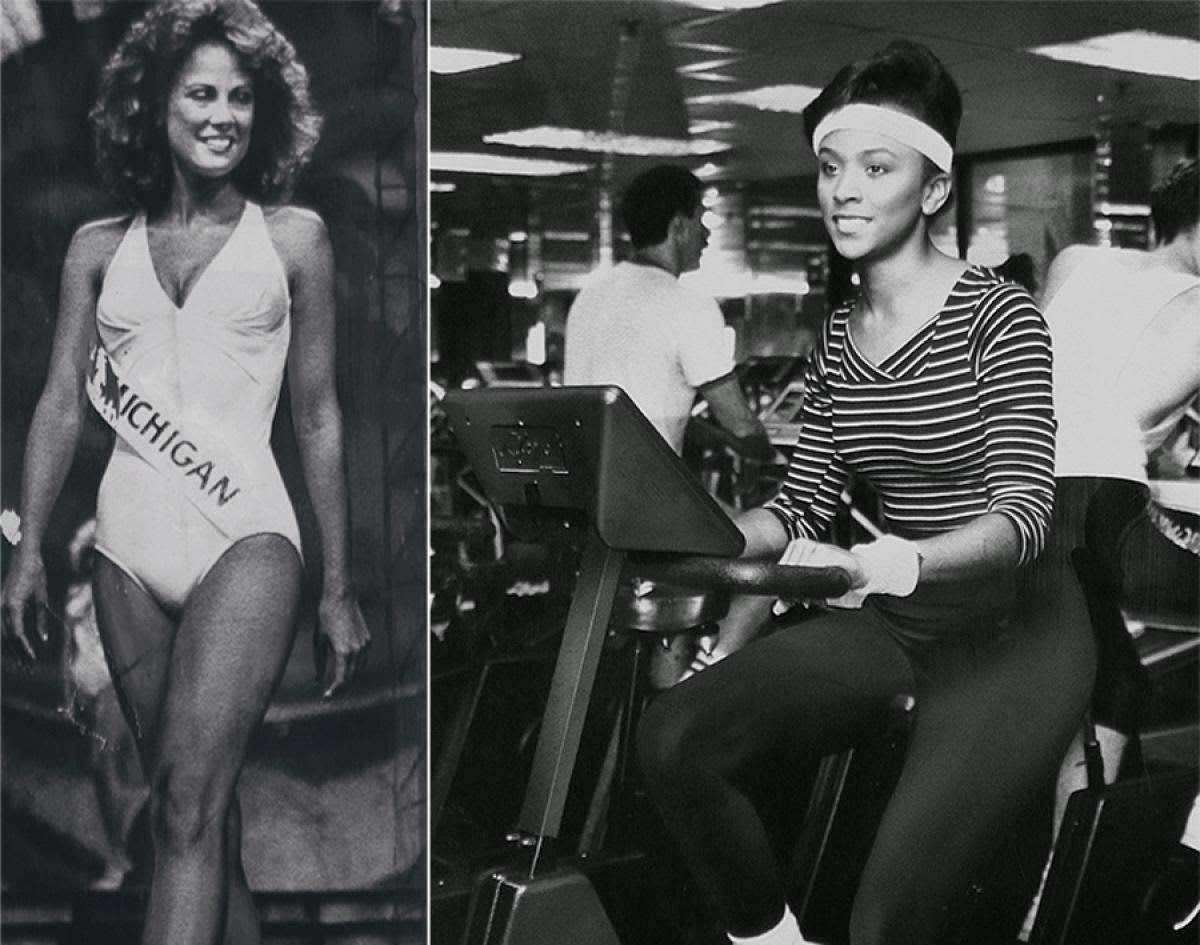
The photographs taken at American beauty pageants from the 1920s onward form a precise visual record of shifting standards. The ideal body type changed decade by decade — curvier in the 1930s, leaner in the 1950s, athletic by the 1980s. Swimsuit designs evolved from knee-length wool tank suits in the early 1920s to the two-piece styles that generated controversy when they appeared in the 1960s.
What stayed consistent was the structure: women lined up, judged, ranked, and photographed. The pageant format remained remarkably stable even as the culture around it changed completely, which is part of what makes the historical photographs so revealing — the same basic ritual playing out across decades with different faces, different clothes, and different ideas about what winning was supposed to mean.