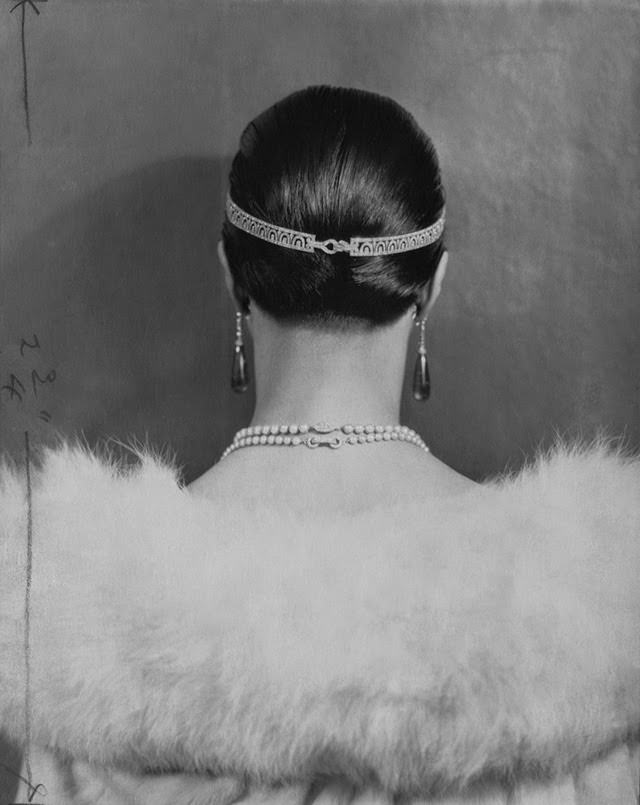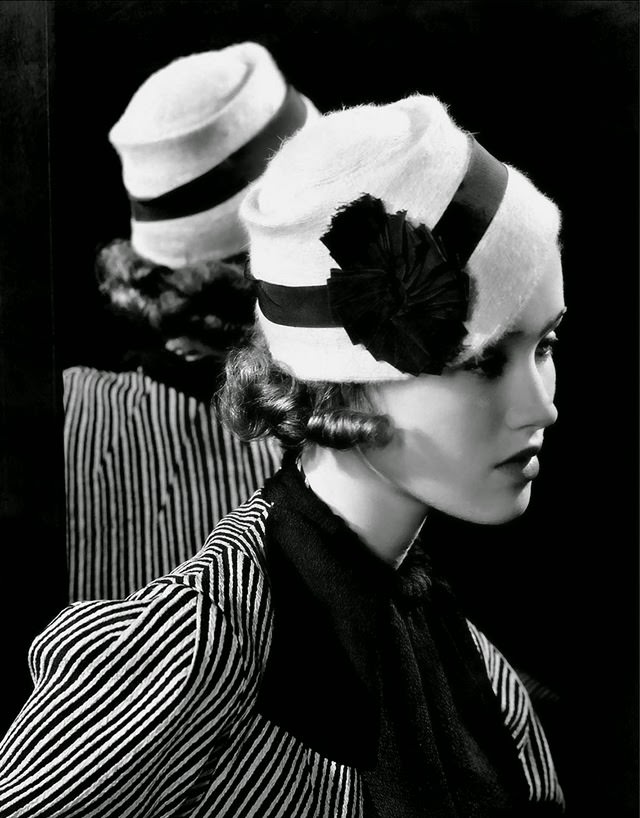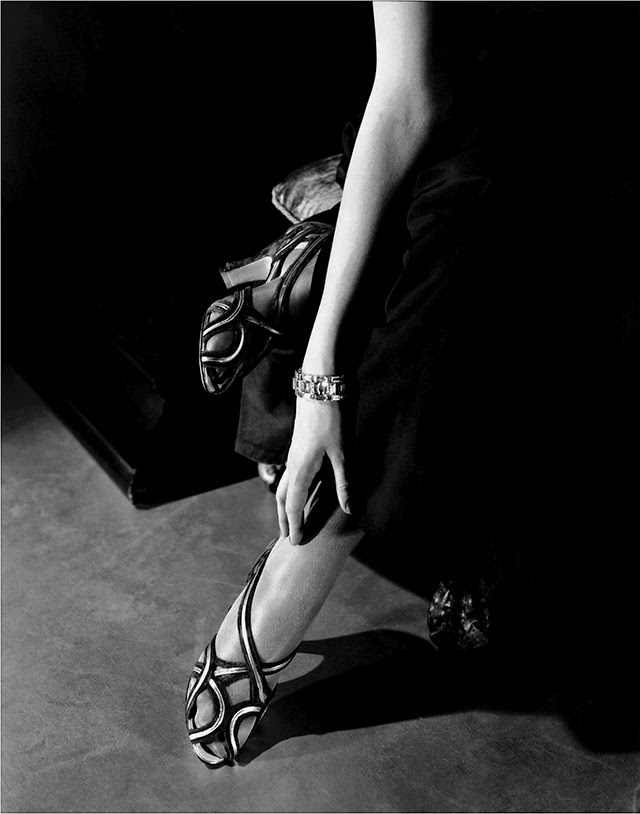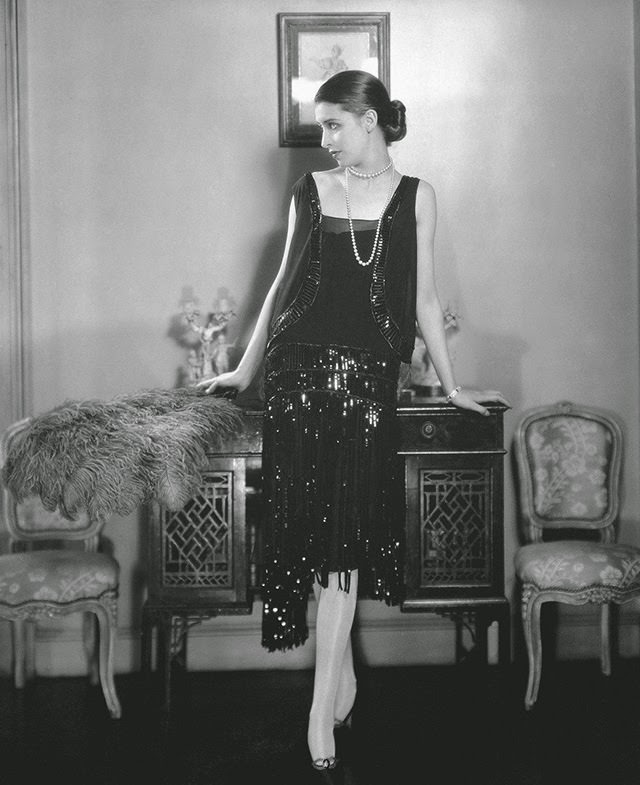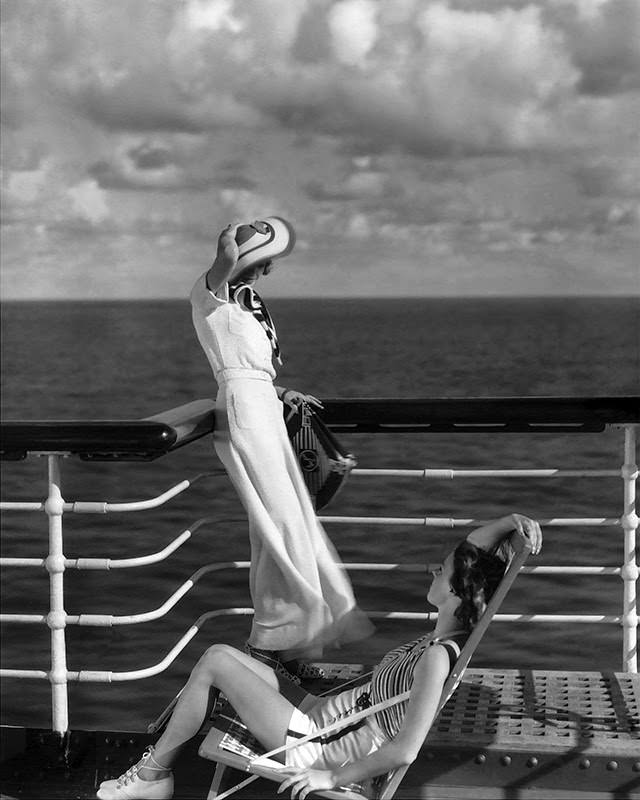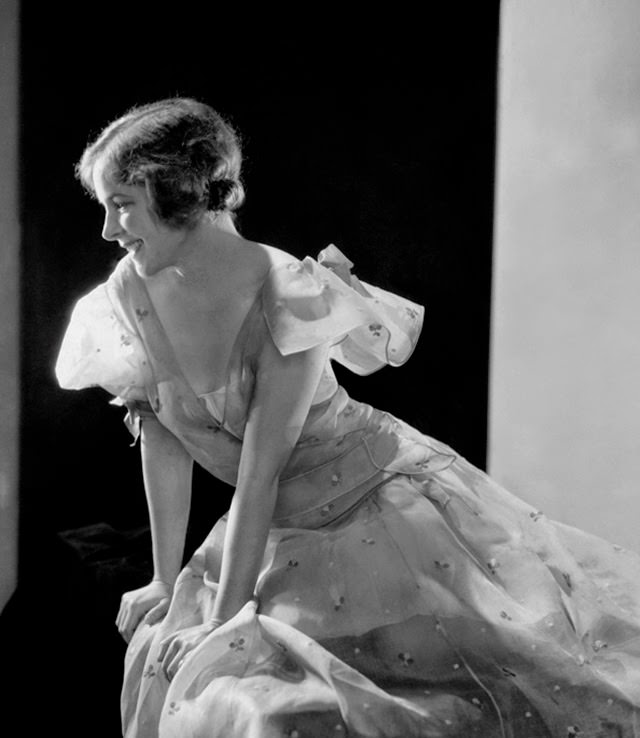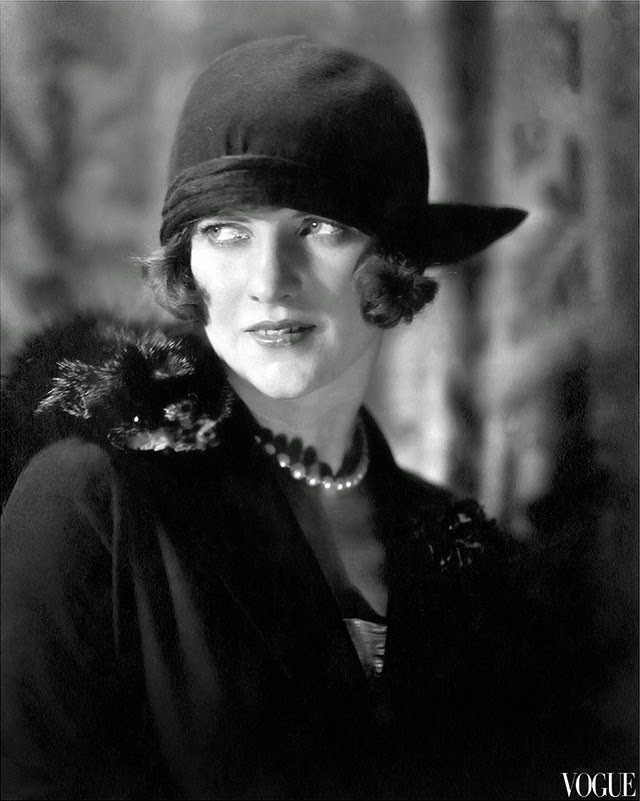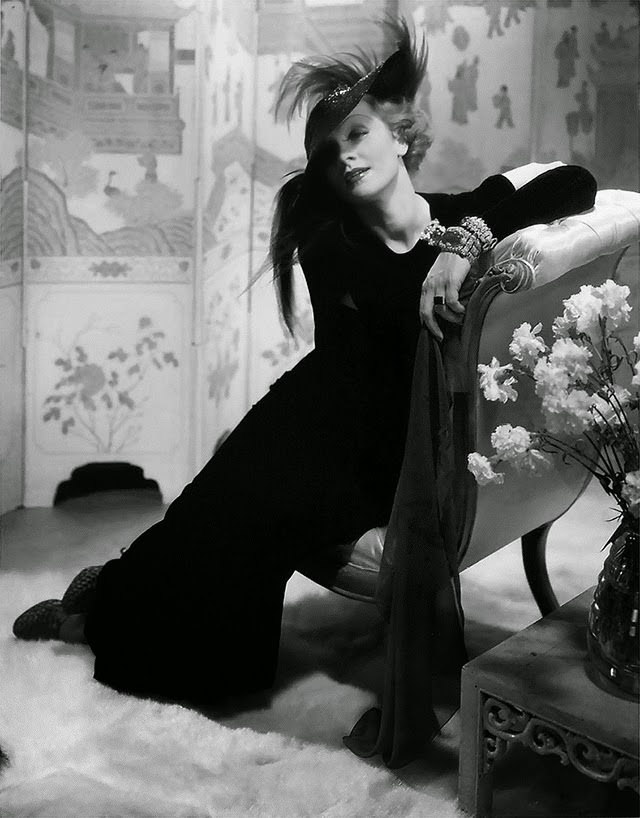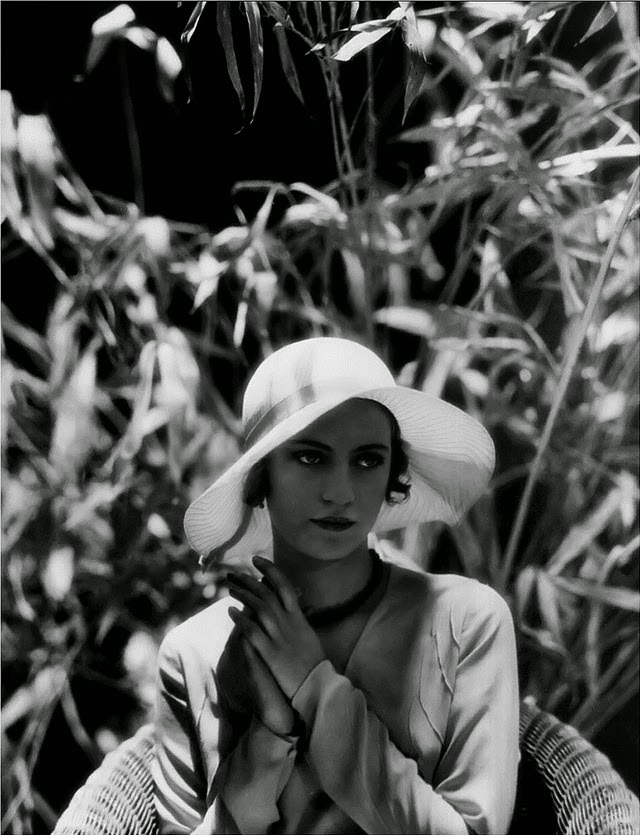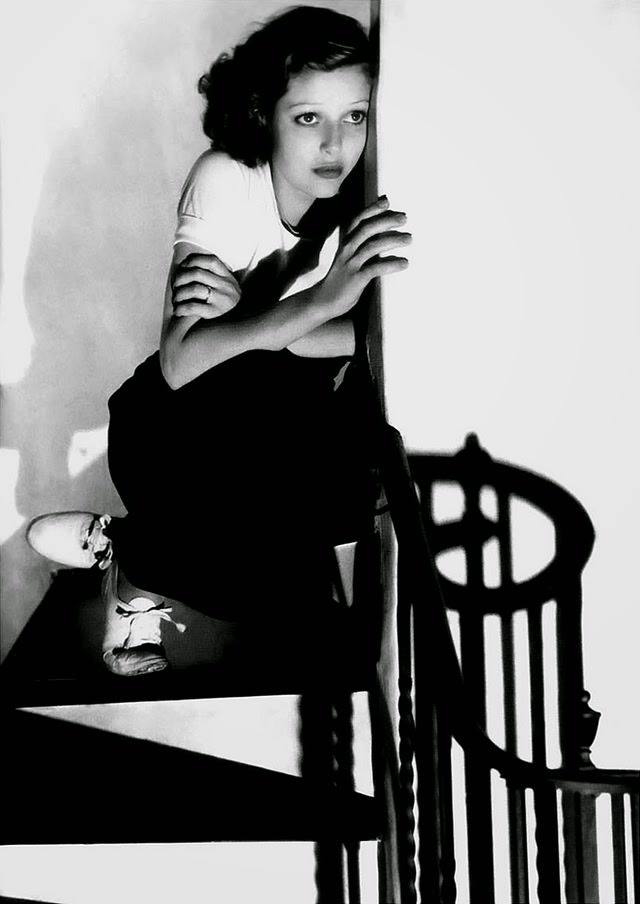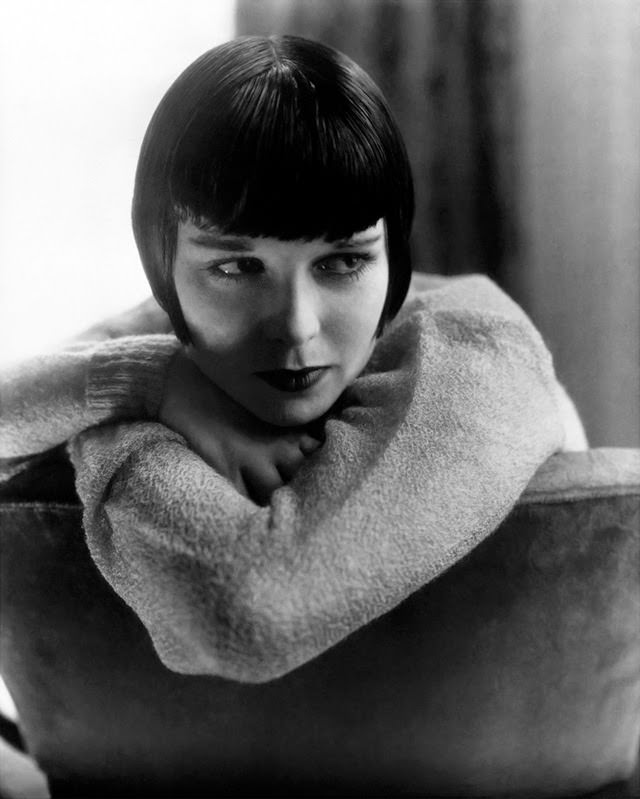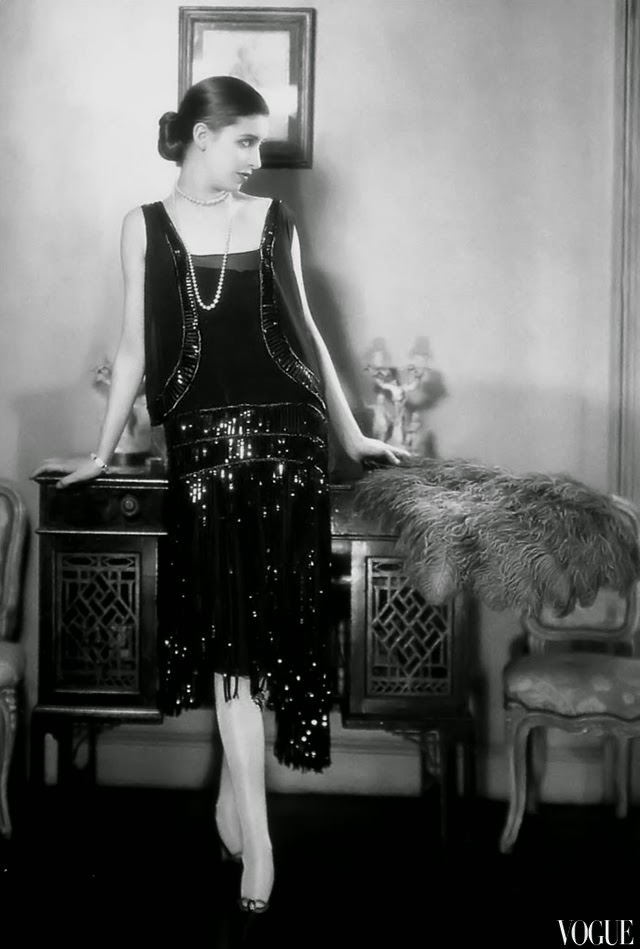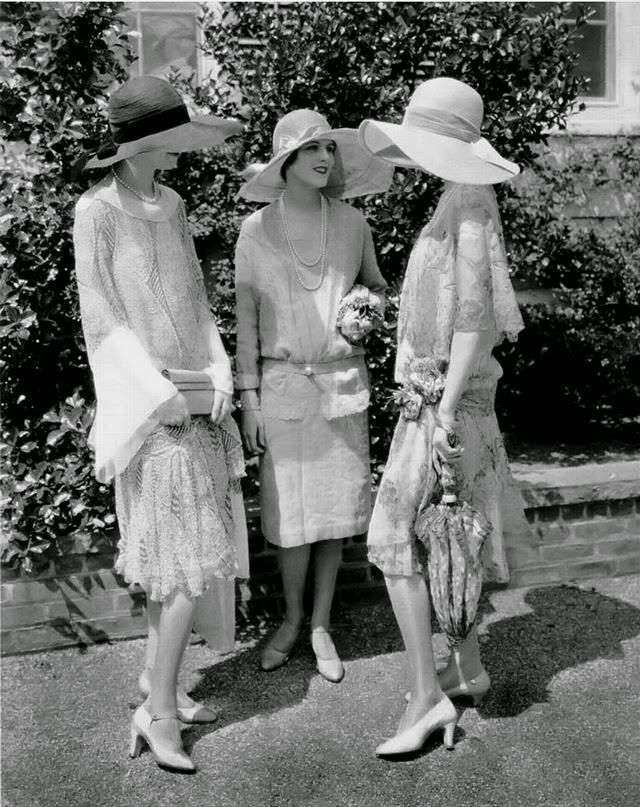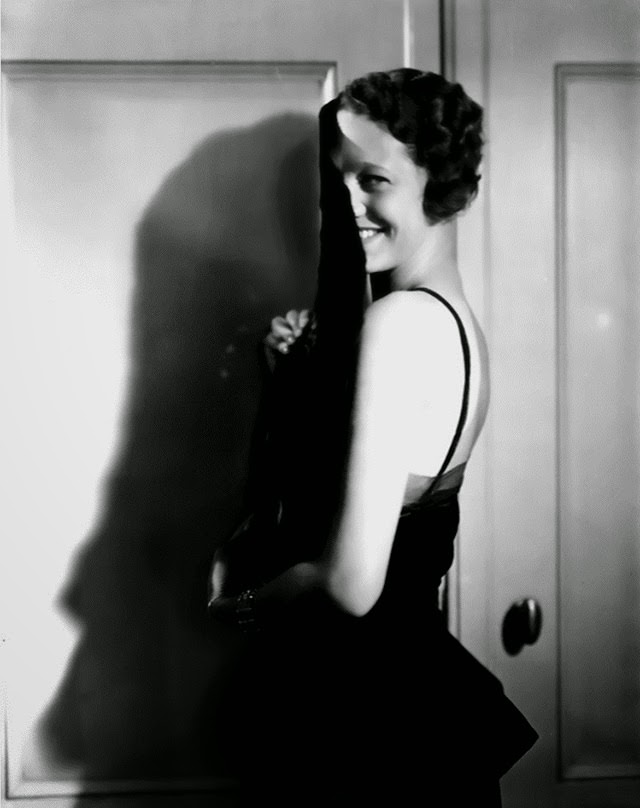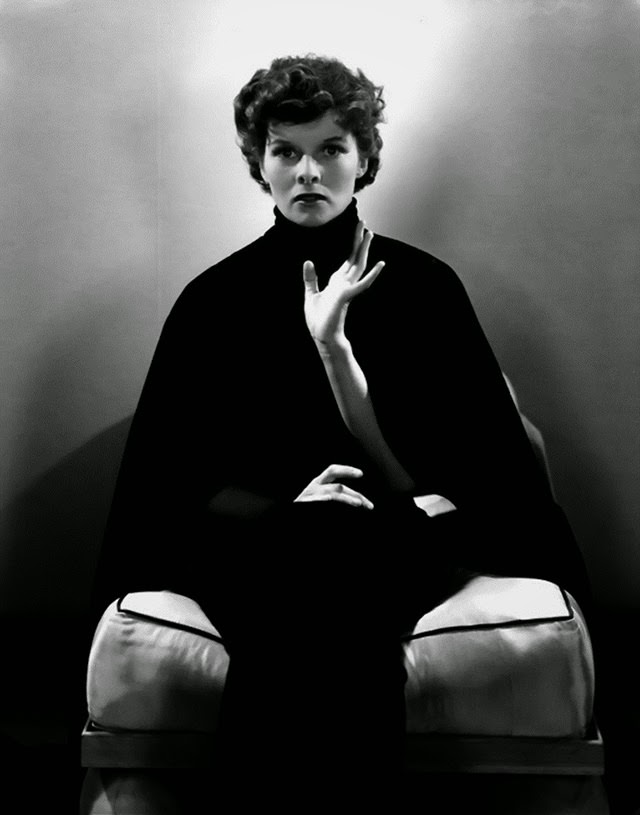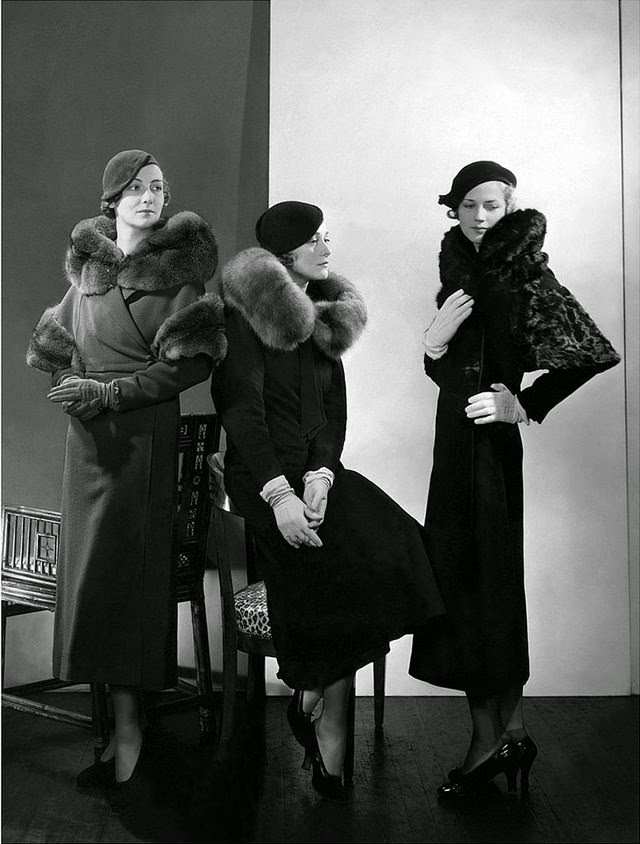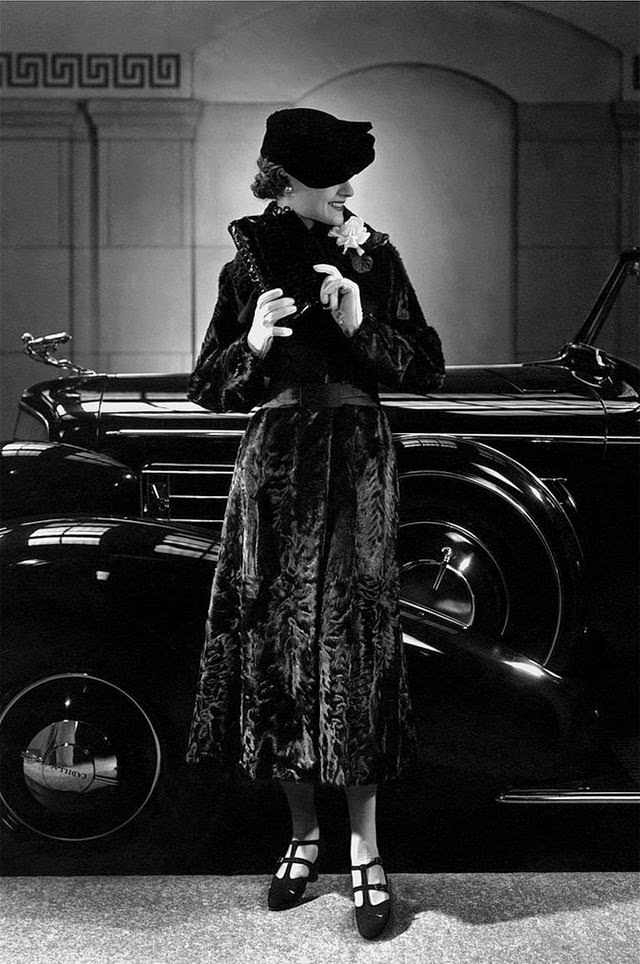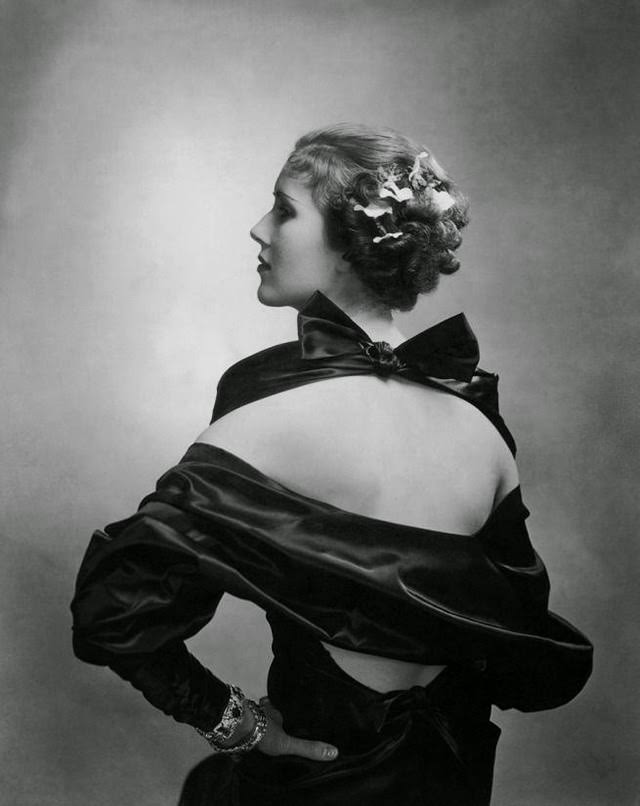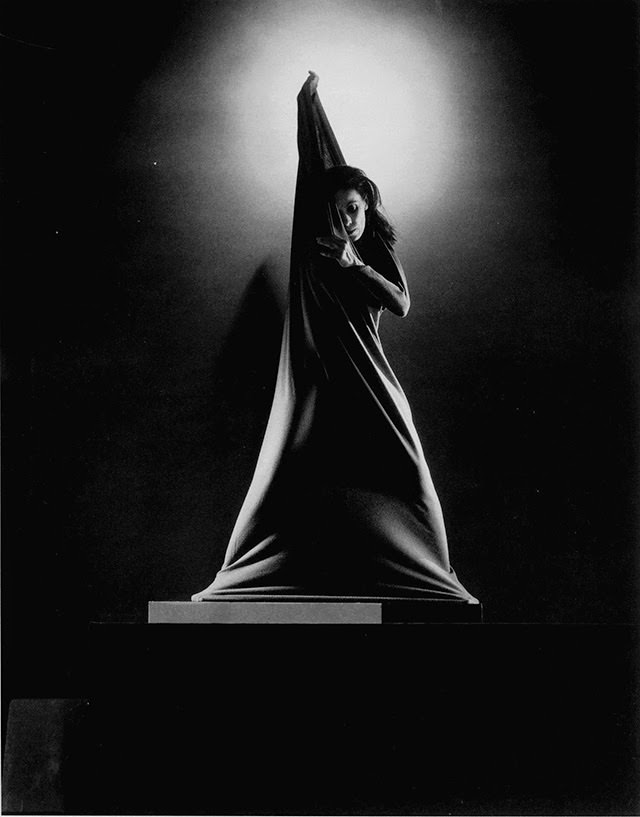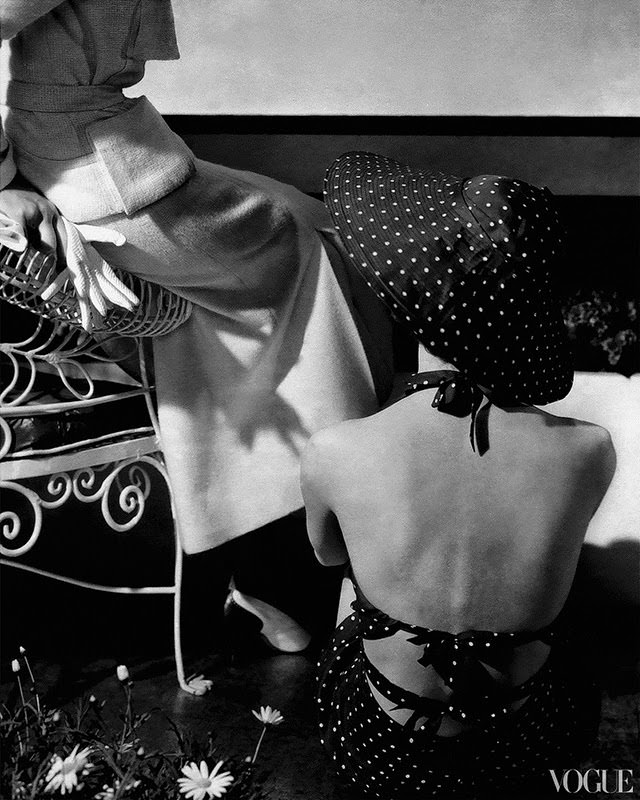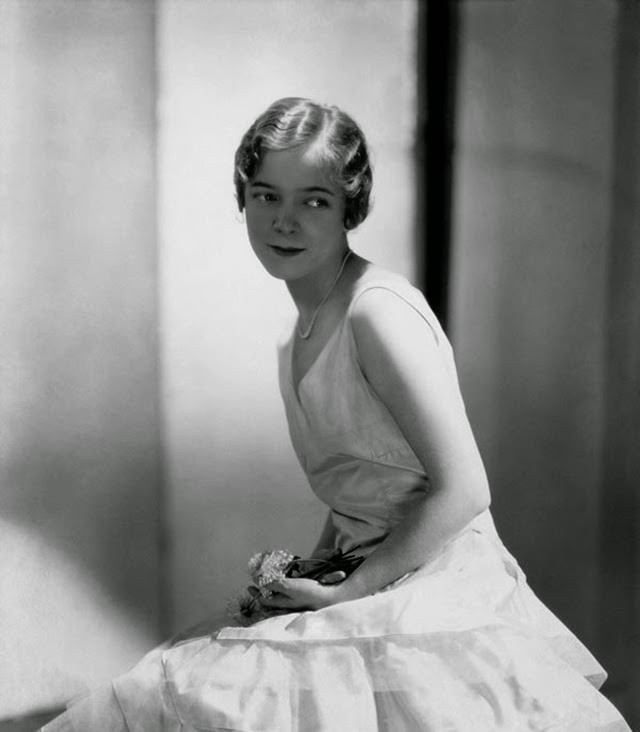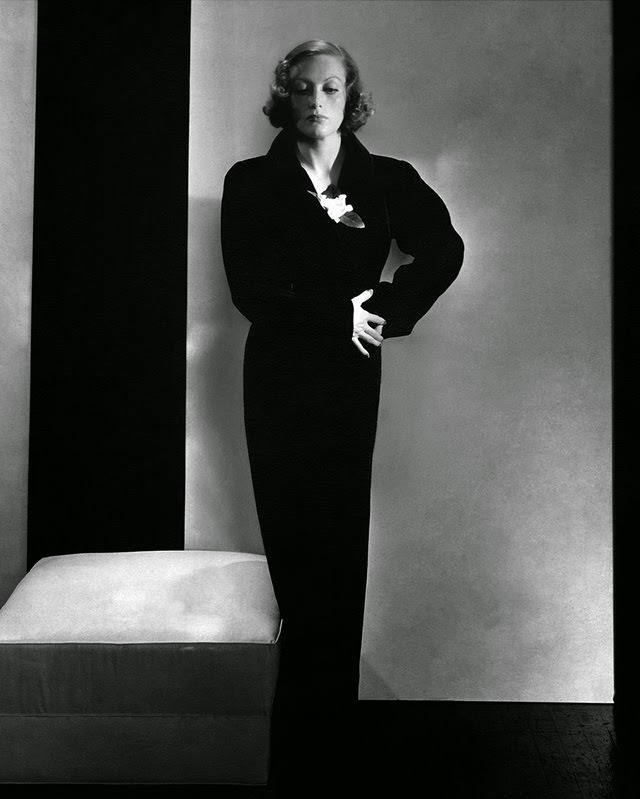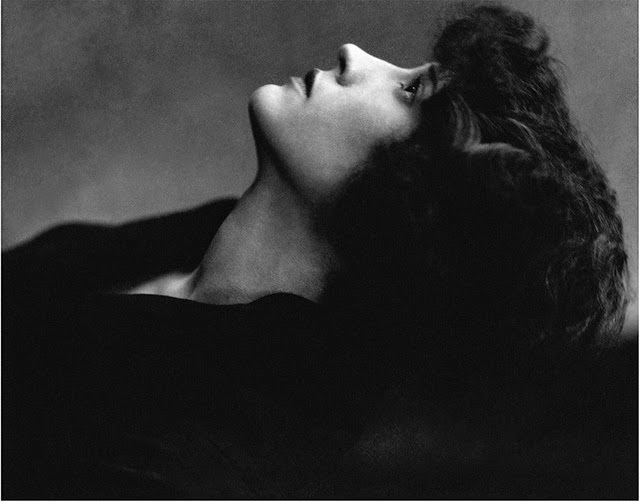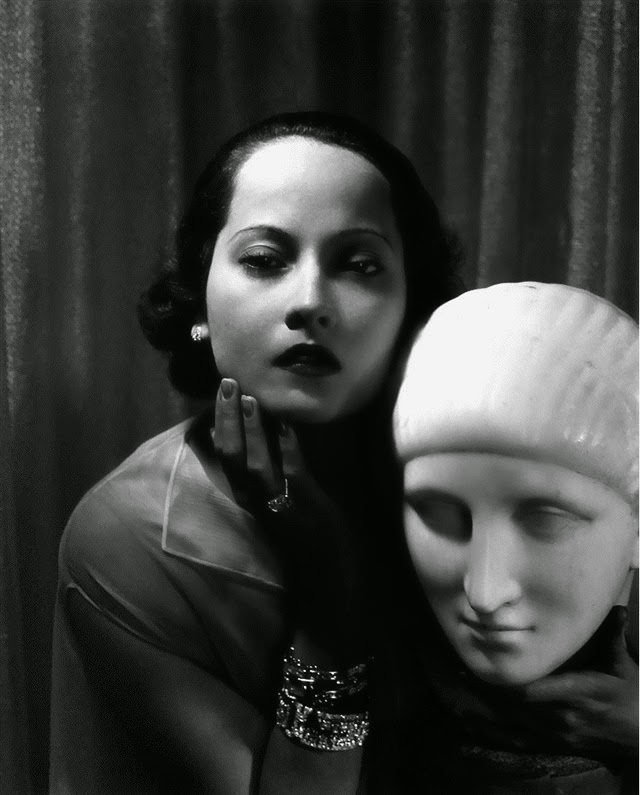

Before Edward Steichen, fashion photography was largely documentary. A designer made a dress, a photographer took a picture of someone wearing it, and the image ran in a magazine. Steichen changed the entire approach. By the time he was done, fashion photography was treated as an art form, and the images he made for Vogue and Vanity Fair in the 1920s and 1930s set a standard that the industry spent decades trying to match.
How He Got There
Steichen came to fashion photography with serious credentials. He had spent years as a fine art photographer and had served as the head of aerial photography for the U.S. military during World War One. When Condé Nast hired him as chief photographer for both Vogue and Vanity Fair in 1923, Steichen brought with him a working knowledge of light, composition, and visual storytelling that most commercial photographers at the time simply didn’t have.
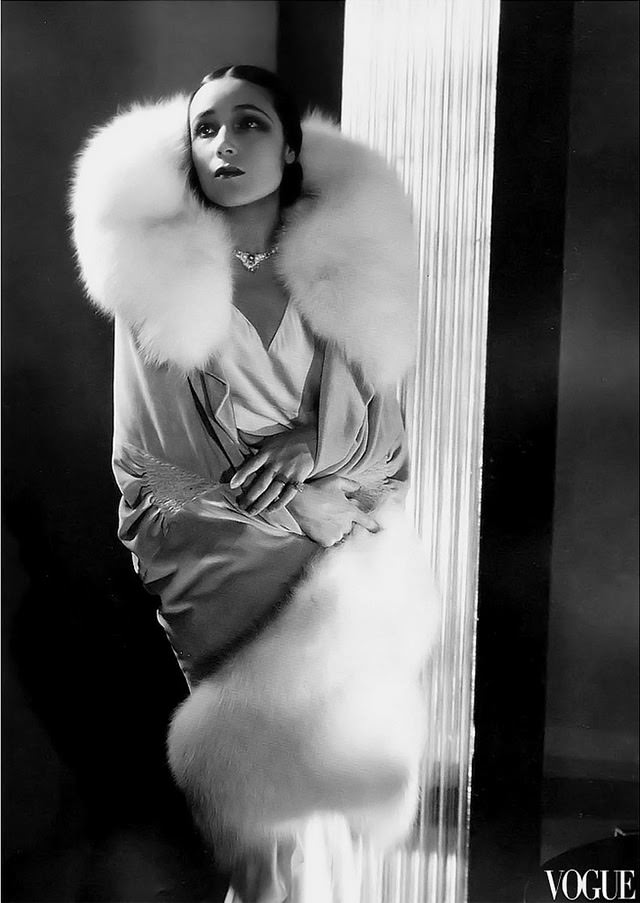
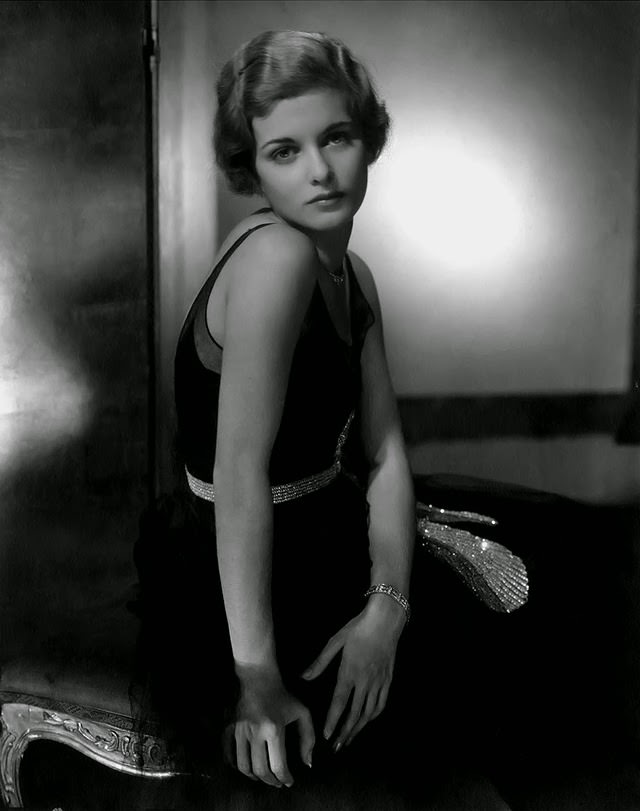
He understood that light was not just a technical requirement — it was the primary tool for shaping mood. In his studio, he used it to sculpt the human face, to give fabric texture and weight, and to create depth in a flat photographic image. A Steichen photograph had atmosphere. You could feel the difference between his work and what surrounded it on a magazine page.
Read more..
What He Did With Fashion
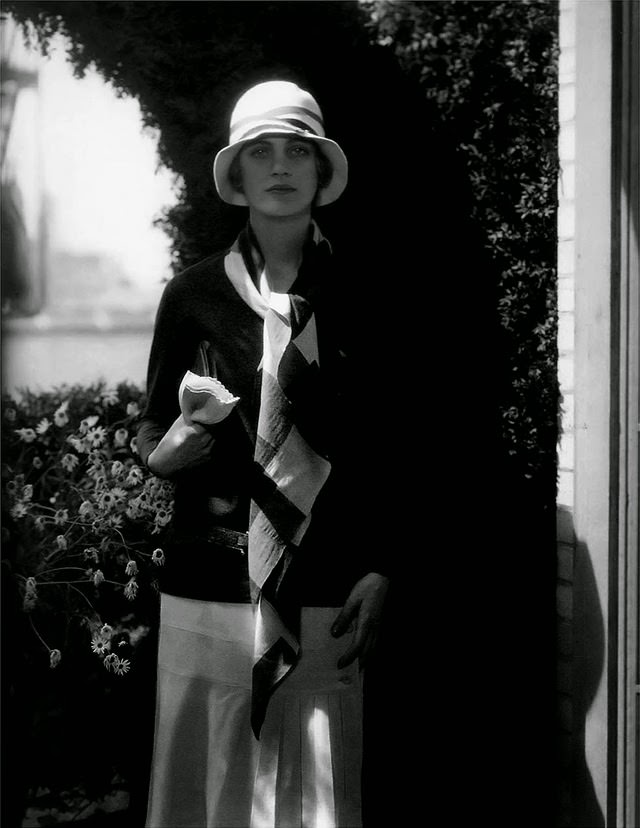
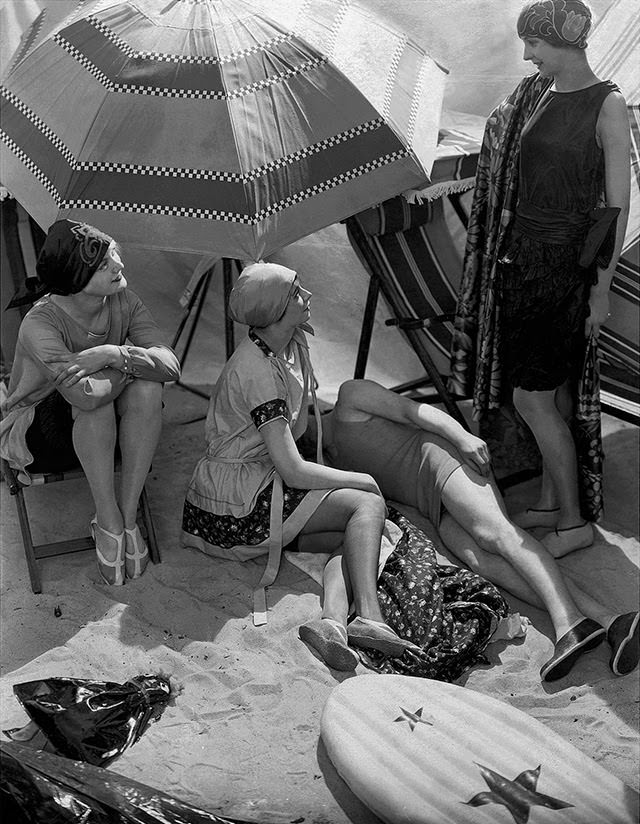
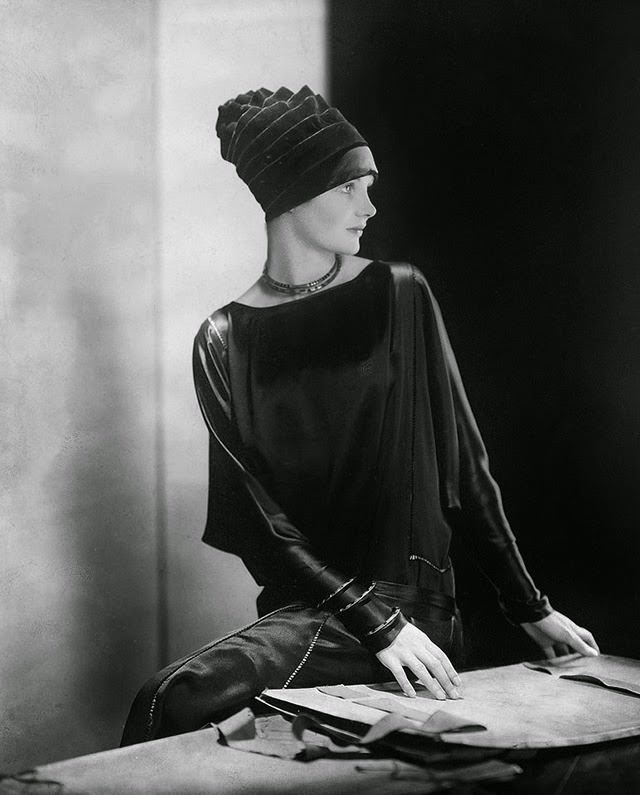
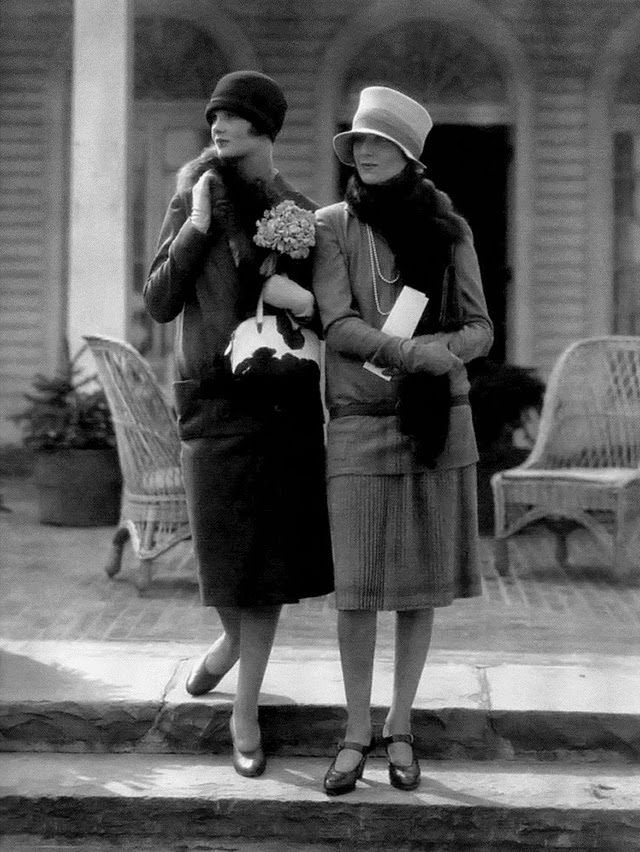
When Steichen began photographing the work of the great designers of the 1920s and 1930s, he treated each garment as a subject with its own character. He wasn’t simply recording what a dress looked like — he was communicating how it felt to wear it, the kind of woman it was made for, the social world it belonged to.
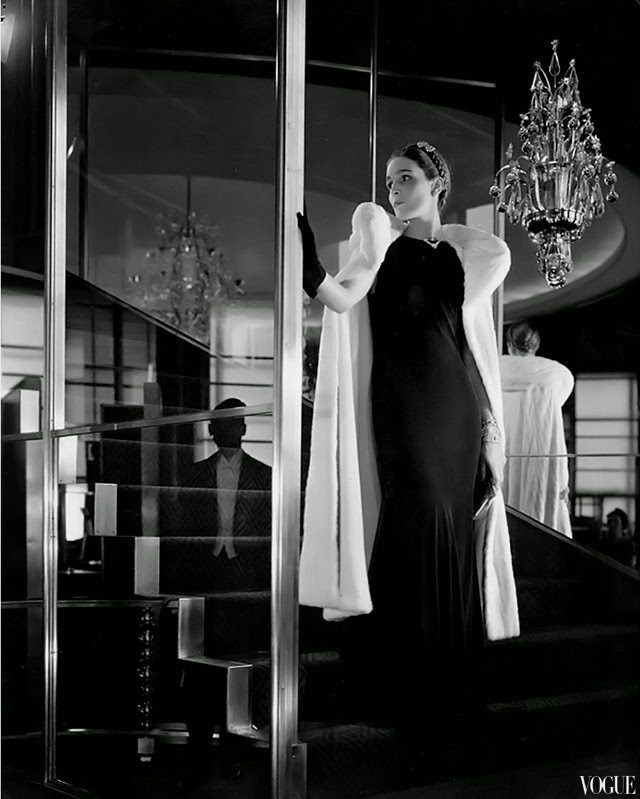
His models were not posed stiffly in the manner of earlier fashion photographs. They moved, leaned, turned away from the camera, and occupied the frame with a physical confidence that made the clothes look alive. The settings he chose were deliberately minimal in some images and architecturally bold in others, depending on what the garment required. A structured evening gown might be photographed against clean geometric lines. A fluid silk dress might be shot in softer, more diffused light.
The designers whose work he photographed included the most important names working in Paris during those two decades. Each shoot required Steichen to understand not just the garment but the designer’s intention behind it — what silhouette they were chasing, what kind of woman they were dressing, what separated their work from everyone else’s.
The Portraits
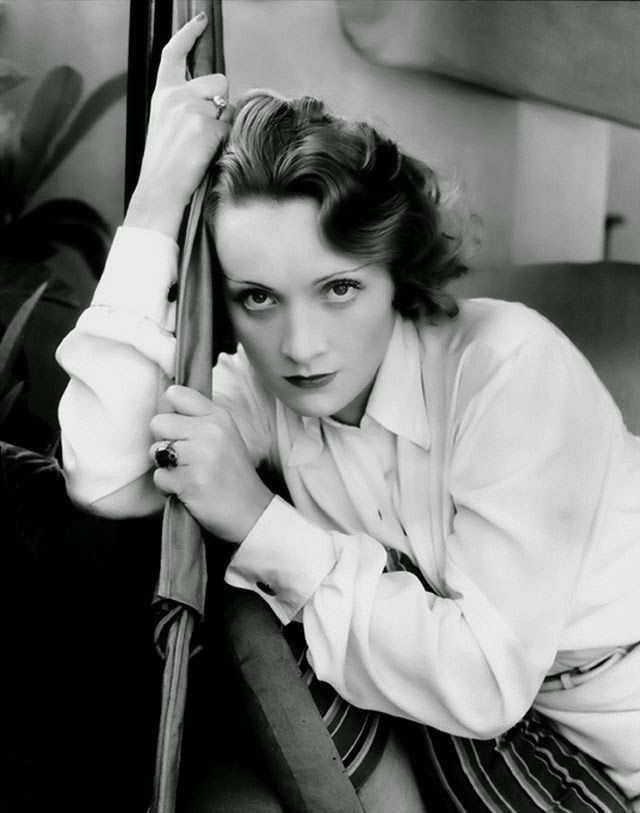
Alongside his fashion work, Steichen spent the 1920s and 1930s building one of the most significant bodies of portrait photography in American history. For Vanity Fair, he photographed leading writers, actors, dancers, politicians, and artists. His subjects included Gloria Swanson, Charlie Chaplin, Greta Garbo, Carl Sandburg, and Winston Churchill.
Each portrait was approached with the same rigor he brought to his fashion work. Steichen studied his subjects before photographing them. He paid attention to how they held themselves, where they looked when they weren’t being watched, what they did with their hands. Then he built the shoot around those observations.
His 1928 portrait of Gloria Swanson, shot through a lace veil that partially obscures her face, is one of the most studied photographs of the entire decade. The image works because Steichen understood that concealment can be more powerful than clarity — that suggesting a face can communicate more than simply showing it.
The Technical Side
Steichen worked primarily with large-format cameras during this period, which required careful planning for every shot. There was no shooting thirty frames and choosing the best one. Each exposure was considered, set up deliberately, and executed with precision. This discipline shaped the way he composed images, pushing him toward economy — every element in the frame had to be there for a reason.
His use of artificial lighting in the studio was highly controlled. He built setups that took significant time to arrange and adjusted them with small, precise changes until the light fell exactly where he wanted it. Assistants worked closely with him during sessions, but the decisions about where the light went and how the model was positioned were entirely his.
By the mid-1930s, the visual language Steichen had developed at Vogue and Vanity Fair had spread throughout the industry. Photographers working at other publications studied his images and adapted his techniques. Art directors began demanding the kind of atmospheric, composed imagery he had made standard. His two decades as chief photographer at those two magazines didn’t just produce great individual photographs — they rewrote the expectations for what fashion and celebrity photography was supposed to look like.