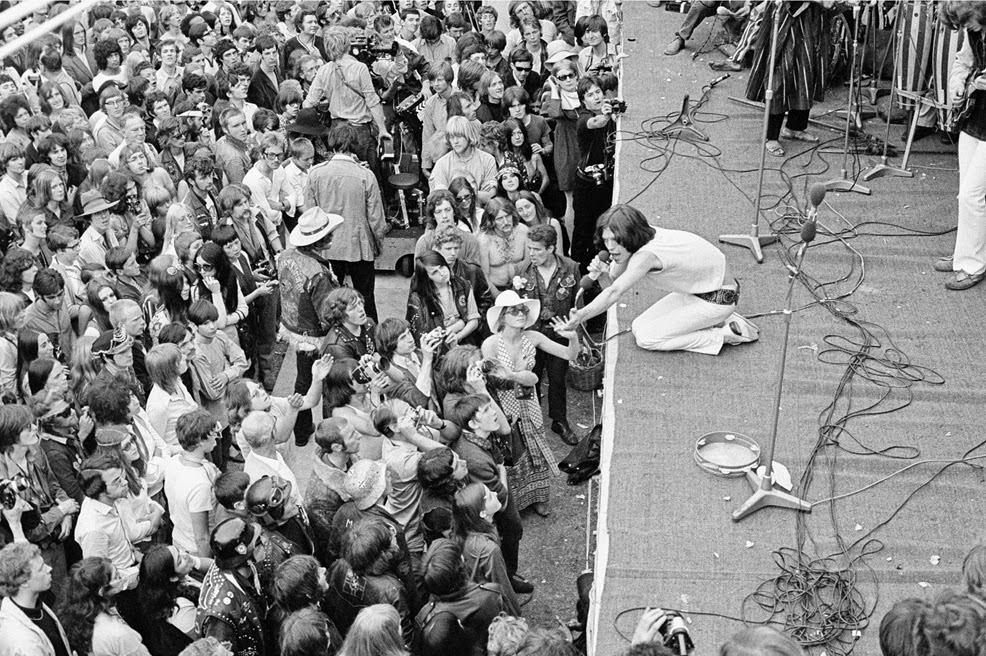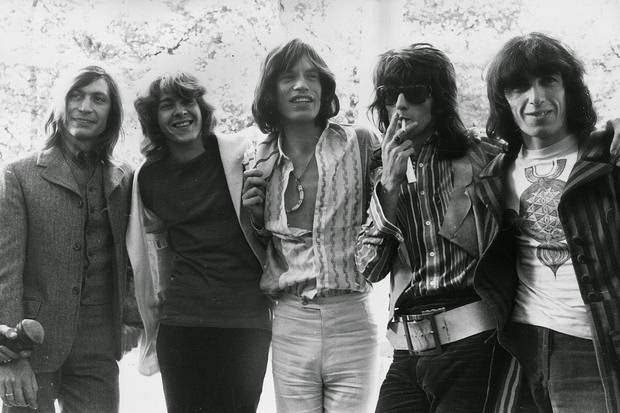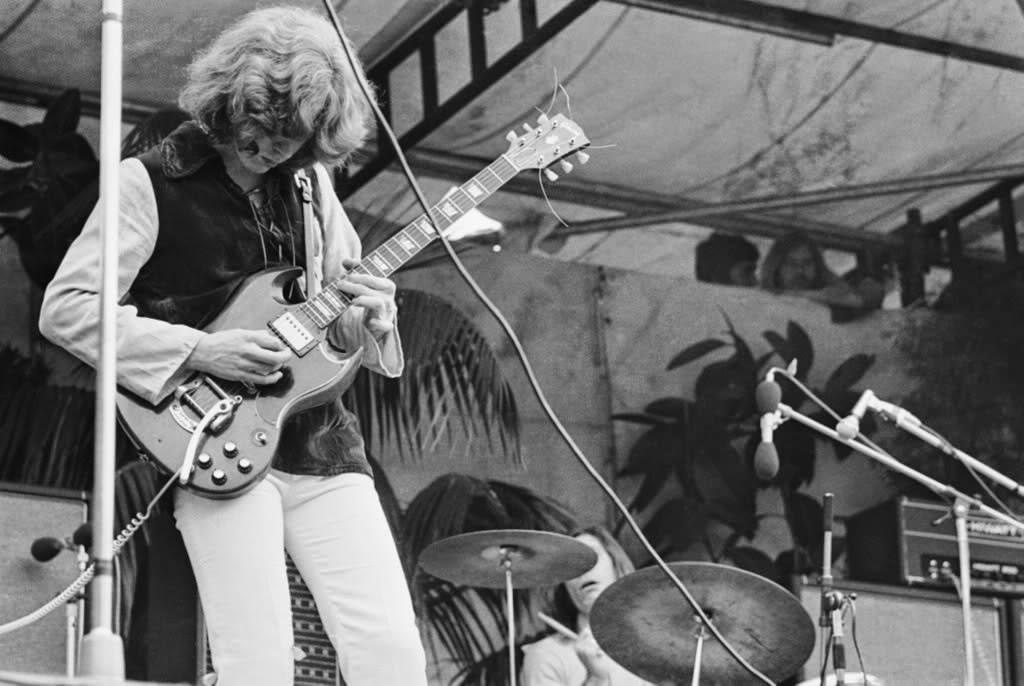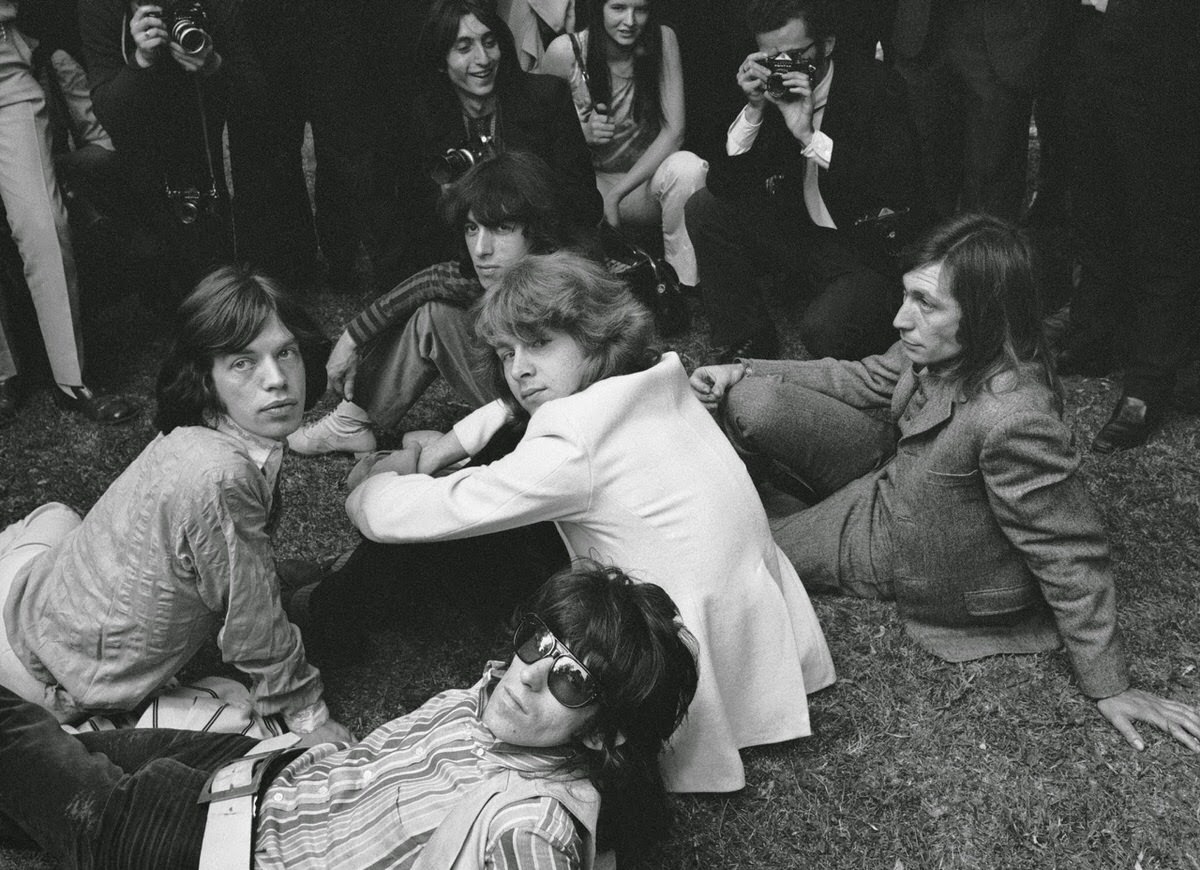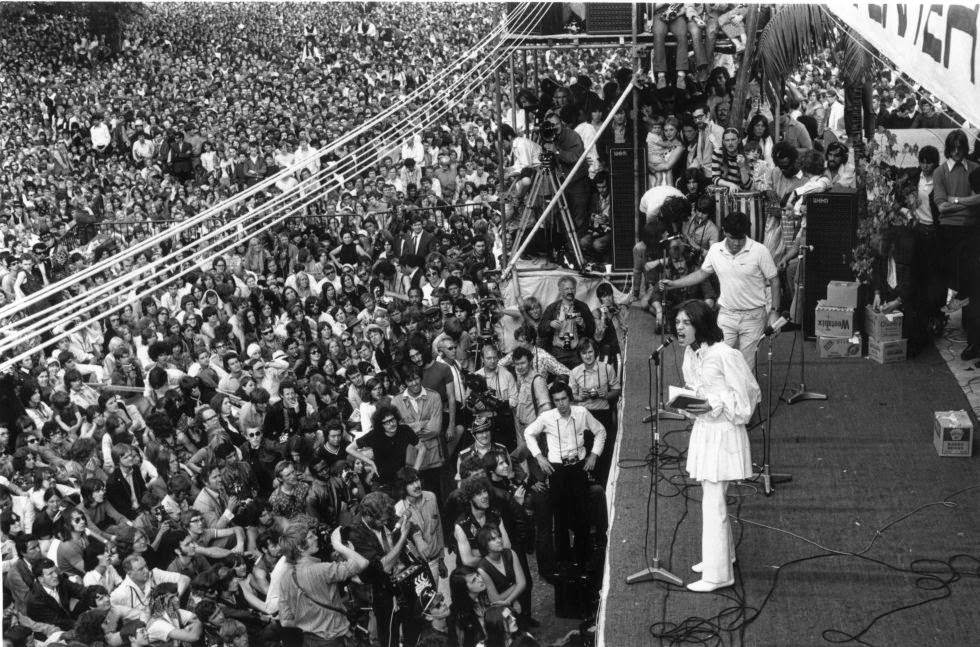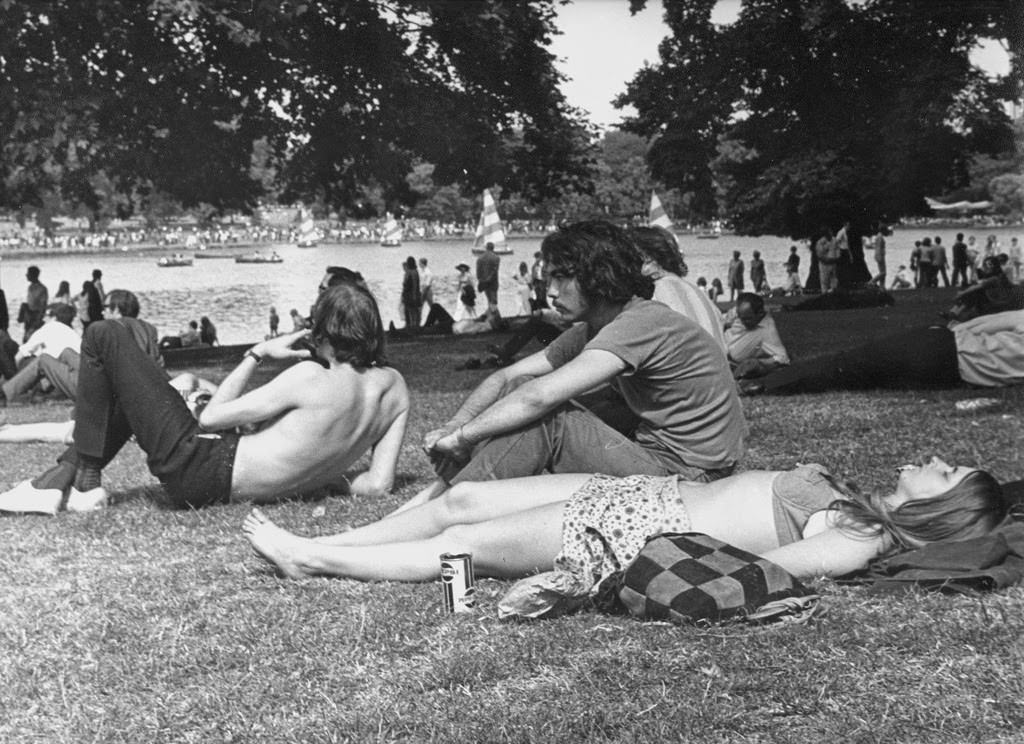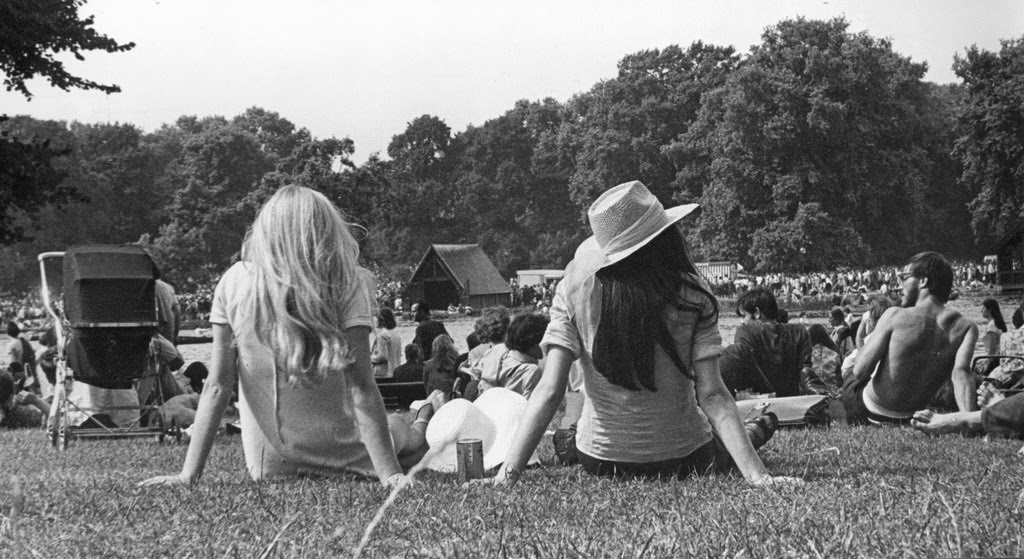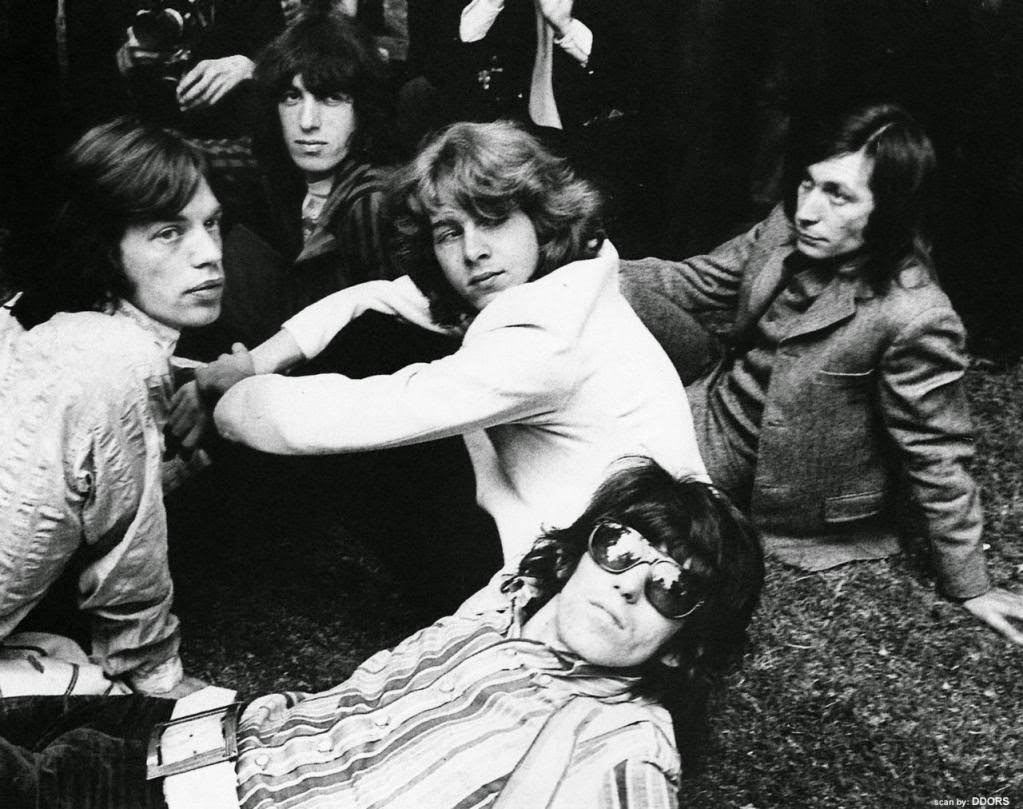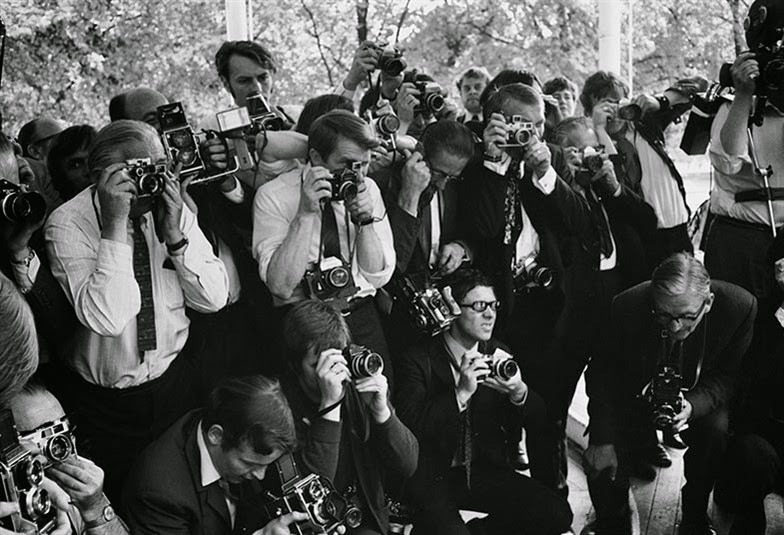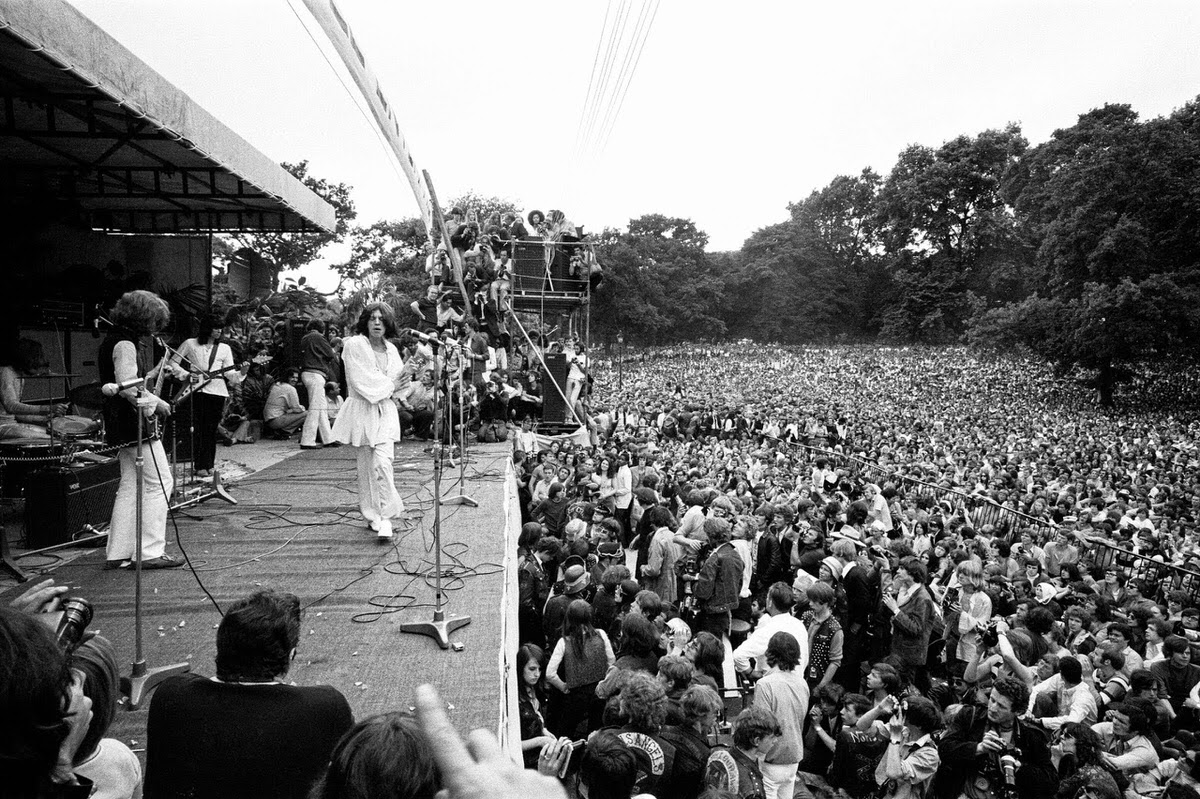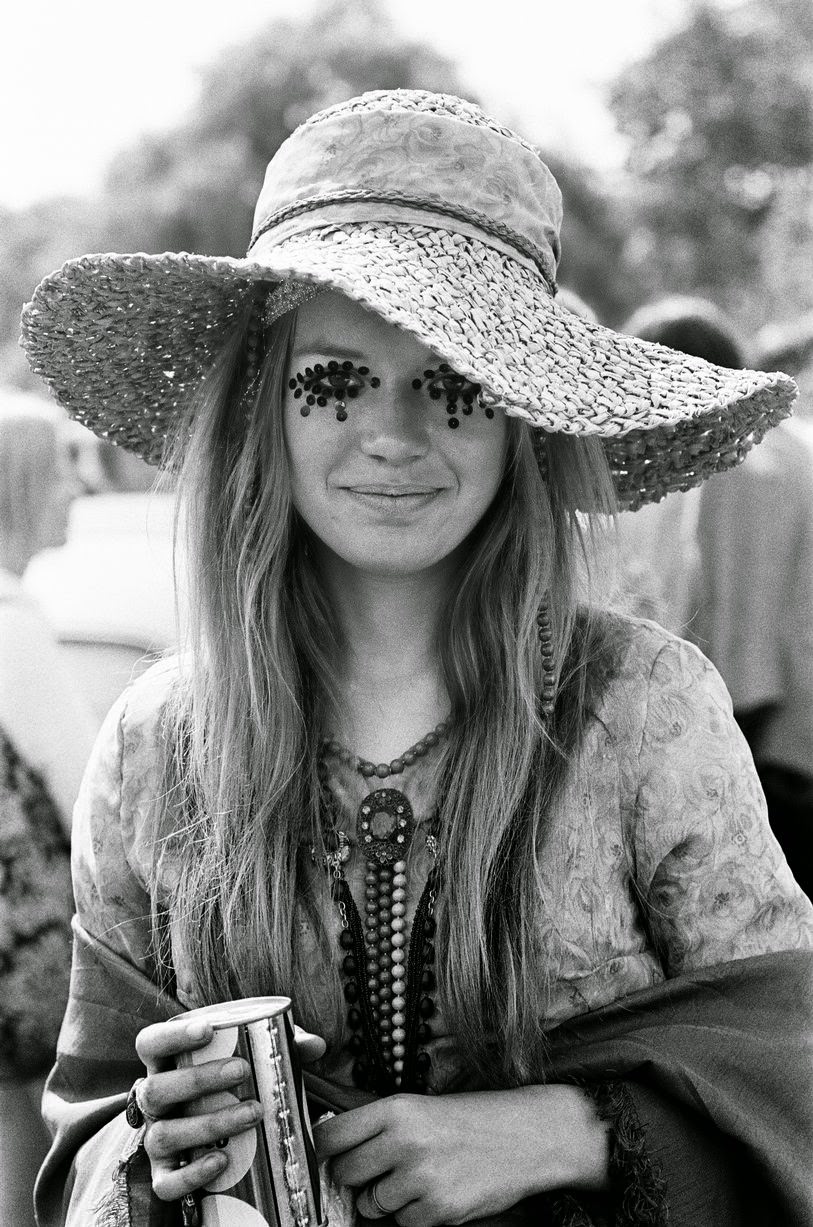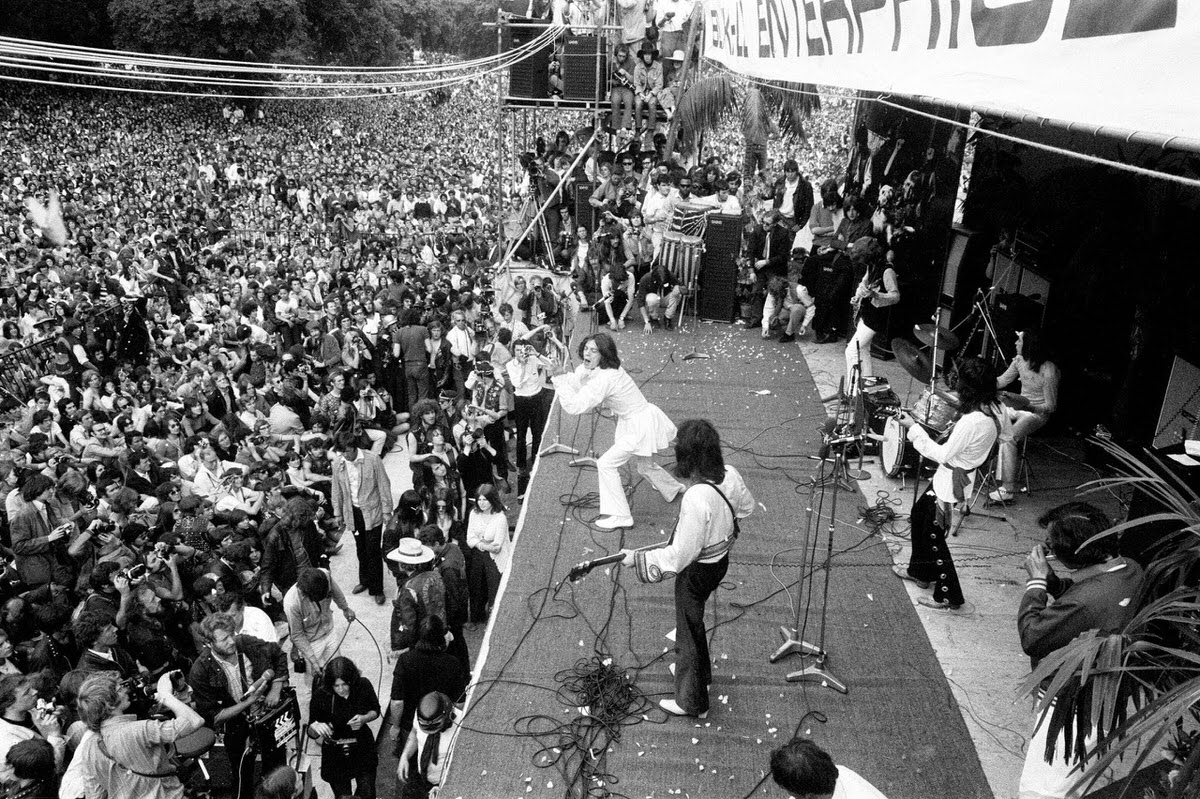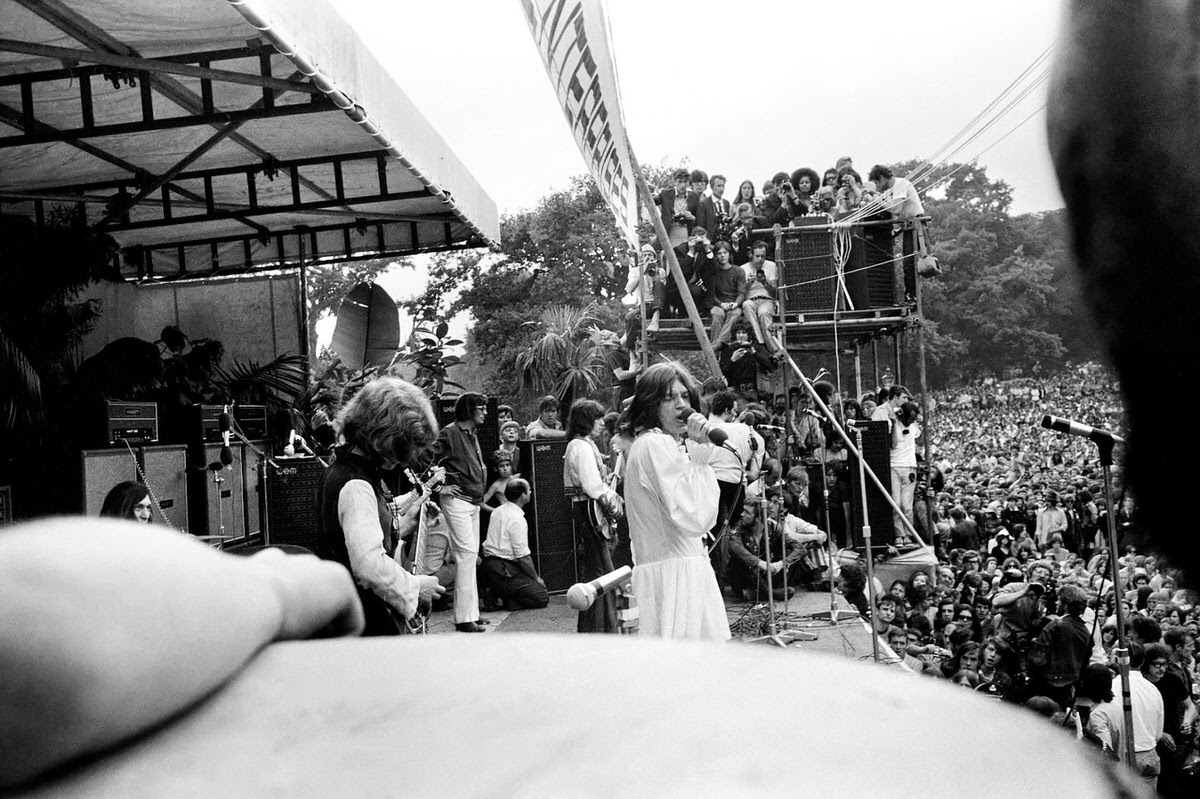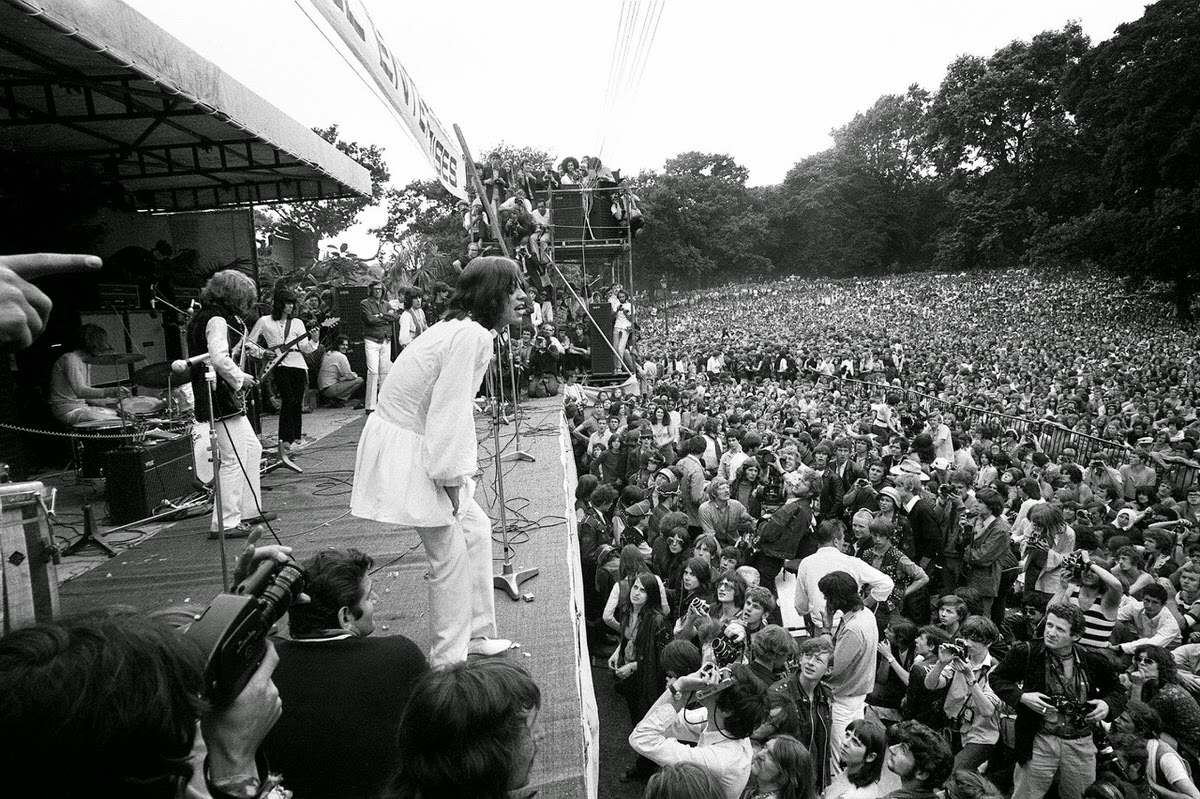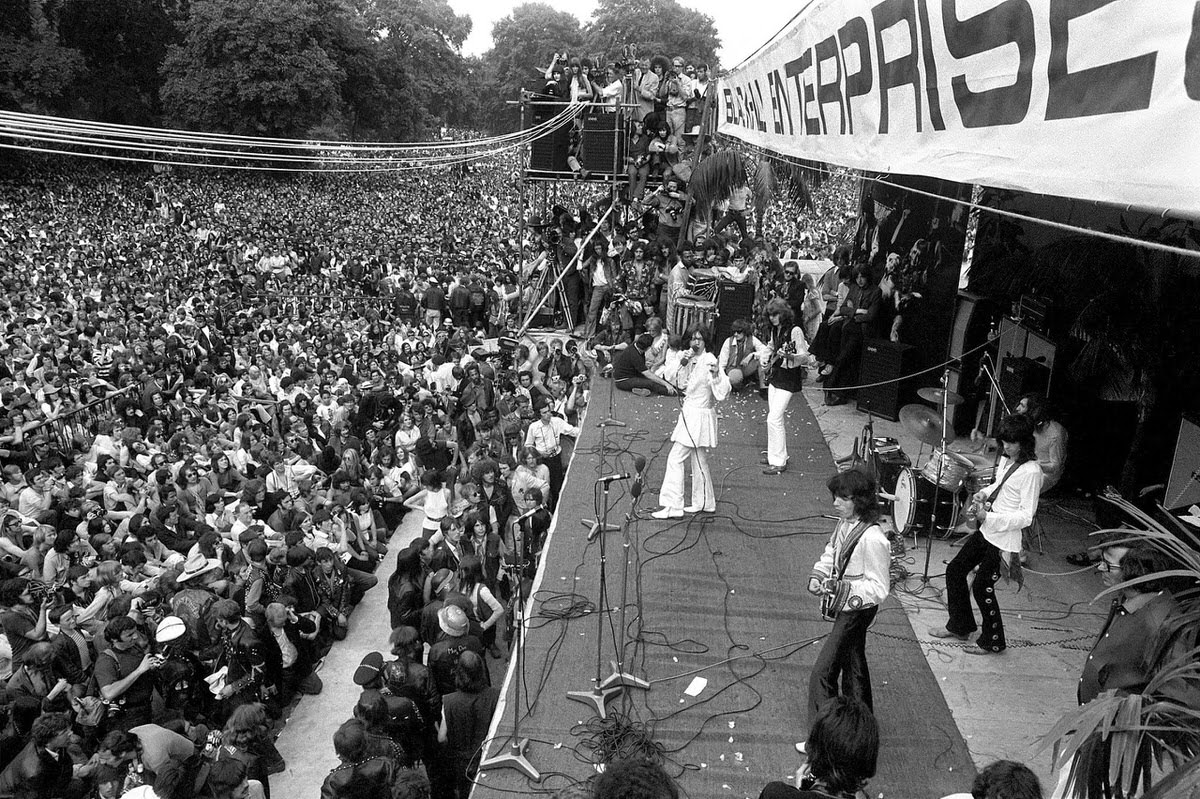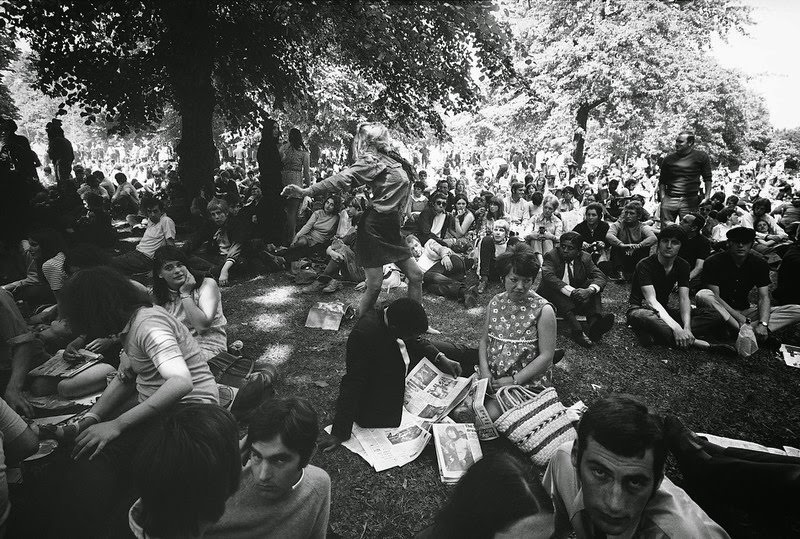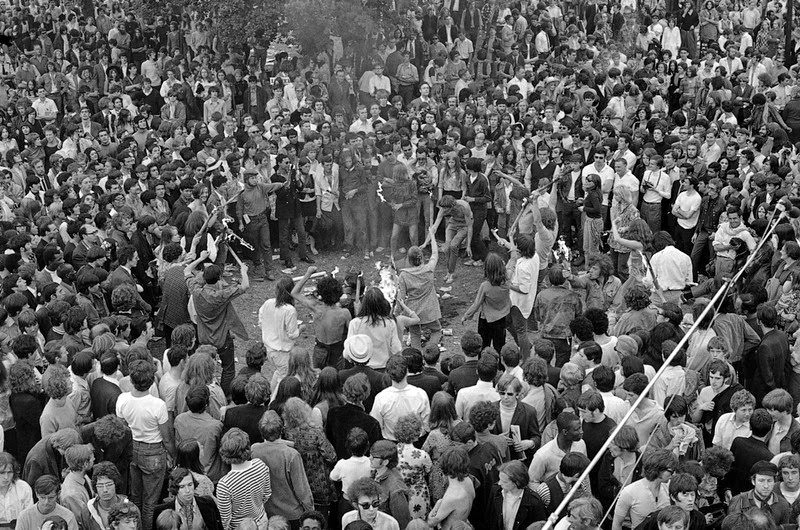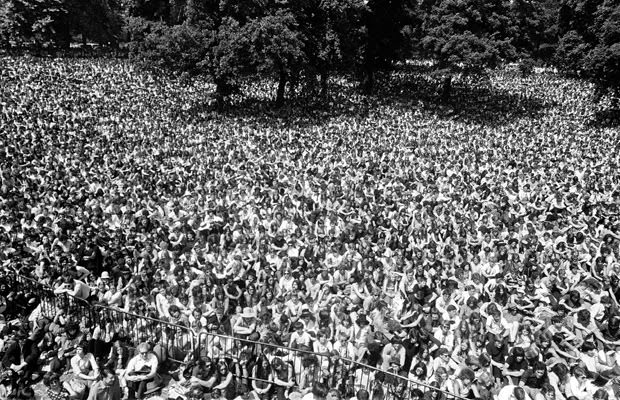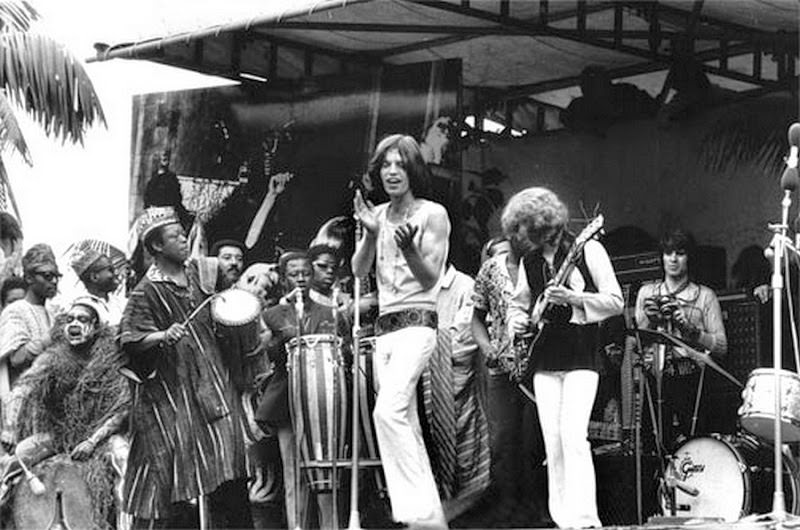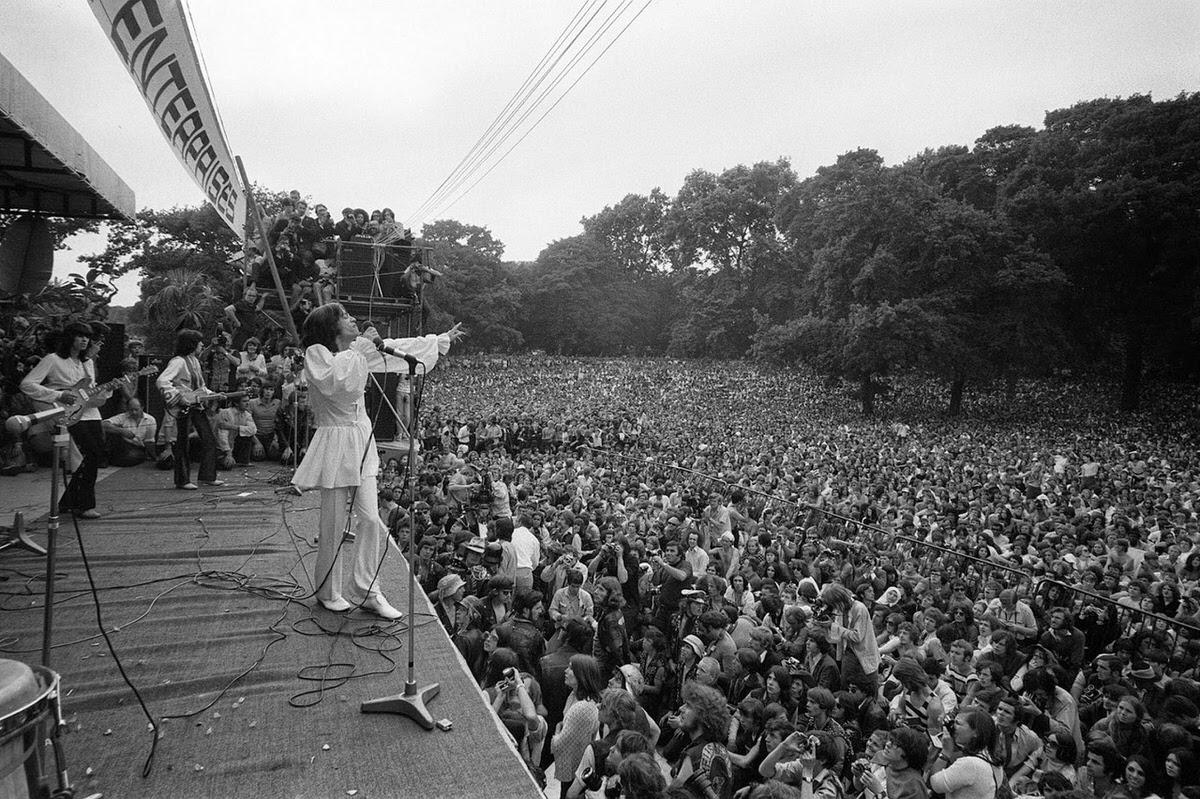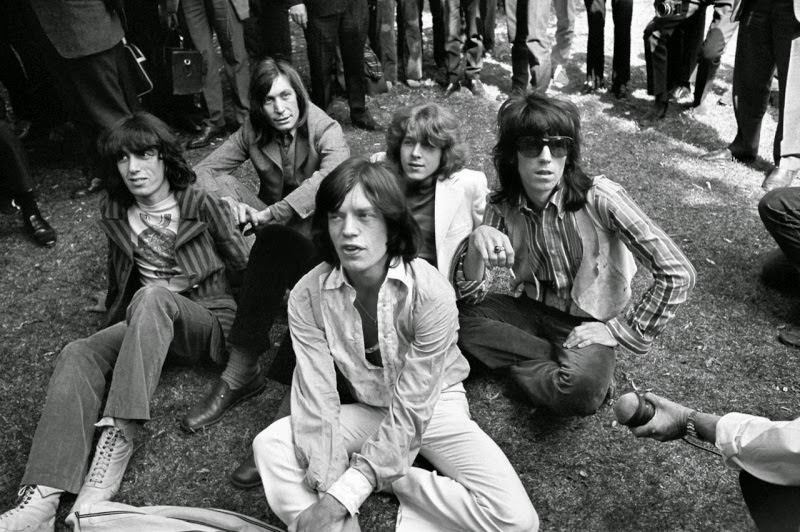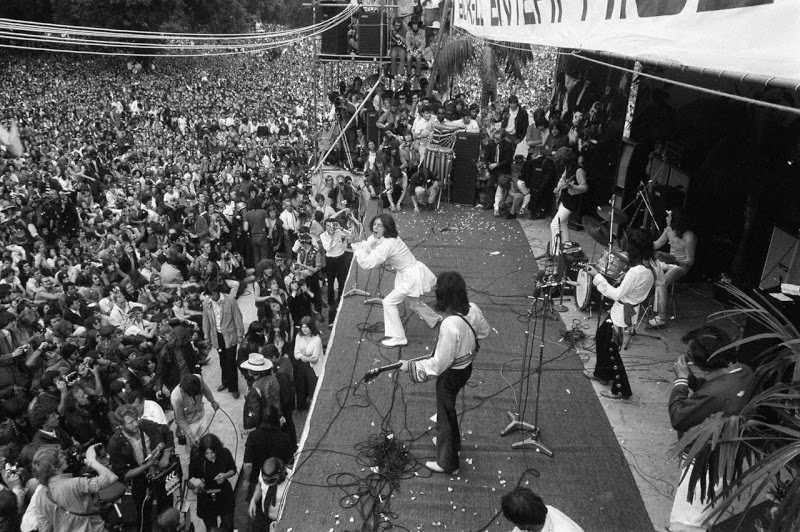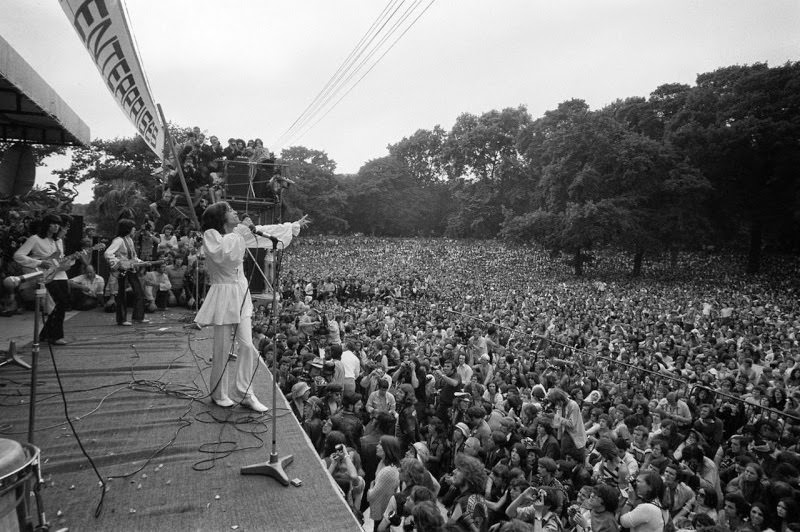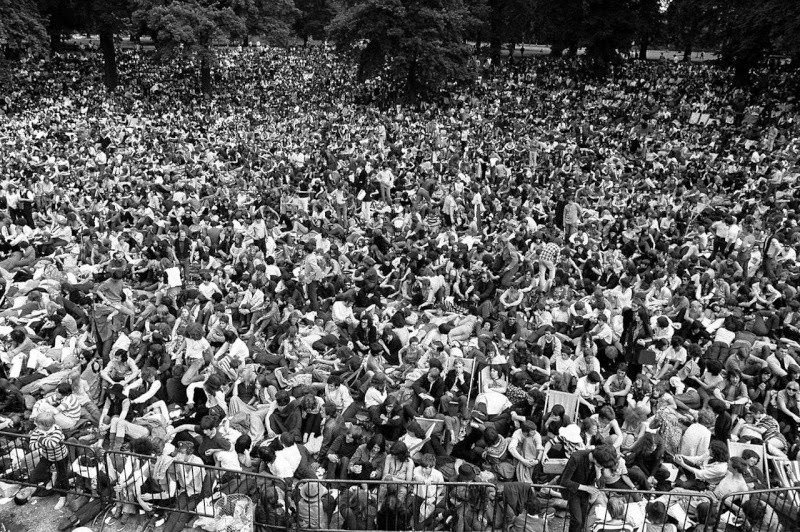

On July 5, 1969, the Rolling Stones performed a massive free concert in London’s Hyde Park. This event took place only two days after the death of Brian Jones, a founding member of the band. The show served as a memorial for Jones and a debut for his replacement. Mick Taylor appeared on stage as the band’s new guitarist for the first time. Hundreds of thousands of fans gathered on the grass, with estimates placing the crowd size between 250,000 and 500,000 people. The hot summer weather and the free admission drew one of the largest audiences in musical history.
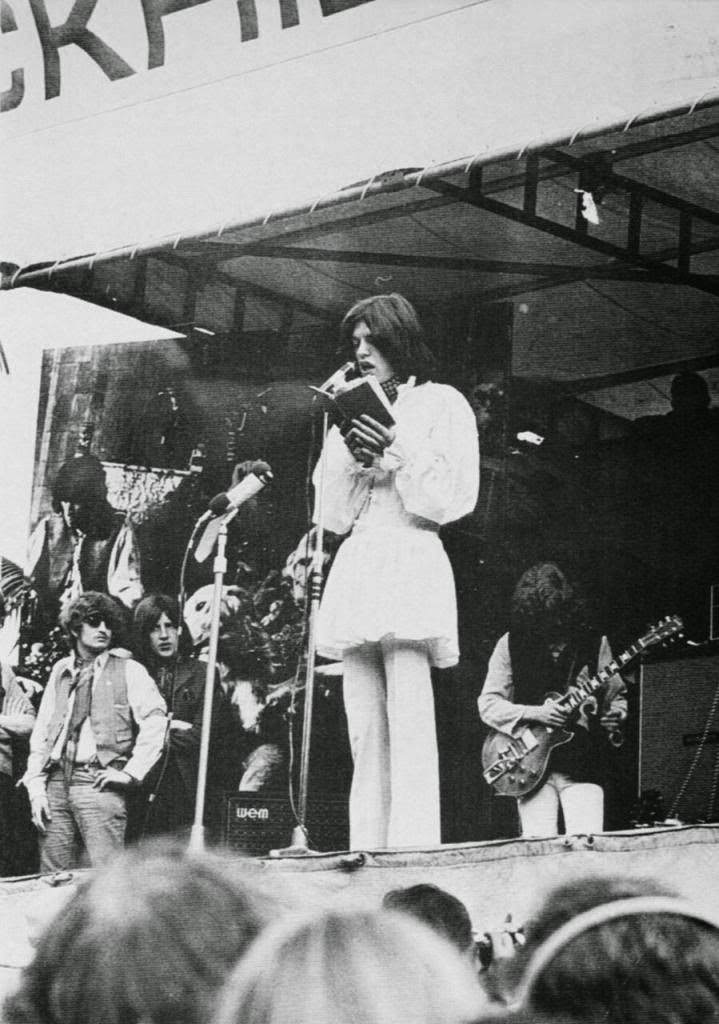
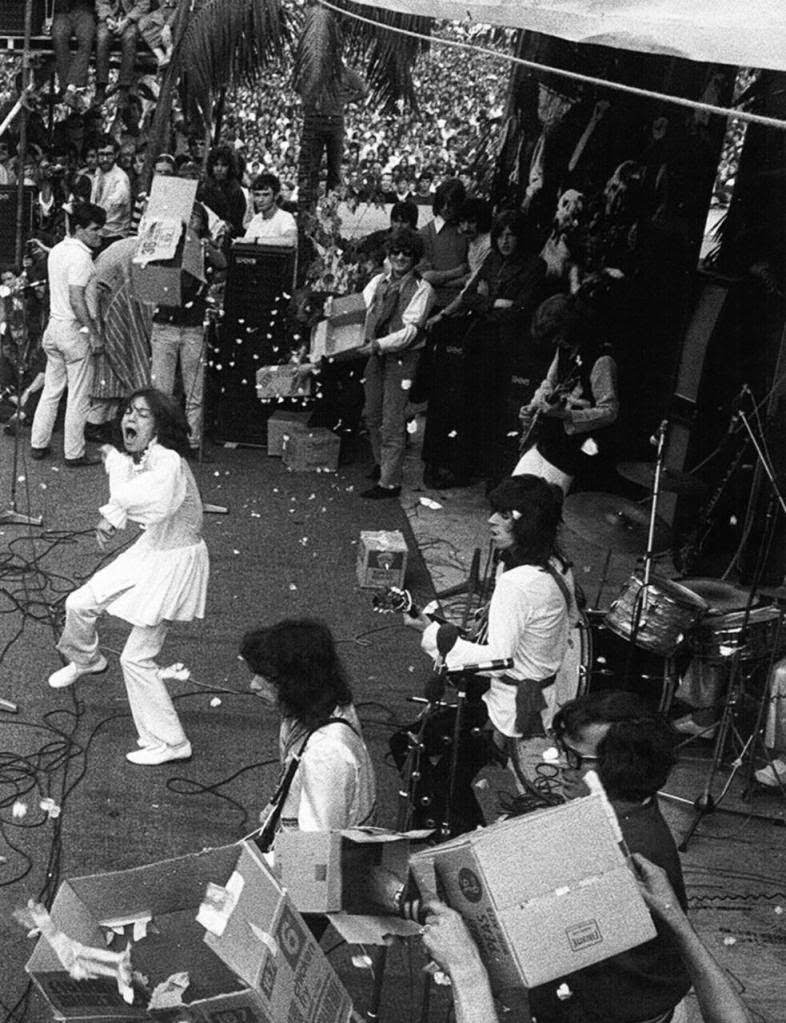
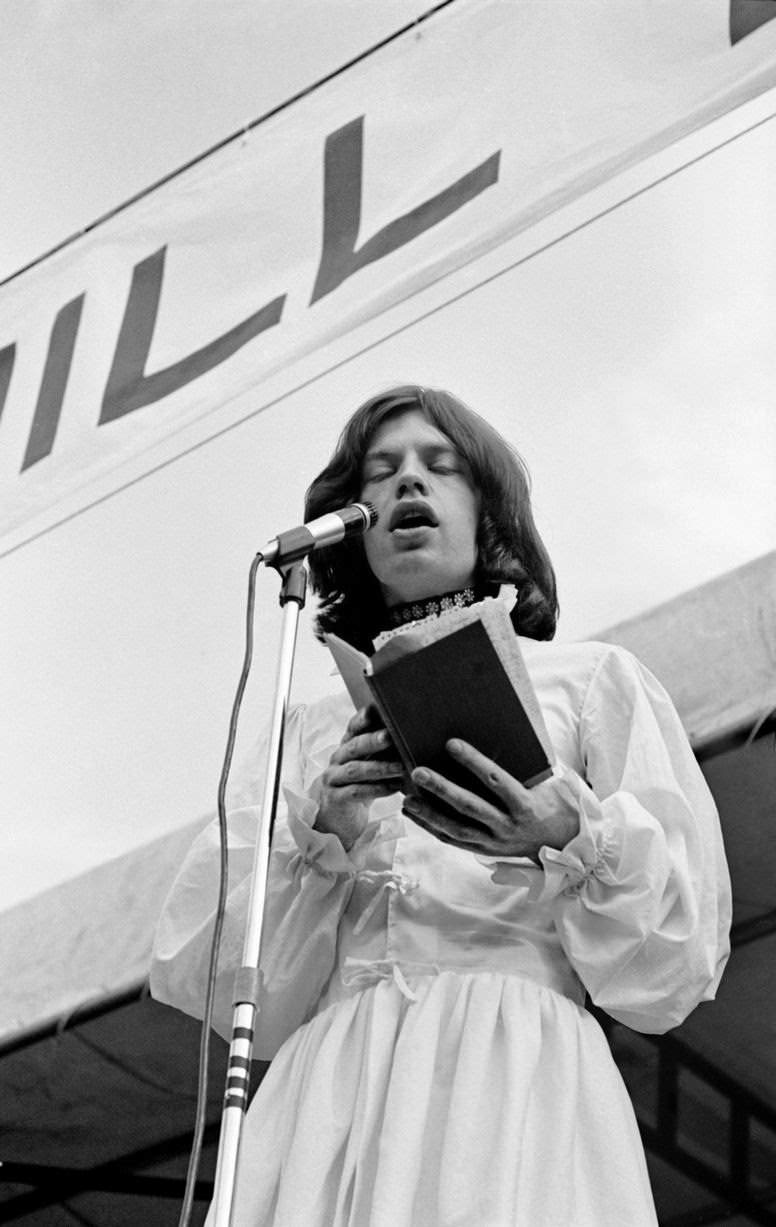
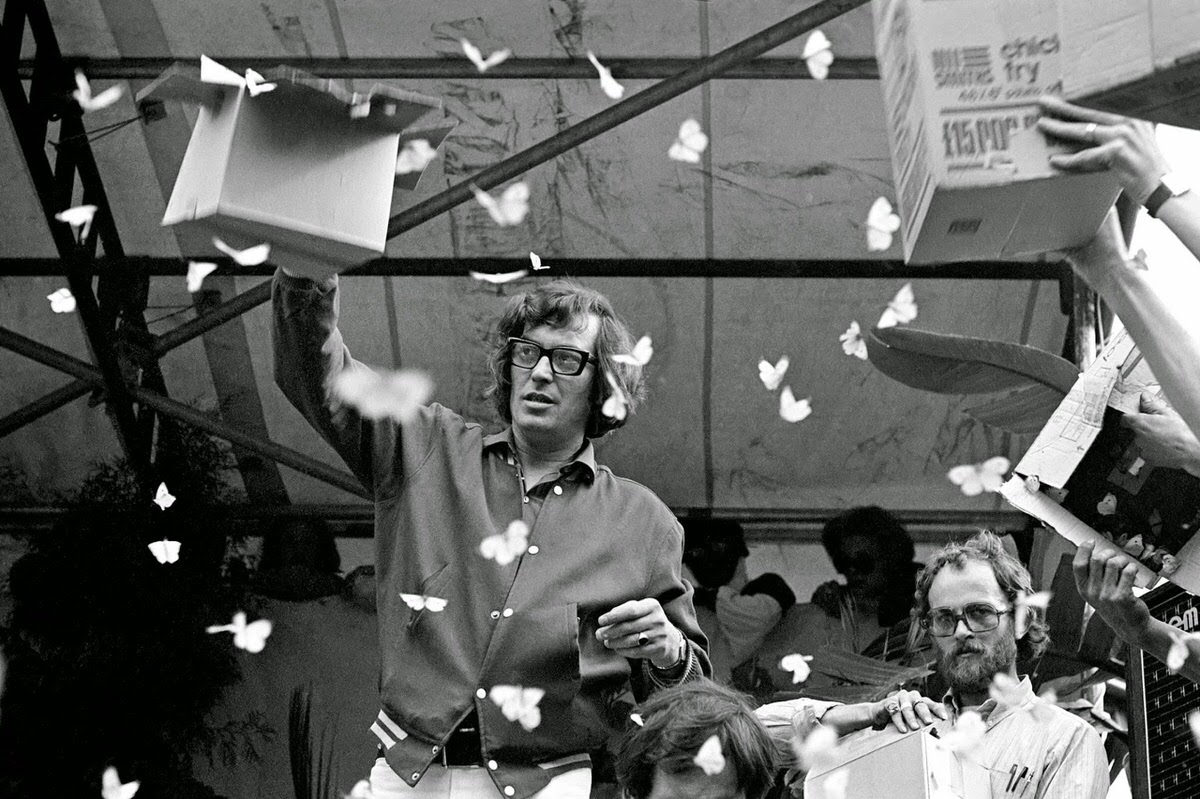
Mick Jagger stepped to the front of the stage to begin the event with a tribute. He read excerpts from the poem “Adonais” by Percy Bysshe Shelley to honor Brian Jones. After the reading, the stage crew released thousands of white cabbage butterflies from cardboard boxes. The heat caused many of the insects to fall directly onto the stage rather than flying into the air. This moment became one of the most famous visual memories of the day. Large black-and-white photographs of Jones decorated the stage area behind the musicians.
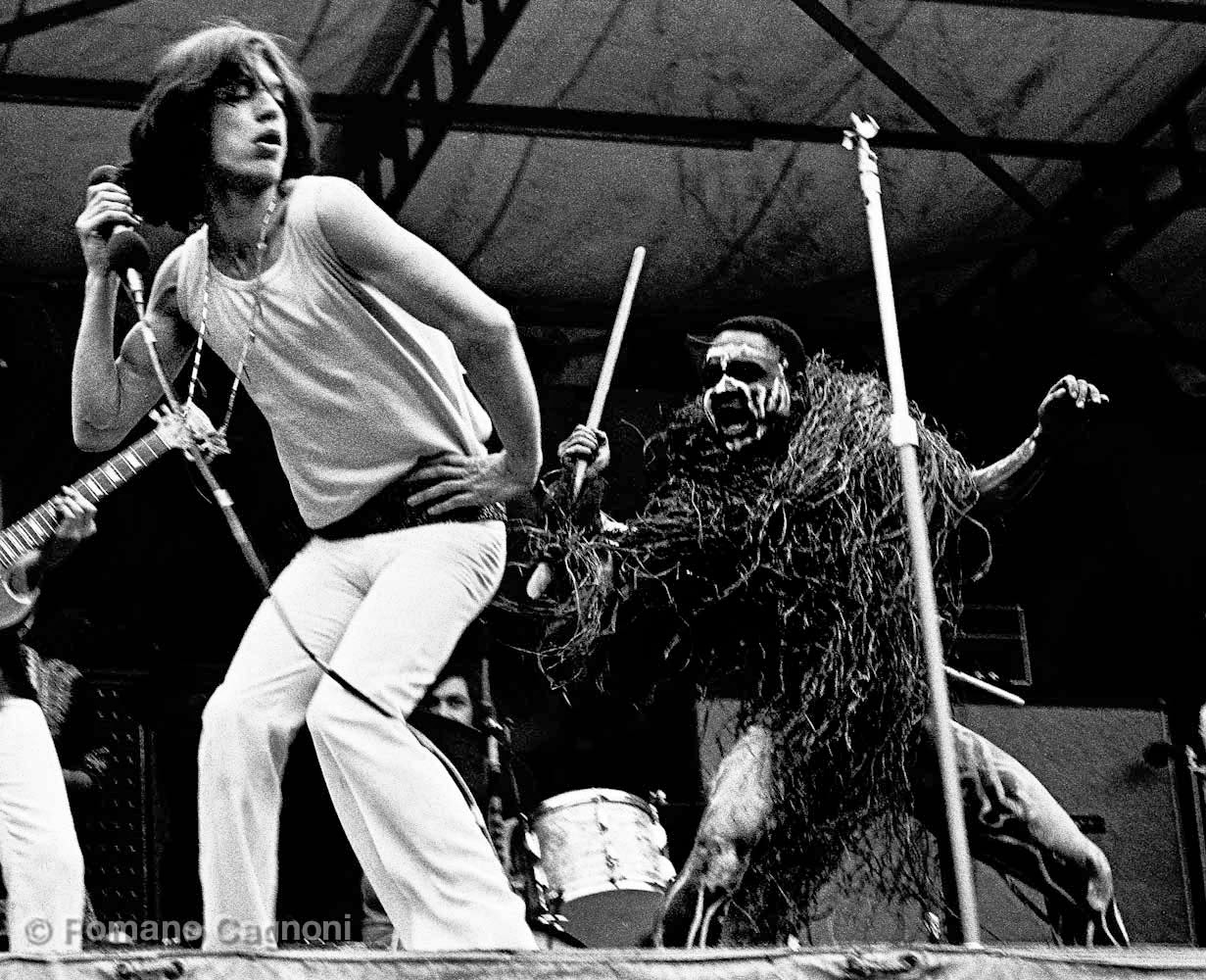
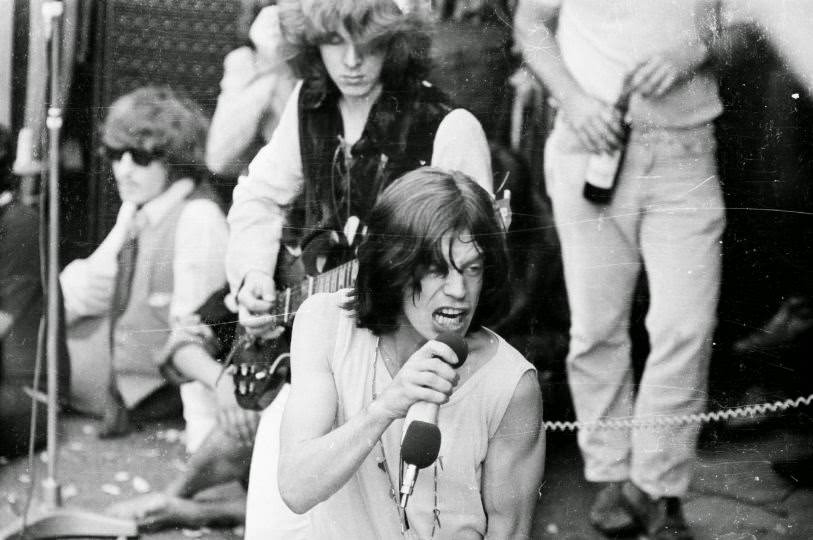
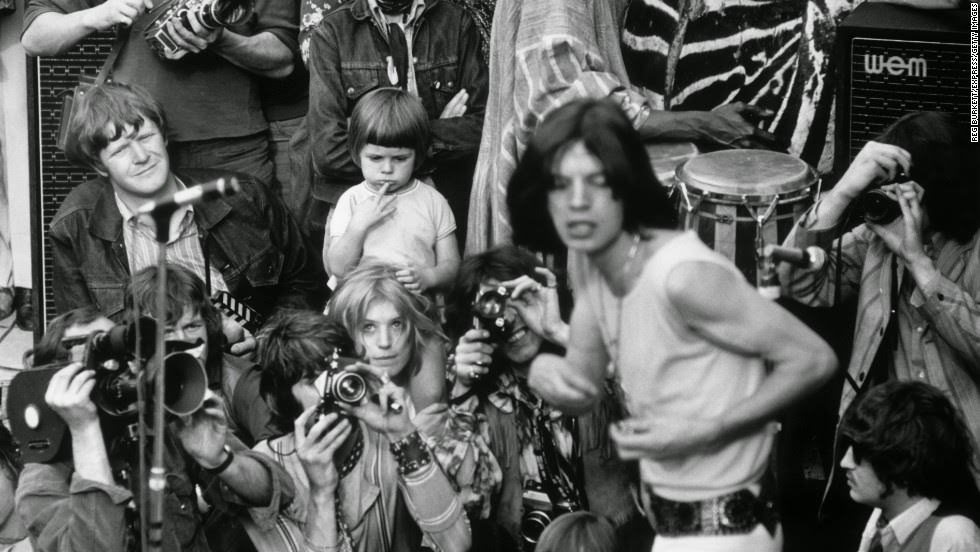
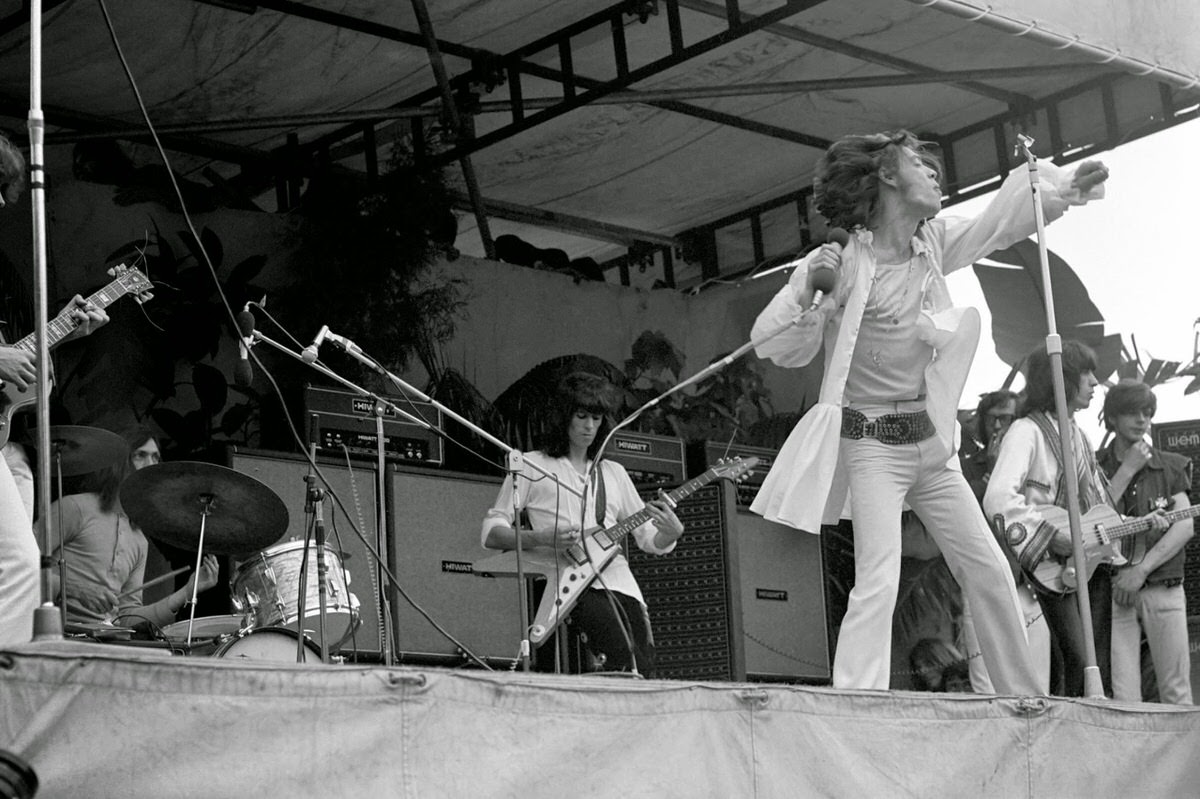
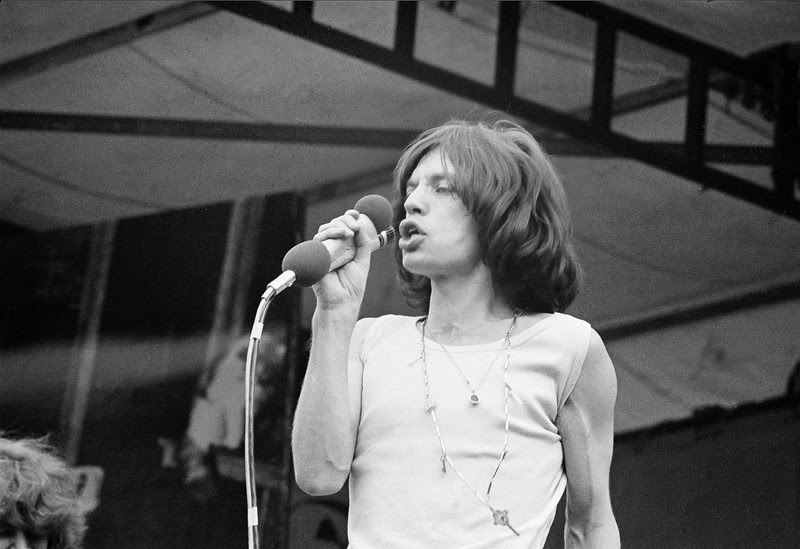
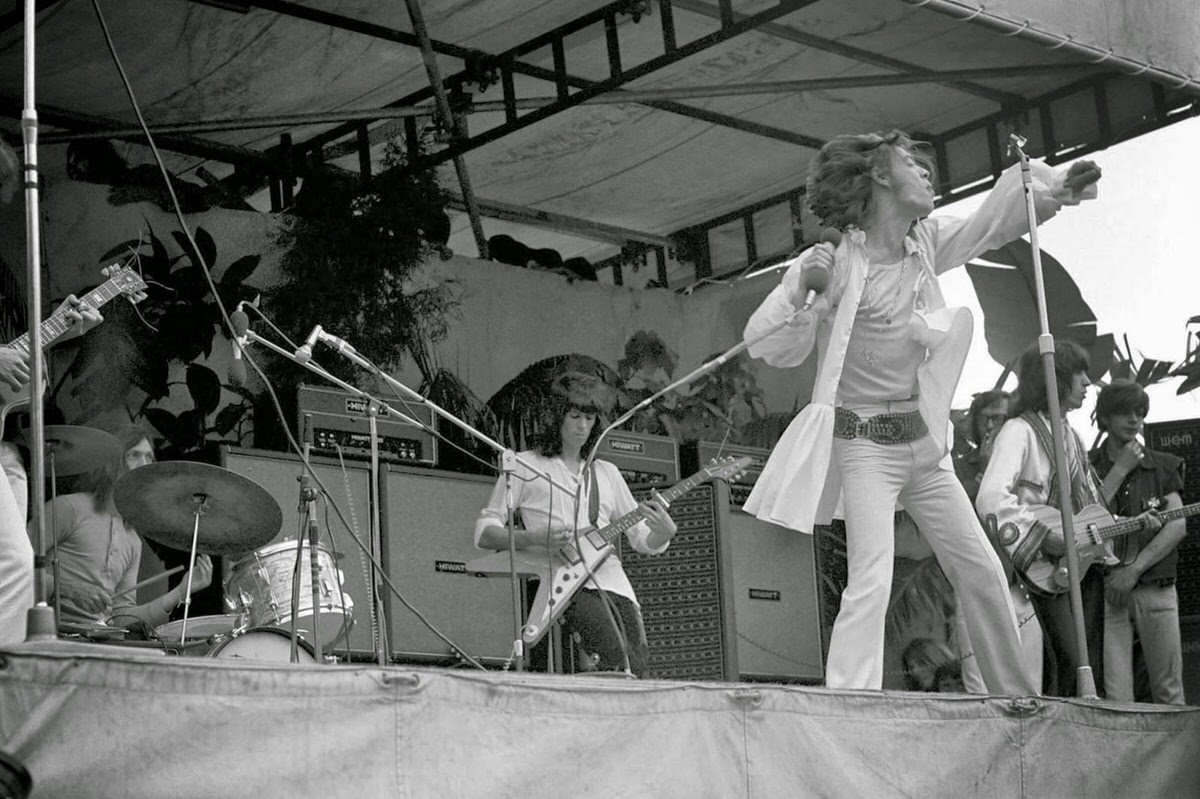
The band opened their musical set with a cover of “I’m Yours and I’m Hers.” Jagger performed while wearing a white dress-like tunic with puffed sleeves and a leather belt. The band played their new single “Honky Tonk Women” live for the first time during this show. The sound system was not powerful enough to reach everyone in the back of the park, but the crowd remained peaceful. Fans sat on the ground and climbed trees to get a better view of the performers.
Throughout the afternoon, other bands like King Crimson and Family performed before the Stones took the stage. A group of volunteers called the “Glastonbury Fayre” helped manage the massive crowd. After the concert ended, many fans stayed behind to help pick up litter from the park grounds. This effort kept the park clean despite the enormous number of people who attended. The entire performance was filmed for a television special that captured the transition of the band into a new era.