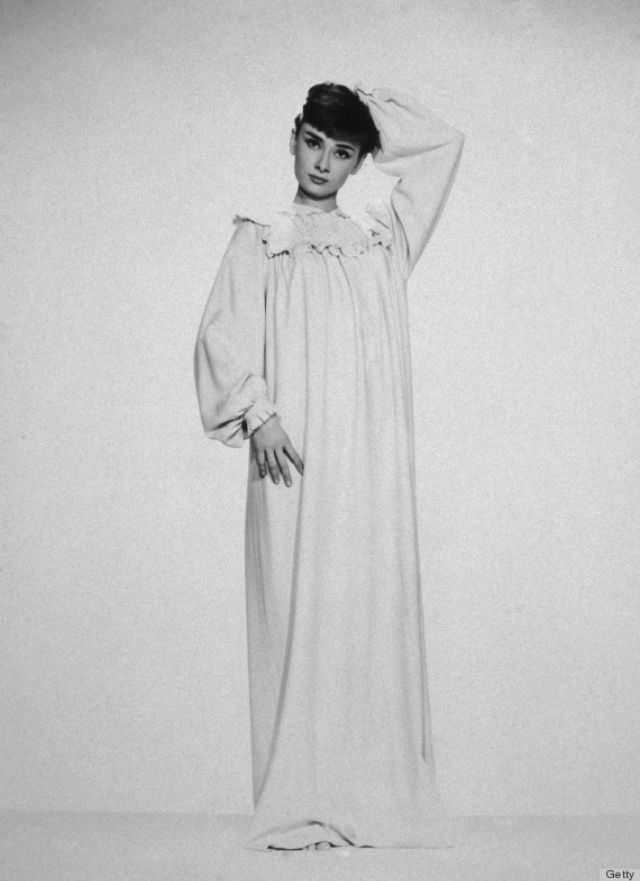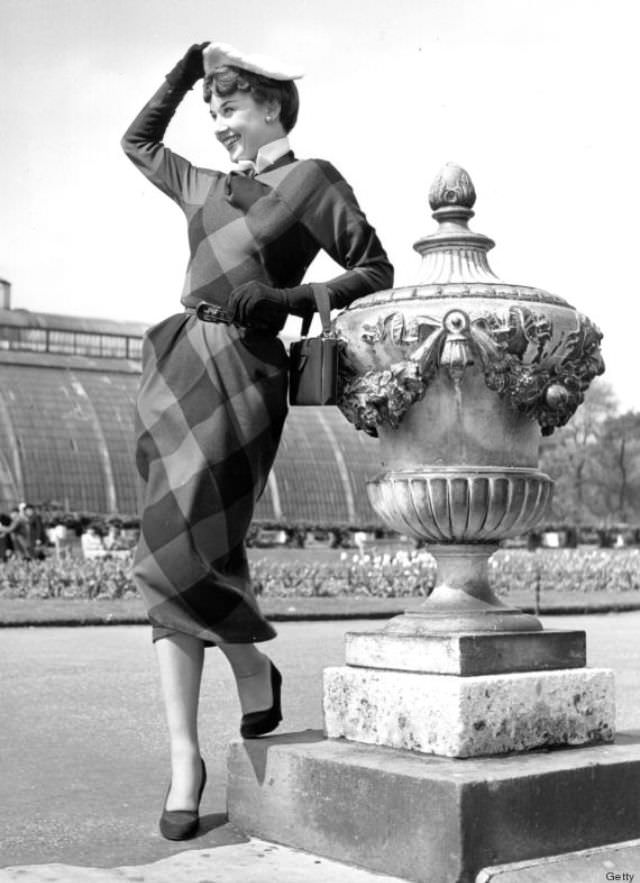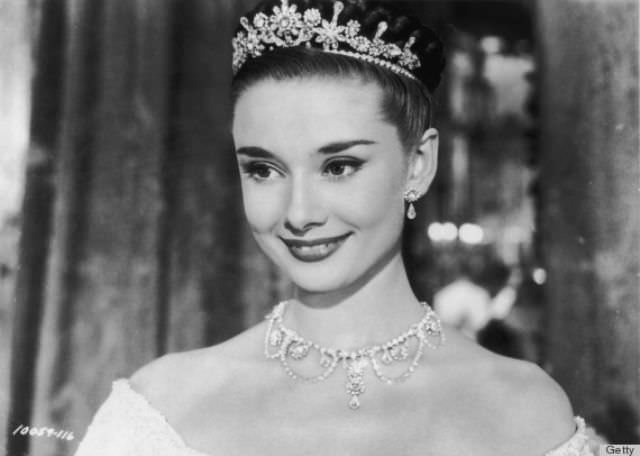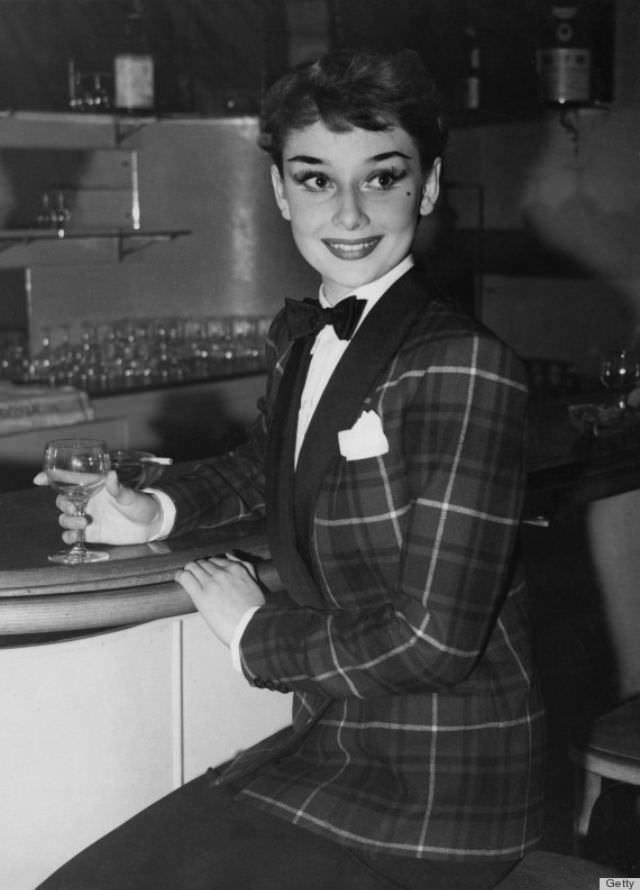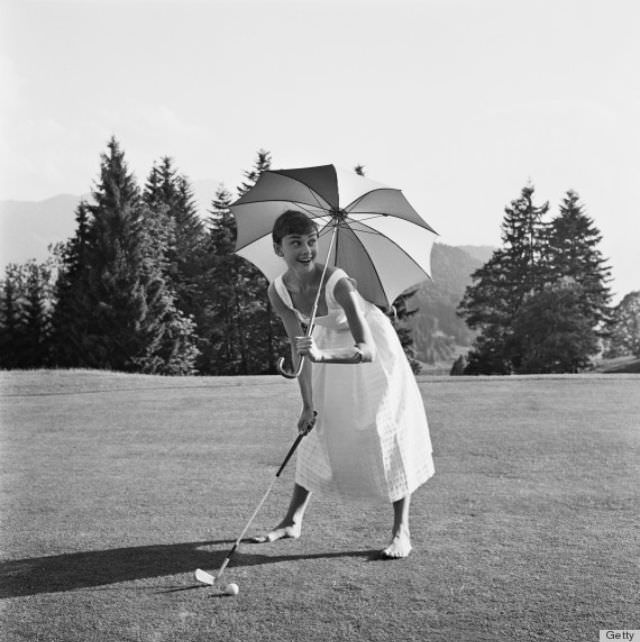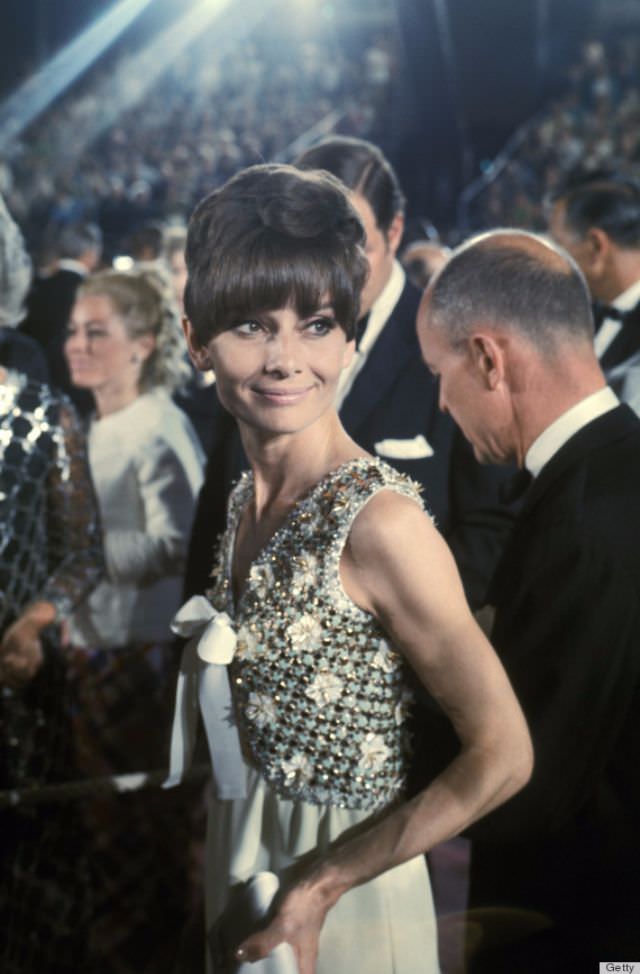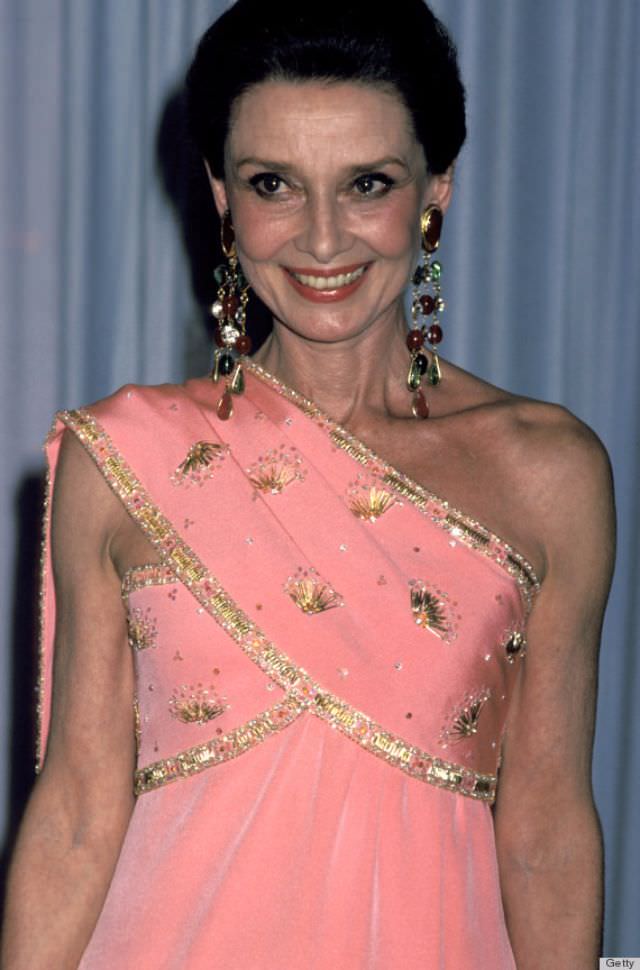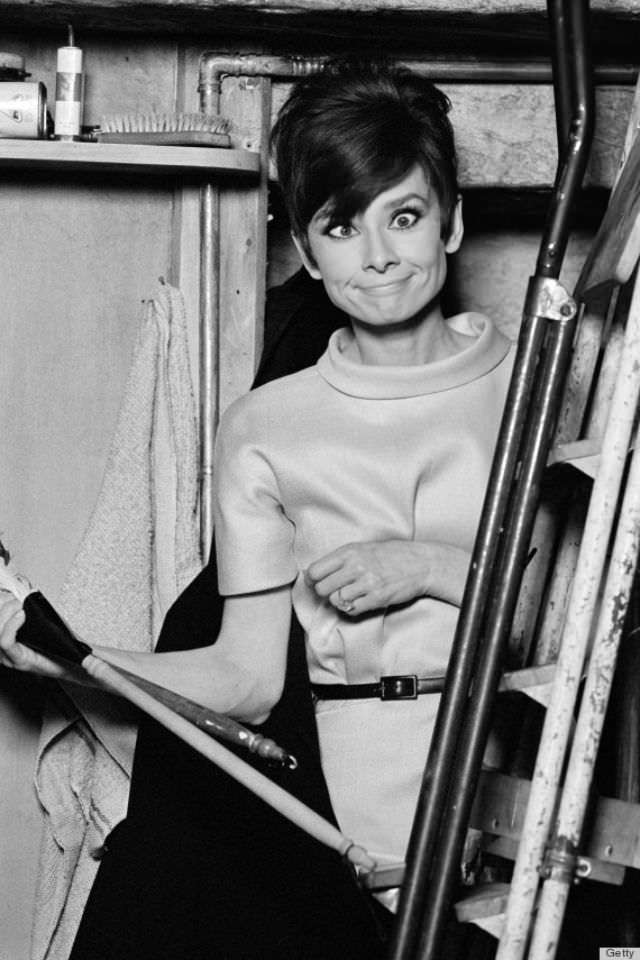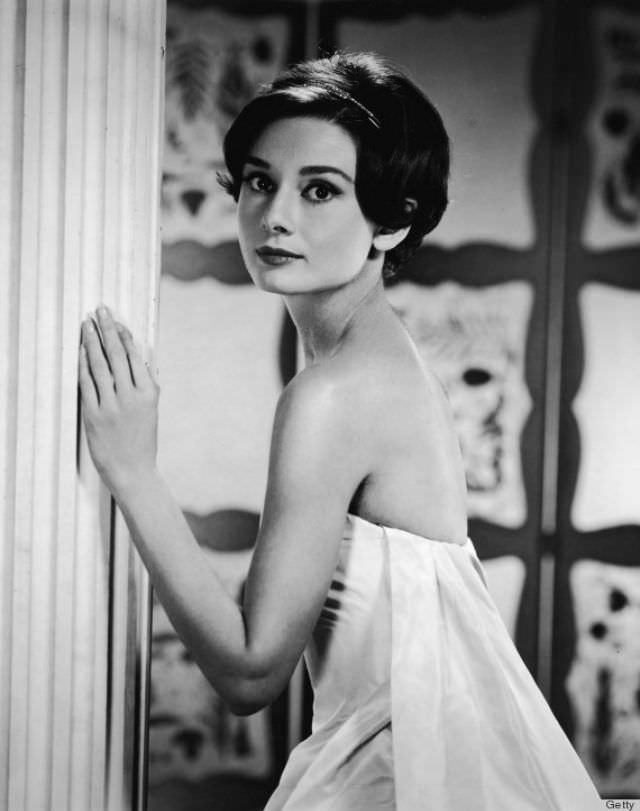

Audrey Hepburn built one of the most recognizable personal styles in history using a surprisingly short list of pieces. She wore the same silhouettes repeatedly, returned to the same designers, and rejected trends almost entirely. Her approach was systematic, not accidental.
Fit Matters More Than Price
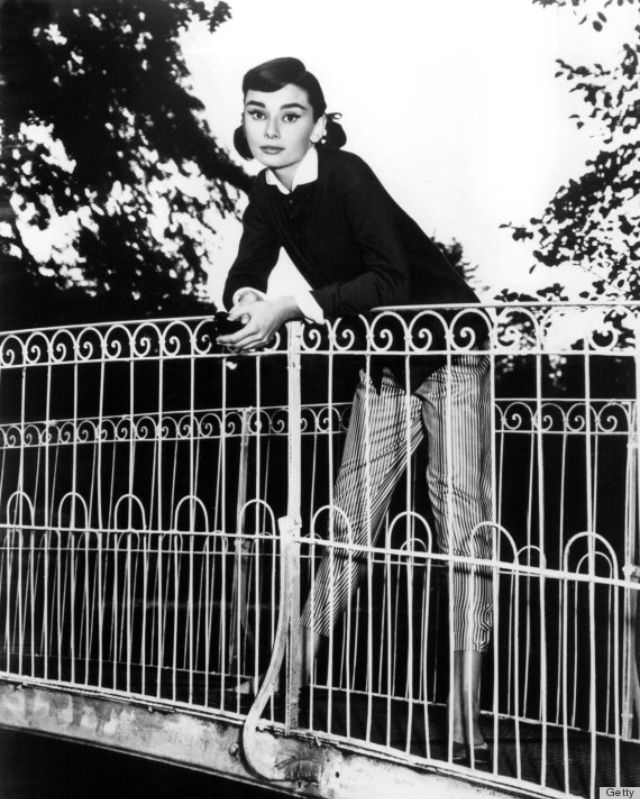
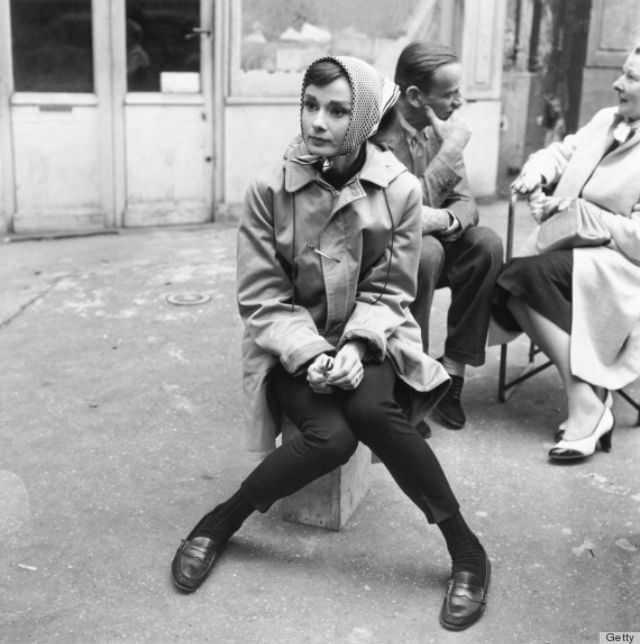
Hepburn worked closely with Hubert de Givenchy starting in 1953, and their partnership lasted decades. What made her clothes look the way they did was not the label — it was the fit. Every garment she wore in public was tailored to her exact measurements. A well-fitted black turtleneck and slim trousers, which she wore constantly off-duty, looked polished because the proportions were precise. The lesson is direct: an inexpensive piece altered to fit your body will always outperform an expensive piece worn straight off the rack.
Build Around a Neutral Base
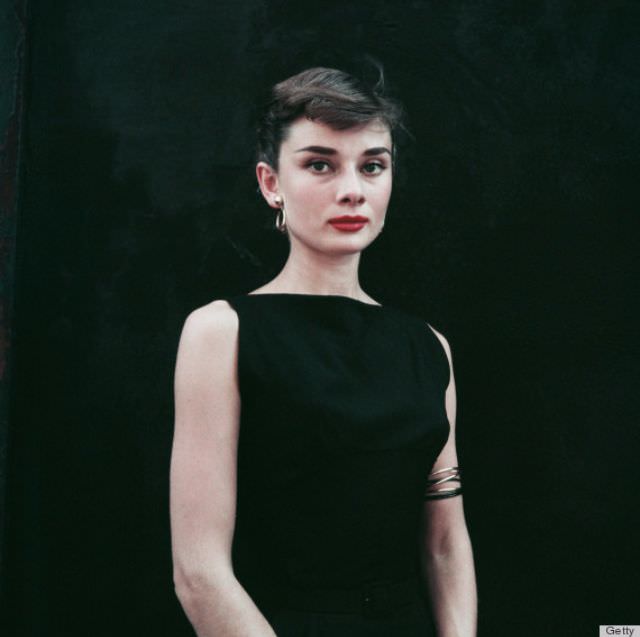
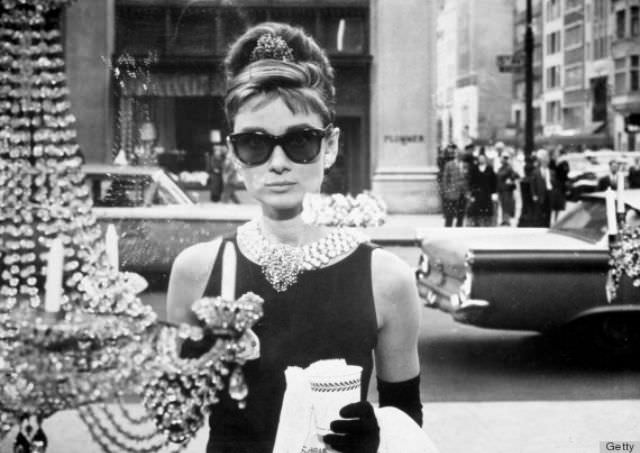
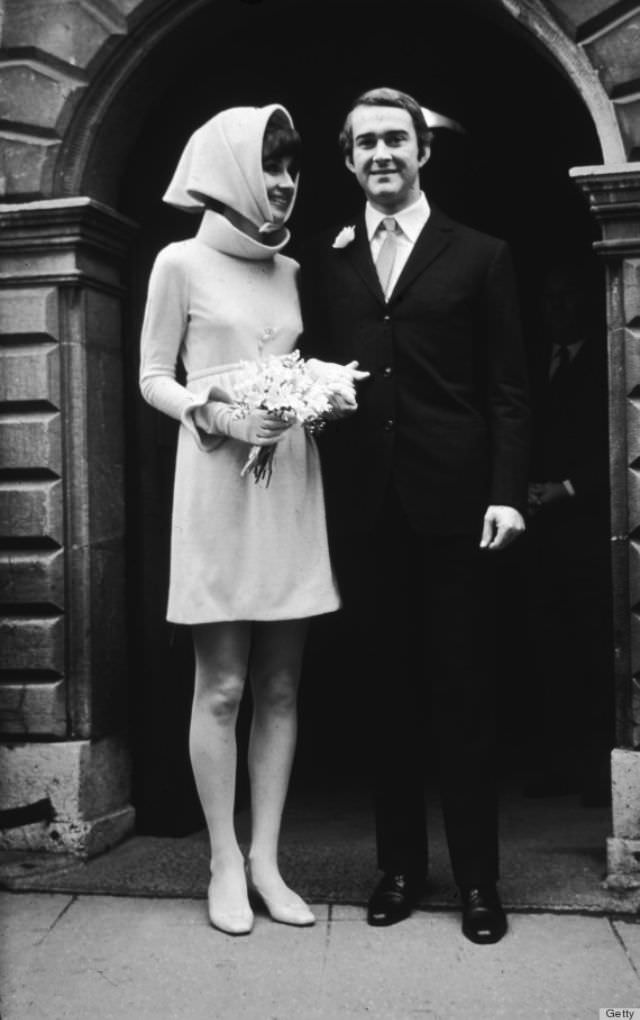
Hepburn’s wardrobe was anchored in black, white, and beige. She wore color selectively and usually as a single accent rather than head-to-toe. The black dress she wore in Breakfast at Tiffany’s — designed by Givenchy — worked because everything around it was stripped back. Long gloves, simple heels, a single statement necklace. When the base is neutral, one strong piece carries the entire look without competition.
Proportions Do the Work
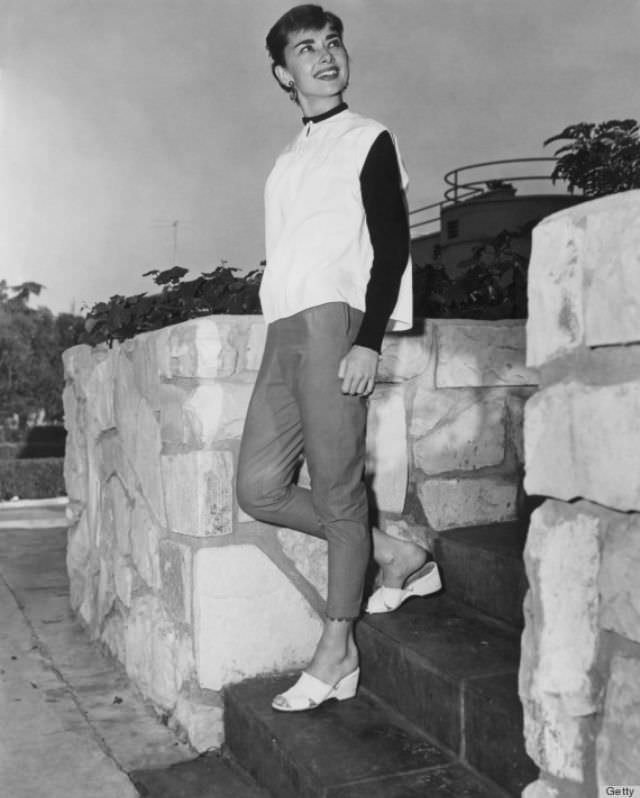
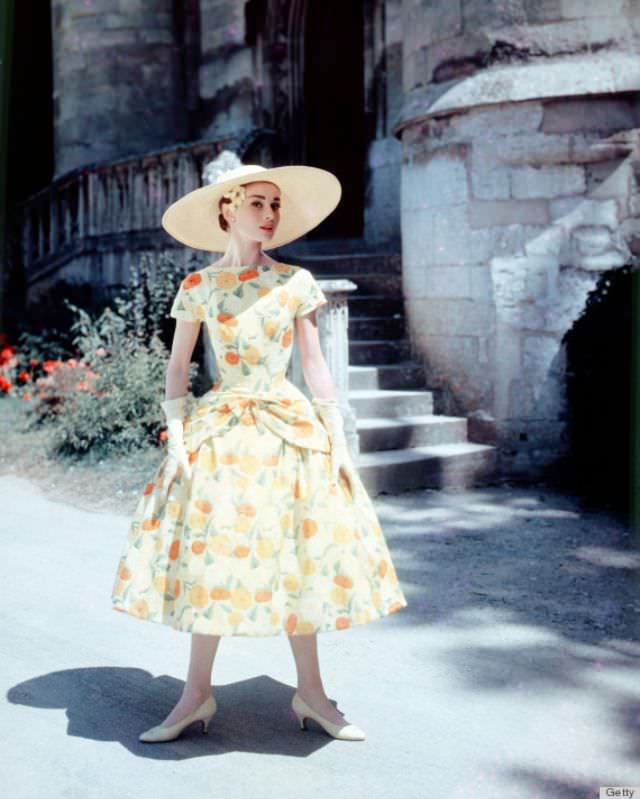
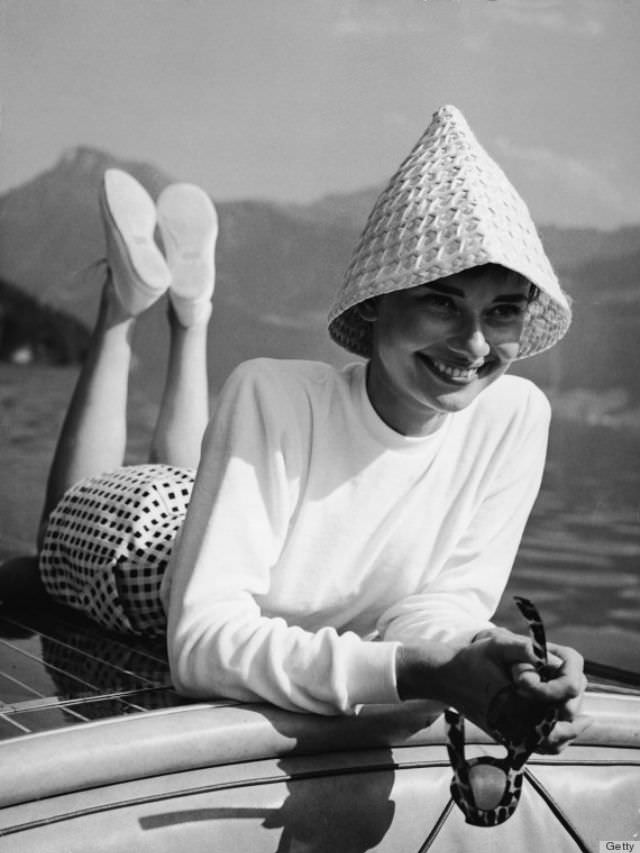
Hepburn understood that slim-cut trousers balanced against a simple top created a clean line that worked on her frame consistently. She rarely mixed oversized pieces. Cropped tops with high-waisted pants, fitted bodices with full skirts — she kept the volume on one half of her body at a time. That discipline in proportion is what made her outfits look intentional rather than assembled randomly.