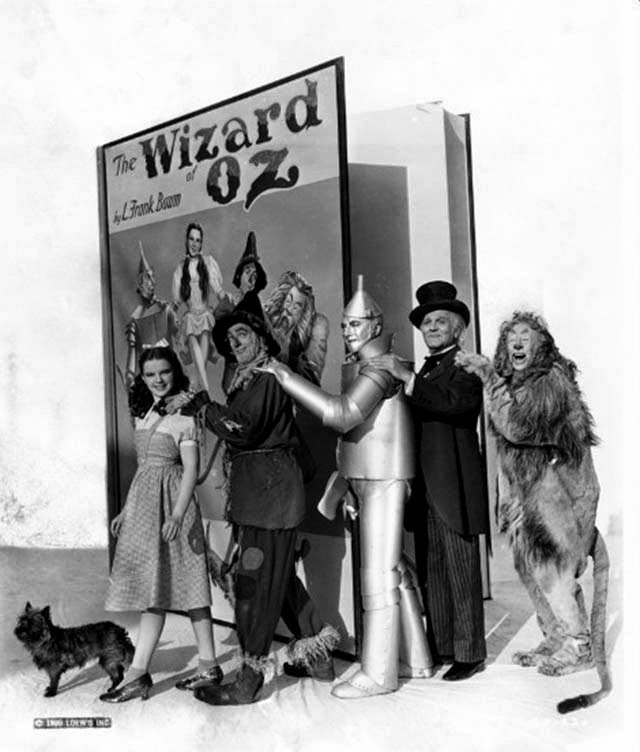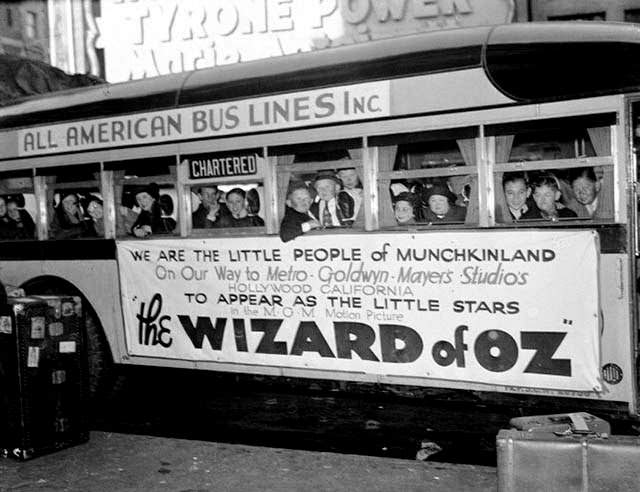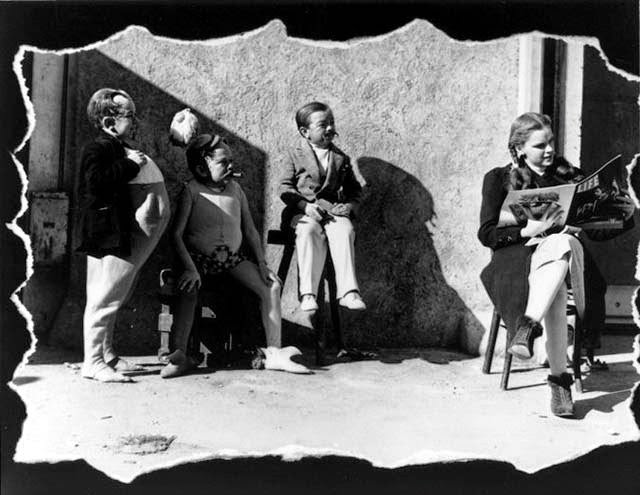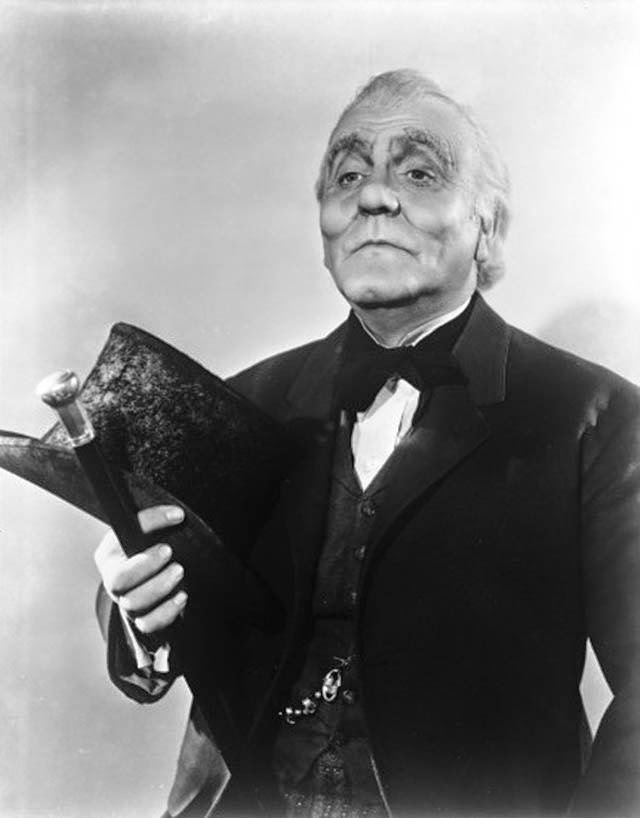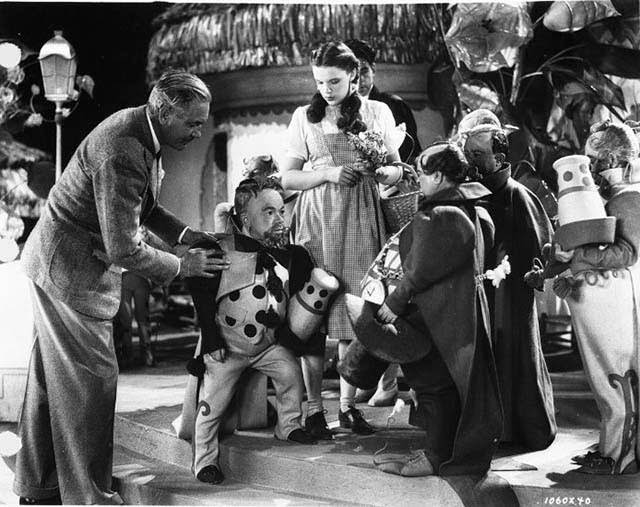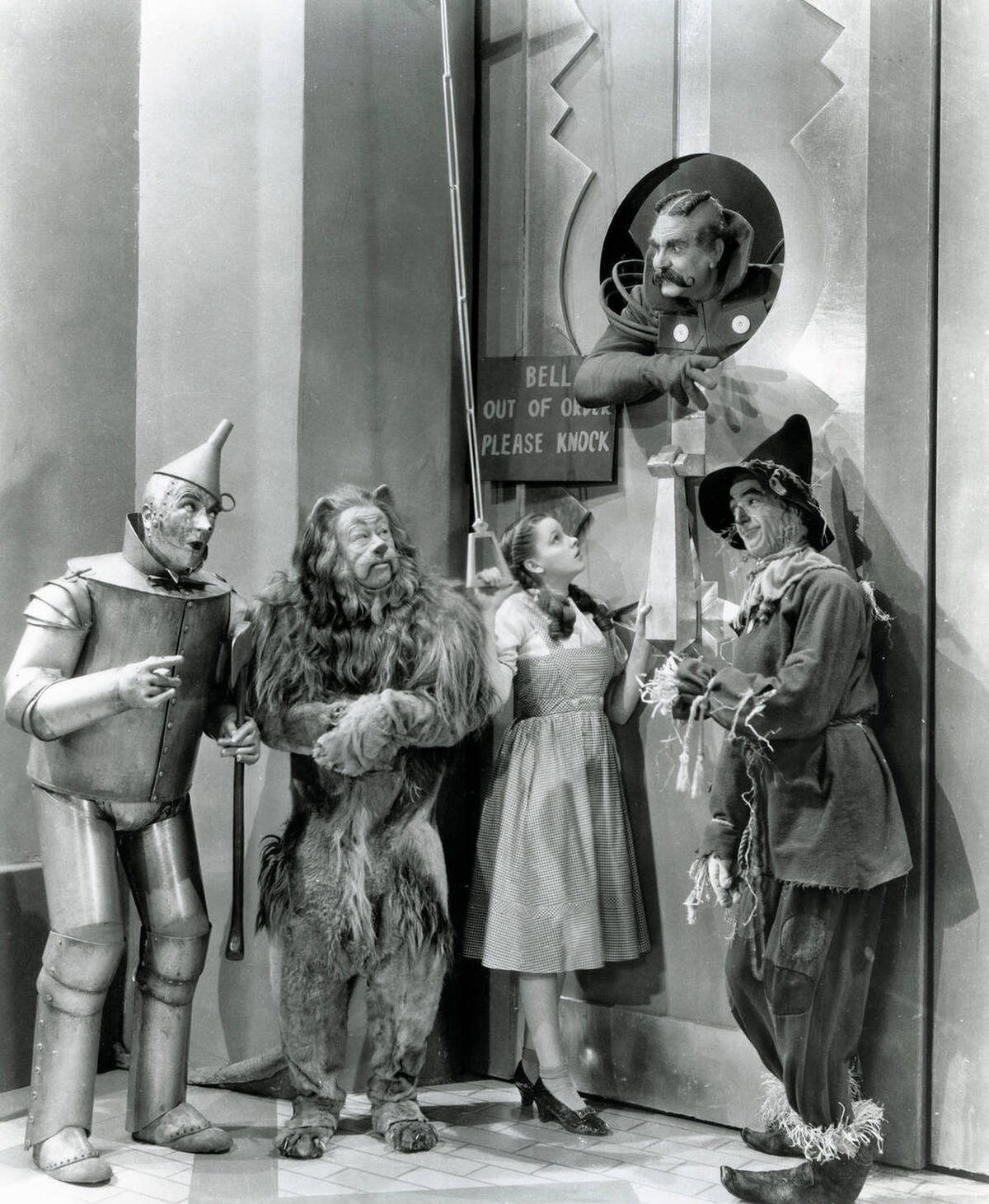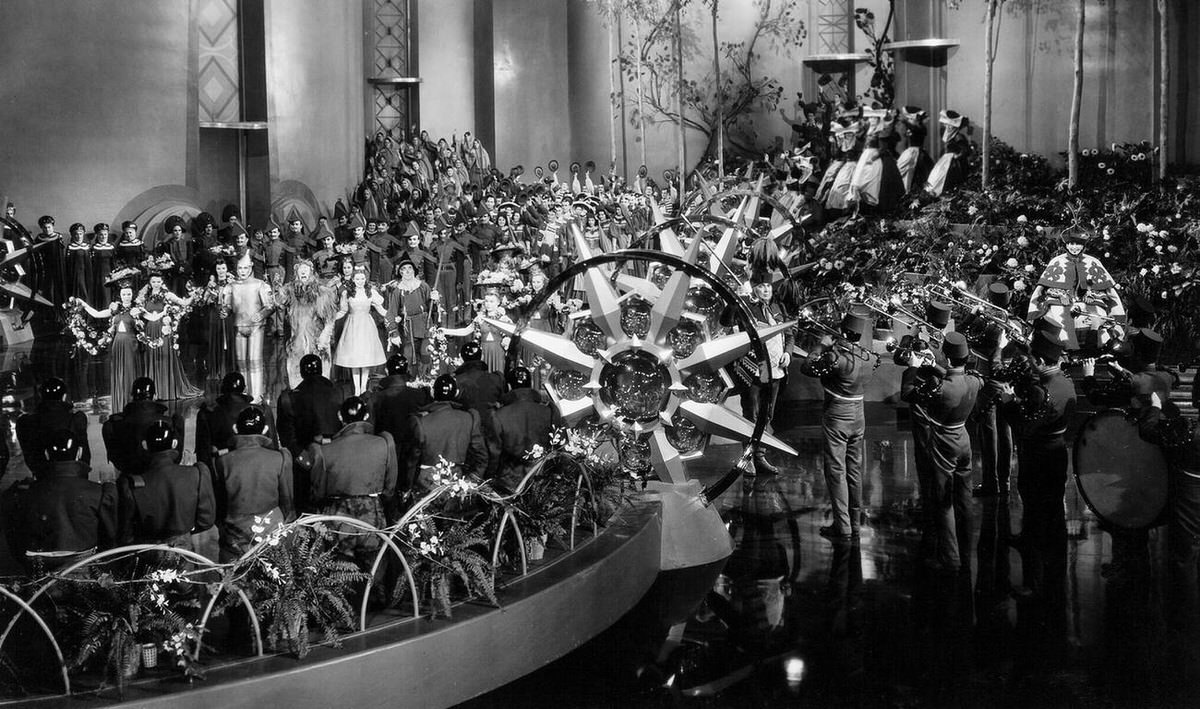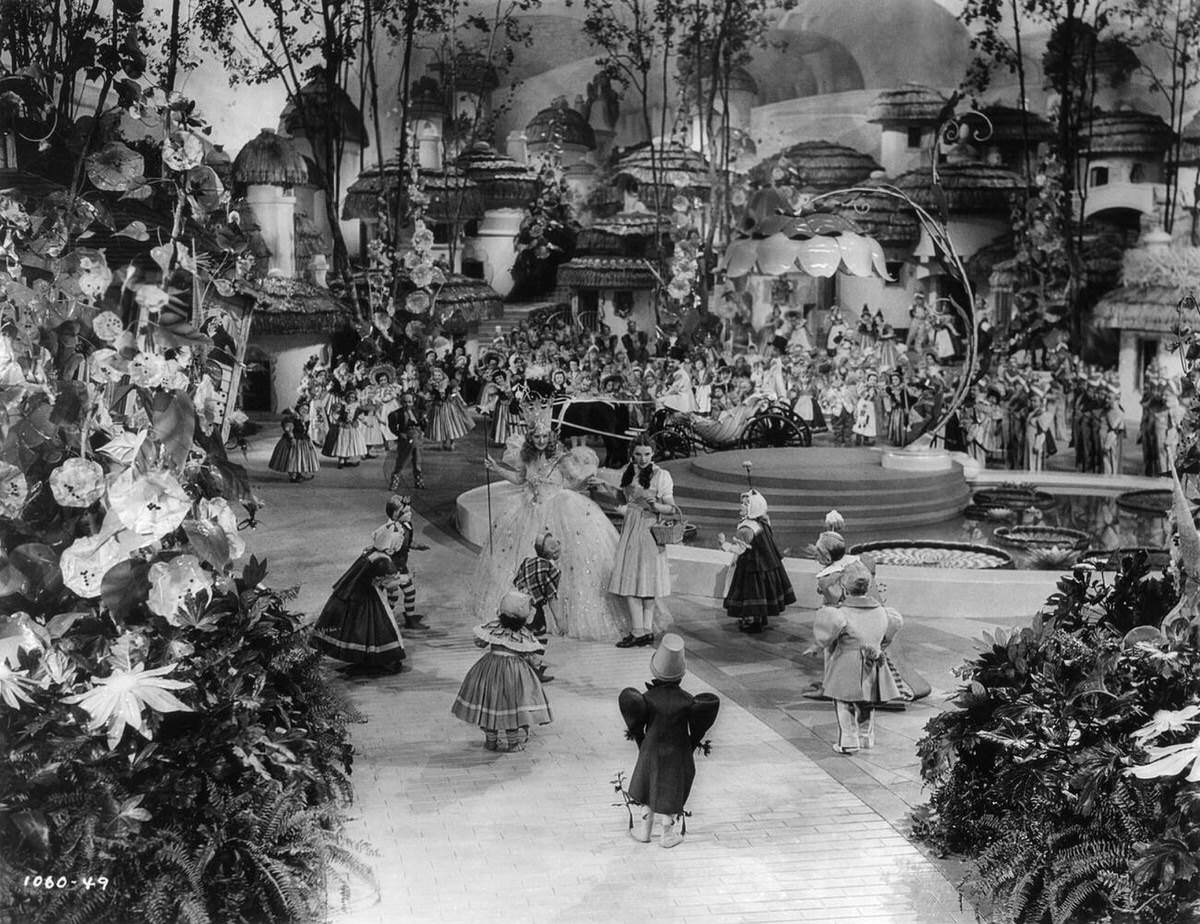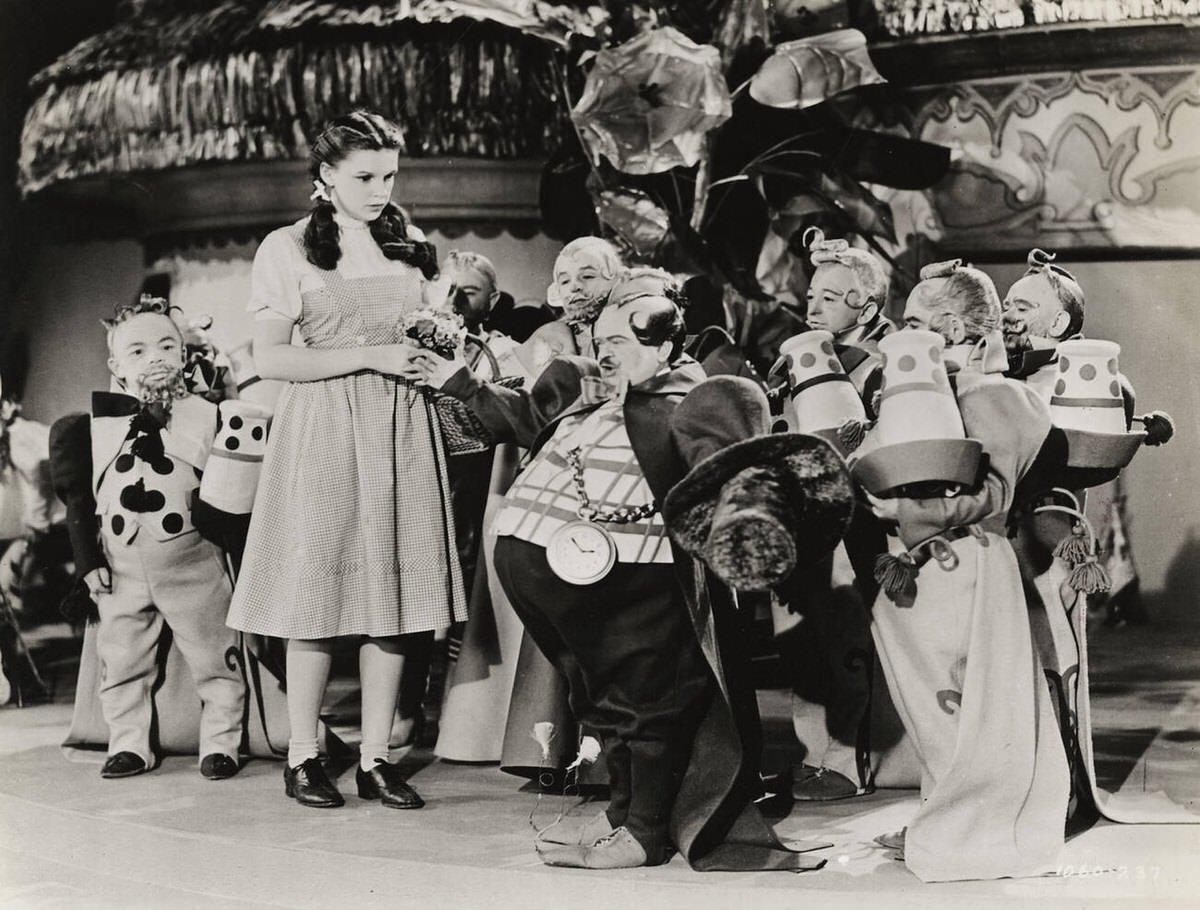

The Wizard of Oz took eighteen months to produce, went through four directors, and put its cast through conditions that would shut down a modern production overnight. The finished film looks magical. The process of making it was anything but.
The Directors and the Chaos
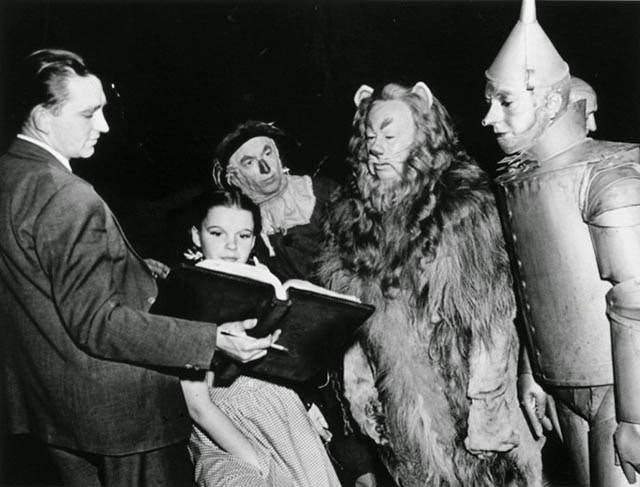
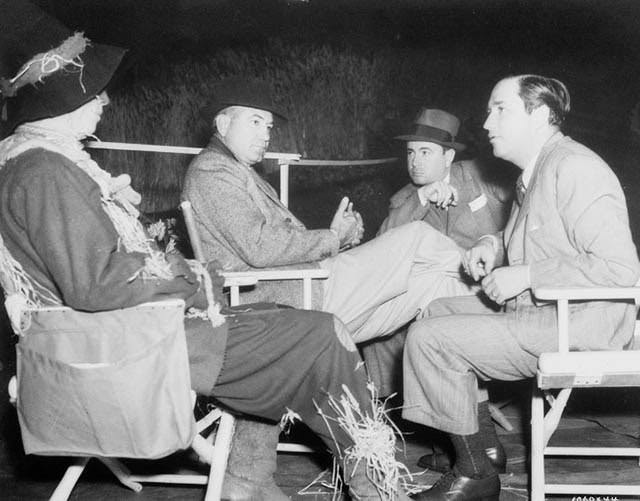
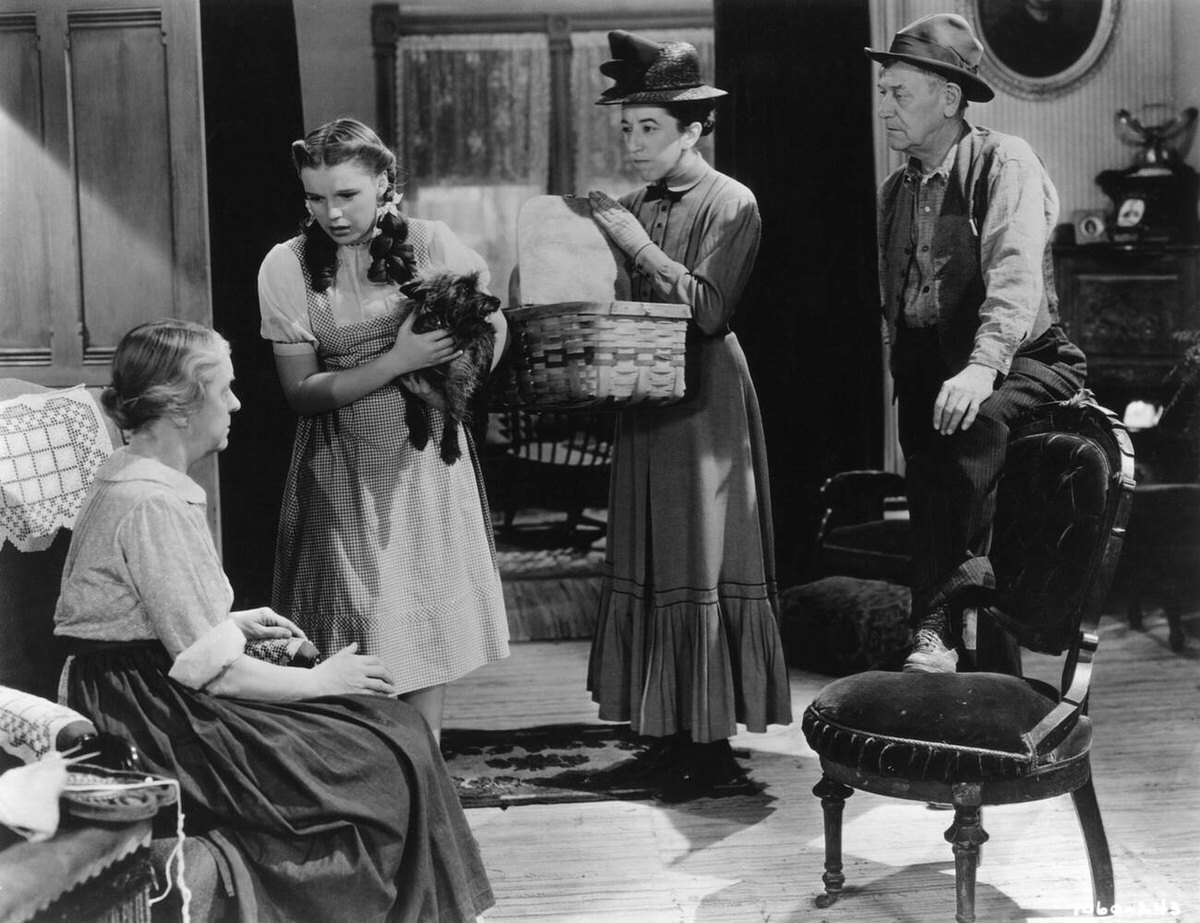
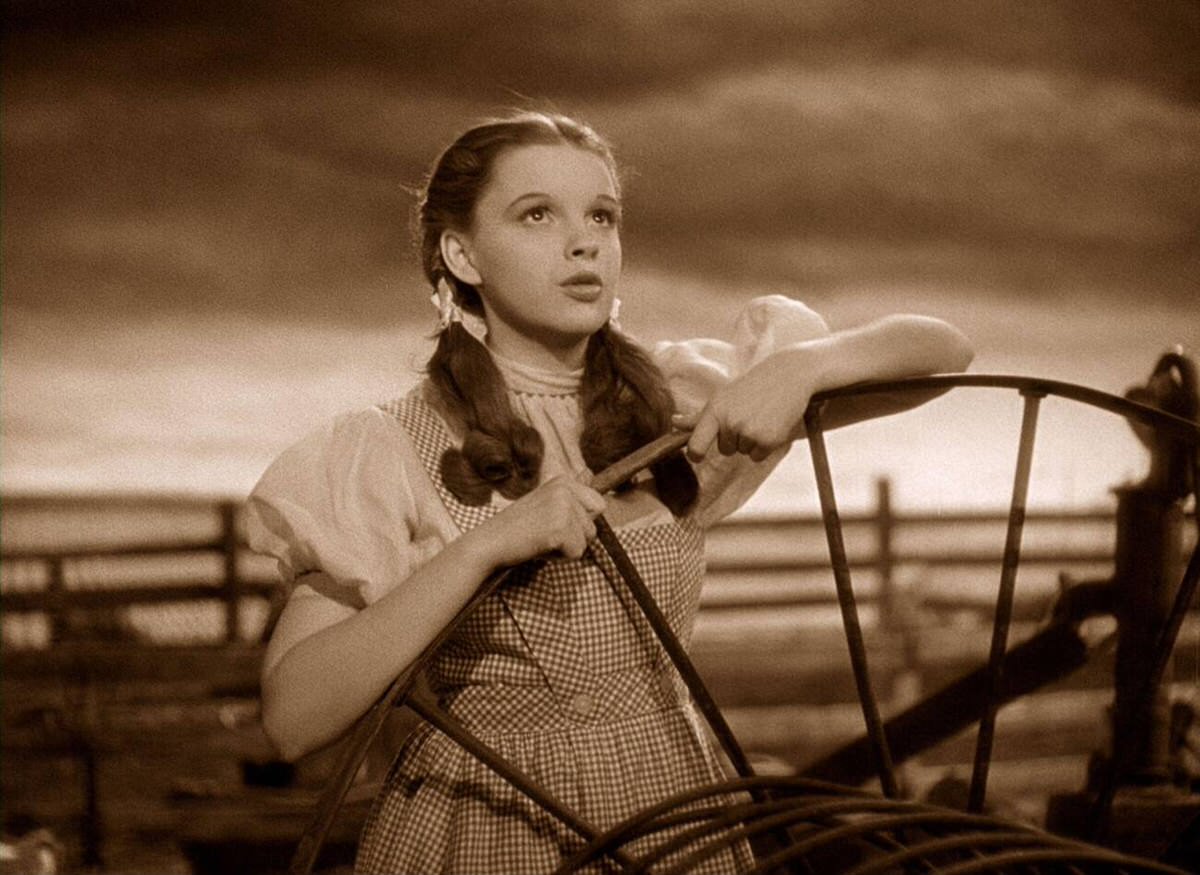
Richard Thorpe was the first director assigned to the film. He was fired after two weeks. George Cukor came in briefly to stabilize the production and make key decisions about the look and tone of the film before handing it to Victor Fleming, who directed the bulk of the movie. When Fleming was pulled away to take over Gone with the Wind midway through production, King Vidor stepped in to finish the remaining scenes, including the entire Kansas sequence shot in sepia. Four directors on a single film was unusual even by Hollywood’s chaotic 1930s standards.
What the Cast Endured
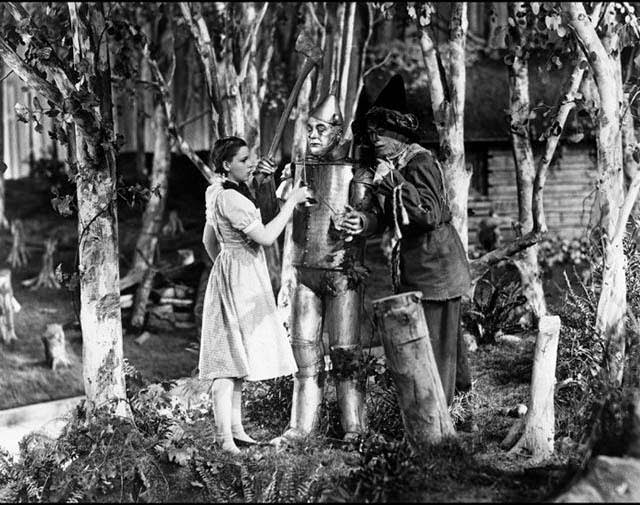
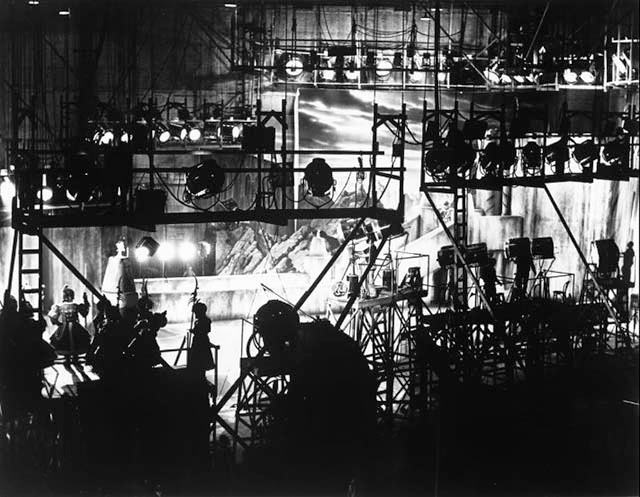
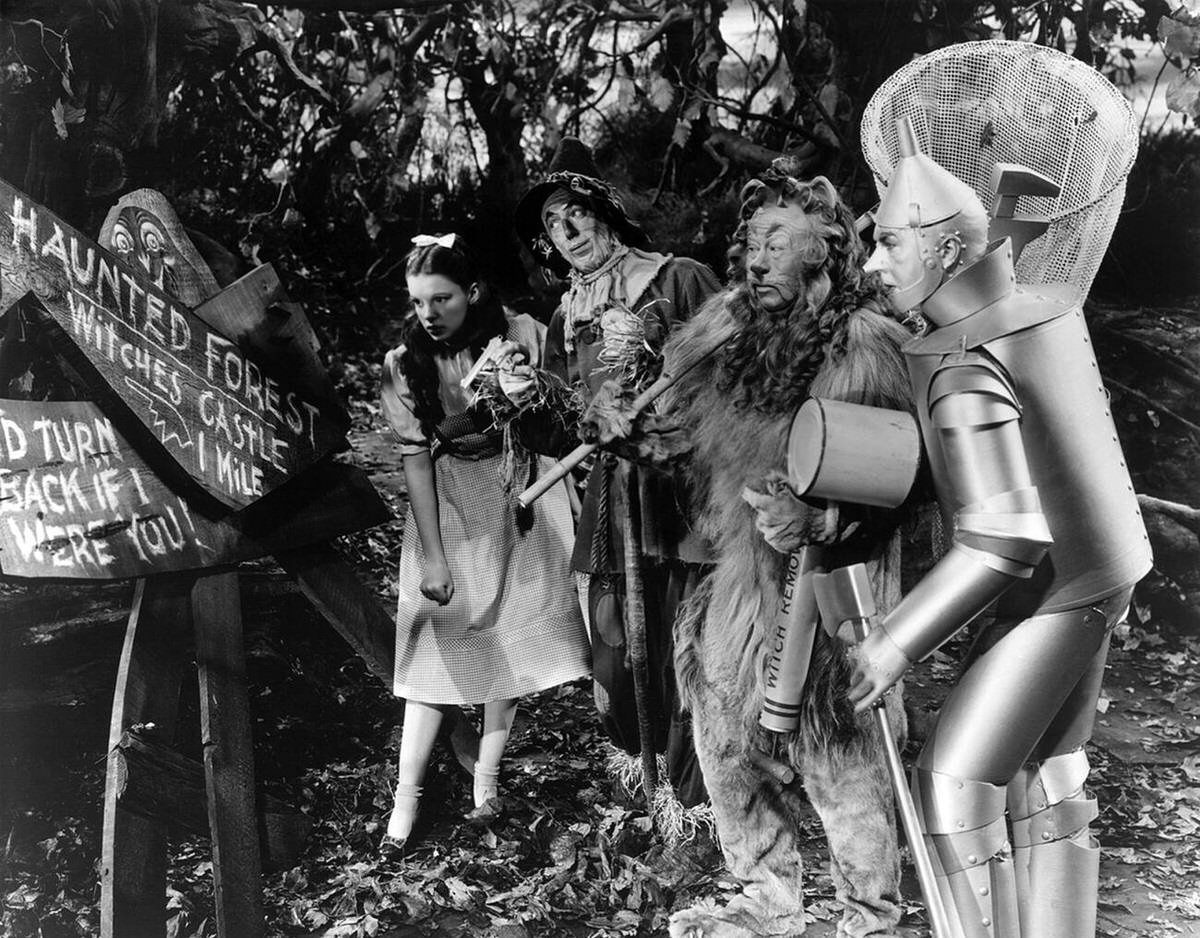
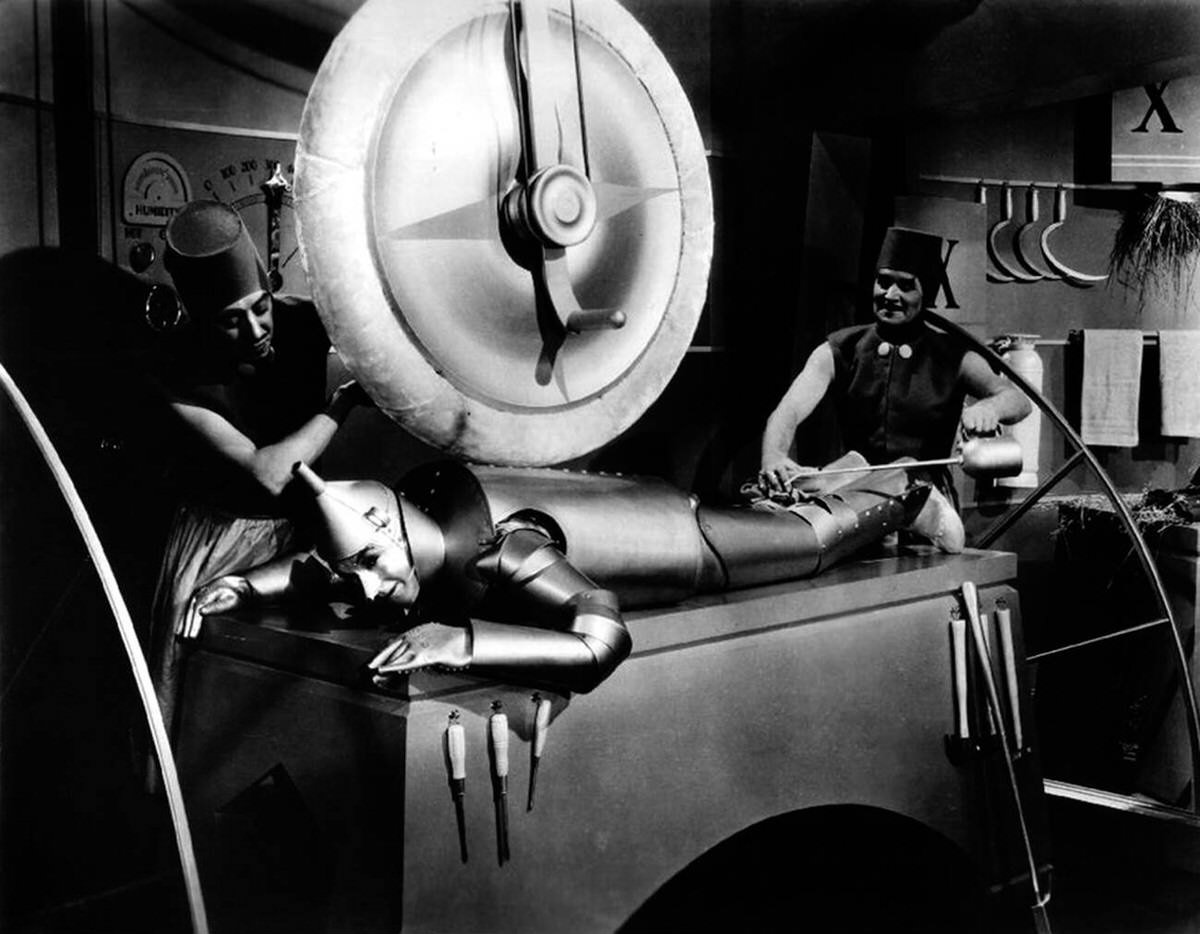
The sets at MGM were brutally hot. The Technicolor cameras of the era required enormous amounts of light, which meant the soundstages were flooded with intense heat for every shooting day. Temperatures on set regularly exceeded 100 degrees Fahrenheit. Cast members worked in heavy costumes and thick makeup under those conditions for months.
Read more..
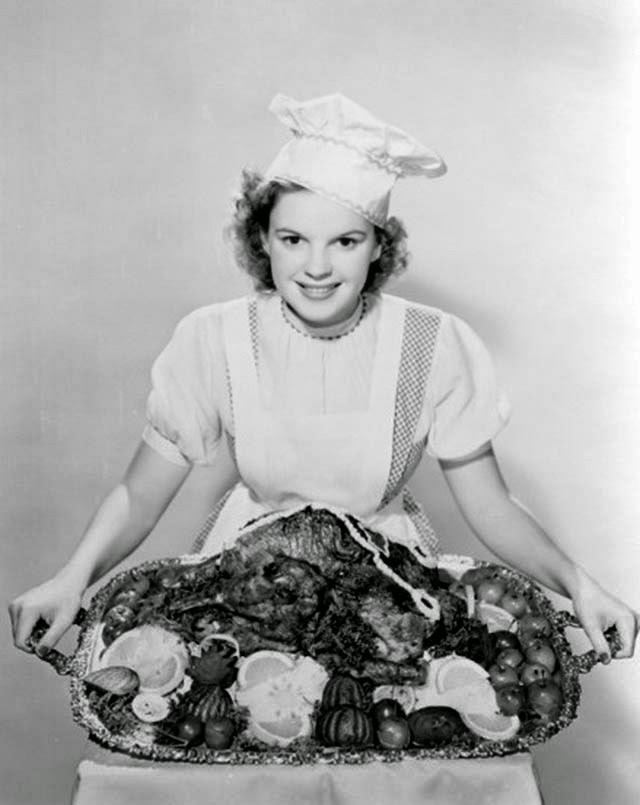
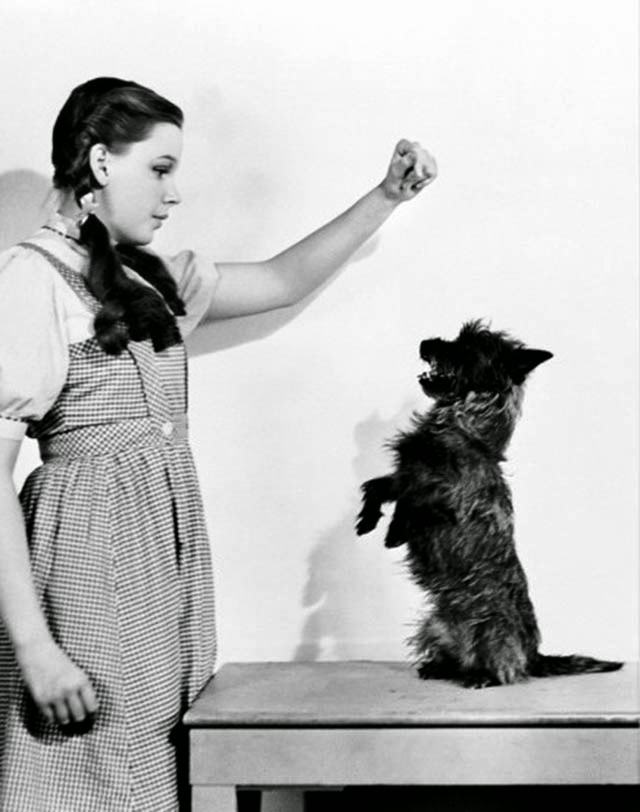
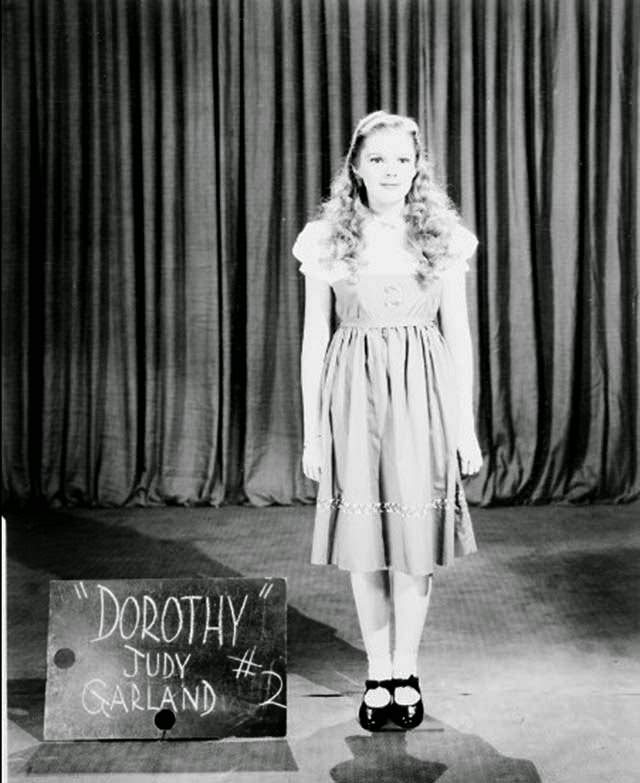
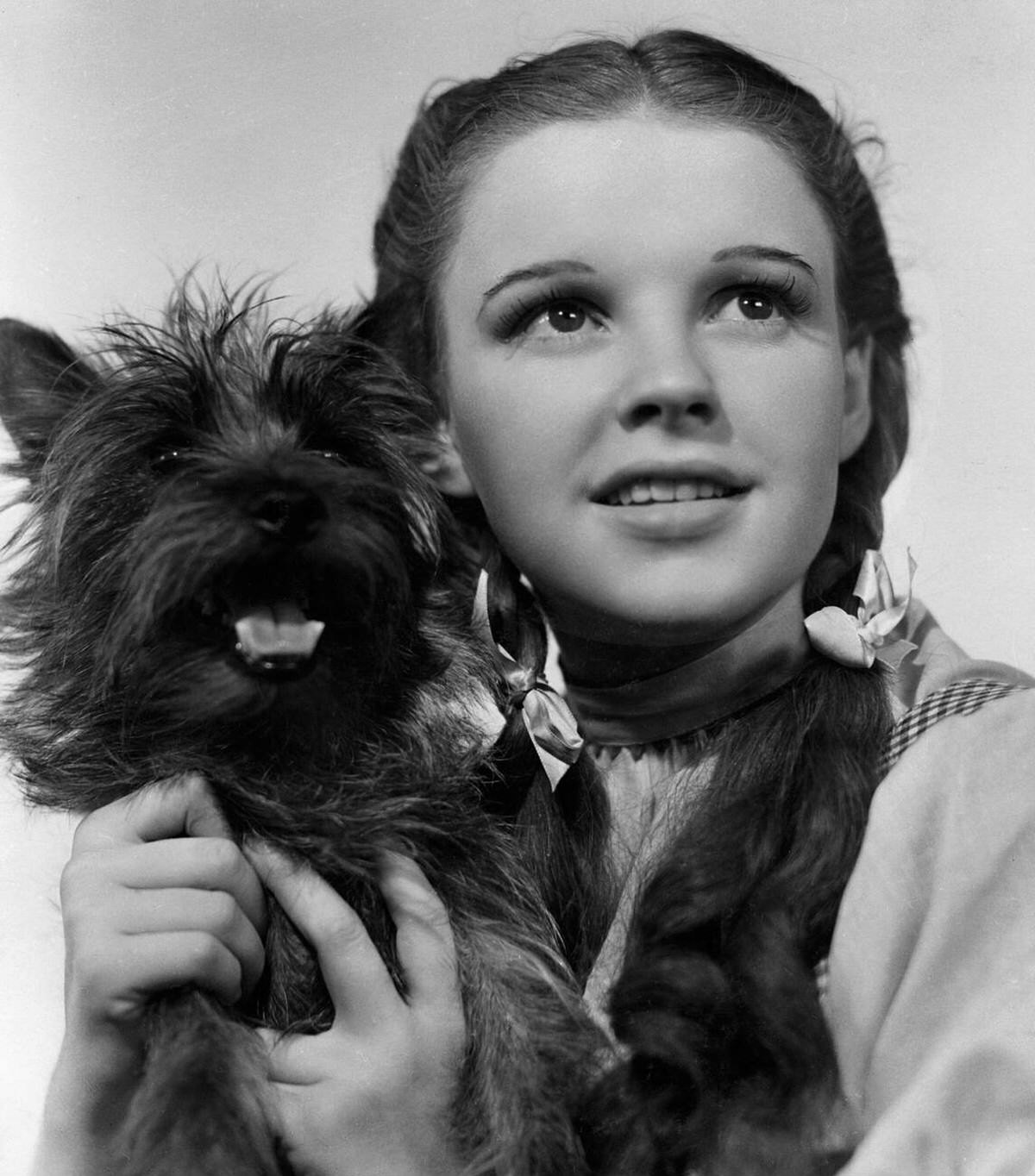
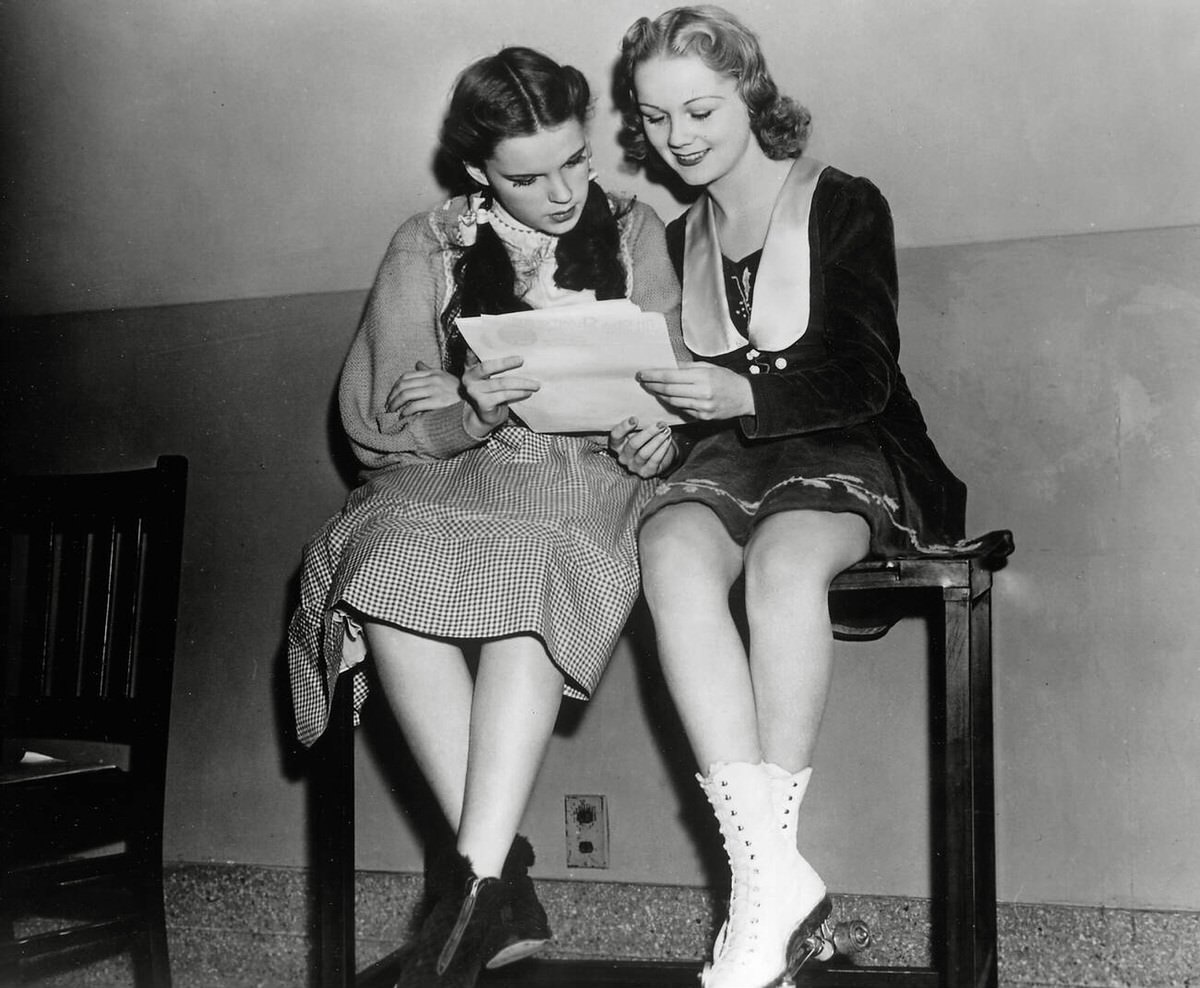
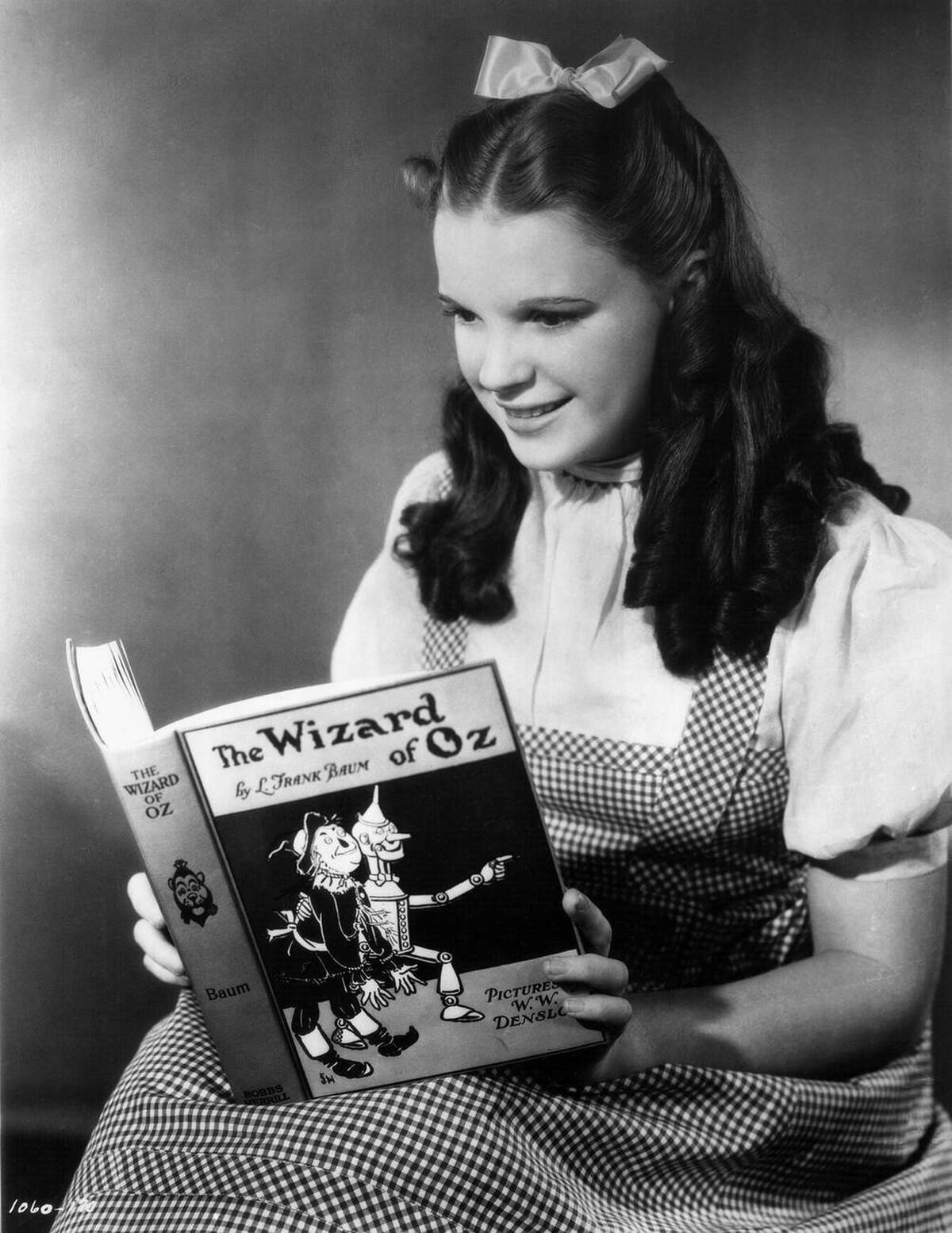
Judy Garland was sixteen years old during production. MGM kept her on a strict diet and gave her amphetamines to control her weight and keep her energy up during long shooting days, then gave her sedatives at night to help her sleep. The studio treated her schedule like a machine’s output rather than a child’s workload.
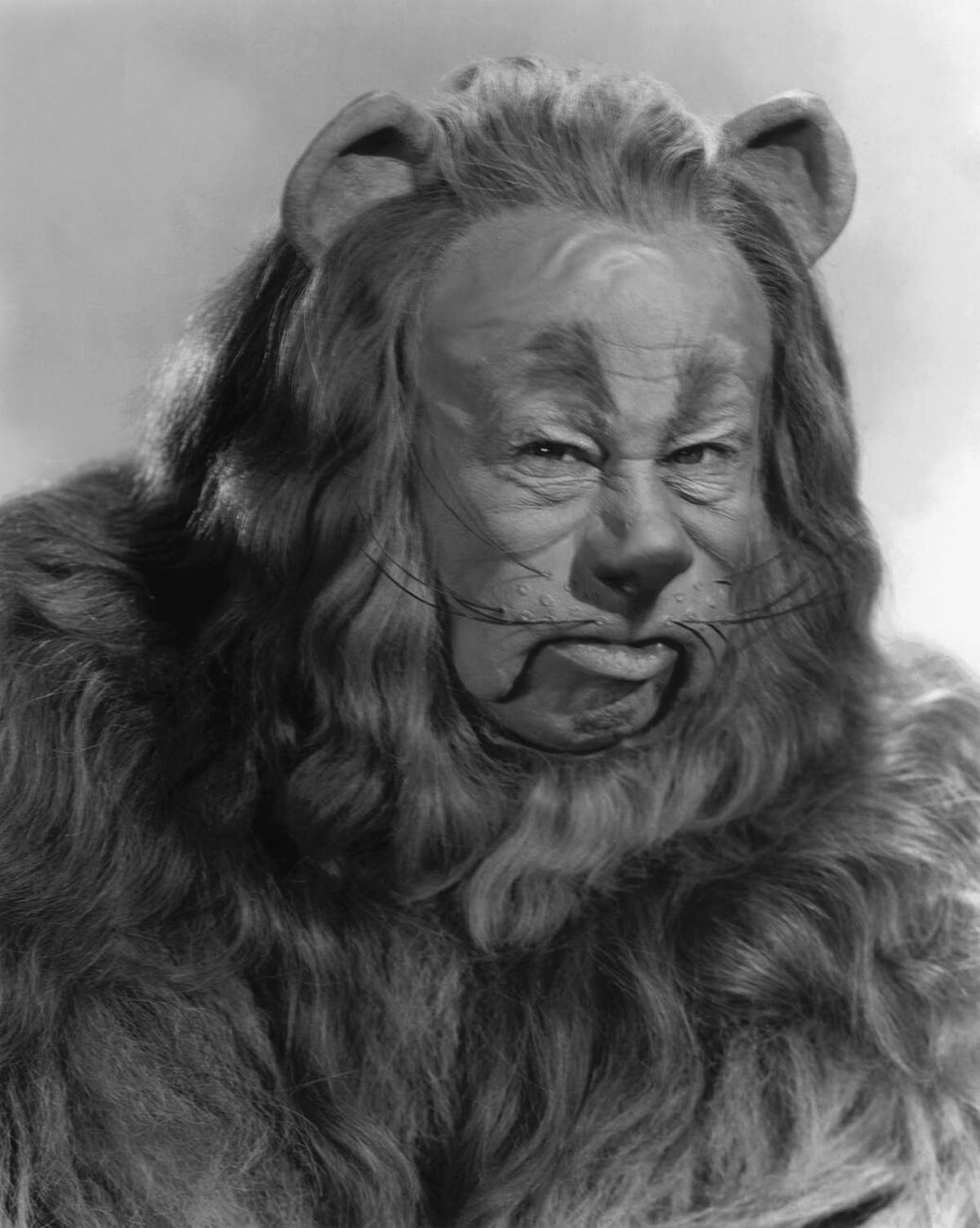
Bert Lahr, who played the Cowardly Lion, wore a costume made from real lion skin that weighed over 90 pounds. The heat under those lights made wearing it for extended takes a genuine physical ordeal. He sweated through the costume daily and had to have it dried out between setups.
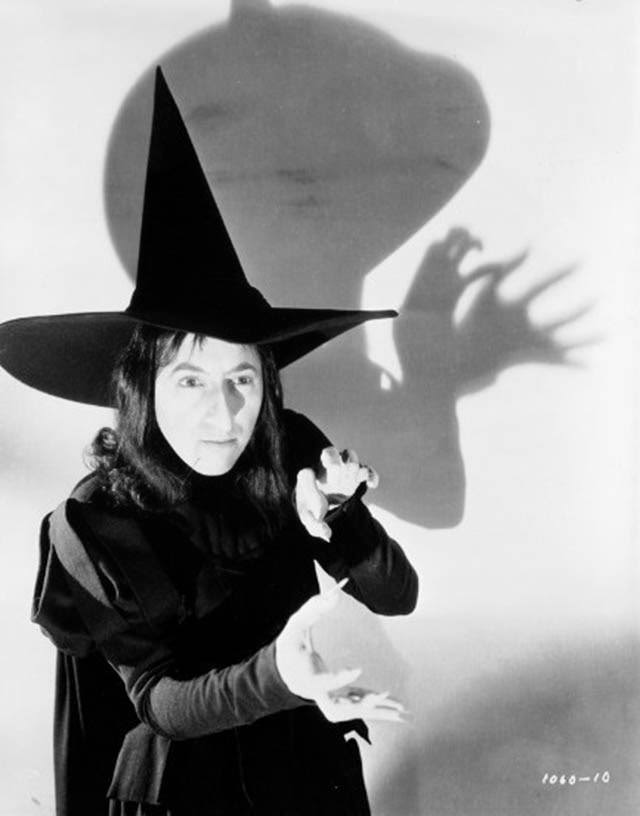
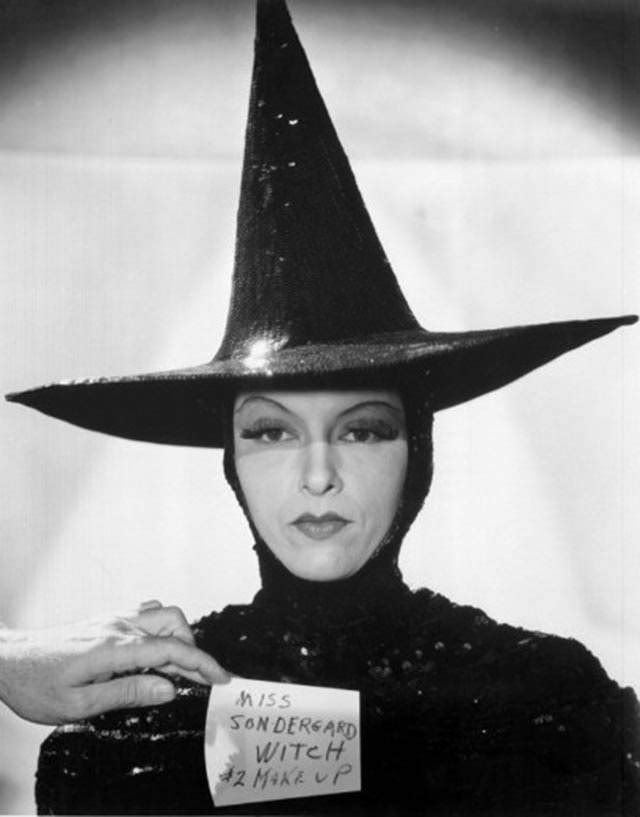
Margaret Hamilton, who played the Wicked Witch of the West, suffered serious burns during filming. A trap door scene required her to disappear in a burst of flame and smoke. The mechanism fired too early, and Hamilton’s face and hands were burned. She spent six weeks recovering before returning to the set. Her green makeup, which contained copper, could not be used during her recovery because it was toxic if it entered open wounds.
The Technicolor Challenge
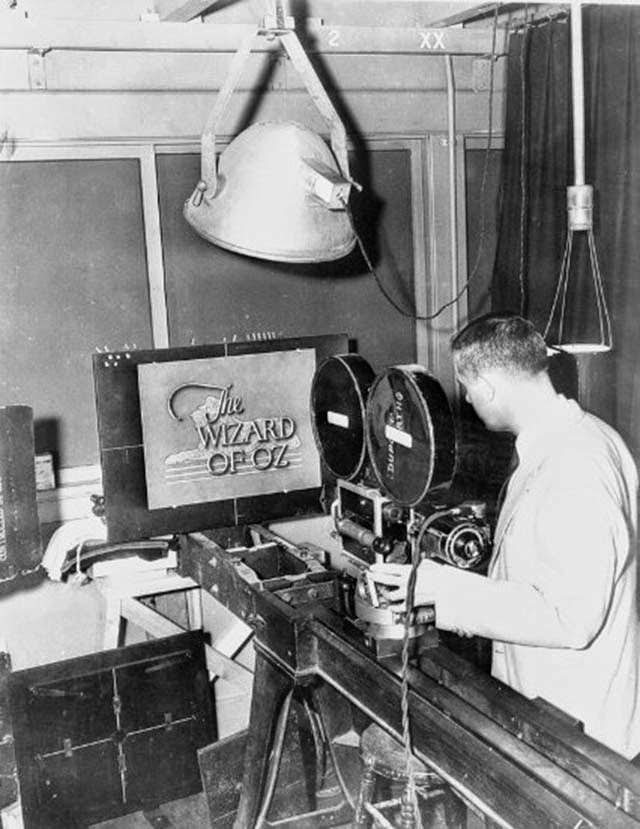
The Wizard of Oz was one of the most technically ambitious Technicolor productions attempted to that point. The three-strip Technicolor process required a camera significantly larger and heavier than standard film cameras, which limited how the cinematographer could move and frame shots. Every color in every frame had to be carefully considered because Technicolor rendered certain shades unpredictably.
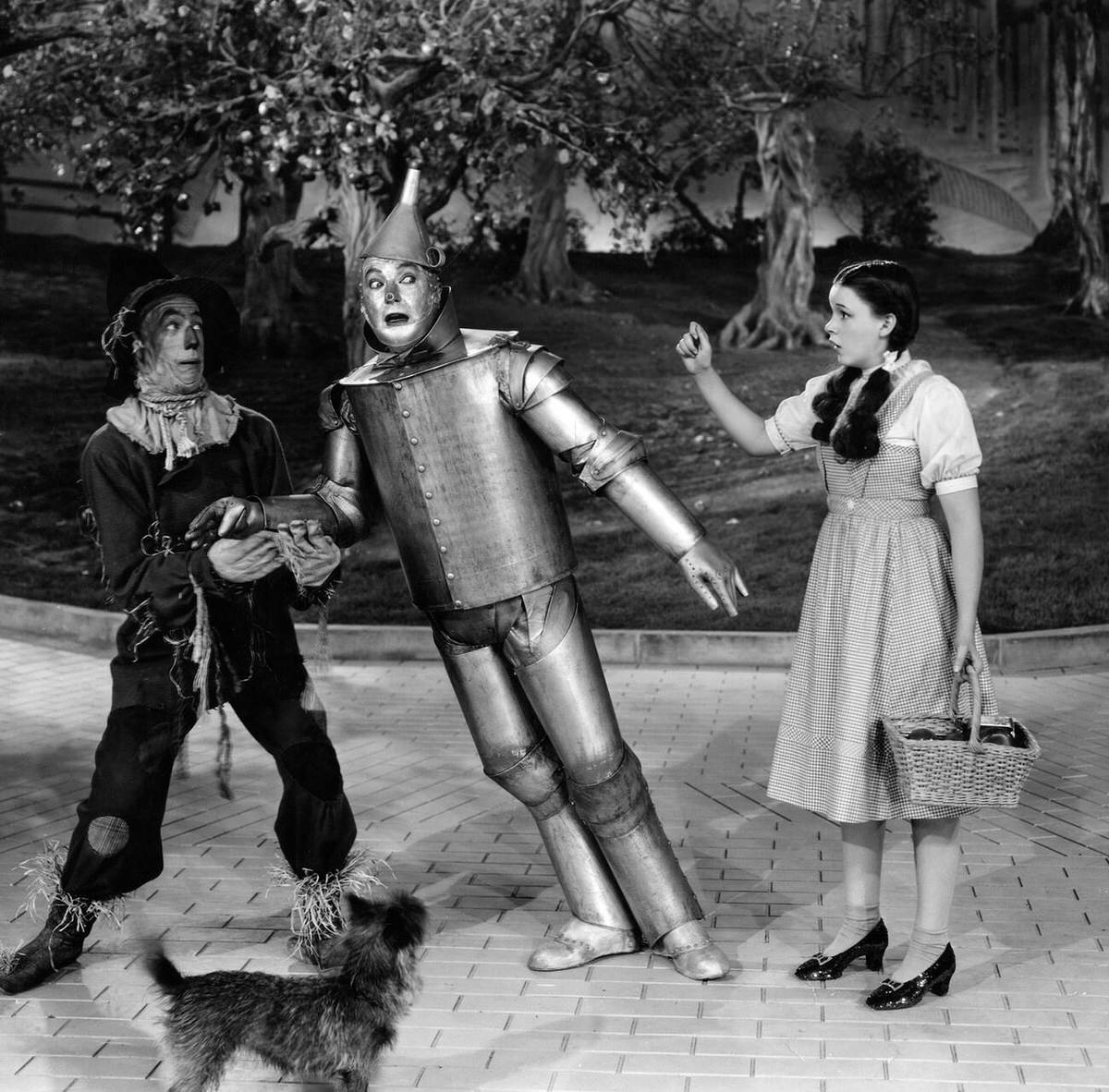
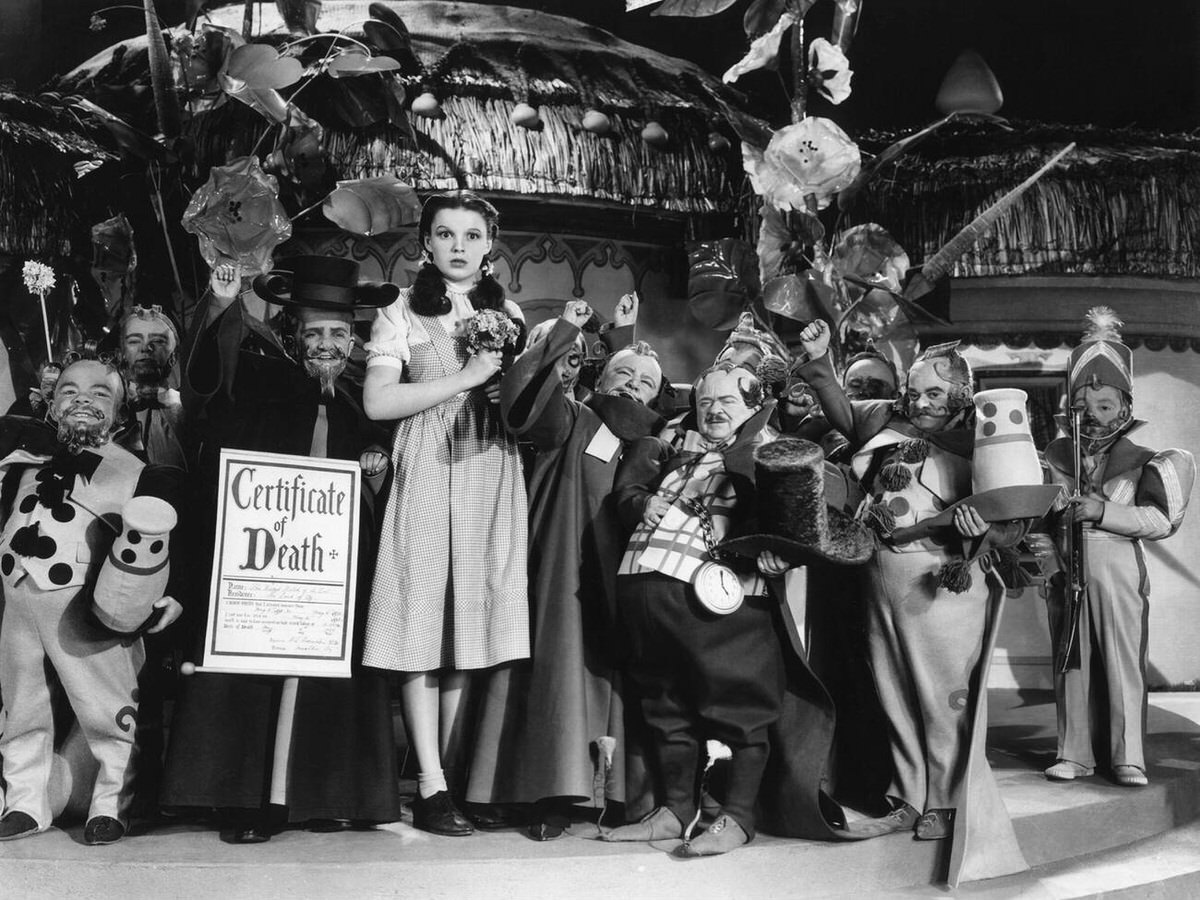
The ruby slippers went through multiple versions before the right shade was found. The Yellow Brick Road was painted a specific tone of yellow-orange because standard yellow photographed poorly under Technicolor lighting. The poppy field was entirely artificial — thousands of fake flowers laid across a soundstage floor — because real poppies would have wilted under the heat of the lights within hours.
The Tornado and the Horse of a Different Color
The tornado sequence was created using a 35-foot muslin stocking rotated by a motor, with miniature buildings and dust blown through the shot. The effect required precise timing between the miniature unit and the main camera to make the transitions believable.
The horse in the Emerald City that famously changes color in successive shots was achieved by coating a white horse with Jell-O powder in different flavors — each flavor a different color. The horse kept trying to lick the powder off between takes, which forced the crew to shoot those scenes as quickly as possible before the animal cleaned itself.
The production spent $2.7 million total, making it one of the most expensive films MGM had ever made at that point. It performed modestly at the box office on its initial release and only became the cultural landmark it’s now considered after its television broadcasts in the 1950s introduced it to a new generation of viewers.