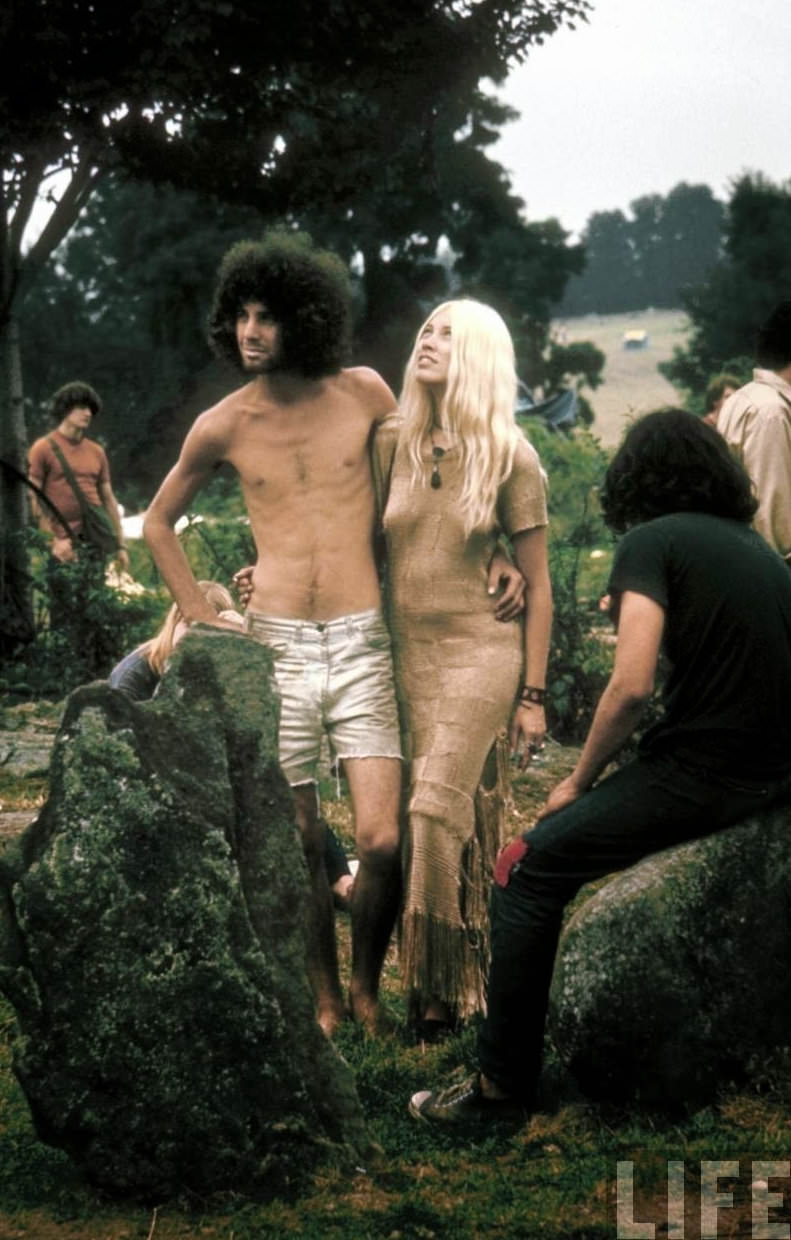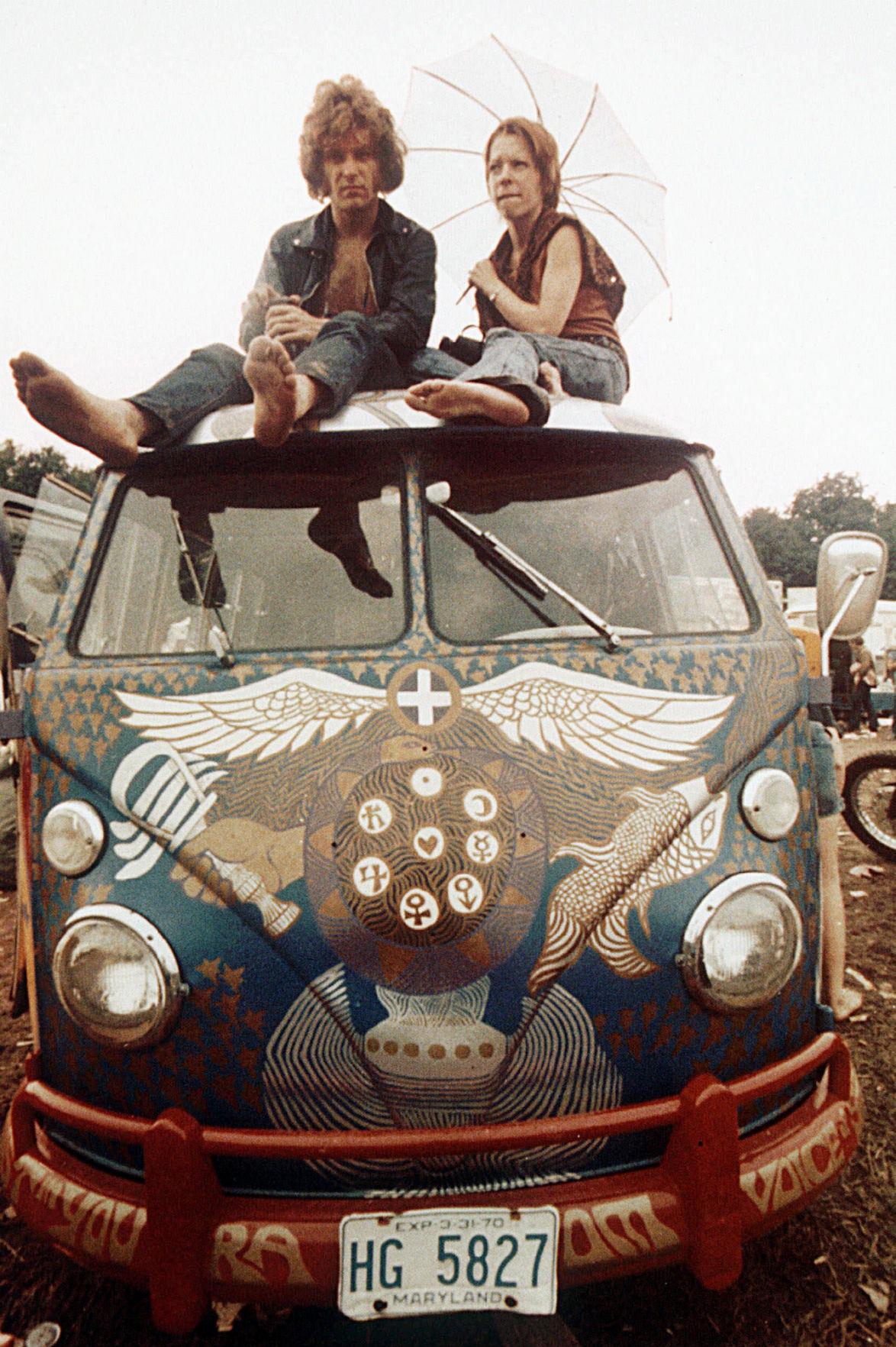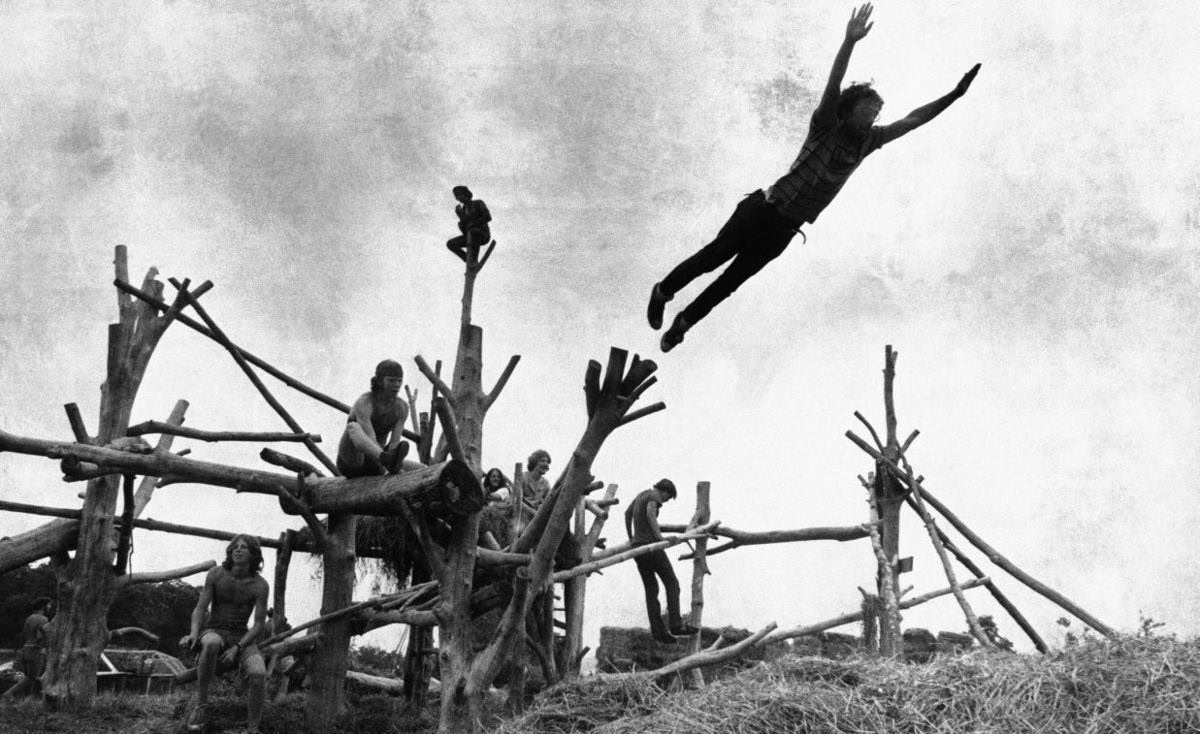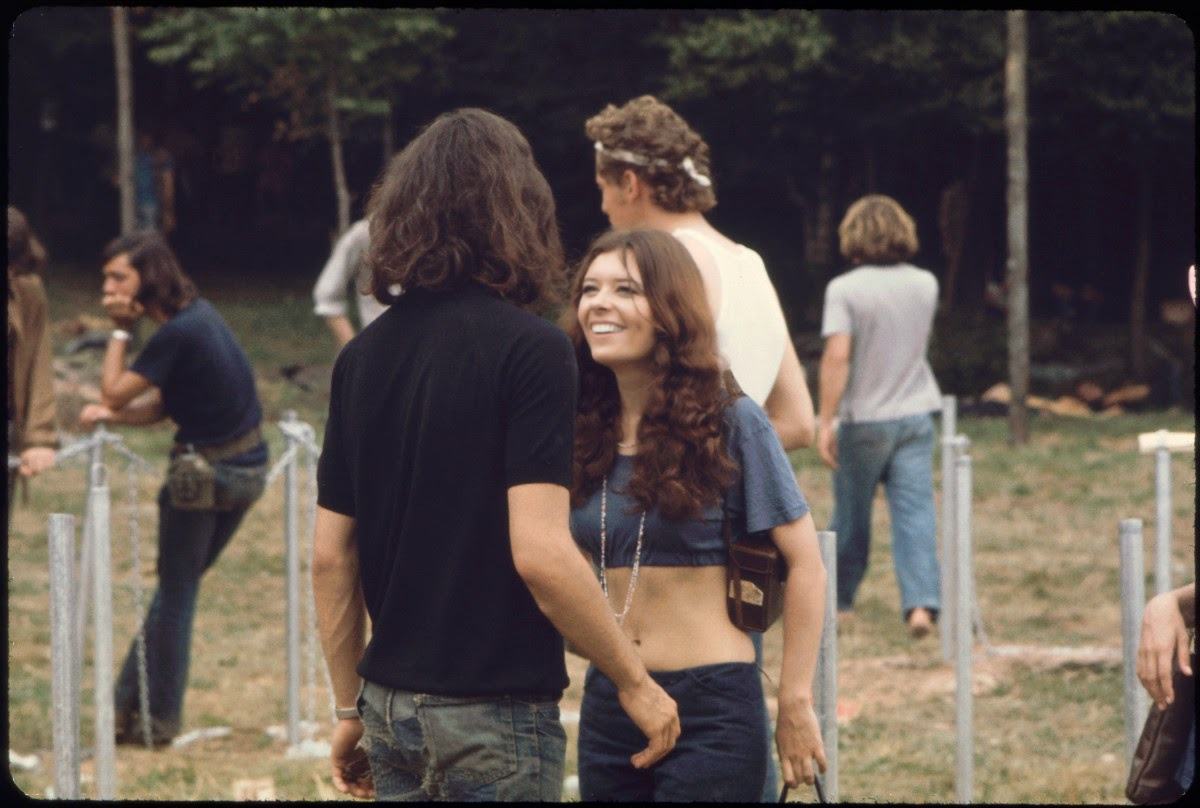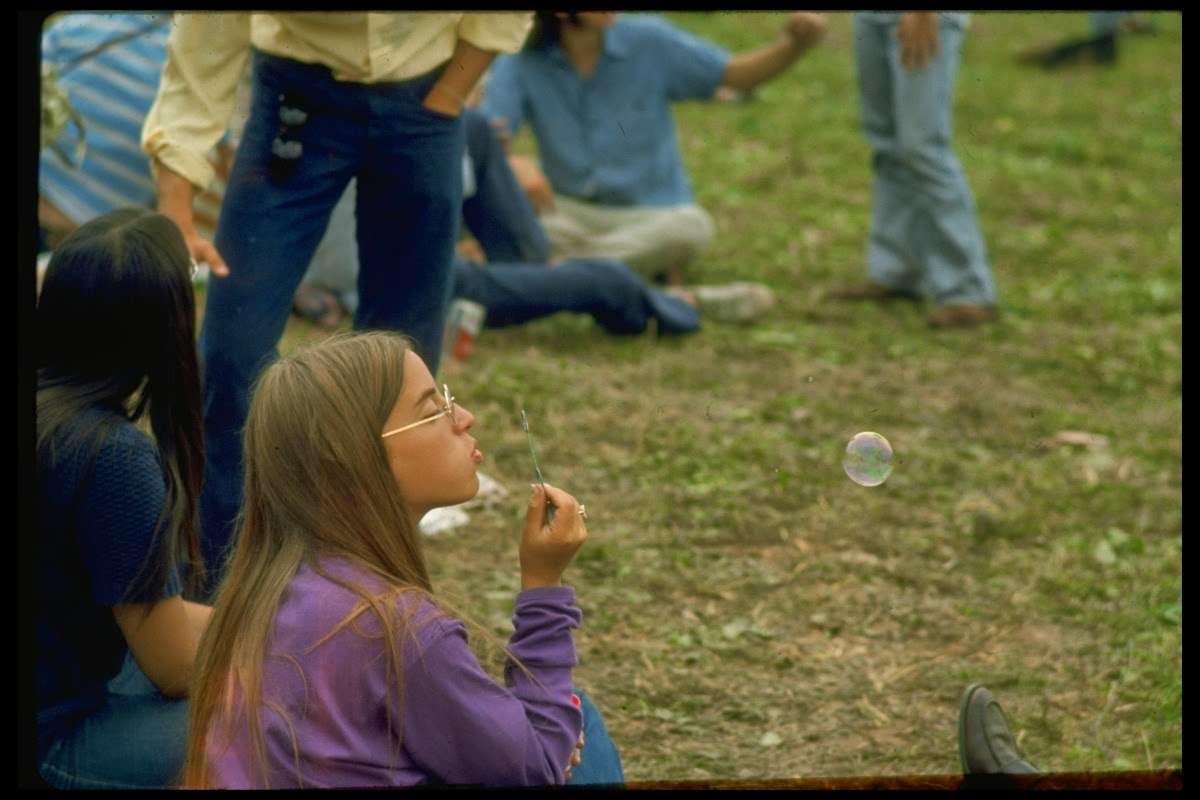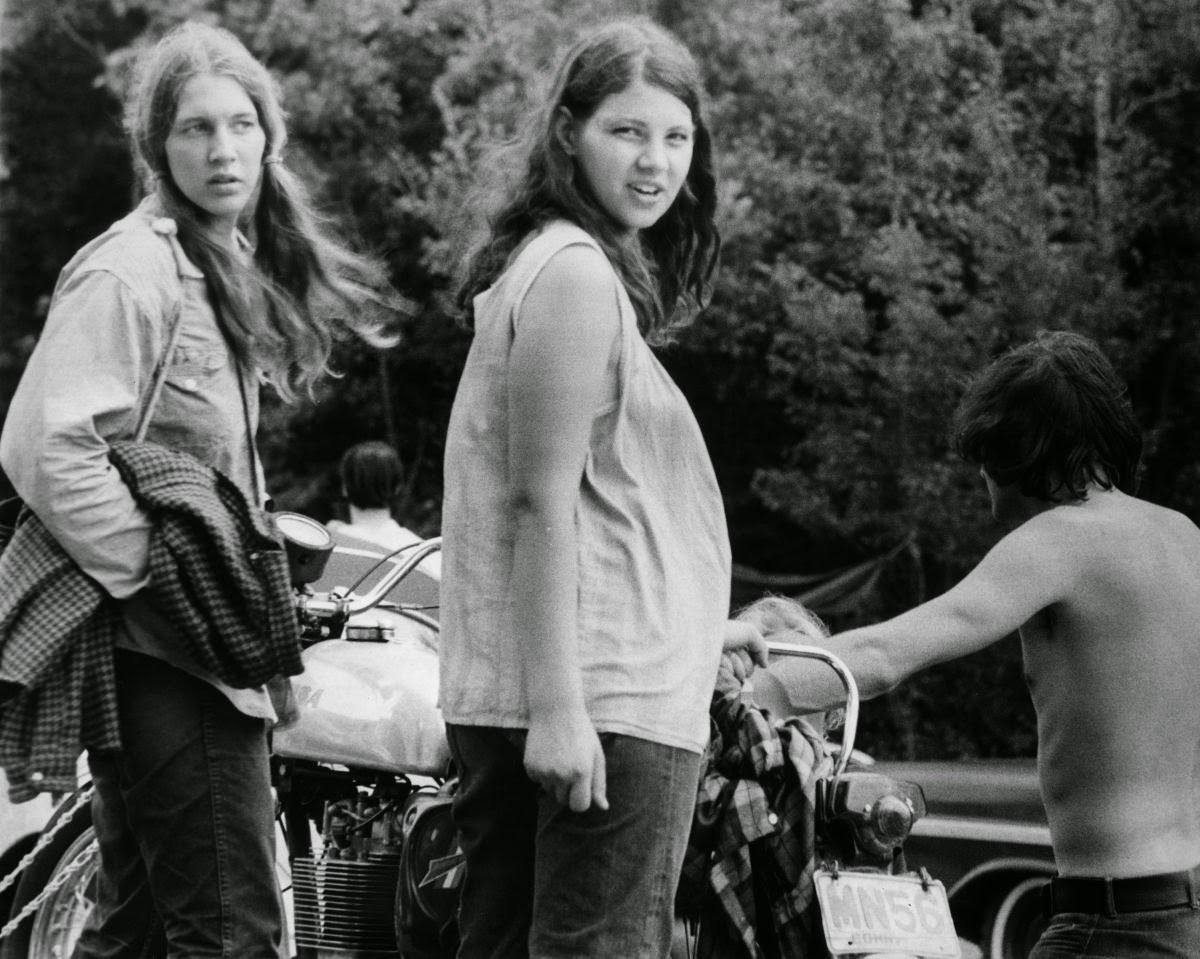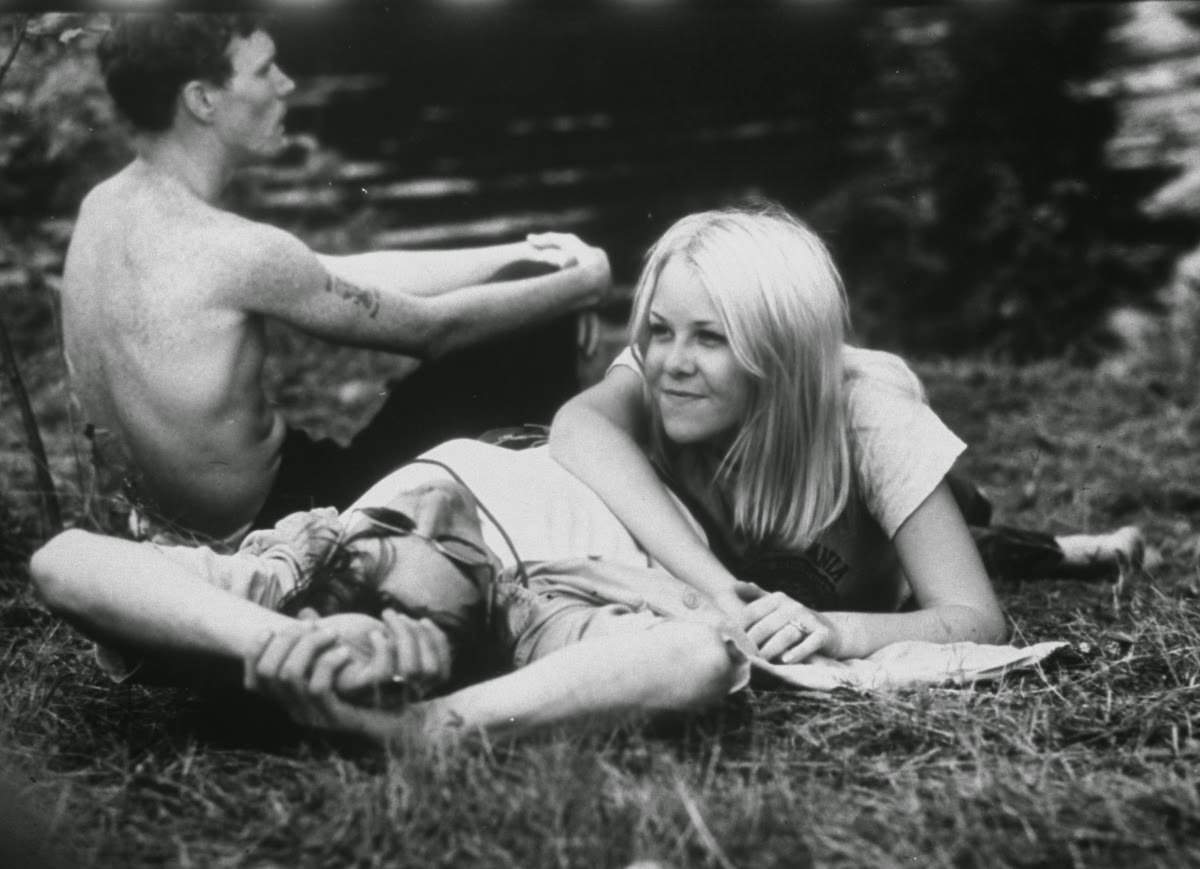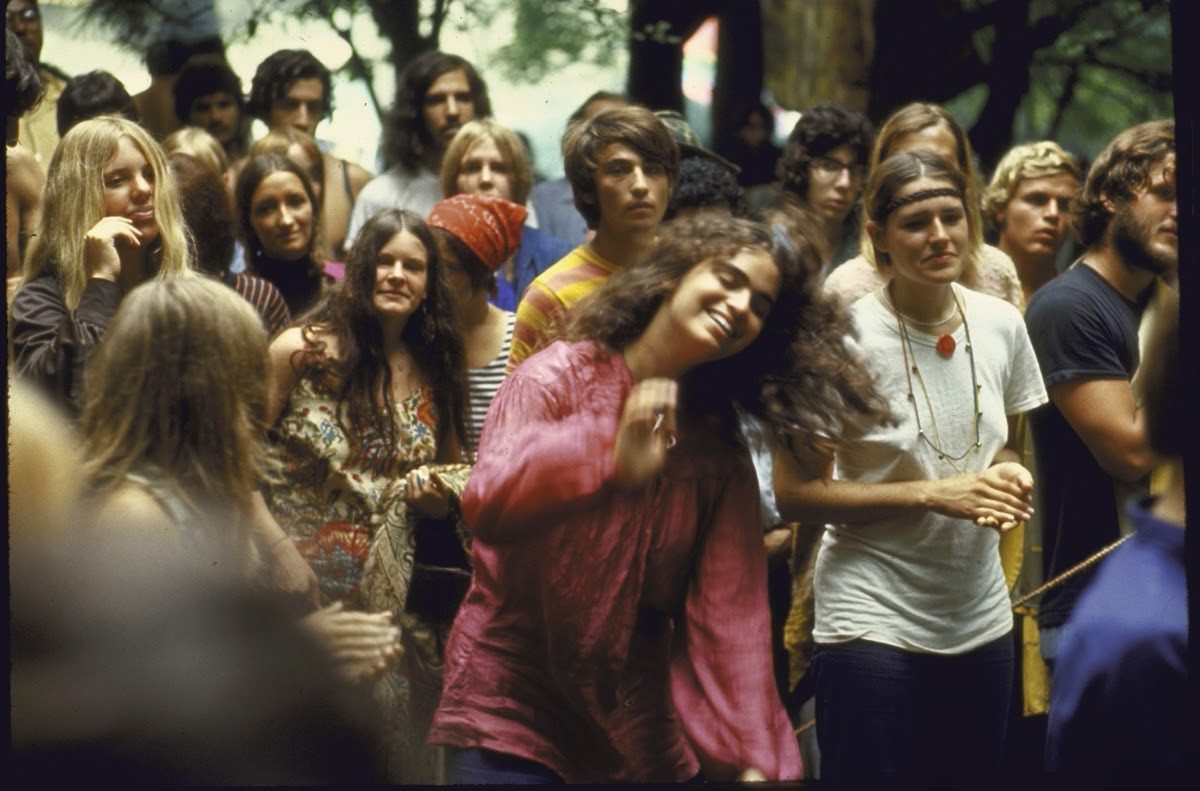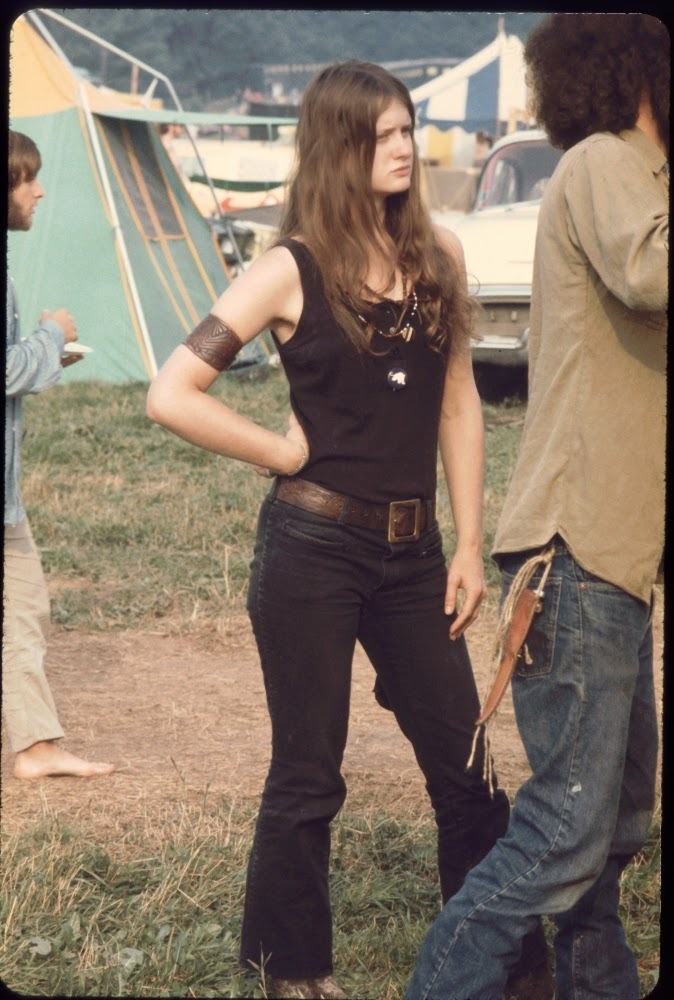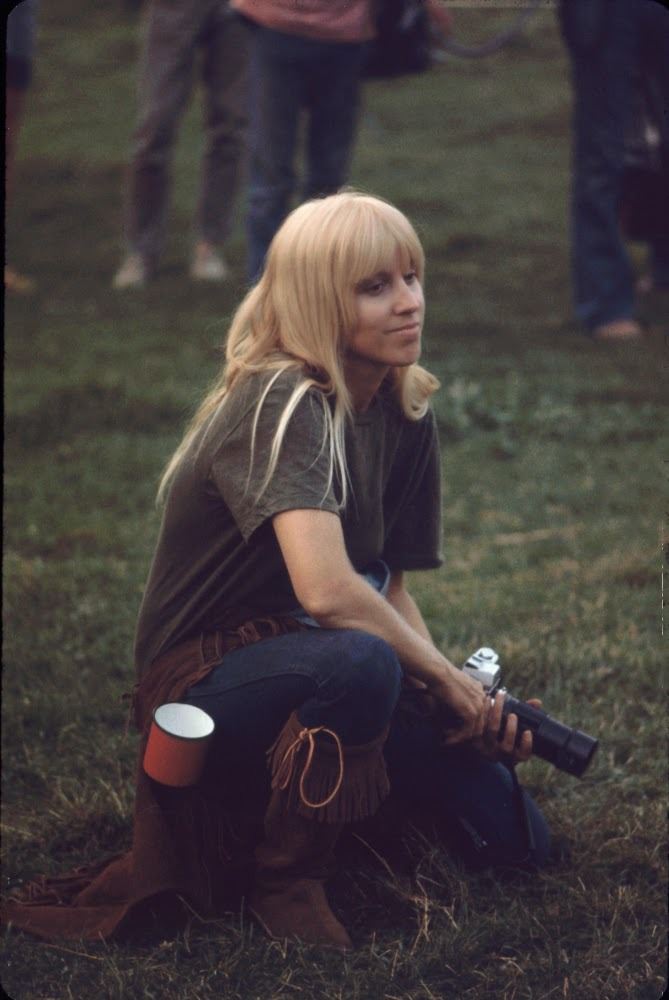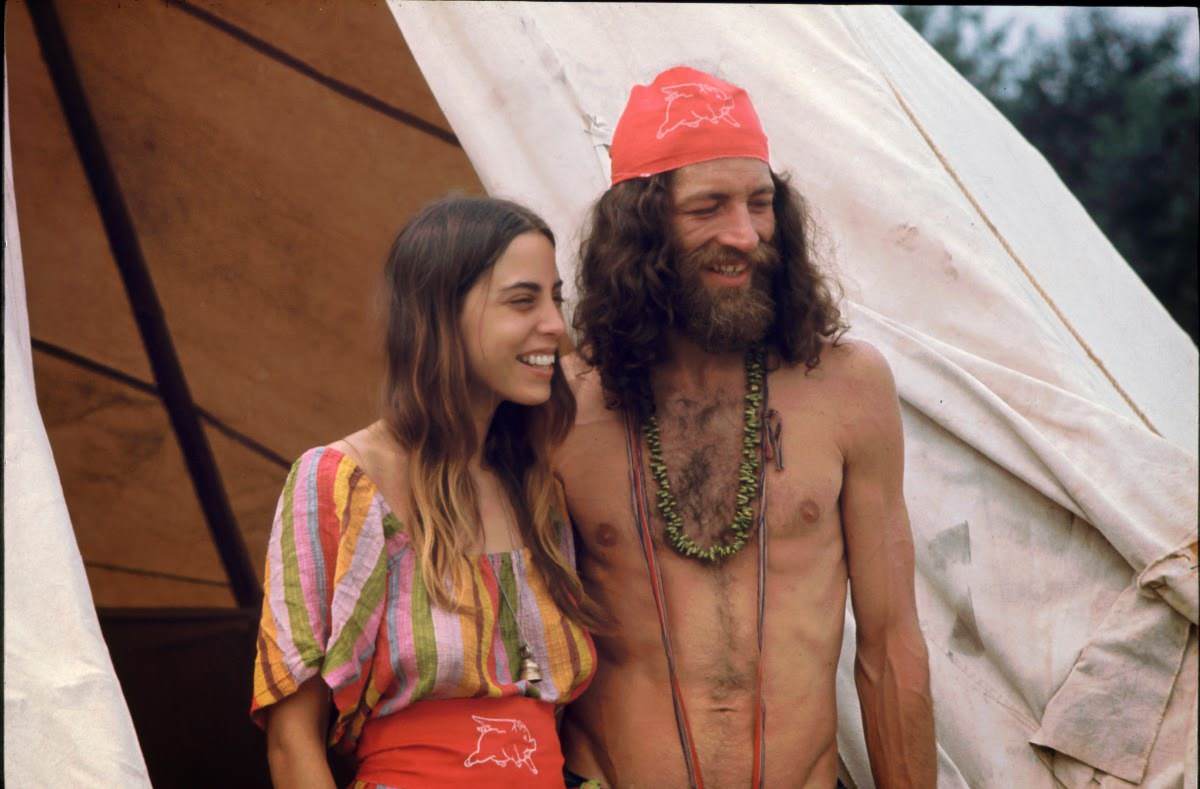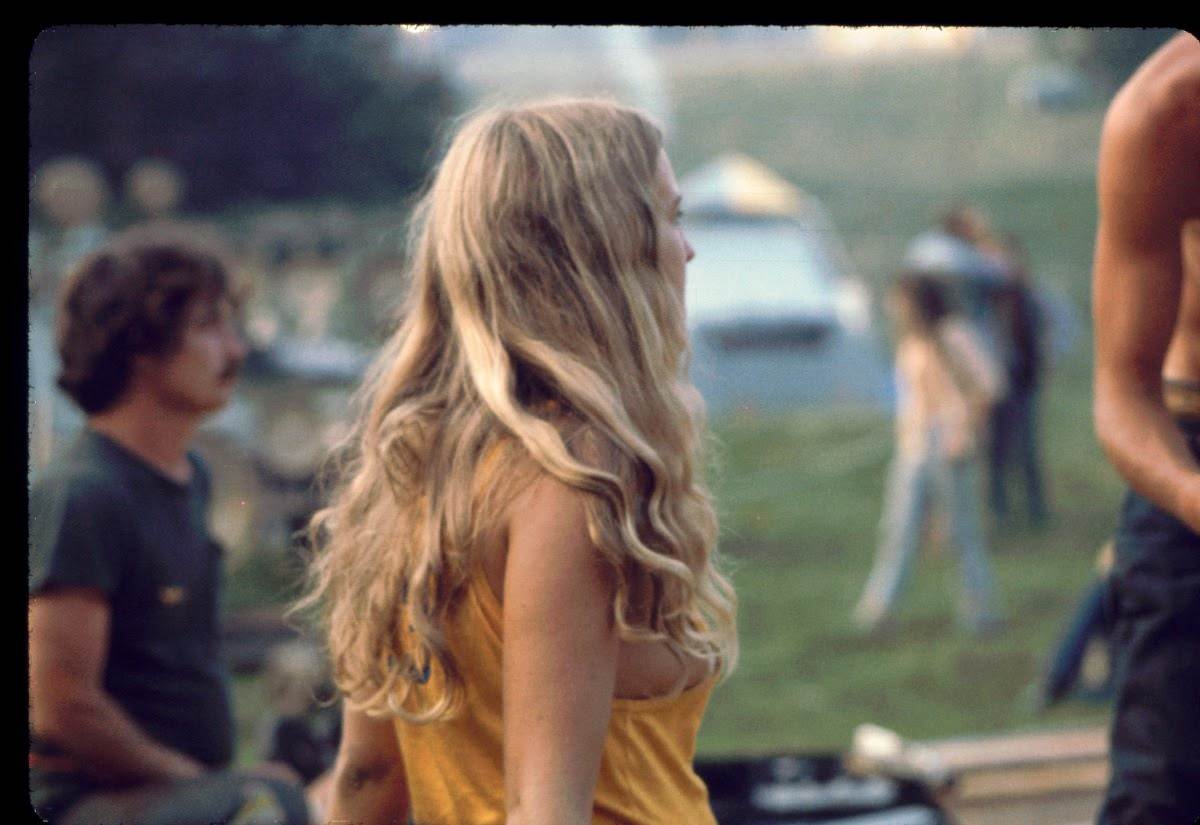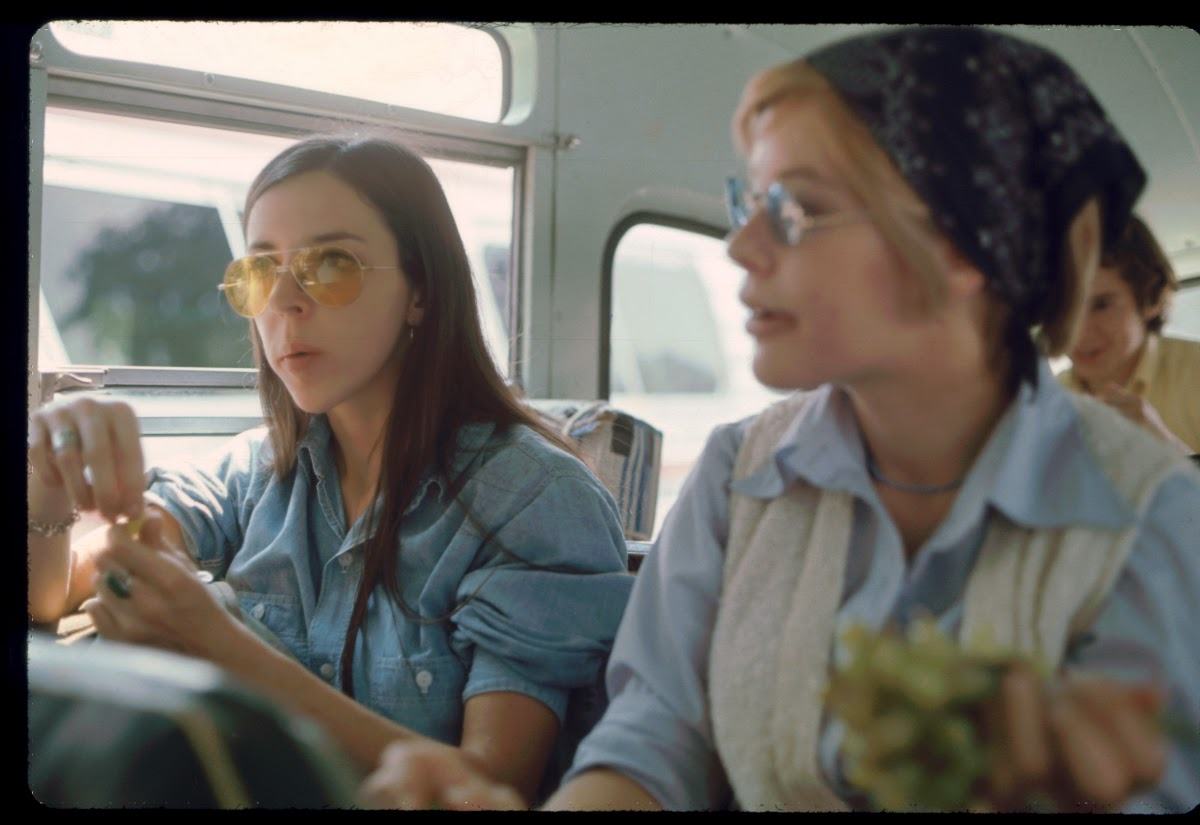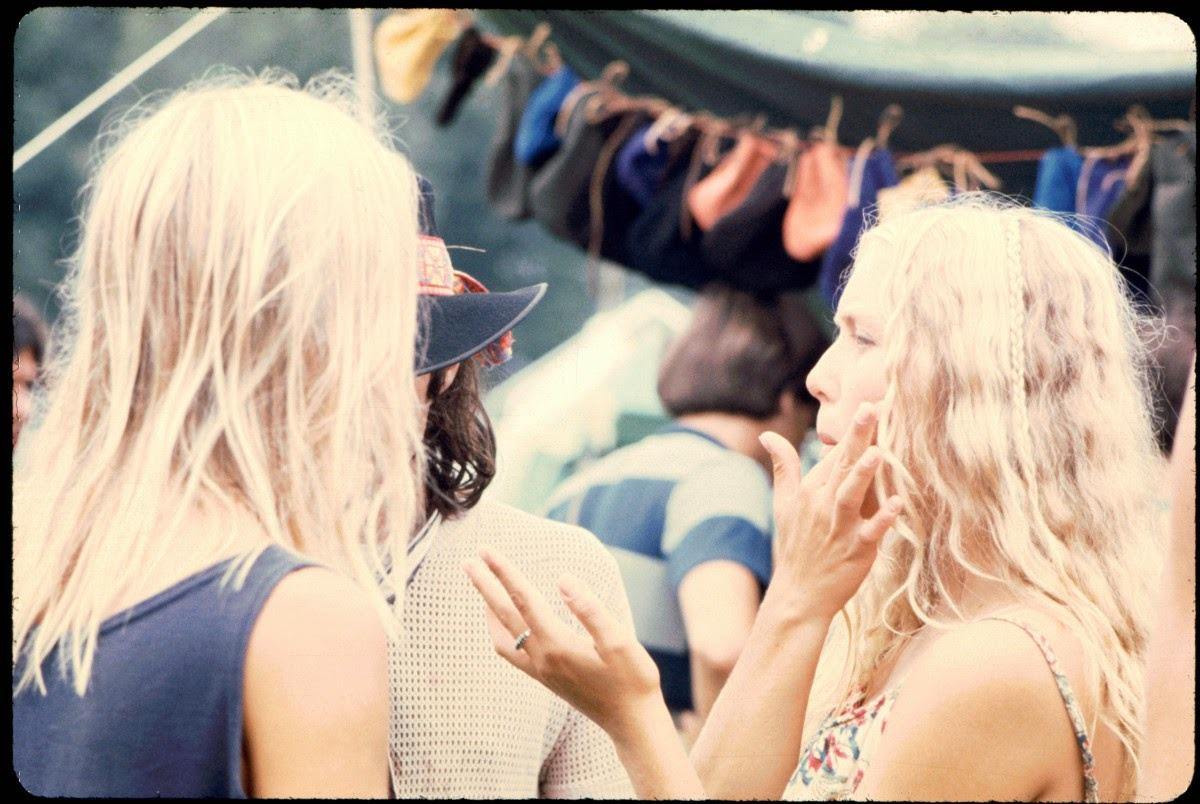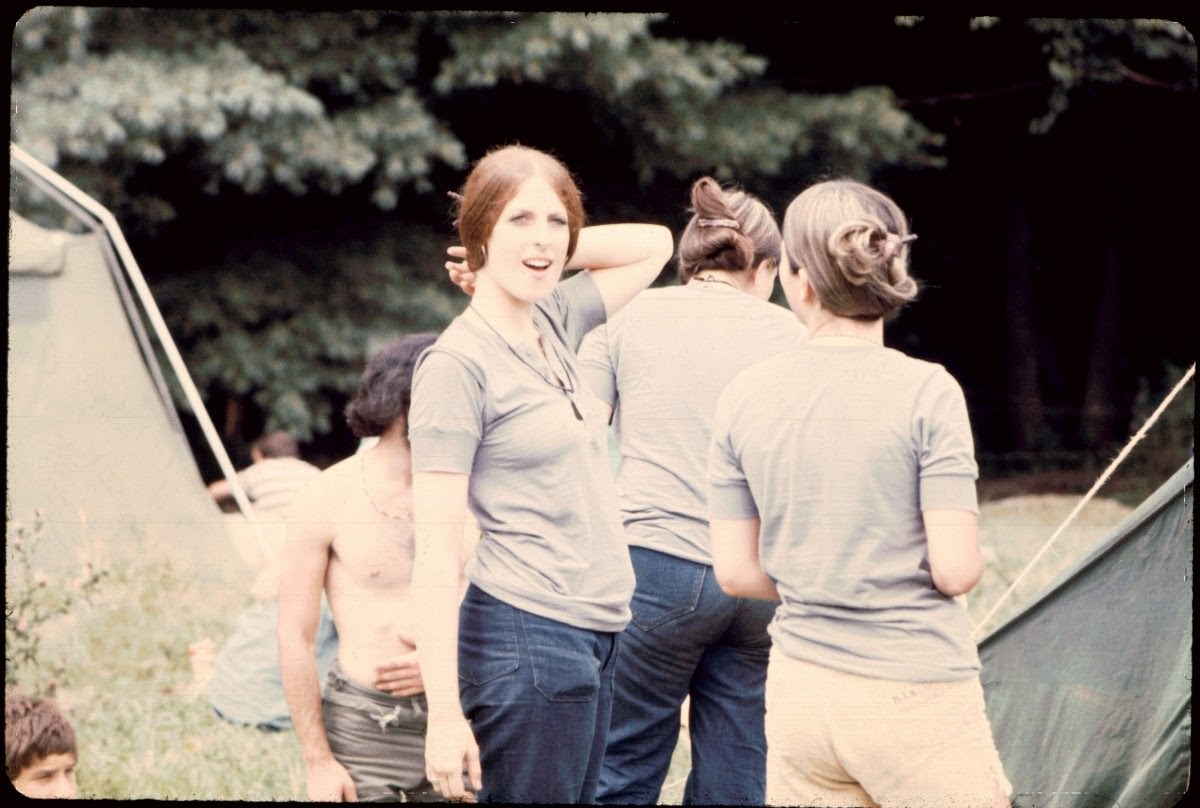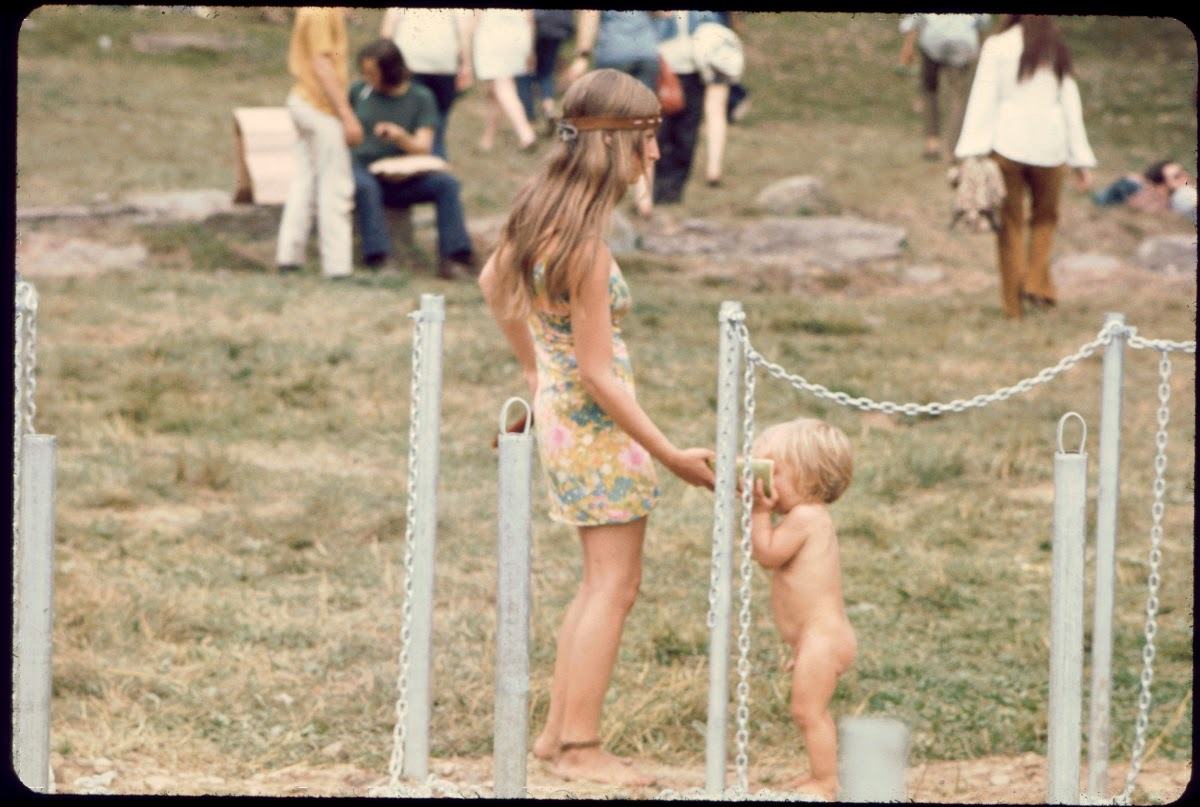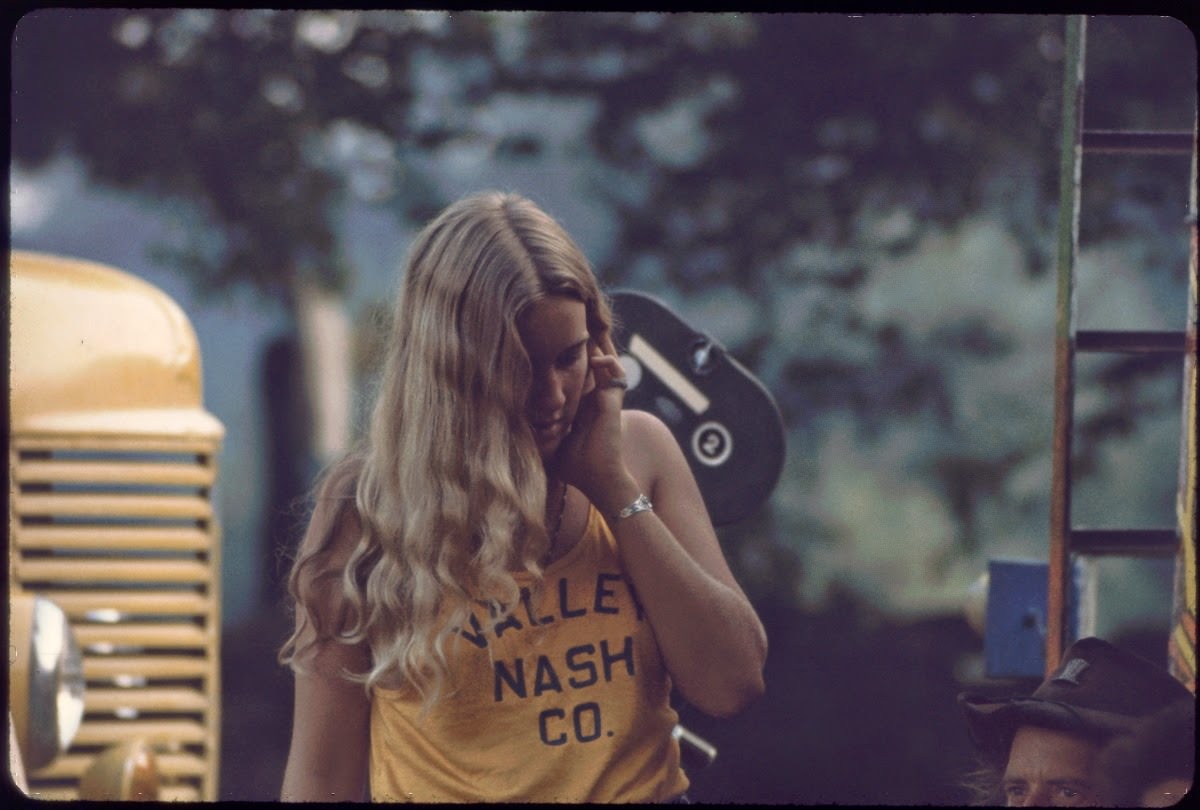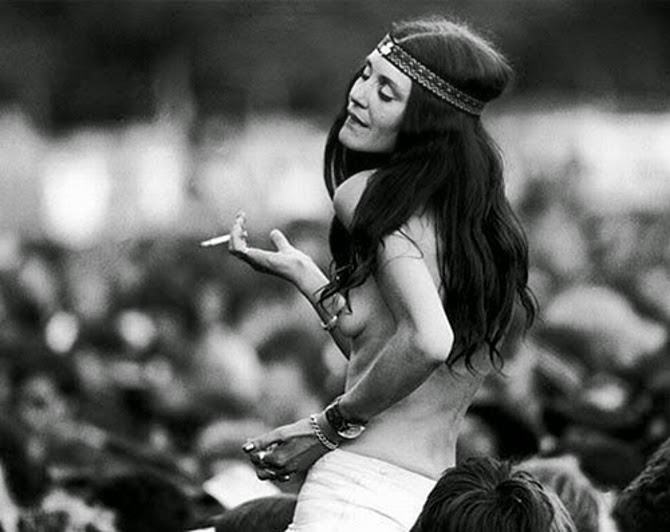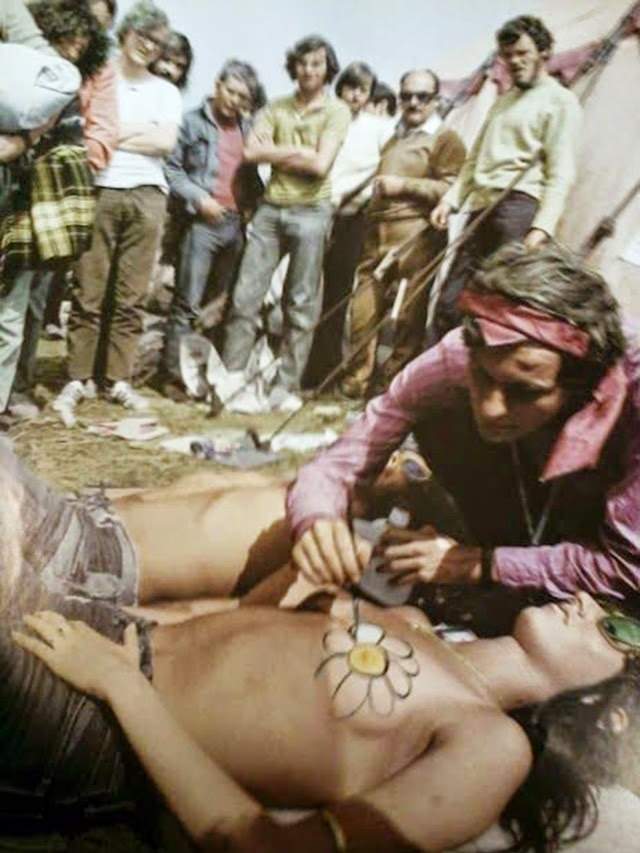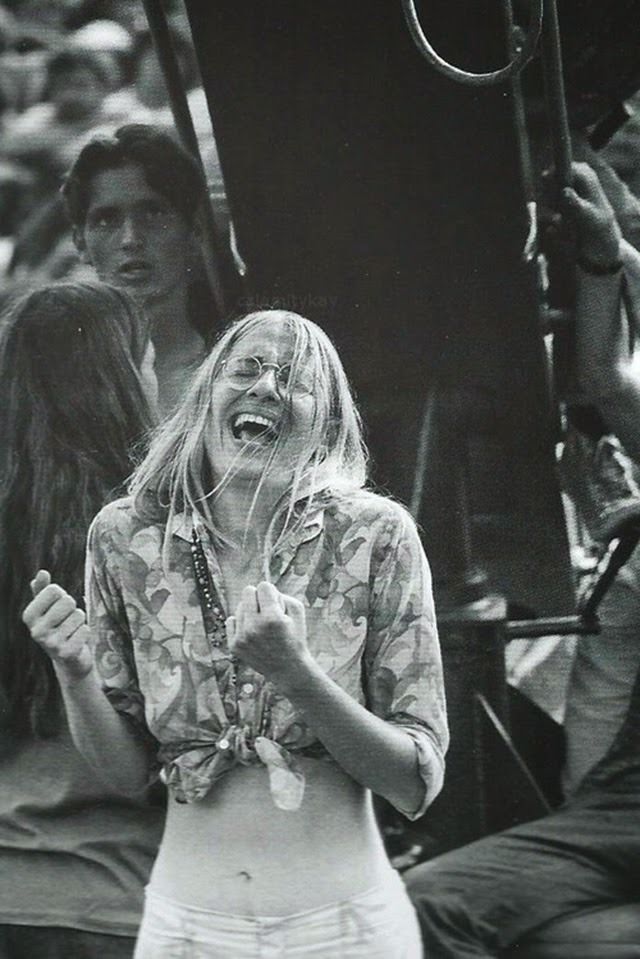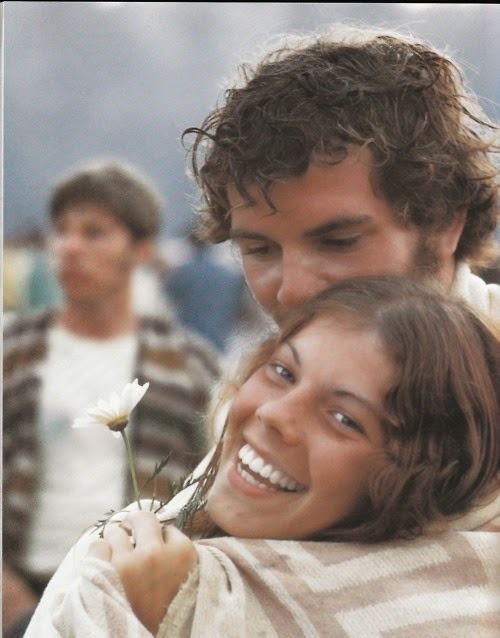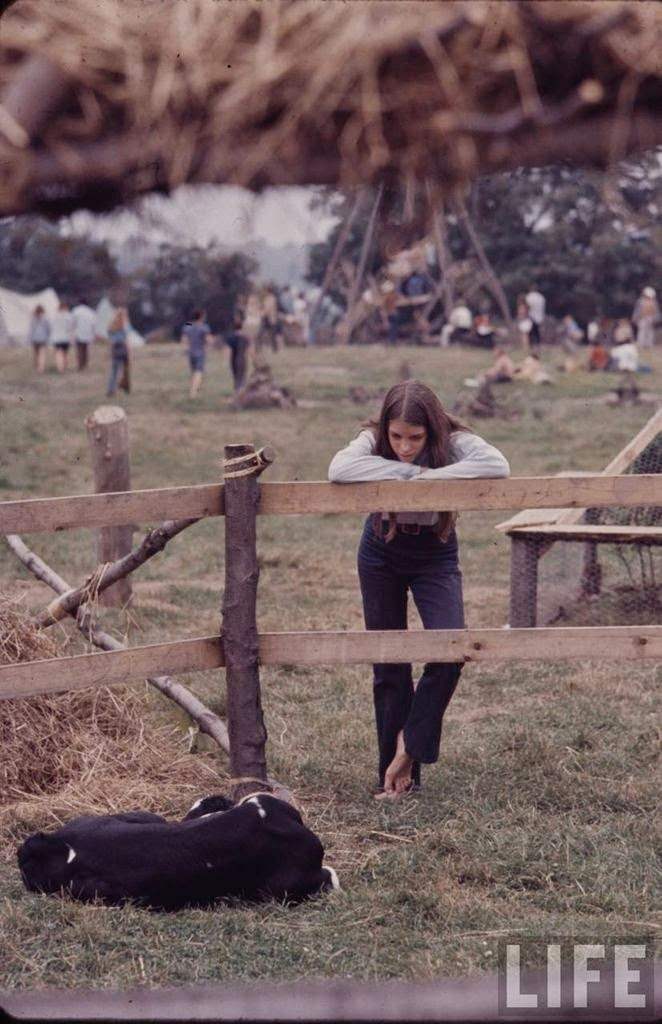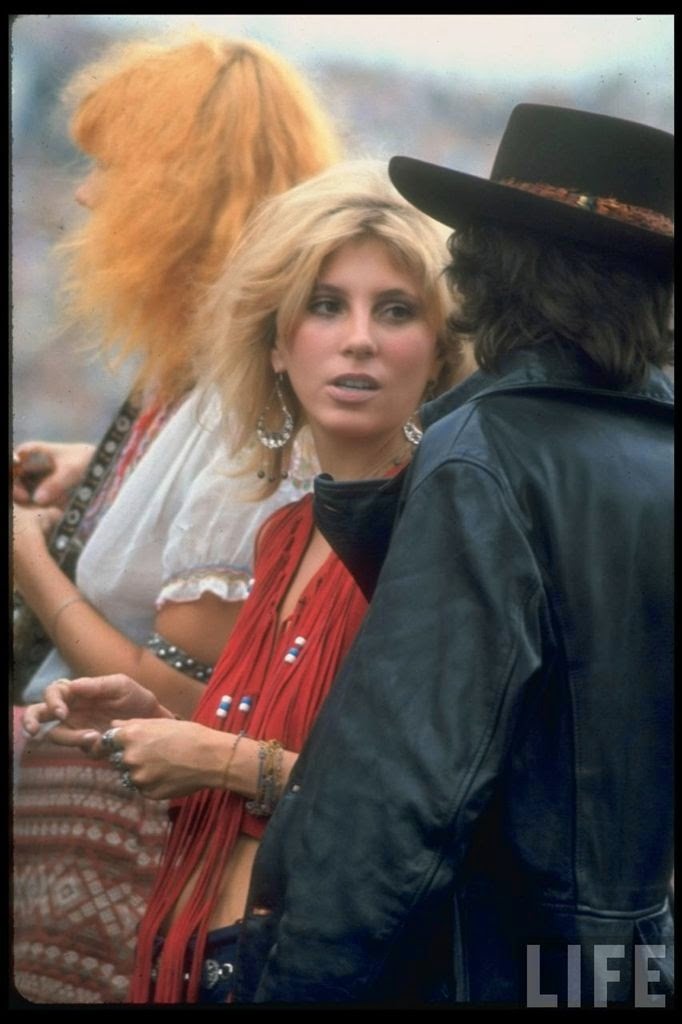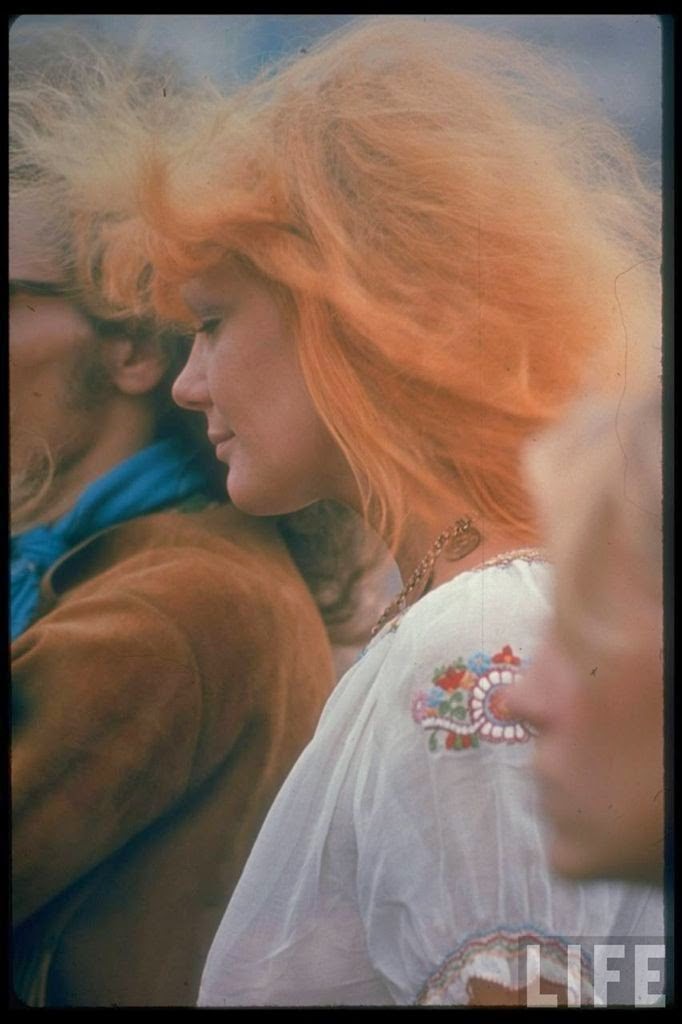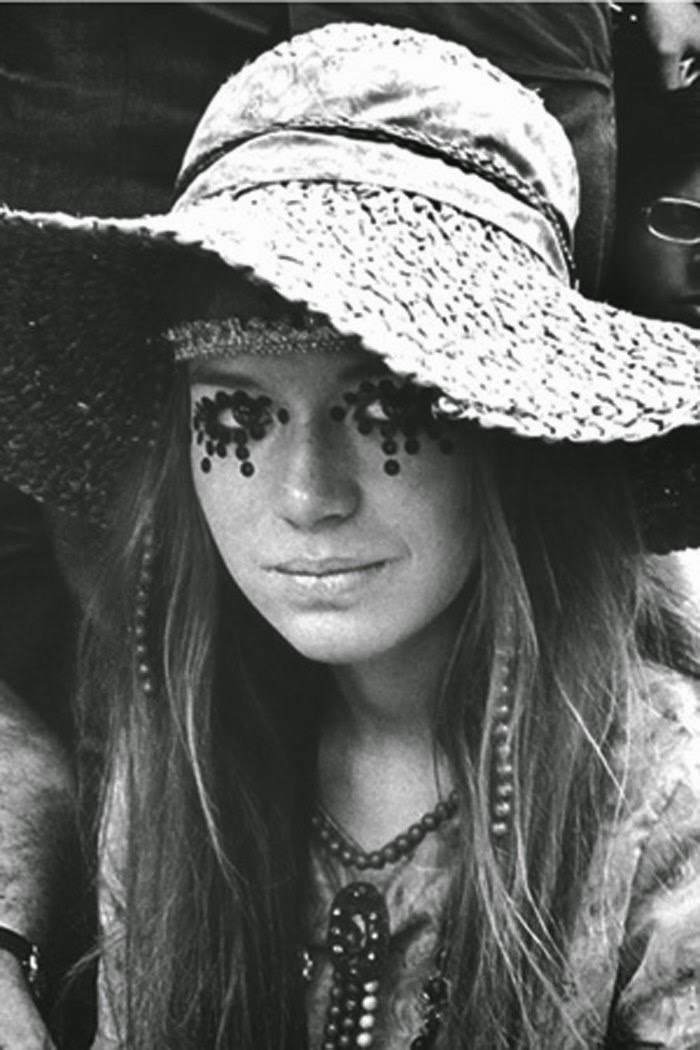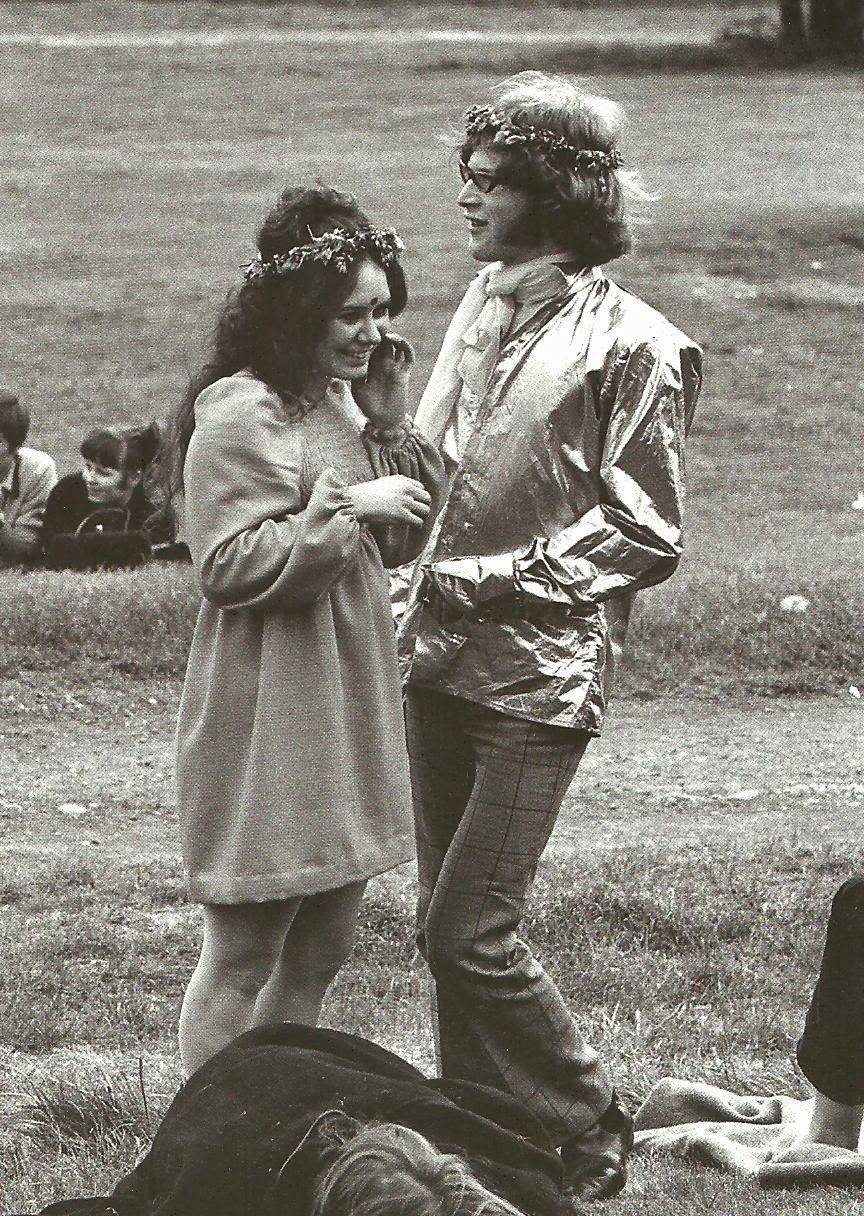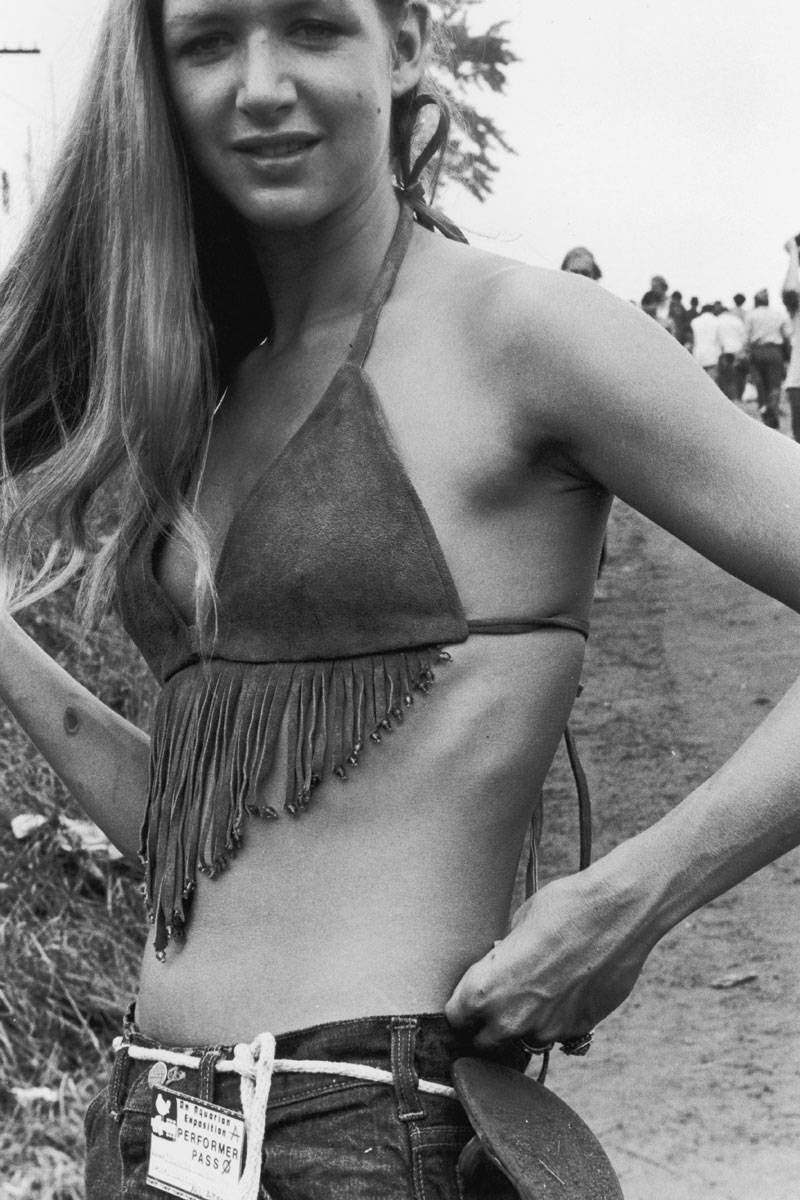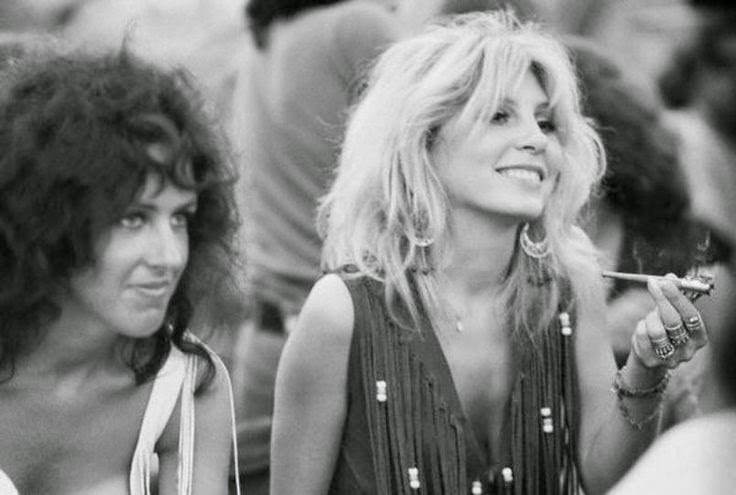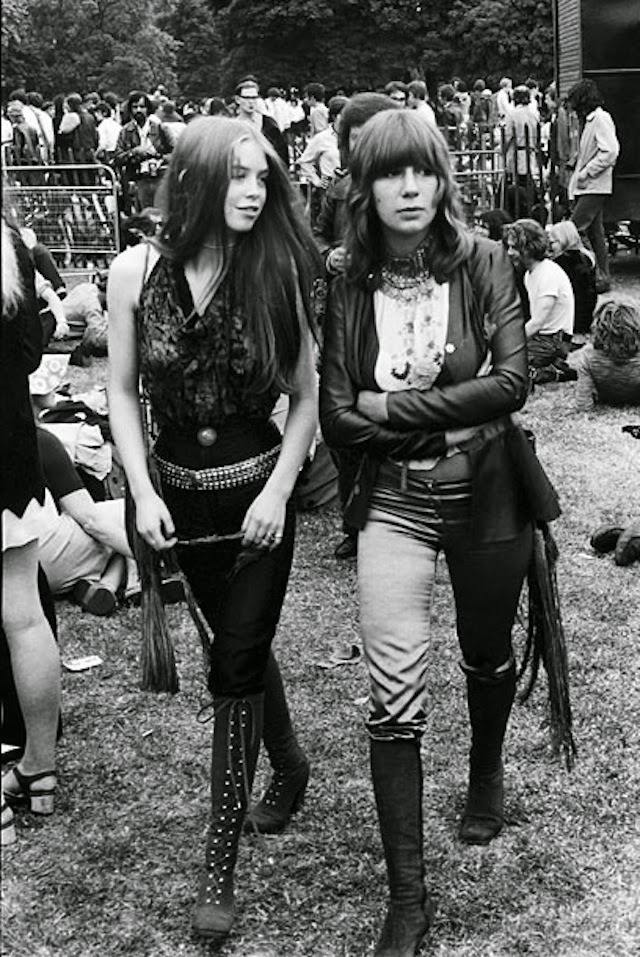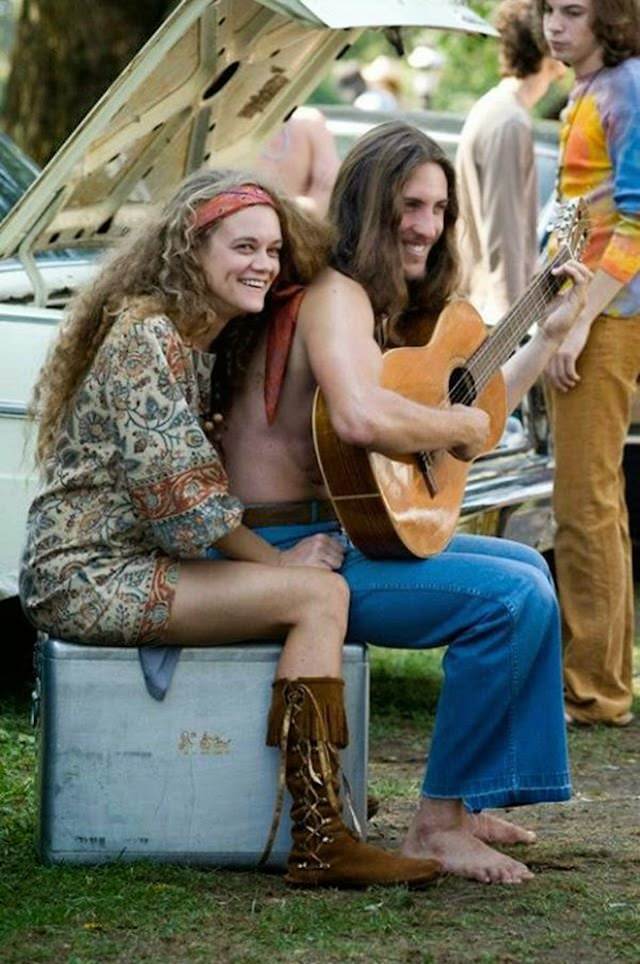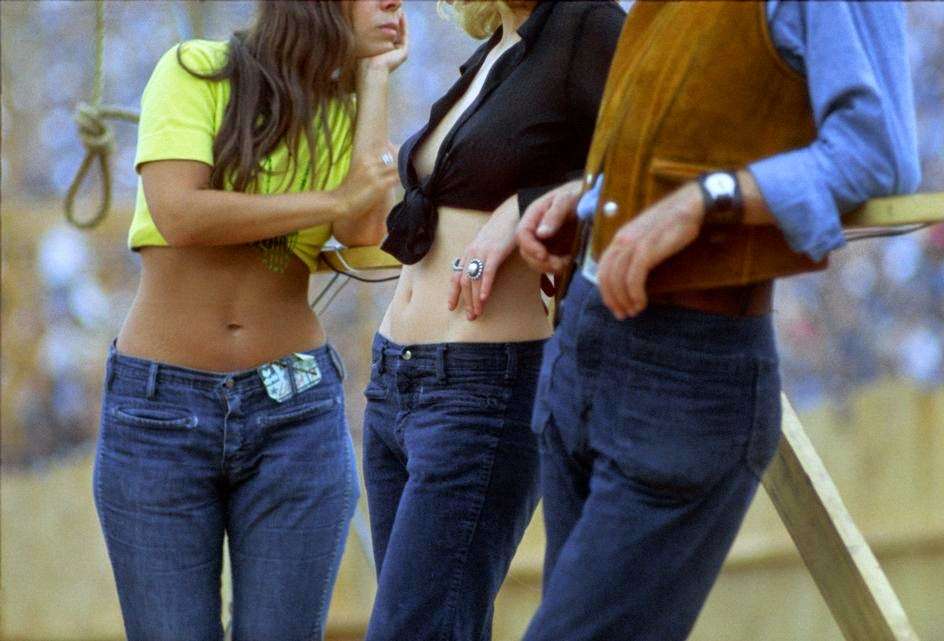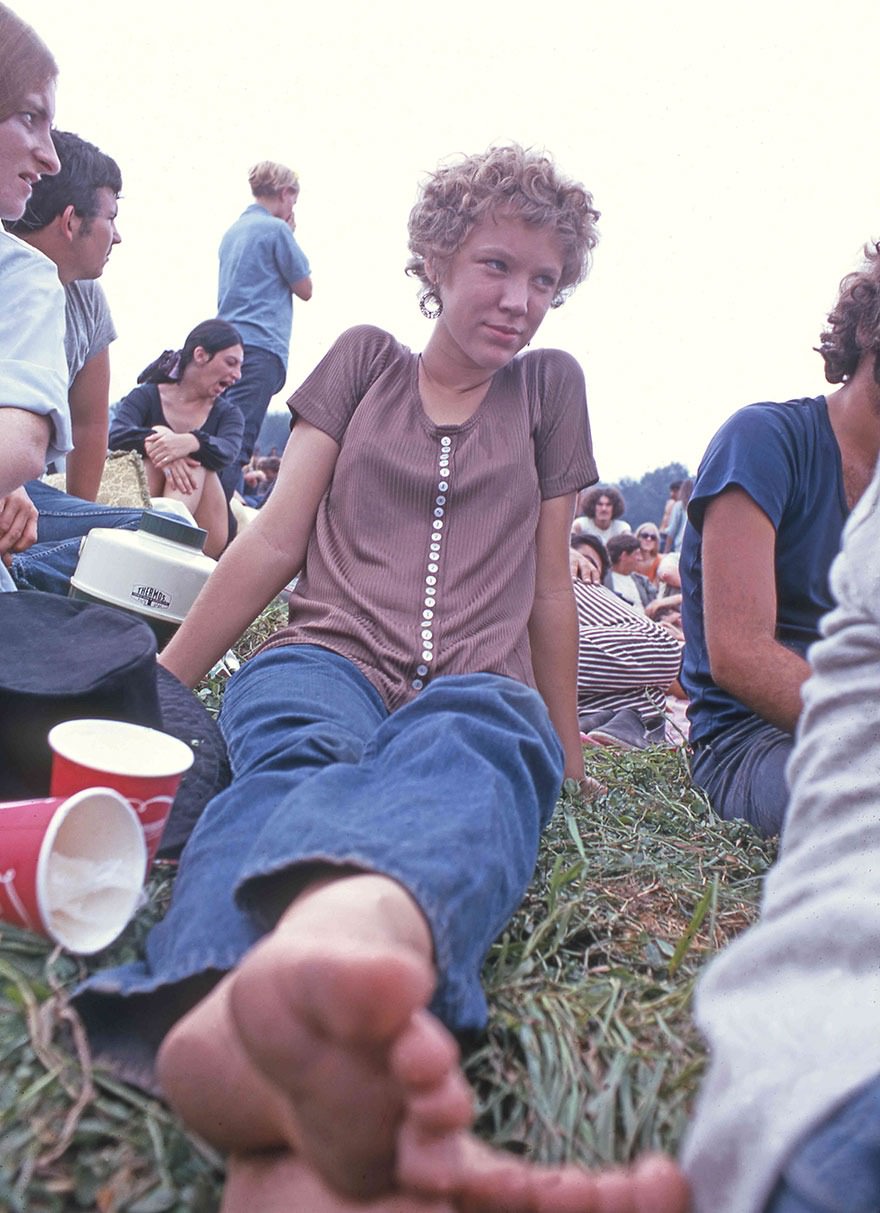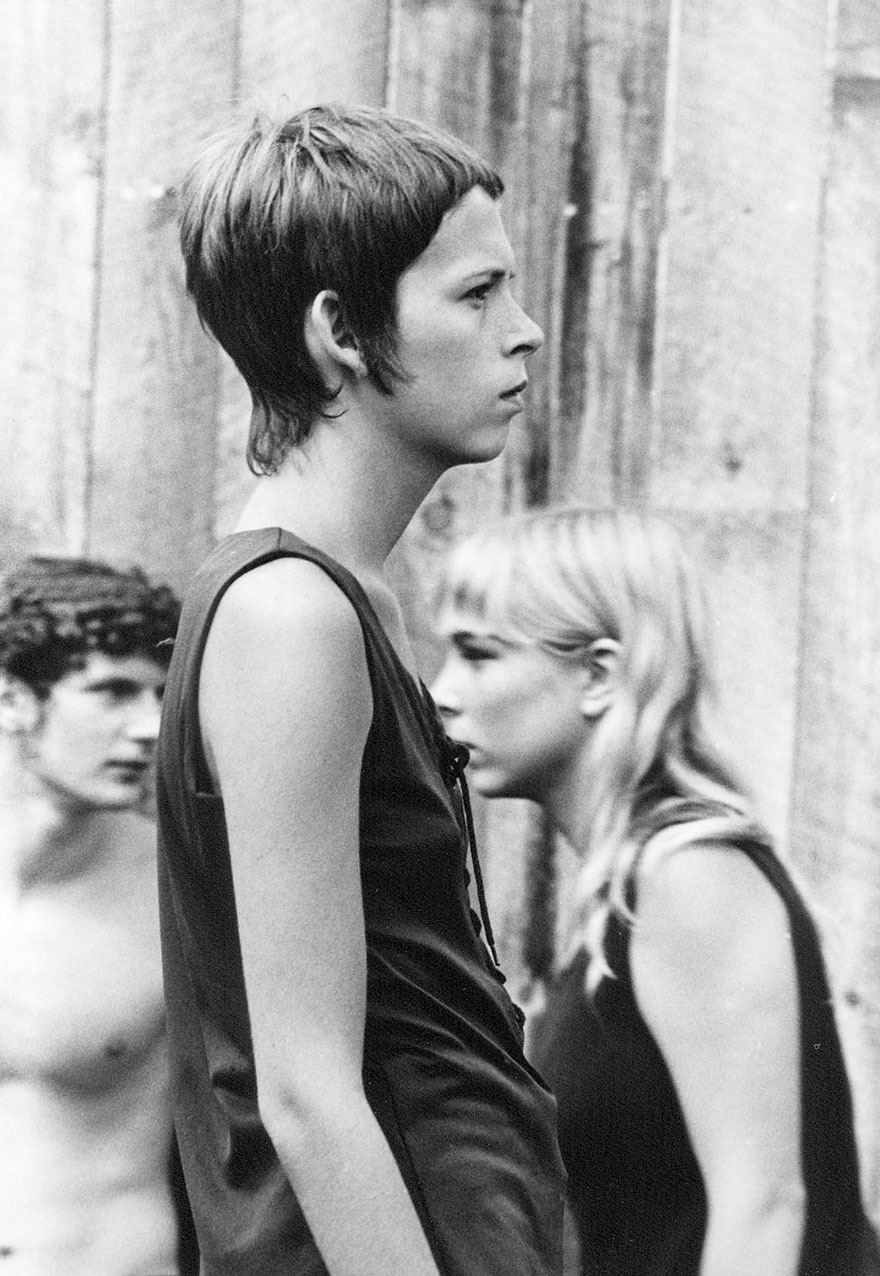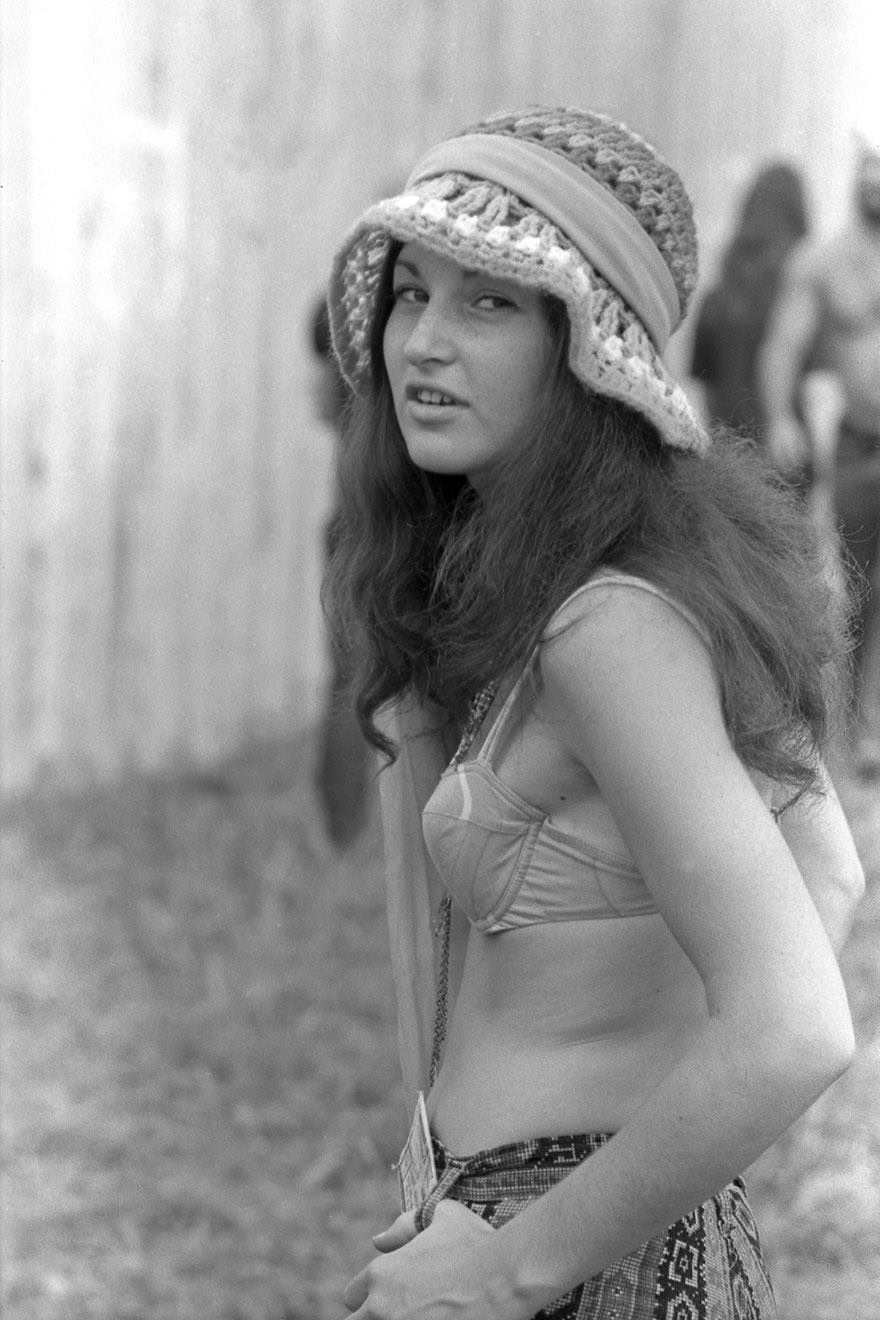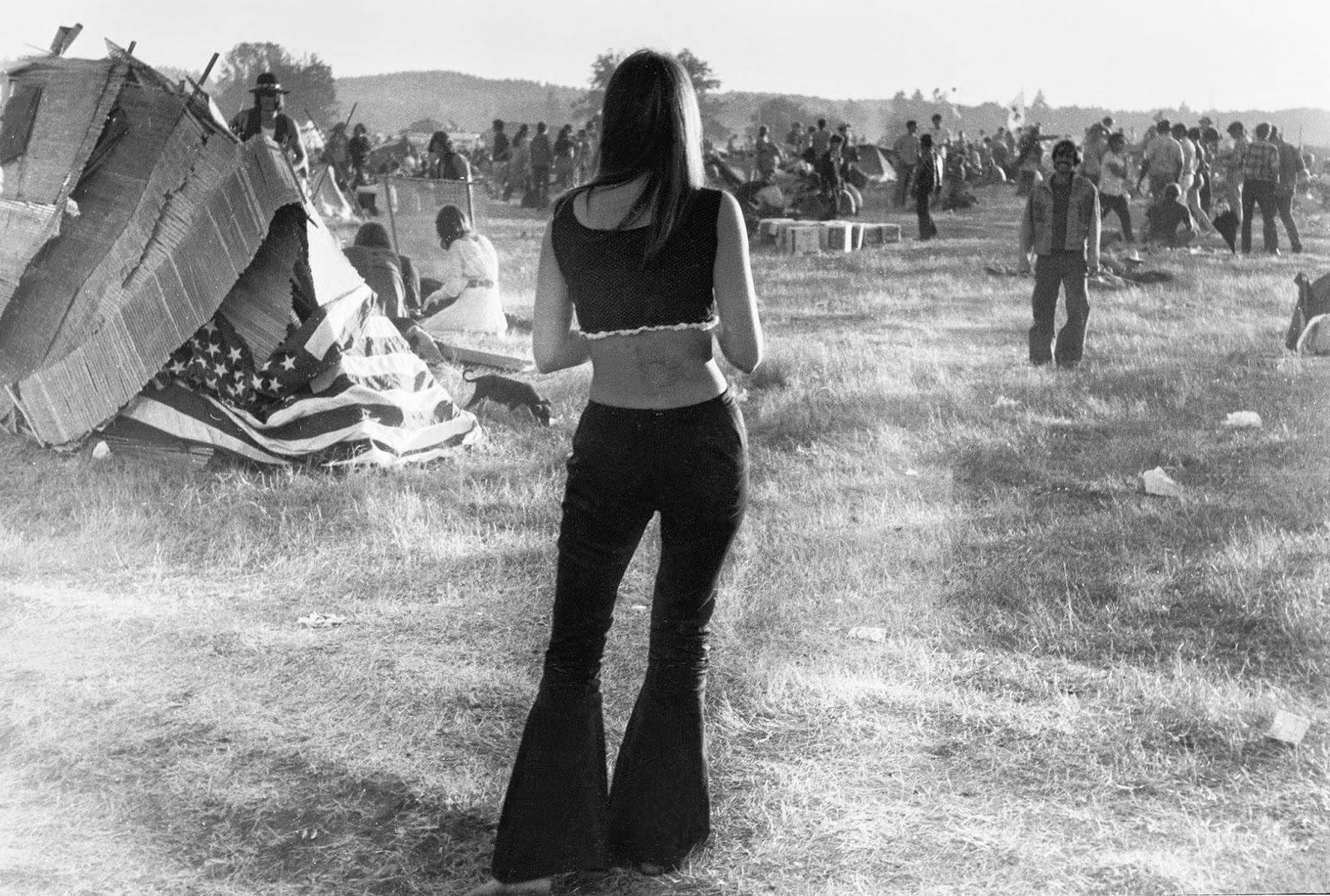

In the winter of 1969, four young entrepreneurs named Michael Lang, John Roberts, Joel Rosenman, and Artie Kornfeld set out to build a recording studio in upstate New York. Their business plan quickly grew into an idea for a massive outdoor music festival where counterculture youth could gather for three days of peace and rock music. They formed Woodstock Ventures and rented an industrial park in Wallkill, New York, expecting about fifty thousand ticket holders to attend. Local residents pushed back aggressively against the project, complaining about noise, drug use, and crowds. In July, town officials in Wallkill revoked the festival permit just weeks before the gates were scheduled to open, leaving the enterprise homeless and deeply in debt.
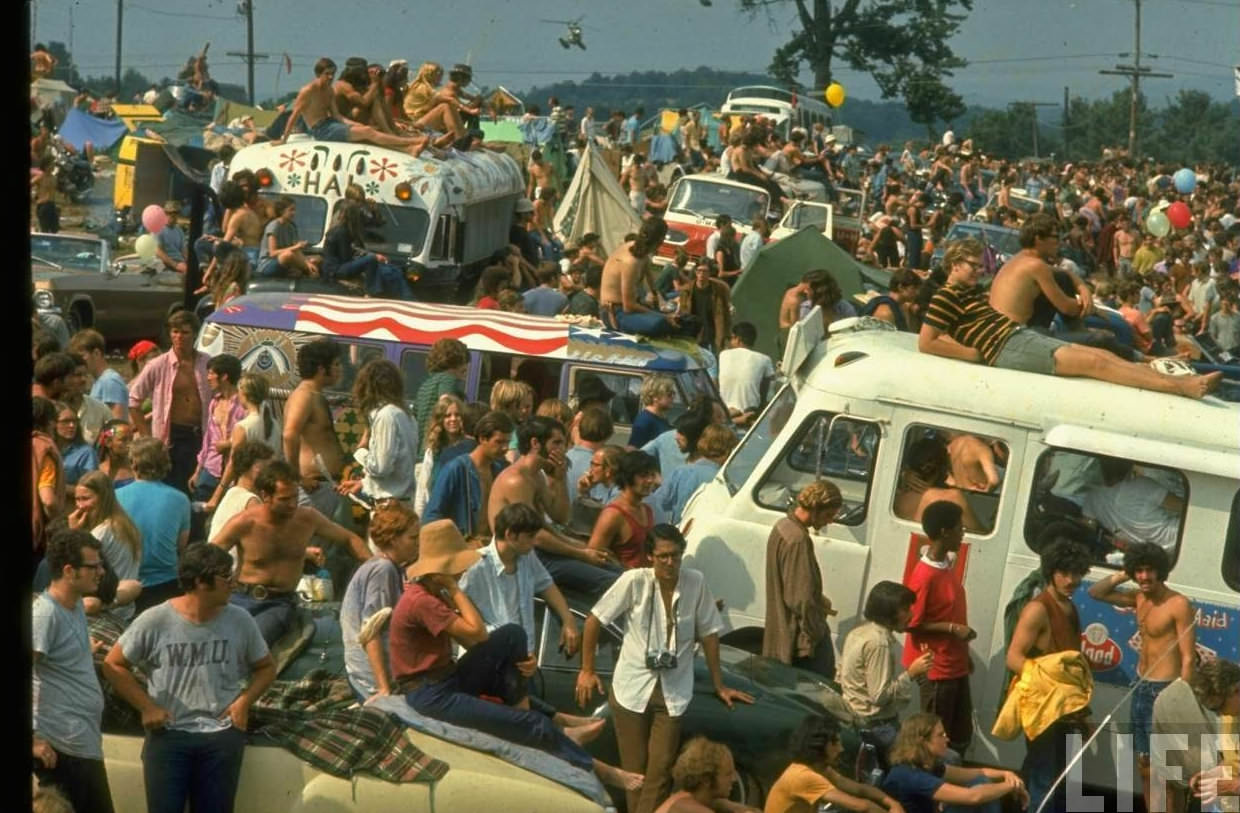
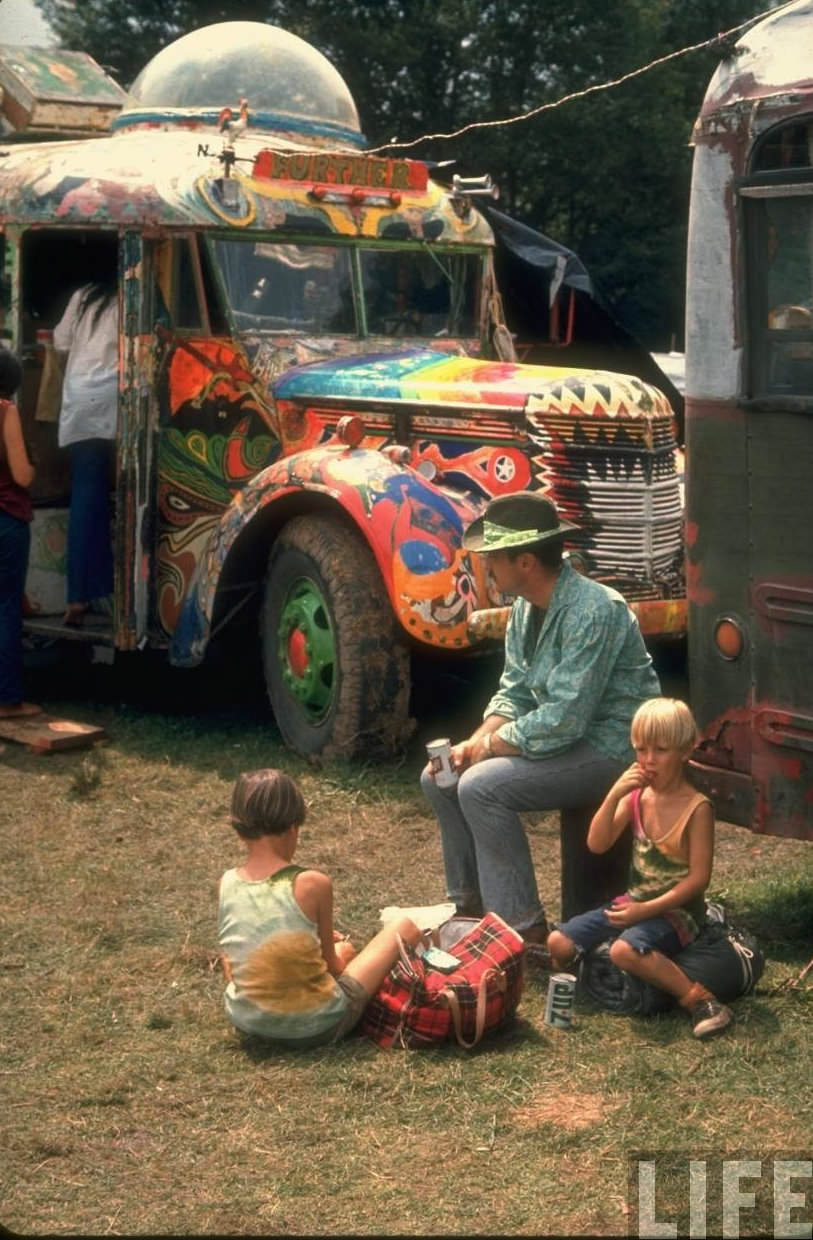
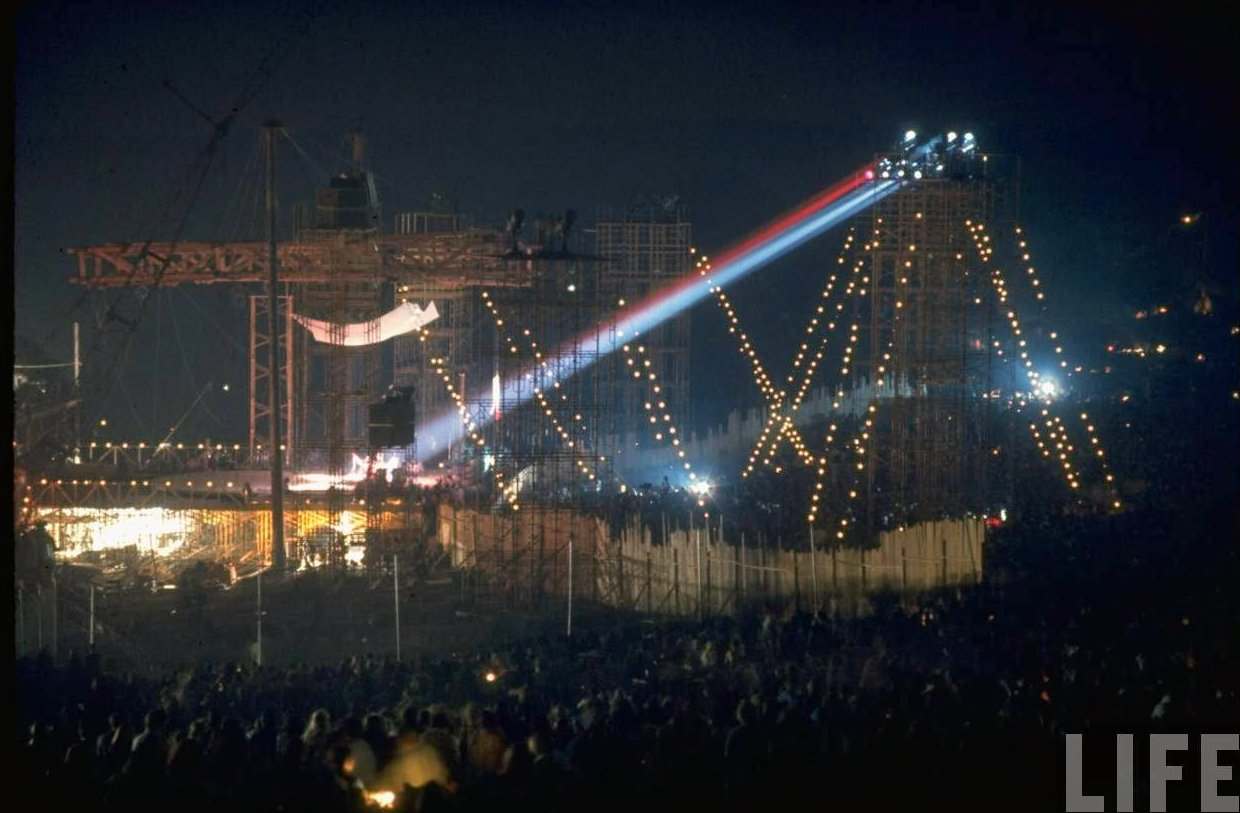
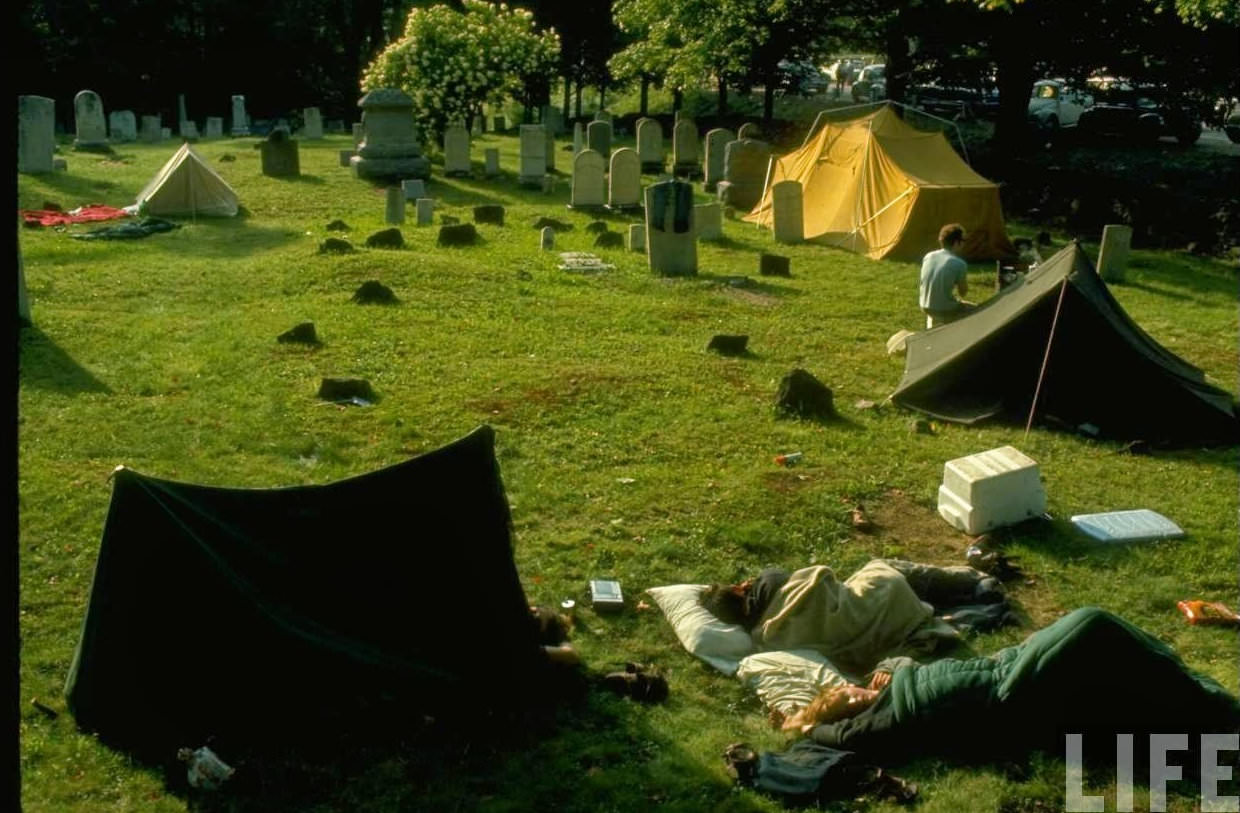
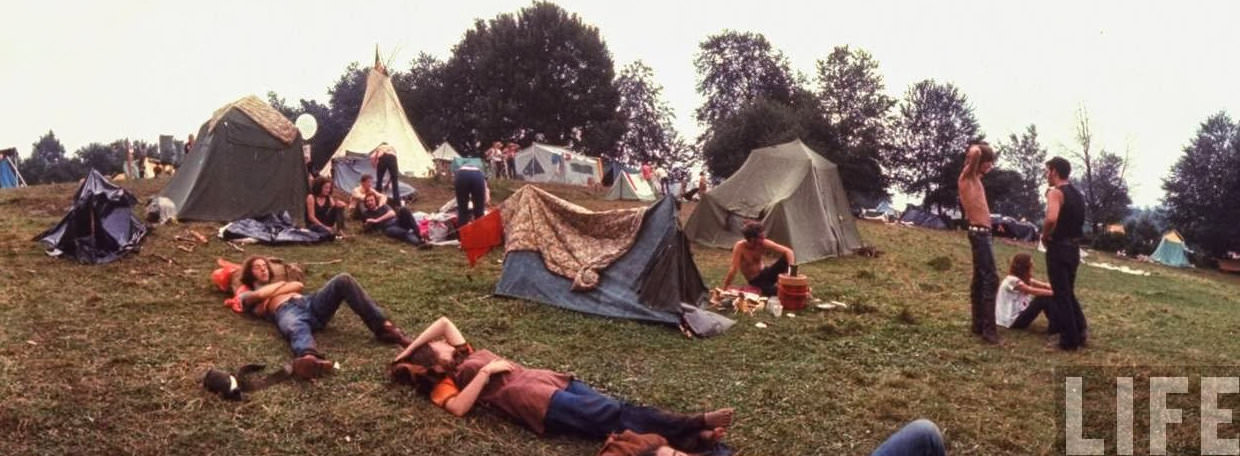
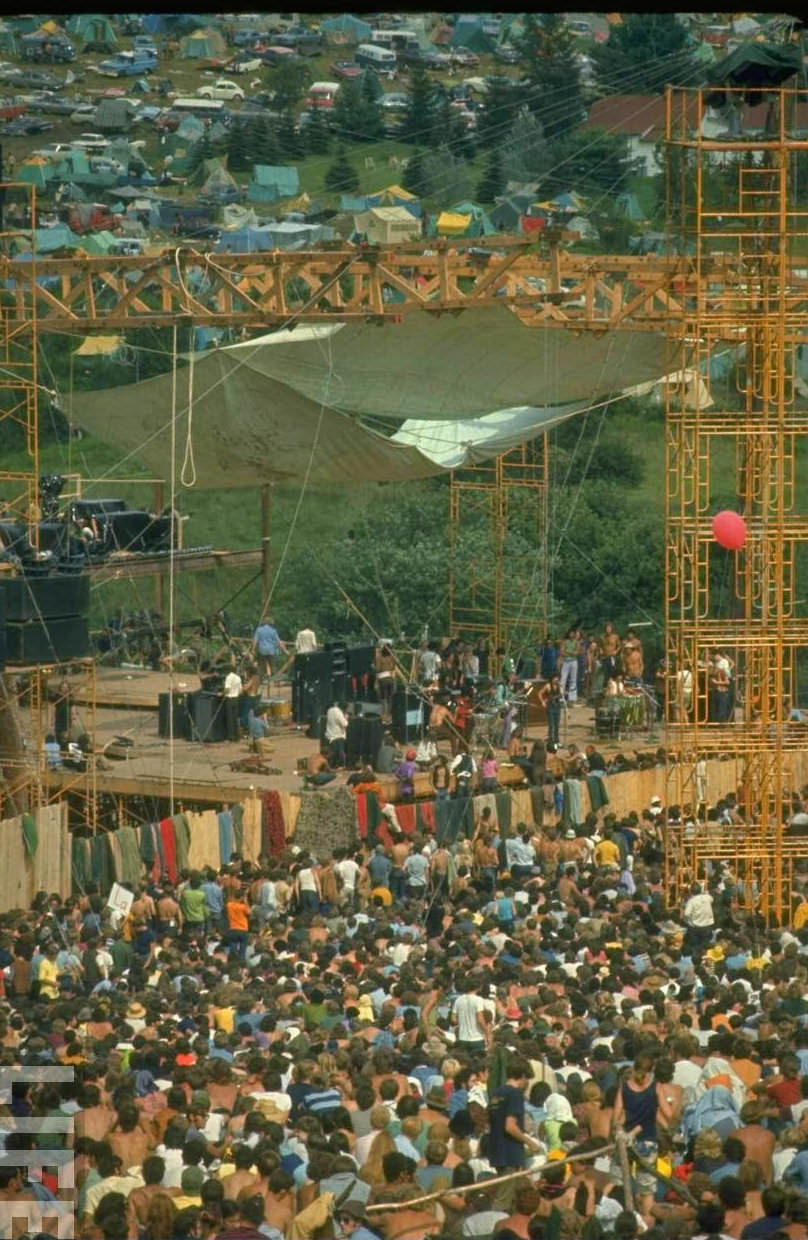
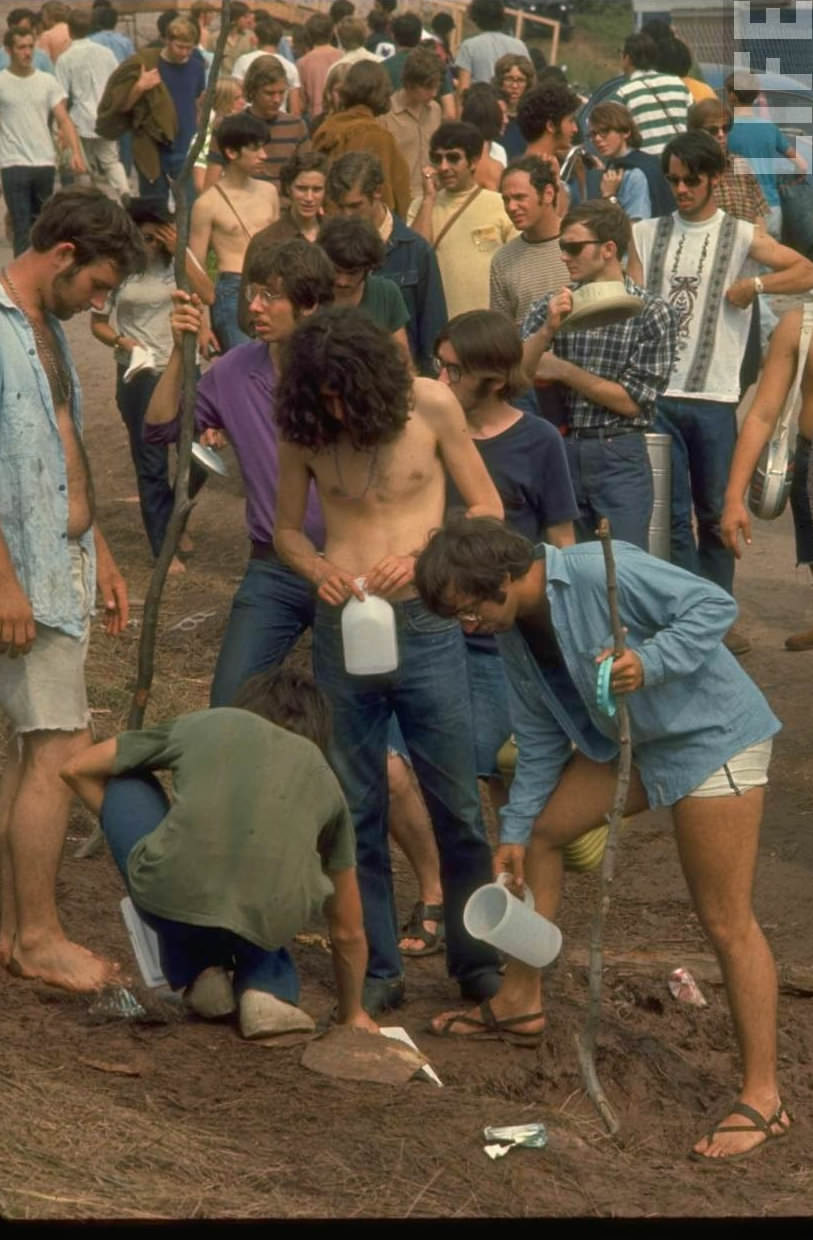
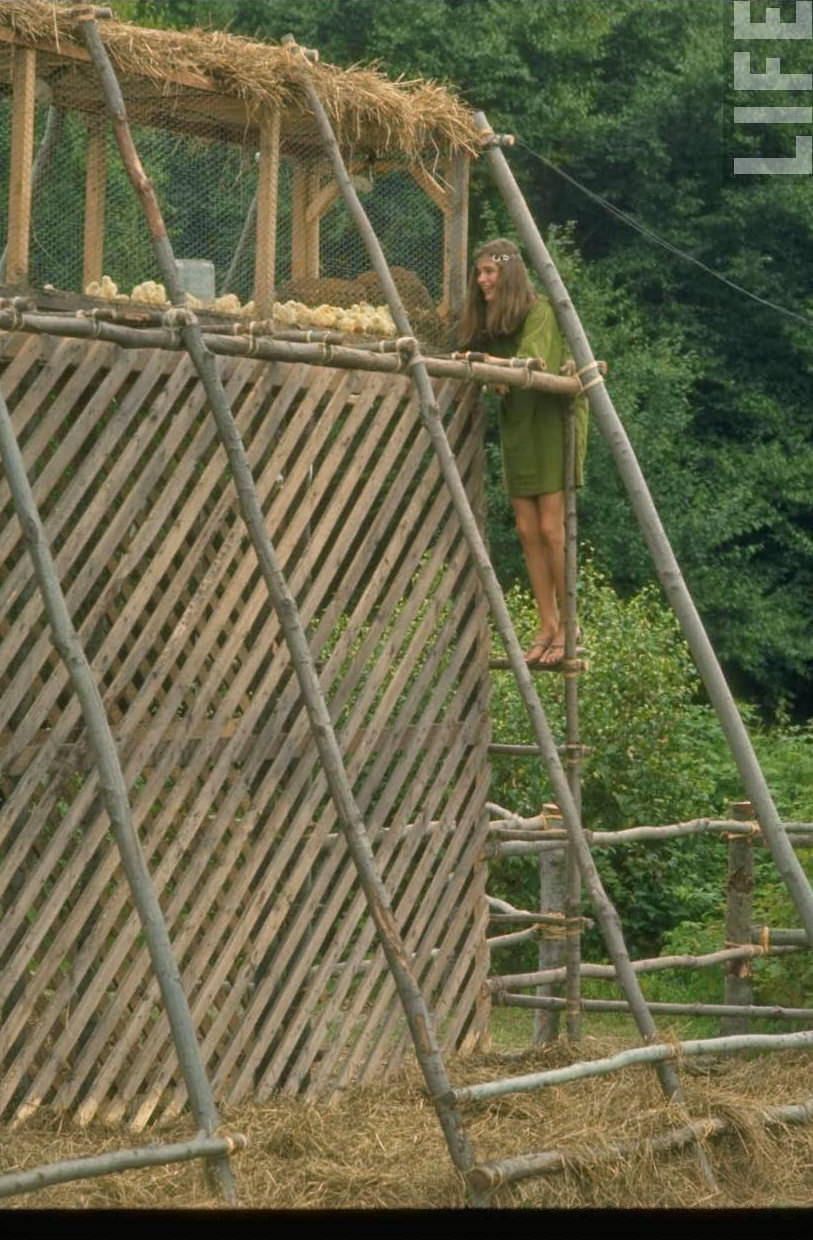
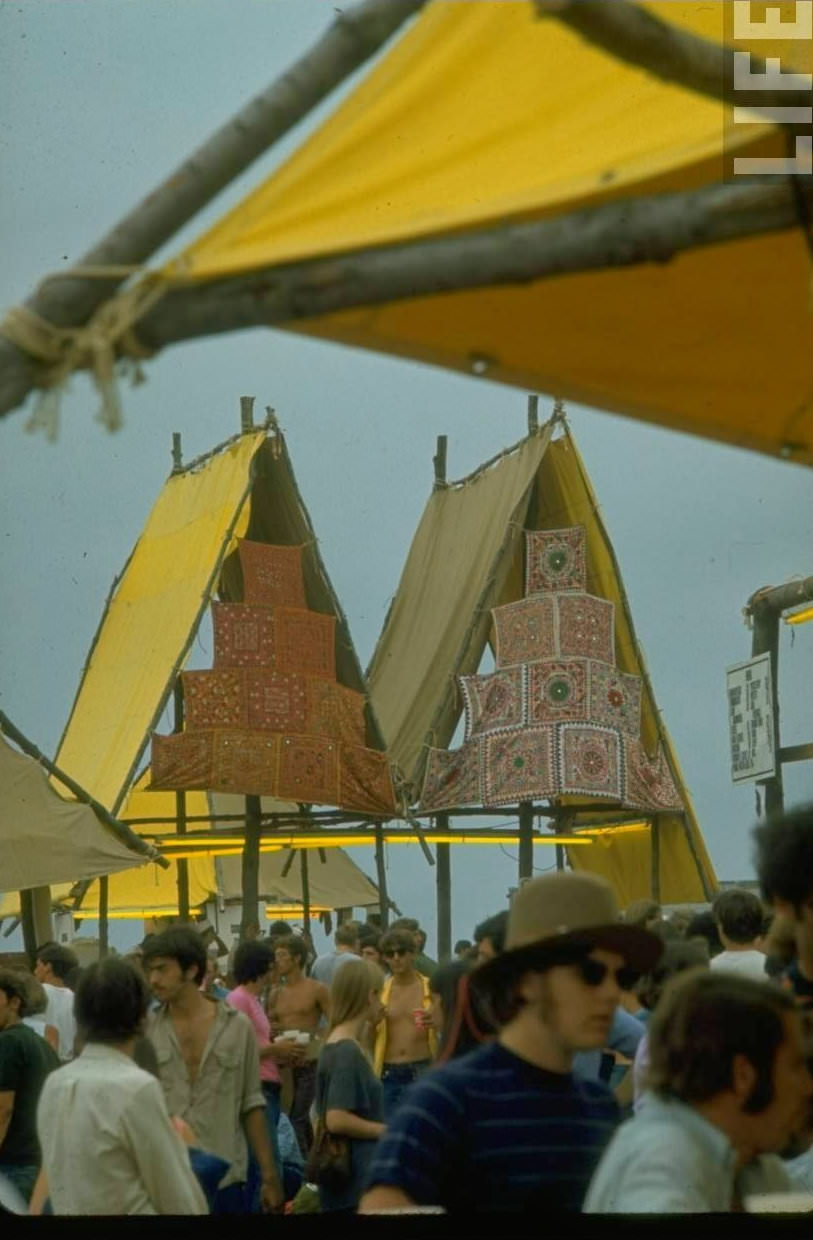
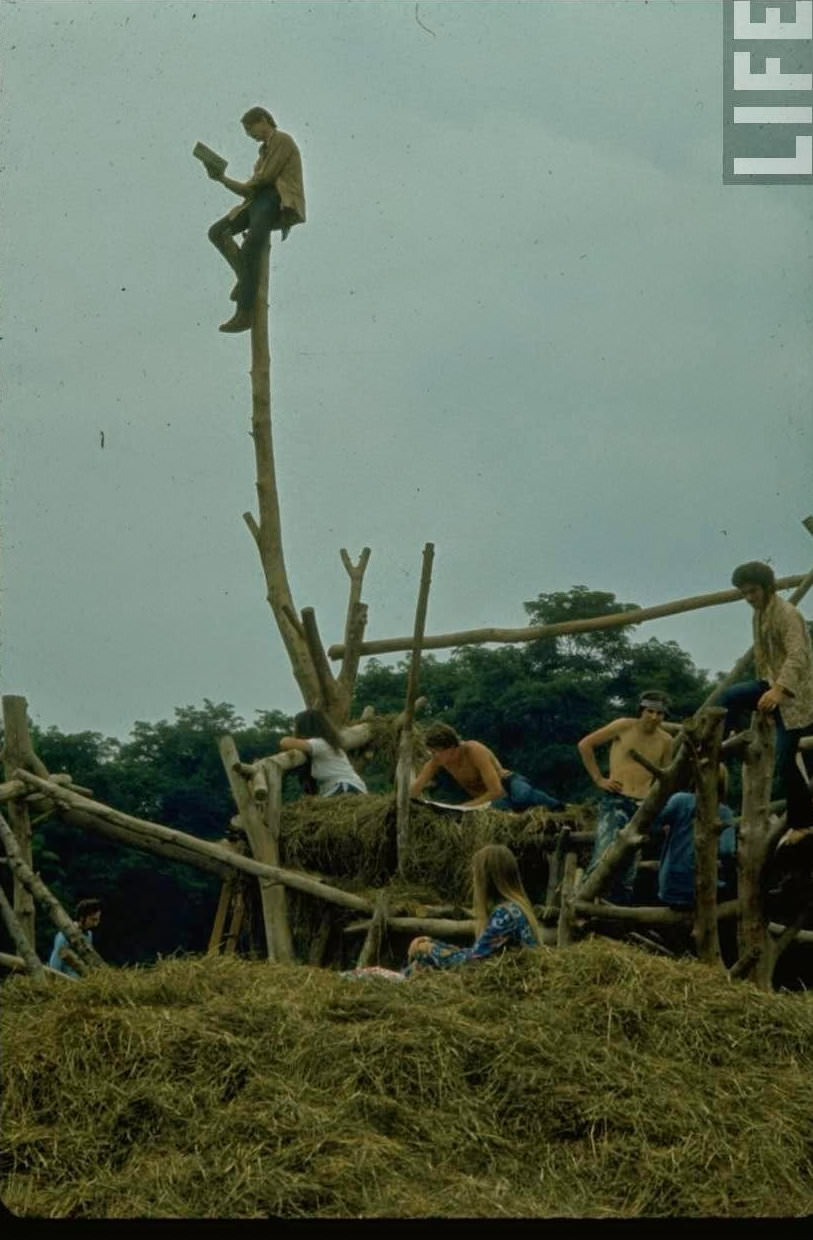
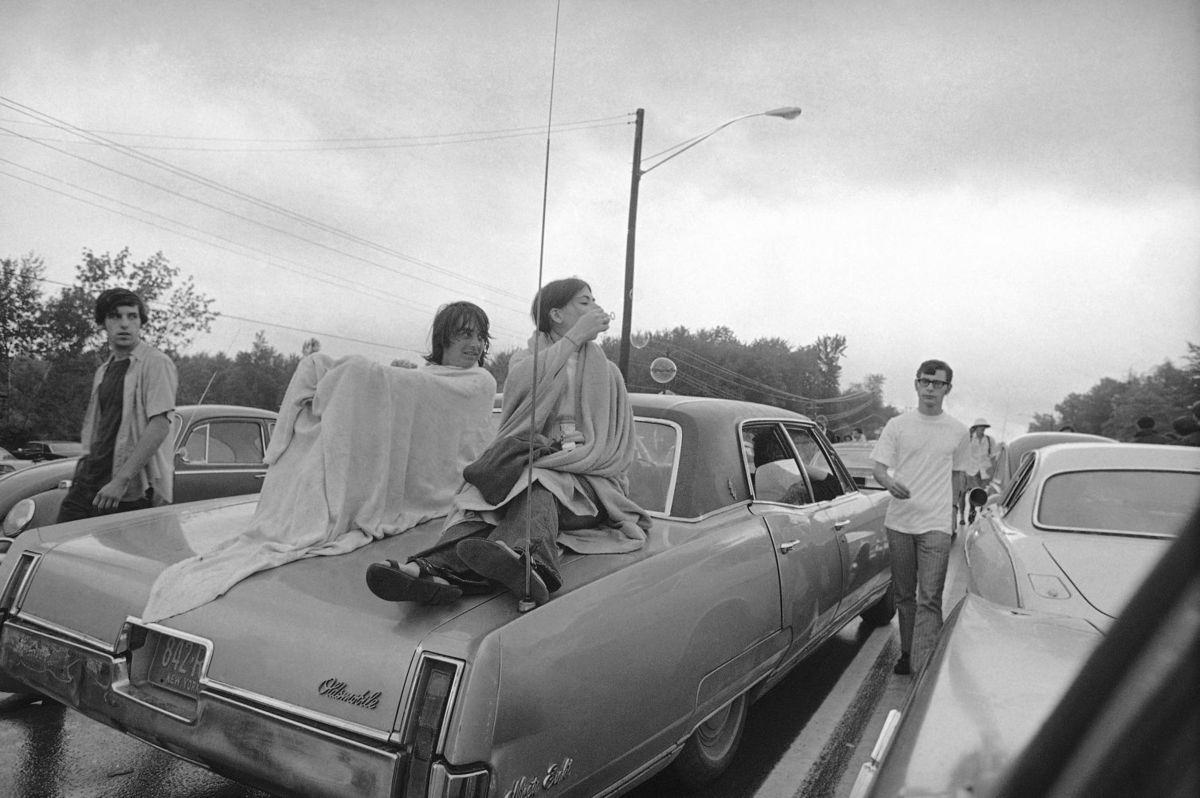
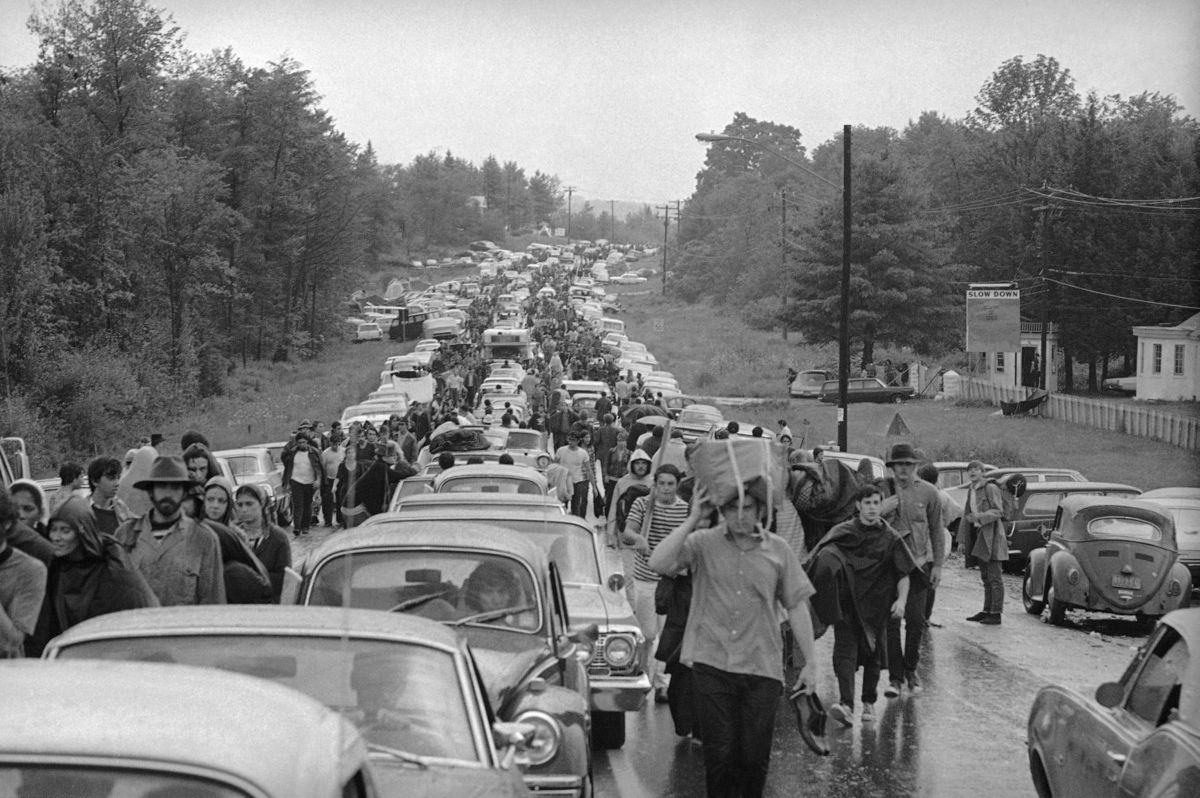
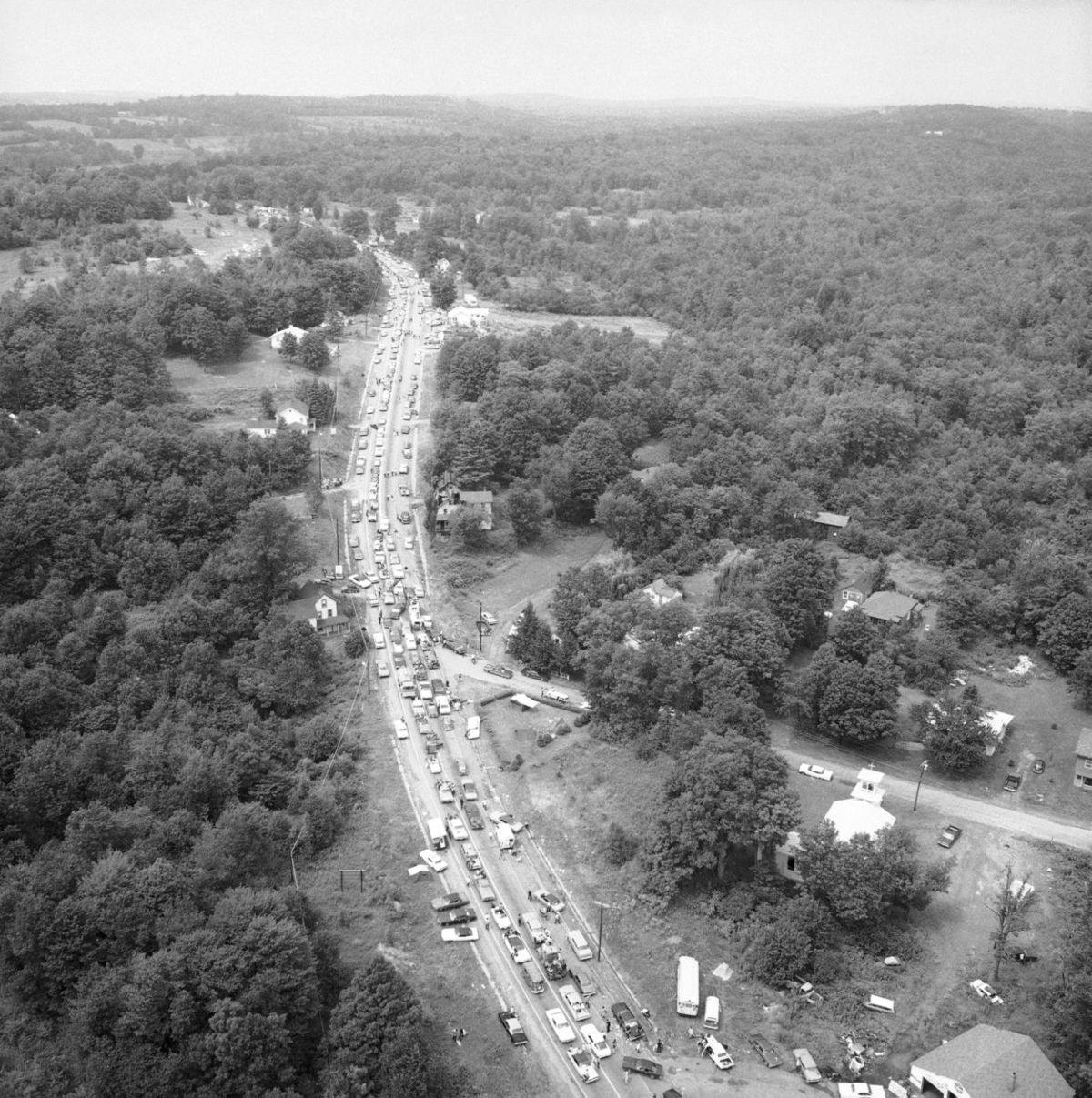
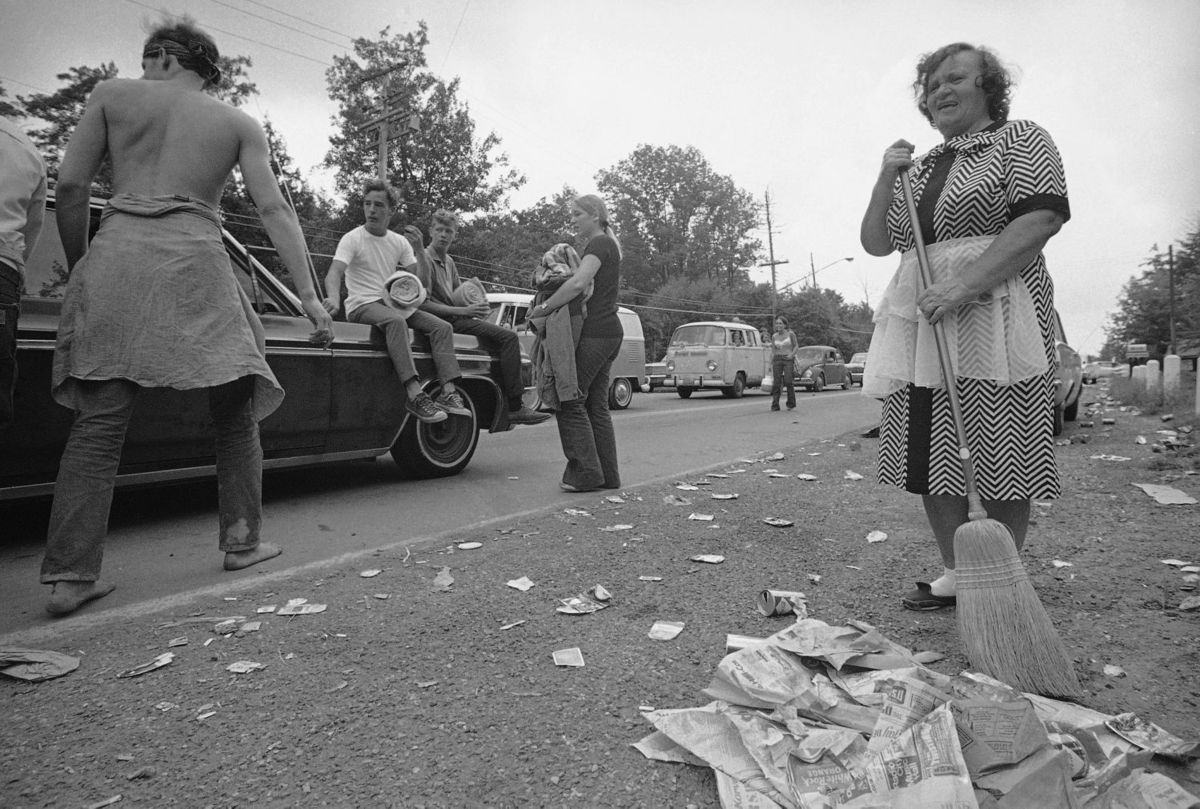
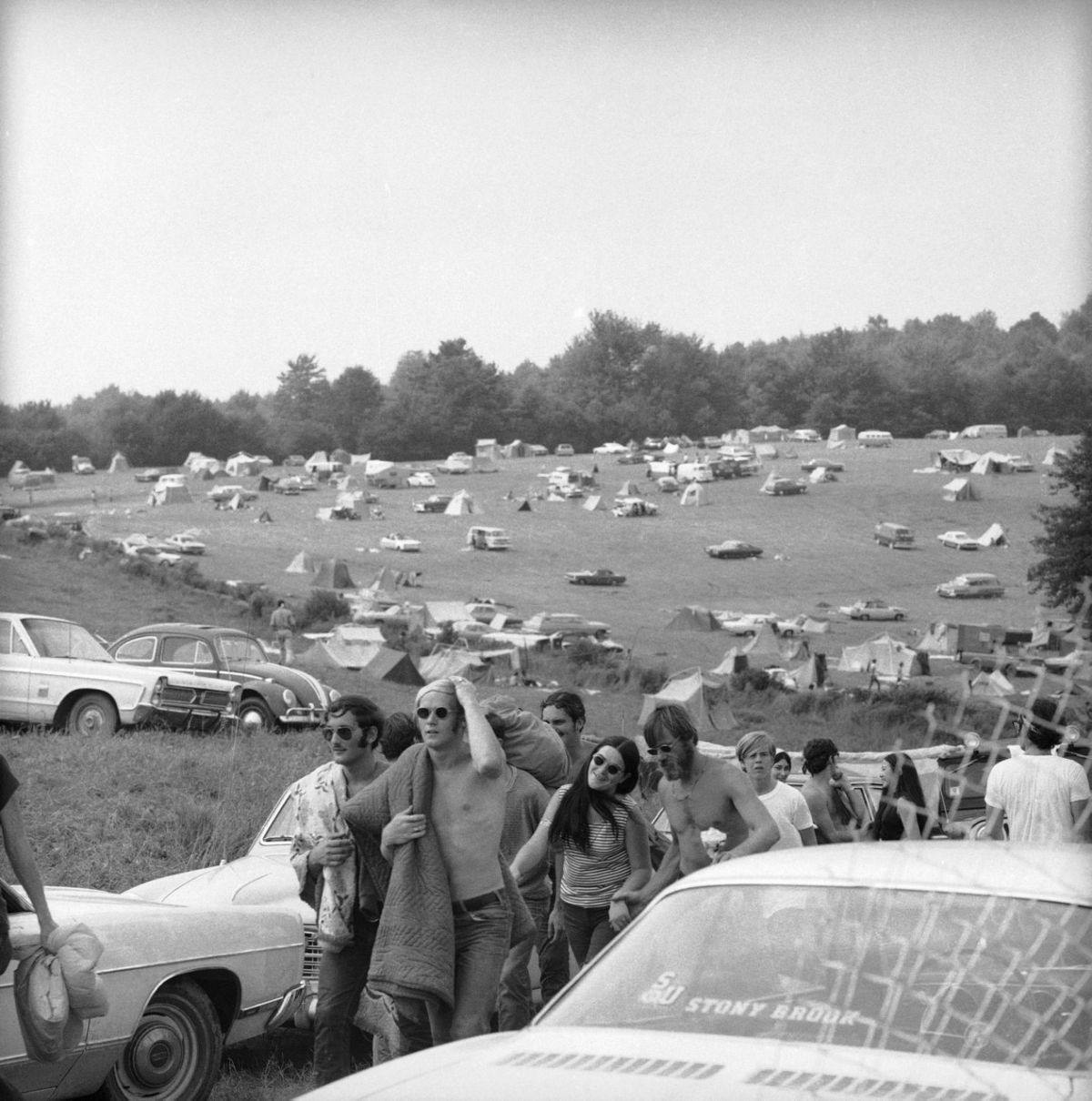
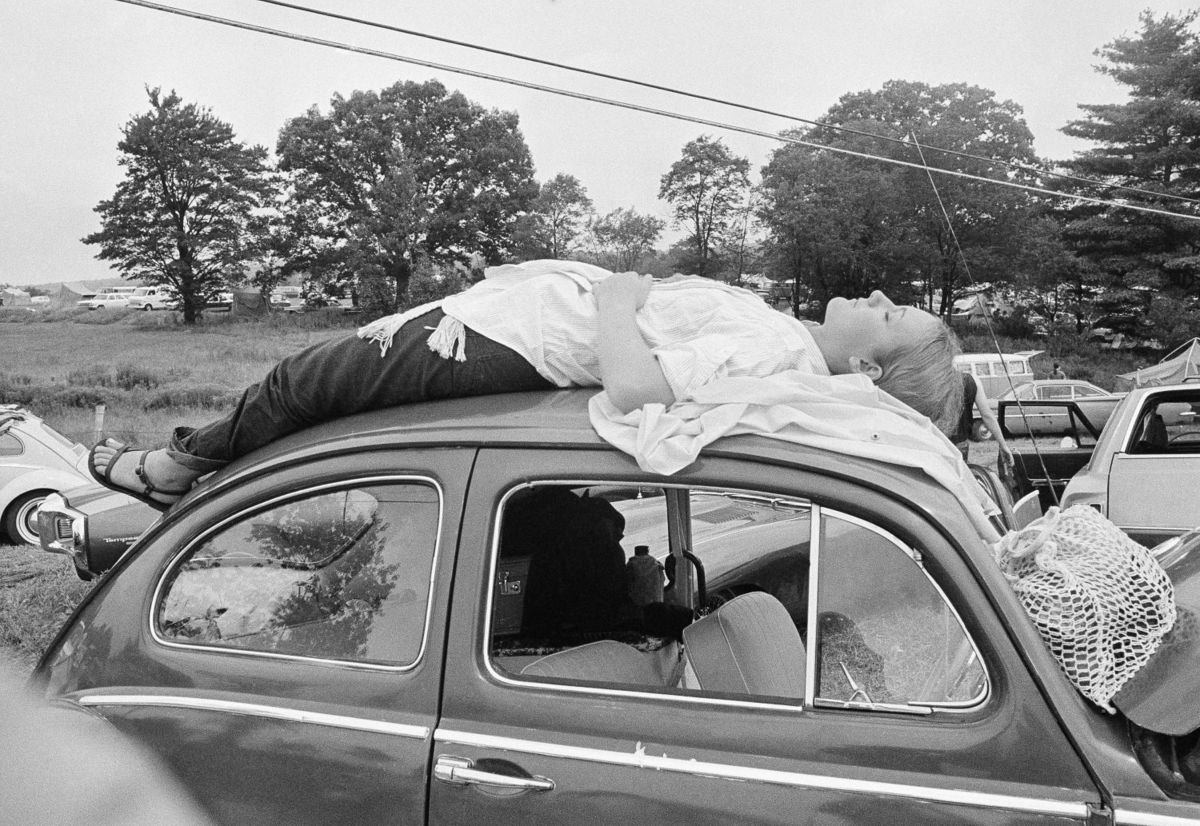
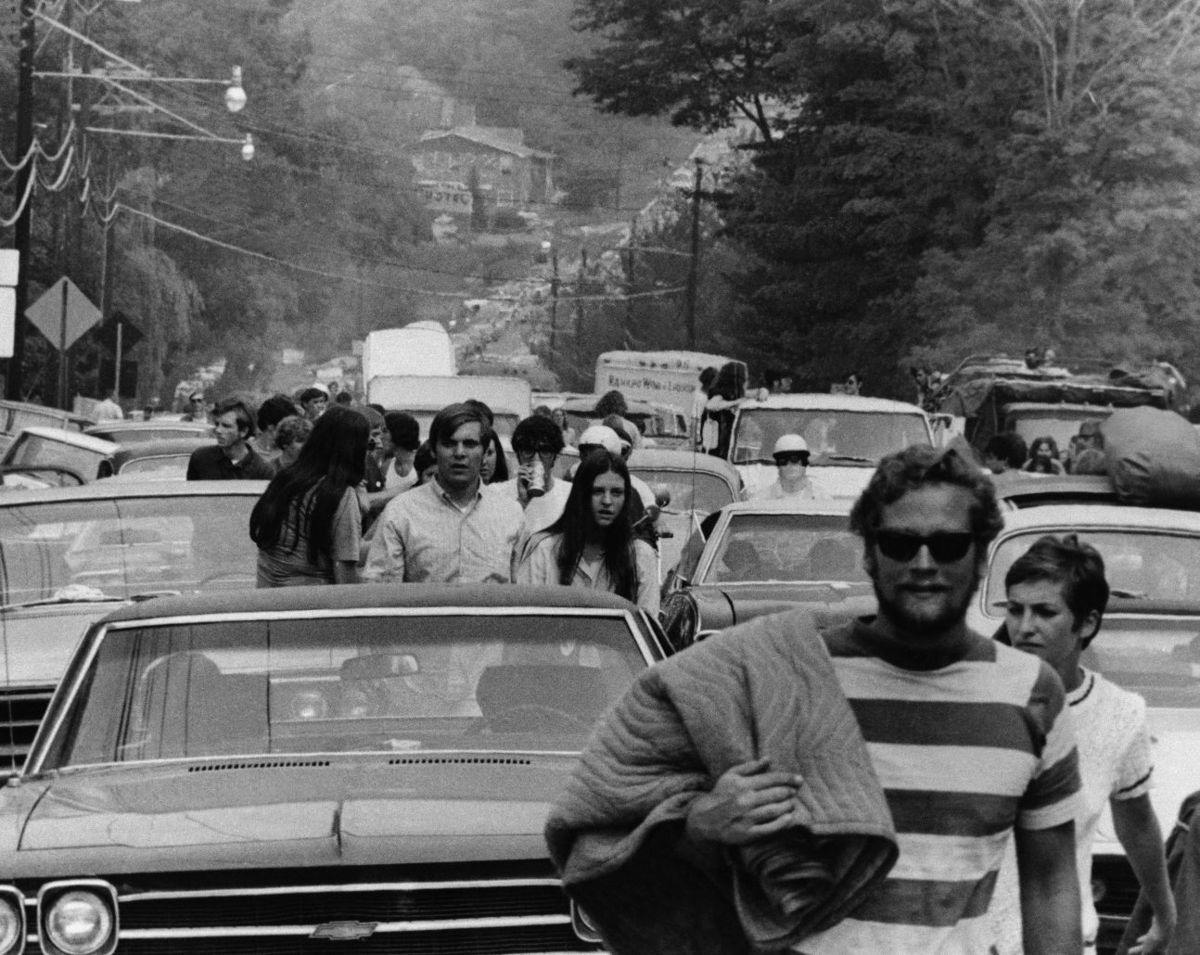
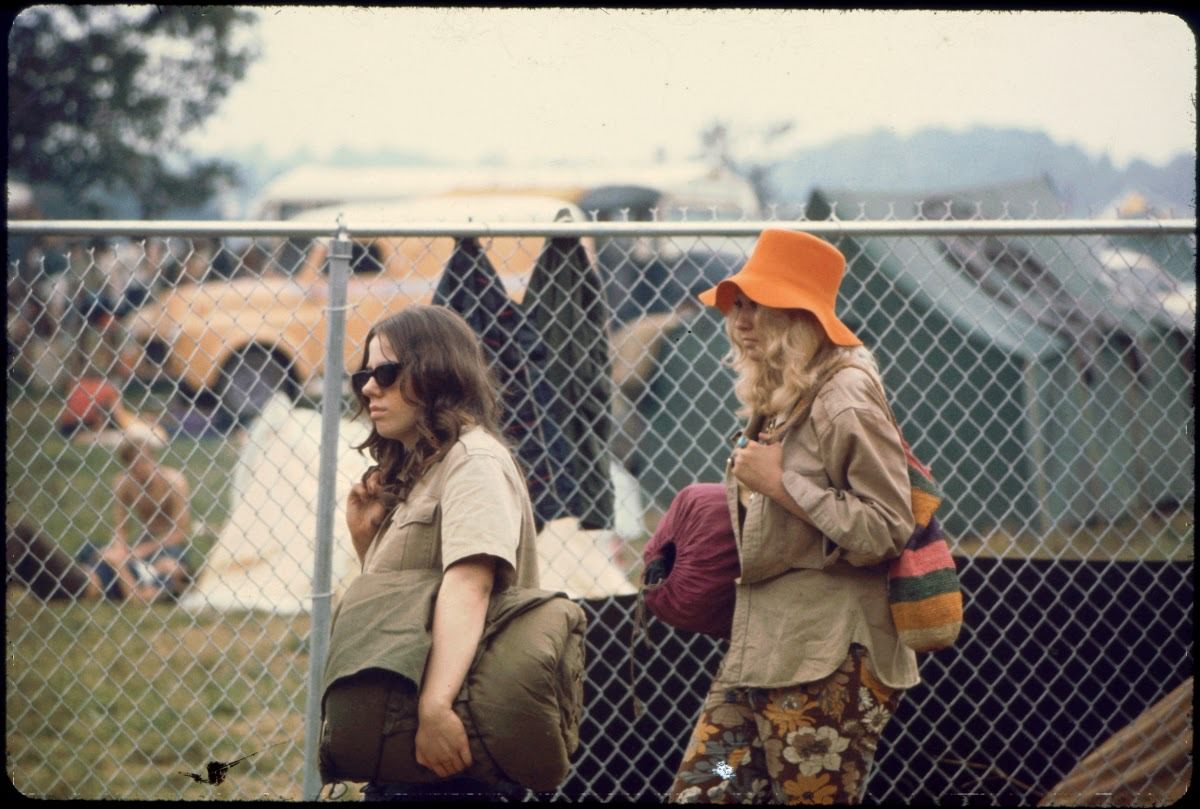
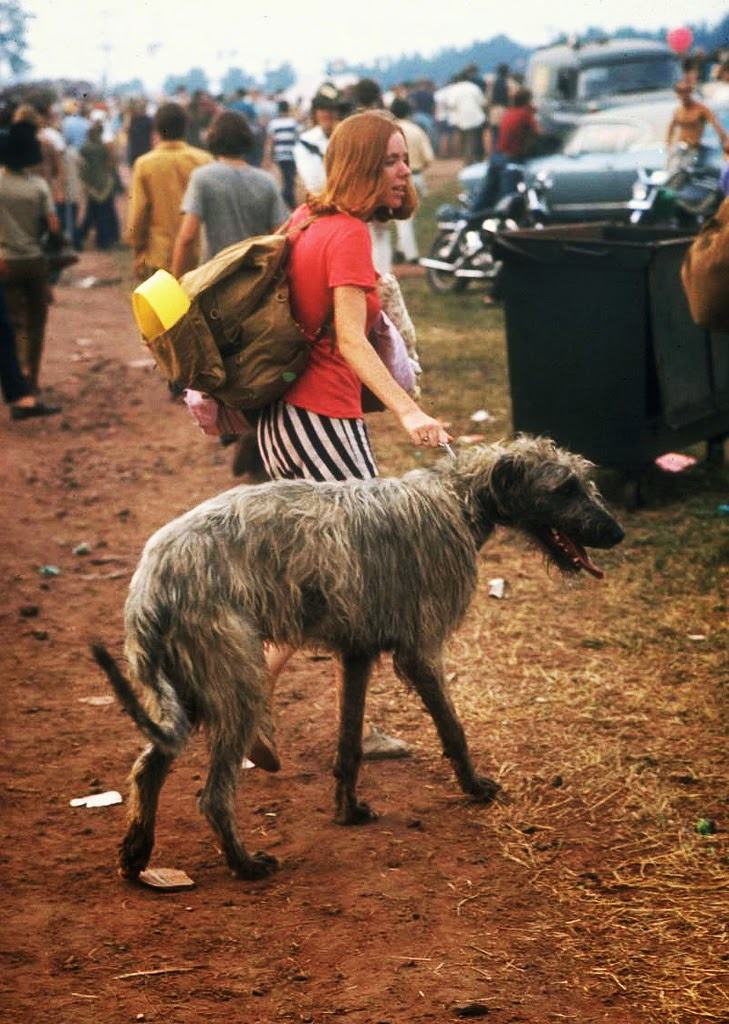
Facing financial ruin, the organizers found a new location at the last possible minute. Dairy farmer Max Yasgur agreed to lease a six-hundred-acre alfalfa field in Bethel, New York, for fifty thousand dollars. Crews scrambled to build a towering stage and construct portable toilets while hundreds of thousands of people began driving toward rural Sullivan County. Route 17B clogged with bumper-to-bumper traffic for twenty miles in every direction. Campers abandoned their cars and trucks right on the asphalt and walked the remaining distance through the scorching summer heat.
Read more
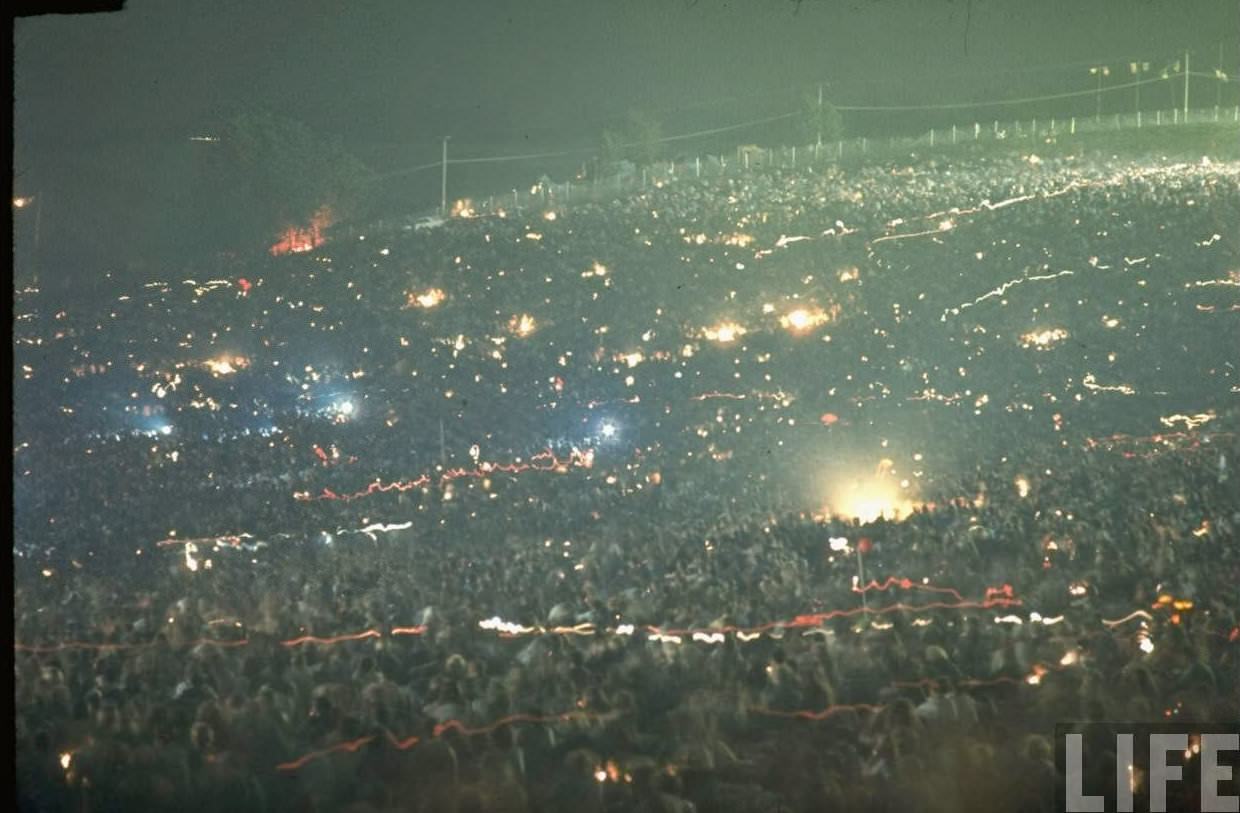
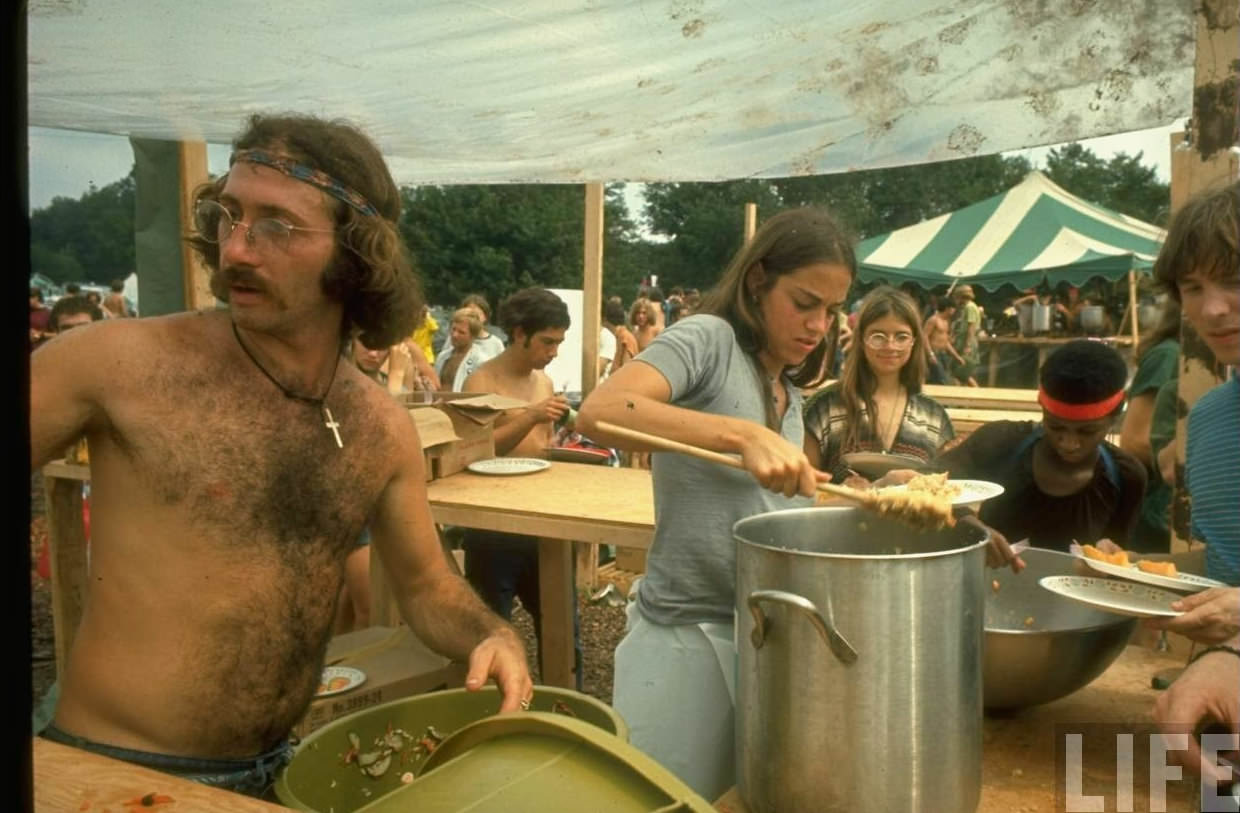
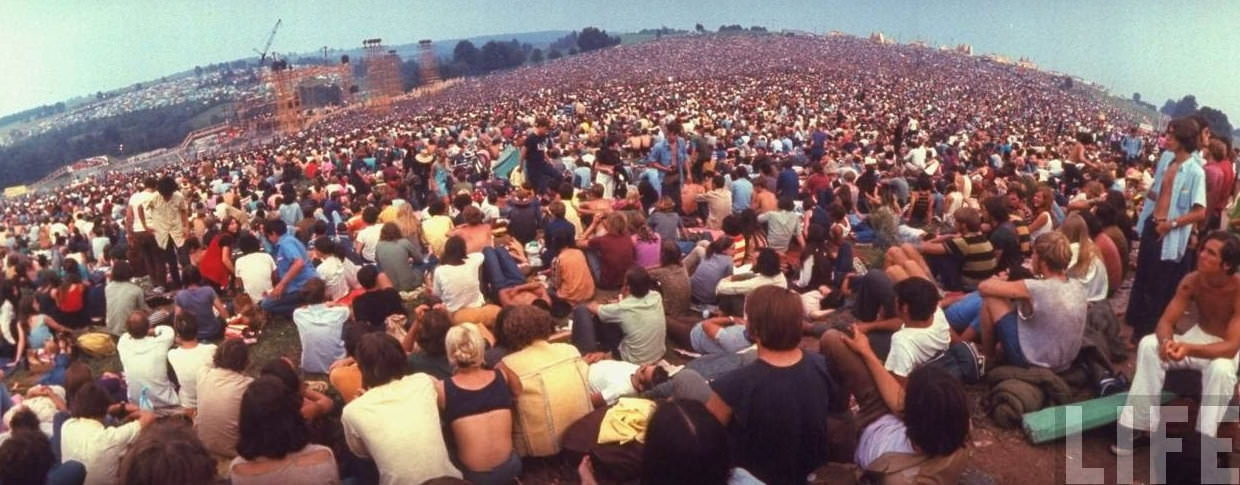
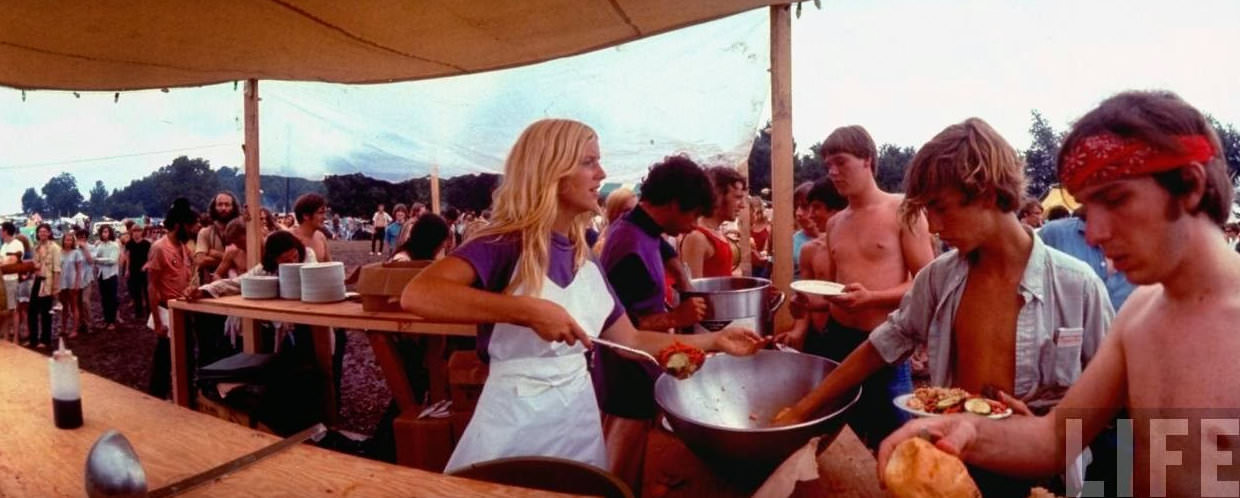
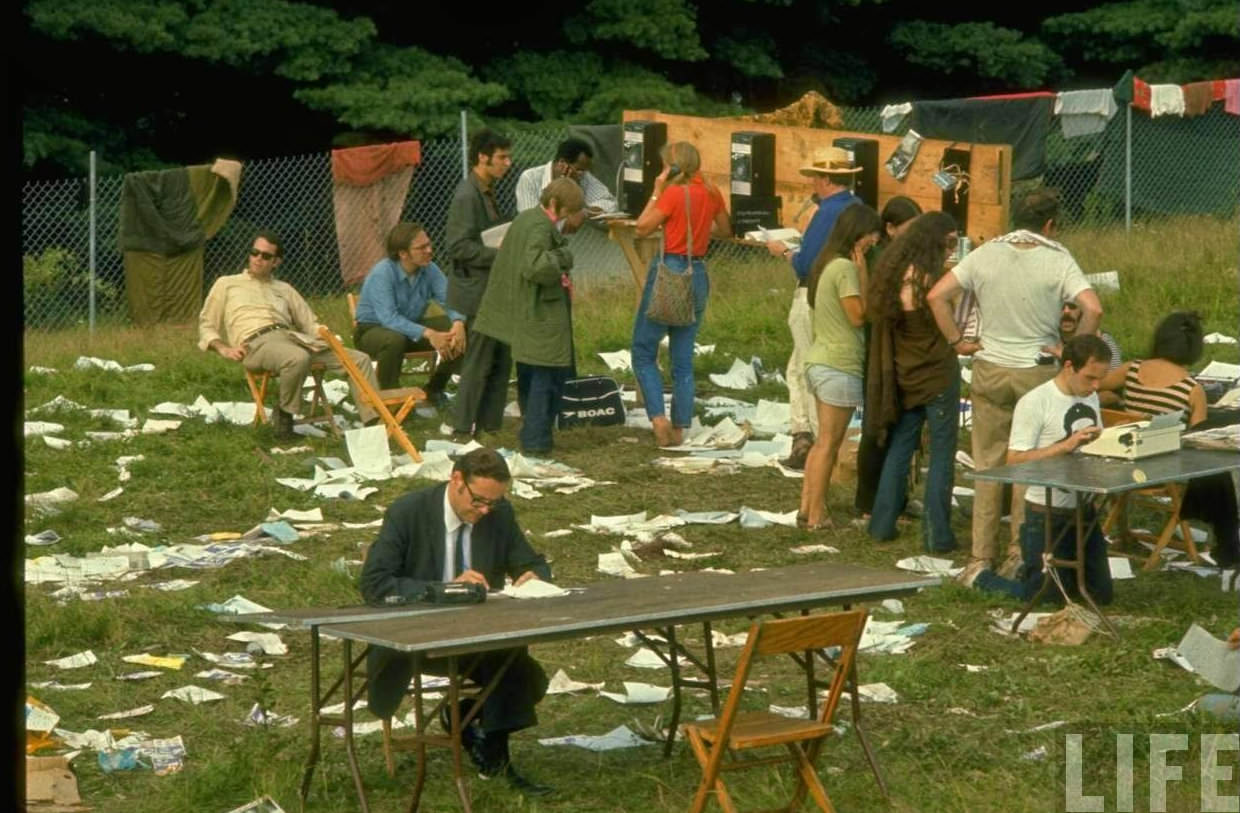
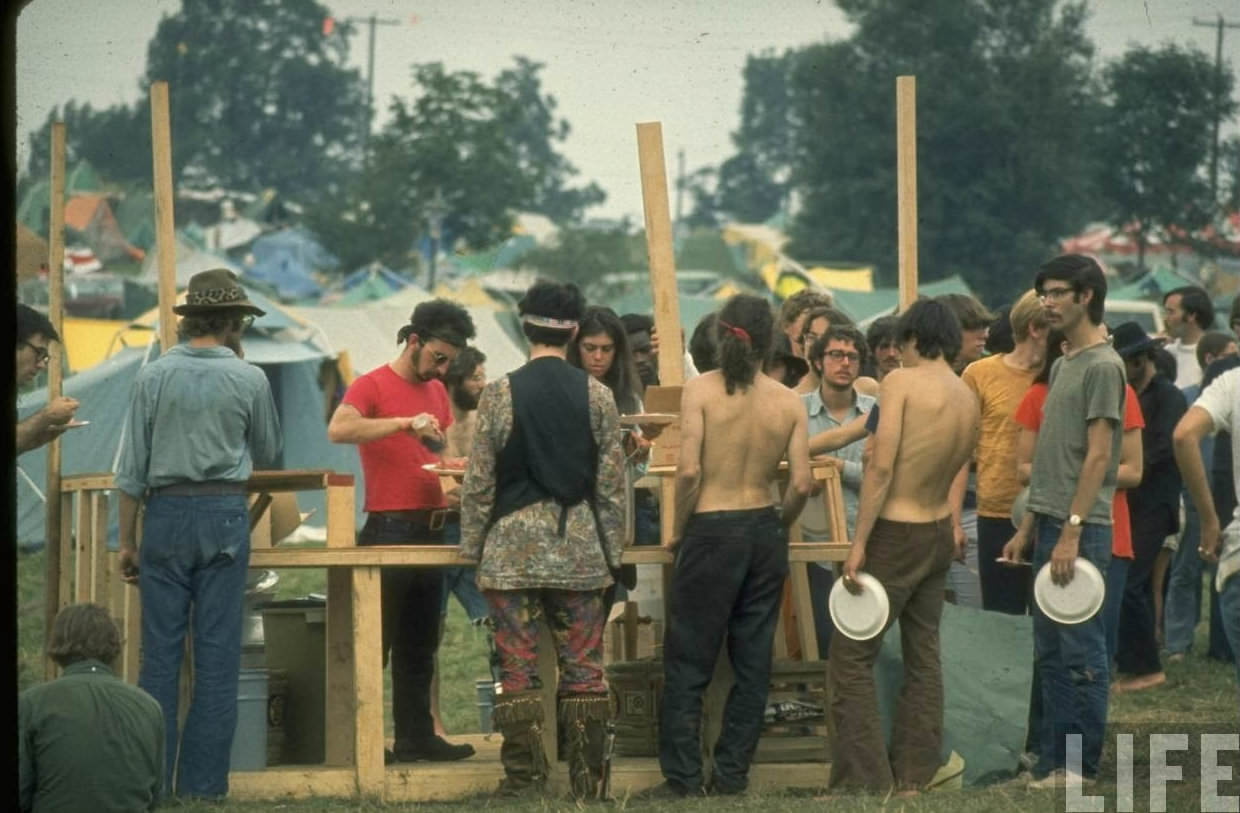
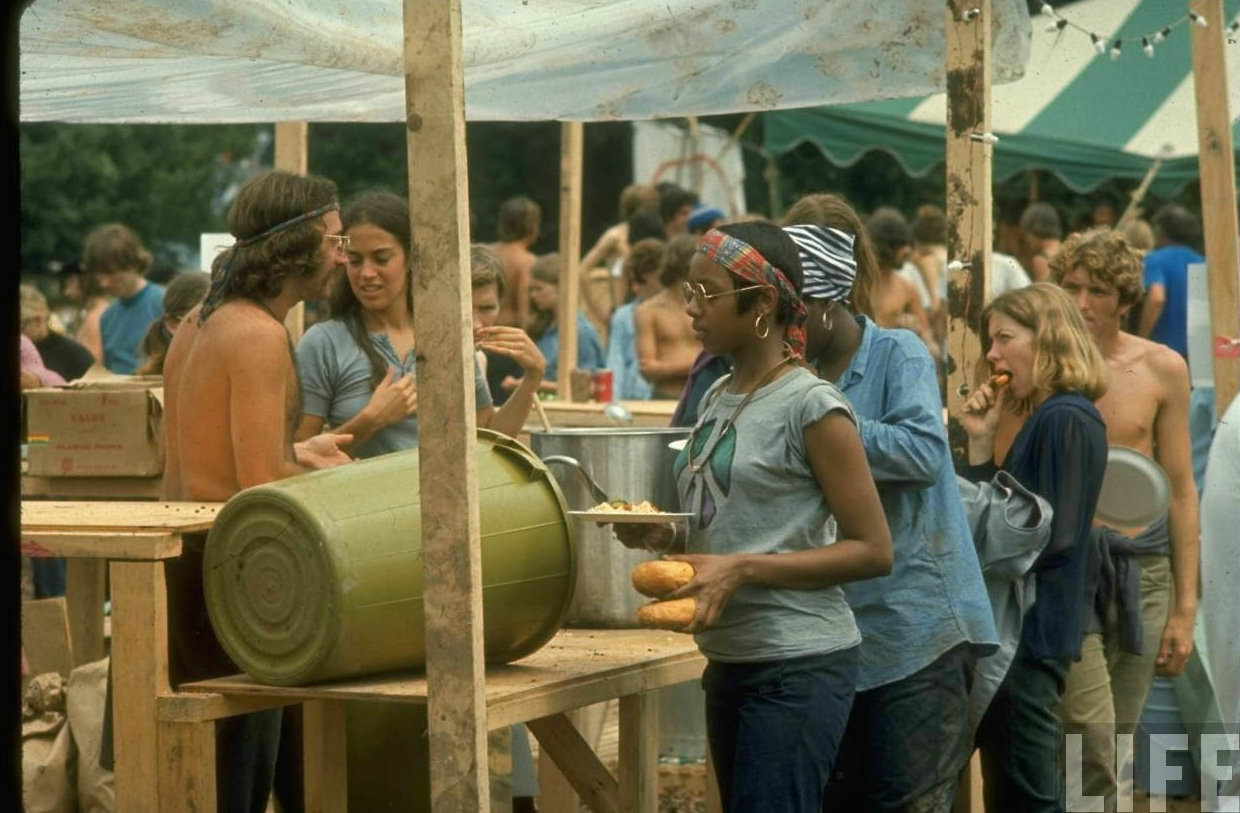
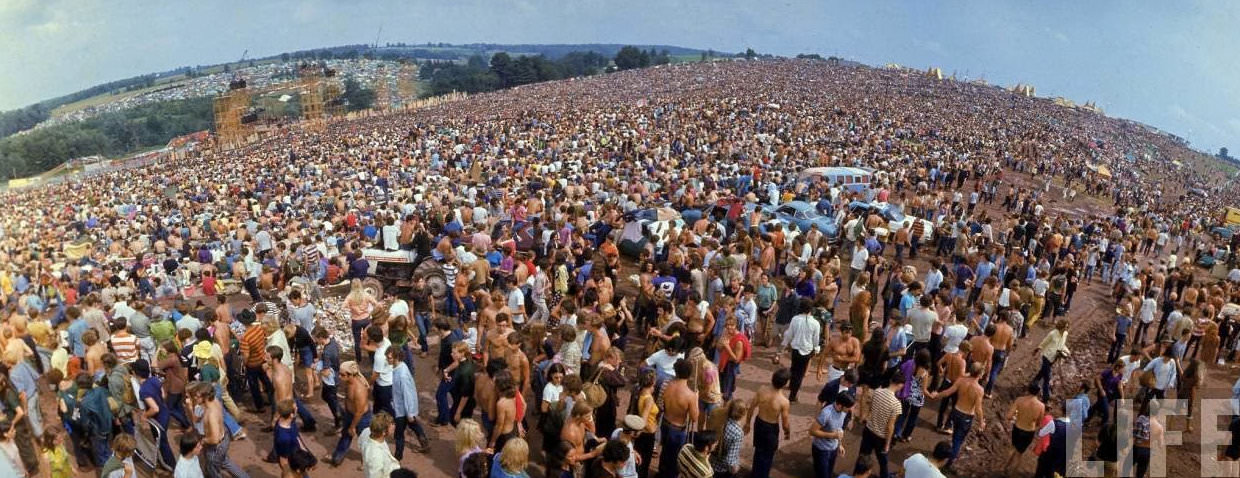
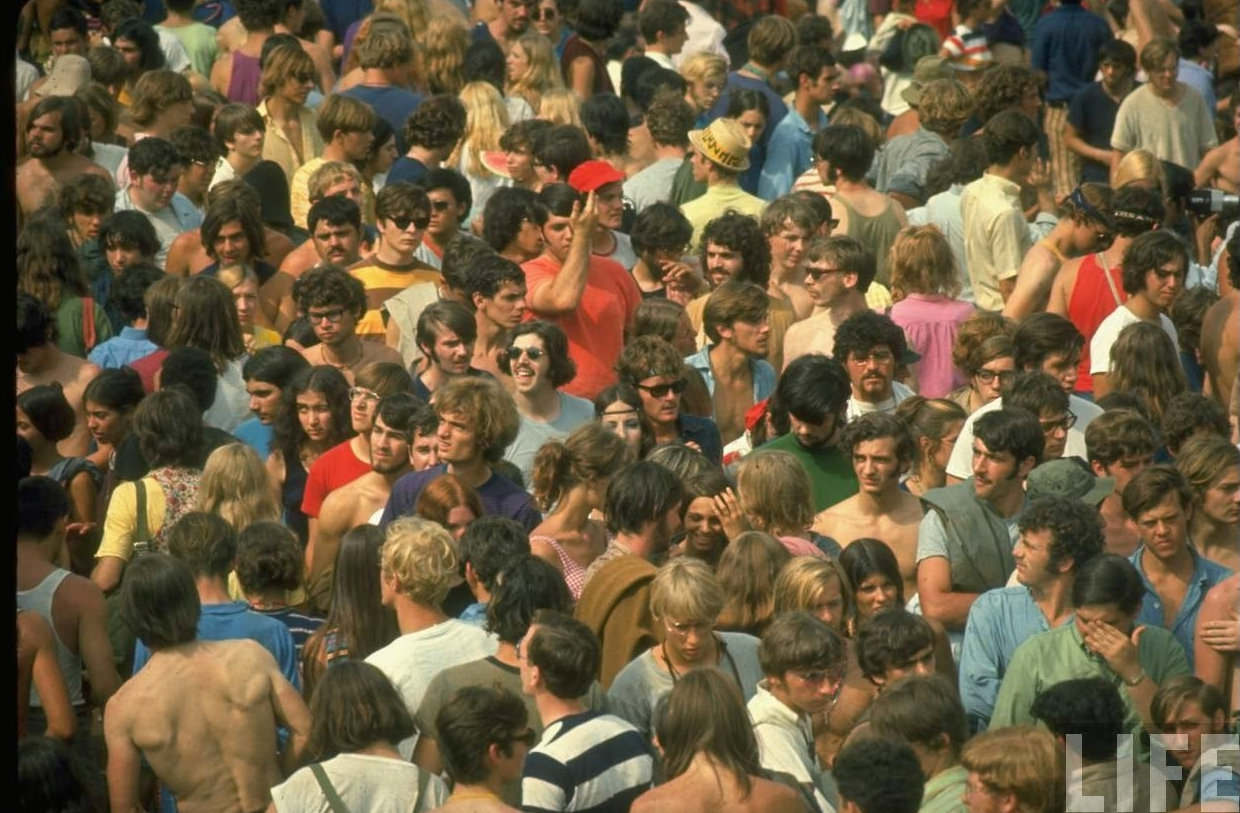
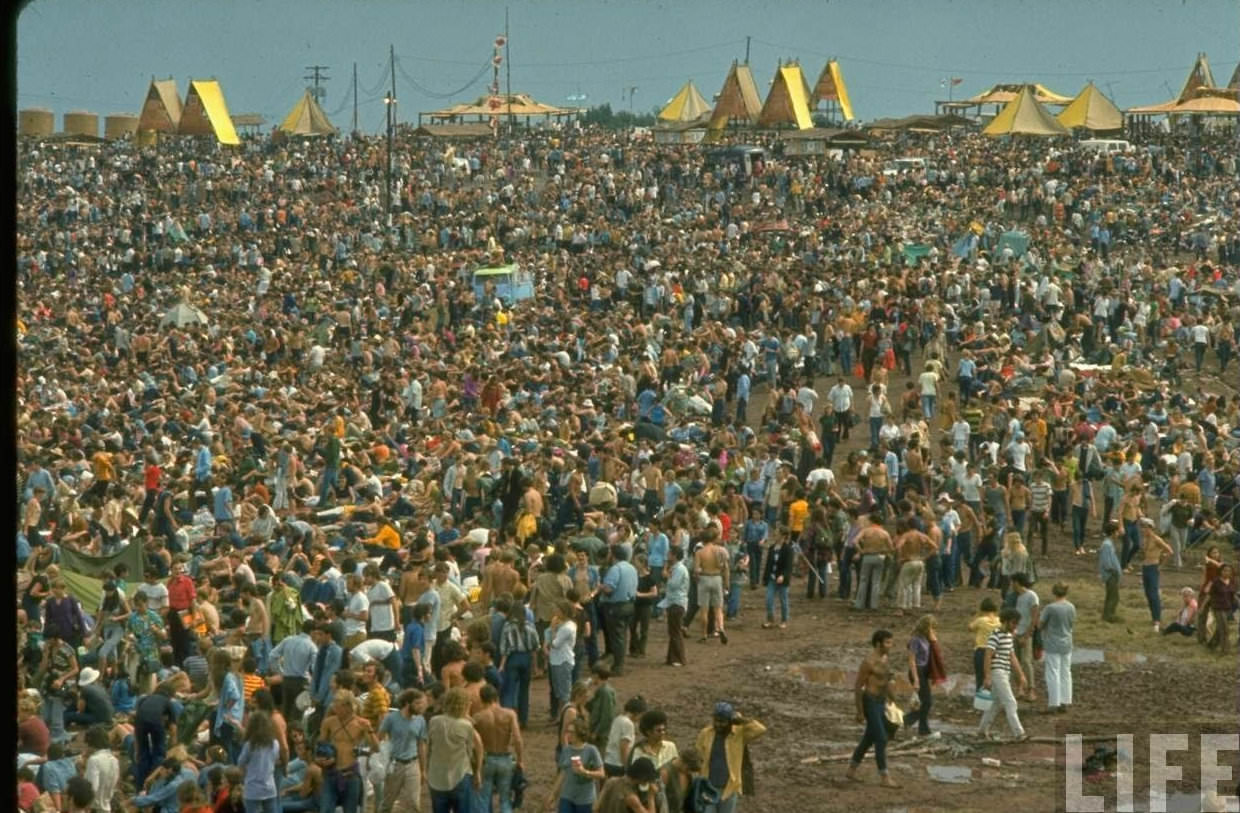
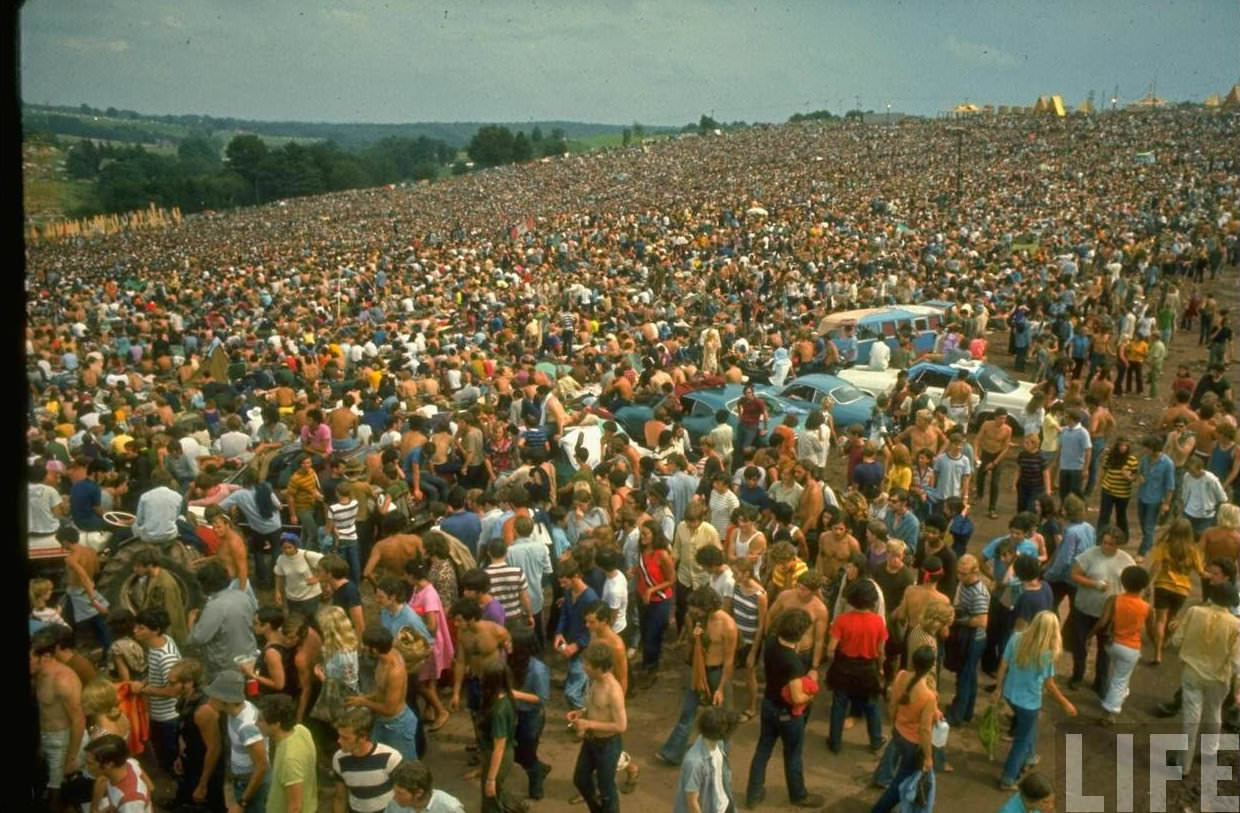
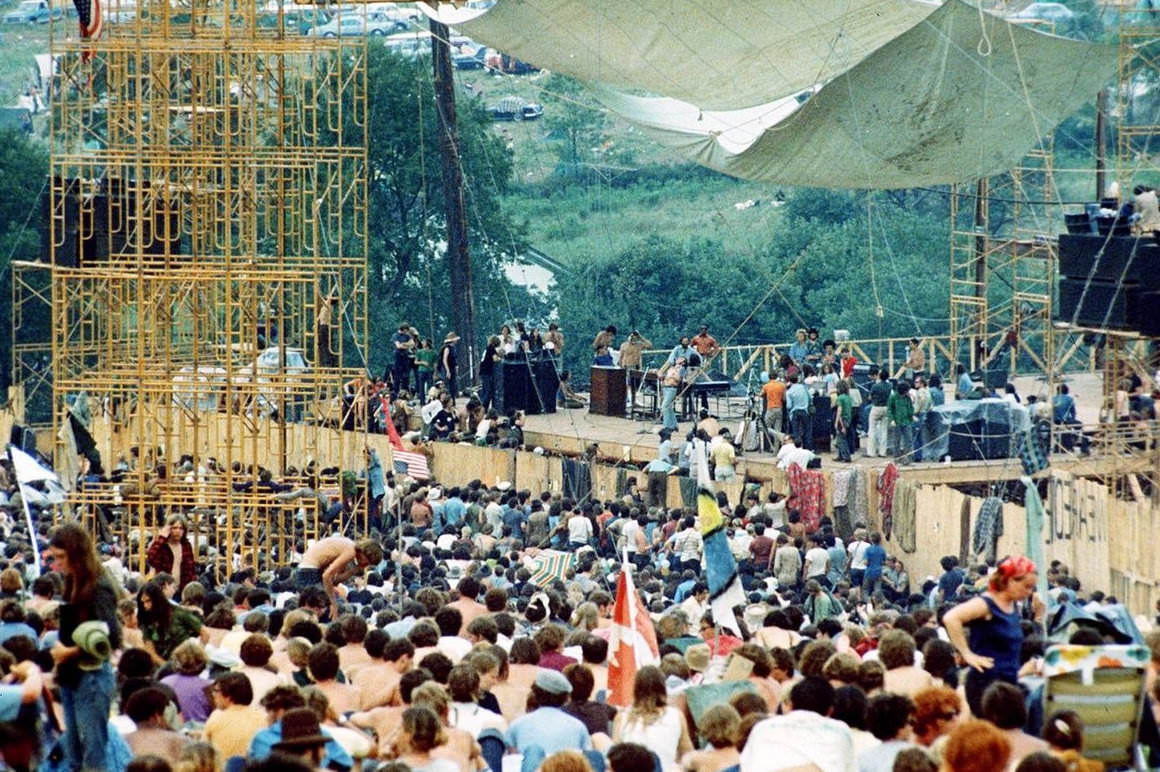
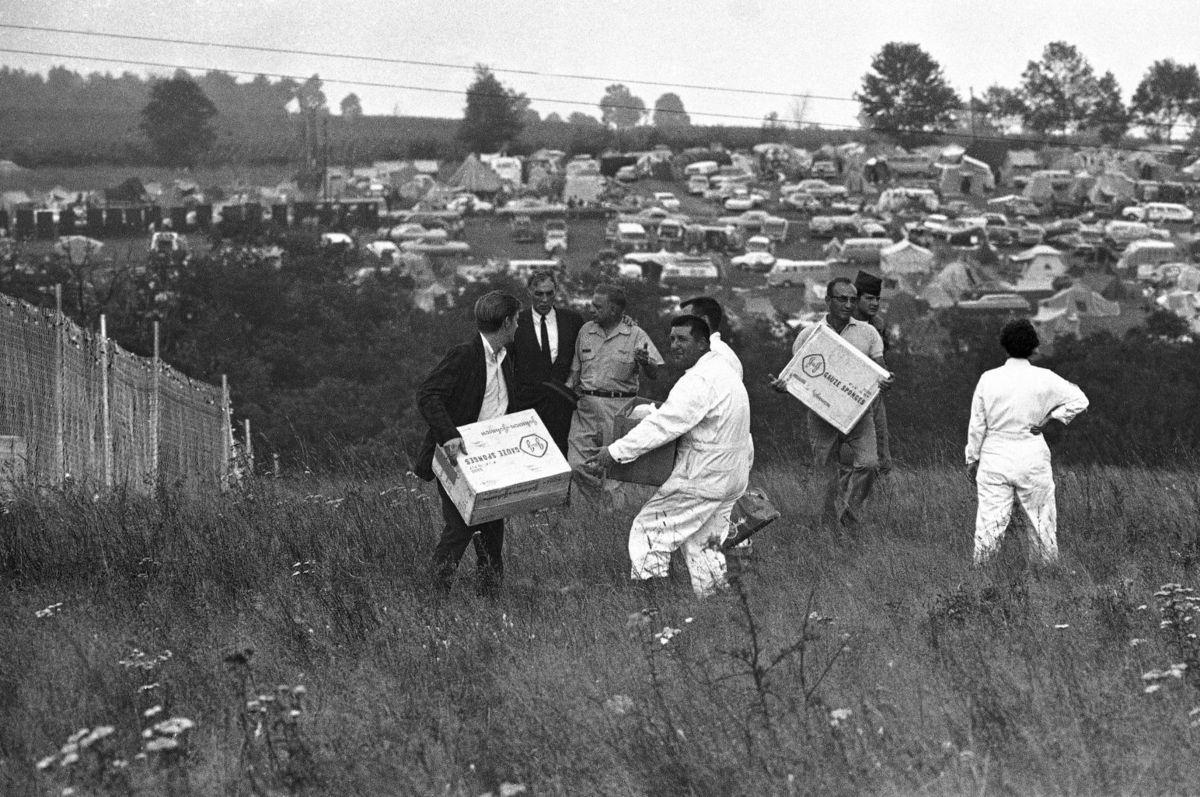
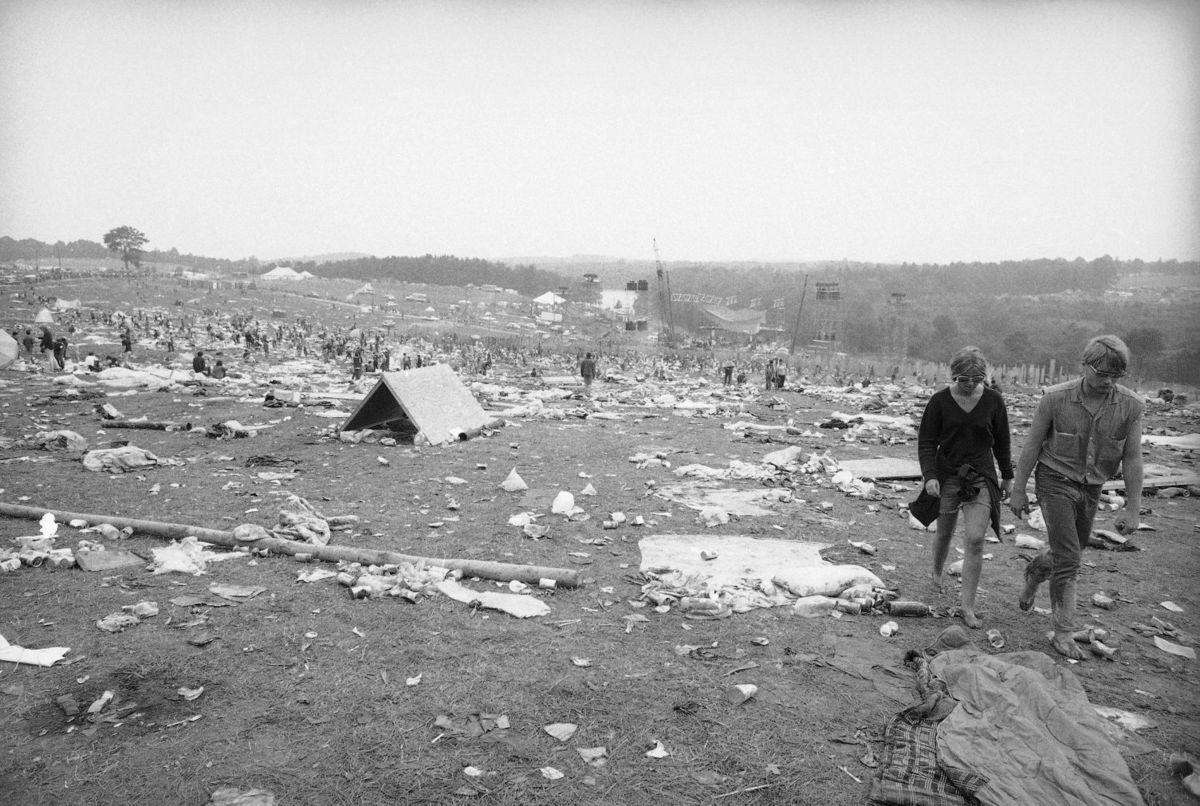
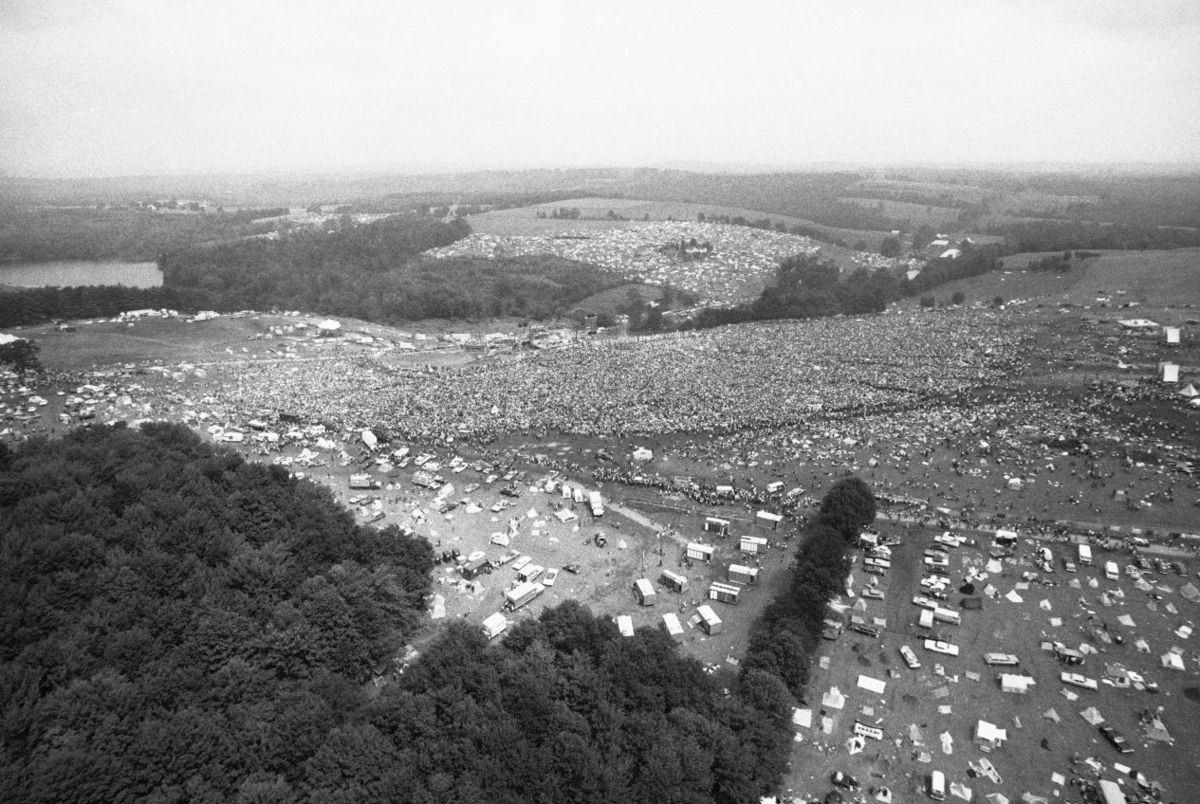
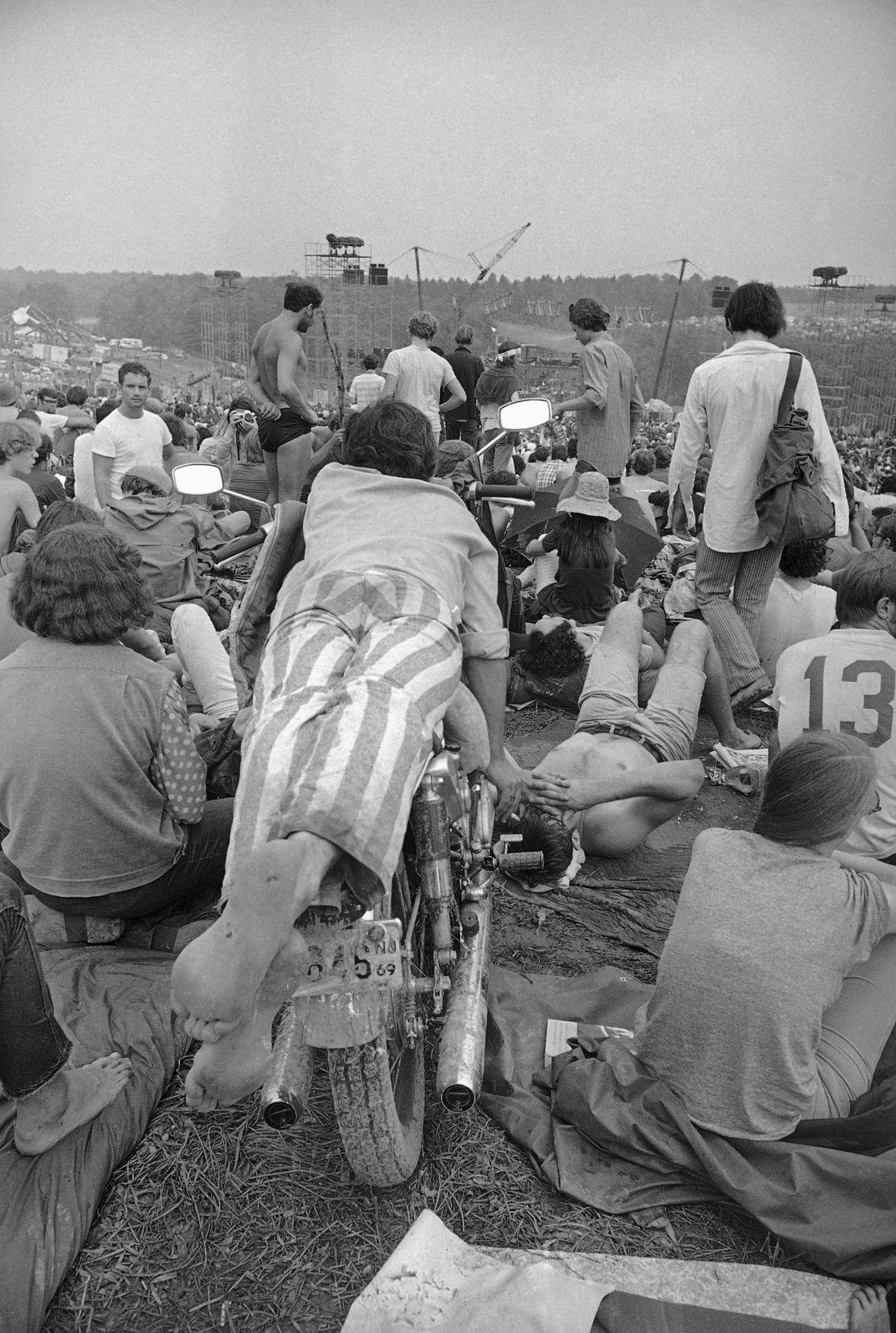
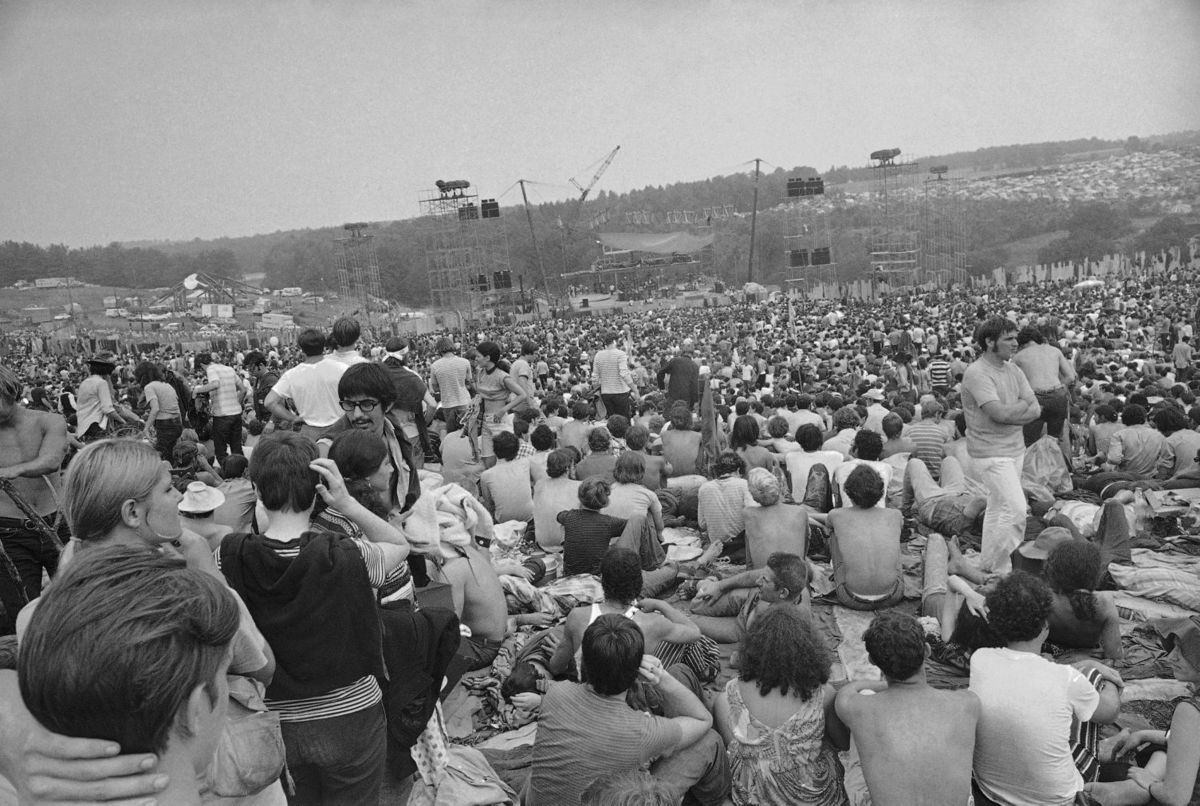
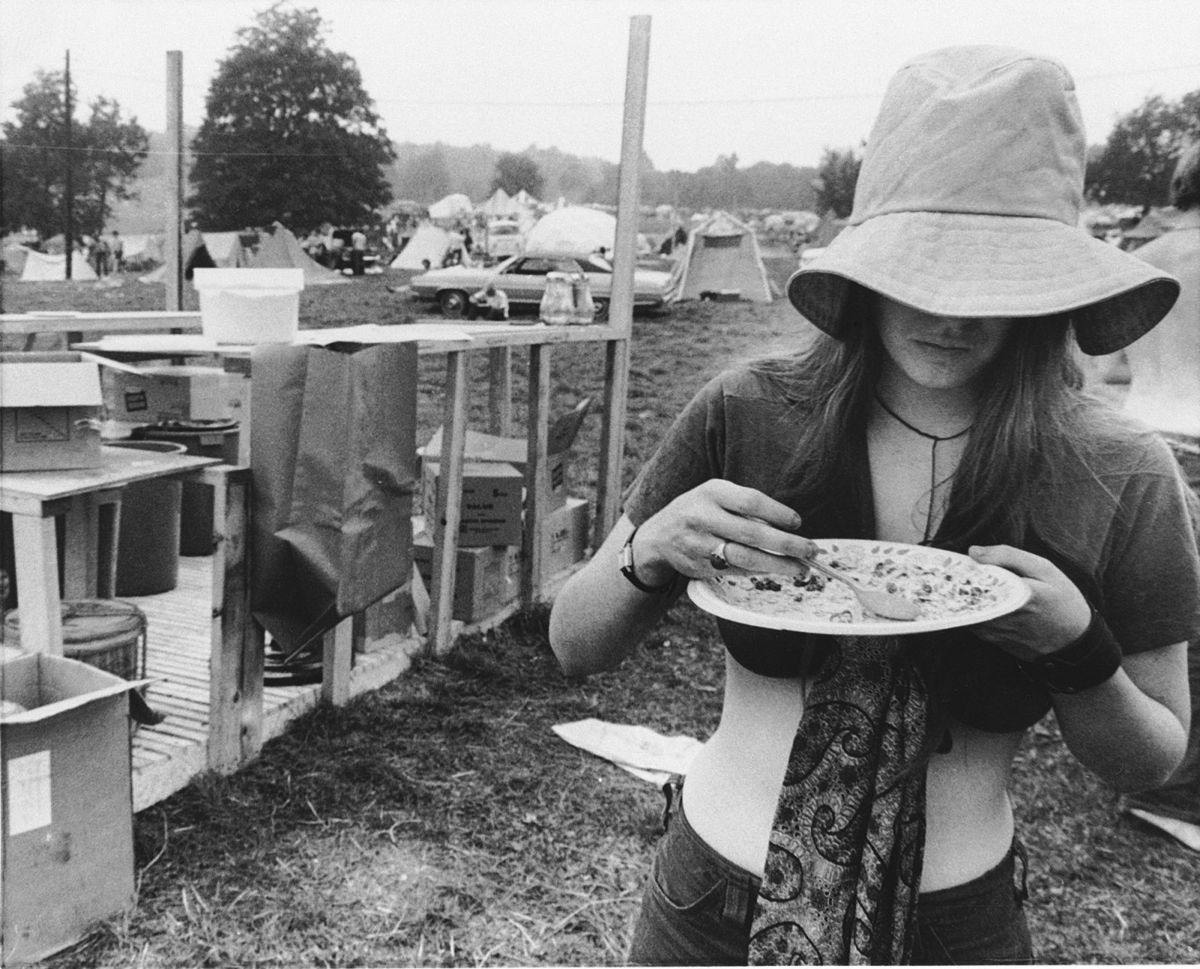
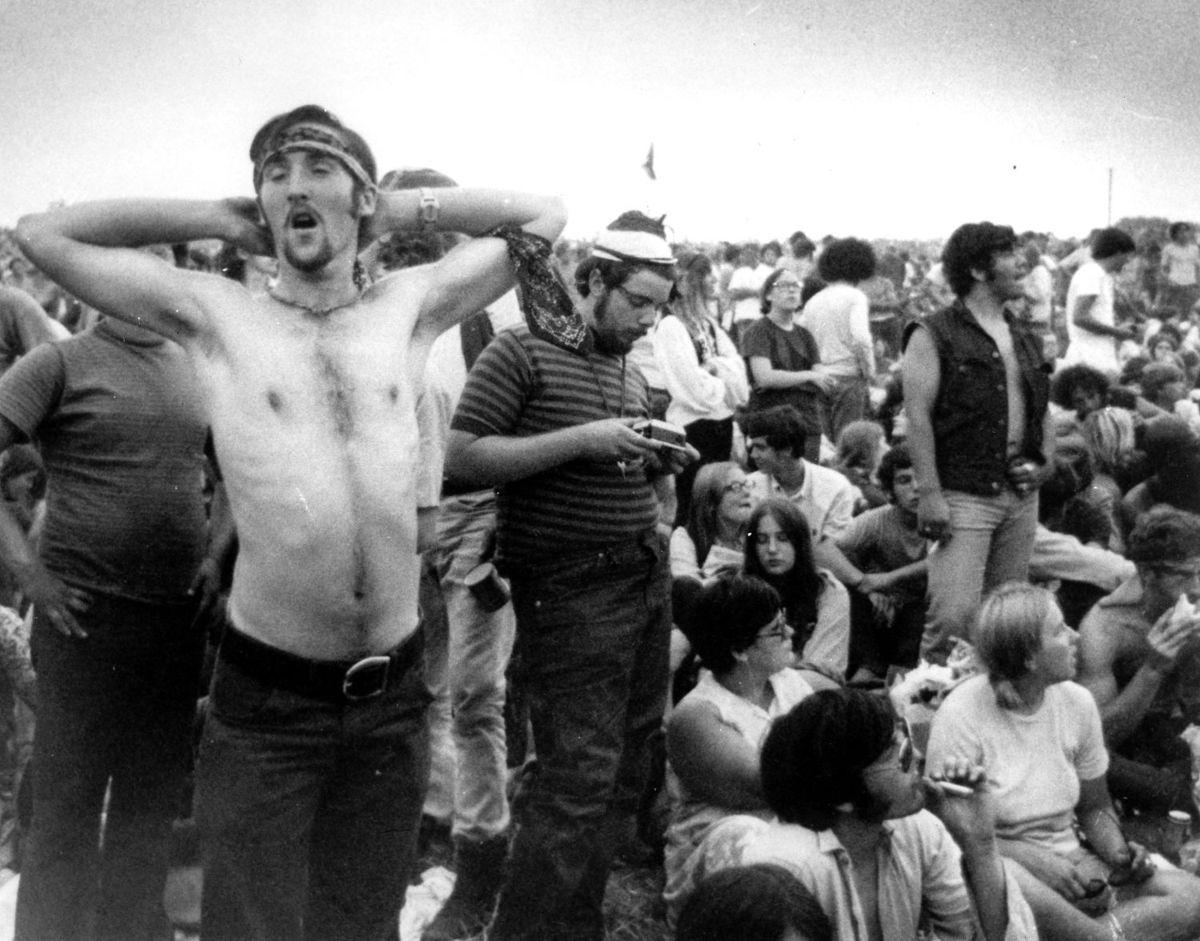
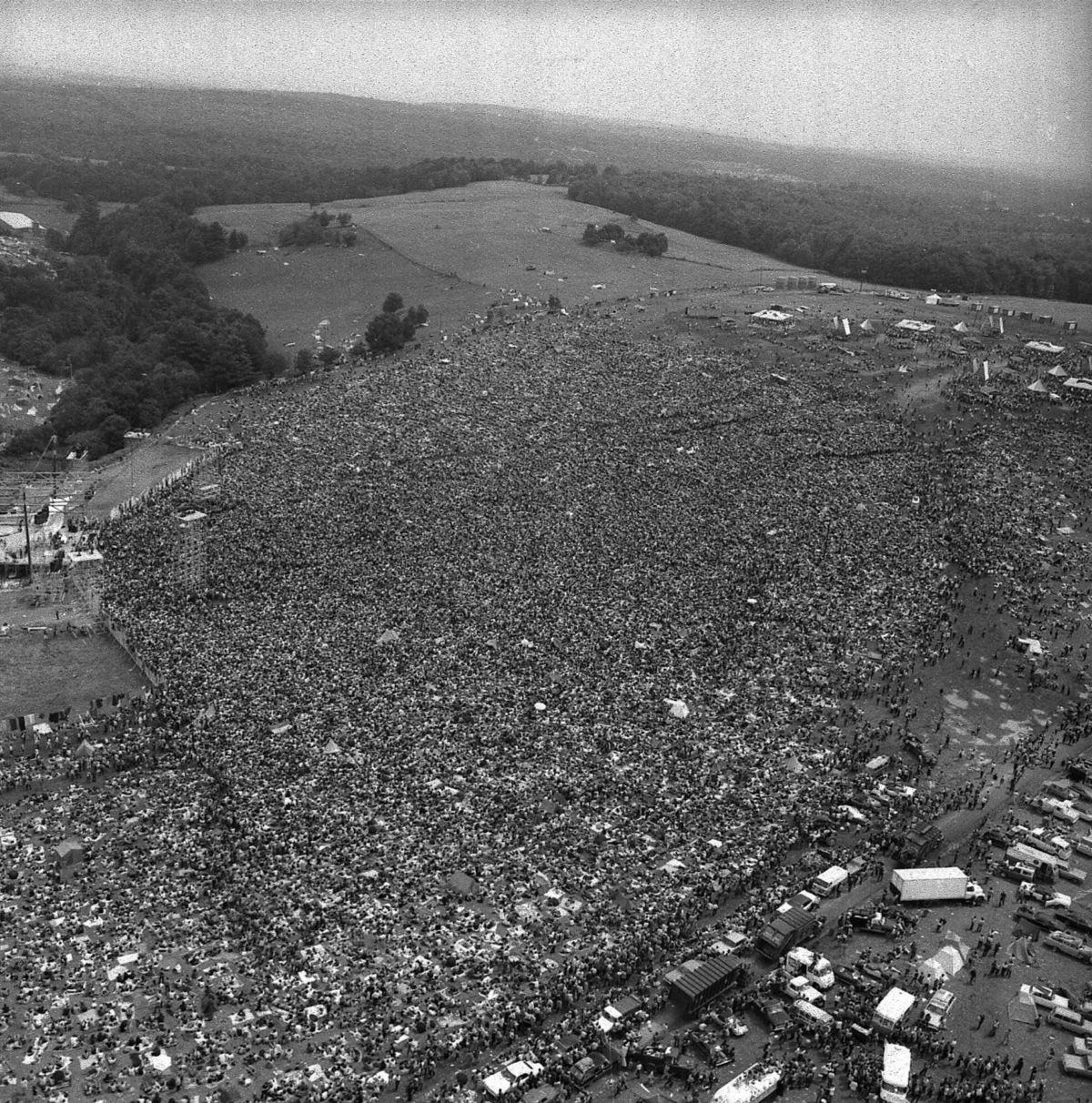
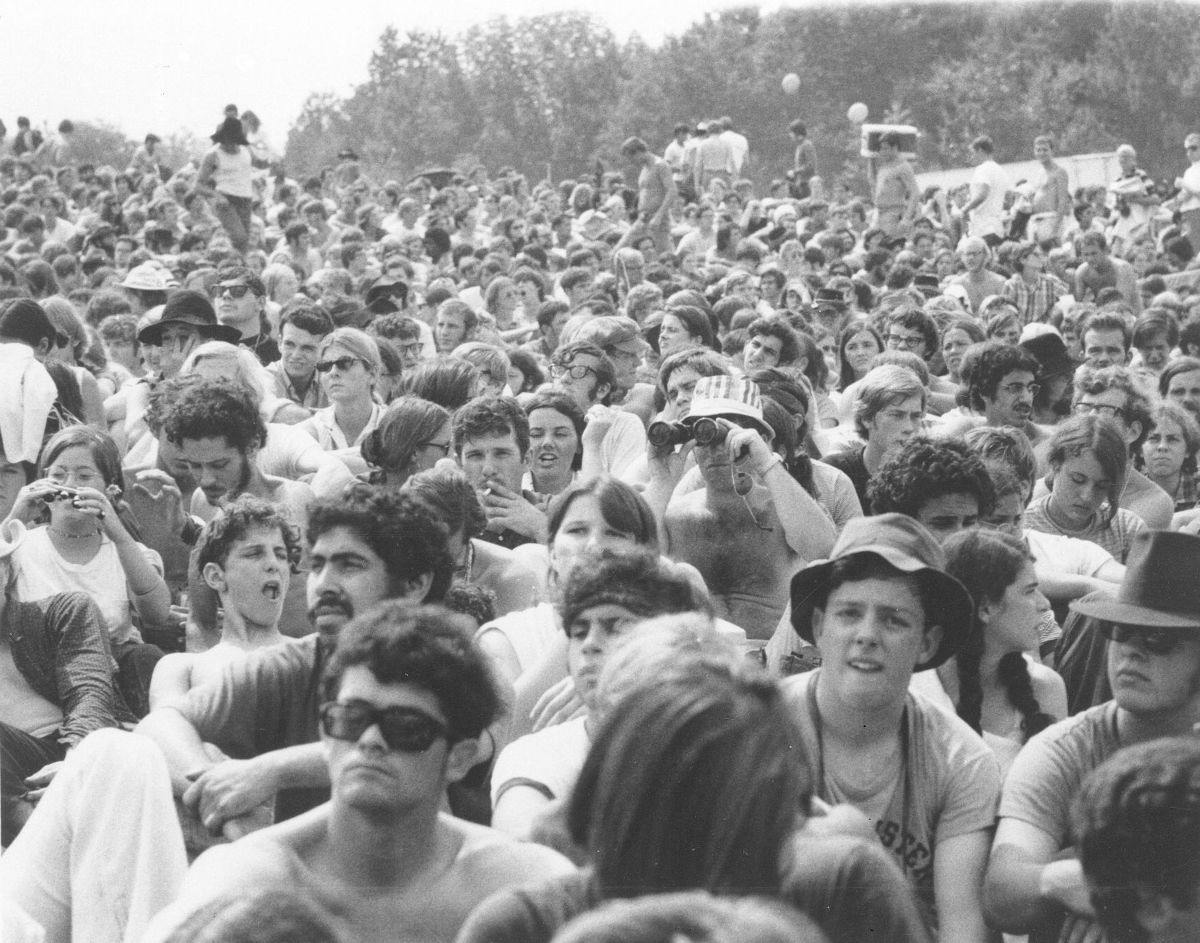
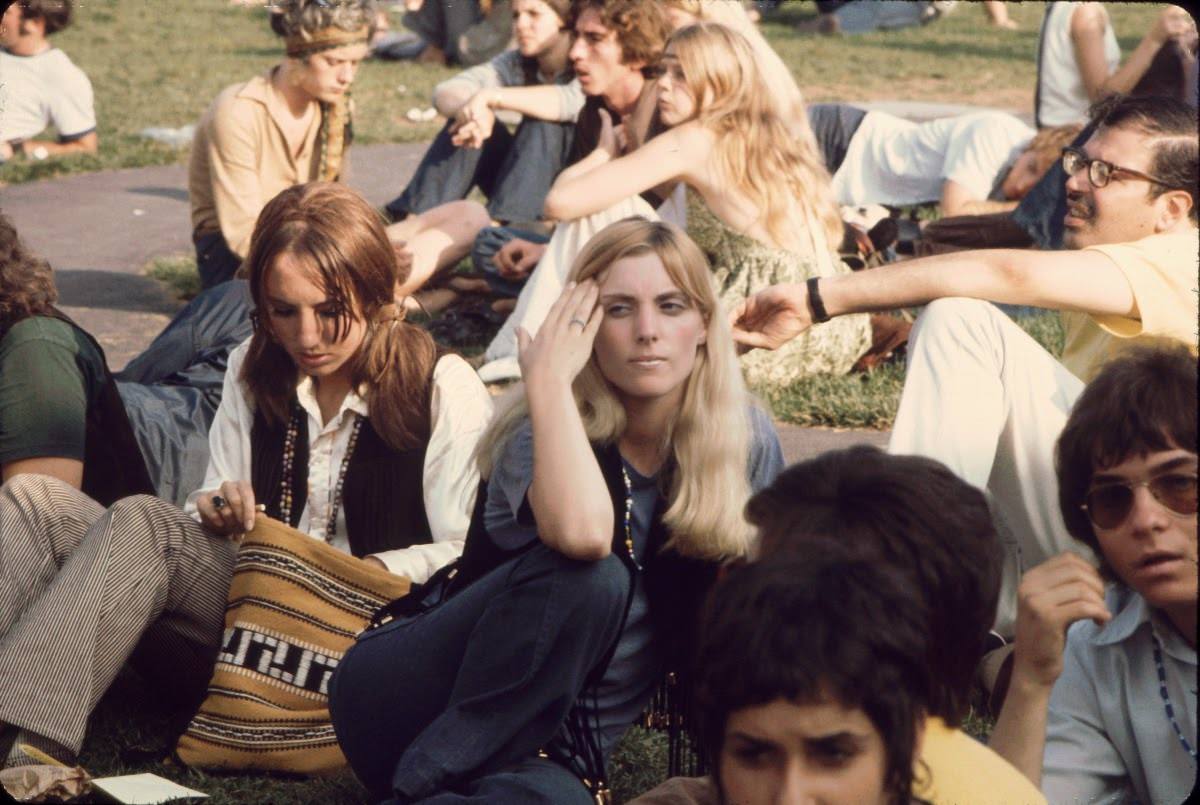
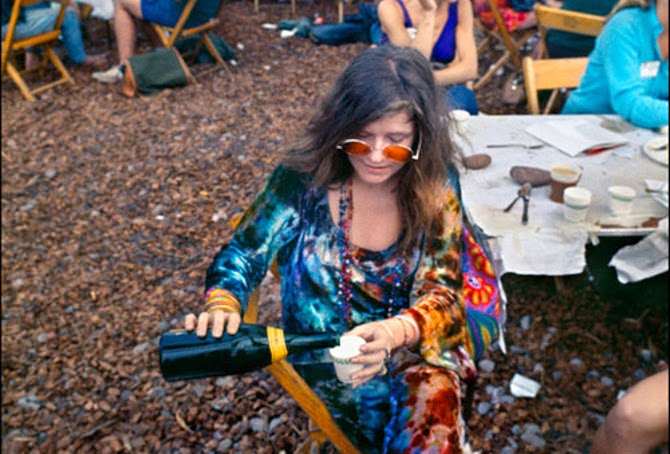
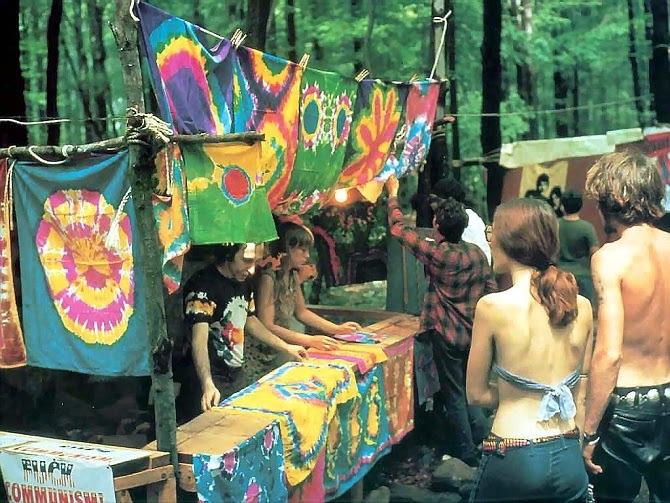
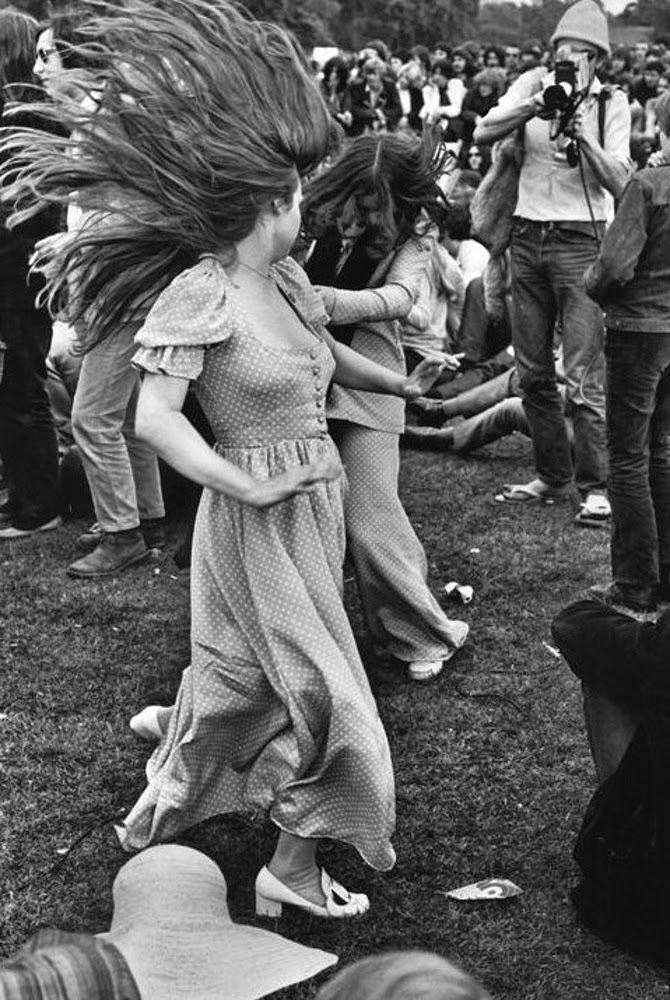
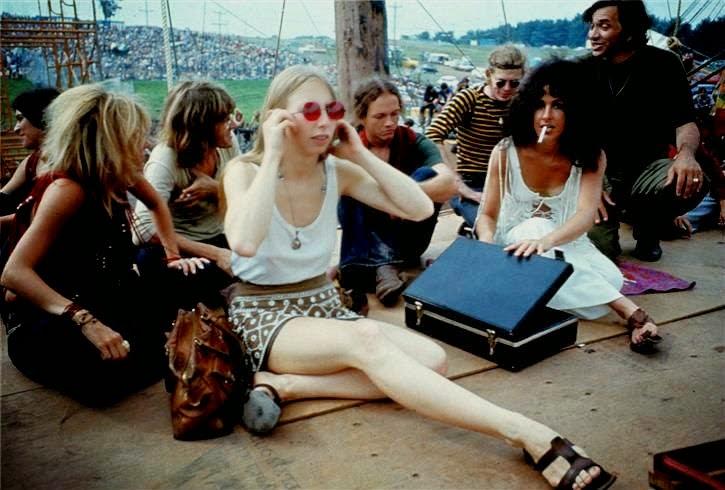
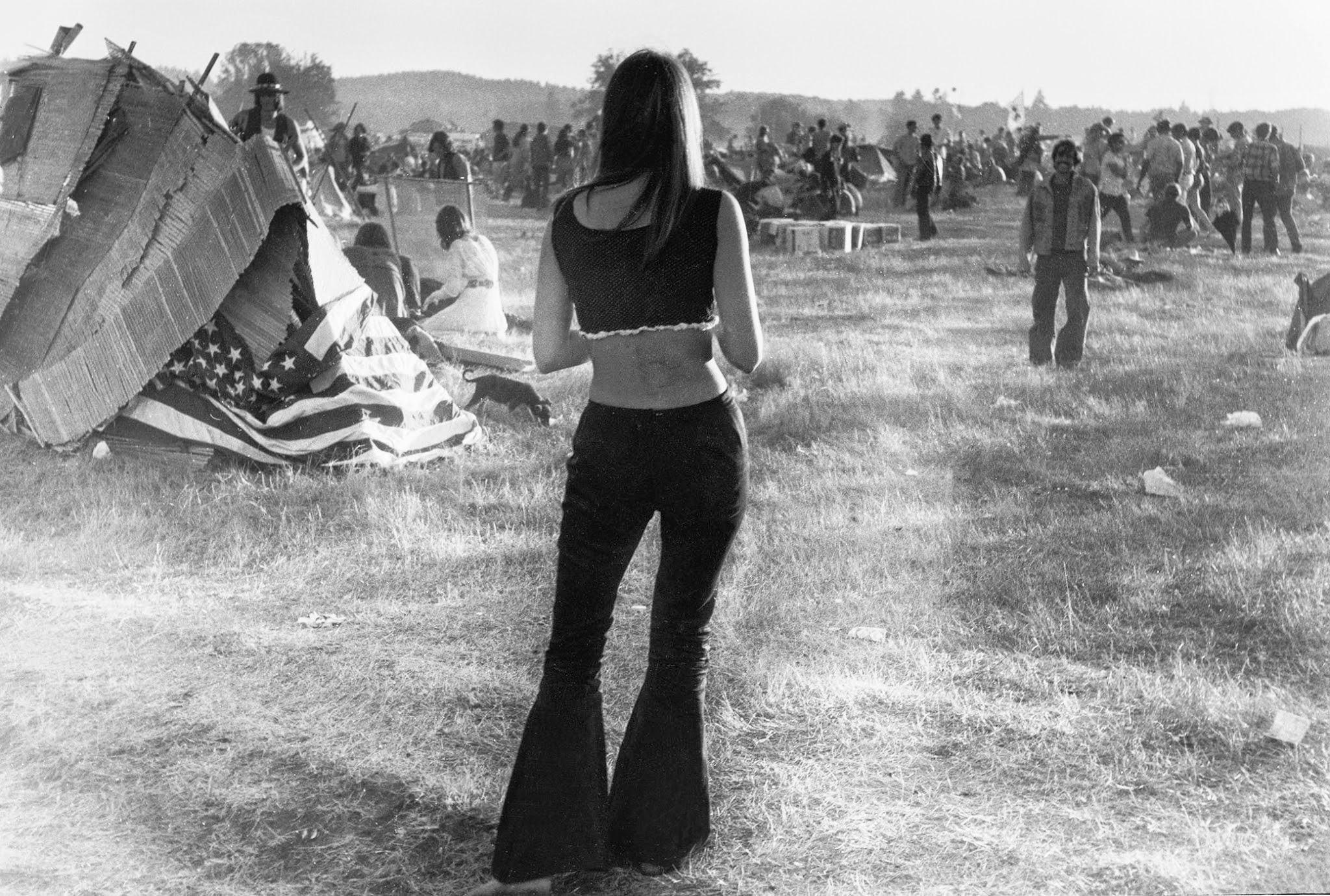
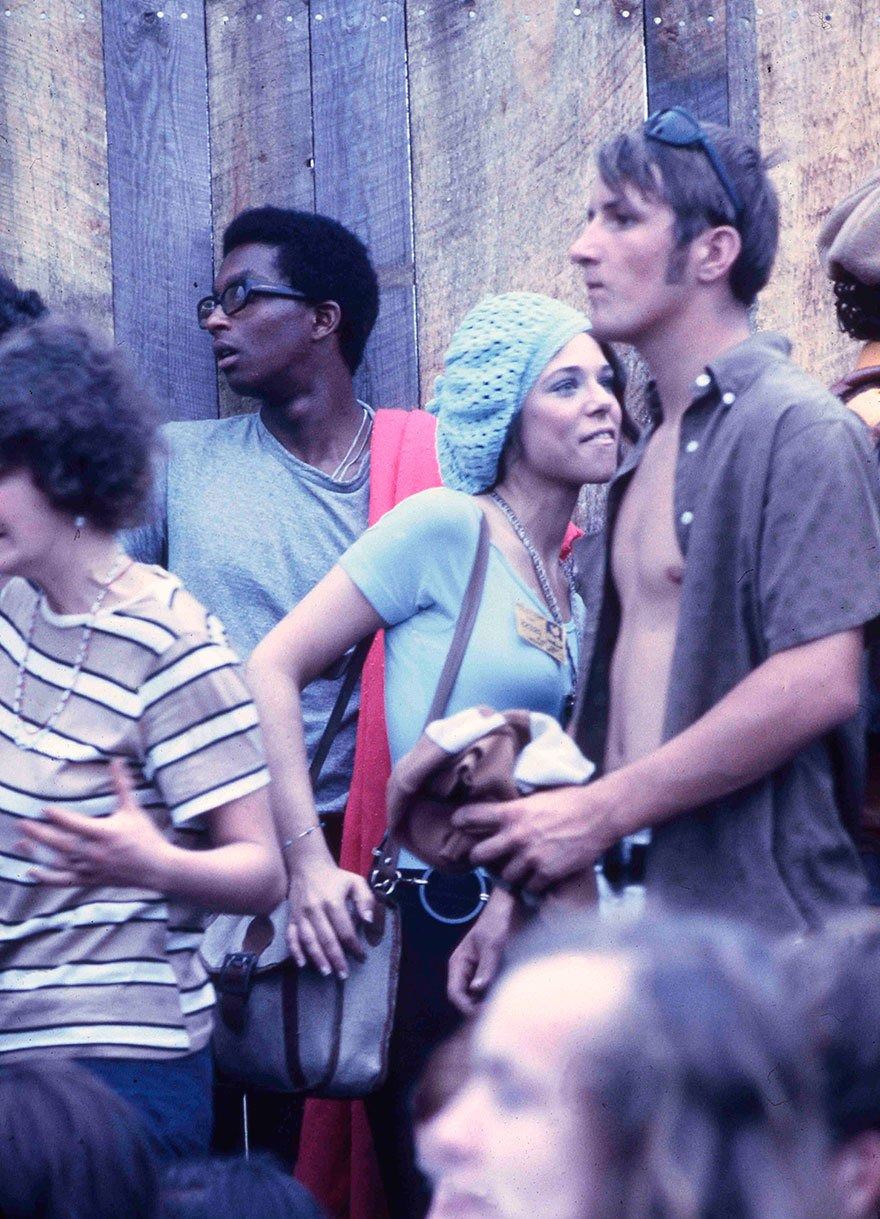
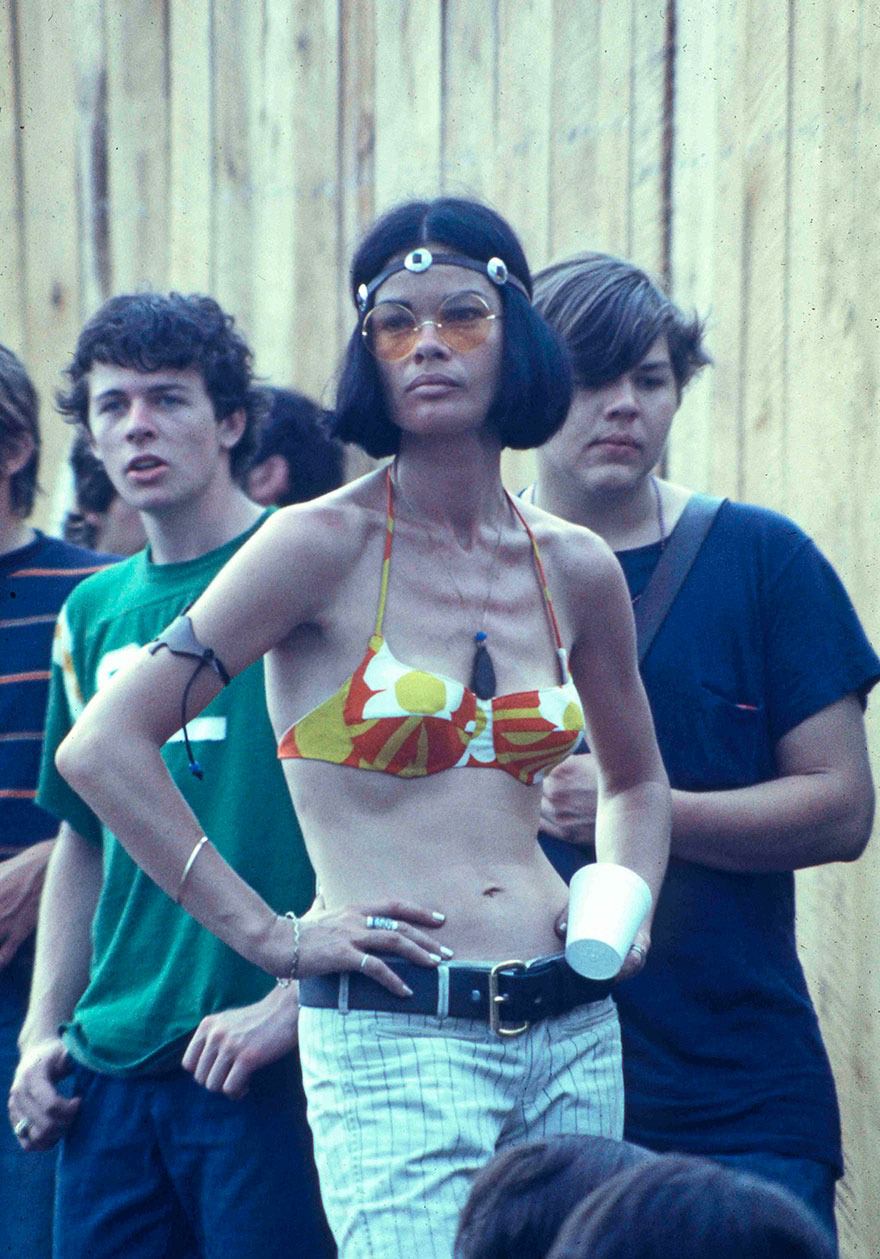
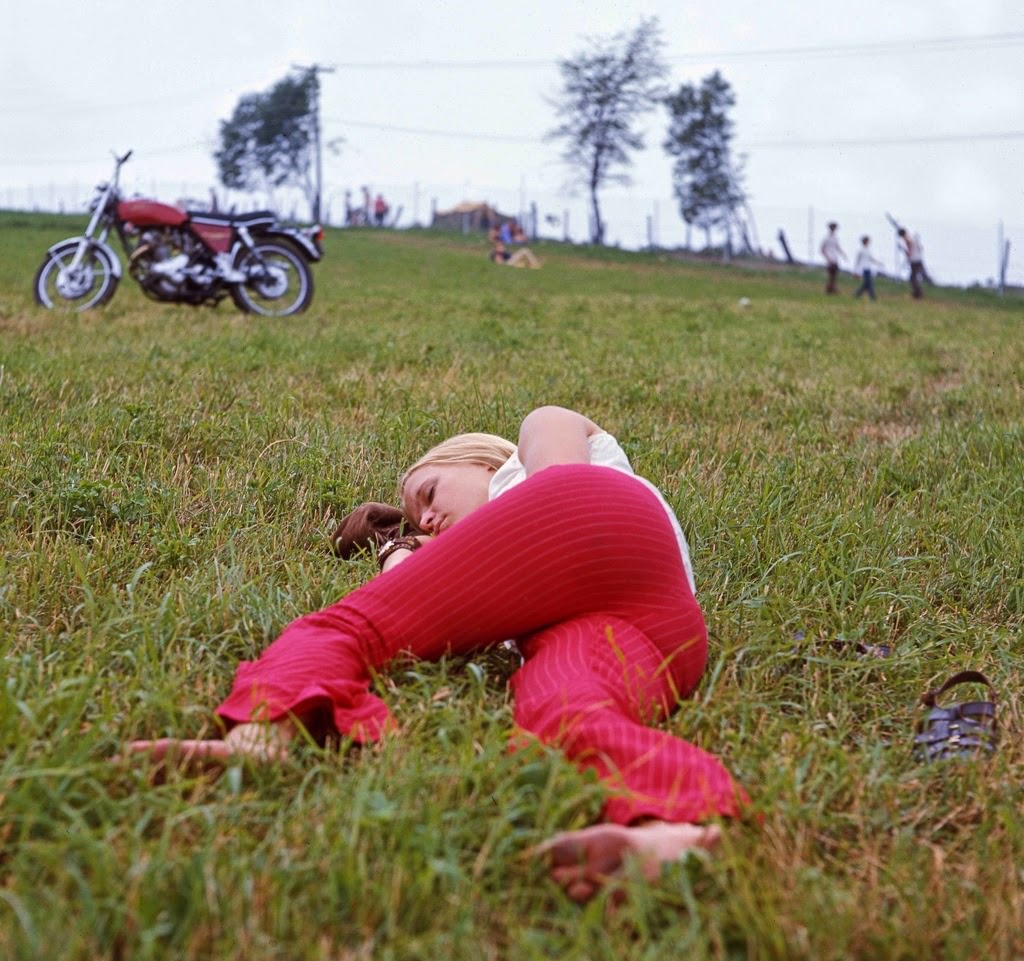
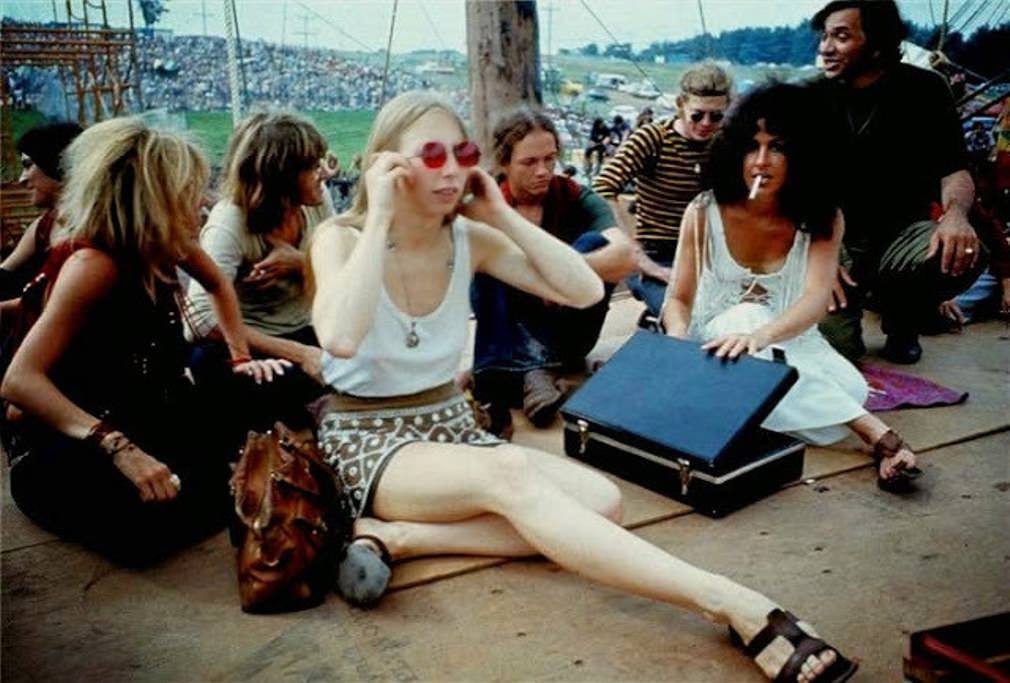
By Friday, August fifteenth, crowd estimates shattered all original expectations. Construction workers could not finish the perimeter fencing in time, leaving the grounds completely open to anyone who wanted to walk in. Organizers announced on local radio broadcasts that the event was officially a free concert. Roughly four hundred thousand people packed the natural bowl of Yasgur’s pasture, facing the massive wooden stage built at the bottom of the grassy slope. Food vendors ran out of supplies almost immediately, forcing the federal government to airdrop thousands of sandwiches and medical packages via National Guard helicopters to feed the starving masses.
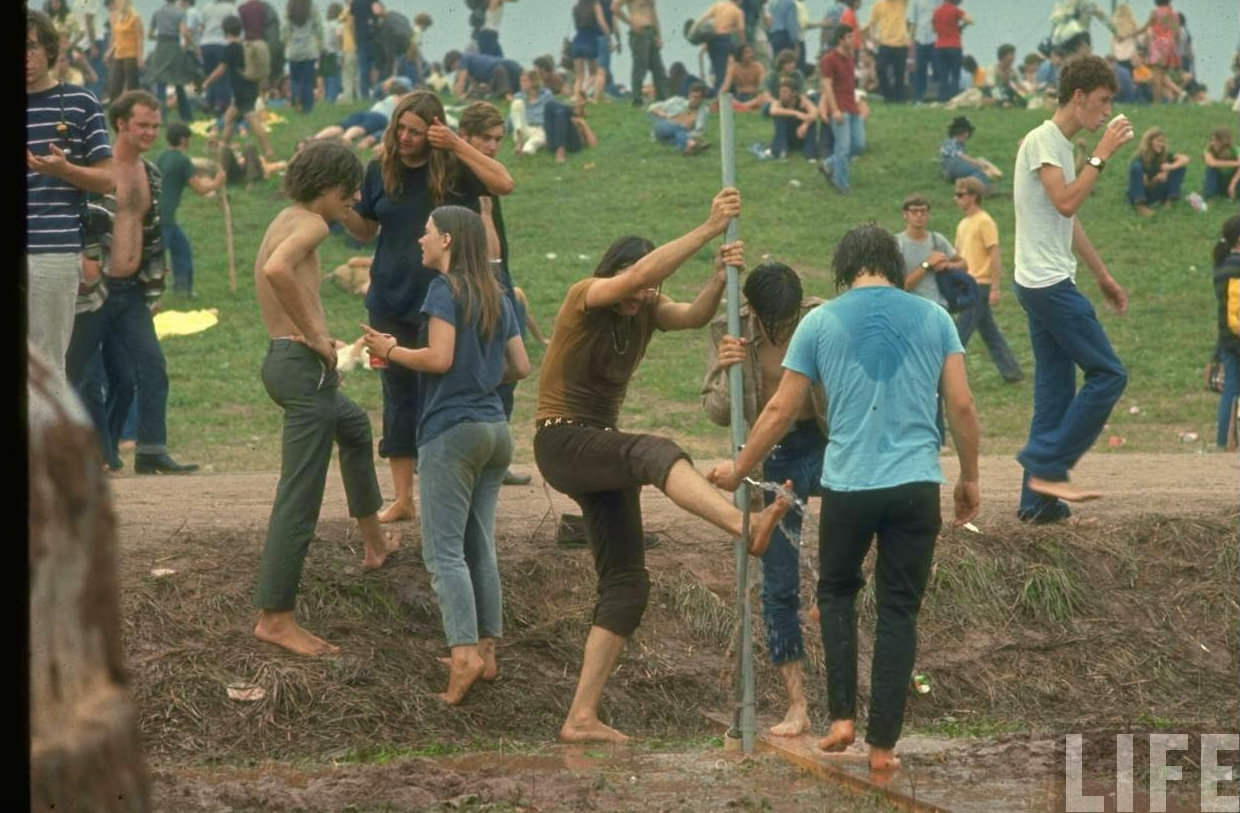
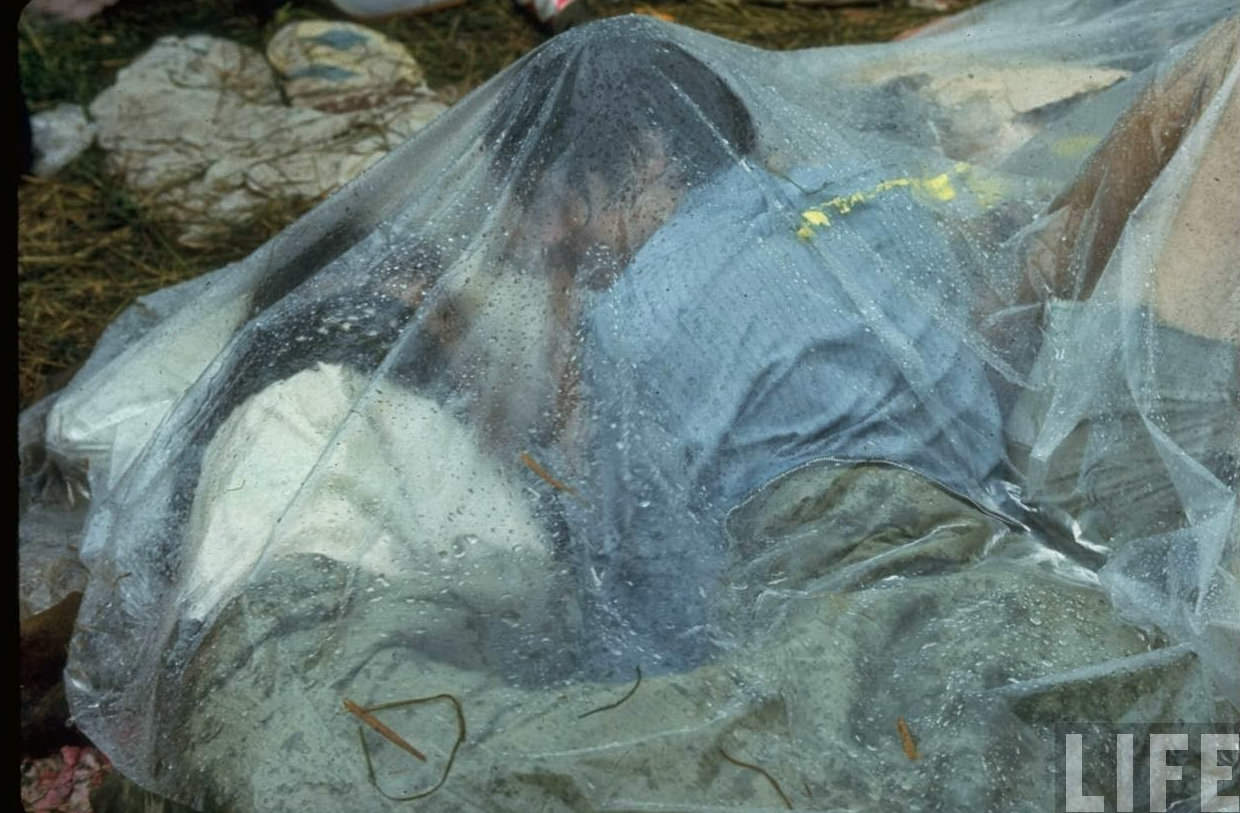
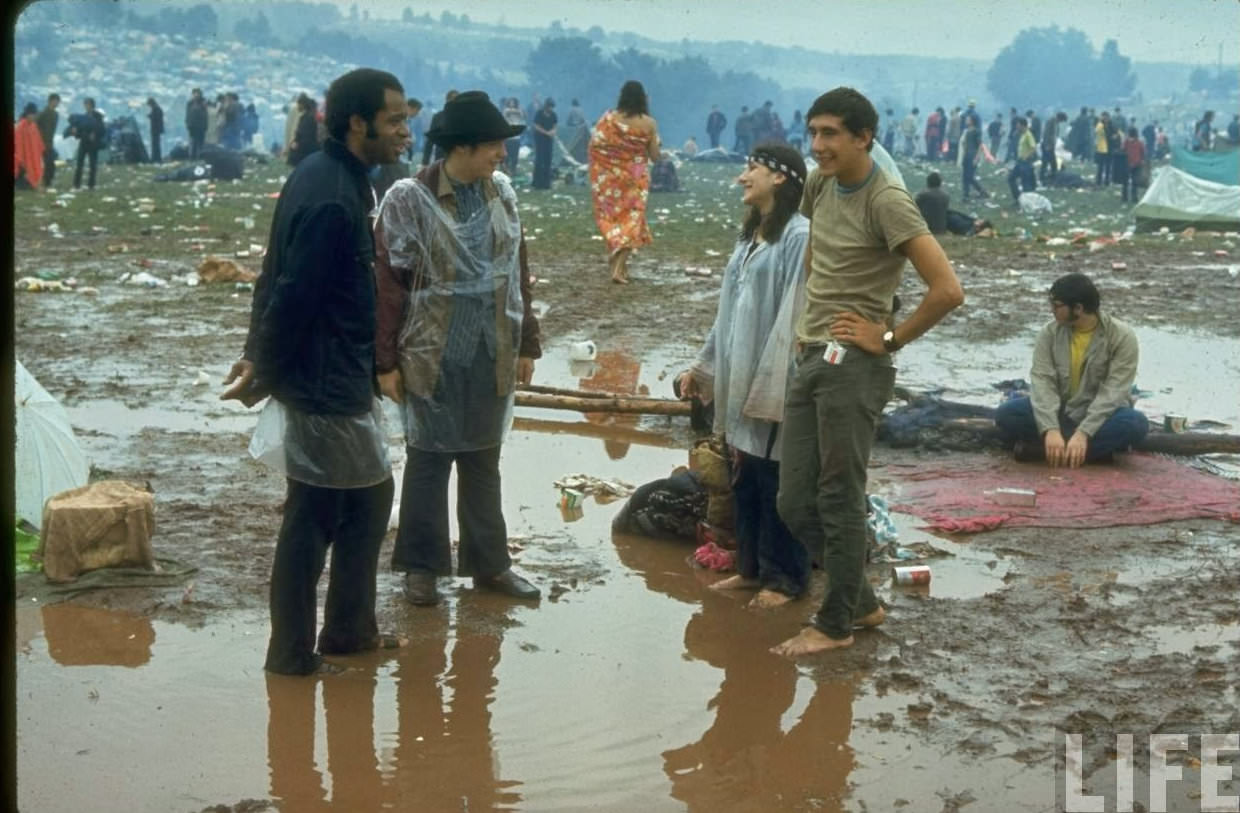
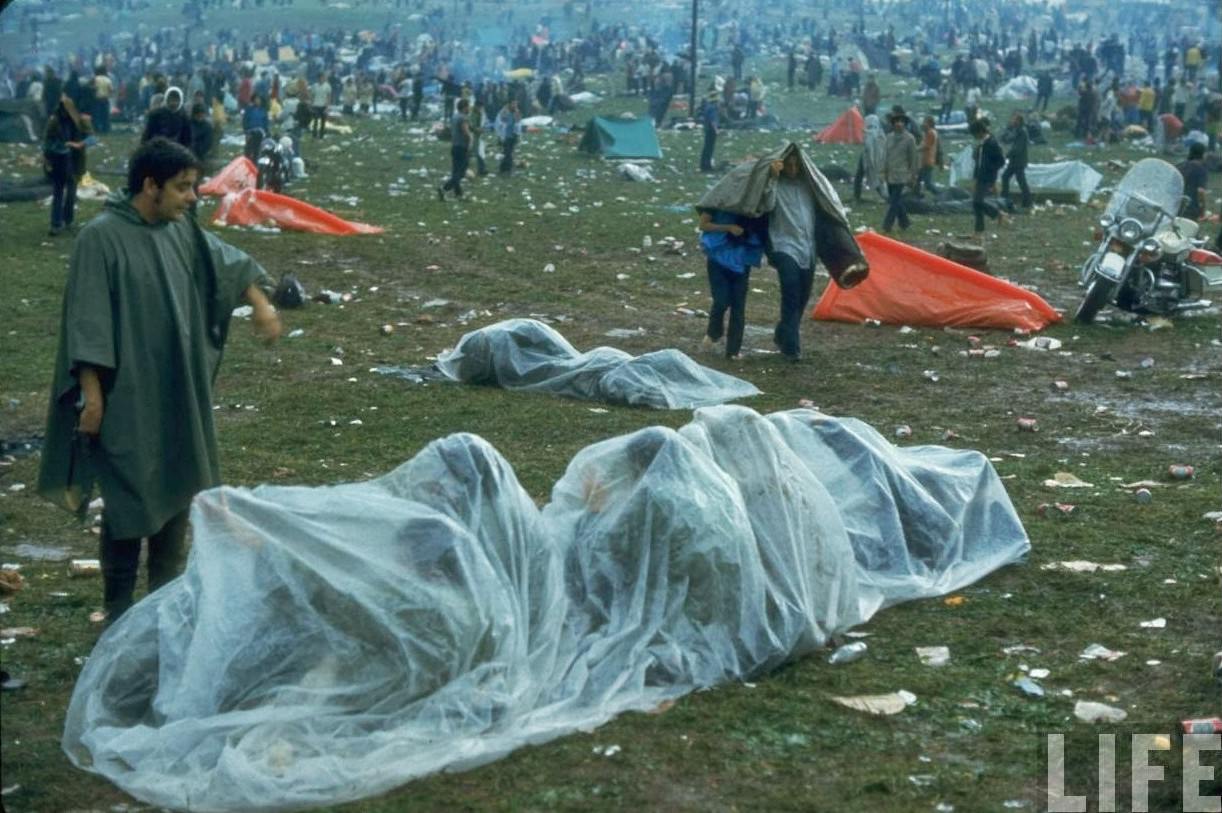
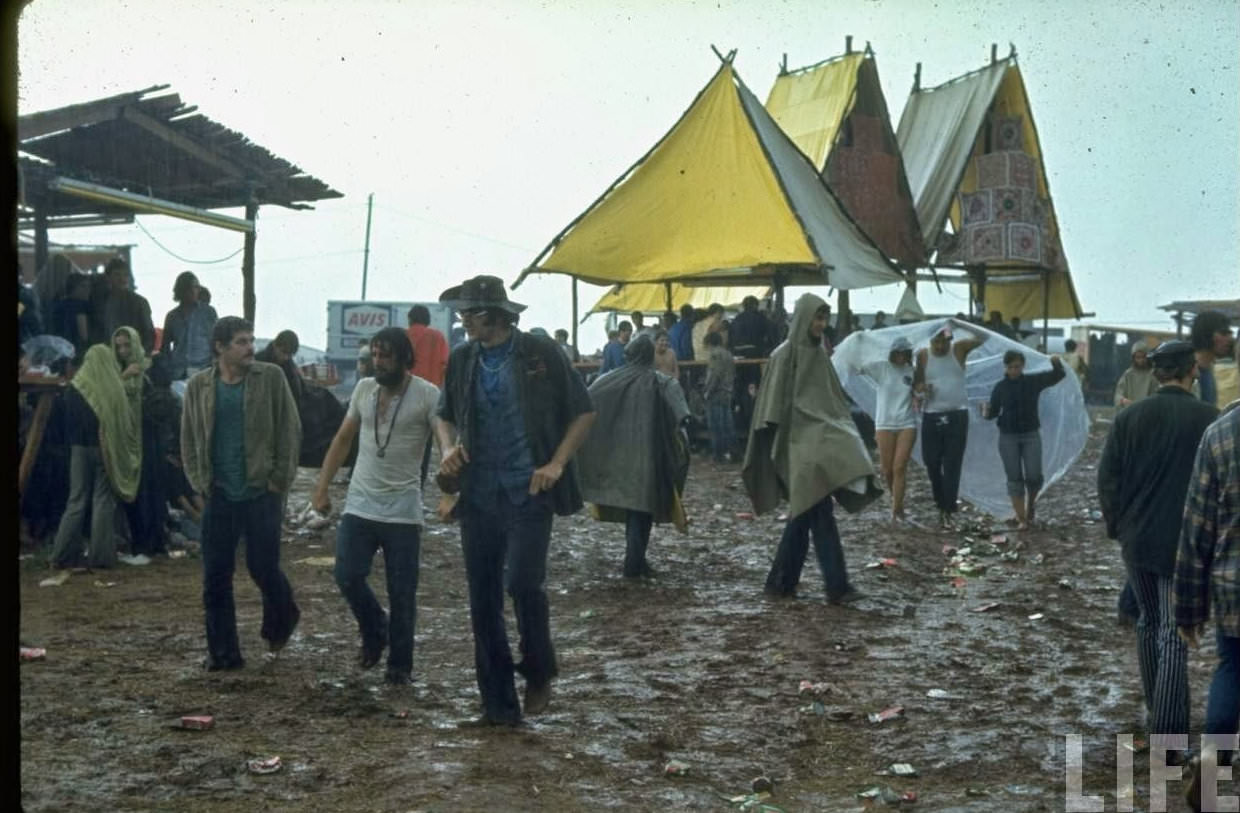
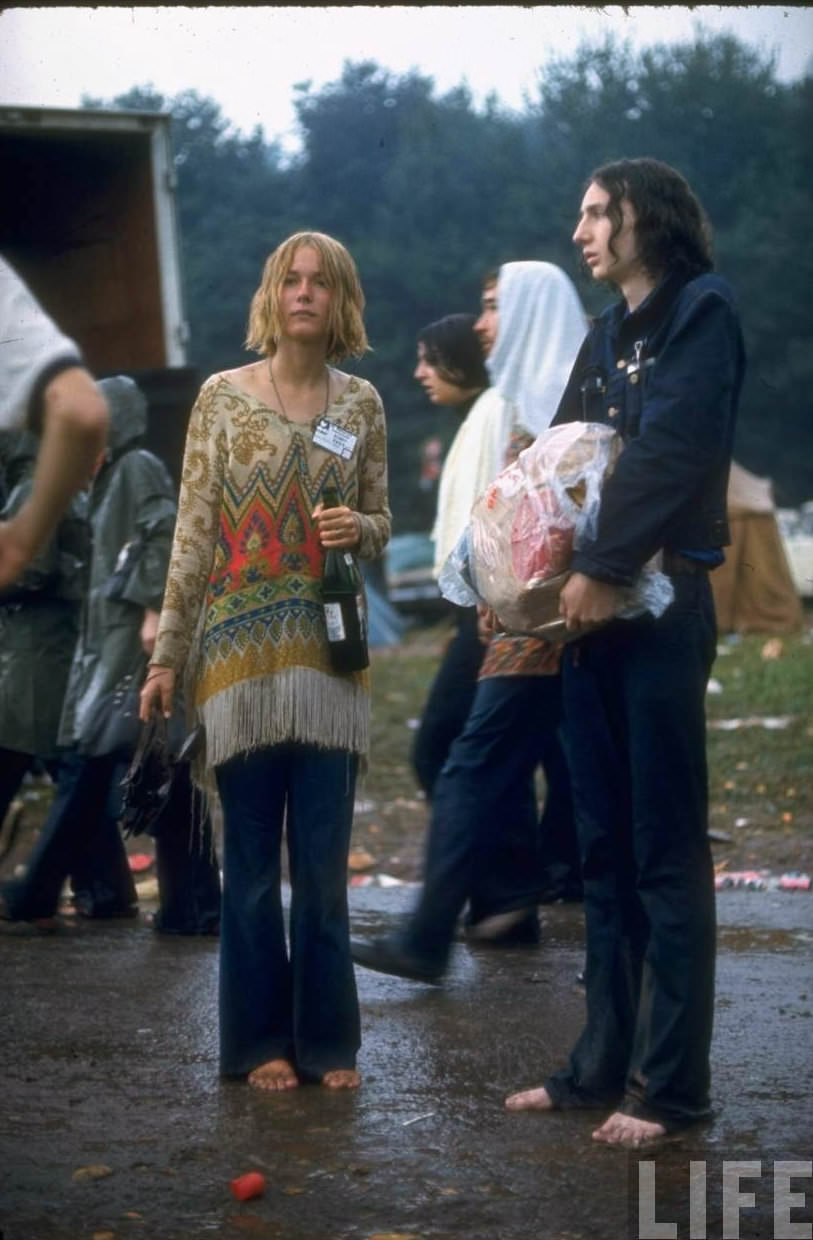
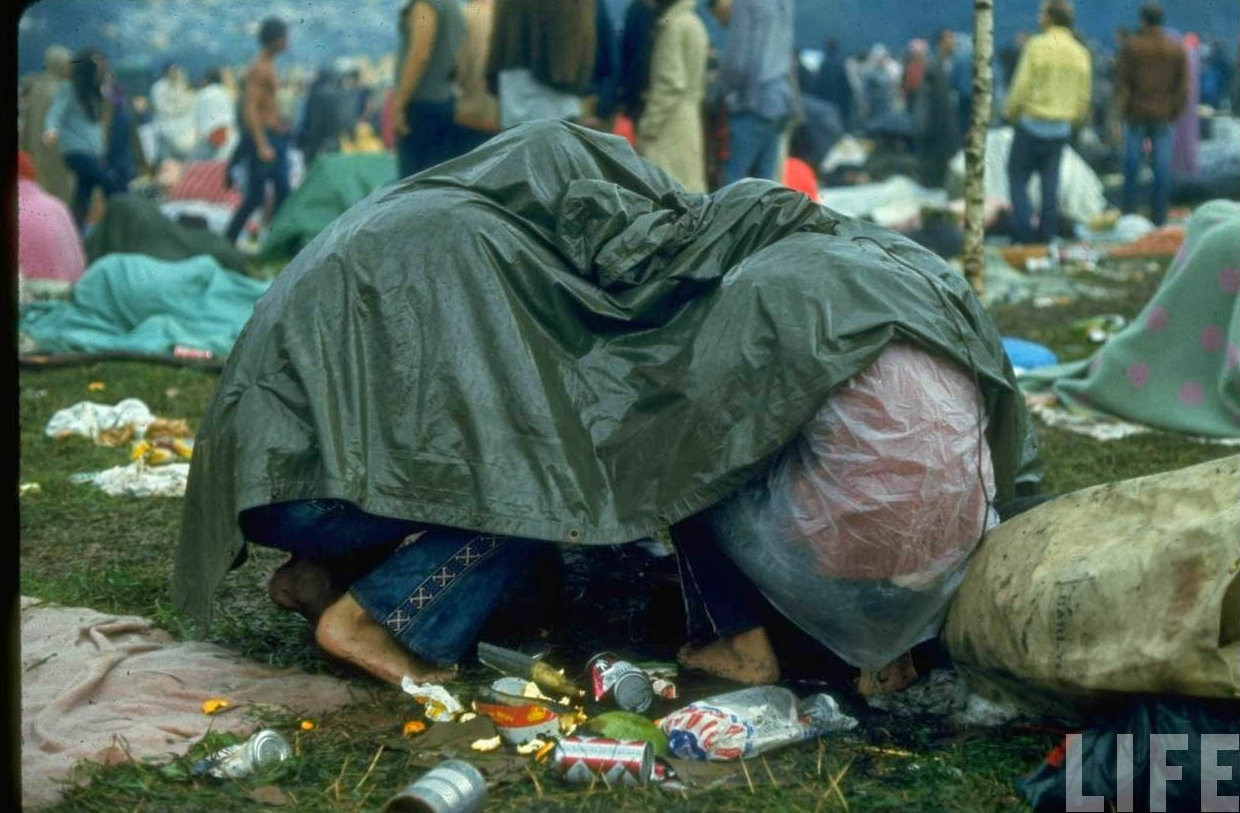
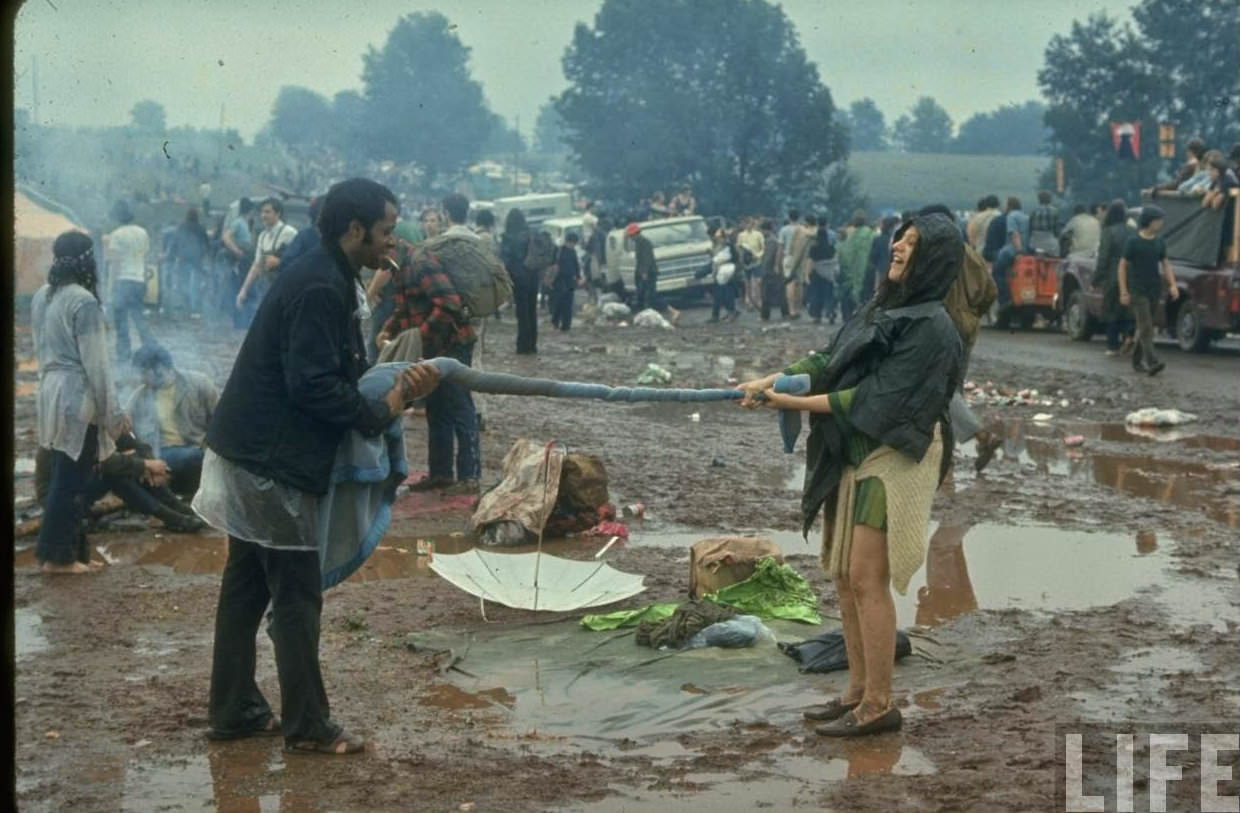
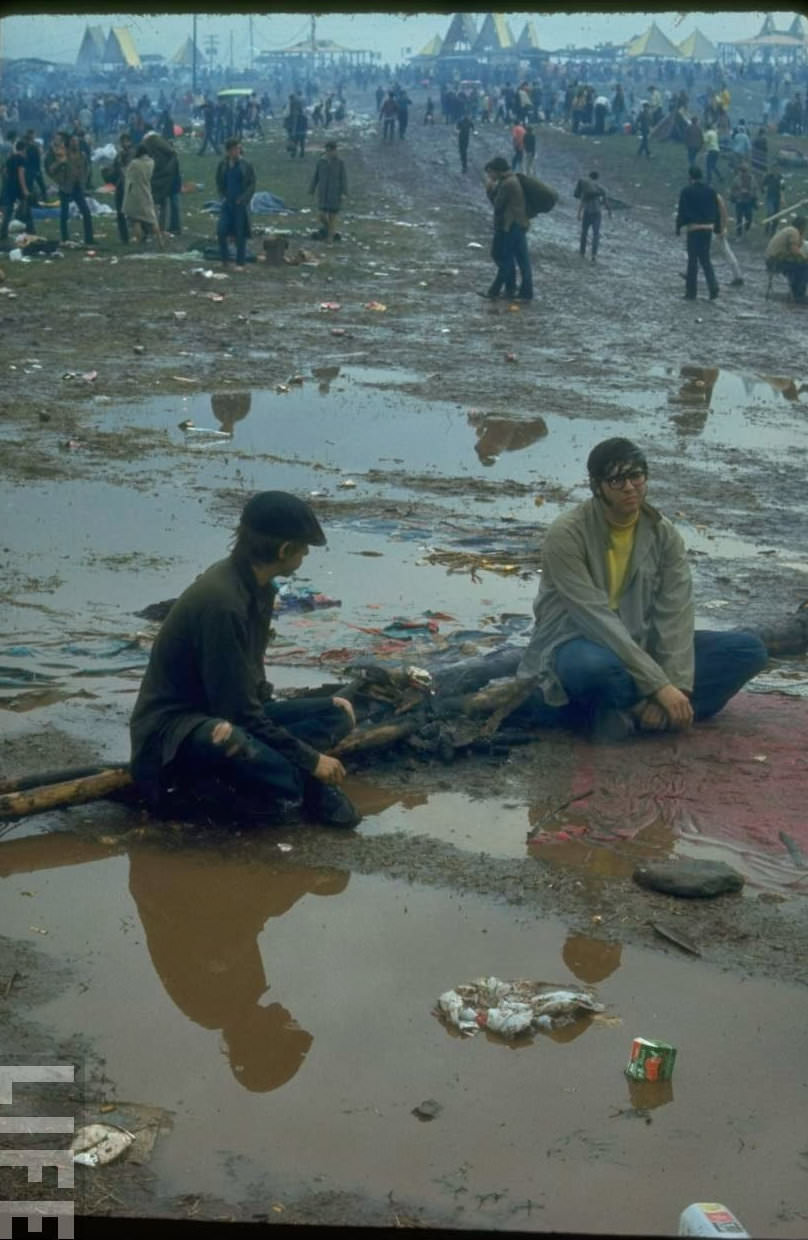
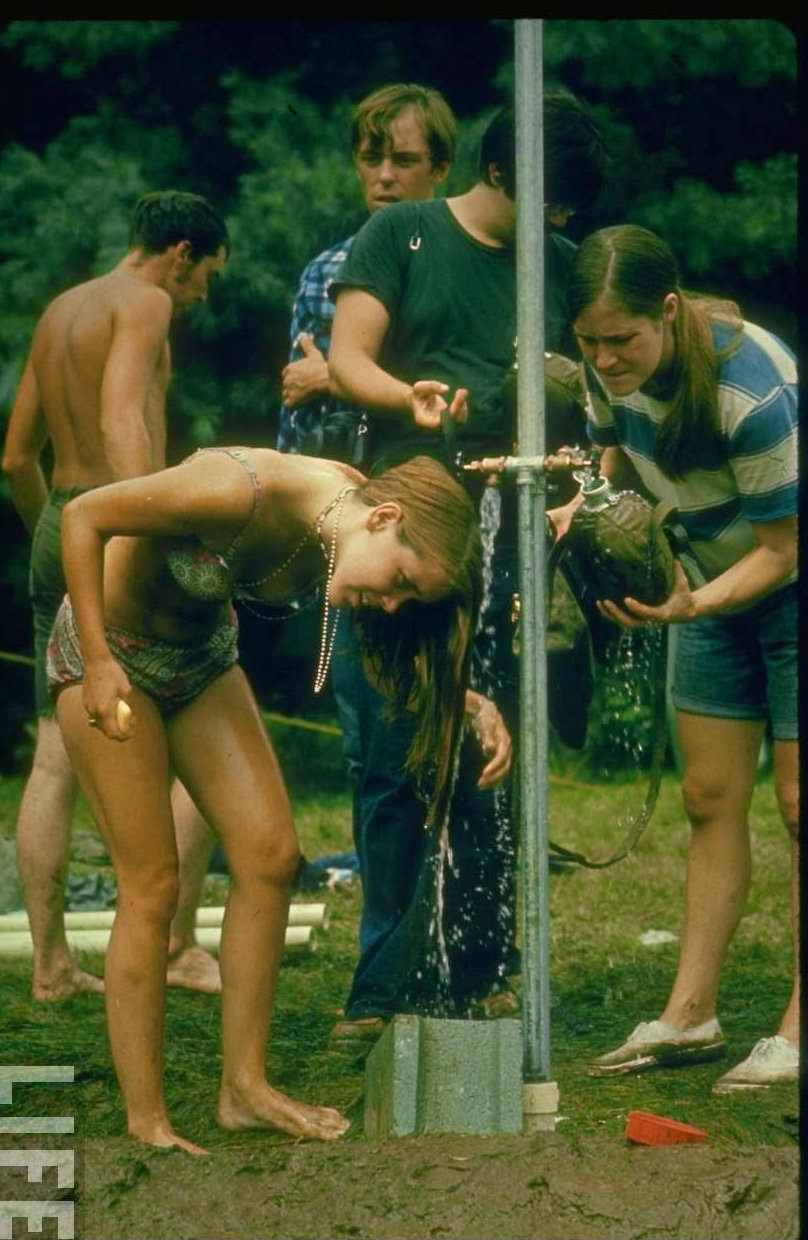
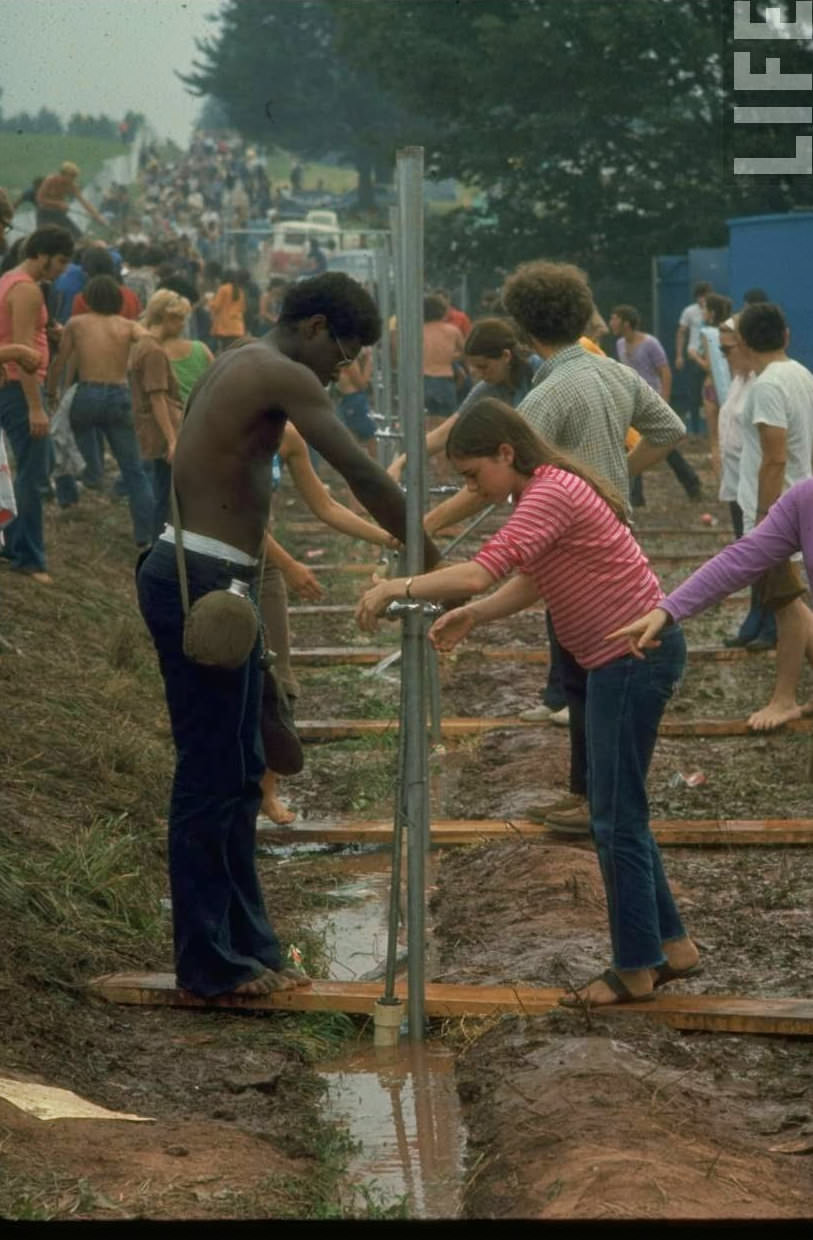
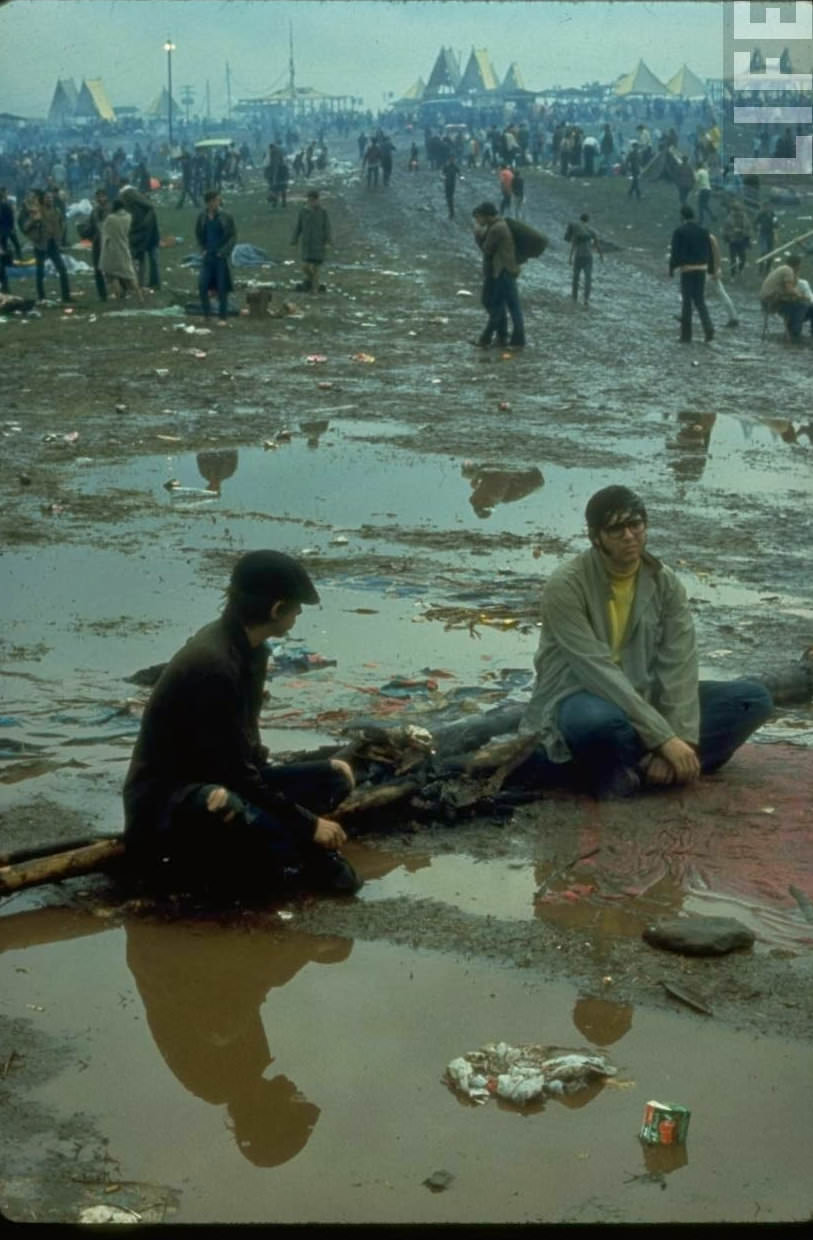
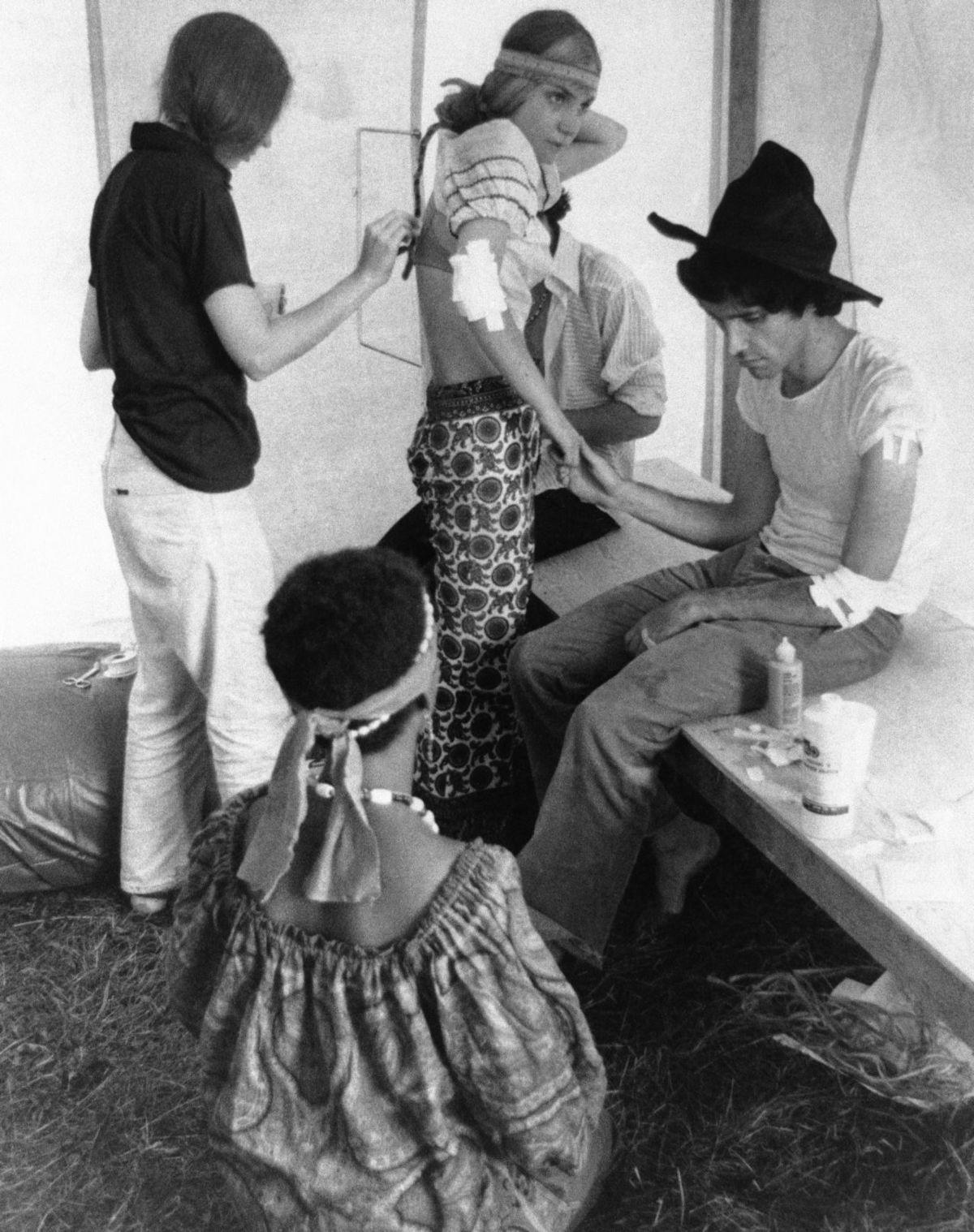
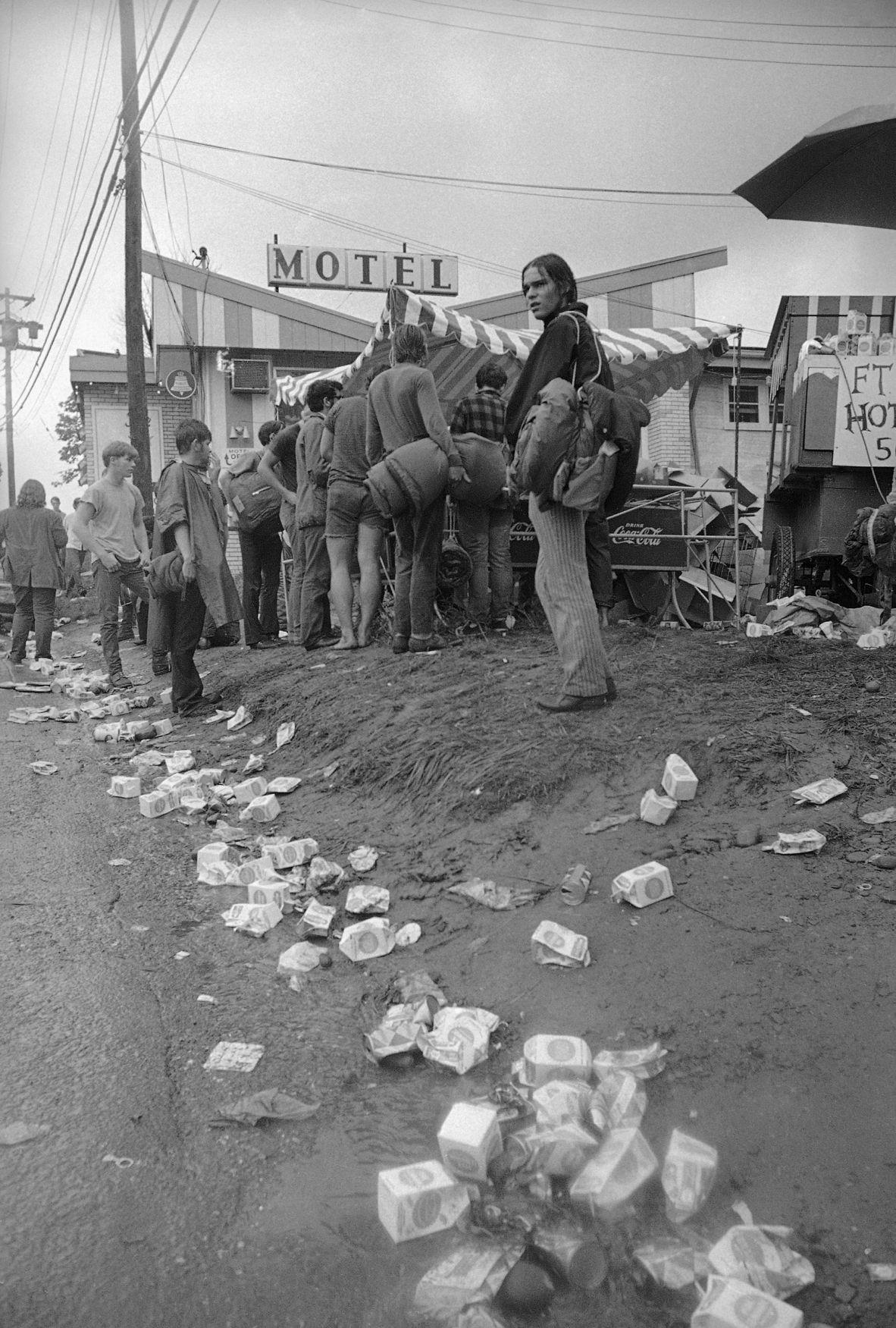
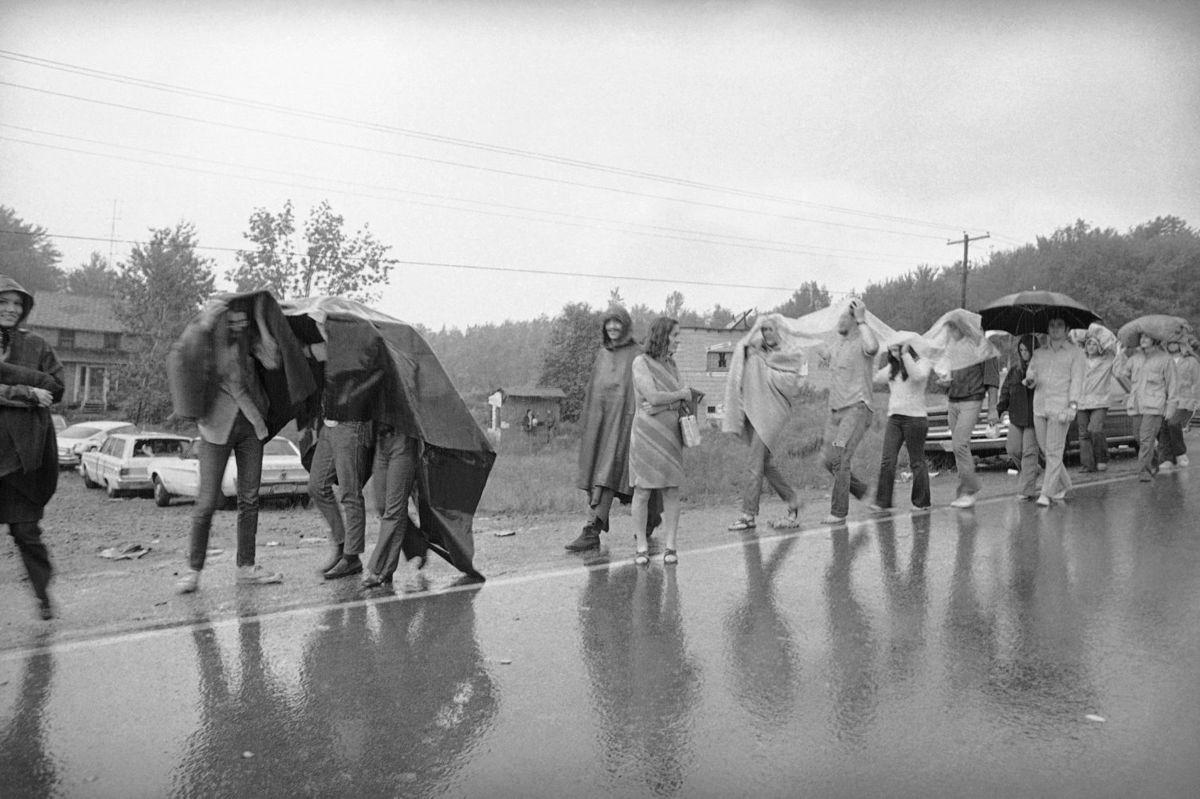
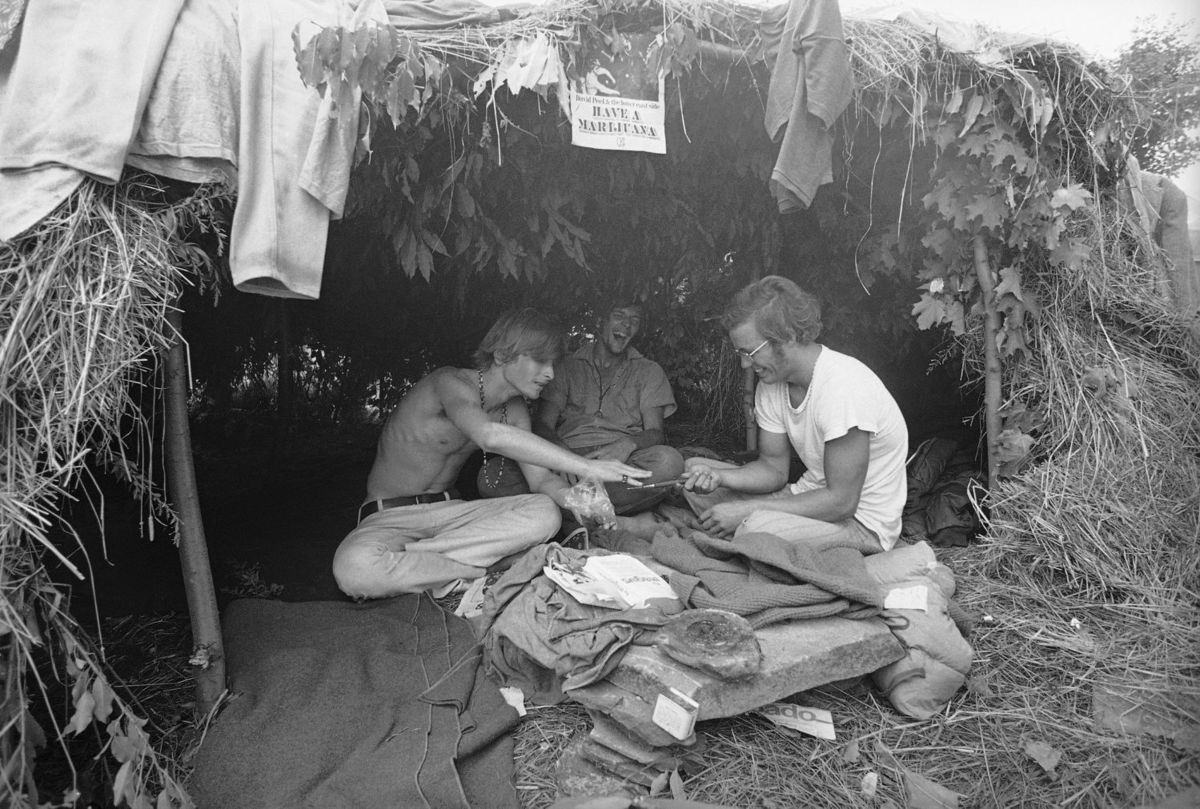
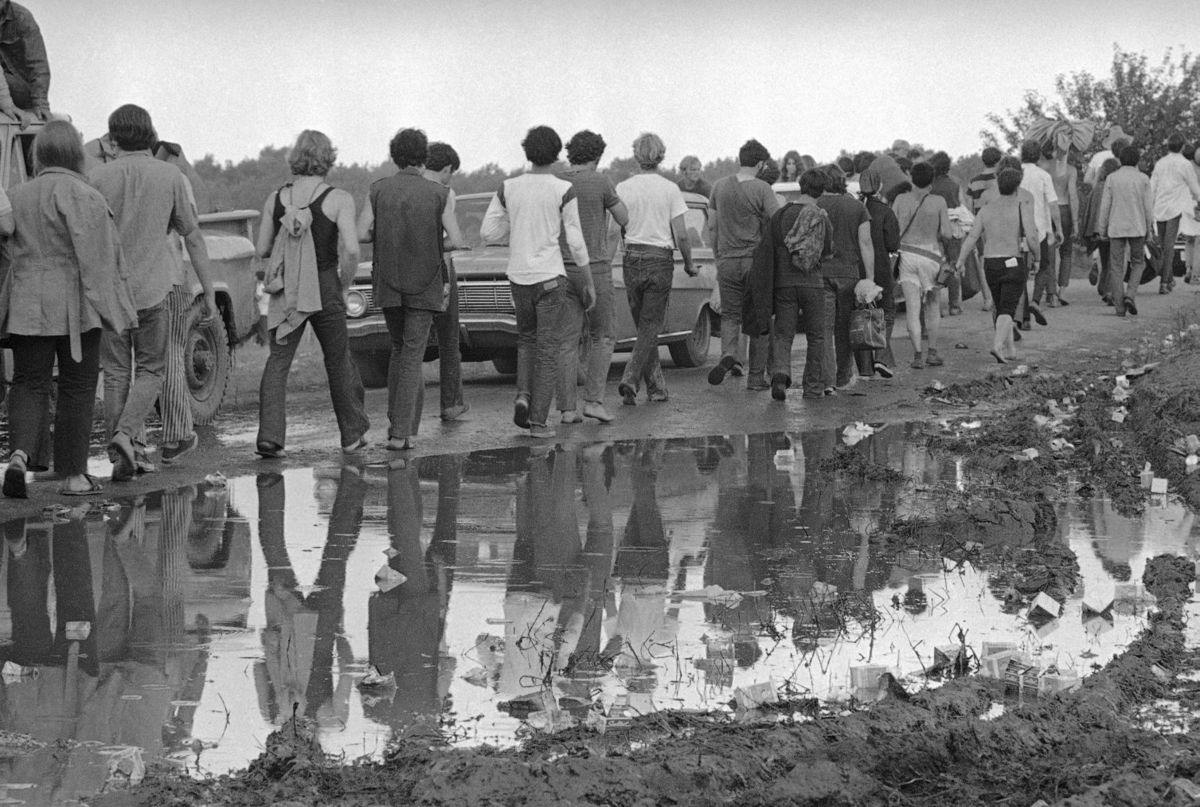
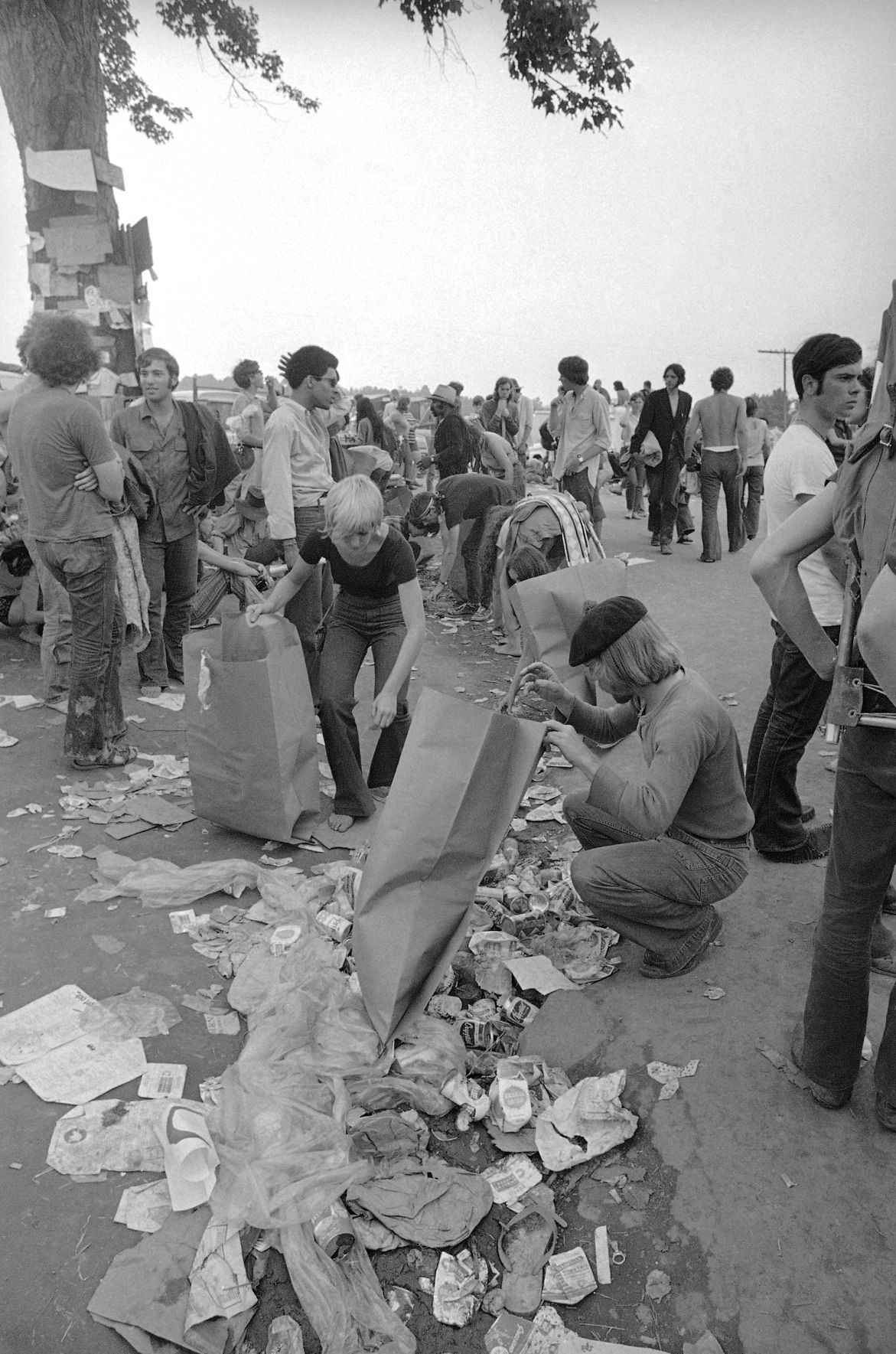
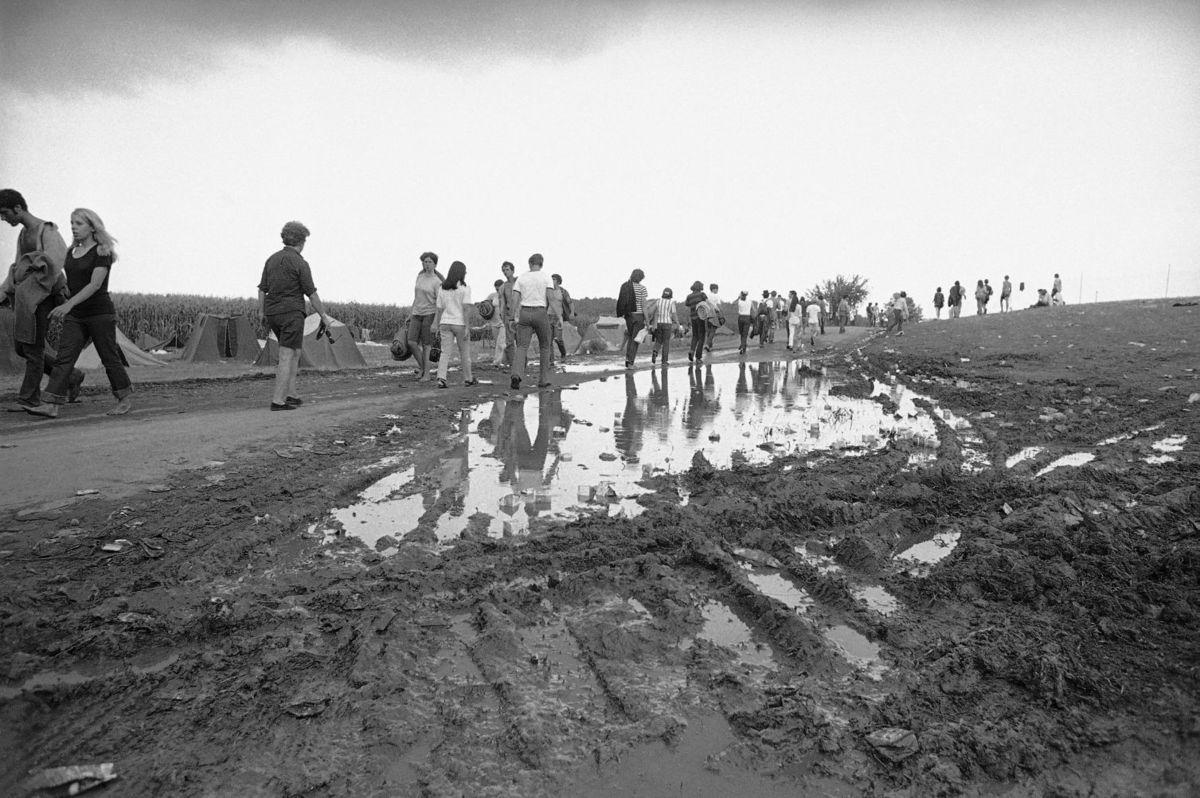
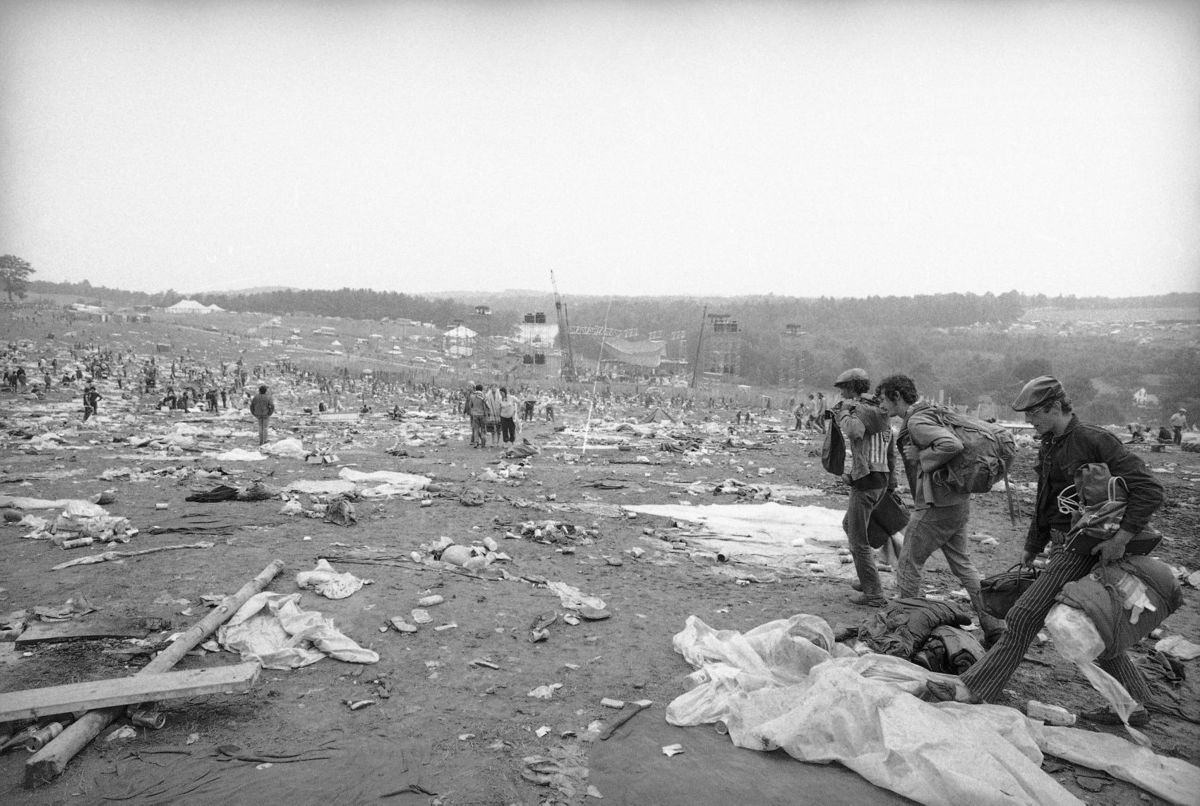
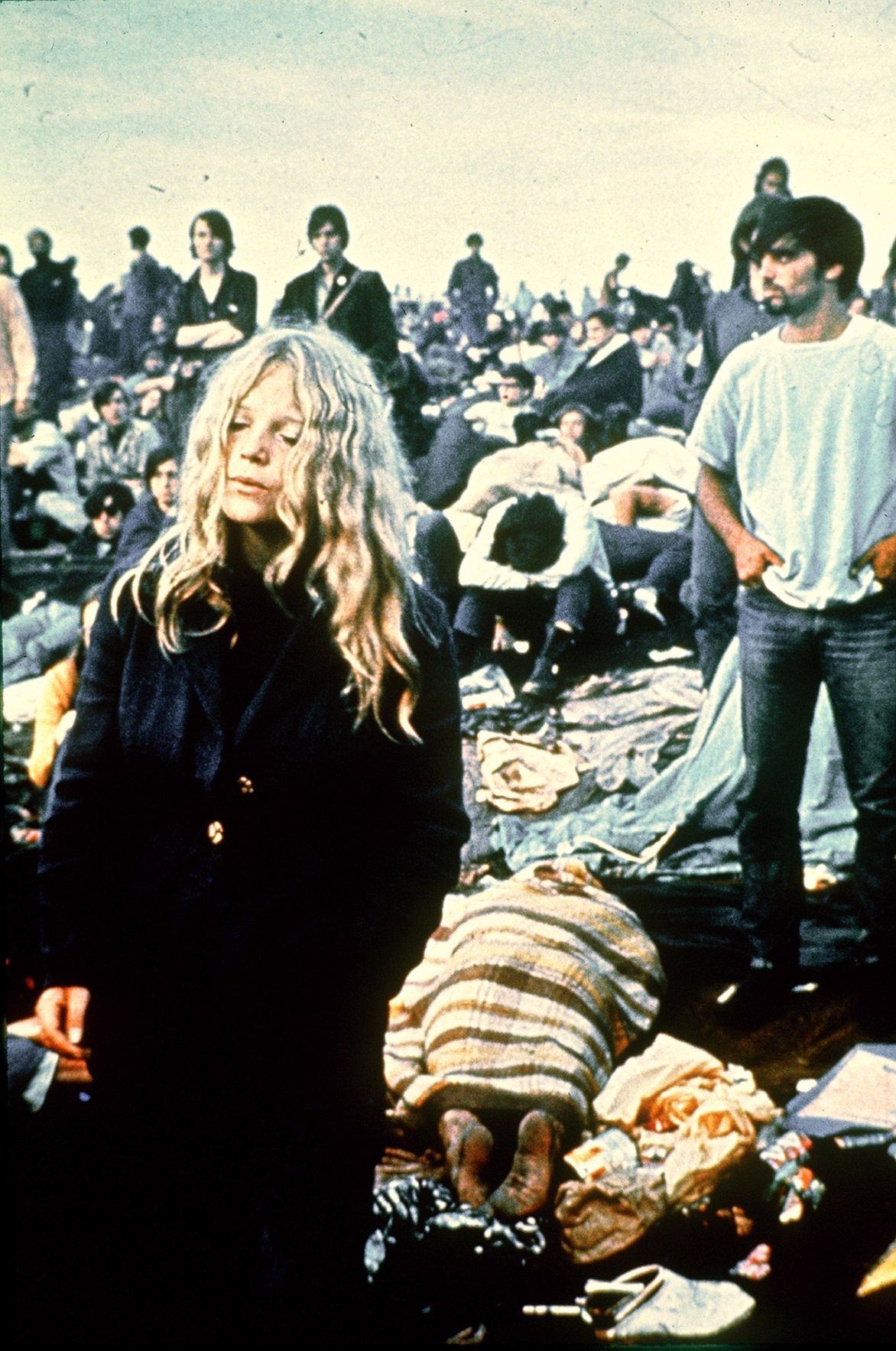
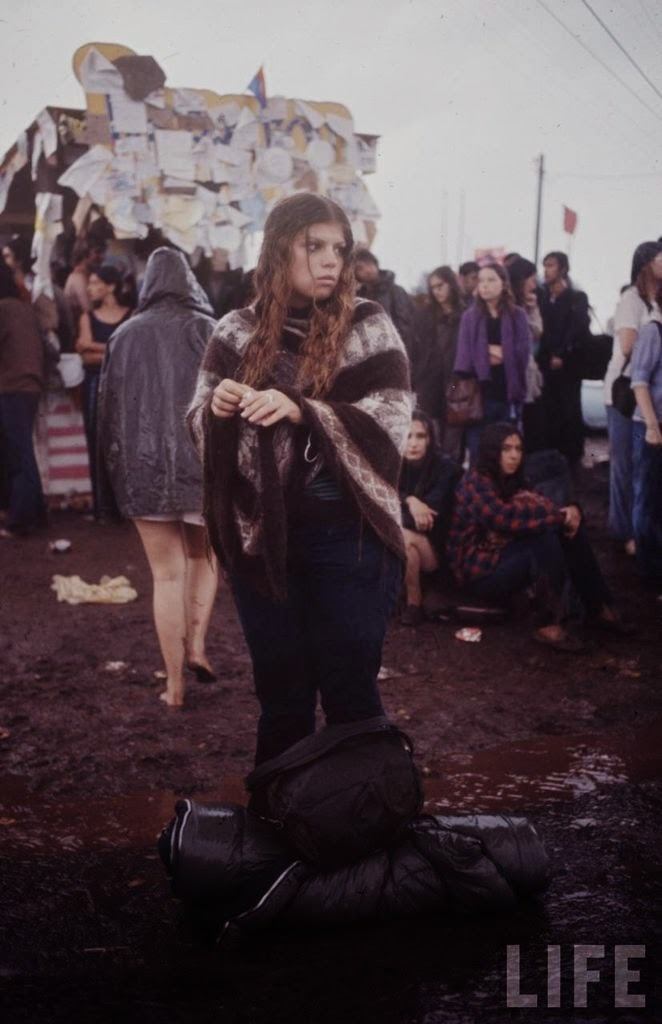
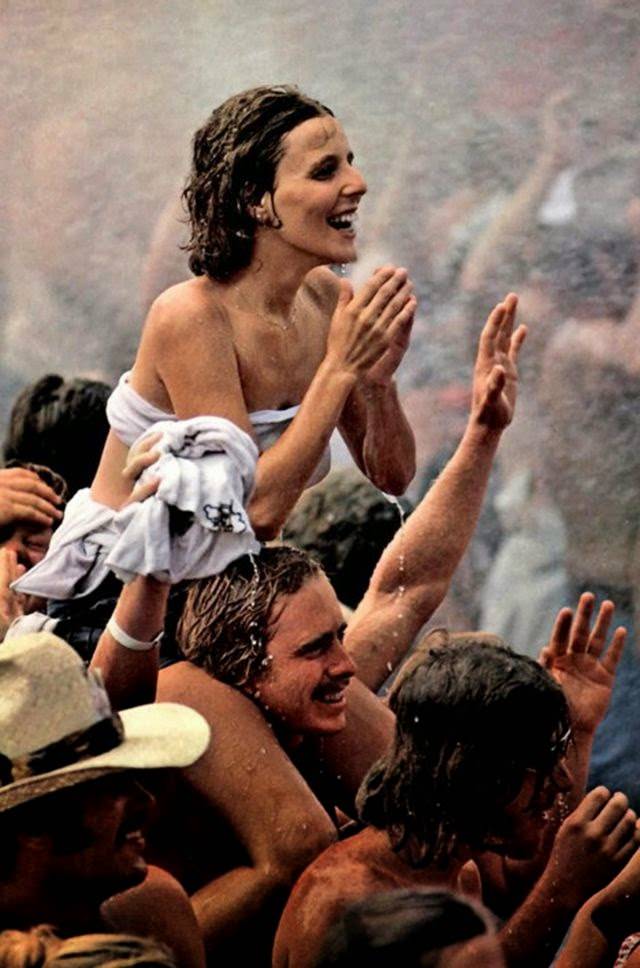
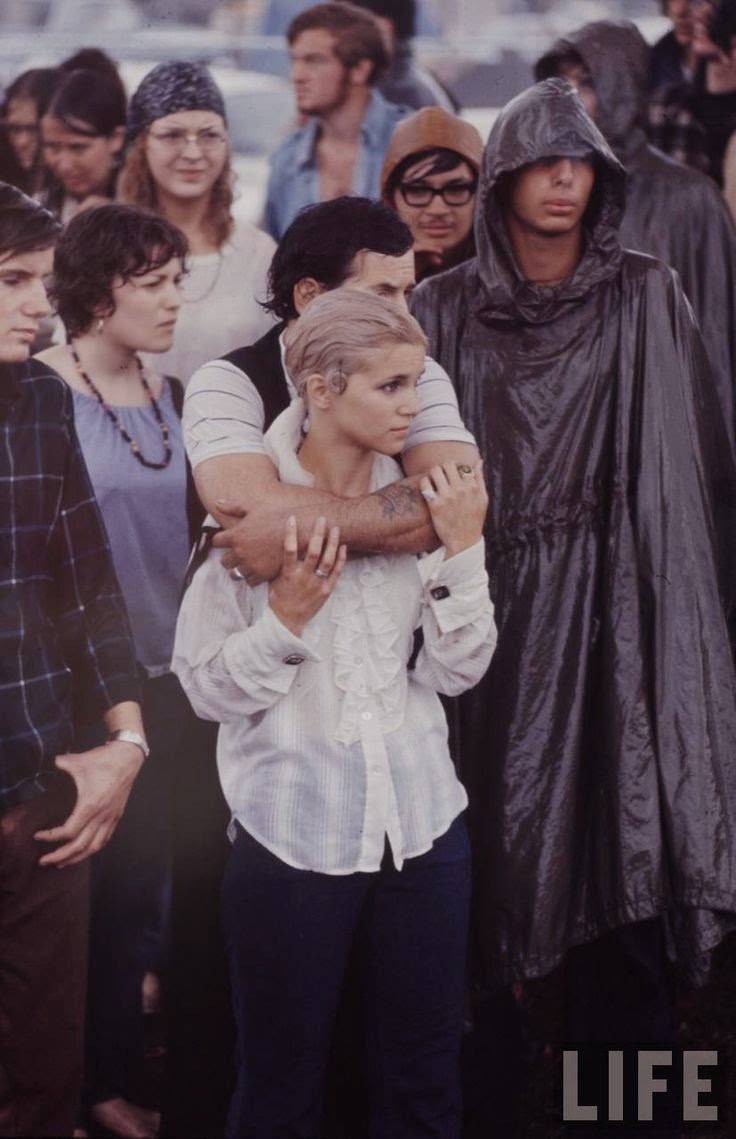
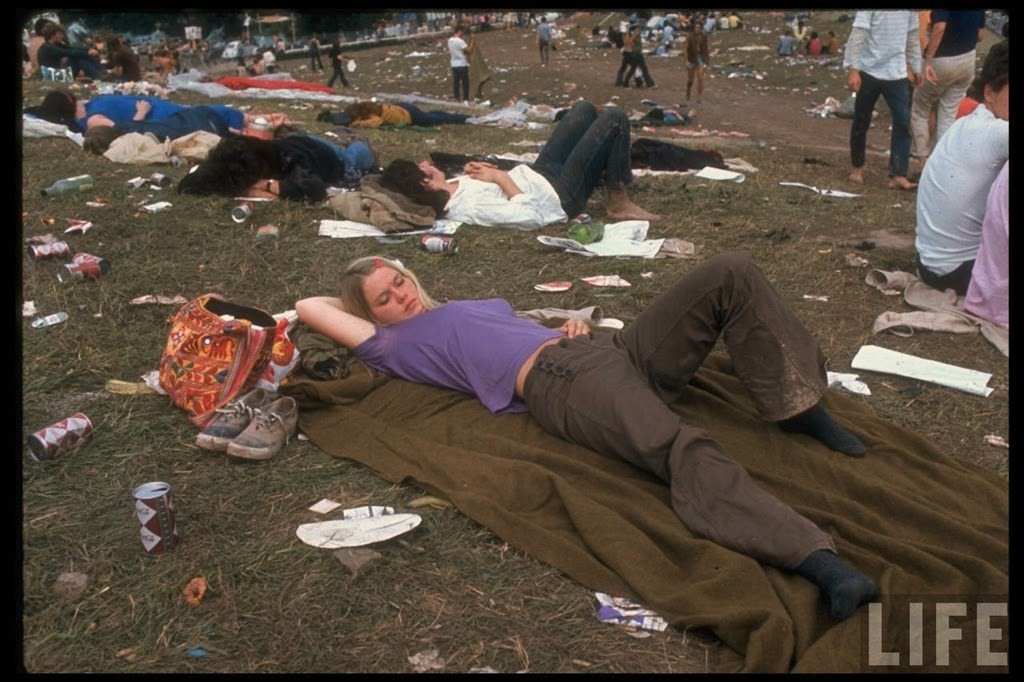
Weather added severe challenges to the already chaotic grounds. Heavy rainstorms rolled through the valley on Saturday night, turning the clay soil into thick, slick brown mud. Attendees slid down hillsides on pieces of plywood and slept in rain-soaked canvas tents. Sanitation systems failed completely, leaving massive piles of garbage and overflowing portable toilets across the acreage. Medical personnel treated thousands of injuries, ranging from severe lacerations caused by broken glass to adverse drug reactions at makeshift field hospitals run by local doctors and volunteers.
Despite the logistical nightmare, the musical lineup delivered legendary performances that defined a generation. Carlos Santana took the stage on Friday afternoon, followed by dynamic sets from the Grateful Dead, Creedence Clearwater Revival, The Who, and Janis Joplin. Jimi Hendrix closed out the historic festival on Monday morning, August eighteenth, playing a distorted, electric version of the Star-Spangled Banner as exhausted music fans trudged through the muddy debris toward home.