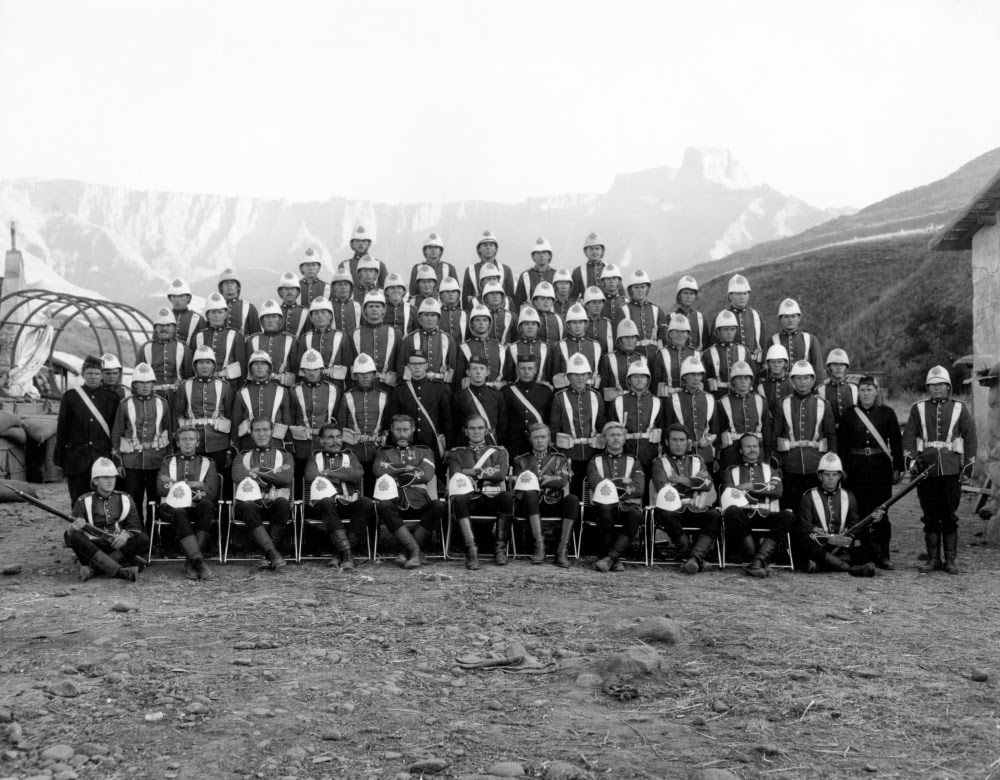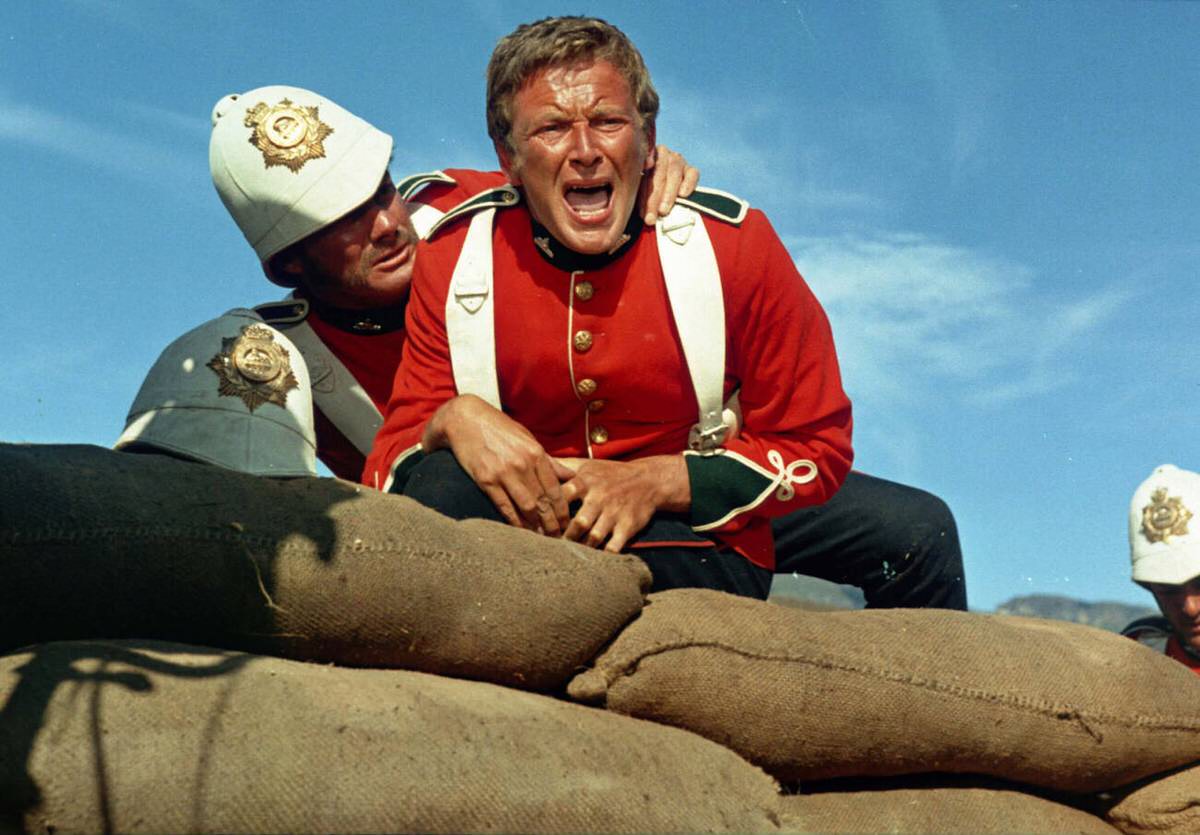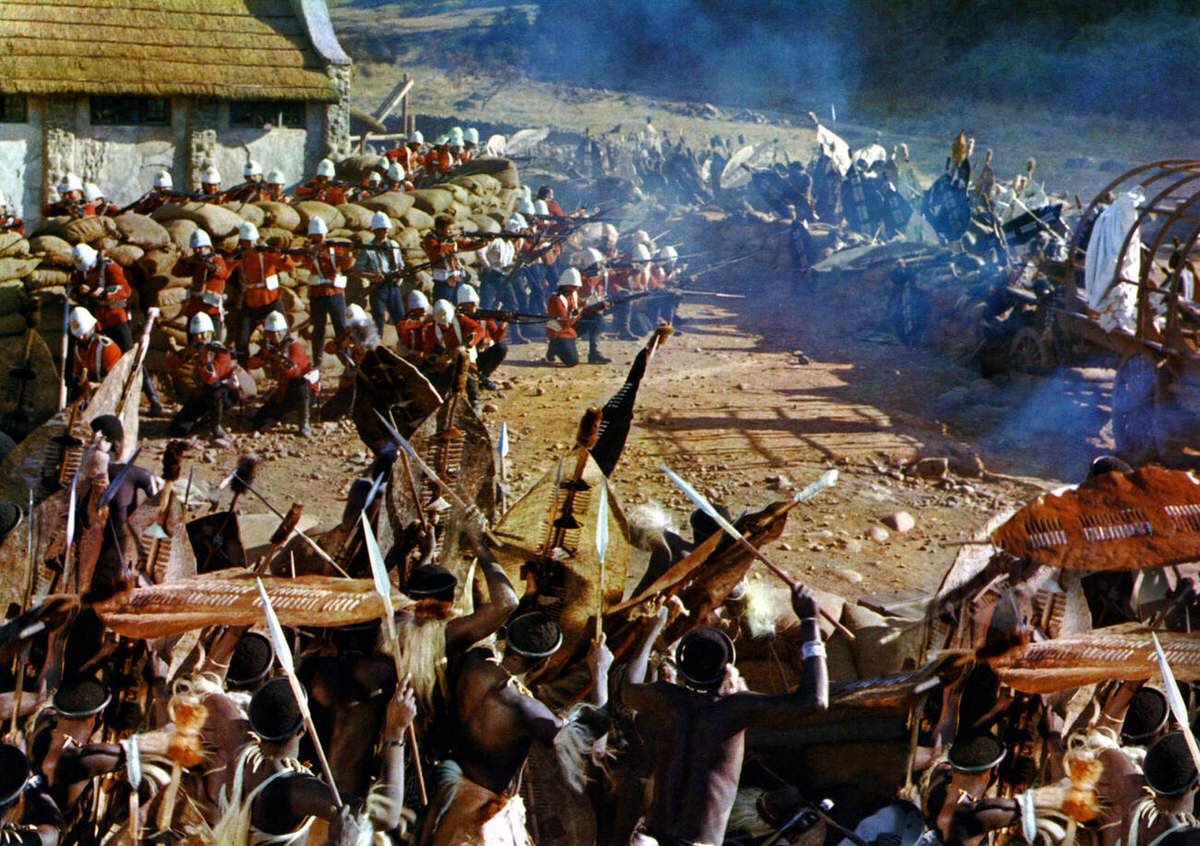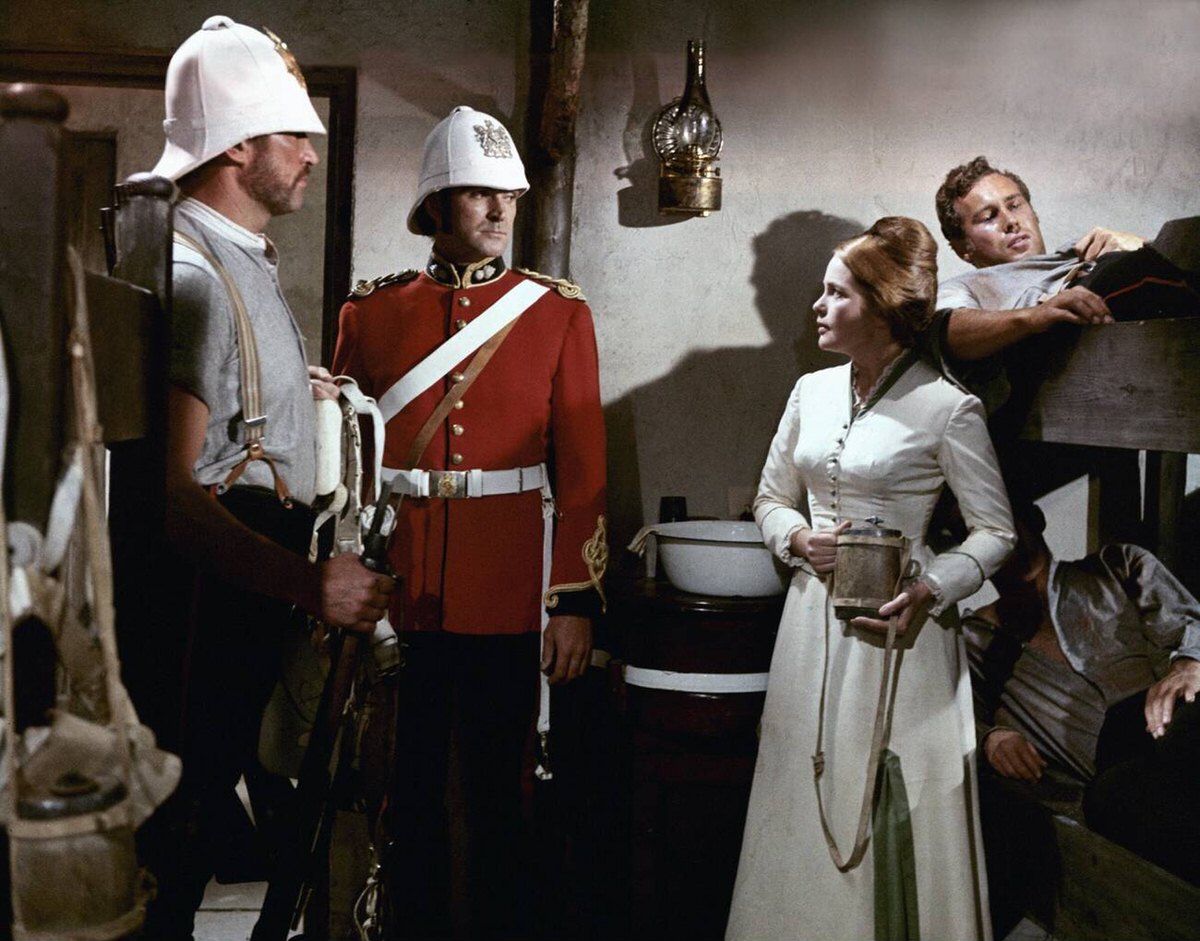

Zulu tells the story of the Battle of Rorke’s Drift, fought on January 22–23, 1879, in what is now South Africa. A force of roughly 150 British soldiers — many of them sick or wounded — held a small mission station against an attacking Zulu army of more than 4,000 warriors. Eleven Victoria Crosses were awarded after the battle, the most ever given for a single engagement in British military history.
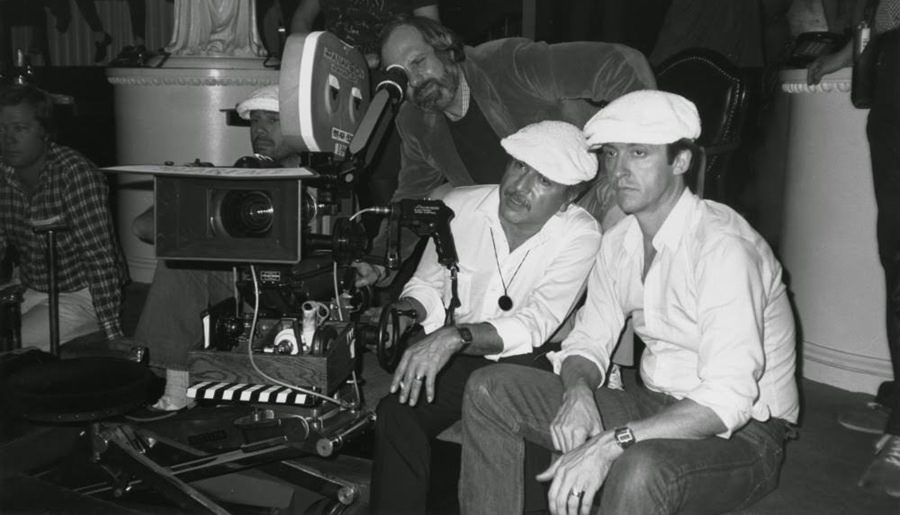
The film was produced by Stanley Baker and Cy Endfield, who also directed. Baker had been trying to get the project made for years. He believed the story was extraordinary and that British cinema had ignored it entirely. He was right on both counts.
Getting the Film Financed
Baker and Endfield took the project to Joseph E. Levine, an American producer known for picking up foreign films and distributing them aggressively in the United States. Levine agreed to put up the money — a budget of approximately £1.5 million, which was substantial for a British production at the time.
The deal gave Levine significant control over marketing and U.S. distribution. One of his conditions was the casting of an American star in a prominent role to help sell the film to American audiences. That requirement led directly to the casting of Michael Caine.
Read more..
Casting Michael Caine
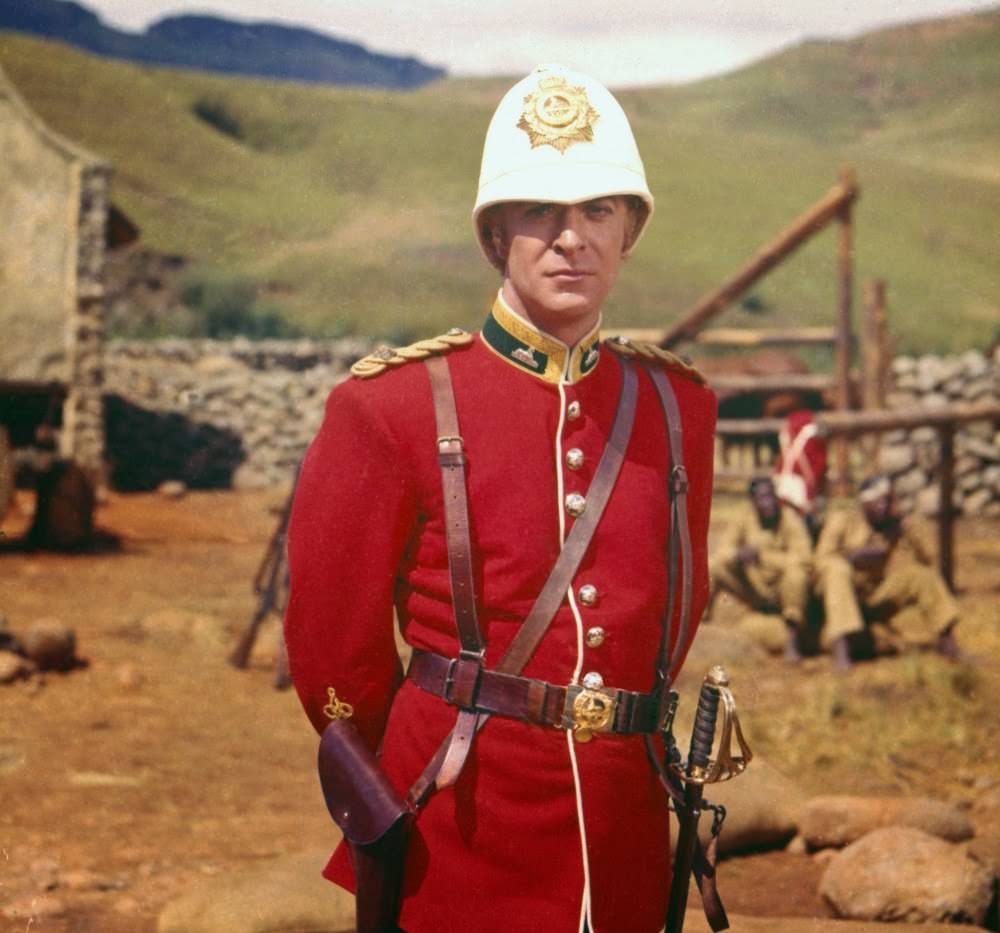
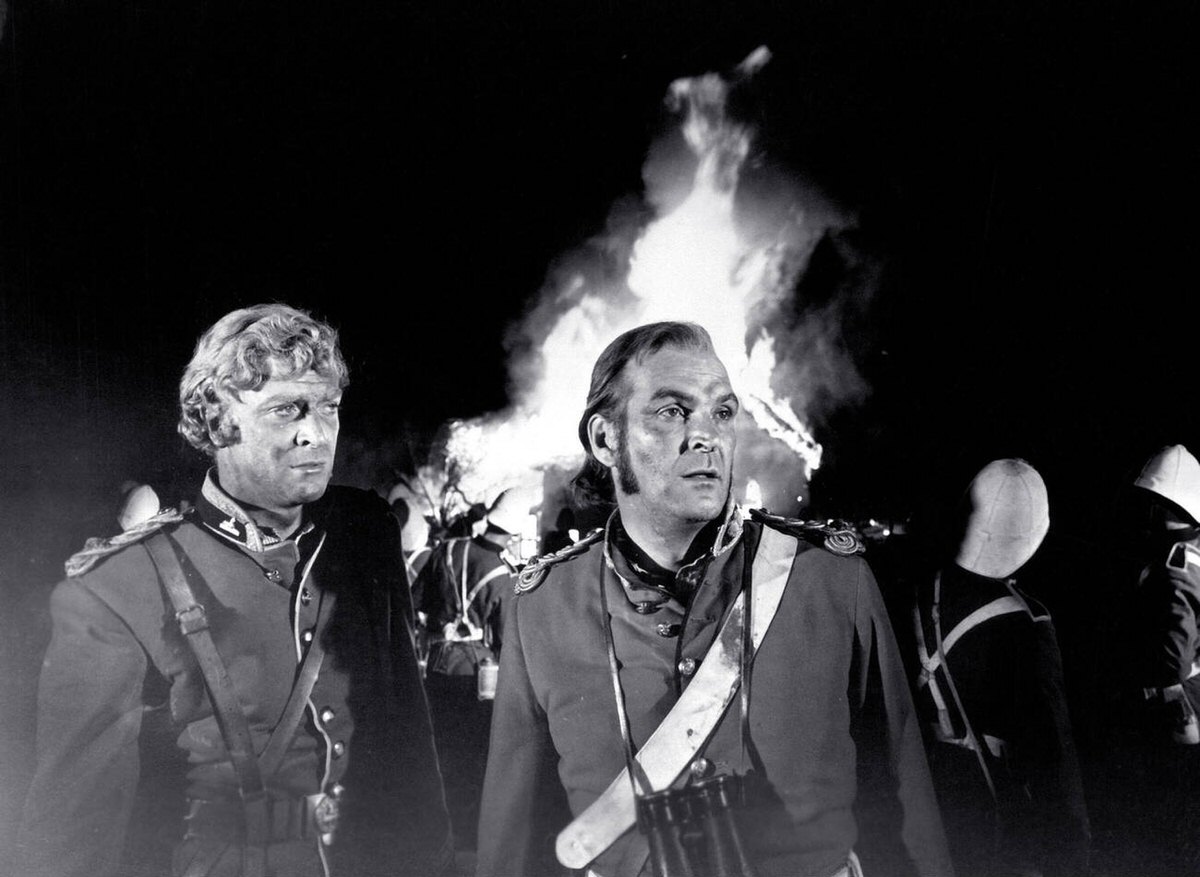
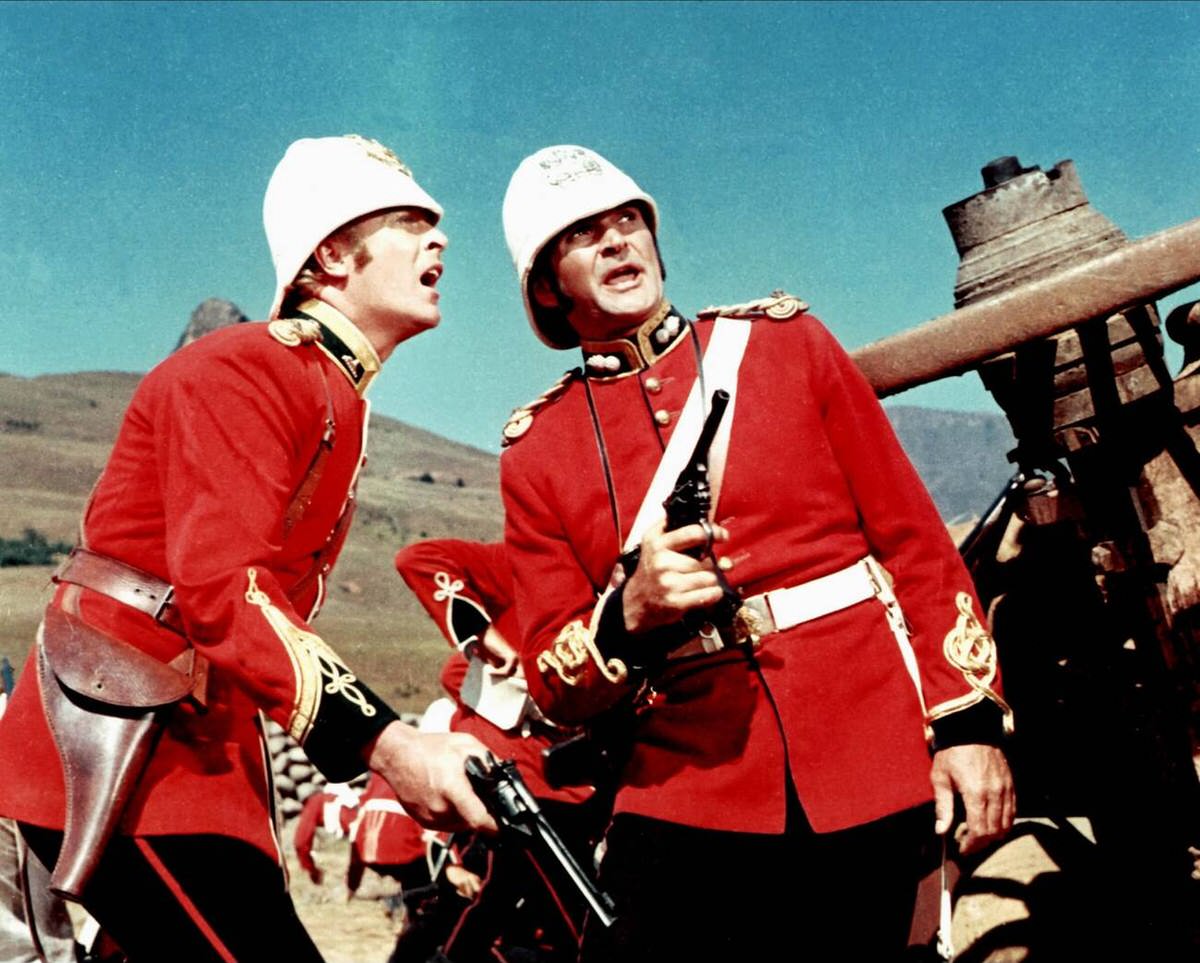
Michael Caine was not yet a star when he was cast as Lieutenant Gonville Bromhead. He had done television work and small film roles, but nothing that had established him as a leading man. Stanley Baker saw him in a television production and brought him in.
Caine played Bromhead as an aristocratic, slightly arrogant officer who gradually finds his footing under pressure. The role required him to hold his own against Baker, who played the more experienced Lieutenant John Chard. Their on-screen tension — class difference, competing authority, different ideas of leadership — runs through the entire film.
For Caine, the film changed everything. His performance was noticed immediately, and within two years he was starring in The Ipcress File and Alfie.
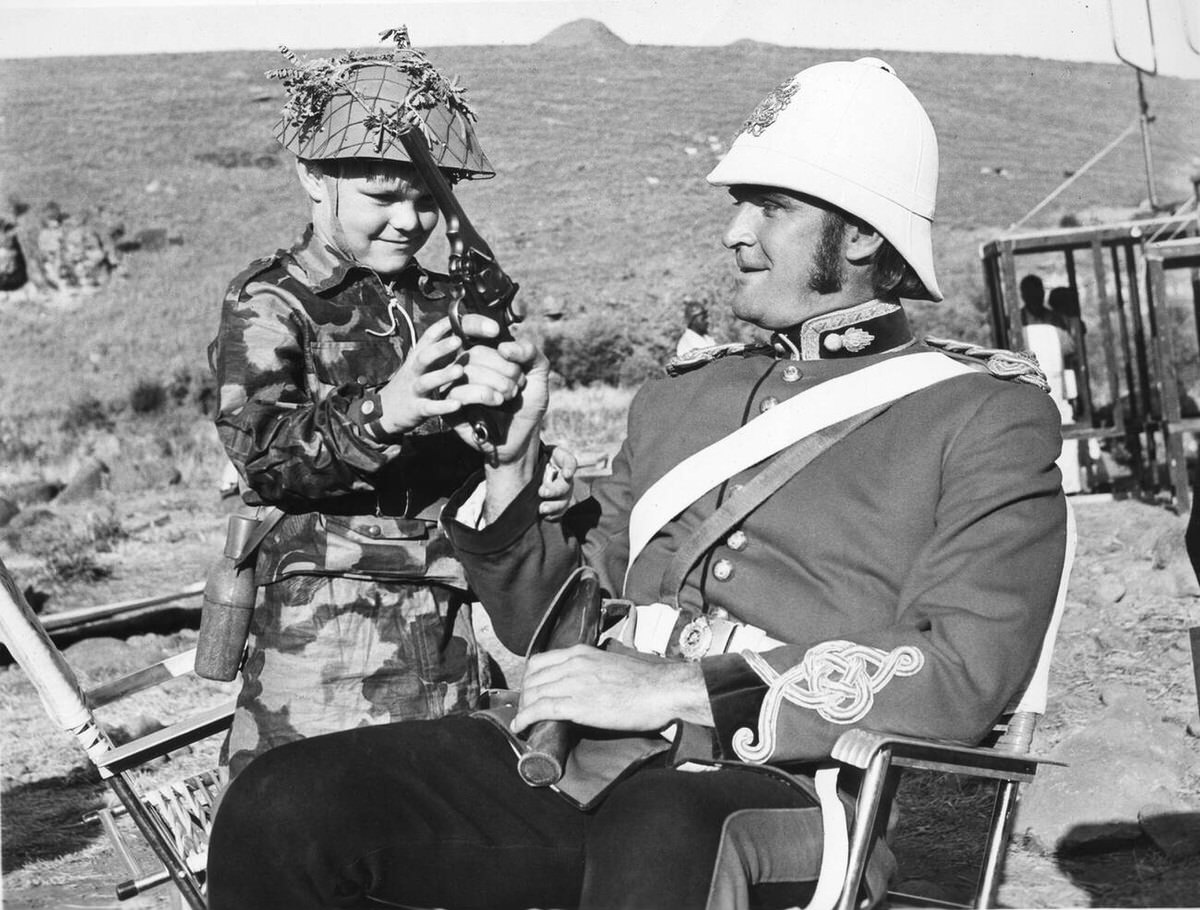
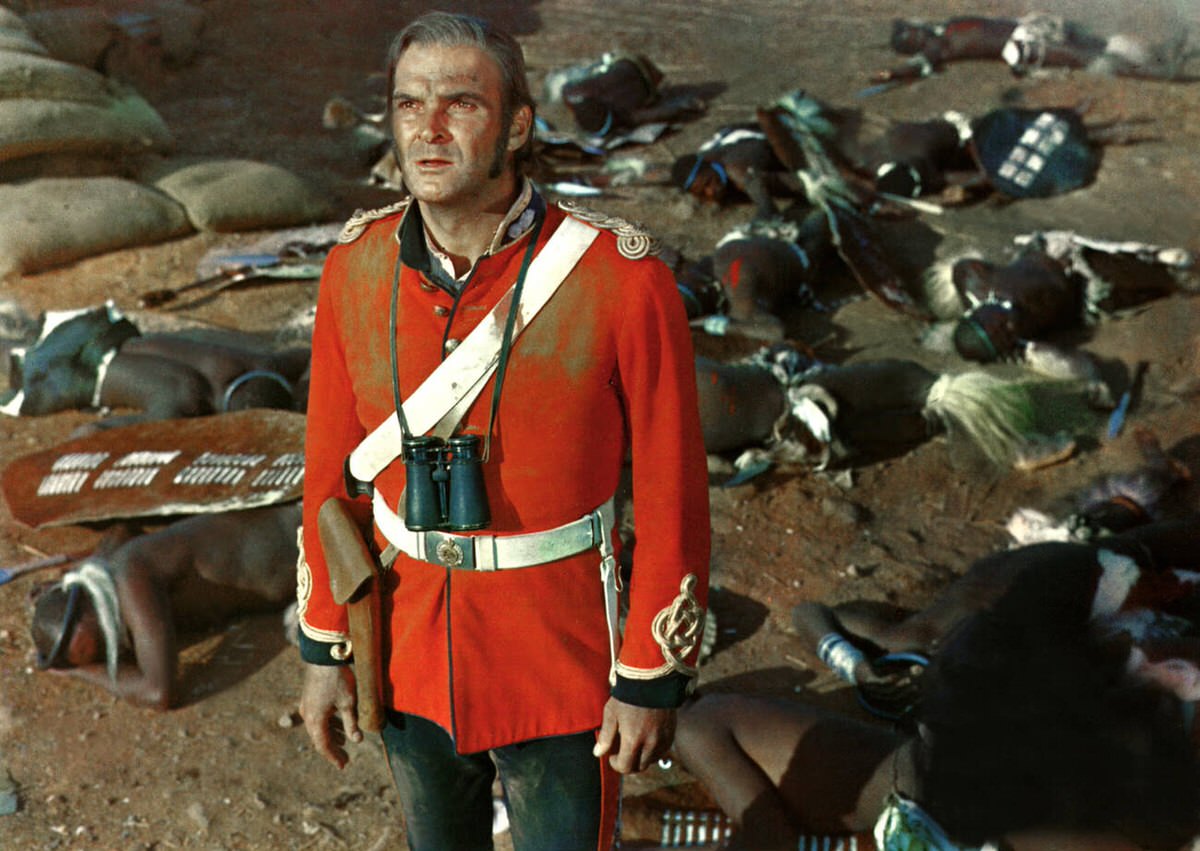
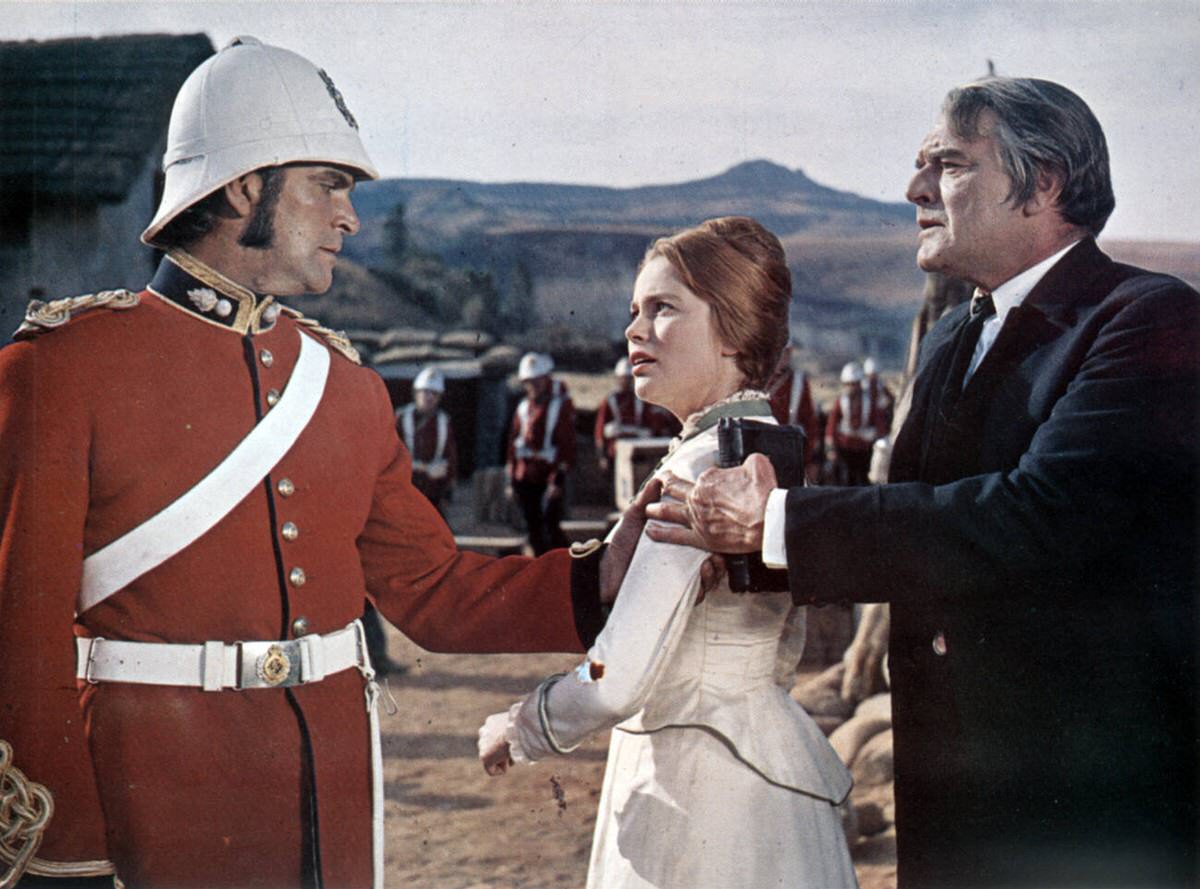
Stanley Baker himself played Chard as a practical, working-class engineer who takes command not because of rank or social standing but because the situation demands it. Baker was Welsh and working-class by background, and he brought that directness to the role without commentary.
Shooting in South Africa
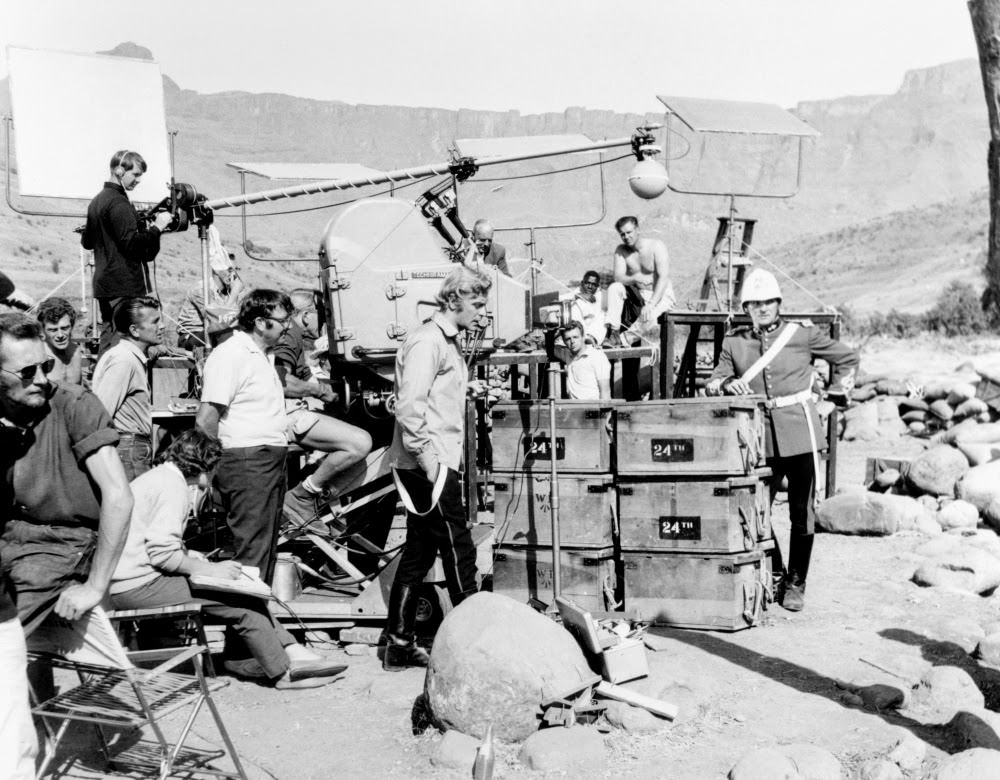
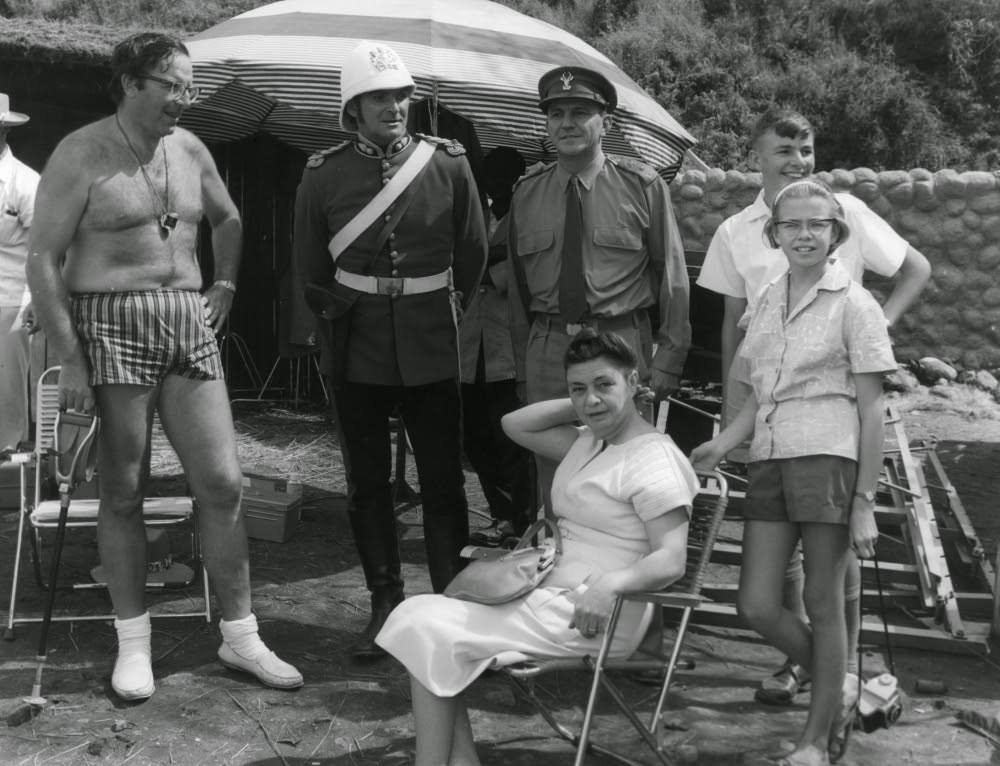
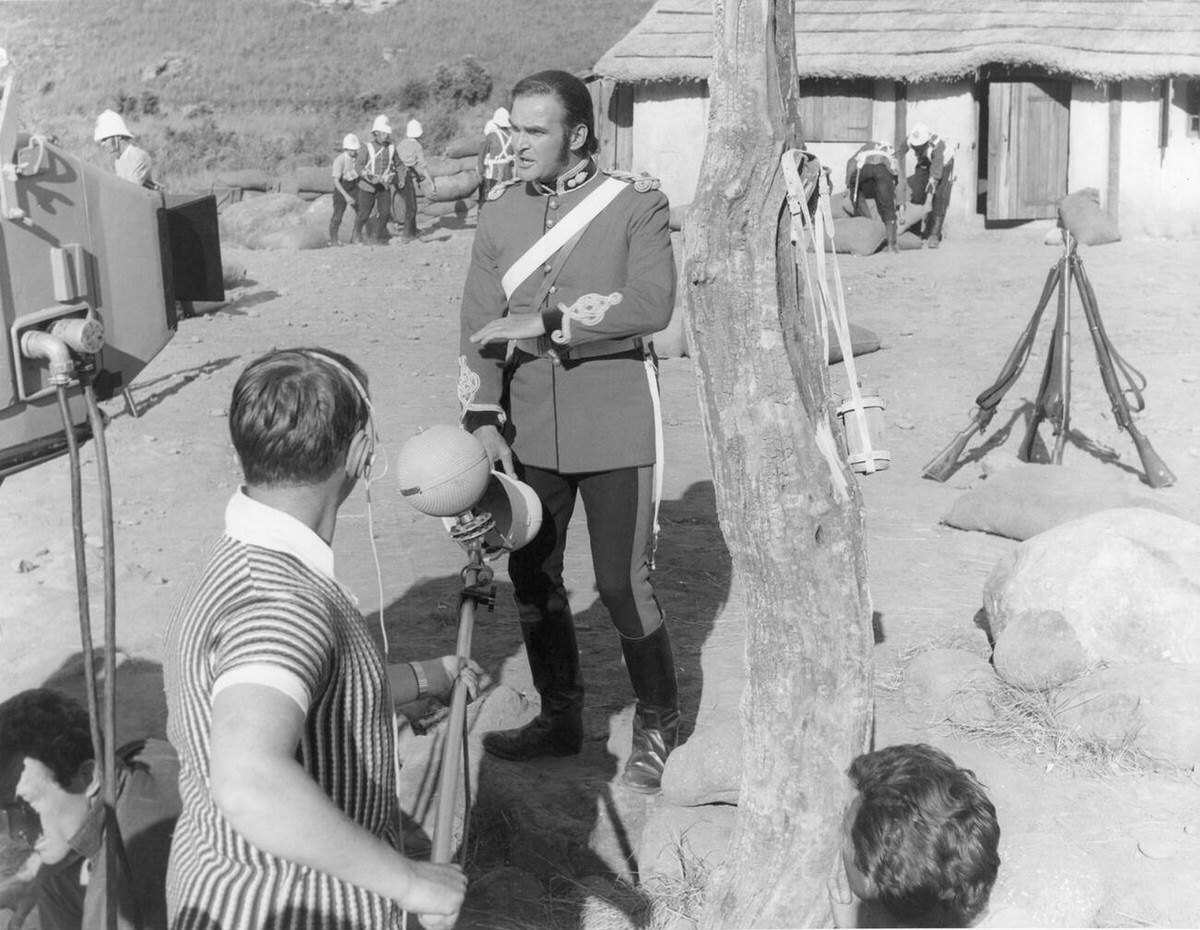
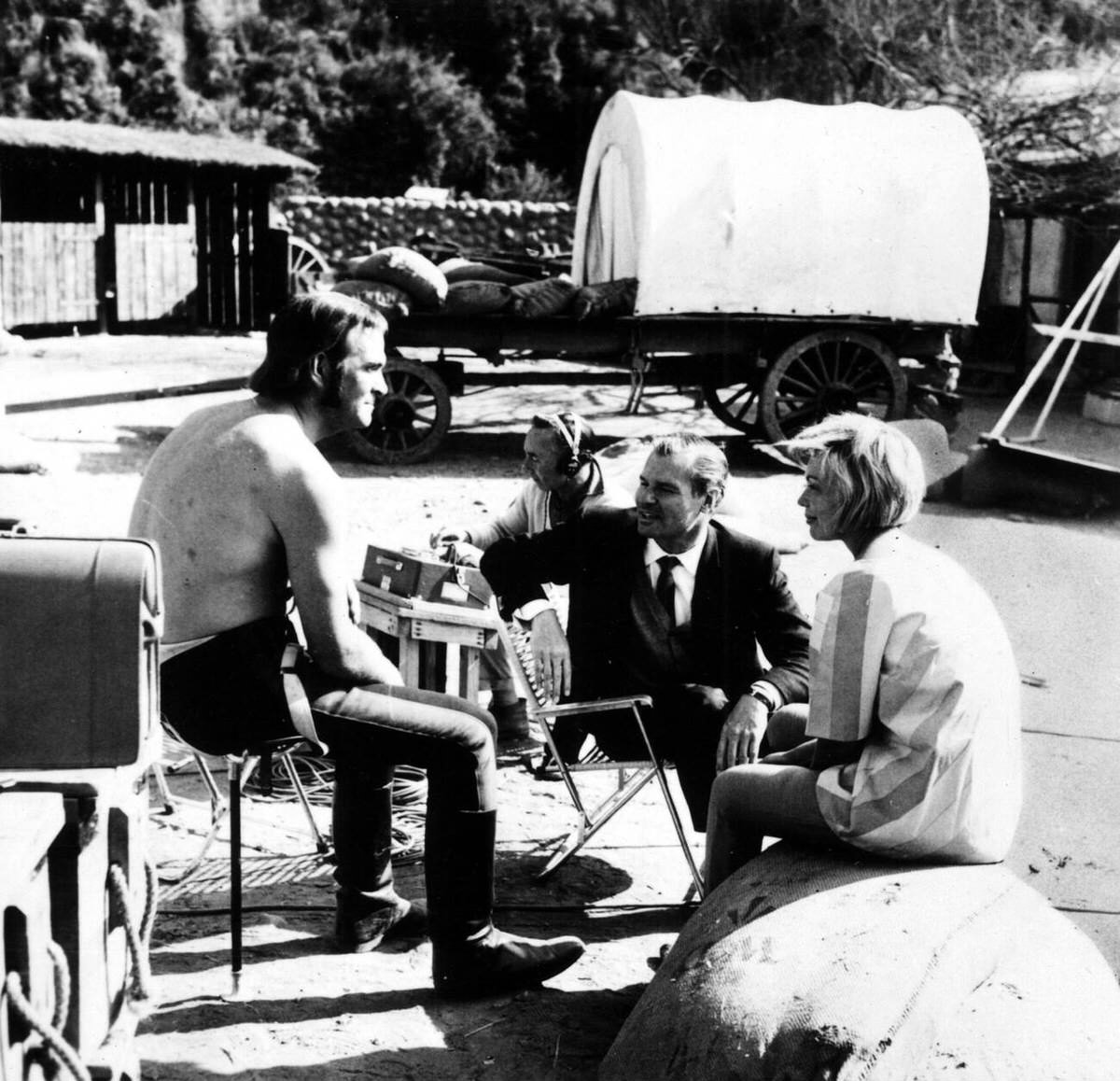
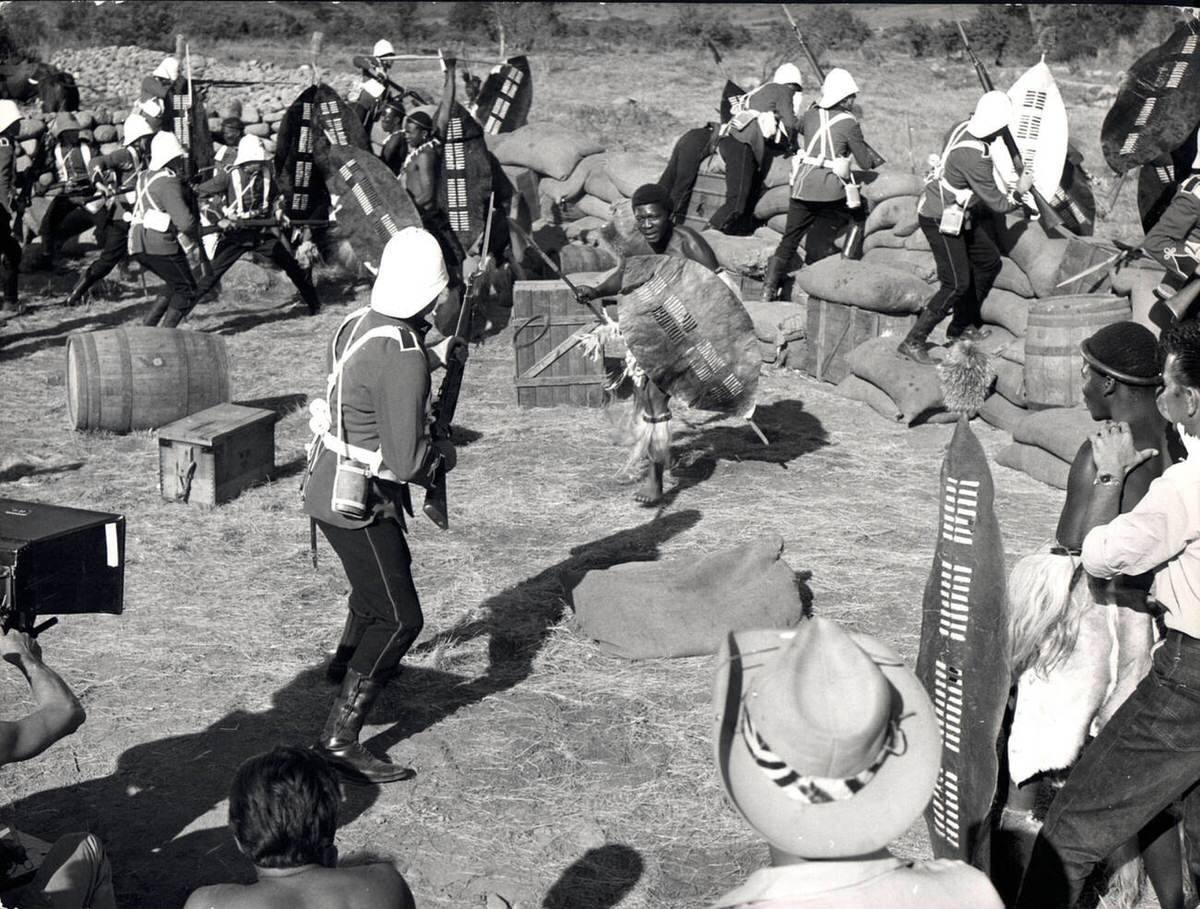
The production filmed on location in KwaZulu-Natal, South Africa, in the Drakensberg mountain region — the actual territory where the battle took place. Endfield and his crew built a replica of the Rorke’s Drift mission station from scratch on a farm near the Natal Midlands.
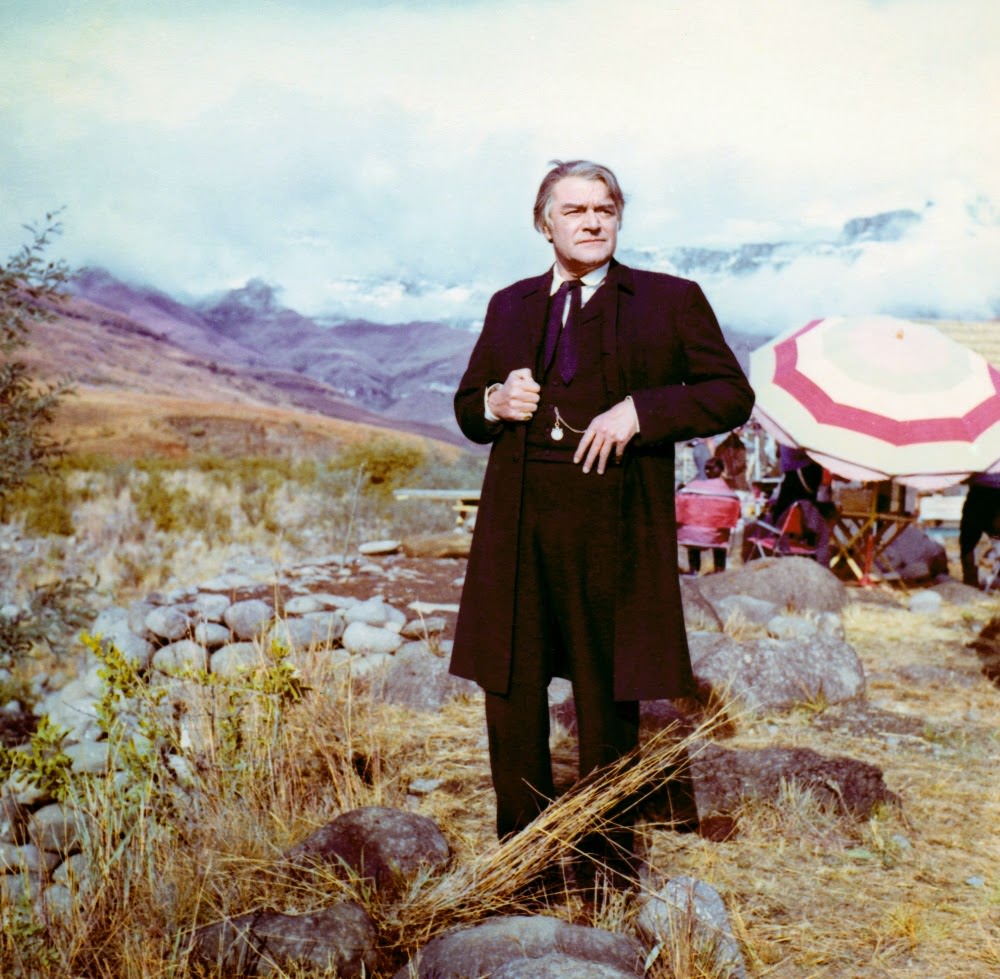
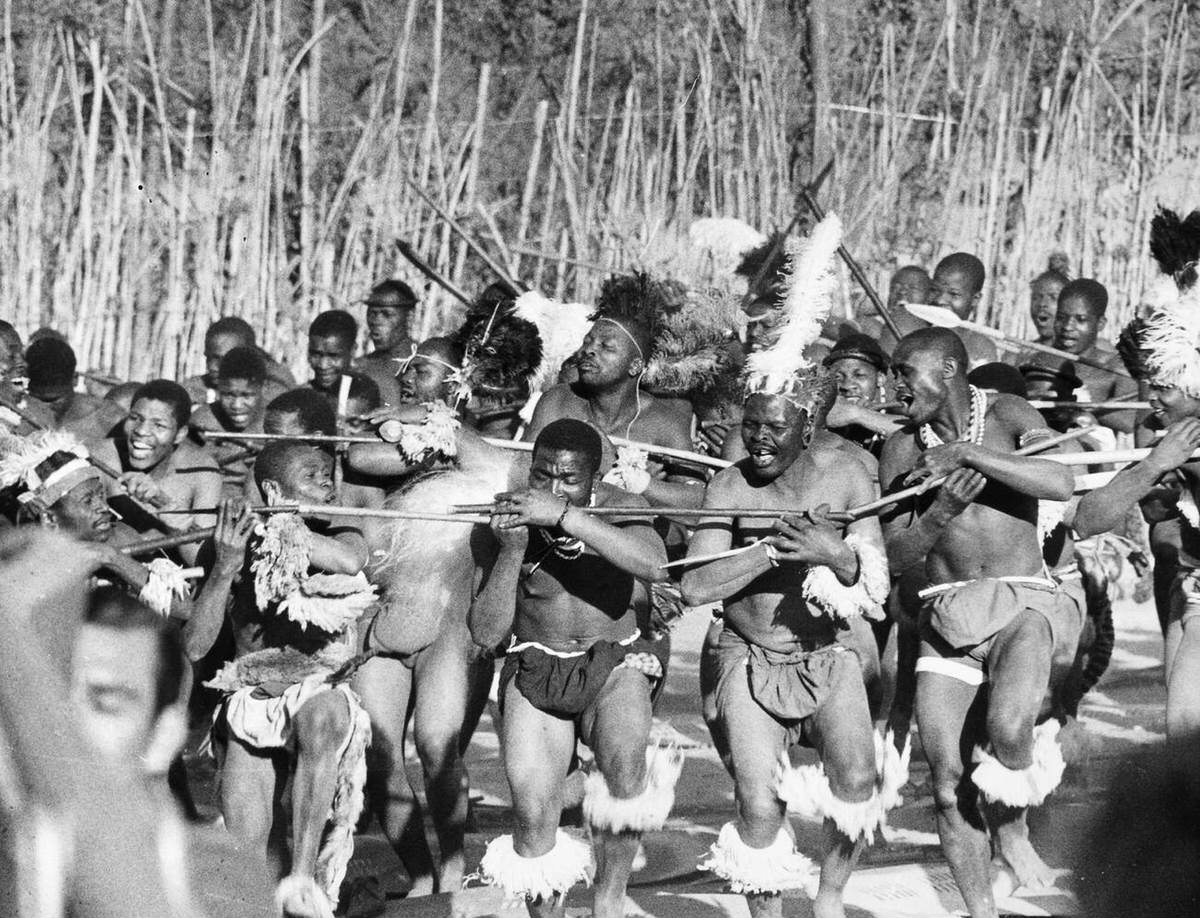
Filming in apartheid South Africa in 1963 created serious complications. The production employed Zulu extras — more than 250 of them, many recruited through Chief Mangosuthu Buthelezi, who also appeared in the film playing the Zulu King Cetshwayo. Buthelezi, who was an actual descendant of King Cetshwayo, brought a dignity and historical weight to the role that no casting call could have manufactured.
The apartheid government’s racial segregation laws meant that the Zulu extras and the white British cast and crew operated under different rules on and off set. Baker and Endfield paid the Zulu extras the same daily rate as the white crew members, which was a direct violation of the norm on South African productions at the time. They did it anyway.
The Battle Sequences
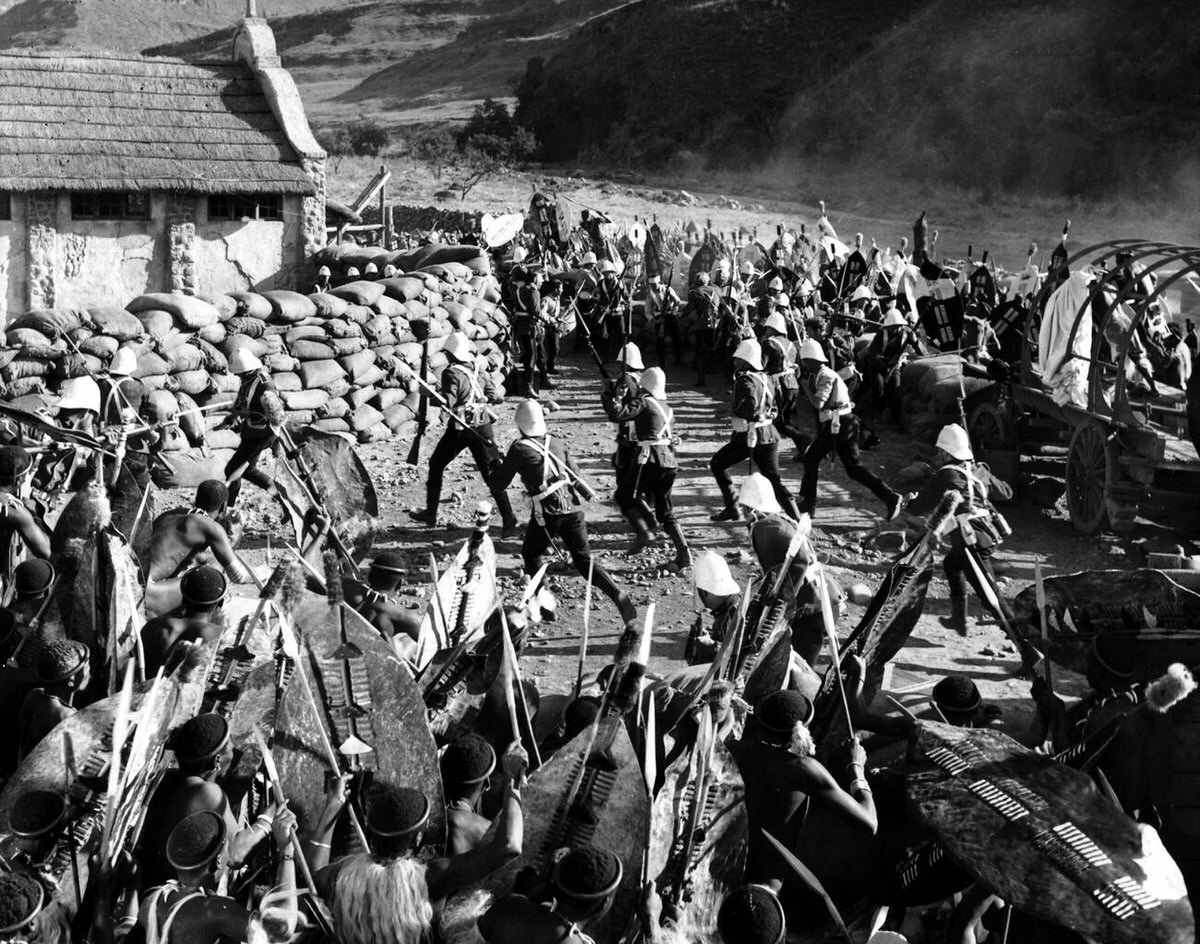
Endfield designed the battle sequences with a focus on scale and geography. He used the landscape — the hills, the river crossing, the open ground around the mission — to show exactly why the defensive position was both desperate and defensible.
The Zulu attack scenes required precise coordination. The warriors moved in organized formations, and Endfield staged their advances in waves that built in intensity across the film’s final act. The production used real Zulu men as extras, which gave the attacking force an authenticity that no amount of costumes on other actors could have replicated.
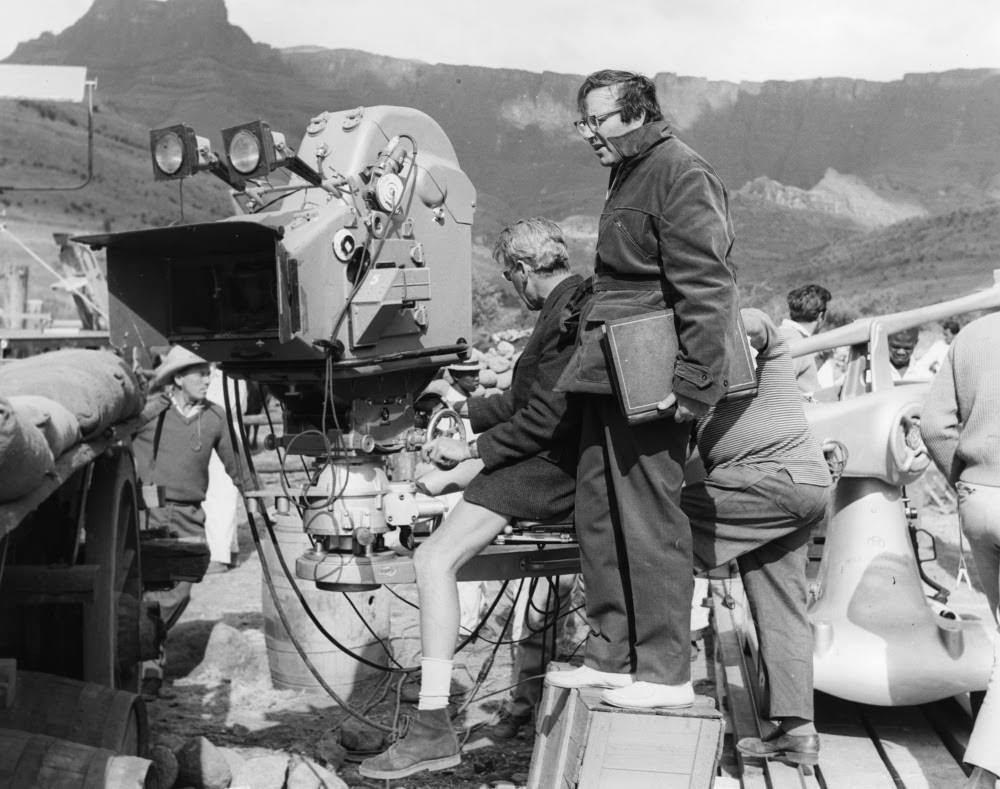
Cinematographer Stephen Dade shot the film in Technirama widescreen, which gave the sweeping exterior shots their scale and depth. The daytime battle sequences were filmed in natural South African light, and the contrast between the golden landscape and the violence playing out across it was entirely deliberate.
The night sequences — particularly the final Zulu singing before dawn — required careful lighting on a large open set. The sound team recorded actual Zulu chants, which Endfield used in the film without alteration. The chanting in the pre-dawn sequence is not a film score approximation. It is the real thing.
What Happened During Production
The shoot ran for fourteen weeks and was physically grueling. Temperatures on location were extreme. The replica station set had to withstand repeated simulated attacks without collapsing. Horses, cattle, and large numbers of extras needed to be coordinated across terrain that had no infrastructure built for a film production.
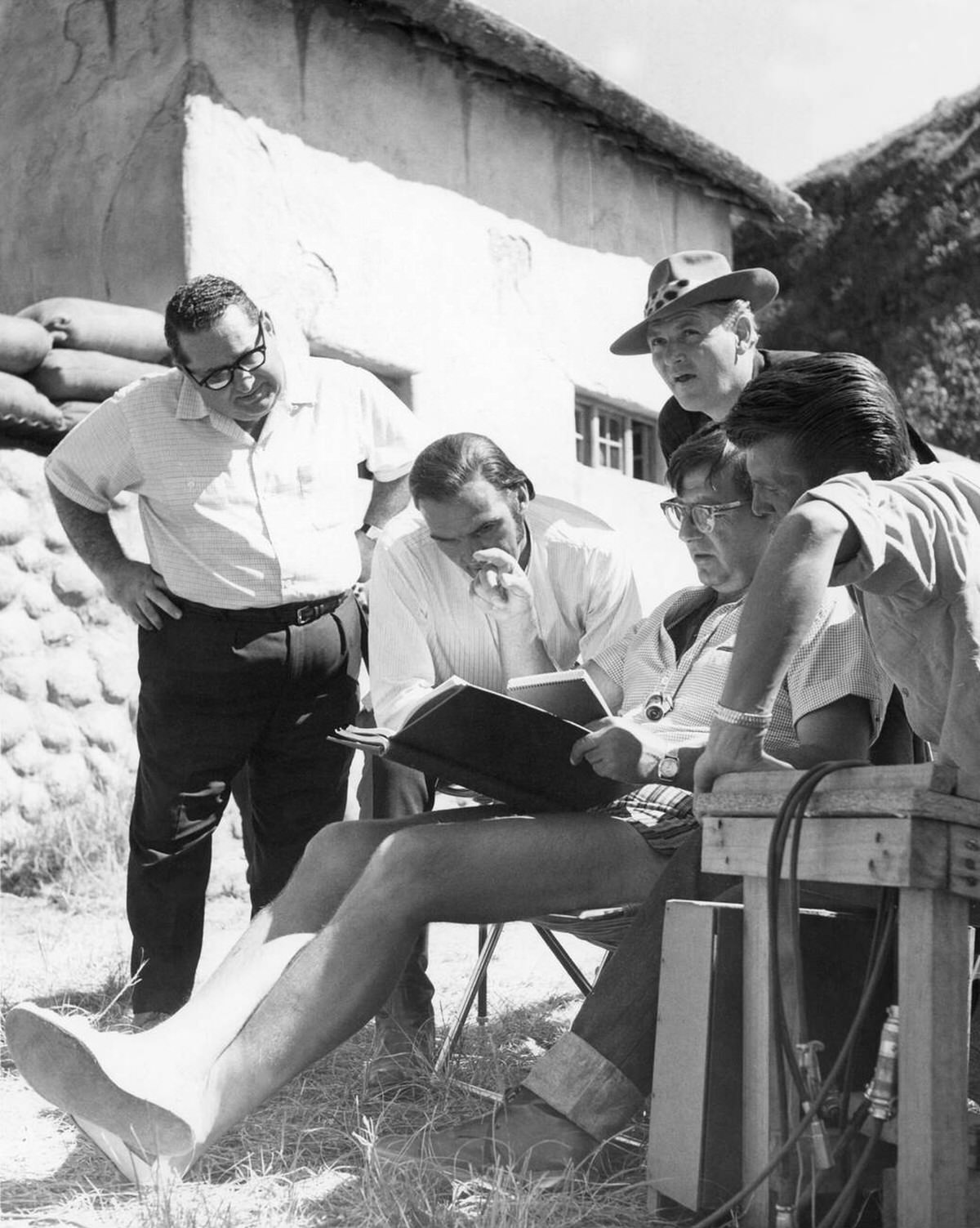
Baker, as both producer and lead actor, was on set every day. He and Endfield made decisions together constantly — adjusting sequences, managing the logistics of the Zulu extras, and keeping the production on budget under conditions that regularly threatened to push it over.
Ivor Emmanuel, who played Private Owen, led the famous singing of “Men of Harlech” during the battle sequences. The scene — soldiers singing a Welsh anthem while under attack — was written into the script as a direct response to the Zulu chanting. Emmanuel’s performance was not dubbed or enhanced. He sang it live on set, in full voice, surrounded by extras and camera equipment.