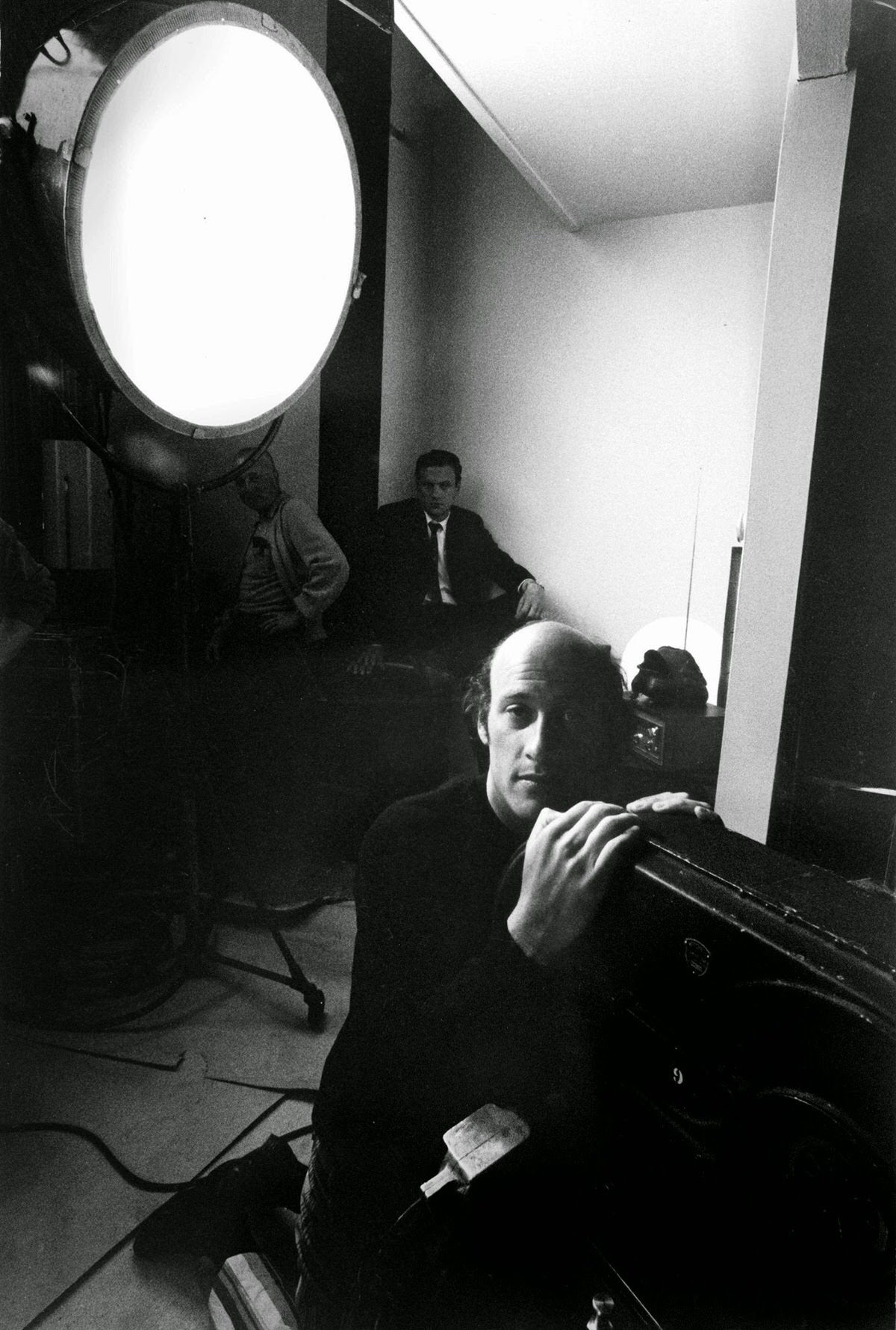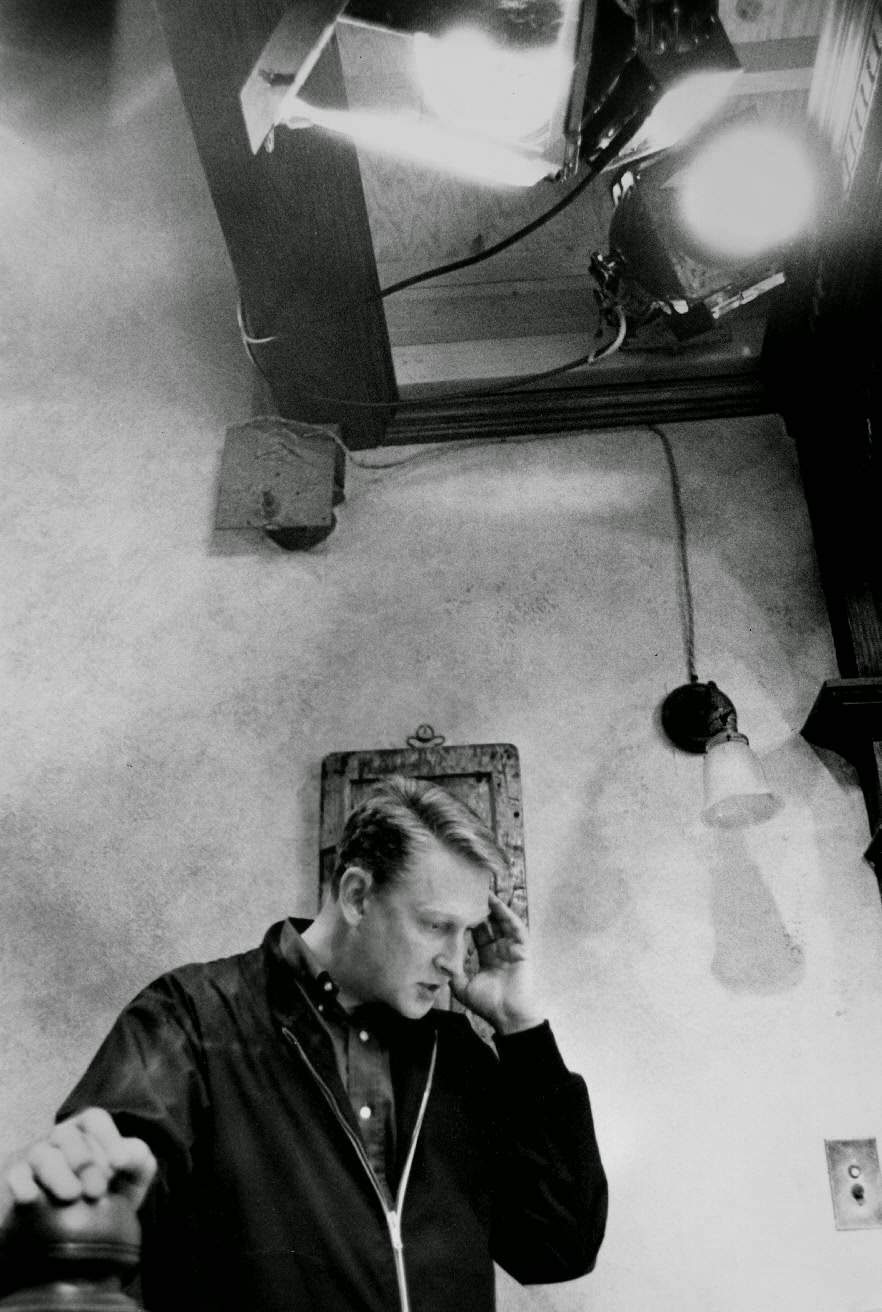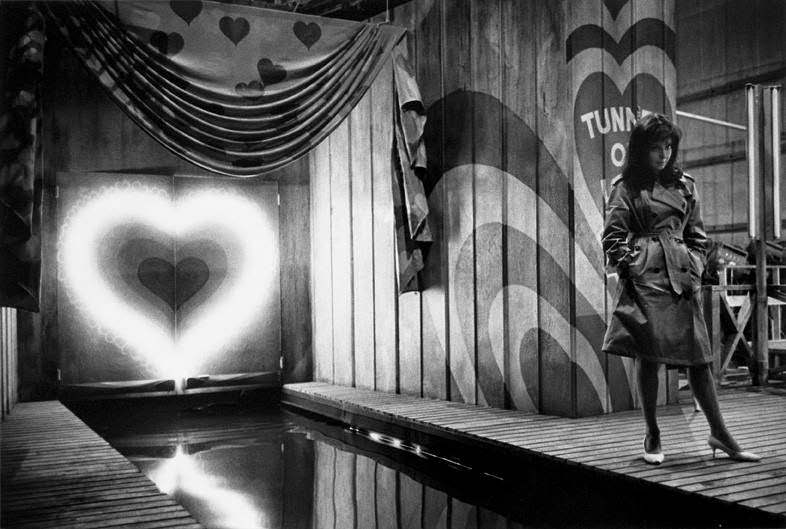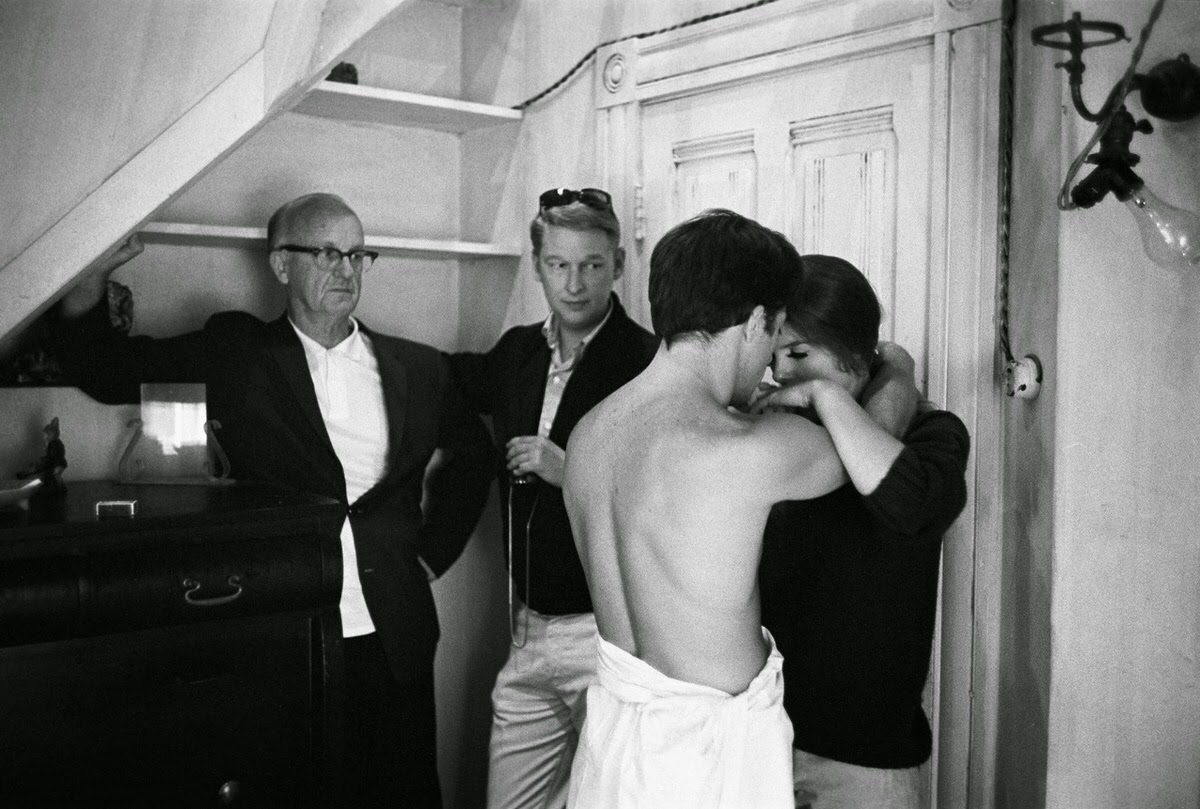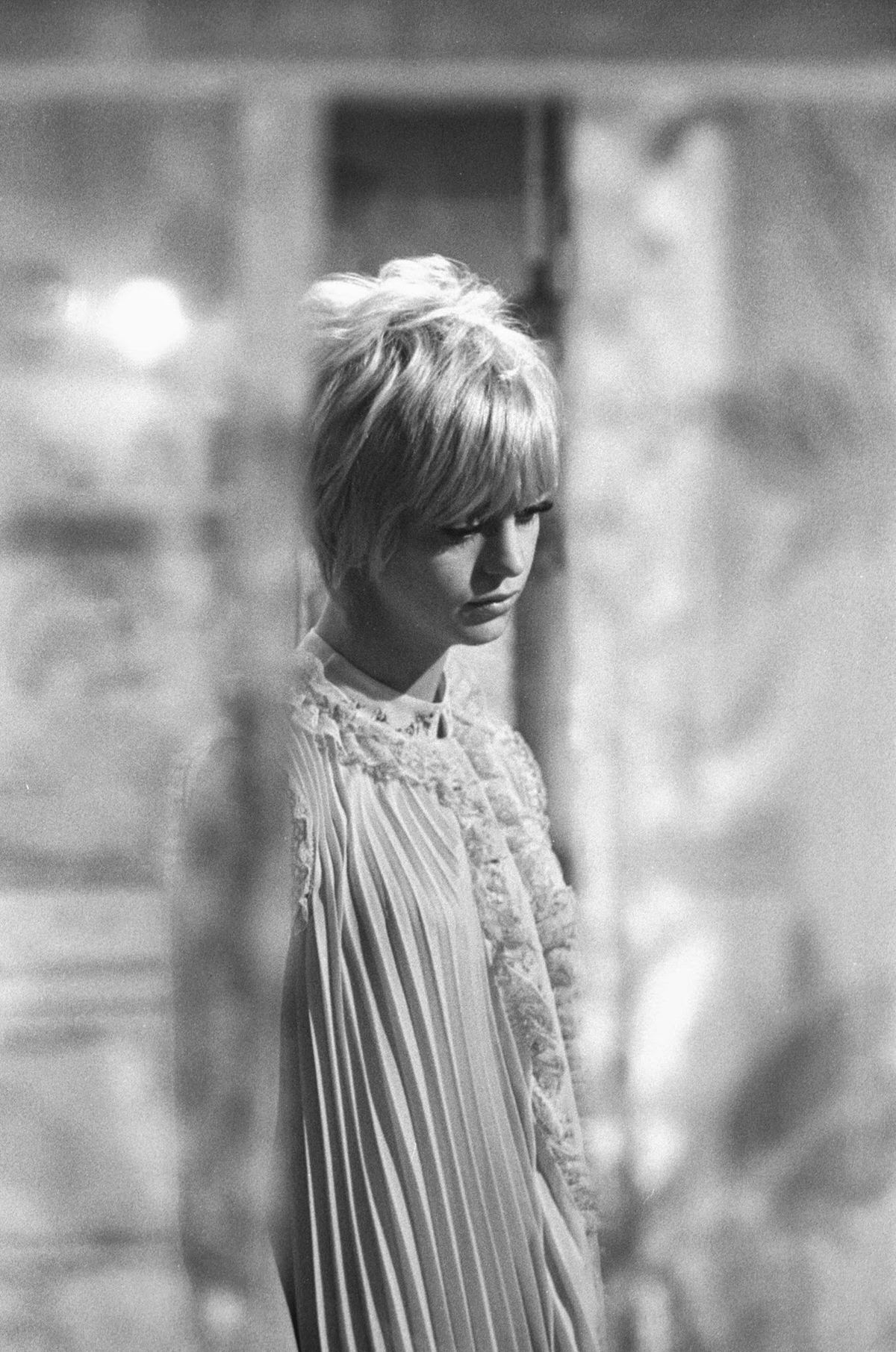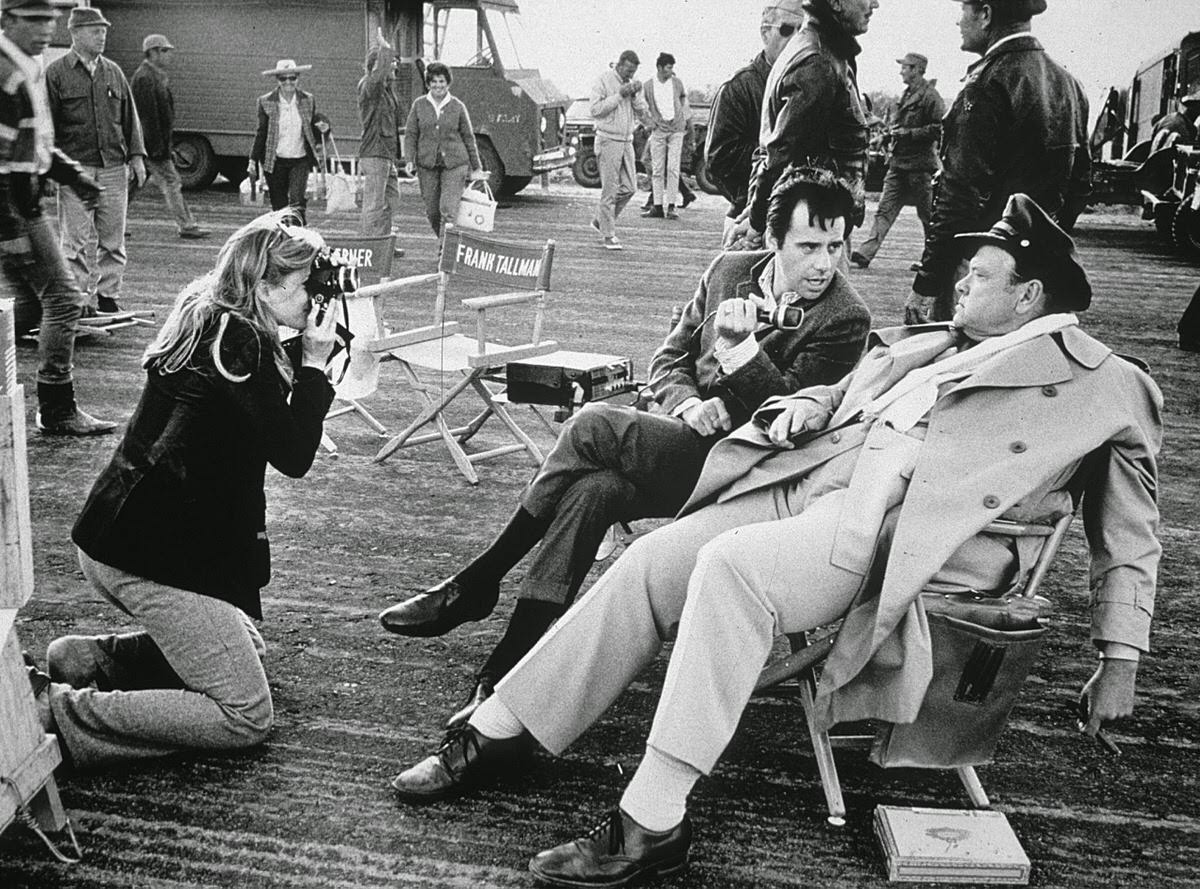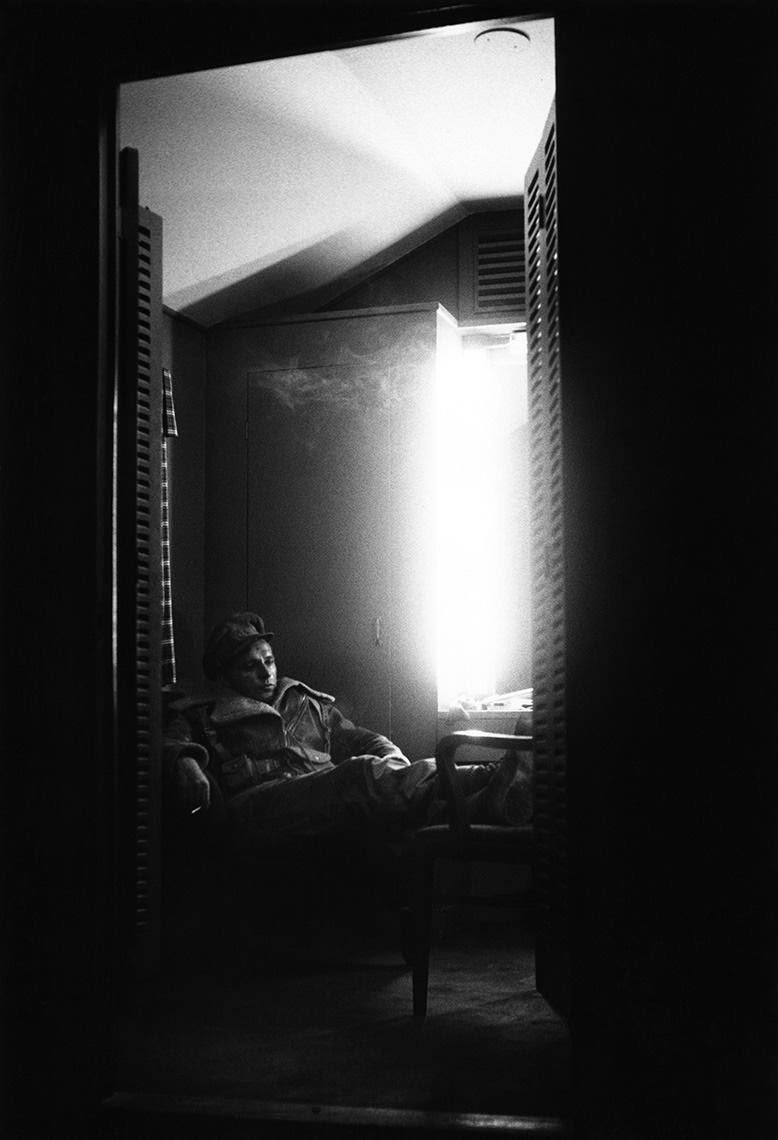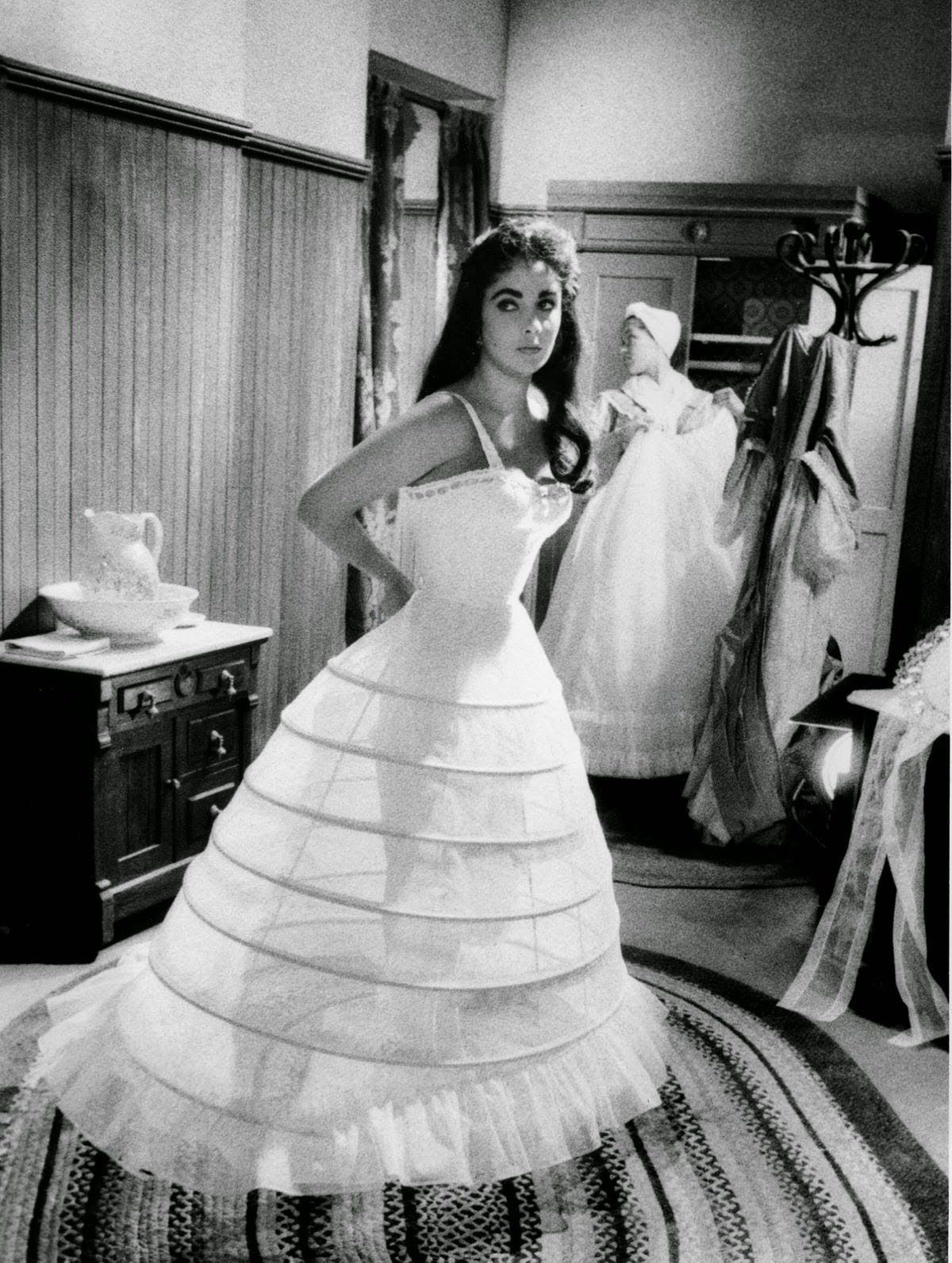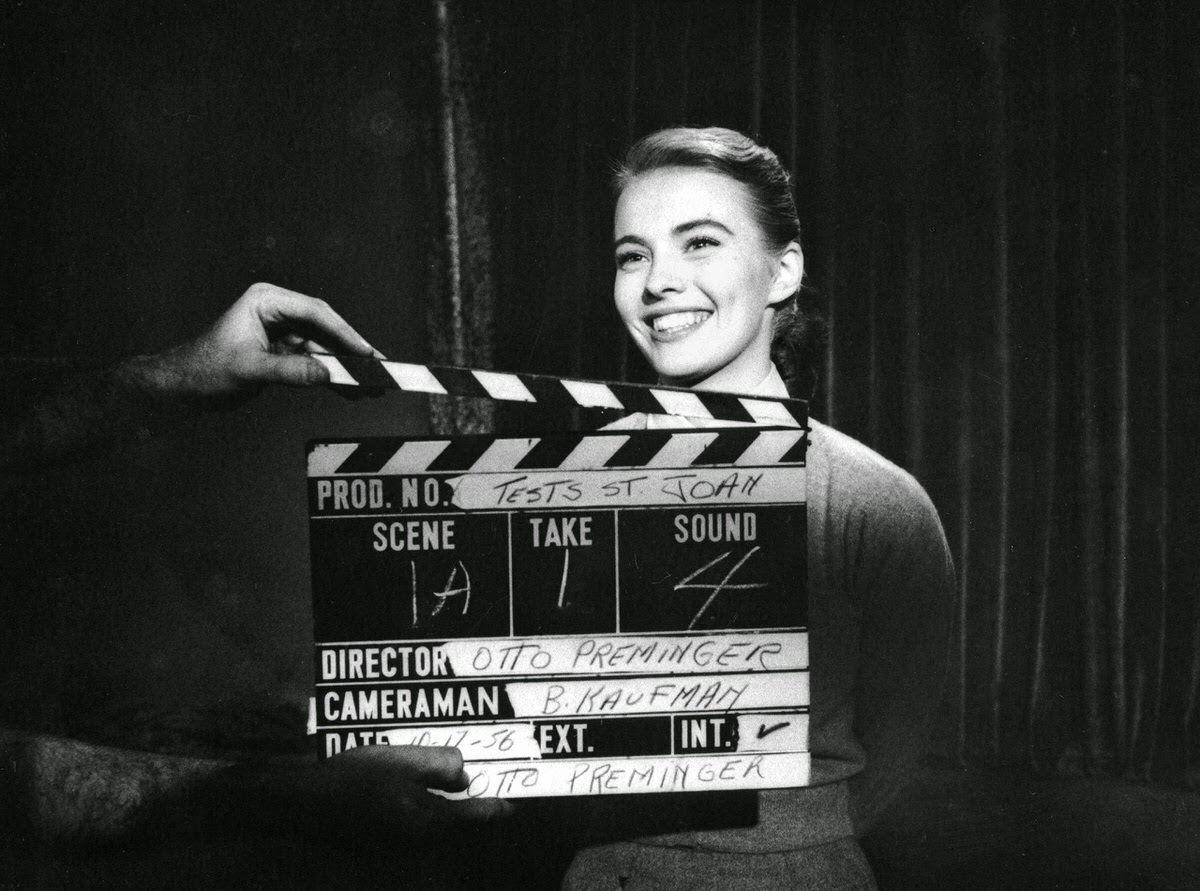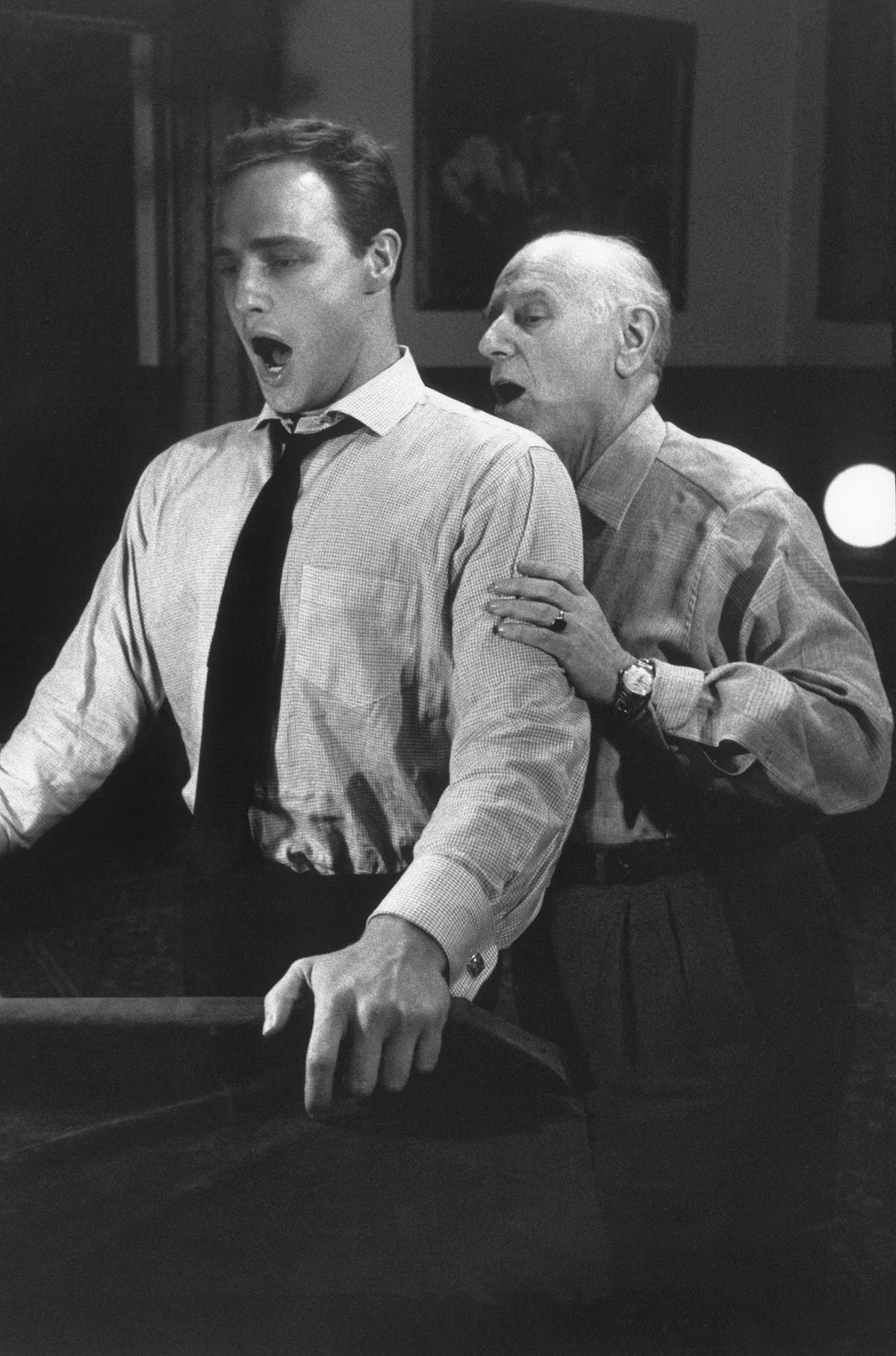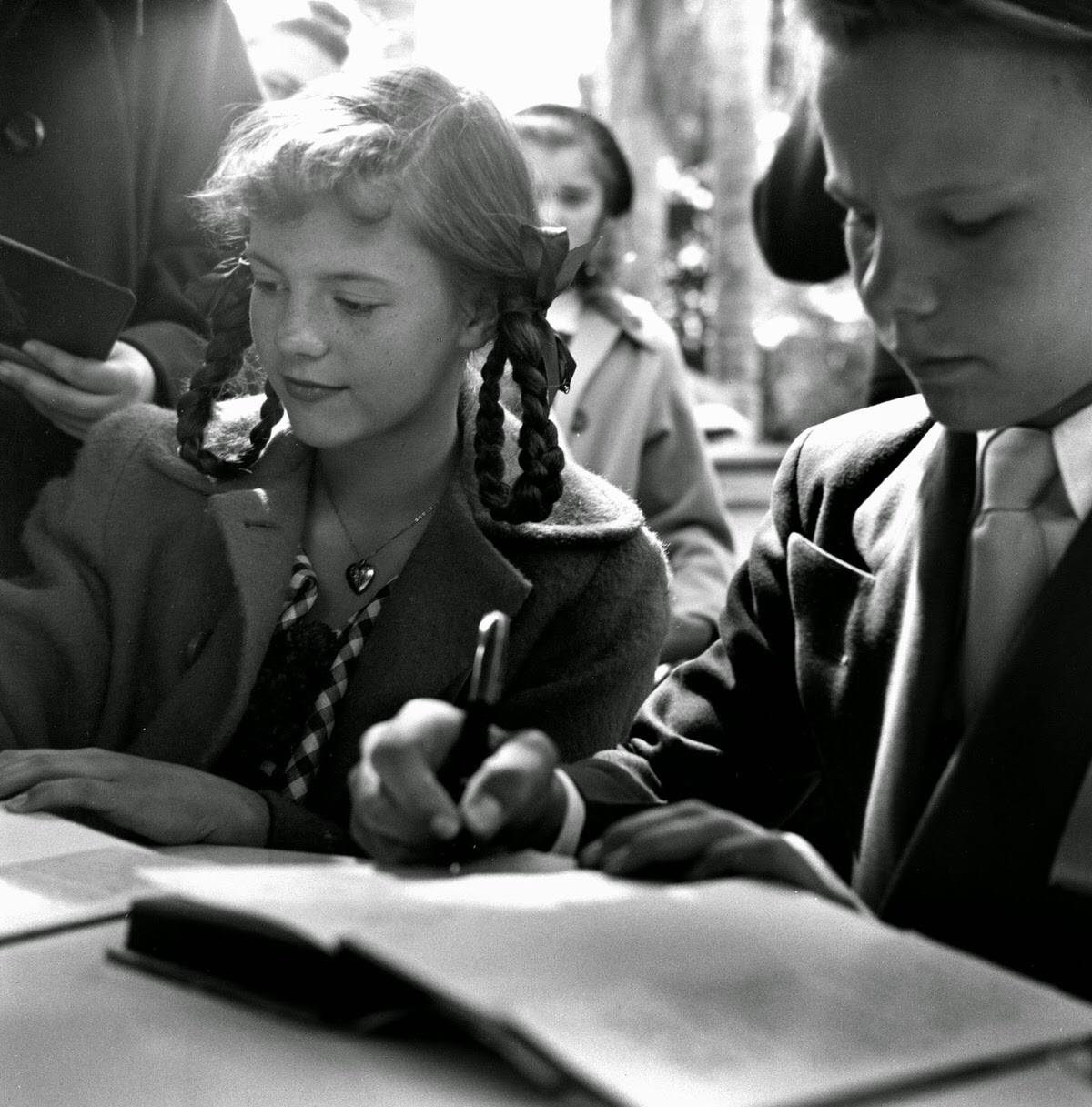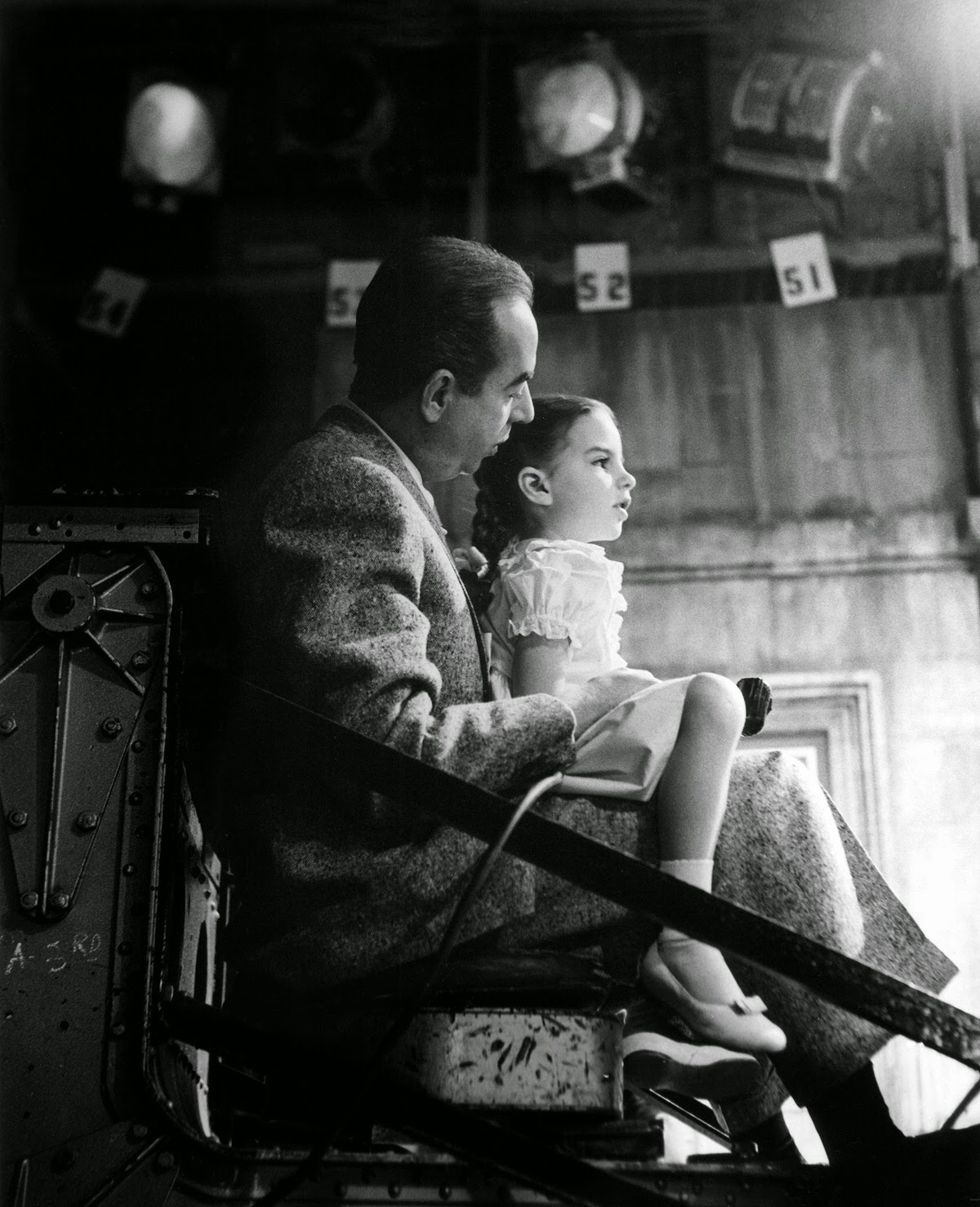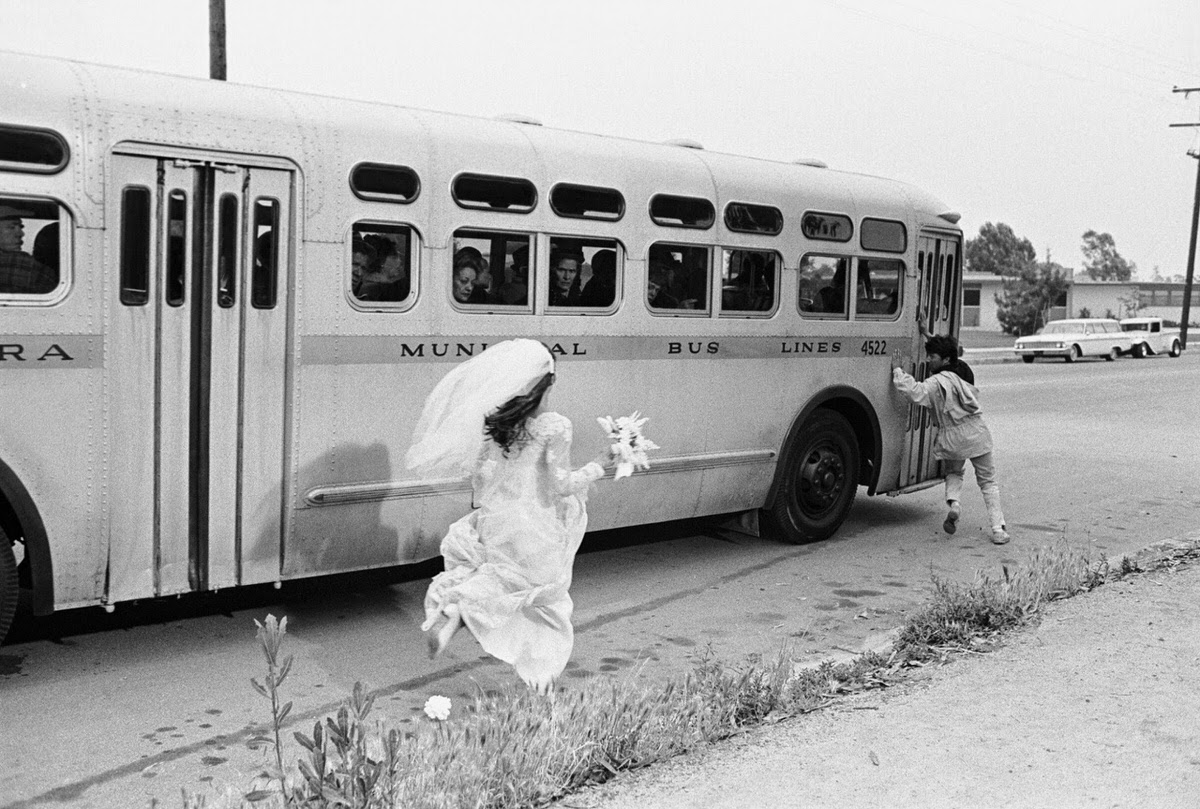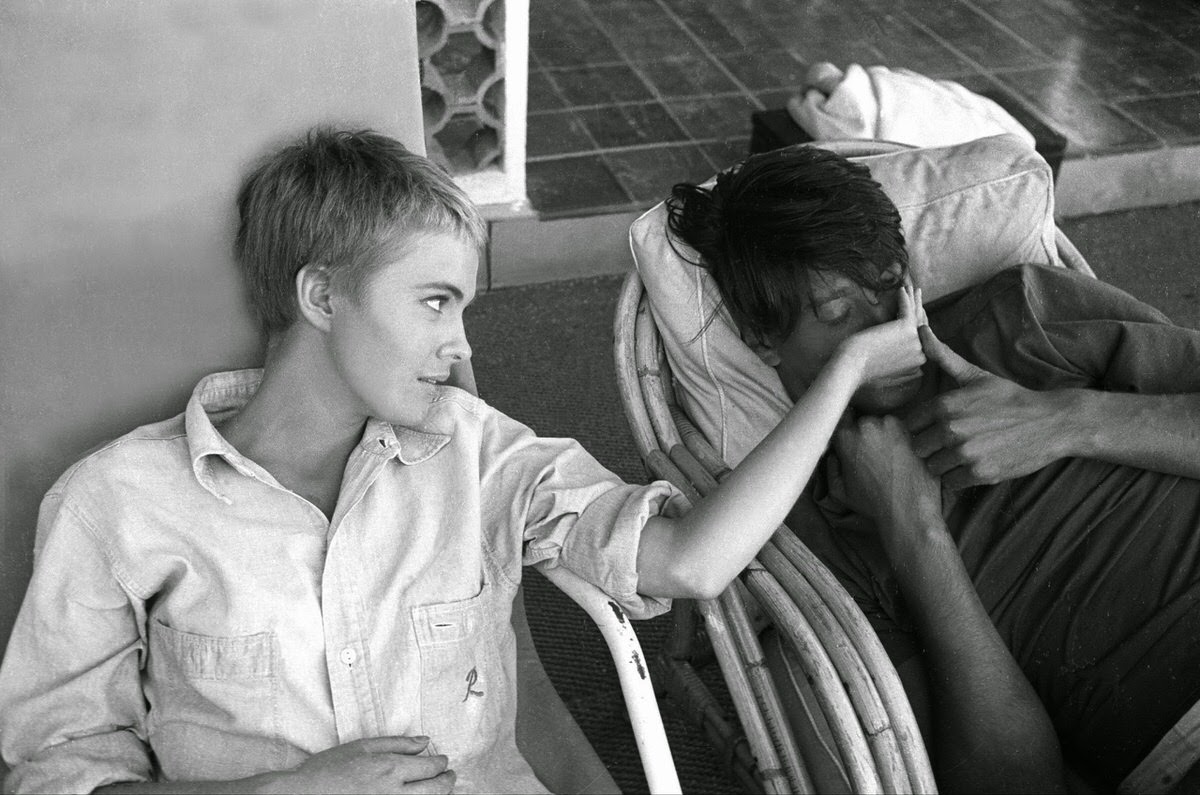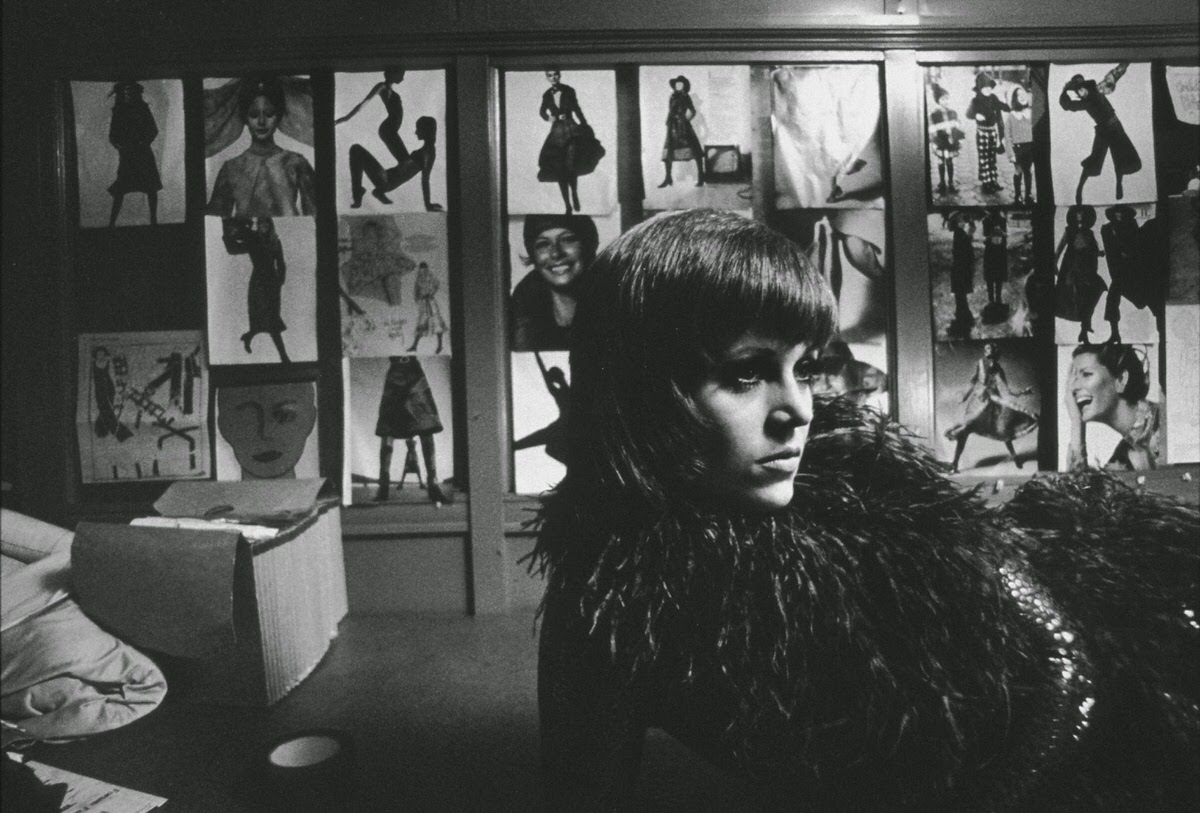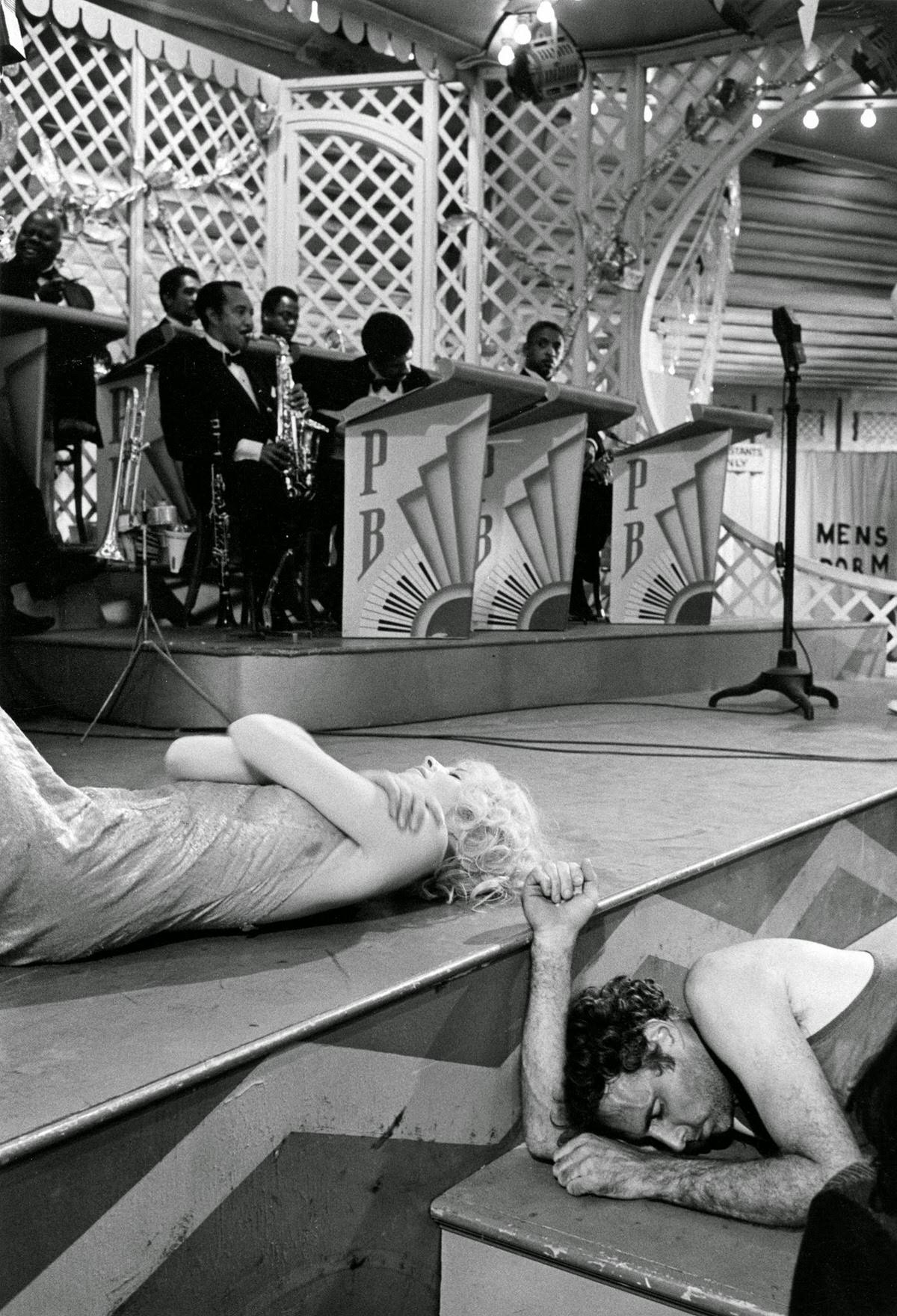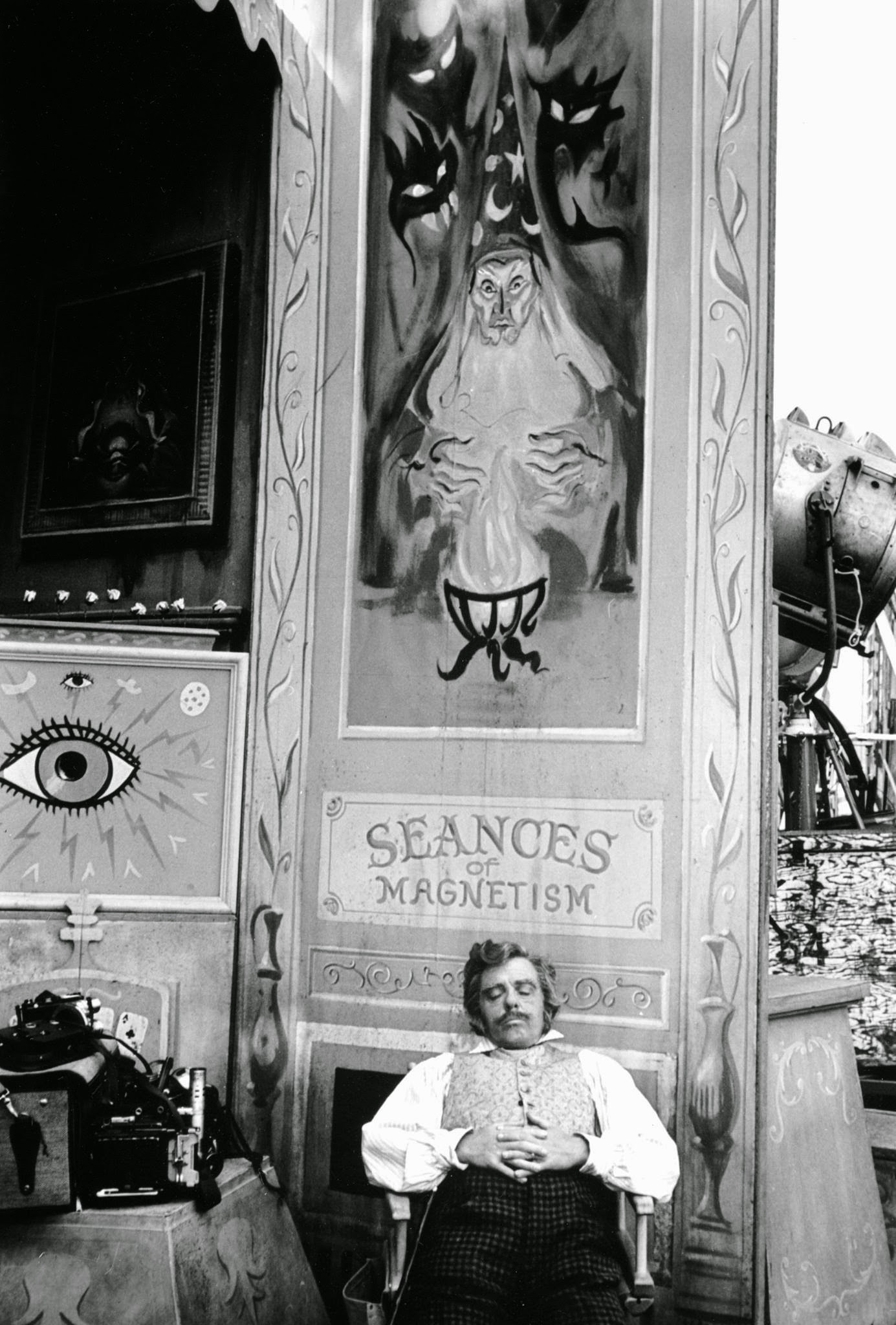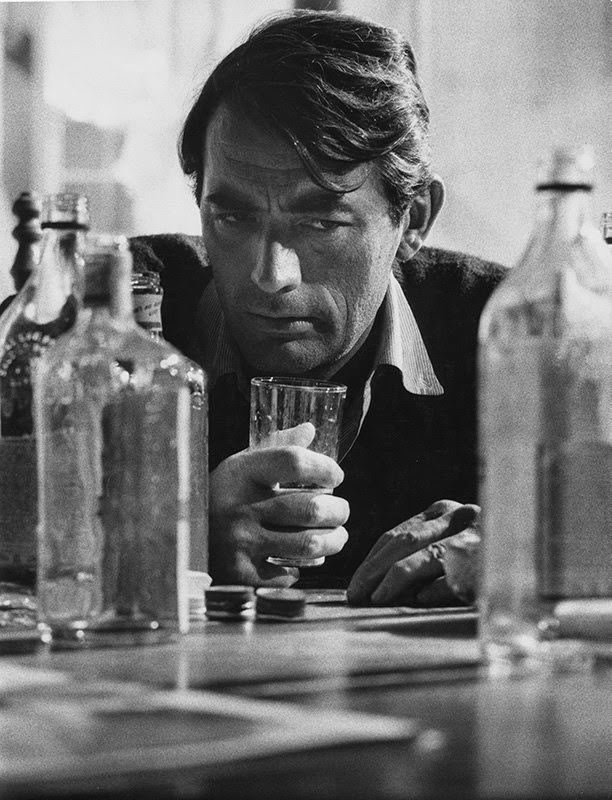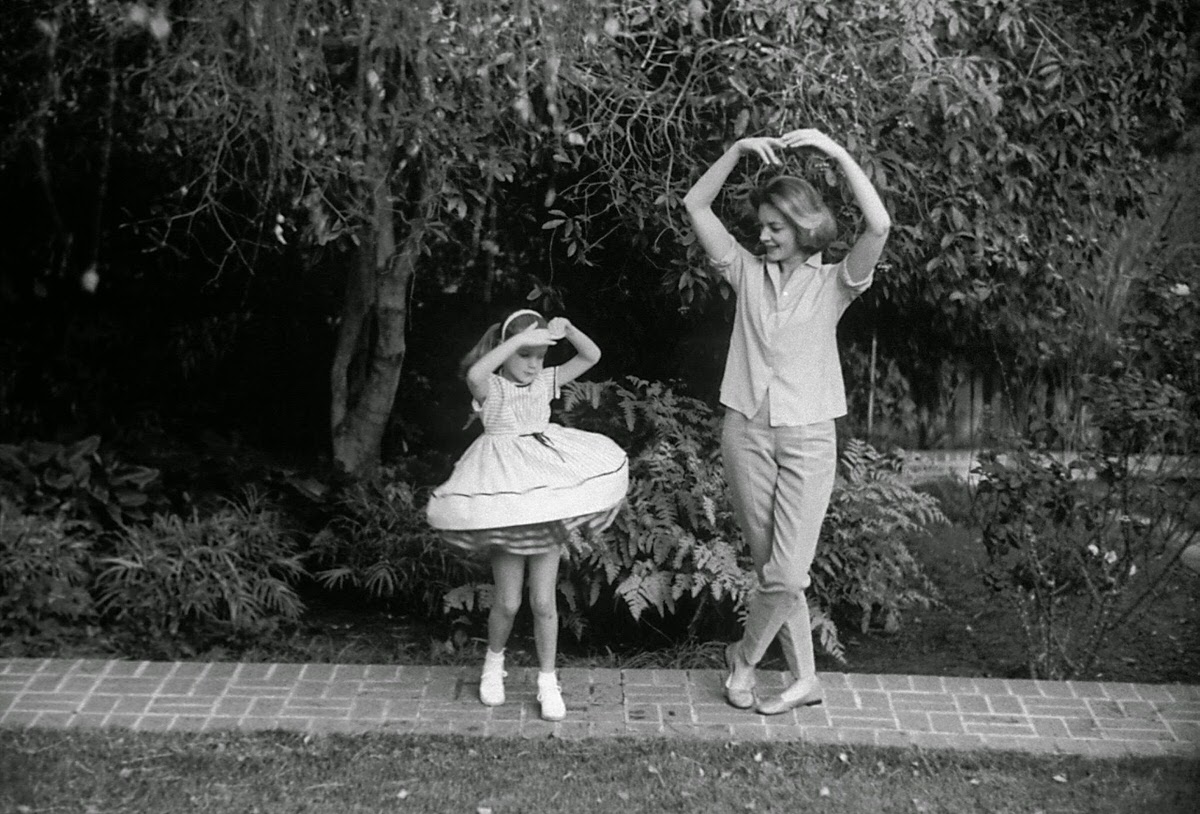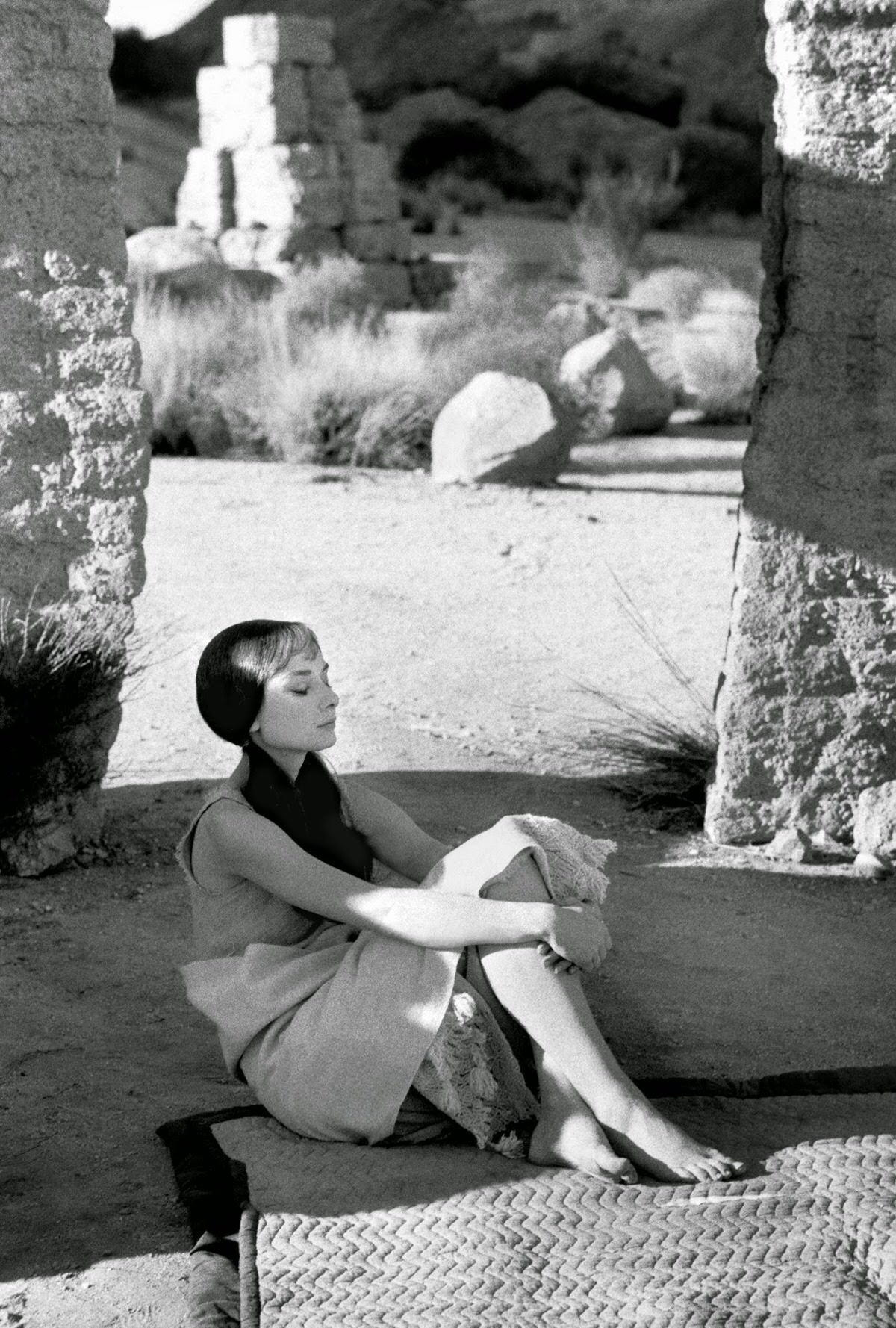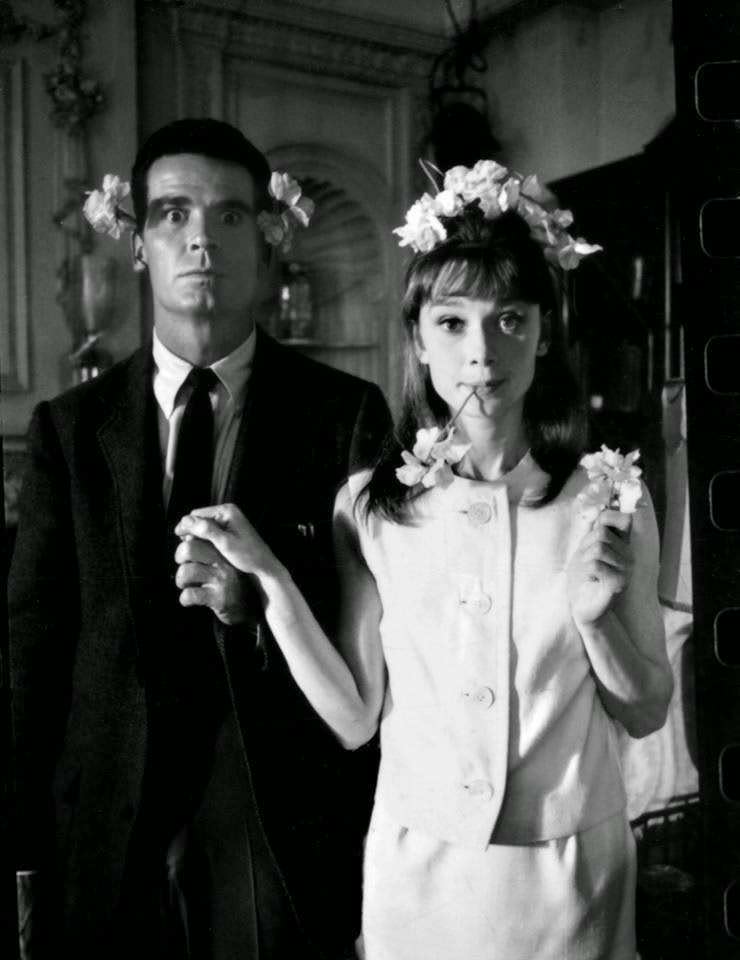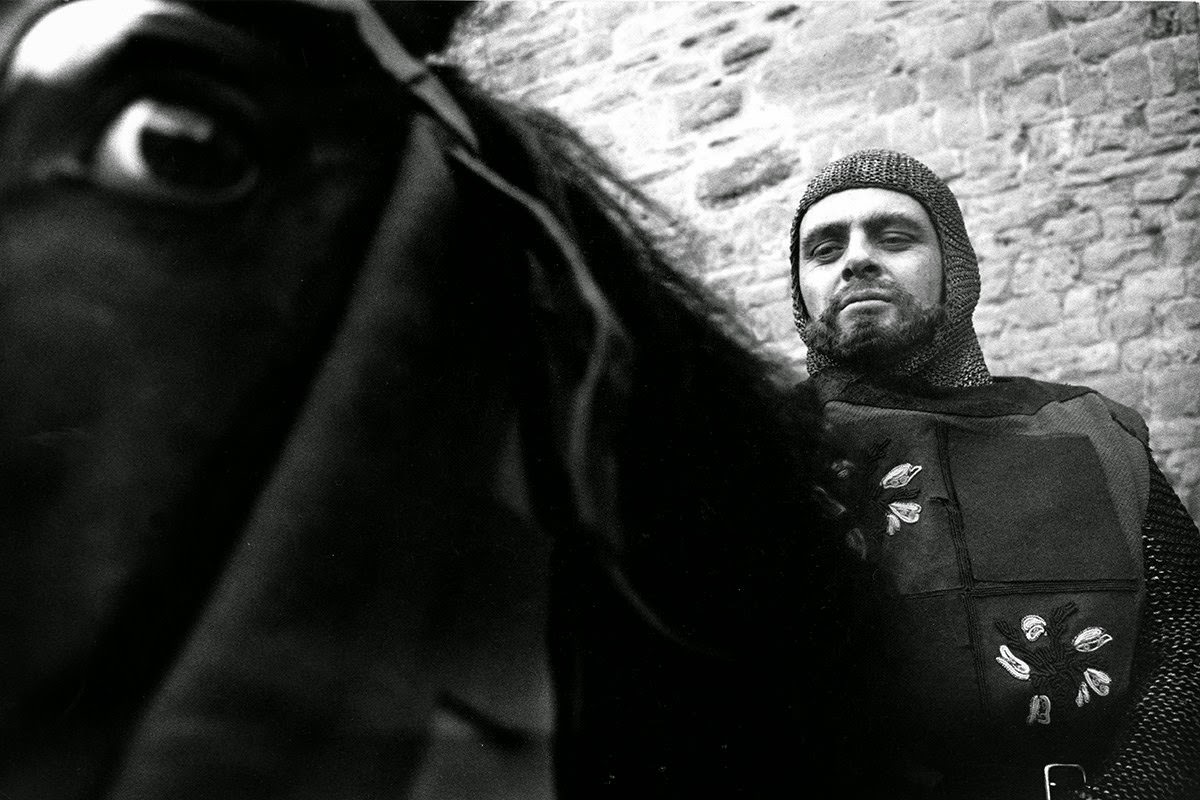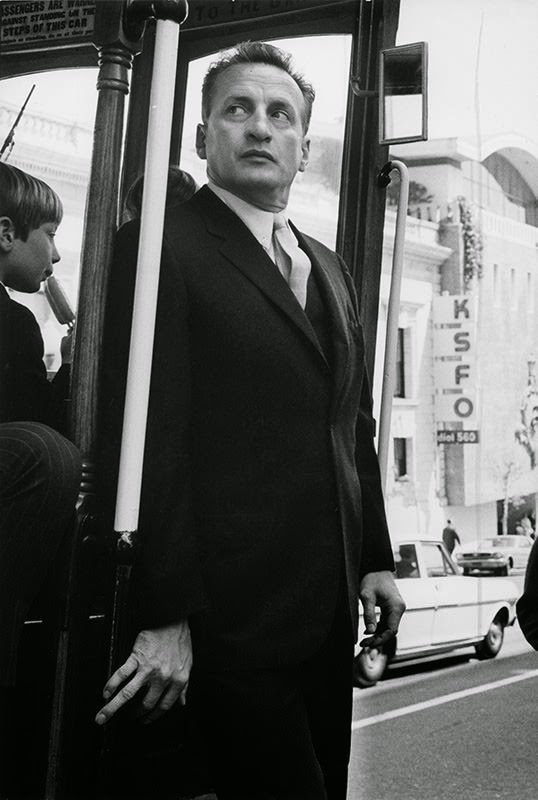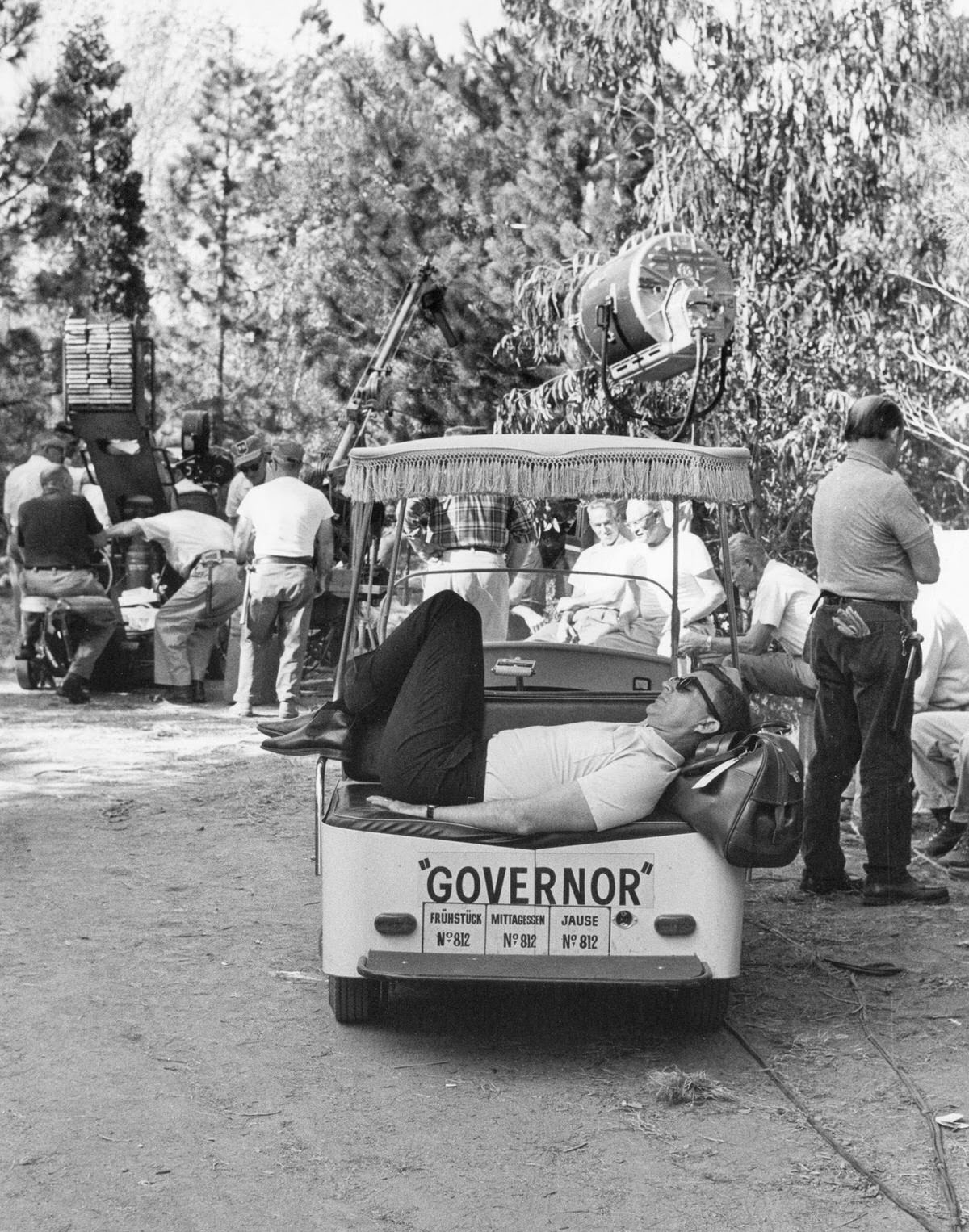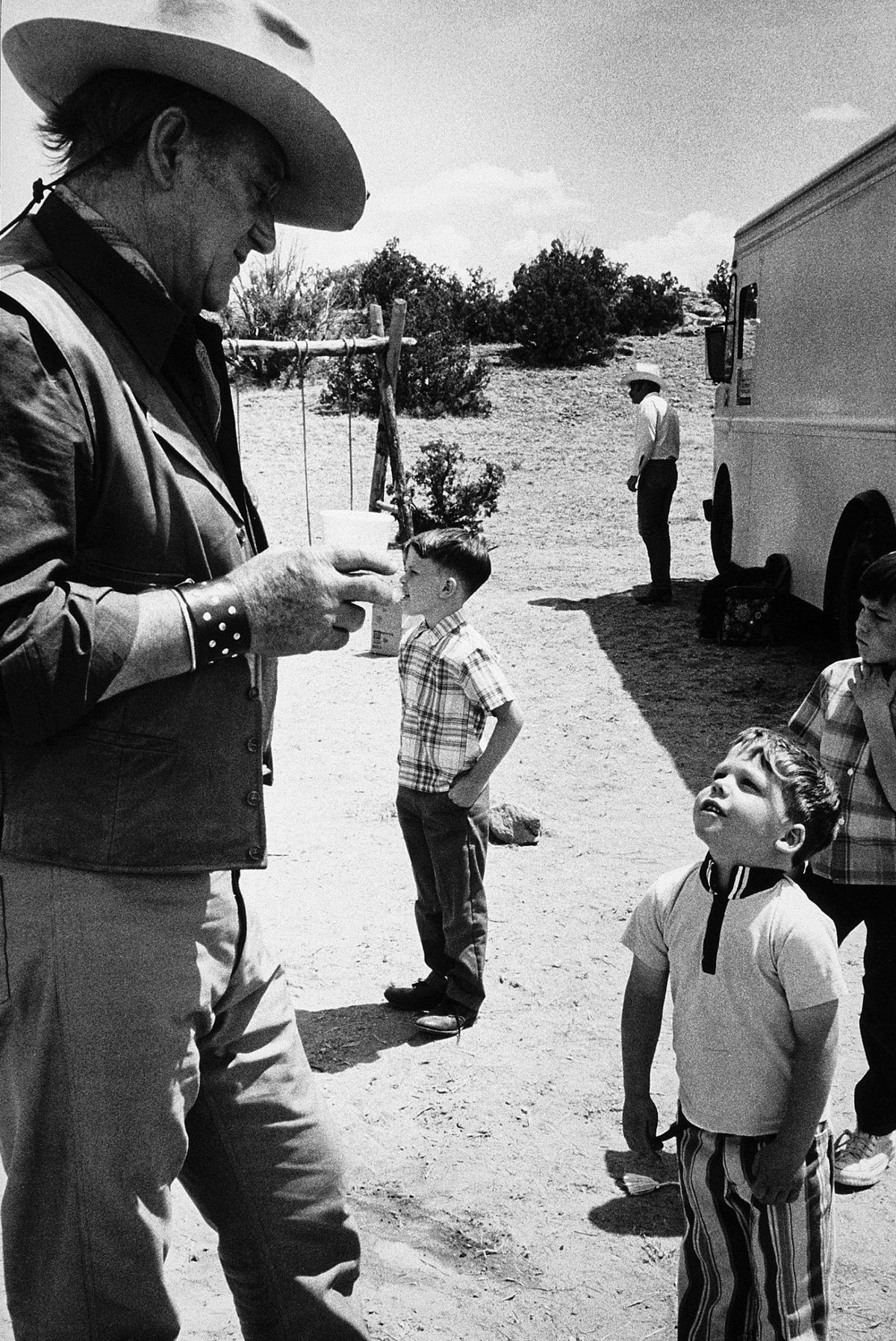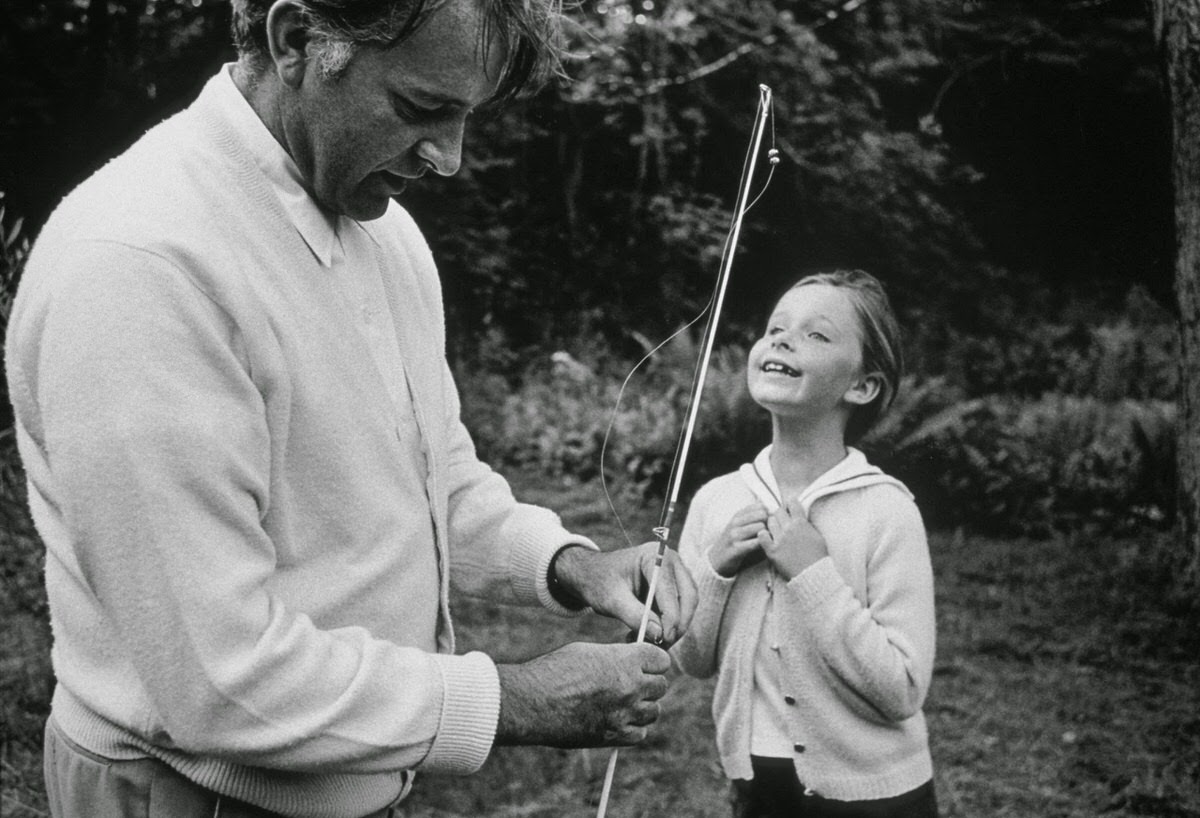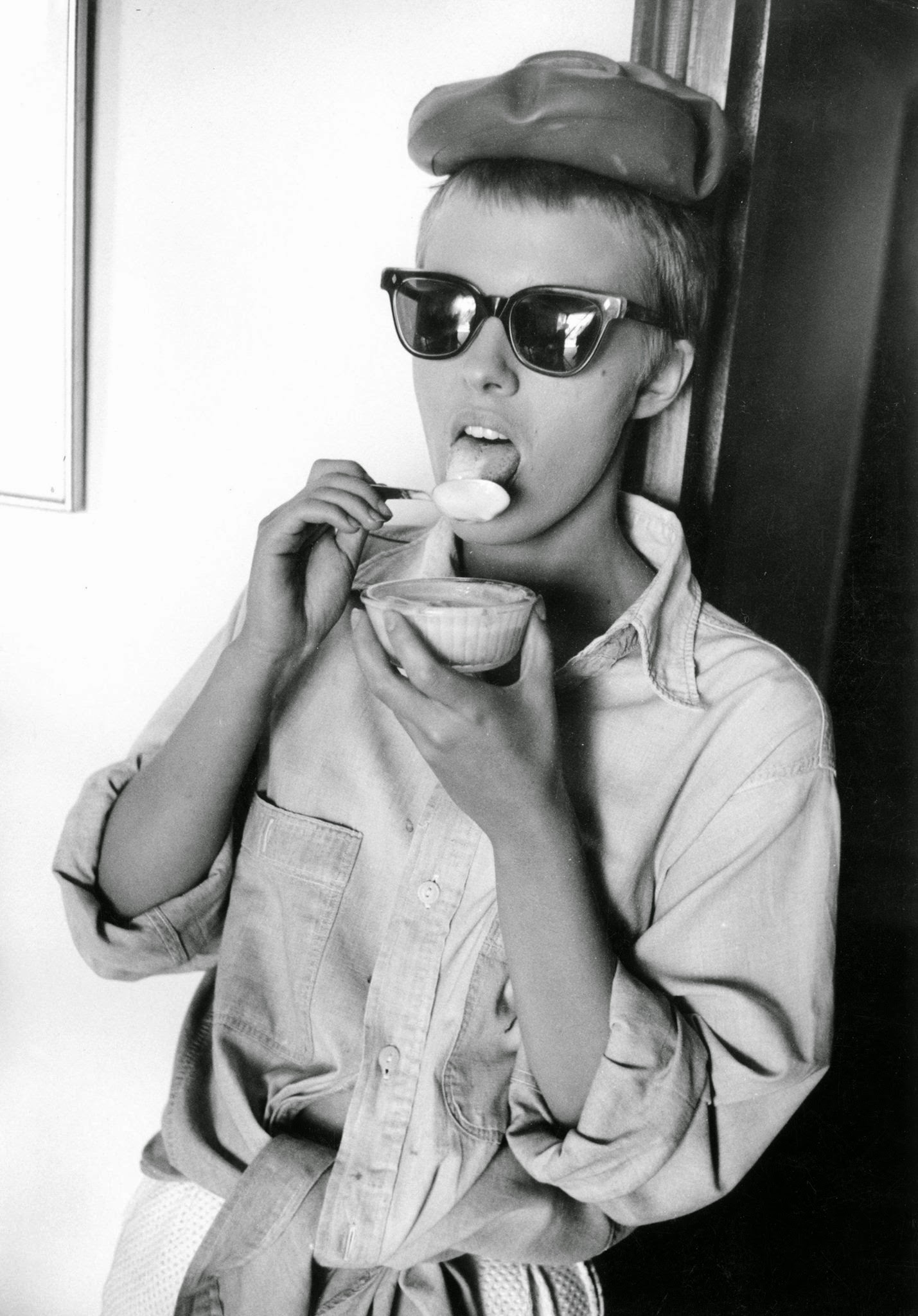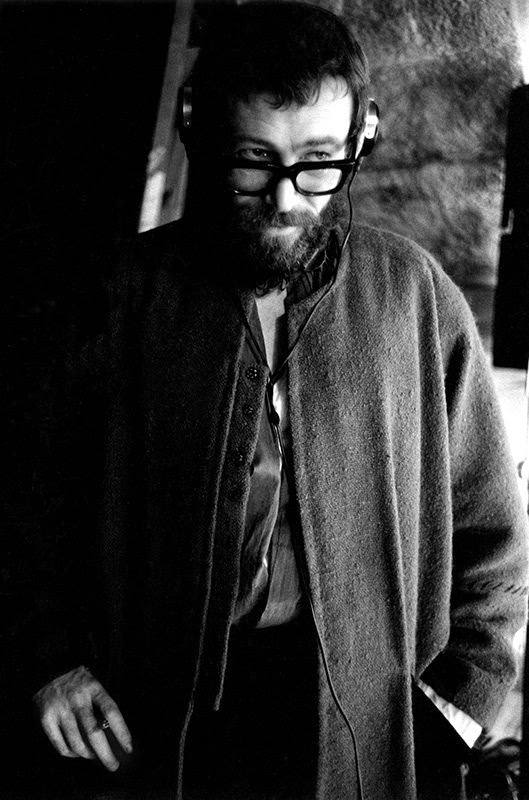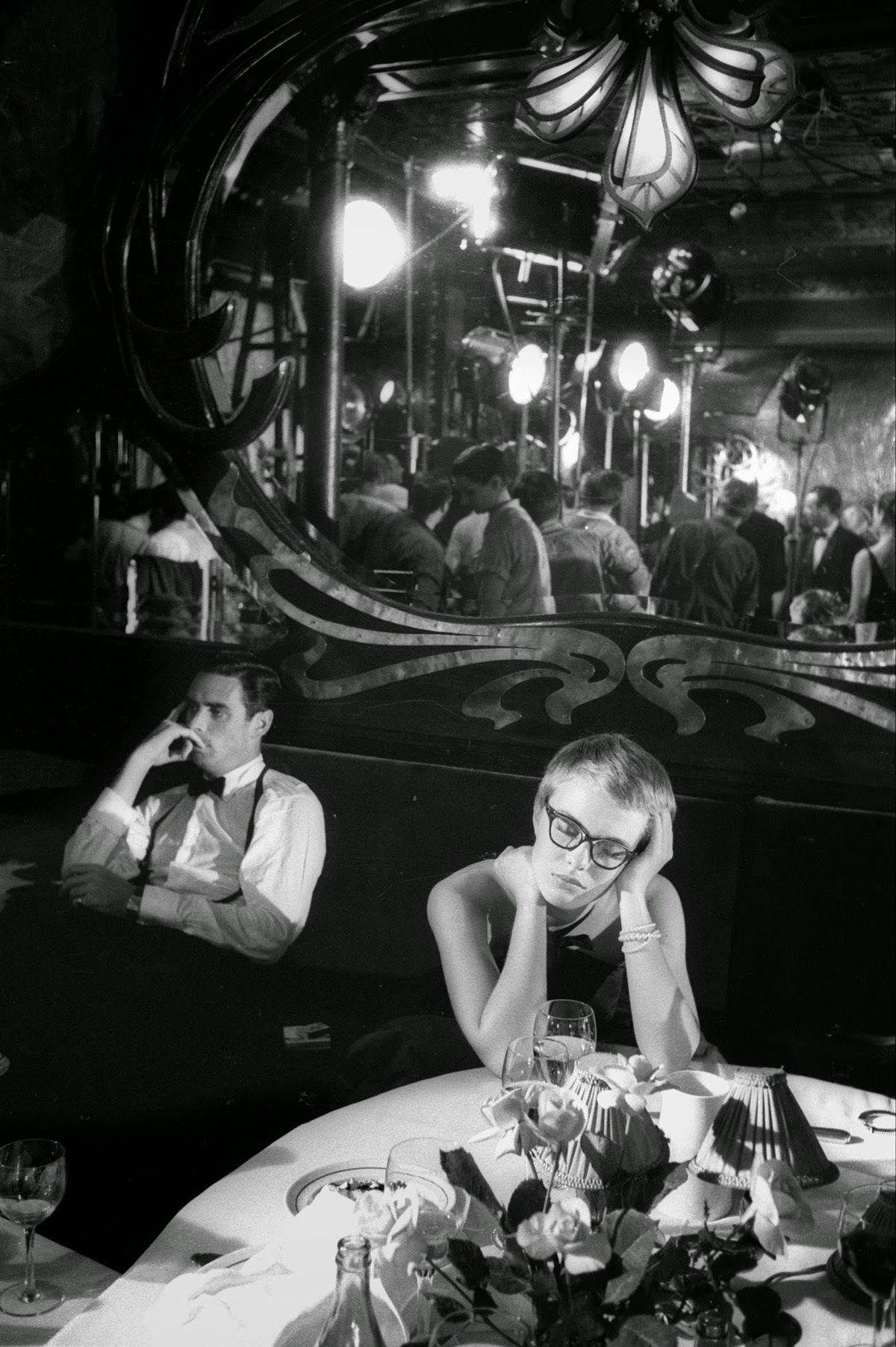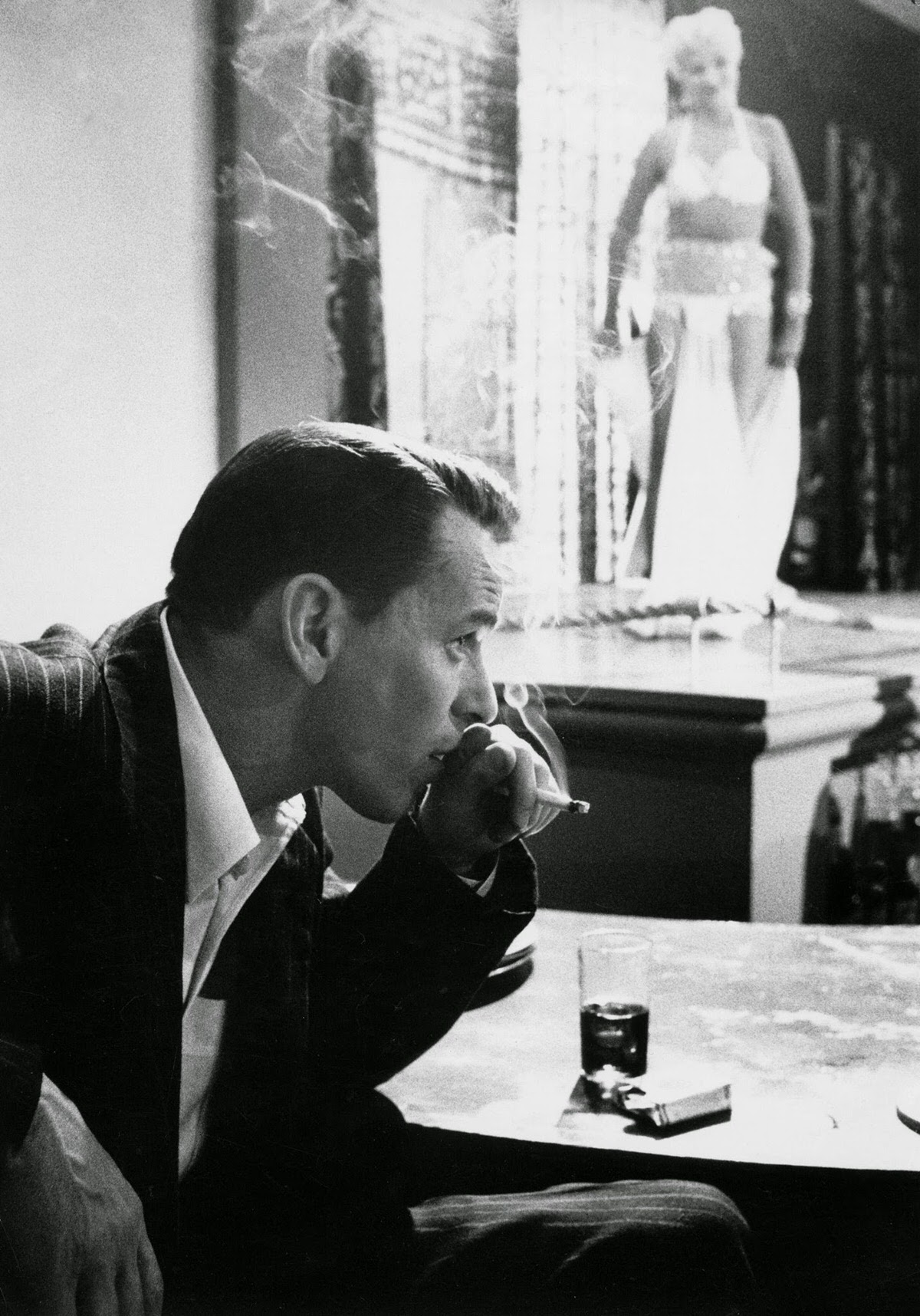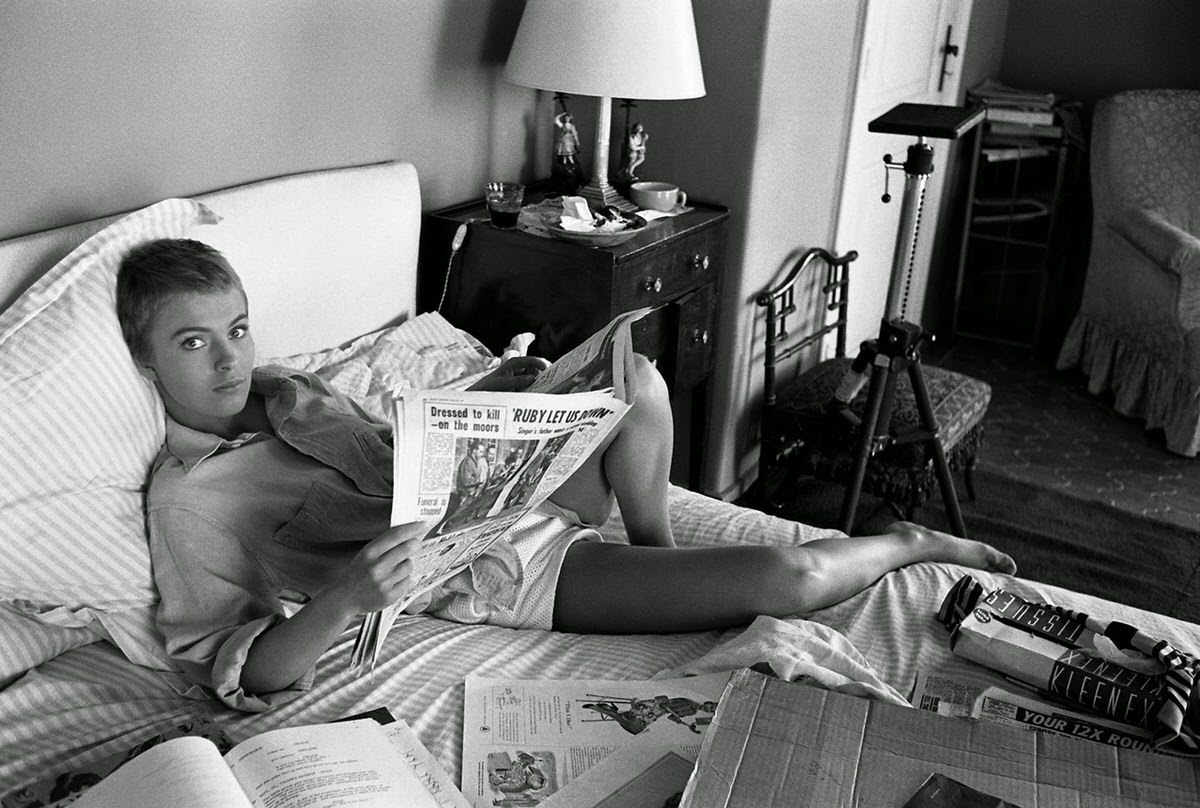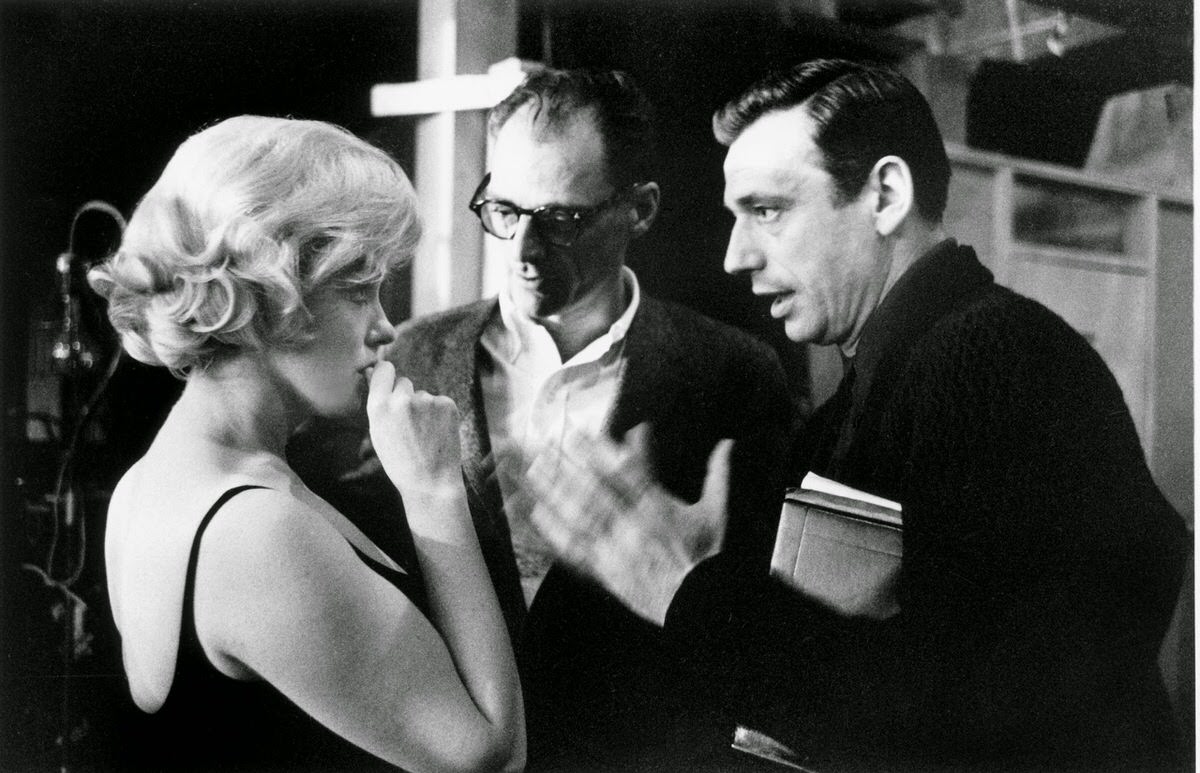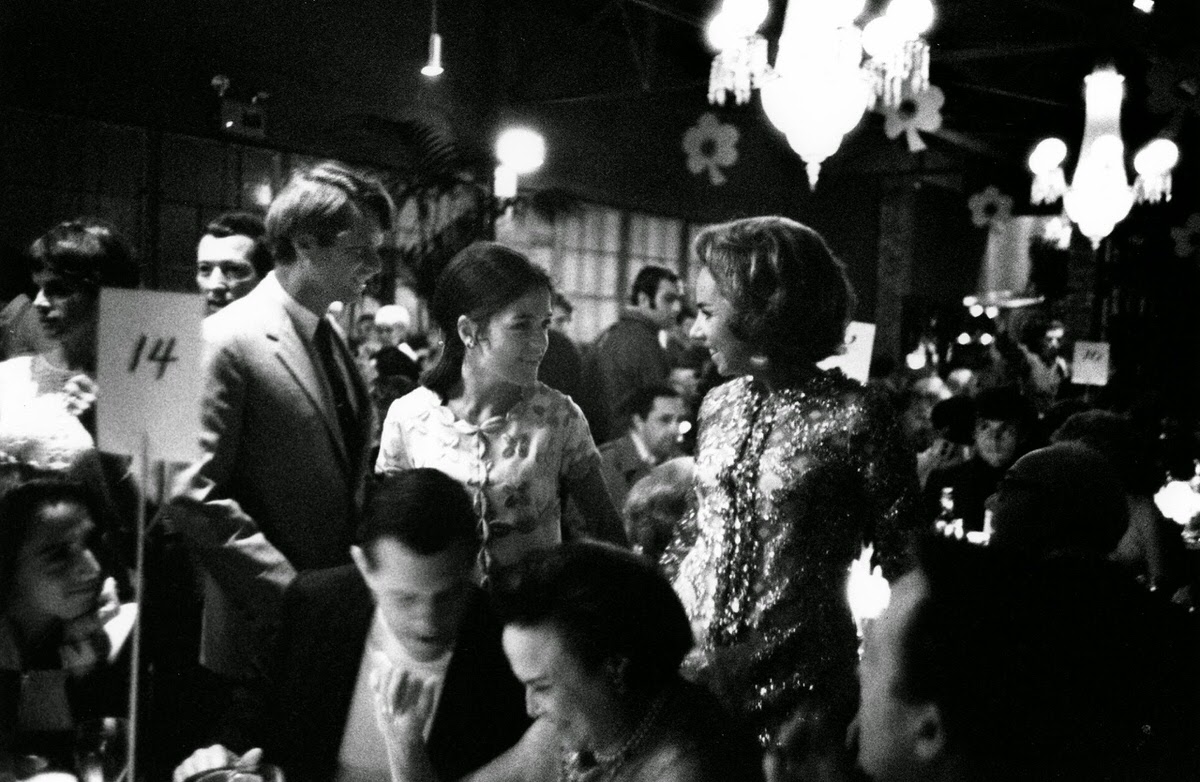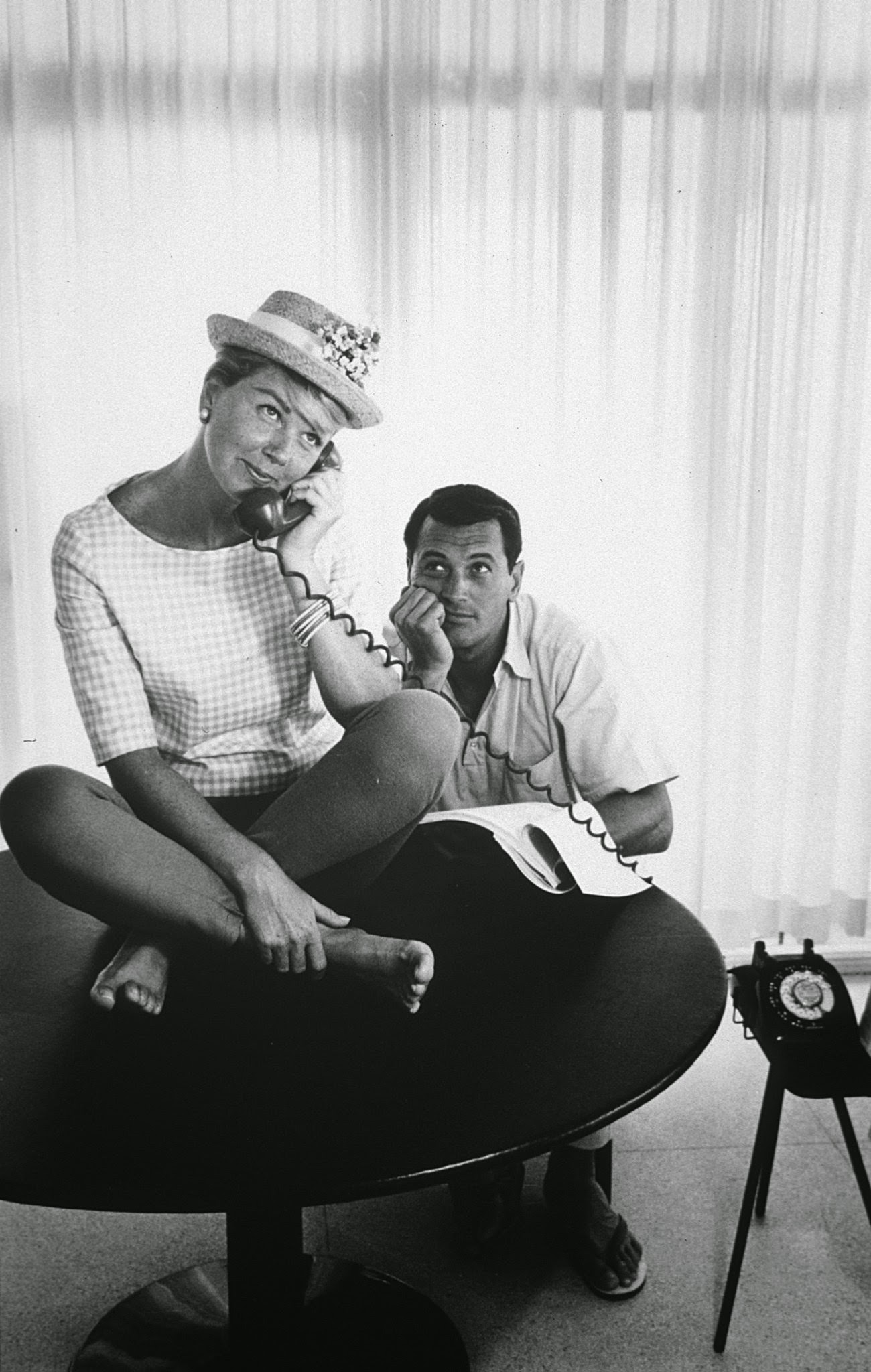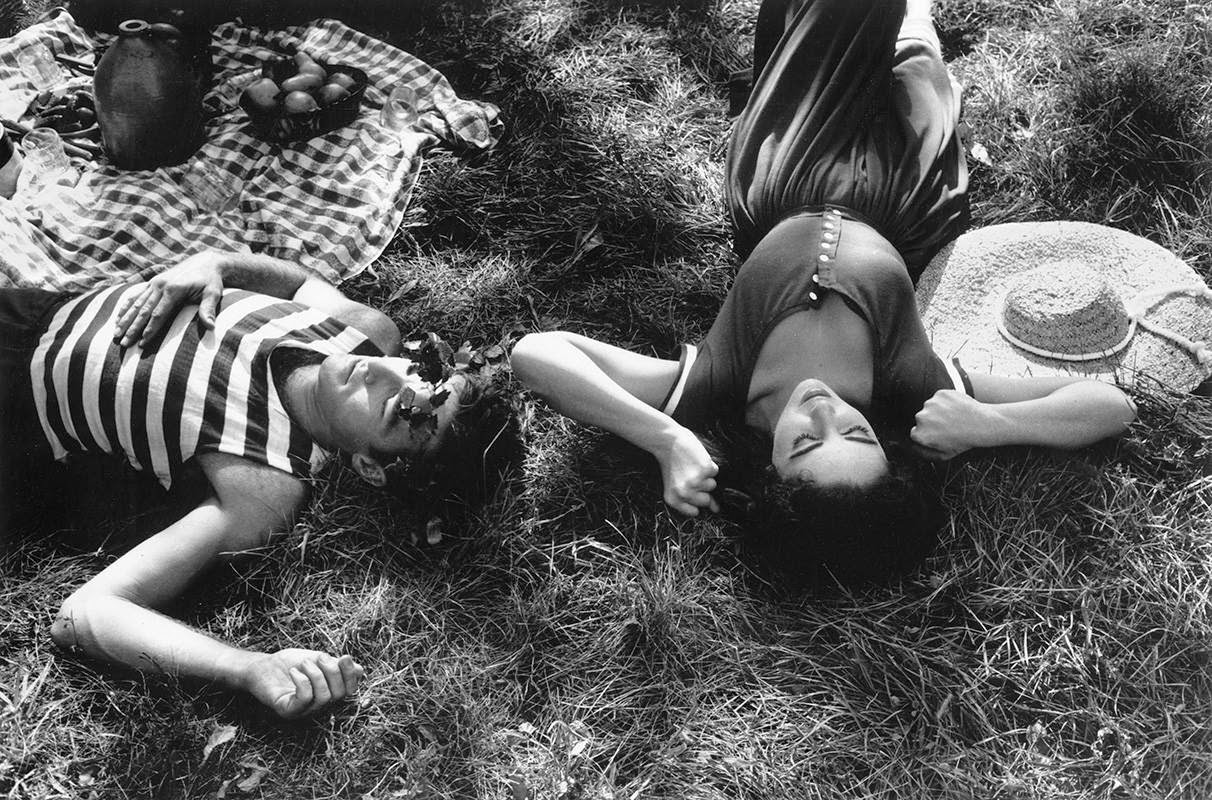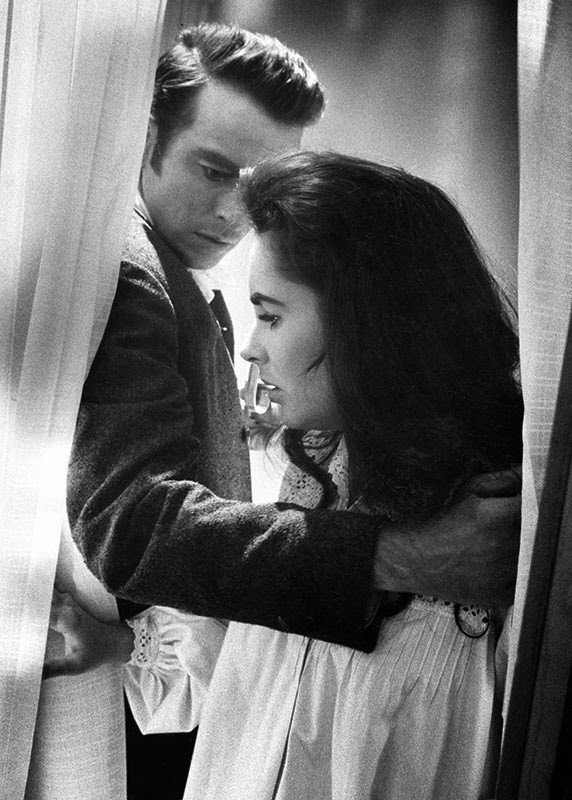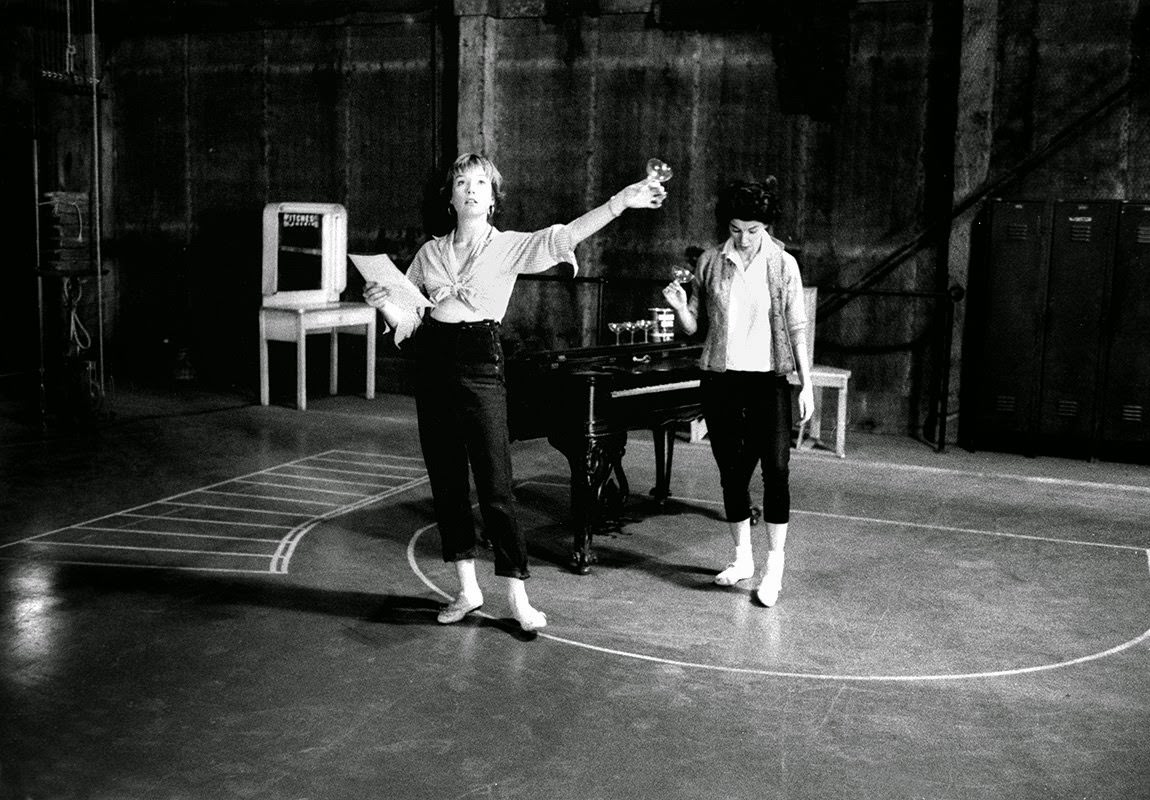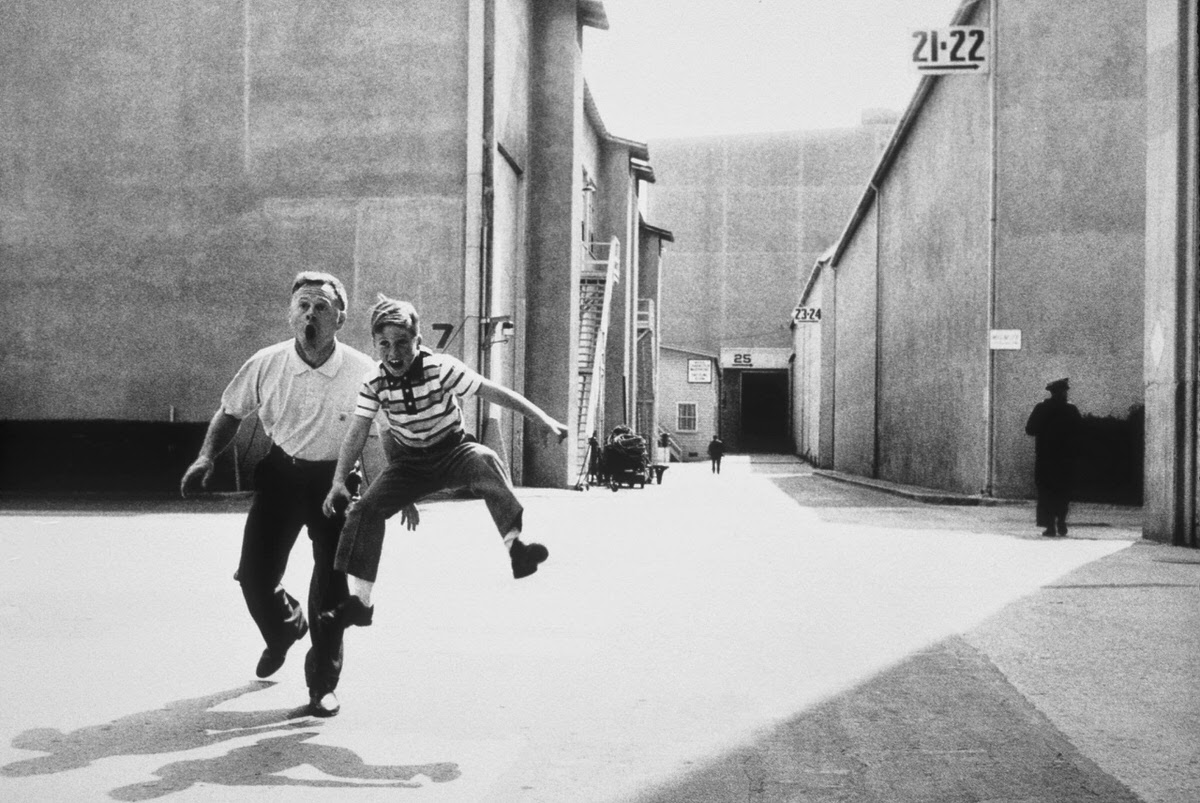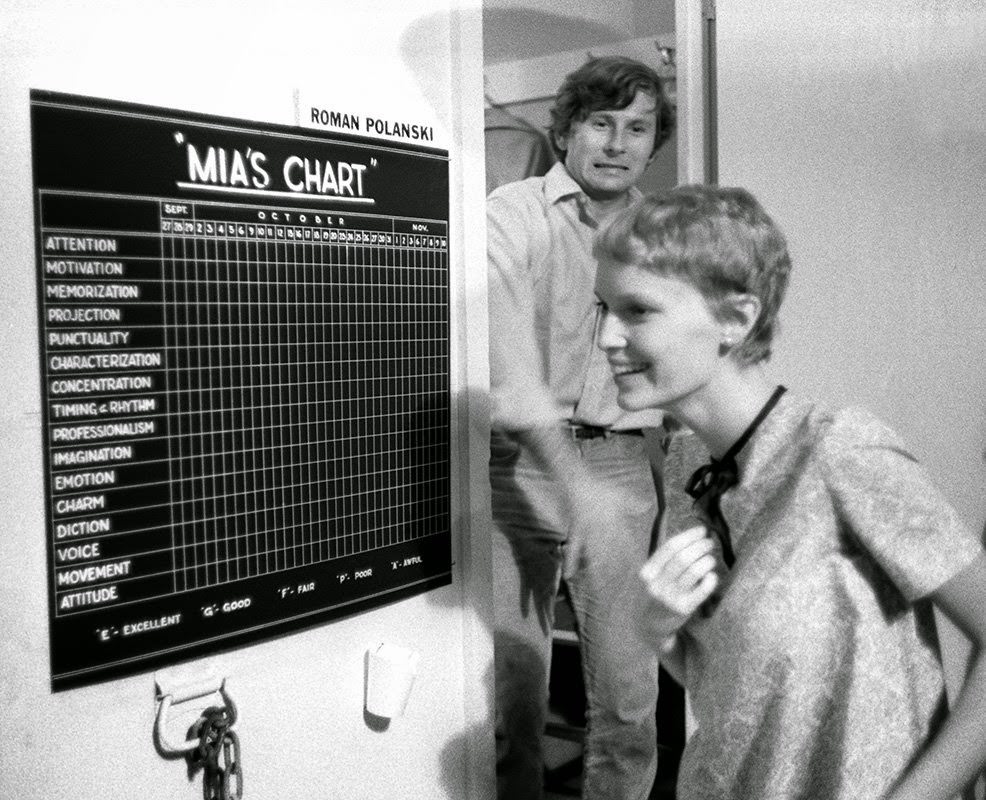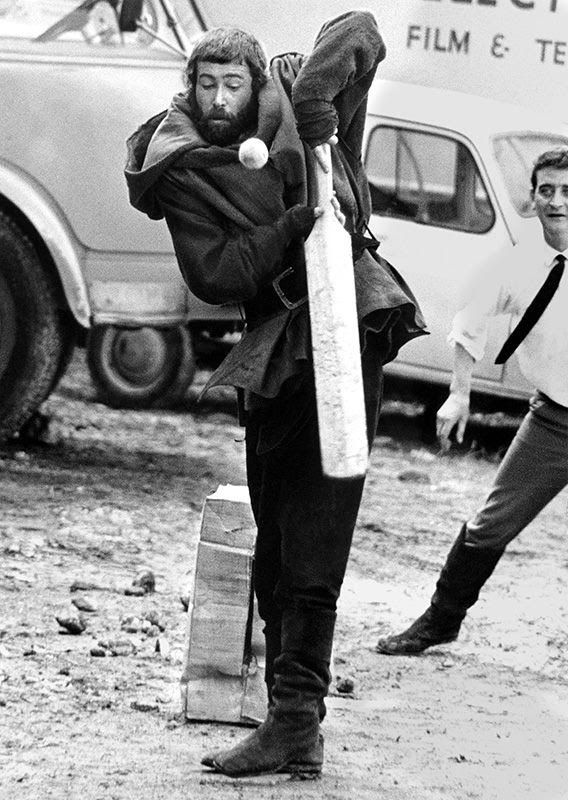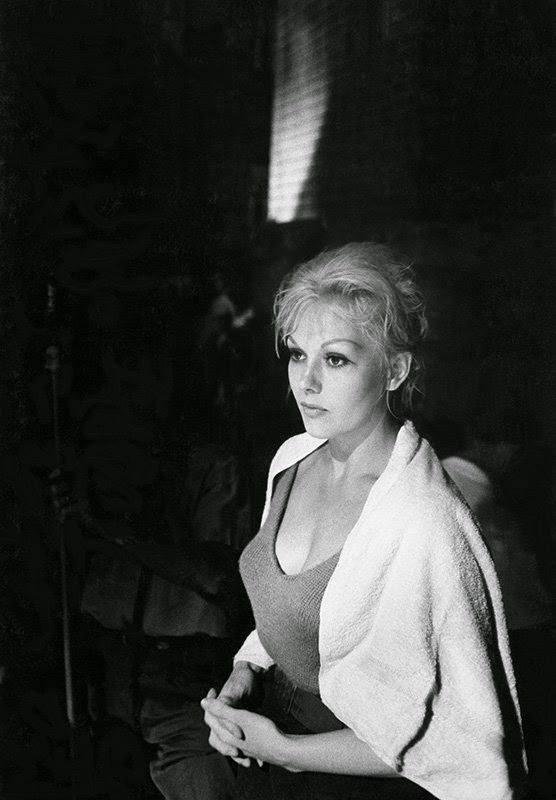

Bob Willoughby began his career with Warner Brothers in the early 1950s. He was the first photographer to bring a documentary style to the movie industry. Before he arrived, most Hollywood photos were formal and staged in a studio. Willoughby changed this by taking pictures of actors while they were working or resting on set. He used a photojournalistic approach that captured real emotions and movements. This allowed the public to see a more human side of the world’s biggest stars.
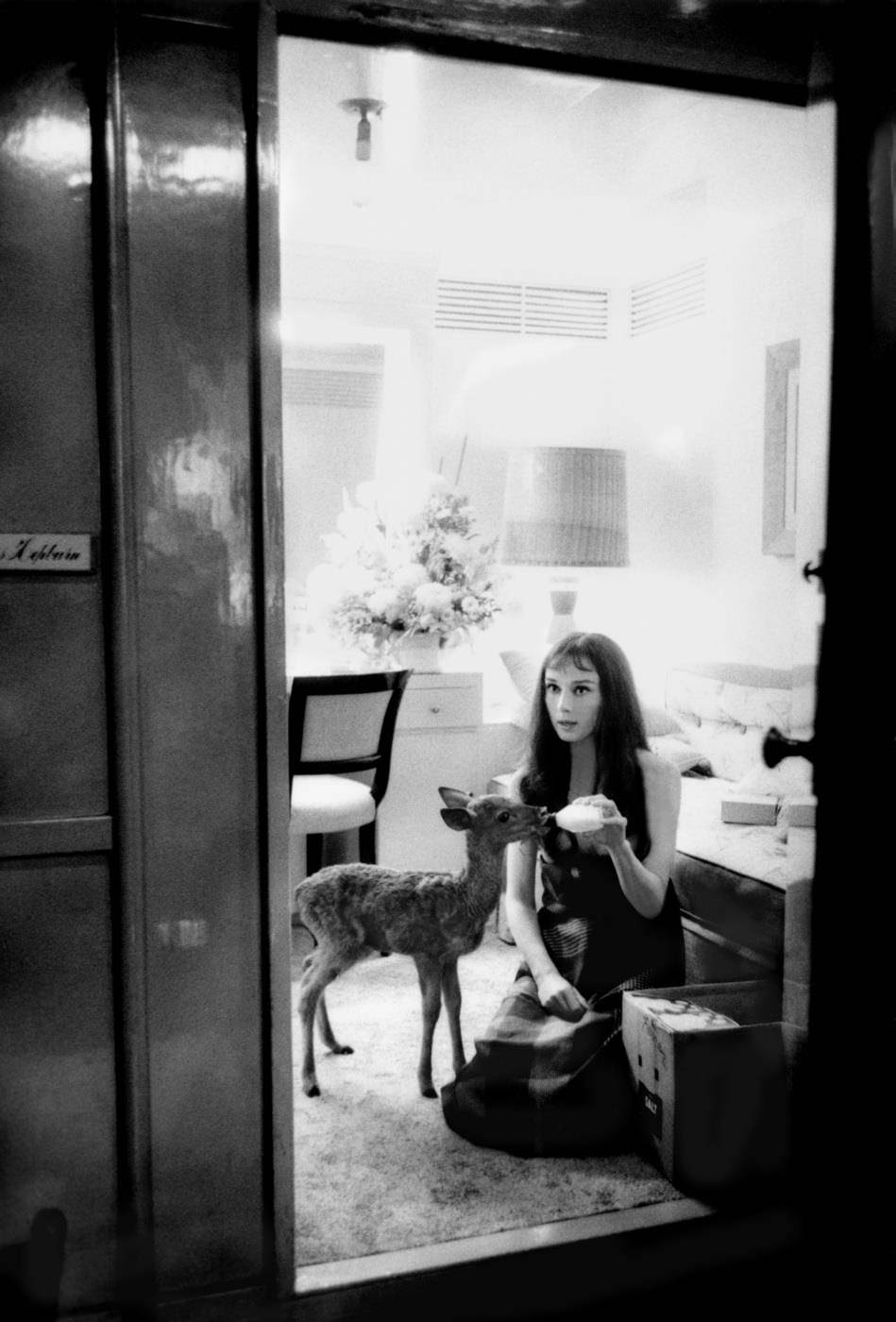
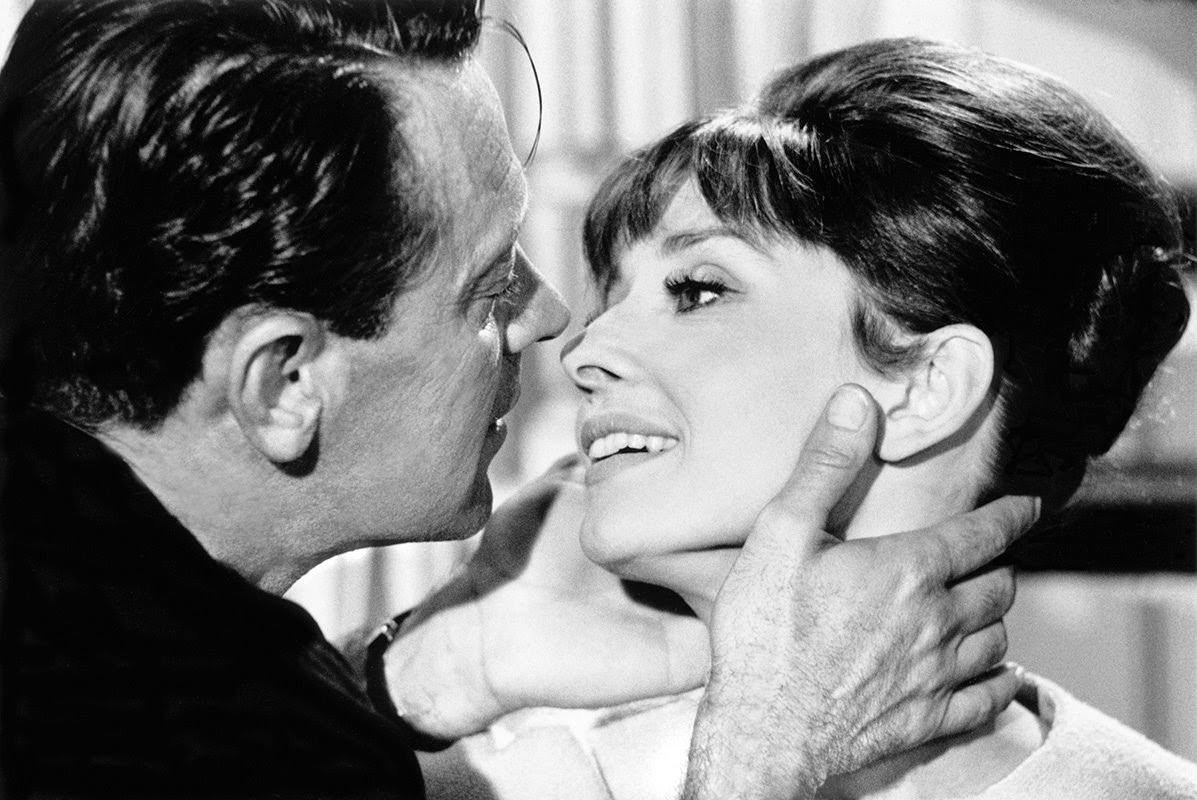
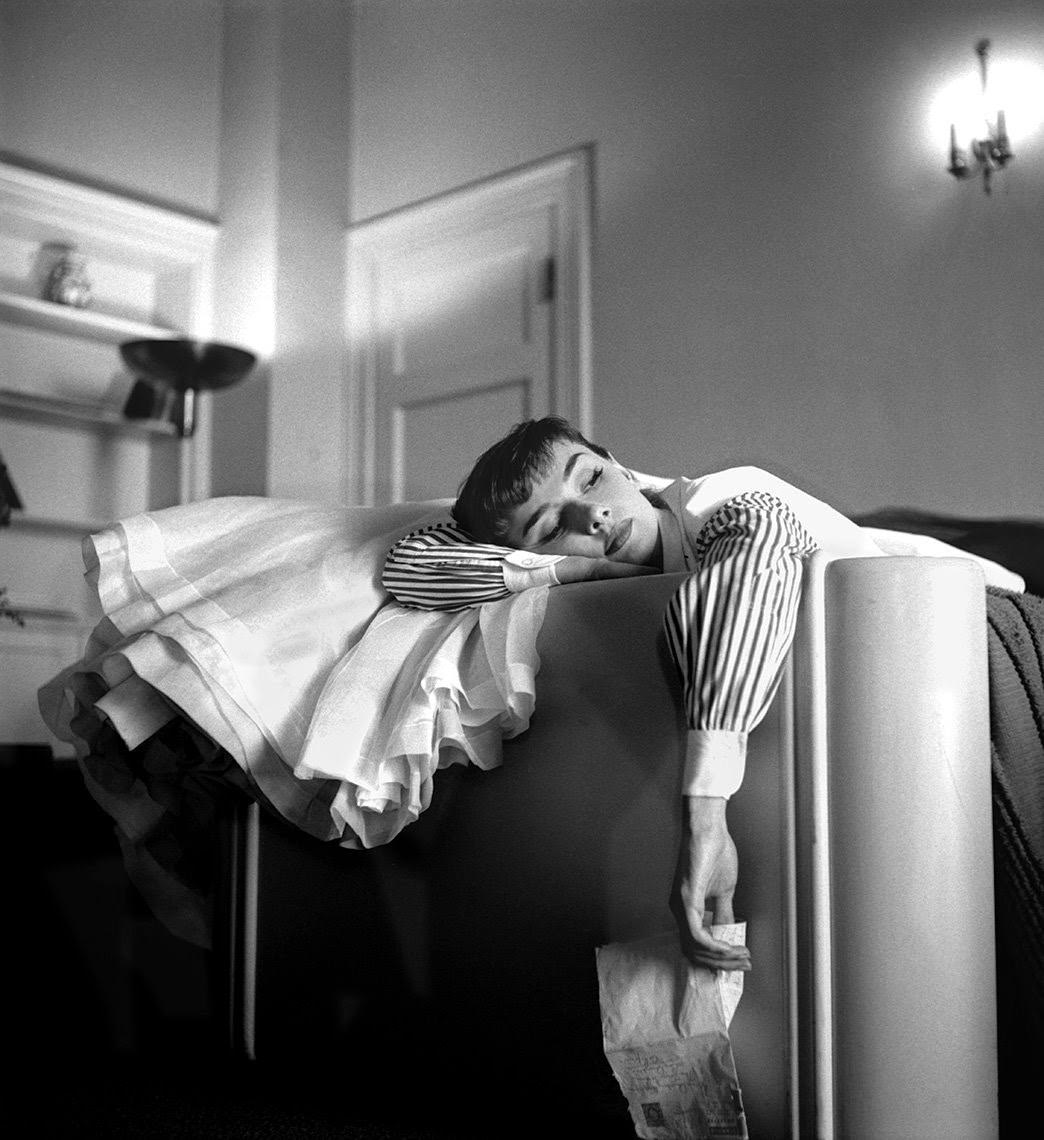
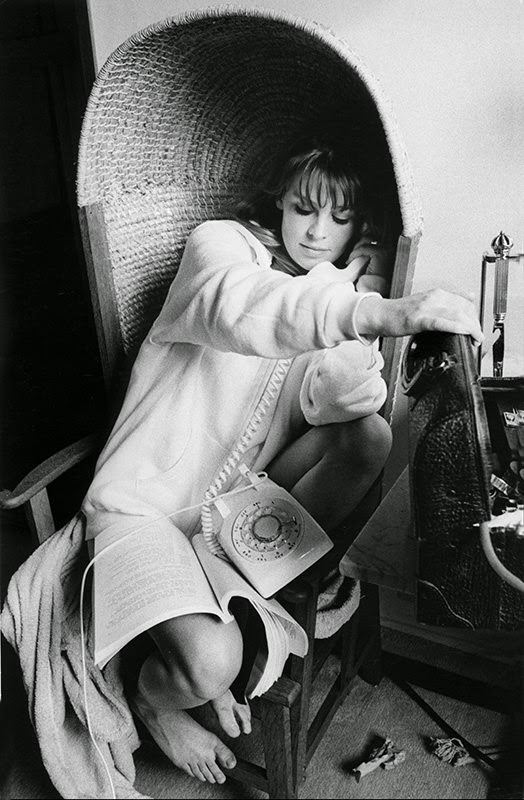
On the set of My Fair Lady, Willoughby followed Audrey Hepburn between takes. His photographs do not show her as her character, Eliza Doolittle. Instead, they show her pottering around the set and talking to the crew. She appears relaxed and focused on her own business. Willoughby had a close relationship with Hepburn and photographed her more than any other actress. He used quiet cameras so he could take pictures without interrupting her performance.
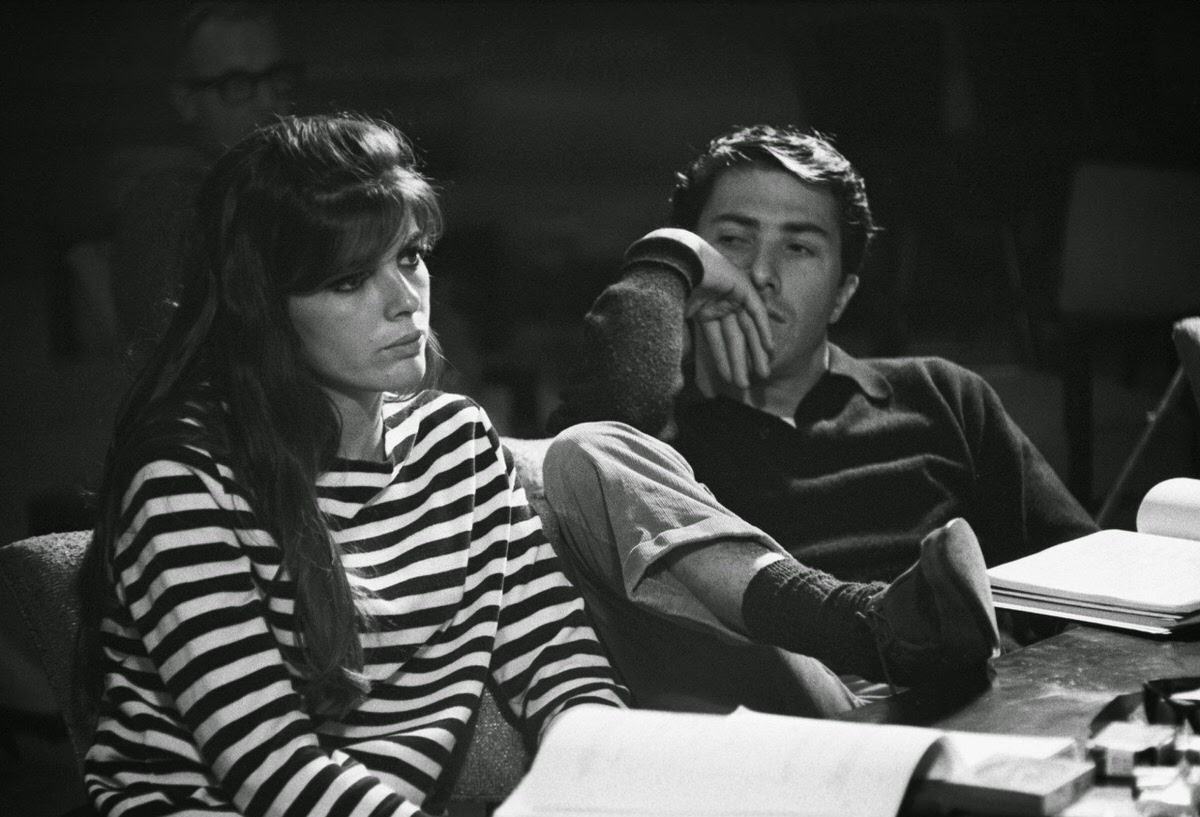
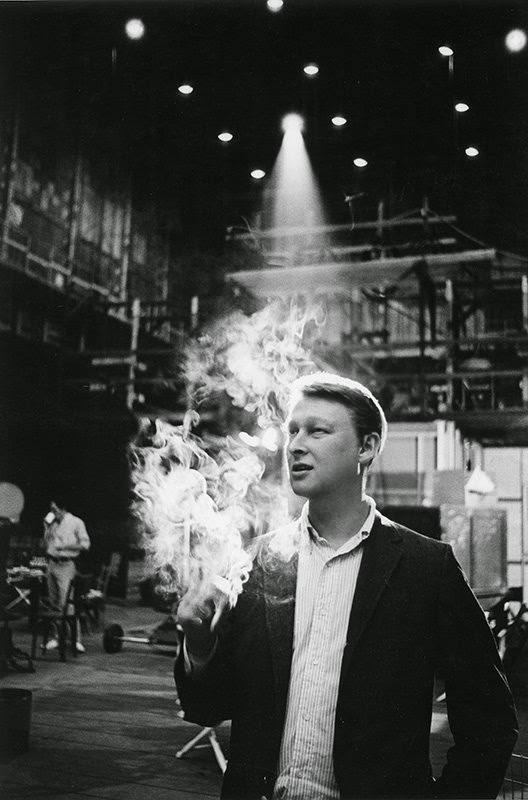
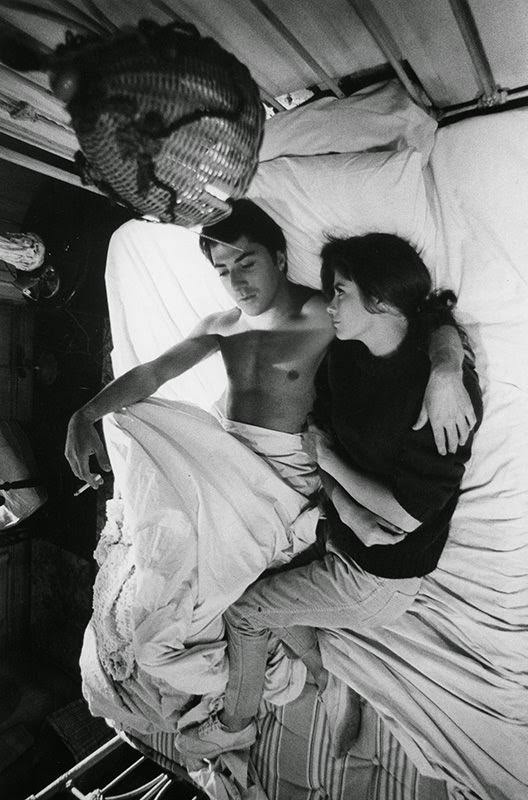
In 1967, Willoughby documented the making of The Graduate. He took pictures of Dustin Hoffman and Anne Bancroft as they stood among the lights and microphones. These images reveal the crowded and technical environment of a film production. The actors are seen talking to director Mike Nichols or checking their scripts. Willoughby focused on the small details, such as the expression on Hoffman’s face when he was not acting. These photos show the hard work that goes into making a motion picture.
Read more..
Willoughby also spent time at the Sands Hotel in Las Vegas. He gained access to the private areas where the Rat Pack spent their time. He photographed Frank Sinatra and Dean Martin casually playing a hand of blackjack. They are shown in their suits, holding their cards and laughing at the table. These images capture a genuine moment of friendship. The lighting in the room is natural, which gives the photos a realistic and gritty feel. He did not ask the performers to pose for these shots.
James Dean was another important subject for Willoughby. He photographed Dean during the filming of Rebel Without a Cause in the early 1950s. One photo shows Dean resting his head on a piece of equipment during a break. He wears his casual clothes and looks away from the camera. Willoughby used fast film to capture these moments without using a bright flash. This technique helped him preserve the actual lighting of the movie set.
Willoughby moved around the sets constantly to find the best angles. He often hid behind scenery to stay out of the way of the camera crew. He carried several cameras around his neck so he could switch between different lenses quickly. Every photograph was a result of his ability to stay quiet and observe.