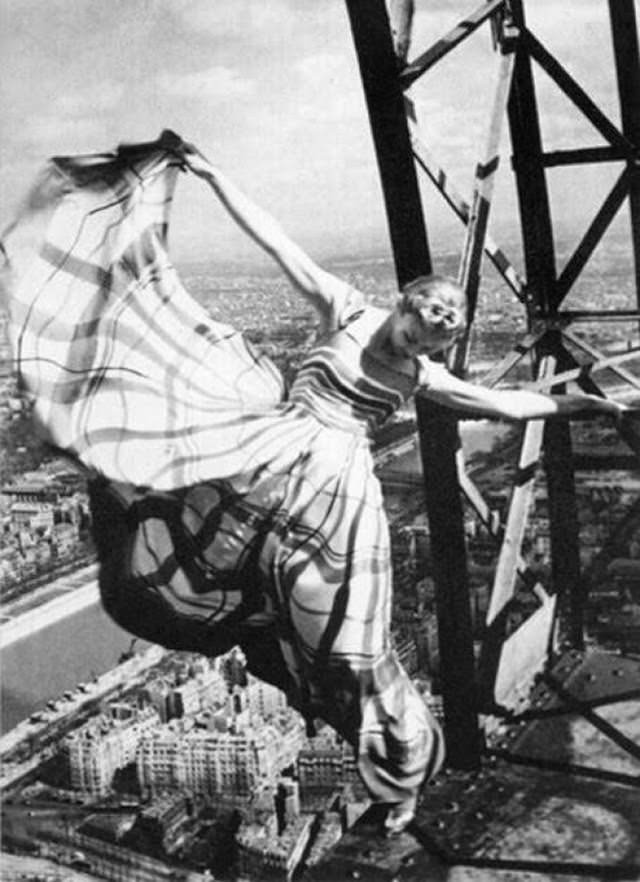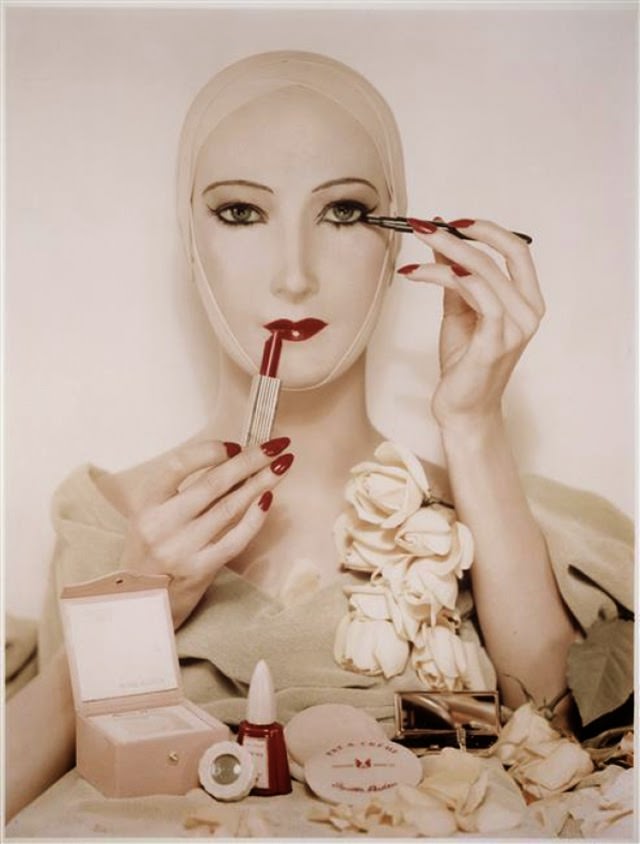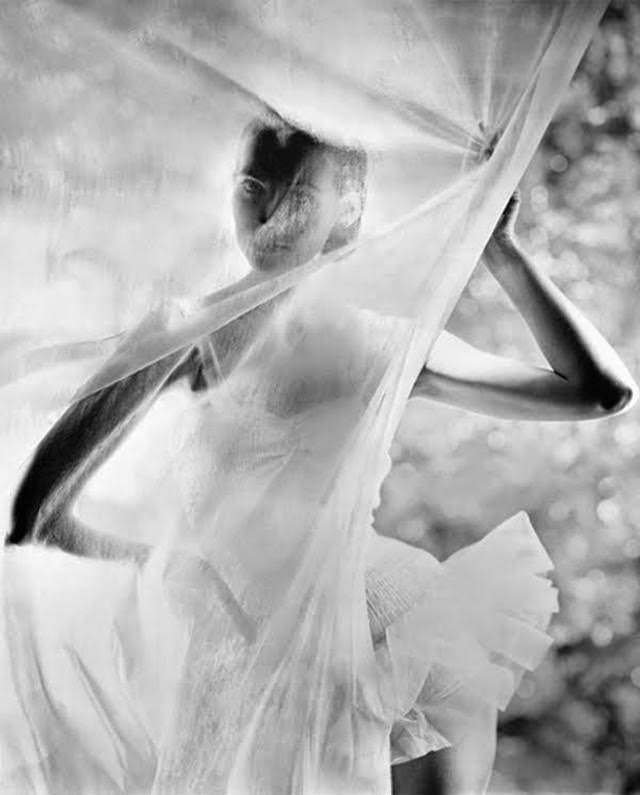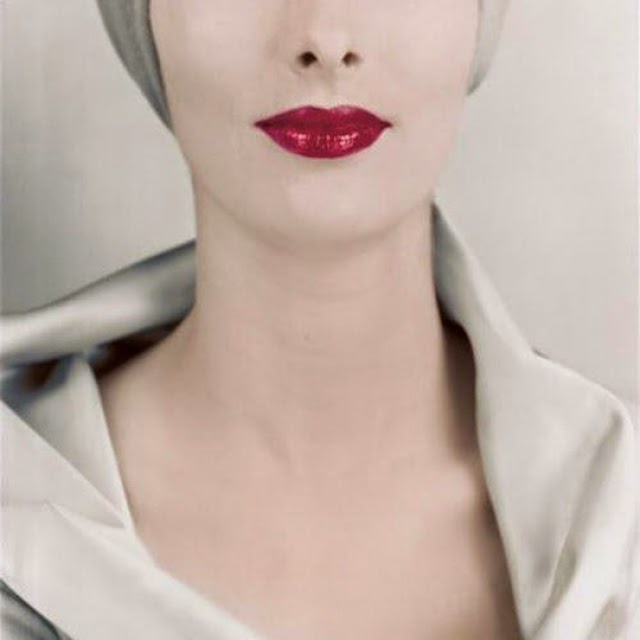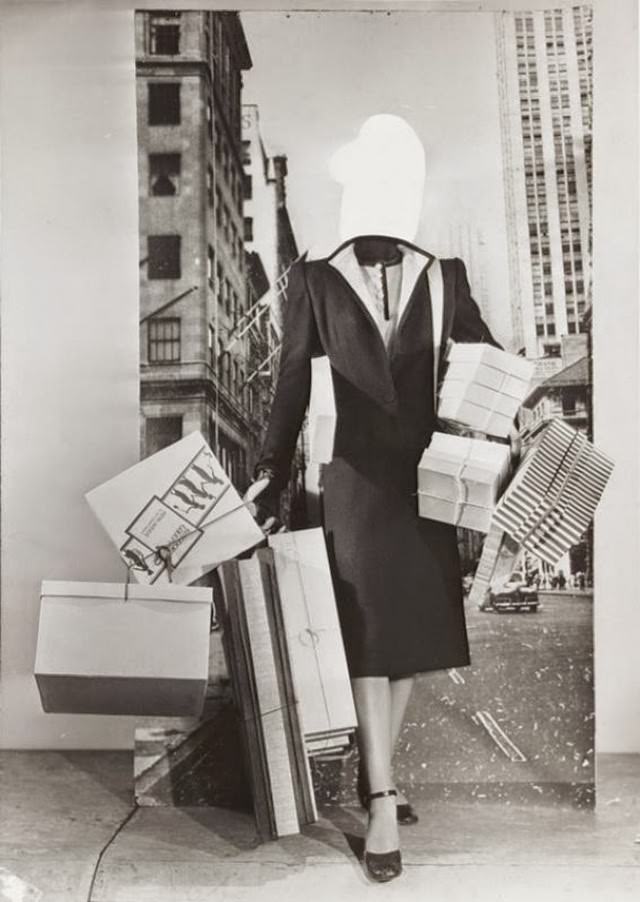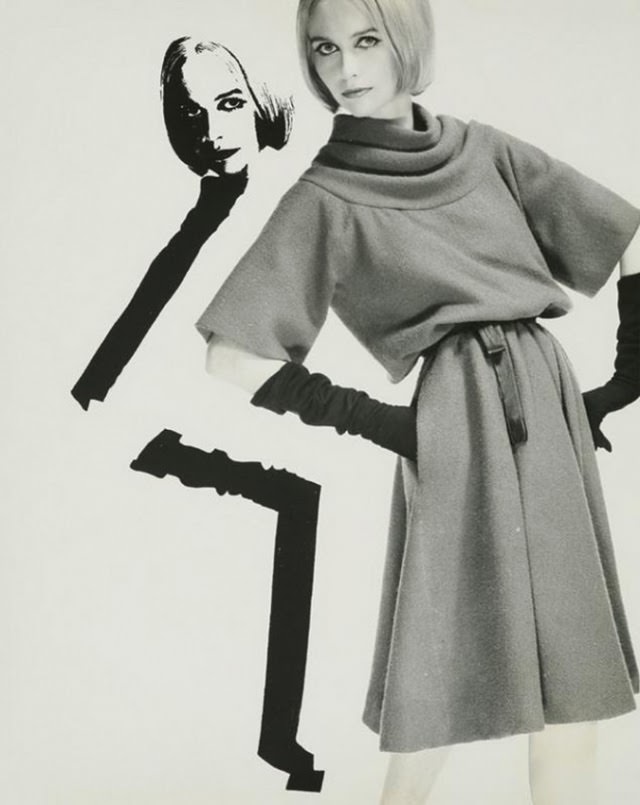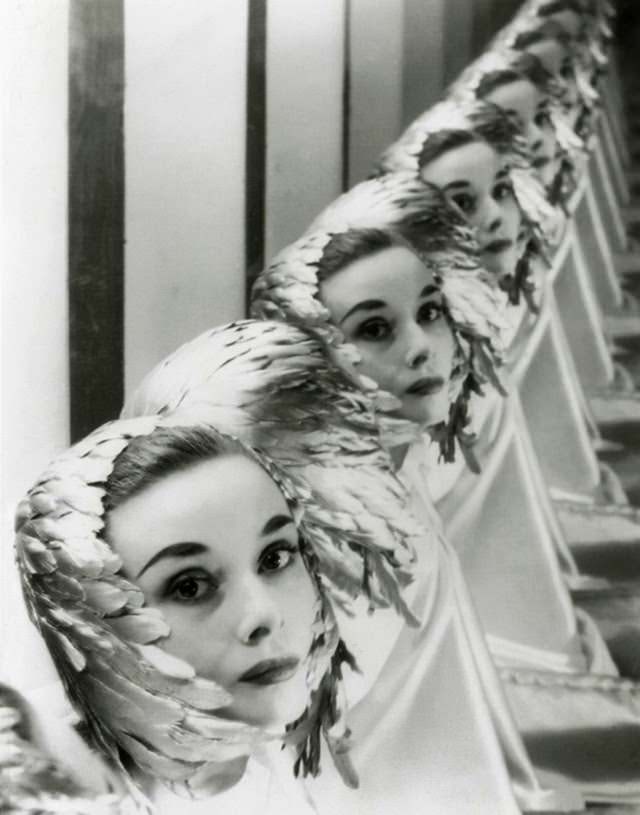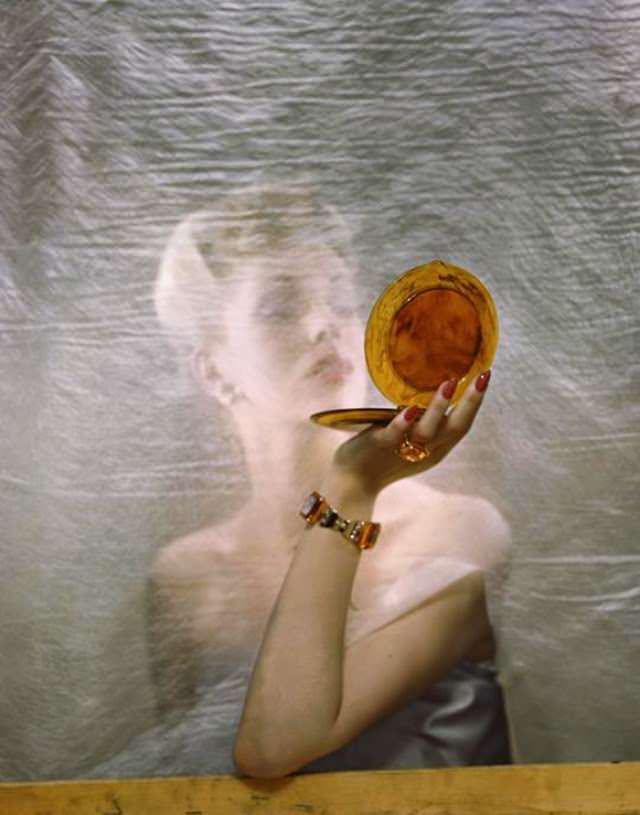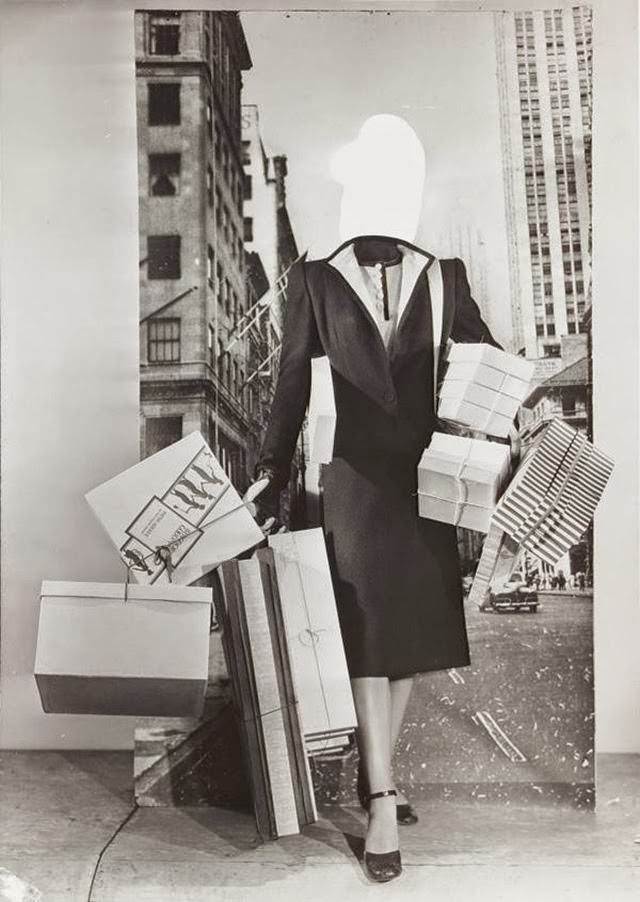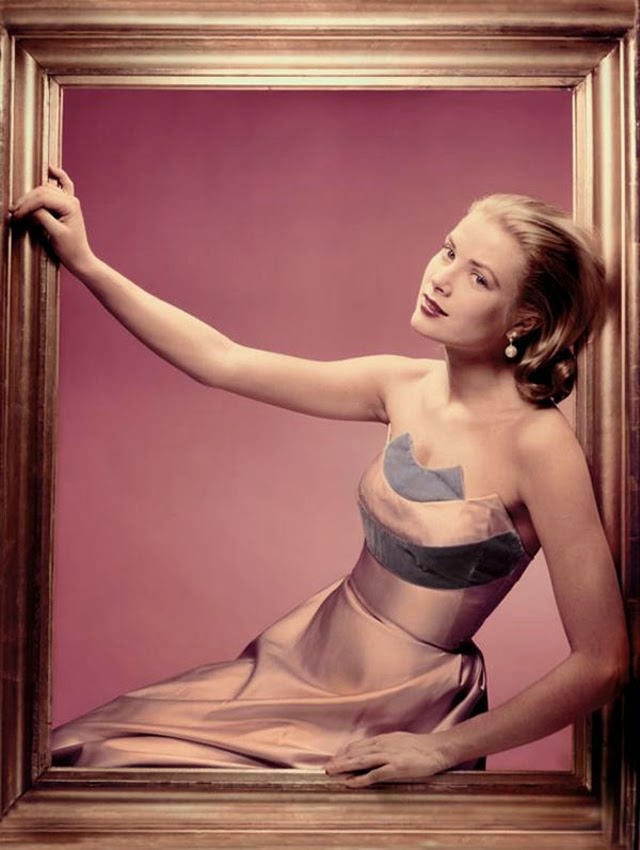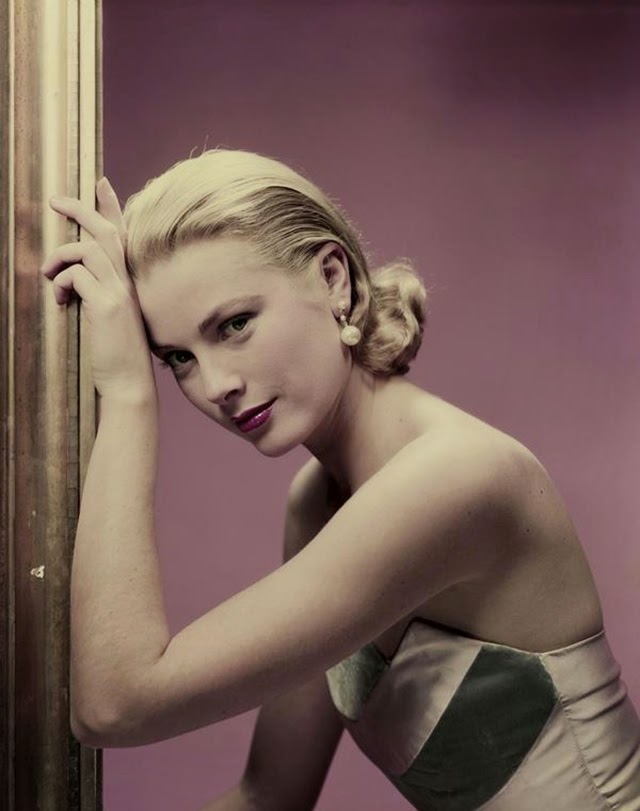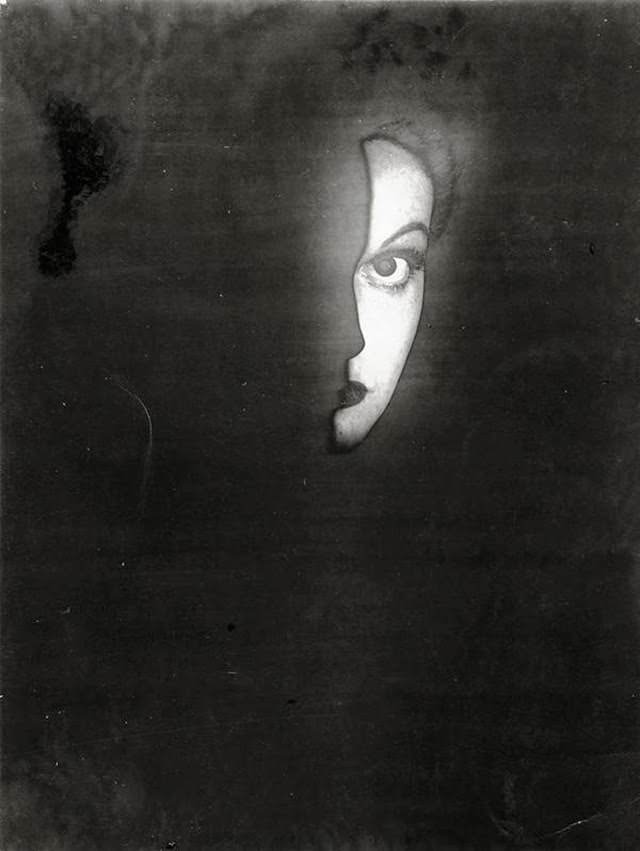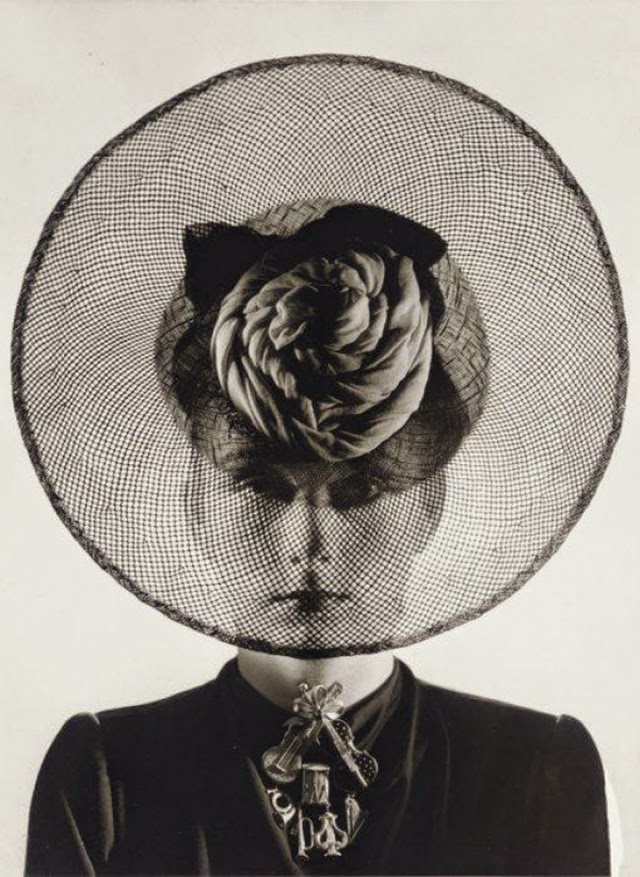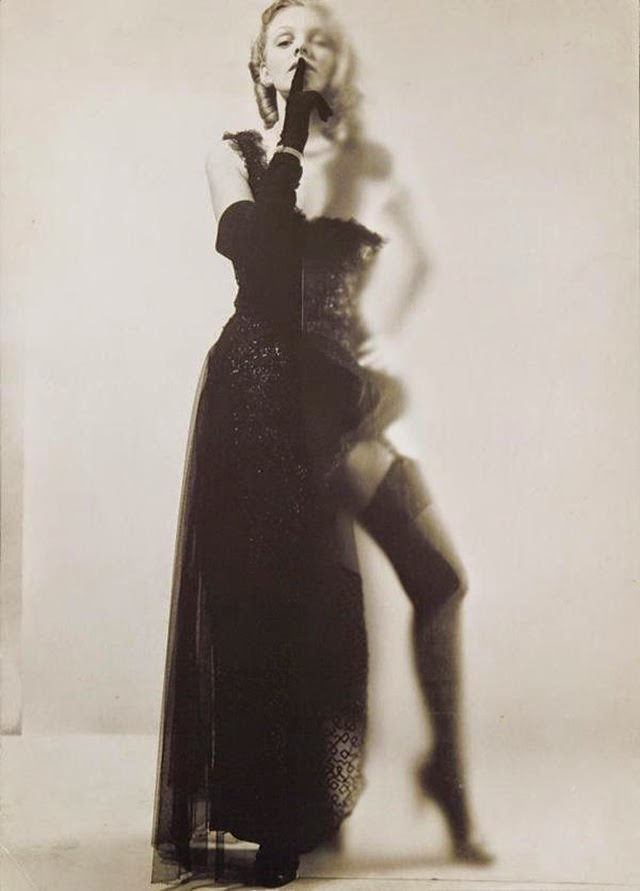

Erwin Blumenfeld didn’t approach fashion photography the way most photographers did. Where others documented clothes, Blumenfeld constructed images. Where others lit their subjects to look natural, he used light as a tool for transformation. By the time he was producing his best work for Vogue and Harper’s Bazaar in the 1940s and 1950s, he had developed a visual language that was entirely his own.
Who He Was
Blumenfeld was born in Berlin in 1897 and spent the early part of his life moving through Europe under difficult circumstances. He worked in Amsterdam, was interned in French concentration camps during World War Two after fleeing Nazi Germany, and eventually made his way to New York in 1941. By the time he arrived in America, he was 44 years old and had already spent decades developing his ideas about photography, art, and the relationship between the two.
New York gave him access to the most important fashion publications in the world. Vogue and Harper’s Bazaar both hired him, and the work he produced for those magazines through the 1940s and 1950s pushed the boundaries of what a fashion photograph was expected to do.
Read more..
How He Shot
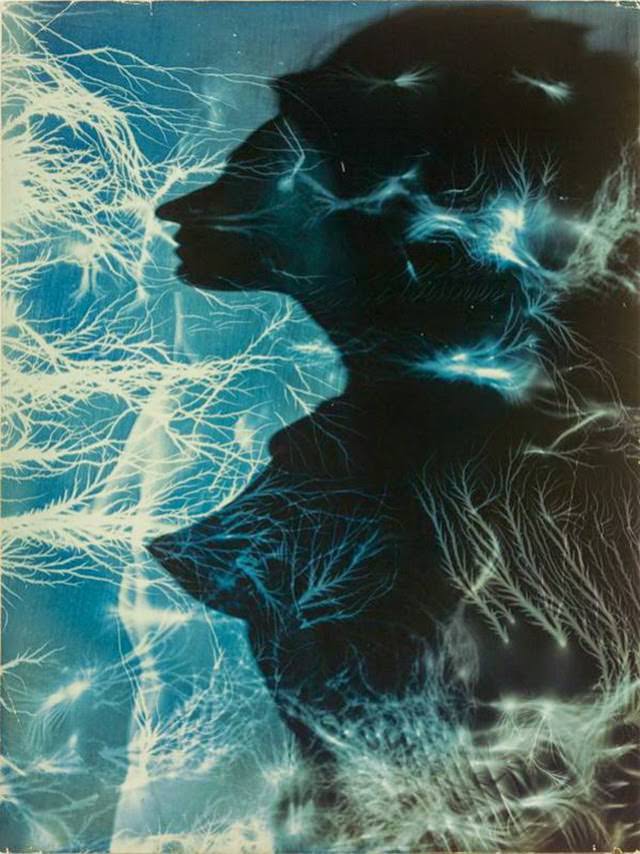
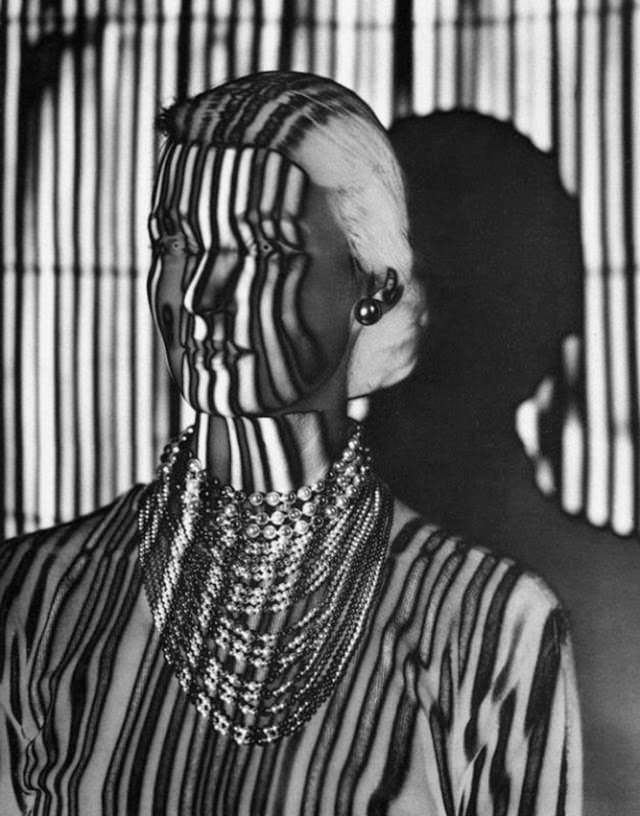
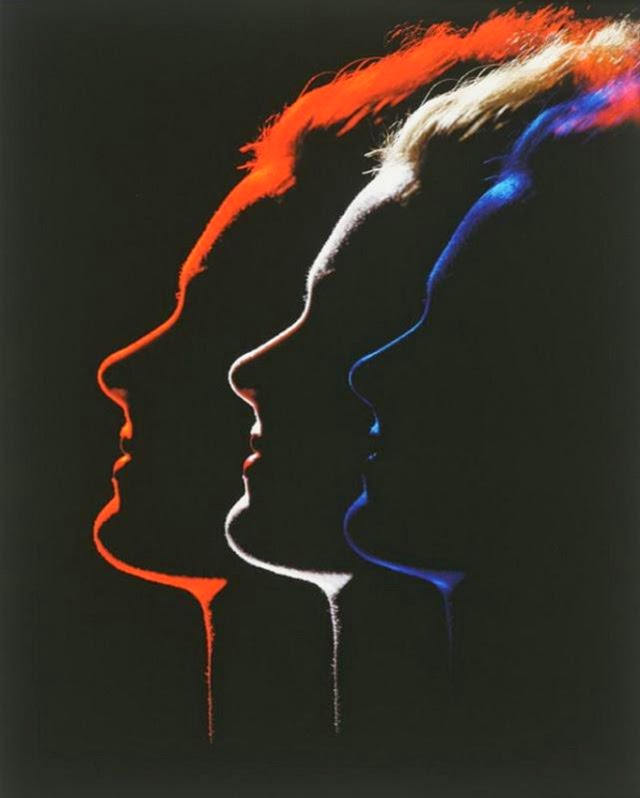
Blumenfeld’s studio was his laboratory. He described working under six two-thousand watt lights, constantly experimenting with what light could reveal, distort, or conceal. He used multiple exposures on a single frame, printing techniques borrowed from the darkroom traditions of fine art photography, colored filters, reflections, and distortion to produce images that looked unlike anything else appearing in American magazines at the time.
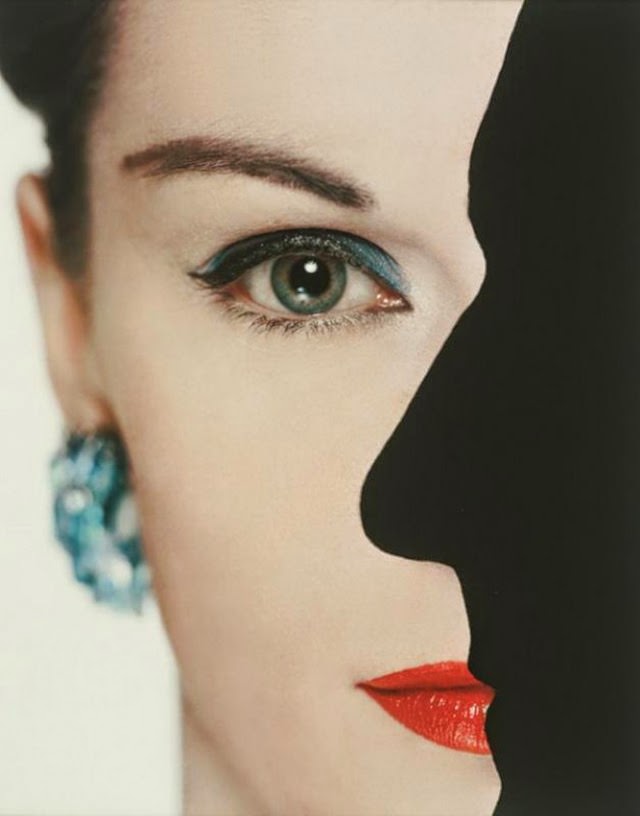
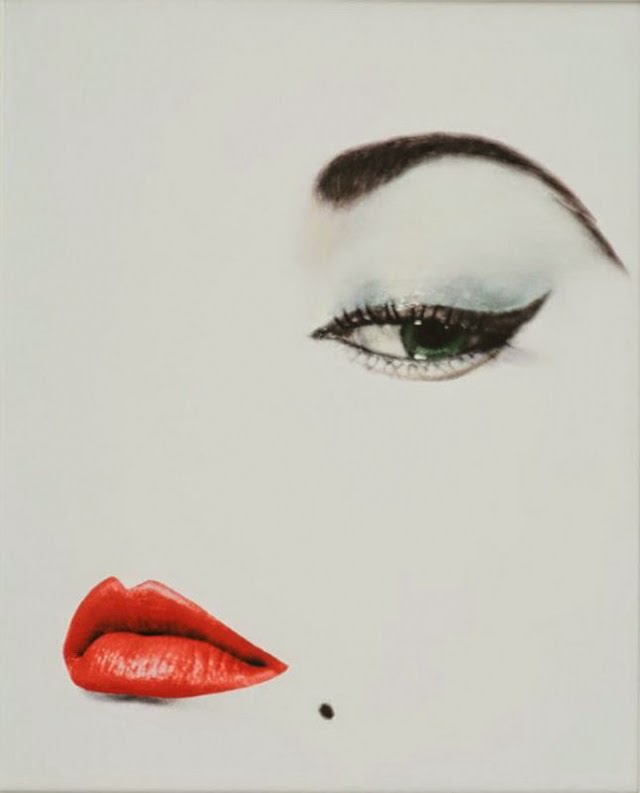
His covers for Vogue were among the most technically complex images the magazine had ever published. A 1950 cover showing a model’s face partially obscured by a red veil required precise darkroom work to achieve the layered, semi-transparent effect Blumenfeld wanted. He rejected straightforward representation in favor of something that forced the viewer to look more carefully.
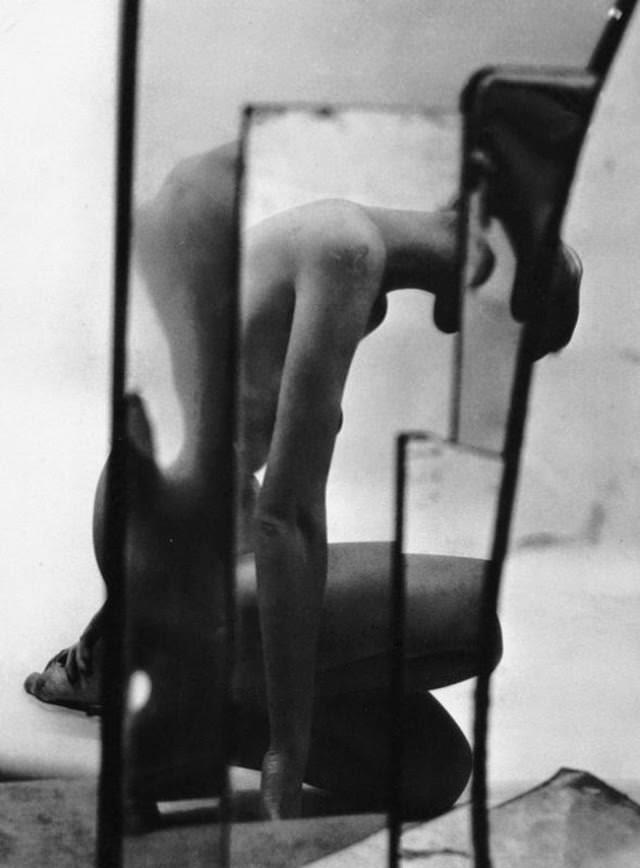
He shot artistic nudes alongside his fashion work throughout this period, treating the human body with the same experimental approach he brought to clothing. The two bodies of work informed each other — his understanding of the body’s form and how light moved across it fed directly into how he photographed draped fabric and structured garments.
What Made His Work Different
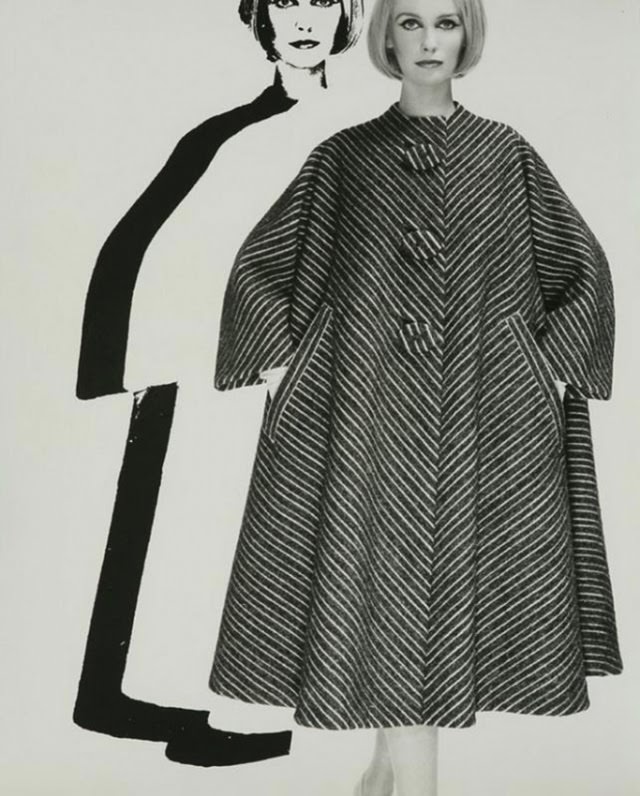
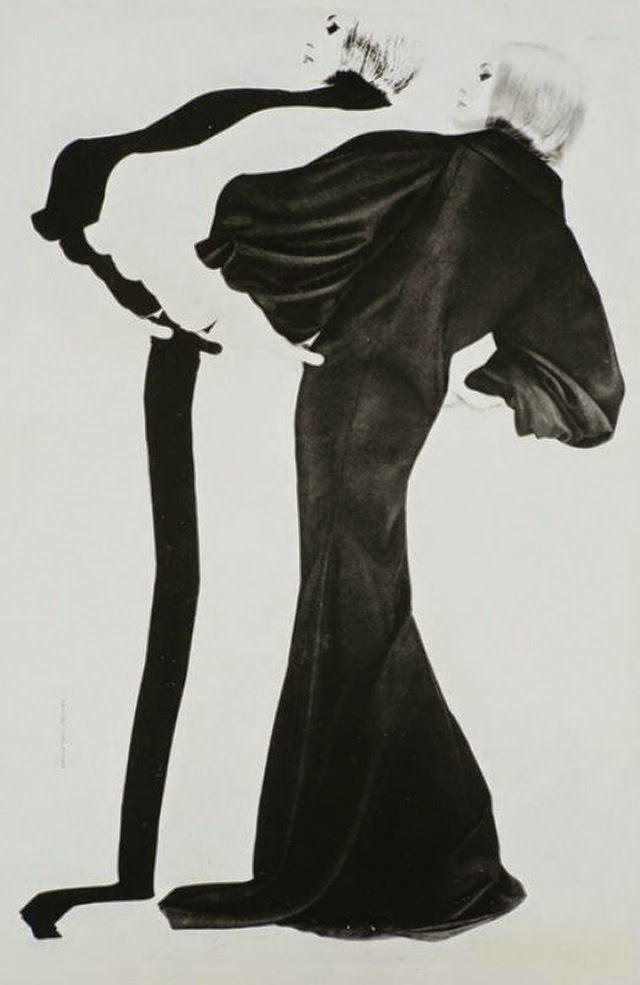
Most fashion photographers of the 1940s worked within a clear set of conventions. The model faced the camera. The clothes were visible and clearly lit. The setting supported the garment without distracting from it. Blumenfeld broke all of these conventions systematically.
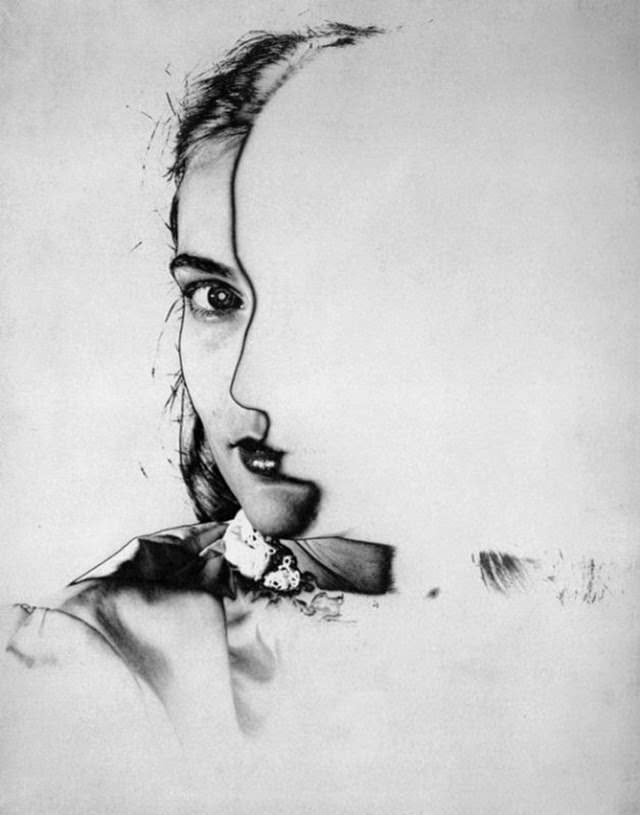
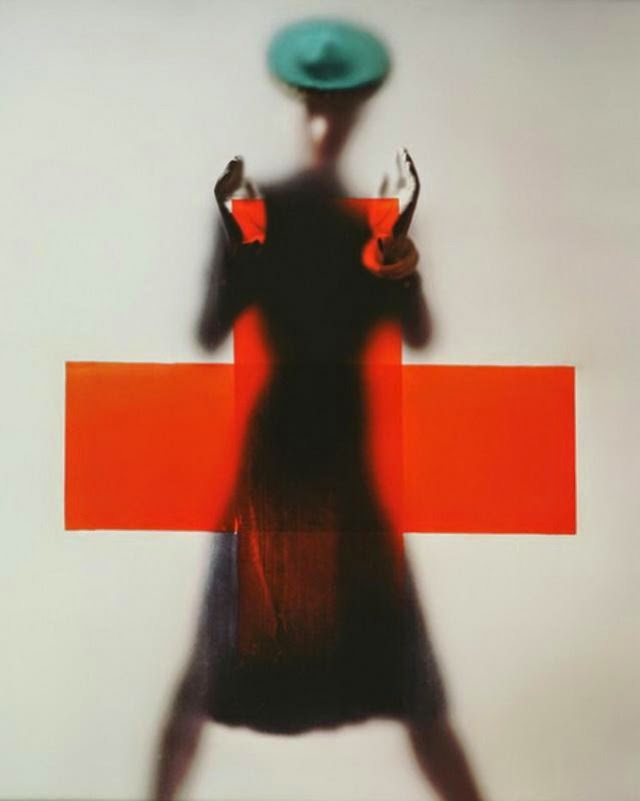
He photographed models in partial silhouette, obscured faces behind veils and reflections, and used double exposure to layer one image on top of another within a single frame. He solarized prints in the darkroom — a technique that partially reverses the tones in an image, producing an otherworldly effect that sits somewhere between a photograph and a graphic illustration.
His 1945 Vogue cover of a model in a red dress against a white background is one of the most reproduced fashion photographs of the entire decade. The image works through pure graphic simplicity — the contrast between the red dress and the white space so stark and deliberate that it reads more like a painting than a photograph.
The Studio as Workspace
Blumenfeld’s own description of his working process reveals how seriously he took the technical side of his craft. He spoke of balancing between extremes, of trying to shake loose the real from the unreal, of penetrating into unknown transparencies. This wasn’t poetic language for its own sake — it described an actual working method built on constant experimentation.
He spent long hours in his darkroom developing and manipulating prints, treating the post-shoot process as equally important as the shoot itself. Many of his most striking effects were achieved not in the studio but in the darkroom afterward, through techniques he had developed and refined over decades of practice.
By the mid-1950s, Blumenfeld had produced more Vogue covers than almost any other photographer working for the magazine. His images had appeared on over one hundred covers across Vogue and Cosmopolitan combined. Each one represented a specific technical and artistic decision — nothing in his work happened by accident or by following convention.
He continued working until his death in Rome in 1969, producing photographs across four decades that consistently treated the camera as an instrument for creating something new rather than simply recording what was already there. His influence on fashion photography extended well beyond the publications he worked for, shaping how subsequent generations of photographers understood what the medium was capable of.