
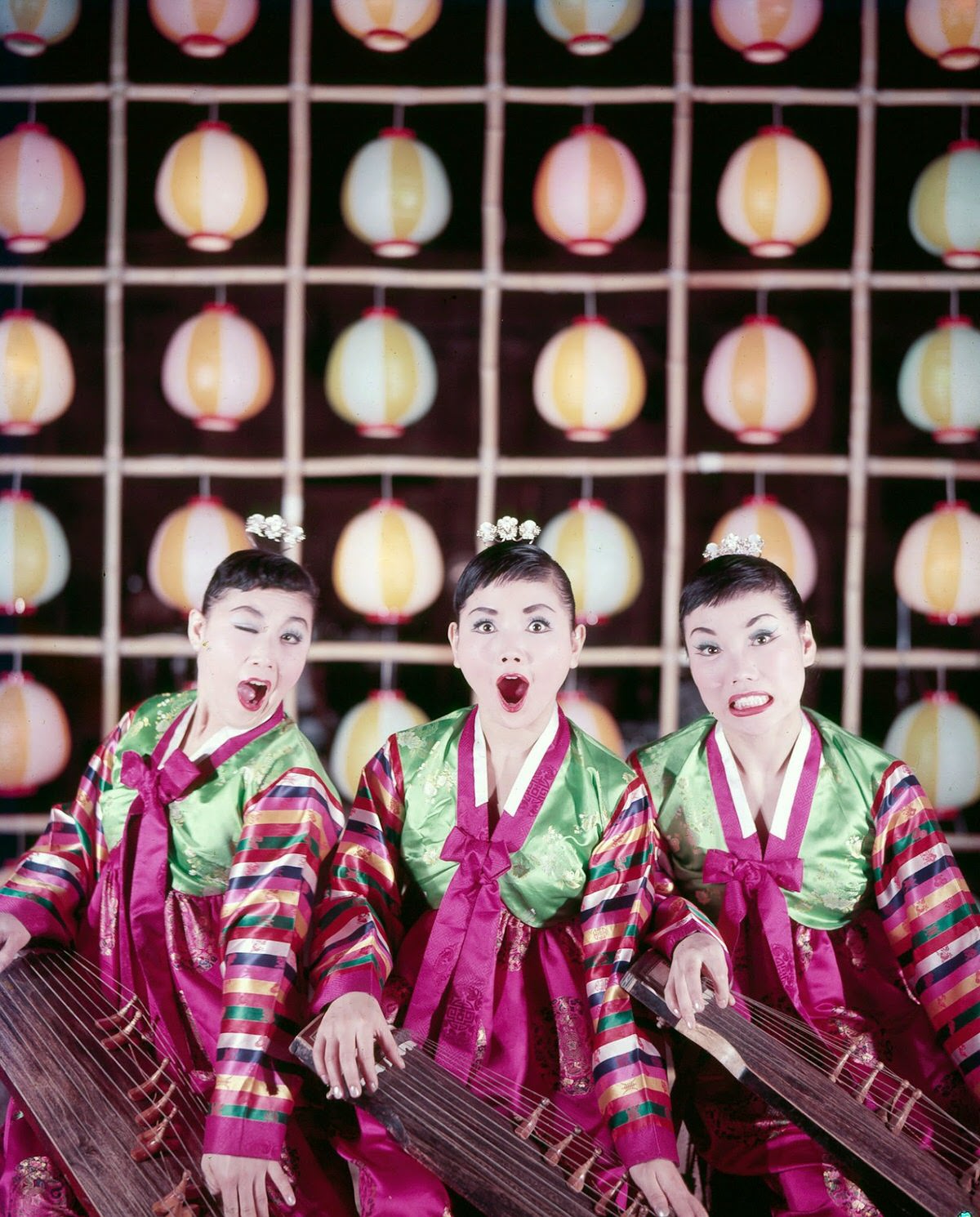
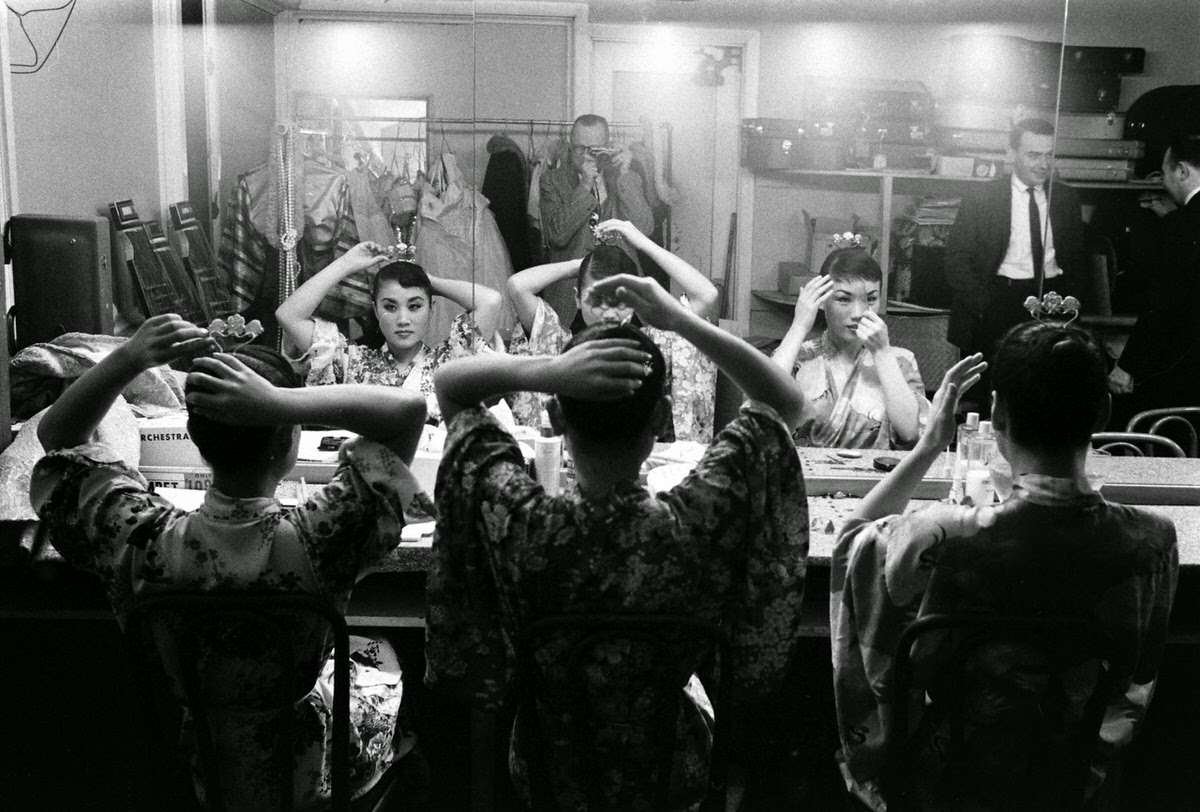
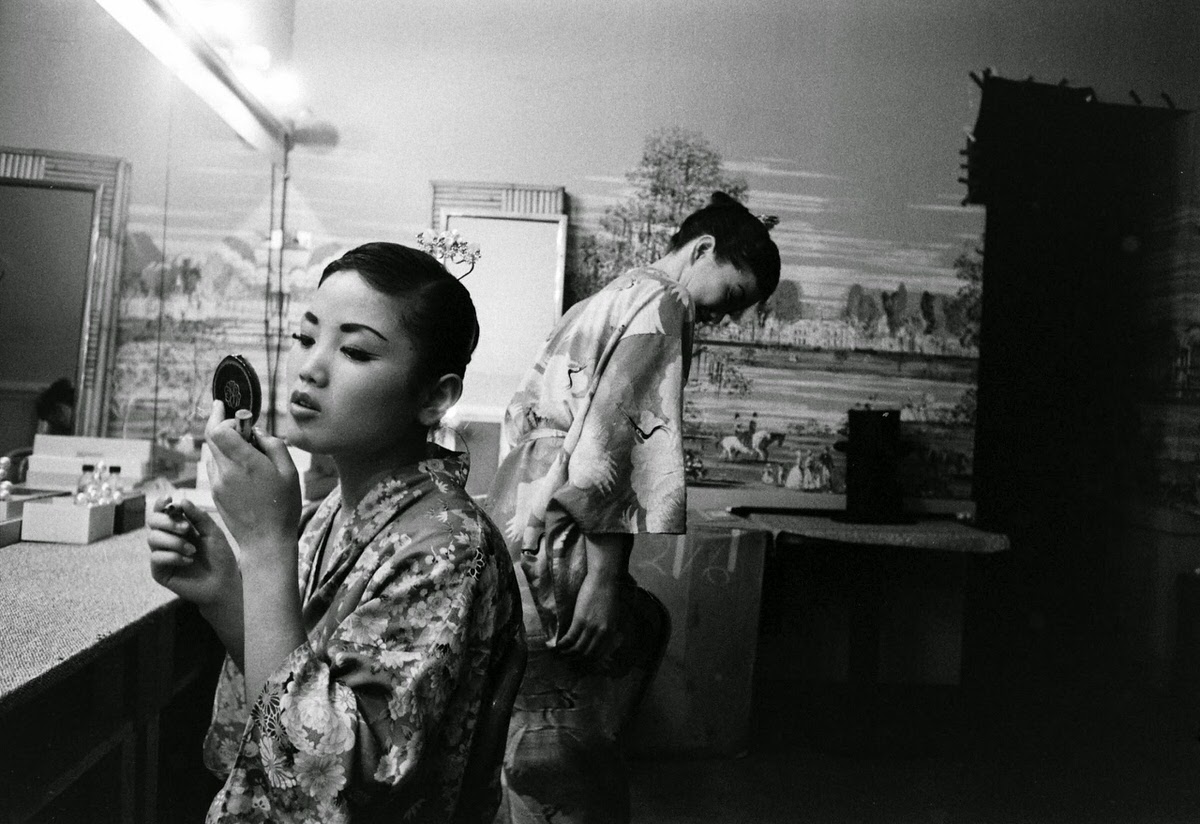
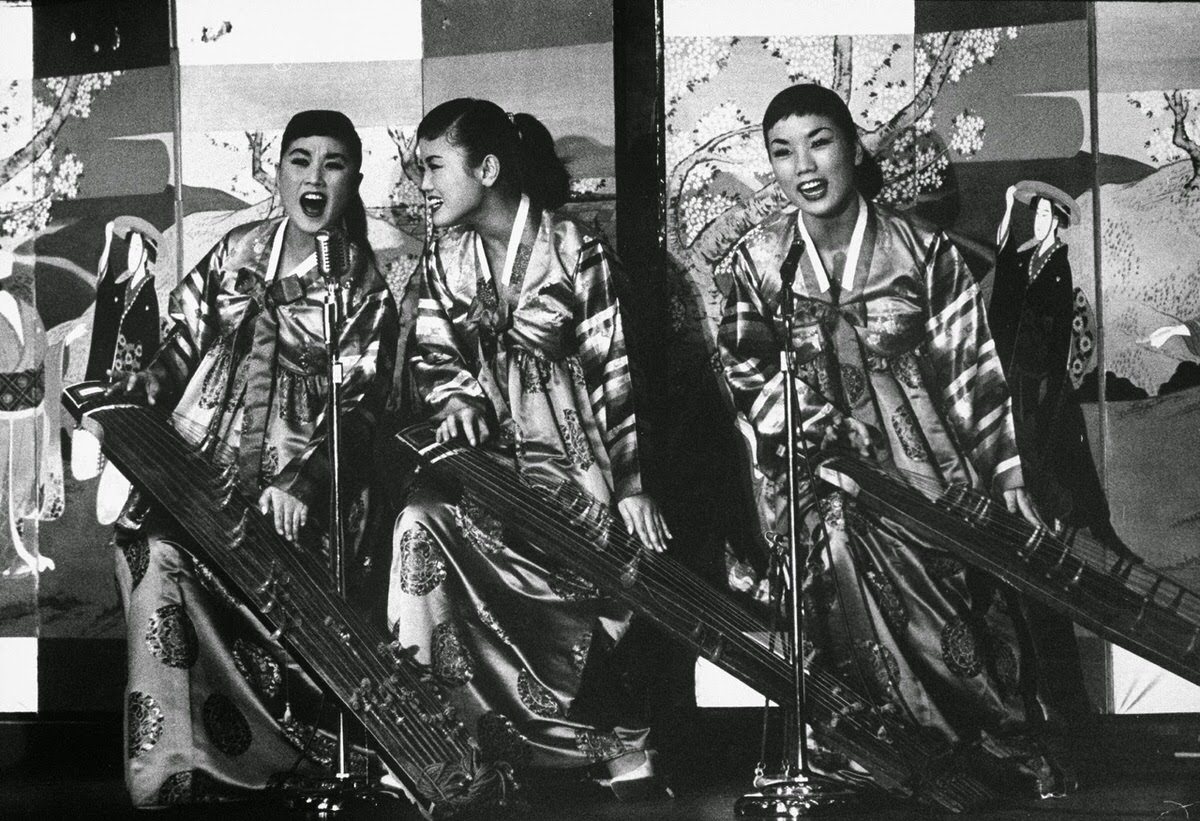
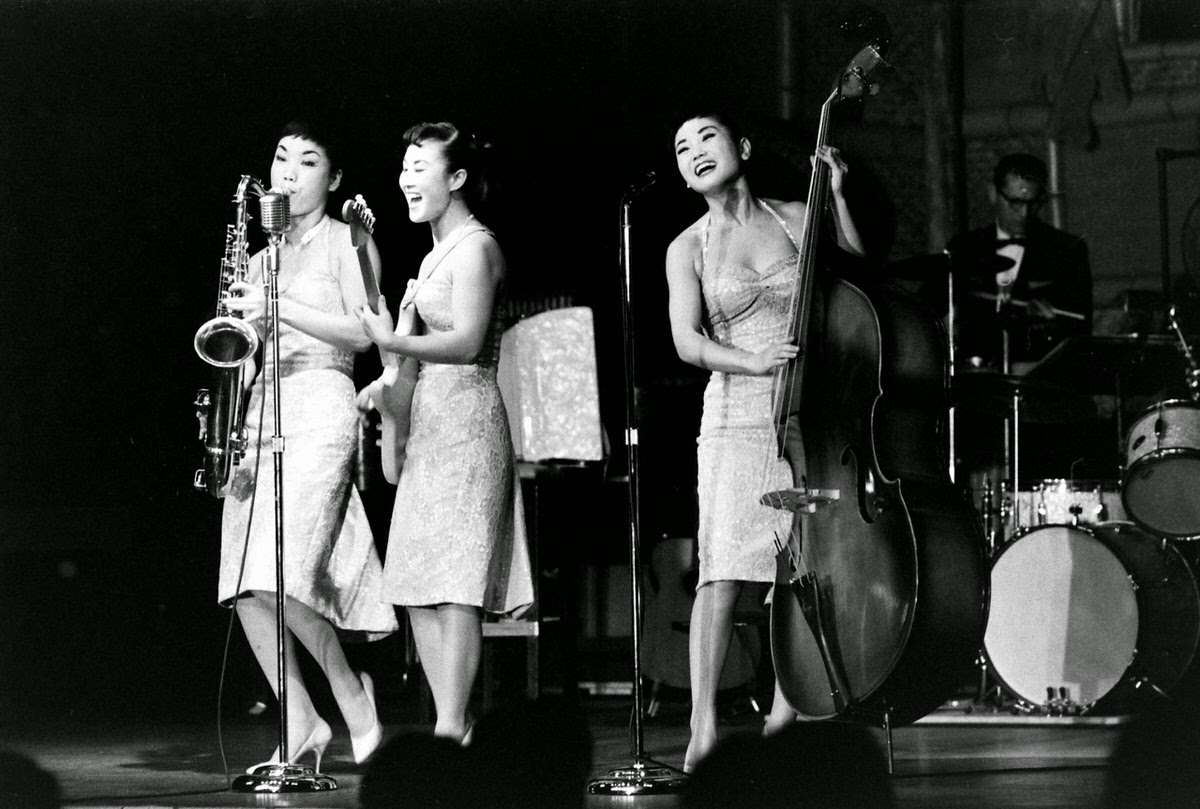
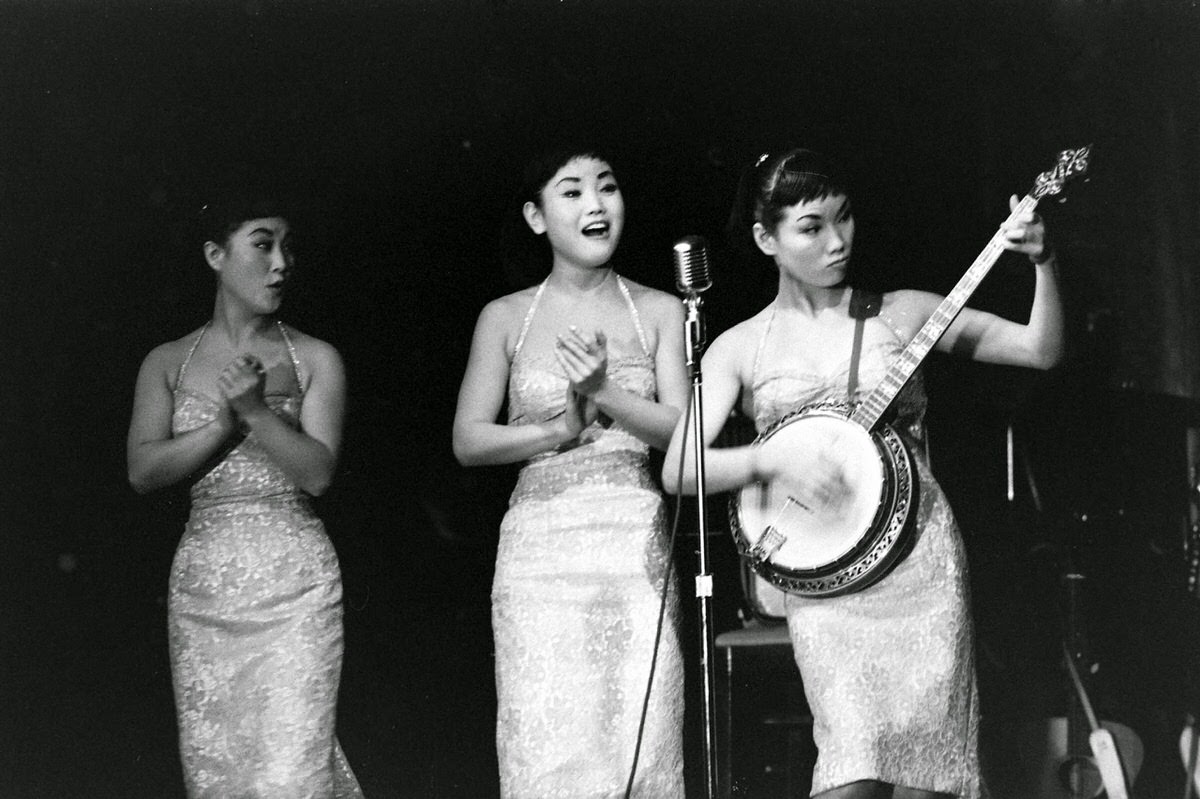
In 1960, three young Korean women were performing on the Las Vegas Strip, playing over two dozen instruments between them, singing in English with near-perfect accents, and appearing on the most watched variety show in America. Their names were Sue, Aija, and Mia Kim, and almost nobody in the United States had seen anything like them before.
Who They Were
Sue and Aija were sisters, two of seven children born to Kim Hae-song, a music conductor, and Lee Nan-young, one of Korea’s most celebrated singers before the Korean War. Their mother was famous across Korea, best known for her song “The Tears of Mokpo.” Music was not something the family did on the side — it was the center of their entire lives. The third member, Mia, was their cousin. Her father, Lee Bong-ryong, was also a musician. All three girls grew up surrounded by professional performers and started training early.
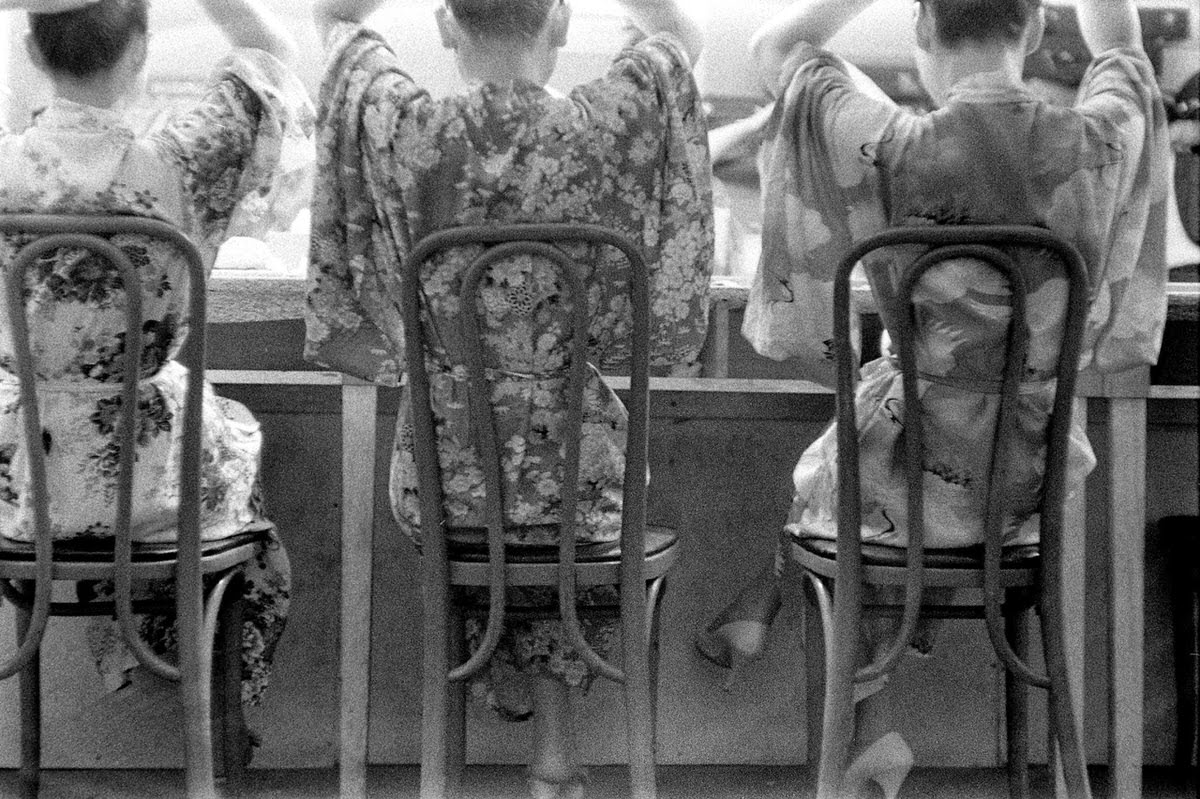
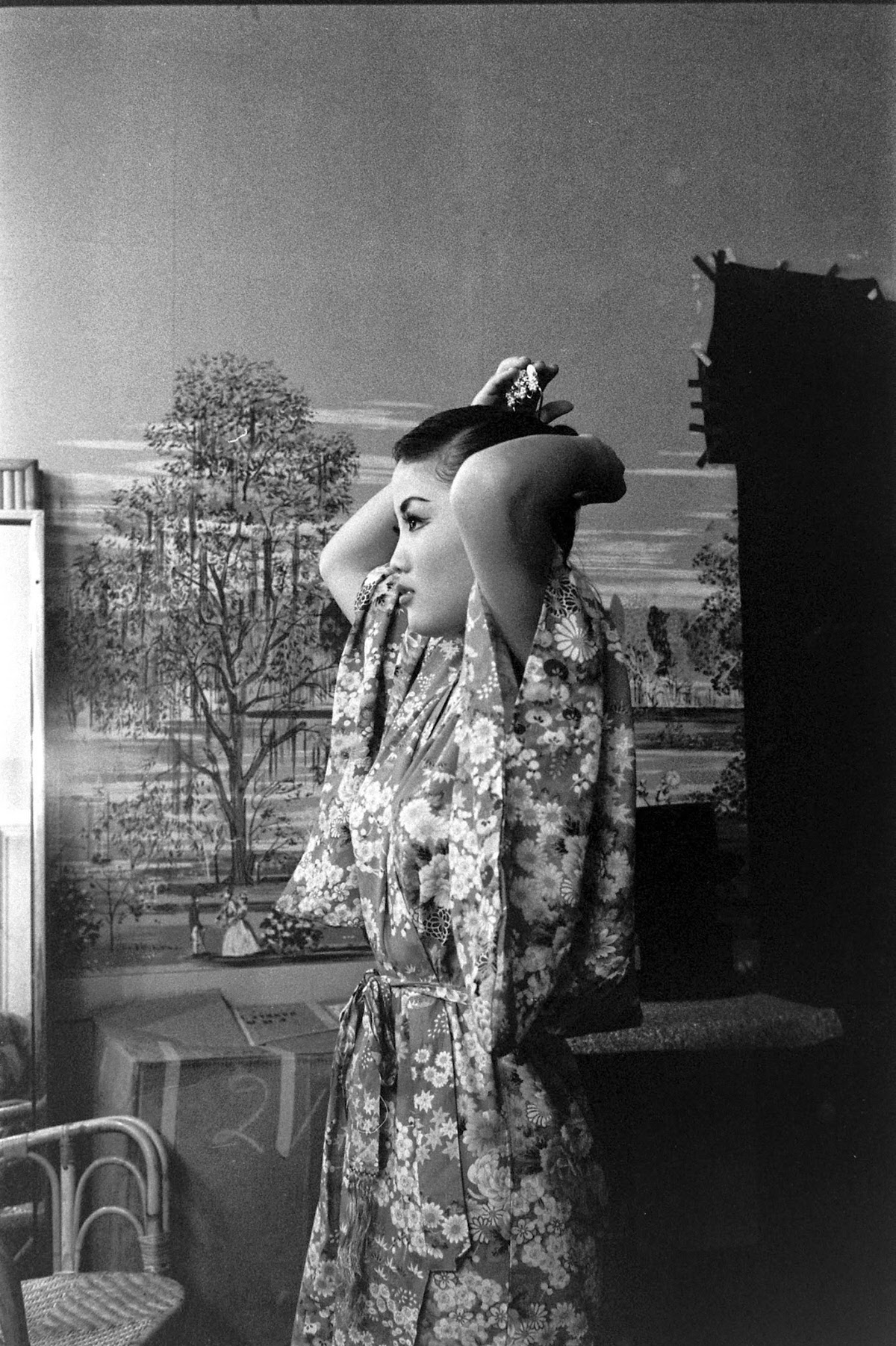
The Korean War destroyed much of what their family had built. In the years after the conflict, Sue, Aija, and Mia began performing for U.S. military audiences stationed in South Korea. They learned American pop songs phonetically at first, then properly. They studied English, picked up instruments, and built a stage show that was tight, polished, and genuinely impressive.
Read more..
Landing in Las Vegas
The Kim Sisters arrived in Las Vegas in 1959 and were booked to perform at the Thunderbird Hotel as part of a show producer Tom Ball organized featuring Asian artists. Their performances at the Thunderbird drew strong crowds and serious attention. The hotel’s audiences were sophisticated and demanding, and the sisters delivered every night.
That success moved them to the Stardust, one of the most prominent venues on the Strip. It was there that Ed Sullivan saw them perform. Sullivan was the gatekeeper of mainstream American entertainment at the time, and a spot on his show meant national exposure to tens of millions of viewers. He invited the Kim Sisters to appear.
Twenty-Two Times on Ed Sullivan
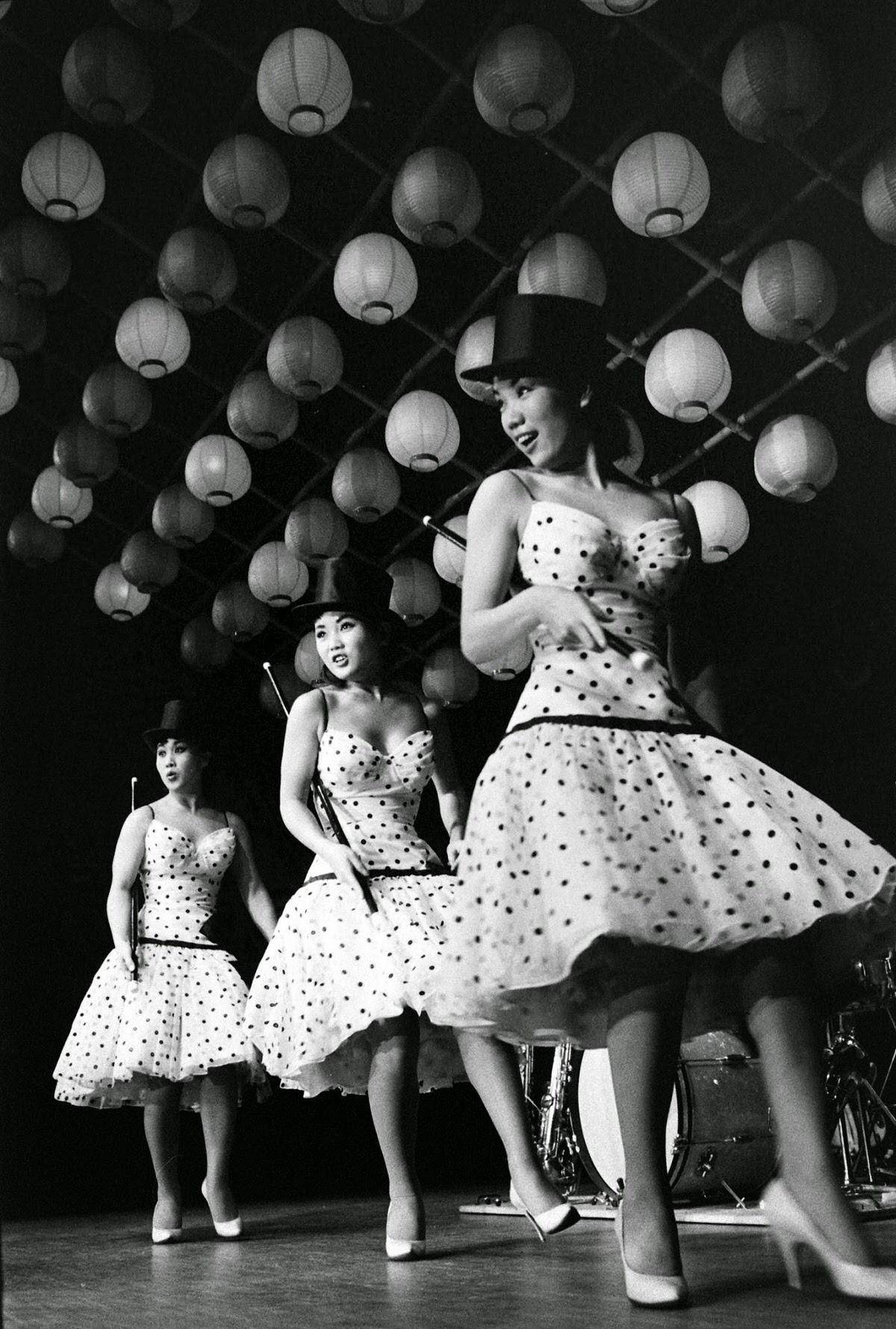
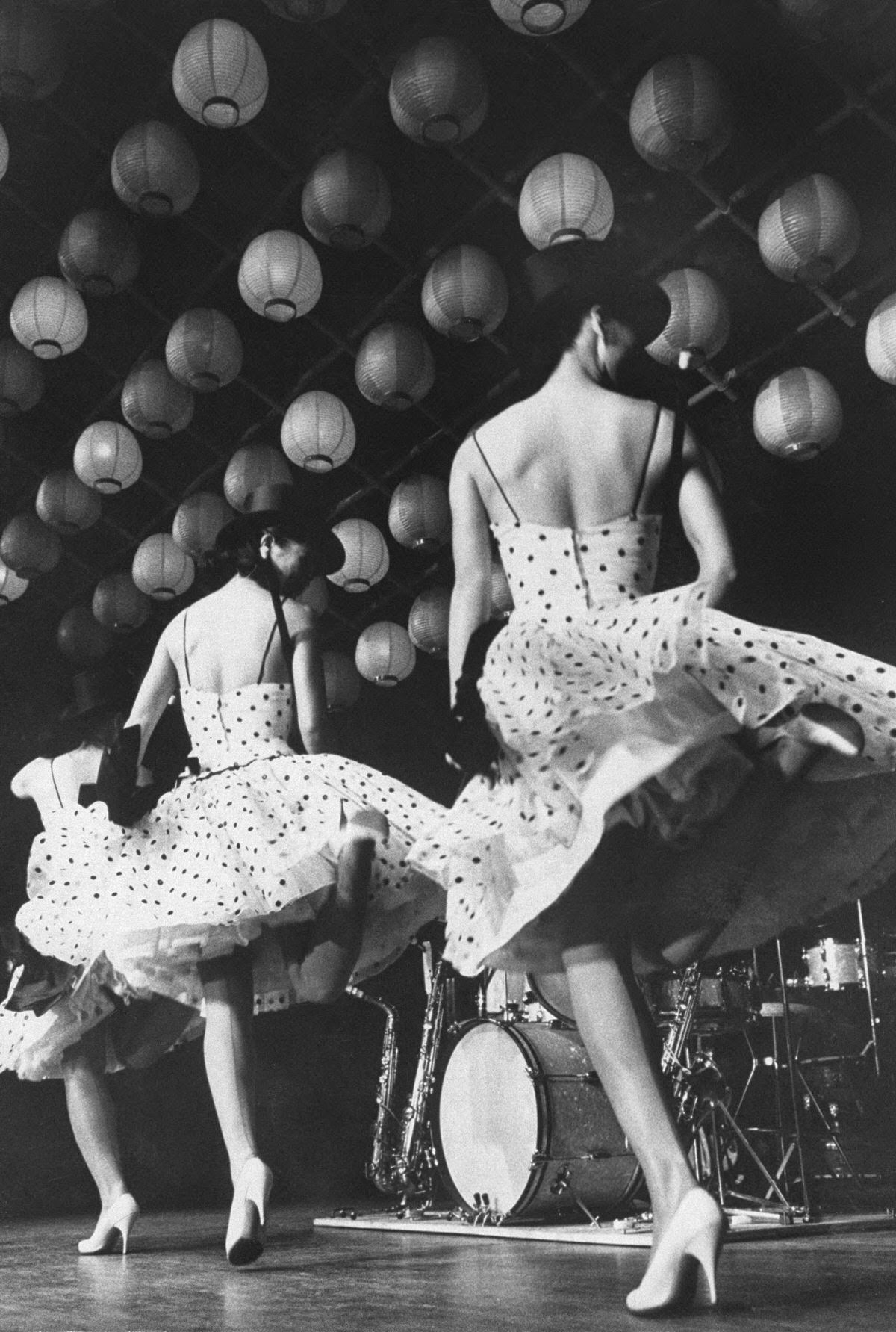
The Kim Sisters performed on The Ed Sullivan Show more than 22 times. That number puts them among the most frequently booked acts in the show’s history. Each appearance required something fresh — a new arrangement, a different set of instruments, a costume change that matched the energy of the number.
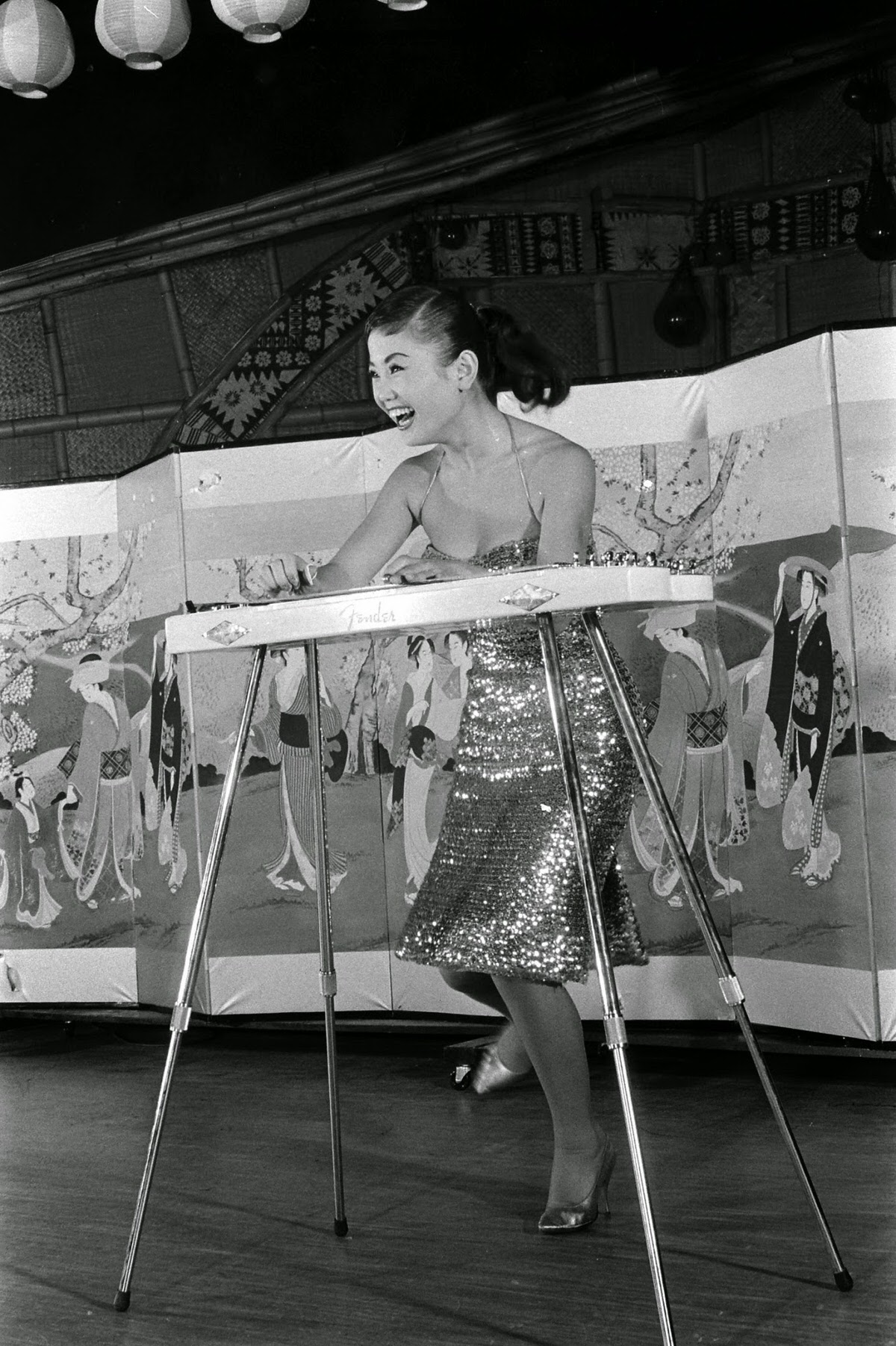
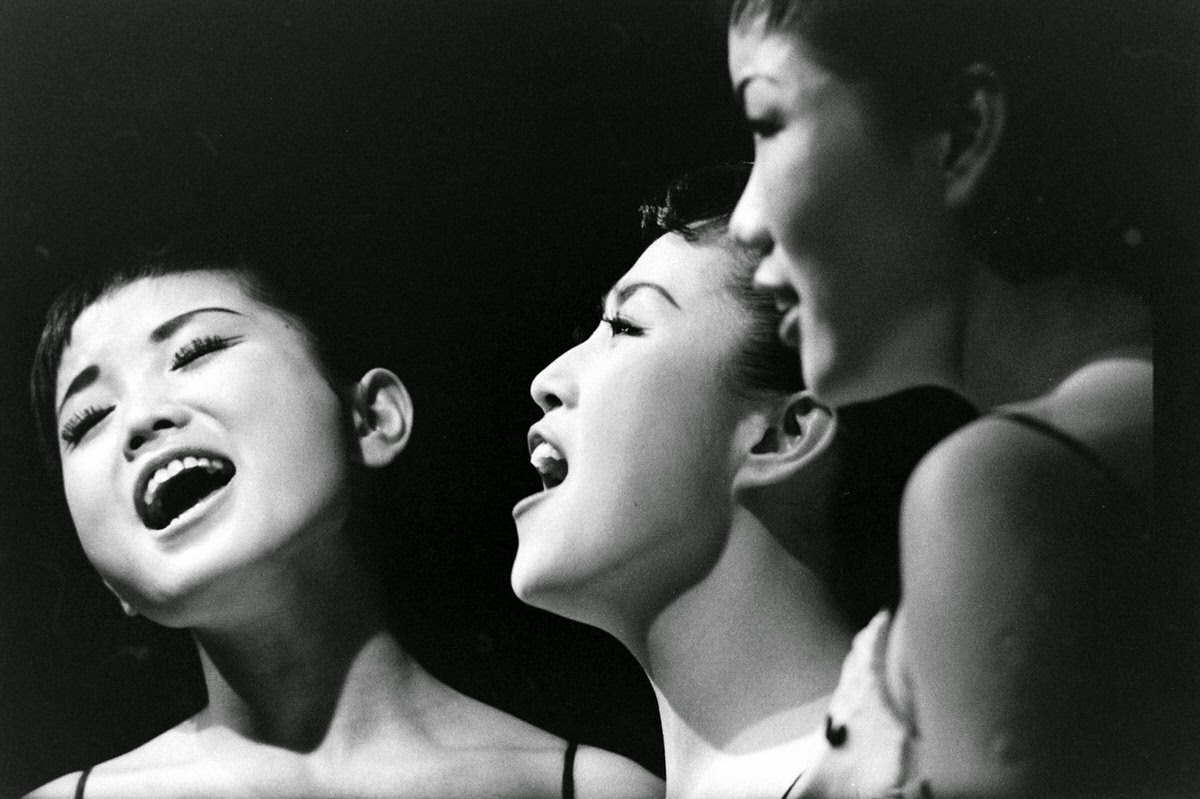
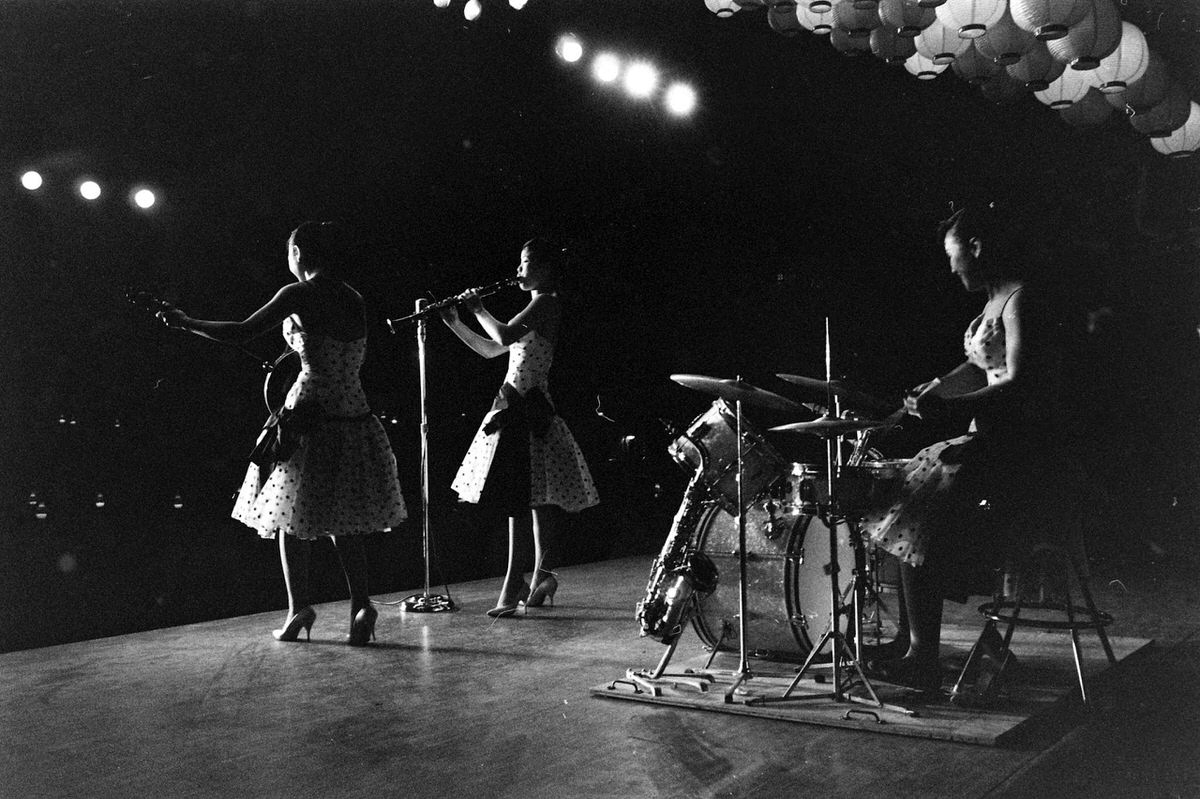
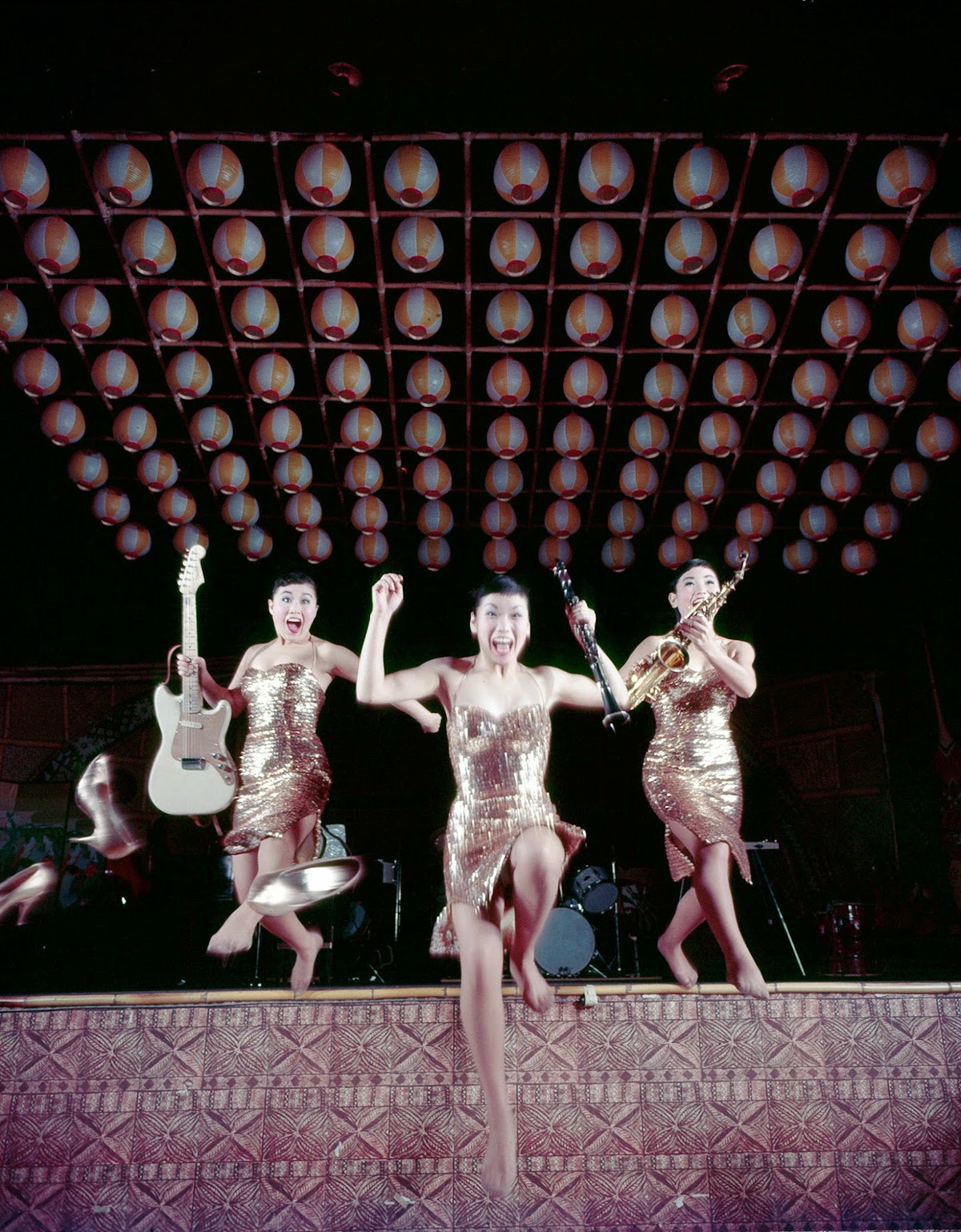
The trio played a remarkable range of instruments across their performances. Guitars, trumpets, drums, and more appeared in their sets. They sang in tight harmony, switched instruments mid-show, and moved across the stage with the confidence of performers who had been working professionally since their early teens.
For American audiences in 1960, the Kim Sisters were genuinely new. Korean performers were not part of mainstream U.S. entertainment at that point. The sisters didn’t arrive as a novelty act — they arrived as a fully formed, technically skilled group who had put in years of work before they ever set foot in Nevada.
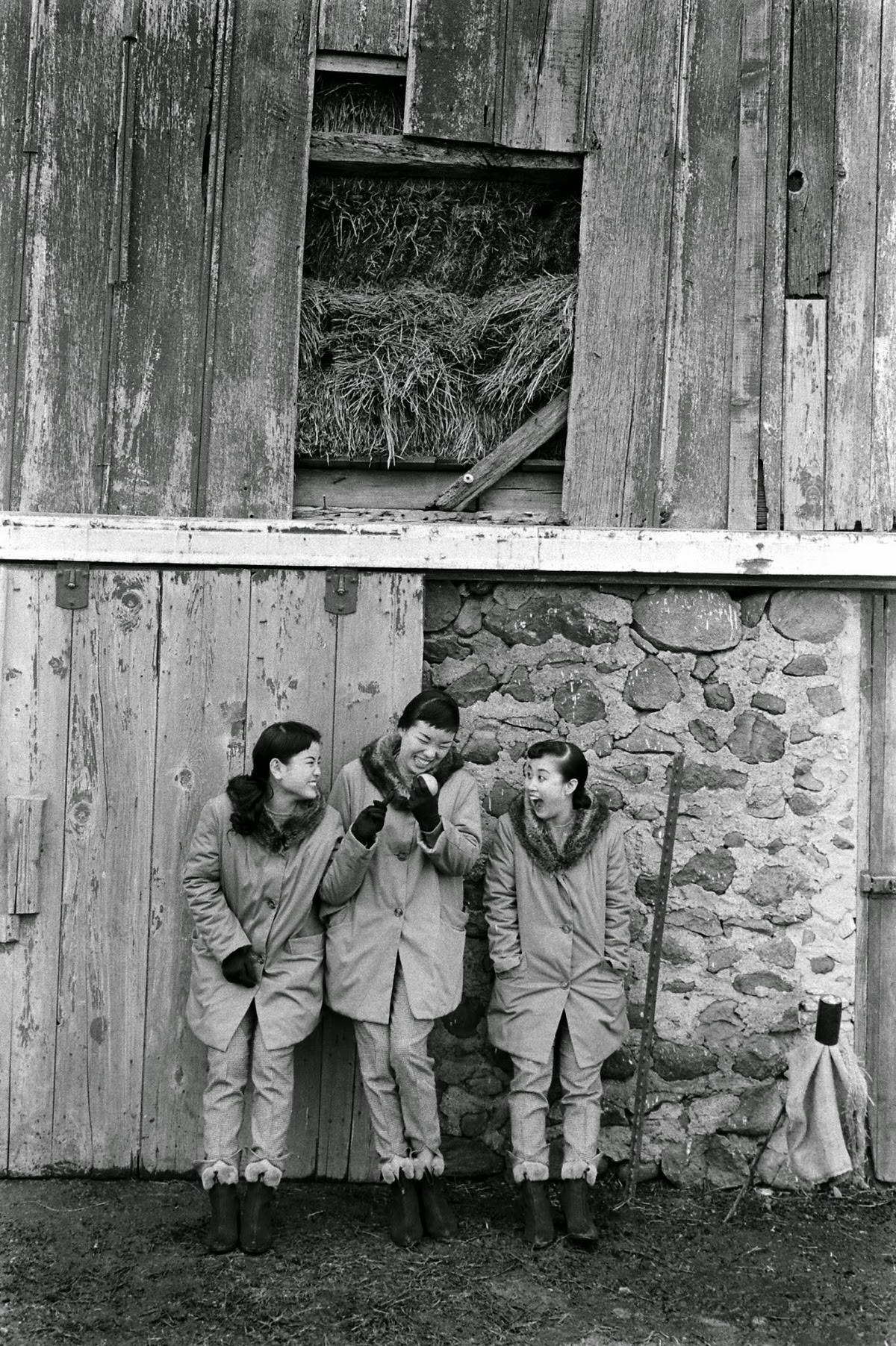
![On A Sleigh, The Three Kim Sisters Start Off For A Horse-Drawn Tour Of [Their Manager'S Mother'S] Snow-Covered Illinois Farm. From The Left Are Sook Ja, Ai Ja, And Min Ja.](https://vintageshowbiz.com/wp-content/uploads/2026/05/Kim_Sisters_1960_15.jpg)